11 Best Ways To Travel To Scotland From The USA (Flights, Routes & Tips)
Planning a trip to Scotland? See the 11 best ways to travel from the USA, with flight options, routes, costs, and practical tips to choose the right path.
Author:Callum FraserFeb 11, 202657.8K Shares771.9K Views
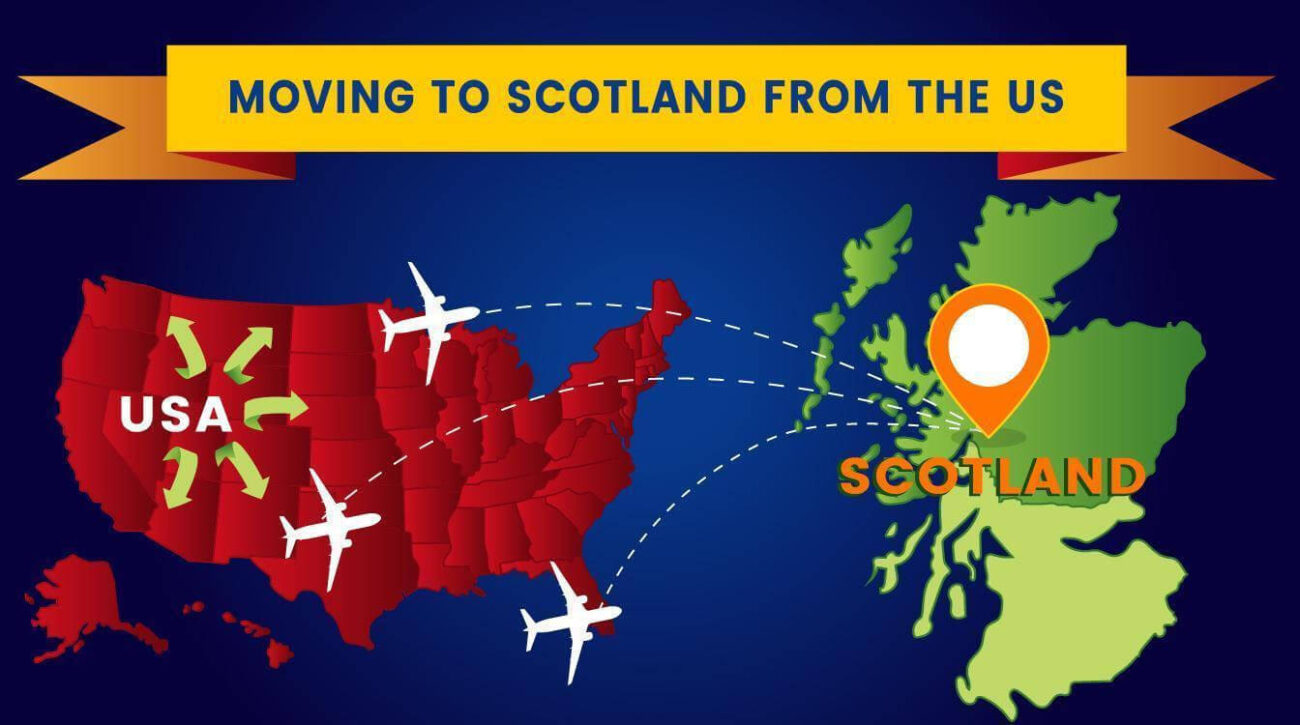
Best Ways To Travel To Scotland From The USA In 2026
Traveling from the United States to Scotland is easier than it may seem, but the variety of routes and flight options can feel overwhelming. Choosing between direct flights, connecting routes, or multi-city journeys affects cost, traveltime, and how comfortable the trip will be from the start. Making the right choice early can save money, reduce stress, and set the tone for a great visit.
Scotland draws visitors with historic castles, dramatic landscapes, and lively cities like Edinburgh and Glasgow. Understanding flight routes, entry rules, and travel strategies is key for a smooth journey. This guide highlights the best ways to travel to Scotland from USA, covering everything from direct flights to connecting routes and alternative options that can save time or money.
In 2026, these tips can help you plan efficiently and enjoy the journey, not just the destination.
1. Flying Directly From The USA To Scotland
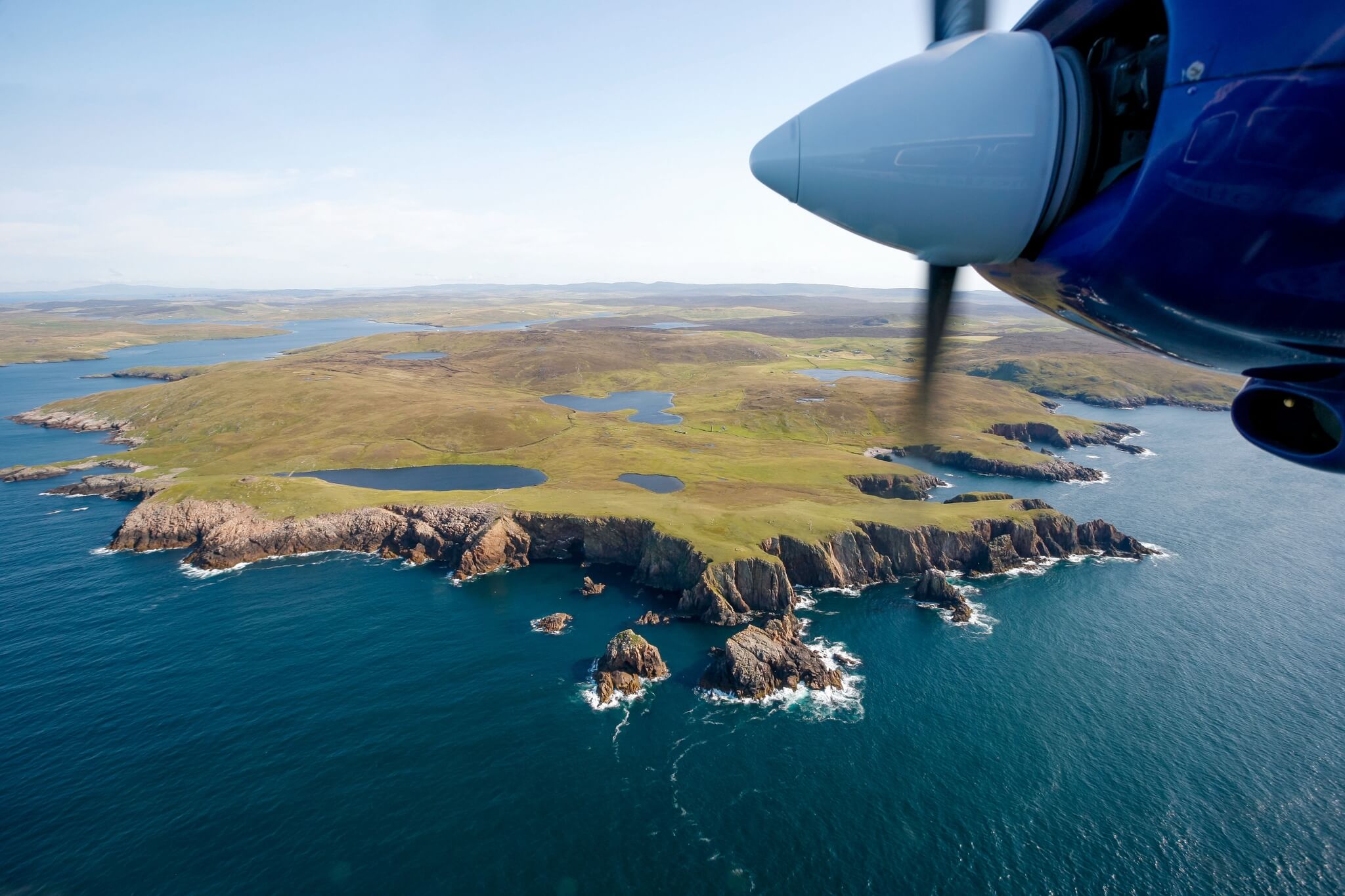
Flying nonstop is the fastest and most straightforward way to travel from the United States to Scotland. Direct flights eliminate the need for layovers, extra security checks, and airport changes, making the journey feel far less tiring. Most nonstop flights from the USA arrive at Edinburgh Airport (EDI) or Glasgow Airport(GLA), the two main international airports in Scotland.
Direct flights are especially helpful for travelers who want to arrive rested or who have limited vacation time. However, they are not available from every U.S. city and often depend on the time of year.
U.S. Cities With Direct Flights To Scotland
Direct flights from the USA to Scotland are limited and mostly seasonal, with more options available during spring, summer, and early autumn. Airlines usually focus these routes on major travel hubs where demand is highest.
Common U.S. Departure Cities Include:
- New York
- Boston
- Chicago
- Atlanta
- Washington, D.C.
These routes may operate only a few times per week and can change each year. Travelers should always check schedules early, especially when planning trips outside the peak travel season.
Advantages Of Flying Directly To Scotland
Nonstop flights offer several clear benefits, particularly for comfort and time savings:
- Shorter total travel time, often saving several hours
- No layovers, reducing stress and physical fatigue
- Lower chance of delays or missed connections
- Simpler arrival process, with only one border check
Direct flights are a strong choice for first-time visitors, families, and anyone who prefers a smoother travel experience.
Disadvantages Of Direct Flights
Despite the convenience, nonstop flights also come with important downsides:
- Higher ticket prices, especially during peak seasons
- Limited departure cities, requiring extra domestic flights for some travelers
- Fewer flight times, reducing flexibility when planning
For many travelers, the extra cost of a direct flight is the trade-off for comfort and speed. Those with flexible schedules or tighter budgets may find connecting flights more practical.
2. Connecting Flights From The USA To Scotland

Connecting flights are the most common and flexible way to travel from the United States to Scotland. Instead of flying nonstop, these routes include one or sometimes two stops before reaching Scotland. Most travelers using this option still arrive at Edinburgh Airport (EDI) or Glasgow Airport (GLA).
While connecting flights take longer than direct routes, they often provide more choices, lower prices, and better availability throughout the year. For many travelers, this option offers the best balance between cost and convenience.
Common Layover Cities For Flights To Scotland
Connecting flights usually pass through large international airports that serve as airline hubs. These airports handle a high volume of transatlantic traffic and offer frequent onward flights to Scotland.
Popular Layover Cities Include:
- London
- Dublin
- Amsterdam
- Paris
- Frankfurt
Flights may connect through these cities before continuing directly to Edinburgh or Glasgow. In some cases, travelers may switch airlines during the layover, especially when combining international and regional flights.
Why Connecting Flights Are Often Cheaper
Connecting flights are usually less expensive because airlines use major hubs to move large numbers of passengers efficiently. This allows them to offer lower fares and more competitive pricing.
Other Reasons Connecting Flights Cost Less Include:
- Greater competition between airlines
- More flight schedules and seat availability
- Use of regional or short-haul aircraft for the final leg
Travelers who book early or travel during off-peak seasons often find significant savings compared to direct flights.
Advantages Of Connecting Flights
Connecting routes offer several benefits beyond lower prices:
- Lower airfare, especially outside peak travel months
- More departure city options across the USA
- Greater scheduling flexibility, with multiple daily flights
- Easier access to deals and airline promotions
This option works well for travelers with flexible schedules or those willing to trade time for cost savings.
Disadvantages Of Connecting Flights
The main downside of connecting flights is the added travel complexity. Longer journeys can increase fatigue and introduce delays.
Key Disadvantages Include:
- Longer total travel time
- Risk of missed connections, especially with short layovers
- Additional airport walking, security, or passport checks
- More complicated baggage handling when changing airlines
Planning longer layovers and choosing reliable connection airports can help reduce these issues.
Who Should Choose Connecting Flights To Scotland
Connecting flights are best suited for:
- Budget-focused travelers
- Travelers flying from smaller U.S. cities
- Those planning trips during non-peak seasons
- Travelers combining Scotland with other European destinations
With careful planning, connecting flights can offer excellent value without sacrificing too much comfort.
3. Flying To London Or Dublin First, Then Traveling To Scotland
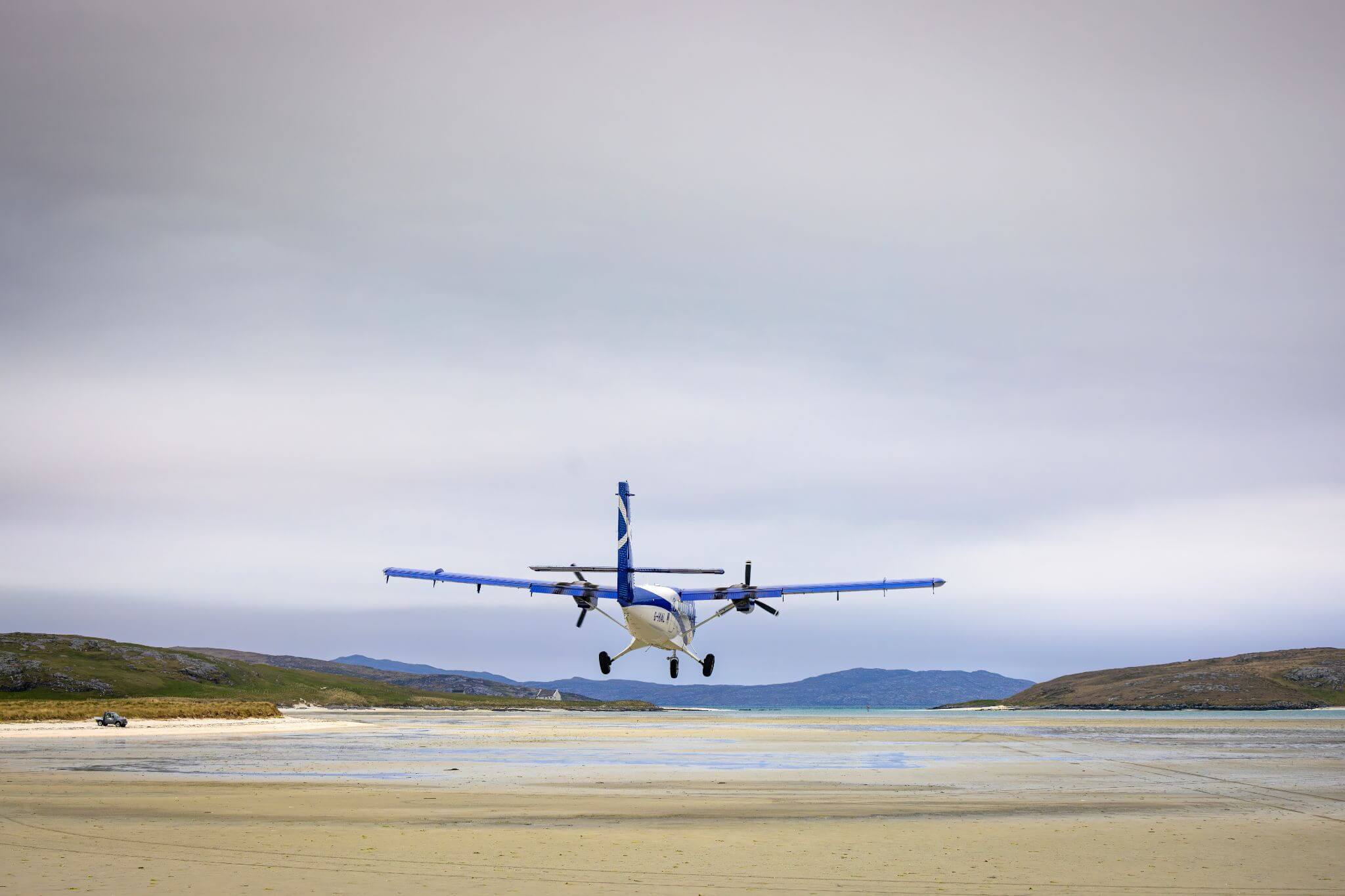
Some travelers choose to fly from the USA to London or Dublin first, then continue on to Scotland by plane or train. This route is popular because flights to these cities are frequent, often cheaper, and available from many U.S. airports.
This option adds an extra step to the journey, but it can offer better prices, more flight choices, and easier planning, especially for travelers who cannot find affordable direct flights to Scotland. For those interested in exploring Scotland on foot, this route can also help with planning your first long-distance walk, giving extra flexibility to start hiking routes near Edinburgh, Glasgow, or the Highlands.
Why London Or Dublin Can Be A Smart First Stop
London and Dublin are two of the busiest travel hubs in Europe. Airlines operate many daily flights from the USA to both cities, which creates strong competition and keeps prices lower.
Travelers often choose this route because:
- Flights are available from most major U.S. cities
- Airfares are often cheaper than flying directly to Scotland
- Multiple onward travel options to Scotland are available
This route is especially useful for travelers flying from the U.S. West Coast or smaller airports.
Traveling From London To Scotland
Once in London, continuing to Scotland is simple and well connected.
Common options include:
- Domestic flights to Edinburgh or Glasgow (about 1.5 hours)
- High-speed trains to Edinburgh or Glasgow (about 4.5-5 hours)
Flights are usually faster, while trains offer more space and scenic views. Trains also arrive in city centers, which can reduce the need for extra transfers.
Traveling From Dublin To Scotland
Dublin is another popular entry point, particularly for travelers looking for short connections.
From Dublin:
- Flights to Edinburgh or Glasgow take about 1 hour
- Multiple daily departures are available
- Budget airlines often operate these routes
This option is convenient and time-efficient, especially when flight schedules align well.
Important Things To Know Before Choosing This Route
Traveling through London or Dublin requires extra planning.
Key points to consider:
- Immigration checks usually happen at the first entry city
- Baggage may need to be collected and rechecked
- Separate tickets can increase missed-connection risk
- Extra travel time should be planned between flights
Allowing enough connection time helps avoid stress and delays.
Who This Route Works Best For
Flying to London or Dublin first is a good option for:
- Travelers looking to save money
- Travelers visiting multiple countries
- People flying from cities without direct Scotland flights
- Flexible travelers who do not mind extra steps
With good planning, this route can offer strong value and wider travel options.
4. Traveling To Scotland By Cruise From The USA

Although most travelers fly, it is possible to reach Scotland from the United States by transatlantic cruise. This option offers a very different experience compared to flying, but it is rare, slower, and often more expensive. Cruises provide an opportunity to enjoy sea travel and visit multiple countries along the way, making the journey part of the adventure rather than just transportation.
What Transatlantic Cruises Include
Cruises from the USA to Scotland typically involve a long sea voyage across the Atlantic, with several stops along the way. Key features often include:
- Travel across the Atlantic Ocean, offering several days at sea
- Stops in multiple countries, such as Ireland, Iceland, or England
- Arrival at Scottish ports, most commonly Greenock, near Glasgow, or occasionally other ports in the Highlands
Passengers can enjoy onboard entertainment, dining, and recreational activities while traveling, turning the journey itself into a vacation experience.
Who Cruises Are Most Suitable For
Cruises to Scotland are often chosen by:
- Travelers with several weeks available for the trip
- People who enjoy leisurely travel by ship rather than flying
- Retirees, long-term travelers, or those combining the cruise with multiple destinations
Cruises offer a scenic, relaxed approach to reaching Scotland, but they require flexibility and patience.
Why Cruises Are Not Practical For Most Travelers
Despite their appeal, cruises from the USA to Scotland are not practical for most travelers. Main challenges include:
- Very long travel time, often taking one to two weeks or more
- Limited departure dates, usually only a few times per year
- Higher overall cost compared to flights, especially when factoring in onboard expenses
5. Traveling To Scotland By Train

Flying is only the first part of the journey for many travelers. One option I often recommend is flying from the USA to London, then continuing to Scotland by train. This route is popular because it avoids another flight and offers a calmer way to move through the UK.
Trains from London to Scotland are modern, reliable, and surprisingly scenic. Most travelers arrive at London King’s Cross station and take a direct train to Edinburgh Waverley or Glasgow Central.
How The Train Route Works
After landing in London, you clear UK border control once. From there, you travel into the city and board a long-distance train heading north.
Key details to know:
- London to Edinburgh takes about 4.5 to 5 hours
- London to Glasgow takes around 4.5 hours
- Trains run frequently throughout the day
The ride passes through countryside, small towns, and coastal views, which makes the journey feel like part of the trip rather than a chore.
Advantages Of Traveling By Train To Scotland
I’ve found trains to be a great choice for travelers who want comfort and predictability:
- No baggage re-checks or airport security
- Comfortable seating with space to move
- City-center to city-center travel
- Scenic views you don’t get from flying
For first-time visitors who want a relaxed transition into Scotland, the train is a strong option.
Disadvantages Of Taking The Train
There are trade-offs to consider:
- Longer total travel time than flying domestically
- Train tickets can be expensive if booked late
- Requires navigating London after a long flight
This route works best for travelers who value comfort and don’t mind extending the journey slightly.
6. Traveling To Scotland By Car And Train (Drive-On Rail)
Another less talked-about option is combining car travel with trains, especially for travelers planning a longer UK trip. While you wouldn’t bring a car from the USA, you can rent one in England and use it alongside train travel.
Some travelers drive part of the journey and then park near a major station before continuing by rail. This approach works well if you want flexibility early on and simplicity later.
When This Option Makes Sense
I usually see this choice work for:
- Travelers exploring southern England first
- Families needing space for luggage
- People uncomfortable with long city driving
You can drive outside London, return the car, and then take a train straight into Scotland.
Advantages Of Car + Train Travel
This hybrid approach offers balance:
- Flexibility to explore smaller towns
- Avoids long-distance city driving
- Reduces fatigue compared to full road trips
It’s not the fastest method, but it can be practical for multi-stop itineraries.
Disadvantages To Consider
This option isn’t for everyone:
- Requires more planning
- Rental and fuel costs add up
- Parking logistics can be stressful
I usually suggest this only if driving already fits your travel style.
7. Traveling To Scotland By Car Ferry
Traveling to Scotland by car ferry is one of the least common but most interesting options. After flying from the USA to England or Northern Ireland, some travelers continue by ferry into Scotland.
This route is slow, but it appeals to travelers who enjoy the journey as much as the destination.
How Ferry Travel To Scotland Works
You would first fly into a UK city, rent a car, and then board a ferry that connects to Scottish ports. Some ferries operate from Northern Ireland to western Scotland, while others connect parts of mainland Britain.
Ferry routes and schedules vary, so planning ahead is essential.
Advantages Of Traveling By Ferry
Ferry travel offers a unique experience:
- Relaxed pace with ocean views
- Ability to keep your vehicle
- Less airport stress
For travelers who dislike flying or want something different, ferries can feel refreshing.
Disadvantages Of Car Ferry Travel
There are major drawbacks:
- Much slower than trains or flights
- Limited schedules
- Weather can affect crossings
I see this option as an experience choice, not a practical one for most travelers.
8. Traveling To Scotland By Bus After Flying From The USA
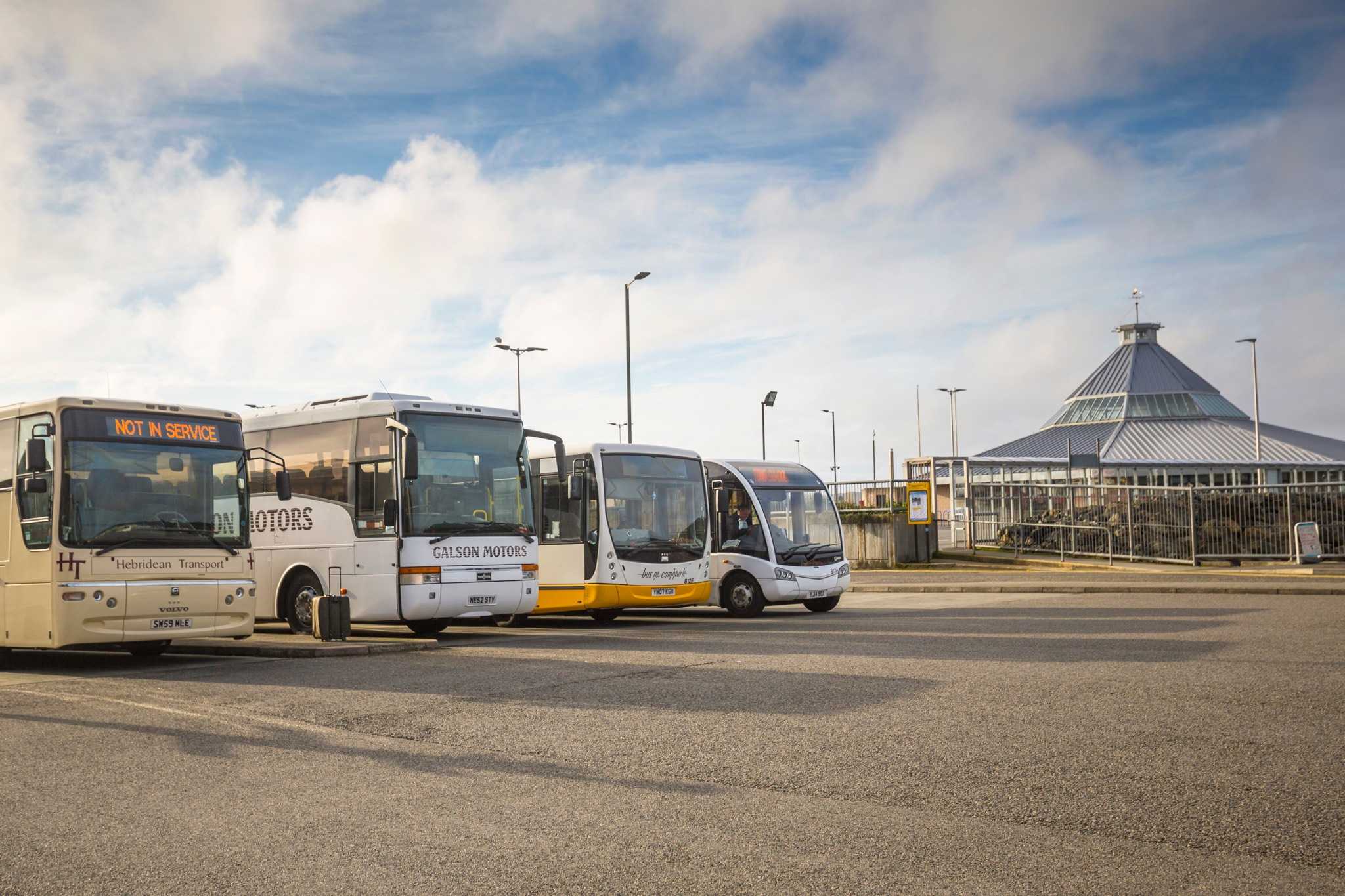
Traveling to Scotland by bus isn’t the first option most people think of, but I’ve learned it can work in specific situations. This route usually starts with a flight from the USA to London, followed by a long-distance coach ride north to Scotland.
Buses are slower than trains and flights, but they appeal to travelers who want the lowest-cost overland option and don’t mind spending more time on the road.
How Bus Travel To Scotland Works
After landing in London, you travel to a major coach station such as Victoria Coach Station. From there, long-distance buses run to cities like Edinburgh and Glasgow.
Important things to know:
- London to Edinburgh by bus takes 8-10 hours
- Most routes run overnight
- Stops are limited but scheduled
Overnight buses are common, which means you can sleep during part of the journey and arrive in Scotland the next morning.
Advantages Of Traveling By Bus
I usually point out bus travel to people on tight budgets or extended trips:
- Cheapest way to travel overland to Scotland
- No baggage weight limits like airlines
- Overnight routes save accommodation costs
- Simple booking process
For students, backpackers, or long-term travelers, buses can make financial sense.
Disadvantages Of Bus Travel
Bus travel comes with clear downsides:
- Long travel times
- Less legroom and comfort
- Fewer departure times
- Fatigue after an overnight ride
I don’t recommend buses for short trips or travelers with limited time. The savings often come at the cost of comfort and energy.
Who Bus Travel Is Best For
From what I’ve seen, buses work best for:
- Budget-focused travelers
- Backpackers and solo travelers
- People combining travel with flexible schedules
If comfort and speed matter most, other options are better. If cost matters more than time, the bus can be a valid choice.
9. Flying From The USA To Northern Ireland, Then Traveling To Scotland By Ferry
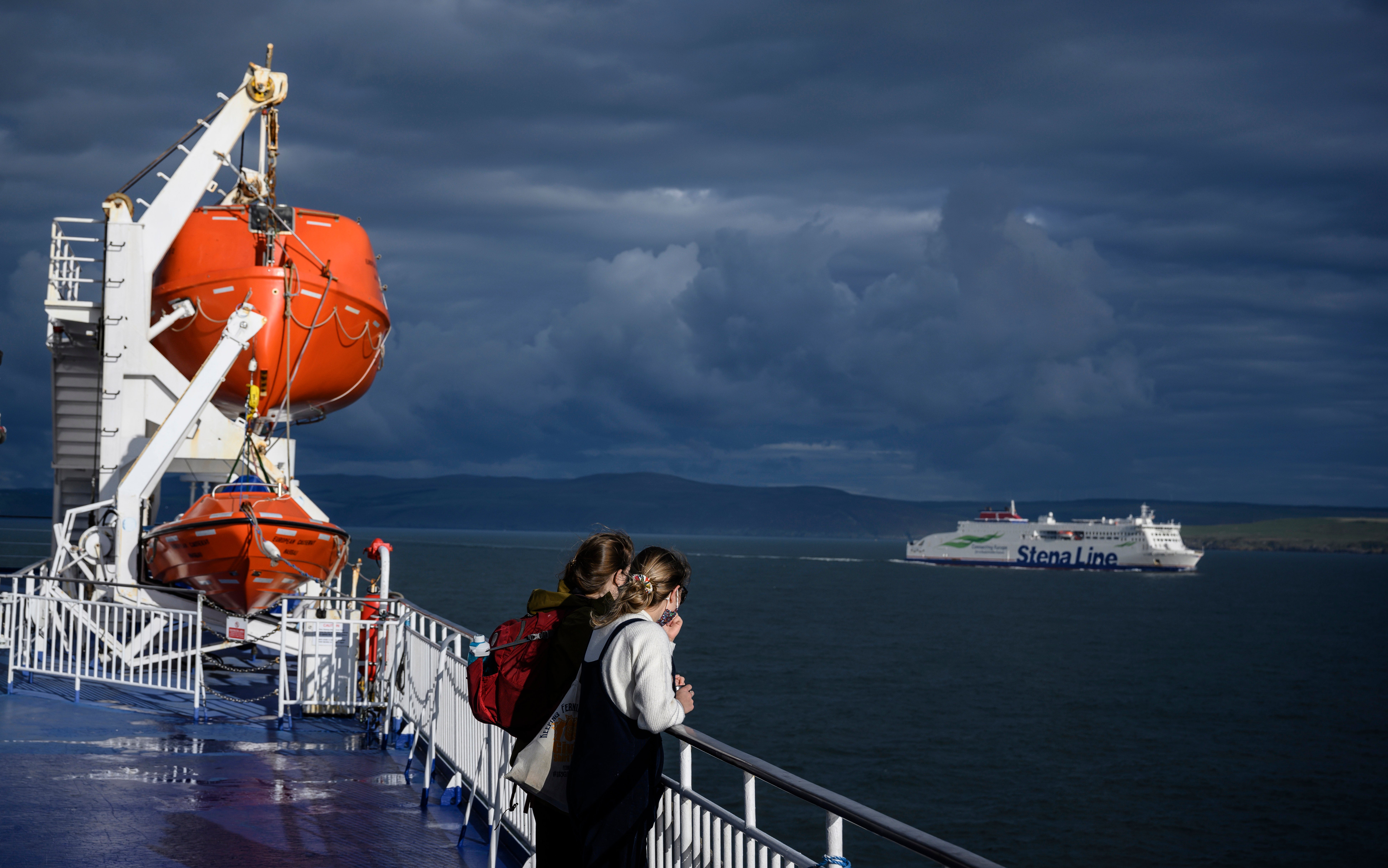
This is one of the least common ways to travel from the USA to Scotland, but I’ve seen it work well for certain travelers. The journey starts with a flight from the USA to Northern Ireland, usually landing in Belfast, followed by a ferry crossing to western Scotland.
It’s not the fastest route, but it offers a different experience and can be useful if Scotland is part of a wider UK or Ireland trip.
How This Route Works
After flying into Northern Ireland, you travel to a ferry port such as Belfast or Larne. From there, ferries cross to ports in western Scotland, including areas close to Glasgow and the Highlands.
Key things to expect:
- Ferry crossings usually take 2 to 3 hours
- Some ferries allow vehicles, others are foot-passenger only
- Schedules are limited compared to flights or trains
The crossing itself is calm most days and gives you a slow, scenic arrival into Scotland.
Advantages Of This Route
I usually suggest this option to travelers who enjoy varied travel experiences:
- No airport transfers between England and Scotland
- Relaxed pace after long flights
- Easy access to western Scotland
- Works well for road trips
It’s especially useful if you plan to explore both Ireland and Scotland in one trip.
Disadvantages To Consider
This route comes with clear limitations:
- Longer total travel time
- Fewer daily ferry departures
- Weather can affect sailings
For short trips or first-time visitors, this option is usually less practical.
10. Multi-Country Route To Scotland From The USA
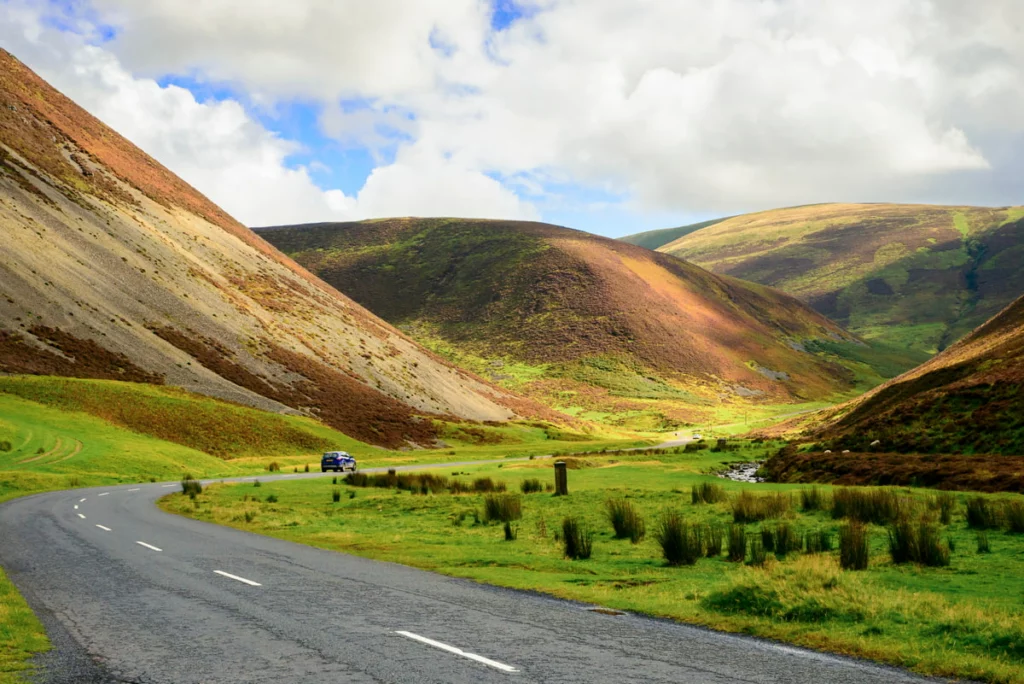
Some travelers don’t want to go straight to Scotland and that’s where a multi-country route makes sense. This approach involves flying from the USA to one country, traveling through others, and reaching Scotland later in the trip.
I’ve seen people use this route when they want to combine Scotland with England, Ireland, or mainland Europe.
How A Multi-Country Route Works
You might fly into London, Paris, or Dublin, spend time there, then continue to Scotland by flight, train, or ferry.
Common combinations include:
- USA → England → Scotland
- USA → Ireland → Scotland
- USA → Europe → England → Scotland
The key is planning transport carefully so connections don’t become stressful.
Advantages Of A Multi-Country Route
This option gives you flexibility and variety:
- See multiple countries in one trip
- Spread out long flights
- Customize the journey to your interests
For longer vacations, this route often feels more rewarding.
Disadvantages Of A Multi-Country Route
More countries mean more planning:
- Higher transport costs
- More logistics to manage
- Greater risk of delays
I only recommend this route if you enjoy planning and have enough time to move slowly.
11. Open-Jaw Flights: Arrive In One Country, Depart From Another

Open-jaw flights are one of the smartest ways to travel from the USA to Scotland, yet many people don’t know about them. This setup means flying into one country and flying home from another.
I’ve found this approach saves time and prevents unnecessary backtracking.
How Open-Jaw Flights Work
Instead of booking a round-trip ticket, you book a multi-city flight. For example:
- Fly from the USA to London
- Travel overland to Scotland
- Fly home from Edinburgh or Glasgow
Airlines often price these flights competitively, especially when booked early.
Advantages Of Open-Jaw Flights
This is one of my favorite strategies for efficient travel:
- No need to return to your starting city
- Saves time and transport costs
- Ideal for one-way road trips or rail journeys
It’s especially useful if you plan to explore Scotland last and fly home directly.
Disadvantages Of Open-Jaw Flights
There are a few things to watch out for:
- Slightly more complex booking process
- Fewer flight options from smaller airports
- Requires fixed travel plans
For travelers who like structure and efficiency, open-jaw flights are often the best choice.
How Long It Takes To Travel From The USA To Scotland?
Travel time varies depending on the departure city, type of flight, and layovers.
Average Flight Times:
- East Coast (direct): 6-7 hours
- East Coast (connecting): 9-12 hours
- West Coast (connecting): 12-16 hours
Flights from the West Coast often require one or two layovers, which adds to the total travel time. Booking early and checking layover durations can help avoid excessively long journeys.
Jet Lag Considerations
Scotland is 5-8 hours ahead of the USA, depending on the departure city. Travelers often arrive early in the morning, which can feel tiring.
Tips To Reduce Jet Lag:
- Adjust sleep schedules slightly before departure
- Stay hydrated during the flight
- Take short naps after arrival, but avoid oversleeping
- Expose yourself to daylight to help reset your internal clock
Proper planning for jet lag can make the first day in Scotland more enjoyable.
Entry Requirements For U.S. Travelers
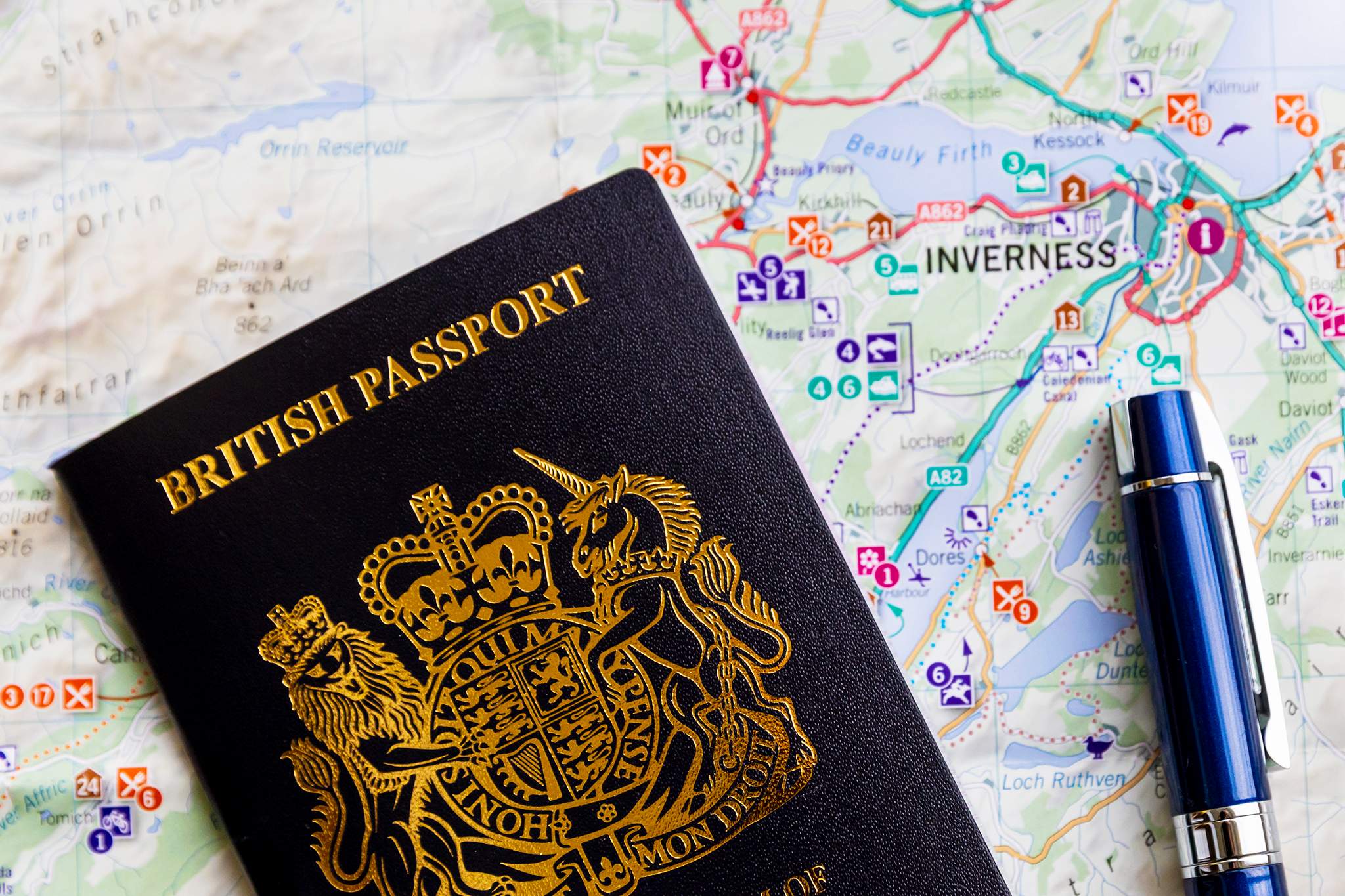
Scotland follows UK entry rules, which means U.S. travelers must meet standard UK requirements.
Passport Requirements
- Must be valid for the entire stay in Scotland
- At least 3 months validity beyond departure is recommended
UK Electronic Travel Authorisation (ETA)
- Required for all U.S. citizens starting January 8, 2025
- Costs £10 (≈$13) and applied for online or via the official app
- Links digitally to your passport
- Valid for 2 years or until passport expiration
- Allows multiple entries
- Children and travelers with a new passport need their own ETA
- Airlines check for ETA at check-in; boarding may be denied without it
Border Control
Travelers may be asked about:
- Length of stay
- Accommodation details
- Return or onward flight plans
Having all details ready ensures a smoother entry process.
Choosing Between Edinburgh And Glasgow Airports
Both Edinburgh Airport(EDI) and Glasgow Airport (GLA) are excellent entry points, but each is suited to different travel plans.
Edinburgh Airport (EDI):
- Closest to the city center
- Popular for first-time visitors
- Easy access to trains, buses, and trams
Glasgow Airport (GLA):
- Closer to the Highlands and western Scotland
- Less crowded than Edinburgh
- Good for travelers planning to explore western cities or rural areas
Choosing the right airport can save time, reduce transport costs, and make travel inside Scotland more efficient.
Common Mistakes To Avoid
Even experienced travelers sometimes make mistakes when flying to Scotland from the USA. Avoid these to have a smoother journey:
- Booking the cheapest flight without considering total travel time
- Ignoring baggage rules on connecting flights
- Underestimating the effects of jet lag
- Forgetting to apply for the UK ETA
- Selecting an airport far from the final destination, adding extra travel time
Paying attention to these details ensures a more comfortable, stress-free start to the trip.
Getting Around Scotland After Arrival

Public Transportation
- Trains (ScotRail):Connect cities, towns, and scenic routes. Edinburgh-Glasgow runs every 15 minutes (~50 min). Highland lines like Glasgow-Fort William/Mallaig offer some of the world’s most scenic rides.
- Buses (Scottish Citylink):Reach towns without train service at lower prices; e.g., Edinburgh-Inverness £15-30 versus £40-80 by train. Buses take longer.
- Ferries (CalMac):Serve islands like Skye, Mull, and the Outer Hebrides. Car spaces fill fast in summer; book in advance.
Using a combination of trains, buses, and ferries makes it easy to travel around Scotlandefficiently while enjoying the country’s scenic landscapes.
Car Rental
- Offers maximum flexibility for rural areas, castles, and small villages.
- Driving is on the left side; manual cars dominate rental fleets (automatic costs extra).
- Parking in cities like Edinburgh and Glasgow is limited and costly; consider trains between cities and renting cars only for rural touring.
- Rental bookings in advance get better rates and vehicles; international driver’s license not required but sometimes preferred.
Guided Tours Vs Independent Travel
- Guided tours:Handle transport, lodging, and attractions. Ideal for first-time visitors or areas with limited public transport (Highlands, Skye, Glencoe). Popular companies: Rabbie’s, Haggis Adventures.
- Independent travel:Cheaper and fully flexible; allows more time at preferred sites.
- Combination:Guided tours for remote regions plus independent exploration in cities works well.
Planning carefully helps you make the most of your trip. Take the time to plan your Scottish vacationby choosing the right mix of tours and independent travel based on your schedule, interests, and budget.
People Also Ask
How Far Is Scotland From The USA?
The distance between United States and Scotland is 3089 miles.
What Is The Fastest Way To Travel From The USA To Scotland?
The fastest way is a direct flight from major U.S. cities to Edinburgh or Glasgow. These flights usually take 6-7 hours from the East Coast. Direct flights reduce travel time and eliminate layovers.
Do U.S. Citizens Need A Visa To Visit Scotland?
For short visits, a visa is not required, but U.S. travelers must have a UK Electronic Travel Authorisation (ETA). This is applied for online before travel and is linked to your passport.
Final Thoughts
Traveling from the USA to Scotland is simple with several options. Direct flights are fastest, while connecting flights or routes through London and Dublin offer flexibility and lower fares. Cruises provide a scenic journey but take more time.
Once in Scotland, trains, buses, and ferries connect cities and attractions, while car rentals offer freedom for rural areas. Guided tours simplify logistics, but independent travel allows more flexibility.
Planning flights, entry requirements, and local transport in advance ensures a smooth, enjoyable trip to Scotland’s cities, landscapes, and historic sites.
Jump to
Best Ways To Travel To Scotland From The USA In 2026
1. Flying Directly From The USA To Scotland
2. Connecting Flights From The USA To Scotland
3. Flying To London Or Dublin First, Then Traveling To Scotland
4. Traveling To Scotland By Cruise From The USA
5. Traveling To Scotland By Train
6. Traveling To Scotland By Car And Train (Drive-On Rail)
7. Traveling To Scotland By Car Ferry
8. Traveling To Scotland By Bus After Flying From The USA
9. Flying From The USA To Northern Ireland, Then Traveling To Scotland By Ferry
10. Multi-Country Route To Scotland From The USA
11. Open-Jaw Flights: Arrive In One Country, Depart From Another
How Long It Takes To Travel From The USA To Scotland?
Entry Requirements For U.S. Travelers
Choosing Between Edinburgh And Glasgow Airports
Common Mistakes To Avoid
Getting Around Scotland After Arrival
People Also Ask
Final Thoughts

Callum Fraser
Author
Callum Fraser isn't just a writer about Scotland; he's a product of its rugged landscape and rich history. Born and raised in Perthshire, with the Highlands as his backyard, his love for the nation's stories was kindled by local storytellers and long walks through ancient glens.
This passion led him to pursue a degree in Scottish History from the University of Edinburgh. For over 15 years, Callum has dedicated himself to exploring and documenting his homeland, fusing his academic knowledge with essential, on-the-ground experience gained from charting road trips through the Cairngorms, hiking the misty Cuillins of Skye, and uncovering the secrets of traditional recipes in his family's kitchen.
As the Editor-in-Chief and Lead Author for Scotland's Enchanting Kingdom, Callum's mission is simple: to be your most trusted guide. He combines meticulous research with a storyteller's heart to help you discover the authentic magic of Scotland — from its best-kept travel secrets to its most cherished traditional recipes.
Latest Articles
Popular Articles