Scotland Travel Experiences | Unique Itineraries For Authentic Adventures
Unlock the best Scotland travel experiences with curated itineraries for authentic adventures, stunning landscapes, and quiet escapes.
Author:Callum FraserJan 23, 2026114.5K Shares1.5M Views
Scotland Travel Experiences Beyond The Tourist Trail
The mist hangs low over Loch Lomond, and the haunting melody of a lone piper drifts through the silence. This isn’t the postcard Scotland. It’s raw, atmospheric, and transformative.
Most travelers tick off Edinburgh Castle, Loch Ness, and the Isle of Skye, but they leave having seen Scotland, not truly experienced it. In this guide, I’ll share Scotland travel experiencesthat go beyond the highlights, revealing hidden gems, quiet trails, and the authentic soul of the Highlands.
What Separates Transformative Scotland Experiences From Tourist Activities
Seeing Scotland and experiencing it are not the same. Taking a quick photo at Edinburgh Castle is easy. Hearing the story behind the crown jewels from a passionate local historian makes the place meaningful. The landmark stays the same, but your connection to it changes.
Many Scottish attractionsreward depth rather than speed. They aren’t meant to be rushed or reduced to a checklist. When you take time to listen, ask questions, and explore beyond the obvious viewpoints, familiar places reveal layers of history, emotion, and local pride that most visitors never notice.
Real experiences take time and effort. A tour bus gives you a fast visit to the Fairy Pools. Walking there early in the morning, alone and in silence, shows you why these places matter to the people who live here. The best Scotland experiences ask you to slow down, take part, and pay attention.
Why Timing Changes Everything
Glencoe in summer feels busy and distant. Glencoe in late autumn, with mist and snow on the peaks, feels powerful and alive. Same place, completely different feeling.
Scotland’s weather and local events shape every moment. A large festival lets you watch from the outside. A small local gathering invites you in. Both are real but only one lets you truly experience Scotland.
Natural Wonders That Define The Scottish Spirit
The Highlands Beyond The Tour Bus
Glencoe is famous, but most visitors only see it from the roadside. Step just a short walk away from the main viewpoints and the crowds disappear. Trails like the Devil’s Staircase or the Lost Valley reveal the glen in silence, where its beauty and dark history especially the 1692 massacre of the MacDonald clan can truly be felt, not just admired.
For a different Highland feel, the Cairngorms offer wide, open mountains and rare wildlife. Few people go beyond the busy ski areas, yet this is where you can walk among free-ranging reindeer and experience one of Scotland’s wildest landscapes. Farther north, Assynt feels almost untouched. Quiet villages, empty roads, and dramatic peaks make it feel like the edge of the world.
The North Coast 500: More Than Just A Drive
Often dubbed "Scotland’s Route 66," the North Coast 500 is a 516-mile loop that showcases the best of the far north. However, the true "authentic" way to drive it is to slow down. While many rush it in three days, the real magic happens when you dedicate at least a week to the journey.
- Bealach na Bà:This isn't just a mountain pass; it's a test of nerves. Rising to 2,053 feet with hairpin bends reminiscent of the Alps, it offers a panoramic view of the Isle of Skye that most tourists miss by staying on the main A82.
- The "Secret" East Coast:Most travelers race through Caithness to reach the western peaks. Stop at the Whaligoe Steps, where 365 man-made stone stairs lead down a sheer cliff to a tiny, forgotten harbor. It’s a physical monument to the grit of Scotland’s fishing ancestors.
Scotland’s Islands: Where Life Slows Down
Skye is stunning but crowded in summer. Visiting in spring or autumn means fewer people, softer light, and real conversations with locals. The landscapes stay the same, but the experience becomes calmer and more personal.
The Outer Hebrides feel even more removed from modern life. Empty white-sand beaches, strong Gaelic traditions, and slow Sundays give the islands their own rhythm. Smaller islands like Rum and Iona offer deep wildlife encounters and spiritual history, proving that size doesn’t limit meaning.
Lochs, Waterfalls, And Hidden Coastlines
Scotland has thousands of lochs, yet most visitors see only a few. Places like Loch Awe and Loch Maree offer quiet beauty, ancient ruins, and misty mornings without crowds. Waterfalls range from easy roadside views to remote hikes where you may see no one else.
Even more surprising are Scotland’s beaches. Remote bays with white sand, clear water, and endless space feel untouched. Reaching them often takes effort but that’s what keeps them special.
Cultural Immersion
Traditional Music, Dance, And Games
A ceilidh is a social gathering with live music and group dancing. Tourist ceilidhs can be fun, but local ones feel more real. In smaller venues, the dances are taught on the spot, and everyone joins in experience doesn’t matter. The focus is community, not performance.
For live traditional music, pubs in Glasgow and Inverness are your best bet. Musicians gather to play together, not to put on a show. Sit, listen, and enjoy. If they want the crowd involved, they’ll let you know.
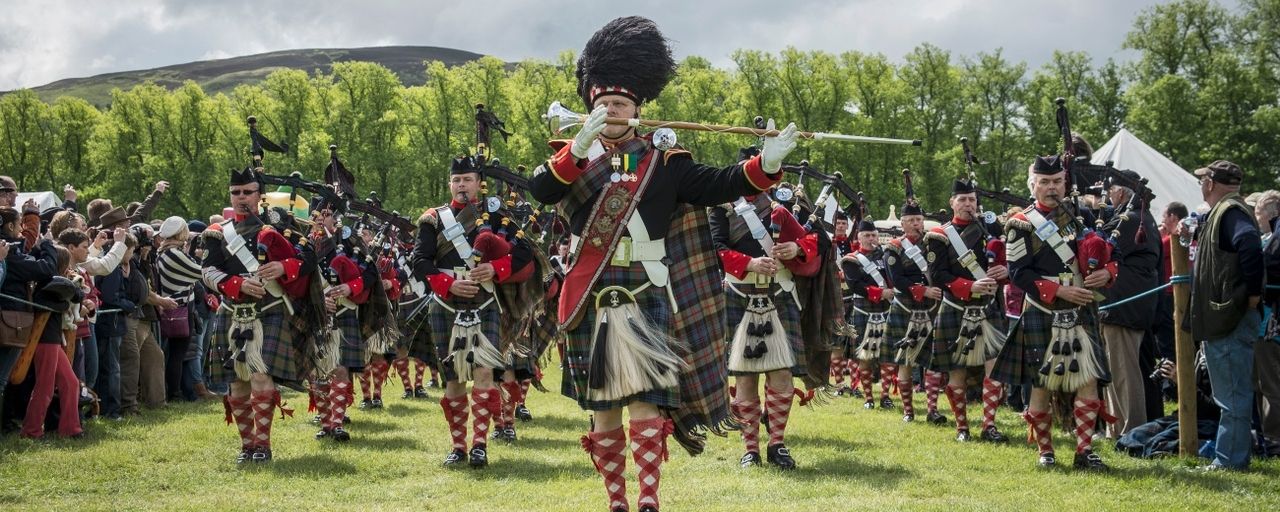
Highland Gamesare another window into local life. Large events like Braemar are impressive but crowded. Smaller games in towns like Dornoch or Helmsdale feel personal. You’ll see sports, dancing, pipe bands, and families who’ve been coming for generations.
Food & Drink
Haggis may be famous, but Scottish food goes far beyond it. Fresh seafood, Highland beef, and wild game are highlights, especially in coastal towns and small local restaurants.
Desserts like cranachan and tablet reflect Scotland’s love of cream and oats. To save money, eat like locals do: a filling breakfast, a light lunch from a bakery, and an early evening meal. Lunch menus are often much cheaper than dinner and just as good.
Regional Restaurant Recommendations
- The Kitchin: Michelin-starred, "from nature to plate" philosophy, £80-120 per person
- Fishers Leith: Fresh seafood, harbourside location, reasonable prices, £25-40
- Mums: Comfort food, long queues, worth the wait, £12-20
- Ubiquitous Chip: Glasgow institution, Scottish ingredients, £35-55
- Cail Bruich: Michelin-starred, relaxed fine dining, £60-90
- Singl-end: Brunch champion, local ingredients, £10-18
- Loch Bay Restaurant: Seafood perfection, tiny restaurant, book ahead, £50-70
- Edinbane Lodge: Seasonal menus, local produce, £40-60
- The Old Inn: Carbost pub, good food, live music, £15-25
- Crannog Seafood Restaurant: On the pier, fresh off the boat, £25-40
- The Lime Tree: Art gallery and restaurant, local game, £30-50
- Ee-Usk: Harbourside seafood, fresh daily catches, £25-40
- Coast: Local shellfish and fish, friendly service, £20-35
- The Horseshoe Inn: Eddleston, Michelin-starred, £70-100
- Marmion's Brasserie: Melrose, bistro-style, local ingredients, £20-35
Food Trails And Markets
- Malt Whisky Trail (Speyside):Self-drive route visiting distilleries including Glenfiddich, Macallan, and Glenlivet. Pick up a passport and get stamps at each distillery.
- Seafood Trail(Aberdeenshire):Coastal route featuring fishing villages, seafood restaurants, and smokehouses. Free guide available online.
Whisky Bars For Tastings
If you can't visit distilleries, these bars offer extensive selections:
- The Bow Bar: 300+ whiskies, no-nonsense atmosphere, knowledgeable staff
- Usquabae: Hidden basement bar, rare bottles, tasting flights £15-30
- The Pot Still: 700+ whiskies, friendly staff, good value
- Ben Nevis Bar: Traditional pub, 200+ malts, no pretension
- Malt Room: 350+ whiskies, riverside location, tasting guidance
- The Whisky Shop: Tasting bar, local distillery bottles, expert advice
Historical Scotland: Where Stories Come Alive
Castles Worth Visiting (and How To Choose)
Scotland has over 1,500 castles, so choosing wisely matters. Edinburgh Castle is worth visiting for its history, crown jewels, and views over the city. Go early in the morning or late in the day to avoid crowds. Entry is £18.50.
Stirling Castle offers just as much history with fewer visitors. It played a key role in Scotland’s past and is strongly linked to Mary, Queen of Scots. Entry costs £16.
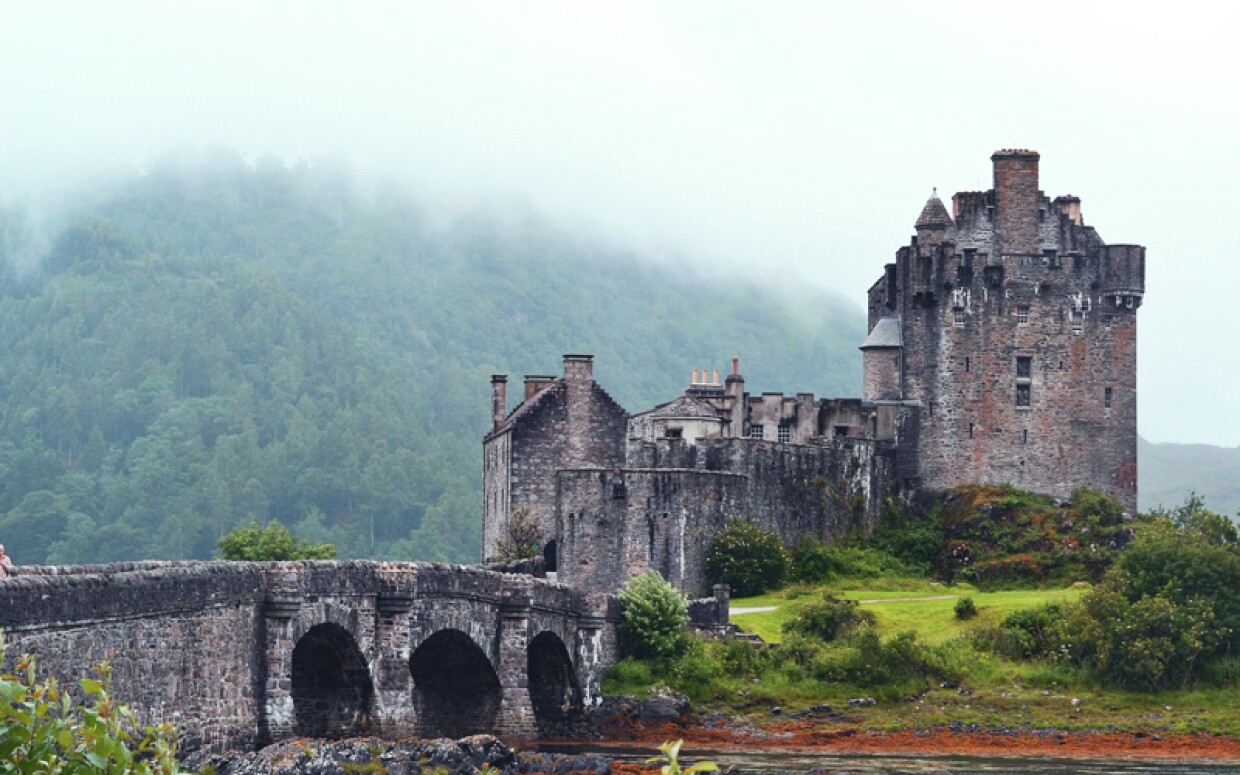
Eilean Donan is Scotland’s most photographed castle. The interior is small, but the location is stunning, especially in early morning or evening light. Entry is £10.50. Dunnottar Castle, set on a cliff near Aberdeen, is mostly ruins but deeply atmospheric. Entry is £9.
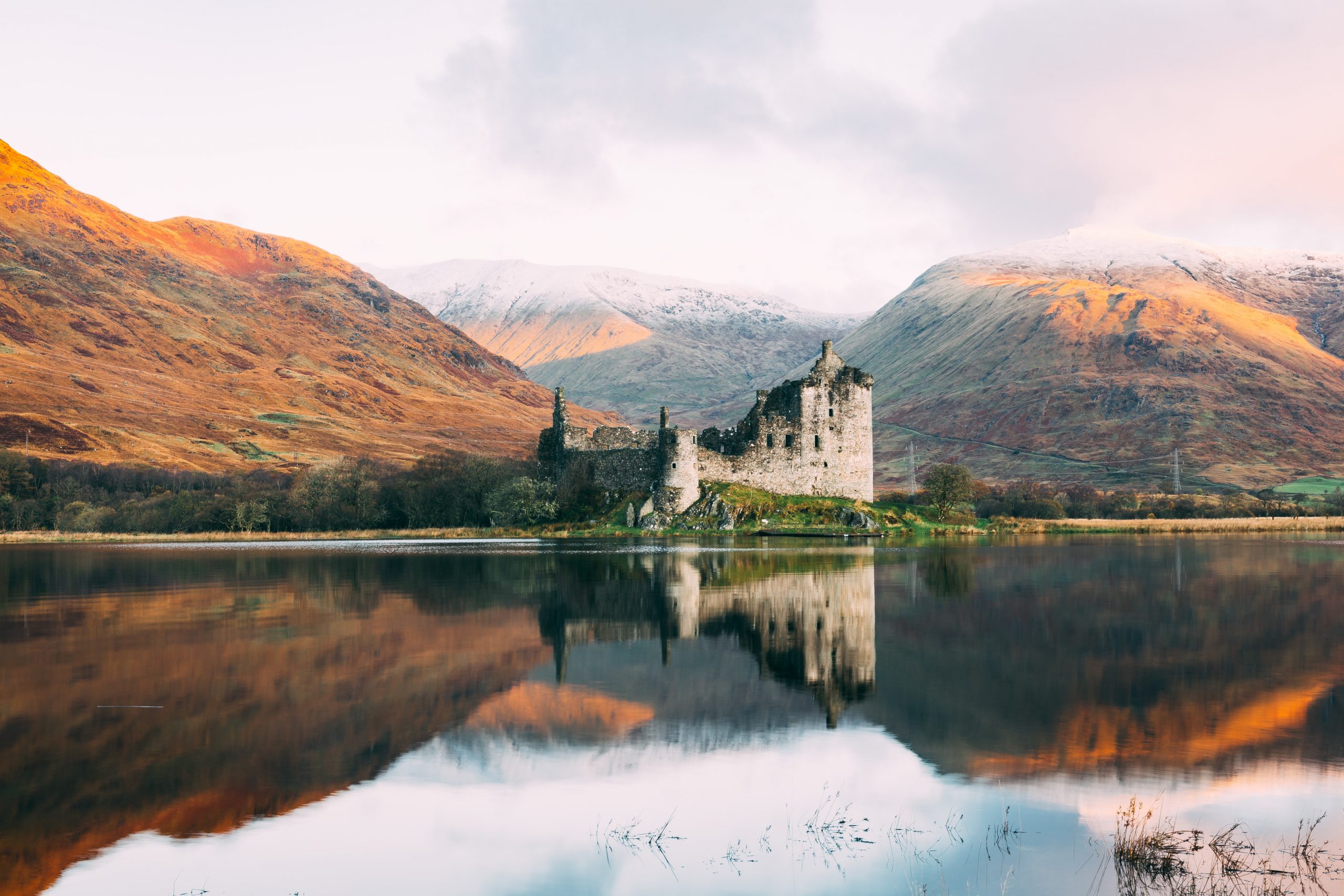
Many Scottish castlesruins are free to visit, like Kilchurn Castle on Loch Awe. Others, such as Urquhart Castle, can be enjoyed from outside without paying. If you plan to visit several sites, the Historic Environment Scotland Explorer Pass can save money.
Ancient Sites And Standing Stones
Scotland’s oldest sites are often more powerful than its castles. The Callanish Stones on the Isle of Lewisare over 5,000 years old and older than Stonehenge. You can walk among them freely, making the experience feel personal and raw.
Orkney is home to some of Europe’s best-preserved prehistoric sites. Skara Brae is a 5,000-year-old village where you can clearly see how people once lived. Nearby, the Ring of Brodgar forms a large stone circle that feels especially moving at sunset.
Kilmartin Glen in Argyll contains hundreds of ancient monuments in a small area. Most are free to explore, and the local museum helps explain their meaning.
To truly feel these places, slow down. Visit early or late, sit quietly, and imagine the effort it took to build them. These sites existed long before written history, and their mystery is part of their power.
Cinematic Scotland: Walking Through The Lens
Scotland’s landscape is so dramatic it has become a staple of global cinema. Visiting these sites isn't just about "fandom"; it’s about seeing how the landscape shaped the stories we love.
- The Skyfall Drive:In Glencoe, take the turn-off for Glen Etive. This single-track road leads to the spot where James Bond (Daniel Craig) stood with his Aston Martin DB5. Even without the car, the silence of the glen is staggering.
- The Jacobite Steam Train:Better known as the Hogwarts Express, this train crosses the Glenfinnan Viaduct. For a truly local experience, skip the expensive train ticket and hike the 10-minute path from the visitor center to the viewpoint. You’ll see the steam rise against the mountains the exact view that captured the world's imagination.
- Outlander’s Heart: Visit the village of Culross in Fife. With its yellow-walled palace and cobbled streets, it doubles as "Cranesmuir." It remains a living, working village where history hasn't been "museum-ified."
Capturing Scotland - A Practical Photography Guide
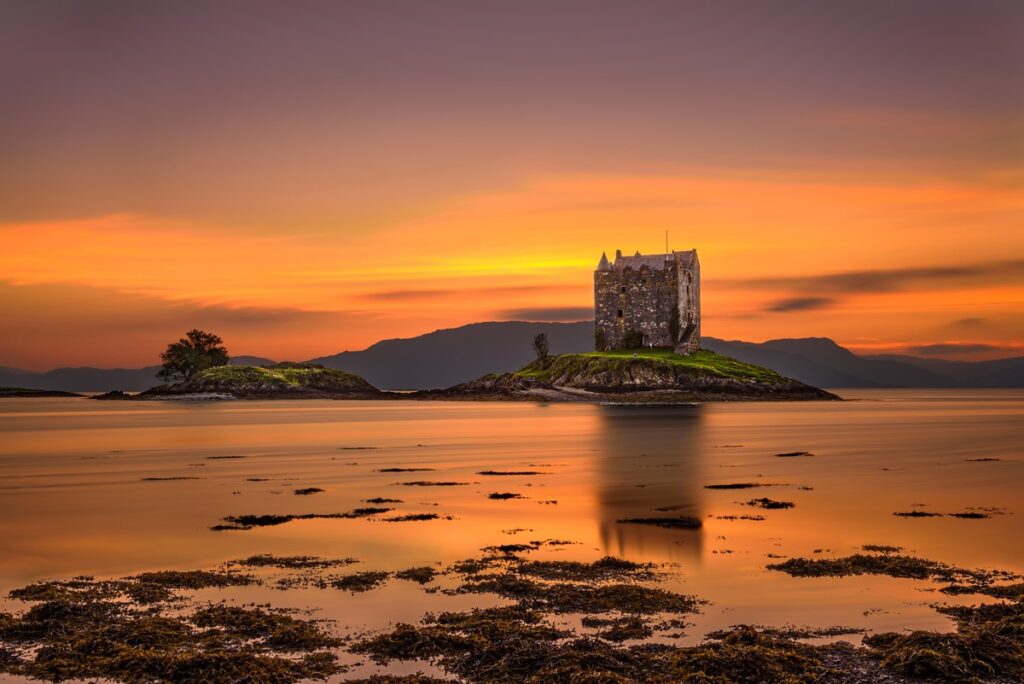
Scotland is one of the most photogenic countries in the world, offering dramatic mountains, ancient castles, wild coastlines, and ever-changing light. Whether you’re travelling with a DSLR, mirrorless camera, or smartphone, knowing where to shoot and when makes all the difference. This Scotland photography guide breaks down the best locations, ideal timing, and composition tips to help you capture memorable images.
Best Photography Locations In Scotland
Glencoe
Glencoe is at its most atmospheric during early morning mist or overcast weather. Sunrise and sunset bring warm light to the mountains, especially around the Three Sisters. For cleaner compositions, walk a short distance off the main A82 road to avoid traffic and crowds.
- Best time:Early morning or golden hour
- Photography tip:Moody weather adds scale and drama
Fairy Pools, Isle Of Skye
Soft morning light works beautifully at the Fairy Pools, enhancing the turquoise water. Calm, overcast days reduce harsh reflections and help maintain colour accuracy. Arriving early also avoids crowds that can distract from wide shots.
- Best time:Before 8am
- Photography tip:Overcast skies often produce better results than sunshine
Neist Point Lighthouse, Skye
Neist Point is one of the most dramatic coastal photography spots in Scotland. Sunset offers striking colours and silhouettes, but the return walk can be challenging after dark, so plan ahead.
- Best time:Sunset
- Photography tip:Bring a headlamp and use sea stacks as foreground elements
Eilean Donan Castle
One of Scotland’s most iconic landmarks, Eilean Donan Castle photographs best in warm light. Reflections are strongest at high tide, while low tide reveals textured foreground detail.
- Best time:Sunrise or sunset
- Photography tip:Shoot from the bridge approach for classic compositions
Quiraing, Isle Of Skye
Morning light from the east highlights the Quiraing’s dramatic rock formations. Cloud cover enhances depth and mood, making this an excellent location even in poor weather.
- Best time:Morning
- Photography tip:Use the winding road to create leading lines
Old Man Of Storr, Skye
Sunrise delivers dramatic light behind the rock pinnacle, but it requires an early hike. Cloud movement adds interest, while later mornings quickly become crowded.
- Best time:Sunrise
- Photography tip:Shoot wide to show scale against the landscape
Glenfinnan Viaduct
Famous for the Jacobite Steam Train, Glenfinnan offers strong compositions with or without the train. Arrive early to secure a hillside viewpoint and allow time to set up.
- Best time:Train crossing times or early morning
- Photography tip:Scout the viewpoint in advance
Callanish Stones, Isle Of Lewis
These ancient standing stones are powerful at sunrise or sunset, when shadows add depth. The area also has some of the darkest skies in Scotland, making it ideal for astrophotography.
- Best time:Sunrise, sunset, or night
- Photography tip:Capture the Milky Way on clear nights
Bow Fiddle Rock, Moray Coast
This natural sea arch is best photographed at sunrise when light hits the rock directly. Long exposures at low tide smooth the water and enhance the arch’s shape.
- Best time:Sunrise, low tide
- Photography tip:Use a tripod for long exposures
Glen Etive
A favourite among landscape photographers, Glen Etive’s winding road creates strong leading lines. Autumn colours and dramatic weather elevate images.
- Best time:Any time of day
- Photography tip:Don’t wait for perfect weather moody skies work best
Dunnottar Castle
Perched on cliffs above the North Sea, Dunnottar Castle shines at sunrise. Stormy seas and low clouds add drama, but allow time for the walk to key viewpoints.
- Best time:Sunrise
- Photography tip:Shoot from the coastal path for scale and context
Bealach Na Bà
This iconic mountain pass is known for its hairpin bends and sweeping views. Clear days are rare, but mist and cloud often produce atmospheric images.
- Best time:Early morning
- Photography tip:Embrace fog and low cloud for mood
Photography Tips For Every Skill Level
For Smartphone Photographers:
- Clean your lens before shooting Scotland's rain spots ruin photos
- Use portrait mode for depth when photographing castles or stones
- HDR mode helps with Scotland's tricky light (bright sky, dark land)
- Take photos at different times of day; light changes everything
- Use the grid feature to compose with the rule of thirds
For Camera Users:
- Bring a polarizing filter to reduce glare on water and wet rocks
- A neutral density filter allows long exposures even in daylight
- Wide-angle lenses (16-35mm) capture expansive landscapes
- Pack extra batteries; cold weather drains them fast
- Protect your gear from rain with a rain cover or plastic bag
General Composition Tips:
- Include foreground interest (rocks, heather, fences) to add depth
- Use leading lines (roads, rivers, walls) to draw eyes into the scene
- The rule of thirds works well; place horizons on the top or bottom third
- Overcast skies often look better in black and white
- Wait for breaks in the weather; the light just after rain is magical
Seasonal Photography Considerations
- Spring (April-May): Fresh green grass, newborn lambs, wildflowers (bluebells in woodlands). Longer days mean more shooting time.
- Summer (June-August): Longest light (sunset after 10pm in June), purple heather blooms (late July-August), but crowded locations.
- Autumn (September-October): Golden brown bracken, red rowan berries, dramatic light, and far fewer tourists. Many photographers consider this Scotland's best season.
- Winter (November-March): Snow-capped mountains, dramatic storms, short golden hours, and empty landscapes. Challenging but rewarding.
Drone Photography Rules
Drones require permission to fly in many Scottish locations. You cannot fly drones in:
- National Nature Reserves without permission
- Within 150 meters of people or buildings
- Near airports or airfields
Always check local restrictions and follow the Scottish Outdoor Access Code. Register your drone if it weighs over 250g.
Photography Etiquette
- Never trample vegetation to get a shot
- Don't block roads or passing places for photos
- Respect "no photography" signs at some historic sites
- Ask permission before photographing people
- Share locations responsibly; some places are fragile
The best photos come from patience and respect. Wake early, stay late, wait for the light, and let Scotland reveal itself.
Active Adventures For Every Fitness Level
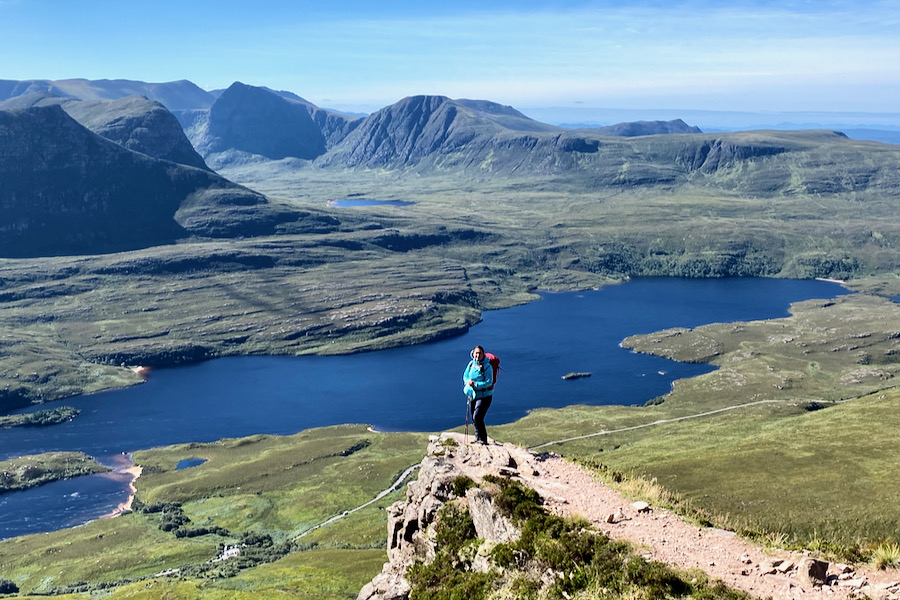
Hiking And Hill Walking
Scotland’s right to roam makes it easy to explore on foot, but the landscape demands respect. Weather changes fast, paths can be rough, and phone signal is often limited.
Munros are mountains over 3,000 feet and range from very hard to beginner-friendly. Ben Lomond is a good option for fit beginners, with a clear path and great views. For an easier walk, Conic Hill near Loch Lomond takes about an hour to climb and offers wide views across the Highlands.
Many day hikes suit different fitness levels. The Fairy Pools on Skye are a short, mostly flat walk to waterfalls and clear pools. In Glencoe, the Lost Valley walk is slightly tougher but leads to a hidden valley rich in history.
For longer adventures, the West Highland Way runs 96 miles from near Glasgow to Fort William and takes 6-8 days. The Great Glen Way is shorter and easier, stretching 79 miles from Fort William to Inverness. Book accommodation early.
Basic gear matters: waterproof clothing, warm layers, sturdy boots, a map and compass, and enough food and water. Poor preparation is the main cause of mountain rescues.
Unique Outdoor Experiences
Scotland offers more than hiking. In the Cairngorms, husky sledding runs year-round and costs about £75-95 for a short session. Canyoning and coasteering, especially near Aviemore, involve moving through gorges and waterfalls and start around £55.
Wildlife is easy to spot. Red squirrels, Highland cows, and free-roaming reindeer live across the country. Boat trips from places like Oban, Mull, and Skye offer chances to see whales, dolphins, and puffins.
Scotland also has some of Europe’s darkest skies. Galloway Forest Park is ideal for stargazing, with clear views of the Milky Way and, on rare nights, the Northern Lights.
Getting Around Scotland
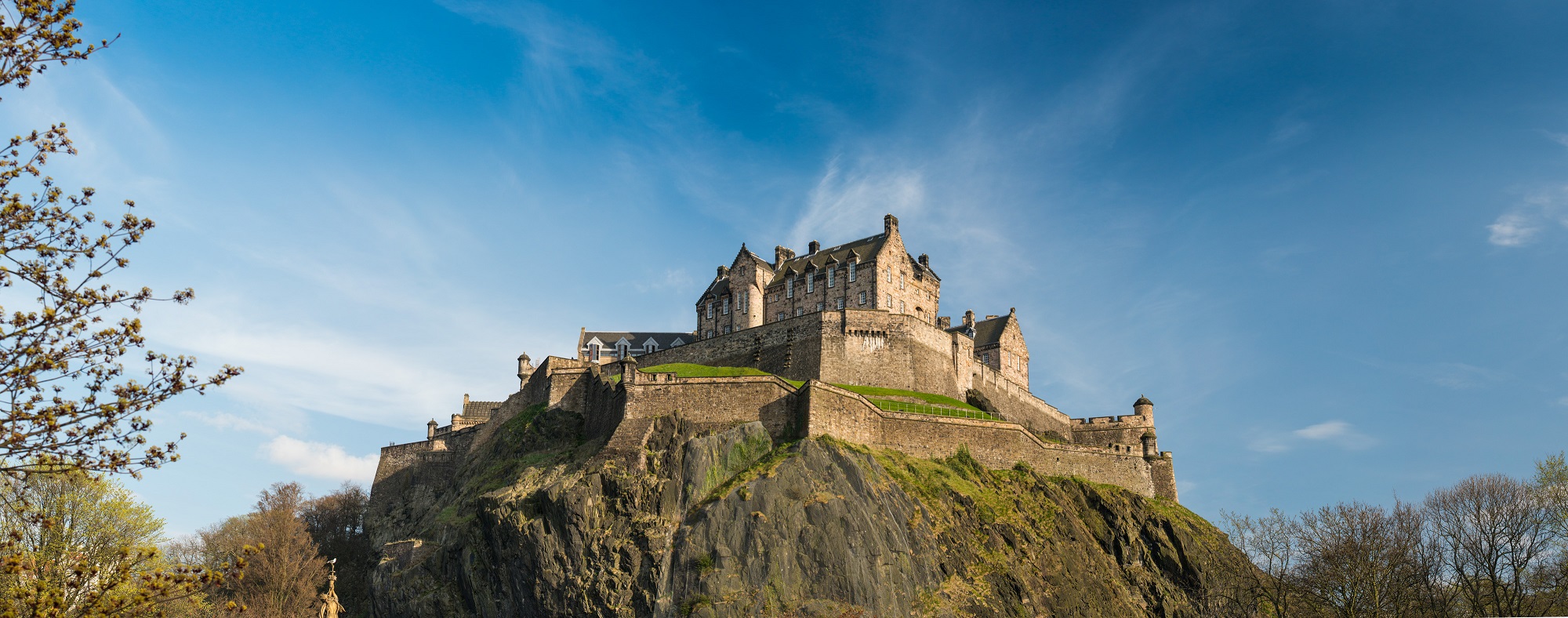
How you move around Scotland affects what you see and how you experience it. Each option offers a different balance of scenery, flexibility, and cost.
Scenic Train Journeys
Scotland’s rail routes are attractions in their own right, passing through landscapes unreachable by road.
Standout Routes
- West Highland Line (Glasgow-Mallaig):Loch Lomond, Rannoch Moor, Glenfinnan Viaduct
- Kyle Line (Inverness-Kyle of Lochalsh):Dramatic lochs and mountains, gateway to Skye
- Borders Railway:Easy countryside day trip from Edinburgh
- Highland Main Line:Cairngorms scenery between Perth and Inverness
Train tips
- Book early for cheaper fares
- Traveloff-peak for savings
- Reserve seats in summer
- Bring your own food
Ferry Routes Worth Taking
CalMac ferries connect the mainland with islands and often become a highlight of the trip.
Popular Crossings
- Oban-Mull
- Mallaig-Skye
- Ullapool-Stornoway (Lewis)
- Skye-Harris
Ferry Tips
- Book cars well ahead in summer
- Walk-on passengers rarely need reservations
- Arrive early and check weather conditions
- Enjoy deck views during crossings
Driving In Scotland
Driving gives maximum freedom, especially in the Highlands and islands.
Rental overview
- Small or mid-size cars suit most trips
- Automatics cost more and should be booked early
- Fuel stations are sparse in remote areas
Driving Tips
- Drive on the left
- Add extra time for Highland roads
- Learn single-track road etiquette
- Fill up whenever you can
Public Transport Without A Car
You can explore much of Scotland without driving, with planning.
Options
- Citylink coaches for long-distance routes
- Local buses for towns and villages
- Small-group tour companies for remote areas
Travel Passes
- Spirit of Scotland Pass
- Scottish Explorer Pass
Cycling Scotland
From island routes to canal paths, Scotland suits cyclists of all levels.
Notable Routes
- NC500
- Hebridean Way
- Great Glen Way
Cycling Tips
- Prepare for rain and midges
- Watch for narrow roads and blind corners
- E-bikes help with hills
Hidden Gems
Melrose
Melrose, in the Scottish Borders, is most famous for Melrose Abbey, a 12th-century ruin with ornate Gothic architecture and a rich history connected to Scottish royalty. Visitors can explore the town’s quaint streets, sample local cuisine, and enjoy walks in the surrounding countryside.
The nearby Eildon Hills offer moderate hiking routes with panoramic views of the Borders, ideal for landscape photographers or casual walkers. The combination of historic architecture, local culture, and scenic walks makes Melrose a must-stop for history buffs and outdoor enthusiasts alike.
Kelso
Kelso is a charming market town in the Scottish Borders, featuring Britain’s largest market square and a host of period buildings. The town’s standout attraction is Floors Castle, a grand stately home with extensive gardens and walking paths along the River Tweed.
Visitors can enjoy a mix of history, architecture, and riverside walks. The market square hosts local events and seasonal fairs, offering a glimpse into traditional Scottish town life. It’s an excellent base for exploring the surrounding Borders region, especially when following the Border Abbeys Trail.
Border Abbeys Trail
The Border Abbeys Trail links four of the region’s most historic abbeys: Melrose, Dryburgh, Kelso, and Jedburgh. Each abbey offers a different perspective on Scotland’s religious history, from the ornate ruins of Melrose to the remote charm of Dryburgh.
The trail can be explored by car, bike, or on foot, providing opportunities for photography, walking, and learning about medieval Scotland. Visitors can enjoy peaceful countryside drives or guided tours, making it ideal for both history enthusiasts and casual travellers seeking scenic stops.
Cowal Peninsula - Puck’s Glen
Puck’s Glen is a moss-covered woodland gorge on the Cowal Peninsula, famous for its fairy-tale atmosphere. The trail takes around an hour to walk and passes small waterfalls, stone bridges, and dense ferns, creating a magical setting year-round.
The path is well-marked but can be slippery after rain. Photographers and hikers alike appreciate the way sunlight filters through the canopy, highlighting the vibrant greens and textures of the forest. The Glen is quiet compared to other Scottish trails, offering a peaceful escape in nature.
Kilmartin Glen
Kilmartin Glen in Argyll is a treasure trove of prehistoric monuments, including standing stones, burial cairns, and rock carvings dating back thousands of years. The Kilmartin Museum provides context and interpretation, while a small café allows for refreshments during explorations.
The glen is ideal for history lovers, photographers, and walkers seeking a combination of natural beauty and ancient heritage. Paths are well-marked, and signage guides visitors through the key monuments.
Castle Tioram
Castle Tioram is a ruined 13th-century castle located on a tidal island at the entrance to Loch Moidart. Its dramatic position surrounded by water makes it a favourite among photographers and history enthusiasts.
Access is on foot at low tide, offering a sense of isolation and opportunity for striking compositions. While the interior is closed to visitors, the exterior views, especially during sunrise or sunset, are spectacular. The surrounding landscape of lochs and hills enhances the castle’s cinematic quality.
Falls Of Truim
A lesser-known series of waterfalls near Dalwhinnie, the Falls of Truim are easily accessed from the roadside and usually very quiet. The falls are particularly striking after heavy rain, offering photographers the chance for long-exposure shots without crowds.
Walking paths are short and simple, making it suitable for a quick stop on Highland drives or as a relaxing break in nature. Autumn colours and misty conditions add atmosphere to images.
Smoo Cave
Smoo Cave, on Scotland’s north coast, is a unique geological site where a freshwater waterfall meets a sea cave. Visitors can explore the main chamber on foot, while small boat tours into the inner cave cost around £6, depending on tides and weather.
The combination of water, limestone formations, and natural light makes it ideal for photography. Trails and viewing platforms make the site accessible to most visitors, though slippery floors inside the cave require caution.
Cape Wrath
Cape Wrath is Scotland’s most remote mainland point, featuring sheer cliffs, a lighthouse, and dramatic ocean vistas. Access requires a combination of ferry and minibus, giving a sense of adventure before arrival.
The area is sparsely populated and frequently subject to strong winds and military activity. Photographers will find sweeping coastal landscapes and opportunities for wildlife sightings, while hikers can explore rugged paths with minimal crowds.
Dean Village, Edinburgh
Dean Village is a hidden gem in Edinburgh, tucked away along the Water of Leith. This former milling village features cobbled streets, historic buildings, and tranquil riverside walks.
The Water of Leith walkway runs through the gorge, offering a peaceful contrast to the bustling city above. Photographers can capture reflections, old bridges, and seasonal foliage, making it a favourite for quiet city escapes.
Garvie Bridge
A quiet 19th-century stone bridge near Kinlochleven, Garvie Bridge spans a river with a small waterfall below. The surrounding woodland and limited foot traffic make it ideal for photography, short walks, or simply enjoying a peaceful Highland setting.
The bridge is easily accessible from the road and offers an atmospheric stop, especially in misty or autumnal conditions. Its seclusion makes it perfect for capturing undisturbed landscape images.
Fingal's Cave, Isle Of Staffa
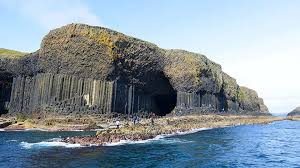
A sea cave formed from hexagonal basalt columns, the same geological formation as Northern Ireland's Giant's Causeway. The cave creates natural acoustics that inspired Mendelssohn's Hebrides Overture. Boat trips from Mull or Iona (April-October) cost £35-55 and often include puffin watching. Seas can be rough; trips cancel frequently.
Isle Of May
This small island in the Firth of Forth hosts 90,000 puffins (May-July), plus seals, terns, and other seabirds. Day trips from Anstruther cost £30-40. The island has no facilities, but the wildlife spectacle is extraordinary. Boat crossings are weather-dependent.
Vatersay, Outer Hebrides
Connected to Barra by a short causeway, Vatersay is a paradise for beach lovers. The island has two main beaches, one facing east and one west, and you can stand on the narrow strip between them to see both at once.
Expect white sand, turquoise water, and very few other visitors. It’s completely free to visit, making it an ideal spot for sunrise photography or a peaceful walk along the shore.
Bow Fiddle Rock, Portknockie
A striking natural rock arch rising from the sea, Bow Fiddle Rock resembles a violin’s bow and is best photographed at sunrise when the light highlights the cliffs. The arch is easy to reach from the village of Portknockie, and the coastal walk extending in both directions offers more dramatic views over the Moray Firth. Entry is free, and the area is perfect for both casual visitors and keen photographers.
Cairnpapple Hill, West Lothian
Only 30 minutes from Edinburgh, Cairnpapple Hill is a 5,500-year-old ceremonial site with panoramic views across the surrounding countryside. You can explore a Bronze Age burial chamber and walk the paths that follow ancient ritual landscapes. Less visited than Orkney’s prehistoric sites, it offers a quiet, atmospheric experience. Entry costs £5.
Fortingall Yew, Perthshire
One of Britain’s oldest living trees, the Fortingall Yew is estimated to be 3,000–5,000 years old. Standing in the small churchyard of the village of Fortingall, this ancient tree is awe-inspiring and free to visit. The village itself is charming and almost never crowded, making it an ideal stop for those exploring Perthshire.
Dunadd Fort, Argyll
Dunadd Fort is an ancient Pictish hillfort where Scottish kings were crowned. A climb to the summit rewards visitors with stunning views and the carved footprint where kings once stood. Free to access, it is historically significant and rarely visited, offering a remarkable sense of connection to Scotland’s early medieval past.
Glen Feshie, Cairngorms
An enchanting valley of ancient Scots pine forests and a wild, meandering river. Glen Feshie is quieter than many Highland glens, making it perfect for hiking, wildlife spotting, or photography. Walking routes range from easy riverside strolls to full-day hill hikes. Access is free, and the scenery feels untouched by tourism.
Findhorn Bay, Moray
This tidal estuary features huge sandy beaches, dunes, and a feeling of limitless space. The nearby village of Findhorn has a spiritual community, cafés, and artisan shops. Bird watchers and anyone seeking solitude will find it a peaceful escape. Photography of wide sands and dramatic skies is especially rewarding.
Falls Of Glomach, Highland
At 113 meters, the Falls of Glomach is one of Britain’s highest waterfalls. The hike to reach it is challenging (3-4 hours return), but you’ll likely encounter no one else. The falls are most spectacular after rain, framed by the remote Highlands. Its location near Skye yet feeling completely isolated makes it a bucket-list destination for adventurers.
Hermitage Woodland Walk, Dunkeld
A short woodland walk of 1-2 hours leads to Ossian’s Hall, a folly overlooking the Black Linn Falls. Towering Douglas firs and mossy forests create a magical, storybook atmosphere. Access is free, with a small £3 car park fee, and the walk is perfect for families, photographers, or anyone seeking a serene woodland escape.
When To Visit For The Experiences You Want
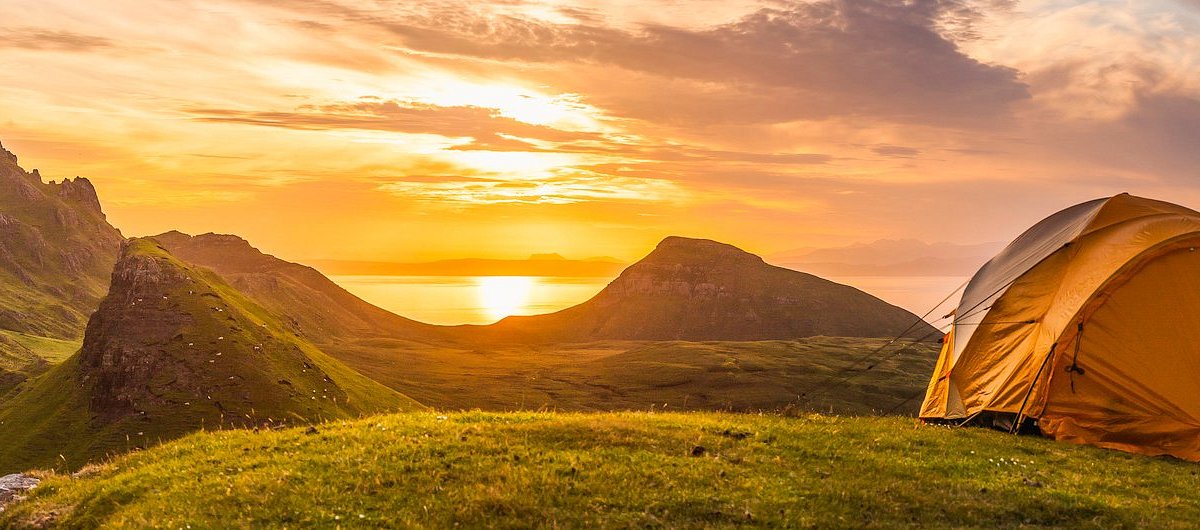
Seasonal Experience Guide
Scotland’s seasons shape your trip. Choose based on what you want to see and do:
Spring (April-May)
- Longer days, fresh greenery, wildflowers, and new lambs.
- Moderate crowds and reasonable prices.
- Weather is unpredictable rain, wind, and sunshine mix.
- Attractions mostly open, great time to avoid crowds.
Summer (June-August)
- Longest days, warmest weather (rarely above 20°C).
- Highland Gameson weekends, full attraction hours.
- Crowds are huge, prices peak, midges appear.
- Book accommodation and tickets months in advance.
Autumn (September-October)
- Mild weather, fewer tourists, autumn colors.
- Active wildlife, busy distilleries.
- Some rural sites close late October.
- Often considered Scotland’s “sweet spot” for visitors.
Winter (November-March)
- Short days, cold weather, snow in Highlands.
- Edinburgh Christmas markets, Hogmanay celebrations.
- Rural attractions may close, but prices drop.
- Cozy pubs and quiet landscapes make for unique experiences.
Festival And Event Timing
Scotland’s events affect both experience and cost:
Major Festivals
- Edinburgh Fringe (August): World’s largest arts festival. Book 6-12 months early.
- Hogmanay (New Year): Street parties and fireworks. For smaller crowds, try Stirling or Inverness.
- Celtic Connections (January, Glasgow): Celtic music festival; tickets £15-30.
- Royal Edinburgh Military Tattoo (August): Military bands and performers; tickets £28-90.
Highland Games
- Run May-September.
- Smaller local events offer more authentic experiences.
- Check the official calendar and plan around towns you’re visiting.
Tip:For major festivals and Hogmanay, book accommodation 6-12 months ahead; smaller events, 3-4 months is usually enough.
What Scotland Experiences Actually Cost
Daily Costs By Travel Style
- Budget (£70-100/day):Hostel dorms or basic B&Bs, self-cooked meals, public transport, and mostly free attractions. Requires discipline but doable.
- Mid-range (£170-230/day):Good B&Bs or hotels, one meal out daily, car rental, paid attractions, occasional splurges. Comfortable and flexible.
- Luxury (£400+/day):Five-star hotels, fine dining, private guides, and exclusive experiences.
Accommodation is the biggest cost. Edinburgh and Skye are most expensive; Borders and Argyll are cheaper. Food can be inexpensive if you follow local patterns big breakfast, picnic lunch, restaurant dinner.
Key Expenses
- Car rental:£40-60/day, plus £1.50-1.70/liter fuel, insurance £10-15/day. Automatic adds £10-15/day.
- Attractions:Castles £16-18.50, distillery tours £10-15, boat trips £30-50, Highland Games £7-10. Consider the Historic Environment Scotland Explorer Pass (£35-45) if visiting multiple sites.
Where To Splurge And Save
Splurge
- High-quality B&Bs for better comfort and local insight.
- Small distillery tours for personal experiences.
- Fresh Scottish seafood memorable and authentic.
Save
- Free alternatives to attractions (e.g., climb Calton Hill instead of paying for Scott Monument).
- City accommodations in suburbs or nearby towns with public transport.
- Lunches from supermarkets or picnic supplies.
Free And Low-Cost Authentic Experiences
Scotland offers exceptional free experiences:
- All of Scotland's natural landscapes (right to roam access)
- Most beaches, waterfalls, and viewpoints
- Many ancient sites (Callanish Stones, most stone circles)
- National museums in Edinburgh and Glasgow (free entry)
- Hiking trails throughout the country
- Watching Highland cows and other wildlife
- Dean Village and other hidden Edinburgh neighborhoods
- Attendance at pub sessions (just buy drinks)
- Calton Hill and Arthur's Seat in Edinburgh
- Glenfinnan Viaduct viewing area
Low-cost experiences (under £15):
- Most castle ruins
- Small Highland Games
- Basic distillery tours
- Pub meals
- Local bus tours (Oban to Ganavan, for example)
- Entry to most historic abbeys
Accommodation That Enhances Your Experience
Where you sleep shapes your entire Scotland experience. A characterful B&B gives you local insights; a remote cottage offers solitude under the stars.
Edinburgh
- The Witchery(luxury):Gothic romance near the castle, famous interiors, £400+/night
- 23 Mayfield(mid-range):Victorian townhouse with warm hosts, good breakfast, £120-160/night
- Code Pod Hostel(budget):Modern, clean pods with privacy, £30-50/night
Glasgow
- Blythswood Square Hotel (luxury):Former Royal Scottish Automobile Club, central location, £200+/night
- Grasshoppers Hotel(mid-range):Rooftop location above Central Station, £90-130/night
Isle Of Skye
- The Three Chimneys(luxury): Remote restaurant with rooms, incredible food, sea views, £350+/night
- Skeabost House Hotel(mid-range): Historic country house, peaceful grounds, £150-200/night
- Skye Basecamp(budget):Hostel in Kyleakin, friendly atmosphere, £25-40/night
Highlands
- The Torridon (luxury): Loch-side luxury in dramatic mountains, £250+/night
- Glenfinnan House Hotel(mid-range):Historic house overlooking Loch Shiel, £140-180/night
- Loch Ness Backpackers(budget):Fun hostel atmosphere, £20-35/night
Scottish Borders
- Windlestraw (luxury): Michelin-starred restaurant with rooms, £250+/night
- The Townhouse(mid-range):Melrose boutique hotel, friendly owners, £100-140/night
Argyll
- Ardanaiseig Hotel(luxury): Loch-side mansion in ancient woodlands, £200+/night
- The Manor House (mid-range): Oban seafront hotel, excellent restaurant, £130-170/night
Wild Camping - Freedom With Responsibility
Scotland's access rights allow wild camping almost anywhere, but follow these rules:
What's Allowed:
- Camping in small numbers (2-3 tents) for 2-3 nights
- Camping on most unenclosed land
- Using lightweight tents, not campervans or motorhomes in wild areas
What's Not Allowed:
- Camping in enclosed farmland without permission
- Lighting fires except in designated areas
- Camping in Loch Lomond and Trossachs National Park without a permit (April-September)
- Leaving any trace of your visit
Best Wild Camping Spots:
- Glen Etive: Riverside pitches with mountain views, easy access
- Sands of Morar: White beaches, turquoise water, magical sunsets
- Rannoch Moor: Remote, dramatic, and wild only for experienced campers
- Applecross Peninsula: Coastal camping with sea views
- Glen Nevis: Near Fort William, river pitches, mountain backdrop
Essential Wild Camping Tips:
- Arrive late (after 7pm) and leave early (before 10am)
- Camp at least 100 meters from roads and buildings
- Take all rubbish with you, including toilet paper
- Don't wash with soap in streams or lochs
- Use a camping stove; fires damage the land
- In Loch Lomond National Park, use official campsites or get a permit
Avoiding Tourist Traps While Supporting Local Communities
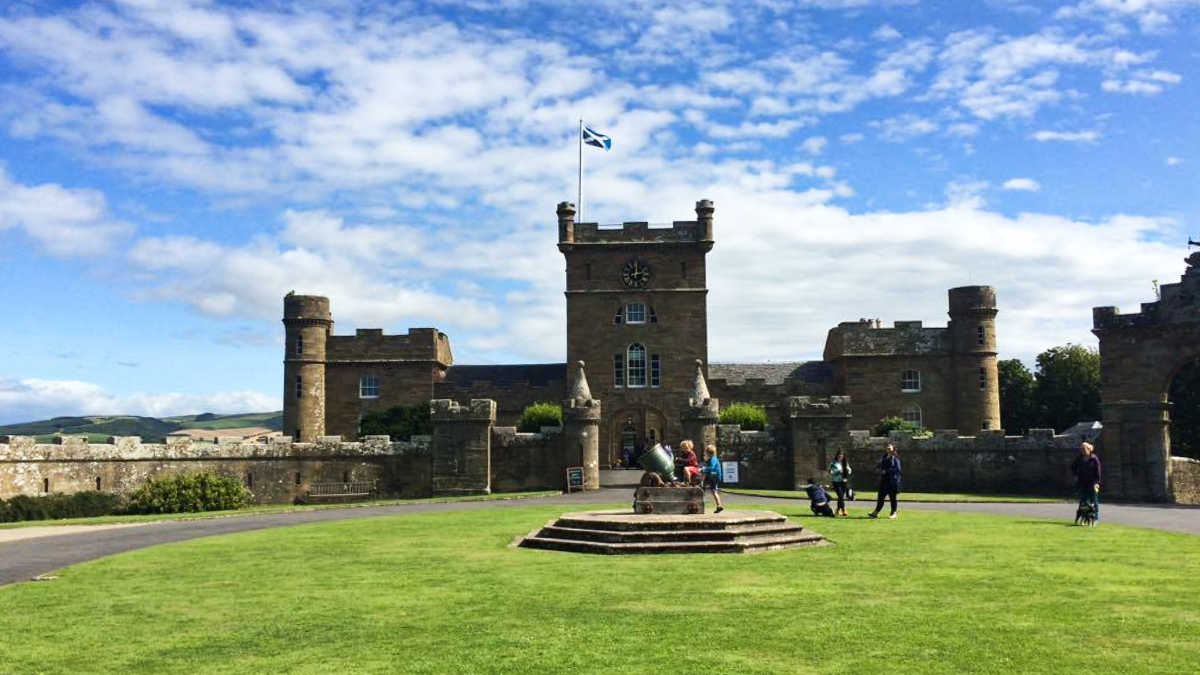
How To Spot (and Skip) Inauthentic Experiences
- Prime Location, Mediocre Quality: Restaurants on the Royal Mile often overcharge for average food. Walking a few blocks away usually brings better meals at lower prices.
- Over-the-Top Scottish Decor: Genuine local spots don’t need gimmicks to show their culture. If a restaurant looks like a tartan explosion, it’s likely aimed at tourists.
- Aggressive Marketing: Street hawkers and pushy tour operators often offer generic experiences. Quality tours rely on reputation and online reviews, not street sales.
- Daily “Traditional” Shows:Authentic ceilidhs and other Scottish experiences happen weekly or monthly, driven by local demand. Nightly tourist shows are staged, not true community gatherings.
Before Booking Experiences, Ask:
- Do locals attend/use this?
- Is this available year-round, or primarily tourist season?
- Are online reviews from varied sources positive?
- Is pricing transparent, or are there hidden fees?
Responsible And Sustainable Travel In Scotland
- Managing Crowds:Skye and Glencoe face overtourism. Skye has 10,000 residents but 650,000 annual visitors, straining infrastructure. Visit popular spots at off-peak times for example, Skye in October is far quieter than July.
- Explore Less-Visited Alternatives:Scotland has many beautiful islands beyond Skye. Consider Rum, Eigg, or Kerrera to avoid adding to crowded areas.
- Support Local Communities:Choose independent B&Bs, local restaurants, and small tour operators to keep money in Scottish communities.
- Respect Nature and Wildlife:Follow the Scottish Outdoor Access Code: take only photos, leave no trace, camp responsibly, and control dogs around livestock. Avoid disturbing nesting seabirds (April-July), seal pupping areas, and deer during rutting season.
- Use Public Transport:Trains and buses connect most towns. The West Highland Line from Glasgow to Mallaig offers one of the world’s most scenic journeys.
- Be Courteous on Roads:Single-track roads require patience. Pull into passing places, don’t block them, wave thanks to others, and drive slowly rushing spoils the experience.
Crafting Your Perfect Scotland Experience
Creating An Itinerary That Balances Highlights And Hidden Gems
Scotland rewards flexibility, but some structure helps, especially for first-time visitors.
A One-week Cultural Immersion Itinerary Might Include:
- Days 1-2: Edinburgh (castle, museums, neighborhood exploration, pub session)
- Day 3: Scottish Borders (Melrose, abbeys, scenic drives)
- Days 4-5: Glasgow (museums, music venues, ceilidh at Sloans)
- Days 6-7: Oban/Argyll (seafood, Kilmartin Glen, whisky)
This avoids overland rush, focuses on cultural experiences, and balances famous sites with overlooked regions.
A One-week Outdoor Adventure Itinerary:
- Days 1-2: Fort William area (Ben Nevis or Glen Nevis hikes, Glenfinnan)
- Days 3-4: Skye (hiking Quiraing, Old Man of Storr, coastal walks)
- Days 5-6: Torridon or Assynt (remote hiking, minimal tourists)
- Day 7: Return via Cairngorms (wildlife watching, gentle walks)
This prioritizes landscape and activity over cultural sites.
A Hidden Gems Itinerary:
- Days 1-2: Scottish Borders (Melrose, Kelso, abbey trails)
- Days 3-4: Argyll (Cowal Peninsula, Kilmartin Glen, coastal driving)
- Days 5-6: Mull and Iona (ferry adventure, Tobermory, abbey)
- Day 7: Oban (seafood, relaxation, local whisky bar)
This skips Edinburgh Castle and Loch Ness entirely, focusing on places most visitors miss.
The key to any itinerary: Don't try to see everything. Scotland rewards depth over breadth. Spending two days exploring Skye creates better memories than rushing through in six hours en route to somewhere else.
Common Mistakes To Avoid In Scotland
- Underestimating Driving Times:Google Maps estimates don’t account for single-track roads or Highland weather. Add 25-50% extra time to your plans.
- Trying to See Too Much:Packing too many destinations into a short trip means spending more time in the car than enjoying sights. Focus on fewer places for a richer experience.
- Ignoring Local Advice:B&B hosts, bartenders, and shopkeepers often know the best hidden spots. Ask locals and follow their recommendations.
- Inadequate Rain Gear:Scotland rains year-round. Bring a waterproof jacket and trousers; umbrellas are nearly useless in the wind.
- Booking Only in Tourist Hotspots:Popular towns like Portree are expensive and crowded. Staying in nearby villages like Uig or Dunvegan can be cheaper and more charming.
- Misjudging Summer Weather: Even in summer, temperatures can range 10-22°C. Pack layers for warmth and rain protection.
- Following Only Tour Bus Routes: Popular routes like the North Coast 500 can be overcrowded. Explore alternatives like the South West Coastal 300 for quieter drives.
The Practical Survival Guide
To travel like a local, you must respect the land and its quirks.
- The Midge Factor: From June to August, tiny biting flies called midges emerge. The local secret? Smidge (a repellent) or Avon Skin So Soft. They hate the wind, so keep moving on breezy coastal paths to stay bite-free.
- Passing Place Etiquette: On single-track roads, you mustuse "Passing Places." If a local is behind you, pull into the left (or wait on the right) to let them pass. It’s not just polite; it’s the law of the Highlands.
- The Right to Roam: Scotland has unique "access rights." You can walk almost anywhere as long as you "Leave No Trace." This is why you can find a private loch-side view that no guidebook could ever map.
People Also Ask
What Are The Most Authentic Experiences Tourists Often Miss?
Authentic experiences happen off the main tourist paths. Small Highland Games, local pub music sessions, and walks in regions like the Scottish Borders or Cowal Peninsula let you see Scotland as locals live it. Staying in family-run B&Bs, visiting local markets, and enjoying quiet landscapes often costs nothing but creates lasting memories.
Is It Better To Visit In Summer Or Other Seasons?
Summer offers long days and all attractions open but brings crowds. Shoulder seasons provide mild weather, fewer tourists, and lower prices. Winter is best for solitude but has short days and harsh weather. First-time visitors usually do best in May, September, or early October.
Do I Need A Car To Experience Scotland?
A car gives flexibility for remote Highlands and islands. Roads can be narrow, with left-side driving. Public transport connects major towns and scenic routes, like the West Highland Line. Many travelers combine city transport with a short car rental to explore rural areas.
Are Whisky Distillery Tours Worth It?
If you enjoy whisky, tours are valuable for tasting and learning. Smaller distilleries offer intimacy and staff interaction; larger distilleries show production scale. For non-drinkers, bars in Edinburgh or Glasgow offer tasting flights and similar education for less.
What Should I Pack For Outdoor Experiences?
Always prepare for rain, wind, and cold. Essentials: waterproof jacket and trousers, warm mid-layers, sturdy boots, hat and gloves. For hiking: backpack, water, snacks, map, compass, first aid, flashlight. Casual walking needs just comfortable shoes, layers, and a rain jacket. Bring midge repellent May-September.
Final Thoughts
Scotland isn’t a place to rush through or simply tick off a list. Its most meaningful moments happen away from the landmarks in quiet villages, empty roads, and still lochs at dusk. These are the Scotland travel experiences that linger long after the journey ends.
Slow down, wander beyond the obvious, and leave space for the unexpected. When you do, Scotland stops being something you visit and becomes something you feel.
Jump to
Scotland Travel Experiences Beyond The Tourist Trail
What Separates Transformative Scotland Experiences From Tourist Activities
Natural Wonders That Define The Scottish Spirit
Cultural Immersion
Historical Scotland: Where Stories Come Alive
Capturing Scotland - A Practical Photography Guide
Active Adventures For Every Fitness Level
Getting Around Scotland
Hidden Gems
When To Visit For The Experiences You Want
What Scotland Experiences Actually Cost
Accommodation That Enhances Your Experience
Avoiding Tourist Traps While Supporting Local Communities
Crafting Your Perfect Scotland Experience
Common Mistakes To Avoid In Scotland
The Practical Survival Guide
People Also Ask
Final Thoughts
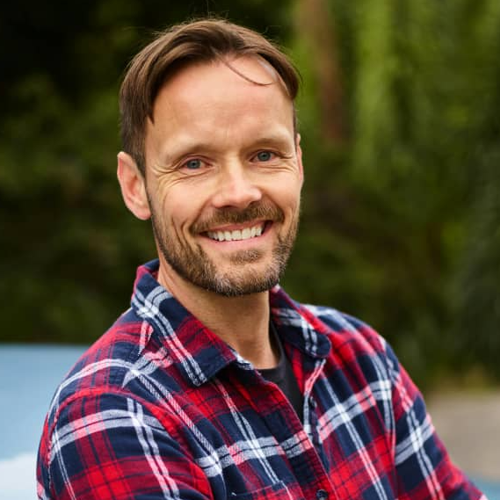
Callum Fraser
Author
Callum Fraser isn't just a writer about Scotland; he's a product of its rugged landscape and rich history. Born and raised in Perthshire, with the Highlands as his backyard, his love for the nation's stories was kindled by local storytellers and long walks through ancient glens.
This passion led him to pursue a degree in Scottish History from the University of Edinburgh. For over 15 years, Callum has dedicated himself to exploring and documenting his homeland, fusing his academic knowledge with essential, on-the-ground experience gained from charting road trips through the Cairngorms, hiking the misty Cuillins of Skye, and uncovering the secrets of traditional recipes in his family's kitchen.
As the Editor-in-Chief and Lead Author for Scotland's Enchanting Kingdom, Callum's mission is simple: to be your most trusted guide. He combines meticulous research with a storyteller's heart to help you discover the authentic magic of Scotland — from its best-kept travel secrets to its most cherished traditional recipes.
Latest Articles
Popular Articles