Scotland Travel Itinerary | Plan A Trip Without Feeling Exhausted
Plan a realistic Scotland travel itinerary focused on pace, balance, and enjoyment. Learn how to see Scotland without rushing, overdriving, or feeling exhausted.
Author:Callum FraserDec 15, 2025
A Slower Way To Plan A Scotland Travel Itinerary
Scotland taught me a lesson the hard way. On my first long trip, I tried to see everything. I moved hotels almost every night, drove too far each day, and turned some of the most beautiful landscapes in Europe into a blur.
Scotland didn’t need more effort from me. It needed less. Once I slowed down, everything changed. The roads felt calmer. The places felt deeper. The memories stuck.
That’s why this Scotland travel itineraryis built around pace, not pressure. I’m not trying to show you everything. I’m showing you how I plan a journey that feels rich, balanced, and genuinely enjoyable, one that works in real life, not just on a map.
How Many Days Do You Need For A Scotland Travel Itinerary?
Before choosing places, I always decide how much time I actually have. This single decision shapes the entire trip more than any route ever will.
Scotland can work at many lengths, but each one feels very different.
5-7 Days: A Short Introduction
This is enough time to understand Scotland’s character, but not its depth. You’ll usually focus on one city and a brief Highlands experience. It works, but it will feel fast, and you’ll have to accept that many regions stay out of reach.
8-10 Days: Balance Without Exhaustion
This is where Scotland starts to feel comfortable. You can combine cities with the Highlands and still have room to breathe. Driving days are manageable, and the trip feels intentional rather than rushed.
15-16 Days: The Most Complete Experience
This is the pace I build around in this guide. It allows longer stays, gentler driving days, flexibility for weather, and time to actually absorb places. Nothing feels forced, and nothing important feels missed.
Days 1-2: Edinburgh
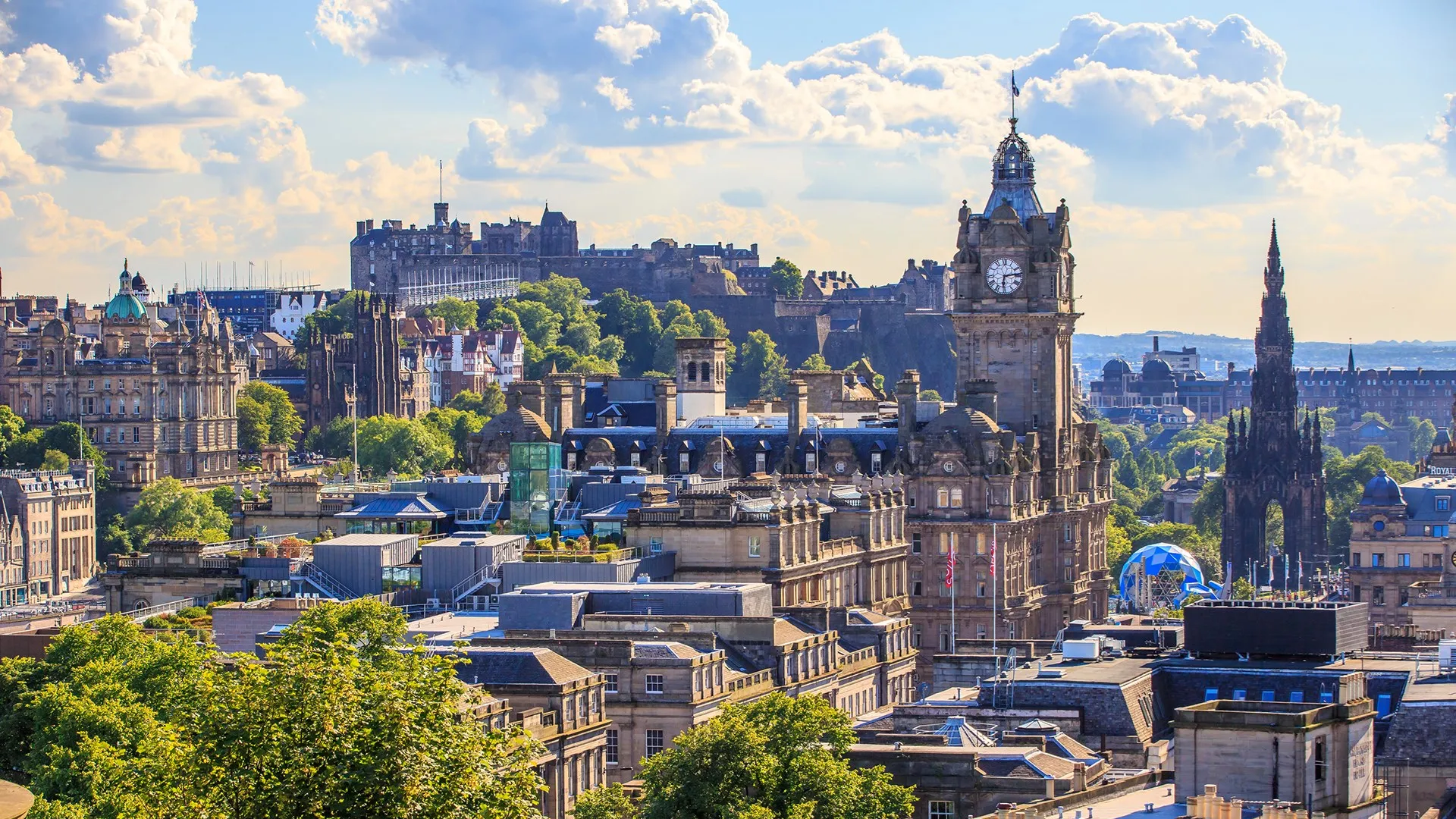
I always begin in Edinburgh Scotland, and I always give it time. The first day is about arriving gently. I walk the Royal Mile without an agenda, letting the city unfold at its own pace. I explore the castle area from the outside first, taking in views and street life before stepping inside anything. Cafés, closes, and sudden viewpoints do more to set the tone than any checklist.
On the second day, I choose one or two anchors. Edinburgh Castle for context. Arthur’s Seat or Calton Hill for perspective. I avoid trying to “see everything.” Museums will still be there later, but your energy on day one won’t.
Edinburgh isn’t about doing more. It’s about settling into Scotland and letting the country introduce itself properly.
Days 3-4: St Andrews And The East Neuk Of Fife
This is where the pace changes, and I feel it every time.
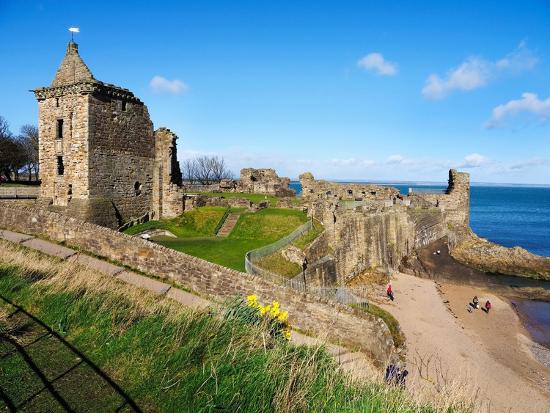
St Andrews invites slow movement. I walk through the cathedral ruins without rushing, follow the coastline, and stop often. The town feels academic, historic, and calm all at once. It doesn’t ask for attention. It earns it quietly.
The East Neuk of Fifeis one of Scotland's most underrated regions. Villages like Anstruther and Crail are small, but that’s the point. Short coastal walks, harbours with fishing boats, and simple meals by the sea reset your expectations.
This is often the moment travelers realize they don’t need to be busy to feel fulfilled.
Days 5-6: Dundee And Angus
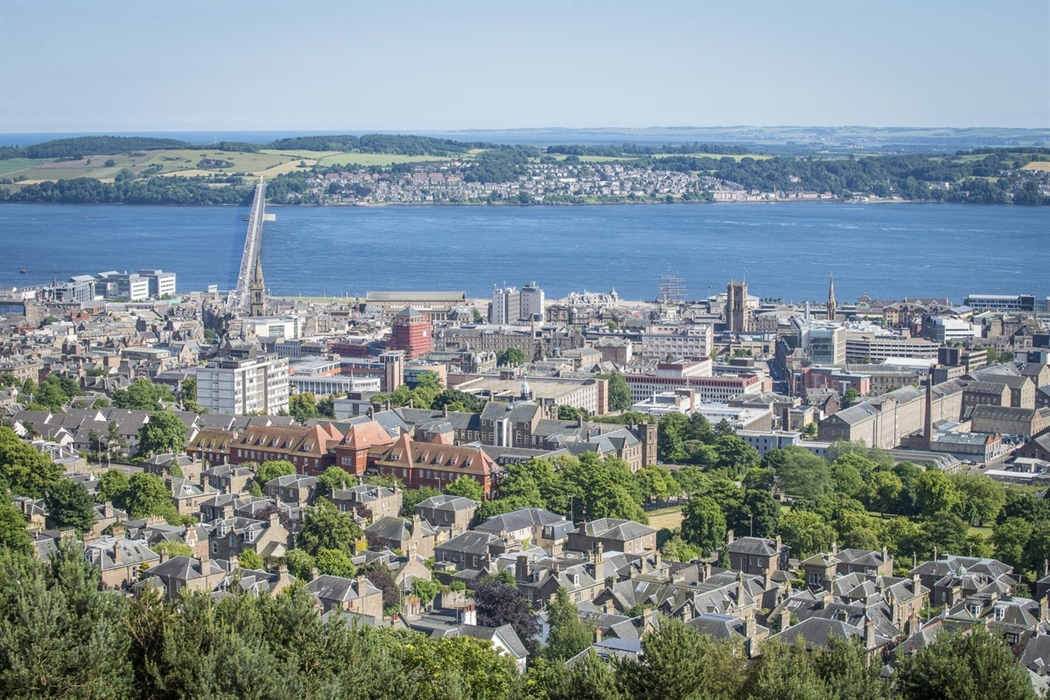
Dundee shifts the mood again.
It’s creative, forward-looking, and different from Edinburgh in the best way. I spend time with design, maritime history, and river views. It reminds me that Scotland isn’t frozen in the past.
Angus opens into farmland, castles, and space. Glamis Castle feels dramatic without feeling crowded. Arbroath Abbey carries national importance, but it doesn’t overwhelm you. You can take your time here.
This part of the trip connects Scotland’s royal history with its everyday landscape, and it does so gently.
Days 7-8: Aberdeen And The Aberdeenshire Coast
Aberdeen rarely matches expectations, and that’s why I like it.
The city feels open and relaxed. I walk, slow down, and enjoy not feeling rushed by crowds. There’s a calm confidence here that grows on you.
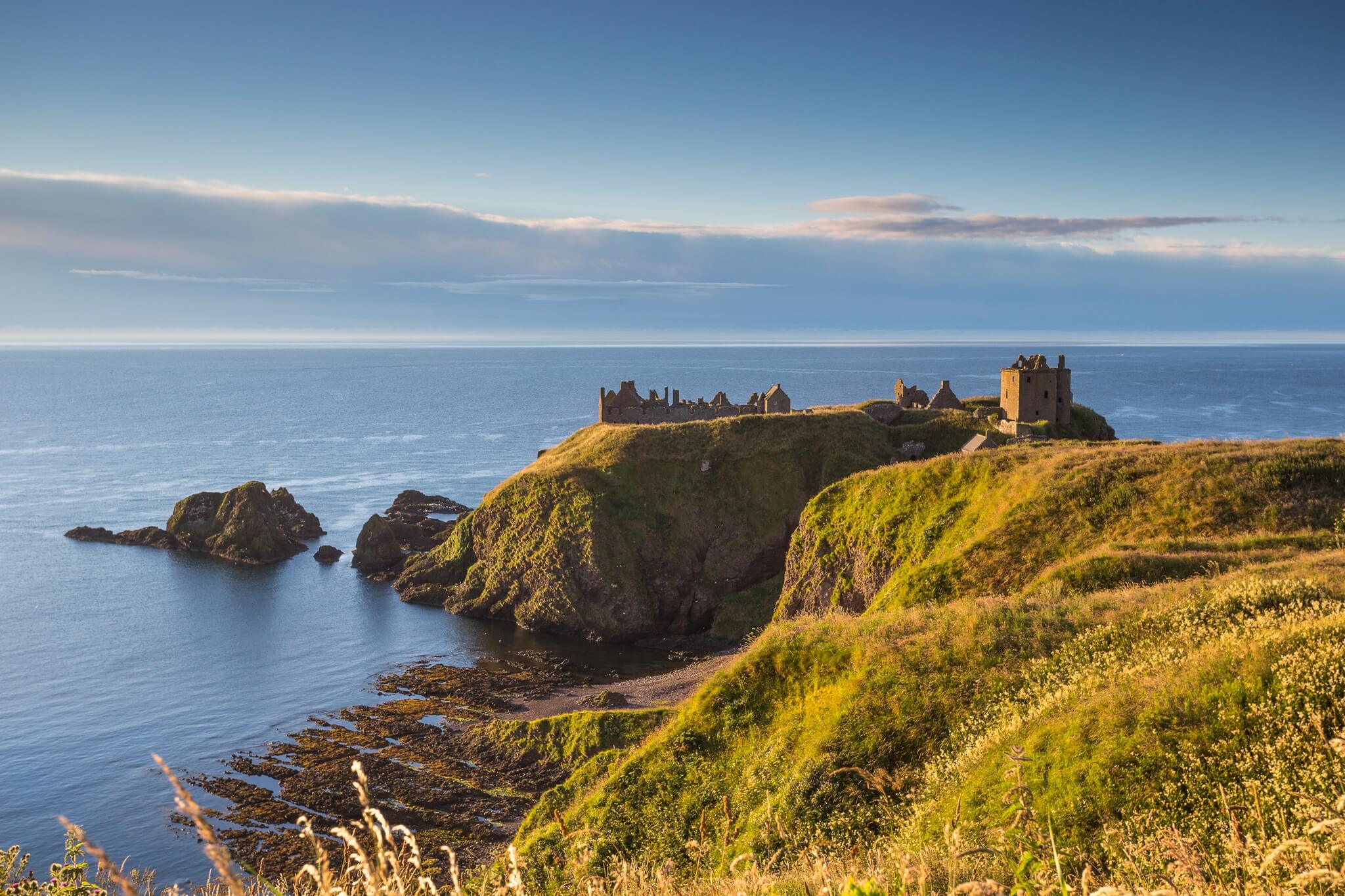
The following day, I focus on the coast. Dunnottar Castleis powerful, not just visually but emotionally. Standing there, you feel the weight of history and landscape at the same time.
Pennan is the opposite. Small, quiet, and almost untouched. Together, these places slow the trip naturally, without effort.
Days 9-10: Inverness And Loch Ness
By now, movement has added up.
Inverness is where I pause. I don’t overload these days. I walk along the river, sit by the water, and enjoy not driving far. Inverness works best when you let it be a base, not a target, especially when visiting nearby Scottish attractionsthat are best appreciated without rushing.
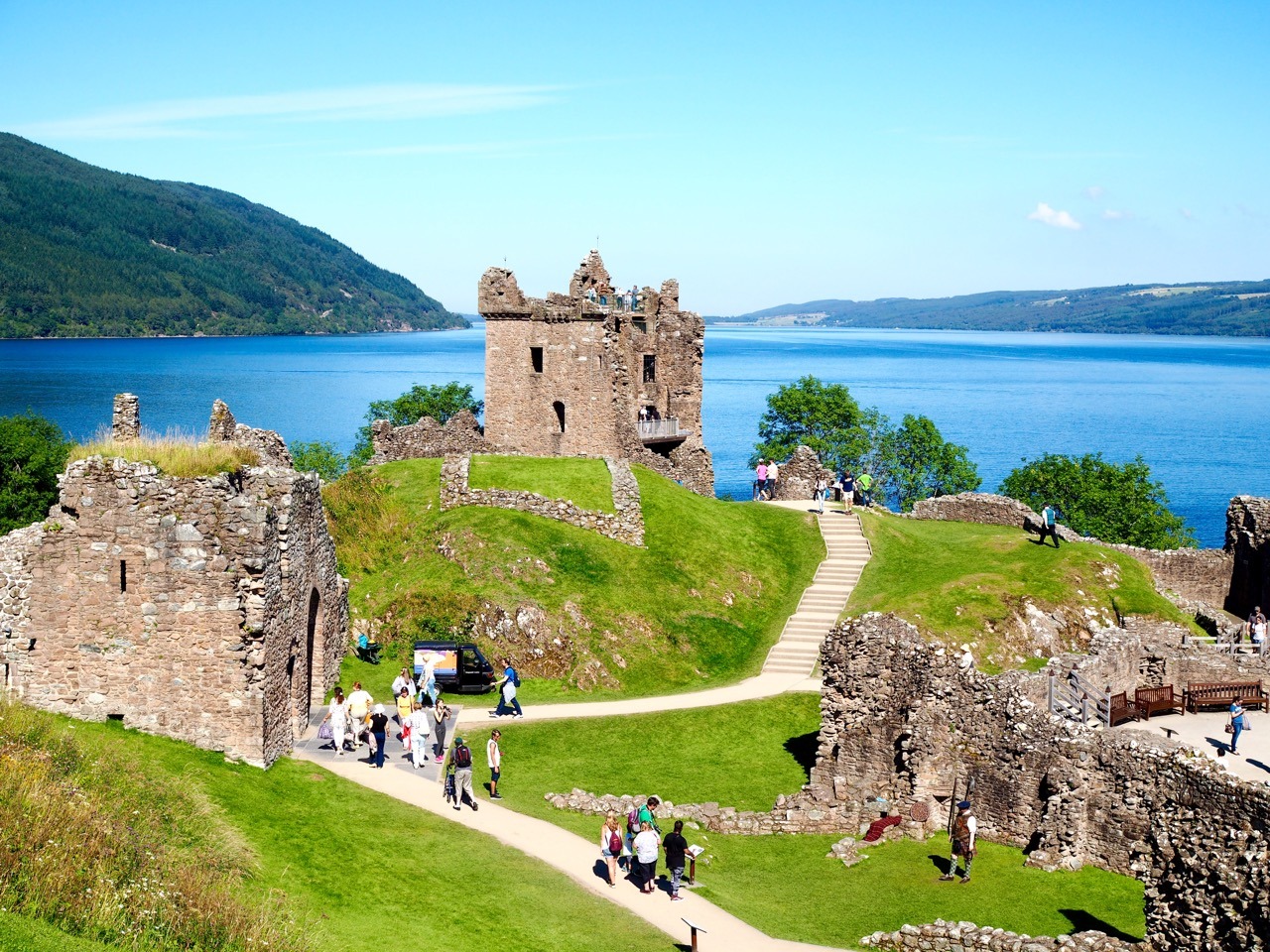
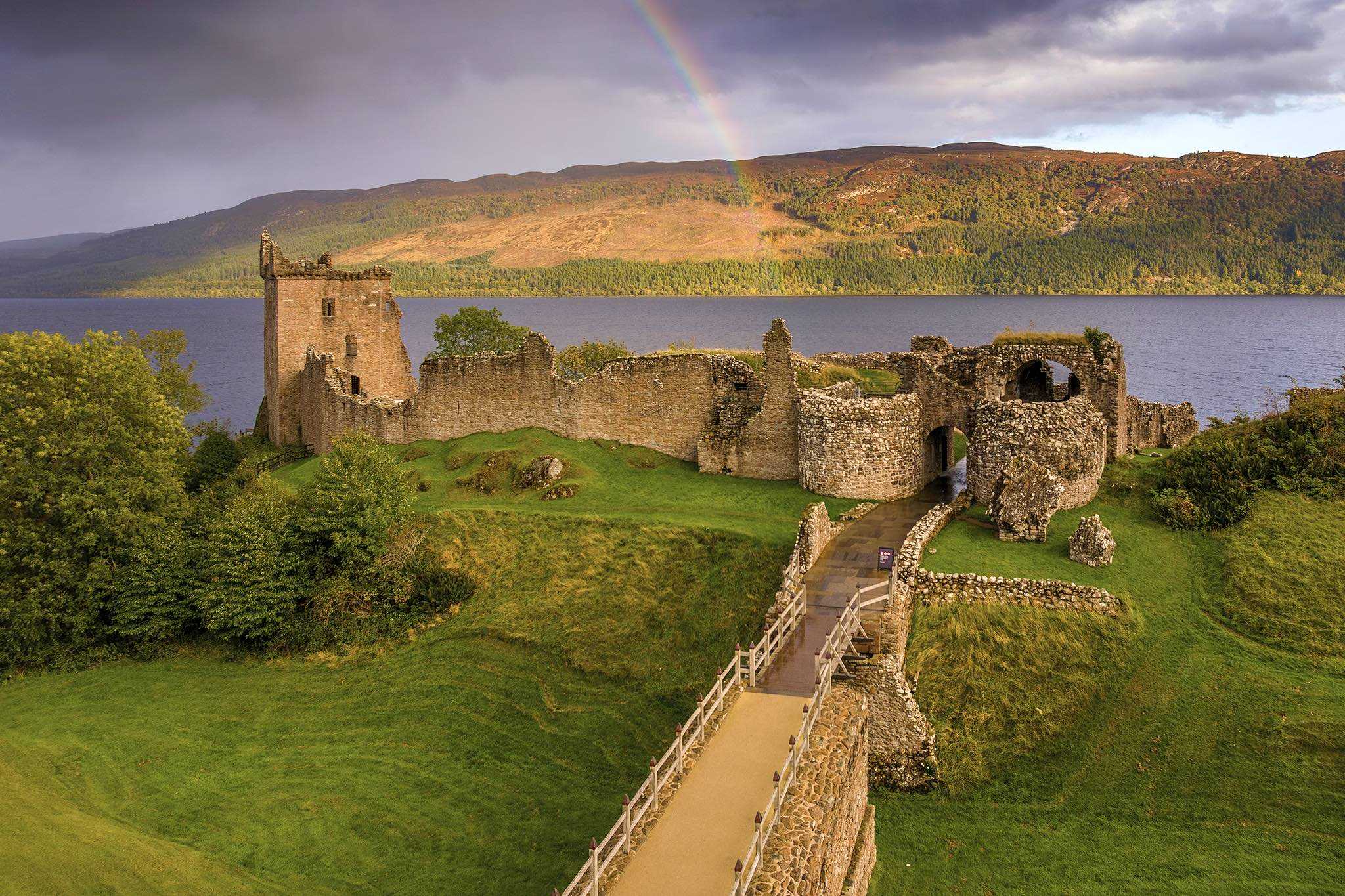
One main outing to Loch Ness is enough. I visit one historic spot, spend time by the water, and leave space for weather to shape the day. I don’t chase myths or multiple viewpoints.
This rest is not optional. It’s what makes the second half of the trip feel good instead of tiring.
Days 11-12: Isle Of Skye
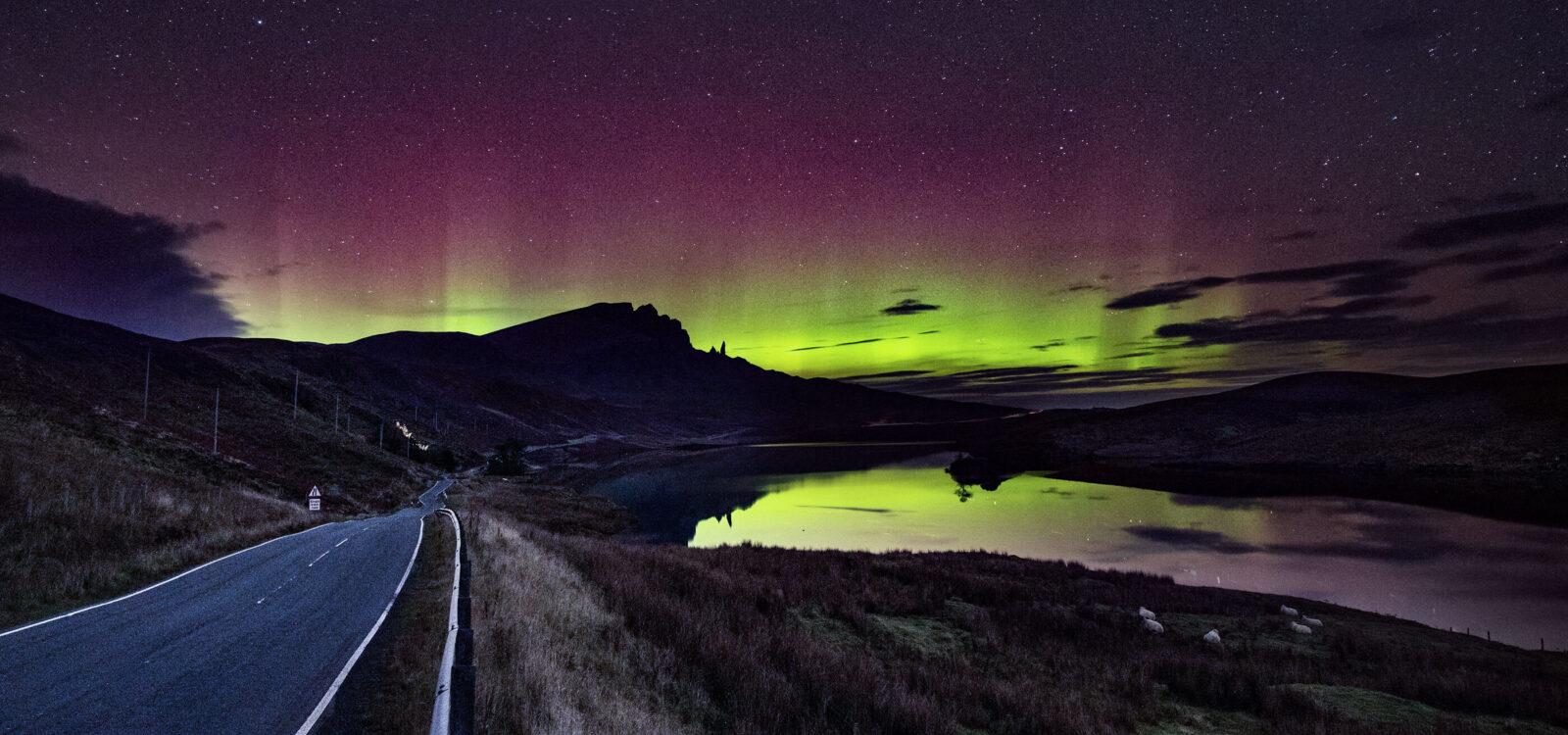
Skye is where many itineraries fall apart. I don’t let that happen.
The island is large, the roads are slow, and the scenery demands attention. I choose carefully:
- One or two iconic walks
- One coastal viewpoint
- One day with no fixed plan
That’s it.
Sometimes that quiet moment becomes the highlight. A sudden break in the clouds. Light over water. A road that leads nowhere special, yet feels perfect.
Skye isn’t meant to be conquered. It’s meant to be given time.
Days 13-14: Glencoe And Fort William
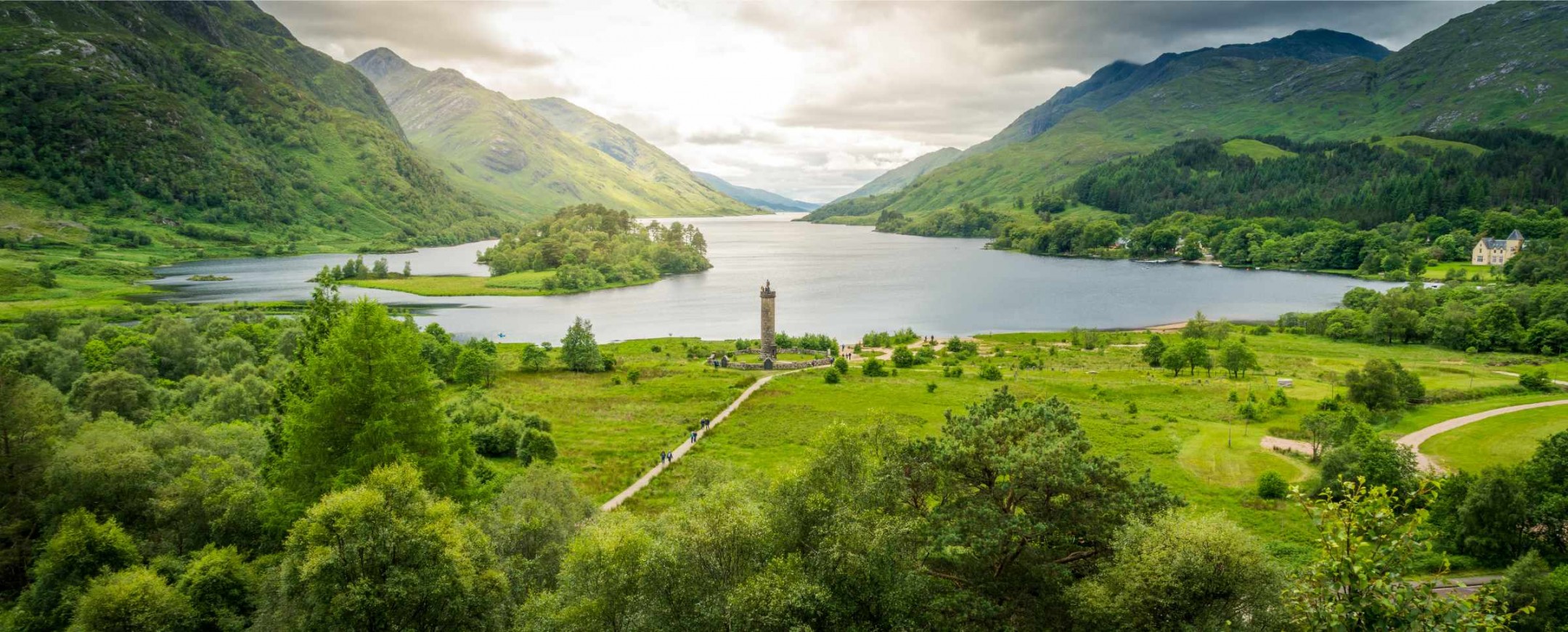
Glencoe carries a different kind of beauty.
It feels heavy, layered with both history and scale. I stop often, take short walks, and let the landscape speak. Long hikes aren’t necessary to feel the power of this place.
In Fort William, I listen to my energy level. Some days call for a challenge. Others don’t. Whether it’s a mountain view or a gentle ride upward, the goal is enjoyment, not achievement.
By now, I’m careful with my energy. That’s what keeps the trip strong until the end.
Day 15: Loch Lomond And The Trossachs
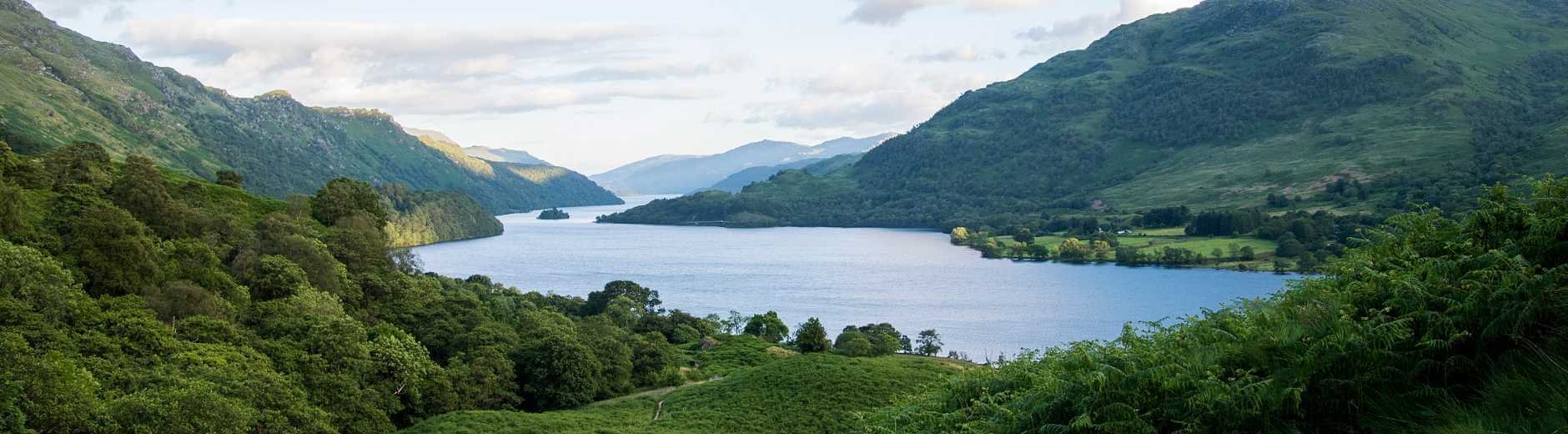
This day always feels like Scotland loosening its hold.
Still water, wooded paths, and quiet movement replace dramatic peaks. Boat rides and short walks feel enough. There’s no pressure to “do” anything.
It’s a gentle transition out of the Highlands, both physically and emotionally.
Day 16: Glasgow
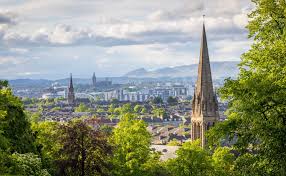
I always finish in Glasgow.
Creative, friendly, and full of life, it reminds me that Scotland isn’t only about landscapes. It’s about people, music, ideas, and warmth.
Ending here gives the journey a human conclusion. Not a fade-out, but a full stop that feels right.
How I Think About Scotland’s Regions Before Planning Any Route
I never plan Scotland by distance alone. I plan by energy.
- The Central Belt:This is where Scotland explains itself. History, culture, architecture, and walkable cities ground the trip.
- The Highlands And Islands:This is where Scotland slows you down. The scenery is powerful, but constant driving here is tiring if you don’t pace it properly.
- The East Coast And Northeast:Quieter and less dramatic, but deeply rewarding. These areas balance the trip and prevent overload.
Understanding this prevents one of the biggest itinerary mistakes: stacking too many intense regions back-to-back.
Getting Around Scotland
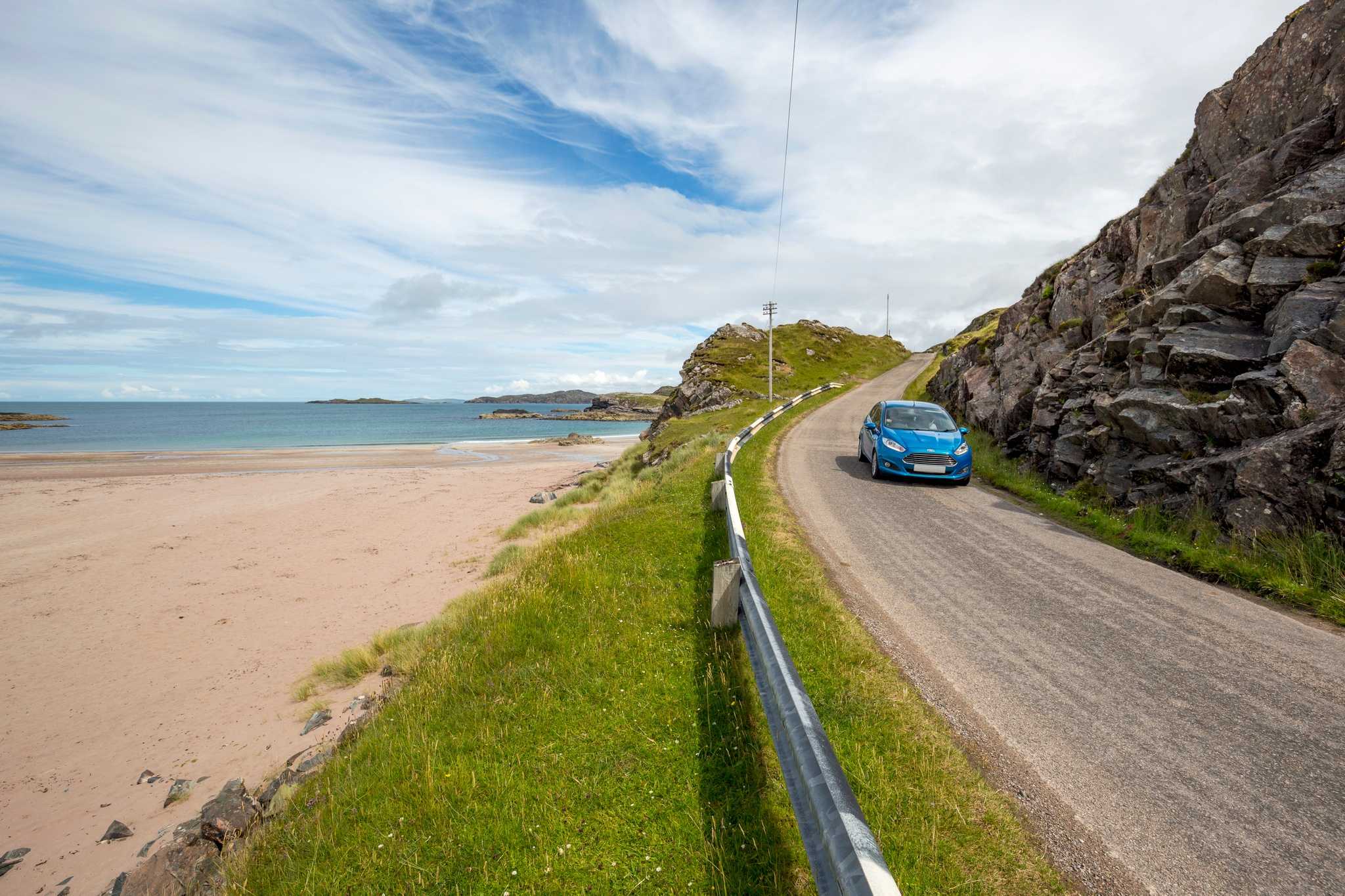
- Renting a Car: This gives the most freedom, especially in the Highlands and on Skye. You’ll drive on the left, face single-track roads, and pay more for fuel than expected. Still, the flexibility is worth it for most people.
- Public Transport:Trains and buses work well between cities and major towns. They’re slower but stress-free. You’ll miss remote stops, but not everyone wants those.
- Guided Tours: Small-group tours suit travelers who don’t want to drive or plan logistics. You gain local insight but lose flexibility.
How Much Driving Is Realistic In Scotland?
I plan driving days very conservatively.
In cities, distances are short and easy. In the Highlands and islands, driving is slower than most people expect. Roads are narrow, winding, and often irresistible to stop along.
As a rule, I aim for:
- 2-3 hours of driving per day in rural areas
- Less if I want to walk, explore, or arrive with energy
If a day looks longer than that, I rethink the route or add a night.
Do I Need To Book Ferries In Advance?
Yes, if your trip includes islands and you’re traveling between late spring and early autumn.
Ferries are limited, weather-dependent, and popular. Skye routes, in particular, fill quickly in summer. Booking ahead removes stress and protects your itinerary.
Outside peak season, flexibility improves, but I still don’t leave ferry crossings entirely to chance.
Is Driving In Scotland Difficult For Visitors?
It’s manageable, but it requires attention.
Driving on the left takes a day or two to feel natural. Single-track roads demand patience and courtesy. Progress is slower, but that’s part of the experience.
The biggest challenge isn’t difficulty, it’s fatigue. Shorter driving days make everything else more enjoyable.
Is This Scotland Travel Itinerary Budget-Friendly?
It can be.
Slower traveloften costs less than rushed travel. Staying longer in fewer places reduces fuel costs, parking fees, and one-night accommodation premiums.
This itinerary works at different comfort levels:
- Budget travelers benefit from fewer moves and self-catering
- Mid-range travelers gain flexibility and comfort
- Higher-end travelers enjoy depth instead of constant transitions
The key isn’t spending more, it’s spending more deliberately.
Best Time To Visit Scotland
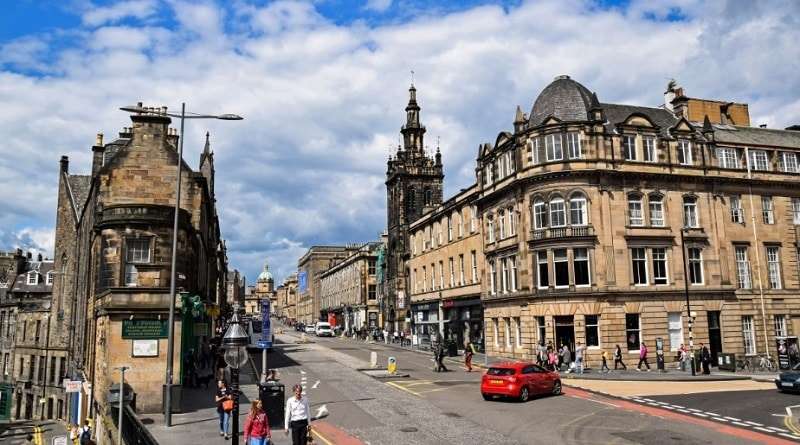
Scotland doesn’t have a single “best” season. What it has are different moods, and each one changes how your trip feels. Weather, daylight, crowds, and even your energy level all shift with the seasons, and those differences matter far more than most guides admit.
When people ask me about the best time to visit Scotland, I don’t point to a month or a forecast. I ask what kind of experience they want to have.
Late Spring (May-June): The Most Balanced Experience
Late spring is when Scotland feels generous.
Days are long, sometimes stretching late into the evening, which gives you time to explore without rushing. The landscapes are fresh and green, rivers are full, and the air still feels clean and cool.
Crowds exist, but they’re manageable. Popular places feel lively, not overwhelmed. You can stop spontaneously, find parking without stress, and walk popular trails without feeling herded along.
This is the season I return to again and again. It offers the best balance of light, space, and energy. If you want Scotland to feel open and welcoming, this is when it does.
Summer (July-August): Big Energy, Big Crowds
Summer in Scotland is vibrant and intense.
The days are incredibly long, sometimes barely getting dark. Festivals fill the cities, especially in Edinburgh. The countryside is at its most colorful, and everything feels alive.
But this energy comes at a cost. Roads are busier, accommodation prices rise sharply, and popular spots especially the Isle of Skye can feel crowded by mid-morning. Planning becomes essential. Spontaneity becomes harder.
If you travel in summer, I slow my pace even more. I start early, book ahead, and accept that some places will be busy. When approached with patience, summer can still be beautiful. Without it, it can feel overwhelming.
Autumn (September-October): Calm, Color, And Contrast
Autumn is Scotland at its most atmospheric.
Crowds thin noticeably, especially after early September. The light becomes softer and more dramatic, which transforms landscapes, forests, and coastlines. Colors deepen, and long shadows add depth to views you’ve already seen in summer.
This is when I notice details more easily. The roads feel calmer. Walks feel quieter. Even cities slow down slightly.
By October, daylight shortens and some rural places begin to close for the season, but what you lose in hours you gain in mood. If you enjoy reflection, photography, and quieter travel, autumn feels deeply rewarding.
Winter (November-March): Moody, Honest, And Demanding
Winter strips Scotland down to its bones.
Days are short, the weather is unpredictable, and many rural attractions close. Snow and rain are real possibilities, and long road trips become more challenging.
But winter has a character all its own. Cities feel intimate. Landscapes feel raw and dramatic. On the right day, light breaks through clouds in ways that feel almost theatrical.
I plan winter trips very differently. I focus on cities, short drives, and flexibility. I don’t chase long itineraries. When approached with the right mindset, winter feels honest and powerful but it’s not the season for first-time, ambitious road trips.
Common Scotland Itinerary Mistakes
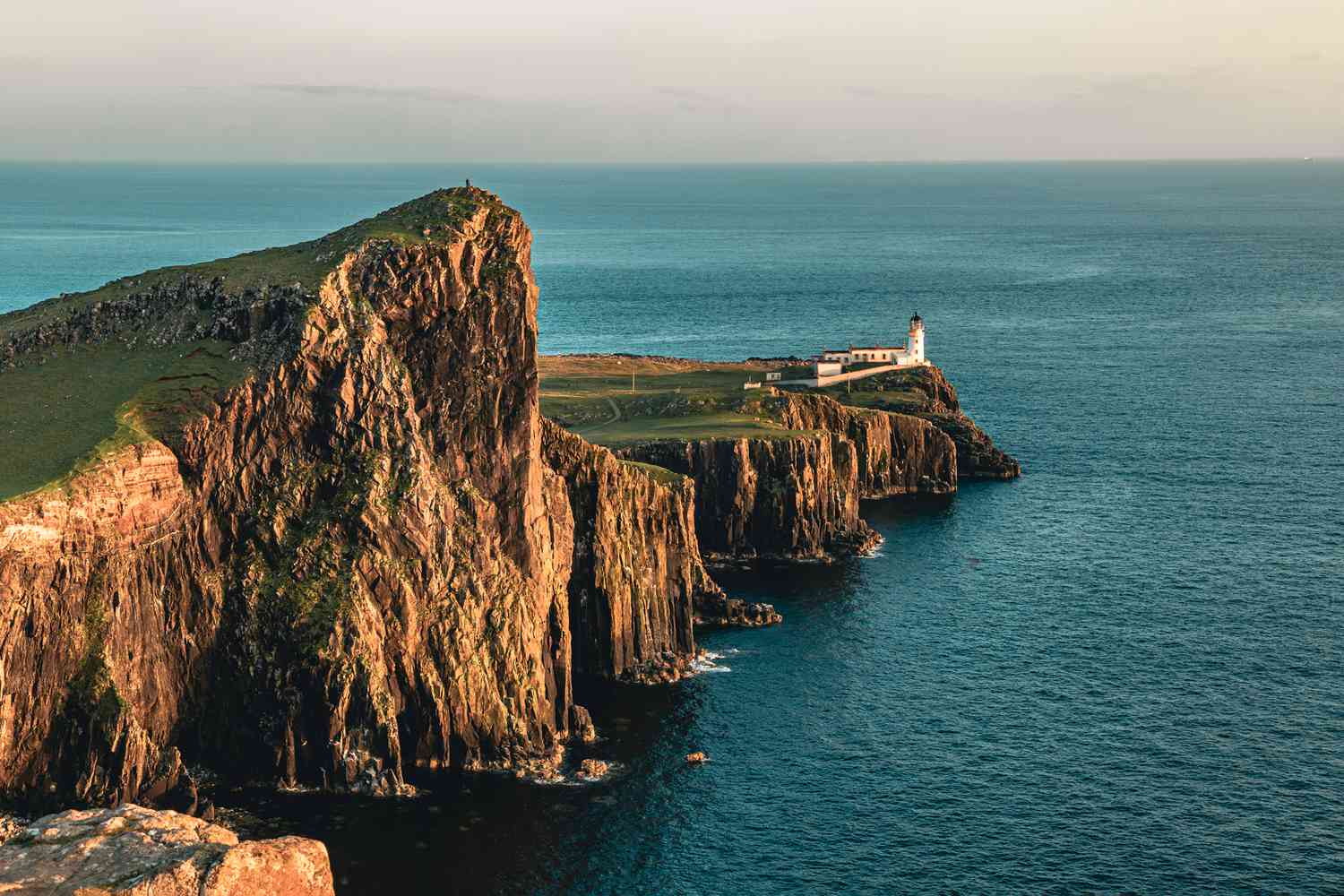
1. Underestimating Driving Time
This is the most common mistake, and the most damaging.
Distances in Scotland look short, but roads are slow. Single-track sections, winding mountain passes, sudden sheep crossings, and frequent photo stops all add time. A drive that looks like two hours on a map often becomes three.
When driving days are too long, everything else suffers. You rush stops. You arrive tired. You stop enjoying the scenery you’re supposed to be traveling for.
I plan driving days conservatively. Shorter drives leave space for weather, curiosity, and rest and that space is where Scotland shines.
2. Changing Accommodation Too Often
Moving every night feels productive, but it quietly drains your energy.
Packing, checking out, driving, checking in, and unpacking again eats into each day. By the third or fourth move in a row, even beautiful places start to blur together.
I stay at least two nights in most locations, and three nights in places like the Isle of Skye. Fewer bases mean deeper experiences, calmer mornings, and evenings that actually feel restful. Scotland rewards staying put.
3. Rushing The Isle Of Skye
Skye looks manageable on a map. It isn’t.
The island is large, roads are slow, and attractions are spread far apart. Trying to “see Skye” in one day turns something magical into something stressful.
I choose less on Skye fewer sights, fewer miles, fewer plans. One day for iconic landscapes, one day for quiet exploration, and one day with no pressure at all.
Skye is not a place to conquer. It’s a place to sit with.
4. Ignoring Weather Flexibility
Scotland’s weather changes quickly, and that’s not a flaw it’s part of the experience.
The mistake is treating your plan as fixed. When a rainy day is locked to an outdoor hike, frustration follows. When a clear morning is wasted indoors because of a rigid schedule, opportunities slip away.
I always build backup options. Outdoor plans pair with indoor alternatives. I stay flexible, swapping days when the weather shifts.
The best moments often happen because plans changed, not despite it.
5. Overplanning Every Hour
A full schedule looks reassuring, but it often backfires.
Scotland’s most memorable moments rarely appear on itineraries. A quiet loch at sunset. A road that leads somewhere unexpected. A pub you didn’t plan to enter.
When every hour is booked, there’s no room for these moments. I leave gaps intentionally. I plan less than I think I need. Those empty spaces are where the trip becomes personal.
People Also Ask
How Many Days Do I Really Need For A Scotland Travel Itinerary?
It depends on how you want the trip to feel. A week gives you a taste, but it will feel fast. Ten days allows balance. Fifteen to sixteen days is ideal if you want to travel at a relaxed pace, handle weather changes, and actually enjoy each place instead of rushing through it.
Is It Better To Focus On Fewer Places In Scotland?
Yes. Scotland rewards depth, not distance. Staying longer in fewer locations leads to calmer days, less driving fatigue, and better memories. Most people enjoy Scotland more when they stop trying to see everything.
Do I Need To Rent A Car For A Scotland Itinerary?
Outside of major cities, a car makes planning much easier. It gives flexibility, access to remote areas, and control over your pace. Public transport works well for cities and main routes, but it limits spontaneity in the Highlands and islands.
Is The Isle Of Skye Worth Including In A Scotland Travel Itinerary?
Yes, but only if you give it enough time. Skye is large and slow to drive. One night is not enough. Two nights is the minimum. Three nights allows you to experience it without stress.
What Is The Best Time Of Year To Visit Scotland?
Late spring and early autumn offer the best balance of daylight, weather, and crowd levels. Summer is beautiful but busy and requires advance planning. Winter is atmospheric but better suited to cities and shorter trips.
Final Thoughts
Scotland isn’t a country that rewards rushing. It rewards attention.
When you slow down, drive less, stay longer, and leave space in your plans, Scotland stops feeling like a list of places and starts feeling like a place you’ve actually been. The mountains feel heavier. The coast feels quieter. Even the cities feel more alive.
The goal of a good Scotland travel itinerary isn’t to see everything. It’s to come home with clear memories instead of exhaustion, with moments that stayed with you because you had time to notice them. If your plan feels calm before you even leave, you’re already doing something right.
Plan with patience, permit yourself to skip things, and trust that Scotland will meet you where you are. It always does.
Jump to
A Slower Way To Plan A Scotland Travel Itinerary
How Many Days Do You Need For A Scotland Travel Itinerary?
Days 1-2: Edinburgh
Days 3-4: St Andrews And The East Neuk Of Fife
Days 5-6: Dundee And Angus
Days 7-8: Aberdeen And The Aberdeenshire Coast
Days 9-10: Inverness And Loch Ness
Days 11-12: Isle Of Skye
Days 13-14: Glencoe And Fort William
Day 15: Loch Lomond And The Trossachs
Day 16: Glasgow
How I Think About Scotland’s Regions Before Planning Any Route
Getting Around Scotland
How Much Driving Is Realistic In Scotland?
Do I Need To Book Ferries In Advance?
Is Driving In Scotland Difficult For Visitors?
Is This Scotland Travel Itinerary Budget-Friendly?
Best Time To Visit Scotland
Common Scotland Itinerary Mistakes
People Also Ask
Final Thoughts

Callum Fraser
Author
Callum Fraser isn't just a writer about Scotland; he's a product of its rugged landscape and rich history. Born and raised in Perthshire, with the Highlands as his backyard, his love for the nation's stories was kindled by local storytellers and long walks through ancient glens.
This passion led him to pursue a degree in Scottish History from the University of Edinburgh. For over 15 years, Callum has dedicated himself to exploring and documenting his homeland, fusing his academic knowledge with essential, on-the-ground experience gained from charting road trips through the Cairngorms, hiking the misty Cuillins of Skye, and uncovering the secrets of traditional recipes in his family's kitchen.
As the Editor-in-Chief and Lead Author for Scotland's Enchanting Kingdom, Callum's mission is simple: to be your most trusted guide. He combines meticulous research with a storyteller's heart to help you discover the authentic magic of Scotland — from its best-kept travel secrets to its most cherished traditional recipes.
Latest Articles
Popular Articles