Kinshaldy Beach - Parking, Walks, Tides, And Tips
Kinshaldy Beach is best as a forest-to-beach day: access via Tentsmuir, barrier parking tips, tide safety, seal etiquette, and facilities near the entrance.
Author:Callum FraserFeb 18, 202613.6K Shares413.4K Views
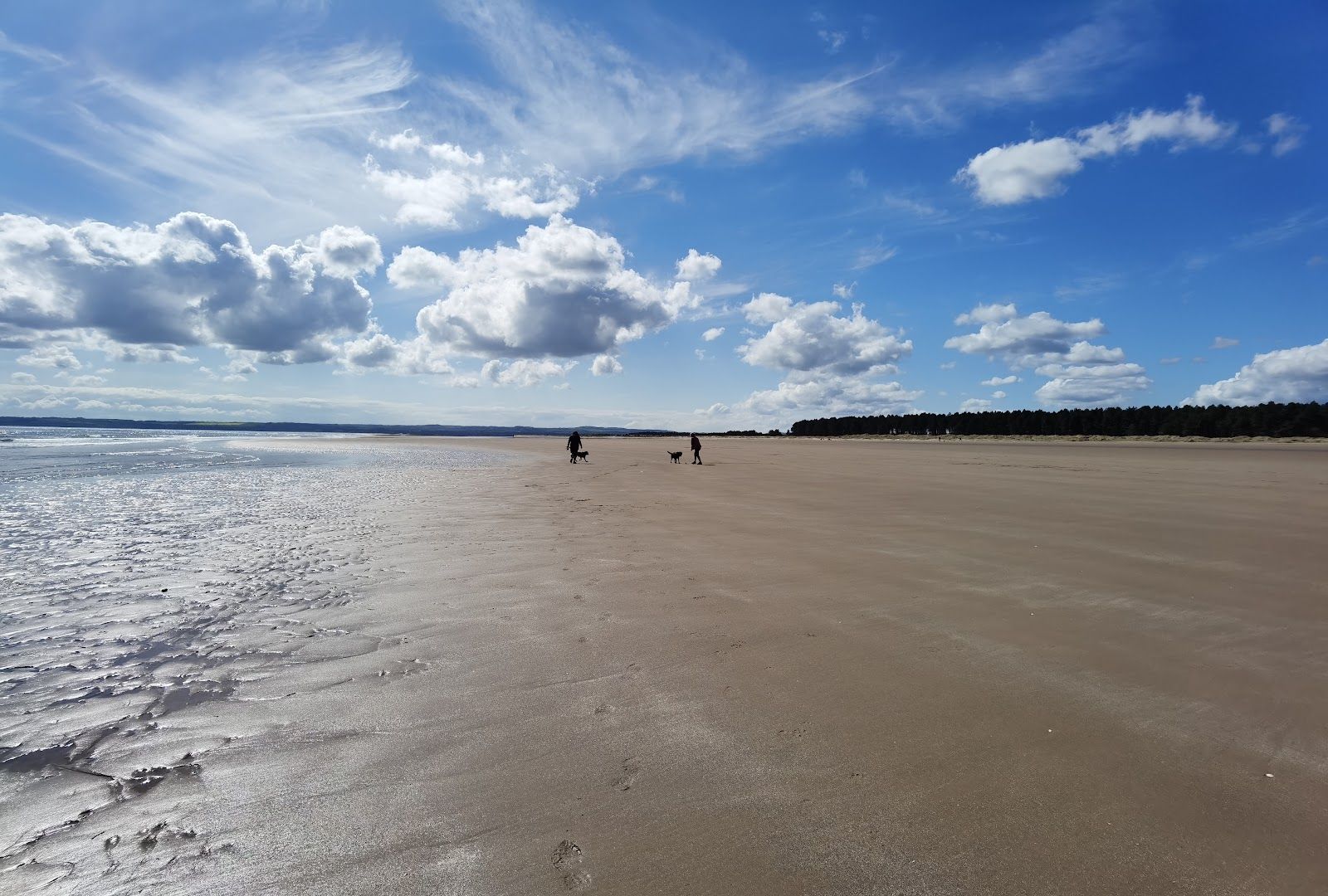
Kinshaldy Beach: What To Know Before You Go
Kinshaldy Beachis a long, open sandy beach on Fife’s northeast coast, reached through the dunes of Tentsmuir Forest-best for walking and nature, with tide-aware coastal safetyand a barrier-controlled car parkto plan for.
In Short: Key Takeaways
- Where it is:On Fife’s northeast coast by Tentsmuir Forest (Sat-Nav often shown as KY16 0DR).
- Best use of your time:Treat it as a forest-to-beach day(walks + dunes + shoreline), not a “facilities-on-the-sand” beach.
- Parking reality:Barrier entry + seasonal hours. FLS lists £4/day (cash or card), but older official pages still show £2-bring £2–£4 in coinsto be safe.
- Hard rules that trip people up:No fires anywhere (forest, dunes, or beach) and alcohol is prohibited by byelaws. BBQs are only for designated BBQ plates at the picnic area-don’t use disposable BBQs on sand/dunes (and restrictions can tighten in dry weather).
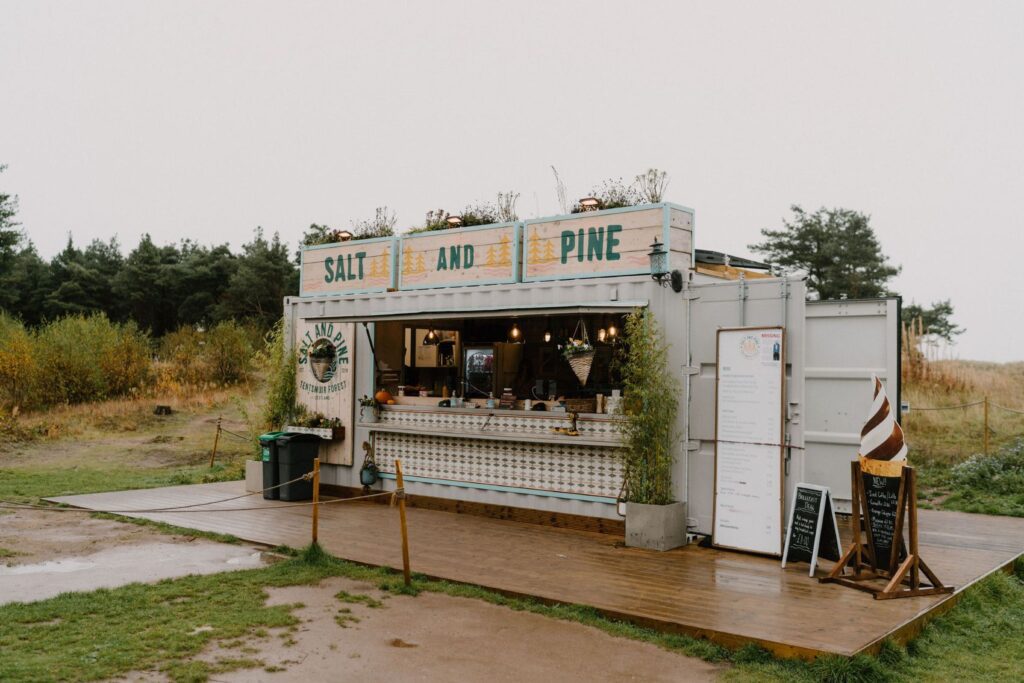
- Facilities:Expect basics at/near the main entrance (toilets, picnic area; accessibility features listed on official pages), and the "Salt and Pine" café(serving artisan coffee and crepes, typically seasonal/weekends).
- Sea safety:RNLI warns that tides can cut people off; check tides and don’t assume yesterday’s conditions apply today.
- Respect-first:Follow the Scottish Outdoor Access Code-especially with dogs, dunes, and any BBQ/fire risk.
- Choose the right gateway (this saves time):Kinshaldy is best for “forest → dunes → beach”, Morton Lochs is best for hides/wildlife, Tayport is best for Fife Coastal Pathaccess.
| Gateway | Best for |
| Kinshaldy (FLS barrier car park) | Fastest “forest → dunes → beach” access + Ice House Trail hub |
| Morton Lochs (NatureScot car park) | Wildlife hides + lochs + quieter, more sheltered birding |
| Tayport (town parking) | Fife Coastal Path approach + Tayport Heath → Tentsmuir Point |
Below you’ll find how to get there, where to park, the best walk options, what facilities you can count on, tide safety, and a fast “before you go” checklist.
Where Is Kinshaldy Beach?
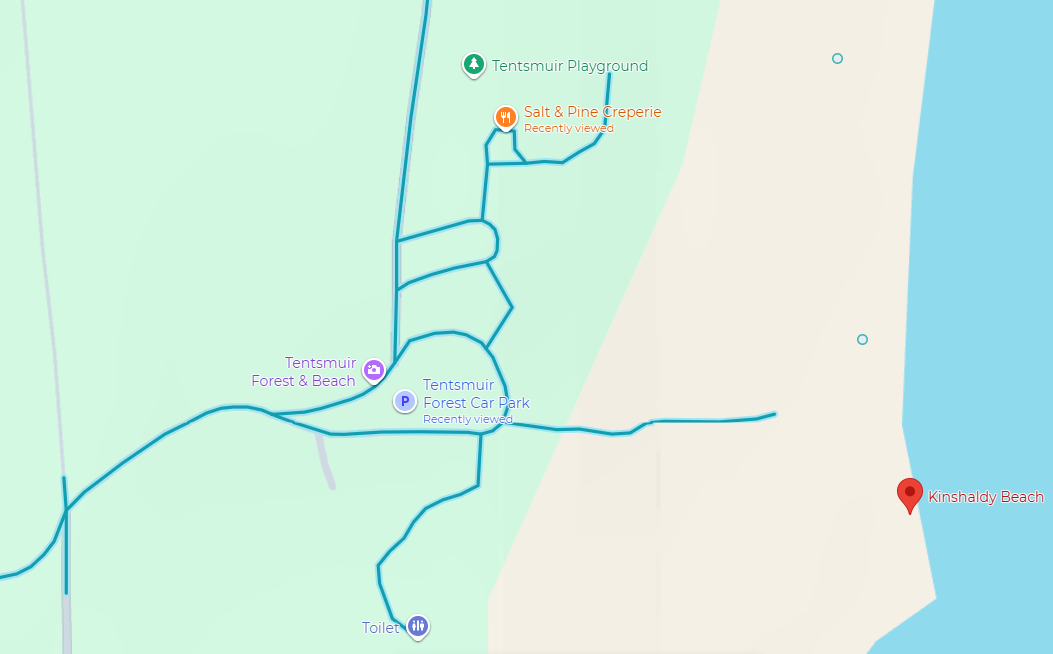
Kinshaldy Beach sits on the northeast coast of Fife at the seaward edge of Tentsmuir Forest, within the wider Tentsmuir National Nature Reservelandscape.
- Sat-Nav postcode often used:KY16 0DR
- How to think about “nearby”:It’s often paired with St Andrews day trips, but the practical approach roads are via Leuchars / Tayport.
The beach is accessed exclusively through the Tentsmuir Forest road. If you find yourself in the residential areas of Tayport or Leuchars, you are close, but you must follow the brown tourist signs specifically marked for "Tentsmuir" to find the correct entrance.
Distance reality (helps you plan time): From Kinshaldy to Tentsmuir Point is about 2.5 km one-way.
Getting To Kinshaldy Beach (car, Public Transport, Bike)
In this section, I’m removing the friction for you: I'll show you exactly where to aim, which signage you can actually trust, and what a “managed car park” really looks like in practice.
Driving + Signage Via Leuchars / Reserve Approaches
Most visitors approach from the B945 between Leuchars and Tayport, then follow brown signs for Tentsmuir / Kinshaldy Beach. Official route info places Tentsmuir Forest about 1½ miles east of the B945.
NatureScot also notes the Kinshaldy car park is managed by Forestry and Land Scotland and mentions the access road can be single trackwith limited passing places.
Takeaway:Aim for the Kinshaldy/Tentsmuir entrance approach via Leuchars/Tayport roads, and drive as if you’ll meet oncoming traffic on a narrow track.
Parking, Fees, Barrier Basics, Car Park Hours
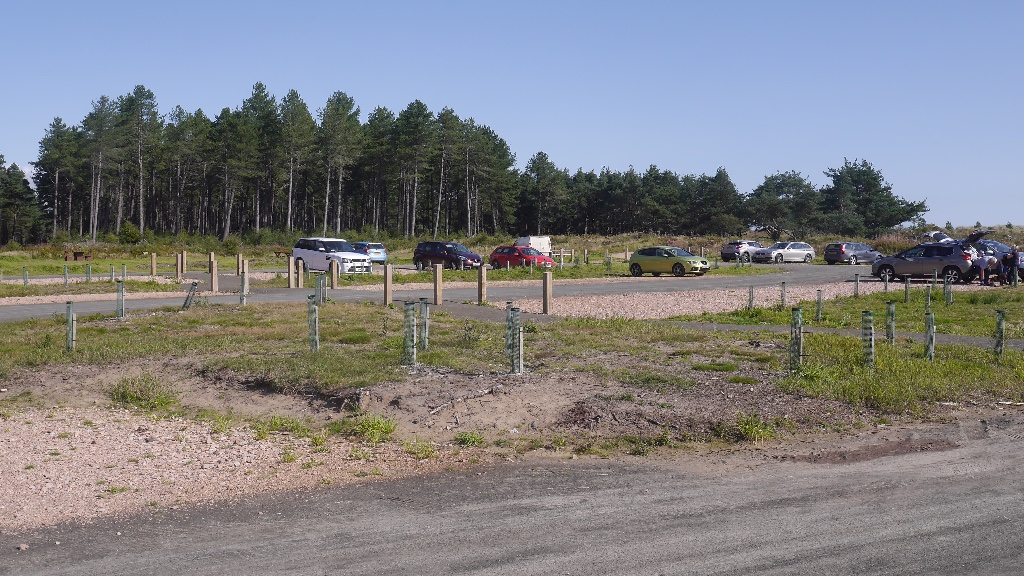
Here’s what “barrier-controlled” means for you:
Hours (typical):
- Summer:8am–9pm (last entry about 8:30pm)
- Winter:8am–dusk (last entry ~30 minutes before dusk)
Payment mismatch you should plan for:
- FLS visitor page lists £4/day and cash or card.
- Older official pages (route card / NatureScot visitor listing) still show £2/day and “bring correct change”.
- Practical fix: Bring £2–£4 in coins + a card, then follow the tariff board at the barrier.
Annual/season passes:FLS lists passes (including East regionand national) with current prices.
Blue Badge:FLS notes Blue Badge visitors pay, then seek a refund/reimbursement route depending on the site’s process.
Parking rules differ by gateway.
- Kinshaldy (FLS barrier car park): tariff + barrier entry.
- Morton Lochs (NatureScot area): often runs as an “invitation to pay” style setup.
- Horse boxes:Not allowed in the main Kinshaldy car park; NatureScot notes alternative parking at Kinshaldy Stables.
Barrier-to-beach checklist
- Bring coins + card(systems vary by site/version).
- Check closing time + last entrybefore you commit to a long walk.
- Add 10 minutes each wayfor dunes so you’re not rushing back.
- Treat the tide line as a limit-don’t “just go a bit further” without checking.
- If you have a Blue Badge: pay first, then follow the on-site/official process to claim the refund-don’t assume automatic free entry.
Takeaway:Parking hours + tides are the two constraints-solve them first.
Public Transport + Last-mile Options
The realistic “no car” approach is: get to nearby towns (for example via Leuchars area connections), then walk or cycle the last stretch using established paths.
For planning, use official visitor info for Tentsmuir National Nature Reserve (transport/parking/accessibility are listed there) and then decide if you’re walking in from Tayport side or approaching the Kinshaldy entrance.
- Bus:NatureScot notes a bus stop by Tentsmuir’s Tayport entrance at the “Tayport Shanwell Road South”turning point, served by the Stagecoach 42(Dundee ↔ St Andrews) about every 30 minutes.
- Morton Lochs access by bus:The 42 can stop on request at “Morton Farm,”then it’s about a 1-mile walkalong the road to Morton Lochs.
- Rail:Leuchars station is about 5 km from the Kinshaldy car park, so you’ll typically be finishing by taxi/cycle/walk depending on your plan.
- Timetables change:Use Stagecoach/Traveline Scotland for current routes and times.
If you want a “path-based” approach, start from Tayport and link in via the Fife Coastal Path-then round out your day with the village of tayport and its surroundings(it’s the cleanest “low-effort, high-reward” add-on nearby).
Takeaway:Without a car, plan the last mile intentionally-choose your entry point first, then the route.
Overnight note:
Self-contained motorhomes/campervans with an internal toilet can stay overnight at Morton Lochs under specific conditions-not at Kinshaldy.
Key constraints include: no vehicles over 6m, capacity 4 motorhomes, suggested £10 donation per vehicle, marked bays, and a 4-metre gap between vehicles. Check current rules/signage before you rely on it.
What It’s Like At Kinshaldy Beach
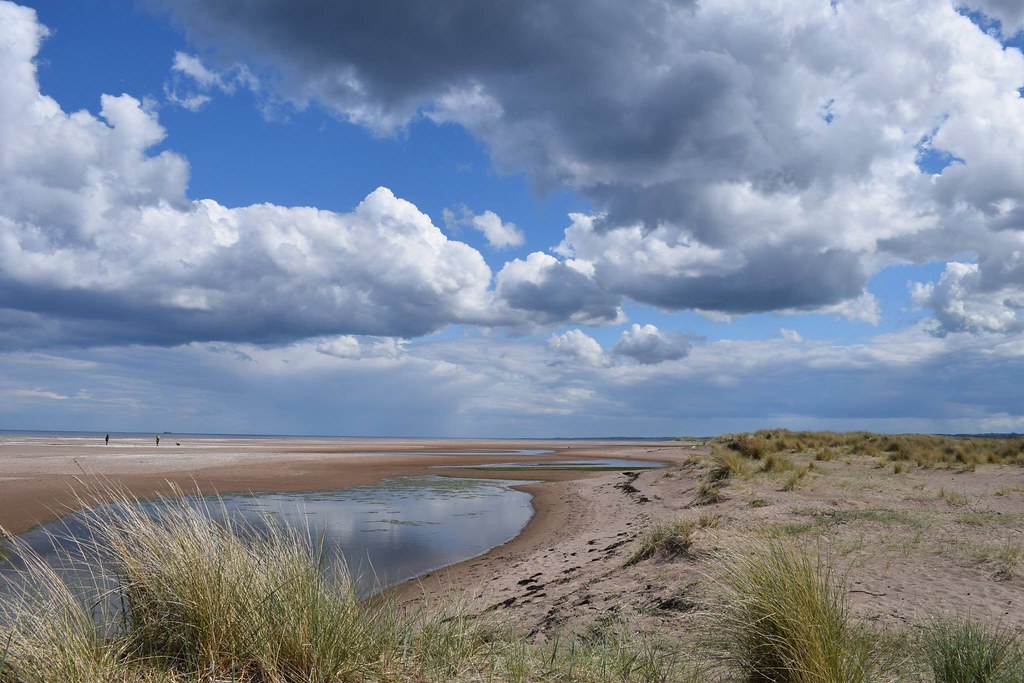
This helps you picture the place before you commit the drive-so you arrive with the right expectations and the right kit.
The Dunes Moment: Why It Feels So Wild Even On Busy Days
In my experience writing about Scottish coast walks, Kinshaldy’s “aha” moment is the transition: forest track underfoot, then a soft climb, and suddenly you’re looking at open shoreline. The dunes act like a visual and sound barrier; even when the car park is active, the beach can still feel spacious because people disperse quickly.
Practical implication: wear something you can walk in. The “short walk to the sand” is part of the visit, not an inconvenience.
Takeaway:You’re not just visiting a beach-you’re doing a short, easy “micro-adventure” through dunes.
The Shoreline: Sand, Wind, And Space
Kinshaldy’s shoreline is defined by exposure: wind and weather arrive unfiltered. That’s why a calm forecast can still feel sharp at the waterline-and why a simple wind layer changes the whole day.
Also, the sea edge is where planning matters: RNLI highlights that tides can change dramatically by time and date, and people can be cut off by the tide even without entering the water.
- This is a dynamic sand-and-dune coastline. Parts of Tentsmuir’s shoreline have grown seaward over time (often cited around ~5m per year in places), so paths, dunes, and landmarks don’t stay put forever.
- This is why you can return and find the beach access feels “different”-and why WWII blocks can appear more inland than you’d expect.
Takeaway:Expect big space and big sky-then respect the tide line as a moving boundary.
Best Walks At Kinshaldy (pick Your Route)
This section helps you choose the right route without getting lost in trail jargon. You’ll get a simple comparison first, then the best options.
Choose Your Route
Short (Low tide sensitivity): Best for families / quick reset. Car park → dunes → beach out-and-back. Stay flexible; don’t chase distance.
Medium (Medium tide sensitivity): Best for most visitors. Forest tracks + beach segment + return inland. Check tide before committing.
Long (High tide sensitivity): Best for strong walkers. Longer forest network + extended shoreline. Tide/wind can change comfort and access.
Takeaway:If you’re unsure, choose Medium-then shorten or extend based on wind and tide conditions.
Itineraries (so You Don’t Overplan)
- 90 minutes:Kinshaldy car park → dunes → beach out-and-back + quick picnic/toilet stop at the hub.
- 3 hours:Forest + beach loop (tide-aware) + short detour to a named point/trail marker.
- Half-day:Start at Morton Lochs for hides → then finish with a beach stretch from Kinshaldy (or vice versa if it’s windy).
Forest + Beach Loop (tide-aware)
The “classic” Kinshaldy experience is combining forest tracks with a beach stretch. The logic is simple:
- Walk out through forest tracks and dunes.
- Spend your “open-coast time” at the shoreline.
- Return inland if the tide is rising or the wind picks up.
To keep the loop comfortable, check a reliable tide forecast before you go (the Met Office provides beach forecasts and tide tables in one place).
Takeaway:Build your loop around the tide window, not your step counter.
Ice House Trail + Reserve Info Points
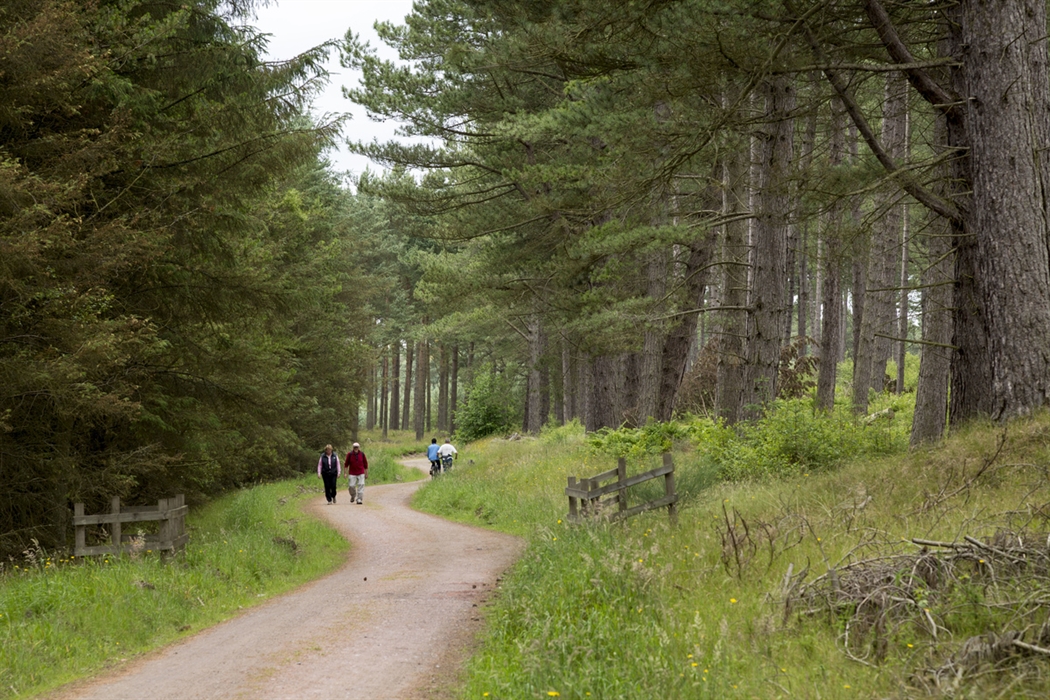
For a structured introduction to the reserve, follow the Ice House Trail. This 3¾-mile (6.2 km) circular route winds through pine forests and dunes, leading you to a 19th-century ice house and the National Nature Reserve information pavilion.
- Logistics:Allow roughly 2 hours. The path is largely firm but expect uneven sand, tree roots, and some steep ramps.
- Facilities:The main trailhead near the car park features a play area, toilets, and the Salt and Pine creperie.
- Access:Entry is via a pay-barrier (£4 via coin or card). Note that summer hours (April–October) are 8 am to 9 pm, while winter hours end at dusk.
Takeaway: This is the "Goldilocks" route-managed enough to avoid navigation stress, but wild enough to see the shoreline growing into the sea.
Morton Lochs Hides For Wildlife Watchers
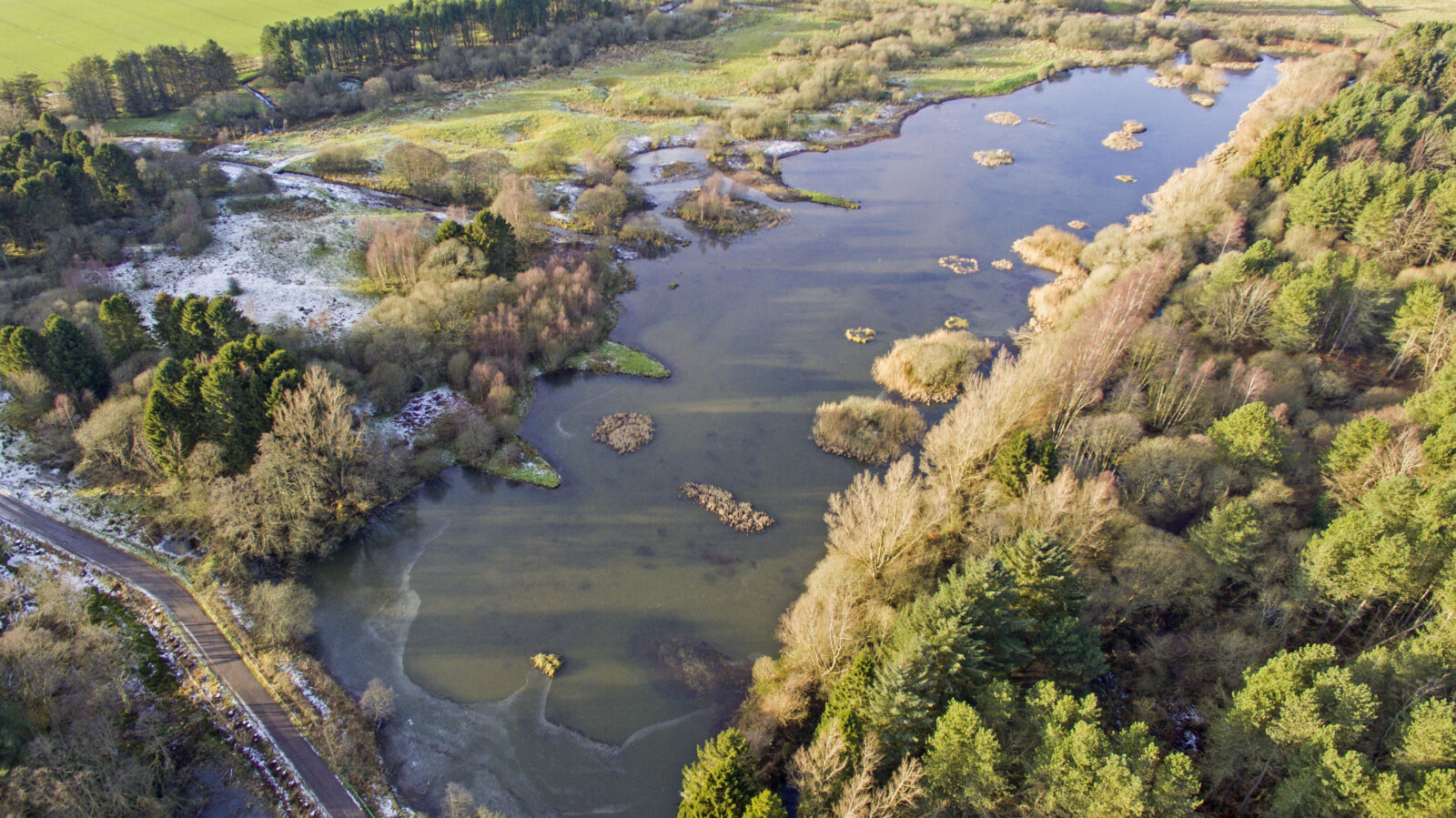
If your goal is checking species off a list rather than just a coastal stroll, head to Morton Lochs on the western edge of the forest. This area is a historic freshwater habitat (the UK’s second-ever National Nature Reserve) specifically managed for biodiversity.
- The Hides:There are five wildlife hides (four main loch hides plus one additional) offering sightings of kingfishers, otters, water rails, and ospreys.
- Seasonal Picks:Visit in July or August for dragonflies (like the Black Darter) or mid-winter to see hundreds of teal gathering on the water.
- Historical Bonus:Keep an eye out near the lochs for the site of a Stone Age hunters' camp-human history here goes back thousands of years.
Takeaway: Use the lochs as your "quiet zone." It is a more predictable environment for photography and birdwatching than the open, windswept beach.
What Are The WWII "Dragon's Teeth"?
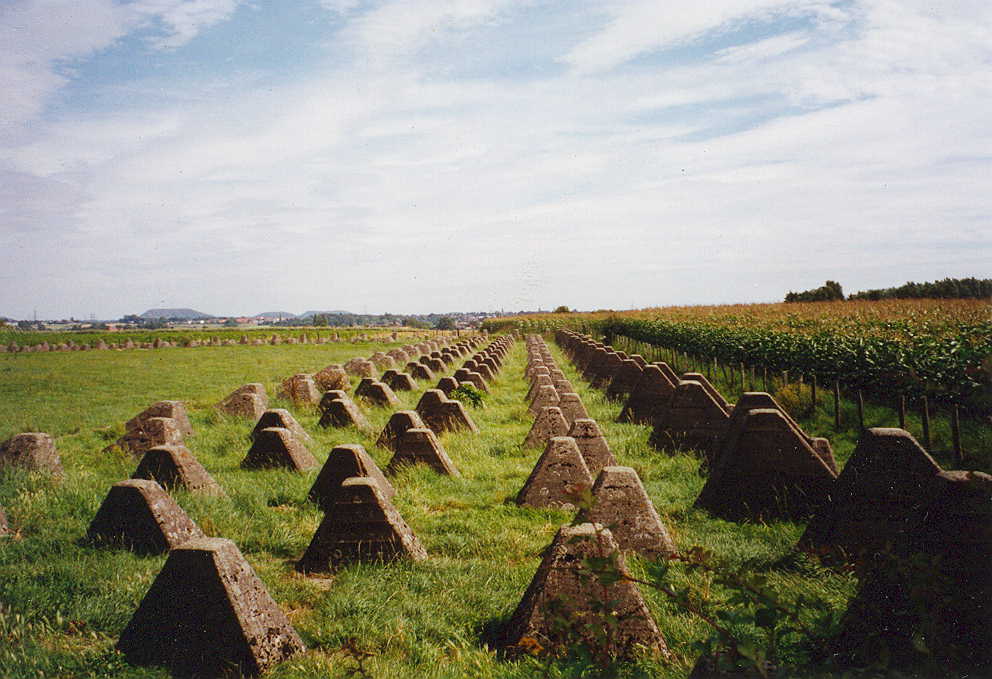
You will find a significant piece of British military history embedded directly into the dunes.
As you step onto the beach, you will see hundreds of concrete anti-tank blocks stretching into the distance. These are "Dragon’s Teeth," anti-tank obstacles installed during World War II to defend against a potential Nazi invasion from Norway.
In my experience, these ruins provide the best photography opportunities on the beach, especially at high tide when the water swirls around the concrete bases. They serve as a stark, brutalist contrast to the soft natural curves of the dunes.
Please note that these blocks are over 80 years old; while they are solid, the metal rebar inside can be sharp if exposed. Avoid climbing on them if they appear weathered or coastal erosion has made them unstable.
Tide & Sea Safety At Kinshaldy Beach
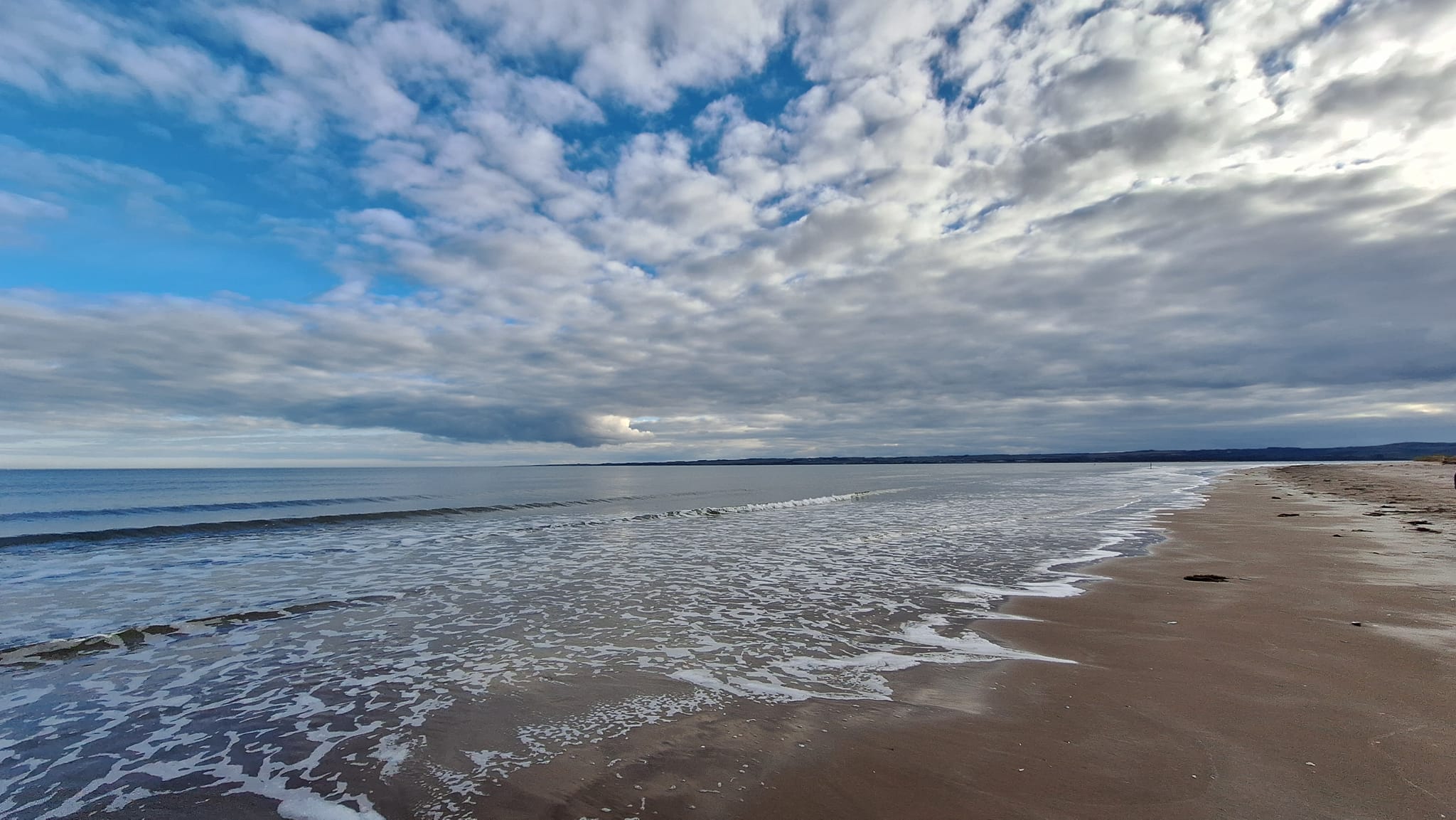
This section gives you practical, evidence-based safety rules you can apply in seconds-without turning your day into a risk assessment.
Why Tides And Sandbars Catch People Out
RNLI’s tide safety guidance is blunt: people get into trouble not only by swimming, but by being cut off by the tide, and the same beach can look completely different at the same time on different days.
Two practical reasons this matters at wide beaches:
- You can walk “out” a long way at low tide and underestimate how quickly water returns.
- Channels and deeper water can form where you expected shallow sand.
If you want a simple habit: check tide times before you set off (Water Safety Scotland explicitly recommends checking tide tables and points to the Met Office forecast/tide pages).
Takeaway:Don’t trust the beach you saw an hour ago-trust the tide table.
Safer Ways To Enjoy The Water Edge
If you’re not at a lifeguarded swimming beach, treat the sea like a moving hazard, not a playground:
- Keep paddling shallow and close to your exit point.
- Avoid turning “a shoreline stroll” into a headland-style commitment when the tide is rising.
- Carry a charged phone and know how to call for help: HM Coastguard advises calling 999 and asking for the Coastguardin emergencies.
Takeaway:The safest beach days come from small boundaries you set early-tide-aware, wind-aware, and close to your exit.
How To See The Seals At Tentsmuir Point
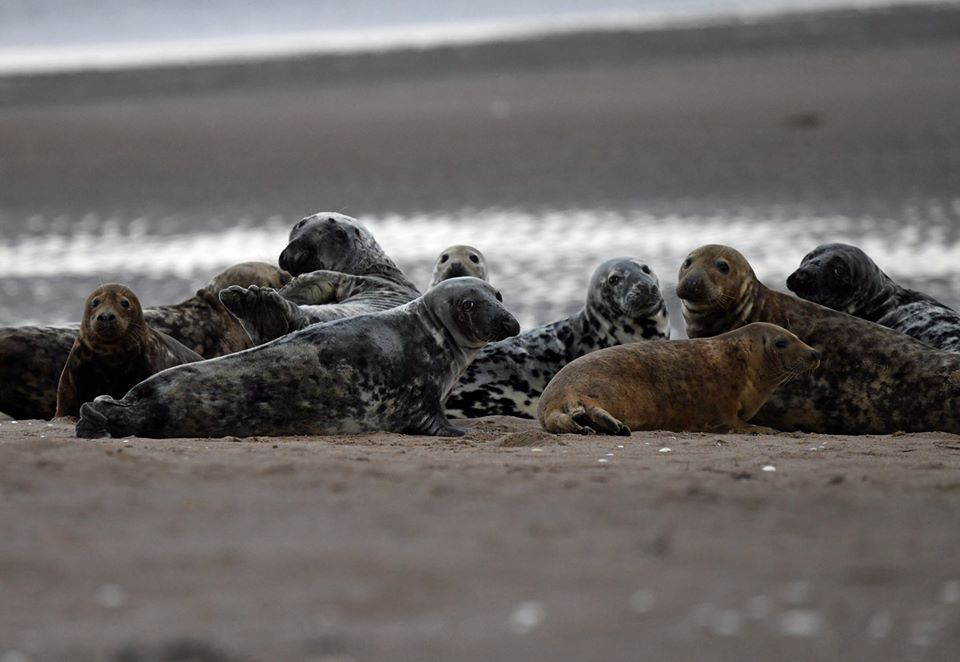
Follow these steps to observe the local grey and common seal colonies without disturbing the ecosystem.
To find the seals, you must walk north from the main beach entrance toward Tentsmuir Point. This is a 30 to 40-minute walk. The seals frequently "haul out" (rest) on the sandbanks that become visible as the tide recedes.
- Maintain Distance:You must stay at least 50 metres away from the seals. Use a zoom lens for photos.
- Dog Control:Keep dogs on a short lead in this area. Disturbed seals may rush for the water, which can be fatal for pups.
- Best Timing:Two hours before or after low tide offers the best chance to see them on the sandbanks.
You may see anything from a few seals to a large haul-out depending on season and conditions-plan for “maybe”, not a guaranteed spectacle.
When To Go + What To Pack
This section makes your visit more comfortable with minimal effort: the right time of day and a short packing list that matches a wind-exposed coast.
Wind-layer Packing List
I pack for Kinshaldy like I’m going for a walk, not a sunbed day:
- Windproof layer(lightweight beats bulky)
- Water + snack (you’ll walk more than you think)
- Sunscreen and sunglasses (wind doesn’t block UV)
- Small towel/blanket
- Footwear you can walk in (sand + tracks)
- Optional: binoculars if you’ll detour to hides/lochs
Ticks are a known issue in woodland/heathland areas, especially March–October. Pack repellent, do a tick check after, and know quick removal basics.
Takeaway:One wind layer is the difference between “quick look” and “lingering happily.”
Photography / Sunset / Quiet-time Planning
If you want space:
- Go early for easier parking and quieter tracks.
- Late afternoon can work well for softer light, but check closing times and last entry patterns if you’re using the car park.
Takeaway:Quiet at Kinshaldy is mostly about timing, not secret knowledge.
Bridgit Mcbride Kinshaldy Beach
If you’re trying to match Kinshaldy’s “look” in photos (or you’ve searched bridgit mcbride kinshaldy beach), plan around what the landscape actually gives you:
- Low tide = bigger sky reflections + more leading lines in wet sand.
- Wind = sharper dune texture, but faster-changing light (shoot quickly).
- Golden hour = softer contrast on the dunes and WWII blocks.
Practical tip:Set a “leave time” before you go-so you’re not trapped between a perfect sky and the car park last entry.
Seasonal highlights:
- Oct–Mar:Big sea-duck season; eider duck gatherings are a known highlight.
- Spring:Wildflowers + better “fresh green” forest photography.
- Summer:Longest daylight, busiest car park-arrive early.
- Winter:Stark dunes + dramatic skies (dress for wind chill).
Pair Kinshaldy Beach With Nearby Highlights
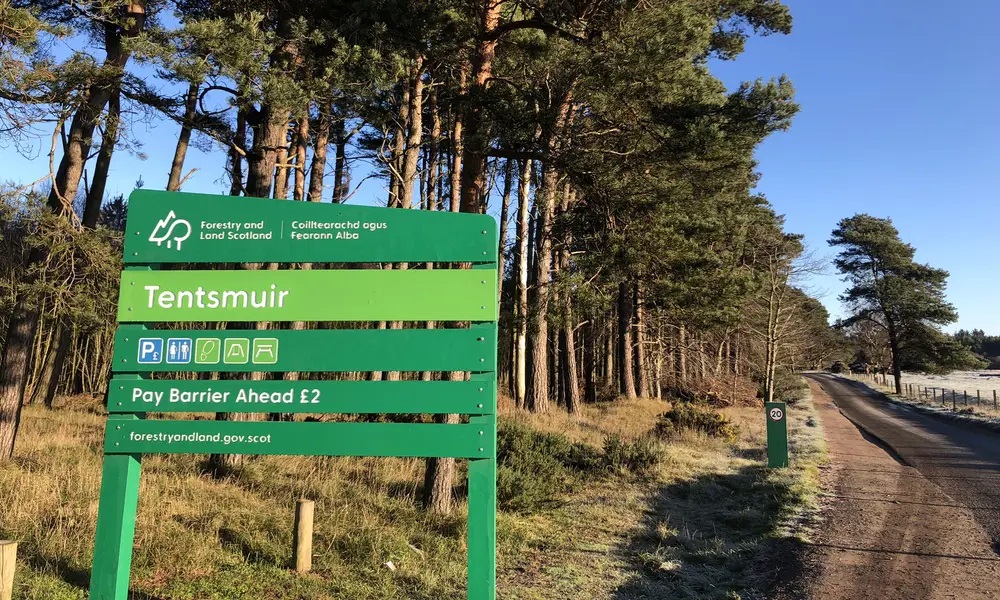
This section helps you turn “a beach visit” into a satisfying half-day or full-day plan with minimal extra driving.
Tentsmuir Gateways + Coastal Path Logic
Tentsmuir has multiple access points and paths, and official visitor info explains where different car parks and approaches take you (including links into the wider reserve landscape). Use the official Tentsmuir pages to decide whether you’re prioritising forest tracks, lochs/hides, or coastal path continuity.
Takeaway:Choose your gateway based on what you want first: beach time, forest time, or wildlife time.
St Andrews Add-on Idea (half-day Combo)
A practical pairing many visitors like is: morning at Kinshaldy (walk + beach), then an afternoon reset in a nearby town such as St Andrews for food and a change of pace. Keep it simple: walk first, café later-so weather can’t spoil the day.
Takeaway:The best add-on is the one that doesn’t depend on perfect conditions.
Facilities & Comfort (what You Can Count On)
This section tells you what’s actually available so you don’t overpack-or show up expecting “beachfront services” that don’t exist.
Toilets + Accessibility Notes
Official listings for Tentsmuir National Nature Reserve include facility information and accessibility notes, including accessible toilets and public toilet facilities.
In practice, think “facilities at the managed entrance areas,” then a natural coastline beyond that.
Takeaway:Use the entrance facilities, then treat the beach itself as a natural space with no services.
Salt And Pine Café
Salt and Pinelocated near the car park, this van serves artisan crepes and coffee. It is the only food source for miles.
Picnic/BBQ/play Area (and How To Use Them Responsibly)
Forestry and Land Scotland’s Tentsmuir route card references amenities like BBQ sites, toilets, and a playpark in the wider area.
If you’re eating outdoors, keep it simple and safe:
- Prefer a stoveover open flames where possible, and follow guidance on open fires and BBQs outdoorsfrom the Scottish Outdoor Access Code resources.
- Follow Scottish Fire and Rescue Service guidance for BBQ safety (stable ground, safe disposal, never leave unattended).
Takeaway:Facilities make Kinshaldy comfortable-responsible BBQ/fire choices keep it open and safe for everyone.
Frequently Asked Questions
Where Is Kinshaldy Beach?
Kinshaldy Beach is on Fife’s northeast coast beside Tentsmuir Forest, between Leuchars and Tayport; official route info often references postcode KY16 0DR.
How Do I Get To Kinshaldy Beach By Car?
Approach via the B945 between Leuchars and Tayport, then follow signs for Kinshaldy Beach toward the managed car park and dune access.
Is There Parking, And Do I Need Coins?
Parking is via a barrier-controlled car park. Payment methods can vary by site setup, so follow on-site instructions; suggested payment starts from £2.00 (Data as of Feb 2026).
Are There Toilets At Kinshaldy Beach?
Facilities are listed for the reserve area, including public toilets and accessible toilets at managed access points; treat the beach itself as service-free.
Is Kinshaldy Beach Good For Kids?
Yes-there’s a large sandy area and nearby managed facilities (such as picnic areas and a playpark referenced in route resources), but supervise closely near dunes and the tide line.
Can You Swim At Kinshaldy Beach?
Treat it as a walking and paddling beach unless conditions and local safety context clearly support more. RNLI warns tides can cut people off and change quickly.
What’s The Best Walk At Kinshaldy/Tentsmuir?
A forest-and-beach loop is the classic: forest tracks out, beach time in the middle, then return inland if tide or wind changes; check tide tables first.
What Should I Pack For Kinshaldy Beach?
Bring a windproof layer, water, sunscreen, something to sit on, and footwear you can walk in. Add binoculars if you’ll detour to hides/lochs.
When Is The Best Time To Visit Kinshaldy Beach?
Early is typically calmer for parking and paths. If you’re going late, check seasonal opening patterns for the car park.
Is Kinshaldy Beach Dog-friendly?
Generally, yes-follow the Scottish Outdoor Access Code: keep dogs under close control, especially around wildlife and other visitors.
Is There A Naturist Area At Kinshaldy Beach?
You may encounter clothing-optional sunbathing on quieter stretches of large beaches. Keep distance, avoid comments, and remember consent and respect are core etiquette principles.
What Else Can I Do Nearby?
Pair the beach with forest trails and reserve areas like Morton Lochs hides for wildlife watching, using official visitor info to choose the right access point.
How Do I Get There Without A Car?
Plan a public transport connection to nearby towns, then walk or cycle in via established approaches; official reserve listings help you choose the best access point.
Are There Accessible Options?
Official listings highlight accessibility features such as accessible toilets at managed points. Expect sand and dunes to be the main limiting factors on the beach itself.
What’s The Simplest Way To Check Tides?
Use a single source that combines forecast and tide tables; the Met Office provides beach forecasts with tide times for up to five days ahead.
Quick Recap
If you remember three things, make them these: (1) plan parking and opening times, (2) choose a forest-to-beach route that matches your time, and (3) treat the tide line as a moving boundary.
Kinshaldy rewards the visitor who keeps it simple: arrive with a wind layer, walk the dunes, take your beach time, and leave with no trace. If you found this useful, share it with someone planning a Fife day out.
Jump to
Kinshaldy Beach: What To Know Before You Go
Where Is Kinshaldy Beach?
Getting To Kinshaldy Beach (car, Public Transport, Bike)
What It’s Like At Kinshaldy Beach
Best Walks At Kinshaldy (pick Your Route)
What Are The WWII "Dragon's Teeth"?
Tide & Sea Safety At Kinshaldy Beach
How To See The Seals At Tentsmuir Point
When To Go + What To Pack
Pair Kinshaldy Beach With Nearby Highlights
Facilities & Comfort (what You Can Count On)
Frequently Asked Questions
Quick Recap

Callum Fraser
Author
Callum Fraser isn't just a writer about Scotland; he's a product of its rugged landscape and rich history. Born and raised in Perthshire, with the Highlands as his backyard, his love for the nation's stories was kindled by local storytellers and long walks through ancient glens.
This passion led him to pursue a degree in Scottish History from the University of Edinburgh. For over 15 years, Callum has dedicated himself to exploring and documenting his homeland, fusing his academic knowledge with essential, on-the-ground experience gained from charting road trips through the Cairngorms, hiking the misty Cuillins of Skye, and uncovering the secrets of traditional recipes in his family's kitchen.
As the Editor-in-Chief and Lead Author for Scotland's Enchanting Kingdom, Callum's mission is simple: to be your most trusted guide. He combines meticulous research with a storyteller's heart to help you discover the authentic magic of Scotland — from its best-kept travel secrets to its most cherished traditional recipes.
Latest Articles
Popular Articles