Easy Homemade Lorne Sausage Recipe - A Tasteful Scottish Culinary Delight
Forget everything you thought you knew about traditional link sausages wrapped in casings. Lorne sausage breaks the mold with its characteristic square shape and no-casing design, standing as a true icon of the Scottish breakfast.
Author:Callum FraserJul 08, 202528.8K Shares443.5K Views
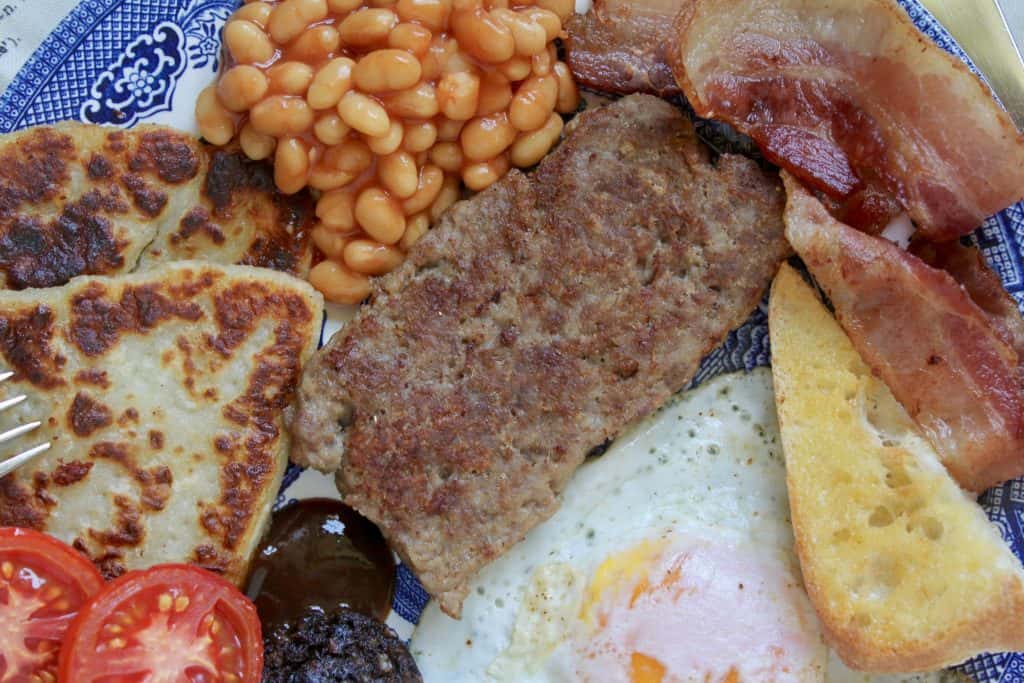
This beloved square sausage has earned its place as a breakfast legend, gracing plates from Glasgow to Edinburgh and beyond, embodying a taste of Scottish culinary heritage. Yet, despite its widespread popularity, many home cooks often struggle to recreate the authentic texture and robust flavor that makes this traditional Scottish delicacy so deeply cherished.
The secret, it turns out, lies not in complex culinary wizardry but in understanding the precise balance of ingredients and techniques that transform simple minced meat into something truly special.
After years of perfecting this recipe and meticulously studying traditional Scottish butchery methods, I've unearthed the key elements that truly separate an exceptional homemade Lorne sausagefrom those disappointing versions that often crumble or lack that distinctive, dense, and satisfying bite.
What Makes Lorne Sausage Different From Regular Sausage?
Lorne sausage stands apart from traditional sausages in several crucial ways. Unlike conventional sausages that use casings, Lorne sausage is formed without any external wrapping, creating a uniquely dense texture that holds together through careful ingredient balance and preparation technique.
The traditional recipe combines minced beef and pork with rusk (a type of hard biscuit) or breadcrumbs, creating a binding agent that maintains the sausage's shape during cooking. This combination produces a firmer, more substantial bite compared to regular sausages, with a flavor profile enhanced by specific spices like coriander, nutmeg, and mace.
Named after the Scottish region of Lorn, this square sausage typically measures about 1cm thick when sliced, making it perfect for fitting onto morning rolls or alongside other breakfast items. The square shape isn't just aesthetic; it maximizes surface area for even cooking and creates those coveted crispy edges that make each bite memorable.
Related: Scottish Breakfast Sausage Recipe
Historical Background And Origins
The true origins of Lorne sausage remain delightfully mysterious, adding to its folklore appeal. While popular myth attributes its creation to Glasgow comedian Tommy Lorne, historical evidence tells a different story.
Newspaper advertisements for "Lorne Sausages" appeared as early as 1896 in the Arbroath Herald, predating Tommy Lorne's birth in 1890. This evidence strongly suggests the sausage was named after the region of Lorne in Argyll, Scotland, rather than the comedian.
Essential Ingredients For Authentic Lorne Sausage
Creating exceptional homemade Lorne sausage requires attention to both ingredient quality and proportions.
Core Ingredients
Meat Selection:
- 500g (1 lb) minced beef - Choose meat with 20-25% fat content for optimal flavor and moisture.
- 500g (1 lb) minced pork - Adds richness and binding properties.
Binding and Texture:
- 180-250g fine breadcrumbs or rusk - Essential for proper texture and moisture absorption.
- 200ml (3/4 cup) cold water - Helps bind ingredients and maintain moisture.
Signature Spice Blend:
- 2-3 teaspoons salt - For flavor enhancement.
- 2 teaspoons ground black pepper - Provides the characteristic peppery bite.
- 1-2 teaspoons ground coriander - Adds warm, citrusy notes.
- 1 teaspoon ground nutmeg - Contributes warming sweetness.
The Meat Blend
The foundation of exceptional Lorne sausage lies in the meat selection. Traditional recipes call for a 50/50 blend of minced beef and pork, though some variations lean more heavily toward beef for a more robust flavor.
For Beef Selection, choose 70/30 or 80/20 ground beef for optimal fat content. The fat is crucial for binding and flavor; leaner cuts will result in dry, crumbly sausage that falls apart during cooking. The Pork Addition of ground pork shoulder provides the perfect complement to beef, adding moisture and a subtle sweetness that balances the overall flavor profile. The natural fat content in pork shoulder helps create the characteristic dense texture.
The Binding Agent: Rusk Vs. Breadcrumbs
Authentic Scottish Lorne sausage traditionally uses rusk, a type of hard, dry biscuit that's been ground into coarse crumbs. However, since rusk can be difficult to find outside Scotland, high-quality breadcrumbs make an excellent substitute. Rusk provides superior binding properties and creates the traditional texture that Scottish butchers have relied on for generations. For a Breadcrumb Alternative, use plain panko breadcrumbsor make your own by drying day-old bread and processing it into coarse crumbs. Avoid seasoned breadcrumbs, as they can overpower the traditional spice blend.
The Spice Blend That Defines The Flavor
The spice combination is what transforms simple minced meat into authentic Lorne sausage. Each spice serves a specific purpose in the overall flavor profile: Coriander provides a subtle citrusy note that brightens the meat's richness. Nutmeg adds warmth and complexity without overwhelming other flavors. Mace, traditionally preferred over nutmeg, offers a more peppery, intense flavor. Freshly ground Black Pepper provides the essential heat and depth, and Salt (sea salt or kosher salt) is used for the purest flavor enhancement.
Professional Tips For Ingredient Selection
Fat Content Matters: The success of your Lorne sausage heavily depends on using meat with adequate fat content. Lean meat will result in dry, crumbly sausage that lacks the traditional rich flavor. Ask your butcher for meat with 20-30% fat content for authentic results.
Breadcrumb Alternatives: While standard breadcrumbswork well, professional butchers often use rusk (hard, twice-baked bread) or pinhead rusk. Panko breadcrumbs make an excellent substitute due to their light, airy texture.
Water Temperature: Always use ice-cold water when mixing. This helps maintain the meat's temperature and prevents the fat from melting during preparation, ensuring better texture in the final product.
Step-by-Step Lorne Sausage Recipe
Equipment Needed
- Large mixing bowl
- Loaf tin (approximately 2 lb capacity)
- Cling film for lining
- A sharp knife for slicing
- Kitchen scales for accurate measurements
Detailed Ingredients
- 1 lb (450g) ground beef (70/30 or 80/20 fat content)
- 1 lb (450g) ground pork shoulder
- 2 cups plain panko breadcrumbs or rusk
- 2 teaspoons kosher salt
- 1½ teaspoons ground coriander
- 1 teaspoon freshly ground black pepper
- ½ teaspoon ground nutmeg (or mace if available)
- ½ cup cold water
- 1 teaspoon onion powder (optional, for enhanced flavor)
Preparation Method
Step 1: Prepare The Spice Mixture
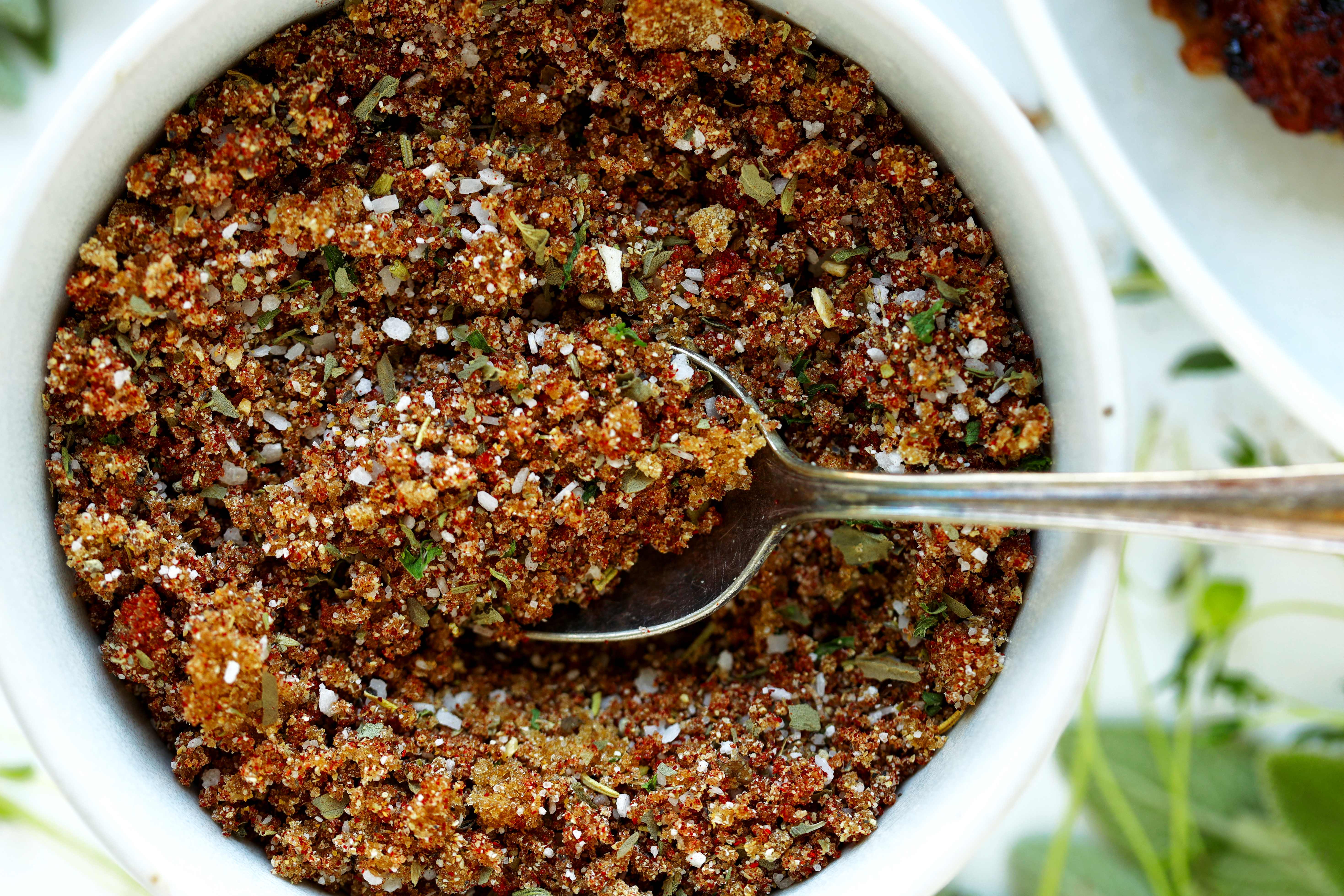
Combine all dry ingredients (breadcrumbs, salt, coriander, pepper, nutmeg, and onion powder) in a medium bowl. Mix thoroughly to ensure even distribution of spices throughout the binding agent.
Step 2: Mix The Meat And Dry Ingredients
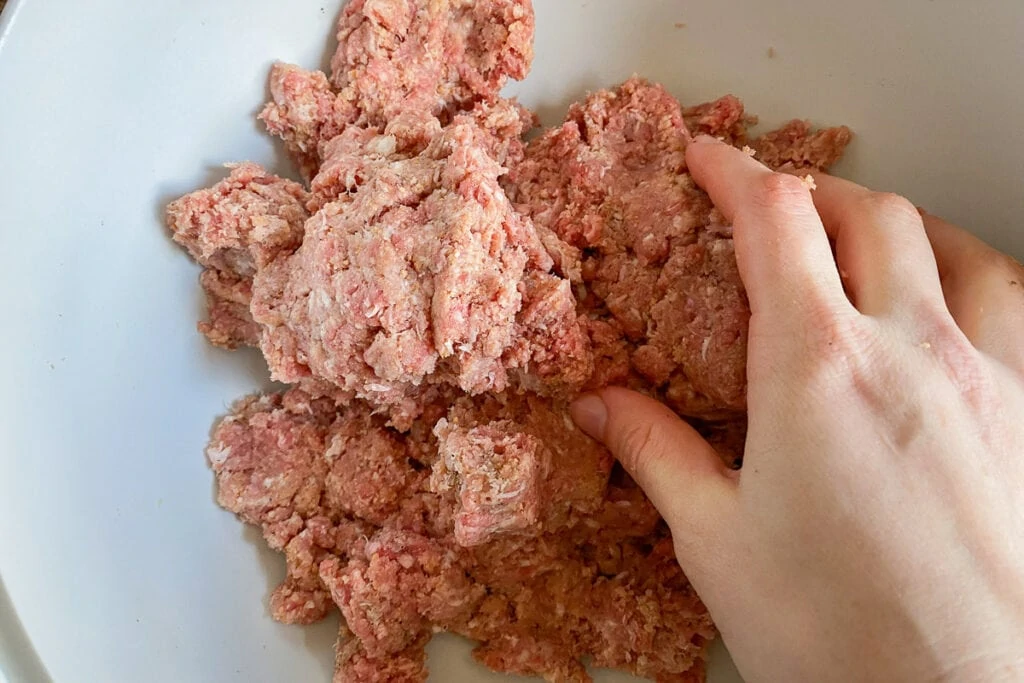
Place both ground meats in a large mixing bowl. Using your hands or a large fork, gently combine the meats until they form a uniform mixture. Avoid overmixing, which can create a tough texture. Sprinkle the spice-breadcrumb mixture evenly over the meat. Using a folding motion, gently incorporate the dry ingredients into the meat blend.
Step 3: Add Water Gradually
Pour the cold water over the mixture and continue combining until the mixture holds together when squeezed. The mixture should be moist but not wet, with a slightly sticky consistency that will hold its shape.
Step 4: Form The Sausage
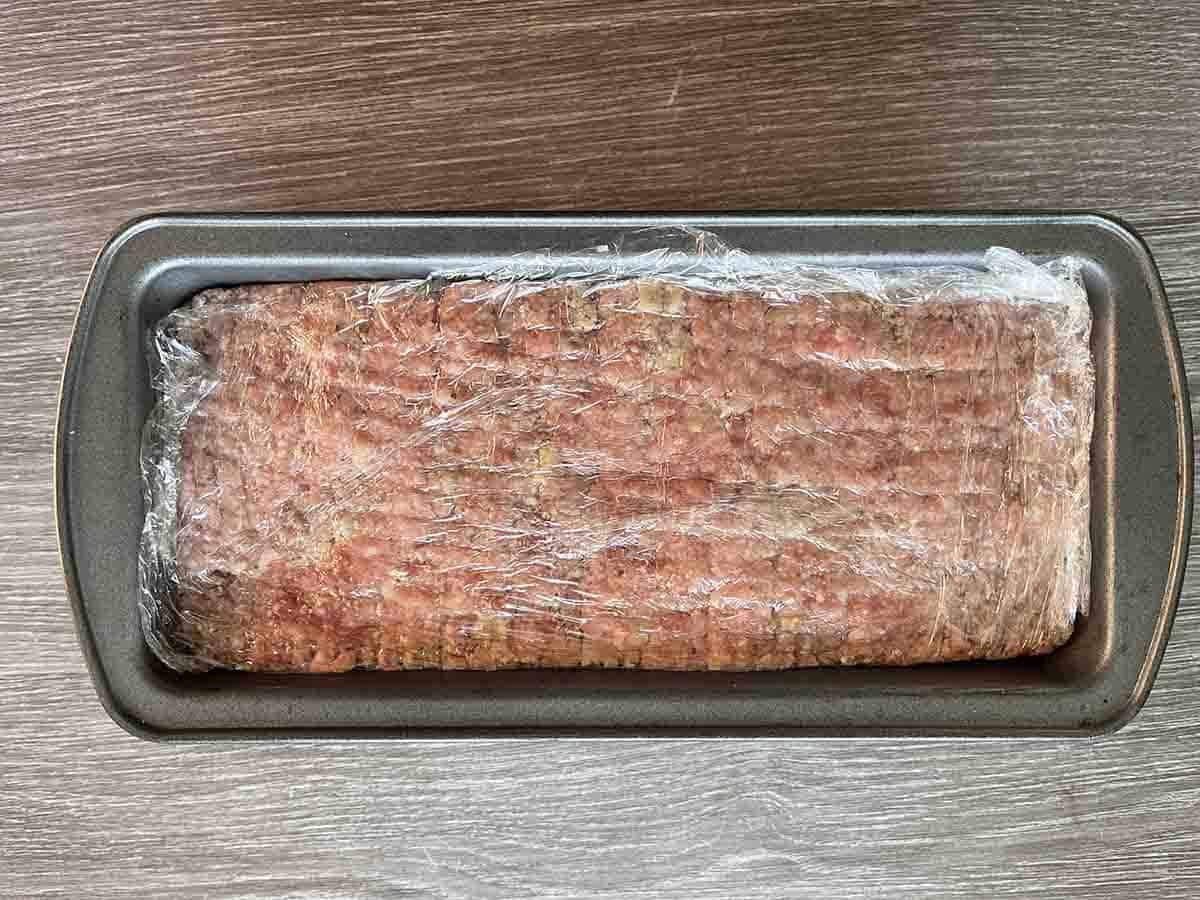
Line a 2-pound loaf pan with plastic wrap, leaving enough overhang to completely cover the top. Pack the sausage mixture firmly into the pan, pressing down to eliminate air pockets and create a dense, uniform texture.
Step 5: Wrap And Chill
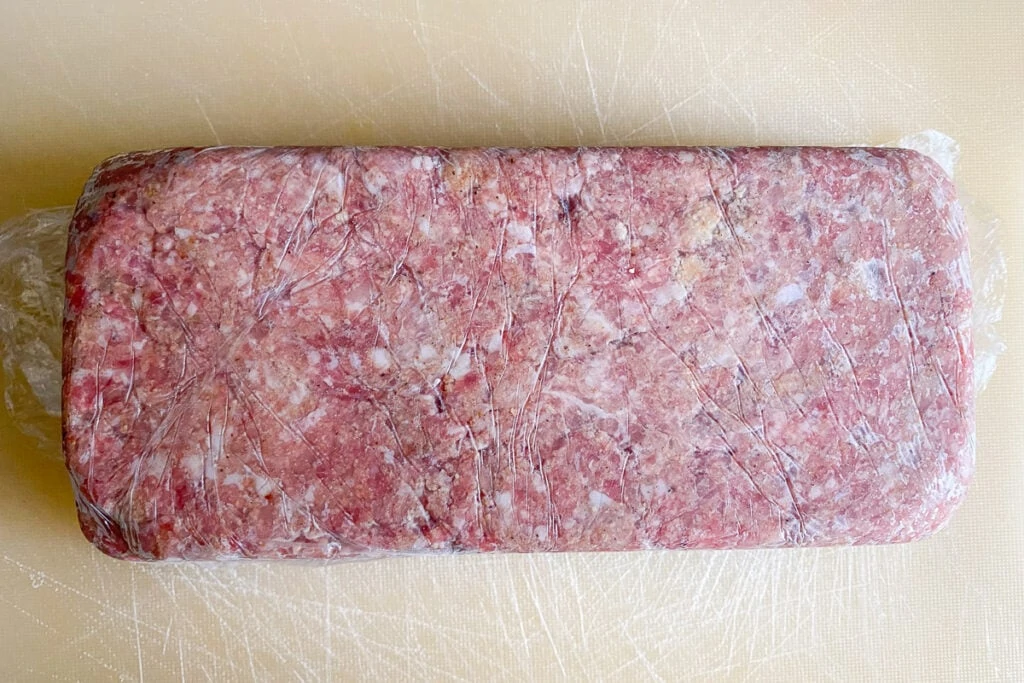
Fold the plastic wrap over the top, ensuring the sausage is completely covered. Refrigerate for at least 24 hours, though 48 hours produces even better texture and flavor development.
Step 6: Slicing And Cutting
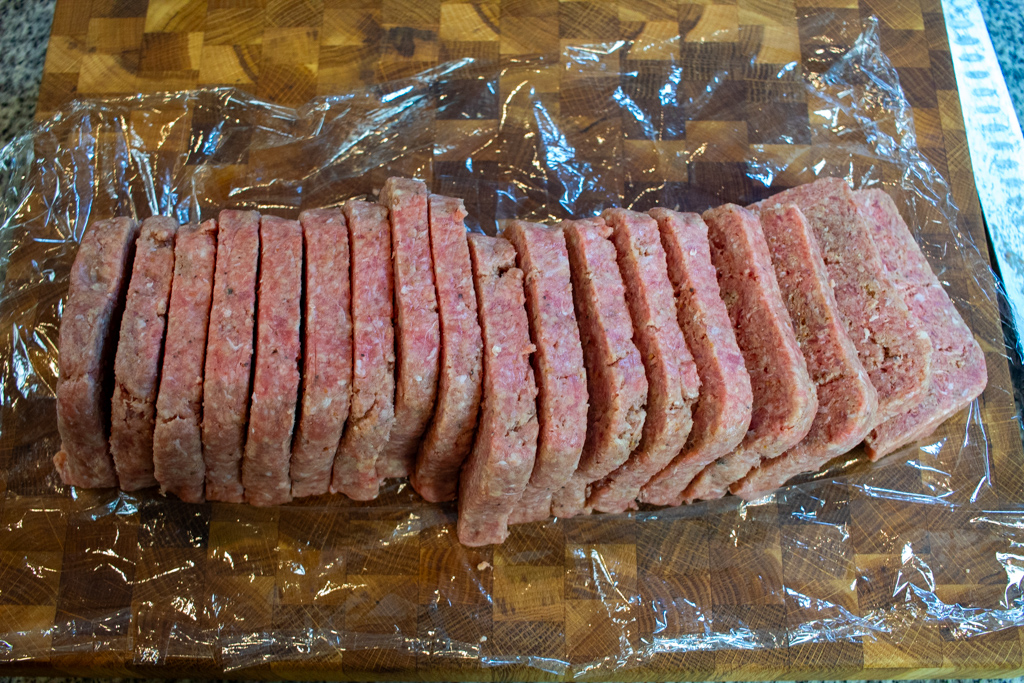
To cut Lorne sausage, first, gently lift the sausage block out of its tin using the plastic wrap. Then, place it on a cutting board and use a sharp knife to slice it into pieces about 1cm thick.
Step 7: Cooking The Sausage
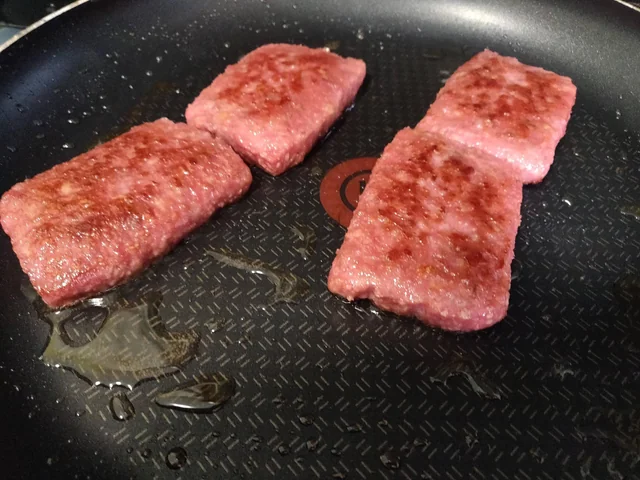
Remove the sausage from the tin using the plastic wrap to lift it out, then cut it into slices 1cm thick. You can use it immediately, store it in the fridge for up to 2 days, or put baking paper between slices and freeze them in a container to use as you wish. Cook it in a frying pan for a few minutes on each side, or grill it. Then, serve it in a morning roll with your choice of sauce, or as part of a full Scottish breakfast!
Professional Tips For Perfect Results
Achieving The Ideal Texture
Temperature control during preparation significantly impacts the final texture. Keep all ingredients cold throughout the mixing process; this prevents the fat from melting and ensures proper binding. When packing the mixture into the loaf pan, apply firm, even pressure to eliminate air bubbles. The more compact the mixture, the better it will hold together when sliced and cooked.
Slicing Techniques
Remove the formed sausage from the refrigerator 10 minutes before slicing to make cutting easier. Use a sharp knife and cut in smooth, decisive motions to create clean 1cm (½-inch) thick slices. For commercial-looking results, use a ruler to measure consistent thickness. Uniform slices ensure even cooking and professional presentation.
Cooking Methods For Perfect Results
Pan-Frying (Recommended Method)
Heat a small amount of oil in a heavy-bottomed pan over medium heat. Cook slices for 3-4 minutes per side until golden brown and heated through to an internal temperature of 160°F (71°C). The key to perfect pan-fried Lorne sausage is moderate heat; too high and the exterior burns before the interior heats through; too low and you miss those essential crispy edges.
Grilling For Outdoor Cooking
Lorne sausage excels on the grill, developing a beautiful char while maintaining its shape. Preheat the grill to medium heat and cook for 3-4 minutes per side. Use a fish basket or grill mat to prevent smaller pieces from falling through the grates. The square shape makes it ideal for grilling, as it sits flat and cooks evenly.
Air Fryer Method
Set the air fryer to 190°C (375°F) and cook for 9 minutes, flipping halfway through.
Oven Cooking For Batch Preparation
For cooking multiple slices simultaneously, arrange them on a baking sheet and cook at 375°F (190°C) for 12-15 minutes, flipping once halfway through. This method works particularly well for meal prep or when serving a crowd, as it requires minimal hands-on attention.
Professional Cooking Tips
- Avoid High Heat: Cooking at too high a temperature will cause the outside to burn while leaving the center undercooked. Medium heat ensures even cooking throughout.
- Don't Overcook: Overcooked Lorne sausage becomes dry and tough. Watch for a golden-brown exterior and clear juices running from the center.
- Batch Cooking: If cooking multiple slices, work in batches rather than overcrowding the pan. This ensures even browning and proper heat circulation.
Creative Variations And Flavor Enhancements
Regional Scottish Variations
Different regions of Scotland have developed their own Lorne sausage traditions. Some areas prefer a higher beef content for a more robust flavor, while others add subtle herbs like thyme or sage. Highland Style often incorporates a small amount of oats along with breadcrumbs for additional texture. Lowland Style typically uses a higher proportion of pork for a milder, more delicate flavor. Island Style sometimes includes a touch of whisky in the mixture for added depth.
Modern Adaptations
Contemporary variations include turkey or chicken versions for health-conscious cooks, though these require careful handling to maintain moisture and binding properties. An Herb-Enhanced Version can include fresh chopped parsley, chives, or sage for a garden-fresh twist. For a Spicy Variation, include a pinch of cayenne pepper or red pepper flakes for heat. A Smoky Version can be made by adding a small amount of smoked paprika for a barbecue-inspired flavor.
Troubleshooting Common Issues
Crumbly Texture Problems
If your Lorne sausage falls apart during cooking, the issue typically stems from insufficient binding or incorrect moisture levels. Ensure you're using adequate breadcrumbs and that the mixture feels slightly sticky before forming. Adding an extra tablespoon of cold water can help bind loose mixtures, but add gradually to avoid making the mixture too wet.
Flavor Balance Issues
Bland sausage usually results from insufficient salt or spices. Remember that the mixture should taste slightly over-seasoned when raw, as cooking will mellow the flavors. If the sausage tastes too salty, try reducing the salt by 25% in your next batch and compensating with additional spices for complexity.
Shape And Slicing Problems
Uneven slices often result from inadequate chilling time or dull knives. Ensure the sausage has been refrigerated for at least 24 hours and use the sharpest knife available. If slices still crumble, try partially freezing the formed sausage for 2-3 hours before slicing – this firms up the texture without fully freezing the product.
Storage And Freezing Guidelines
Short-Term Storage
Fresh Lorne sausage can be stored in the refrigerator for 3-4 days after preparation. Keep slices separated with parchment paper to prevent sticking.
Long-Term Freezing
For extended storage, individually wrap slices in parchment paper or place between sheets of wax paper. Store in freezer bags for up to 3 months. This method allows you to remove individual slices as needed.
Freezing Pro Tips
Partially freeze the formed block before slicing for cleaner, more professional cuts. Once sliced, lay pieces flat on a tray and freeze until solid before transferring to storage bags. This prevents slices from sticking together.
Serving Suggestions And Pairings
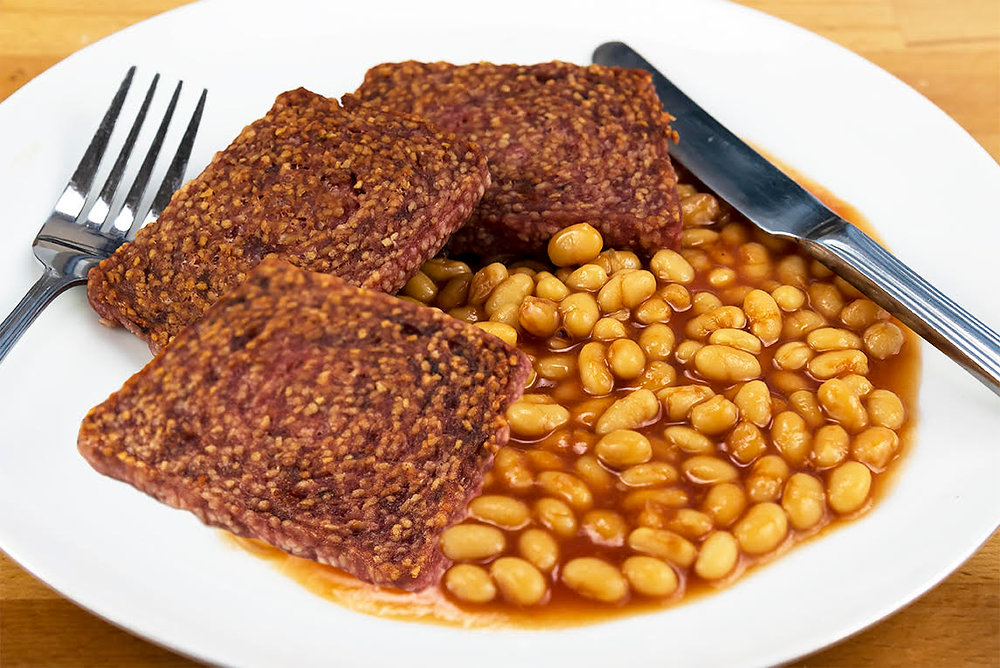
Traditional Scottish Breakfast
Lorne sausage shines as part of a full Scottish breakfast alongside eggs, bacon, black pudding, grilled tomatoes, and potato scones. The square shape makes it perfect for layering in a traditional breakfast stack.
Morning Roll Perfection
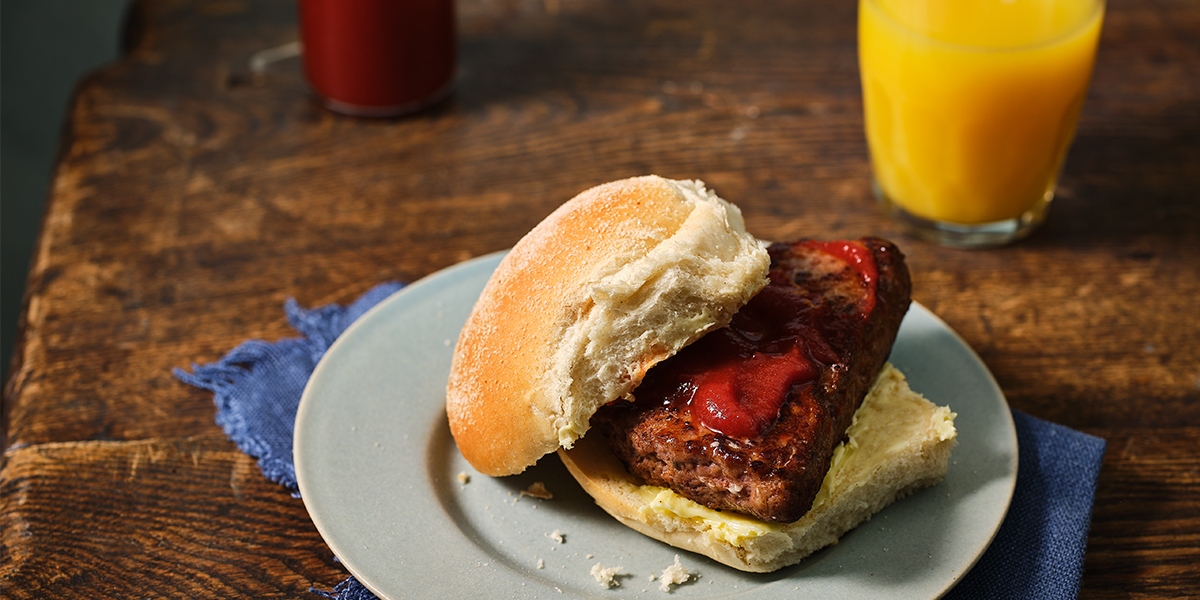
One of the most beloved ways to enjoy Lorne sausage is in a morning roll with butter and brown sauce. The dense texture holds up beautifully to the soft roll, creating a satisfying breakfast sandwich.
Creative Modern Applications
Contemporary chefs have discovered Lorne sausage's versatility in applications beyond traditional breakfast. It works excellently in pasta dishes, as a pizza topping, or incorporated into stuffing recipes. The firm texture makes it ideal for cubing and using in soups or stews, where it maintains its shape while contributing rich, meaty flavor.
Creative Variations
Transform leftover Lorne sausage into meatballs for pasta dishes, incorporate into breakfast hash, or use as filling for sausage rolls. The versatile flavor profile works well in stir-fries, stews, or even pizza toppings.
The Cultural Heritage Of Lorne Sausage
Understanding the cultural significance of Lorne sausage enhances appreciation for this Scottish culinary tradition. Dating back to the late 19th century, this sausage style emerged from practical needs – it was easier to slice and serve than traditional cased sausages, making it ideal for busy breakfast service.
The square shape wasn't merely aesthetic; it served practical purposes in commercial kitchens where consistent portioning and efficient cooking were essential. This functional design has become an integral part of Scottish food culture, representing the practical ingenuity that characterizes much of traditional Scottish cuisine.
Nutritional Considerations And Health Benefits
When prepared with quality ingredients, Lorne sausage provides substantial protein and essential nutrients. The combination of beef and pork supplies complete amino acids, while the moderate fat content contributes to satiety and flavor.
For health-conscious variations, consider using leaner ground turkey or chicken, though these require additional binding agents or a small amount of added fat to maintain the traditional texture and prevent drying during cooking.
Per 100g Serving (approximate):
- Calories: 270-320 kcal
- Protein: 10-14g
- Fat: 18-26g
- Carbohydrates: 8-15g
- Salt: 1.1-2.1g
Dietary Considerations
Lorne sausage is high in protein and provides substantial energy for active lifestyles. However, it's also high in fat and sodium, making portion control important for balanced nutrition.
Regional Variations And Alternatives
Meat Alternatives
All-beef versions are traditional in some regions, using 100% beef for a more robust flavor. Turkey or Chicken offers healthier alternatives that reduce fat content while maintaining protein levels. Vegetarian Optionsusing textured soy protein, breadcrumbs, and traditional spices offer similar flavors for vegetarian diets.
Spice Variations
West Coast Style often includes mace and white pepper for a more delicate flavor profile. Highland Recipe may incorporate oatmeal instead of breadcrumbs, adding traditional Scottish grain elements. Spiced Versions might include garlic, onion, or even curry spices for unique regional twists.
Professional Secrets And Tips
Butcher's Techniques
Professional butchers often use mixed meat trimmings, including beef, pork, and sometimes lamb, for complex flavor development. They also employ mechanical mixing for a more uniform texture than hand mixing can achieve.
Temperature Control
Keep ingredients cold throughout preparation. If the mixture becomes warm, refrigerate for 15-20 minutes before continuing.
Seasoning Balance
Taste-test a small portion by cooking a teaspoon of the mixture in a pan. Adjust the seasoning before forming the final block.
Equipment Investment
While not essential, a proper Lorne sausage tin with a removable bottom makes professional-quality results easier to achieve. Standard loaf tins work perfectly well for home cooks.
Frequently Asked Questions
Can I Make Lorne Sausage Without Pork?
Yes, you can create an all-beef version, though the texture will be slightly different. To maintain moisture and binding properties, choose 70/30 ground beef to increase the fat content, and consider adding a tablespoon of beef drippings or lard.
How Long Does Homemade Lorne Sausage Last?
Properly stored homemade Lorne sausage keeps for up to one week in the refrigerator. For longer storage, slice and freeze individual portions for up to three months. Always ensure the sausage reaches an internal temperature of 160°F (71°C) before consuming.
Can I Use Store-bought Breadcrumbs Instead Of Making My Own?
Store-bought plain breadcrumbs work perfectly for this recipe. However, avoid seasoned varieties, as they can overpower the traditional spice blend. Panko breadcrumbs, in particular, provide excellent texture and binding properties.
Why Is My Lorne Sausage Falling Apart During Cooking?
Crumbly sausage typically results from insufficient binding or inadequate chilling time. Ensure your mixture feels slightly sticky before forming, and allow at least 24 hours of refrigeration for proper texture development and to help it hold its shape.
What's The Difference Between Rusk And Breadcrumbs In This Recipe?
Rusk is a traditional hard biscuit that provides superior binding properties and an authentic texture for Lorne sausage. However, good-quality breadcrumbs, especially panko, make an excellent and more readily available substitute outside Scotland.
Conclusion
Mastering homemade Lorne sausage opens up a world of authentic Scottish flavors that simply can't be replicated by store-bought alternatives. The process requires patience – particularly during the crucial chilling phase – but the results will reward you with a breakfast staple that rivals the best Scottish butcher shops.
The beauty of this recipe lies in its simplicity and adaptability. Once you've mastered the basic technique, you can confidently experiment with different spice blends, meat combinations, and serving methods to create your signature version.
Remember that the key to exceptional Lorne sausage is respecting the traditional ratios while understanding the science behind the binding process. With practice, you'll develop an intuitive feel for the proper texture and consistency that produces perfect results every time.
You Might Like: How To Make Scotch Eggs - A Step-by-Step Guide
Jump to
What Makes Lorne Sausage Different From Regular Sausage?
Historical Background And Origins
Essential Ingredients For Authentic Lorne Sausage
Step-by-Step Lorne Sausage Recipe
Professional Tips For Perfect Results
Cooking Methods For Perfect Results
Creative Variations And Flavor Enhancements
Troubleshooting Common Issues
Storage And Freezing Guidelines
Serving Suggestions And Pairings
The Cultural Heritage Of Lorne Sausage
Nutritional Considerations And Health Benefits
Regional Variations And Alternatives
Professional Secrets And Tips
Frequently Asked Questions
Conclusion

Callum Fraser
Author
Callum Fraser isn't just a writer about Scotland; he's a product of its rugged landscape and rich history. Born and raised in Perthshire, with the Highlands as his backyard, his love for the nation's stories was kindled by local storytellers and long walks through ancient glens.
This passion led him to pursue a degree in Scottish History from the University of Edinburgh. For over 15 years, Callum has dedicated himself to exploring and documenting his homeland, fusing his academic knowledge with essential, on-the-ground experience gained from charting road trips through the Cairngorms, hiking the misty Cuillins of Skye, and uncovering the secrets of traditional recipes in his family's kitchen.
As the Editor-in-Chief and Lead Author for Scotland's Enchanting Kingdom, Callum's mission is simple: to be your most trusted guide. He combines meticulous research with a storyteller's heart to help you discover the authentic magic of Scotland — from its best-kept travel secrets to its most cherished traditional recipes.
Latest Articles
Popular Articles