Granton Harbor - Edinburgh's Industrial Powerhouse And New Coastal Community
Granton Harbor is a part of Edinburgh's coastline, located on the Firth of Forth. It was historically an industrial area, now it's part of Edinburgh's big waterfront renewal project.
Author:Callum FraserFeb 13, 202632.3K Shares522.4K Views
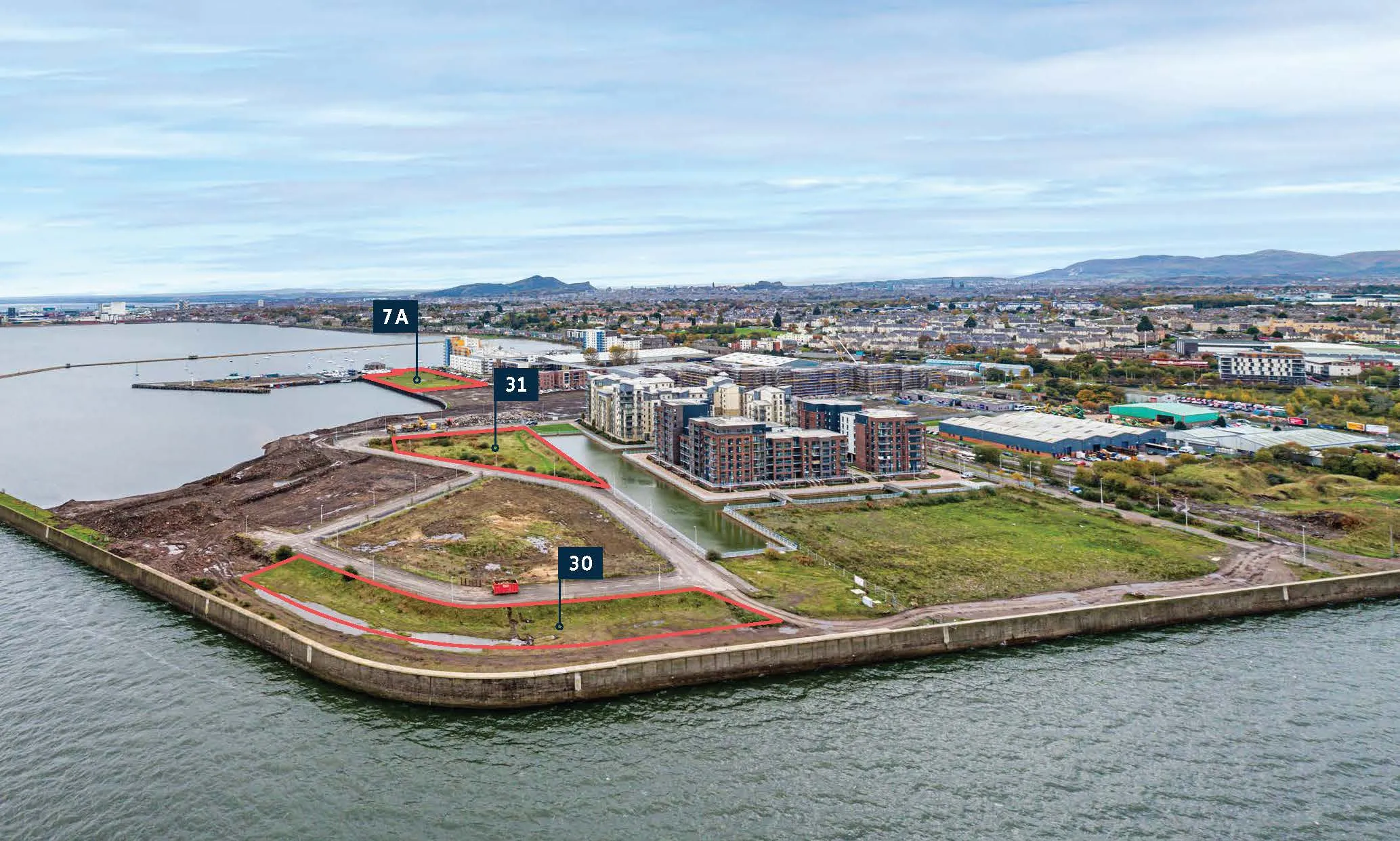
Granton Harbor - A Duke's Vision Realized
Standing on Granton's Middle Pier for the first time, I felt the weight of nearly two centuries of Scottish maritime history beneath my feet. The 1,700-foot Victorian structure stretches into the Firth of Forth like a stone finger pointing toward Fife.
Behind me, the last surviving gas holder frame towers as a skeletal reminder of industrial might. Ahead, construction cranes swing over what will become Scotland's most ambitious waterfront transformation.
This historic port, three miles north of the city centre, once exported Scottish coal across Europe, launched the world's first railway ferry, and welcomed Queen Victoria on her inaugural visit to Scotland.
Key Takeaways
- A Planned Harbor: It wasn't natural. A powerful Scottish duke, the 5th Duke of Buccleuch, started building it in 1836 to create a deep-water port for steamships.
- Victorian Engineering Marvel: Completed in stages, the harbor featured impressive piers and curved breakwaters. It was a cutting-edge design for its time, built with stone from a local quarry.
- Wartime Importance: During World War I, it became a major naval base (HMS Lochinvar) for minesweeping and supporting naval operations.
- Decline and Rebirth: Commercial shipping eventually stopped in the 1970s due to changing shipping methods. The area became run-down.
- Massive Regeneration Project: Granton is now undergoing a huge transformation as part of Edinburgh's waterfront regeneration. This project is one of Europe's largest urban renewal efforts.
- Current Uses: Even with the changes, the harbor still handles specialized cargo (like petroleum products and heavy industrial loads) and is a significant center for recreational boating and yacht clubs.
- Environmental Focus: The new development emphasizes sustainability, climate resilience, and protecting local wildlife.
The Origins Of Granton Harbor
Edinburgh decided it needed a bigger harbor in 1834. James Walker, who led the Institution of Civil Engineers, was in charge of a committee that included Admiral David Milne. They had to choose between three options: expanding Leith Docks, building a new harbor at Trinity, or building one at Granton. The first plan for Trinity didn’t get approval, but in 1836, a second proposal for Granton was accepted. It was officially approved on April 21, 1837.
Construction started in June 1837, and the central pier opened on June 28, 1838, the same day Queen Victoria was crowned. The project was paid for by the 5th Duke of Buccleuch. The original plan included a central pier called the Victoria Jetty and a road leading east to Leith. Queen Victoria first visited Edinburgh as queen when she arrived at the pier on September 1, 1842, on the ship RY Royal George. In 1843-44, the pier was extended to 1,700 feet (about 500 meters), finishing in October 1844. By 1845, a cheap steamboat service ran between Stirling and Granton.
Granton became a busy port for exporting coal and importing esparto grass, used to make paper. The fishing fleet grew significantly, leading to the building of an ice house in the late 1800s, west of the harbor. Around 80 fishing trawlers were based there just before World War II. A fossil crustacean called Waterstonella was first found in the Granton shrimp beds by Dr. Charles Waterstone, a geologist at the Royal Scottish Museum. The area between Granton and Newhaven is now protected as a Site of Special Scientific Interest (SSSI) to preserve its fossils.
On February 3, 1850, the world’s first ferry-train began running between Granton and Burntisland, Fife. The paddle-steamer Leviathan carried trains, which were the main way to cross the Firth of Forth until the Forth Bridgeopened in 1890. Ferry services for passengers and cars continued into the 1960s. In 1884, John Murray set up the Marine Laboratory in Granton, the first of its kind in the UK. In 1894, it moved to Millport on the Isle of Cumbrae and became the University Marine Biological Station, Millport, which later inspired today’s Scottish Association for Marine Science near Oban.
During World War I, Granton harborwas used as a base for mine-sweeping operations, mainly involving Scottish trawlers and their crews, who were part of the Royal Navy Reserve. During this time, the harbor was officially called "HMS Gunner" in military documents, named after the largest trawler in its fleet. The harbor housed mine-sweepers, decoy ships (Q-ships), and anti-submarine vessels. The north section held smaller support boats, including 24 motor launches, 18 paddle mine-sweepers, and 30 boom-defense vessels, totaling 103 craft.
From 1942 to 1946, Granton harbor was home to HMS Lochinvar, a training center for minesweeping. Because the harbor was too small for larger ships, it was used to scrap old Royal Navy ships, including HMS Newport and HMS Hedingham Castle. Today, two boat clubs share responsibility for running the Edinburgh Marina: the Forth Corinthian Yacht Club and the Royal Forth Yacht Club.
Geographic And Strategic Importance
Location And Accessibility
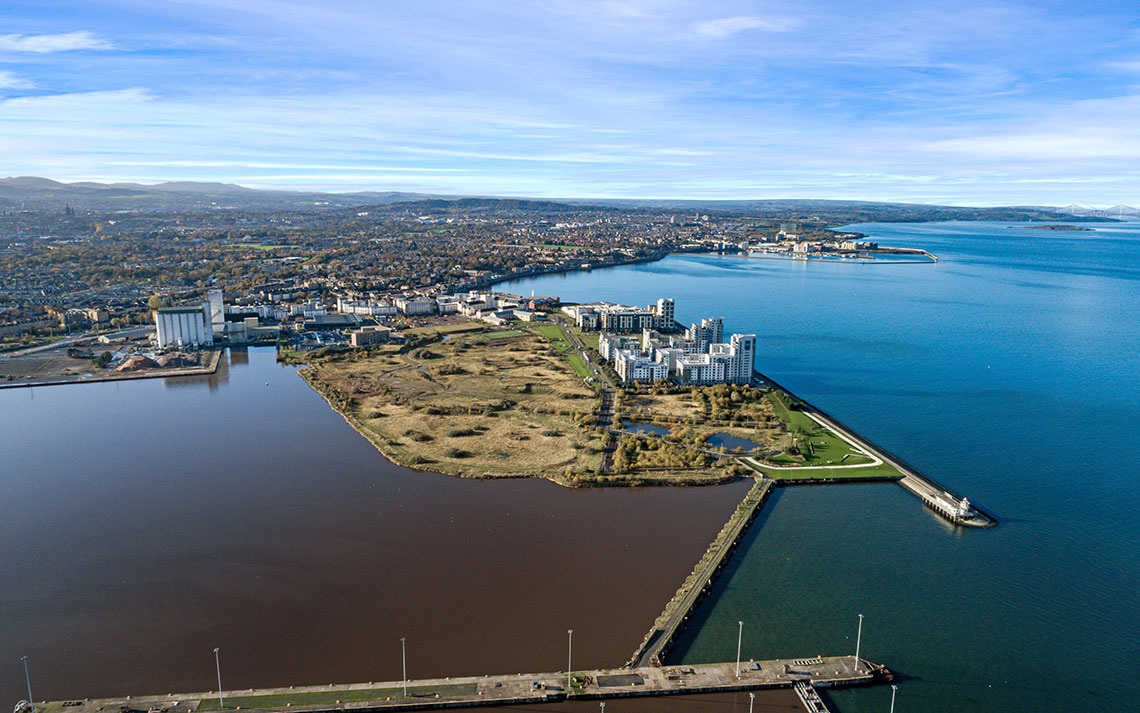
Granton Harbor lies on the Firth of Forth, to the west of Leith and Newhaven harbours, about three miles north of Edinburgh. This strategic position provides easy access to Scotland's capital while maintaining the distinct character of a waterfront community.
Granton forms part of Edinburgh's waterfront along the Firth of Forth, and was historically an industrial area, largely due to the size of the harbour. The harbor's natural advantages, deep water, protection from storms, and proximity to transport networks made it an ideal location for maritime commerce.
Maritime Infrastructure
Granton is an artificial harbour built in the 19th Century just to the West of Leith on the Firth of Forth to the North of Edinburgh. Today, while commercial shipping has ended, the harbor continues to serve recreational boating and maintains connections to Scotland's maritime heritage.
Tidal Information And Navigation
For those interested in the technical aspects of Granton Harbor, the tidal information shows MHWS 5.6m, MHWN 4.4m, MLWN 2.0m, MLWS 0.8m, indicating significant tidal variation that historically required careful navigation planning for commercial vessels.
Granton Harbor's Industrial Golden Age
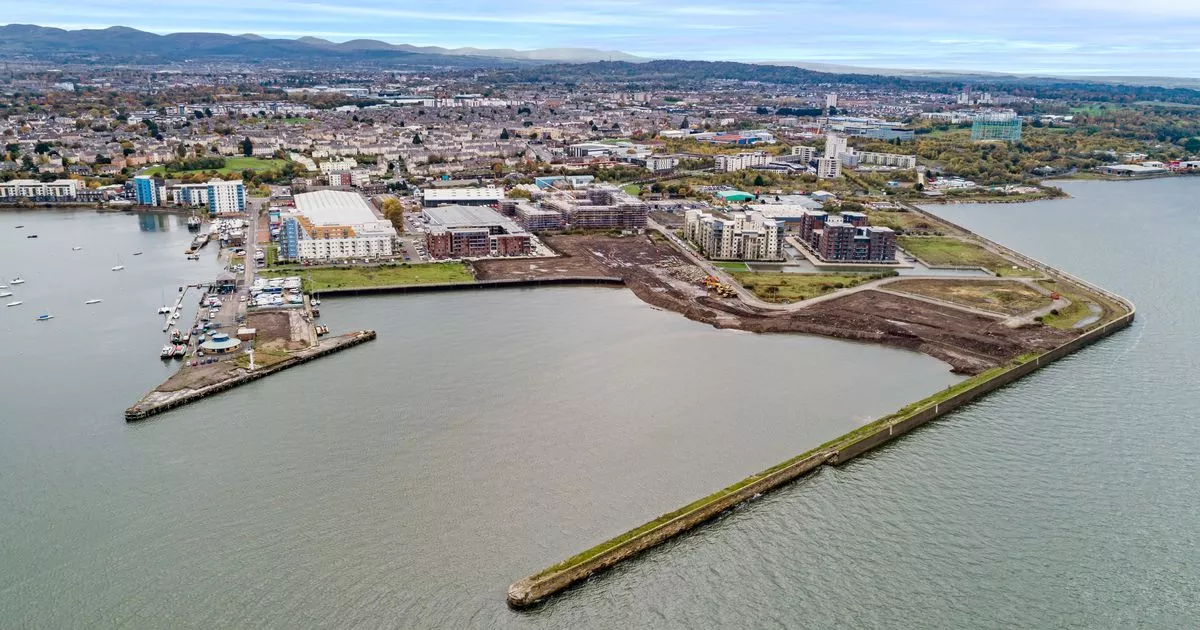
The quarry located west of Granton harbour was first used to supply stone for building the harbour itself. Later, it provided materials for parts of Holyrood Palace and even for the statue of Lord Nelson that stands atop Nelson’s Column in London’s Trafalgar Square. Granton is also home to Britain’s oldest surviving car factory building.
Built in 1898, it housed the Madelvic Motor Carriage Company, which produced electric cars. Like the nearby gasometers, this historic factory is a listed building. Permission has been given to demolish it as part of a larger redevelopment plan for the area. In June 2017, approval was granted to create a community garden on the site. In November 2021, a Red Wheel plaque was unveiled at the location.
These plaques, installed by the National Transport Trust, mark significant locations in the history of transportation. Granton Gasworks used to be one of the most noticeable landmarks along Edinburgh’s waterfront, featuring three blue gasometers that were easily visible from Fife.
Two of these structures, built in the 1930s and 1970s, have since been demolished. The third gasometer remains standing and is recognized as an example of Victorian industrial design. In 2023, the inner ‘bell’ of this remaining gasholder was removed, leaving only its outer frame as part of the revitalized waterfront. By 2025, the site had been transformed into a public park, open for everyone to enjoy.
Railway Connections And Ferry Services
Granton's most revolutionary innovation came in 1850. The Duke of Buccleuch had also built a harbour at Burntisland, five miles across the Firth of Forth. To connect them, he commissioned the world's first roll-on, roll-off railway ferry.
The paddle steamer Leviathan carried entire trains across the water. Passengers boarded trains at Edinburgh's Canal Street Station, later renamed Waverley, and rode all the way to Dundee without leaving their carriages. The train simply rolled onto the ferry, crossed the Forth, and continued northward. This eliminated the time-consuming transfer of passengers and goods between trains and boats.
This rail ferry service provided the main link to Fife and northern Scotland until the Forth Bridge opened in 1890. Even after the bridge provided a permanent rail crossing, passenger and car ferry services continued operating from Granton into the 1960s. The Granton Hotel, built in 1838 opposite the harbour to accommodate ferry passengers, stood as a testament to the heavy cross-Forth traffic for over a century.
The Decline And Transformation Of Granton Harbor
Military Service And Industrial Decline
Both World Wars pressed Granton into military service. During World War I, the harbour became a base for naval vessels, including minesweepers, with supporting shore facilities and a naval hospital nearby. An air raid in 1940 during World War II targeted the harbour, hitting houses at nearby Crewe Place.
From 1942 to 1946, HMS Lochinvar, a shore-based minesweeping training establishment, operated from Granton. After the war, the harbour's restricted size meant it couldn't accommodate modern large vessels. It found a new purpose as a ship-scrapping site, with former Royal Navy vessels, including HMS Newport and HMS Hedingham Castle, meeting their end there.
Industrial decline accelerated through the latter 20th century. The fishing fleet dispersed. The gasworks wound down production. Manufacturing facilities like Bruce Peebles, which made high-voltage electrical equipment, including transformers for power stations, eventually closed. A devastating fire destroyed Bruce Peebles' works in 1999.
By the 1990s, much of Granton stood derelict. The population that had reached 30,000 in 1971 dropped to just over 18,000 by 1991. Where industry once thundered, empty warehouses and contaminated brownfield sites dominated. The harbour that had welcomed Queen Victoria and powered Edinburgh's growth for 150 years had become an eyesore of rust and abandonment.
Granton Today: Heritage And Regeneration
The £1.3 Billion Transformation
Edinburgh City Council began acquiring Granton land in the late 1990s, recognizing both the development potential and the urgent need to address dereliction. The Granton Waterfront Development Framework set an ambitious vision: create an internationally renowned coastal neighbourhood showcasing low-carbon living, climate resilience, connectivity, and wellbeing.
The scope is staggering. The 150-hectare site represents one of Scotland's largest brownfield regeneration projects and one of Europe's most ambitious. Over the next 10-15 years, the program aims to deliver approximately 3,500 new net-zero carbon homes, with about 50% developed by the private sector and 45% designated as affordable housing.
In November 2024, the Edinburgh Council approved the first phase. Scottish housebuilder Cruden Homes will deliver 847 initial homes, with the project team targeting over 1,200 homes in the first stage. Work began in 2025, with completion of the first phase expected by 2032. These won't be ordinary homes. They're designed as "net-zero ready," incorporating the latest energy-efficient technology to minimize carbon emissions and reduce resident energy bills.
Edinburgh Marina: Sailing Into The Future
At the heart of the physical transformation sits the Edinburgh Marina, a £200 million development centered on a world-class 429-berth marina. The current Granton Marina, jointly operated by the Royal Forth Yacht Club and Forth Corinthian Yacht Club, serves as the foundation for this dramatic expansion.
The Edinburgh Marina development encompasses more than just boat berths. Plans include over 2,400 new residential units comprising apartments and houses for sale and rent, serviced apartments, up to 18,500 square meters of retail, leisure, and commercial space, and Scotland's first Hyatt Regency Spa and Conference Hotel.
The marina itself has been specifically designed to exceed the Yacht Harbour Association's prestigious 5 Gold Anchors rating, which would make it one of the finest marinas in Europe. The location is spectacular. Views stretch across the Firth of Forth to Fife, with the three Forth Bridges visible to the west. Sailors can access open water quickly while remaining just 2.5 miles from Edinburgh city centre and 7.5 miles from Edinburgh International Airport.
Preserving Industrial Heritage
A remarkable aspect of Granton's transformation is how carefully developers are preserving and adapting historic buildings rather than demolishing everything for clean-slate development.
The surviving gas holder from Granton Gasworks exemplifies this approach. Built in the late 19th century, the cylindrical structure once stored gas produced at the nearby gasworks for distribution across Edinburgh. Two sister structures were demolished, but the third was granted listed status as an important example of Victorian industrial architecture.
Rather than leaving the gas holder as a monument or tearing it down, developers incorporated it into the regeneration. In 2023, the inner "bell" was removed, leaving the distinctive frame. In 2025, this Victorian industrial skeleton opened to the public as part of a new park, creating a dramatic focal point and gathering space that tells Granton's story.
Madelvic House carries even more historical significance. Built in 1898 as headquarters for the Madelvic Motor Carriage Company, this structure is the oldest surviving purpose-built car factory in Britain. Madelvic, founded in 1895, was among the UK's first electric vehicle manufacturers. The company produced electric cars and commercial vehicles, with the General Post Office using Madelvic electric vehicles from May 14, 1899.
The Future Of Granton Harbor
Urban Planning Innovation
The Granton waterfront regeneration represents a new approach to urban development that prioritizes community needs, environmental sustainability, and heritage preservation. This model could influence similar projects throughout Scotland and beyond.
Economic Opportunities
The redevelopment is expected to create thousands of jobs while establishing Granton as a center for education, technology, and creative industries. The proximity to Edinburgh's city center, combined with waterfront amenities, positions the area as an attractive location for businesses and residents.
Community Integration
Plans emphasize creating connections between new developments and existing communities, ensuring that regeneration benefits current residents while attracting new families and businesses to the area.
Maritime Operations And Economic Impact
Fishing Fleet And Commercial Activities

Swimming And Fishing at Granton Beach Edinburgh
Granton Harbour developed into a major fishing port, supporting a substantial fleet that contributed significantly to Scotland's fishing industry. The harbour's deep-water capabilities and excellent facilities attracted fishing vessels from across the region, creating a thriving maritime community centered around the harbour.
The fishing industry brought regular employment to the area and helped establish Granton as a significant settlement in its own right. Beyond fishing, the harbour handled diverse commercial traffic, including coal exports, timber imports, and various manufactured goods.
The facility's strategic location and excellent rail connections made it an ideal port for Edinburgh's growing industrial economy. By the early 20th century, Granton had become one of Scotland's most important commercial ports, handling hundreds of thousands of tons of cargo annually.
Military Service And Strategic Importance
World War I Naval Operations
Granton Harbour played a crucial role in Britain's naval operations during World War I, serving as HMS Lochinvar, a major naval base from August 14, 1914, to July 15, 1919. The base initially accommodated 29 trawlers and three yachts employed in patrol work and minesweeping operations around the Firth of Forth and North Sea approaches.
The facility's strategic location made it ideal for protecting Edinburgh and the vital shipping lanes serving Scotland's east coast. The naval base expanded dramatically throughout the war, ultimately housing 300 ships serviced by 400 officers, 8,000 men, and 300 Women's Royal Naval Service (WRNS) officers and ratings.
From 1915, Granton became a specialized base for fitting out and operating "Q-ships" - merchant vessels and trawlers equipped with hidden weapons designed to lure and attack German submarines. This covert operation represented one of the Royal Navy's most innovative anti-submarine tactics.
Minesweeping And Coastal Defense
The harbour's strategic importance grew as German mining operations intensified along Britain's east coast from 1916 onwards. Granton-based minesweepers became increasingly vital for maintaining safe shipping lanes and protecting both military and civilian vessels.
The base's responsibilities expanded to include the maintenance and operation of permanent anti-submarine booms and the deployment of temporary mobile nets protecting the Grand Fleet during training exercises in the lower Forth estuary.
Following the Armistice in 1918, Granton's naval personnel engaged in extensive mine clearance operations, helping to restore safe navigation in the North Sea and surrounding waters.
Infrastructure Development And Transportation
Buses
Most bus services in Granton are run by Lothian Buses. Buses that end their routes in Granton usually stop at either Granton Square or the Scottish Gas HQ. If the destination says Scottish Gas HQ, the bus will also go to West Granton, Pilton, or Muirhouse.
Here are some key routes:
- 8: Runs from Muirhouse through Granton, Pilton, Canonmills, North Bridge, Newington, Moredun, and ends at the Royal Infirmary.
- 14: Goes from Muirhouse through Granton, Pilton, Ferry Road, Elm Row, North Bridge, Newington, Prestonfield, and Niddrie.
- 16: Connects Colinton, Oxgangs, Morningside, Tollcross, Princes Street, Leith, Newhaven, Granton, Muirhouse, and Silverknowes.
- 19: Links Granton, Pilton, Western General Hospital, West End, Princes Street, Meadowbank, Lochend, and Portobello.
- 24: Runs from West Granton through Muirhouse, Drylaw, Western General Hospital, Stockbridge, West End, The Meadows, Blackford, and the Royal Infirmary.
- 32: Connects Granton, Muirhouse, Davidson Mains, Drum Brae, Sighthill, and Wester Hailes.
- 38: Goes from West Granton through Western General Hospital, Craigleith, Ravelston, Murrayfield, Gorgie, Morningside, Blackford, Kings Buildings, and the Royal Infirmary.
- 47/X37: Runs from Granton through Western General Hospital, Lothian Road (47) or Princes Street (X37), Newington, Liberton, Straiton, and ends at Penicuik Ladywood (47) or Penicuik Deanburn (X37).
There’s also a night bus:
N16: Connects Torphin, Colinton, Oxgangs, Morningside, Tollcross, Princes Street, Leith, Newhaven, Granton, Muirhouse, and Silverknowes.
Railways
To make the harbour profitable, a railway connection was needed. The Duke of Buccleuch, who funded the harbour, invested in the Edinburgh, Leith and Newhaven Railway. In 1842, a line opened from Canal Street station (near today’s Waverley station) to Trinity Crescent, close to the Trinity Chain Pier. By 1838, the line was extended to Granton Harbour.
Since the Edinburgh junction was too steep for locomotives, trains were pulled by ropes. A new line built in 1868 from Waverley Station through Abbeyhill ended the need for rope pulling. From 1846 to 1890, Burntisland station was part of the main East Coast railway route to Perth, Dundee, and Aberdeen.
When the Forth Bridge opened in 1890, long-distance trains started using it, leaving the Granton line for local passenger and freight services. Passenger trains stopped running in 1926 when trams and buses became more popular. Freight services continued until 1986, when the tracks were removed.
In 1861, the Caledonian Railway built a line to Granton from Dalry, providing freight service to the harbour. They also ran passenger trains to the new gasworks from central Edinburgh, with a dedicated station called Granton Gasworks. In 1864, the Caledonian Railway added a line to Leith, with stops at Newhaven Road, Granton Road, East Pilton, Craigleith, Murrayfield, and Dalry Road, connecting to Edinburgh Princes Street.
Trams
In 1909, Leith Corporation began running trams from Leith to Granton. In 1923, Edinburgh Corporation joined in, creating seven tram routes to the area. Four routes went via Lower Granton Road (services 2, 14, 16, and 17), and three went via Granton Road (services 8, 9, and 13). Trams were gradually replaced by buses between 1952 and 1956.
In 2001, Granton was suggested as a stop on Edinburgh’s planned modern tram network. It would have been part of Phase 1b, which aimed to create a continuous loop from the initial Phase 1a line. However, in April 2009, the City of Edinburgh Council canceled Phase 1b due to financial challenges caused by the 2008 economic crisis, saving about £75 million.
In February 2024, the council announced a 12-week consultation on a new north-south tram route linking Granton with the city center and BioQuarter. The northern section would follow part of the original Phase 1b route between Granton and Roseburn, but wouldn’t connect to Newhaven as originally planned. Initially, trams were proposed to run along the Roseburn Path, part of the National Cycle Network.
Environmental And Wildlife Considerations
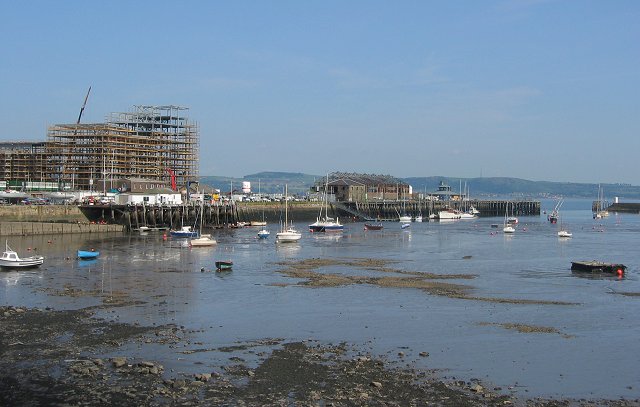
Coastal Ecology And Habitat Protection
The Firth of Forth around Granton Harbour supports diverse marine and coastal ecosystems that require careful management alongside industrial and recreational activities. The harbour's construction and operation have created unique ecological niches, including protected areas where marine life can flourish despite the industrial setting.
The tidal nature of much of the harbour allows for natural sedimentation processes that support various species of marine plants and animals. Environmental management at Granton involves balancing industrial operations with ecosystem protection, ensuring that petroleum handling and cargo operations meet stringent environmental standards.
The harbour's operators work with Scottish environmental agencies to monitor water quality and minimize industrial impacts on local wildlife populations. These efforts reflect growing awareness of the need to integrate environmental stewardship with industrial activities.
Birdwatching And Wildlife Observation
The harbour area attracts numerous bird species, making it a valuable location for wildlife observation and environmental education. The combination of tidal mudflats, industrial structures, and open water creates diverse habitats supporting both resident and migratory bird populations.
Species commonly observed include various seabirds, waders, and waterfowl that use the harbour area for feeding and roosting. The harbour's position along important migration routes makes it particularly valuable for observing seasonal bird movements.
The industrial infrastructure provides elevated viewing positions for birdwatchers, while the relatively undisturbed areas of the Eastern Harbour offer excellent opportunities for close wildlife observation. These natural features add significant value to the harbour's role as both an industrial facility and a recreational destination.
What To See And Do At Granton Harbour
Walking The Historic Waterfront
The Middle Pier remains Granton's most impressive historic structure. Walking its 1,700-foot length lets you experience the engineering ambition of Victorian Scotland firsthand. The stone beneath your feet was quarried locally 180 years ago. Queen Victoria walked here. Railway trains rolled onto ferries from this spot.
The pier offers stunning views in all directions. Look north across the Firth of Forth to Fife's coastline. West toward the three Forth Bridges spanning the water. East along Edinburgh's waterfront toward Leith and Portobello. South back to the city with Arthur's Seat rising dramatically in the distance.
The Eastern and Western Breakwaters extend over 3,000 feet each. While not as easily accessible as the Middle Pier, they frame the harbour and protect the marina from Forth storms. Lighthouses and beacons mark their ends, functional aids to navigation that have guided vessels for over 150 years.
The waterfront promenade is expanding as development progresses. New sections connect historical structures with contemporary public spaces, creating a continuous walking and cycling route along the shore. Interpretive signage explains Granton's history at key points, helping visitors understand the significance of structures they're seeing.
The Marina And Yacht Clubs
The existing marina welcomes visitors even as the larger Edinburgh Marina development proceeds. The Royal Forth Yacht Club and Forth Corinthian Yacht Club maintain active sailing communities, with over 120 boats currently moored.
Both clubs occasionally offer discover sailing days where the public can try sailing under expert supervision. These events provide an opportunity to experience the Forth from the water without owning a boat. Check with the clubs directly for scheduled events and booking requirements.
Watching yachts and other vessels navigate in and out of the marina provides free entertainment for anyone who appreciates maritime activity. The sight of white sails against the Forth's blue waters, backed by Fife's green hills, captures why sailors love this location.
The marina clubhouse offers food and drinks, though access policies vary and may be restricted to members and their guests. However, the waterfront promenade allows public viewing of the marina from outside, with benches and viewpoints for watching the nautical activity.
Industrial Heritage Sites
The Gas Holder 1 within its new park is free to visit and offers one of Granton's most photographed views. The Victorian iron framework creates dramatic geometry against the sky. At night, lighting enhances the structure's architectural impact. It's become an instant landmark representing Granton's ability to honor industrial heritage while creating new public amenities.
Madelvic House, while not a tourist attraction per se, can be appreciated from the exterior. The Granton Hub inside supports community activities and occasionally hosts events open to the public. The building's historical significance as Britain's oldest car factory adds context to Granton's broader industrial story.
The Granton Castle Walled Garden welcomes visitors through the Friends of Granton Castle Garden organization. Volunteer work days allow people to contribute to the garden's maintenance while learning about its history. The walled garden provides peaceful green space, increasingly rare in urban development areas, with herbs, vegetables, and flowers growing much as they did in Victorian times.
Caroline Park House, the only substantial remnant of the Duke of Buccleuch's estate that sparked Granton's development, sits nearby, though typically not open to the public. Built in 1685 and originally known as Royston House, this mansion witnessed Granton's transformation from rural estate to industrial powerhouse. Viewing it from outside provides a connection to the area's pre-harbour past.
New Developments And Future Attractions
As construction proceeds, new attractions are emerging. Heron Place, completed in 2021, won recognition as one of Scotland's best affordable housing developments. While residential, the project demonstrates the quality and sustainability principles guiding Granton's regeneration. The 104 homes for social and mid-market rent incorporate high-quality insulation, air quality monitors, and achieved the lowest possible Environmental Impact Rating.
Public art installations are being integrated throughout the development. These range from sculptures and murals celebrating Granton's heritage to contemporary works by Scottish artists. Art becomes wayfinding, a history lesson, and an aesthetic enhancement simultaneously.
Retail and commercial spaces opening in the coming years will add cafes, restaurants, shops, and services. The proposed Hyatt Regency Spa and Conference Hotel will provide destination dining and leisure facilities accessible to both residents and visitors from across Edinburgh.
Green spaces are being designed not as afterthoughts but as integral elements. The coastal park will protect the shoreline while providing recreation space. Landscaped areas connect neighborhoods and create corridors for walking and cycling. Native planting supports biodiversity while requiring less maintenance than exotic species.
You Might Like: Kinshaldy Beach - Tentsmuir Forest & Coastal Beauty
Frequently Asked Questions
How Is The Granton Waterfront Regeneration Project Impacting Local Housing?
The regeneration project at Granton Waterfront includes plans for approximately 3,500 new net-zero carbon homes, combining private and affordable housing. This large-scale development aims to create a sustainable, inclusive coastal community with modern amenities, green spaces, and excellent transport links, helping to alleviate Edinburgh’s housing shortage while promoting low-carbon living.
What Cultural And Creative Facilities Are Planned For Granton Harbour?
As part of the waterfront redevelopment, historic buildings such as the former Granton Gasworks railway station and warehouses are being repurposed into creative enterprise hubs. Additionally, new commercial and cultural spaces totaling around 20,000 square meters will support arts, leisure, and community activities, establishing Granton as a vibrant cultural destination.
Are There Any Plans To Improve Public Transport Access To Granton Harbour?
A future tram extension is proposed to run along the Granton Waterfront, forming part of a new circular route that will enhance connectivity between Granton, Edinburgh city center, and surrounding coastal communities. This improved public transport infrastructure will support the growing residential and commercial developments in the area.
What Environmental Sustainability Measures Are Integrated Into The Granton Harbour Redevelopment?
The regeneration emphasizes climate resilience and sustainability, including the development of low-carbon heat networks, extensive green spaces covering over 16 hectares, and the construction of net-zero carbon homes. These measures aim to reduce the area’s carbon footprint and create a climate-resilient urban environment.
How Does Granton Harbour Connect With Edinburgh’s Broader Coastal Heritage?
Granton Harbour forms part of a ‘necklace’ of coastal communities stretching from Cramond to Portobello, linking significant historical and natural sites along Edinburgh’s waterfront. The regeneration project includes plans for a coastal park connecting Granton Harbour to the Forth Bridge World Heritage Site, reinforcing the area’s role in Edinburgh’s maritime legacy and enhancing public access to the coastline.
Conclusion
Granton Harbor's remarkable journey from aristocratic vision to industrial powerhouse to modern urban regeneration project encapsulates the broader story of Scotland's relationship with the sea. The harbor that once welcomed Queen Victoria's coronation celebration now stands as a symbol of how historic maritime infrastructure can be thoughtfully transformed to meet contemporary needs.
As the £250 million regeneration project continues, Granton Harbor demonstrates that preserving industrial heritage doesn't mean freezing it in time. Instead, the most successful approach honors the past while building toward a sustainable future.
The Duke of Buccleuch's 19th-century vision of connecting Scotland to the world through maritime commerce continues in new forms, as modern Granton develops into a connected, sustainable waterfront community that respects its remarkable heritage while embracing the opportunities of the 21st century.
Jump to
Granton Harbor - A Duke's Vision Realized
Key Takeaways
The Origins Of Granton Harbor
Geographic And Strategic Importance
Granton Harbor's Industrial Golden Age
The Decline And Transformation Of Granton Harbor
Granton Today: Heritage And Regeneration
The Future Of Granton Harbor
Maritime Operations And Economic Impact
Military Service And Strategic Importance
Infrastructure Development And Transportation
Environmental And Wildlife Considerations
What To See And Do At Granton Harbour
Frequently Asked Questions
Conclusion

Callum Fraser
Author
Callum Fraser isn't just a writer about Scotland; he's a product of its rugged landscape and rich history. Born and raised in Perthshire, with the Highlands as his backyard, his love for the nation's stories was kindled by local storytellers and long walks through ancient glens.
This passion led him to pursue a degree in Scottish History from the University of Edinburgh. For over 15 years, Callum has dedicated himself to exploring and documenting his homeland, fusing his academic knowledge with essential, on-the-ground experience gained from charting road trips through the Cairngorms, hiking the misty Cuillins of Skye, and uncovering the secrets of traditional recipes in his family's kitchen.
As the Editor-in-Chief and Lead Author for Scotland's Enchanting Kingdom, Callum's mission is simple: to be your most trusted guide. He combines meticulous research with a storyteller's heart to help you discover the authentic magic of Scotland — from its best-kept travel secrets to its most cherished traditional recipes.
Latest Articles
Popular Articles