Potted Hough Recipe | Make, Serve & Store This Scottish Classic
Learn how I make potted hough at home using beef shin, slow cooking, and no additives, just honest, traditional Scottish flavour.
Author:Callum FraserNov 20, 202539.8K Shares538.6K Views
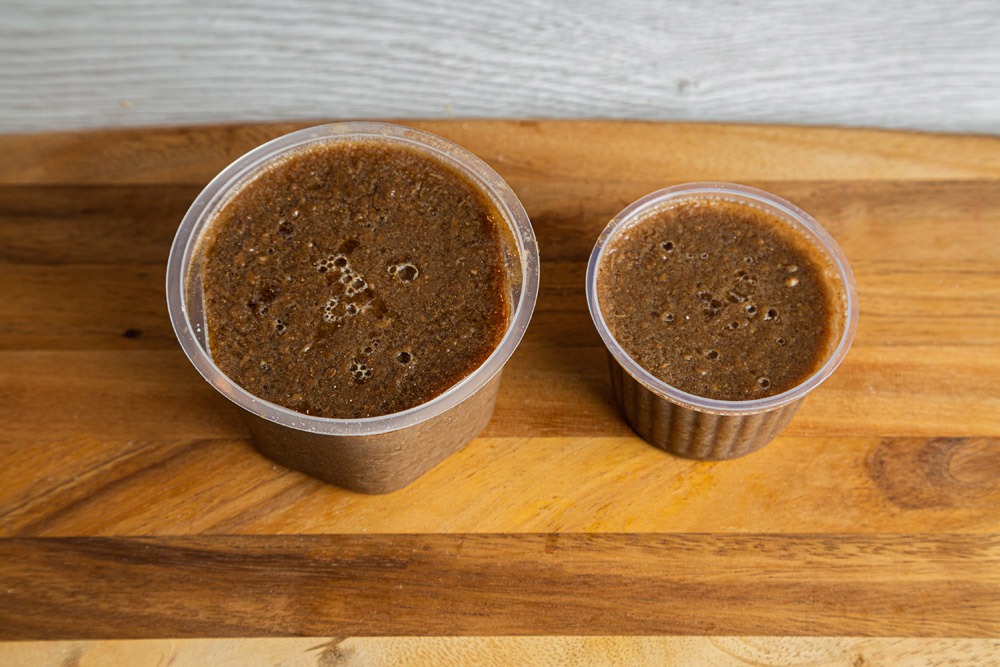
Potted Hough Scotland: A Beef Shin Classic You’ll Proudly Put On The Table
If you’ve ever stared at a tub of potted houghon a Scottish butcher’s counter and thought, “What isthat exactly?”, you’re in the right kitchen.
And if you grew up in Scotland, potted hough might be one of those flavours that instantly takes you back to your gran’s kitchen, Hogmanay parties, or a butcher’s counter piled high with curiosities.
I grew up seeing those pepper-flecked slices set in shimmering jelly at Hogmanay, not quite sure how something so simple could taste so rich. Later, when I learned to make it myself, I realised potted hough is one of Scotland’s cleverest dishes: a way to turn a tough, thrifty cut into something you’d proudly put on your festive table.
In the next few minutes you’ll get everything you need: what potted hough is, how to say it, how to cook it on the hob or in a slow cooker, how it fits into a balanced diet, and what to do if your jelly refuses to set.
What Is Potted Hough?
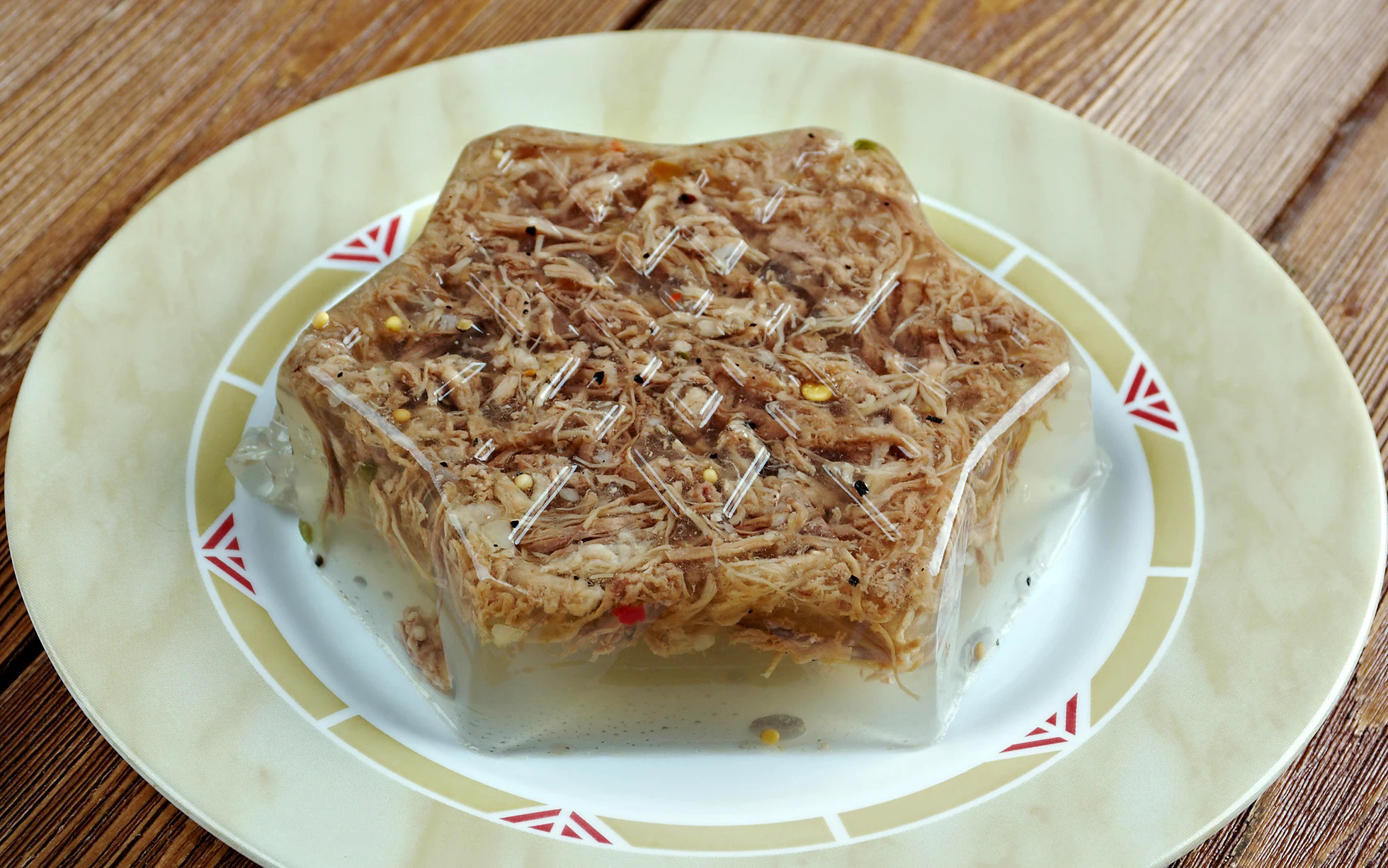
Potted hough is a preserved meat jellybased on beef shin. The meat is simmered on the bone for several hours until it’s falling apart and the stock is naturally full of gelatin. The shredded beef is then packed into dishes and covered with reduced stock, which sets into a firm jelly in the fridge.
The result is cool, savoury and peppery, with little shreds of meat suspended in a jelly that melts slowly on warm toast or crisp oatcakes. It’s usually served cold as a starter or snack, especially around Christmas and New Year.
Origins And Traditions Of Potted Hough
The practice of potting meat, or preserving it in its own fat or jelly, is an old European tradition born out of necessity before modern refrigeration. Potted hough is distinctly Scottish, however, and particularly associated with the industrial and culinary history of the Dundee and Tayside regions where I grew up.
What Does “Hough” Mean In Scots?
In Scots, “hough” (or “hogh”) means the leg or shin of an animal, especially a cow. The dish is named after the cut of meat it uses, in the same way that “shin of beef soup” tells you which part of the animal went into the pot.
Understanding the word helps the whole dish feel less mysterious. You’re not dealing with some unknown offal here - just a slow-cooked, well-used working muscle that’s full of flavour and collagen.
How Potted Hough Fits Into Scottish Potted Meat Traditions
Scotland has a long tradition of potted meats- foods cooked slowly, then preserved in their own fat or jelly so they keep longer in a cool larder. Potted beef, potted heid (head), and potted hough all belong to this family.
Potted hough became popular in areas like Glasgow as a way to make a cheap cut feel luxurious. A pot of deeply flavoured meat jelly on the table looked, and tasted, like something special even if the raw ingredients were modest. It’s still found in Scottish butchers today, especially in the Central Belt, Dundee and Fife.
Potted Hough Vs Potted Meat, Brawn And Head Cheese
It’s easy to mix these terms up, so a simple comparison helps:
- Potted hough:beef shin cooked on the bone, shredded, set in its own jelly.
- Potted beef / potted meat:more general; can be smooth, spreadable beef or mixed meats set under fat or jelly.
- Brawn / head cheese:usually pork-based, traditionally made from a pig’s head and sometimes trotters, again set in jelly from the bones.
They share the same basic idea - cook slowly, preserve in jelly- but potted hough is specifically rooted in the Scots use of beef shin.
This video demonstrates the preparation of Potted Beef, which relies on butter/ghee to create a spread. Notice how this differs from the Potted Hough method detailed in this guide, which uses shin/shank to set naturally with gelatin.
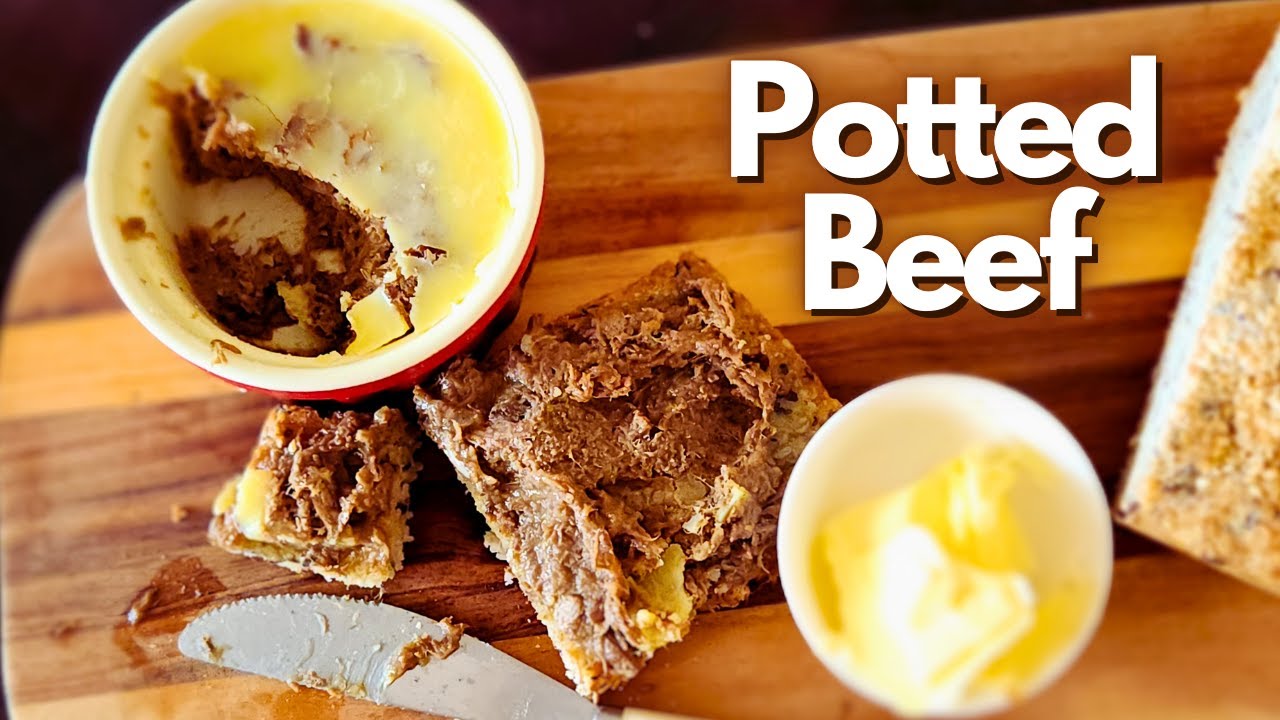
Potted Beef – A Traditional British Spread Full of Flavour
Takeaway:Potted hough is Scotland’s beef-shin version of a classic potted meat jelly, distinct from but related to brawn and other preserved meat dishes.
How To Pronounce “Potted Hough” (So You Don’t Feel Silly Asking For It)
You’ll walk into any Scottish butcher or chat with Scottish family members knowing exactly how to say “potted hough” with confidence.
Few things make people hesitate at a counter like not knowing how to pronounce a word. The spelling “hough” is especially deceptive for non-Scots, and even some locals disagree slightly about it.
The most common modern pronunciation in Scotland is “huff”, rhyming with “rough” or “stuff.”
- “Potted” sounds just as you’d expect.
- “Hough” is usually said like “huff”.
If you go with “potted huff,” most Scottish butchers will know exactly what you mean.
Traditional Scottish Potted Hough Recipe (Step By Step)
This is the traditional method, passed down through generations. Patience is your most important ingredient here.
Potted Hough Ingredients
- 2 lbs (approx. 900g) bone-in beef hough (shin/shank)
- 1 medium onion, roughly chopped
- 1 carrot, roughly chopped
- 2 celery sticks, roughly chopped
- 1 bay leaf
- 6 black peppercorns
- Salt, to taste
- For Seasoning: 1/2 teaspoon ground mace (or a mix of mace and nutmeg)
- 1/2 teaspoon freshly ground black pepper
- Water to cover
Equipment You’ll Need (and Helpful Extras)
You don’t need fancy kit, just:
- Large, heavy pot or stockpot with lid
- Fine sieve or colander
- Large bowl for shredding meat
- Loaf tin, terrine mould, or 6-8 ramekins
- Sharp knife and fork, or two forks for shredding
- Spoon or ladle for skimming fat
Helpful extras:
- A fat separator jugto make defatting easier
- Cheesecloth or a very fine sieve if you want an especially clear jelly
- A digital thermometer to check the pot stays at a gentle simmer (roughly 90-95°C / 195-203°F)
Step 1 - Prepare The Beef Shin And Bones
Start by setting yourself up for success.
- Trim any very loose, thick fat from the outside of the shin, but leave connective tissue and smaller fatty streaks.
- Rinse the meat and bones under cold water and pat dry.
- Place them in your pot with the onion, bay and optional spices.
- Add just enough cold water to barely coverthe meat.
Keeping the water level modest gives you a more concentrated, gelatin-rich stock later.
Mini takeaway:less water at the start means stronger flavour and better setat the end.
Step 2 - Long, Gentle Simmering For Tenderness And Gelatin
Now you turn tough shin into tender, shreddable meat.
- Bring the pot up to a gentle simmer, then immediately turn the heat down.
- Skim off the first layer of scum with a spoon.
- Add 2 tsp salt, then cover partly with a lid.
- Let it simmer very gentlyfor 4-6 hours, topping up with a little hot water if needed.
You’re aiming for barely-bubbling water, not a rolling boil. In my kitchen, a slow, patient simmer gives meat that falls apart between your fingers and stock that sets almost like jelly.
Step 3 - Skimming, Straining And Defatting The Stock
This step makes your jelly clean and pleasant rather than greasy.
- When the meat is very tender, lift out the shin and bones onto a tray to cool slightly.
- Strain the cooking liquid through a fine sieve into a clean pot.
- Let the stock sit for a few minutes, then skim off any visible fat from the surface.
- If you have time, chill the stock until the fat firms, then lift it off in one layer.
Don’t worry about removing every last trace of fat- a little gives flavour and sheen - but taking off the thick layer stops the top of your hough turning waxy.
Step 4 - Shredding The Meat And Reducing The Liquid
Now you create the actual meat component and the concentrated jelly.
- Pick all usable meat from the bones, discarding gristle that won’t break down pleasantly.
- Shred the meat finely with a knife or two forks; you want small, even pieces, not big chunks.
- Meanwhile, bring the strained stock to a brisk simmerand reduce by about one-third to one-half.
To test, drop a spoonful of stock on a cold plate. Once cooled, it should form a soft, wobbly jelly. If it’s still loose, keep reducing.
Step 5 - Seasoning Properly And Tasting Before Moulding
This is where you dial in the classic peppery kick.
- Stir the shredded meat back into the reduced stock.
- Add freshly ground black pepper in stages, tasting as you go.
- Adjust salt if needed - aim for slightly over-seasoned when warm, as flavours dull when chilled.
A common mistake I see is under-seasoning. Remember: this is eaten cold, often on plain bread or oatcakes. It should taste bold and savoury, not shy.
Step 6 - Pouring Into Pots Or A Loaf Tin And Chilling To Set
Time to give your hough its final shape.
- Lightly grease a loaf tin or ramekins, or line them with cling film for easier unmoulding.
- Spoon the meat and liquid in, pressing gently to avoid big air pockets.
- Smooth the top, then cool to room temperature.
- Cover and chill in the fridge for at least 6 hours, preferably overnight.
By the next day, the jelly should be set and sliceable. If you’re using ramekins, you can serve it straight from the pot; a loaf tin gives nice, sandwich-ready slices.
Timings, Yields And Make-ahead Tips
For planning:
- Hands-on time:about 40-50 minutes spread over the day
- Simmering time:4-6 hours
- Chilling time:minimum 6 hours, ideally overnight
- Keeps:around 3-5 days in the fridge once set
It’s an excellent make-ahead dish. I often cook the shin the day before, chill the stock, then shred, reduce and pot it the following morning so it’s ready for an evening gathering.
Once you’ve done it once, you’ll realise potted hough is more about time and patiencethan difficulty - perfect for a quiet weekend or pre-festive cooking session.
Also Check Out: My Foolproof Scottish Black Pudding Recipe (Traditional & Easy)
Serving, Storing, And Enjoying Your Traditional Potted Hough
You've done the hard work; now it's time to learn how to store and serve your delicious traditional cold cut properly.
How To Serve Potted Hough: The Traditional Scottish Way
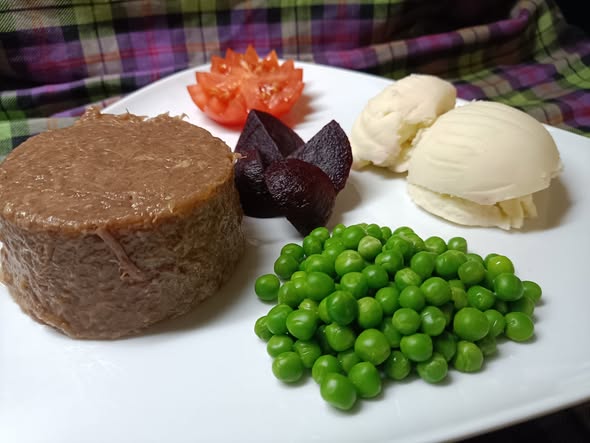
Potted hough is intended to be enjoyed cold. Slice it thickly and spread it liberally, or serve it directly from the pot.
Best Pairings: Oatcakes, Toast, And Chutneys
- Traditional:Served on Scottish oatcakesor freshly baked crusty bread.
- Modern:Excellent on warm toast points or accompanied by sharp, sweet onion chutneys to cut through the richness of the meat.
Storage And Preservation: How Long Does Potted Hough Last?
The high natural gelatin content and the cooking process make this dish naturally suited for short-term preservation.
- When properly sealed and refrigerated below 4°C (40°F), homemade potted hough can last up to 7-10 days.
- Some traditional recipes call for a thin layer of melted butter or fat poured over the top to create a seal; this can extend freshness.
Freezing And Thawing Potted Hough (Safety Toggles)
Yes, you can freeze potted hough for up to three months. Freeze in small, air-tight containers. Be aware that the texture of the gelatin may become slightly watery upon thawing, but the flavor will remain excellent. Thaw slowly in the refrigerator overnight.
Modern Methods - Slow Cooker And Pressure Cooker Potted Hough
Here we adapt the traditional method for busy cooks who still want proper flavour.
Slow Cooker Variation
- Add the beef, bones, spices and aromatics to the slow cooker.
- Cover with just enough waterto come level with the meat.
- Cook on LOW for 8-10 hours, or until the meat falls easily from the bone.
- Strain the cooking liquid into a pan and reduce on the hob, exactly as in the hob method.
The key is that a slow cooker doesn’t reduce liquid, so the reduction must still happen on the stoveto get that concentrated jelly.
Takeaway:Use the slow cooker for hands-off tenderness, then finish the stock on the hob to reach proper potted-hough strength.
Pressure Cooker / Instant Pot Variation
A pressure cookeror Instant Potcan get the hough tender much faster, but you need to keep an eye on texture.
- Brown the hough if you like, then add water and spices as before.
- Cook under pressure for around 60-75 minutes, depending on your model and the size of the pieces.
- Let the pressure release naturally, then test the meat; if it doesn’t shred easily, give it another short burst.
- Strain and reduce the stock separately, tasting as you go.
Pressure cooking can sometimes give meat a slightly “woolly”texture if overdone, so err towards the shorter time and test.
Takeaway:Pressure cookers are great when time is tight, as long as you watch the texture and still take care with the stock.
When To Stick With The Traditional Pot
I still reach for a heavy pot on the hobwhen:
- I want to keep a close eye on reduction and seasoning.
- I’m cooking a big batch for Hogmanay and the slow cooker is already taken.
- I simply enjoy the ritual of a pot murmuring away on the stove all afternoon.
If you’re making potted hough for the first time, the hob method gives you the clearest sense of what “done” looks and tastes like, which makes future slow-cooker or pressure-cooker versions easier to judge.
Takeaway:Try the classic pot method once; after that, you’ll know exactly how to tweak slow or pressure-cooker versions to suit your taste.
Troubleshooting Common Potted Hough Problems
Not setting
- Cause:Not enough hough (collagen) or too much added water.
- Fix:Use bone-in shank; start with less water; simmer longer to reduce liquid before potting.
Too dry or crumbly
- Cause:Meat was over-shredded or not enough stock was added back.
- Fix:Only shred to a fine but moist texture; ensure the meat is well moistened in the final mix.
Too salty
- Cause:Over-seasoning before tasting the reduced stock.
- Fix:Balance with a little extra vinegar or sharp chutney on the plate, and next time season more cautiously, tasting after reduction.
This troubleshooting guide should ensure you achieve the perfect, sliceable result every time you make traditional potted hough.
Frequently Asked Questions
What Is Potted Hough?
Potted hough is a traditional Scottish cold cut made from slow-cooked, shredded beef shin (hough) preserved in its own savory, spiced gelatin.
What Is Hough Meat?
Hough is the Scottish term for the shin or shank of an animal, a tough cut that becomes extremely tender when slow-cooked and is rich in collagen needed for the gelatin.
How Do You Pronounce Hough?
The most common pronunciation for 'hough' in Scotland is "huff," rhyming with "rough," though the traditional pronunciation is sometimes "hock."
Can You Freeze Potted Hough?
Yes, potted hough can be successfully frozen for up to three months, although the texture of the gelatin may slightly change upon thawing.
Is Potted Hough The Same As Potted Meat?
No, potted hough is specifically made from hough meat and set with its natural gelatin, not just minced and sealed with fat like generic potted meat.
How Long Does Homemade Potted Hough Last?
When properly stored in an airtight container in the fridge, homemade potted hough can last up to 7-10 days.
How Do You Eat Potted Hough?
Potted hough is traditionally served cold, sliced, and spread on toast, crusty bread, or oatcakes.
Is Potted Hough Good For You?
Potted hough is rich in protein and gelatin but also relatively high in fat and salt, so most people enjoy it as an occasional treat.
What Does Potted Hough Taste Like?
Potted hough tastes like intensely beefy, peppery, shredded meat in savoury jelly - rich, nostalgic and especially good with something crunchy underneath.
Is Potted Hough Gluten Free?
Homemade potted hough using just beef, water, salt and spices is usually gluten free; always check labels on shop-bought versions for added ingredients.
Where Can I Buy Potted Hough?
You’ll find it at many Scottish butchers, farm shops and online Scottish meat suppliers, especially in Dundee, Fife and other east-coast areas.
Final Words
Potted hough has all the markings of a classic: deep flavour, humble ingredients, and a knack for gathering people around the table. Once you’ve made it once or twice, the long simmer stops feeling daunting and turns into something comforting - a pot quietly working away while you get on with your day.
If you’re carrying on a family tradition, I hope this guide gives you the clarity and confidence to make it your own. If you’re discovering potted hough for the first time, you’re stepping into a very Scottish ritual of turning thrift into generosity.
When your loaf tin finally unmoulds in a firm, pepper-scented slab and someone goes back for “just a wee bit more on toast”, you’ll know you’ve done it right. And if it becomes a regular guest at your Hogmanay or Sunday tea, well - that’s one more kitchen keeping the tradition alive.
Continue Reading: 30 Popular Dishes In Scottish Cuisine You Must Try
Jump to
Potted Hough Scotland: A Beef Shin Classic You’ll Proudly Put On The Table
What Is Potted Hough?
Origins And Traditions Of Potted Hough
How To Pronounce “Potted Hough” (So You Don’t Feel Silly Asking For It)
Traditional Scottish Potted Hough Recipe (Step By Step)
Serving, Storing, And Enjoying Your Traditional Potted Hough
Modern Methods - Slow Cooker And Pressure Cooker Potted Hough
Troubleshooting Common Potted Hough Problems
Frequently Asked Questions
Final Words

Callum Fraser
Author
Callum Fraser isn't just a writer about Scotland; he's a product of its rugged landscape and rich history. Born and raised in Perthshire, with the Highlands as his backyard, his love for the nation's stories was kindled by local storytellers and long walks through ancient glens.
This passion led him to pursue a degree in Scottish History from the University of Edinburgh. For over 15 years, Callum has dedicated himself to exploring and documenting his homeland, fusing his academic knowledge with essential, on-the-ground experience gained from charting road trips through the Cairngorms, hiking the misty Cuillins of Skye, and uncovering the secrets of traditional recipes in his family's kitchen.
As the Editor-in-Chief and Lead Author for Scotland's Enchanting Kingdom, Callum's mission is simple: to be your most trusted guide. He combines meticulous research with a storyteller's heart to help you discover the authentic magic of Scotland — from its best-kept travel secrets to its most cherished traditional recipes.
Latest Articles
Popular Articles