St Andrews Harbour | The Heart Of St Andrews By The Sea
St Andrews Harbour represents far more than a charming Scottish port; it embodies centuries of maritime heritage, community spirit, and adaptive resilience. For visitors, it offers an opportunity to experience authentic Scottish maritime culture in one of the country's most beautiful settings.
Author:Callum FraserJan 31, 202623.3K Shares353.7K Views
St Andrews Harbour - Scotland's Historic Maritime Gateway
I often find that the best way to understand a place is to stand at its edge. For me, that edge is the stone wall of St Andrews Harbour, where the smell of the sea is strongest. It is a spot where the town's heavy history meets the raw energy of the North Sea.
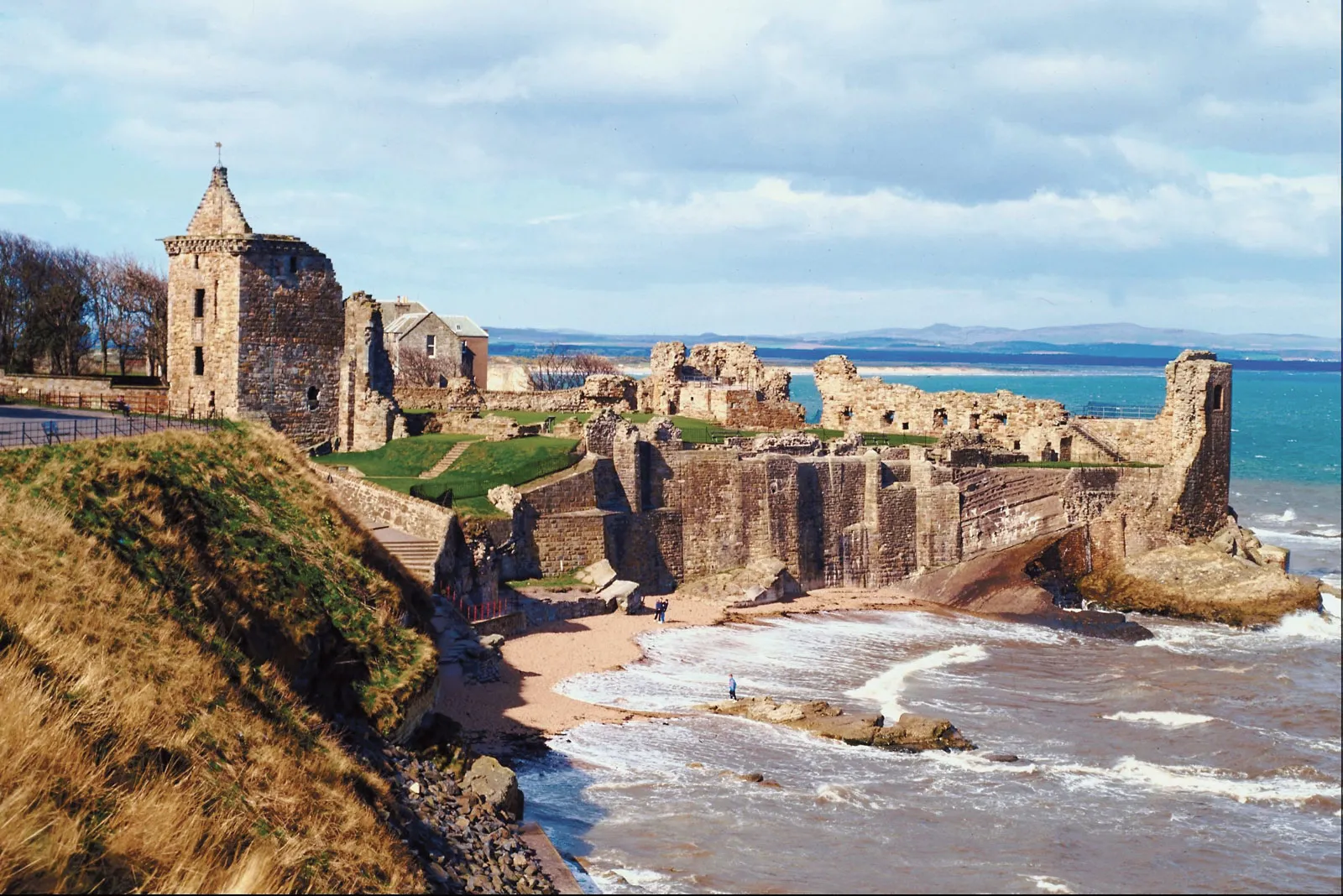
Standing on the pier, I can hear the wood of the fishing boats creaking against the dock. You can see the ruins of the Cathedral towering above the cliffs, looking like a giant skeleton guarding the coast. It is a view that has changed very little in hundreds of years, and it always makes me feel small in the best way possible.
I want to share why this corner of the town is so much more than just a place for boats. It is a site of ancient traditions and a workspace for local families who have lived here for generations. By looking closer at the stones and the stories of this harbour, you can see the true soul of St Andrews.
Key Takeaways
- Historic Significance: Dating from the 13th century, the harbour was rebuilt in 1656 using stones from St Andrews Cathedral.
- Active Working Port: Home to a vibrant 12-boat inshore fishing fleet specializing in lobster, crab, and mackerel.
- Trust Port Management: Operated by St Andrews Harbour Trust, ensuring community-focused maritime operations.
- Multi-Use Facility: Combines commercial fishing, recreational boating, and university traditions.
- Prime Location: Perfectly positioned for exploring St Andrews' beaches, golf courses, and historic attractions.
- Photography Paradise: Offers exceptional opportunities for capturing Scotland's coastal beauty and maritime heritage.
Historical Development And Medieval Significance
A Haven Since 1222
St Andrews Harbour is documented as early as 1222, though the natural shelter provided by the mouth of the Kinness Burn likely served vessels for centuries before written records began. The burn flows into the North Sea here, creating a protected estuary where boats could beach or anchor safely.
St Andrewsharbour's transformation from a natural creek to a sophisticated medieval port reflects the broader story of Scotland's maritime heritage and the town's emergence as a major ecclesiastical and academic center. The harbour's earliest development was intrinsically linked to the St Andrews Cathedral Priory, establishing a relationship that would profoundly influence its growth and character from the 14th century onward.
At its peak, the harbour may have berthed as many as 300 ships. For a small coastal town, this represents extraordinary maritime activity. The harbour bustled with merchants, sailors, fishermen, and travelers. Goods from across Europe flowed through St Andrews, making it a cosmopolitan trading hub second only to larger ports like Leith and Aberdeen in Scotland's east coast network.
The medieval period also established the harbour's role as a center for ecclesiastical activity, with pilgrims arriving by sea to visit St Andrews Cathedraland the shrine of St Andrew. This religious dimension added another layer to the harbour's significance, making it not merely a commercial port but also a spiritual gateway where faith, commerce, and maritime tradition intersected in ways that would influence the town's character for centuries to come.
Evolution from Timber to Stone
Early piers were likely timber with stone filling, as shown on a 16th-century plan. These wooden structures flanked an east-west entrance channel that turned south into the harbour proper at the burn's mouth. Timber construction was practical for medieval builders but required constant maintenance against North Sea storms and the corrosive salt environment.
The harbour layout we recognize today emerged gradually. Two piers created an outer harbour, with the longer North Pier extending into the sea to protect vessels from prevailing winds. The inner harbour, formed by quaying the riverbank of the Kinness Burn, provided additional shelter and space for smaller boats.
Medieval St Andrews depended on this harbour for survival. The town's inland location meant no major river connection to agricultural hinterlands. Everything arrived or departed by sea: food during poor harvests, building materials, luxury goods for the cathedral and bishops, and the pilgrims themselves, who often traveled by ship rather than overland.
Architectural Heritage And Engineering Marvel
The Cathedral Stone Pier
Reformation and Reconstruction
In 1559, the Scottish Reformation shattered St Andrews' religious power. Protestant reformers stormed the great cathedral, tearing down altars and smashing statues they viewed as idolatrous. Over the following century, the abandoned cathedral became a convenient stone quarry. Local people carted away dressed stone blocks for their own buildings rather than hauling rough stone from distant quarries.
The North Pier was rebuilt in stone in 1656, largely taken from the Castle and Cathedral. This wasn't vandalism but pragmatism. The town needed a functional harbour more than it needed a ruined cathedral. The stone that had once housed Scotland's most important shrine was repurposed to protect fishermen and merchants.
Walking the pier today, you're literally treading on medieval ecclesiastical architecture. The massive blocks beneath your feet once formed cathedral walls where kings knelt, and pilgrims prayed. Stones carved by medieval masons for the glory of God now serve fishermen hauling lobster pots and sailors securing their boats.
Symbolic Weight
There's profound symbolism in this transformation. The cathedral stone wasn't destroyed. It found a new purpose serving the community's practical needs. Medieval Scotland's spiritual centre became the foundation for the working harbor that sustained the town after religious power shifted elsewhere.
The pier was lengthened in 1761, 1783, and around 1830, each generation adding to the structure inherited from their predecessors. In 1898-1900, David and Charles Stevenson extended it again, the famous lighthouse engineering family ensuring St Andrews harbour could serve modern vessels.
Today's North Pier stretches nearly 880 feet into the North Sea, between 10 and 12 feet wide. It's a palimpsest of Scottish history, each section representing different eras and needs. The earliest stones came from Scotland's religious heart. Later additions used local quarried stone. Together, they create a structure that has sheltered vessels for over 350 years.
Victorian Revival and Railway Decline
19th Century Fishing Boom
After centuries of declining importance, St Andrews Harbour found renewed purpose in the 19th century. With the development of fishing, agriculture, and tourism, the harbour came alive with herring-boats, boats exporting coal and iron as well as grain and potatoes from Fife farms. Steam-powered herring drifters joined traditional sailing boats, creating a bustling fishing port atmosphere.
The harbour also operated ferry services connecting St Andrews with Dundee, Leith, and other Firth of Forth ports. Before good roads and railways, coastal shipping provided faster, easier transport than overland travel. Regular packet boats carried passengers and mail, maintaining St Andrews' connections to Scotland's commercial centres.
An inner harbour was formed by quaying a stretch of riverbank, approached through a gated opening spanned by a rolling suspension footbridge built in the early 20th century. This distinctive bridge still operates today, swinging aside to allow boats passage between outer and inner harbours.
Railway Impact
The opening of the railway to St Andrews in the 1850s transformed the town but diminished the harbour's commercial importance. Goods that once arrived by sea now came by train faster and more reliably. Ferry passengers switched to rail travel. Coal, grain, and manufactured goods flowed through railway goods yards instead of harbour warehouses.
The harbour fell into disuse with the opening of the railway, though it never completely ceased operations. Fishing continued, and local coastal traffic persisted. But the days of 300 ships crowding the harbour ended. St Andrews shifted from maritime trade towards its emerging role as a university town, golf destination, and seaside resort.
The harbour adapted rather than died. While it no longer handled significant commercial cargo, it found new roles serving the fishing industry, recreational sailing, and later tourism. The Victorian engineering improvements meant the harbour infrastructure remained functional even as its primary purpose evolved.
Modern St Andrews Harbour: A Living Maritime Community
A Working Fishing Port
St Andrews Harbour supports a vibrant inshore fleet of boats prosecuting lobster and crab fisheries. Small fishing vessels painted in bright blues, reds, and greens crowd the outer harbour, their creels stacked on deck ready for deployment. This is still a working harbour where men and women earn their living from the sea.
The creel fishing targets lobster, brown crab, and velvet swimming crab found in rocky grounds off St Andrews Bay. Boats head out early morning, working strings of baited pots set on the seabed. They return late morning or afternoon with their catch, selling to local restaurants and wholesalers. Fresh St Andrews seafood graces menus across Fife and beyond.
The vessels make a colorful background for photographers and visitors, but they're not decorative. These are working boats requiring constant maintenance. On any given day, you'll see fishermen mending gear, repainting hulls, or servicing engines. The smell of fish and diesel reminds you this is a real working harbour, not a museum piece.
Recreational Sailing and Rowing
The harbour serves leisure activities alongside commercial fishing. St Andrews Sailing Club operates from the harbour, offering both racing and cruising opportunities. Club boats take advantage of St Andrews Bay's protected waters and easy access to the wider Firth of Tay and North Sea.
St Andrews Rowing Club offers both social and competitive rowing, with social rowing in St Andrews Bay featuring dramatic views of the royal and ancient burgh's skyline, the Tay estuary, and the Angus coast. The club competes in regattas across Scotland, while recreational rowers enjoy the bay's relative shelter and scenic beauty.
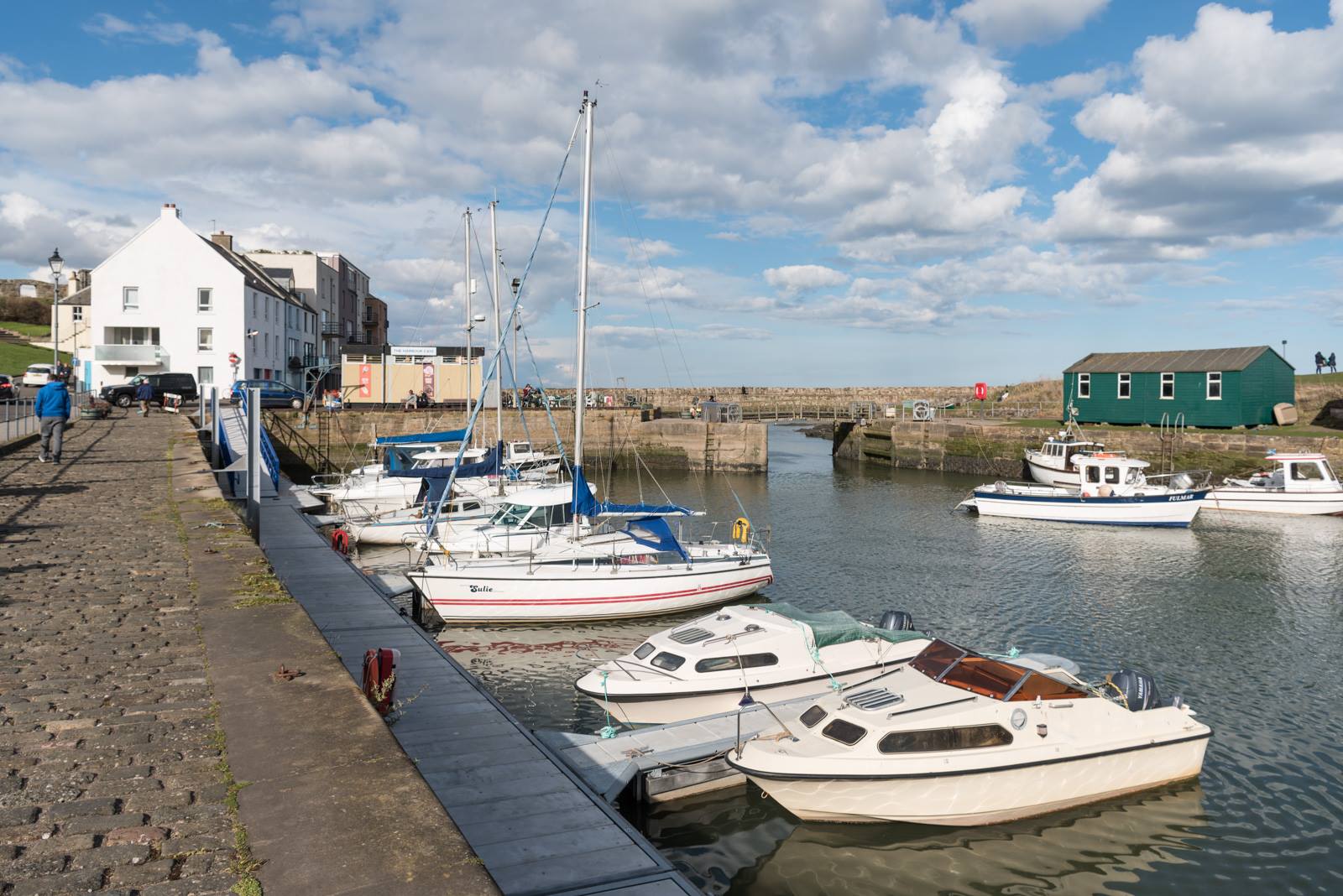
A leisure fleet of over 30 boats moors on modern, fully serviced pontoons in the sheltered upper basin. The inner harbour provides excellent protection for pleasure craft, with water and electricity available. While not a major yachting centre, St Andrews attracts sailors exploring Scotland's east coast.
Trust Port Management
St Andrews Harbour is a Trust Port managed by St Andrews Harbour Trust, an independent statutory body. Unlike commercial ports owned by private companies or municipal harbours run by local councils, trust ports operate for the benefit of stakeholders, including harbour users and the wider community.
This governance structure has served St Andrews well. The trust maintains infrastructure, manages moorings and facilities, balances commercial fishing with recreational use, and oversees safety. It operates without external subsidy, funding itself through harbour dues and facility charges while preserving the harbour's character and accessibility.
Recent improvements include the installation of pontoons in the inner harbour, upgraded power and water connections, and ongoing maintenance of the historic pier and harbour walls. The trust balances preservation of the harbour's historic character with the practical needs of modern users.
Maritime Activities And Recreational Opportunities
St Andrews Coastal Rowing Club
The Club offers both social and competitive rowing, with social rowing taking place in the beautiful home waters of St Andrews Bay, with its dramatic views of the royal and ancient burgh's skyline, the Tay estuary, and the Angus coast.
The coastal rowing club represents one of the harbour's most vibrant community activities. For competitive rowers, there is a full calendar of regattas, which take our crews as far north as Portsoy and Sheildaig and as far south as Gateshead and Annan. This extensive competition schedule demonstrates the high level of rowing activity and the club's integration into Scotland's broader coastal rowing community.
Recreational Boating
The harbour's protected waters make it an ideal base for recreational boating along the East Neuk coast. The accommodations for yachts have improved significantly, though there are no longer any buoys in the inner harbour, so the local yacht club can no longer help with a mooring buoy there.
Visiting boaters can explore the stunning coastline of St Andrews Bay, with its dramatic cliffs, hidden coves, and expansive beaches. The harbour provides excellent shelter during rough weather, making it a popular refuge for vessels traveling Scotland's east coast.
The Pier Walk
The North Pier is the harbour's signature feature and is completely free to walk. From the harbour entrance, the pier stretches seaward for nearly 880 feet. The wide stone walkway accommodates pedestrians easily, though watch for uneven surfaces and missing mortar between blocks in places.
Walking to the pier's end takes about 10 minutes at a leisurely pace. Views improve with every step. Look back towards St Andrews to see the cathedral ruins dramatically positioned on the cliff, the castle beyond, and the town spreading inland. Scan the coastline north towards the Eden Estuary and Tentsmuir Forest. East across St Andrews Bay, you'll spot the Angus coast on clear days.
A rusty iron ladder climbs to a higher viewing platform at the pier's end. It's safe but steep, so use caution, especially in wet weather. The elevated position provides panoramic views worth the climb. Watch for seabirds nesting on the pier and harbour structures, including herring gulls, black-backed gulls, and cormorants.
The Inner Harbour and Swing Bridge
The inner harbour is accessed through a swing bridge and lock gates. The distinctive rolling suspension footbridge can be operated by the harbour master or, in his absence, by the cafe staff. It swings aside to allow boats passage between the inner and outer harbours.
The lock gates close once monthly on high spring tides to trap water, which is then released at low tide to scour the outer harbour and entrance. This clever use of tidal power helps maintain depth and clear sediment without expensive dredging equipment. You might witness this sluicing operation if your visit coincides with spring tides.
The inner harbour is quieter than the outer, with leisure boats on pontoons and occasional fishing vessels. It feels more enclosed and sheltered, protected from wind and waves that sometimes make the outer harbour choppy. The quayed riverbank shows where the Kinness Burn enters, though the flow is modest except after heavy rain.
Harbour Cafe and Facilities
The Harbour Cafe sits beside the swing bridge, offering hot drinks, snacks, and light meals. It's perfect for warming up after a breezy pier walk or grabbing lunch while watching harbour activity. The location provides ringside seats for boat movements, fishing operations, and the general bustle of a working harbour.
Public toilets are located nearby on The Pends, the covered way leading from the cathedral precinct down to the harbour. They're basic but functional, serving the many visitors who walk down from the town centre.
Parking is limited immediately at the harbour. A small car park serves harbour users, but spaces fill quickly during busy periods. Most visitors park in town and walk the 10-minute descent to the harbour, which allows you to appreciate the changing perspectives as the cathedral looms larger overhead.
Best Times to Visit
St Andrews Harbour offers year-round appeal, but different seasons provide distinct experiences. Summer months (June-August) see the most fishing activity and the warmest weather for walking the harbour walls. Spring (April-May) offers fewer crowds and dramatic light for photography, while autumn (September-October) provides stunning atmospheric conditions with morning mists and golden light.
Early morning offers the best chance to see fishing boats departing or landing their catch. The harbour wakes early, with activity often starting before 6 am. Sunrise over St Andrews Bay, seen from the pier, is spectacular, though you'll brave chilly winds even in summer.
Late afternoon and evening provide beautiful light for photography. The westerly sun illuminates the cathedral ruins golden-orange while the harbour falls into shadow. Students perform their traditional pier walk after Sunday chapel, around noon to early afternoon, during term time.
Avoid the harbour during strong onshore winds from the north or east. In strong onshore wind,s the entrance becomes impossible for boats, and walking the pier becomes genuinely dangerous as waves crash over the structure. Check weather forecasts and observe conditions before venturing out in windy weather.
Photography Opportunities
The harbour provides exceptional photography opportunities from multiple vantage points. The stone piers offer elevated views across the fishing fleet and out to sea, while the harbour walls provide intimate perspectives of the working boats and their colorful details.
The contrast between the ancient stone piers and modern fishing vessels creates compelling compositions, particularly when enhanced by the dramatic backdrop of St Andrews Cathedral ruins. The harbour's north-facing orientation means it's well-lit throughout much of the day, making it accessible for photography at various times.
Practical Visitor Information
- Parking: Limited parking is available near the harbour, with the closest public car park on The Scores. Early arrival is recommended, especially duringthe summer months and university term time.
- Access: The harbour is fully accessible on foot, with level access to the main viewing areas. The stone piers can be walked on, though care should be taken on wet surfaces.
- Facilities: Public toilets are available nearby on The Scores, and numerous cafes and restaurants within walking distance offer refreshments and local seafood.
- Safety: While the harbour is generally safe for visitors, caution should be exercised around the water's edge and working fishing operations.
University Traditions And The Harbour
After Sunday Chapel
One of St Andrews' most beloved traditions centres on the harbour. University students, particularly undergraduates, traditionally walk the pier after Sunday morning chapel service at St Salvator's Chapel on North Street. This custom dates back generations, becoming an integral part of student life at Scotland's oldest university.
The walk serves multiple purposes. It provides fresh air and exercise after sitting through the service. The pier's length makes it perfect for leisurely conversation with friends. The North Sea views and seabird activity offer a contemplative counterpoint to academic pressures. On sunny Sundays, the pier fills with scarlet-gowned students in their academic robes.
Parents visiting for the first time often walk the pier with their children, sharing a ritual that hasn't changed in decades. Alumni returning years later find the pier walk unchanged, a constant in a university and town that have evolved considerably. The simple act of walking on cathedral stones connects generations of St Andrews students.
Academic Processions
The pier also features in formal university ceremonies. Raisin Weekend, a uniquely St Andrews tradition where first-year students celebrate their adoption by older academic "parents," sometimes includes pier processions. Graduation week sees groups of newly-minted graduates walking the pier in full academic regalia, taking photos against the backdrop of sea and sky.
The tradition reflects St Andrews' character perfectly. It's simultaneously ancient and accessible, formal and informal. No great ceremony surrounds it. Students simply walk out to the end of the pier and back, perhaps climbing the rusty ladder for better views across the bay. Yet this simple activity carries the weight of centuries and the shared experience of thousands of students who walked these same stones before.
The Harbour's Role In Modern St Andrews
St Andrews Harbour acts as a primary catalyst for the local economy by drawing thousands of annual visitors to its historic pier and scenic maritime environment. This high volume of tourism supports a wide network of local businesses, including restaurants, boutiques, and various lodging options throughout the town.
The visual and cultural appeal of the harbour ensures that the economic benefits of tourism extend beyond the waterfront, sustaining the broader service industry and encouraging the growth of specialized tour operators. The harbour also provides a critical foundation for specialized maritime industries, particularly those catering to recreational boating and sea angling.
Local businesses benefit from the constant demand for boat maintenance, fuel, and equipment sales generated by the increasing number of pleasure craft stationed at the pier. Additionally, the popularity of sea angling supports tackle shops, bait suppliers, and charter boat services, creating a specialized niche in the local economy that provides consistent revenue for maritime workers and business owners.
The intersection of the harbour’s medieval history with prestigious university traditions attracts high-spending cultural tourists who tend to stay for longer durations. This cultural significance directly translates into stable local employment, both through the physical upkeep of the harbour facilities and the numerous service jobs required to accommodate high-value visitors.
Community Hub
Beyond its commercial and recreational functions, the harbour serves as a genuine community hub. The varied users have developed a strong maritime community, bringing together fishing crews, recreational boaters, rowers, and visitors in a shared appreciation for Scotland's coastal heritage.
Regular events and activities centered around the harbour help maintain this sense of community while introducing visitors to authentic Scottish maritime culture. The combination of working operations and recreational activities creates a dynamic environment that feels both historically grounded and vibrantly contemporary.
Conservation And Management
The preservation of St Andrews harbour represents a collaborative effort between multiple organizations dedicated to maintaining this invaluable piece of Scottish maritime heritage for future generations. Historic Environment Scotland's designation of the harbour as a protected site under listed building status ensures that any modifications or repairs must balance contemporary needs with historical authenticity.
The St Andrews Harbour Trust plays a crucial role in the day-to-day management of the facility, balancing the competing demands of historical preservation, public access, and contemporary maritime use. This management approach recognizes that the harbour's vitality depends on maintaining its working character while protecting its historical integrity.
Conservation efforts must address the ongoing challenges posed by the North Sea's harsh marine environment, which subjects the harbour's stone construction to constant weathering and erosion. The harbour's rubble construction technique, while providing flexibility and durability, requires ongoing maintenance to replace displaced stones and repair damage caused by storms and normal wear.
The harbour's conservation also involves managing the balance between public access and preservation needs. The popularity of the harbour as a tourist destination and its significance to university traditions mean that the facility experiences heavy foot traffic throughout the year. Managing this use requires careful attention to visitor safety, stone surface maintenance, and the protection of vulnerable architectural elements while ensuring that the harbour remains open and accessible to the public.
Tides and Maritime Considerations
Tidal Range
St Andrews high water occurs 15 minutes before Leith high water, with spring range about 4 metres and neaps about 2 metres. The harbour essentially dries completely at low water, with boats settling onto the mud bottom. This dramatic tidal range transforms the harbour's appearance over a six-hour cycle.
High tide fills the harbour basins, floating all boats and covering rocky reefs that flank the entrance. The water reaches nearly to the top of the quay walls, creating a full, bustling appearance. Boats can enter and exit freely, limited only by the narrow entrance and navigation hazards.
Low tide exposes the harbour bottom, with boats resting on mud or propped against quays. The Kinness Burn becomes a narrow stream threading through exposed mud flats. Rocky reefs off the pier heads break the surface, showing why careful navigation is essential. The vertical range creates natural theatre as the harbour fills and empties twice daily.
Navigation Challenges
Reefs lie on either side of the entrance aligned with the North Pier, awash from half tide. These rocky formations have claimed many vessels over the centuries. The main pier was actually built atop one of these reefs, utilizing the natural stone foundation while creating deeper water on one side.
The entrance between the pier ends is only about 50 feet wide, requiring a careful approach, especially under sail or in cross-winds. A 4-knot speed limit applies throughout the harbour, and vessels entering have right of way over those departing. Local knowledge is invaluable, which is why visiting sailors are advised to contact the harbour master before attempting entry.
For small boat sailors exploring Scotland's east coast, St Andrews offers a unique destination despite its limitations. This tidal harbour is a bit off the beaten track for passage-making sailors, but for coast-hopping sailors who can take the ground, it's a must-visit spot. The town's attractions, history, and character make it worth the navigational challenges.
Connecting History and Present
From 300 Ships to Lobster Boats
The contrast between medieval St Andrews Harbour berthing 300 ships and today's handful of fishing boats and pleasure craft tells a story of changing times and economic realities. Medieval St Andrews was Scotland's ecclesiastical capital, a pilgrimage destination of European significance, and a prosperous trading town. The harbour reflected that importance.
Today's St Andrews is famous for golf and university rather than religion and trade. The harbour serves local fishing and leisure activities rather than international commerce. This isn't decline so much as evolution. The town found new purposes while the harbour adapted to serve them.
What remains constant is the relationship between town and harbour. St Andrews always sat between land and sea, between Scotland and Europe, between learning and commerce. The harbour provided the physical connection enabling that position. Whether welcoming medieval pilgrims or today's yacht sailors, the harbour continues to bridge St. Andrews and the wider world.
Preserving Maritime Heritage
St Andrews Harbour Trust actively preserves the harbour's heritage while maintaining it as working infrastructure. Historic structures receive careful conservation. The suspension bridge, nearly a century old, was refurbished rather than replaced. The pier stonework undergoes regular repointing using traditional lime mortar that allows the ancient structure to breathe and flex with tidal and thermal movement.
The Coast and Harbour virtual museum project has documented the harbour's history through photographs, maps, and digital reconstructions. This creates accessible records of how the harbour appeared in different eras, preserving knowledge for future generations while making it available to anyone interested in St Andrews' maritime past.
Local groups, including the St Andrews Preservation Trust, advocate for thoughtful development that respects the harbour's character. Recent improvements like new pontoons and upgraded facilities enhance functionality without compromising the historic atmosphere that makes the harbour special.
Exploring The Surrounding Area
St Andrews Bay And Beaches
The harbour provides access to some of Scotland's most beautiful beaches. West Sands, famous for its appearance in "Chariots of Fire," stretches for miles along St Andrews Bay. East Sands offers more sheltered swimming and is easily accessible from the harbour area.
The bay's waters are home to diverse marine life, including grey seals, which can often be observed from the harbour walls. Dolphin sightings are not uncommon, particularly during the summer months when fish populations are highest.
Historic Attractions
The harbour's location makes it an ideal starting point for exploring St Andrews' historic attractions. The cathedral ruins, visible from the harbour, are just a short walk away. St Andrews Castle, with its famous siege tunnels, overlooks the harbour from its clifftop position.
The Royal and Ancient Golf Cluband the Old Course are within easy walking distance, making the harbour a perfect stop for visitors combining golf with cultural exploration. The university's historic buildings, including St Salvator's Chapel, are all accessible from the harbour area.
Coastal Walks
The harbour serves as a natural starting point for coastal walks along the Fife Coastal Path. The path offers spectacular cliff-top views and connects St Andrews to other picturesque East Neuk fishing villages such as Crail and Anstruther.
These walks provide opportunities to observe seabirds, including puffins, guillemots, and razorbills, particularly during the breeding season. The combination of maritime heritage, natural beauty, and wildlife observation makes these walks among Scotland's most rewarding coastal experiences.
See Also: Golf At St Andrews
Seasonal Highlights And Events
Summer Activities
Summer brings the harbour to life with increased fishing activity, more recreational boating, and numerous visitors. The longer daylight hours allow for extended exploration, while warmer weather makes pier walking and outdoor photography more comfortable.
The summer months also coincide with various maritime festivals and events in St Andrews and the surrounding East Neuk area. These celebrations often feature traditional fishing boat displays, maritime heritage exhibitions, and local seafood festivals.
Winter Character
Winter transforms the harbour into a more dramatic and atmospheric setting. Storm waves crash against the stone piers, demonstrating the engineering skill of the medieval builders and their 17th-century successors. The fishing fleet continues operations, though with greater attention to weather conditions.
Winter photography opportunities are exceptional, with dramatic skies, powerful seas, and the stark beauty of the stone piers against stormy backgrounds. The harbour's sheltered areas provide refuge from harsh weather while still allowing visitors to experience Scotland's maritime character.
Spring And Autumn Transitions
Spring and autumn offer perhaps the most rewarding times to visit for those seeking a more contemplative experience. Fewer crowds allow for more intimate engagement with the harbour's character, while changing light conditions provide exceptional photography opportunities.
These seasons also coincide with fish migration patterns, creating opportunities to observe the fishing fleet's adaptive responses to changing conditions. The harbour's role as a working port becomes most apparent during these transition periods.
Planning Your Visit
Transportation
St Andrews is easily accessible by public transport from Edinburgh, Glasgow, and other Scottish cities. The town is well-connected by bus services, and the harbour is within walking distance of all accommodation options in St Andrews.
For those arriving by car, early arrival is recommended to secure parking near the harbour. The town's compact size makes it easy to explore on foot once parked.
Accommodation
St Andrews offers accommodation options ranging from luxury hotels to budget-friendly hostels. Many visitors choose to stay in the town center, keeping the harbour within easy walking distance for multiple visits at different times of day.
The harbour's proximity to the university and town center means that all of St Andrews' attractions are easily accessible, making it an ideal base for exploring the broader East Neuk region.
Combined Experiences
The harbour works excellently as part of a broader St Andrews experience. Visitors can easily combine harbour exploration with golf, university tours, historic site visits, and coastal walks. The authentic maritime atmosphere provides a perfect contrast to the town's academic and sporting heritage.
Frequently Asked Questions
How Did The Harbour’s Rebuilding With Stone From St Andrews Cathedral Influence Its Design?
In 1656, much of the harbour’s main pier was reconstructed using stone salvaged from the ruined St Andrews Cathedral. This reuse of medieval masonry not only preserved valuable historic materials but also imbued the pier with architectural details echoing the town’s ecclesiastical heritage. The stonework features moulded edges originally part of the cathedral, combining practical harbour engineering with centuries-old craftsmanship.
Is There A Cafe Or Amenities Near The Harbour For Visitors?
Yes, visitors to St Andrews harbour can enjoy refreshments at a popular harbour café located close to the pier. Additionally, public toilets are conveniently situated nearby at The Pends. These facilities make it easy to relax and soak up the maritime ambiance after exploring the pier and quay area.
What Types Of Boats Currently Use St Andrews Harbour?
Today, the harbour continues as a working facility, supporting a mix of small local fishing boats and pleasure crafts. The fishing vessels regularly unload catches of lobster and crab, maintaining the harbour’s commercial traditions. Meanwhile, recreational sailors and boaters also use the pier for mooring and launching craft, reflecting the harbour’s vibrant maritime activity.
Can Children Fish At The Harbour?
Yes, the harbour is a popular spot for young anglers, especially along the sheltered Kinness Burn section. The calm waters and abundance of fish make it an ideal place for families and youngsters to enjoy sea angling, often observed by local seabirds like seagulls.
How Does The Harbour Connect With The Town’s Other Historic Sites?
St Andrews Harbour is within easy walking distance of key historic landmarks, including St Andrews Cathedral ruins and St Andrews Castle. Visitors often combine a harbour stroll with visits to these medieval sites to gain a comprehensive understanding of the town’s rich heritage. The harbour also complements the experience of exploring the university and Old Course golf links nearby.
You Might Like: Graton Harbour
Conclusion
The harbour's success lies in its authentic character and genuine maritime function. Pleasure craft and small fishing vessels share the harbour today, creating a dynamic environment that honors tradition while embracing contemporary needs.
If you're drawn by the historical significance, the working fishing operations, the recreational opportunities, or simply the stunning coastal scenery, the harbour provides a genuine connection to Scotland's enduring relationship with the sea.
The harbour's integration with St Andrews' broader attractions, from world-famous golf courses to ancient university traditions, makes it an essential component of any visit to this remarkable Scottish town.
Jump to
St Andrews Harbour - Scotland's Historic Maritime Gateway
Key Takeaways
Historical Development And Medieval Significance
Architectural Heritage And Engineering Marvel
Victorian Revival and Railway Decline
Modern St Andrews Harbour: A Living Maritime Community
Maritime Activities And Recreational Opportunities
University Traditions And The Harbour
The Harbour's Role In Modern St Andrews
Tides and Maritime Considerations
Connecting History and Present
Exploring The Surrounding Area
Seasonal Highlights And Events
Planning Your Visit
Frequently Asked Questions
Conclusion

Callum Fraser
Author
Callum Fraser isn't just a writer about Scotland; he's a product of its rugged landscape and rich history. Born and raised in Perthshire, with the Highlands as his backyard, his love for the nation's stories was kindled by local storytellers and long walks through ancient glens.
This passion led him to pursue a degree in Scottish History from the University of Edinburgh. For over 15 years, Callum has dedicated himself to exploring and documenting his homeland, fusing his academic knowledge with essential, on-the-ground experience gained from charting road trips through the Cairngorms, hiking the misty Cuillins of Skye, and uncovering the secrets of traditional recipes in his family's kitchen.
As the Editor-in-Chief and Lead Author for Scotland's Enchanting Kingdom, Callum's mission is simple: to be your most trusted guide. He combines meticulous research with a storyteller's heart to help you discover the authentic magic of Scotland — from its best-kept travel secrets to its most cherished traditional recipes.
Latest Articles
Popular Articles