Traditional Scottish Christmas | History, Traditions And Food
From Yule log to Hogmanay, this traditional Scottish Christmas guide covers history, customs, food, decorations, Gaelic greetings and a simple way to plan your own celebration.
Author:Callum FraserDec 08, 2025
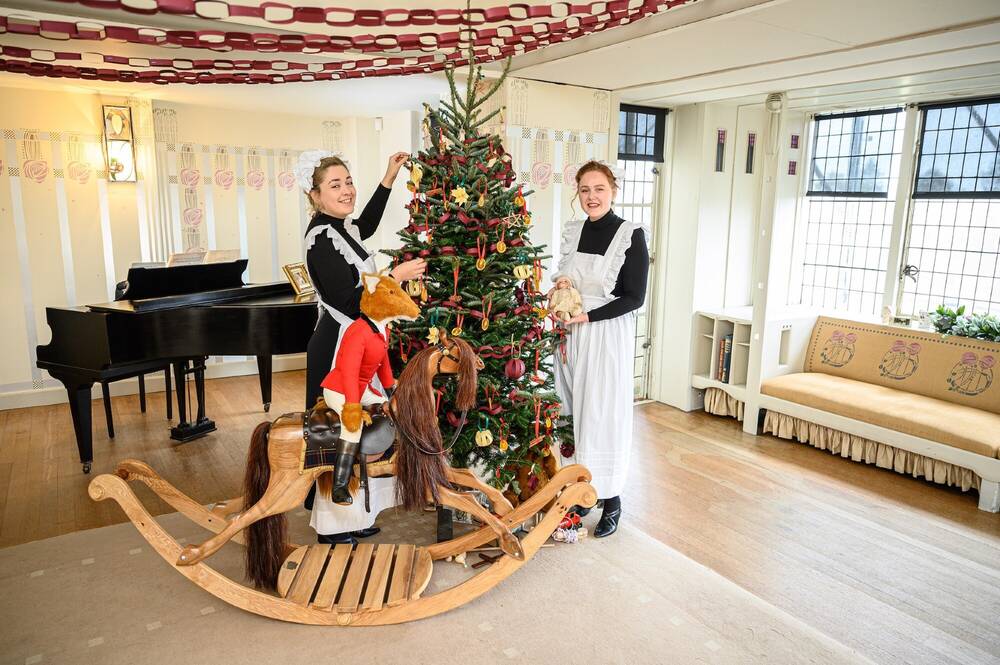
Traditional Scottish Christmas: History, Traditions, Food And Hogmanay In One Place
If you’ve ever felt that your festive season is missing a little magic, a traditional Scottish Christmasmight be exactly the spark you’re looking for. Think stone cottages lit by candles, tartan-draped tables, the scent of clootie dumpling in the kitchen and friends arriving at midnight with whisky and laughter.
If you’ve ever wondered what Christmas in Scotlandactually looks like behind the postcards and tourism posters, you’re in the right place. Here, we’ve gathered that knowledge into one clear blueprint so you can understand where Scottish Christmas traditions come from-and, more importantly, how to bring them to life in your own home.
By the end, you’ll not only know the history and symbolism behind Yule, Hogmanay, first-footing and festive foods-you’ll have a practical plan to create a warm, authentic Scottish-style celebration wherever you live.
What Is A Traditional Scottish Christmas?
A traditional Scottish Christmas weaves together ancient Yule customs, revived Christian celebrations and the huge energy of New Year’s Hogmanay. In this section, you’ll get a quick, high-level overview so you can see the whole picture before we explore each strand in more depth.
Answer Box: Key points about a traditional Scottish Christmas
- A traditional Scottish Christmas blends Yule-inspired fire and greenery rituals with modern Christian festivities and strong emphasis on New Year’s Hogmanay.
- Core traditions include Yule logs, Yule bread with hidden charms, burning rowan twigs, redding the house, candles in windows and first-footing at Hogmanay.
- Typical foods range from turkey with Scottish twists and cock-a-leekie soup to clootie dumpling, black bun, shortbread and mince pies.
- Homes often feature tartan decorations, holly, ivy, pine greenery and motifs like thistles, stags or Highland cows, alongside Gaelic or Scots greetings.
- You can recreate the feel anywhere by combining Scottish dishes, language, music and simple rituals around fire, luck and togetherness.
Hold that picture in your mind as we step back in time to see how this unique blend of customs emerged in the first place.
From Yule To Hogmanay - How Scottish Christmas Evolved
In order to celebrate a traditional Scottish Christmas with confidence, it helps to understand how centuries of faith, politics and folk belief shaped the season. This section connects the dots from pagan Yule to modern Hogmanay, so the rituals you adopt feel rooted in something real.
Pagan, Celtic And Norse Roots Of Yule
Long before Christmas as we know it, communities across what is now Scotland marked the darkest days of winter with Yuleand other midwinter festivals. People lit fires and candles, brought evergreen branches indoors and feasted as a way of honouring the sun’s return and asking for protection until spring.
Celtic beliefs about the turning of the year blended with Norse Jól, brought by Viking settlers along the coasts and islands. The Yule log-a large, carefully chosen log burned slowly, sometimes over the Twelve Days-symbolised warmth, continuity and the triumph of light over darkness.
When you light a candle or decorate with pine and holly today, you’re echoing traditions that stretch back many centuries.
The Reformation And The Long “ban” On Christmas
After the Scottish Reformation in the 16th century, attitudes to festivals changed dramatically. Influential church leaders viewed many Christmas customs as too Catholicor too rowdy, and by the 17th century laws had been passed that effectively banned public celebration of Christmas.
For generations, 25 December remained a normal working day for many Scots. Festive impulses didn’t vanish; they slipped into quieter domestic observances and, crucially, into New Year, which was more acceptable as a time for renewing social bonds, clearing debts and visiting neighbours.
Historians and organisations such as the National Trust for Scotlandnote that Christmas Day didn’t become an official public holiday in Scotland until 1958. That late recognition explains a lot about how the season feels even now.
Victorian Revival And 20th-century Change
From the 19th century onwards, Christmas in Scotland began to re-emerge. The wider British enthusiasm for Christmas trees, cards and carols-popularised through Queen Victoria and Prince Albert’s household, and through literature-gradually took hold north of the border.
As the 20th century progressed, Boxing Day and New Year’s Day also became public holidays, and mass media helped spread shared images of what a “proper” Christmas should look like. Scots absorbed many of those elements but coloured them with local taste, music and food.
When you see a Scottish Christmas tree decked in tartan ribbons, you’re seeing the Victorian tree tradition filtered through Scottish history.
Why Hogmanay Still Feels Bigger Than Christmas
Because Christmas was subdued for so long, Hogmanay (New Year’s Eve)developed as the main winter festival for many Scots. It became the time for house-cleaning, visiting, gift-giving and big community gatherings, while Christmas itself remained more low-key and home-centred.
Compared with many parts of England, where Christmas Day is often the primary focus and New Year’s Eve feels secondary, Scotland traditionally channels more emotional and social energy into Hogmanay and New Year’s Day. Fireworks, street parties, ceilidhs and first-footing all reflect that emphasis.
Understanding that balance helps you design a festive season that honours both Christmas Day and the powerful pull of Hogmanay-which is exactly what we’ll explore next.
Takeaway:Scottish Christmas makes the most sense when you see it as Yule + Christmas + Hogmanay; in the next section you’ll meet the specific traditions that bring that equation to life.
Core Traditions That Shape A Traditional Scottish Christmas
Now that you know the story behind the season, let’s look at the traditions themselves. This section focuses on symbolic acts-fire, greenery, cleansing and luck-that you can easily adapt into your own celebration.
Fire, Light And The Yule Log (and Cailleach)
Fire sits at the heart of a traditional Scottish Christmas and Hogmanay. The old Yule logwas often a substantial piece of wood, sometimes oak, chosen and dried carefully. Families lit it on Yule or Christmas Eve, keeping it burning slowly and using the embers to start the first fire of the new year.
In some traditions, the log was linked to the Cailleach, the “Hag of Winter.” Stories imagined her as a powerful figure who ruled the cold months; burning the log could symbolically weaken her hold and welcome gentler days.
Modern version you can try:
- Light a single substantial candle or log-shaped candle on Christmas Eve.
- Keep it burning (safely) throughout the main evening, and use the same candle again at New Year.
We’ll gather more of these “old custom → easy version” ideas shortly in a quick-reference table.
Greenery, Rowan And Mistletoe - Protection And Peace
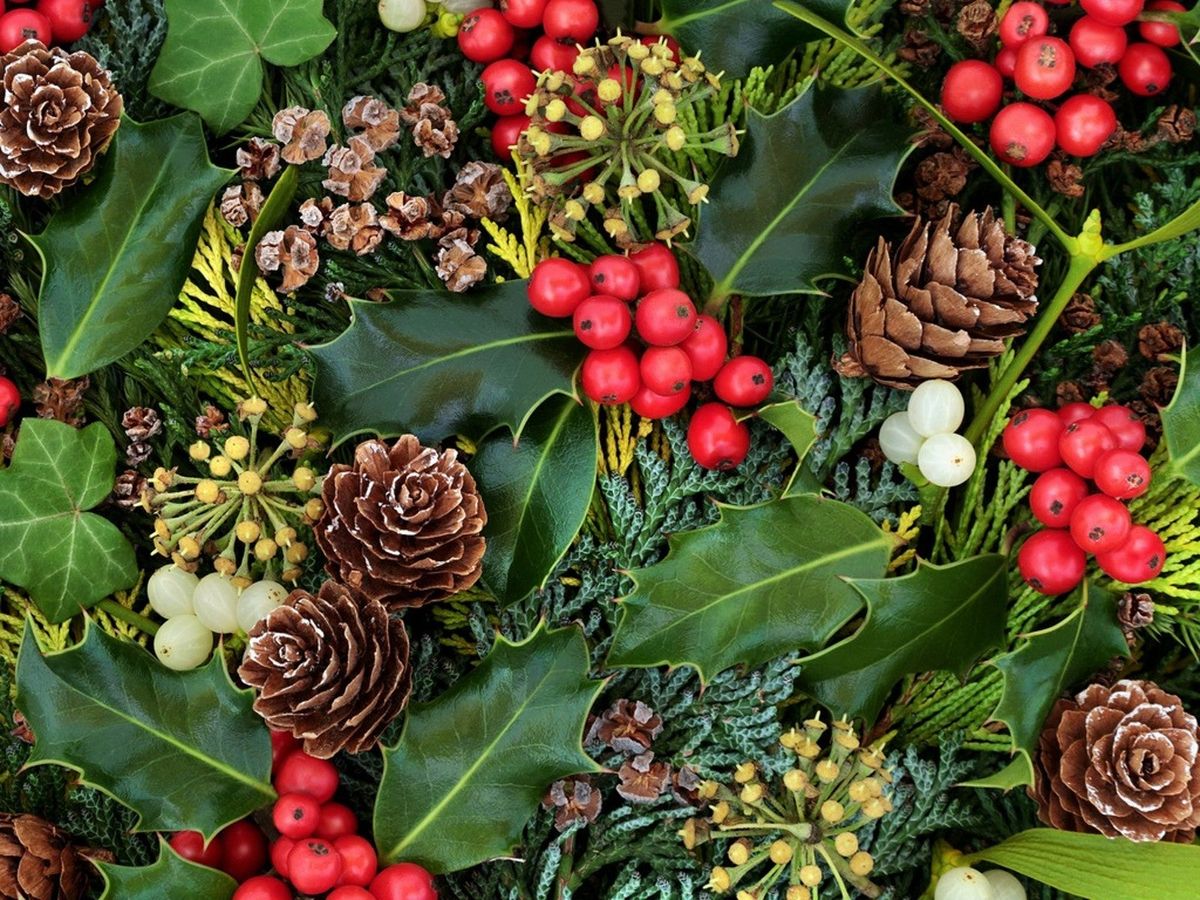
In Scottish folk belief, rowanis strongly associated with protection. Twigs of rowan tied with red thread were used as charms, and at New Year some families would burn rowan to “burn away” quarrels or bad luckbefore the year turned.
Holly, ivy and mistletoe also appear, echoing broader European symbolism of resilience, fertility and peace. Bringing greenery indoors reminded people that life persists even in the bleakest months.
If you don’t have access to rowan, you can:
- Use a small bundle of other locally available branches as a symbolic “rowan.”
- Write down grudges or worries on small scraps of paper and burn them safely in a fireproof dish, as a mindful way to reset relationships.
Redding The House, Candles And Welcoming Strangers
The tradition of “redding the house”is a thorough pre-Hogmanay clean. It’s more than spring cleaning; it’s about clearing dust, ash and lingering bad luck so the new year can enter a fresh, ordered space.
Candles placed in windows symbolise welcome, guidance and warmth. In some areas, offering hospitality to visitors-especially at New Year-was considered a duty as well as a pleasure.
In our experience, redding the house works beautifully as a family ritual:
- Choose a specific day between Christmas and New Year.
- Put on Scottish music, open the windows briefly, and give key rooms a focused reset.
- Finish by lighting a candle in the window as the light fades.
Hogmanay, First-footing And New Year Luck
Just after midnight, the street is dark and quiet until a knock at the door announces your first-footer, hands full with bread, biscuits and a shy smile. That small scene captures the spirit of first-footing.
First-footing is perhaps the most famous Scottish Hogmanay custom. The “first foot” is the first visitor to cross your threshold after midnight. Traditionally, a dark-haired first-footerwas considered especially lucky, and they would bring small gifts such as:
- Coal- for warmth and a fire that never goes out.
- Bread or black bun- so the household never lacks food.
- Salt- for flavour and preservation.
- Whisky- for cheer and good company.
If you’d like to incorporate first-footing respectfully:
- Agree in advance which friend or neighbour will be your designated first-footer.
- Ask them to knock after midnight with a small symbolic gift.
- Welcome them with a dram (or non-alcoholic equivalent) and a simple toast.
Folklore And Fun - Crom Dubh Na Nollaig And Festive Games
Scotland has its share of festive folklore figures. On the island of Islay, for example, stories mention Crom Dubh na Nollaig, a shadowy Christmas creature used to encourage children to behave. Elsewhere, tales of witches, brownies and mischievous spirits were told around the fire as evening entertainment.
Many households also enjoyed simple parlour games, storytelling and music-the kind of low-tech fun that comes alive when phones are put aside.
Stories to share around the table:
- The Cailleach, the Hag of Winter, who shapes mountains and storms and must eventually relinquish her grip as the light returns.
- The tale of Crom Dubh na Nollaig, the dark Christmas figure who appears if children misbehave before the big day.
- A seasonal poem by Robert Burns, such as a verse reflecting on friendship and passing time, to pair with “Auld Lang Syne.”
To make this tradition your own:
- Choose one Scottish legend or poem to share aloud.
- Prepare a few easy games: charades with Scottish words, Scots-language tongue twisters or a quiz about clans and castles.
Tradition-to-Action Quick Reference
Here’s a simple 2-column table you can use while planning.
| Tradition | Simple modern way to honour it |
| Yule log | Light a special candle on Christmas Eve and again at Hogmanay. |
| Burning rowan | Burn a small note of what you want to leave behind, using a fireproof dish. |
| Redding the house | Choose one “reset day” between Christmas and New Year to clean, declutter and refresh key rooms. |
| Candles in the window | Place a candle (or safe LED) in a front window at dusk to symbolise welcome. |
| First-footing | Invite a friend to visit just after midnight with a symbolic gift like bread or biscuits. |
These customs lay the emotional foundation; next you’ll add the food that makes a traditional Scottish Christmas feel genuinely hearty.
Traditional Scottish Christmas Foods & Drinks
Food is one of the easiest and most satisfying ways to bring Scottish Christmas traditions into your home. This section sketches the main dishes, desserts and drinks you’ll encounter, and suggests simple ways to include them without needing a full recipe book.
Christmas Morning - Porridge, Morning Rolls And Smoked Salmon
A Scottish festive day often starts with something warming and simple:
- Porridgemade with oats, perhaps enriched with cream or whisky-soaked fruit for adults.
- Morton rolls or buttered morning rolls, sometimes with bacon or square sausage.
- Smoked salmonon toast or oatcakes for a touch of luxury.
You can mix and match these depending on how big your main meal will be. The key is a cosy start, not an overly elaborate breakfast.
Starters And Main Dishes
Traditional Christmas dinner in Scotland resembles wider UK customs but with distinct local touches:
- Startersmight include cock-a-leekie soup(chicken, leeks and prunes), Scotch broth(lamb or mutton with barley and root vegetables) or Cullen skink(smoked haddock chowder).
- Main courseis often roast turkey, sometimes with haggisas part of the stuffing or served as a starter. Depending on family tradition, you might also see roast lamb, beefor venison.
- Vegetarian or vegan haggisis widely available now and works beautifully as a centrepiece.
In our experience, choosing one well-executed starter and one main keeps the day special without feeling overwhelming.
Sides And Trimmings With A Scottish Accent
Alongside roast potatoes and vegetables, you’ll commonly find:
- Neeps and tatties- mashed turnip (swede) and potatoes.
- Clapshot- an Orkney version combining neeps and tatties with butter and chives.
- Skirlie- a savoury mix of oatmeal, onions and fat, often used as a side or stuffing.
- “Kilted soldiers”- pigs in blankets using good-quality streaky bacon.
These sides add character to what might otherwise feel like a generic roast dinner.
Puddings And Sweet Treats
Scottish festive tables excel at puddings:
- Clootie dumplingis a rich, spiced pudding boiled in a cloth (“cloot”), sliced and served with custard or cream.
- Dundee cake- a light fruit cake topped with neat circles of almonds.
- Black bun- dense fruit cake wrapped in pastry, often associated with Hogmanay and first-footing.
- Shortbread, mince piesand Ecclefechan tartsround out the spread.
- Tipsy lairdis essentially a Scottish trifle with whisky instead of sherry.
We often suggest choosing one “hero” dessert-clootie dumpling, black bun or Dundee cake-and supporting it with simpler things like shortbread and mince pies.
Drams And Festive Drinks
Many Scottish Christmas gatherings feature:
- A good single malt whisky, perhaps from a region linked to your family or interests.
- Hot toddiesmade with whisky, honey, lemon and hot water.
- Mulled wine or mulled cider.
- For a non-alcoholic option, spiced apple juice or a mulled berry drink served in the same glasses.
It’s perfectly possible to enjoy a traditional Scottish Christmas completely alcohol-free; the symbolism of warmth and hospitality remains the same. e. If you’d like to explore more options, including regional favourites beyond Christmas, have a look at our guide to traditional Scottish drinks.
Leftovers, Boxing Day And Hogmanay Treats
After the main event, leftovers become part of the tradition:
- Stovies- a comforting dish of potatoes, onions and leftover meat.
- Turkey sandwiches or turkey curry.
- Black bunand shortbreadkept in reserve for Hogmanay visitors and first-footers.
As you can see, the food is hearty and generous rather than fussy. Next you’ll see how to make your home look and sound the part too.
Takeaway:A traditional Scottish Christmas menu is rich but flexible; in the next section you’ll pair those flavours with tartan, foliage and music to create an unmistakably Scottish atmosphere.
Decorating For A Traditional Scottish Christmas
Decor is where Scottish personality really shows. In this section you’ll learn how to use tartan, natural materials and a few well-chosen symbols to transform your space into something that feels distinctly Scottish rather than generically festive.
Tartan And Clan Colours On Tree And Table
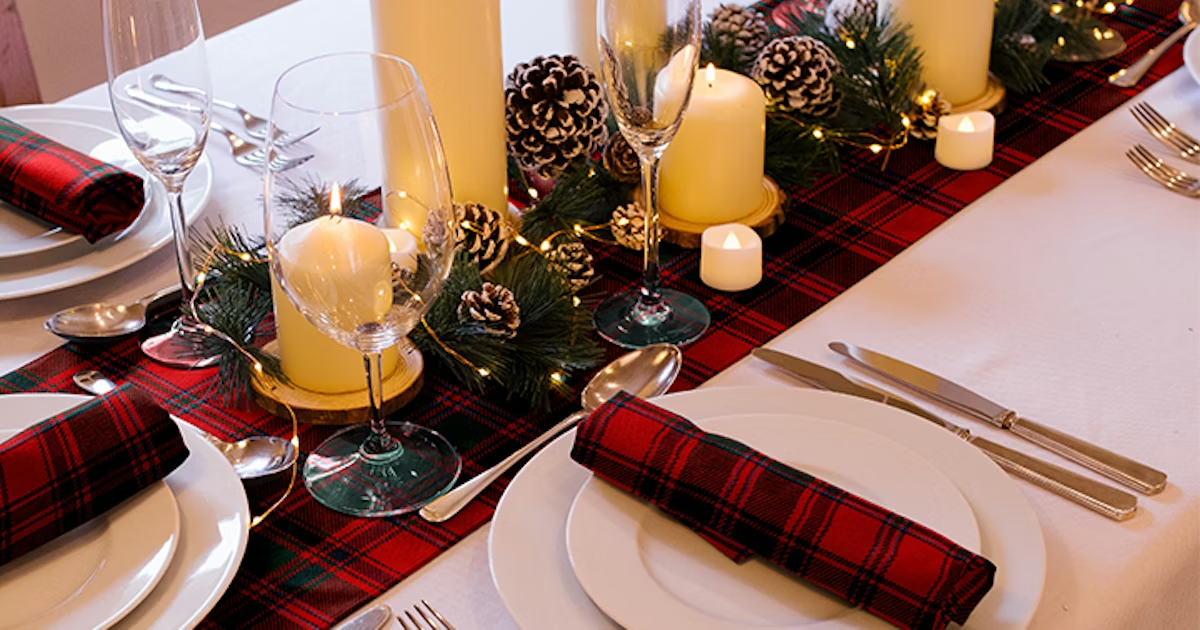
Tartanis the quickest visual cue. You don’t need to know your clan to use it effectively:
- Wrap a tartan ribbonaround the Christmas tree as a garland.
- Use a tartan table runner, napkinsor a throwover the back of a sofa.
- Choose colours that either match your heritage or simply complement your existing decor.
We often suggest starting with one tartan item you genuinely love-a scarf, a blanket, a ribbon-and letting that set the colour story for the room.
If you do know your clan tartan, incorporating it can be a meaningful nod to family history.
Natural Foliage & Handcrafted Ornaments
Traditional Scottish decor makes generous use of natural elements:
- Sprigs of holly, ivyand pinein jars, on mantels and around mirrors.
- Pine cones, dried orange slicesand cinnamon sticks tied with string.
- Simple handmade ornamentsfrom wood, felt or wool.
The aim is a sense of the outdoors brought in, rather than plastic-heavy perfection. Rustic and slightly wild suits the landscape these traditions grew from.
Creating A Traditional Scottish Christmas Tree
Here’s a straightforward way to dress your tree in a Scottish style:
- Start with lights, warm rather than harsh white if possible.
- Add your tartan element-a ribbon garland or fabric strips.
- Layer in natural textures: wooden ornaments, pine cones, maybe dried fruit.
- Finish with distinctly Scottish motifs: thistle, stag, Highland cow, bagpipesor Celtic knotworkornaments.
- Top the tree with either a star or something uniquely Scottish, such as a stylised thistle.
A handful of well-placed pieces is more effective than crowding every branch.
Music, Carols And Ceilidh Dancing
The soundscape matters as much as the visuals:
- Create a playlist that mixes Gaelic carols, traditional Scottish songs and instrumental fiddle or bagpipe tunes.
- Include “Auld Lang Syne” for the bridge into Hogmanay, ideally in a version that encourages communal singing.
- If you enjoy dancing, clear some floor space and teach a very simple ceilidhstep or two.
With the stage set, you can turn to the words and gifts that deepen your connection to the culture.
Takeaway:A few intentional decor choices-tartan, natural foliage and Scottish symbols-quickly give your home a traditional Scottish Christmas feel; next you’ll add language and gift ideas.
Greetings, Language & Gift-giving
Language and gifting are where many readers feel uncertain, especially if they’re new to Gaelic or Scots. This section keeps things simple and practical so you can confidently use a few key phrases and choose thoughtful, Scottish-inspired presents.
How To Say “Merry Christmas” In Scottish Gaelic And Scots
Language resources like LearnGaelicand the Scots Language Centreconsistently highlight a small set of very useful festive greetings:
In Scottish Gaelic:
- “Nollaig Chridheil” – “Merry Christmas” or “Heartfelt Christmas.”
- “Nollaig Chridheil agus Bliadhna Mhath Ùr” – “Merry Christmas and a Happy New Year.”
- A rough pronunciation guide: NOL-ik KHREE-yel; NOL-ik KHREE-yel ah-gus BLEE-ə-na VAH OO-r.
In Scots:
- “A Blythe Yule” – a joyful Christmas.
- You might also hear “A Cantie Yule”, meaning a cheerful or cosy Yule.
Using these on cards, in toasts or in emails is a simple but powerful way to bring the language into your celebration. For more examples and pronunciation help, you can also explore our dedicated guide to happy Christmas in Scottish.
Phrases For Cards, Toasts And Messages
Here are a few ready-made lines you can adapt:
English with Gaelic:
- “Wishing you a Nollaig Chridheil agus Bliadhna Mhath Ùr from our home to yours.”
- “Sending warm wishes for a peaceful Christmas – Nollaig Chridheil to you and your family.”
English with Scots:
- “Have a braw Christmas and a Cantie Yule when it comes!”
- “Here’s tae a cosy fire, guid company and a blythe Yule.”
Simple Hogmanay toast: “To good health, warm hearths and a guid New Year to us all – slàinte mhath.”
You can keep your everyday conversations in English; sprinkling in a greeting or toast is enough to create a sense of place.
Traditional Scottish Christmas Gifts & Modern Ideas
Rather than long product lists, it’s more helpful to think in gift categoriesthat express Scottish culture:
- Textiles:tartan scarves, lambswool throws, knitted hats and gloves.
- Food and drink:shortbread tins, oatcakes, preserves, Scottish chocolate or, where appropriate, whisky.
- Jewellery and crafts:thistle motifs, Celtic knotwork, local ceramics or woodwork.
- Books and music:Scottish history, folklore, poetry, novels, or folk music albums.
- Family-history gifts:framed clan maps, prints of ancestral areas or DNA-testing vouchers where desired.
Choose a category that aligns with the recipient’s interests, then add a handwritten note that explains the Scottish connection.
Takeaway:A handful of Gaelic or Scots phrases plus thoughtfully chosen Scottish-style gifts will give your celebration emotional depth; now you’ll pull everything together into a practical at-home plan.
How To Create Your Own Traditional Scottish Christmas At Home
This is where everything becomes practical. In this section, you’ll get a simple planning checklist, a sample one-day schedule and advice on adapting traditions for kids, small spaces and different climates.
Step-by-step Planning Checklist
Use this checklist as a quick planning tool:
- Choose your focus:food, decor, rituals, language-or a balanced mix.
- Set your dates:decide how you’ll mark Christmas Eve, Christmas Day and Hogmanay.
- Plan your menu:pick one starter, one main, 2-3 sides and one key dessert with a Scottish connection.
- Gather decor:tartan items, greenery, a few Scottish ornaments and at least one candle.
- Prepare your playlist:Gaelic carols, Scottish folk songs and a version of “Auld Lang Syne.”
- Select your rituals:redding the house, Yule candle, rowan-style release, first-footing.
- Learn key phrases:practise “Nollaig Chridheil” and “A Blythe Yule.”
- Plan small gifts:choose Scottish-style gifts or experiences for close family and friends.
- Invite your first-footer:agree who will visit after midnight at New Year, if practical.
- Create a story moment:pick one legend or poem to share aloud.
If you’re short on time this year, choose one focus area:
- Food-first:prioritise a Scottish-influenced main and dessert.
- Ritual-first:focus on the Yule candle, redding the house and a simple first-footing.
- Language-first:focus on greetings, toasts and a short reading or poem.
Sample One-day Celebration Plan
To help you visualise everything working together, here’s a sample schedule. Adjust times to suit your household.
Christmas Eve
Afternoon:
- Do a light version of redding the house—tidy main rooms, clear surfaces, lay out table linen.
- Place greenery (or safe alternatives) around mantels and shelves.
Early evening:
- Light your Yule candle and place it somewhere safe but central.
- Put on a Scottish playlist while you prepare a simple soup or stew.
Later evening:
- Share a story or poem—perhaps a piece by Robert Burnsor a local legend.
- If appropriate in your context, write down any grudges or worries on small papers and burn them in a fireproof dish as a symbolic “rowan” ritual.
Christmas Day
Morning:
- Enjoy porridge, morning rolls or smoked salmon on toast.
- Open gifts slowly, perhaps explaining any Scottish connections as you go.
Midday/afternoon:
- Serve your Christmas dinner: a Scottish-influenced starter, roast with Scottish sides and a clootie dumpling or similar dessert.
- Take a short walk if the weather allows-imagining the landscapes that inspired these traditions.
Evening:
- Bring out shortbread, mince pies or Dundee cakefor a relaxed second round.
- Close the day by briefly relighting your Yule candle.
- Make a simple Gaelic or Scots toast, even if you need to read it from a card.
Hogmanay & New Year’s Day Add-on
New Year’s Eve:
- Finish any remaining redding tasks.
- Prepare small first-footing gifts (bread, biscuits, black bun or even a candle).
- As midnight approaches, dim lights, light your candle and get ready to sing “Auld Lang Syne.”
- Welcome your first-footer, exchange good wishes, and share a dram or spiced juice.
New Year’s Day:
- Serve something comforting like stovies, using leftovers from Christmas.
- Take time to talk about hopes and intentions for the new year.
Adapting Traditions For Kids, Small Spaces And Different Climates
Not everyone has a stone cottage, a real fire or winter weather. That’s absolutely fine; the spirit of these traditions travels well.
For kids:
- Turn redding the house into a game with small “tidy tokens.”
- Replace fire rituals with LED candlesand drawings of rowan or Yule logs.
- Share age-appropriate legends and let them act out characters.
For small spaces:
- Focus on tabletop decor: a small tree, greenery around a single shelf, tartan placemats.
- Use sound and scent—music and a pot of mulling spices—to transform the feel of the room.
For warm climates and global Scots:
- Keep the symbolism but adjust materials: eucalyptus instead of pine, chilled berry drinks instead of hot toddies.
- Lean into the idea of light and community more than “snowy” imagery.
- This framework works just as well if your Scottish roots are in Canada, Australia or the US as it does in a Fife village.
An enthusiast’s tip:if you only choose one tradition to keep every year, make it first-footingor an equivalent New Year’s ritual. It’s simple, flexible and incredibly memorable when shared with friends.
Takeaway:With a clear checklist and flexible schedule, you can shape a traditional Scottish Christmas that fits your home and lifestyle; next you’ll see what it’s like to experience the season in Scotland itself.
Experiencing A Traditional Scottish Christmas In Scotland
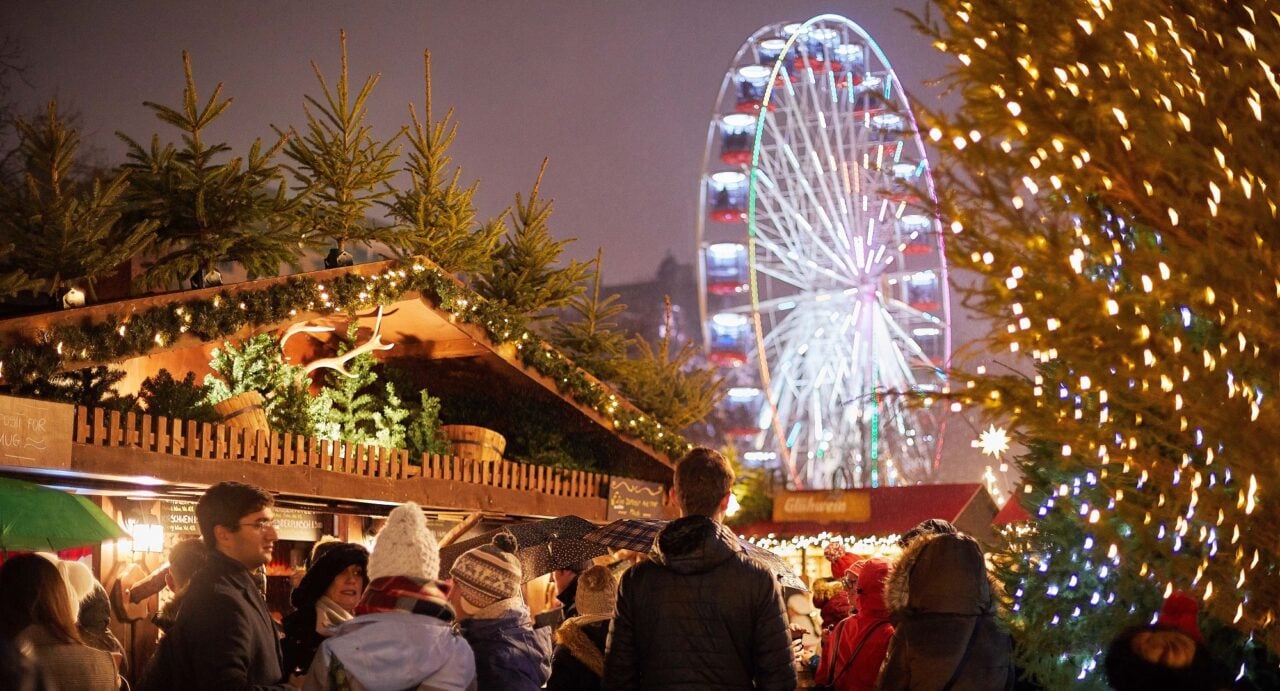
For some readers, the ultimate dream is to feel a traditional Scottish Christmas in situ-on cobbled streets and windswept coasts. This section sets realistic expectations so you can decide whether a winter trip is right for you.
Where The Traditions Feel Strongest
You’ll encounter Scottish festive traditions across the country, but they express themselves differently:
- Citieslike Edinburgh and Glasgow offer Christmas markets, concerts, cathedral services and big Hogmanay events.
- Smaller towns and villagesoften feel more intimate, with community ceilidhs, local church services and street decorations.
- Rural areas and islandsmay keep older customs alive, especially around Hogmanay and first-footing.
If heritage is your main focus, consider splitting time between a city and a smaller coastal or Highland community.
Key Events & Festivals
Well-known happenings (which can vary year to year) include:
- Edinburgh’s Hogmanay, with concerts, street parties and fireworks over the castle.
- The Stonehaven Fireballsceremony, where participants swing flaming wire cages to symbolise burning away the old year.
- The Loony Dook, where hardy souls take a New Year’s Day dip in icy water.
Event formats and dates can change (Data as of December 2025), so always check official city or event websites for the latest information before you book.
Practical Tips For Winter Travel
To enjoy the season safely and comfortably:
- Weather:Expect cold, damp conditions, strong winds and limited daylight, especially in the north. Pack layers, waterproofs and sturdy footwear.
- Transport:Winter storms can disrupt road, rail and ferry services. Build slack into your plans and follow local forecasts.
- Bookings:Popular Hogmanay events, restaurants and cosy accommodations sell out early; plan months ahead where possible.
- Openings:Many shops and attractions close on 25 Decemberand 1 January, and some have reduced hours on surrounding days.
A festive trip to Scotland is rewarding if you enjoy dramatic weather, historic settings and vibrant New Year gatherings, but it does require a little extra planning.
Takeaway:Experiencing Christmas and Hogmanay in Scotland can be unforgettable, yet the same spirit is achievable at home-which brings you to some final clarifying questions.
FAQs About Traditional Scottish Christmas Traditions
What Is A Traditional Scottish Christmas Like?
A traditional Scottish Christmas combines revived Yule customs, candlelit homes, hearty local dishes, thoughtful gifts and Hogmanay rituals, all centred on warmth, luck and close-knit community.
Why Was Christmas Banned In Scotland?
After the Reformation, influential church and civic authorities viewed Christmas as a Catholic and overly indulgent festival, so 17th-century laws restricted public celebrations for generations.
When Did Christmas Become A Public Holiday In Scotland?
Christmas Day became an official public holiday in Scotland in 1958. Boxing Day and New Year’s Day were legally recognised as holidays later in the 20th century.
Is Christmas Or Hogmanay More Important In Scotland?
Historically, Hogmanay carried more emphasis because Christmas was suppressed. Today, most Scots celebrate both, with Christmas more home-focused and Hogmanay more outward and communal.
What Is Scottish For “Merry Christmas”?
In Scottish Gaelic, people say “Nollaig Chridheil”. In Scots, a traditional greeting is “A Blythe Yule”, and you might also hear “A Cantie Yule.”
What Is The Scottish Christmas Called?
Traditionally the season was known as “Yule,”and in Gaelic-speaking communities as “Nollaig.”Nowadays most people simply say “Christmas,” though Yule survives in older phrases.
What Do Scottish People Eat On Christmas Day?
Many enjoy a roast turkey dinner with Scottish touches like cock-a-leekie soup, haggis, neeps and tatties, followed by clootie dumpling, black bun, shortbread and mince pies.
What Are Typical Scottish Christmas Decorations?
Common decorations include tartan ribbons, clan-coloured textiles, holly, ivy, pine boughs, thistle or stag ornaments, candlelit windows and sometimes Highland cow or Celtic-knot designs on the tree.
How Do I Celebrate A Scottish Christmas At Home?
Choose a few elements-Scottish dishes, tartan decor, a Yule candle, a simple rowan-style release ritual, Gaelic or Scots greetings and a Hogmanay-style first-footing-to build your own tradition.
What Is First-footing And How Do I Do It?
First-footing is the custom where the first visitor after midnight on New Year’s brings symbolic gifts like coal, bread and whisky to bless the home with warmth and plenty.
What Is Yule Bread And How Is It Used?
Yule bread is a festive loaf, sometimes with hidden trinkets baked inside. Finding a charm is said to bring special good luck in the coming year.
Why Do Scots Burn Rowan Twigs At Christmas?
In folk belief, rowan protects against misfortune. Burning rowan-or a symbolic substitute around New Year-represents clearing grudges and inviting harmony for the year ahead.
Are There Any Scottish Christmas Monsters Or Folklore Figures?
Yes. Examples include Crom Dubh na Nollaigon Islay, a dark figure in children’s stories, alongside broader winter legends involving witches, spirits and the Hag of Winter, the Cailleach.
What Are Some Traditional Scottish Christmas Gifts?
Traditional ideas include tartan scarves, woollen accessories, whisky, thistle or Celtic-knot jewellery, local crafts, food hampers and books or music connected with Scottish history and folklore.
Is It Worth Travelling To Scotland For Christmas And Hogmanay?
It’s rewarding if you enjoy winter weather, historic streets, cosy pubs and vibrant New Year events. Just plan for short daylight, changeable conditions and book key activities early.
How Cold Is Scotland At Christmas, And What Should I Pack?
Expect cold, damp conditions with possible frost or snow and strong winds. Pack layers, a waterproof coat, warm hat, gloves, scarf and sturdy, non-slip boots.
Can I Enjoy A Traditional Scottish Christmas Without Alcohol?
Absolutely. Swap whisky for spiced apple juice or non-alcoholic punch, and keep the same focus on food, music, ritual and community warmth.
Final Thoughts
A traditional Scottish Christmas isn’t a rigid checklist of foods and decorations. It’s a mood: light in the dark, warmth against the weather, and renewed bonds between people. You’ve seen how centuries of history and folklore flow into simple modern actions you can take-lighting a Yule candle, learning “Nollaig Chridheil,” making shortbread, welcoming a first-footer.
If you choose even two or three traditions from this guide and repeat them each year, you’ll gradually build a festive season that feels both deeply Scottish and uniquely your own. And as you do, you’re not just decorating a tree or serving a pudding-you’re taking your place in a living story that stretches across generations and seas.
Jump to
Traditional Scottish Christmas: History, Traditions, Food And Hogmanay In One Place
What Is A Traditional Scottish Christmas?
From Yule To Hogmanay - How Scottish Christmas Evolved
Core Traditions That Shape A Traditional Scottish Christmas
Traditional Scottish Christmas Foods & Drinks
Decorating For A Traditional Scottish Christmas
Greetings, Language & Gift-giving
How To Create Your Own Traditional Scottish Christmas At Home
Experiencing A Traditional Scottish Christmas In Scotland
FAQs About Traditional Scottish Christmas Traditions
Final Thoughts

Callum Fraser
Author
Callum Fraser isn't just a writer about Scotland; he's a product of its rugged landscape and rich history. Born and raised in Perthshire, with the Highlands as his backyard, his love for the nation's stories was kindled by local storytellers and long walks through ancient glens.
This passion led him to pursue a degree in Scottish History from the University of Edinburgh. For over 15 years, Callum has dedicated himself to exploring and documenting his homeland, fusing his academic knowledge with essential, on-the-ground experience gained from charting road trips through the Cairngorms, hiking the misty Cuillins of Skye, and uncovering the secrets of traditional recipes in his family's kitchen.
As the Editor-in-Chief and Lead Author for Scotland's Enchanting Kingdom, Callum's mission is simple: to be your most trusted guide. He combines meticulous research with a storyteller's heart to help you discover the authentic magic of Scotland — from its best-kept travel secrets to its most cherished traditional recipes.
Latest Articles
Popular Articles