What Day Did The Titanic Sink? Exact Date & Timeline
Find out what day the Titanic sank and the full timeline of the tragic night of April 14-15, 1912. Learn the exact time of the collision and the sinking, and how this disaster changed maritime history forever.
Author:Callum FraserDec 08, 20257K Shares154.3K Views
What Day Did The Titanic Sink? Understanding The Exact Timeline
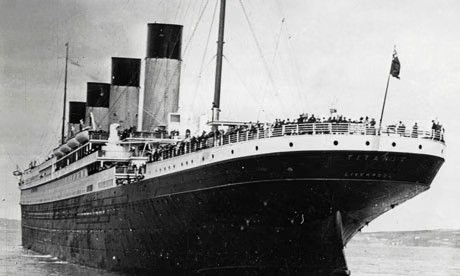
The night sky was clear, the ocean calm, yet within hours, one of history's greatest maritime disasters would unfold. People still ask what day did the Titanic sink, and the answer matters because the timeline often gets mixed up. The RMS Titanic sank on April 15, 1912, at 2:20 AM ship’s time, just hours after striking an iceberg on April 14.
The distinction between the collision date and the sinking date has long caused confusion. Understanding the exact timeline helps clarify what happened, why it occurred, and how the disaster has forever reshaped maritime safety.
The Titanic’s Maiden Voyage
Construction And Design
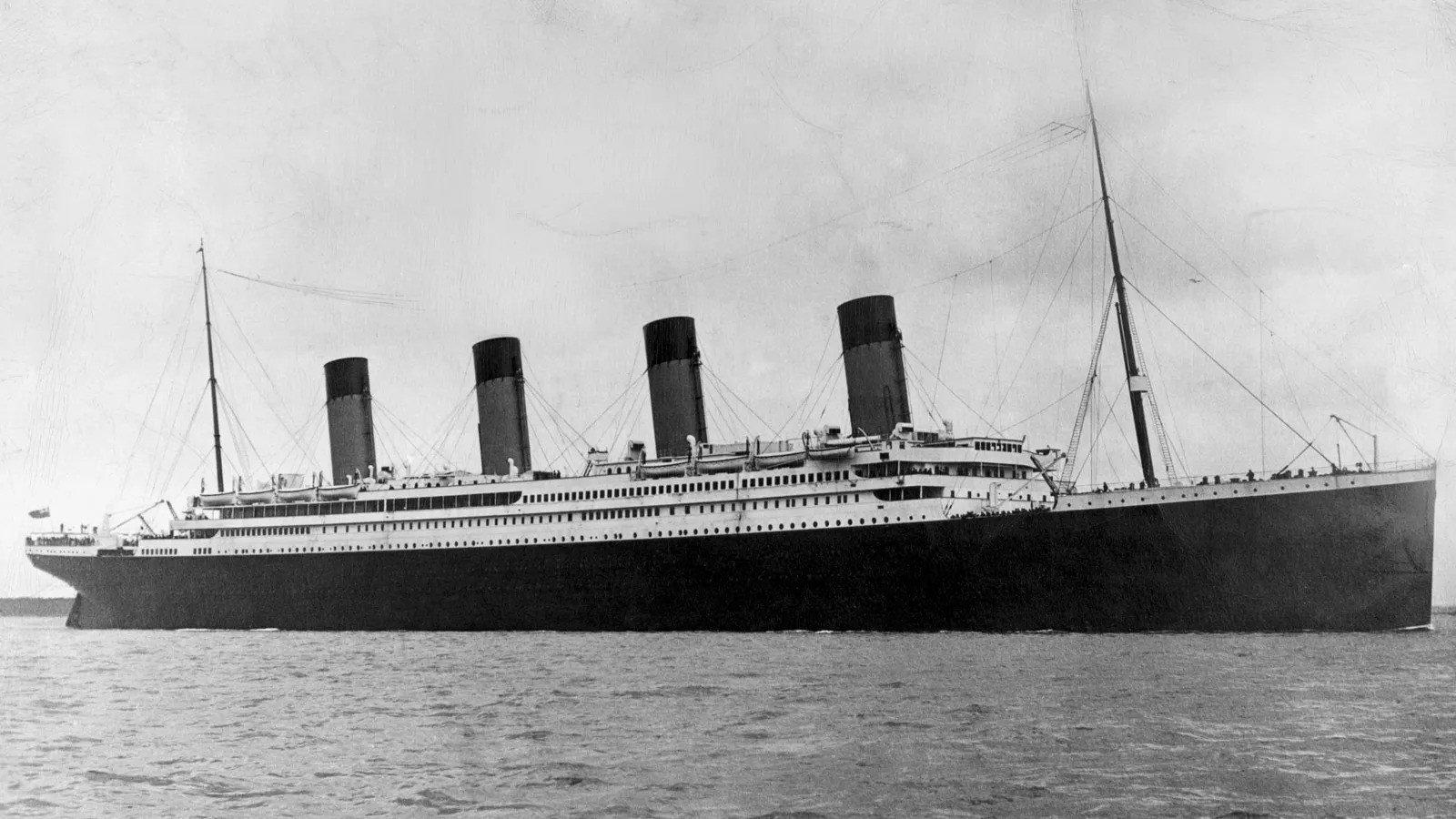
The RMS Titanic was a British passenger liner built at the Harland and Wolff shipyard in Belfast. It was one of the largest and most luxurious ships of its era, designed to offer comfort, speed, and modern engineering.
Key Specifications:
- Length:882 ft 9 in
- Beam:92 ft 6 in
- Gross Tonnage:46,328 GRT
- Decks:9
- Capacity:Around 2,435 passengers and 892 crew
The Promise Of Safety
The ship was often described as “unsinkable” because of features like 16 watertight compartments and remote-control watertight doors. However, the Titanic carried lifeboats for only about half the people on board, which still met the maritime rules of the time. Today, modern ships follow strict safety standards to ensure passengers can travel safe & happy, with enough lifeboats, drills, and emergency procedures for everyone on board.
The Maiden Voyage Begins
Titanic departed Southampton on April 10, 1912, bound for New York City. It made scheduled stops in Cherbourg, France, and Queenstown (Cobh), Ireland, before sailing into the Atlantic with roughly 2,224 passengers and crew.
The Exact Date And Time The Titanic Sank
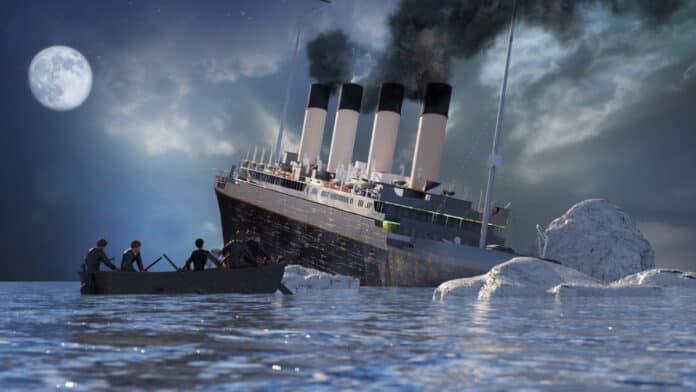
The Titanic hit an iceberg on April 14, 1912, at 11:40 PM ship’s time and fully sank on April 15, 1912, at 2:20 AM. This two-hour-and-forty-minute window explains why some sources cite April 14 while others reference April 15.
Ship’s time didn’t match standard time zones, adding further confusion. While passengers felt the collision late on April 14, clocks in places like London already showed early April 15.
Events Leading Up To The Disaster
April 14: A Normal Day At Sea
April 14 began smoothly aboard the Titanic, with passengers dining, relaxing, and enjoying the amenities. Yet throughout the day, the ship received several ice warnings from nearby vessels.
Despite these alerts, the ship continued at around 22 knots close to maximum speed because high speeds in icy regions were considered common practice at the time. Many travelers of the era were drawn to grand voyages, much like how people today celebrate and learn about famous Scottish peoplewhose achievements and journeys continue to inspire worldwide.
A Clear But Dangerous Night
The night was calm with no moonlight, making icebergs harder to spot. Temperatures dropped steadily as lookouts prepared for a cold shift without binoculars, which had been misplaced.
The Collision: 11:40 PM, April 14
Lookout Frederick Fleet spotted the iceberg dead ahead and rang the alarm. First Officer William Murdochordered a hard turn and reversed the engines, but the Titanic couldn’t maneuver quickly enough.
The iceberg scraped along the starboard side, opening six watertight compartments. Although the impact felt mild to many passengers, the underwater damage was catastrophic.
The Sinking Timeline
11:40 PM-12:00 AM: Assessing The Damage
Shipbuilder Thomas Andrewsexamined the flooding and concluded the Titanic would sink. The ship could withstand four flooded compartments, but six meant it was doomed.
12:05-2:05 AM: Lifeboat Evacuation
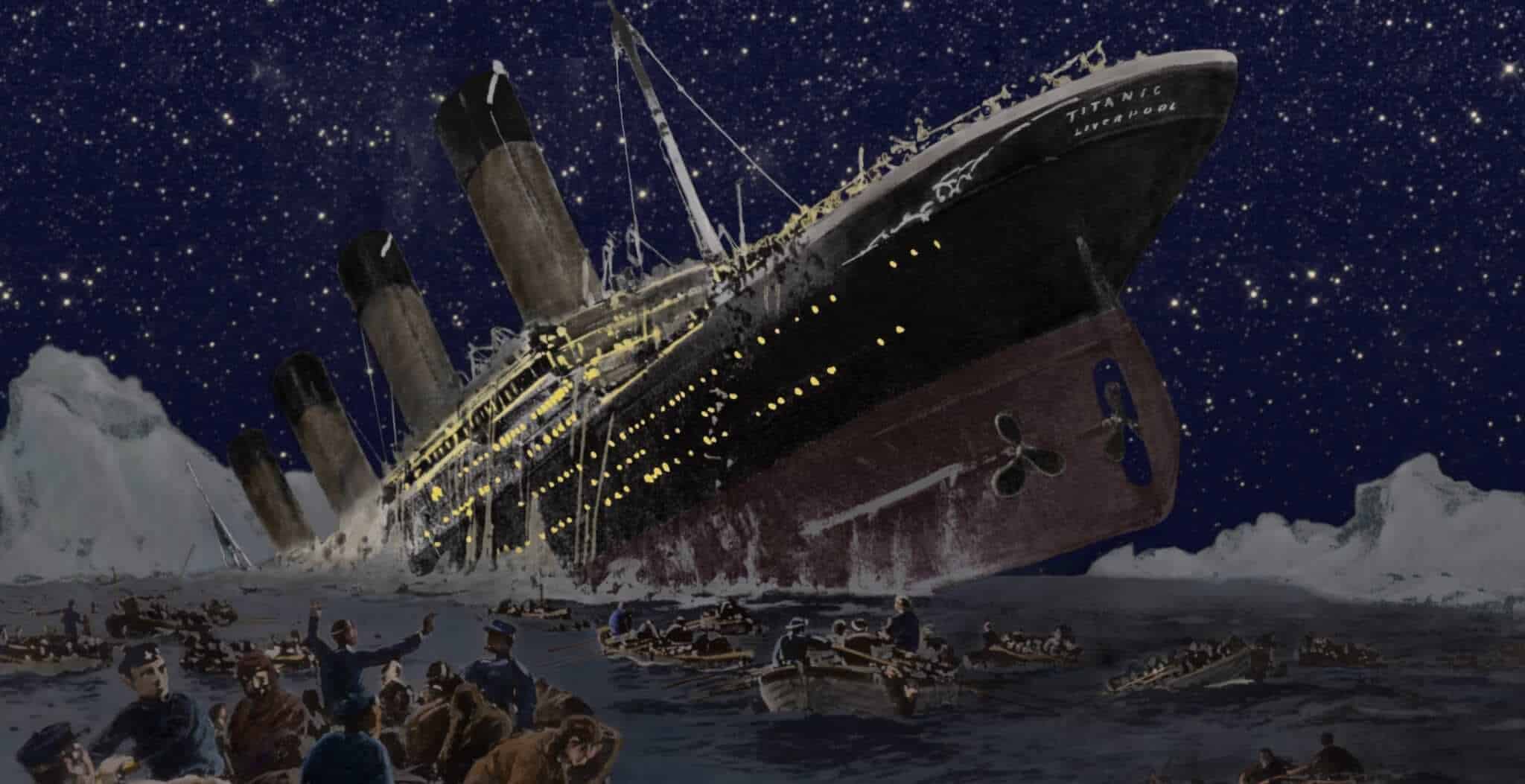
Evacuation began slowly. The Titanic carried only 20 lifeboats, far fewer than needed for everyone aboard. Many passengers hesitated to board, believing the ship was safer than the small boats.
“Women and children first” was followed unevenly. Some boats left half-empty, while others became overcrowded as panic grew.
2:18-2:20 AM: The Final Plunge
The ship broke apart shortly before sinking. The bow went down first, followed by the stern, which rose vertically before disappearing. The water temperature of 28°F (-2°C) made survival nearly impossible for those left swimming.
Why The Titanic Sank So Quickly
The Titanic’s watertight bulkheads did not extend high enough. Once the front compartments flooded, water spilled from one into the next, creating a domino effect.
Other contributing factors included:
- high speed in an icy region
- potential weakness in some hull rivets
- a coal bunker fire that may have weakened the hull
- flooding far faster than pumps could manage
These combined failures sealed the ship’s fate.
The Rescue - RMS Carpathia
The Carpathia received the distress call at 12:20 AM and raced toward the Titanic at full speed, arriving after the ship had already sunk. Over several hours, crew members pulled 705 survivors from lifeboats. Despite searching the area, no additional survivors were found.
Human Impact - Death Toll And Survival Rates
Out of 2,224 people aboard, approximately 1,517 died. Survival rates showed stark differences:
- First class:62% survived
- Second class:41% survived
- Third class:25% survived
- Crew:76% perished
Third-class passengers faced more obstacles, including lower-deck cabins, confusing corridors, and delayed access to lifeboats.
Immediate Aftermath And Worldwide Response
Early news reports were chaotic, and some incorrectly claimed all passengers had been saved. In the days that followed, major investigations in both the U.S. and U.K. revealed failures in safety regulations, crew readiness, and iceberg communication.
How The Titanic Changed Maritime Safety Forever
The Titanic disaster transformed maritime safety. Within two years, nations met to fix the system’s failures, leading to the first International Convention for Safety of Life at Sea (SOLAS) in 1914 regulations that still guides ocean traveltoday.
Lifeboat rules changed first. Ships were now required to carry enough lifeboats for everyone, run regular lifeboat drills, and provide proper crew training, simple measures that would have saved many more lives on board the Titanic.
The International Ice Patrol was also created in 1914 to track icebergs in the North Atlantic and warn ships of danger. Since its formation, no ship in its patrol area has been lost to an iceberg.
Radio communication was strengthened as well. Ships had to keep a 24-hour radio watch so distress signals would never be missed again, unlike on the night of the Titanic sinking.
Ship design and navigation improved too. Bulkheads were raised, double hulls became more common, emergency equipment was upgraded, and ships were required to slow down in ice zones. Together, these changes made ocean travel far safer for generations to come.
People Also Ask
Where Exactly Did The Titanic Sink?
The Titanic sank in the North Atlantic Ocean approximately 400 miles south of Newfoundland, Canada. The wreck site coordinates are 41.726931° N and 49.948253° W, about 370 miles off the coast. The ship rests at a depth of approximately 12,500 feet (3,800 meters) on the ocean floor, where it was discovered in 1985.
What Time Did The Titanic Hit The Iceberg?
The ship struck the iceberg at 11:40 PM on April 14, 1912, about 37 seconds after lookouts first spotted it.
How Long Did It Take For The Titanic To Sink?
It took the ship roughly 2 hours and 40 minutes to fully sink after the collision.
How Many People Died When The Titanic Sank?
Around 1,500 people lost their lives, making it one of the deadliest peacetime maritime disasters in history.
Why Did The Titanic Sink So Quickly?
The iceberg damaged several watertight compartments. Once too many compartments flooded, the ship could no longer stay afloat, causing a rapid structural failure.
Was The Titanic Really Called “unsinkable”?
Yes. Many newspapers, advertisements, and even ship designers promoted the Titanic as practically “unsinkable” due to its watertight compartments.
When Was The Titanic Wreck Discovered?
Oceanographer Robert Ballard discovered the Titanic wreck on September 1, 1985, using remote-controlled underwater cameras. The discovery came 73 years after the ship sank.
Final Thoughts
The sinking of the Titanic on April 15, 1912, was a defining moment in maritime history. Understanding the exact timeline reveals not just when the ship sank, but why the tragedy unfolded as it did.
The disaster reshaped global safety standards and serves as a reminder of the limits of technology and the consequences of human decisions. The lives lost that night remain a powerful testament to the importance of learning from the past.
Jump to
What Day Did The Titanic Sink? Understanding The Exact Timeline
The Titanic’s Maiden Voyage
The Exact Date And Time The Titanic Sank
Events Leading Up To The Disaster
The Sinking Timeline
Why The Titanic Sank So Quickly
The Rescue - RMS Carpathia
Human Impact - Death Toll And Survival Rates
Immediate Aftermath And Worldwide Response
How The Titanic Changed Maritime Safety Forever
People Also Ask
Final Thoughts

Callum Fraser
Author
Callum Fraser isn't just a writer about Scotland; he's a product of its rugged landscape and rich history. Born and raised in Perthshire, with the Highlands as his backyard, his love for the nation's stories was kindled by local storytellers and long walks through ancient glens.
This passion led him to pursue a degree in Scottish History from the University of Edinburgh. For over 15 years, Callum has dedicated himself to exploring and documenting his homeland, fusing his academic knowledge with essential, on-the-ground experience gained from charting road trips through the Cairngorms, hiking the misty Cuillins of Skye, and uncovering the secrets of traditional recipes in his family's kitchen.
As the Editor-in-Chief and Lead Author for Scotland's Enchanting Kingdom, Callum's mission is simple: to be your most trusted guide. He combines meticulous research with a storyteller's heart to help you discover the authentic magic of Scotland — from its best-kept travel secrets to its most cherished traditional recipes.
Latest Articles
Popular Articles