A Feast For A Caveman | A Brief Scottish History Of Partying
A charcuterie board or a Christmas dinner is perhaps the closest thing Scots will get to a palaeolithic feast, but the nation has a long history of wanton consumption.
Author:Callum FraserMar 03, 2026
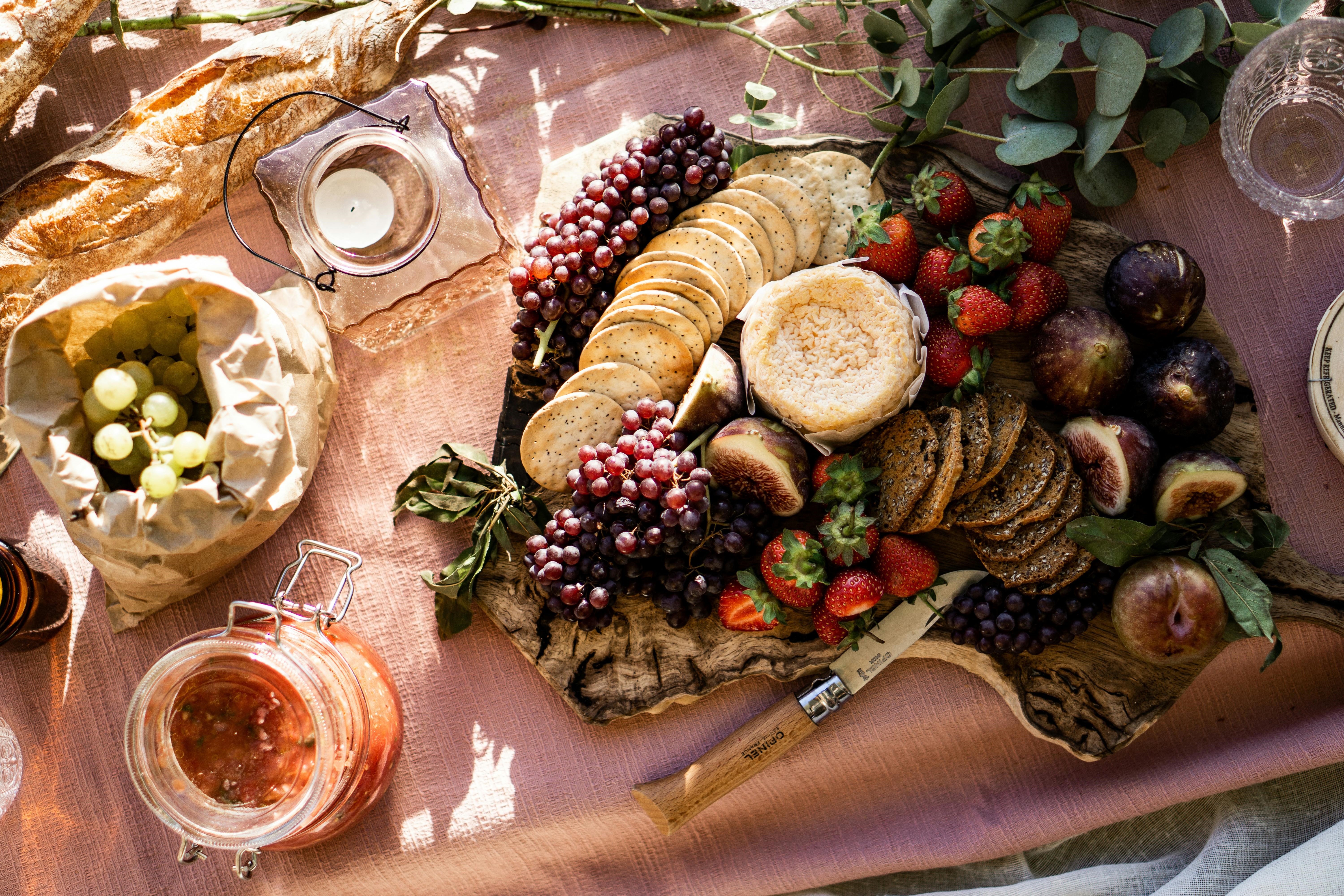
Twelve thousand years ago, archaeologists discovered the remains of a funerary feast in Hilazon Tachtit, Israel. The bones of three now-extinct cattle (aurochs) and 70 tortoises were found at what appears to be a grave site - all clearly prepared for consumption.
It might sound like a grisly sight, especially for herpetologists, but it provides evidence for a custom we’ve kept alive for all those thousands of years - partying.
Nightlife Slump
Today, partying in Scotland is at a watershed. While the Scotsman newspaper offered grim fortunes for nightlife fans, declaring in 2024 that every nightclub in the country “will have closed by 2030”, the Night Time Industries Association reported a 4.5% increase in venues in Glasgow and Edinburgh.
Many people are taking advantage of home-based entertainment. There’s no need to visit a casino when people can play online roulette in the UK. This includes variants like Speed Roulette Live and Pinball Roulette Live. For a more ‘physical’ experience, The Edinburgh Fun Casino Company hires out blackjack, roulette, and poker tables for various events.
Hospitality company Mitchells & Butlers blamed any apparent nightlife slump on social media- "you don't have to [go out] to stay in touch with your friends", CEO Phil Urban told the Herald.
Array Of Bones
A charcuterie board or a Christmas dinner is perhaps the closest thing Scots will get to a palaeolithic feast, but the nation has a long history of wanton consumption. Much of the evidence comes from the outlying islands, such as Orkney.
For example, in Windwick Bay on South Ronaldsay, the ruins of an Iron Age broch (a tall tower) are found at a site called The Cairns. Brochs are useful for dating remains, as they were built between 600 B.C to the 2nd century.
The Cairns broch is significant for its array of bones. A team from the University of the Highlands and Islands Archaeology Institute reportedly unearthed evidence of cooking- "carbonized soil, ash, [and] fire-cracked cobbles" - and the remains of 10,000 animals.
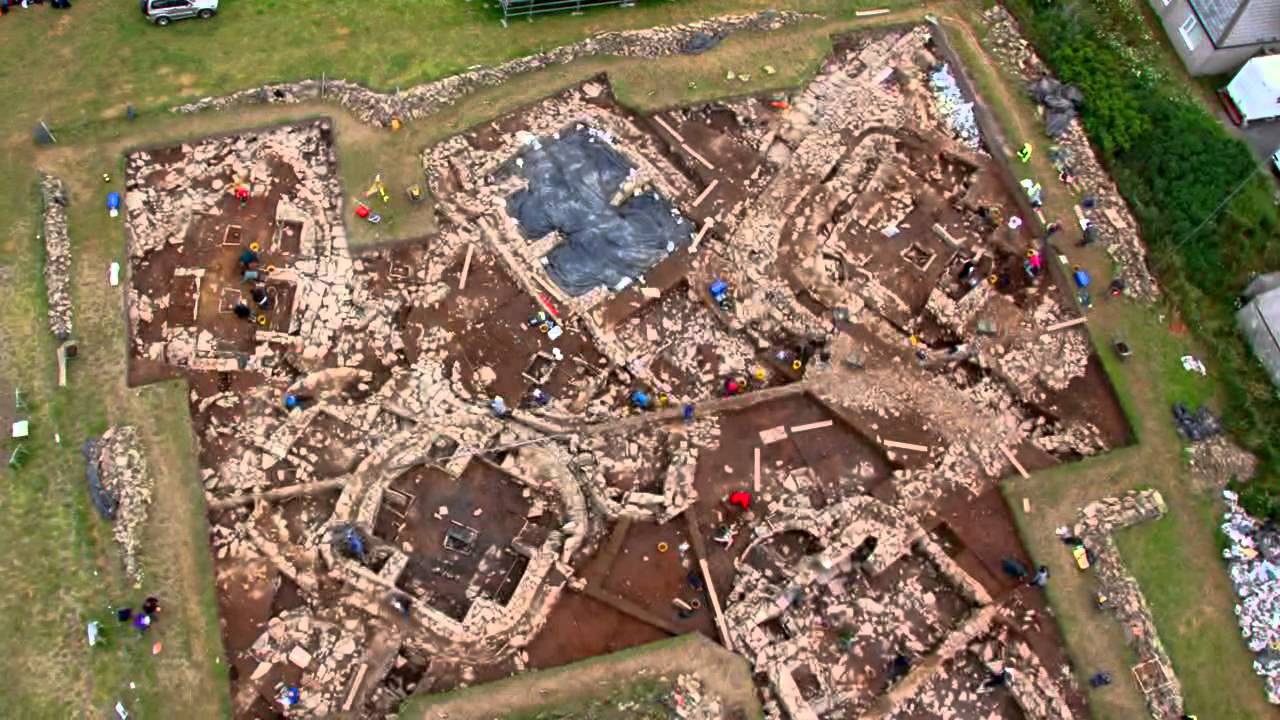
Orkney - archaeology
What’s significant about this feast is that The Cairns is known for its metalworking. Archaeologists suggest that the feast might have coincided with the giving of metal gifts.
Middens
The saying ‘one man’s trash is another man’s treasure’ is significant in archaeology, as most of the evidence we have for feasting comes from middens - rubbish tips. The West Coast of Scotland is well-populated with these spoilheaps.
The midden at the Druimvargie rock shelter, Oban, offers an insight into a different diet enjoyed by Stone Age peoples - seafood. The site is full of cockle shells, limpets, mussels, and razor clams. They were typically cooked under hot ash.
While there’s a feeling that ancient Britons had to eat whatever they could find, evidence suggests that they often had more than enough food to go around, and may have even brought multiple groups together at special times of year.
Some dishes are best left in the past, though. Chefs at The Cairns were known for preparing otter and horse for dinner.

Callum Fraser
Author
Callum Fraser isn't just a writer about Scotland; he's a product of its rugged landscape and rich history. Born and raised in Perthshire, with the Highlands as his backyard, his love for the nation's stories was kindled by local storytellers and long walks through ancient glens.
This passion led him to pursue a degree in Scottish History from the University of Edinburgh. For over 15 years, Callum has dedicated himself to exploring and documenting his homeland, fusing his academic knowledge with essential, on-the-ground experience gained from charting road trips through the Cairngorms, hiking the misty Cuillins of Skye, and uncovering the secrets of traditional recipes in his family's kitchen.
As the Editor-in-Chief and Lead Author for Scotland's Enchanting Kingdom, Callum's mission is simple: to be your most trusted guide. He combines meticulous research with a storyteller's heart to help you discover the authentic magic of Scotland — from its best-kept travel secrets to its most cherished traditional recipes.
Latest Articles
Popular Articles