The Art Of Bringing History To Life | Britain’s Best Storytelling Experiences
Britain’s historic places are often remembered less for dates and facts, and more for the stories tied to them. From Scotland’s enduring folklore to walking tours through centuries-old streets, storytelling turns history into something far more vivid, human, and unforgettable.
Author:Callum FraserJun 16, 20263.1K Shares66K Views
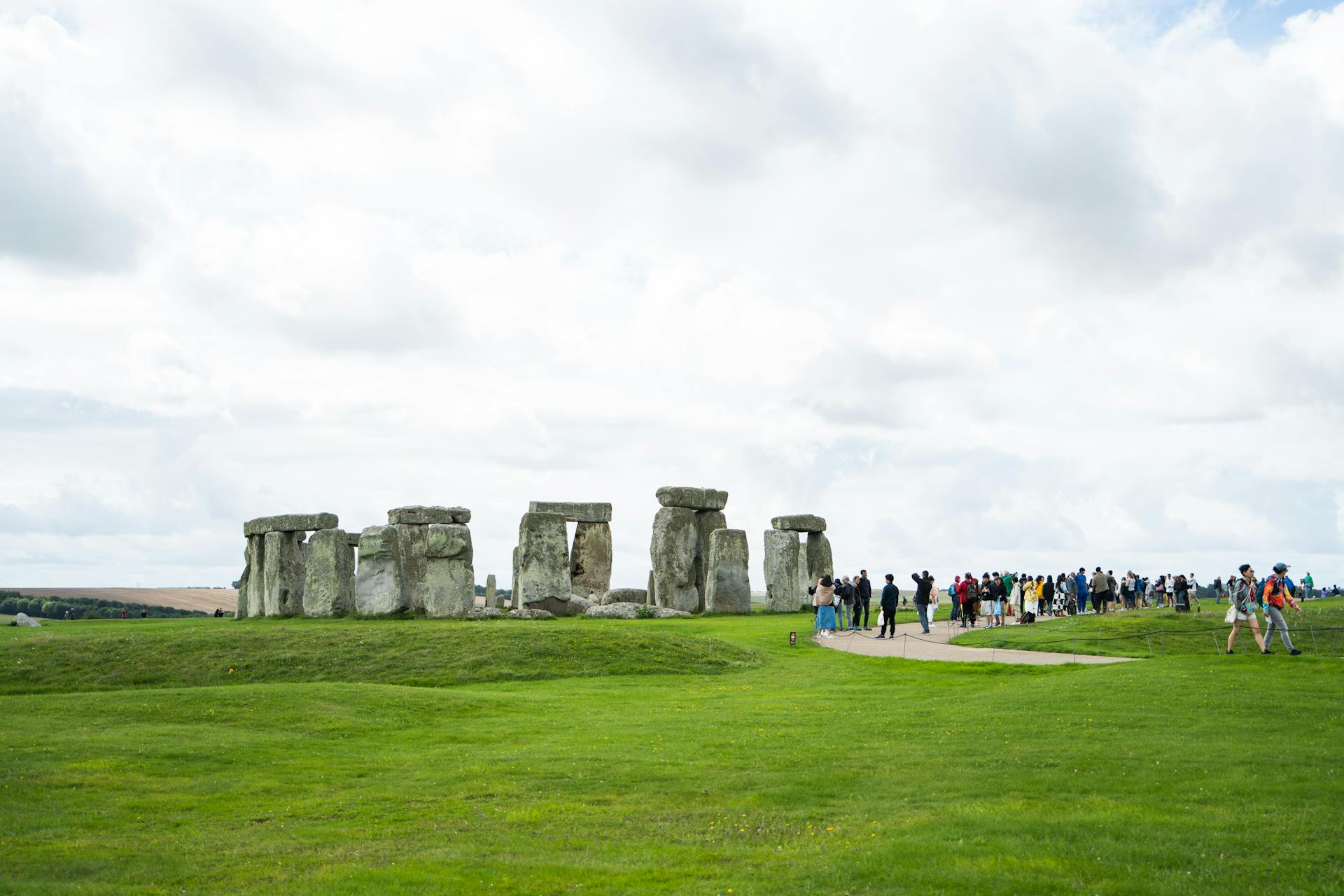
Ask someone about a memorable historic place they have visited and the answer is rarely a date or a fact from an information board. More often, it is a story. Most people do not come home from a trip talking about dates. They talk about the strange story they heard in an old pub. The guide who pointed to an ordinary-looking building and revealed something completely unexpected about it. The local legend that sounded unbelievable but somehow made perfect sense once it was connected to a particular place.
That is where Britain's storytelling experiences stand out. History here is rarely treated as something locked away in a museum case. It appears in streets, villages, harbours and buildings that are still part of daily life.
Scotland's Stories Are Everywhere
Scotland has never struggled for stories. A community remembers an event because it happened there. A family name survives because generations remained in the same area. A legend continues because people keep repeating it.
Edinburgh is a good example. The city's Old Town contains layer upon layer of history, but what often captures attention is not the architecture alone. It is hearing how people lived in those crowded tenements, how businesses operated in narrow closes or how entire neighbourhoods changed over time.
The same can be said for towns throughout Scotland. A harbour wall, an old inn or a weathered church may not seem remarkable at first. Then someone explains what happened there and the place suddenly feels different.
Folklore Has Not Gone Anywhere
Modern life has not pushed folklore aside quite as successfully as many people expected. Stories about kelpies, selkies and unexplained sightings still appear in conversations, local events and travel experiences across Scotland. Few visitors arrive expecting to encounter folklore as part of a trip, yet many leave having heard at least one local tale connected to a loch, castle or stretch of coastline.
Part of the appeal comes from the fact that these stories belong to specific places. Remove the location and much of the character disappears. Standing beside a loch linked to an old legend creates a very different experience from simply reading about it.
Ghost walks draw on the same idea. Their popularity is not really about proving whether a story is true. It is about discovering another layer of a city's past. Behind many ghost stories are genuine accounts of disease outbreaks, crimes, political unrest or difficult living conditions. The history often proves just as interesting as the legend itself.

Looking Beyond The Landmarks
Visitors these days seem less interested in just ticking off the big landmarks. They want to dig deeper and get a real sense of how ordinary folk actually lived their daily lives. That’s where walking tours really shine. They force you to slow right down and pay attention.
A good guide can stop in front of a plain-looking building that most people would walk straight past, then spend ten minutes explaining why it mattered. Suddenly that ordinary wall or doorway comes alive with stories you’d never have noticed otherwise. It turns an average day out into something genuinely memorable.
This approach has caught on strongly across Britain. In York, you can wander through the layers of medieval life. Liverpool focuses heavily on its tough maritime roots. Bath lets you trace both Roman remains and elegant Georgian influences in one stroll. And London? It offers such a dizzying range of specialised tours that you could spend weeks there and still not cover everything.
Take the Jack the Ripper pub tours, for example. They lead you through the historic taverns and narrow streets of Victorian Whitechapel. The mystery itself is naturally a big draw, but many people come away just as fascinated by the heavier realities such as the cramped housing conditions, the back-breaking jobs, the waves of migration, and the day-to-day struggles of one of London’s most overcrowded areas in the nineteenth century.
It’s these human stories, the ones hidden in plain sight, that seem to stay with people longest.
Seeing History Rather Than Reading It
Not every storytelling experience relies on a guide. In Britain, historical institutions and history centres are emphasising practical skills and demonstrations more and more. Observing traditional food preparation, blacksmithing, or weaving provides a viewpoint that texts and written resources frequently fail to convey. The process is slower, more physical and sometimes far more complicated than expected.
These demonstrations help explain how communities functioned before modern technology transformed daily life. Skills that once seemed ordinary now reveal remarkable levels of patience and expertise.
Museums have followed a similar path. Many now place greater emphasis on interaction and interpretation rather than simply displaying objects.
The Stories That Stay
Historic sites attract visitors for many reasons, but stories are often what people remember afterwards. A guide's unexpected anecdote. A local legend attached to a loch. A detail about an ordinary family living through extraordinary circumstances. These moments stay in memory because they feel human.
That is ultimately what makes storytelling such a powerful part of Britain's heritage experience. It turns locations into places, facts into narratives and history into something that feels much closer than the centuries might suggest.

Callum Fraser
Author
Callum Fraser isn't just a writer about Scotland; he's a product of its rugged landscape and rich history. Born and raised in Perthshire, with the Highlands as his backyard, his love for the nation's stories was kindled by local storytellers and long walks through ancient glens.
This passion led him to pursue a degree in Scottish History from the University of Edinburgh. For over 15 years, Callum has dedicated himself to exploring and documenting his homeland, fusing his academic knowledge with essential, on-the-ground experience gained from charting road trips through the Cairngorms, hiking the misty Cuillins of Skye, and uncovering the secrets of traditional recipes in his family's kitchen.
As the Editor-in-Chief and Lead Author for Scotland's Enchanting Kingdom, Callum's mission is simple: to be your most trusted guide. He combines meticulous research with a storyteller's heart to help you discover the authentic magic of Scotland — from its best-kept travel secrets to its most cherished traditional recipes.
Latest Articles
Popular Articles