Cat Breeder Scotland - Guide, Prices, Laws & What To Check
Avoid risks with this cat breeder Scotland guide. See prices, licensing rules, and essential checks to find a healthy, well-raised kitten.
Author:Callum FraserDec 10, 2025
What To Know Before Choosing A Cat Breeder In Scotland
Choosing a pedigree kitten is a big decision that affects the next 15 years of your life. Finding the right cat breeder in Scotlandcan feel overwhelming, but it doesn't have to be.
Scotland's cat breeding rules have improved a lot in recent years. Stricter regulations now protect both animals and buyers. Good breeders focus on health testing, proper kitten care, and honest communication. They welcome your questions and let you visit their catteries.
This guide gives you everything you need to find a trustworthy breeder. You'll learn about licensing rules, how to spot warning signs, and which questions to ask before bringing your kitten home.
The Essentials Of Cat Breeding In Scotland
What You Need To Know About Cat Breeding
Cat breeding in Scotland is a carefully regulated industry. Breeders who take their work seriously are usually affiliated with recognized breed clubs like the Governing Council of the Cat Fancy (GCCF), ensuring they meet high standards in both breeding practices and animal care.
Ethical Considerations
A responsible breeder will always prioritize the well-being of their cats. This means not only adhering to the Animal Welfare Act but also going beyond the basics ensuring their cats live in a nurturing environment, receive top-notch veterinary care, and are bred selectively to improve the breed, not just for profit.
Understanding Cat Breeding Regulations In Scotland
The 2021 Licensing Requirements Explained
Scotland introduced new cat breeding regulations in September 2021. Any breeder who produces three or more litters in 12 months must get a license from their local council.
The license covers all kittens whether sold, given away, or rehomed. Local councils inspect facilities before giving out licenses. They check living conditions, staff numbers, record keeping, and animal welfare standards.
Breeders must show their license number on websites and at their premises. Breaking these rules can result in fines up to £5,000.
What Licensing Means For Kitten Buyers
Licensed breeders follow strict welfare standards. The rules cover everything from cage sizes to health checks and socialization.
Female cats can only have two litters per year and eight in their lifetime. Breeding cats must be at least 10 months old and can't breed after age 8. Cats that needed a caesarean sectioncan't be bred again.
These protections help ensure you're buying from operations that care about quality, not just profit.
The Registration Landscape - GCCF Vs TICA Vs FIFe
Beyond licensing, registration with cat organizations adds extra credibility. The Governing Council of the Cat Fancy (GCCF) is the UK's main pedigree cat registry. GCCF breeders must follow strict ethics rules.
The International Cat Association (TICA) is another respected registry in Scotland. Some breeders register with both GCCF and TICA. The Fédération Internationale Féline (FIFe) is less common in Scotland.
Registration doesn't guarantee quality, but unregistered breeders raising pedigree cats should raise questions. Good breeders invest in registration because it proves commitment to breed standards.
How To Evaluate A Breeder
Step 1 - Early Research
Start by identifying breeders who focus on the breed of interest. Look for clear websites, transparent information, and evidence of responsible practices. Ethical breeders usually raise only one or two breeds and keep kitten numbers low.
Step 2 - Ask The Right Questions
Before arranging a visit, ask:
- How many litters does the queen have per year?
- What health tests are performed on parent cats?
- Are kittens raised indoors or outdoors?
- When can the kittens leave for new homes?
- Do kittens come vaccinated, microchipped, and vet-checked?
- Is there a purchase contract?
- Can the parents be seen?
- Are pedigree papers provided through a recognised body (GCCF, TICA)?
If answers feel vague, avoid proceeding.
Step 3 - Visiting The Cattery
A visit reveals more than any online conversation. A responsible breeder provides:
- Clean, calm living areas
- Healthy, confident kittens
- Friendly, stress-free adult cats
- Toys, enrichment, and scratching posts
- Honest discussion about the breed’s challenges
A breeder who discourages visits or insists on meeting elsewhere should be avoided.
Step 4 - Understanding Contracts And Deposits
A proper contract protects both parties and covers:
- Kitten health guarantees
- Neutering requirements
- Return policies if circumstances change
- Terms for deposits
- Pedigree and registration details
Ethical breeders care where their kittens go and often ask buyers questions too.
Step 5 - Preparing For The Kitten’s Arrival
Kittens should stay with their mother until at least 8-12 weeks old, depending on breed and development. Good breeders help buyers prepare with guidance on:
- Food
- Litter
- Bedding
- Safe spaces
- Gradual introductions to new environments
Step 6 - Ongoing Support
Trusted breeders stay in touch after the kitten goes home. They provide:
- Tips for behaviour and feeding
- Advice on settling and routine
- Breed-specific guidance
- Help with paperwork or registration
Step 7 - Long-Term Welfare
Responsible ownership includes:
- Regular vet checks
- Vaccinations
- Neutering
- Enrichment and social interaction
- Insurance considerations
A good breeder sets the foundation, but long-term care completes the journey.
Most Popular Pedigree Cat Breeds From Scottish Breeders
British Shorthair And Longhair
British Shorthairsare Scotland's most popular pedigree cats. They have thick, plush coats and calm personalities. These cats work well with families and adapt easily to different homes.
British Longhairs are identical except for their longer coats. Both breeds are known for good health and steady temperaments.
Good breeders test for polycystic kidney disease(PKD) and heart problems (HCM). Pet-quality kittens cost between £800 and £1,500.
Maine Coon
Maine Coons are giant cats with tufted ears and friendly personalities. Males can weigh up to 18 pounds. They're smart and social, making them great family pets.
Responsible breeders test for genetic conditions like spinal muscular atrophy and heart disease. Expect to pay £1,200 to £1,600 for a healthy kitten.
Ragdoll
Ragdolls get their name because they relax completely when picked up. They have beautiful blue eyes and love human company. These cats follow their owners around and need lots of attention.
Quality breeders test for heart and kidney problems. Prices range from £900 to £1,400 in Scotland.
Bengal
Bengals look exotic with their leopard-like spots and muscular bodies. They're energetic and need more play and stimulation than average cats.
Good Bengal breeders screen for eye problems and blood disorders. Prices typically run from £1,000 to £2,000.
The Scottish Fold Controversy
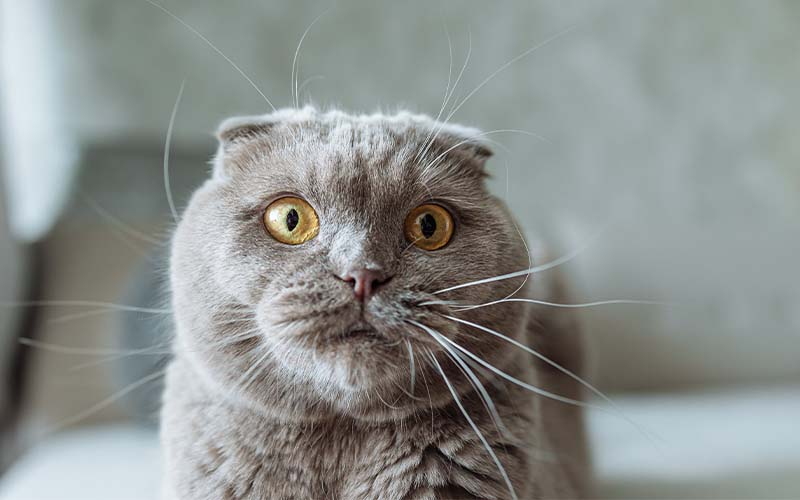
Scottish Folds have distinctive folded ears, but this cute look comes with serious health problems. The gene that folds their ears also affects cartilage throughout their body, causing painful joint disease. The GCCF stopped registering Scottish Folds in 1971 because of these issues, and several countries have banned breeding them entirely.
Scotland's 2021 regulations also prohibit breeding cats with known health problems. Because of this, conversations about Scotland fold cat priceoften ignore the much more important welfare concerns. All Scottish Folds carry this cartilage problem to some degree, which is why many vets and animal welfare groups consider breeding them unethical, despite their popularity.
How To Identify A Reputable Cat Breeder In Scotland
Essential Credentials And Certifications
Always check the breeder's license first. They must show you their current local authority license. It should be displayed on their website or at their cattery.
Check their registration with GCCF, TICA, or another recognized organization. Most registries have public breeder directories you can search online.
Membership in breed-specific clubs shows dedication and ongoing education. These groups help breeders stay current with best practices.
Health Testing And Genetic Screening Standards
Health testing separates serious breeders from casual ones. Each breed has specific genetic risks that need testing. Good breeders test parent cats before breeding and give you written proof.
Ask for test results for both parents. This should include breed-specific tests like heart scans for Maine Coons or kidney tests for British breeds.
Breeders should also test for feline leukemia (FeLV) and feline immunodeficiency virus (FIV). These tests protect the breeding cats and ensure kittens are healthy.
Cattery Visit: What To Look For
Good breeders want you to visit. They encourage you to meet the parent cats and see where kittens are raised. If a breeder refuses visits, walk away.
During your visit, check that living areas are clean, spacious, and well-ventilated. Cats should have separate spaces for sleeping, playing, and eating. Overcrowding is a red flag.
All cats should look healthy with bright eyes, clean coats, and normal weight. They should be friendly and comfortable, not scared or aggressive.
Socialization Practices That Matter
Kittens learn crucial social skills between 3 and 8 weeks old. Quality breeders handle kittens daily and expose them to household sounds and different people.
Kittens raised in isolation often develop behavior problems later. Ask how breeders socialize their kittens. Kittens should stay with mum and siblings until at least 12 weeks old, preferably 14-16 weeks.
Transparent Communication As A Quality Indicator
Ethical breeders talk openly about their breeding lines, including any weaknesses. They honestly discuss health challenges in the breed and explain how they work to reduce risks.
They'll ask lots of questions about your home, experience, and expectations. This isn't being nosy it shows they care where their kittens go.
Expect a detailed contract covering health guarantees, spay/neuter rules, and what happens if you can't keep the cat. Good breeders want their cats back rather than having them rehomed to strangers.
Warning Signs Of An Unethical Breeder
Not all breeders follow best practices, so it's important to be aware of red flags:
- Lack of Transparency:If a breeder is vague or avoids answering your questions, walk away.
- Poor Conditions:Overcrowded or dirty environments are a major warning sign.
- Inadequate Health Information:A reputable breeder will have detailed health records for their cats.
- High Volume Breeding:Breeders focused on quantity over quality are likely cutting corners.
Scotland’s Most Trusted Cat Breeders
Finding a trustworthy breeder matters just as much as choosing the right breed. The breeders below are known for transparency, proper registration, and strong health and welfare standards. These are reliable starting points that buyers across Scotland regularly use when searching for pedigree kittens.
1. Cagaran Cats - Falkirk (Central Belt)
Breeds: Tiffanies & Asian Shorthairs
Why trusted:
- GCCF-registered prefix
- Clear information about lines and health
- Welcomes questions and visits
Good for:Families wanting affectionate, people-focused breeds
2. Edinburgh & East Of Scotland Cat Club - Breeder Directory
Breeds:Multiple (club includes many Scottish breeders)
Why trusted:
- All members follow strict GCCF ethical codes
- Directory helps match buyers with reputable breeders across the region
Good for: Anyone needing a trusted starting point for different pedigree breeds
3. Pets4Homes - Licensed Kitten Breeders In Scotland
Breeds:Ragdolls, Maine Coons, British Shorthairs, Bengals, Persians, and more
Why trusted:
- Shows local authority licence numbers
- Includes verified reviews
- Allows you to filter by location and breed
Good for:Buyers who want to check licence status quickly
4. GCCF Breeder Scheme Map (UK-Wide Including Scotland)
Breeds:All GCCF-recognised pedigree breeds
Why trusted:
- Breeders must follow the GCCF Code of Ethics
- GCCF is the UK’s leading pedigree registry
Good for:Buyers wanting the safest, most reliable search method
5. TICA Registered Breeders - Scotland Listings
Breeds:Often Maine Coons, Bengals, Ragdolls, Orientals
Why trusted:
TICA is internationally recognised
Breeders must follow TICA ethics rules
Good for: Buyers wanting international-standard lines
6. Scottish Cat Club Breeder Lists (Various Regions)
Breeds:British Shorthairs, Orientals, Persians, Maine Coons, Ragdolls
Why trusted:
- These clubs include only properly registered breeders
- Most require proof of GCCF/TICA registration
Good for:Buyers wanting local support and breeder connections
7. Specialist Breed Clubs (UK-Wide, With Scottish Members)
Breeds :Bengal Cat Club, Maine Coon Cat Club, British Shorthair Cat Club
Why trusted:
- These clubs only list breeders who meet strict health and breed-ethics standards.
- Many Scottish breeders are listed in these groups.
- Perfect for narrowing down to one breed.
8. Scottish SPCA & GCCF Breed Rescue Contacts
(Not “breeders”, but important alternatives.)
Why trusted:
- Sometimes receive pedigree cats needing new homes
- Provide full health checks and honest background info
Red Flags To Look Out For
Pricing That's Too Good To Be True
Quality pedigree kittens cost money to produce properly. Prices well below £500 usually mean corners are being cut. Low prices often mean no health testing, poor food, or inadequate vet care.
Very high prices don't automatically mean quality either. Focus on what you're getting, not just the price tag.
Refusal To Allow Visits
Any breeder who won't let you visit their cattery is hiding something. Excuses about "biosecurity" or "stress to cats" don't hold up legitimate breeders welcome visits.
Without seeing where cats live, you can't judge their care standards or breeding practices.
Multiple Breeds And Constant Availability
Breeders focusing on one or two breeds develop real expertise. Those keeping four, five, or more different breeds can't give proper attention to each one. This usually signals a commercial operation focused on profit.
If a breeder always has kittens available in multiple breeds and colors, question their priorities. Quality breeders typically have waitlists.
Missing Health Documentation
Good breeders provide full documentation: pedigree certificates, health records, vaccinations, and genetic test results for parents. If a breeder won't provide proof or gives vague claims, walk away.
Claims like "all our cats are healthy" mean nothing without actual test results to back them up.
15 Critical Questions To Ask Before Choosing Your Breeder
Ask these questions to every breeder you contact. Their answers reveal their priorities and expertise:
Experience And Breeding Philosophy
- How long have you bred cats, and specifically this breed?
- What are your breeding goals?
- Do you have the required local authority license?
Health Testing And Certifications
- What health tests do you run on breeding cats? Can I see the results?
- Are both parents registered with GCCF or TICA?
- What genetic problems affect this breed, and how do you screen for them?
- Have any of your breeding cats had health problems?
Kitten Socialization And Care
- At what age do kittens go to new homes, and why?
- How do you socialize kittens before they leave?
- What food do you feed?
Contract Terms And Support
- What does your contract cover?
- What happens if the kitten gets sick in the first year?
- Do you require proof of vet care or home checks?
Post-Adoption Relationship
- What ongoing support do you provide?
- Can you provide references from previous buyers?
Quality breeders answer thoroughly and happily. Vague or defensive responses mean problems.
Understanding Kitten Pricing In Scotland
What Determines Pedigree Kitten Costs
Several factors affect pricing. Rare breeds cost more, and some like the Scottish foldoften appear more expensive simply because demand is high, even though welfare concerns should always come first. Within breeds, unusual colors or patterns may be pricier.
Kittens from champion show lines cost more than those from pet-quality parents, reflecting years of selective breeding. Health testing also costs hundreds of pounds per cat, so breeders who test properly must charge more.
Typical Price Ranges By Breed
Current Scottish prices for popular breeds:
- British Shorthair/Longhair: £800-£1,500
- Maine Coon: £1,200-£1,600
- Ragdoll: £900-£1,400
- Bengal: £1,000-£2,000
- Persian: £800-£1,300
- Siamese/Oriental: £700-£1,200
These prices are for pet-quality kittens from health-tested parents. Show-quality cats cost 50-100% more.
What's Included In The Purchase Price
Good breeders include these basics:
- Pedigree certificate
- First vaccinations
- Deworming treatments
- Microchip (sometimes)
- Vet health check
- Kitten starter pack with food and toys
- Written contract with health guarantee
Some include spay/neuter surgery. Others require you to arrange this and provide proof.
Hidden Costs To Consider
The purchase price is just the start. First-year costs typically add £1,000-£1,500:
- Spay/neuter (if not included): £80-£150
- More vaccinations: £60-£120
- Basic supplies (litter box, carrier, scratching post): £150-£300
- Quality food: £300-£500
- Insurance or emergency savings: £200-£600
- Routine vet care: £100-£200
Plan for these expenses before buying a kitten.
Bringing Your New Kitten Home - Tips For Success
Preparing Your Home
Before your new kitten arrives, set up a safe and comfortable space where they can get used to their new surroundings. Make sure you have all the essentials: food, water, a litter box, and plenty of toys.
Health And Veterinary Care
Continue the health routine started by the breeder. Use simple, consistent steps to help build healthy habits, and schedule a vet visit soon after bringing your kitten home to keep vaccinations and health checks on track.
Socialization And Training
The first few weeks are crucial for socialization. Spend quality time with your kitten, introduce them to different people, and start basic training like litter box usage and using scratching posts.
People Also Ask
Do Cat Breeders In Scotland Need To Be Licensed?
Yes. Any breeder producing three or more litters within 12 months must have a license from their local council. This started in September 2021. Breeders must display license numbers on websites and premises. Operating without a license is illegal, with fines up to £5,000.
How Old Should A Kitten Be Before Going To A New Home?
Most kittens are ready between 8 and 12 weeks, depending on health and development. Leaving too early can cause behavioural and health issues.
What Health Tests Should Parent Cats Have?
Essential tests depend on breed. Examples include:
- HCM screening for Maine Coons
- PKD testing for British Shorthairs
- General DNA or blood tests based on breed standards
How Do I Know A Kitten’s Breed Is Genuine?
Pedigree kittens should come with registered papers from GCCF, TICA, or similar organisations. Photos of parent cats, lineage charts, and breeder transparency add further reassurance.
How Do I Kitten-proof My Home?
Remove hazards, set up a cozy area for your kitten, and gradually introduce them to different parts of your home to help them adjust.
Final Thoughts
Finding a trustworthy cat breeder in Scotland becomes far simpler with the right knowledge. Understanding regulations, asking strong questions, reviewing health checks, and recognising red flags protects both animals and new owners. When breeders follow responsible practices, kittens grow into healthy, confident cats who remain loving companions for many years.
With careful attention, patience, and a focus on welfare, every buyer can bring home a kitten raised with kindness and care.
Jump to
What To Know Before Choosing A Cat Breeder In Scotland
The Essentials Of Cat Breeding In Scotland
Understanding Cat Breeding Regulations In Scotland
How To Evaluate A Breeder
Most Popular Pedigree Cat Breeds From Scottish Breeders
How To Identify A Reputable Cat Breeder In Scotland
Scotland’s Most Trusted Cat Breeders
Red Flags To Look Out For
15 Critical Questions To Ask Before Choosing Your Breeder
Understanding Kitten Pricing In Scotland
Bringing Your New Kitten Home - Tips For Success
People Also Ask
Final Thoughts

Callum Fraser
Author
Callum Fraser isn't just a writer about Scotland; he's a product of its rugged landscape and rich history. Born and raised in Perthshire, with the Highlands as his backyard, his love for the nation's stories was kindled by local storytellers and long walks through ancient glens.
This passion led him to pursue a degree in Scottish History from the University of Edinburgh. For over 15 years, Callum has dedicated himself to exploring and documenting his homeland, fusing his academic knowledge with essential, on-the-ground experience gained from charting road trips through the Cairngorms, hiking the misty Cuillins of Skye, and uncovering the secrets of traditional recipes in his family's kitchen.
As the Editor-in-Chief and Lead Author for Scotland's Enchanting Kingdom, Callum's mission is simple: to be your most trusted guide. He combines meticulous research with a storyteller's heart to help you discover the authentic magic of Scotland — from its best-kept travel secrets to its most cherished traditional recipes.
Latest Articles
Popular Articles