Edinburgh Driving Licence Application Process In 2026
Edinburgh driving licence application process explained clearly: fees, D1 form, identity checks, tracking, and how to book theory/practical tests plus 2026 booking changes.
Author:Callum FraserMar 02, 2026
Getting Your Driving Licence In Edinburgh
If you’ve just moved to Edinburgh(or you’re finally ready to start driving), the hardest part is rarely the form itself - it’s working out which official service you actually need, and what to have ready so you don’t get delayed.
At A Glance
- Check you meet the basics: age, eyesight, and permission/residency in Great Britain.
- Apply online (fee £34) or apply by post using a D1 form (fee £43). (Data as of March 2026)
- If you applied online, save your reference number email - you’ll need it to track progress.
- Once your provisional arrives, you can start lessons/practice, then book your theory and practical tests through GOV.UK. (Test fees can change - check the latest official guidance.)
- If you’re booking a car driving test, read the spring 2026 rule changes before you choose dates or start moving bookings around. (Data as of February 2026 - check the latest official guidance.)
Below is the full Edinburgh-ready process: where DVLA fits in, what to do online vs by post, how to check progress, and what happens next once your provisional arrives.
“Fees, processing times, and test rules can change. All figures below are based on official GOV.UK/DVLA/DVSA guidance available in March 2026 - please check the linked pages for the latest.”
Edinburgh Driving License Application Process (start Here)
What you’ll get here:clarity on who does what, so you don’t waste time on the wrong website or the wrong “licence” entirely.
In Edinburgh, your everyday driving licence (provisional or full) is handled by DVLA via GOV.UK, the same as the rest of Great Britain. A good starting point is the GOV.UK hub for driving licences, which lists the correct official tasks in one place: Driving licences (GOV.UK).
What “driving Licence” Means In Edinburgh (DVLA)
A common point of confusion: the City of Edinburgh Council has “licences and permits” pages for business and civic licensing(think taxis/private hire, short-term lets, alcohol licensing, and similar). That’s important - but it’s notwhere you apply for a normal DVLA driving licence. If you landed there by accident, you’re not alone. Licences and permits applications (City of Edinburgh Council).
Application Type
- First provisional licence(most learners start here) - use this if you’ve never held a GB licence before.
- Renew a photocard licence(usually the 10-year photo renewal) - use this if your photo is expiring or your licence is expired.
- Replace a lost/stolen/damaged licence- use this if you can’t access your current photocard.
- Change details (address, name/title, photo)- use this after moving house or changing your legal details.
- Exchange a non-GB licence(new to the UK, or switching to a British licence) - use this if GOV.UK says your licence is eligible.
Once you know which lane you’re in, the steps become much calmer - so next we’ll do the short “get ready” list that prevents most delays.
Before You Apply
What you’ll get here:a quick way to avoid the “I started, then got stuck” moment halfway through the application.
Here’s what DVLA expects for a first provisional licence, straight from GOV.UK: you must be at least 15 years and 9 months, be able to read a number plate from 20 metres, and have had permission to live in Great Britain for at least 185 days.
Age, Eyesight, And Permission/residency Basics
- Age:You can apply at 15 years and 9 months.
- Eyesight:You must be able to read a number plate from 20 metres(with glasses or contact lenses if needed).
- Permission/residency:You need permission to live in Great Britain and to have had that permission for 185 days.
Details To Have Ready (addresses, Passport Info If You Have One)
This is the small prep that makes everything smoother:
- Your current addressand addresses for the last 3 years(have dates if possible)
- If you have one: your valid UK passport number(9 digits)
- If you’re proving identity another way: your UKVI share code(if applicable)
- A note of any medical conditionsthat might need declaring (if unsure, check official guidance before answering)
If you’re not sure what identity route applies to you, GOV.UK explains it clearly here: Identity documents needed for a driving licence application (GOV.UK).
Takeaway:A minute of preparation (especially address history and identity route) saves the most time later - now you’re ready to apply.
If you’re also thinking ahead to lessons, test prep, and what helps you pass first time, you might find my guide useful: tips for getting a driving license in scotland.
Applying For Your First Provisional Licence
What you’ll get here:the exact steps for online and post applications, plus the common slip-ups that cause delays.
The official starting point for Edinburgh is the same as anywhere in Great Britain: Apply for your first provisional driving licence (GOV.UK).
Applying Online (what You’ll Do, Step By Step)
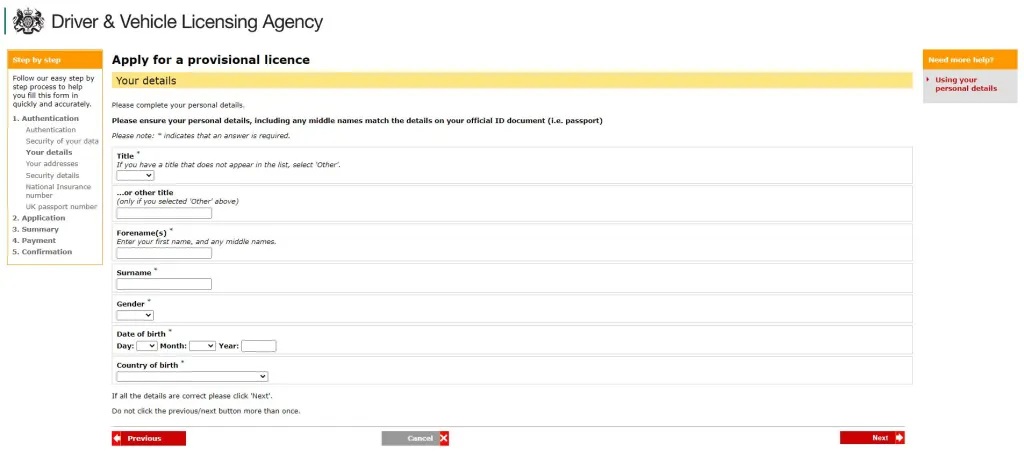
Online is the standard option for many people because DVLA can confirm details electronically.
- Go to the official service: Apply for your first provisional driving licence (GOV.UK).
- Sign in (or create sign-in details). GOV.UK will tell you if you need to prove your identity, which “usually involves using photo ID like a passport.”
- Enter your personal details and your address history.
- Review carefully before you pay.
Cost:£34 online. (Data as of March 2026 - check the latest official guidance.)
Time expectation:GOV.UK says your provisional “should arrive within one week” if you apply online, but it can take longer if DVLA needs extra checks.
Applying By Post
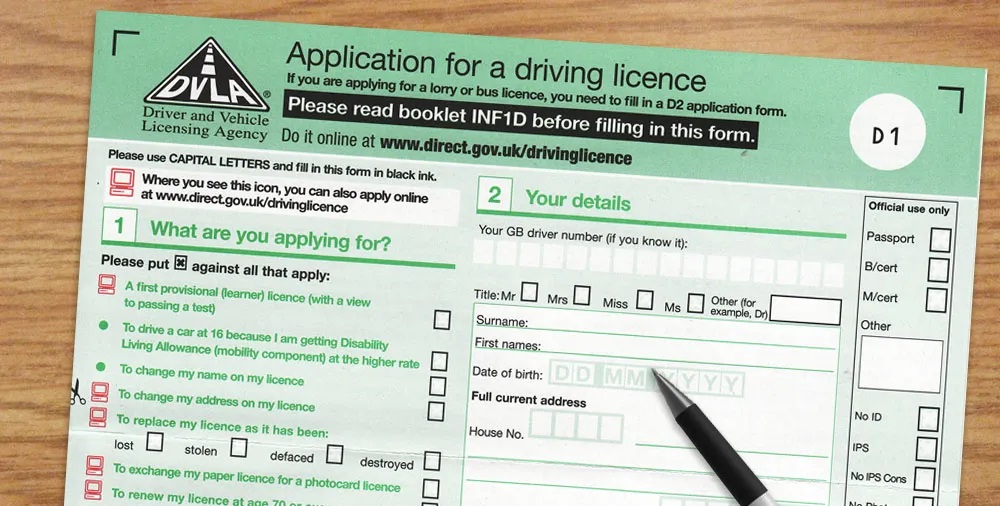
Post applications are still completely valid - they’re simply more document-heavy.
- You’ll use form D1(“Application for a driving licence”). GOV.UK states D1 is available from most Post Offices, and you send it to the address on the form.
- If you can’t get to a Post Office easily, you can also order DVLA forms via the GOV.UK licensing hub: Download and order DVLA forms (GOV.UK hub).
Cost:£43 by post, paid by cheque or postal order (payable to DVLA). (Data as of March 2026 - check the latest official guidance.)
Identity Documents (important):
If you have a valid UK passport, GOV.UK says you write the passport numberand do not send the physical passport. If you do not have a UK passport or a UKVI share code, you’ll generally need to send an originalidentity document by post - and GOV.UK is explicit that photocopies or certified copies (including Post Office certification) are not accepted.
How You’ll Prove Your Identity
- UK passport route:Write the 9-digit passport number on the application form, and do not send your physical passport. You also cannot use the passport number of a passport that has expired.
- UKVI share code route:If you have a UKVI account, get a share code from the “view and prove your immigration status” service. When asked what you need it for, choose “something else,” then write the code on your application form - and do not send a physical identity document.
- No UK passport + no share code:You’ll need to send an original identity document by post (not a copy). Examples include a current valid Irish passport, a current valid foreign passport (in some cases with a visa vignette), a traveldocument, or a UK birth/adoption/naturalisation certificate (with additional proof).
If You’re Posting Documents
- Originals only- you cannot use photocopies or laminated certificates, and you cannot use certified copies (including Post Office document certification).
- Consider delaying your application if you need your passport in the next 4 weeks.
- Your driving licence and your identity documents are returned separately. GOV.UK says documents are returned by second class post - you can include a stamped, self-addressed Special Delivery or Signed For envelope if you want tracking when your documents are posted back.
- Contact DVLA if you have not received your licence or your documents back after a reasonable time.
When Your Form And Photo Must Be Signed (postal Applications)
- If you proved your identity using a UK passport number or a UKVI share code, you do not need someone else to sign your form or photo.
- Otherwise, GOV.UK says you must get someone to sign your form and photo to verify your identity - and DVLA may contact that person.
- The person must hold a valid GB photocard driving licence, be resident in the UK, know you personally, not be a relative, and not live at your address. Suitable examples include a teacher, solicitor, engineer, bank staff, civil servant, councillor, police officer, or minister of religion (and if they’re retired, you write their former job).
If Your Name Or Gender Has Changed
You must provide additional evidence if your name or gender has changed since your identity document or driving licence was issued, and GOV.UK says not to send photocopies or laminated certificates. Common examples include a marriage/civil partnership certificate, deed poll, statutory declaration, or a gender recognition certificate (depending on your situation).
How Long It Usually Takes (and What Can Slow It Down)
Here’s the simplest way to set expectations:
- Online:DVLA says it should arrive within one week, but can take longer if checks are needed. (Data as of March 2026 check the latest official guidance.)
- By post:timings vary more because documents must be handled and returned. If you’ve posted original documents, plan around that and avoid posting anything you’ll need urgently in the next few weeks.
Things That Delay Applications
- Choosing the wrong identity route (passport/share code/original documents).
- Sending copies or certified copies instead of originals (DVLA won’t accept them).
- Typos or mismatches in name/address history that trigger manual checks.
- Posting a passport you’ll need soon (GOV.UK suggests waiting if you need it within 4 weeks).
- Using unofficial sites or getting pulled into unnecessary “paid help.”
Common Slow-downs (and How To Avoid Them)
This is the “experience” part - the mistakes people make when they’re trying to do everything quickly on a phone:
- Using unofficial third-party sites:GOV.UK warns unofficial sites often charge more for tests; the same logic applies to licence services. If you’re not on GOV.UK, pause and double-check.
- Small mismatches:Name formatting, old addresses, or a wrong digit can trigger manual checks.
- Not understanding identity rules:Sending the wrong thing (or a photocopy) causes delays. Use the official identity document page to match your situation.
- Posting documents you need soon:GOV.UK explicitly suggests delaying if you’ll need your passport within the next 4 weeks.
Takeaway:Apply through the correct GOV.UK service, match the identity route to your documents, and double-check details - then tracking becomes straightforward.
Checking Progress
What you’ll get here:how to check what’s happening, and what “normal” looks like so you know when to follow up.
If You Applied Online: Tracking Options
If you applied online for a full or provisional licence, GOV.UK says you can track progress using your 14-digit reference number(emailed after you apply), or another method if your reference starts with “FP.” Use: Track your driving licence application (GOV.UK).
GOV.UK also states you’ll normallyget your licence within a weekof completing an online application.
Tip: save your tracking reference email and keep it somewhere easy to find - it’s the quickest way to check progress without guessing.
If You Applied By Post: What To Do
If you applied by post, GOV.UK’s tracking guidance is simple: contact DVLAto track your application.
Takeaway:Online applications have a clear tracking route; postal applications usually mean contacting DVLA if it’s taking longer than expected.
What You Can Do Once Your Provisional Arrives
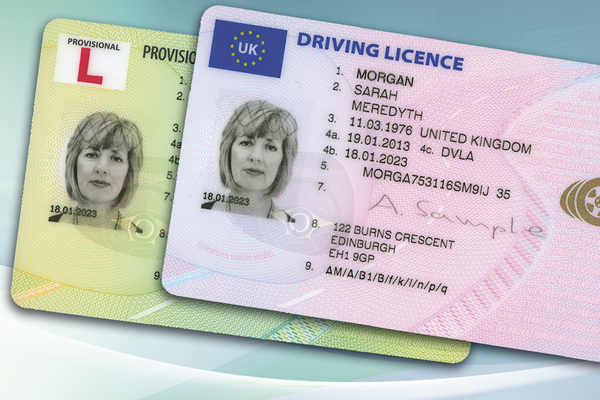
Once your provisional arrives, you can start lessons and practice - but there are a few non-negotiablerules to keep you safe and legal.
Supervision Rules, L Plates, Insurance, And Motorway Rule
According to GOV.UK, when you’re learning to drive a car you must be supervised and the car must display L plates.
If you practise with friends or family (not an instructor), GOV.UK says the supervisor must:
- be at least 21
- have held a full licence for at least 3 years
- be qualified for the type of car (manual vs automatic)
Insurance matters:GOV.UK is clear that the learner must be insured - either added to the owner’s policy or covered by learner driver insurance.
Motorways:GOV.UK says you can only drive on motorways as a learner if you’re in England, Scotland or Wales, with an approved driving instructor, and the car has dual controls.
Before you practise in someone else’s car
- The car must display L plates front and back.
- The car must be taxed, and have a valid MOT if it needs one.
- The car must be safe to drive and correctly insured for you as a learner.
When you can drive with a provisional licence: Rules vary by age and vehicle type, so check what you can drive before you start learning.
Booking Theory And Practical Tests
When you’re ready, book through GOV.UK (not third-party sites):
- Theory test (car):£23.
- Practical driving test (weekday car):£62.
What Booking Looks Like In Real Life (and How To Avoid Scams)
- You may be placed in an online queue when booking.
- You can usually book a practical test up to 24 weeks in advance. (Data as of March 2026 - check the latest official guidance.)
- There is no official waiting list or cancellation list - be wary of third parties selling “lists.”
- After you’ve booked, you can log in and check for earlier appointments. (Official booking: Book your driving test (GOV.UK).)
Changing Or Cancelling Your Test (important)
- For car tests, GOV.UK says you need at least 10 full working days’ notice to change your test without losing your fee.
- Right now, GOV.UK says you can change your appointment up to 6 times - but this reduces with the 2026 changes.
Find The Right Edinburgh Test Location (official Tools)
- Find a practical driving test centre: Find a driving test centre (GOV.UK)
- Find a theory test centre: Find a theory test centre (GOV.UK)
If you need extra support: When booking your theory test, GOV.UK explains how to request support for certain disabilities, health conditions, or reading difficulties.
A Quick Note On Spring 2026 Booking Changes
If you’re learning in 2026, this is worth knowing early because it changes how flexible bookings will feel.
GOV.UK states that for car driving tests:
- From 31 March 2026, you can only make 2 changesto a booked appointment. (Data as of February 2026 - check the latest official guidance.)
- Later in spring 2026 (date to be confirmed), only you(not your instructor) will be able to book and manageyour test, and moving your test will be limited to centres near where you originally booked. (Data as of February 2026 - check the latest official guidance.)
If you want a second official wording (especially helpful for instructors and learners), DVSA also explained the “2 changes” limit in a bulletin.
Takeaway:Once your provisional arrives, the path is simple - practise legally, book through GOV.UK, and (in 2026) choose test dates carefully because changes are limited.
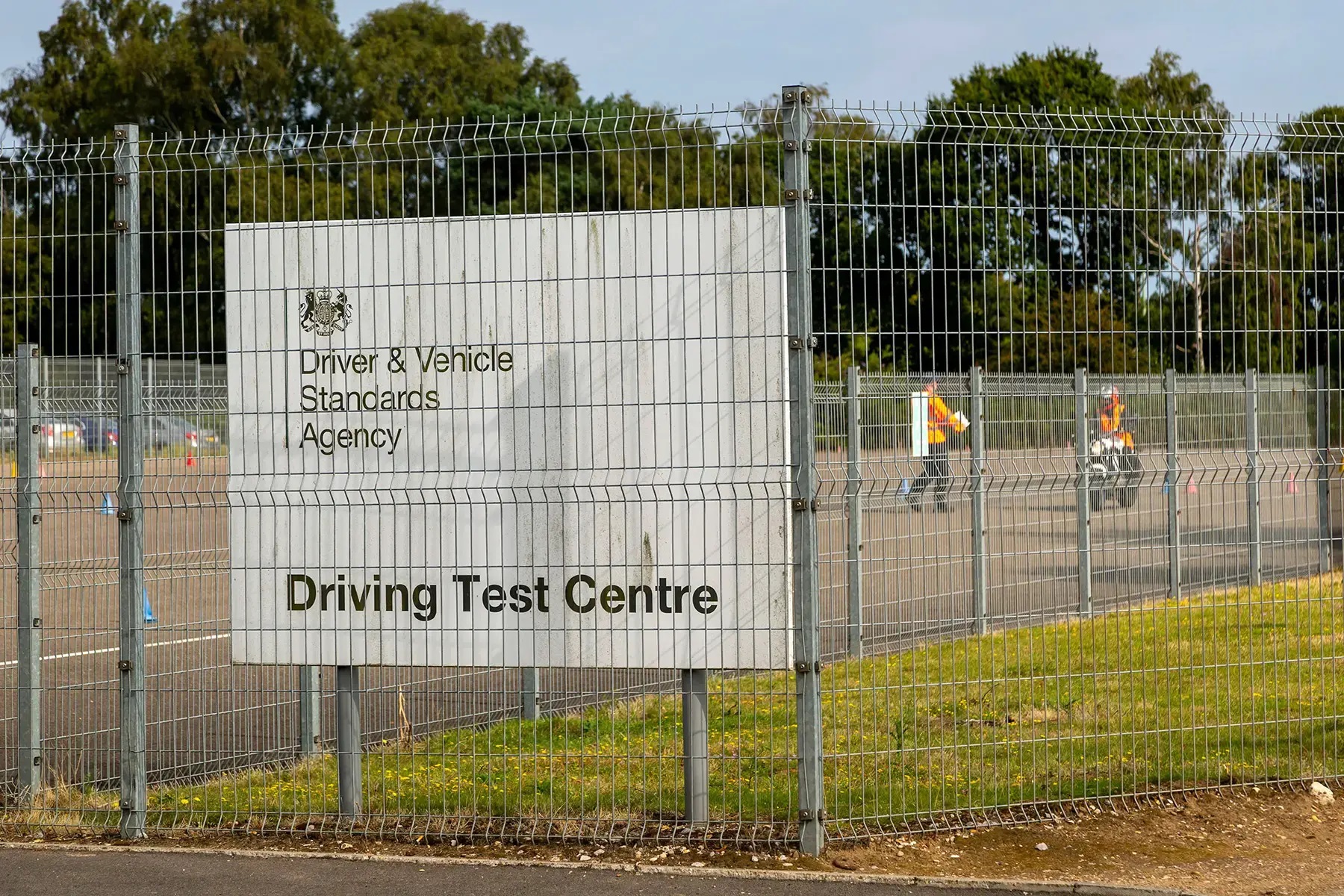
After You Pass Your Test (getting Your Full Licence)
What you’ll get here:what usually happens immediately after passing, plus the one rule that surprises new drivers.
Passing your practical test is the moment many people expect paperwork to begin - but most of it is handled for you.
What Usually Happens At The End Of The Practical Test
GOV.UK says that when you pass, DVLA will usuallysend your full licence automatically. The examiner will take your provisional photocard, give you a pass certificate, and arrange for DVLA to send the full licence. GOV.UK also states you can start driving as soon as you’ve passed.
New Drivers: The “6 Points In 2 Years” Rule
This catches people out because it’s stricter than most expect.
GOV.UK states your licence will be revokedif you get 6 or more penalty points within 2 yearsof passing your test.
Takeaway:After you pass, DVLA usually handles the switch to a full licence - then your focus shifts to staying clean on points in those first two years.
Other Common Licence Tasks
What you’ll get here:the correct official links for the tasks people often need in Edinburgh after they’ve already got a licence.
If you’re not applying for your first provisional, the best place to start is still the official task list: Driving licences (GOV.UK).
Quick fees for common changes (Data as of March 2026 - check the latest official guidance):
| What you’re changing | Typical fee |
| Address only | Free |
| Name/title/gender | Free |
| Photo only | £14 online / £17 by post |
| Photo + address | £14 online / £17 by post |
| Photo + name | £17 by post |
Renewing (photocard)
Photocard licences are generally valid for 10 years, and renewing an expired driving licence costs £14 onlineor £17 by post. (Data as of March 2026 - check the latest official guidance.) Use: Driving licence fees (GOV.UK) and Renew your driving licence (GOV.UK).
GOV.UK says your new licence will be valid from the date DVLA approves your renewal (not from your old expiry date).
Replacing A Lost/stolen Licence
Replacing a lost, stolen, damaged or destroyed licence costs £20. (Data as of March 2026 - check the latest official guidance.) Use: Replace a driving licence (GOV.UK).
Changing Address/name
- Change address:free, and GOV.UK notes you can be fined up to £1,000if you do not tell DVLA when your address changes. (Data as of March 2026 - check the latest official guidance.)
- Change name/title/gender:free, using form D1 and original supporting documents.
Exchanging A Non-GB Licence (only If Relevant)
If you hold a non-GB licence, GOV.UK has an official tool to check whether and how you can exchange it for a British licence (Great Britain includes Scotland). Use: Exchange a non-GB driving licence (GOV.UK).
Checking Your Licence Online (and Getting A Check Code)
If you need to show your driving details to someone (for example, a car hire company or employer), you can view your driving licence information online and generate a check code. GOV.UK says check codes are valid for 21 days.
If you already have a provisional licence: You can renew it, replace it, change your address, or reapply in certain situations (for example, after disqualification) - GOV.UK lists the correct tasks here: Driving licences (GOV.UK).
Takeaway:Most “life admin” licence jobs have a single official GOV.UK task - use those, and you avoid delays and extra fees.
Frequently Asked Questions
How Do You Get A Driving License In Edinburgh?
You apply to DVLA for a provisional licence, then pass the theory and practical tests. After passing, DVLA usually sends your full licence automatically.
Is The Edinburgh Driving License Application Process Different From The Rest Of Scotland?
No. Edinburgh uses the same DVLA process as the rest of Great Britain (England, Scotland, and Wales).
How Do I Apply For A Provisional Licence Online?
Use the official service: Apply for your first provisional driving licenceon GOV.UK. You’ll sign in and follow the steps on screen.
How Much Does A First Provisional Licence Cost?
£34 online or £43 by post. Data as of March 2026 (check the latest official guidance).
What’s The Earliest Age I Can Apply?
You can apply at 15 years and 9 months. Data as of March 2026 (check the latest official guidance).
What Residency Requirement Applies?
GOV.UK states you must have permission to live in Great Britain for at least 185 days.
Where Do I Get The D1 Form In Edinburgh?
GOV.UK says form D1 is available from most Post Offices(or you can order DVLA forms). Data as of March 2026 (check the latest official guidance).
How Do I Track My Driving Licence Application?
If you applied online, use the GOV.UK tracking service with your reference number. If you applied by post, GOV.UK advises contacting DVLA.
How Long Does DVLA Take To Send The Licence?
GOV.UK says you’ll normally get your licence within a weekof completing an online application, but it can take longer if extra checks are needed.
How Do I Renew An Expired Photocard Licence?
Renewing an expired driving licence costs £14 onlineor £17 by post.
How Do I Replace A Lost Or Stolen Licence?
Use the GOV.UK replacement service. A replacement licence costs £20.
How Do I Change My Address On My Licence?
Update your driving licence address online for free. GOV.UK says you can be fined up to £1,000if you do not tell DVLA when your address changes.
How Do I Change My Name On My Driving Licence?
GOV.UK says you complete form D1 and send it with your current licence and original supporting documents. There is no fee for changing name or gender.
How Quickly Can I Get A Full Licence After Passing?
GOV.UK says you can start driving as soon as you’ve passed, and DVLA will usually send your full licence automatically.
How Long Is The Waiting List For A Driving Test In Edinburgh?
It varies. A UK Parliament written answer reported a year-to-date average of 24 weeksat Edinburgh (Currie) in July 2025. Data as of July 2025 (check current availability through the official DVSA booking service).
What Are The 2026 Driving Test Booking Rule Changes?
GOV.UK says car test bookings will allow only 2 changesfrom 31 March 2026, and later in spring 2026 only learners can book/manage tests, with moves limited to nearby centres.
Final Words
If you remember just three things, you’ll avoid most of the stress: use the correct GOV.UK task, match the application method to your identity documents, and keep your address history handy before you start. From there, everything else becomes a set of small, manageable steps.
If you know someone who’s just arrived in Edinburgh and is staring at GOV.UK with that “where do I even begin?” feeling - share this with them. It’s one of those little bits of local kindness that genuinely helps.
Jump to
Getting Your Driving Licence In Edinburgh
Edinburgh Driving License Application Process (start Here)
Before You Apply
Applying For Your First Provisional Licence
Checking Progress
What You Can Do Once Your Provisional Arrives
After You Pass Your Test (getting Your Full Licence)
Other Common Licence Tasks
Frequently Asked Questions
Final Words

Callum Fraser
Author
Callum Fraser isn't just a writer about Scotland; he's a product of its rugged landscape and rich history. Born and raised in Perthshire, with the Highlands as his backyard, his love for the nation's stories was kindled by local storytellers and long walks through ancient glens.
This passion led him to pursue a degree in Scottish History from the University of Edinburgh. For over 15 years, Callum has dedicated himself to exploring and documenting his homeland, fusing his academic knowledge with essential, on-the-ground experience gained from charting road trips through the Cairngorms, hiking the misty Cuillins of Skye, and uncovering the secrets of traditional recipes in his family's kitchen.
As the Editor-in-Chief and Lead Author for Scotland's Enchanting Kingdom, Callum's mission is simple: to be your most trusted guide. He combines meticulous research with a storyteller's heart to help you discover the authentic magic of Scotland — from its best-kept travel secrets to its most cherished traditional recipes.
Latest Articles
Popular Articles