50+ Historic Sites In Scotland: Castles, Stones, Abbeys, & Towns
Scotland is home to thousands of historical sites and attractions. Get the list of best Historic Sites Scotland: Castles, ruins, Abbeys, & hidden Pictish gems.
Author:Callum FraserDec 15, 202529.9K Shares598.9K Views
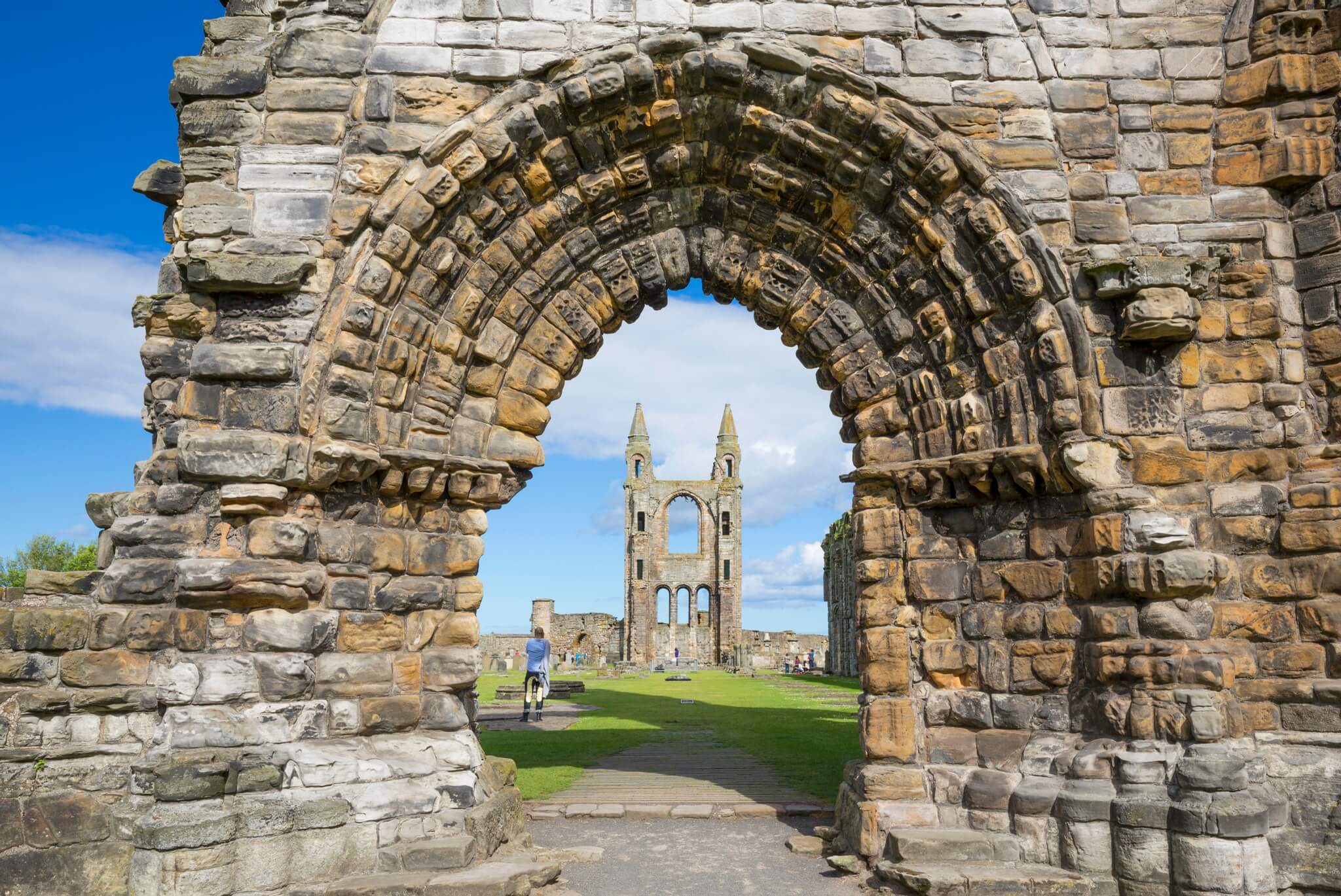
Historic Attractions In Scotland - Bookings, Passes & Local Tips
Scotland holds more than 30,000listed buildings and monuments-enough history to make your head spin the moment you start planning. You want castles, you want drama… but with hundreds of choices, where do you even begin?
I have personally tested both the most popular destinations and the lesser-known treasures, then crafted them into effective itineraries. This ensures your trip has no guesswork, no stressful detours, and no regrets.
What follows isn’t a dump of names. It’s a clear, flexible plan-grouped by the kind of place you love-so you can stitch together fortresses, ancient stone circles, and sacred ruins into a trip that sings. By the end, you’ll know what to book, what to wander, and why each stop matters to the Scottish story.
Scotland Historical Sites: Map & Regions
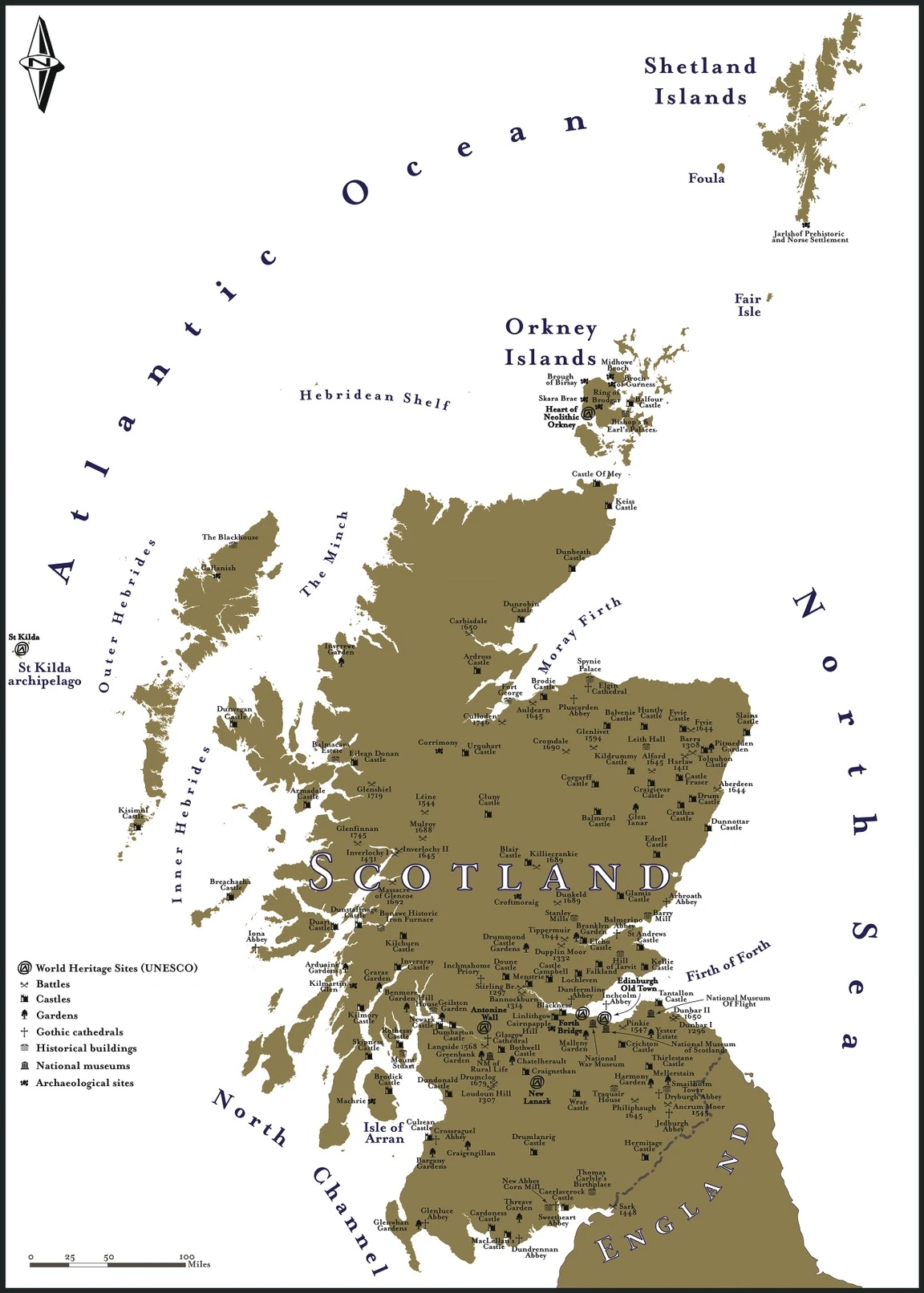
- Central Belt hub:Edinburgh/Glasgow for Old & New Towns of Edinburgh, Edinburgh Castle, Stirling Castle, The Forth Bridge, Wallace Monument, and easy access to the Antonine Wall.
- East Coast swing:St Andrews Cathedral, Arbroath Abbey, Dunnottar Castle.
- Highlands arc:Urquhart Castle on Loch Ness, Culloden Battlefield, Glenfinnan Monument & Viaduct.
- Islands & Argyll:Iona Abbey, Calanais Standing Stones, Kilmartin Glen, St Kilda (expedition only; weather dependent).
Quick planner tip:Book timed entries first (e.g., Edinburgh, Stirling, Urquhart, Rosslyn, Maeshowe), then fill the day with open-access stops (rings, viewpoints) around those anchor times.
Build your plan around one city base and one “wild” base (e.g., Edinburgh + Orkney/Highlands), then cluster nearby sites to cut drive time. Start with Euan’s Guide “Castles & Battlefields Accessible Highlights,” then double-check each site’s official page for surface/steps info.
World Heritage Sites In Scotland
1. Old & New Towns Of Edinburgh
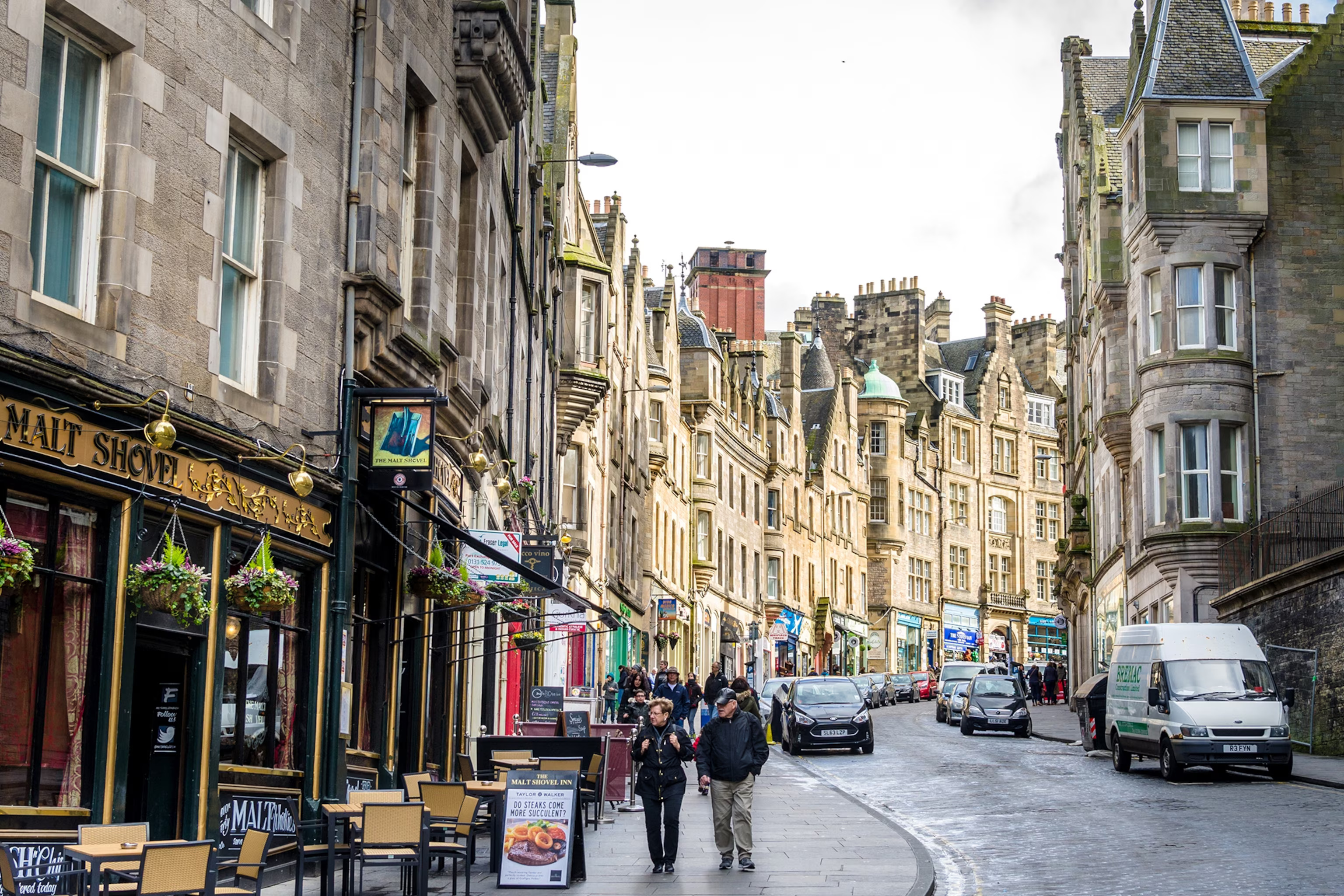
Walk the Royal Mile’s medieval spine, then step onto George Street’s Georgian grid-the contrastis exactly what UNESCO protects here: two urban ideals divided by a landscaped valley and a skyline of spires and domes.
For a compact circuit, start at the Castle Esplanade, thread down Advocates Close for that postcard view, then cross Princes Street Gardens to explore the neat crescents of the New Town. The listing cites the site’s remarkable integrity-layout, views, and townscape still read clearly today.
- Practical tips:Museums and interiors are sprinkled across both halves; in poor weather, pivot indoors to Gladstone’s Land or the Georgian House without losing the story.
- UNESCO quick-fact:Inscribed 1995; criteria (ii)(iv) for outstanding layered urban planning and landscape setting.
2. Heart Of Neolithic Orkney
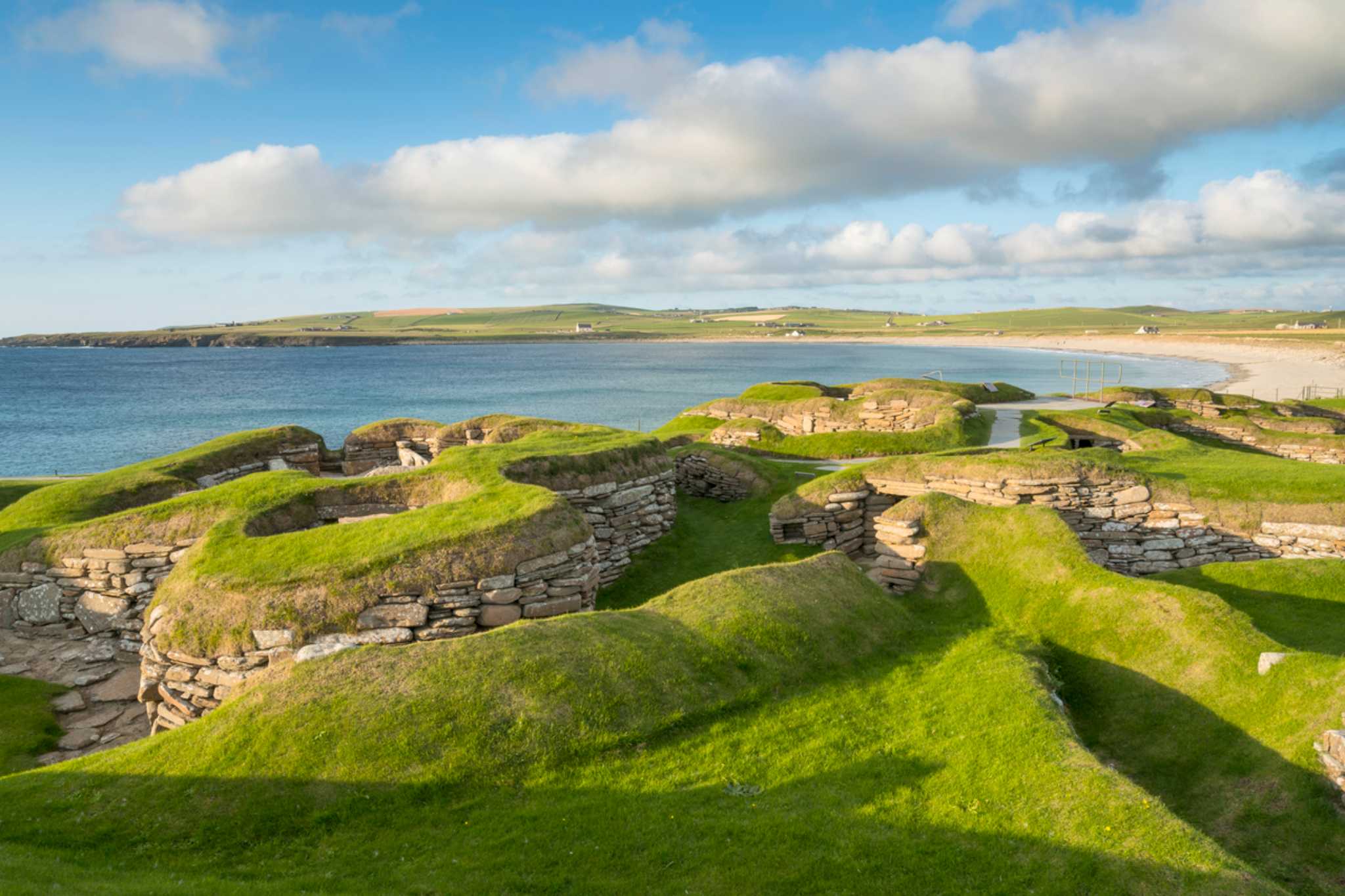
The Heart of Neolithic Orkney is a testament to the skill and culture of prehistoric people who began building stone monuments around 5,000 years ago. This UNESCO World Heritage Site, recognized since 1999, showcases an outstanding example of early ceremonial architecture, illustrating a significant stage in human history.
It comprises four major sites near Stromness on the Orkney Mainland: Skara Brae, Maeshowe, the Stones of Stenness, and the Ring of Brodgar. These surviving monuments offer incredible insights into the lives of the people who built them, and visiting them in person allows for a true appreciation of the ancient landscape and a chance to imagine their daily use millennia ago.
Book Maeshowe (guided access only) and expect a shuttle from the visitor centre; Skara Brae benefits from timed entry in peak months. For light and solitude, try Brodgar near sunrise or after 7pm in summer.
- Pro tip:Orkney weather is changeable; keep the rings “floating” in your plan and lock Skara Brae/Maeshowe times first.
- UNESCO quick-fact:Inscribed 1999; criteria (i)(ii)(iii)(iv) for an exceptional Neolithic ceremonial landscape.
- Visitor alert:Calanais (different site, Lewis) Visitor Centre is closed for redevelopment until 2026; stones remain open but services (incl. toilets) may be unavailable. Plan accordingly.
3. St Kilda
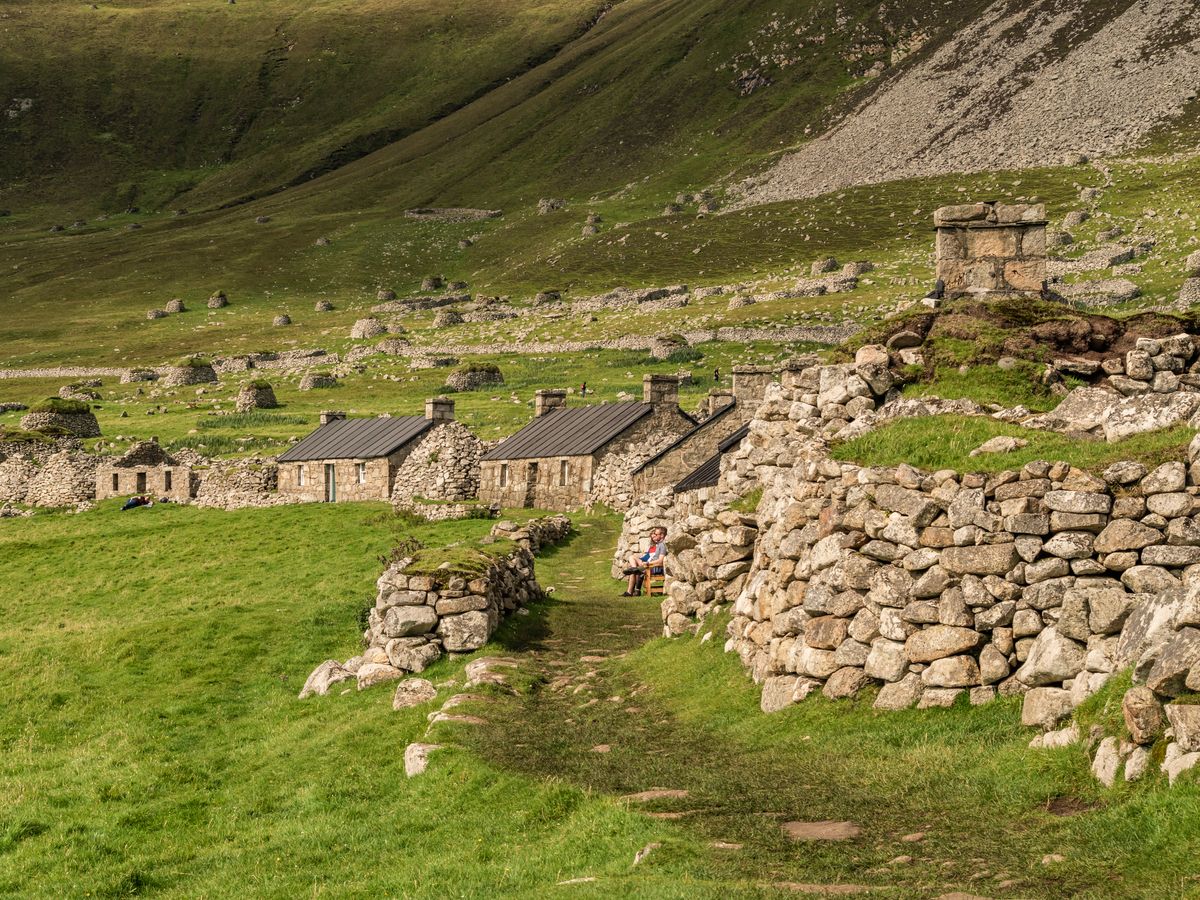
The UK’s only dual(cultural + natural) World Heritage Site sits beyond the Hebrides, reached on summer boat trips that run only when the Atlantic allows. The abandoned village street, cleits, and the roar of seabirds feel both intimate and immense. Expect long days, possible sea delays, and an experience that lingers for years.
- Pro tip:Operators cancel for swell-build a spare day on either side if this is your “trip-defining” goal.
- UNESCO quick-fact:Inscribed 1986 (natural), extended 2004/2005/2013 to include cultural attributes; criteria (iii)(vii)(ix)(x).
4. New Lanark
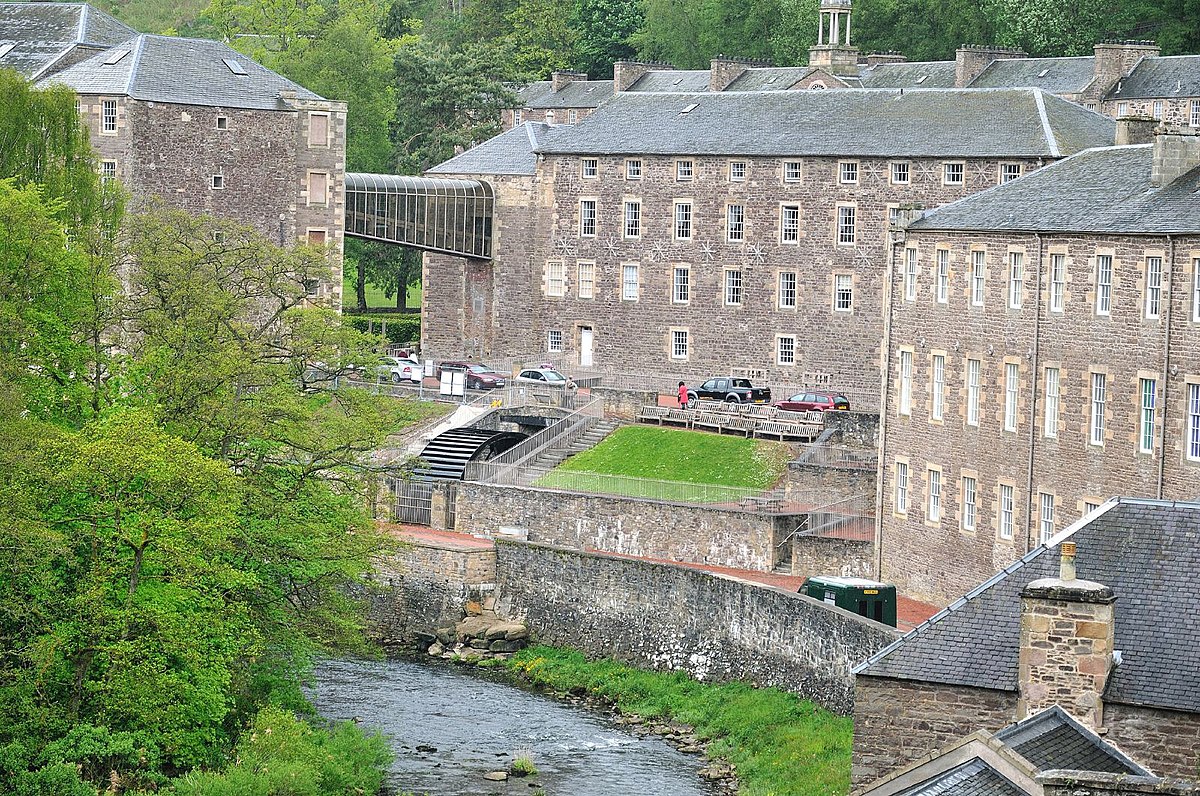
Robert Owen’s model villagepairs cotton mills with progressive education and housing-the inscription recognises a humane vision inside an industrial landscape. You can walk from the village to the Falls of Clydeon woodland paths, turning a history visit into a half-day escape.
- Planning note:Interiors, mill tech, and social history exhibits make this a great wet-weather pivot without losing depth.
- UNESCO quick-fact:Inscribed 2001; criteria (ii)(iv)(vi) for industrial heritage and early social reform.
5. Antonine Wall (Frontiers Of The Roman Empire)
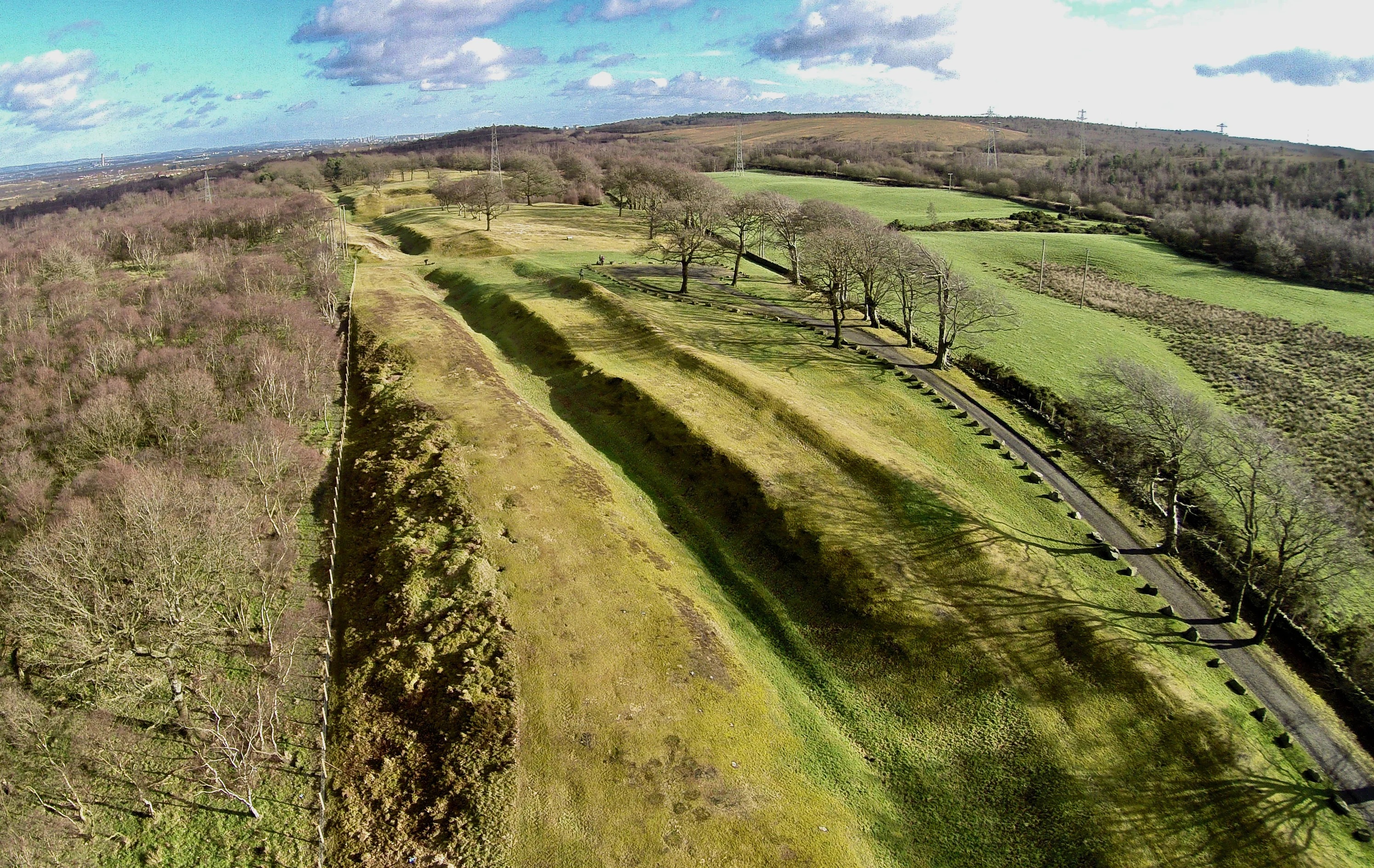
Rome’s northern frontierwasn’t stone but turf rampart and ditch, strung with forts and bathhouses from the Firth of Forth to the Clyde. It was built after AD 140, occupied for about a generation, then abandoned-so look for earthworks, lilia pits, and museum interpretation rather than a towering wall. For one stop, pick Rough Castle; for urban convenience, try Bearsden’s bathhouse.
- Family-friendly:Short, flat sections make for easy walks with plenty of imagination fuel.
- UNESCO quick-fact:Inscribed 2008 as part of “Frontiers of the Roman Empire”; criteria (ii)(iii)(iv).
6. The Forth Bridge
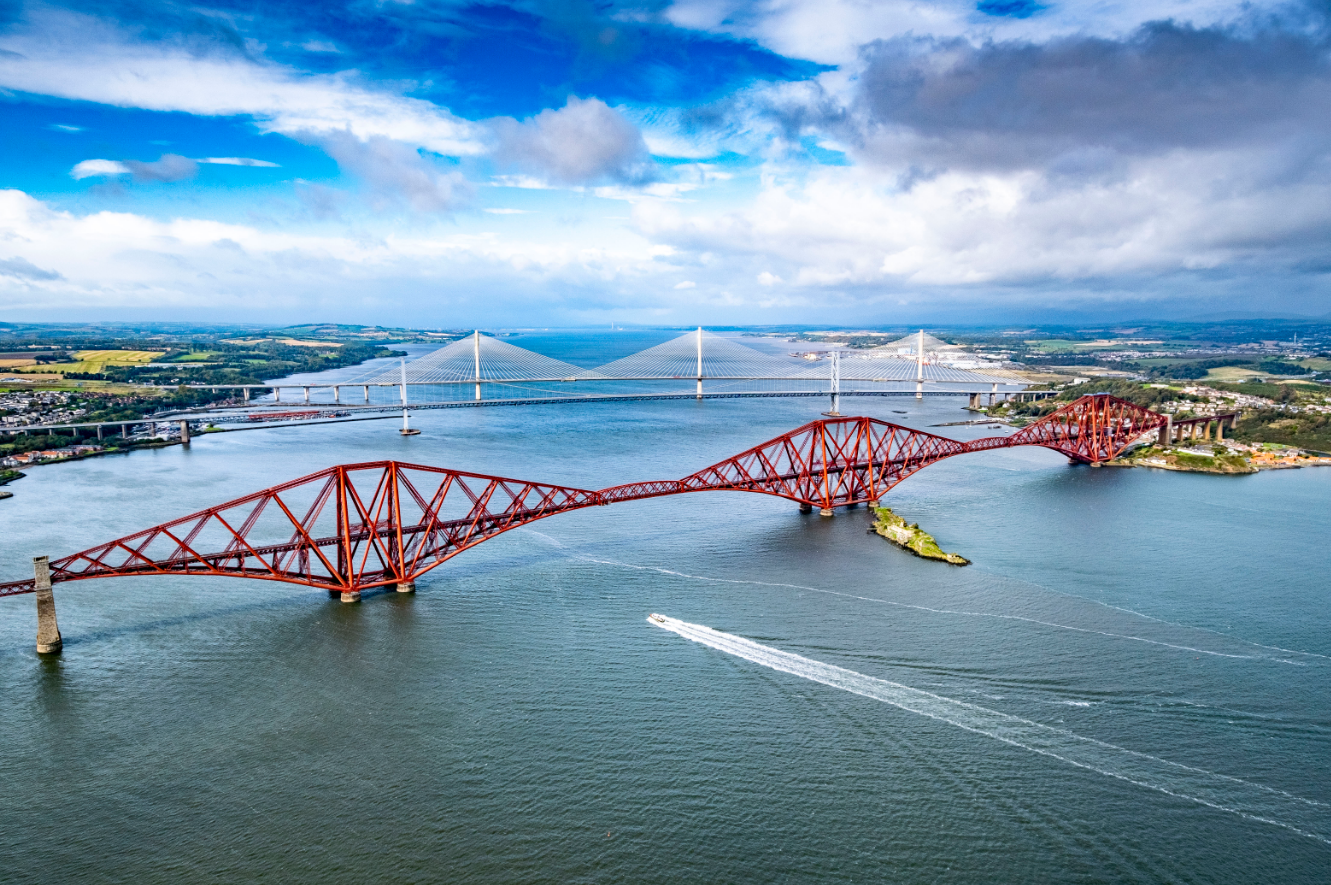
The Forth Bridgeis more than just a historical landmark; it is a continuously operating feat of Victorian engineering that remains essential to Scotland's rail network.
Completed in 1890, this iconic railway bridge was revolutionary for its time, employing the then-novel cantilever principle to cross the Firth of Forth. Its striking, industrial lattice-work spans 541 meters (1,775 feet) and still carries contemporary ScotRail passenger trains and freight lines, demonstrating its incredible structural longevity.
From the picturesque town of South Queensferry, the view of the bridge is exceptional. Watching a train glide across the massive red structure-a colour known as "Forth Bridge Red"-is often described as "pure engineering theatre." For the best viewing experience, plan your visit for sunset, which makes the iron lattice glow warmly.
- Nearby pairings:Add a riverside wander or hop a local train across for a different angle from North Queensferry.
- UNESCO quick-fact:Inscribed 2015; criteria (i)(iv) as a masterpiece of steel cantilever design still in daily passenger/freight use.
7. The Flow Country
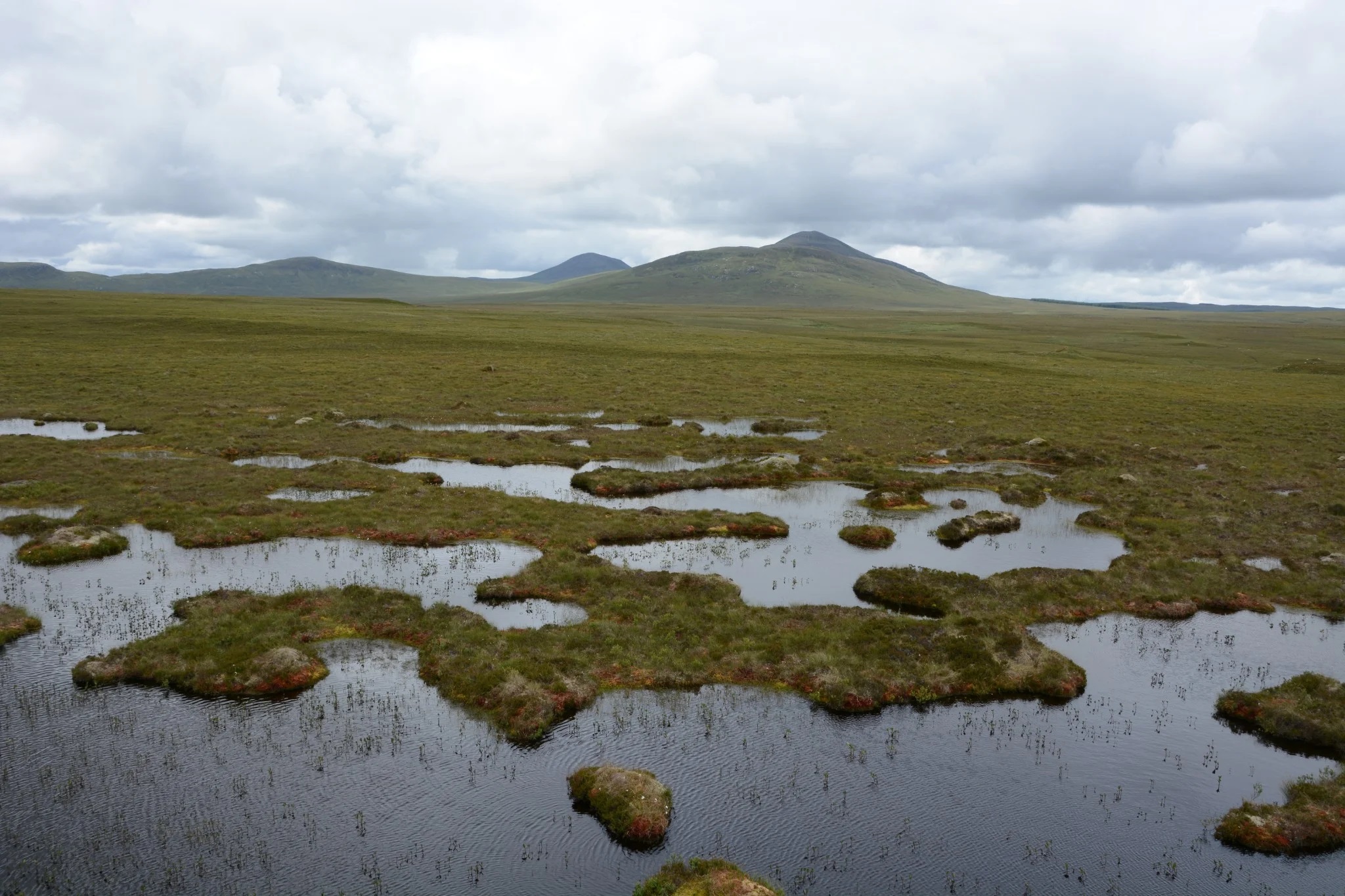
A living blanket bog the size of a small country: pools, peat hummocks, and skies that swallow you whole. This is the world’s first peatland World Heritage Site (inscribed July 2024) and Scotland’s first inscribed solely for natural criteria. Start at the RSPB Forsinard Flows centre for the Dubh-lochain boardwalk and lookout tower; keep to paths-boot prints and stray steps can scar peat.
- When it shines:Still, bright days reveal mirror-pools; windy days bring ripples and the call of waders.
- UNESCO quick-fact:Inscribed 2024; criteria (ix)(x) for globally significant active blanket bog ecosystems.
- Responsible visit:Stay on boardwalks-footprints damage peat and release stored carbon.
Historic Castles In Scotland
8. Edinburgh Castle
- Address:Castlehill, Edinburgh EH1 2NG, United Kingdom
- Built:11th century through to the 21st century
- Hours:Seasonal; typical winter hours around 09:30–16:00; timed entry recommended.
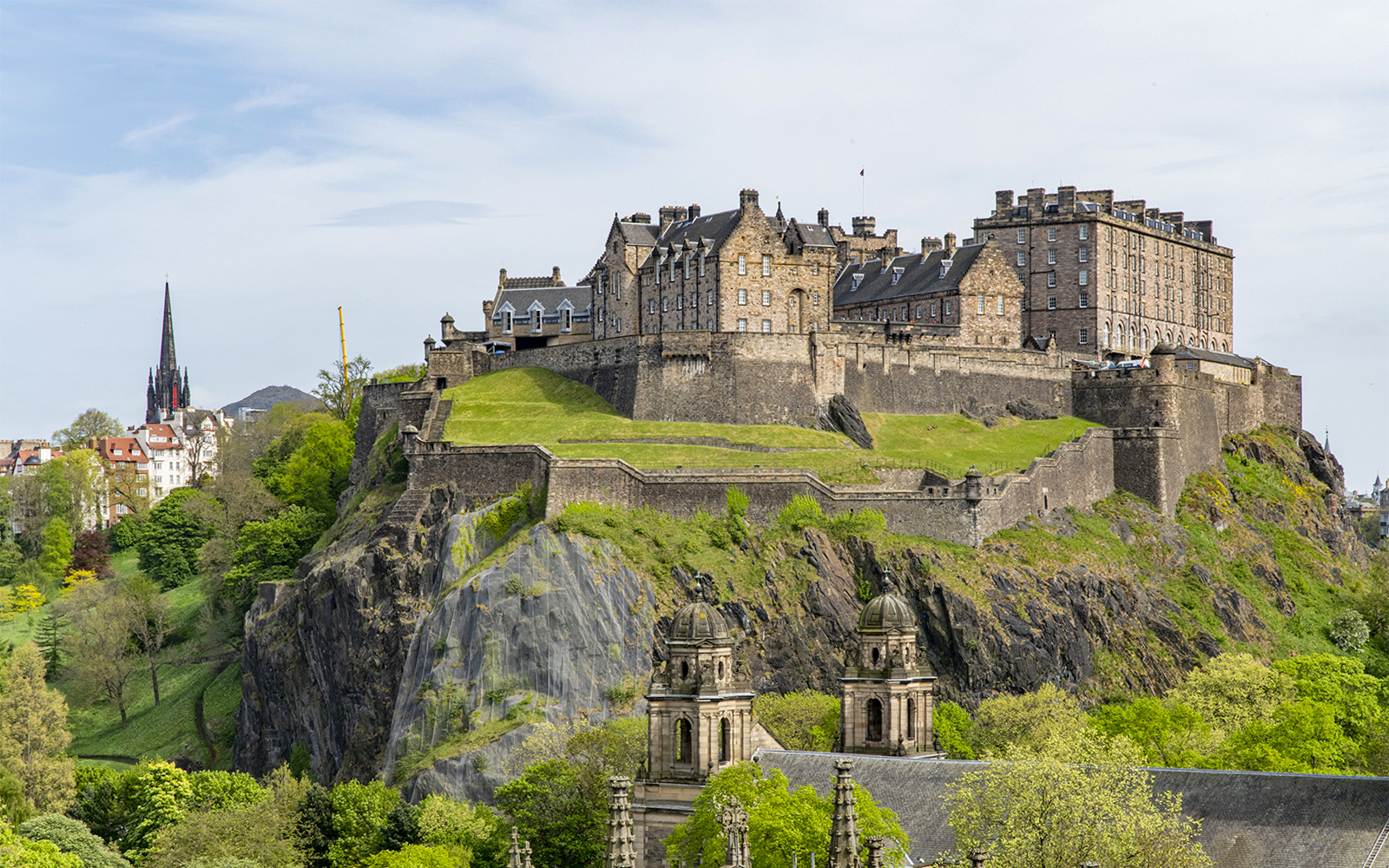
Edinburgh Castleis a historical castle in Edinburgh, Scotland. It stands on Castle Rock, which has been inhabited by people since at least the Iron Age.
The fortress holds the Honours of Scotland, Mons Meg, and the One o’Clock Gun. Timed entry is recommended year-round and essential in peak months; allow at least two hours for Crown Square, St Margaret’s Chapel, the Great Hall and the panoramas over the New Town.
Local flow:Enter early, head straight to the Crown Room to beat queues, then work back to the batteries for the views across the Forth.
Booking note:Advance booking is strongly advised in peak months to secure entry and preferred times.
9. Stirling Castle
- Address:Castle Wynd, Stirling FK8 1EJ, UK.
- Built:Largely 15th–16th centuries; Renaissance Royal Palace of James Vis the showpiece.
- Hours:Apr–Sep 09:30–18:00; Oct–Mar 09:30–17:00, last entry 45 mins before closing.
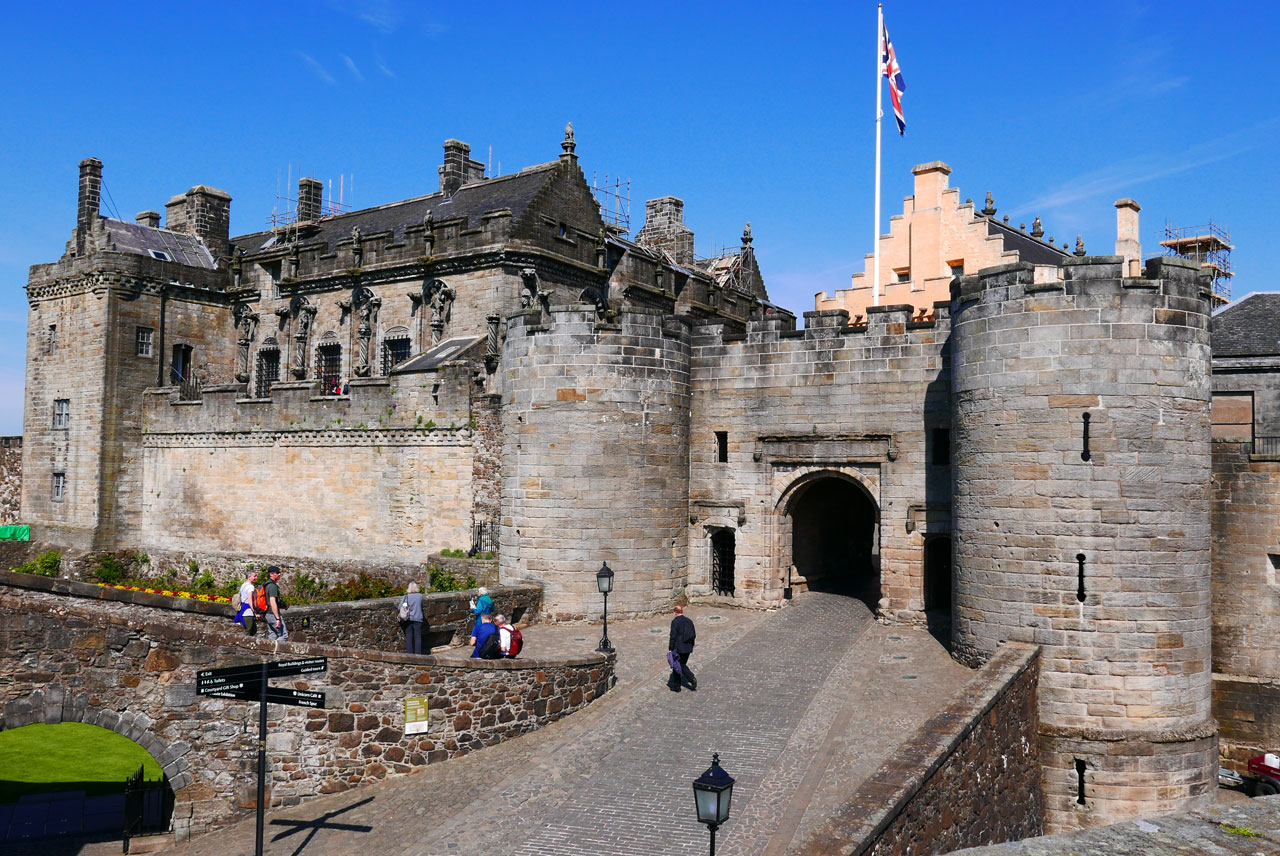
Often called the "key to Scotland," Stirling Castle holds immense strategic importance. Located on another craggy volcanic outcrop, the castle overlooks the crossing of the River Forth, making it vital during the Wars of Independence.
It was the preferred residence of the Stuart monarchs, where Mary, Queen of Scots was crowned. Its beautifully restored interiors, particularly the Royal Palace and the Great Hall, demonstrate the peak of Scottish Renaissance architecture and courtly life.
The official guide highlights the Royal Palace apartments and the Queen Anne Garden terrace for views across the Carse.
Pairing idea:Combine with the Wallace Monument across town for a full day of low driving and high viewpoints.
10. Urquhart Castle
- Address:By Drumnadrochit, near Inverness IV63 6XJ, UK.
- Built:Medieval stronghold with the Grant Towerlargely 16th centuryover earlier foundations.
- Hours:Seasonal; Apr–Aug often to 20:00, shorter in autumn/winter; book a timeslot(parking bays are time-limited).
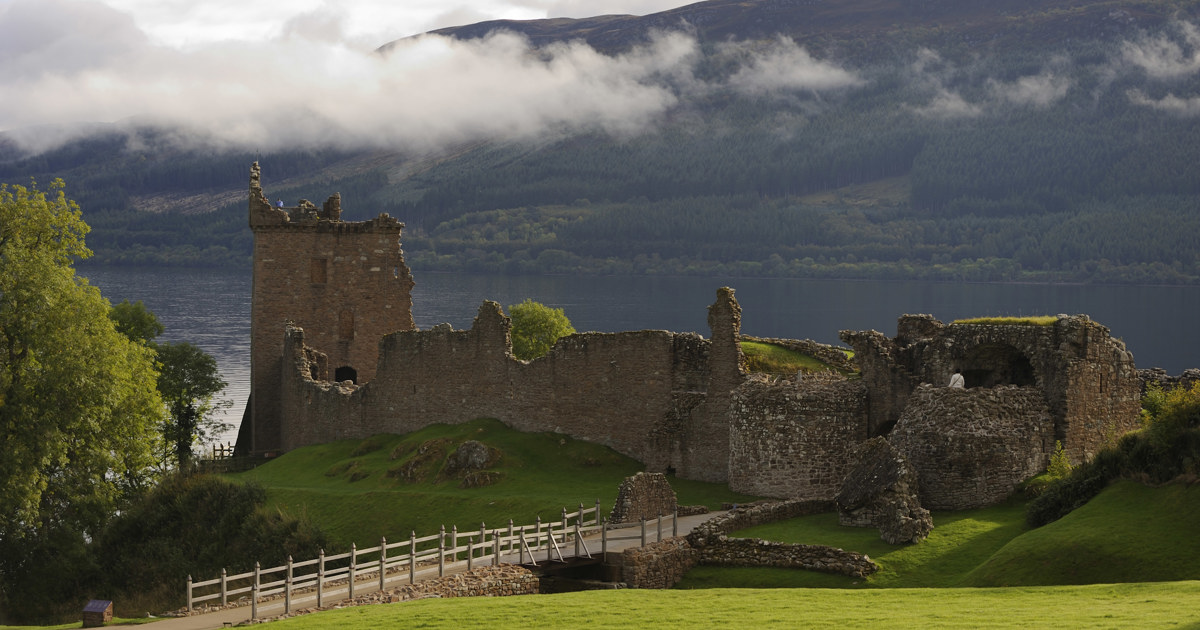
Few ruins are as romantically situated as Urquhart Castle, set dramatically on the banks of Loch Ness. Though largely ruined after being blown up in the 17th century to prevent its use by Jacobite forces, its extensive remains allow you to vividly imagine its medieval past. Its setting provides one of the best viewpoints for Nessie spotting, blending genuine history with local legend.
HES advises pre-booking (and car-park booking in peak periods). Arrive late afternoon for calmer light and space on the lawns.
Insider flow:If you can’t snag sunset, aim for the first entry-walk downhill to the shorefirst for photos looking back upto the ruins, then climb the Grant Towerwhen it’s quieter.
Booking note:Timed entry is recommended in summer; parking allocations may sell out.
11. Eilean Donan Castle

The Official Eilean Donan Castle Promotional Video
- Address:Dornie, Kyle of Lochalsh IV40 8DX, UK.
- Built:Reconstructed 1912–1932 on medieval foundations; iconic tri-loch setting at the confluence of Loch Duich, Loch Long and Loch Alsh.
- Hours:Seasonal; Mon-Sun: 10 am–3 pm; advance booking recommended in peak.
Perhaps the most recognized castle image globally, Eilean Donan Castlesits dramatically on a small tidal island where three sea lochs meet in the Highlands.
Though the current structure is a faithful 20th-century reconstruction of the original 13th-century fortress, its history is deeply intertwined with the Jacobite Rising, as the original castle was largely destroyed in 1719. Its stunning location makes it a quintessential stop for photographers and history enthusiasts alike.
Why go:Arguably Scotland’s most photographed castle-easy to pair with Skye. Aim for early/late light; mid-day coaches are common.
12. Doune Castle
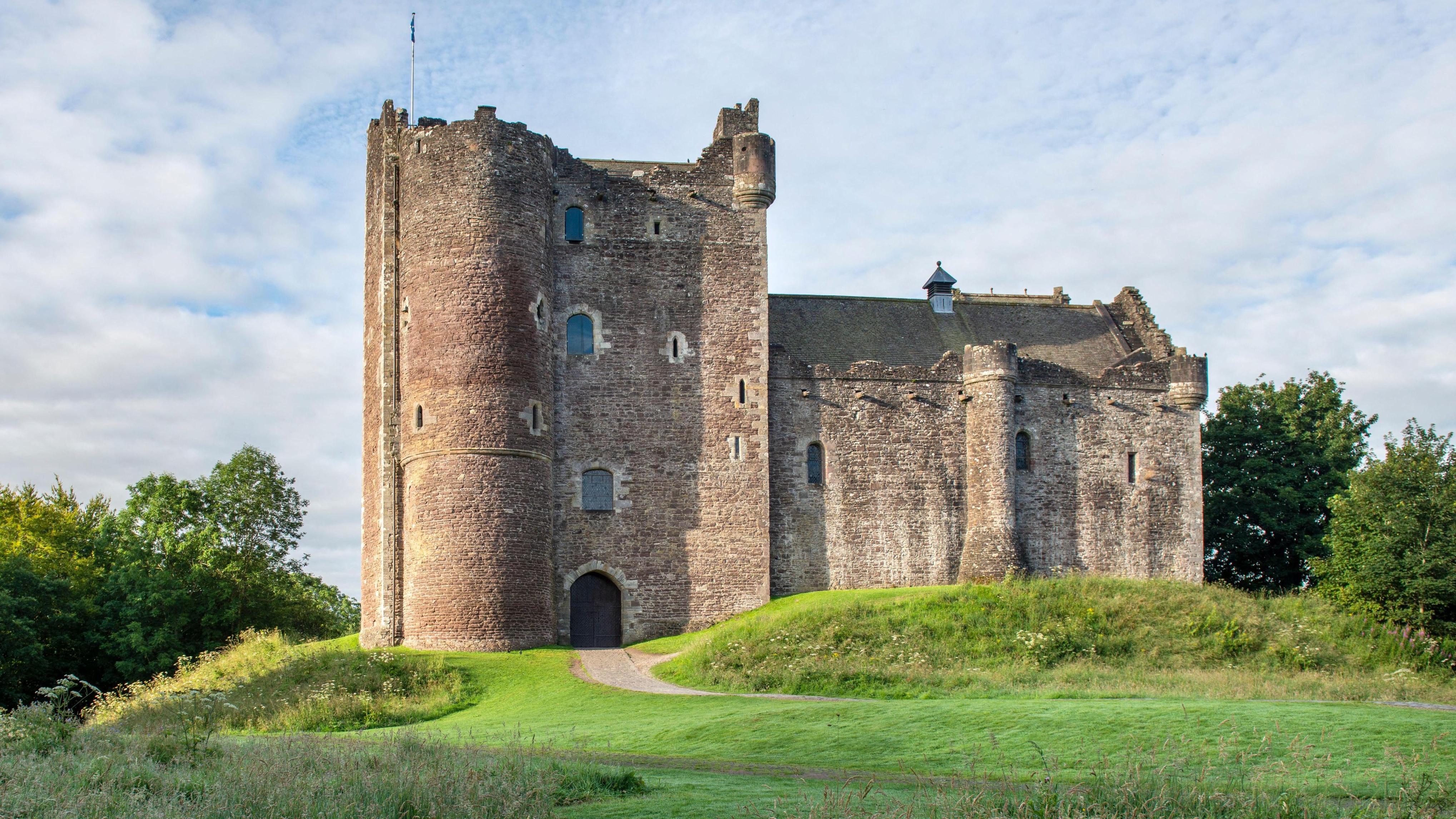
- Address:Castle Hill, Doune FK16 6EA, UK.
- Built:Late 14th century, residence of Robert Stewart, Duke of Albany; famed screen star.
- Hours:Seasonal(check before travel); Mon-Sun: 10 am–3:15 pm; advance bookingrecommended and parking is limited
A superbly preserved late 14th-century courtyard castle, Doune Castle is famous for its massive gatehouse and well-maintained great hall. While historically significant as the home of the Dukes of Albany, it is instantly recognizable to modern visitors due to its use as a key location in the television series Outlander(Castle Leoch) and in Monty Python and the Holy Grail.
Entry slots are pre-book only, and parking is limited; plan a stroll by the River Teith before or after.
Insider flow:Start on the rampartsfor context, then loop the Great Hall → Kitchen Tower. If you’re driving a campervan, use village parking-on-site bays are few.
Booking note:Pre-book only; on-site parking is very limited-use village options if bays are full.
13. Blair Castle
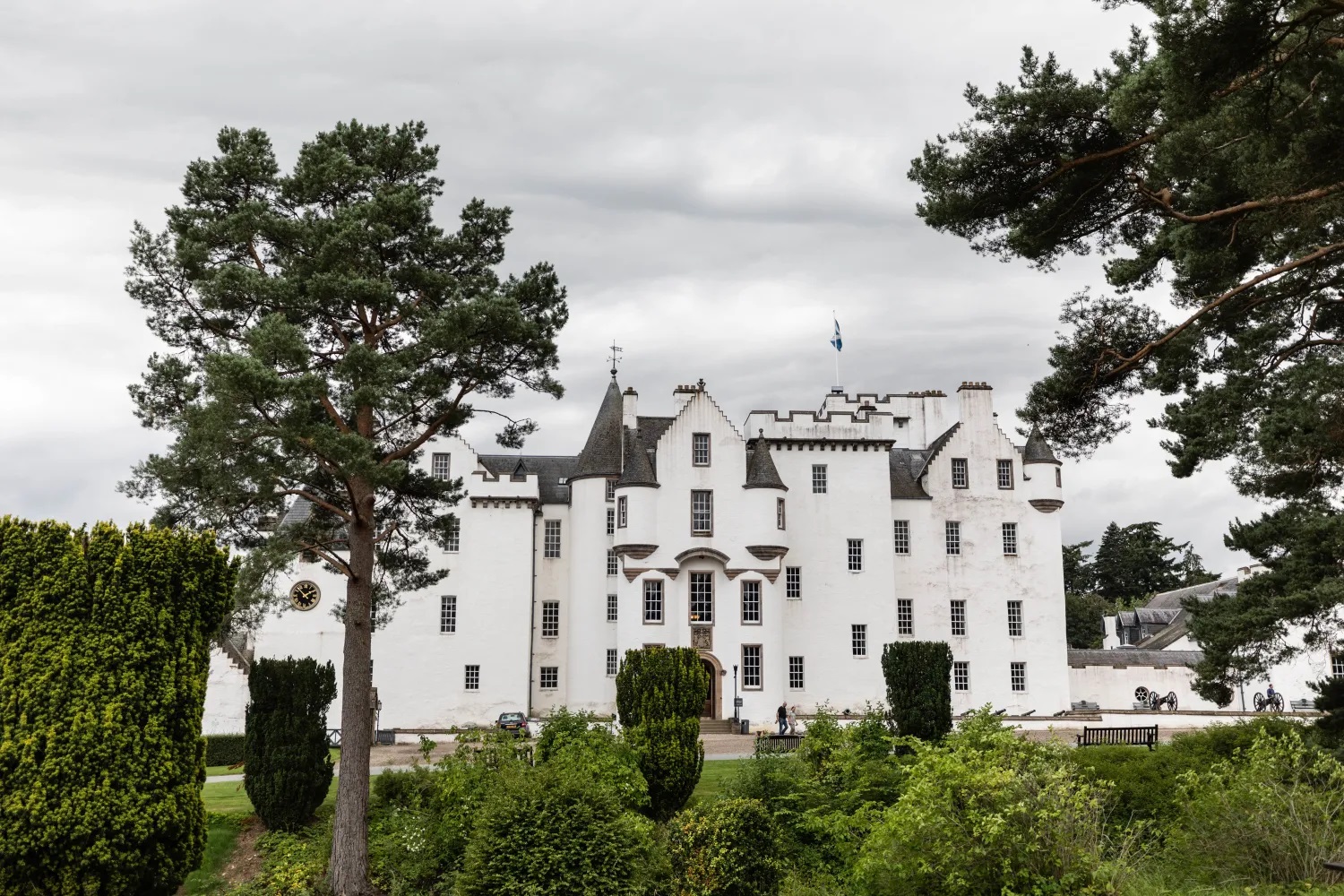
- Address:Blair Atholl, Pitlochry, Perthshire PH18 5TL, UK.
- Built:13th–19th centuries; ancestral seat of the Murrays of Atholl.
- Hours:Seasonal; see official page for current opening days.
Located in Perthshire in the Highlands, Blair Castle is a magnificent white-washed baronial stronghold, the ancestral home of the Dukes of Atholl. It stands out for housing the Atholl Highlanders, Europe's only remaining private army.
The castle offers visitors a glimpse into the life of the Scottish aristocracy, with extensive grounds and lavishly furnished rooms that span centuries of history.
The estate pages outline seasonal openings and gardens; give yourself time for the grounds as well as the armoury-rich rooms.
Insider flow:Time a visit with the Atholl Gatheringfor pipes, pageantry and athletics-book accommodation months ahead.
Note: Blair Castle & Gardens is closed and will reopen on April 1, 2026.
14. Dunnottar Castle
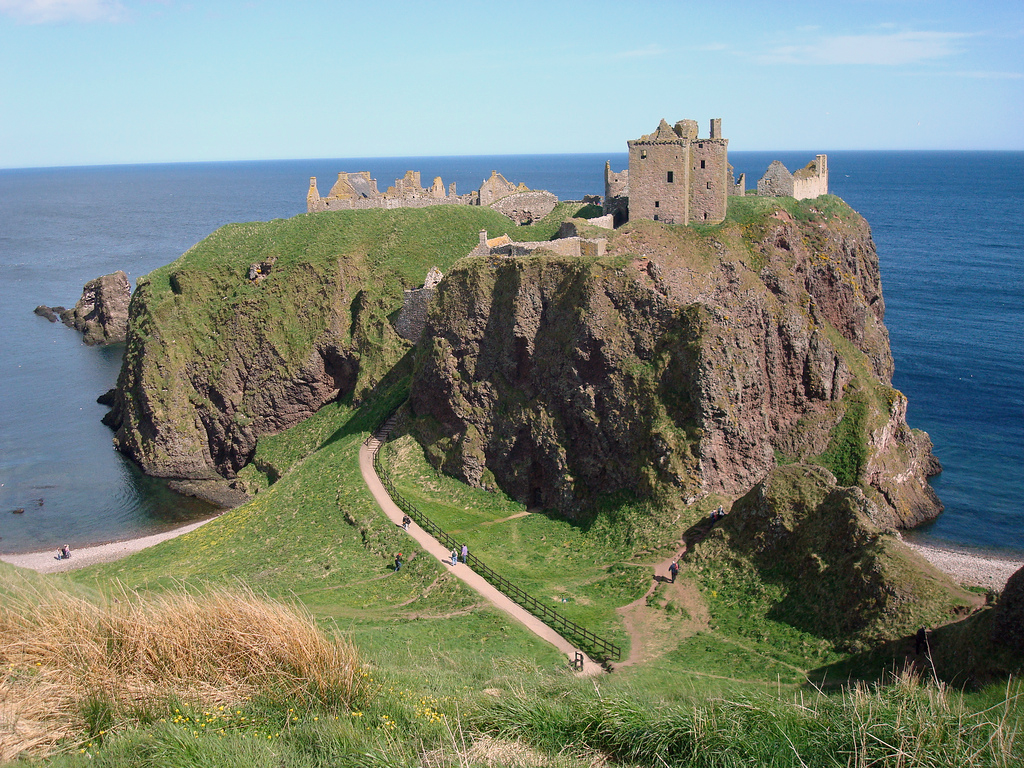
- Address:Dunnottar Castle, Stonehaven AB39 2TL, UK.
- Built:Buildings span 13th–17th centuries; famed for safeguarding the Honours of Scotlandduring Cromwell’s siege.
- Hours:Open Daily: 10:00 - 15:00; last entry 1 hour before closing.
The coastal ruin of Dunnottar Castleis one of Scotland's most breathtaking sights, dramatically situated on a secluded rocky headland overlooking the North Sea.
Near Stonehaven, this fortress is famed for its pivotal role in Scottish history: in the 17th century, a small garrison held out against Oliver Cromwell's army for eight months, successfully protecting the Scottish Crown Jewels (the Honours of Scotland) until they could be smuggled to safety.
Insider flow:Park at the A92 car park, photograph the castle from the clifftop viewpointfirst, then descend; carry windproof layers-gusts funnel across the headland.
15. Culzean Castle
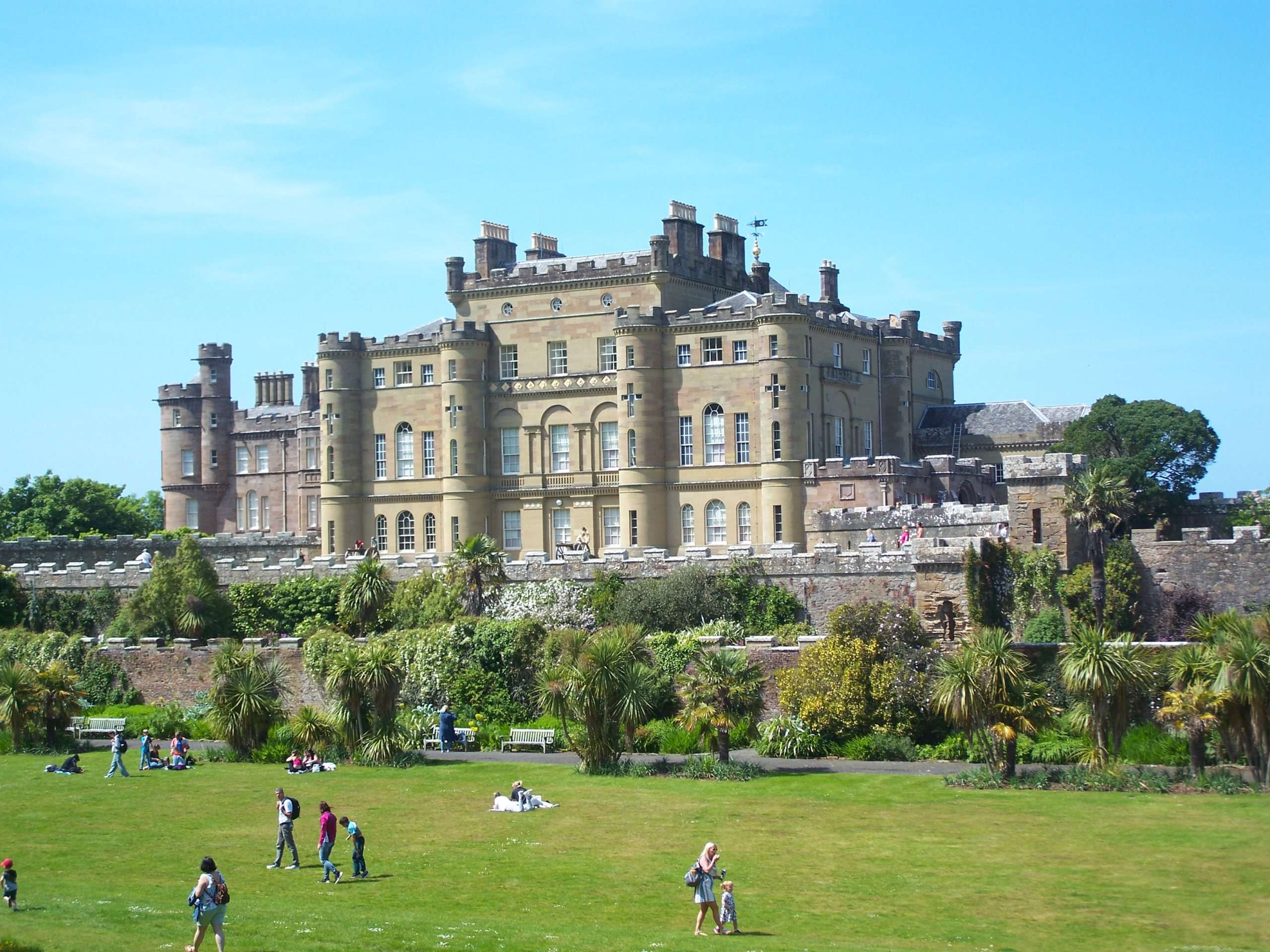
- Address:Silver Avenue, Maybole, South Ayrshire KA19 8LE, UK.
- Built:Re-designed by Robert Adam (1777–1792); clifftop masterpiece within a vast country park.
- Hours:Open Daily: 10:00 - 15:00; Country park open year-round; castle typically Apr–Octwith varied winter facilities.
A masterpiece of Robert Adam's architecture, Culzean Castle is an 18th-century clifftop mansion located in Ayrshire. While its history is more recent, it embodies grand aristocratic life.
Its cliff-edge setting is magnificent, and its interior features a dramatic elliptical staircase. The castle notably provided General Dwight D. Eisenhower with a private apartment for his use after World War II.
Insider flow:If you’re short on time, prioritise castle terraces → clifftop walk → Walled Garden; families love the Adventure Coveplay area.
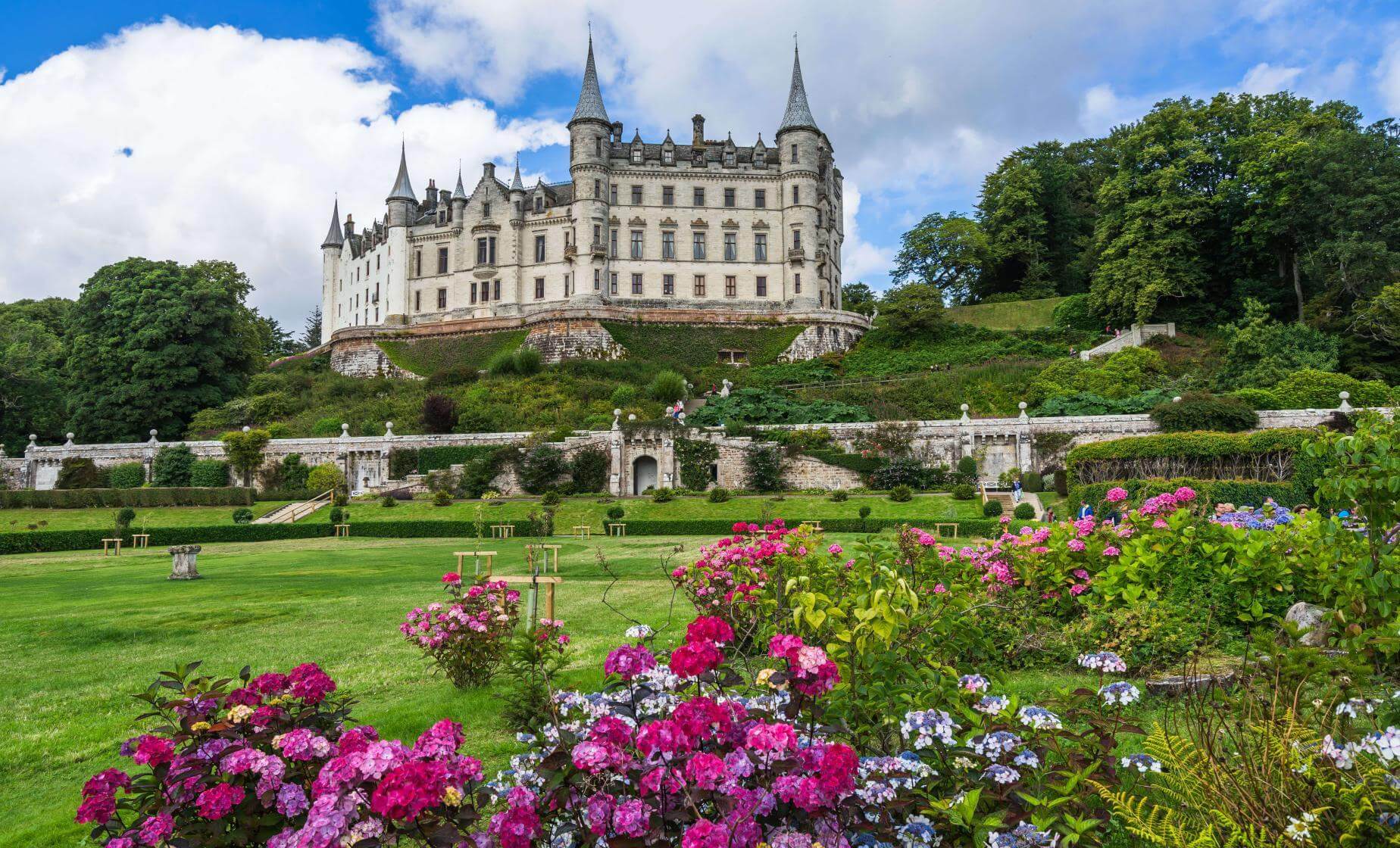
16. Dunrobin Castle
- Address:Golspie, Sutherland KW10 6SF, UK.
- Built:Medieval origins; Sir Charles Barryexpanded it 1835–1850into a French-inspired château; gardens formalised mid-19th c.
- Hours:Seasonal (Apr–Oct); verify exact dates before travel.
Located in Sutherland in the Northern Highlands, Dunrobin Castle is the most northerly of Scotland's great houses. Its fairytale appearance, with towering conical spires, owes much to French château architecture.
As the historic seat of the Earls and Dukes of Sutherland, the castle and its beautiful grounds, including impressive formal gardens, reflect a blend of Scottish and continental influence.
Insider flow:Aim for morning lighton the terrace gardens, then loop inside for the armoury and family rooms. (Falconry displays typically in season.)
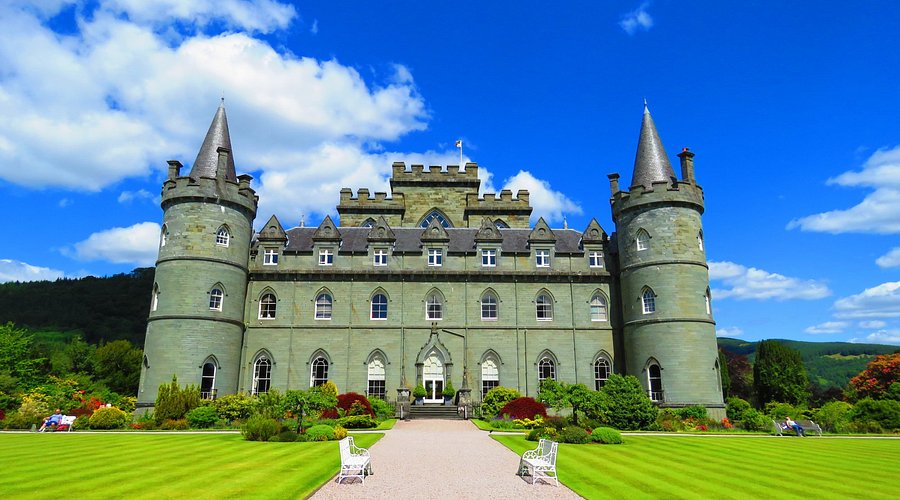
17. Inveraray Castle
- Address:Inveraray, Argyll PA32 8XE, UK.
- Built:Foundation stone 1746; designed by Roger Morris & William Adam, completed by Robert & James Adam; an early Gothic Revivalcountry house.
- Hours:Closed for the 2025 seasonwith reopening scheduled for 26 March 2026(castle & gardens).
The ancestral home of the Duke of Argyll, Chief of the Clan Campbell, Inveraray Castleis an imposing, turreted building sitting on the shore of Loch Fyne in Argyll. It is a stunning example of Gothic Revival architecture, though its origins date back to the mid-15th century.
The castle's public rooms, particularly the Armory Hall with its impressive display of weapons, offer a unique insight into clan history and power in the Highlands.
Insider flow:Combine with Argyll Forest Parkviewpoints; when the castle reopens, book ahead for early slots to enjoy the Armoury with fewer people.
Status update:Inveraray Castle & gardens reopen on 26 March 2026-plan town experiences (jail, waterfront) if visiting in 2025.
Also Check Out: Scotland Castles Map
Palaces & Historic Houses In Scotland
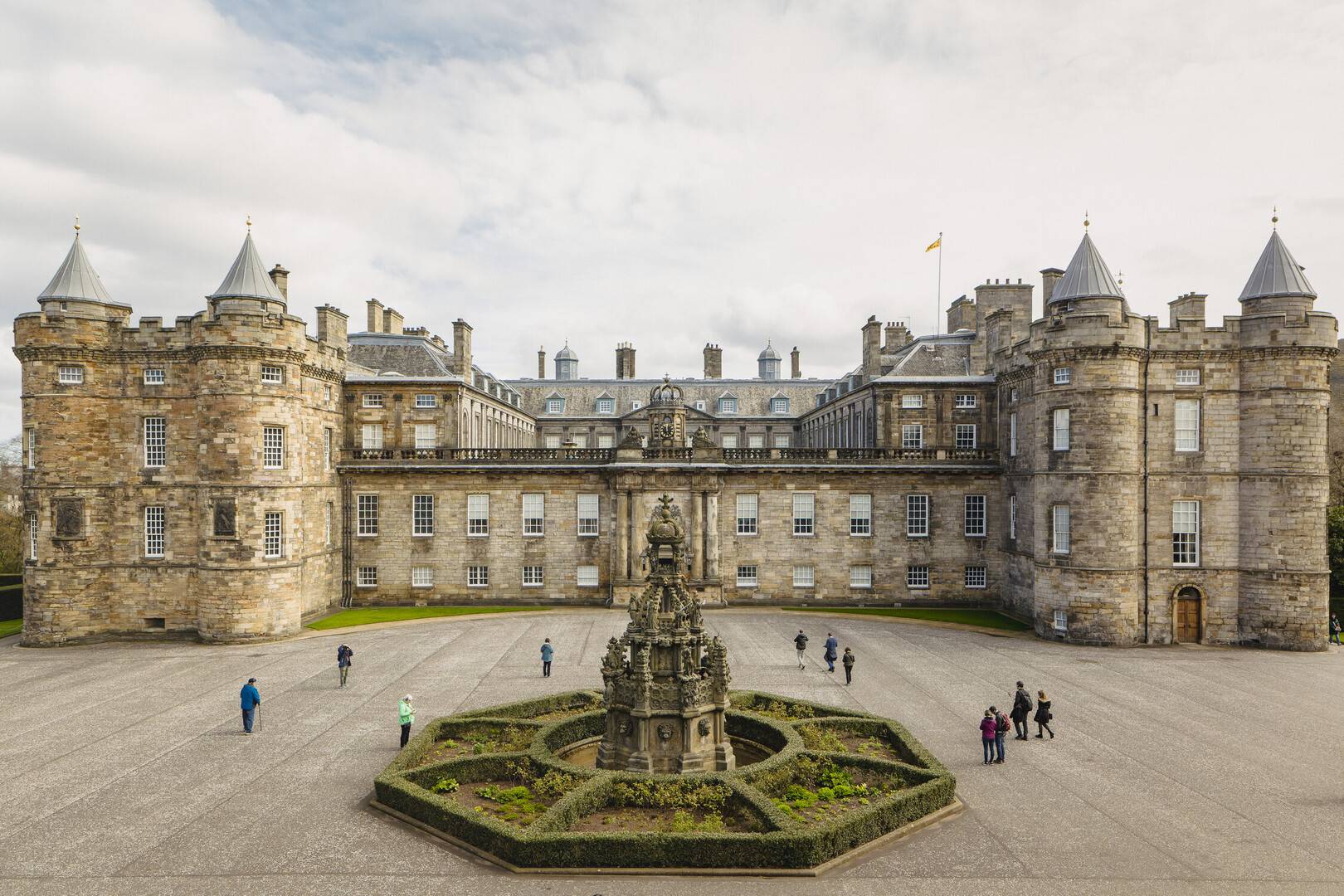
18. Palace Of Holyroodhouse (Holyrood Palace)
- Address:Canongate, The Royal Mile, Edinburgh EH8 8DX, UK.
- Hours:Open year-round; hours and ticketing vary by season.
- What not to miss:The State Apartments and Mary, Queen of Scots’ chambers.
Situated at the foot of Edinburgh's Royal Mile, the Palace of Holyroodhouse is the official residence of the monarch in Scotland. Its history is inextricably linked to major figures like Mary, Queen of Scots, whose tragic life played out within its historic apartments.
Visiting the palace provides a fascinating contrast to the defensive atmosphere of Edinburgh Castle, focusing instead on state ceremony and courtly drama.
Pro tip:I like to book the first slot, tour indoors while it’s quiet, then step into the ruins of Holyrood Abbey and finish in the Palace Gardens for photos.
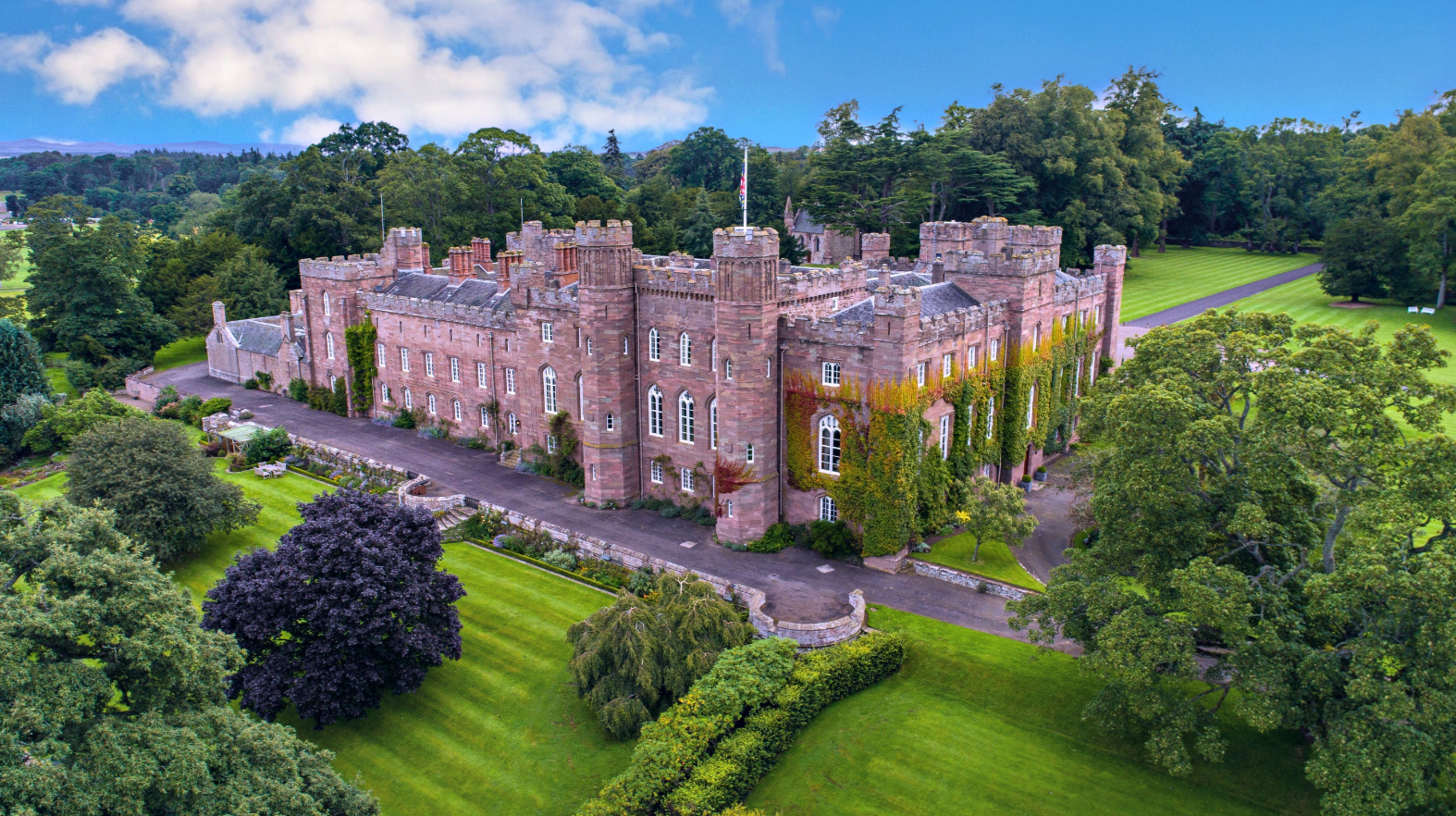
19. Scone Palace
- Address:Scone Palace, Perth, PH2 6BD.
- Hours:Seasonally open; recent schedule shows daily 10:00–17:30 in the main season (last entry 16:00).
- What not to miss:Moot Hill, State Rooms, and the pinetum and maze in the grounds.
Historically one of the most significant places in Scotland, Scone Palace was the ancient crowning place of the Scottish kings, including Robert the Bruce.
Though the current building is a grand Georgian palace, its grounds are sacred, as it once housed the original Stone of Destiny. It represents the spiritual and political legitimacy of the Scottish monarchy before they moved to the central Lowlands.
Historic note:Scone’s Moot Hill is central to Scotland’s coronation story and the Stone of Destiny tradition-one reason many travellers prioritise it.
Pro tip:Pair an indoor tour with a garden circuit; the light over the River Tay is gorgeous after 16:00 on clear days.
20. Culross Palace (Royal Burgh Of Culross)
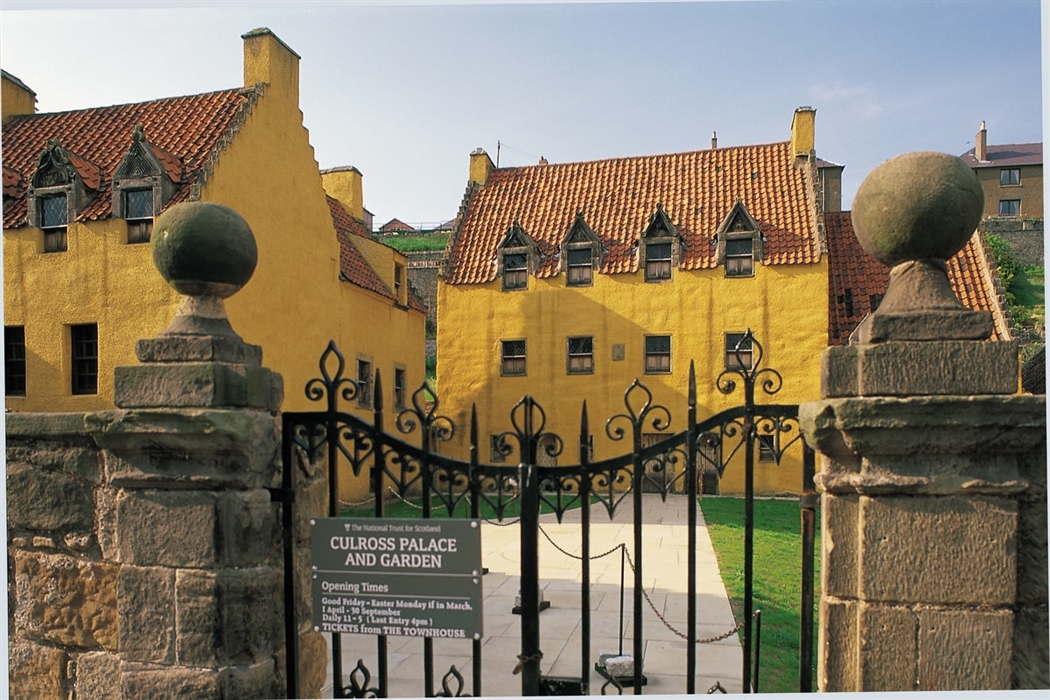
- Address:Culross, DunfermlineKY12 8JH.
- Hours:Typically 10:00–16:00 (seasonal opening; weekends in winter, daily in summer).
Located within the perfectly preserved 17th-century village of the Royal Burgh of Culross, the Culross Palace is a charming, yellow-harled building that is less a grand royal residence and more a successful merchant’s house.
This site offers a rare, detailed glimpse into the life of a wealthy trading family from the late Renaissance period and the structure of a thriving burgh.
Pro tip:Walk the stepped lanes above the palace; the ochre harling pops in soft afternoon light.
21. Gladstone’s Land (Edinburgh Townhouse Museum)
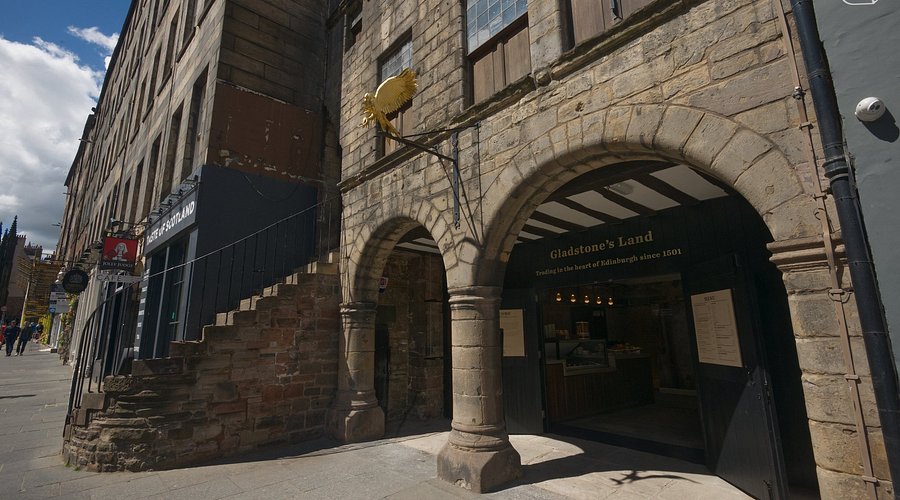
- Address: 477B Lawnmarket, Edinburgh EH1 2NT.
- Hours:Seasonal; summer typically 9:00–16:00 with a lunch closure; reduced winter hours.
For a powerful insight into the cramped, vertical life of 17th-century Edinburgh, Gladstone’s Land is essential. This historic townhouse on the Lawnmarket has been meticulously restored to showcase what life was like for the different social strata occupying a single city tenement building.
It allows visitors to step across three centuries of history, from the bottom floor shops to the cramped apartments above.
Pro tip:Arrive early, then continue down the Lawnmarket toward St Giles’ before the Royal Mile crowds thicken.
22. The Blackhouse, Arnol (Lewis)
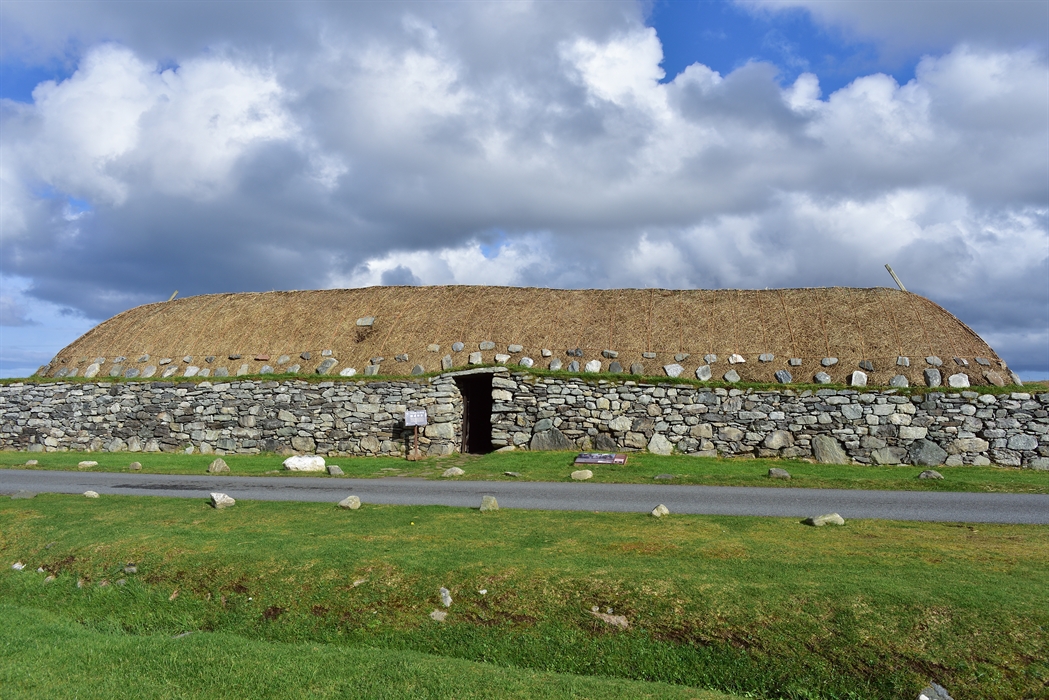
- Address: 42 Arnol, Bragar, Isle of LewisHS2 9DB.
- Hours:Seasonal; summer typically 10:00–16:00 with a lunch closure; reduced winter hours.
Moving far from the wealth of Edinburgh, The Blackhouse, Arnol on the Isle of Lewis offers a powerful, low-key look at social history.
This traditional, fully-furnished Lewis thatched house provides a tangible connection to the Gaelic-speaking communities of the recent past, illustrating a way of life where livestock and people shared the same roof for warmth and survival. It is a striking example of cultural heritage preservation.
Pro tip:Combine with Calanais Standing Stones and Dun Carloway for a compact Lewis heritage loop.
Abbeys, Cathedrals & Chapels
23. Rosslyn Chapel
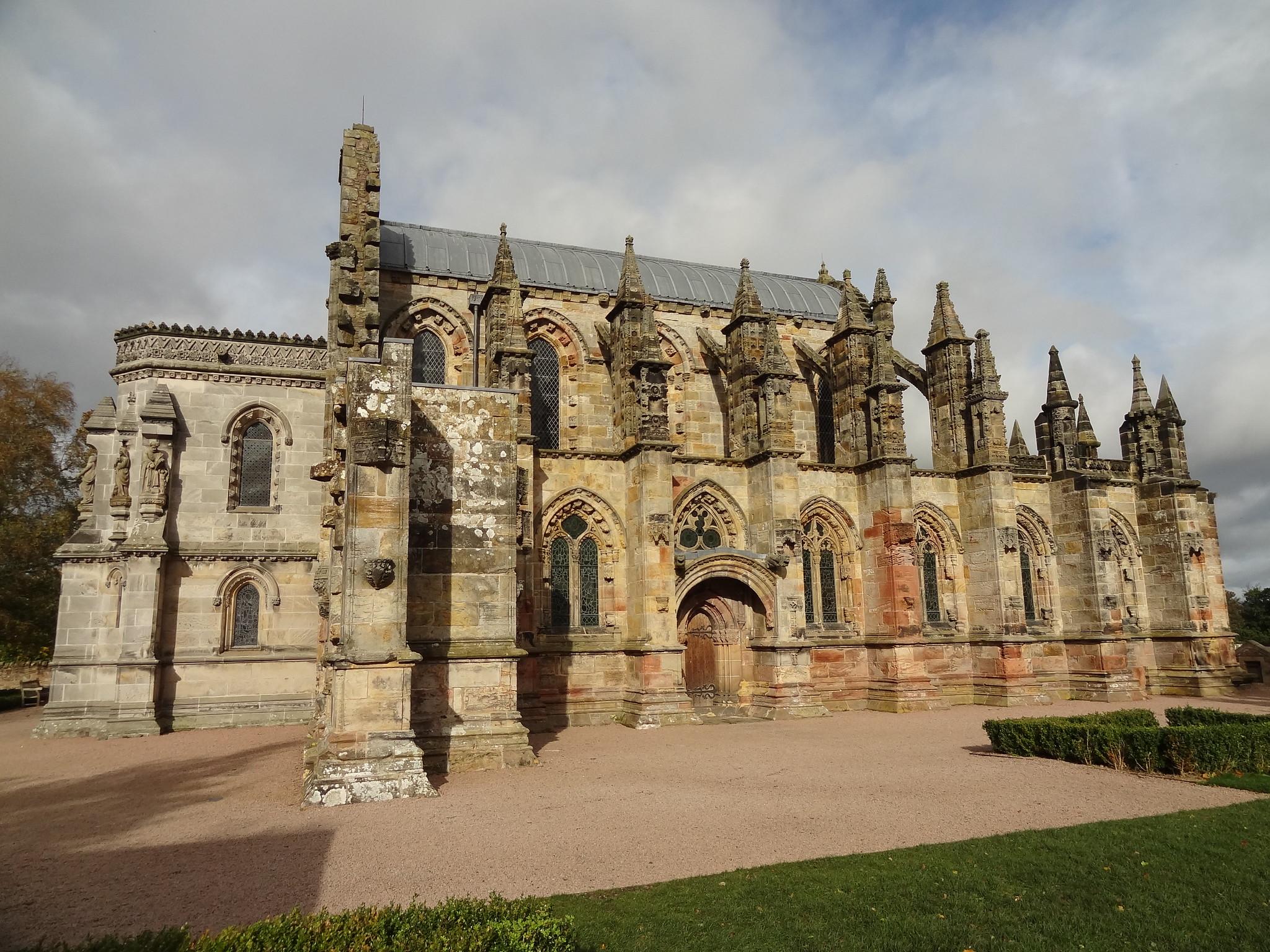
- Address: Chapel Loan, Roslin, Midlothian EH25 9PU.
- Hours:Mon–Sat 09:00–17:00; Sun 12:00–17:00, with timed 90-minute slots.
Founded in 1446, Rosslyn Chapel is world-famous not only for its intricate, elaborate stonework, including the legendary Apprentice Pillar, but also for the enduring myths and symbolism popularized by modern fiction.
Every inch of the interior is covered in carvings, making it an architectural puzzle and a spiritual wonder in the Midlothian countryside.
Pro tip:Arrive a few minutes before your slot to catch the guide’s short talk-great context before you explore the carvings.
Visitor policy:Interior photography is generally not permitted during normal visiting hours; confirm current guidance when booking.
24. Melrose Abbey
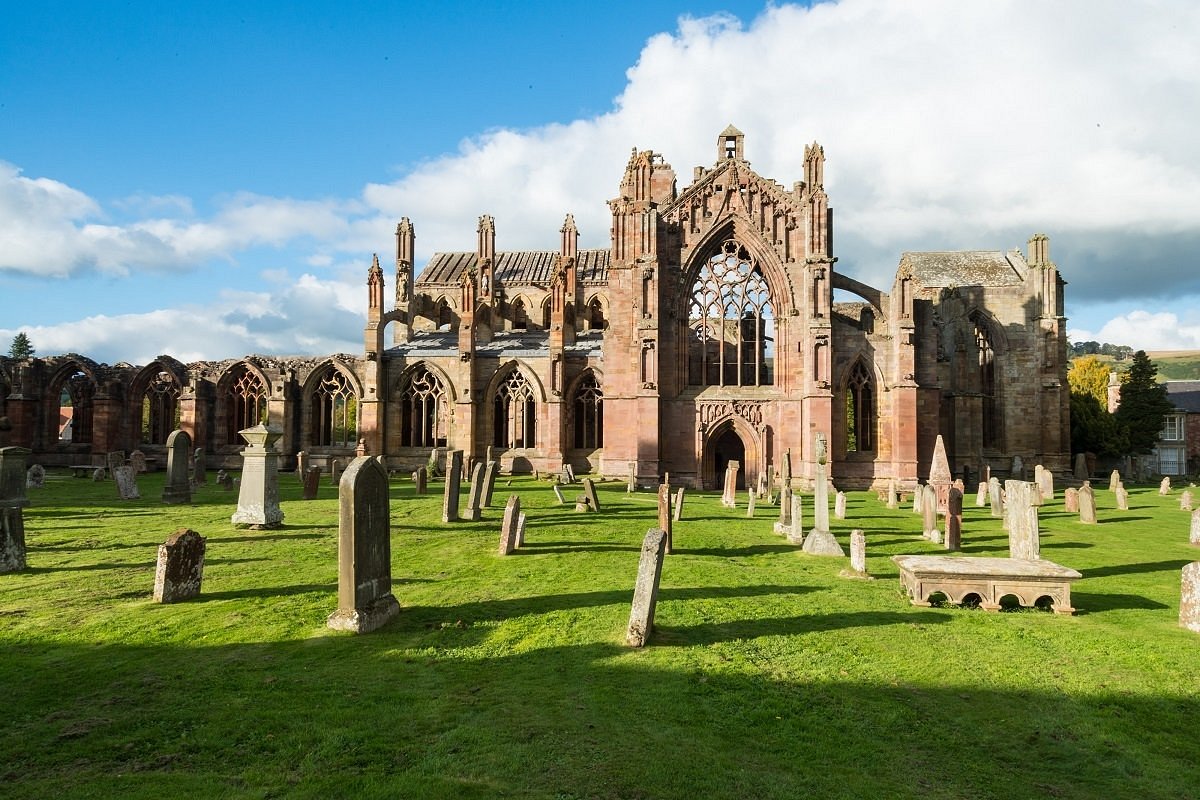
- Address:Abbey Street, Melrose TD6 9LG.
- Hours: Typically 09:30–17:00 (Apr–Sept) and 10:00–16:00 (Oct–Mar), with seasonal holiday closures.
The ruins of Melrose Abbey in the Scottish Borders are considered some of the most beautiful examples of Gothic architecture in the country. This site, heavily damaged during the Wars of Independence, remains a key historical location as the burial place of the casket believed to contain the embalmed heart of Robert the Bruce.
Pro tip:Late-day light on the east end gives superb texture for photos; check access updates before you travel.
Note:Access to high or fragile areas may change during conservation-check the site page on the day.
25. St Andrews Cathedral (ruins & Museum)
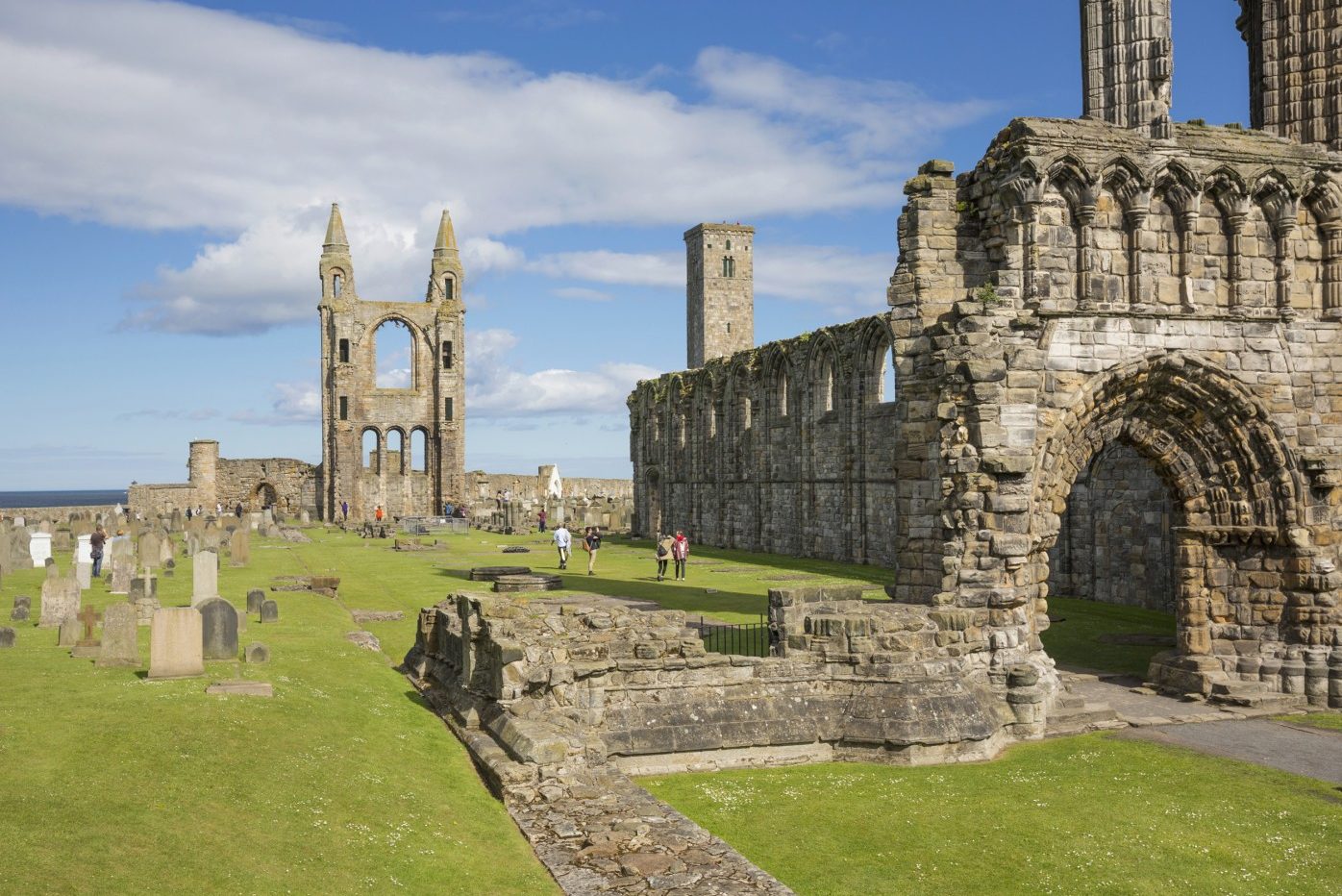
- Address:The Pends, St Andrews KY16 9QL.
- Founded:1158; 867 years ago
Once the largest cathedral and most important religious center in Scotland, the vast ruins of St Andrews Cathedraltoday dramatically showcase the scale of the medieval church's power.
Visitors can explore the extensive grounds and the site museum, gaining insight into St Andrews' role as a major European pilgrimage site before the Reformation led to its eventual collapse.
Pro tip:Pair the precinct walk with St Rule’s Tower climb when available for skyline views over the East Sands.
Status note:Museum/tower access can vary with maintenance-verify current openings before you go.
26. Iona Abbey
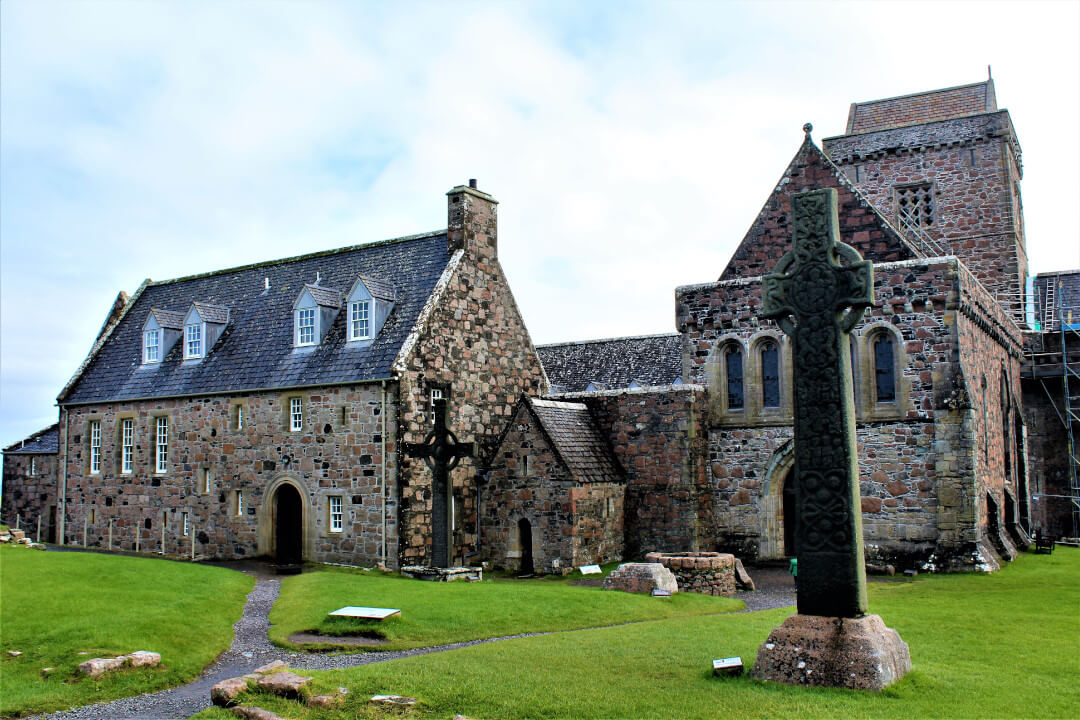
- Address: Isle of Iona PA76 6SQ, UK
- Hours/Access:Typically 10:00–15:00
Located on the small island of Iona off the Isle of Mull, Iona Abbey is considered the spiritual birthplace of Scotland. It was founded by St Columba in 563 AD and became the center for the spread of Celtic Christianity. The restored abbey is a place of pilgrimage and tranquility, offering a powerful sense of ancient faith and isolation.
Pro tip:I time the morning CalMac crossing to reach the abbey as it opens, then walk to the white-sand beaches after.
27. Arbroath Abbey
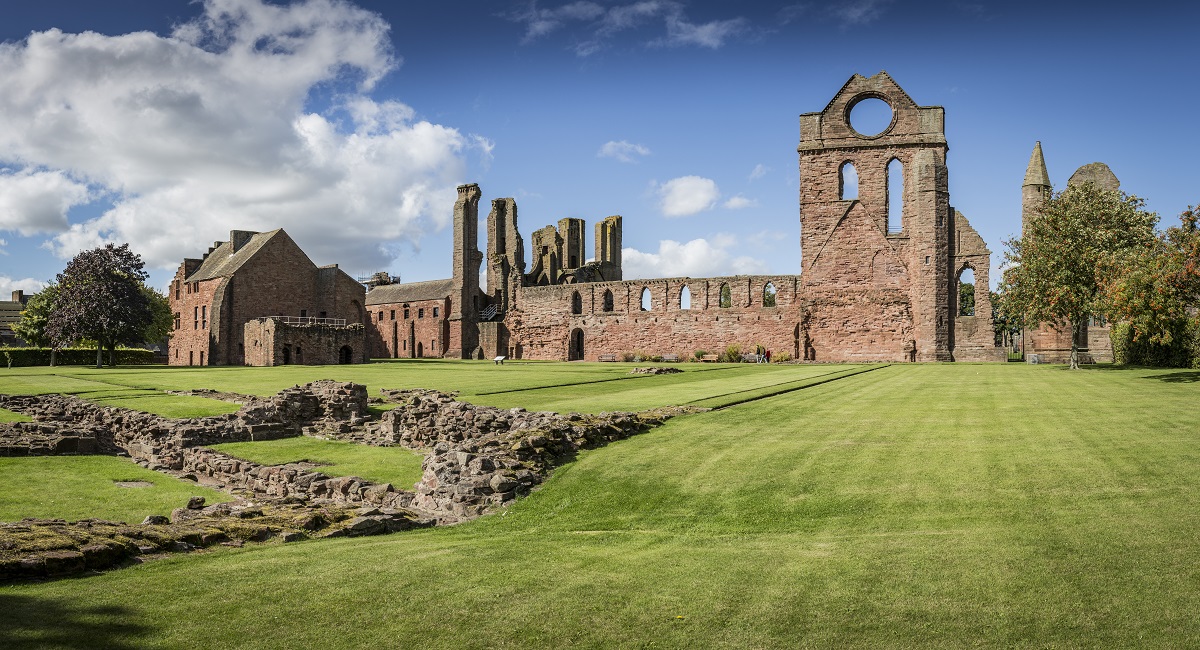
- Address:Abbey Street, Arbroath DD11 1EG.
- Hours:Grounds and visitor centre open; seasonal times and access updates apply.
Arbroath Abbey is best known as the site where the Declaration of Arbroath-a letter asserting Scotland's independence to the Pope-was famously sealed in 1320. Though damaged, the ruins remain a crucial political and historical symbol, representing the nation's fight for self-determination during the Wars of Independence.
Pro tip:Pop into the exhibition first-the context sharpens what you’ll see in the nave and choir footprints.
28. St Clement’s Church, Rodel (Harris)
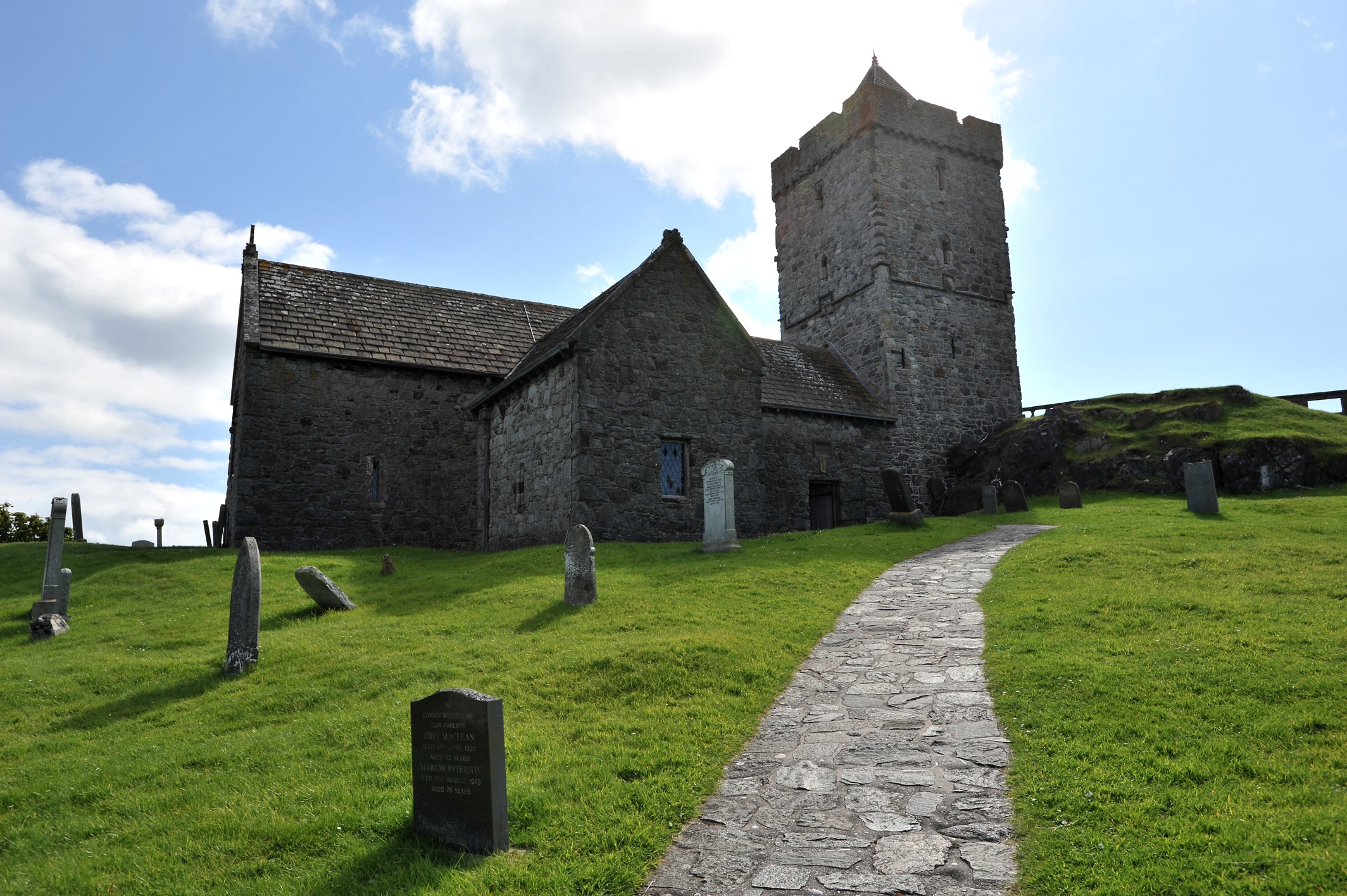
- Address:Rodel, Harris HS5 3TW.
- Hours: Free to visit. Typical seasonal hours: Apr–Sept 09:30–17:30; Oct–Mar 10:00–16:00 (holiday closures apply).
A magnificent late-medieval church located in the remote south of the Isle of Harris, St Clement’s Church is a rare and beautiful survival. Its significance lies in its elaborate tombs, which were the final resting place of the powerful MacLeod chiefs. It offers a stunning example of Hebridean religious and clan architecture.
Pro tip:If you’re driving from Leverburgh, continue straight at the junction by the shore-the church sits directly ahead above the bay.
Prehistoric Stones, Tombs & Brochs
29. Calanais/Callanish Standing Stones (Lewis)
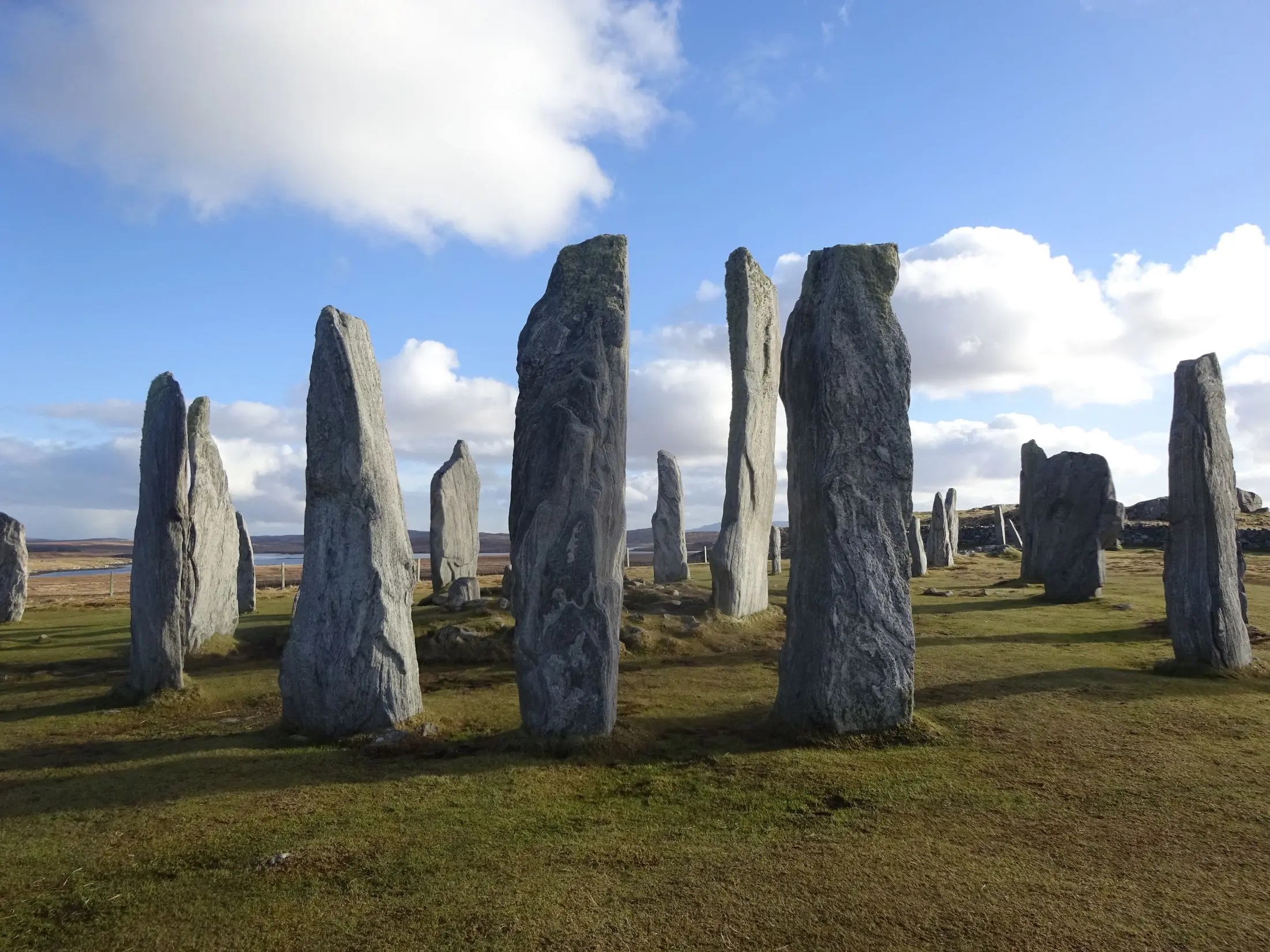
Location:Calanais Visitor Centre, Calanais, Isle of Lewis HS2 9DY.
Located on the rugged Isle of Lewis in the Outer Hebrides, the Calanais Standing Stones (or Callanish) form one of the most magnificent megalithic monuments in Europe.
Arranged in a distinctive cross shape around a central chambered tomb, they are a powerful, mysterious site used for ritual and astronomical observation around 5,000 years ago. Their isolation and dramatic Hebridean setting intensify the sense of ancient wonder.
- Pro tip:Do a “three-site loop”: Calanais I at dawn, then Calanais II & III (a few minutes’ walk) for the hush you came for.
- Visitor alert:Calanais Visitor Centre is closed for redevelopment until 2026; stones accessible year-round but facilities are limited.
30. Kilmartin Glen (Argyll)
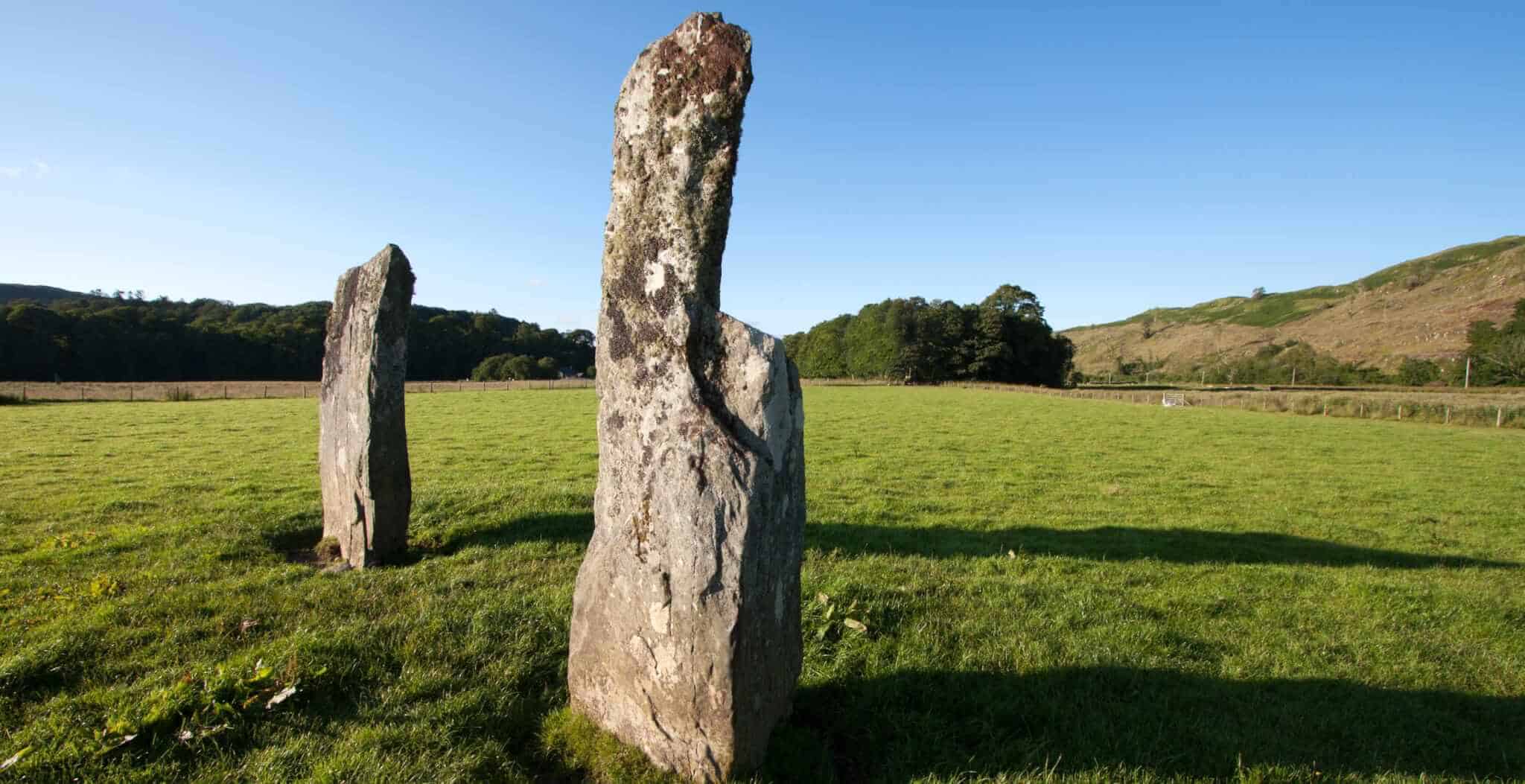
Location:Kilmartin, Argyll, PA31 8RQ
Kilmartin Glen in Argyll holds one of Scotland's most significant concentrations of prehistoric remains, earning it the name "linear graveyard."
Over 800 ancient monuments are found within a six-mile radius, including burial cairns, stone circles, and impressive Bronze Age rock carvings. Walking this glen is like traversing a continuous timeline of early Scottish history.
Pro tip:Park at Lady Glassary and walk a tidy loop: Nether Largie → Temple Wood → cairns. Late afternoon light sets the carvings off. Kilmartin Museum reopened after major redevelopment in 2023; check seasonal hours.
31. Skara Brae (Orkney)
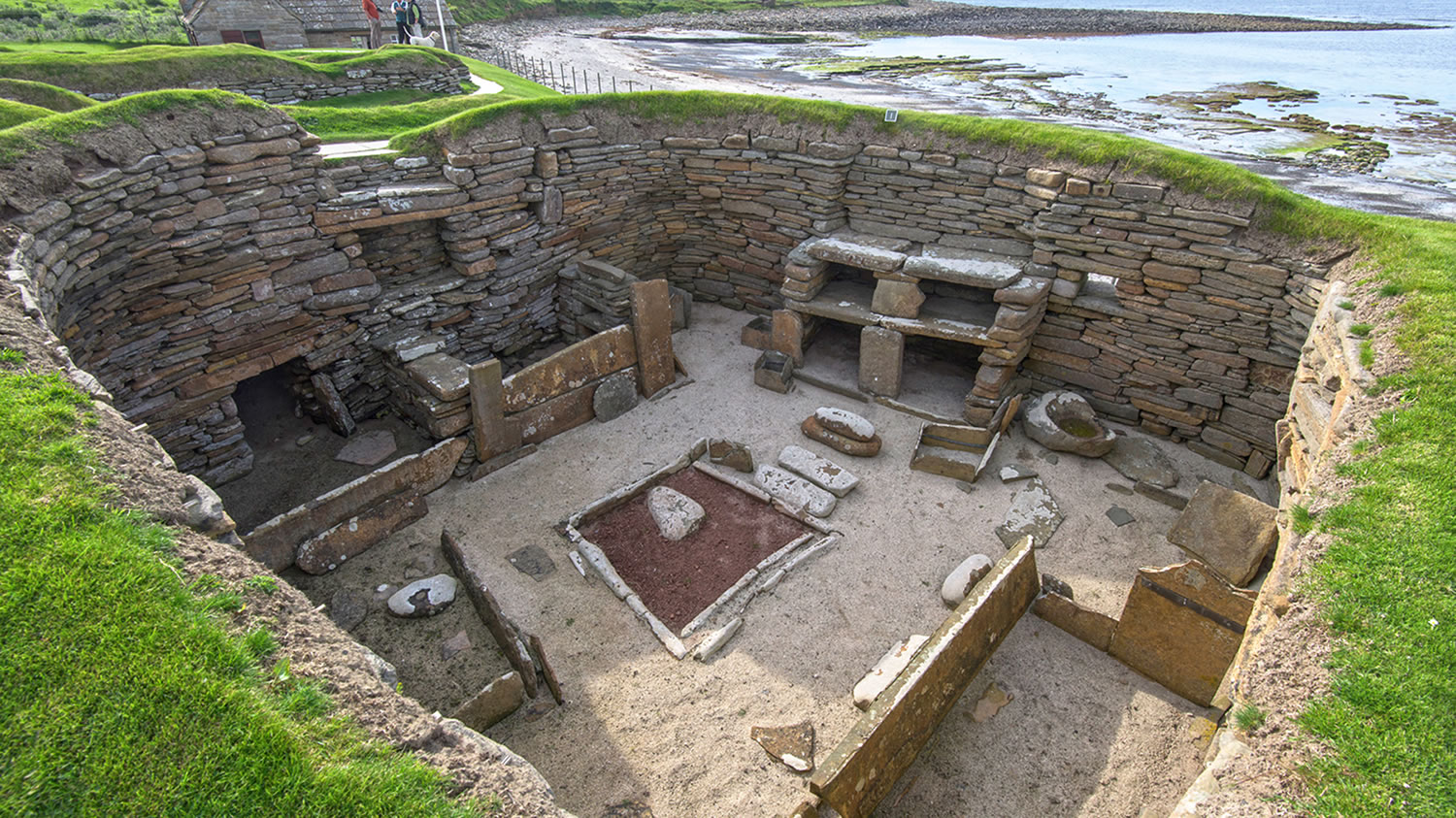
- Address:Skara Brae, Sandwick, by Stromness, KW16 3LR.
- Hours:Daily (10 am–3 pm)
Part of the UNESCO Heart of Neolithic Orkney, Skara Brae is a remarkably preserved Neolithic village, older than Stonehenge and the Pyramids of Giza (around 3200 BC).
It offers an incredible insight into daily life, with stone-built houses, beds, dressers, and hearths still visible. Its superb preservation is due to the sand that covered it for millennia.
Pro tip:Go late day for quieter boardwalks, then step across to Skaill Bay-sea light adds the last layer.
32. Ring Of Brodgar (Orkney)
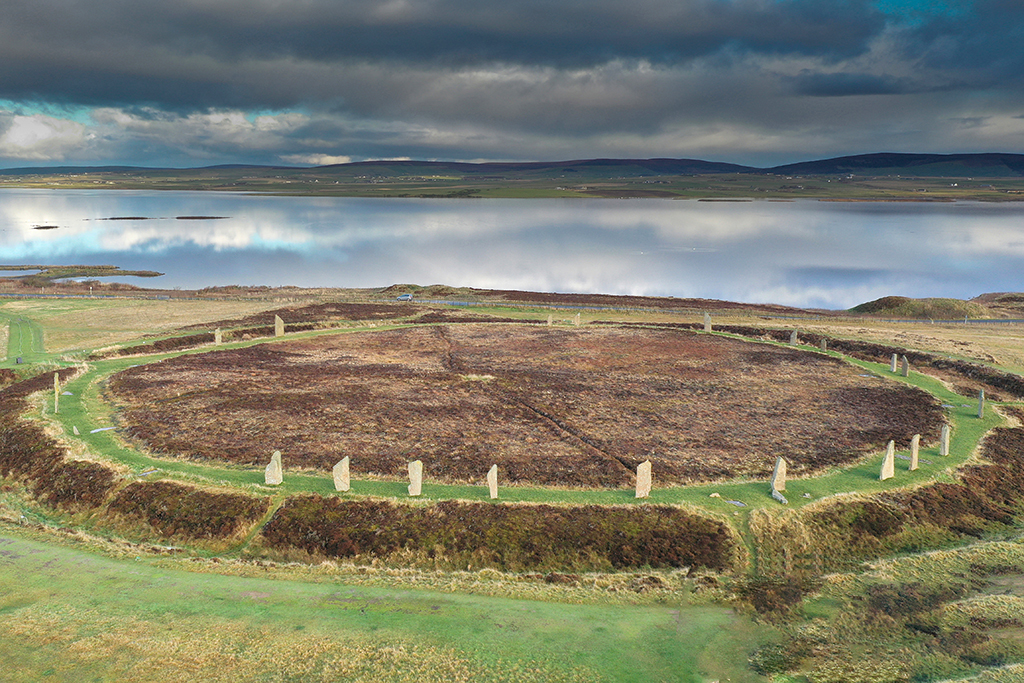
- Address: B9055, Stromness KW16 3JZ, UK
- Hours:Open 24 hours
Also a key component of the Heart of Neolithic Orkney, the Ring of Brodgar is a spectacular stone circle located on a narrow spit of land between two lochs. The sheer scale and symmetry of this ceremonial monument are breathtaking, highlighting the astronomical and ritual significance of the area for the prehistoric Orcadian people.
Pro tip:Sunrise or late evening gives you the circle almost to yourself and the best sky drama.
Conservation note:Obey rope lines and any temporary inner-path closures to protect sensitive ground.
33. Dun Carloway (Garenin) Broch (Lewis)
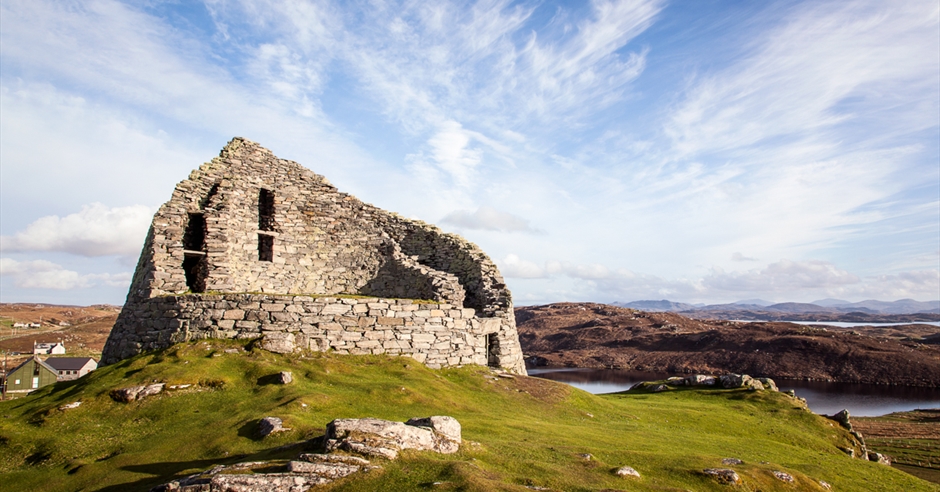
- Address:16 Doune, Carloway, Isle of Lewis HS2 9AZ, UK
- Hours:Open 24 hours
Dun Carloway is one of the best-preserved Iron Age defensive structures-or brochs-in Scotland. Located near Garenin on the Isle of Lewis, this imposing, drystone tower still stands several stories high. These unique structures demonstrate the architectural ingenuity and the defensive focus of Scotland's Iron Age communities over 2,000 years ago.
Pro tip:Pair with the Blackhouse village at Gearrannan or Dalmore beach to round out a west-Lewis day.
Roman & Military Heritage
Antonine Wall (also Listed Under UNESCO)
- Best first stop:Rough Castle for textbook rampart/ditch and lilia pits.
- Urban convenience:Bearsden Roman Bathhouse.
- Intro trail:Kinneil fortlet & museum.
34. Culloden Battlefield & Visitor Centre
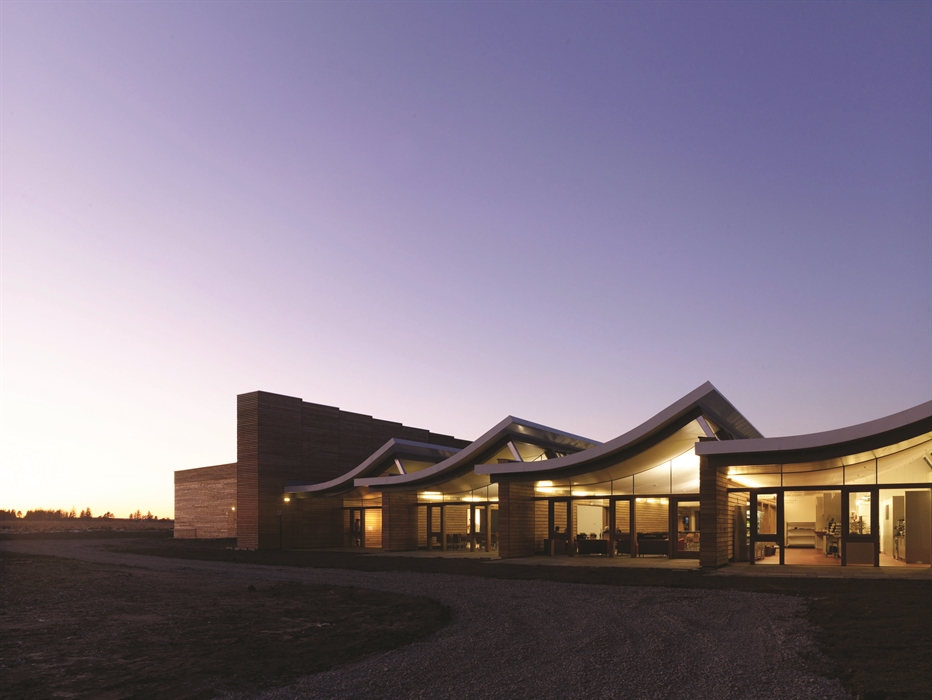
- Address: Culloden Battlefield, Inverness IV2 5EU, UK
- Hours: Daily ( 9 am–5 pm)
Culloden Battlefield near Inverness is a somber and essential site in Scottish history. It was here, in 1746, that the final, decisive battle of the Jacobite Rising took place, ending the Jacobite cause and the Highland clan system forever.
The visitor center offers a powerful, immersive experience, while the field itself, marked by clan gravestones, is a place of profound reflection.
Pro tip:Treat it quietly. I start inside, then step onto the moor with the audio guide and end at the clan stones; it keeps the story humane.
35. Glenfinnan Monument (Jacobite Rising)
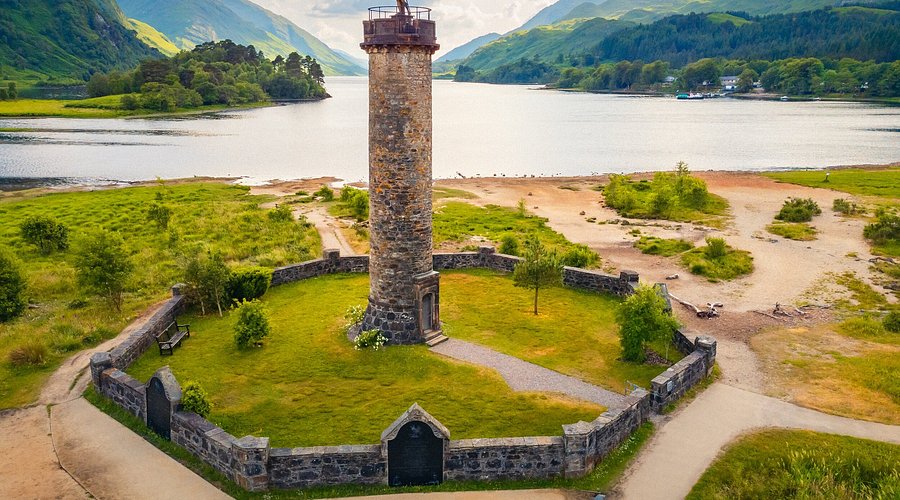
Address:Glenfinnan PH37 4LT (NTS visitor centre; loch-shore).
Located at the head of Loch Shiel, the Glenfinnan Monument is a poignant memorial erected in 1815 to honor the Highlanders who fought in the Jacobite Rising.
It marks the precise spot where Bonnie Prince Charlie raised his standard in 1745, beginning the campaign that ended tragically at Culloden. The beautiful setting encapsulates the romantic, yet doomed, spirit of the cause.
- Pro tip:Pair your monument visit with a timed walk to a Glenfinnan Viaductviewpoint-check current railway and path notices first.
- Status update:A major masonry restoration of the Glenfinnan Railway Viaduct was completed in April 2025; viewpoints remain the safest way to see trains crossing.
Landmarks & Engineering Monuments
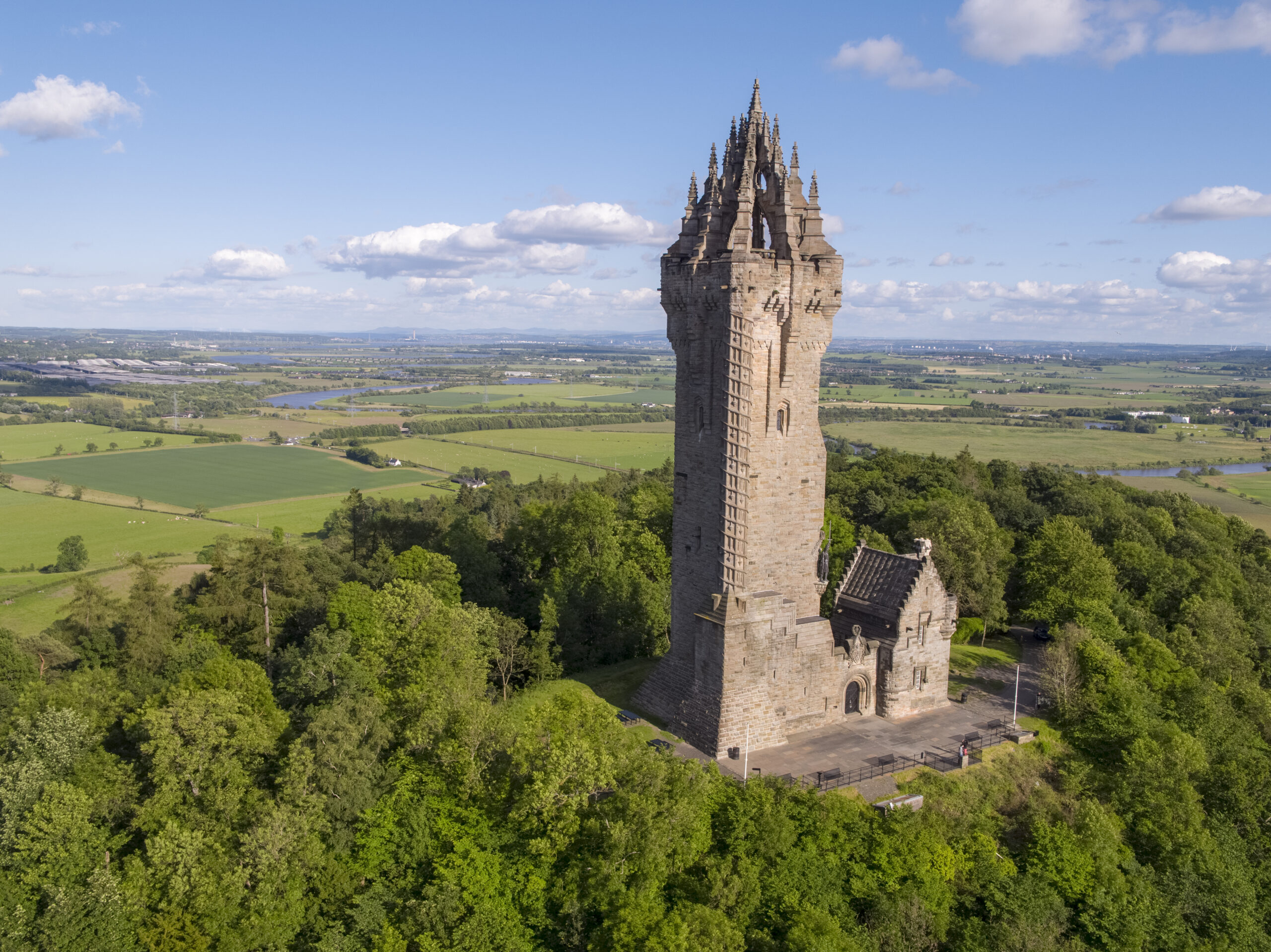
36. National Wallace Monument (Stirling)
- Address:Abbey Craig, Hillfoots Rd, Stirling FK9 5LF, UK
- Hours:Daily (10 am–4 pm)
Standing proudly on Abbey Craig near Stirling, the National Wallace Monument is a striking Victorian Gothic tower built to commemorate the life of Sir William Wallace, the legendary 13th-century hero of the Wars of Independence.
Climbing the monument offers a powerful sense of national pride and provides spectacular views over Stirling and the site of the Battle of Stirling Bridge.
Pro tip:Book an early slot, ride the courtesy shuttle up, then climb the spiral before tour groups arrive.
37. Glenfinnan Railway Viaduct
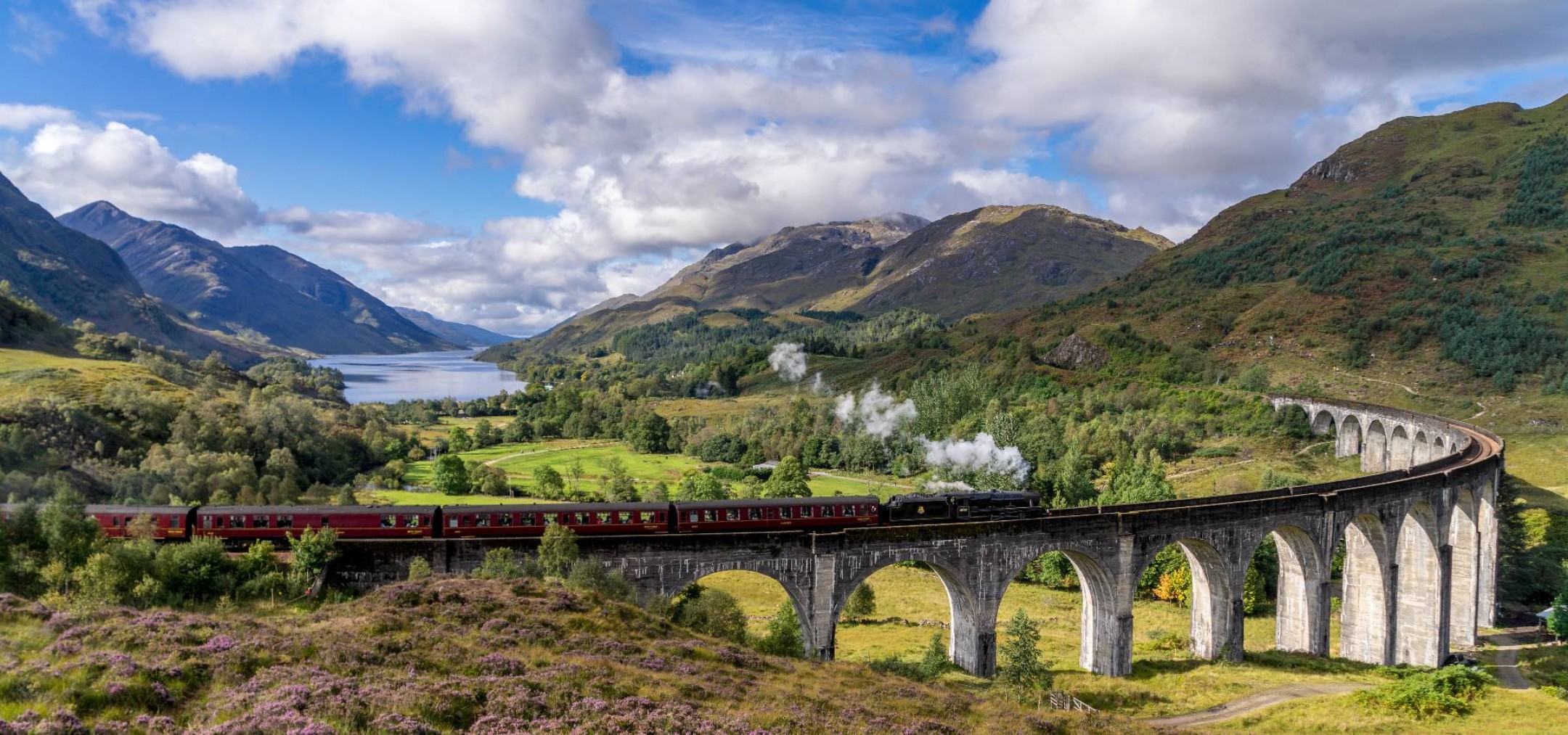
Adjacent to the Glenfinnan Monument, the Glenfinnan Railway Viaduct is an impressive civil engineering structure built in the late 1890s. Its curved line of 21 arches set against the rugged Highland scenery is instantly iconic.
While historically significant, it is globally famous for its prominent role in the Harry Potterfilms, where it carries the Jacobite steam train, cementing its place as a modern landmark.
Pro tip:If the steam train’s not running, regular services still give you that classic arch shot-watch for clouds of diesel exhaust instead of steam.
Hidden Scottish Historical Sites
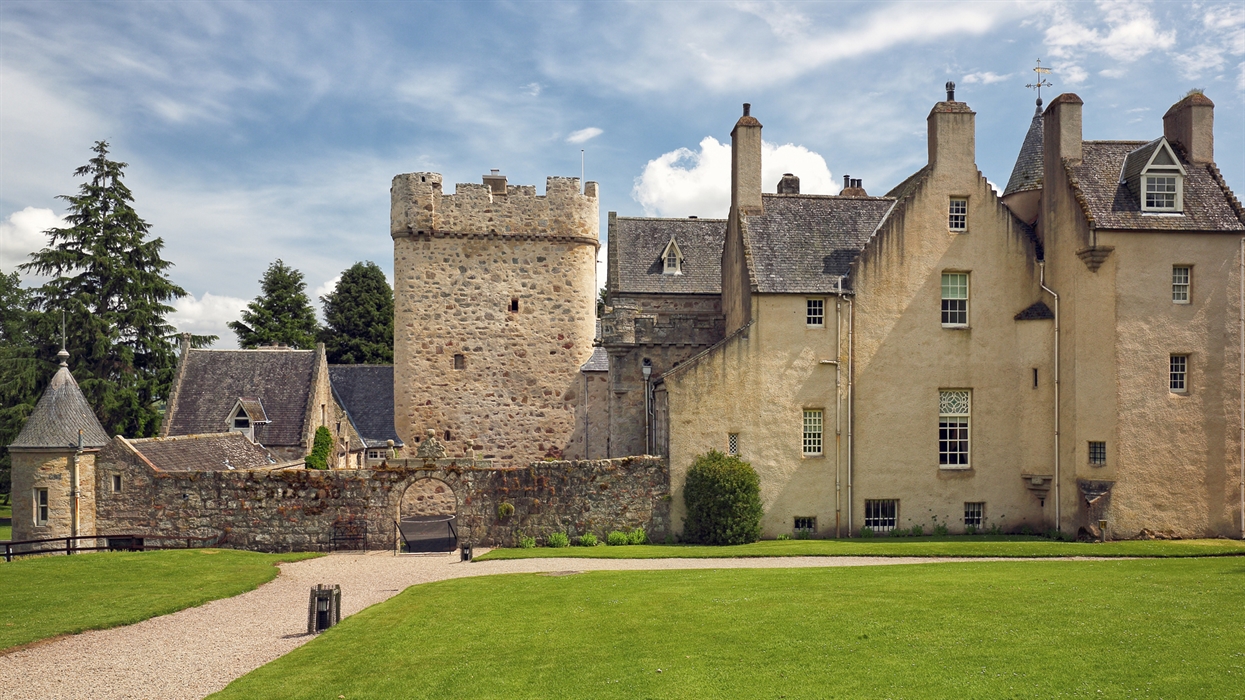
38. Drum Castle
- Address:Drumoak, Banchory AB31 5EY, UK.
- Built:One of Scotland’s oldest tower houses; granted to William de Irwyn by Robert the Bruce in 1323; later Jacobean and Victorian additions.
- Hours:Seasonalfor the house; grounds open year-round. Mon-Thurs (Closed), Fri-Sun (10:30 am–4 pm)
Drum Castle in Aberdeenshire boasts one of Scotland's three oldest tower houses, with a solid, 13th-century keep. This structure is a powerful reminder of medieval strength.
Later additions include a Jacobean mansion wing and Victorian alterations, demonstrating the evolution of aristocratic living over 700 years in the hands of the Irvine family.
Insider flow:Visit early summerfor peak roses; if time is tight, do tower → chapel → walled gardenin that order.
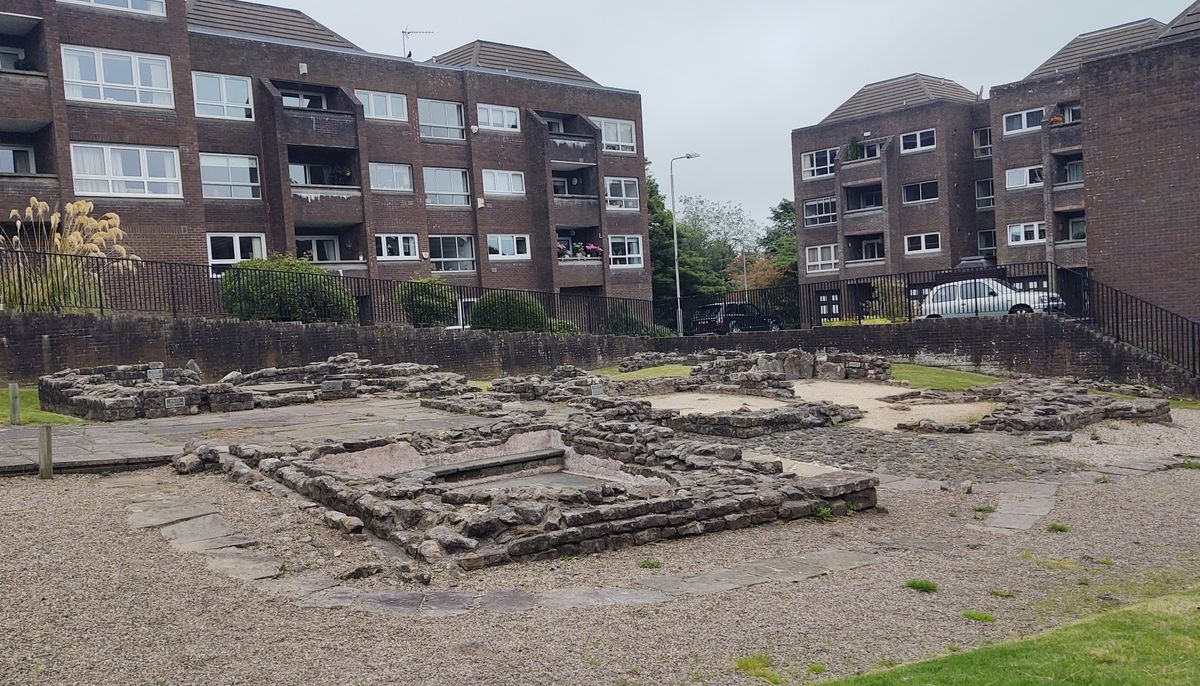
39. Bearsden Roman Bathhouse
- Address:Roman Rd, Bearsden, Glasgow G61 2SR, UK
- Hours:Open 24 hours
A specific and fascinating piece of the Roman era in Scotland, the Bearsden Roman Bathhouse is the remains of a military bathhouse near Glasgow.
While only foundations remain, this site offers a tangible link to the daily lives of the soldiers stationed on the Antonine Wall, showcasing Roman culture and hygiene in the northern frontier.
40. Fort George
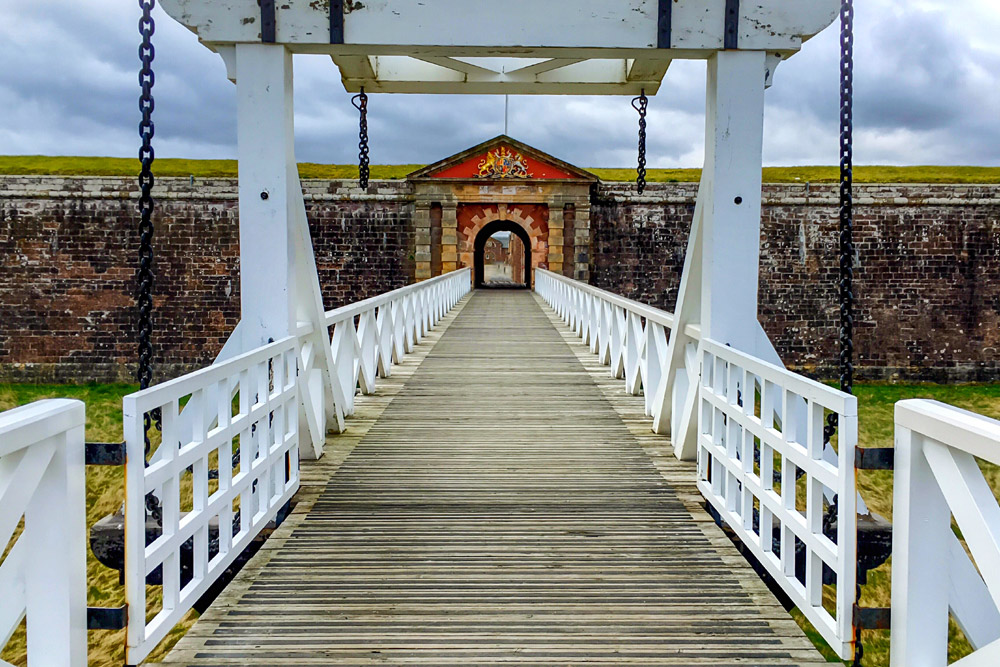
- Address:The Common, Fort George, Inverness, Invernesshire, IV2 7TD
- Ticket:Adult: £11 per ticket, Child: £6.50 per ticket
Located near Inverness, Fort George is a colossal 18th-century military fortification. Built after the 1745 Jacobite Rising to suppress further Highland rebellion, it remains virtually unaltered and functions as a working army barracks today.
It is a stunning example of Georgian military architecture and the largest artillery fortress in Britain, demonstrating the power of the Hanoverian state.
41. Fingal's Cave (Staffa)
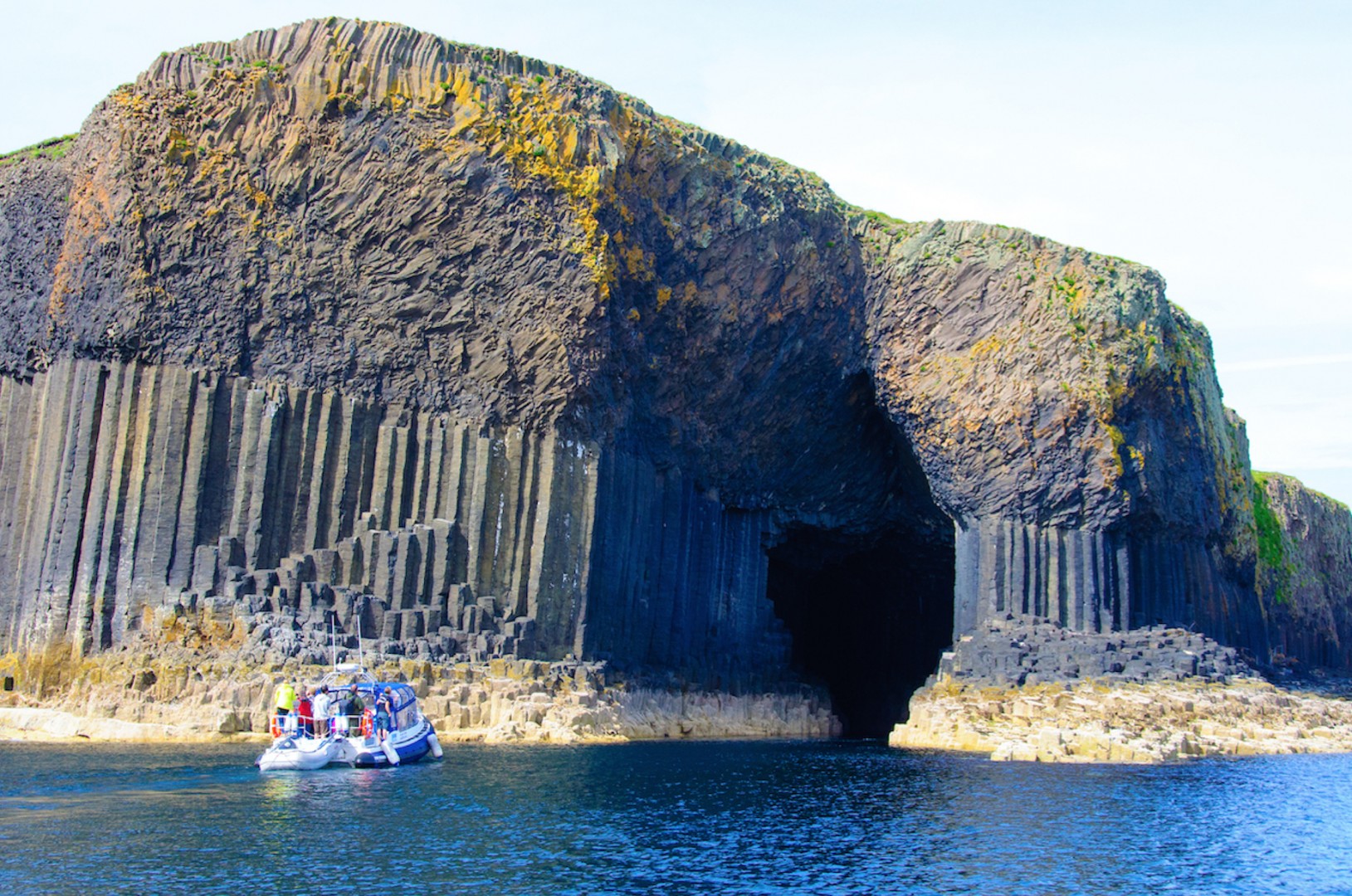
This spectacular sea cave on the uninhabited island of Staffa is one of the world's most famous natural landmarks.
Composed entirely of hexagonal basalt columns (similar to the Giant's Causeway), it inspired art and music, including Mendelssohn's Hebrides Overture. Its dramatic columns and natural acoustics link it to ancient Gaelic legends and the geological history of the region.
42. Dean Village (Edinburgh)
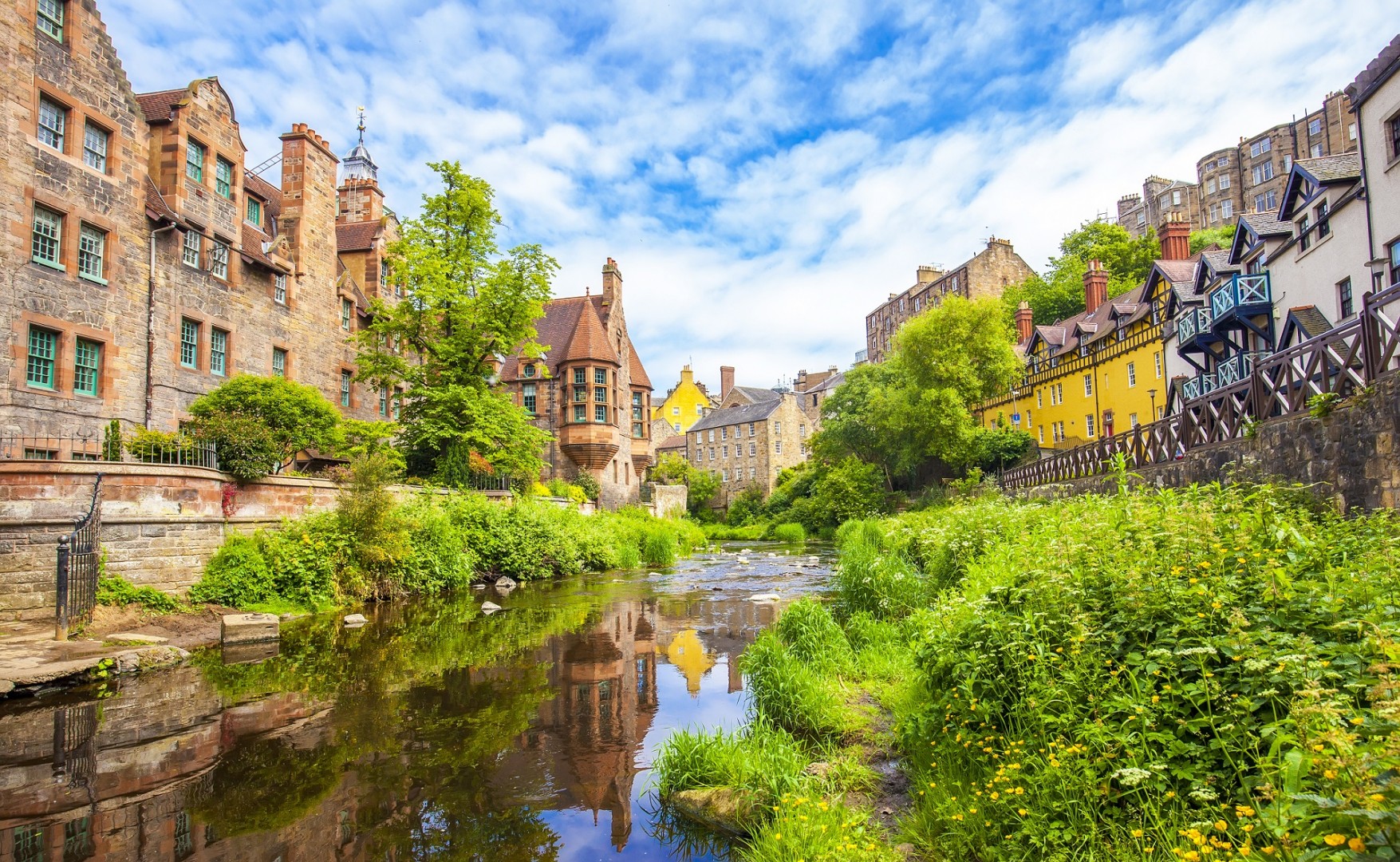
Tucked away in a gorge near Edinburgh's city centre, Dean Village was once a separate village focused on milling water from the Water of Leith. Its picturesque architecture, including the impressive Dean Bridge and the historic tenement buildings, reflects a unique piece of industrial and social heritage, offering an unexpectedly tranquil urban escape.
The Dean Gallery and the Scottish National Gallery of Modern Art are within easy walking distance, offering visitors a chance to view their exhibitions. These buildings, which were formerly converted and renovated to serve as art galleries, often have free displays.
Historic Towns & Villages In Scotland
43. Dunkeld (Perthshire)
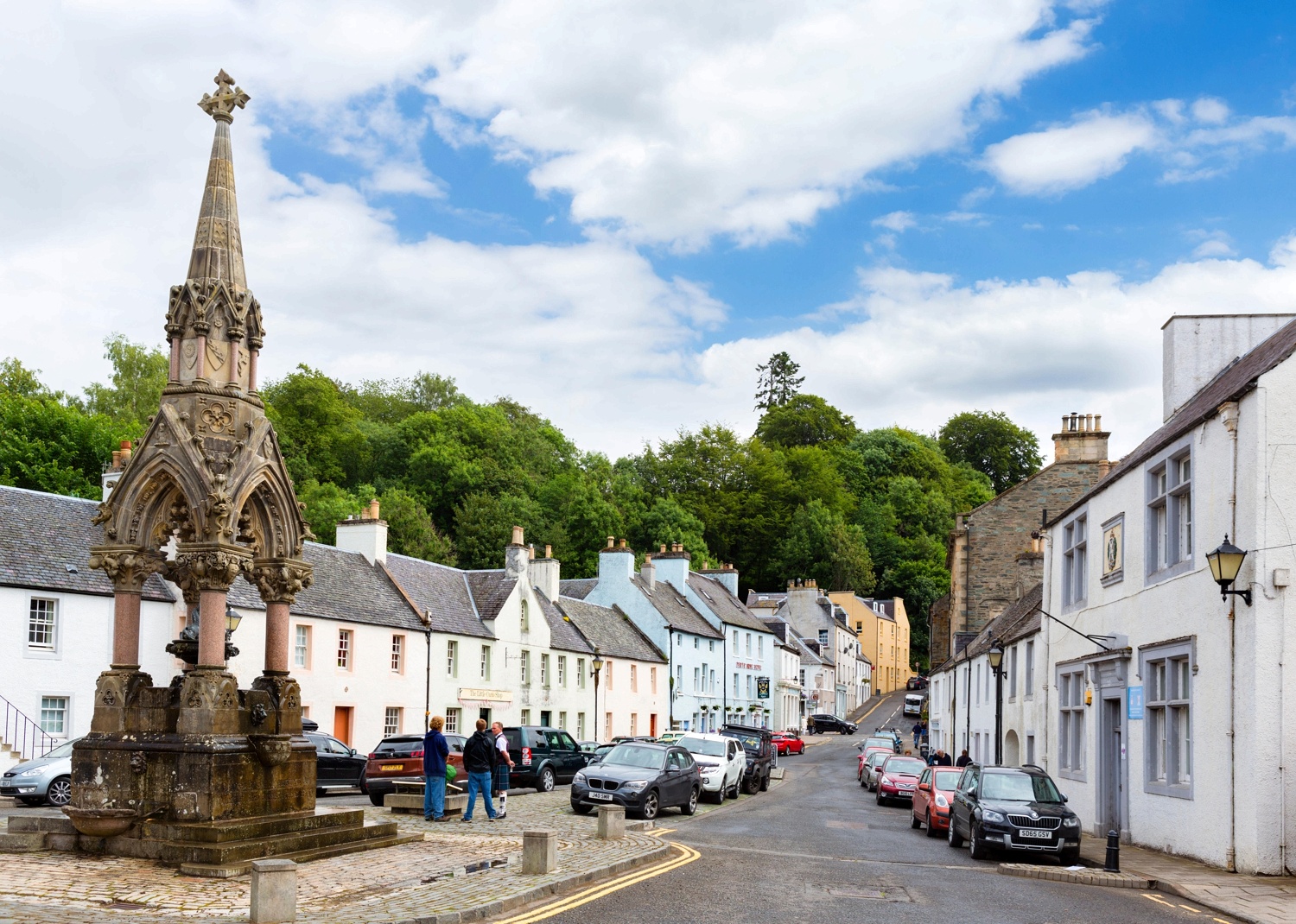
Located on the River Tay, Dunkeld is a picturesque town known for its beautifully restored stone buildings and its imposing cathedral. Much of the town was rebuilt following the Battle of Dunkeld in 1689.
The preservation of its historic market cross and the charming "little houses" by the National Trust for Scotland makes it a delightful place to explore and appreciate 18th-century architecture.
- Top stops:Dunkeld Cathedral’s choir and riverside grounds; views from Thomas Telford’s elegant seven-arch bridge (1809).
- Local flow:Amble Atholl Street for indie shops, then follow the river path to the bridge; loop back via Cathedral Street’s “Little Houses” and the Ell Shop.
44. Arbroath (Angus)
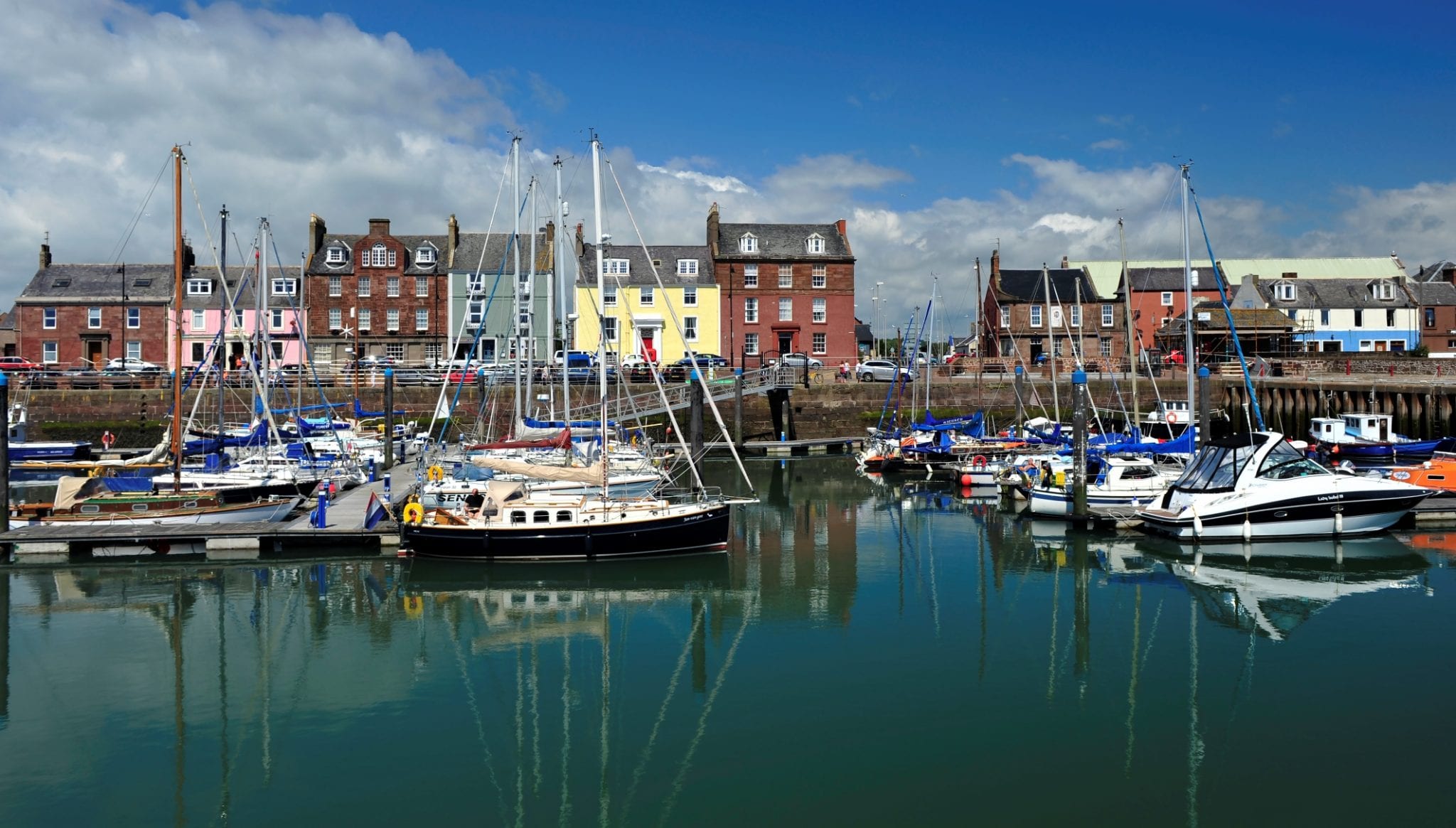
While Arbroath is a significant fishing port, its historical fame rests on Arbroath Abbey. The town itself, however, has a rich maritime history and charming streets leading down to the harbor.
Exploring the town complements a visit to the abbey, offering a complete picture of its role in trade and national identity, especially concerning the 1320 Declaration of Arbroath.
- Top stops:Arbroath Abbey’s grounds and exhibition; pick up hot Arbroath smokiesfrom harbour smokehouses.
- Local flow:Pair the abbey with a cliff-top walk and a harbour lunch-classic east-coast day.
45. Pittenweem (Fife)
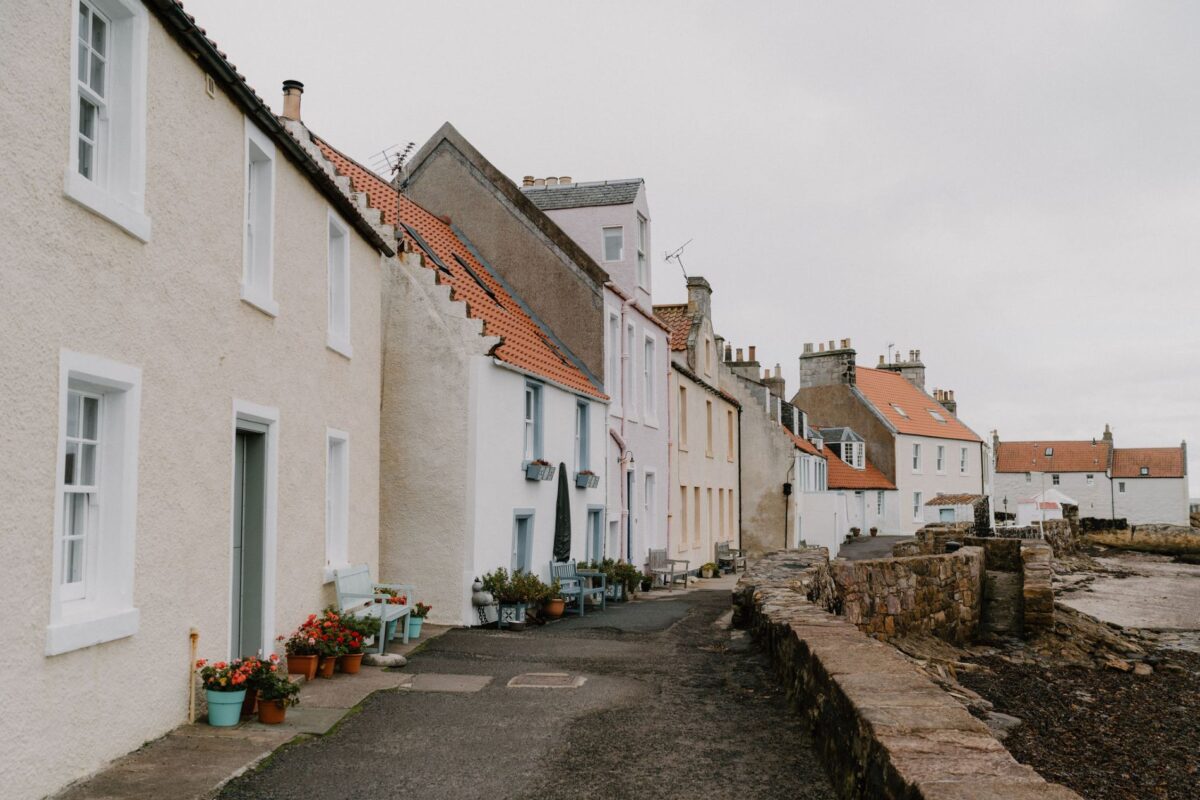
Part of the picturesque East Neuk of Fife, Pittenweemis a working fishing village defined by its historic harbor and winding streets. Its well-preserved coastal architecture, with pantiled roofs and stone houses, provides a wonderful contrast to the grander city heritage. It’s an authentic place to appreciate traditional Scottish coastal life and local heritage.
- Top stops:The stepped harbour, wynds lined with crow-stepped gables, and-if you’re visiting in August-the PittenweemArts Festival.
- Local flow:Sleep near the harbour and wander down at dawn to watch the day begin boats-first.
46. Fort Augustus (Highlands)
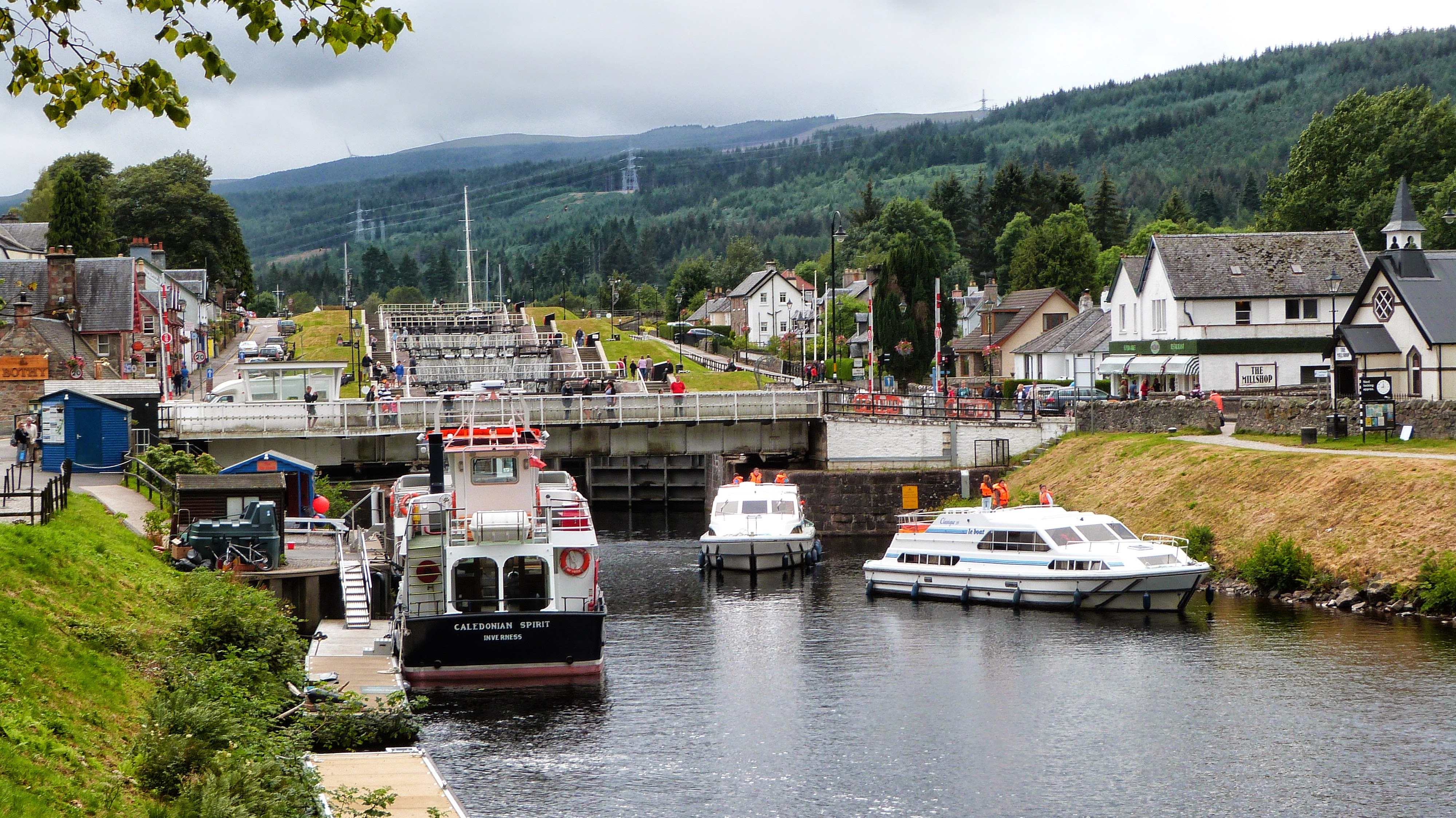
Situated at the southern tip of Loch Ness, Fort Augustus is a strategic settlement named for the fort built after the 1715 Jacobite Rising. Today, it is famous for the series of locks on the Caledonian Canal that cut through the village, allowing boats to traverse from the loch.
Watching the boats navigate the impressive engineering is a unique experience that blends military, civil, and natural history.
- Top stops:Watch boats work the locks from the canal-side lawns; then stroll to Loch Ness for big-sky views.
- Local flow:Arrive 10–15 minutes before a lock-through to see the full sequence; cafés line the towpath for an easy perch.
47. Wigtown (Dumfries & Galloway)
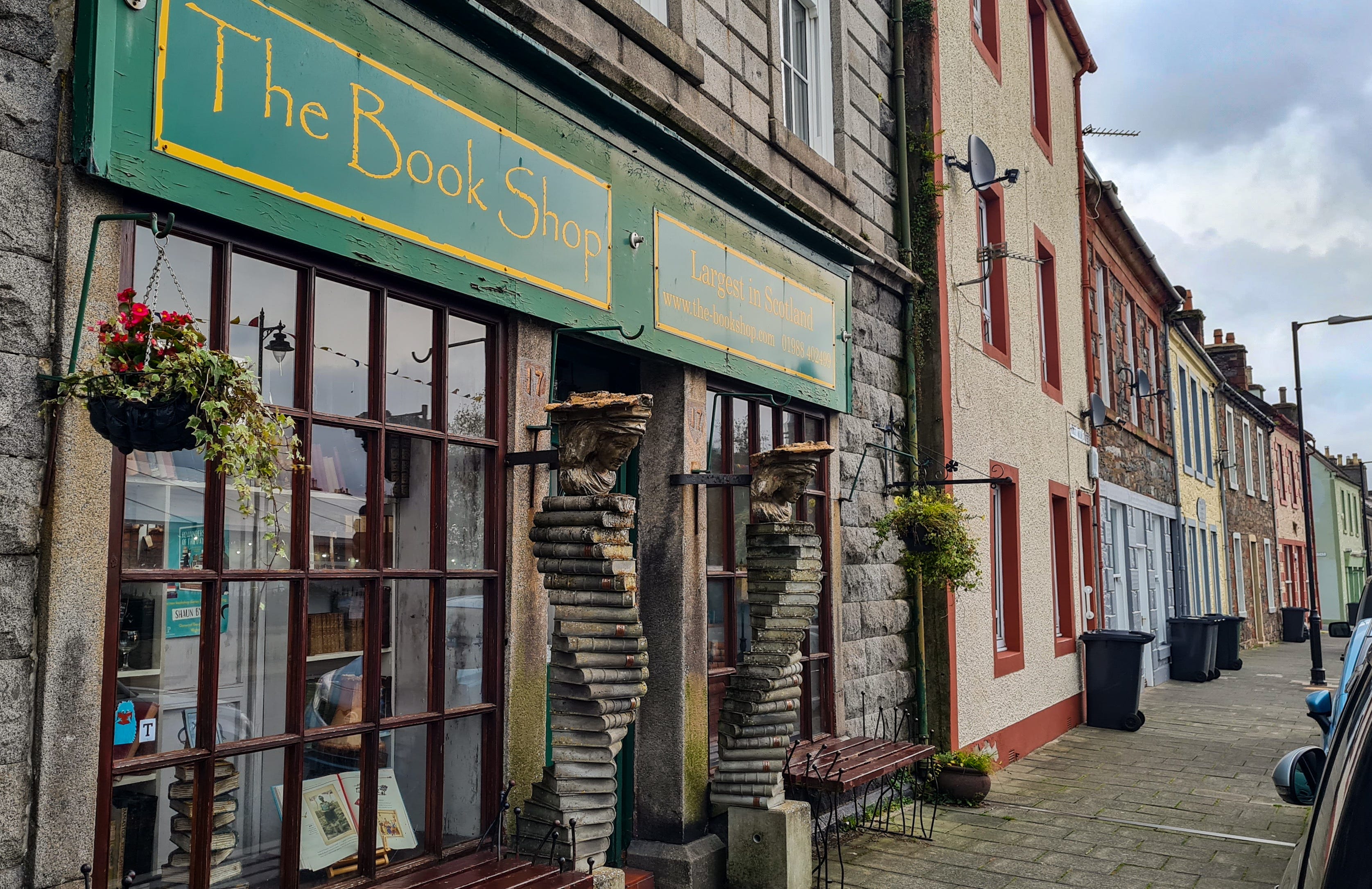
Designated as Scotland's National Book Town, Wigtown draws book lovers and those seeking quiet, historic charm. While not dominated by a single fortress, its wide square and historic architecture reflect its past as a Royal Burgh. The town offers a unique modern cultural twist on its long-standing rural heritage.
- Top stops:The County Buildings and the lane-to-bookshop wander that inevitably ends with a carried-home paperback stack.
- Local flow:Give yourself unhurried browsing time; many shops are specialist and owner-run with irregular hours
48. Inveraray (Argyll & Bute)
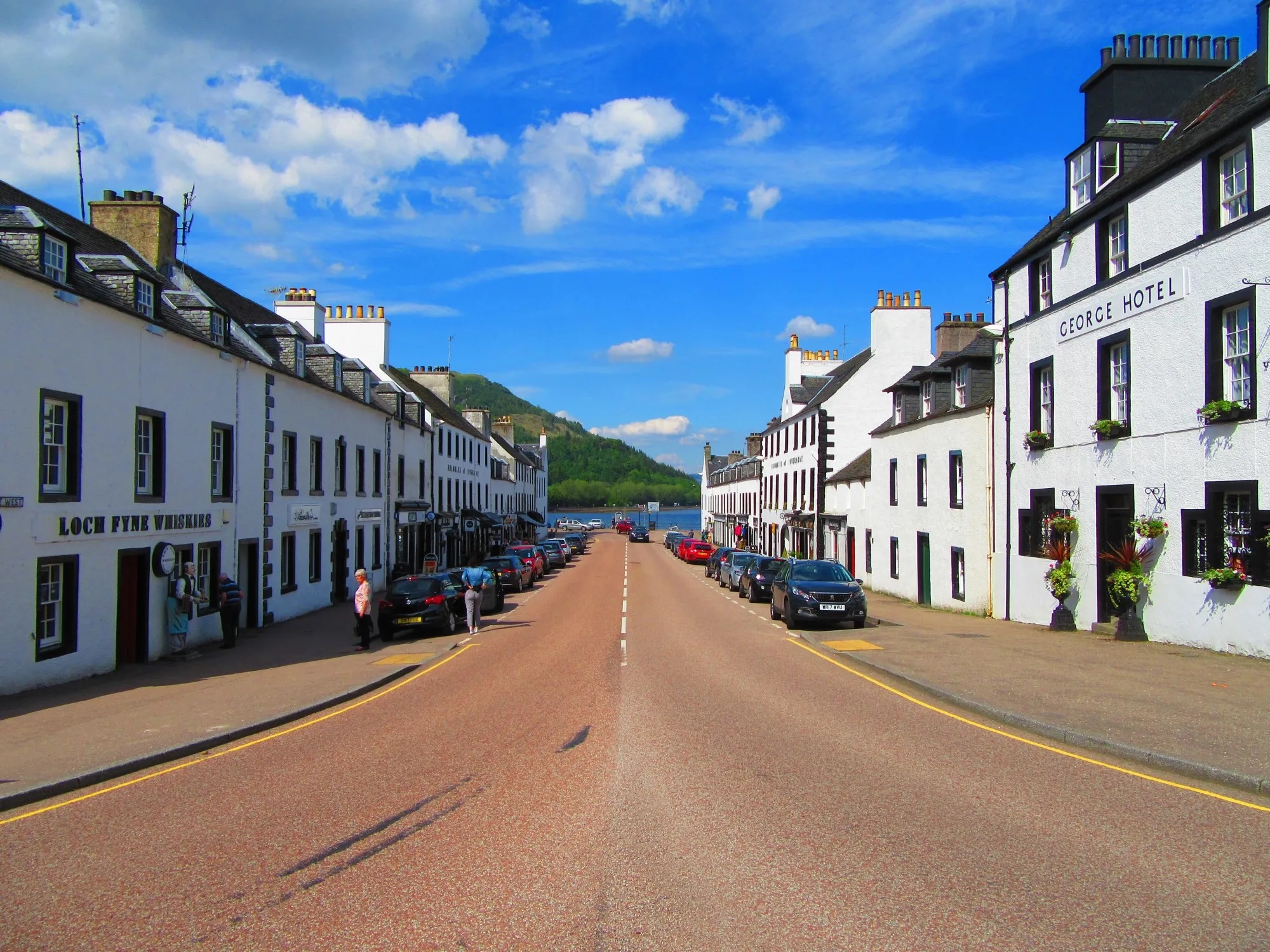
Inveraray is a beautiful planned town on the shores of Loch Fyne, built in the mid-18th century by the Duke of Argyll. Its distinct whitewashed stone buildings and prominent bell tower create a stunning visual impact.
It serves as the gateway to the impressive Inveraray Castle, blending the history of the powerful Clan Campbell with sophisticated urban planning.
- Top stops:The axial main street to the pier; Inveraray Jail’s immersive exhibits. (In season, combine with Inveraray Castle’s grounds.)
- Local flow:Walk the waterfront at golden hour-Argyll’s light bounces off white stucco and slate like a film set.
- Heads-up:With the castle closed through 2025, focus on the planned town, jail museum, and loch-edge walks. Reopens 26 March 2026.
49. Dunvegan (Skye)
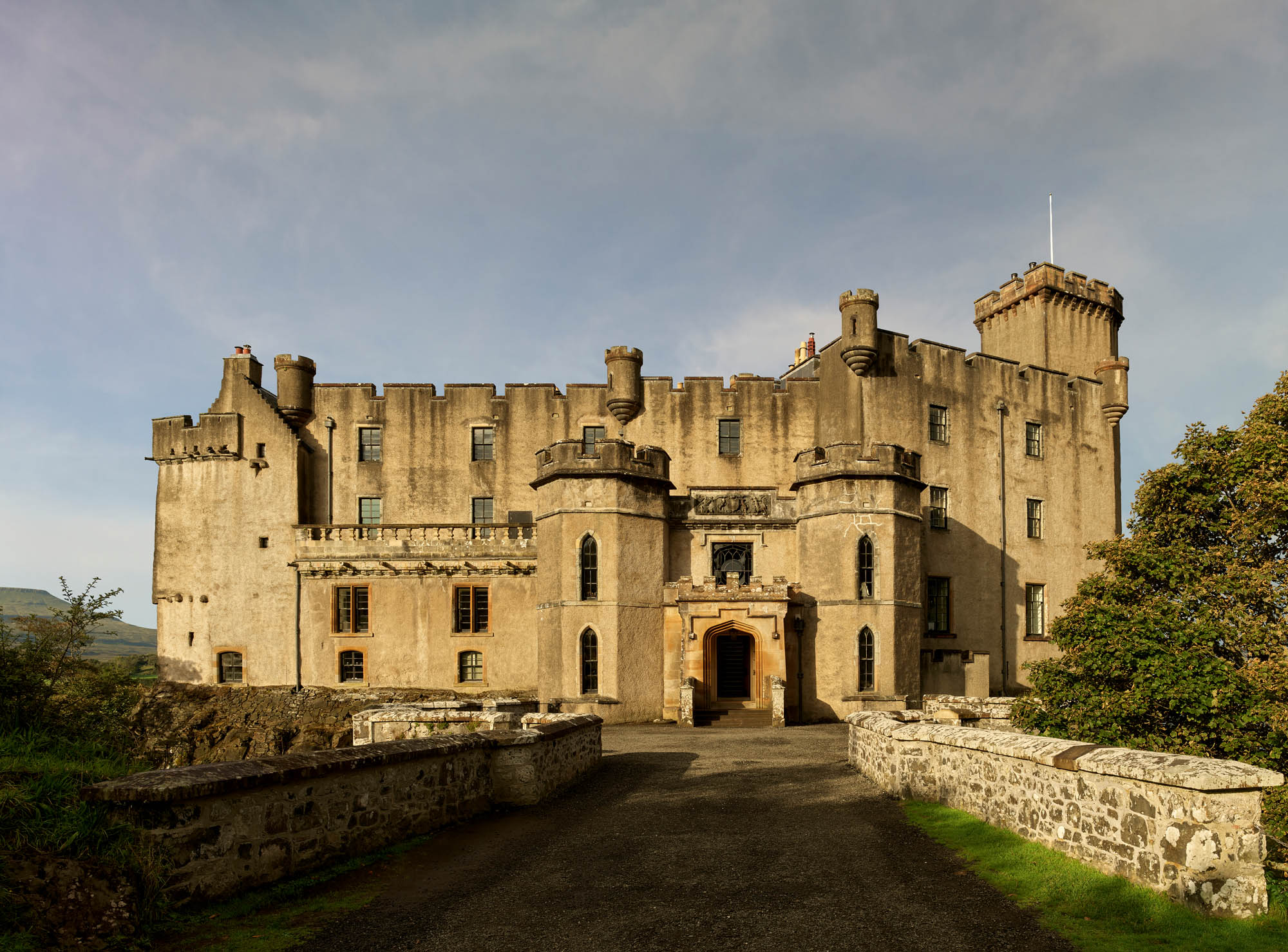
Located on the Isle of Skye, Dunvegan is best known as the home of Dunvegan Castle, the continuously occupied seat of the Chiefs of Clan MacLeod for 800 years. The village itself is small but holds a strong sense of Hebridean history and culture, making it a crucial stop for those exploring the remote heritage of the Highlands and Islands.
- Top stops:Village cafés and craft shops; castle gardens; seasonal seal-boat trips from the castle pier.
- Local flow:Base here for Coral Beach and Neist Point, then wind down with a loch-edge stroll at sunset.
50. Falkland (Fife)
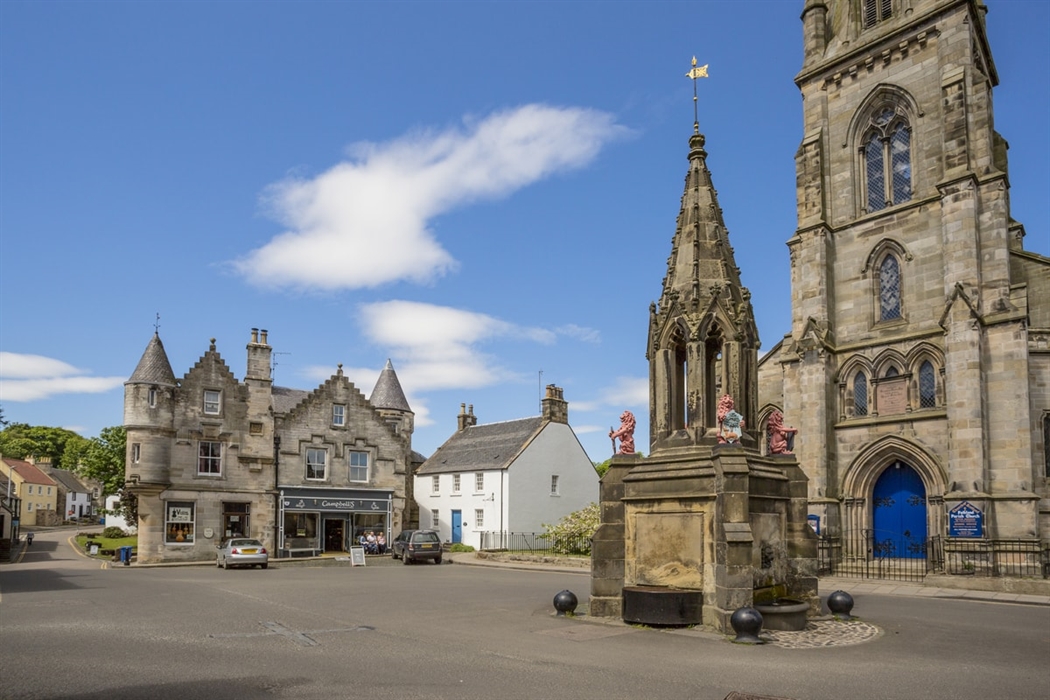
The charming village of Falkland is dominated by the stunning Falkland Palace, a favorite country residence of the Stuart monarchs, including Mary, Queen of Scots. The village retains a powerful historical atmosphere, with its narrow streets and traditional buildings reflecting its past as a royal burgh surrounding the palace grounds.
- Top stops:The palace and garden; wynds radiating from the mercat cross; period shopfronts that feel time-capsuled.
- Local flow:Do the village circuit first, then book timed palace entry to avoid back-tracking.
51. Scalloway (Shetland)
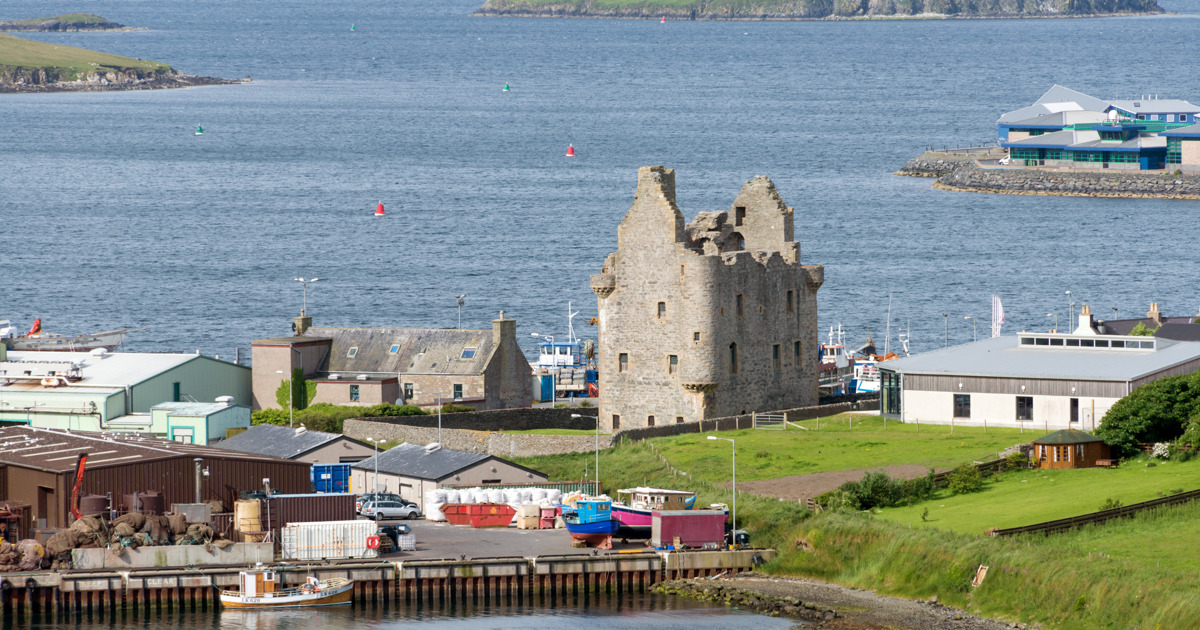
Scalloway is the former capital of the Shetland Islands and is centered around the dramatic ruin of Scalloway Castle, built in 1600. The town’s location and history are intrinsically tied to its strategic role in the Northern Isles, offering a glimpse into Norse and Scottish influence in this remote archipelago.
- Top stops:Scalloway Museum; exterior views of Scalloway Castle(closed for conservation; check status).
- Local flow:Pair with a harbour walk to watch the light change over the isles’ sinuous coastline.
52. Aberfeldy (Perthshire)
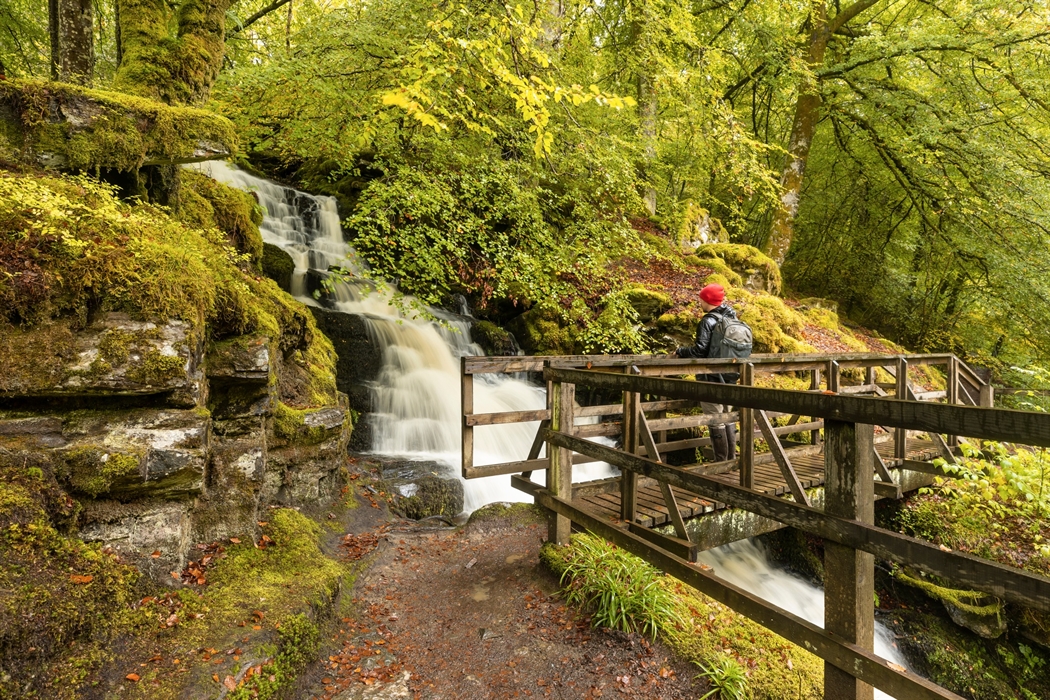
Aberfeldy sits on the banks of the River Tay and is known for its historic Wade's Bridge, built in the 1730s as part of General Wade's network of military roads to control the Highlands. The town itself is a picturesque example of Highland Perthshire life, blending military logistics with a thriving market heritage.
- Top stops:The birks’ wooden walkways; Dewar’s Aberfeldy Distillery tours and museum.
- Local flow:Walk the birks clockwise for gentler gradients, then reward yourself with a dram-and-museum combo.
53. Rothesay (Bute)
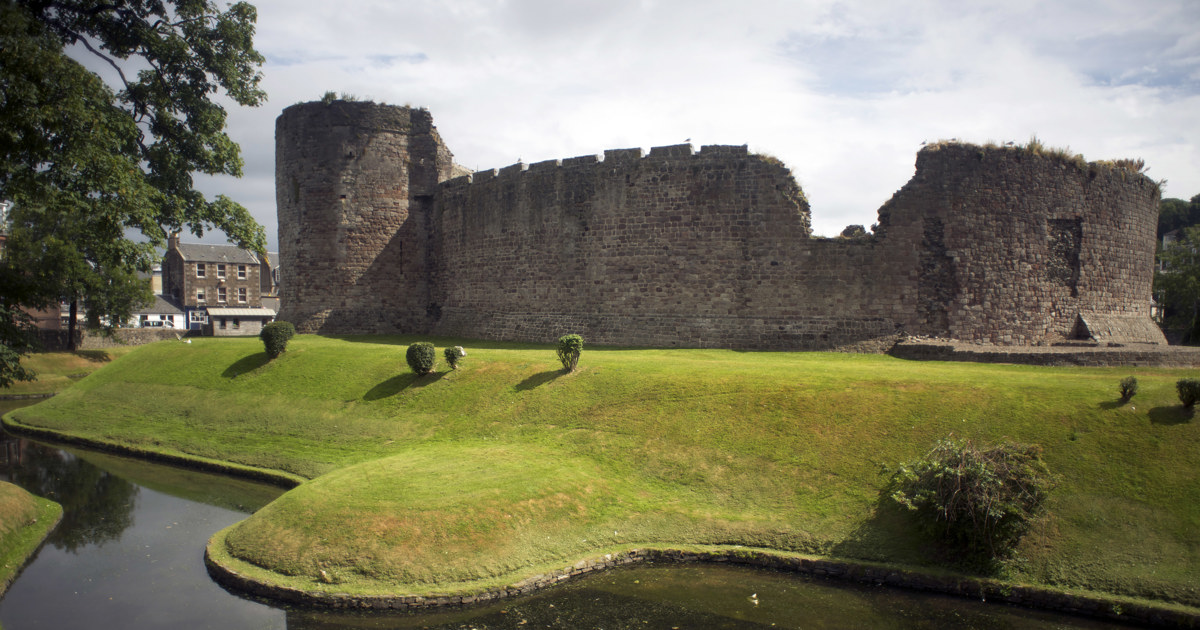
The main town on the Isle of Bute, Rothesay features the unique, circular Rothesay Castle right in its center. Rothesay grew significantly as a popular Victorian holiday resort, and the blend of medieval castle history with elegant Victorian architecture (such as the famous Rothesay Pavilion) makes it a distinctive seaside heritage destination.
- Top stops:Rothesay Castle; the much-loved Victorian Toiletson the pier; promenade gardens. Ferry from Wemyss Bay takes ~35 minutes.
- Local flow:Time your return sailing for dusk: the Firth of Clyde earns its name in pinks and silver.
54. Helmsdale (Sutherland)
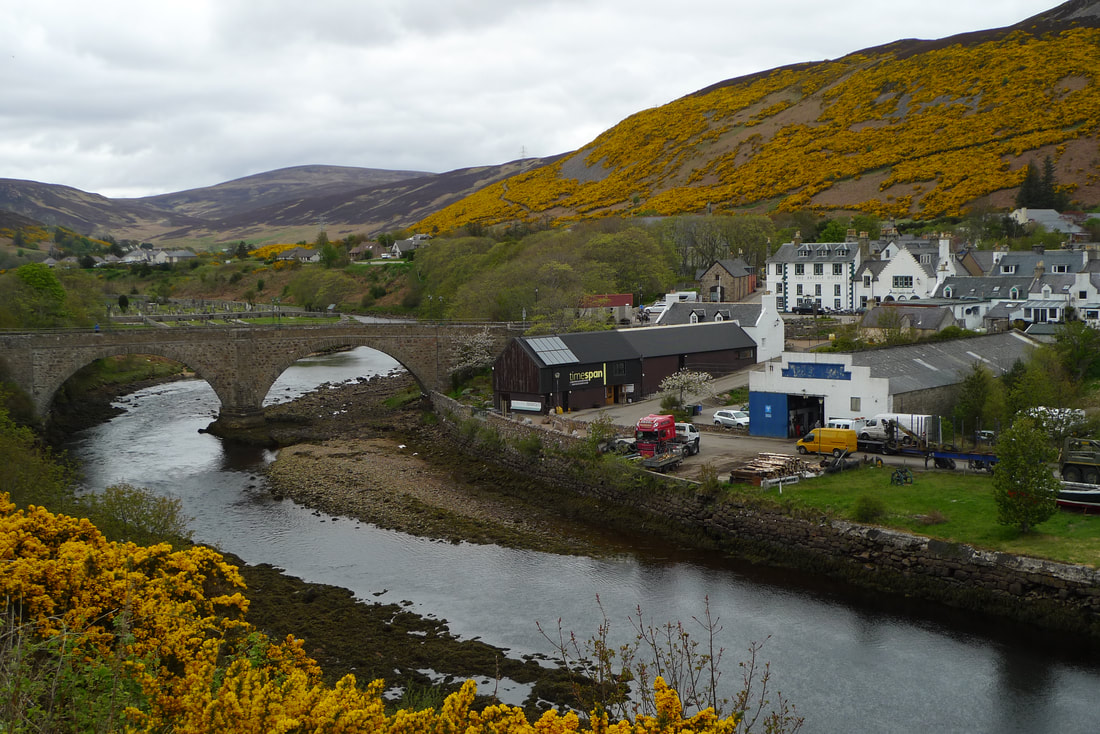
A small fishing port in Sutherland, Helmsdale gained prominence during the Highland Clearances and the 19th-century herring boom. The town offers a profound connection to the history of displacement and subsequent industrial development, with nearby clearances sites and the fascinating Timespan heritage center telling its unique story.
- Top stops:Timespan’s galleries and herb garden; stroll the harbour and old village grid to read landscape and history together.
- Local flow:If you’re road-tripping the A9 or NC500, Helmsdale makes a meaningful, human-scale pause
Social History & Traditions
55. Gretna Green Famous Blacksmiths Shop
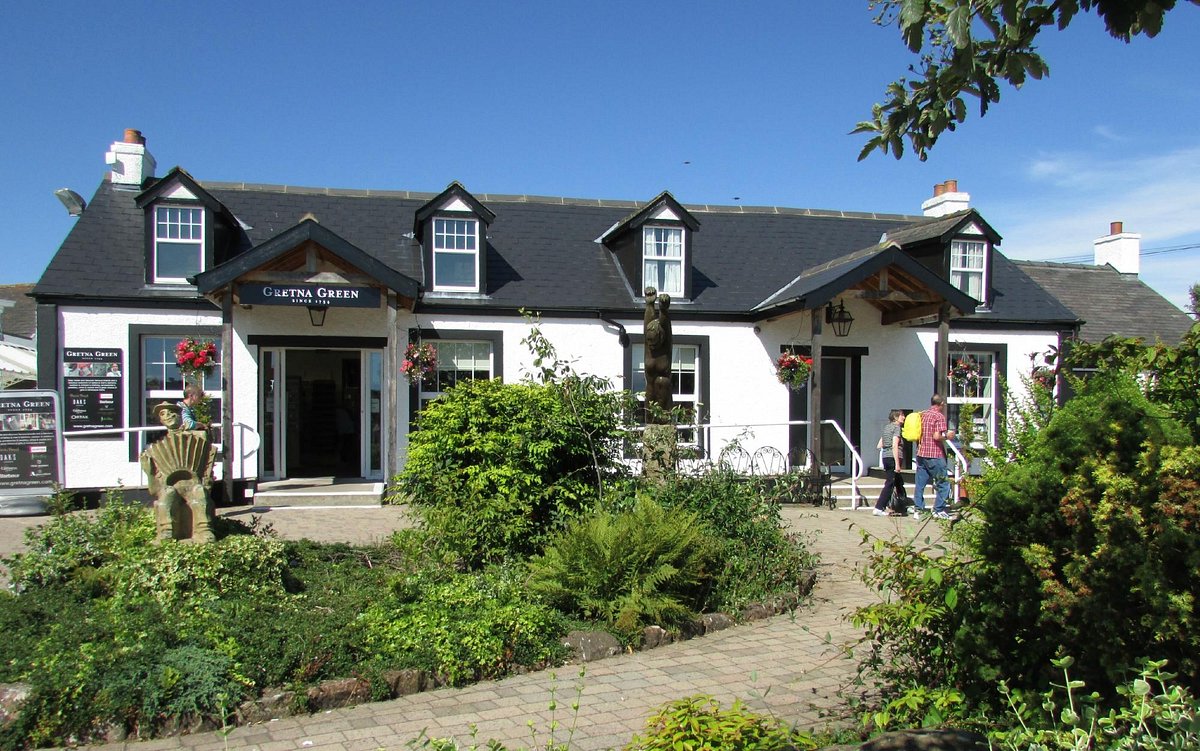
Address:Headless Cross, Gretna Green, Dumfries & Galloway, DG16 5EA
The Gretna Green Famous Blacksmiths Shop is a unique and compelling site of social history located just over the border with England.
Its fame stems from a peculiar piece of Scottish legal history: after the 1754 Marriage Act in England raised the legal marriage age, runaway couples-often including minors-flocked here because Scots law permitted marriage without parental consent at a lower age.
The local blacksmith became the "Anvil Priest," conducting speedy, unofficial ceremonies. Visiting the shop today offers a charming and vivid look into this enduring tradition of romantic elopement and the differences in law that shaped social custom.
Guide To Scottish Historical Sites And Landmarks
Passes, Tickets & When To Book
- HES Explorer Pass: Worth it if you’ll do 3+ HES sites in 5–14 days; includes Edinburgh, Stirling and Urquhart.
- Single-site demand: Edinburgh Castle sells out online-book early; Stirling and Urquhart also use timed entries.
- NTS membership: Consider if your plan skews to Culloden, Culzean, Drum, Gladstone’s Land, St Kilda support, and more.
Clarity update:Explorer Pass operates for up to 14 consecutive days and may have limited daily allocations at peak sites-reserve early.
Accessibility, Weather & Responsible Visiting
- Accessibility guides:Start with Euan’s Guide“Castles & Battlefields Accessible Highlights.”
- Live status & closures:HES and NTS pages flag maintenance/works (e.g., Glenfinnan Viaduct works in 2024–25, Calanais facilities upgrades).
- Peak pressure points:Ring of Brodgar and Glenfinnan can get saturated-use early/late windows, public transport where feasible.
Frequently Asked Questions
What Is The Most Historical Place In Scotland?
Many vie for the title, but the Isle of Lewis's Calanais Stones are arguably the oldest human structures, while Edinburgh Castle is the most symbolically and politically significant, spanning a millennium of national life.
What Are The Top 10 Historic Sites To See In Scotland?
The top 10 must-see sites include Edinburgh Castle, Stirling Castle, Skara Brae, Culloden, the Antonine Wall, Urquhart Castle, Melrose Abbey, Iona, Kilmartin Glen, and the Glenfinnan Viaduct.
What Is The Most Visited Place In Scotland?
Edinburgh Castle consistently ranks as the most-visited paid attraction for Historic Environment Scotland, while the National Museum of Scotland is the most-visited free attraction in the country.
How Many Historic Scotland Sites Are There?
Historic Environment Scotland (HES), the government agency, cares for over 300 properties, while the National Trust for Scotland (NTS) manages nearly 100 properties, offering a vast array of choices for travelers.
Is The Historic Scotland Pass Worth It?
The Historic Scotland pass is highly worthwhile if you plan to visit three or more major HES sites, such as Edinburgh, Stirling, and Urquhart Castles, as the savings on ticket costs are substantial.
What Period Of History Are Most Historic Sites From?
Scotland’s history is long, but most accessible sites relate to the Neolithic/Bronze Ages (Skara Brae), the medieval period (castles), and the 18th-century Jacobite Risings (Culloden).
What Are The Most Scenic Historic Sites?
Urquhart Castle (Loch Ness), Eilean Donan Castle, and the prehistoric sites on Orkney and the Isle of Skye offer the most dramatic and picturesque coastal and mountain backdrops for photography.
Do I Need To Book Historic Site Tickets In Advance?
Yes, for major sites like Edinburgh Castle and Stirling Castle, advance booking is essential during peak season (April to October) to guarantee entry and avoid long queues that can consume your day.
Final Words
The historic sites scotlandoffers are more than just old stones; they are the heart of a proud and ancient nation. You now have the expert, site-by-site blueprint needed to turn an overwhelming list of attractions into a logical, unforgettable journey.
You are about to walk in the footsteps of kings, rebels, and the earliest inhabitants of the British Isles, whether you choose the imposing fortresses of the Lowlands or the mystical stones of the Hebrides Go and feel the chill of history yourself-it's waiting for you.
Jump to
Historic Attractions In Scotland - Bookings, Passes & Local Tips
Scotland Historical Sites: Map & Regions
World Heritage Sites In Scotland
Historic Castles In Scotland
Palaces & Historic Houses In Scotland
Abbeys, Cathedrals & Chapels
Prehistoric Stones, Tombs & Brochs
Roman & Military Heritage
Landmarks & Engineering Monuments
Hidden Scottish Historical Sites
Historic Towns & Villages In Scotland
Social History & Traditions
Guide To Scottish Historical Sites And Landmarks
Frequently Asked Questions
Final Words

Callum Fraser
Author
Callum Fraser isn't just a writer about Scotland; he's a product of its rugged landscape and rich history. Born and raised in Perthshire, with the Highlands as his backyard, his love for the nation's stories was kindled by local storytellers and long walks through ancient glens.
This passion led him to pursue a degree in Scottish History from the University of Edinburgh. For over 15 years, Callum has dedicated himself to exploring and documenting his homeland, fusing his academic knowledge with essential, on-the-ground experience gained from charting road trips through the Cairngorms, hiking the misty Cuillins of Skye, and uncovering the secrets of traditional recipes in his family's kitchen.
As the Editor-in-Chief and Lead Author for Scotland's Enchanting Kingdom, Callum's mission is simple: to be your most trusted guide. He combines meticulous research with a storyteller's heart to help you discover the authentic magic of Scotland — from its best-kept travel secrets to its most cherished traditional recipes.
Latest Articles
Popular Articles