How To Choose A Wildlife Holiday In The UK That’s Genuinely Unforgettable
There’s a quiet irony to wildlife travel in the UK. We’ll happily cross continents in search of dramatic encounters, yet often overlook what’s unfolding much closer to home.
Author:Callum FraserJan 20, 2026
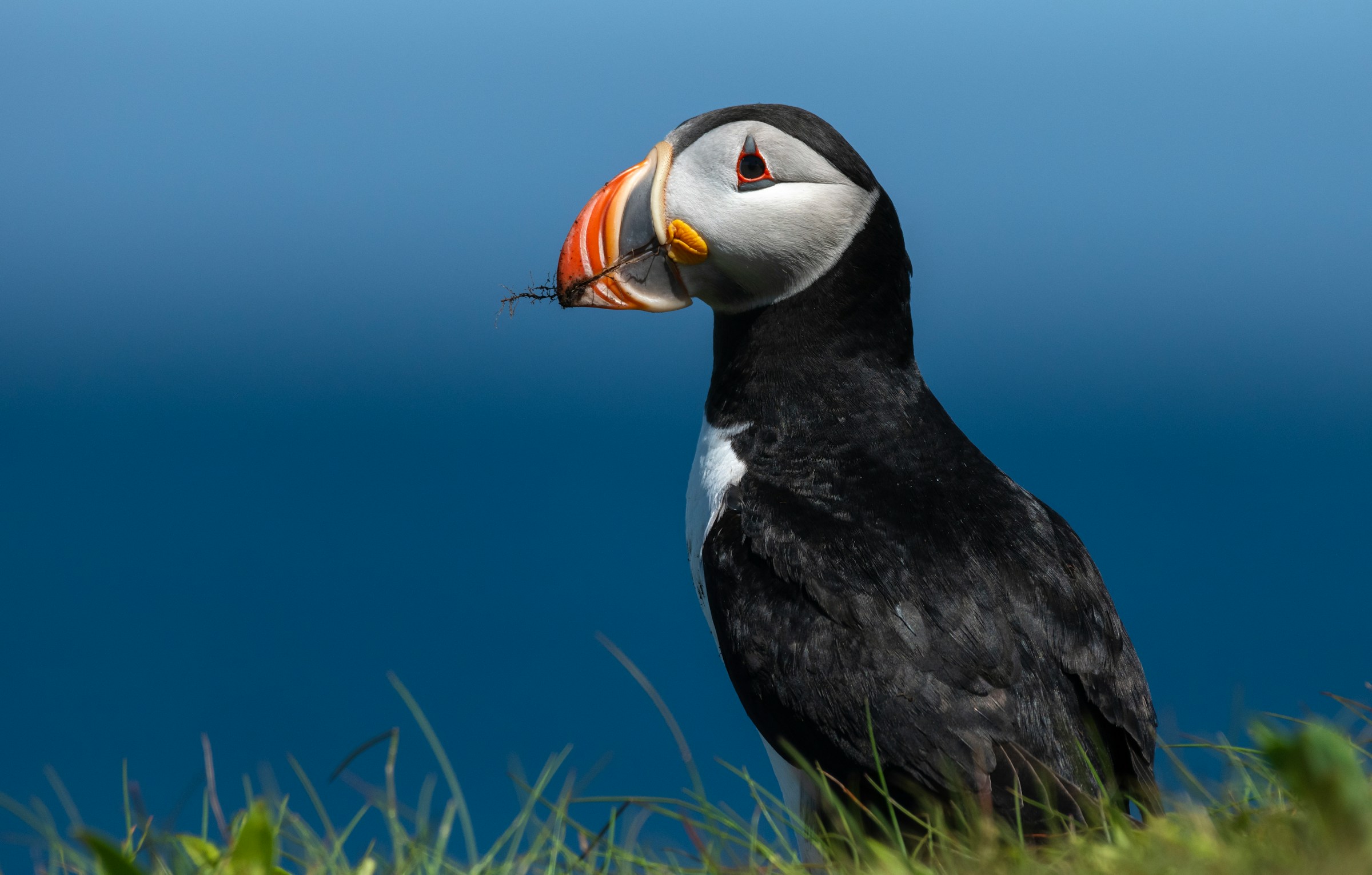
There’s a quiet irony to wildlife travelin the UK. We’ll happily cross continents in search of dramatic encounters, yet often overlook what’s unfolding much closer to home. Ancient woodlands. Tidal estuaries. Wind-carved coastlines where birds, seals, and cetaceans follow rhythms older than the roads that lead to them.
Part of the issue, perhaps, is expectation. UK wildlife holidays don’t shout. They rarely guarantee spectacle on demand. And yet, when approached with the right mindset, they can be profoundly rewarding. Some of the most memorable encounters are subtle. Earned, even.
Specialist operators such as naturetrekhave long understood this, building wildlife experiences around expert knowledge, ethical practice, and a deep respect for seasonal change. Their approach offers a useful lens for anyone trying to make sense of what really matters when choosing a wildlife holiday in the UK.
Because it turns out that an unforgettable experience has less to do with where you go, and much more to do with how you choose.
Start With Habitats, Not Highlights
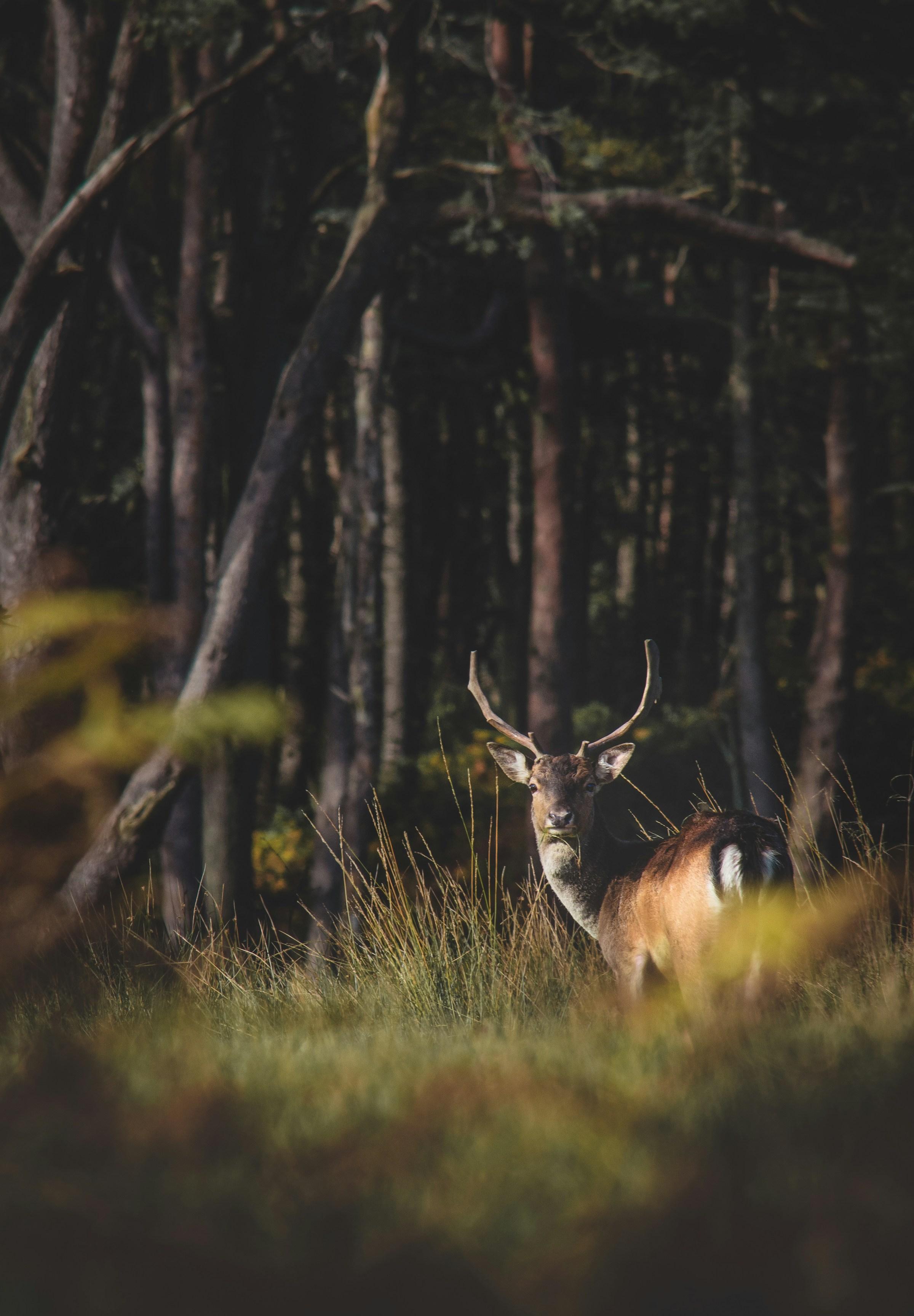
It’s tempting to begin planning with a species in mind. Puffins in spring. Red deer in autumn. Otters at dusk. And there’s nothing wrong with that instinct — it’s human to be drawn to icons.
Coastal cliffs, salt marshes, Ancient Caledonian Forest, chalk downland, peat bogs — each supports its own complex web of life. When you plan around habitats rather than headline sightings, you give yourself room for surprise. You also reduce the risk of disappointment, which, if we’re honest, is often tied to over-specific expectations.
A week spent exploring a single landscape can reveal more than a rushed circuit chasing multiple species. You begin to notice patterns. Behaviour. Small shifts in light or weather that suddenly explain why something appears — or doesn’t.
It’s slower. But it’s usually richer.
Timing Matters More Than People Expect
The UK’s wildlife calendar is subtle, and that subtlety catches people out.
Unlike more extreme climates, our seasons blur into one another. Spring doesn’t arrive on a fixed date. Autumn can linger. A cold snap in May or an unseasonably warm October can quietly reshape wildlife behaviour.
Breeding seasons, migrations, and feeding cycles all respond to these nuances. Seabirds gather when conditions are right, not when calendars say they should. Mammals follow food availability rather than tourist schedules.
This is where local insight becomes invaluable. Understanding when not to go can be just as important as knowing the ideal window. And sometimes, slightly off-peak timing brings unexpected rewards — fewer people, calmer conditions, and wildlife behaving more naturally.
There’s a patience to UK wildlife travel that isn’t always advertised, but it’s worth leaning into.
Ethical Encounters Shape The Entire Experience
Ethics can sound abstract until you see the difference it makes on the ground.
In the UK, wildlife is often encountered in shared landscapes — farmland, coastal paths, managed reserves. Access is a privilege, not a given. And the line between observation and disturbance can be thin.
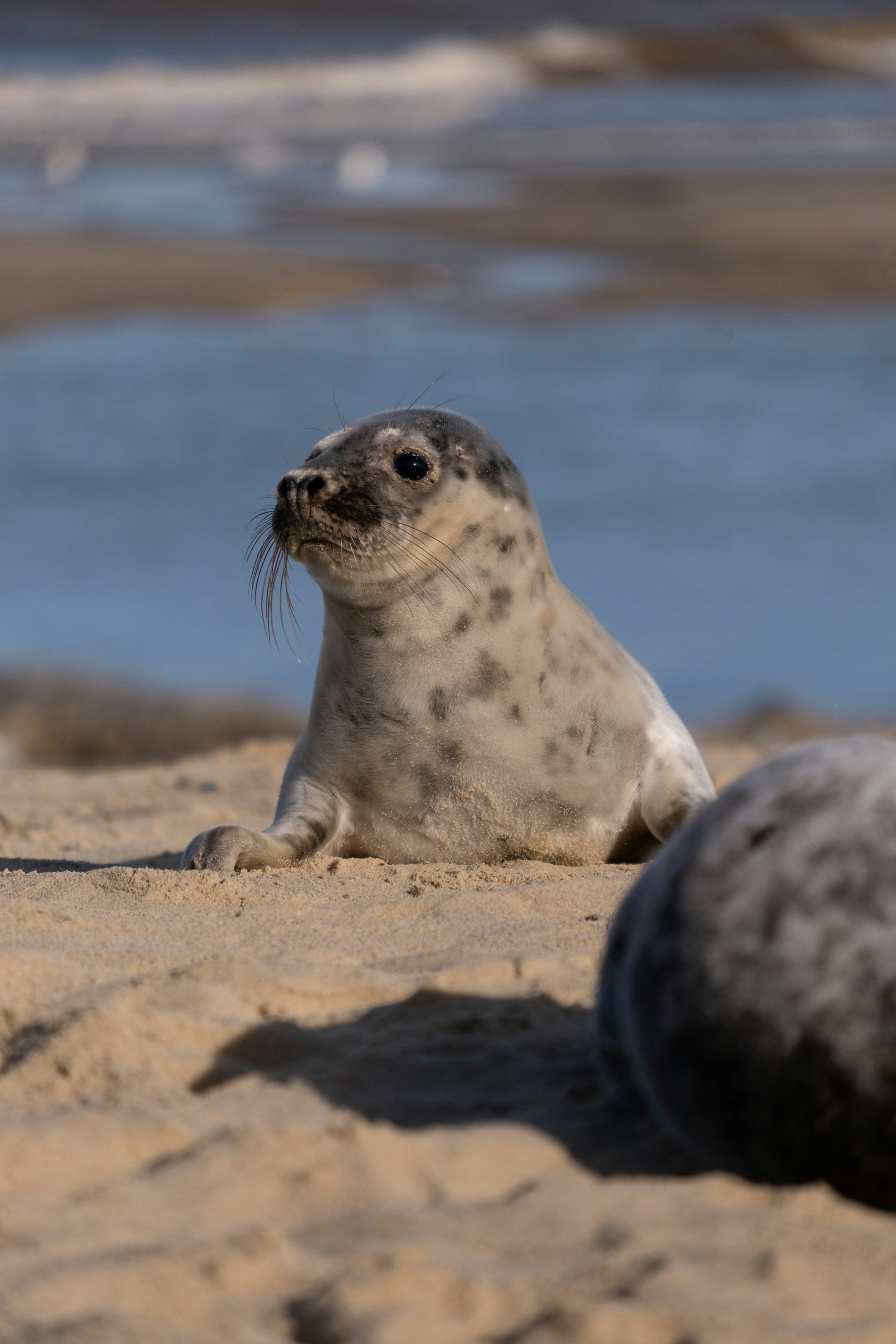
Responsible wildlife watching isn’t about keeping your distance for the sake of rules. It’s about understanding behaviour well enough to know when presence becomes pressure. When a seal shifts posture. When a bird alters its call. When approaching closer stops being curiosity and starts becoming intrusion.
The irony is that ethical practices usually lead to better encounters, not fewer. Wildlife that isn’t stressed behaves more naturally. You see interactions unfold rather than vanish.
An unforgettable holiday rarely comes from proximity alone. It comes from context.
Why Local Knowledge Changes Everything
UK wildlife can be deceptively hard to spot. Not because it isn’t there, but because it blends. Camouflage is effective. Behaviour is seasonal. And many of the most interesting moments happen quietly.
This is where expert guidance shifts the entire experience. A good naturalist doesn’t just point things out. They explain why something is happening — or why it isn’t. They draw your attention to tracks, calls, patterns in the landscape that most of us would walk past without noticing.
You start to see differently. And once that happens, even familiar places feel new.
There’s also reassurance in being guided by someone who understands the limits of the environment as well as its possibilities. It allows you to relax into the experience, rather than constantly wondering if you’re missing something important.
Choosing Depth Over Density
One of the most common planning mistakes is trying to do too much.
The UK is compact, yes. But cramming multiple regions into a short timeframe often dilutes the experience. Travel becomes the dominant activity. Wildlife becomes something you’re squeezing in between logistics.
Depth works better here. Spending time in one area allows you to adapt to conditions, revisit locations, and respond to what’s actually happening rather than sticking rigidly to a plan.
Sometimes the best sightings come on the second or third attempt. Or at the end of the week, once you’ve stopped trying so hard.
It’s not always intuitive, but slowing down tends to sharpen attention rather than dull it.
Practical Details That Quietly Matter
Some considerations sound mundane, yet they shape everything.
Group size affects atmosphere. Smaller groups often allow for flexibility and quieter observation. Accommodation location matters more than luxury — being close to habitats reduces travel fatigue and increases time in the field.
Even pacing during the day plays a role. Wildlife watching isn’t a constant high-energy activity. There are lulls. Waiting periods. Weather pauses. Accepting that rhythm makes the experience feel intentional rather than awkward.
The most satisfying trips often feel thoughtfully balanced, even if you can’t immediately articulate why.
Redefining What Unforgettable Really Means
It’s easy to equate “unforgettable” with spectacle. And occasionally, the UK does deliver moments that stop you in your tracks. A murmuration shifting shape above a winter marsh. A golden eagle lifting from a ridge. A breaching whale seen from shore, almost casually.
But more often, the memories that linger are quieter.
The first time you recognise a call without being told. The realisation that you’ve started scanning landscapes differently. The sense that you understand a place — not completely, but enough to feel connected to it.
A genuinely unforgettable wildlife holiday in the UK doesn’t promise certainty. It offers something better: attentiveness, perspective, and a deeper relationship with the natural world you thought you already knew.
And perhaps that’s the point.

Callum Fraser
Author
Callum Fraser isn't just a writer about Scotland; he's a product of its rugged landscape and rich history. Born and raised in Perthshire, with the Highlands as his backyard, his love for the nation's stories was kindled by local storytellers and long walks through ancient glens.
This passion led him to pursue a degree in Scottish History from the University of Edinburgh. For over 15 years, Callum has dedicated himself to exploring and documenting his homeland, fusing his academic knowledge with essential, on-the-ground experience gained from charting road trips through the Cairngorms, hiking the misty Cuillins of Skye, and uncovering the secrets of traditional recipes in his family's kitchen.
As the Editor-in-Chief and Lead Author for Scotland's Enchanting Kingdom, Callum's mission is simple: to be your most trusted guide. He combines meticulous research with a storyteller's heart to help you discover the authentic magic of Scotland — from its best-kept travel secrets to its most cherished traditional recipes.
Latest Articles
Popular Articles