How To Make Stovies With Square Sausage (Easy Scottish Recipe)
Make authentic stovies with square sausage using this traditional Scottish recipe. Includes layering technique, troubleshooting tips, and what to do when you can't find square sausage.
Author:Callum FraserFeb 17, 2026

Make Stovies With Square Sausage: Bringing Scottish Tradition To Your Table
The first time I made stovies, I was standing in my grandmother's kitchen in Edinburgh, watching her layer potatoes and square sausage into her old cast-iron pot without measuring a single thing. She'd been making this dish for fifty years, and when I asked for exact amounts, she just laughed and said, "You'll know when it's right, hen."
That's the beauty of stovies. This humble Scottish comfort food doesn't demand precision or fancy ingredients. What it does require is understanding a few key principles about layering, moisture, and patience. Once you grasp these basics, you can make a pot of stovies that tastes exactly like the ones served at kitchen tables across Scotland for generations.
I'm going to walk you through making authentic stovies with square sausage, explaining not just what to do but why each step matters. You'll learn how to get that perfect creamy texture, what to do when square sausage isn't available, and how to know when your stovies are properly done. By the end, you'll have a dish that's become my go-to comfort food on cold evenings.
Quick Overview: How To Make Stovies With Square Sausage
- Use floury potatoes, square sausage, onions, and beef stock
- Layer ingredients in a heavy pot instead of mixing
- Cook on low heat for 30 minutes with the lid on
- Potatoes should break down into a thick, creamy consistency
- Serve with crusty bread or oatcakes
What Makes Stovies With Square Sausage Special
The Soul Of Scottish Comfort Food
Stovies belong to that category of dishes every culture has: the one-pot meal that transforms basic ingredients into something deeply satisfying. In Scotland, stovies have filled bellies and warmed hearts for centuries, particularly as a way to use up leftover roast meat from Sunday dinner.
The name comes from the cooking method itself. Stovies are "stoved," meaning cooked on the stovetop in a covered pot where ingredients steam and simmer together. This gentle cooking breaks down the potatoes until they're soft and almost creamy, absorbing all the flavors from the meat and onions.
What I love most about stovies is their democratic nature. This isn't fancy food. It's honest, filling, and forgiving. You can make it with expensive beef or leftover sausages, in a fancy pot or a battered old pan, and it still delivers that same comforting satisfaction.
Why Square Sausage Makes The Difference
Square sausage, also called Lorne sausage, is a Scottish breakfast staple that's different from any sausage you'll find elsewhere. Instead of being stuffed into casings, it's made from minced beef mixed with breadcrumbs and spices, then formed into a square block and sliced.
The texture is what makes it perfect for stovies. Square sausage has a slightly coarse, firm texture that holds up during the long, gentle cooking. It breaks into satisfying chunks that distribute throughout the potatoes, and the beef fat and seasonings infuse the entire dish with deep, savory flavor.
I've made stovies with regular link sausages, and while they work, they don't quite deliver the same result. Square sausage has a peppery, slightly salty taste that's more assertive, and because it's already flat, it cooks more evenly and integrates better with the potatoes. When you bite into proper stovies made with square sausage, you get that distinctly Scottish flavor that takes me right back to my grandmother's kitchen.
The Best Ingredients To Get
Choosing The Right Potatoes
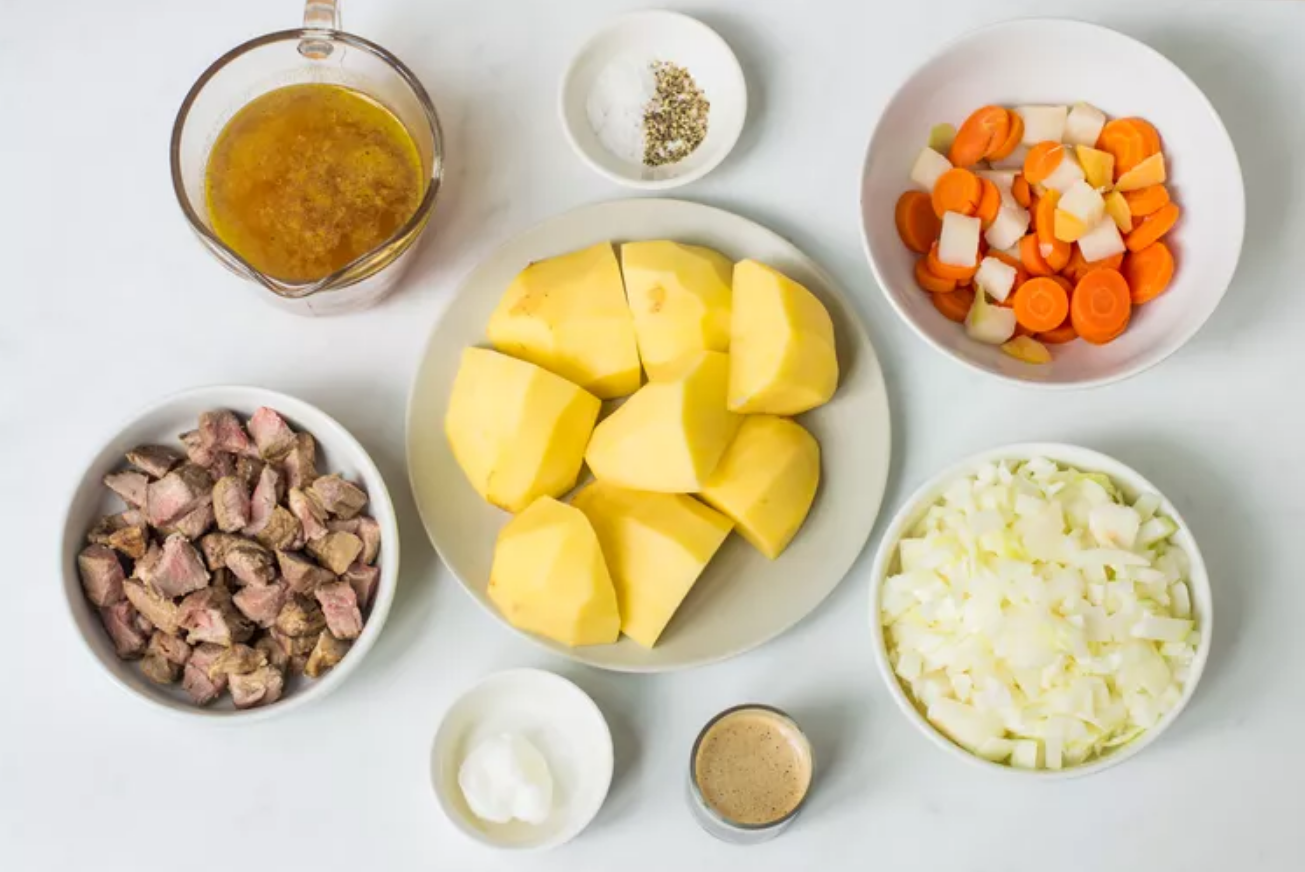
The potato choice makes or breaks stovies. You need floury potatoes, which are high-starch varieties that break down easily when cooked. In the UK, look for Maris Piper, King Edward, or Rooster potatoes.
Floury potatoes do exactly what you want in stovies. They absorb liquid, break apart into fluffy pieces, and create that thick, almost creamy consistency that defines the dish. Some pieces will completely dissolve, creating body and richness, while others stay in soft chunks.
Waxy potatoes like Charlotte or new potatoes will ruin your stovies. They hold their shape too well, staying firm and separate instead of melding together. I learned this the hard way when I made stovies with whatever potatoes I had on hand. The result was soup with potato chunks floating in it, not the cohesive, thick stovies I was aiming for.
All About Square Sausage
Square sausageis sold in most Scottish butchers and supermarkets, usually in packs of sliced squares ready to cook. Each slice is typically about 1cm thick and roughly 10cm square, though sizes vary slightly.
The ingredients are simple: minced beef, rusk or breadcrumbs, water, salt, and pepper. Some butchers add their own spice blends, but traditional square sausage keeps seasoning minimal, letting the beef flavor shine. The texture is firm but not dense, with a slight coarseness from the rusk.
If you're outside Scotland, finding square sausage gets challenging. Some online Scottish food shops ship internationally, and a few specialty butchers make it. When I moved to England for a few years, I actually had my mum post me square sausage packed with ice packs, which tells you how much it matters to authentic stovies.
The Supporting Cast: Onions And Stock
Onions add sweetness and depth that balance the rich sausage. I prefer white or yellow onions rather than red, which can turn the stovies an odd color. The onions should be sliced, not diced, so they create layers that soften and almost melt into the potatoes.
For stock, beef stock works best with square sausage, reinforcing the meaty flavor. You can use a stock cube dissolved in hot water or homemade stock if you have it. Some people use just water, which works but gives a blander result. I always use stock because the extra flavor is worth the minimal effort.
Salt and pepper are your only other essentials. The square sausage provides plenty of seasoning, so go light on added salt. I usually add a good grinding of black pepper because I like that bite against the rich potatoes.
What You Need To Make Stovies
Ingredients:
- 900g floury potatoes, peeled and cut into thick slices
- 400g square sausage, cut into roughly 2cm pieces
- 2 medium onions, sliced
- 400ml beef stock (can use 1 stock cube in hot water)
- Salt and freshly ground black pepper
- Knob of butter (optional, for finishing)
Equipment:
- Large, heavy-bottomed pot or deep frying pan with a tight-fitting lid
- Sharp knife and cutting board
- Wooden spoon
This recipe serves 4 people generously as a main course, or 6 as a side dish.
Step-by-Step: Making Stovies With Square Sausage
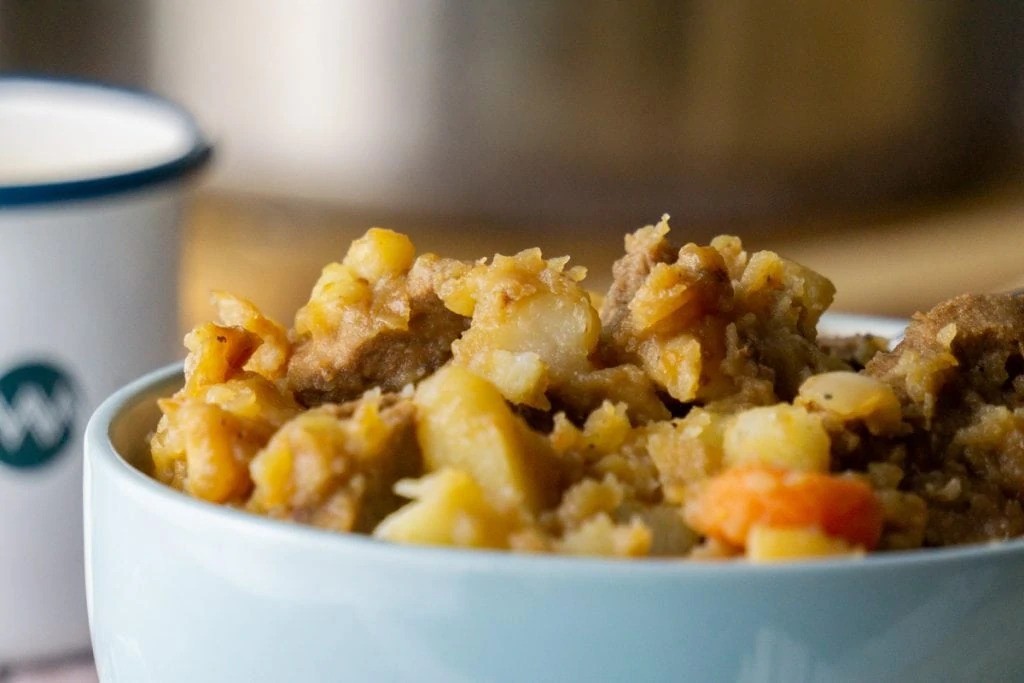
Scottish food recipesbring warmth and comfort to the table, often using simple, hearty ingredients. Stovies are a perfect example of a classic dish loved for generations in Scotland.
Step 1: Prepare Your Ingredients
Peel your potatoes and cut them into slices about 1cm thick. They don't need to be perfectly uniform. I cut mine into rough rounds or chunks, knowing they'll break down anyway. Drop them into a bowl of cold water to prevent browning while you prepare everything else.
Slice your onions into rings or half-moons, keeping them fairly thick. Thin slices disappear completely during cooking, and I like having some onion texture remaining in the finished stovies.
Cut the square sausage into bite-sized pieces, roughly 2cm chunks. Some people leave the slices whole, but I find cutting them up distributes the meat more evenly throughout the dish.
Step 2: Cook The Square Sausage
Heat your pot over medium heat. Add the square sausage pieces without any oil. The sausage has enough fat to cook in its own rendered grease.
Fry the sausage for about 5 minutes, turning occasionally, until it's browned on most sides and has released its fat. You want good color for flavor, but don't worry about cooking it completely through. It will finish cooking with the potatoes.
The kitchen should smell amazing at this point, that distinctive square sausage aroma with its peppery, beefy notes. If your mouth isn't watering yet, you might need to check your pulse.
Step 3: Layer The Ingredients
Here's where stovies differ from most one-pot dishes. Instead of stirring everything together, you layer it carefully. This technique distributes moisture evenly and prevents the bottom from burning while the top stays raw.
Start with about one-third of the browned sausage pieces spread across the bottom of the pot. Add a layer of onions, then a generous layer of potato slices. Season lightly with salt and pepper. Repeat this layering until you've used all your ingredients, finishing with potatoes on top.
Don't stir or mix. The layering creates a structure where steam and moisture move through the ingredients evenly. My grandmother was adamant about this. She'd rap my knuckles with her wooden spoon if I tried to stir.
Step 4: Add Stock And Begin Cooking
Pour the beef stock gently over the layered ingredients. It should come about halfway up the contents, not covering everything completely. The potatoes on top will cook in steam rather than liquid, which is exactly what you want.
Place the lid firmly on the pot. This is crucial. The lid traps steam, creating the moist environment that softens the potatoes without needing to boil them in liquid.
Turn the heat to low. This is lower than you think. You want a very gentle simmer, barely bubbling. High heat will burn the bottom before the top cooks through.
Step 5: The Gentle Simmer
Let the stovies cook undisturbed for 20 minutes. Don't lift the lid to peek. You'll release the steam and drop the temperature, extending cooking time.
After 20 minutes, carefully lift the lid and check. The potatoes should be starting to soften. Give everything one very gentle stir, bringing some bottom ingredients to the top. Be careful not to break up the potatoes too much yet.
Replace the lid and cook for another 10 minutes. During this time, the potatoes will break down significantly. The smell wafting from the pot should be making you seriously hungry.
Step 6: Check And Adjust
After 30 minutes total cooking time, remove the lid and check your stovies. The potatoes should be completely soft, breaking apart easily when you press them with your spoon. The liquid should be mostly absorbed, leaving a thick, cohesive mixture rather than soup.
If there's still too much liquid, remove the lid and cook for a few more minutes to evaporate excess moisture. If it looks too dry and sticks to the bottom, add a splash more stock or hot water and stir gently.
Taste and adjust seasoning. The square sausage is salty, so you likely need very little additional salt. Add black pepper generously. Some people add a knob of butter at this stage for extra richness, though it's not traditional.
Step 7: Finish And Rest
Once the consistency is right, turn off the heat. Replace the lid and let the stovies rest for 5 minutes. This resting time allows flavors to settle and the texture to firm up slightly.
During this rest, any remaining firm potato pieces will soften further in the residual heat. The stovies will also become easier to serve, as they thicken a bit more as they cool slightly.
I use this time to butter some bread or warm oatcakes, getting ready to serve. The anticipation at this point is almost unbearable.
Check Out: Make Your Brownie Recipes Fun And Exciting
Getting The Texture Right
How To Know When Stovies Are Done
Perfect stovies have a specific consistency that's hard to describe but obvious when you see it. The mixture should be thick and cohesive, holding together on your spoon rather than running off like soup.
The potatoes should be completely soft, with many pieces broken down into an almost mashed-potato texture, while others remain in soft chunks. When you drag your spoon through the pot, it should leave a trail that slowly fills back in rather than immediately flowing together.
The visual cues I look for: the surface looks creamy and thick rather than watery, you can see chunks of sausage and onion distributed throughout, and steam rises gently rather than vigorously bubbling. If you tilt the pot slightly, very little liquid pools at the edge.
Troubleshooting Common Issues
Stovies too watery:This usually means you added too much stock or didn't cook long enough. Remove the lid and simmer gently for 5-10 more minutes, stirring occasionally to prevent sticking. The liquid will evaporate, and the potatoes will absorb more moisture.
Stovies too dry or sticking:Not enough liquid or heat too high. Add hot stock or water, a few tablespoons at a time, stirring gently. Reduce heat immediately. Scrape the bottom carefully. If it's badly stuck, transfer what you can to a clean pot, add liquid, and continue cooking.
Potatoes not breaking down:Wrong potato variety or not cooked long enough. Waxy potatoes won't break down properly, no matter how long you cook them. If using floury potatoes, they need more time. Continue cooking on low heat, checking every 5 minutes.
Burnt bottom, raw top:Heat too high. The bottom cooks and burns before steam penetrates to the top. Always use low heat and a tight-fitting lid. If this happens, salvage what you can from the top and middle, discarding the burnt bottom layer.
From My Kitchen:I learned the hard way that high heat makes stovies stick and burn. Low and slow wins every time. If you're worried about the heat being too low, it probably isn't. Stovies are forgiving about slow cooking but unforgiving about high heat.
Stovies With Square Sausage And Carrots
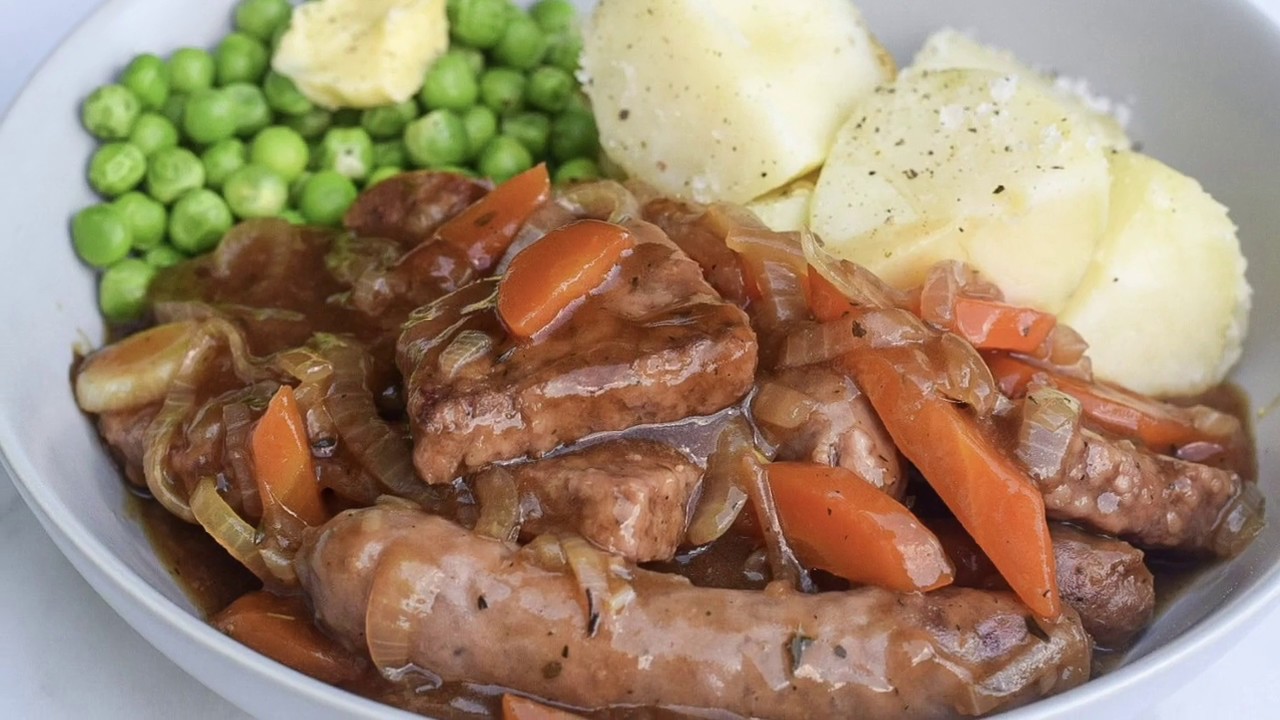
Adding carrots to stovies makes the dish more colorful and adds a little sweetness. It also makes the meal healthier and tastier.
- Preparation: Peel and cut 4 medium potatoes into quarters, slice one large onion and two large carrots, and cut 200g of square sausage into small pieces.
- Sautéing the Base: Heat 1 tablespoon of vegetable oil in a big pot over medium heat, add the onions, and cook for about 7 minutes until golden brown.
- Browning the Meat: Add the sausage to the pot and cook for 5 minutes until it is browned, stirring occasionally to prevent sticking.
- Adding Vegetables and Stock: Add the prepared potatoes and carrots to the pot, then pour in 300ml of beef stock until the vegetables are just covered, adding salt and pepper to taste.
- Simmering: Bring the mixture to a boil, then lower the heat, cover the pot, and let it simmer for 30 minutes while stirring occasionally.
- Thickening the Gravy: Remove the lid for the last 10 minutes of cooking to allow the liquid to thicken into a rich gravy while the potatoes soften and the carrots maintain a slight crunch.
- Final Seasoning: Taste the dish before serving and add more salt or pepper if needed.
- Serving Suggestions: Serve the stovies with steamed greens like kale or cabbage, or alongside crusty bread for a filling meal.
Healthy Stovies With Low-Fat Square Sausage
This lighter version uses low-fat square sausage, like Skinni Slice, and vegetable stock to make a healthier twist on the classic dish.

Authentic Traditional Scottish Sausage Stovies (slow cooker recipe)
- Preparation: Peel and thinly slice 500g of potatoes and one large onion, then cut 200g of low-fat square sausage into small pieces.
- Softening the Onions: Heat 1 tablespoon of olive oil in a pot over medium heat and cook the onions for 5 minutes until they are soft.
- Browning the Sausage: Add the sausage pieces to the pot and cook for another 5 minutes, allowing them to brown slightly.
- Adding Potatoes and Stock: Place the sliced potatoes on top, pour in 300ml of vegetable stock, and add salt and pepper to taste, along with a splash of Worcestershire sauce for extra flavor if desired.
- Simmering: Bring the mixture to a gentle boil, then cover the pot and simmer on low heat for 40 minutes, stirring occasionally to ensure the potatoes break down into a creamy texture without sticking.
- Final Tasting: Once the stovies have thickened and the potatoes are completely soft, taste the dish and add more salt or pepper if necessary.
- Serving Suggestions: Serve the stovies with steamed vegetables or a fresh salad to keep the meal light and healthy.
Variations And Substitutions
When You Can't Find Square Sausage
If square sausage is impossible to find, regular pork sausages work as a substitute. Use about 6 thick sausages, cut into chunks. Brown them the same way you would square sausage.
The flavor will be different. Pork sausages are usually sweeter and milder than beef square sausage. Consider adding a pinch of extra black pepper or a small dash of Worcestershire sauce to compensate for the missing peppery beef flavor.
Beef mince is another option. Brown 400g of beef mince with a bit of oil, breaking it up as it cooks. Season well with salt and pepper. This gives you closer to the beef flavor of square sausage, though the texture is quite different.
Using Leftover Roast Meat
Traditional stovies often used leftover roast beef, lamb, or chicken from Sunday dinner. This is actually more authentic than using fresh sausage, as stovies originated as a leftover-stretching dish.
Use 300-400g of cooked meat, shredded or cut into chunks. Since it's already cooked, you skip the browning step. Just layer the cold meat with the onions and potatoes, add stock, and cook as directed.
The flavor will be milder than sausage-based stovies. Add the roasting juices or gravy if you have them, which brings tremendous flavor. I make stovies with leftover roast lamb fairly often, and the subtle lamb flavor through the potatoes is wonderful.
Vegetarian Stovies
Vegetarian stovies are simply potatoes and onions cooked in vegetable stock. They're surprisingly satisfying, relying entirely on the sweetness of onions and the comfort of soft potatoes.
Use the same method, layering onions and potatoes with vegetable stock. You might want to add a bit more butter for richness since there's no meat fat. Some people include sliced mushrooms for a meatier texture and umami flavor.
I've made these when cooking for vegetarian friends, and while they're obviously different from traditional stovies, they're still deeply comforting. The technique remains the same, which is what really makes stovies special.
Regional Variations
In some parts of Scotland, stovies include carrots or turnips. Add these root vegetables, peeled and cut into chunks, layering them with the potatoes. They add sweetness and color, though purists argue this isn't authentic.
Some families make their stovies quite wet, almost like thick soup, while others prefer them dry enough to hold their shape on a plate. There's no right answer. My grandmother made hers fairly dry, but my friend's family in Glasgow makes theirs much wetter.
Oatmeal stovies add a handful of oatmeal to the mix, which thickens the liquid and adds texture. Corned beef stovies use tinned corned beef instead of sausage or fresh meat, which was popular when money was tight.
From My Kitchen:I've tried most variations, and honestly, they all work. Stovies are adaptable by nature. The core principle of slowly cooking layered potatoes with some form of savory richness holds regardless of the specific ingredients.
Serving Your Stovies
Traditional Accompaniments
The traditional way to serve stovies is with crusty white bread to mop up the juices. My grandmother always served them with a thick slice of plain white bread, thickly buttered. The contrast of crispy toast against soft stovies is perfect.
Oatcakes are another classic accompaniment. These crisp Scottish crackers add texture and a subtle nutty flavor that complements the rich stovies beautifully. They're traditional with many Scottish dishes and work particularly well here.
Some families serve pickled beetroot on the side. The sharp, sweet-sour beetroot cuts through the richness of the stovies. I wasn't sure about this combination when I first tried it, but it works surprisingly well.
Making It A Complete Meal
Stovies are filling enough to be a complete meal on their own. A generous bowl with some bread is all you need for a satisfying dinner.
If you want to add vegetables, keep them simple. Steamed cabbage or peas on the side work well. Don't overcomplicate it. Stovies are comfort food, not a multi-course production.
For a full Scottish spread, serve stovies alongside other traditional foods like haggis or black pudding for Burns Nightor Hogmanay celebrations. This makes an impressive spread that showcases authentic Scottish cooking.
From My Kitchen:On cold winter evenings, I make a pot of stovies, pour myself a dram of whisky, and eat them while watching the rain outside. It's the kind of simple pleasure that makes Scottish cooking special.
Storage And Reheating
Refrigerating Stovies
Stovies keep well in the fridge for 3-4 days, and many people insist they taste better the next day as flavors develop. Let them cool completely before transferring to an airtight container.
The potatoes will absorb more liquid as they sit, so refrigerated stovies will be thicker than when freshly made. This is normal and actually quite nice. They become more cohesive and easier to serve.
Make sure to refrigerate within 2 hours of cooking to prevent bacterial growth. Don't leave them sitting at room temperature for extended periods, as the combination of meat and potatoes can spoil relatively quickly.
Freezing For Later
Stovies freeze beautifully for up to 3 months. Cool them completely, then portion into freezer-safe containers or bags. I like to freeze in individual portions for quick lunches.
When freezing, leave about 2cm of headspace in containers because stovies will expand slightly as they freeze. Label with the date so you know how long they've been frozen.
Defrost frozen stovies thoroughly in the fridge overnight before reheating. Don't try to reheat from frozen, as the outside will burn before the center heats through.
Reheating Without Drying Out
The key to reheating stovies is adding liquid. Place them in a pot with a few tablespoons of water or stock. Cover with a lid and heat gently over low heat, stirring occasionally.
The added liquid prevents burning and helps the stovies return to their original consistency. As they heat, the potatoes will absorb this moisture and become soft again rather than dry and crumbly.
You can also reheat in the microwave. Add a splash of water, cover loosely, and heat in 2-minute intervals, stirring between each, until piping hot throughout. The microwave tends to dry stovies out more than stovetop reheating, so be generous with the added liquid.
Practical Tips For Perfect Stovies
To make sure your stovies turn out great, follow these easy tips.
- Choose the Right Potatoes: Use starchy potatoes like Maris Piper. They go soft and creamy when cooked, whereas waxy potatoes don’t break down well and can make the dish less smooth.
- Select Your Fat: Beef dripping gives a real Scottish flavor, but you can use vegetable oil instead if you want something lighter.
- Season Generously: Add plenty of salt and pepper. Potatoes soak up flavors while cooking, so it’s important to season well and taste before serving.
- Avoid Over-Stirring: Don’t stir too much while the stovies are cooking. Letting them cook without stirring helps create a nice caramelized layer at the bottom, which adds extra taste.
- Thicken the Mixture: If the mixture is too runny, take the lid off for the last 10 minutes. This lets the liquid cook away and makes the stovies thicker.
These tips will help you make a tasty, rich dish every time.
Common Mistakes To Avoid
Avoid these common mistakes to make perfect stovies every time.
- Overcooking the Dish: Don’t cook the dish for too long, as overcooking can make everything mushy. Check the potatoes after 30 minutes to see how they’re cooking.
- Under-Seasoning: Don’t use too little salt or spices, as that can make the dish taste flat. Always taste before serving and add more seasoning if needed.
- Using Waxy Potatoes: Use starchy potatoes rather than waxy ones. Waxy potatoes don’t soften and break down properly, which stops the stovies from getting that thick, stew-like texture.
- Timing the Meat Incorrectly: Add the square sausage early enough so its flavor mixes well with the potatoes and onions. If you add it too late, the dish won’t taste as rich.
- Handling Corned Beef Differently: If you’re using corned beef instead of square sausage, add it at the end to warm through. Since it’s already cooked, adding it too early can make it tough.
By avoiding these mistakes, you’ll end up with tasty, comforting stovies every time.
FAQs About How To Make Stovies With Square Sausage
What Is Square Sausage?
Square sausage, also called Lorne sausage, is a traditional Scottish breakfast sausage made from minced beef mixed with breadcrumbs and spices. Unlike regular sausages in casings, it's formed into a square block and sliced flat. The texture is firm and slightly coarse, with a distinctive peppery, beefy flavor that makes it perfect for stovies and Scottish breakfasts.
Can I Make Stovies Without Square Sausage?
Yes, absolutely. Regular pork or beef sausages work well as substitutes. Cut them into chunks and brown before layering. Leftover roast meat from Sunday dinner is actually more traditional than fresh sausage. Corned beef is another common alternative. For vegetarian stovies, simply use onions and potatoes with vegetable stock. The technique remains the same regardless of the protein you choose.
How Long Does It Take To Make Stovies?
Stovies take about 45 minutes total from start to finish. You'll spend about 15 minutes preparing and browning ingredients, then 30 minutes cooking on low heat. The hands-on time is minimal since most of the cooking happens undisturbed with the lid on. Add another 5 minutes for resting before serving. It's not a quick meal, but most of the time requires no attention from you.
Should Stovies Be Wet Or Dry?
Stovies should be moist and thick but not soupy. The consistency should be similar to very thick stew or loose mashed potatoes, where the mixture holds together on your spoon rather than running off like soup. Some families prefer wetter stovies that are almost like thick soup, while others like them dry enough to hold their shape on a plate. Both are acceptable; it's personal preference.
Do You Drain Potatoes Before Making Stovies?
No, never drain the potatoes after cutting them. While you can rinse them briefly if they're very dirty, you want to keep the potato starch because it helps thicken the stovies as they cook. The starch released from the potatoes during cooking combines with the stock to create that characteristic thick, creamy consistency that makes stovies special.
What Potatoes Are Best For Stovies?
Floury potatoes are essential for proper stovies. In the UK, use Maris Piper, King Edward, or Rooster potatoes. These high-starch varieties break down during cooking, creating the thick, almost creamy texture that defines good stovies. Waxy potatoes like Charlotte or new potatoes won't work because they hold their shape too well, leaving you with potato chunks in liquid rather than proper stovies.
Can You Freeze Stovies?
Yes, stovies freeze excellently for up to 3 months. Cool them completely first, then portion into freezer-safe containers, leaving about 2cm headspace for expansion. Label with the date and freeze. Defrost thoroughly in the fridge overnight before reheating. To reheat, add a splash of water or stock, cover, and warm gently on the stovetop or in the microwave until piping hot throughout.
What Do You Serve With Stovies?
Traditional accompaniments include crusty white bread or toast for mopping up the juices, Scottish oatcakes for texture contrast, or buttered plain bread. Some families serve pickled beetroot on the side to cut through the richness. Stovies are substantial enough to be a complete meal on their own, but simple steamed vegetables like cabbage or peas work well if you want to add greens.
Are Stovies The Same As Hash?
No, stovies and hash are different dishes despite both being potato-based comfort foods. Hash browns or fries ingredients together in a pan, creating crispy edges and distinct chunks. Stovies use a layering and steam-cooking method that breaks down the potatoes into a thick, cohesive mixture with a softer, creamier texture. Stovies are also traditionally milder and less crispy than hash.
Can I Add Other Vegetables To Stovies?
You can add carrots or turnips if you like, cutting them into chunks and layering them with the potatoes. Some regional variations include these vegetables. However, traditional stovies keep additions minimal, focusing on potatoes, onions, and meat. Adding too many vegetables changes the character of the dish. If you do add extras, remember they'll need to be cut small enough to cook through in the same time as the potatoes.
Final Thoughts
Making stovies with square sausage connects you to generations of Scottish home cooks who've made this same dish to feed their families. It's not complicated or fancy, but it delivers the kind of deep, warming satisfaction that only comes from traditional comfort food made with care.
The beauty of stovies lies in understanding a few simple principles: use floury potatoes that break down, layer rather than mix, cook low and slow with the lid on, and let the ingredients transform into something greater than their parts.
Start with this recipe as written, then make it your own. Use leftover roast from Sunday dinner. Try it with different meats when square sausage isn't available. Adjust the wetness to suit your preference.
Jump to
Make Stovies With Square Sausage: Bringing Scottish Tradition To Your Table
Quick Overview: How To Make Stovies With Square Sausage
What Makes Stovies With Square Sausage Special
The Best Ingredients To Get
Step-by-Step: Making Stovies With Square Sausage
Getting The Texture Right
Stovies With Square Sausage And Carrots
Healthy Stovies With Low-Fat Square Sausage
Variations And Substitutions
Serving Your Stovies
Storage And Reheating
Practical Tips For Perfect Stovies
Common Mistakes To Avoid
FAQs About How To Make Stovies With Square Sausage
Final Thoughts

Callum Fraser
Author
Callum Fraser isn't just a writer about Scotland; he's a product of its rugged landscape and rich history. Born and raised in Perthshire, with the Highlands as his backyard, his love for the nation's stories was kindled by local storytellers and long walks through ancient glens.
This passion led him to pursue a degree in Scottish History from the University of Edinburgh. For over 15 years, Callum has dedicated himself to exploring and documenting his homeland, fusing his academic knowledge with essential, on-the-ground experience gained from charting road trips through the Cairngorms, hiking the misty Cuillins of Skye, and uncovering the secrets of traditional recipes in his family's kitchen.
As the Editor-in-Chief and Lead Author for Scotland's Enchanting Kingdom, Callum's mission is simple: to be your most trusted guide. He combines meticulous research with a storyteller's heart to help you discover the authentic magic of Scotland — from its best-kept travel secrets to its most cherished traditional recipes.
Latest Articles
Popular Articles