How To Volunteer At The Edinburgh Fringe Festival | Your Summer Of Unforgettable Chaos
The Edinburgh Fringe Festival gives anyone a stage and everyone a seat. As a volunteer, you make both sides of that vision possible. You're not just watching the world's largest arts festival, you're creating the conditions that allow it to exist. That's worth the exhaustion, the shared rooms, the long hours, and the chaos.
Author:Callum FraserOct 26, 2025
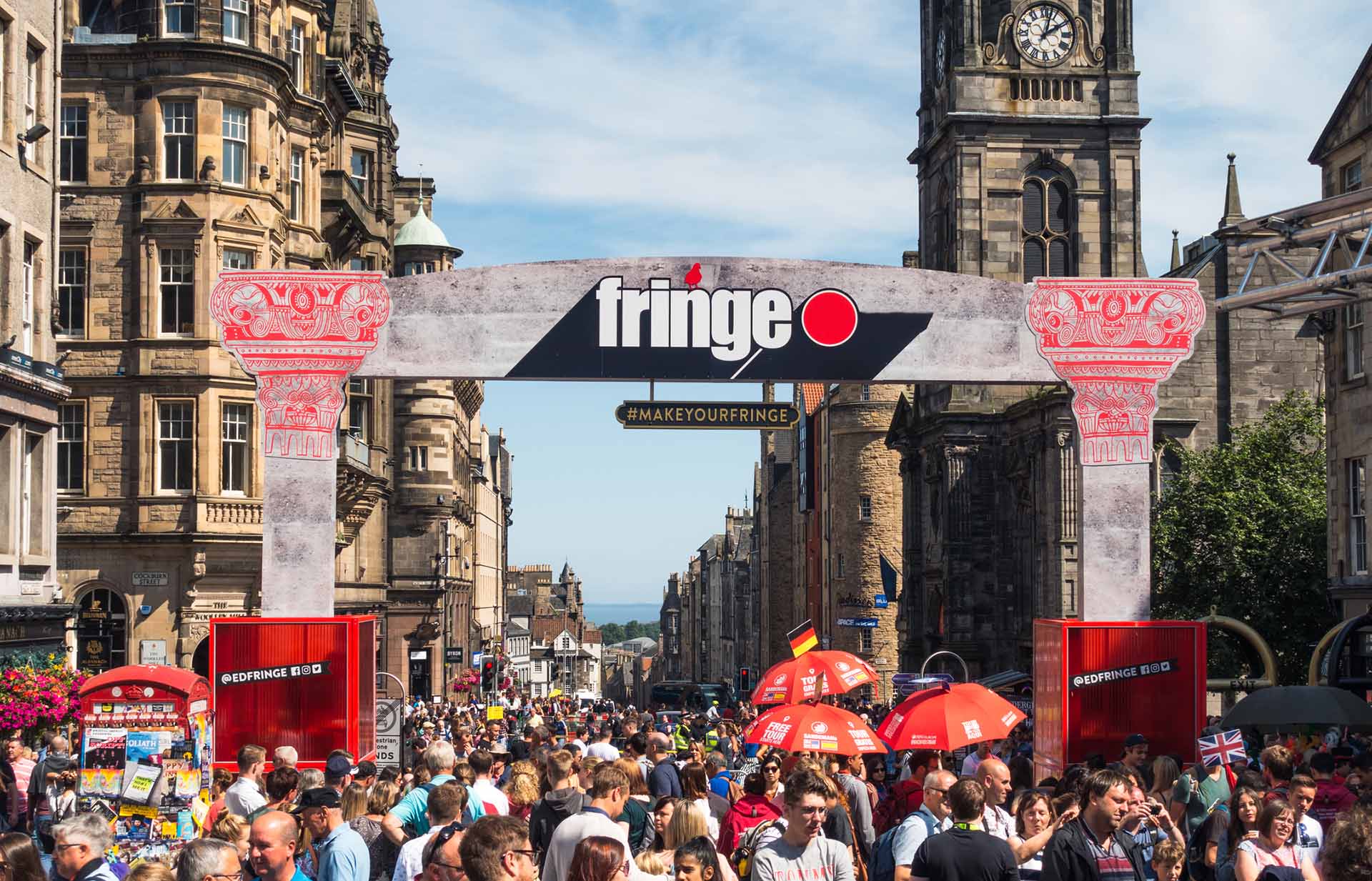
Volunteering At The Edinburgh Fringe Festival: Why It’s An Unmissable Experience
The Edinburgh Fringe Festival isn't just a three-week arts event; it's a month-long, beautiful, and utterly overwhelming logistical miracle. Every August, thousands of shows descend on this historic city, transforming every basement, pub, and lecture hall into a temporary theatre.
Getting to volunteer at the Edinburgh Fringe Festival isn't just about handing out programs; it's about diving headfirst into the chaotic engine room of the world's largest arts festival. I’ve seen this event from the inside, from stage managing tiny basements to working the press desks of the major venues.
I know that simply searching "how to volunteer" can be frustrating because the advice is vague and scattered. The reality is that there isn't one application, but dozens. Your goal isn't just to apply; it's to apply strategically to the right organization, at the right time. Let me show you how to cut through the confusion and secure your spot in the heart of the frenzy.
Decoding The Fringe Ecosystem
The single biggest point of confusion for aspiring volunteers is figuring out who the boss actually is. The Fringe is a decentralized beast, meaning very few people volunteer for the official, central organization.
The Fringe Society Vs. The Major Venues: Understanding The Difference
Think of the Edinburgh Festival Fringe Society as the official registrar and publisher of the program. They run the central box office and the main information points.
- Fringe Society Volunteering: They accept very few volunteers, focusing mainly on the street team, accessibility support, and general administrative roles. The application window is often small, but the work is typically less physically demanding than venue work.
- Major Venue Volunteering: This is where 99% of volunteering opportunities live. Venues like The Underbelly, Assembly, Pleasance, and Gilded Balloon are private businesses that host hundreds of shows. They need huge teams of temporary staff and volunteers to run box offices, usher shows, and build the infrastructure. This is where you want to focus your energy.
Choosing Your Tribe: The Major Venue Operators
Different Fringe venues offer different experiences, depending on their size, tone, and organization. When you volunteer, you become a staff member of that venue, not the entire festival.
- The Big Four: The Underbelly, Assembly, Pleasance, and Gilded Balloon. These are the behemoths. They offer the most established structure, clear shift patterns, and the highest volume of shows (meaning more show tickets for you).
- The University Venues: These are often run by student unions or universities (e.g., Summerhall, Teviot). They offer a fantastic community feel, and you might find the application process slightly less formal.
- The Free Fringe: This model focuses on bucket-hat donations instead of tickets. Volunteering here often means more flyering and street promotion, but it also provides fantastic exposure to performers at the complete grassroots level.
Steps To Volunteer

EDINBURGH FRINGE FESTIVAL 2024 - Atmosphere on the ROYAL MILE - Scotland Walking Tour | 4K | 60FPS
Research specific organizations: To find a volunteer placement, you must look for venues and production companies that manage their own programs, as the main Fringe Society does not recruit directly. Focus your search on major venues and independent groups such as The Pleasance Theatre, Gilded Balloon, Assembly Festival, Underbelly, or smaller, reputable companies like C venues and Paradise Green. These entities are the primary employers of Fringe volunteers.
Visit Their Websites
Once you have a list of targets, navigate to their official websites and specifically look for sections labeled "Opportunities," "Work With Us," "Recruitment," or "Volunteer." This is where you will find the most current and detailed information regarding available volunteer roles, the recruitment timeline, and the all-important application deadlines, which typically fall between late spring and early summer.
Apply Online
The next step is to carefully complete the application form provided on the organization's website. These are usually comprehensive online forms that ask about your availability, interests, and any relevant experience. For example, prominent companies like C venues and The Pleasance utilize dedicated online application portals for their volunteer intake. You should be prepared to articulate why you want to volunteer and what you hope to contribute to their venue or program.
Meet The Requirements
Before submitting your application, you must ensure you meet all the prerequisites for the role you are applying for. Requirements can vary significantly; some roles demand specific skills like technical knowledge in lighting or sound, a certain level of physical fitness, as many jobs involve standing for long periods or moving equipment, or, most commonly, a commitment to a minimum number of weeks during the August festival. Confirming your ability to meet these requirements is crucial for a successful application.
Be Prepared For The Festival
If you are accepted, you should be ready to embrace a wide range of responsibilities in a fast-paced environment. The work can be diverse and often changes day-to-day. Common roles include front-of-house duties like seating audiences, checking tickets, providing excellent customer service, and operating box office tasks such as selling tickets or merchandise.
Other opportunities lie in backstage and technical support, which involves assisting with stage changeovers, basic lighting operation, or helping performers set up their shows. Flexibility and enthusiasm are key to making the most of your time at the Fringe.
Major Venues Recruiting Volunteers
Pleasance Theatre Trust
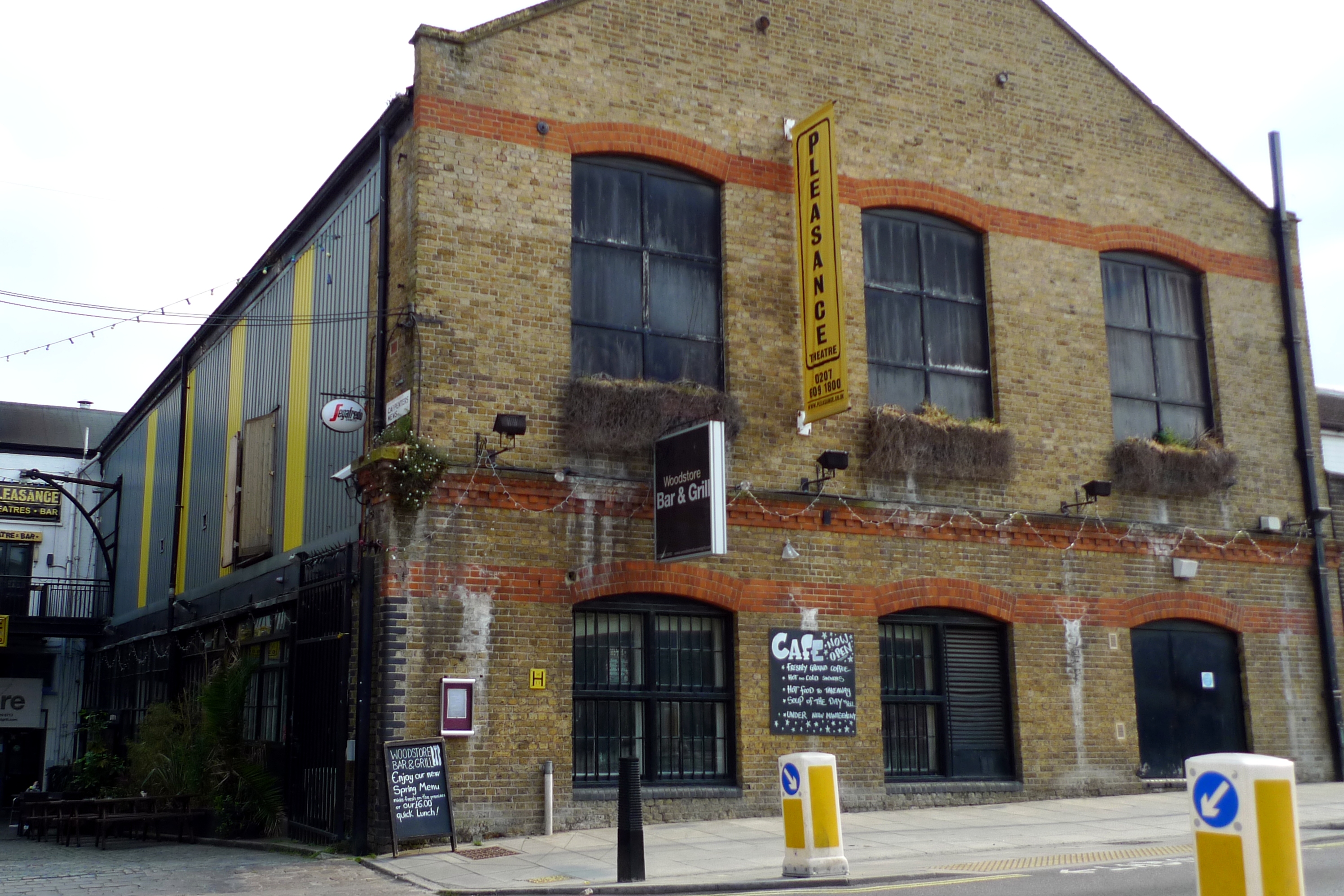
Pleasance operates 33 performance spaces across three sites and welcomes nearly 500,000 audience members during the festival. Their volunteer programspans four departments: Technical, Guest Services (front of house), Industry Relations, and Marketing. Each department offers distinct experiences, from managing lighting and sound to welcoming audiences and coordinating with arts professionals.
Benefits include a private bed in local accommodation at no cost, subsistence contributions toward living expenses, and a pass providing free access to the entire Pleasance program. You'll also gain networking opportunities, training sessions, and the ability to request references afterward, valuable currency in the arts industry.
Pleasance recruits on a rolling basis without fixed deadlines, but they recommend applying early to secure your preferred role. Applications require either a written submission with a CV or an audio/video application, making the process accessible to different communication styles.
Paradise Green Venues
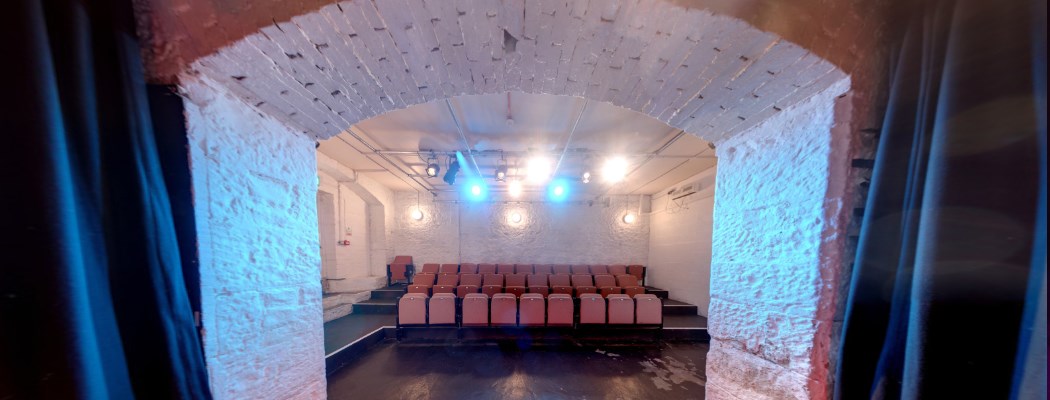
Paradise Green operates two venues, Paradise in Augustines and Paradise in the Vault, located in Edinburgh's Old Townnear the Royal Mile. Their volunteer program stands out for its comprehensive support structure and strong community atmosphere.
Volunteers receive accommodation in shared flats, typically in the Marchmont area, about 15 minutes' walk from the venues. What impressed me about their setup: they provide all bedding, breakfast supplies in the flats, plus free hot and cold food from their kitchen throughout the day. They also offer a reciprocal ticket scheme where volunteers get free standby tickets to shows about five minutes before performances start.
Role options include House Managers, Front of House staff, Technical Managers, Show Operators, Duty Managers, and Duty Assistants. Paradise Green values flexibility; volunteers often rotate between roles throughout the festival, gaining broader experience than single-position programs offer.
C Venues
C venues take a more flexible approach to volunteer scheduling. Unlike other programs requiring full-festival commitment, they accommodate people available for shorter periods or only certain days. This makes their program accessible if you can't dedicate six straight weeks but still want meaningful involvement.
They provide shared accommodation in flats with basic foodstuffs, including bread, cereal, milk, pasta, and cooking staples. The training is particularly robust; they offer customer service training for everyone, plus specialized technical theater training in lighting, sound, video, and box office software.
Their volunteer opportunities span front of house, technical theater, press and marketing, artist services, and administrative support. What sets them apart is their commitment to cross-training; you'll likely work across multiple departments, building a versatile skill set.
Available Volunteer Roles And Responsibilities
Front Of House And Guest Services
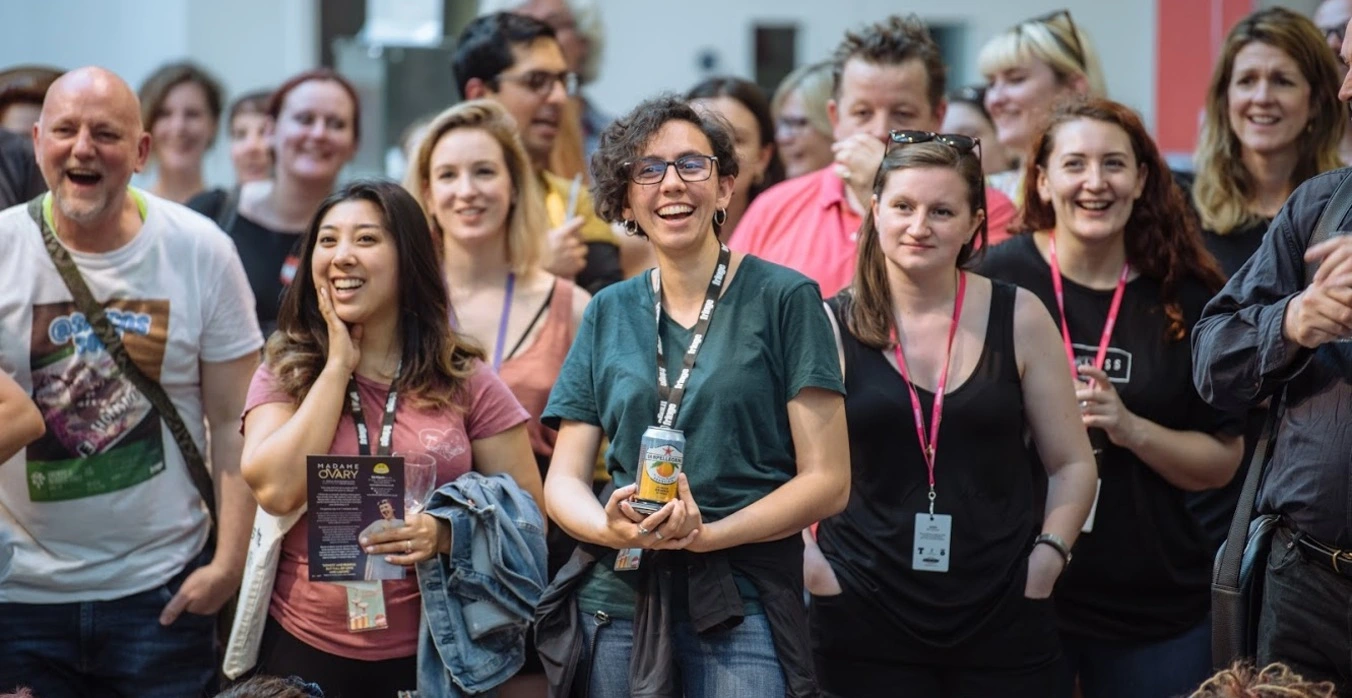
Front-of-house volunteers are the festival's public face. You'll welcome audiences, scan tickets, manage queues, ensure safety protocols are followed, and handle the controlled chaos of multiple shows running simultaneously.
House Managers oversee two to three theaters with concurrent shows, requiring strong customer service and problem-solving abilities. The work demands stamina and emotional intelligence. You're managing excited audiences, disappointed latecomers, and everything unexpected that happens when hundreds of people converge on small venues.
But you're also the person who makes someone's first Fringe experience magical, who helps a nervous performer feel supported, who solves problems before anyone realizes there was a problem.
Technical And Production Support
Technical volunteers power up lighting, sound, and video equipment, ensure safety measures are in place, and coordinate changeovers between shows. This role suits organized individuals who thrive on careful planning and effective decision-making under pressure.
You don't need extensive prior experience for entry-level technical positions. Venues offer training for those willing to learn, with opportunities to develop skills in lighting, sound, video, stage management, and rigging. If you have technical experience, you'll find opportunities to take on more complex responsibilities like lighting design or sound operation.
The technical side operates on tight schedules and shows run back-to-back with minimal changeover time. You'll master the art of transforming a space for a completely different production in under 30 minutes, often while the previous audience is still leaving.
Marketing And Press Support
Marketing volunteers assist with social media content creation, website management, distribution of advertising materials, flyering, posting reviews, and building photo and video archives. This work happens both behind the scenes and on Edinburgh's streets, where flyering becomes an art form during August.
If you're building a career in arts marketing, this experience is gold. You'll see what promotional strategies work in real-time, learn how to capture attention in a saturated market, and understand how venues position shows to stand out among thousands of options. You'll also develop thick skin; flyering on the Royal Mile means facing rejection hundreds of times daily.
Industry And Administrative Support
Industry volunteers coordinate with arts professionals, manage delegate relations, and facilitate networking opportunities. Administrative roles ensure the smooth operation of the entire organization, providing support across all departments. These positions offer insight into the festival's business side and are ideal for understanding how large-scale arts events operate.
What To Expect As A Fringe Volunteer
Time Commitment And Schedule
Expect shifts ranging from 8:00 a.m. to 6:00 p.m., 10:00 a.m. to 8:00 p.m., or 2:00 p.m. to 12:00 a.m., typically with one day off per week. The hours are long, especially during the setup phase. Some programs, like Live Arts, require 25-30 hours of preparation work and training in the spring before arrival.
The first week or two involves venue setup, building seating, hanging lights, wiring sound systems, and establishing box office procedures. It's physically demanding work with early starts and late finishes. Once the festival begins, the pace shifts but doesn't slow. You'll work multiple shows daily, handling the organized chaos of back-to-back performances.
One day off per week sounds minimal, but remember: you're surrounded by the world's largest arts festival. Many volunteers see shows after shifts or on days off. The exhaustion is real, but so is the electric energy that keeps you going.
Living Arrangements
Accommodation typically involves shared rooms in rented flats. This isn't luxury housing, expect basic accommodations with roommates you've never met, possibly sleeping on a rollaway bed or even a sofa on changeover nights when new volunteers arrive. Most venues provide bedding, basic food supplies, and cleaning materials.
The shared living situation becomes part of the experience. You'll bond with flatmates over midnight debriefs, shared meals, and collective exhaustion. Some of my strongest festival friendships came from those late-night kitchen conversations after brutal shifts.
If shared rooms concern you, communicate this when applying. Some venues offer limited private room options, though these fill first. If you can arrange your own accommodation, you'll have more application flexibility, though you lose the community aspect and face Edinburgh's inflated August prices.
Skills Development And Training
Venues provide customer service trainingfor all volunteers, with specialized training in technical theater, stage management, lighting, sound, box office software, and marketing. This isn't minimal orientation; it's substantive skills development that translates to other work.
Some venues, like Paradise Green, cover costs for certifications like Food Hygiene Certificates based on their needs and your interests. Technical volunteers receive hands-on training in industry-standard equipment and procedures. Marketing volunteers learn tools and strategies used by professional arts marketers.
The real education happens through immersion. You'll understand how venue operations work, how shows are marketed and sold, how technical elements create atmosphere, and how audience experience is managed. This knowledge is invaluable for anyone pursuing an arts career.
The Physical And Mental Reality
Let me be direct: Fringe volunteering is grueling. You'll be on your feet for hours, lifting equipment, navigating stairs repeatedly, and working when you're exhausted. August in Edinburgh brings unpredictable weather, so prepare for rain, wind, and occasional sunshine, sometimes all in one day.
Mentally, it's intense. You'll juggle multiple responsibilities, handle stressed performers, manage disappointed audience members, and maintain professionalism when you desperately need sleep. There will be moments when you question why you're doing this for minimal compensation.
But here's what nobody tells you: that intensity creates extraordinary bonding. Your fellow volunteers become your festival family. You develop confidence handling high-pressure situations. You discover reserves of energy and capability you didn't know you had. And when you watch a show you helped bring to life, receiving a standing ovation, the exhaustion evaporates.
Benefits Beyond Accommodation
Free Show Access
Many venues offer reciprocal ticket schemes where volunteers get free standby tickets to shows starting about five minutes before performances if seats are available. Some programs provide passes giving free access to the entire venue.
This benefit is transformative. You'll see shows you couldn't otherwise afford, discover unknown performers who become your favorites, and experience the festival from both sides, as someone making it happen and someone enjoying the results.
Watch everything you can. You're seeing work that might become the next Fleabag or Six, both of which started at Edinburgh Fringe.
Industry Networking
Venues facilitate networking events, mentoring opportunities, and career guidance sessions. You'll meet arts professionals, performers, producers, and fellow volunteers who share your interests. These connections often lead to future opportunities.
I've watched volunteers leverage Fringe experience into jobs at theaters, festivals, and production companies. The arts industry values practical experience and personal recommendations, both of which you'll gain through volunteering. Many former volunteers return to work professionally at venues or bring their own shows.
Career Development
The experience proves invaluable on CVs, particularly for creative industries where practical festival experience carries significant weight. You'll have concrete examples of handling pressure, working in teams, solving problems, and delivering results in demanding conditions.
Venues provide references for current and former team members and offer informal career advice. These references come from established organizations in the arts world, lending credibility to future applications.
Beyond formal benefits, you'll develop intangible skills: cultural literacy from exposure to diverse performances, emotional intelligence from navigating interpersonal dynamics, resilience from managing challenges, and confidence from succeeding in a demanding environment.
Alternative Ways To Volunteer
Video unavailable
This video is unavailable: Original link to video
Smaller Venues And Independent Productions
Not every opportunity comes from major venues. Smaller festivals like Just Festival focus on social justice and diversity, offering volunteer positions with different focuses. Independent theater companies producing shows often need volunteers for specific roles.
These opportunities typically don't include accommodation but offer more intimate experiences and direct involvement with productions. You might work closely with a single company, understanding their creative process deeply, rather than operating across multiple shows.
Search for opportunities on festival job boards, social media groups dedicated to Edinburgh Fringe, and platforms like Gumtree. NGOs like Amnesty International and educational organizations sometimes recruit volunteers for festival events and exhibitions.
Short-Term And Flexible Options
C venues explicitly accommodate volunteers available for shorter periods or only certain days, even those who can volunteer just a few hours daily. If you can't commit to the full festival but want involvement, pursue these flexible arrangements.
Short-term volunteering won't provide the same depth of experience or accommodation support, but it offers a taste of festival operations without requiring five to six weeks of availability. You might volunteer during your Edinburgh vacation, combining tourism with behind-the-scenes access.
Skills-Based Volunteering
If you have specialized skills, graphic design, photography, videography, social media expertise, tech skills, or individual productions, smaller venues often need targeted support. These roles might be remote or require limited on-site time while offering meaningful contributions.
Reach out directly to companies bringing shows to Edinburgh. Many appreciate volunteer assistance with promotional materials, social media management, or documentation. This approach requires more initiative but can result in deeper engagement with specific projects that align with your interests.
A Day In The Life Of A Fringe Volunteer
Let me walk you through one of my actual days, illustrating the variety and pace you can expect when you’re right in the thick of the action:
- 10:00 am: Start a box office shift. Greet early birds eager to book their day, print tickets efficiently for the morning’s sold shows, and occasionally tackle a crisis like fixing a persistent printer jam or quickly solving a customer booking issue. This is where you learn to be unflappable.
- 1:00 pm: Grab lunch, a cheap burrito from the truck outside. There’s little time for a leisurely meal, so you quickly refuel with affordable and easy-to-grab food, often eaten standing up or on a wall while soaking in the festival atmosphere.
- 2:00 pm: Watch a weird and wonderful clown show (comp ticket perk). You use your volunteer privileges to catch an experimental, high-energy show that you never would have paid for, remembering why you love live performance.
- 4:00 pm: Flyering duty. Armed with a stack of promotional material, you chat with tourists and festival-goers, trying to pitch your shows with a minute-long elevator pitch, all while expertly dodging inevitable Edinburgh rain showers.
- 6:00 pm: Quick rest. Catch up with flatmates or other volunteers back at the accommodation, quickly change out of wet clothes, and grab a coffee to prepare for the evening rush.
- 8:00 pm: Usher at a sold-out comedy show. You manage the queue, scan tickets, and ensure a smooth, quick seating process, then get to stand at the back of the house to enjoy a spectacular, hilarious performance.
- 10:30 pm: Grab drinks with fellow volunteers. You head to the volunteer bar or a nearby pub to share laughs about the day's absurdities, trade show recommendations, and plan which new hidden gem show to see tomorrow.
It’s full-on, but full of energy. Days are long, shifts can rotate and be demanding, and your daily schedules may change at the last minute, but the constant buzz of creativity keeps you going.
Challenges To Be Aware Of (and How To Handle Them)
Let’s be real: it’s not all glitter and applause.
- Long Days: Expect demanding shifts, often 8-10 hours or more during peak times. The key defense is to prioritize genuine rest during any downtime you get.
- Housing: Shared volunteer accommodation (often university halls) can be noisy, cramped, or lack privacy. Bring earplugs and an eye mask, and ensure good communication with your flatmates.
- Money: This is not a money-making venture. Pay is often a small stipend or nonexistent. You must budget carefully for food, transport, and social activities.
- Burnout: The continuous, high-energy schedule is exhausting. Be sure to take a full day off if you feel overwhelmed; most reputable programmes allow at least one day off per week.
- Fairness: The quality of the volunteer experience varies. Not all venues are equally supportive. Research a venue’s reputation online or ask former volunteers to ensure they truly value their team.
Tips For A Successful Fringe Volunteering Experience
- Apply early to increase your chances, and maintain a detailed list to track all your applications and offers.
- Pack smart: Invest in comfy, broken-in shoes, a reliable waterproof coat, and always carry high-energy snacks and a reusable water bottle.
- Be flexible: Schedules change at short notice in a live festival environment. Stay adaptable and be ready to assist where needed.
- Speak up: Don't hesitate to ask questions if you are unsure of a task, and be honest with your supervisor if you are feeling overwhelmed.
- Enjoy yourself: Remember to take time away from your duties to fully soak up the vibrant energy of the cultural festival and explore the city.
Frequently Asked Questions
How Early Should I Apply For Edinburgh Fringe Volunteer Positions?
Start researching opportunities in November and submit applications between December and February for the following August festival. Major venues open applications in late autumn or early winter, and popular positions with accommodation fill quickly. Rolling recruitment means you can apply later, but early applications significantly improve your chances of securing your preferred role and receiving accommodation support.
Can International Volunteers Participate In Edinburgh Fringe Programs?
International volunteers can participate, but need proper authorization to volunteer in the UK. Visa requirements vary by nationality, and post-Brexit rules affect EU citizens differently than before. Contact venues directly about their ability to host international volunteers and what documentation they can provide. Research UK visa requirements for your nationality well in advance, and don't assume volunteering doesn't require proper immigration authorization.
Do I Need Previous Theater Experience To Volunteer At The Fringe?
No, previous theater experience isn't required for most volunteer positions. Venues look for enthusiasm, reliability, and willingness to learn over formal experience. They provide training in customer service, technical operations, and venue-specific procedures. Focus your application on transferable skills like teamwork, problem-solving, and customer service from any previous work or activities. Technical positions may prefer some familiarity with equipment, but entry-level opportunities welcome beginners.
What's Actually Included In Volunteer Accommodation Packages?
Accommodation typically includes a bed in shared rooms within rented flats, usually sleeping two to three volunteers per room. Venues provide bedding, basic food supplies like bread and cereal, cooking facilities, and cleaning materials. Bathrooms and kitchens are communal. Living conditions are basic rather than luxurious, and you'll share space with volunteers you've never met. Some venues also provide daily meals at the venue itself beyond supplies kept in flats.
How Much Money Should I Budget For Volunteering At Edinburgh Fringe?
Budget for round-trip travelto Edinburgh, personal expenses throughout the festival, and a financial cushion for unexpected costs. While accommodation and often food are provided, you'll need money for toiletries, social activities, additional meals, and incidentals. Venues provide subsistence contributions that help offset living expenses, but these don't cover everything. Many volunteers budget several hundred pounds beyond travel costs for the month, though exact amounts depend on personal spending habits.
What Happens If I Need To Leave The Volunteer Program Early?
Leaving early creates significant operational challenges for venues and should be avoided except in genuine emergencies. When you apply, ensure you can commit to the entire period specified for your role. Venues depend on volunteers staying their full commitment, and backing out affects team capacity and morale. If genuine emergencies arise, family crises, or health issues, communicate immediately with venue management to work out solutions, but understand this may impact future applications.
Can I Volunteer If I Have Disabilities Or Access Requirements?
Yes, major venues explicitly welcome volunteers with disabilities and access requirements. Organizations like Pleasance discuss access needs at every stage of the application process, working to accommodate volunteers rather than excluding them. Be open about your requirements in your application so venues can assess how to support you effectively. Review venue access menus on their websites, and don't hesitate to contact them directly to discuss specific needs before applying.
Will I Actually Have Time To See Shows As A Volunteer?
Yes, though it requires intentionality. Many venues offer reciprocal ticket schemes providing free standby tickets to volunteers, released about five minutes before performances if seats are available. Some provide passes giving free access to the entire venue's programs. Volunteers typically see shows after shifts, on days off, or during gaps in their schedules. You won't see as many shows as full-time festival-goers, but you'll experience performances you helped make possible, which adds meaningful context.
How Do I Choose Between Different Venue Volunteer Programs?
Consider your priorities: accommodation support, specific role interests, desired time commitment flexibility, venue size and atmosphere, and training opportunities offered. Research each venue's program thoroughly, reading about its benefits, culture, and volunteer experiences. Consider whether you prefer working with a large organization operating multiple spaces or a smaller, more intimate venue. Think about location, some venues cluster in the Old Town, while others are more spread out across Edinburgh.
What's The Best Part Of Volunteering At Edinburgh Fringe That Isn't Often Mentioned?
The unexpected transformation in how you view yourself and your capabilities. You'll discover you can function on less sleep than you thought, solve problems under pressure you didn't know you could handle, and build meaningful connections faster than seems possible. You'll develop confidence that comes from succeeding in genuinely challenging circumstances. Months or years later, when facing other difficult situations, you'll remember: "I handled the Edinburgh Fringe. I can handle this." That resilience becomes part of your identity in ways impossible to anticipate beforehand.
Conclusion
Volunteering at Edinburgh Fringe won't be the easiest month of your life, but it might be the most transformative. You'll work harder than you expected, sleep less than you'd like, and question your choices during the roughest moments.
But you'll also experience the singular thrill of being part of something extraordinary, a festival where creativity explodes in every direction and anything feels possible. Start your journey by identifying which venues align with your interests and availability.
Bookmark their volunteer pages, set reminders to check for application openings, and begin preparing your materials. Research past volunteers' experiences on social media to understand different programs' cultures.
Jump to
Volunteering At The Edinburgh Fringe Festival: Why It’s An Unmissable Experience
Decoding The Fringe Ecosystem
Steps To Volunteer
Major Venues Recruiting Volunteers
Available Volunteer Roles And Responsibilities
What To Expect As A Fringe Volunteer
Benefits Beyond Accommodation
Alternative Ways To Volunteer
A Day In The Life Of A Fringe Volunteer
Frequently Asked Questions
Conclusion

Callum Fraser
Author
Callum Fraser isn't just a writer about Scotland; he's a product of its rugged landscape and rich history. Born and raised in Perthshire, with the Highlands as his backyard, his love for the nation's stories was kindled by local storytellers and long walks through ancient glens.
This passion led him to pursue a degree in Scottish History from the University of Edinburgh. For over 15 years, Callum has dedicated himself to exploring and documenting his homeland, fusing his academic knowledge with essential, on-the-ground experience gained from charting road trips through the Cairngorms, hiking the misty Cuillins of Skye, and uncovering the secrets of traditional recipes in his family's kitchen.
As the Editor-in-Chief and Lead Author for Scotland's Enchanting Kingdom, Callum's mission is simple: to be your most trusted guide. He combines meticulous research with a storyteller's heart to help you discover the authentic magic of Scotland — from its best-kept travel secrets to its most cherished traditional recipes.
Latest Articles
Popular Articles