20 Handmade Scottish Artisans And Shops I Love To Visit
20 local Scottish artisans and craft shops I trust for handmade goods. Authentic, creative, and worth visiting if you value real craftsmanship.
Author:Callum FraserNov 02, 20253K Shares340.2K Views
My Favourite Local Scottish Artisans And Craft Shops
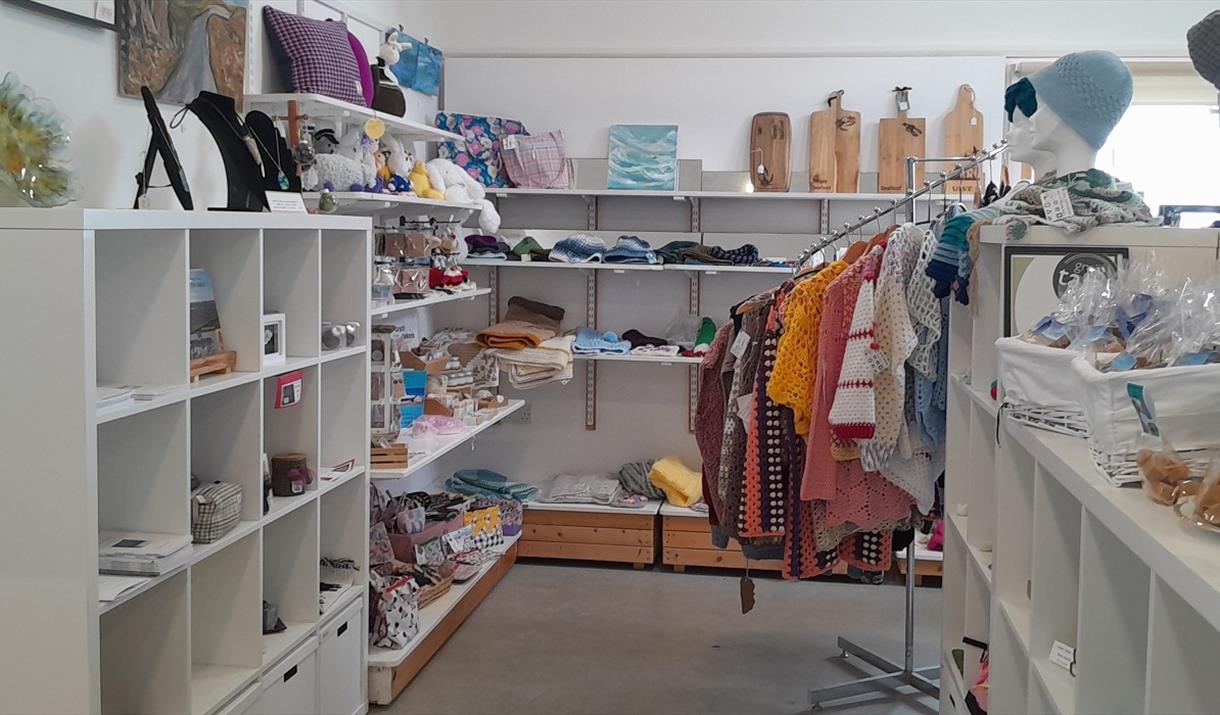
I love finding the amazing handmade treasures that Scottishartisans create right here in our local communities. From beautiful Highland pottery to intricate Celtic jewelry, I've found that Scotland's craft shops offer some of the most authentic and unique pieces you can find anywhere.
I'll take you on a journey through the best local Scottish artisan shops, where skilled craftspeople pour their hearts into creating one-of-a-kind items that tell the story of our rich heritage. If you're looking for the perfect Scottish gift or want to support local makers, I'll show you exactly where to find these hidden gems and what makes each artisan's work so special.
1. Whisky Making At Macallan Distillery
- Location:The Macallan Distillery, Craigellachie, Aberlour AB38 9RX
- Visit Cost:£25-£150 depending on tour
- Best Time to Visit:April-October (longer daylight hours)
- Phone:+44 1340 872280
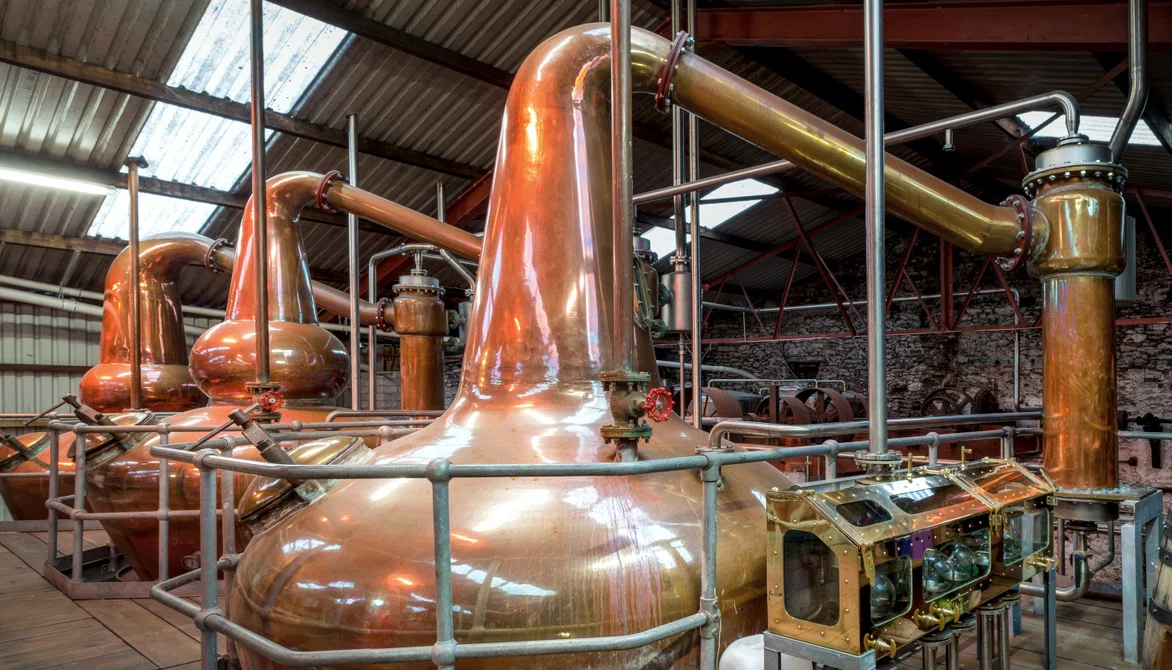
I've toured dozens of distilleries, but Macallan remains my favorite. Master distiller James Robertson showed me how they turn barley into liquid gold. The smell of malted barley hits you first, followed by the sweet aroma from oak barrels that have held whisky for decades.
What You'll See:
- Copper stills being carefully monitored
- Oak barrels aging whisky for 12+ years
- Traditional malting floors (on select tours)
Practical Tips:
- Book tours 2 weeks ahead in summer
- The £45 "Maker's Experience" includes tastings
- Gift shop has exclusive bottles (£80-£300)
2. Silver Engraving At Sheila Fleet Jewellery
- Location:18 Thistle Street, Edinburgh EH2 1EN
- Prices:Custom pieces from £150-£800
- Workshop Times:Tuesday-Thursday, 2pm-4pm
- Website:sheilafleet.com
- Phone:+44 131 226 7776
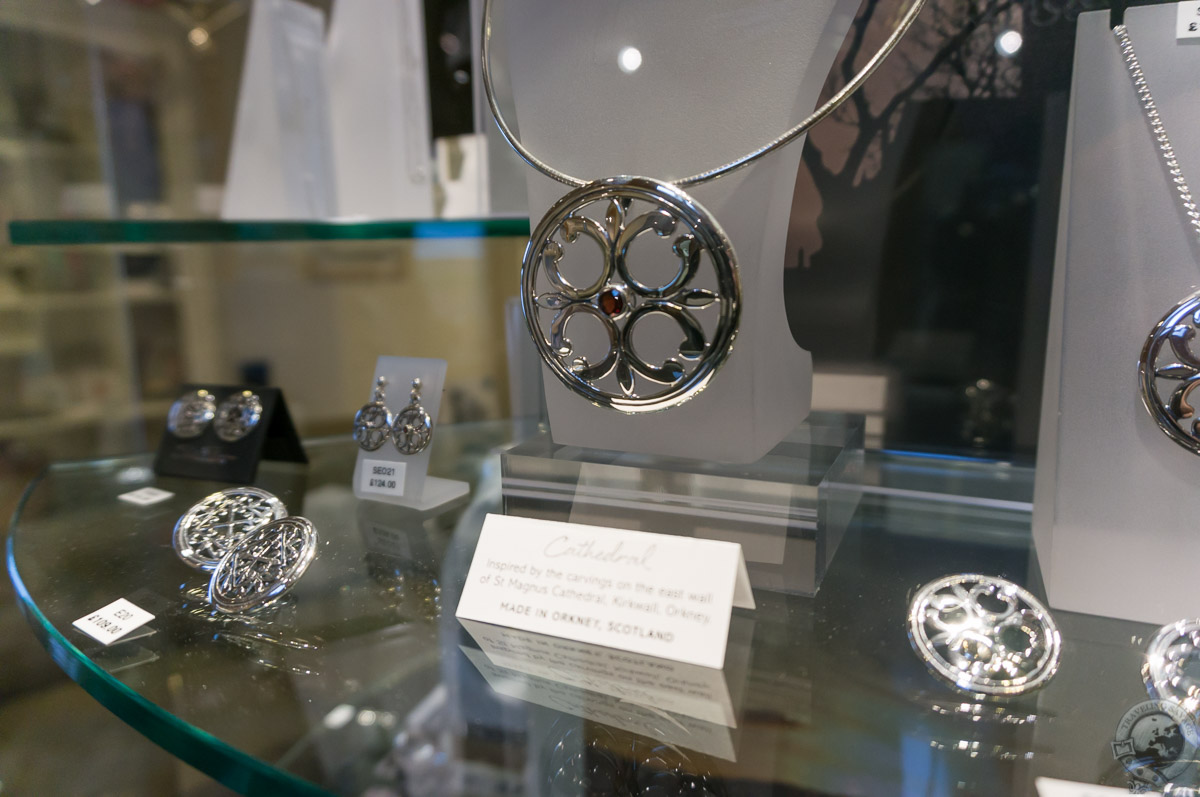
Sheila Fleet herself taught me about silver engraving when I visited her workshop in 2018. She's been creating Celtic-inspired jewelry for 30 years, and her steady hand can turn a plain silver disc into intricate Celtic knots that tell ancient stories.
What Makes It Special:
- Each piece is hand-engraved (no machines)
- Uses Scottish silver when possible
- Designs inspired by Orkney landscapes
- Custom work available (4-6 week wait)
3. Tartan Weaving At Islay Woollen Mill
- Location:Bridgend, Isle of Islay PA44 7PJ
- Workshop Cost:£35 per person (includes souvenir)
- Best Time To Visit:May-September (ferry schedule)
- Phone:+44 1496 810563
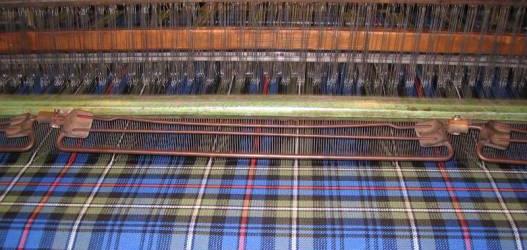
Getting to Islay takes effort (2-hour ferry from Kennacraig), but it's worth it. Mill owner Duncan MacNeill showed me looms that are over 100 years old, still weaving clan tartans the traditional way. The sound of the shuttles flying back and forth is hypnotic.
What You'll Learn:
- How clan tartans were created
- Difference between authentic and tourist tartans
- Traditional wool dyeing with local plants
- Why some tartans are restricted to clan members
Prices in Shop:
- Tartan scarves: £45-£80
- Wool throws: £120-£200
- Custom clan tartans: £25 per meter
TravelTip:Stay overnight in Bowmore the mill tour plus Islay whisky distilleries make a perfect weekend.
4. Sword Making At Scotia Forge
- Location:Cambusbarron Industrial Estate, Stirling FK7 9JQ
- Class Cost:£85 for 3-hour experience
- Age Limit:16+ (safety reasons)
- Phone:+44 1786 446292
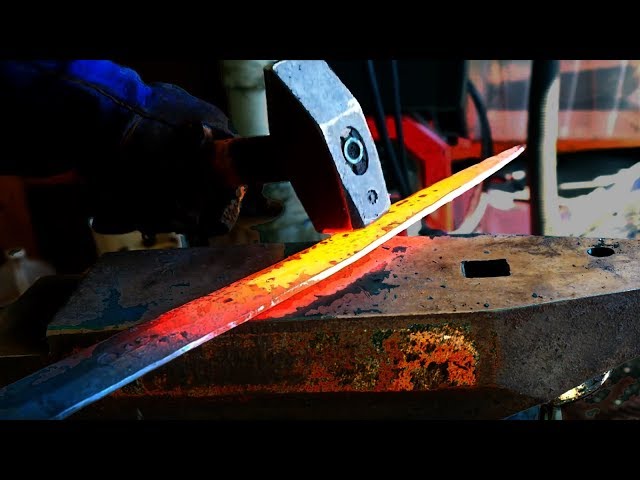
Master blacksmith Robert Cameron has been forging Scottish swords for 25 years. In his workshop near Stirling Castle, I watched him heat steel to 2000°F and hammer it into a blade shape. The skill required is incredible one wrong strike can ruin hours of work.
What You Can Do:
- Watch sword-making demonstration (free)
- Try basic blacksmithing (£85 class)
- Commission custom Highland dirks (from £400)
- Buy finished ceremonial swords (£150-£1200)
Safety Note:Wear closed shoes and natural fiber clothing only.
5. Stone Carving In The Highlands
- Location: Highland Stone Craft, Cromarty IV11 8XA
- Workshop Cost:£60 per day
- Materials:Included in price
- Email:info@highlandstone.co.uk
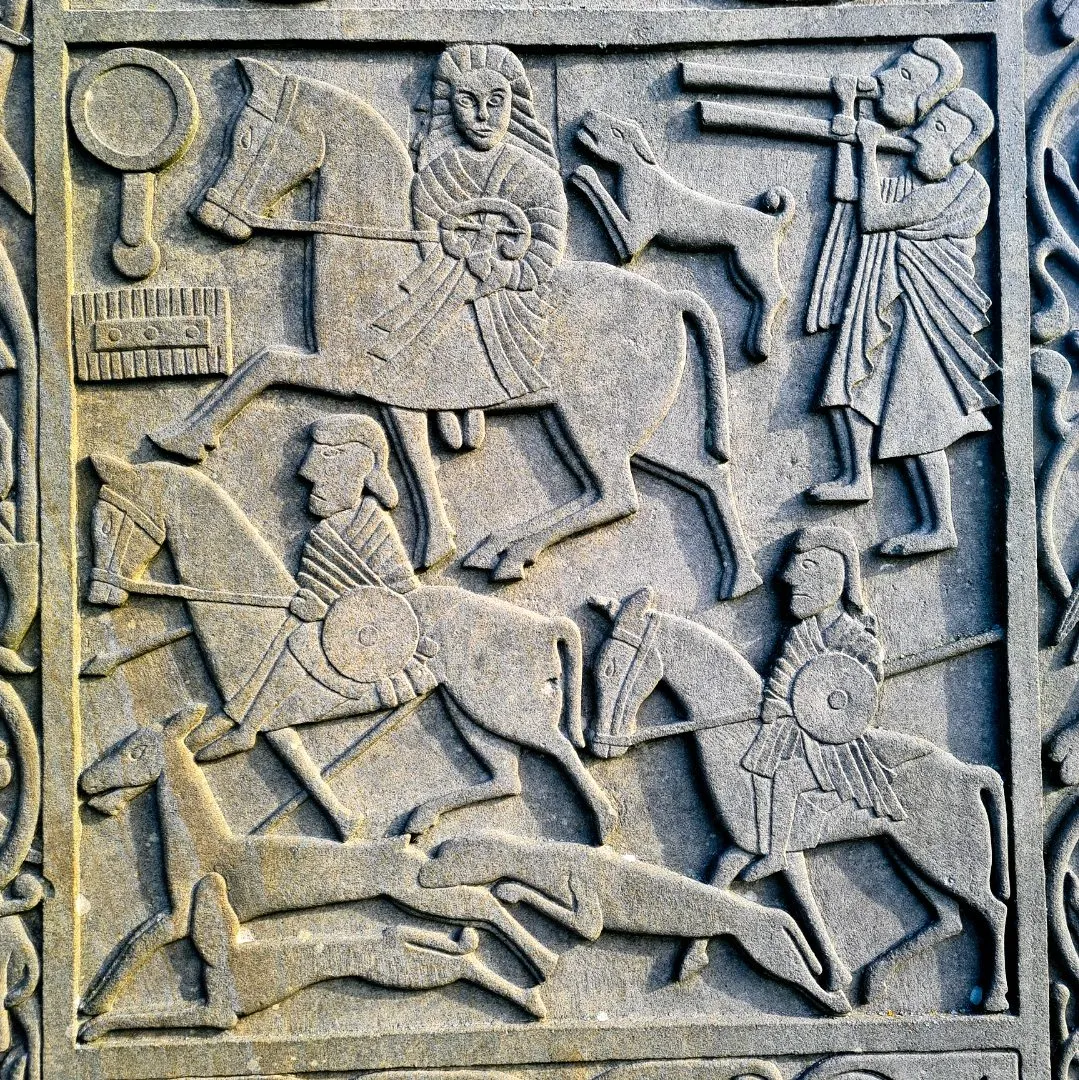
Stone carving connects you to Scotland's ancient past. At Highland Stone Craft near Cromarty, master carver Ailsa Morrison teaches traditional Celtic knotwork and Pictish symbols. I spent a weekend learning to carve a simple Celtic cross – harder than it looks!
Best Stones for Beginners:
- Sandstone (soft, forgiving)
- Avoid granite (too hard for beginners)
- Local slate works well for detailed work
What You Can Make:
- Simple Celtic crosses (1 day)
- Garden markers (weekend course)
- Decorative panels (week-long course)
6. Quaich Making At Highland Woodcraft
- Location:High Street, Fort William PH33 6DJ
- Prices:Finished quaichs £45-£200
- Workshop:£70 for 4-hour class
- Phone:+44 1397 704406
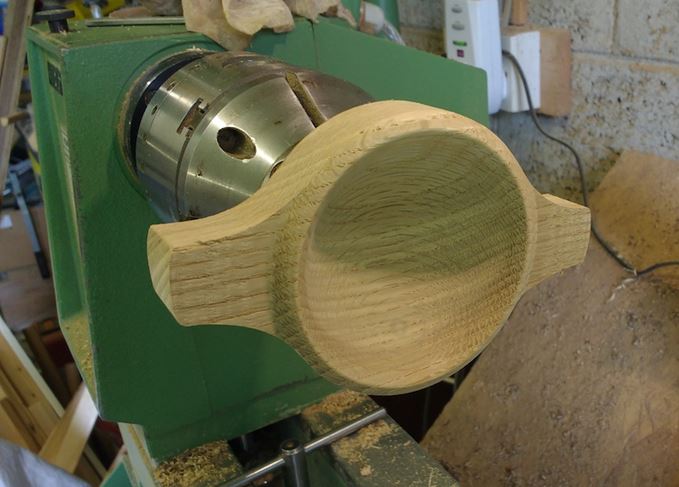
A quaich is a traditional Scottish drinking bowl, a symbol of trust and friendship. At Highland Woodcraft, craftsman Ian MacKay showed me how to turn Scottish oak into these beautiful two-handled bowls. "Every quaich should fit perfectly in your hands," he told me while demonstrating the traditional measurements.
Types Available:
- Simple oak quaichs: £45-£80
- Silver-banded quaichs: £120-£200
- Clan-engraved versions: £90-£150
Workshop Details:
- Make your own quaich in 4 hours
- All tools and wood provided
- Take home your creation
- Class size limited to 6 people
7. Sporran Crafting At Highland Dress Company

- Location:13 Bread Street, Edinburgh EH3 9AF
- Custom Orders:£150-£400
- Ready-Made:£80-£250
- Phone:+44 131 220 1232
A sporran isn't just a pouch it's wearable art. Master craftsman Gordon Reid showed me his collection of sporrans made from everything from seal skin (vintage pieces only) to modern leather with clan badges. Each one takes 3-4 days to complete by hand.
Popular Styles:
- Day sporrans (simple leather): £80-£120
- Semi-dress sporrans (with tassels): £150-£220
- Full-dress sporrans (formal wear): £250-£400
Custom Options:
- Add your clan badge: +£50
- Personalized engraving: +£30
- Family crest work: +£80
8. Kilt Tailoring At Hector Russell
- Location:137-141 High Street, Edinburgh EH1 1SG
- Custom Kilt Cost:£400-£800
- Timeline:6-8 weeks
- Phone:+44 131 558 1254
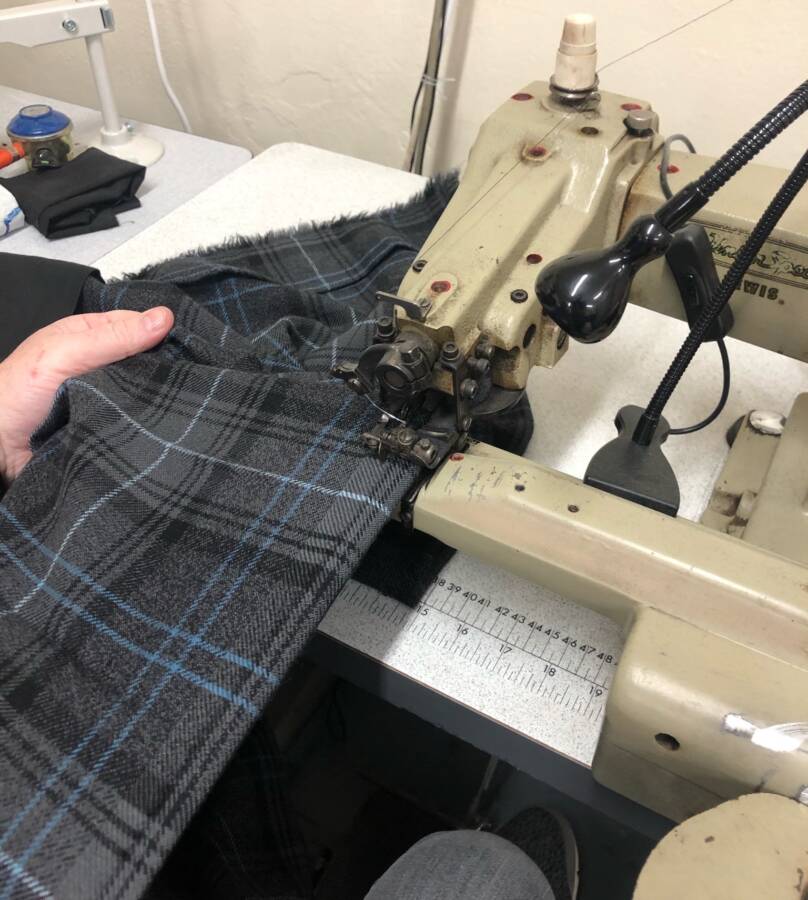
Getting measured for a kilt is an experience. Master tailor James Henderson has been making kilts for 35 years, and he insists on traditional measurements and pleating. A proper kilt should have 8 yards of tartan and hang exactly at the knee.
Kilt Fitting Process:
- Initial consultation (30 minutes)
- Measurements taken (very precise!)
- Tartan selection from 500+ options
- First fitting after 4 weeks
- Final adjustments and collection
Complete Highland Outfit:
- Kilt: £400-£600
- Prince Charlie jacket: £300
- Sporran: £150
- Belt and buckle: £80
- Sgian-dubh (traditional knife): £60
9. Glassblowing At Selkirk Glass
- Location:Selkirk Glass, Riverside Road, Selkirk TD7 5EL
- Workshop Cost:£95 for 2-hour session
- Age Minimum:14 years
- Phone:+44 1750 720954
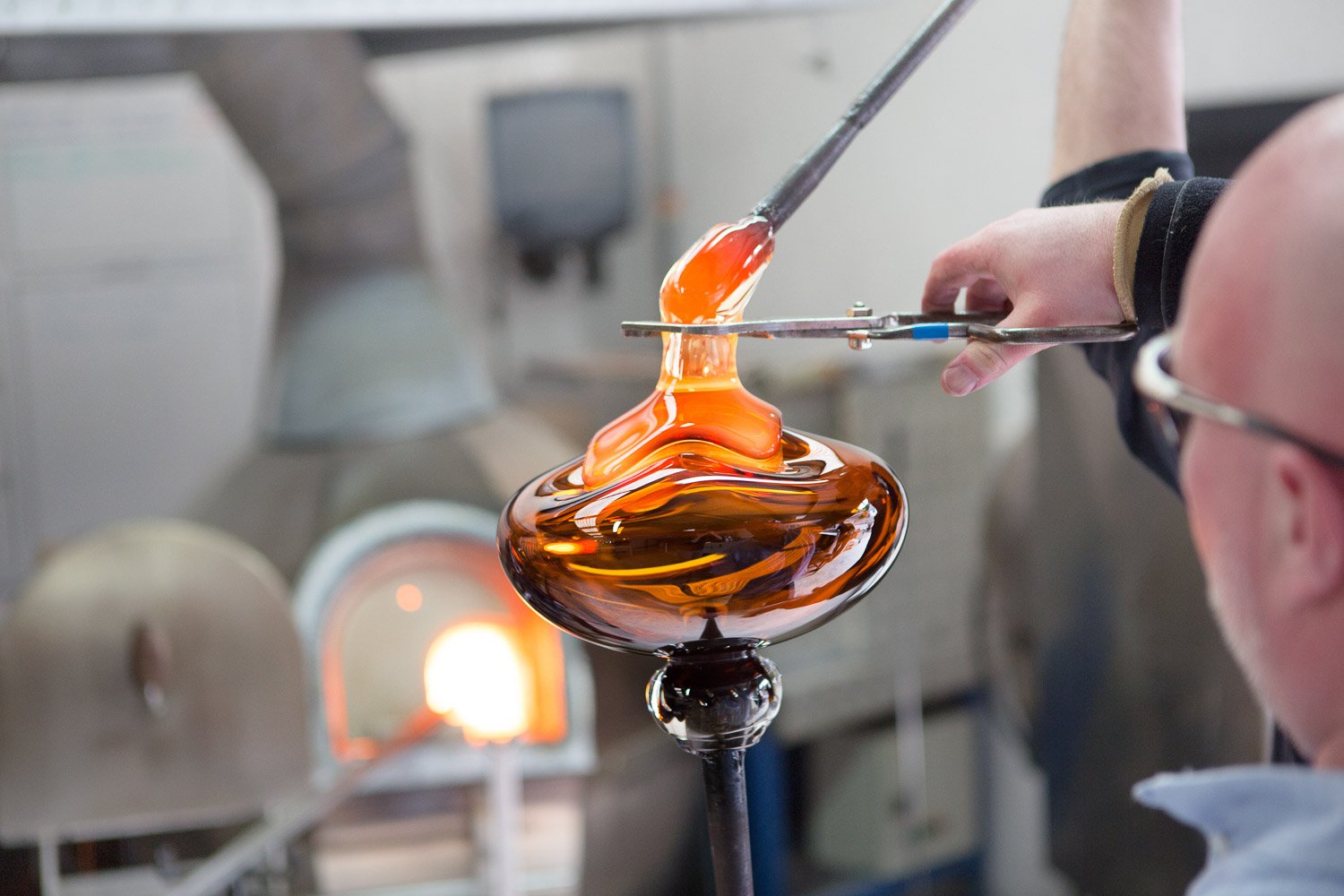
Watching molten glass become art is magical. At Selkirk Glass, artist-owner Peter Holmes creates paperweights that capture Scotland's landscapes in glass. I tried making a simple vase much harder than it looks! The glass has to stay at exactly the right temperature, or it shatters.
What You Can Make:
- Simple ornaments (beginner): £95
- Glass tumblers (intermediate): £125
- Paperweights (advanced): £150
Shop Prices:
- Scottish landscape paperweights: £45-£120
- Whisky glasses: £35-£60
- Large sculptural pieces: £200-£800
10. Leather Working At Scottish Leather Company

- Location:Henderson Street, Bridge of Allan FK9 4HS
- Workshop:£80 for full-day class
- Materials:All included
- Phone:+44 1786 834555
Master leather worker David Campbell taught me to make a simple belt using traditional Scottish techniques. The smell of leather and the satisfaction of creating something useful with your hands is incredible. His workshop has tools that are over 50 years old.
Popular Items:
- Highland belts: £60-£120
- Sporran straps: £40-£80
- Custom bags: £150-£400
- Phone cases: £35-£60
Workshop Projects:
- Leather belt (beginner): 4-5 hours
- Simple bag (intermediate): Full day
- Sporran (advanced): Weekend course
11. Shetland Knitting
- Location:Lerwick, Shetland Islands
- Classes:£45 per day at Jamieson & Smith
- Flight Cost:£150-£300 from Edinburgh
- Contact:Jamieson & Smith, 90 North Road, Lerwick ZE1 0PQ
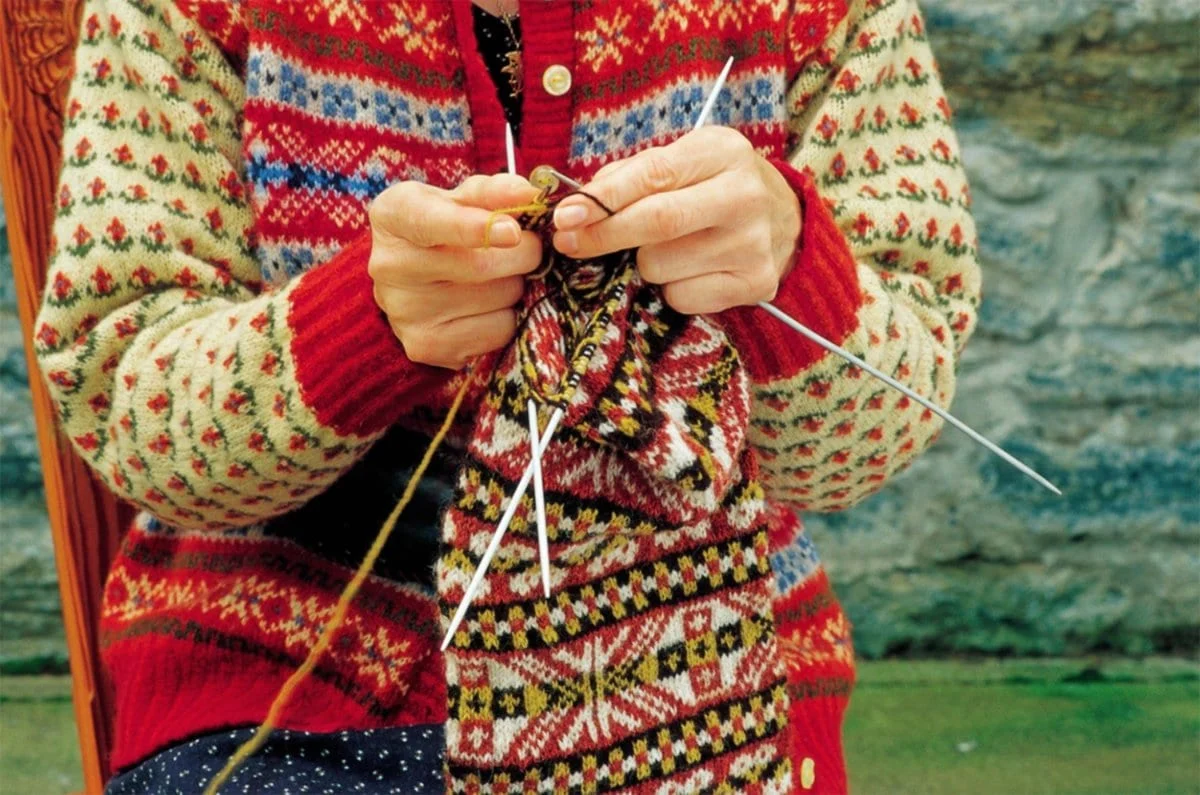
Shetland knitting is world-famous for good reason. The wool is incredibly soft, and the patterns are complex. I spent a week in Lerwick learning Fair Isle techniques from master knitter Hazel Tindall. Her grandmother taught her the same patterns in the 1960s.
What Makes Shetland Special:
- Native sheep produce finest wool
- Patterns passed down through families
- Traditional natural dyes still used
- Each island has distinctive patterns
Authentic Shetland Prices:
- Simple scarves: £60-£90
- Fair Isle sweaters: £180-£350
- Baby shawls: £120-£200
- Custom commissions: £250-£600
12. Pottery At Iona Pottery
- Location:Isle of Iona PA76 6SJ
- Workshop:£55 for half-day
- Ferry:£8 return from Mull
- Phone:+44 1681 700654
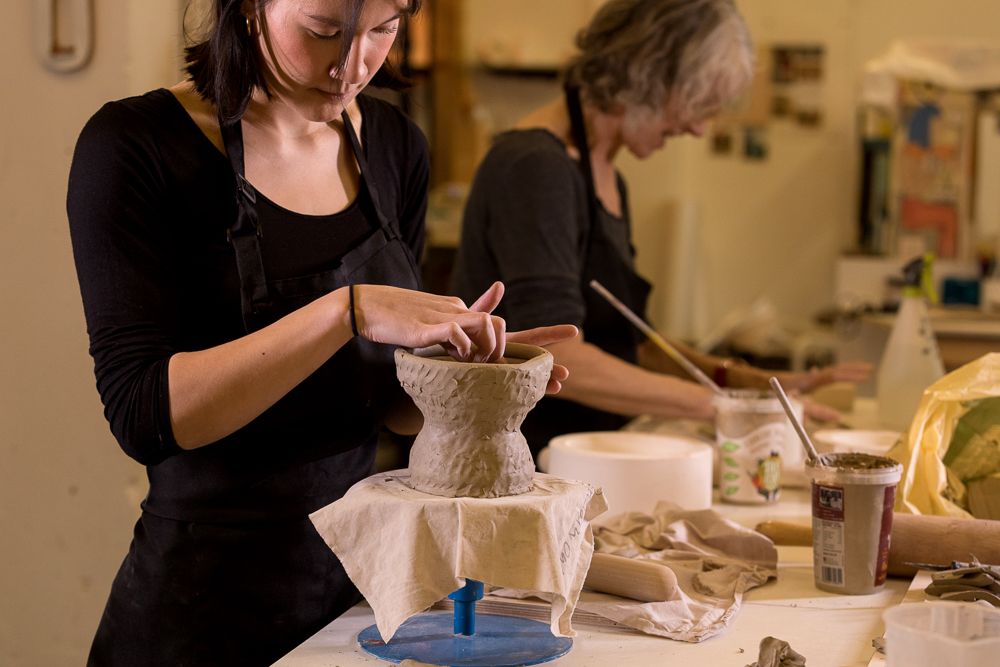
Iona is a magical place a tiny island where St. Columba brought Christianity to Scotland in 563 AD. The pottery workshop, run by ceramic artist Margaret MacLeod, creates pieces inspired by the island's spiritual history and dramatic coastline.
Signature Pieces:
- Celtic cross mugs: £25-£40
- Iona marble glazed bowls: £45-£80
- Puffin-decorated plates: £30-£55
Workshop Experience:
- Learn basic pottery techniques
- Create your own piece to take home
- All materials included
- Pieces fired and posted if too large to carry
Travel Tip:Combine with visit to Iona Abbey the spiritual home of Scottish Christianity.
13. Tartan Design At Scottish National Tartan Centre
- Location:Drummond Street, Comrie PH6 2DW
- Museum Entry:£8 adults
- Design Workshop:£120 for private session
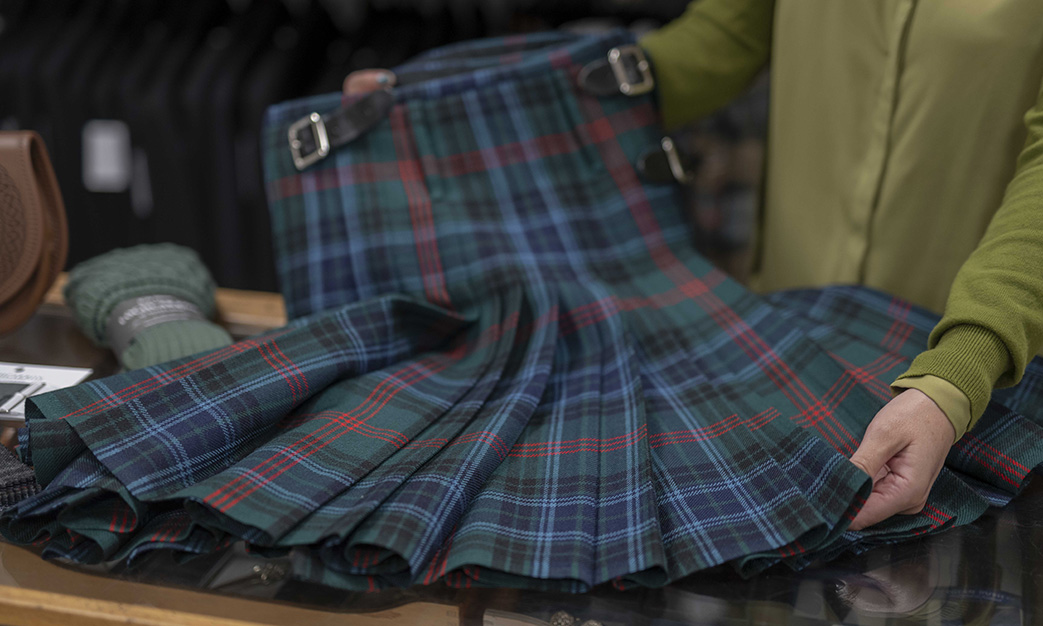
Did you know there are over 3000 registered tartans? At the Tartan Centre, designer Sarah MacPherson showed me how new tartans are created. It's not just picking colors each line width and color sequence has meaning, often relating to clan history or Scottish landscapes.
Services Available:
- Design your own family tartan: £300-£500
- Research existing clan tartans: £25 per hour
- Weave small samples: £45
- Full tartan registration: £150
Museum Highlights:
- Oldest surviving piece of tartan (1680s)
- Royal family tartans
- Military regiment tartans
- Interactive weaving displays
14. Celtic Jewelry Making At Celtic Designs
- Location:24 Wilson Street, Glasgow G1 1SS
- Workshop:£85 for jewelry-making class
- Custom Pieces:£120-£600
- Phone:+44 141 552 7737
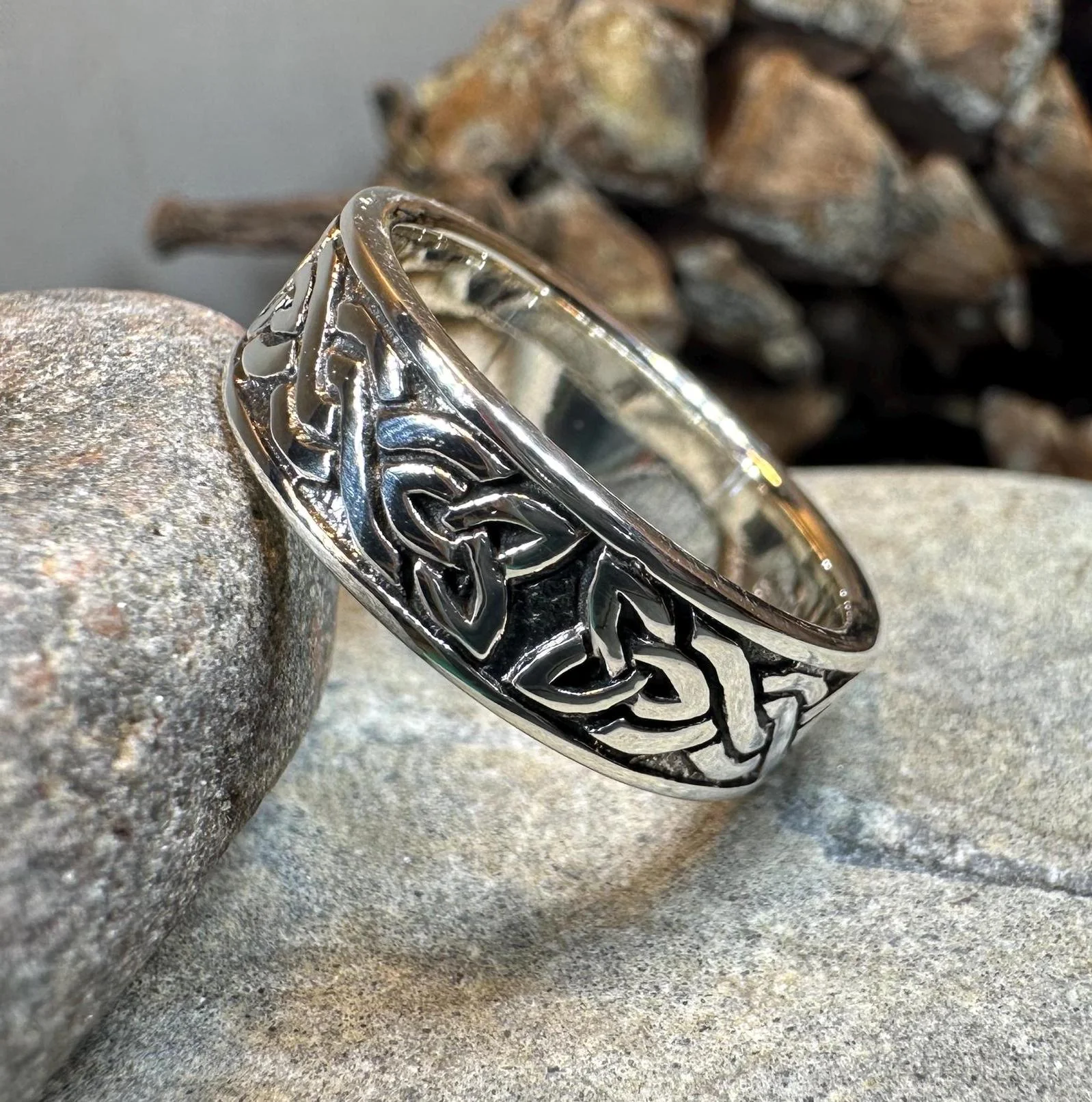
Celtic knotwork isn't just decoration, each pattern has meaning. At Celtic Designs, silversmith Morag Campbell taught me to make a simple Celtic ring. The endless knots represent eternal love, while the spiral patterns symbolize the journey of life.
Popular Designs:
- Claddagh rings: £80-£150
- Celtic knot necklaces: £120-£200
- Clan badge brooches: £90-£180
- Custom wedding rings: £300-£600
Workshop Projects:
- Simple Celtic ring: 3 hours
- Wire Celtic cross: 2 hours
- Hammered bracelet: 4 hours
Materials:Silver wire and basic stones included
15. Highland Bagpipe Making
- Location:Hamish Moore Bagpipes, 12 Tay Street, Perth PH2 8NN
- Master Craftsman:Hamish Moore
- New Set Cost:£1800-£4000
- Lesson Cost:£40 per hour
- Learning Timeline:Basic playing skills take 6-12 months
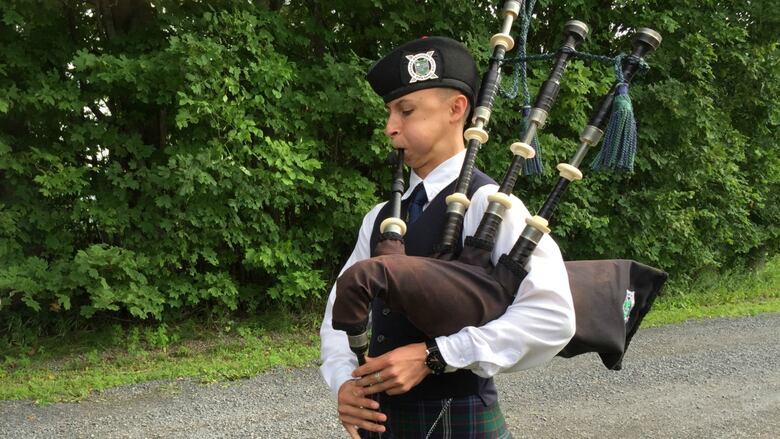
I never expected to learn bagpipe making, but master craftsman Hamish Moore convinced me to try. His workshop in Perth has been making pipes for Scottish regiments for over 40 years. The precision required is incredible each reed must be perfectly tuned, or the whole instrument sounds awful.
Types Available:
- Practice chanters: £80-£150
- Student bagpipes: £800-£1200
- Professional sets: £1800-£3000
- Competition pipes: £3000-£4000
What Goes Into Making Pipes:
- African blackwood (traditional)
- Hand-carved drone tops
- Handmade reeds (most crucial part)
- Traditional Scottish clan decorations
16. Highland Stoneware, Lochinver
- Location:Baddidarrach, Lochinver, Sutherland IV27 4LP
- Visit Cost:Free browsing, pottery from £15-£200
- Best Time to Visit:May-September (workshop demonstrations available)
- Phone:+44 1571 844376
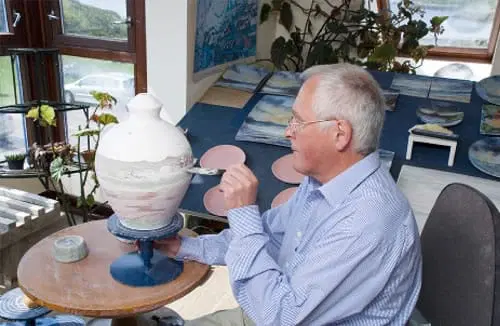
The first time I drove to Lochinver, I almost missed Highland Stoneware behind its stone wall and small sign. This family pottery has been run by the Mackenzie family since 1974, and walking inside feels like stepping into Scotland's ceramic soul. John Mackenzie, now in his 60s, still works the same pottery wheel his father installed four decades ago, shaping bowls with weathered hands that move with decades of confidence.
What You'll See:
- John working his father's original pottery wheel from 1974
- Hand-painting stations where Highland scenes come to life
- Kilns glowing orange during twice-weekly firings
- Hundreds of finished pieces cooling on century-old wooden drying racks
- The original clay preparation room with its Victorian machinery still in use
Practical Tips:
- Call ahead for pottery demonstrations, John loves showing visitors his techniques
- Most popular pieces are £25-£50 mugs and bowls, perfect for daily use
- Large serving pieces (£80-£150) make incredible heirloom gifts
- They ship worldwide using custom packaging John designed to prevent breaking
- Best parking is behind the building, follow the pottery wheel signs
- Visit during firing days (Tuesday and Friday) to see kilns in action
- The attached gallery shows work from other Highland makers
17. Caithness Glass, Perth
- Location:Inveralmond Industrial Estate, Perth PH1 3TZ
- Visit Cost:£8 factory tour, glass from £15-£500
- Best Time to Visit:Monday-Friday (glassblowing demonstrations)
- Phone:+44 1738 637373
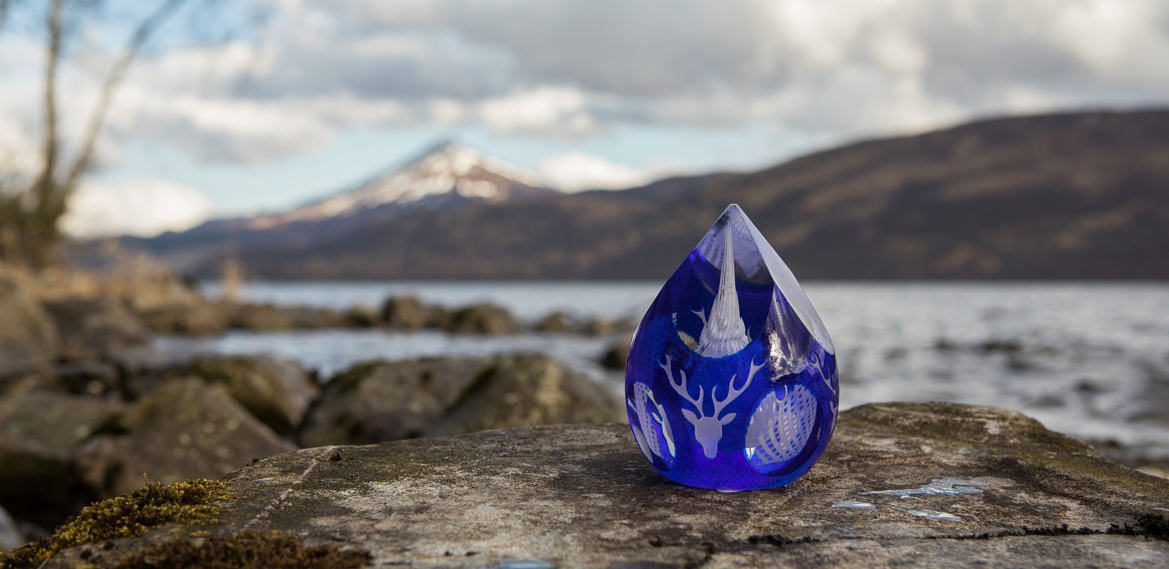
The heat hits you like a wall when you enter Caithness Glass, three furnaces burning at 1200°C keep the factory warm even on cold Scottish winter days. Founded in 1961 in tiny Wick, the company moved to Perth in 1979 but maintained traditional glassmaking techniques. Master glassblower David Reid, here for 34 years, showed me how they create famous paperweights through a process requiring perfect timing and supernatural ability to predict molten glass behavior.
What You'll See:
- Three massive furnaces glowing like orange suns
- Master glassblowers using 6-foot steel pipes and ancient tools
- Glory holes (reheating furnaces) where pieces get rewarmed during creation
- Annealing ovens slowly cooling finished pieces over 24 hours
- Cold-working area where pieces get cut, ground, and polished
- Quality control station where every piece gets inspected
- Original 1960s equipment still in daily use alongside modern tools
The Complete Process:
- Gathering:molten glass collected on steel pontil rods
- Shaping: breath, tools, and gravity form the basic shape
- Color application:layers of colored glass added while hot
- Finishing:pieces transferred to punty rods for final shaping
- Annealing: 24-hour cooling process that prevents cracking
- Cold finishing: cutting, grinding, and polishing when completely cool
Practical Tips:
- Book tours online to guarantee spots, they fill up quickly
- Wear closed-toe shoes (glass fragments on factory floor)
- Bring a water bottle, factory stays warm year-round
- Photography allowed in shop but not production areas
- Factory shop has "seconds" with minor imperfections at 50% off
- Most popular paperweights cost £45-£120
- Large art pieces start at £200 and can reach £2000+
- Custom engraving available for special orders
18. Judy R Clark Pottery, Scottish Borders
- Location:Chapelhill Farm, Gordon, Scottish Borders TD3 6LH
- Visit Cost:Free studio visits, pottery from £20-£150
- Best Time to Visit:Thursday-Saturday (Judy usually working)
- Phone:+44 1573 410287
Finding Judy Clark's pottery requires following a narrow farm track through sheep pastures, but the journey prepares you for discovering one of Scotland's most accomplished potters working in splendid isolation. Her studio occupies a converted 18th-century cow byre with thick stone walls maintaining perfect temperature for clay work. Judy has worked clay for over 30 years, and her Edinburgh College of Art training shows in every piece, but decades of Scottish Borders experimentation make her work uniquely personal.
What You'll See:
- Original Leach pottery wheel still in daily use after 40+ years
- Clay preparation area where local materials get processed
- Glazing station with jars of handmade glazes labeled with cryptic notes
- Kiln room with gas-fired kiln reaching 1280°C during monthly firings
- Drying shelves displaying pieces in various completion stages
- Test tile collection showing decades of glaze experimentation
- Original farm building architecture preserved throughout the studio
Understanding Judy's Process:
- Clay preparation: 2 days of mixing, wedging, and aging local clays
- Throwing:shaping pieces on the wheel using traditional techniques
- First drying:3-5 days until leather-hard for trimming
- Bisque firing:first kiln firing to 980°C over 8 hours
- Glazing:hand-application of custom glazes developed over decades
- Glaze firing:final firing to 1280°C where glazes mature and develop
- Quality control:each piece inspected and artist-signed before sale
Practical Tips:
- Call before visiting, Judy sometimes delivers orders or teaches workshops
- Thursday-Saturday are best days to find her working in the studio
- Commission pieces require 6-8 weeks for completion
- Her coffee mugs (£28) have perfect weight and handle proportions
- Large serving pieces (£80-£150) become family heirlooms
19. The Croft House, Orkney
- Location:20 Albert Street, Kirkwall, Orkney KW15 1HP
- Visit Cost:Free browsing, items from £10-£200
- Visit Cost:Free browsing, items from £10-£200
- Best Time to Visit:May-September (local makers often visit)
- Phone:+44 1856 871200
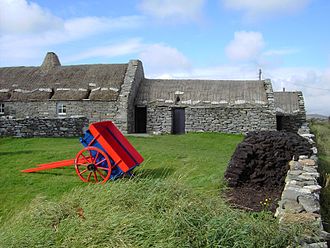
Getting to Orkney requires commitment - either a six-hour ferry from mainland Scotland or a short flight depending on North Atlantic weather. But stepping into The Croft House makes every mile worthwhile. This tiny shop on Kirkwall's main street contains more authentic Orcadian culture per square foot than anywhere else on the islands. Owner Margaret Sinclair curates work from over 30 local makers, including hand-knitted ganseys created using patterns passed down through six generations.
What You'll See:
- Hand-weaving demonstrations on original 1920s looms
- Orkney tweed in traditional patterns dating back centuries
- Ceramics glazed with local materials including seaweed ash
- Jewelry incorporating stones unique to Orkney beaches
- Hand-knitted ganseys using patterns from fishing communities
- Original Orcadian crafts found nowhere else in Scotland
- Margaret's collection of antique craft tools still used by local makers
Understanding Orkney Crafts:
- North Ronaldsay wool:unique properties from seaweed-eating sheep
- Traditional weaving:hand-operated looms producing authentic tweed
- Kelp glazing:ceramics colored with burned seaweed ash
- Beach stone jewelry:materials shaped by Atlantic storms over millennia
- Gansey knitting:fisherman's sweater patterns specific to Orkney waters
- Viking influences:techniques brought by Norse settlers 1,000 years ago
Practical Tips:
- Ferry from Scrabster takes 90 minutes, from Aberdeen 6 hours
- Book ferry reservations well ahead during summer months
- Many items available only at this shop - no online ordering
- Authentic tweed jackets cost £180-£300 but last generations
20. Perthshire Artisans
- Location:Multiple shops across Perthshire (main hub in Pitlochry)
- Visit Cost:Free browsing, items from £12-£180
- Best Time to Visit:April-October (tourist season)
- Phone:+44 1796 474007
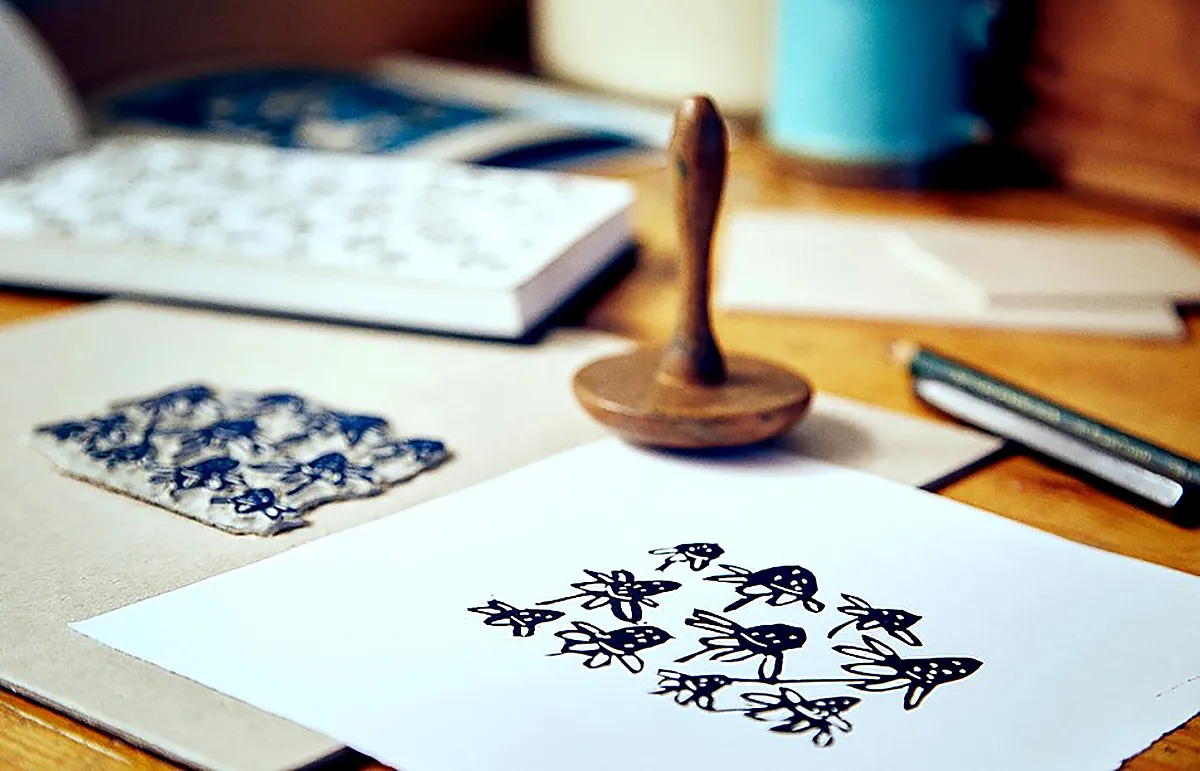
Perthshire stretches from Lowland hills north of Stirling to the true Highlands around Pitlochry, and the Perthshire Artisans network reflects this diversity in 25+ member workshops scattered across Scotland's most beautiful county. What started as three friends selling pottery at Pitlochry farmers market has evolved into a trail connecting some of Scotland's most talented rural makers. Rather than forcing makers to relocate centrally, the network connects existing workshops, allowing visitors to experience craft in its natural environment.
What You'll See Across the Network:
- Historic buildings converted to workshops while preserving original character
- Traditional techniques adapted to contemporary designs and needs
- Storm-damaged timber transformed into beautiful, functional furniture
- Textile work incorporating Highland wool and traditional Scottish patterns
- Pottery inspired by Perthshire's rivers, hills, and changing seasons
- Jewelry featuring stones from local rivers and Highland peaks
- Blacksmithing demonstrations using coal-fired forges from the 1800s
Featured Workshop Locations:
- Pitlochry:central hub with tourist information and trail maps
- Dunkeld: woodworking workshops along the River Tay
- Aberfeldy:textile artists working in historic cottage settings
- Kenmore:potters inspired by Loch Tay's changing moods
- Blair Atholl: traditional blacksmiths serving local farming community
- Killiecrankie:jewelry makers incorporating battlefield history
- Ballinluig:sculpture garden featuring work from network artists
People Also Ask
What Makes Scottish Artisan Crafts Special?
Scottish artisan crafts are special because they combine centuries-old traditions with modern creativity. Each piece tells a story of our heritage, from ancient Celtic designs to Highland clan patterns. Local artisans use traditional techniques passed down through generations, creating authentic items you can't find anywhere else in the world.
What Are Some Traditional Scottish Crafts?
Traditional Scottish crafts include weaving tartan and tweed fabrics, making pottery and ceramics, crafting silver jewelry, wood carving, and producing handmade leather goods. These crafts have been passed down through generations and continue to thrive today.
How Can I Support Local Scottish Artisans?
You can support local Scottish artisans by purchasing their handmade products directly from their shops, markets, or online platforms. Sharing their work on social media and spreading the word about their craftsmanship also helps promote and preserve their trade.
Are Scottish Crafts Sustainable?
Many Scottish artisans prioritize sustainability by using locally sourced materials, environmentally friendly processes, and ethical production methods. Supporting these artisans contributes to more sustainable and eco-friendly practices.
What Makes Scottish Craftsmanship Unique?
Scottish craftsmanship is unique due to its deep connection to the country’s history, landscapes, and cultural identity. The use of traditional techniques, combined with a strong sense of place, results in products that are both authentic and distinctive.
Final Thoughts
I believe this will inspire you to visit the incredible world of local Scottish artisans and their craft shops. When I visit these talented makers, I'm always amazed by the passion and skill that goes into every handcrafted piece.
By choosing to buy from local Scottish artisans, you're not just getting a beautiful, unique item; you're supporting our communities and helping keep traditional Scottish crafts alive for future generations.e as a reminder of the craftsmanship and passion that go into each creation.
Jump to
My Favourite Local Scottish Artisans And Craft Shops
1. Whisky Making At Macallan Distillery
2. Silver Engraving At Sheila Fleet Jewellery
3. Tartan Weaving At Islay Woollen Mill
4. Sword Making At Scotia Forge
5. Stone Carving In The Highlands
6. Quaich Making At Highland Woodcraft
7. Sporran Crafting At Highland Dress Company
8. Kilt Tailoring At Hector Russell
9. Glassblowing At Selkirk Glass
10. Leather Working At Scottish Leather Company
11. Shetland Knitting
12. Pottery At Iona Pottery
13. Tartan Design At Scottish National Tartan Centre
14. Celtic Jewelry Making At Celtic Designs
15. Highland Bagpipe Making
16. Highland Stoneware, Lochinver
17. Caithness Glass, Perth
18. Judy R Clark Pottery, Scottish Borders
19. The Croft House, Orkney
20. Perthshire Artisans
People Also Ask
Final Thoughts
Callum Fraser
Author
Callum Fraser isn't just a writer about Scotland; he's a product of its rugged landscape and rich history. Born and raised in Perthshire, with the Highlands as his backyard, his love for the nation's stories was kindled by local storytellers and long walks through ancient glens.
This passion led him to pursue a degree in Scottish History from the University of Edinburgh. For over 15 years, Callum has dedicated himself to exploring and documenting his homeland, fusing his academic knowledge with essential, on-the-ground experience gained from charting road trips through the Cairngorms, hiking the misty Cuillins of Skye, and uncovering the secrets of traditional recipes in his family's kitchen.
As the Editor-in-Chief and Lead Author for Scotland's Enchanting Kingdom, Callum's mission is simple: to be your most trusted guide. He combines meticulous research with a storyteller's heart to help you discover the authentic magic of Scotland — from its best-kept travel secrets to its most cherished traditional recipes.
Latest Articles
Popular Articles