Map Of Ayrshire Coast - Key Towns, Beaches & Landmarks
Looking for the best of Ayrshire Coast? This map shows beaches, towns, and sights that make your trip easier and more enjoyable.
Author:Callum FraserNov 18, 202543.1K Shares899.8K Views
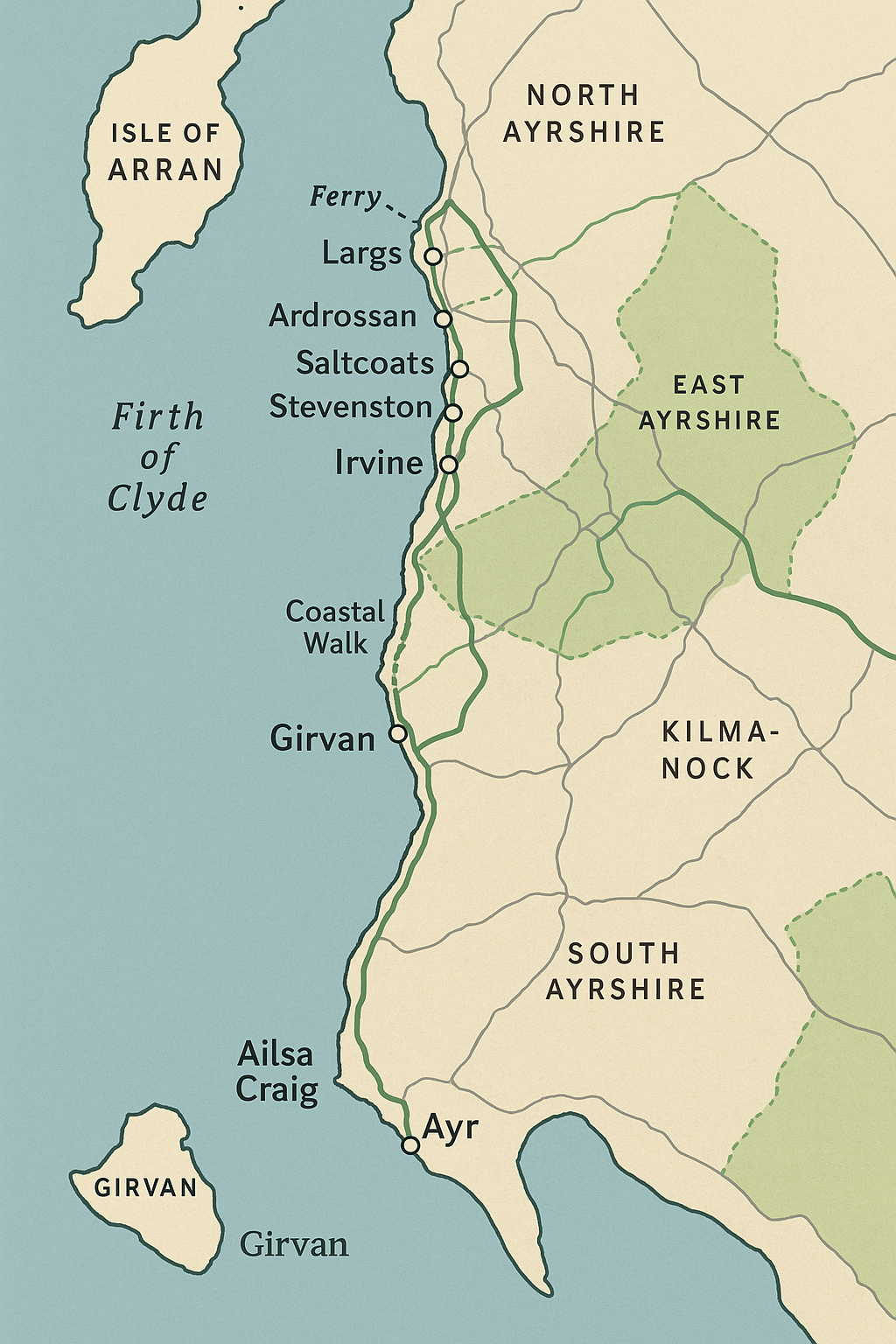
The Ayrshire coast stretches for miles along Scotland’s southwest edge, offering peaceful beaches, historic harbours, charming towns, and scenic walks. This part of the country is known for its quiet beauty and relaxing atmosphere. Many visitors come here to enjoy fresh sea air, coastal views, and local food, without the crowds found in bigger cities.
Having a good map of the Ayrshire coast makes a big difference. It helps you plan your route, avoid missing hidden spots, and understand where everything is located.
Quick Facts About The Ayrshire Coastline
- Length: The Ayrshire coastline stretches for over 100 miles (160 km) along the Firth of Clyde in southwest Scotland.
- Major Towns: Key coastal towns include Ayr, Troon, Largs, Irvine, Girvan, and Saltcoats.
- Beaches: Ayrshire is home to Blue Flag beaches, including Ayr Beach and Troon Beach, known for their clean sand and family-friendly areas.
- Islands: The coastline offers views of the Isle of Arran, with regular ferries from Ardrossan.
- Walks: The Ayrshire Coastal Path runs for 100 miles, ideal for walkers and nature lovers.
- History: The coast features medieval castles, such as Culzean Castle, perched on clifftops with sea views.
- Wildlife: Look out for seals, porpoises, seabirds, and even otters along the coast.
- Fishing: Many small towns like Ballantrae and Girvan have strong fishing traditions.
- Golf: Ayrshire hosts world-famous golf courses, including Royal Troon and Turnberry, both located by the sea.
- Climate: The coast has a mild oceanic climate, with cooler summers and wetter winters than inland areas.
Geographical Overview Of The Ayrshire Coastline
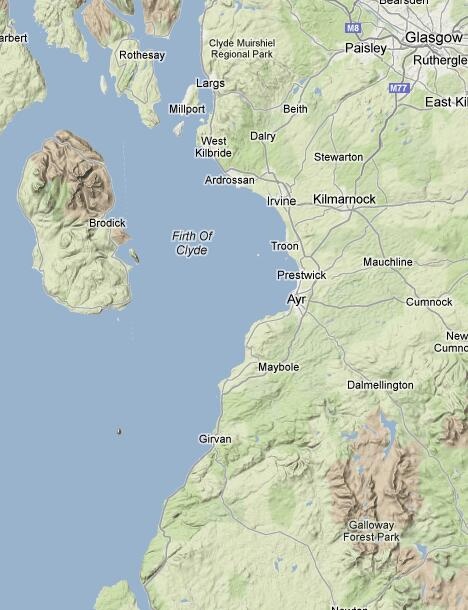
The Ayrshire coastline lies along the southwest coast of Scotland, facing the Firth of Clyde. It runs for over 100 miles (160 km) and includes long sandy beaches, rugged cliffs, small islands, and peaceful bays. The coast is backed by green hills, farmland, and small rivers that flow into the sea.
This area is well known for its sea views, walking trails, and easy access to islands like the Isle of Arran. The land is mostly flat near the sea, making it good for coastal towns and transport links. Many of the beaches here are wide and clean, perfect for walking, relaxing, or watching wildlife.
History Of The Ayrshire Coastline
The Ayrshire coastline has a long and rich history that goes back thousands of years. This stretch of land has seen ancient settlers, Viking raids, royal visits, and industrial growth. Its history is closely tied to Scotland’s wider story.
Early Settlers And Ancient Tribes
The first people to live along the Ayrshire coast arrived in prehistoric times. Archaeologists have found tools, pottery, and burial sites that show farming communities lived here around 6,000 years ago. These early people settled near rivers and built homes close to the sea, using it for fishing and trade.
Later, during the Iron Age, local tribes built hill forts to protect themselves. Remains of these forts can still be seen today on high ground near the coast.
Vikings And Norse Influence
In the 8th and 9th centuries, Vikings arrived from Scandinavia. They raided coastal villages and later settled on nearby islands like Arran and Great Cumbrae. Some place names in Ayrshire still come from Old Norse, showing the impact they left behind.
Largs, one of the key towns on the Ayrshire coast, was the site of a major battle in 1263 between Scottish forces and the Norwegians. The Battle of Largs is still remembered today with monuments and local events.
Medieval Times And Royal Connections
In the Middle Ages, the Ayrshire coast was home to important castles and noble families. Many castles were built along the coast to guard against attacks and control trade routes. One of the most famous is Culzean Castle, which sits on a cliff above the sea and was once home to the powerful Kennedy family.
This region also has strong ties to Robert the Bruce, Scotland’s famous king and freedom fighter. He was born in Turnberry Castle, which now stands in ruins near the coast.
Fishing, Shipbuilding, And Trade
During the 18th and 19th centuries, the Ayrshire coast became known for fishing, shipbuilding, and trade. Towns like Ardrossan and Irvine had busy harbours where ships were built and goods were shipped in and out. Salt was also produced along the coast, and coal was transported by sea.
This period brought jobs and growth, and many towns expanded quickly.
Victorian Tourism
In the Victorian era, people from Glasgow and other cities began to visit the Ayrshire coast for holidays by the sea. Seaside resorts like Troon, Saltcoats, and Largs grew popular for their beaches, fresh air, and relaxing views.
Trains made it easier to travel, and piers were built for steamships. Many of the promenades, parks, and seafront hotels we see today were built during this time.
Modern Changes
In the 20th century, tourism changed as people began travelling abroad. Some towns lost visitors, but others adapted. Today, the Ayrshire coast has found new life through local tourism, golf, maritime heritage, and nature conservation.
Coastal towns are now a mix of old charm and modern life, offering history, culture, and natural beauty to visitors and locals alike.
Towns On The Map Of Ayrshire Coastline
Ayr
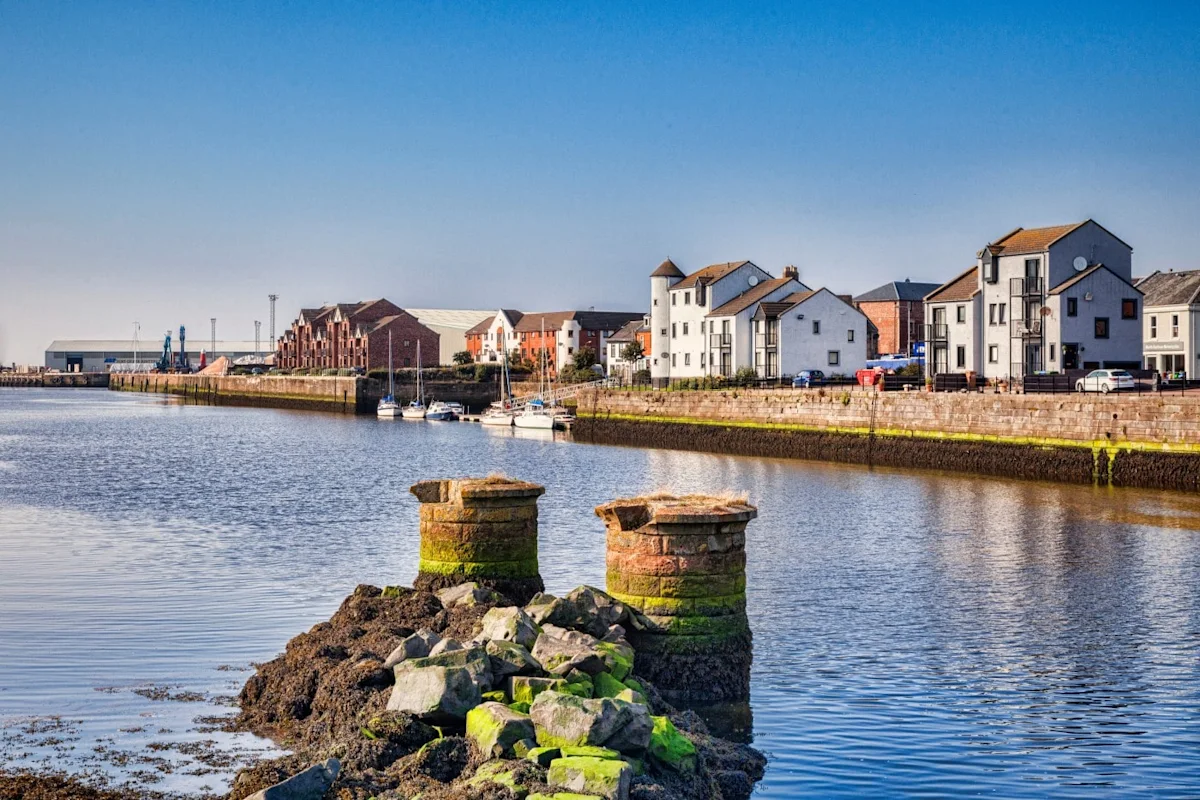
Ayr is one of the largest and most well-known towns on the Ayrshire coast. It sits along a wide, sandy beach and has a long promenade where people enjoy walking by the sea. The town centre has many shops, cafés, and restaurants, making it a popular place for both locals and visitors.
Ayr is also famous for its connection to Robert Burns, Scotland’s national poet. His birthplace is nearby, and there is a museum dedicated to his life and work. The town also hosts horse racing at Ayr Racecourse, which draws many visitors during racing events.
Troon
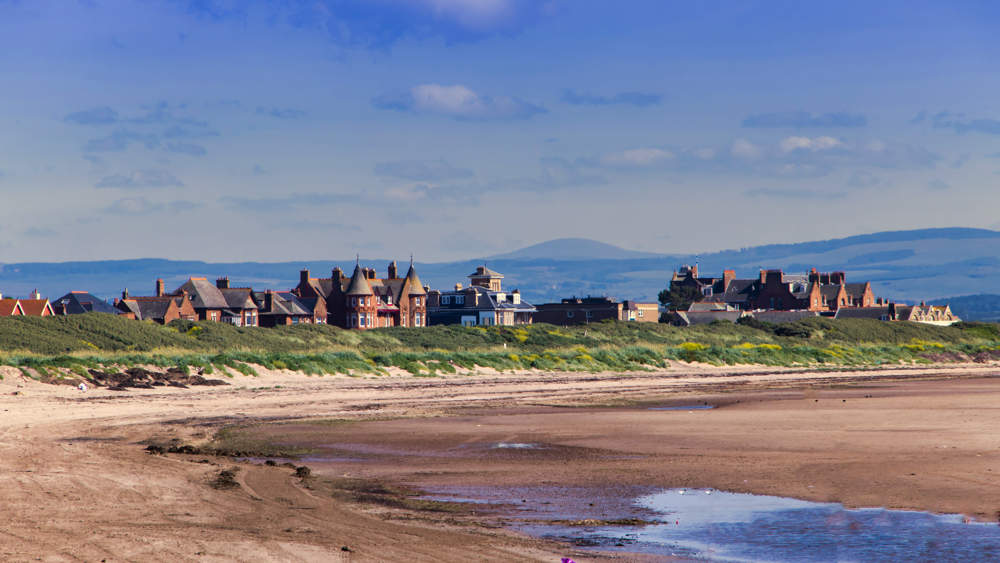
Troon is a coastal town known for its harbour, beach, and golf courses. It has a clean, sandy shore that’s great for walking, picnics, and watching the waves. The harbour is still active and offers boat trips and fishing opportunities.
Troon is also famous for Royal Troon Golf Club, one of the most respected golf courses in the world. It often hosts major golf tournaments like The Open Championship. The town is peaceful and attractive, making it a favourite with tourists looking for relaxation and sea views.
Irvine
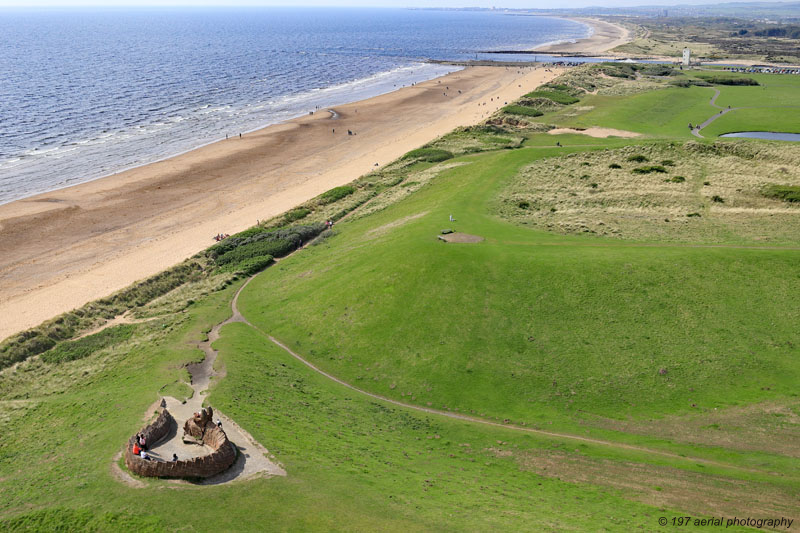
Irvine is a town with an industrial past, but today it offers cultural attractions and green spaces. One of the town’s highlights is the Scottish Maritime Museum, which shares the history of shipbuilding and sea travel in Scotland. It's located at the old harbour area and includes real boats, tools, and stories from the past. The town also has large parks, a beach, and shopping centres.
In recent years, Irvine has focused on improving its waterfront and public spaces to attract more visitors and families. It also serves as a quiet gateway to Scotland’s secluded coastal spots, with easy routes leading to lesser-known beaches and peaceful seaside areas nearby.
Largs
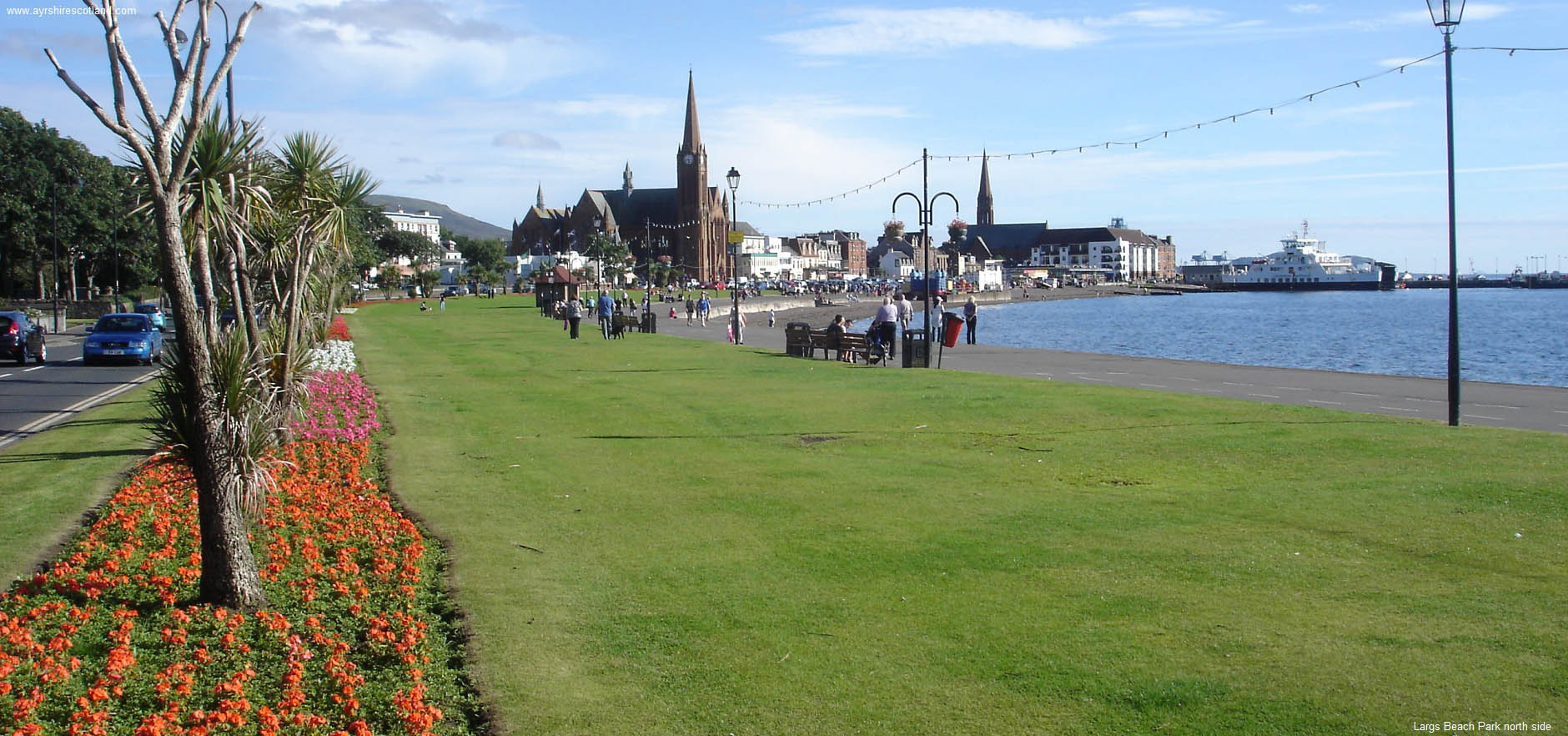
Largs is a pretty seaside town with a strong sense of history and good transport links. It has a traditional promenade, an amusement arcade, and small shops selling ice cream and souvenirs. The town is known for its Viking past. The Battle of Largs, fought in 1263, is remembered each year with a Viking Festival.
From Largs, you can take a short ferry ride to Great Cumbrae, a nearby island with walking and cycling routes. Largs is popular for day trips and family holidays, offering a mix of history and fun by the sea.
Girvan
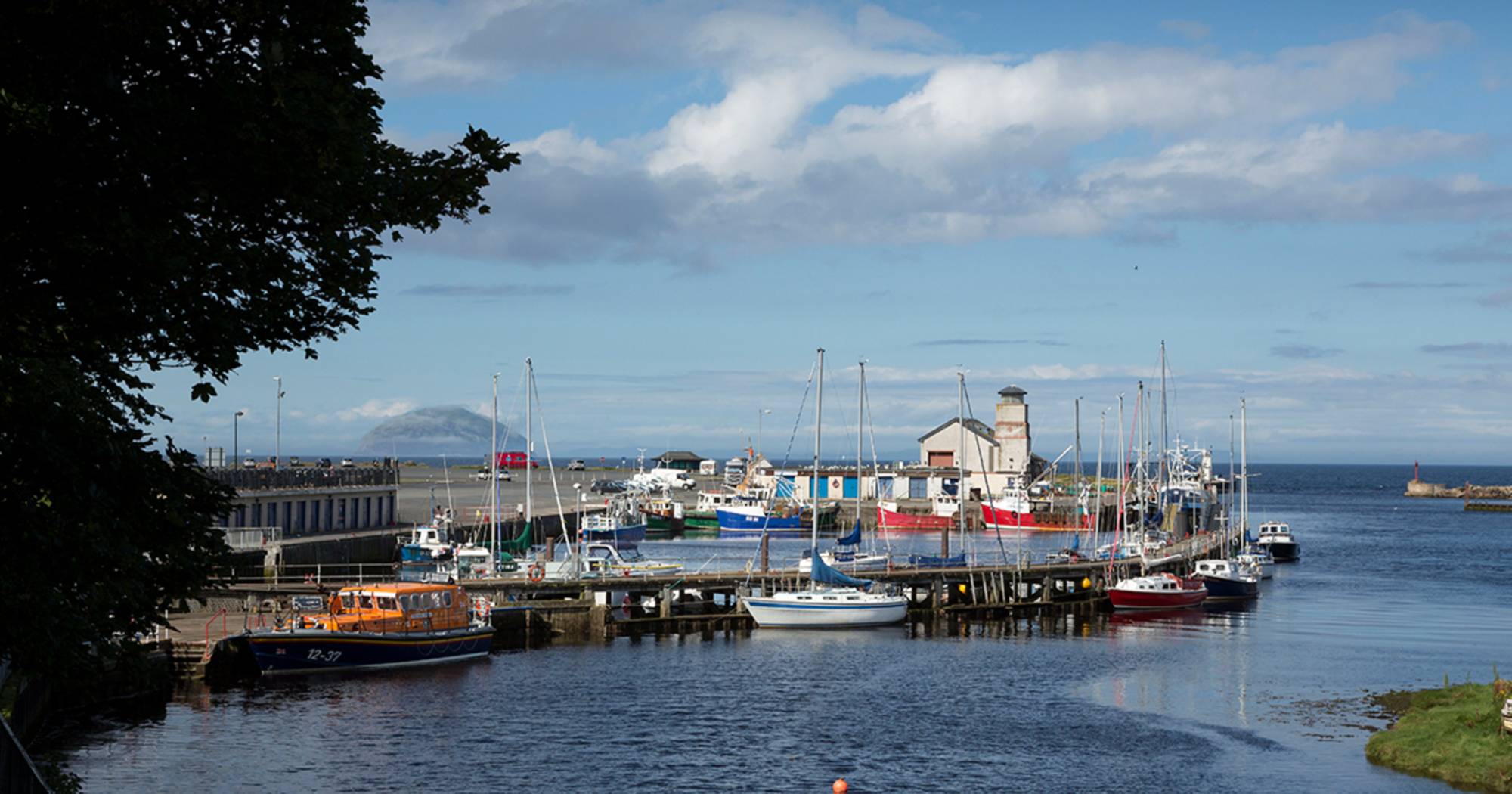
Girvan is a small fishing town located further south along the Ayrshire coast. It has a working harbour, a beach, and views of Ailsa Craig, a large rock island in the sea. Ailsa Craig is known for its unique shape and for being a source of granite used to make curling stones.
Girvan has a relaxed feel and is a good place for peaceful coastal walks. It also hosts local events and has easy access to the surrounding countryside.
Saltcoats, Ardrossan, And Stevenston - The ‘Three Towns’
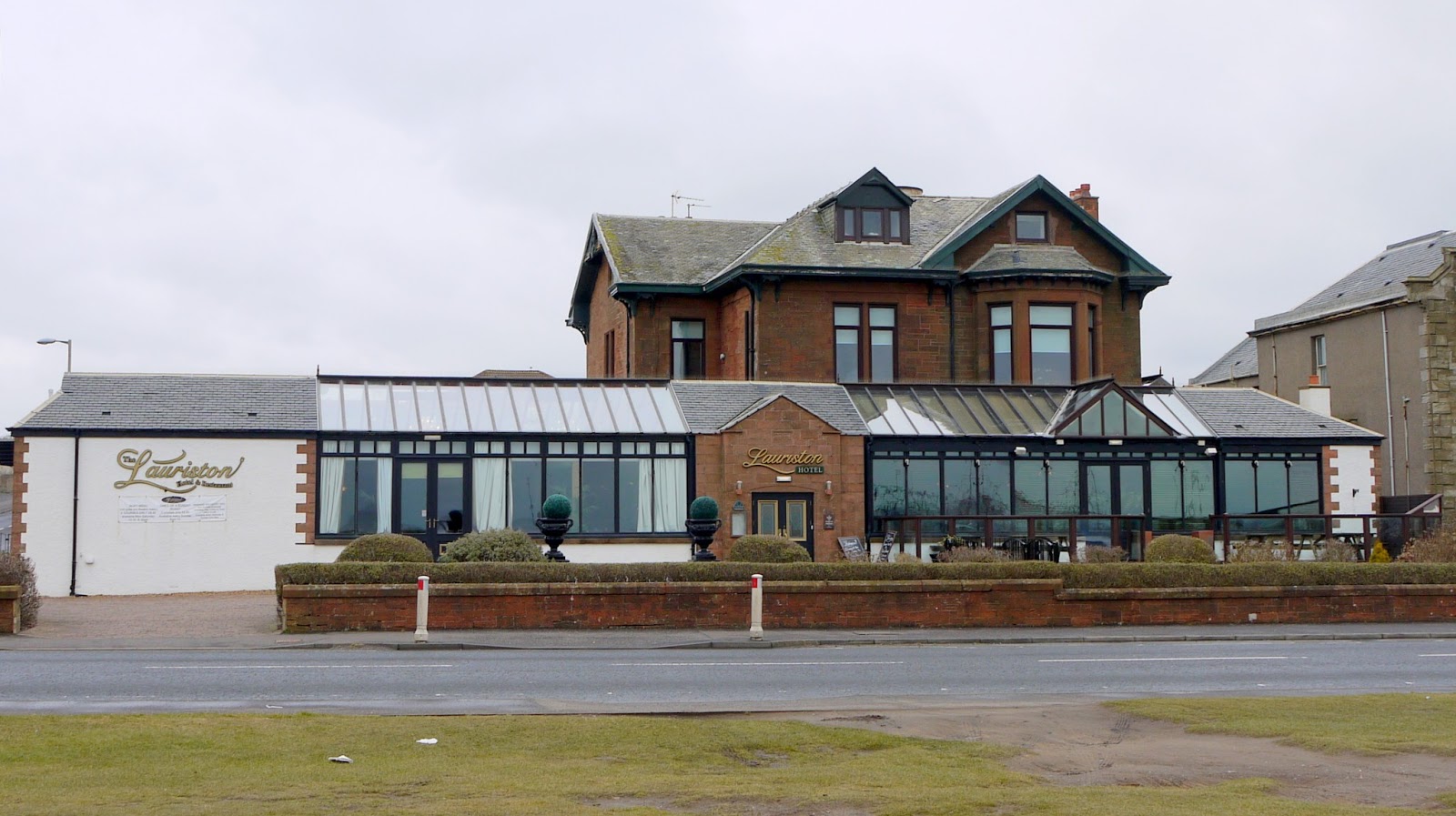
These three towns sit close together and are often called the ‘Three Towns’. Each has its own identity, but they are connected by roads, beaches, and shared history.
- Saltcoatshas a large sandy beach, a small harbour, and a popular amusement centre. It’s great for family days out.
- Ardrossanis known for its ferry port, which offers connections to the Isle of Arran. It also has a historic castle ruin and coastal walks.
- Stevenstonis quieter but has green spaces and good transport links to nearby towns.
Together, the Three Towns offer a mix of leisure, transport, and local culture, making this part of the coast busy and lively.
Millport (Great Cumbrae Island)
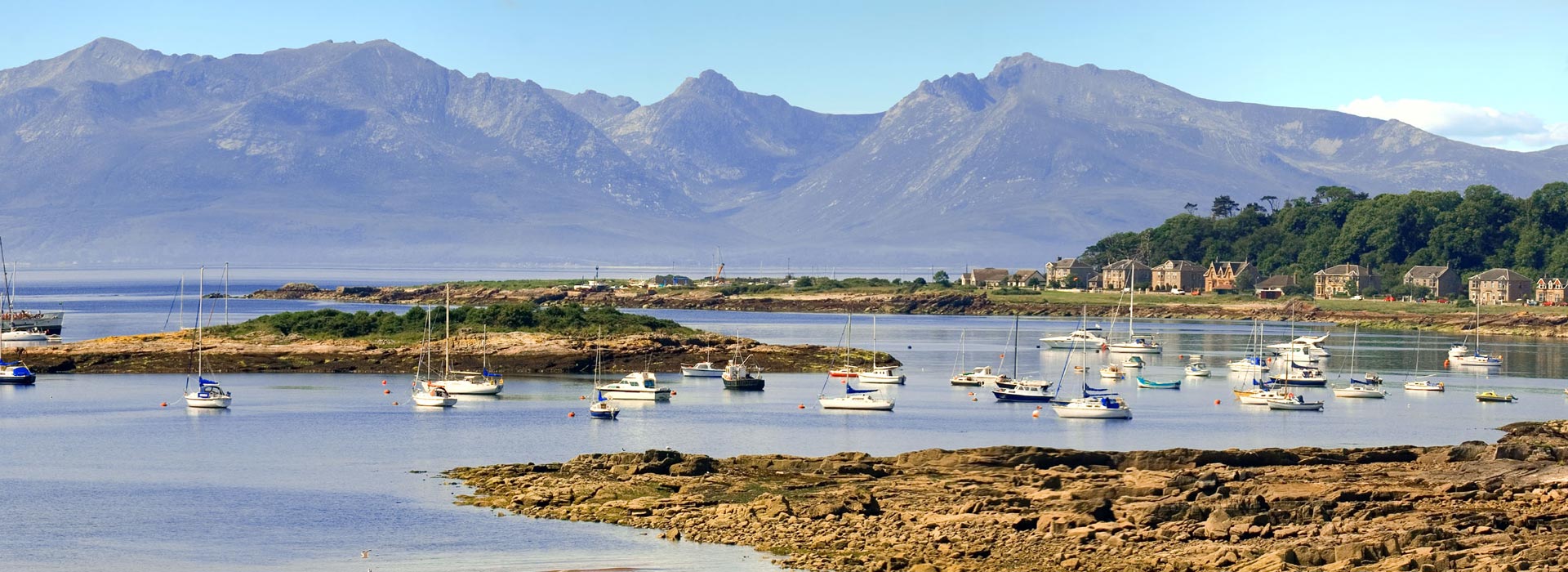
Millport is the main town on Great Cumbrae, a small island just a short ferry ride from Largs. It has a lovely seafront with colourful buildings, a quiet beach, and a relaxed island feel. People come to Millport for walking, cycling, and sea views.
The island is home to the Cathedral of the Isles, the smallest cathedral in Britain. Millport is also known for its bike-friendly roads and nature spots, which make it a popular destination for a day trip or weekend break.
Regions On The Map Of Ayrshire Coast
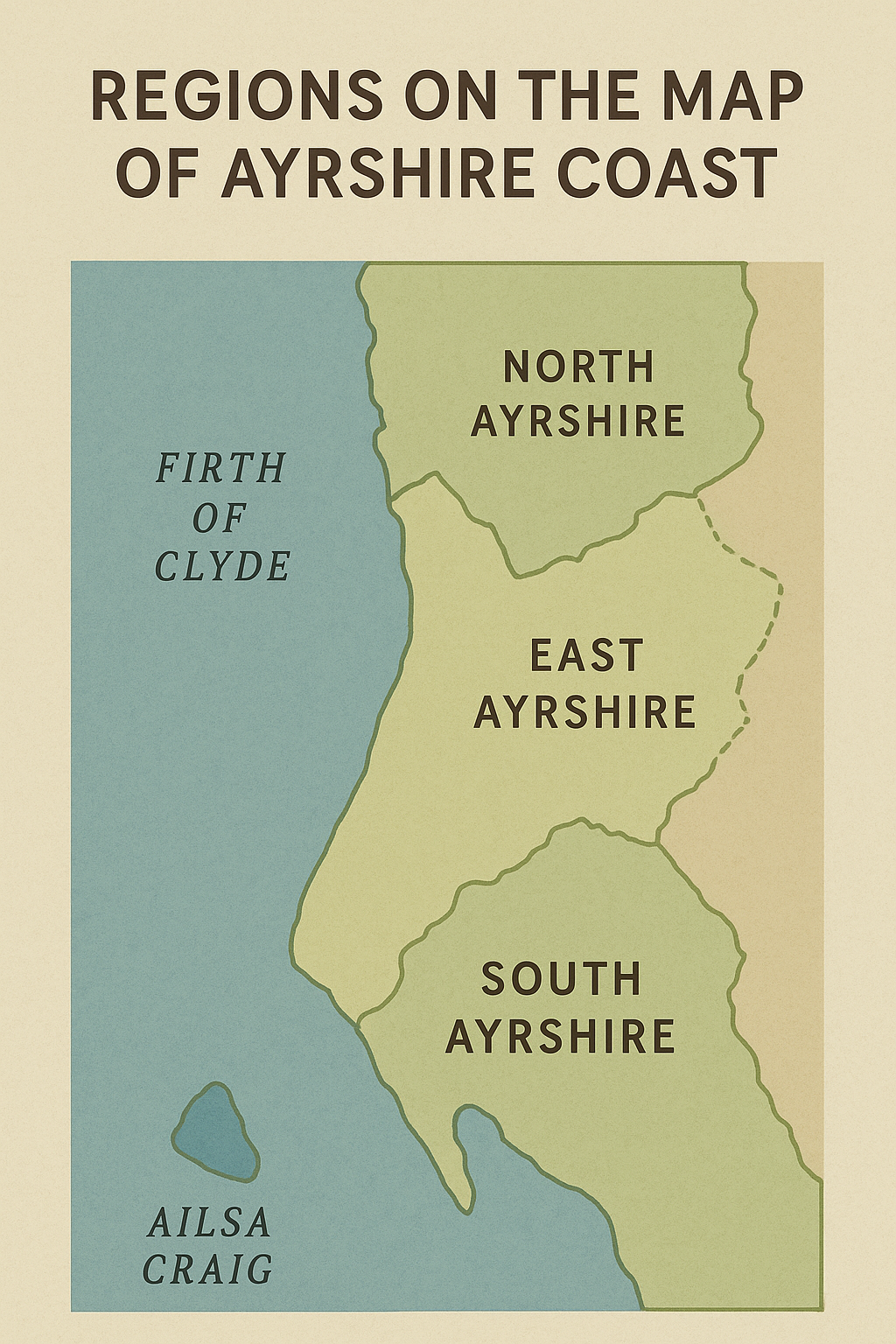
North Ayrshire
North Ayrshire covers the northern part of the Ayrshire coast. It includes busy towns like Largs, Ardrossan, Saltcoats, and Irvine. These towns sit along the shore and offer beaches, harbours, and ferry services. The area is known for seaside walks, sailing, and family-friendly attractions.
This region also includes the islands of Great Cumbrae and Arran. You can reach these islands by ferry from Largs and Ardrossan. Great Cumbrae is small and perfect for cycling, while Arran is larger and known as “Scotland in Miniature” because it has mountains, beaches, forests, and castles.
North Ayrshire Council is in charge of local services like schools, roads, and tourism in this part of the coast. The region is well connected by trains, buses, and ferries, making it easy for visitors to travel around.
East Ayrshire
East Ayrshire is mostly inland and doesn’t sit directly on the coast. However, it still connects to the Ayrshire coastline through major roads and transport routes. People from East Ayrshire often visit the coast for day trips or weekends.
Towns like Kilmarnock and Cumnock are part of this region. While these places are not coastal, they are important towns in Ayrshire for shopping, local businesses, and cultural events. Kilmarnock is one of the largest towns in the region and has a strong history, including links to Robert Burns and whisky production.
East Ayrshire Council helps manage services such as public transport, education, and community development. Although it is not directly on the coast, the region plays a supporting role in the wider Ayrshire area.
South Ayrshire
South Ayrshire stretches along the southern part of the coast and includes popular seaside towns like Ayr, Prestwick, Troon, and Girvan. This region is known for its beautiful beaches, long promenades, and golf courses.
Troon is home to world-class golf, Ayr offers great shopping and seaside fun, and Girvan has views of Ailsa Craig and access to nature trails. Prestwick is also important because it has an airport that connects Ayrshire to other parts of the UK and Europe.
One of the main attractions in South Ayrshire is Culzean Castle, a historic building set on cliffs above the sea. It draws visitors from all over the world. South Ayrshire Council manages tourism, coastal paths, and services that keep these towns running smoothly.
Population Of Ayrshire Coast
The total population of the Ayrshire area (North, East, and South Ayrshire combined) is around 365,000 people. However, the coastal population living in towns right on or near the coast is roughly 250,000.
Here’s a breakdown of some larger coastal towns:
- Ayr- around 47,000
- Irvin- around 34,000
- Troon- around 15,000
- Largs- around 11,000
- Saltcoats- around 12,000
- Girvan- around 6,500
The coast has a mix of larger towns and smaller villages, each with its community feel.
Total Area Of Ayrshire Coast
The Ayrshire coast stretches along the south-western edge of Scotland, facing the Firth of Clyde. While Ayrshire as a whole covers over 3,400 square kilometres, the coastal part is a smaller section that runs from Largs in the north to Ballantrae in the south.
This coastal strip includes towns, countryside, sandy beaches, rocky shores, and a few islands like Great Cumbrae and Arran. The area is wide enough to offer a mix of city life, nature, and quiet villages, all within a short drive.
Currency Of Ayrshire Coast
The currency used on the Ayrshire coast, like all of Scotland and the UK, is the British Pound Sterling (£). The symbol is £, and the currency code is GBP.
You can find banks, cash machines (ATMs), and card payment systems in all major towns. Both Scottish and English banknotes are accepted in Ayrshire.
Dialing Code Of Ayrshire Coast
The telephone dialing code for the Ayrshire coast depends on the specific town. Here are a few examples:
- Ayr, Prestwick, and Troon - 01292
- Irvine, Kilwinning, and Saltcoats - 01294
- Girvan and Ballantrae - 01465
- Largs and West Kilbride - 01475
If you're calling from outside the UK, you must first dial +44 and then remove the first 0 from the area code.
Language Of Ayrshire Coast
The main language spoken on the Ayrshire coast is English. It is the language used in schools, government, shops, and everyday life.
You may also hear Scots, a traditional Scottish dialect with its vocabulary and rhythm. In some areas, especially among older generations or in rural parts, Scots words are still used in casual conversation.
Although Scottish Gaelic is part of Scotland’s heritage, it is not commonly spoken in Ayrshire.
Major Roads And Transportation
The Ayrshire coast is easy to reach by road and public transport. Key transport options include:
- A77 Road- Runs along the coast from Ayr down to Girvan and further south. It connects with Glasgow and other big towns.
- A78 Road- Stretches along the northern coast through towns like Largs, Saltcoats, and Irvine.
- Train Services- Trains connect Ayr, Prestwick, Troon, Irvine, and other towns with Glasgow. Regular services make day trips simple.
- Buses- Local buses run across Ayrshire, linking coastal towns and inland areas.
- Ferries- Boats leave from Ardrossan to Arran and from Largs to Great Cumbrae.
Prestwick Airport also provides air travel options, especially for visitors from the UK and Europe.
Stunning Beaches Along The Ayrshire Coast
- Ayr Beach- Long, clean, and perfect for walking and picnics.
- Troon South Beach- Great for families and close to cafes and shops.
- Saltcoats Beach- A golden sandy beach with a promenade and children’s play areas.
- Girvan Beach- Offers views of Ailsa Craig and peaceful spots for relaxing.
- Largs Beach- Popular for seaside strolls and boat trips to the islands.
These beaches are well-kept, easy to reach, and offer fun activities like paddling, building sandcastles, and watching the sunset.
Ayrshire Coast’s Borders And Neighboring Countries
The Ayrshire coast sits along the Firth of Clyde, a large body of water that separates it from the islands of Arran and Great Cumbrae. Across the water lies Argyll and Bute, another scenic part of Scotland.
To the east, the coastline borders inland Ayrshire, North, East, and South Ayrshire and further connects with the Lowlands of Scotland.
While the Ayrshire coast doesn’t share borders with other countries, ferries and flights link it with Northern Ireland and other parts of the UK. For example, you can travel by ferry from Cairnryan (just south of Ayrshire) to Belfast.
Natural Wonders On The Map Of Ayrshire Coast
The Ayrshire coast is rich in natural beauty. From volcanic islands to sea cliffs and quiet walking paths, it offers peaceful scenery and wildlife in every direction. Below are some of the most remarkable natural spots along the coast.
Ailsa Craig
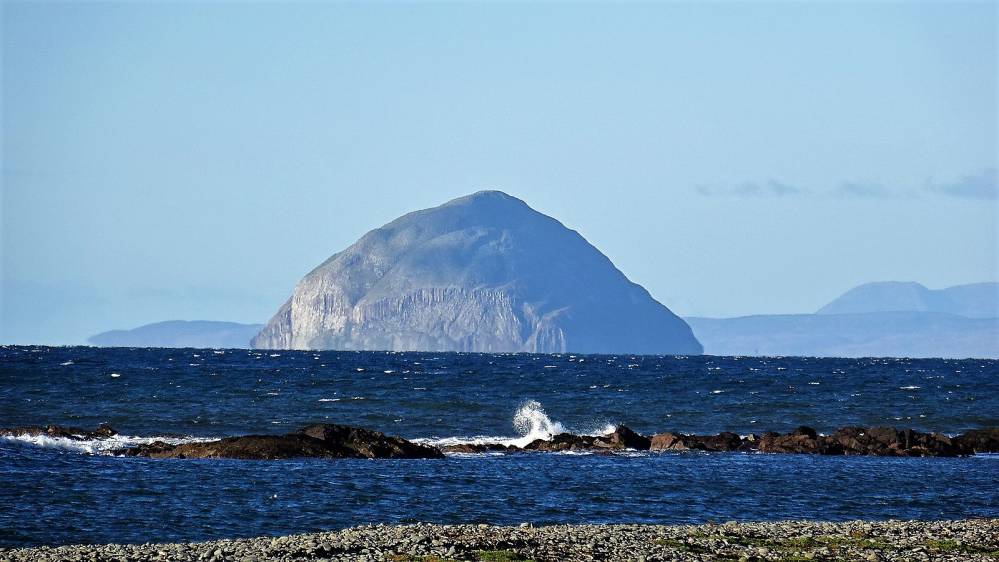
Ailsa Craig is a large volcanic island that rises sharply from the sea, about 10 miles off the coast near Girvan. It's often called "Paddy's Milestone" because it's halfway between Glasgow and Belfast.
This rock island is uninhabited by people, but thousands of seabirds call it home. Gannets, puffins, and razorbills nest on its cliffs. Boat tours run from Girvan during summer, allowing visitors to sail around the island and watch the bird colonies up close.
Ailsa Craig is also known for its unique granite, once used to make curling stones for the Olympics.
Isle Of Arran’s Mountains
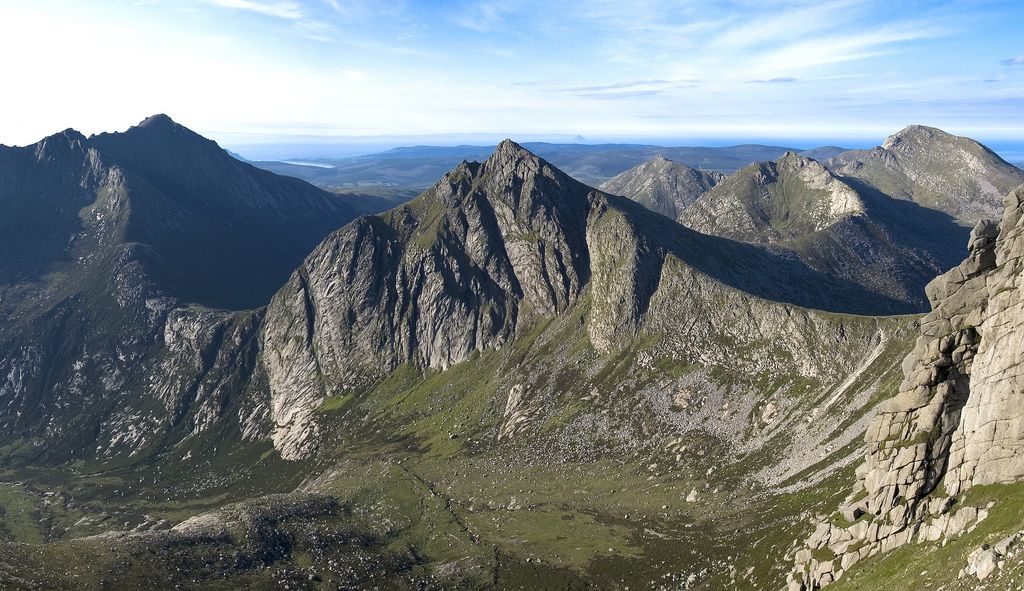
The Isle of Arran, visible from many parts of the Ayrshire coast, is often called "Scotland in Miniature" because it has both Highland and Lowland landscapes.
The island’s north side is rugged, with sharp mountains, rocky ridges, and dramatic glens. Goatfell, the highest peak on Arran, reaches over 874 metres and is a popular climb for hikers.
From the mainland coast, especially from Troon, Ayr, and Ardrossan, the mountains of Arran make for a striking backdrop. In clear weather, they look like a painting rising out of the sea.
Coastal Walking Paths
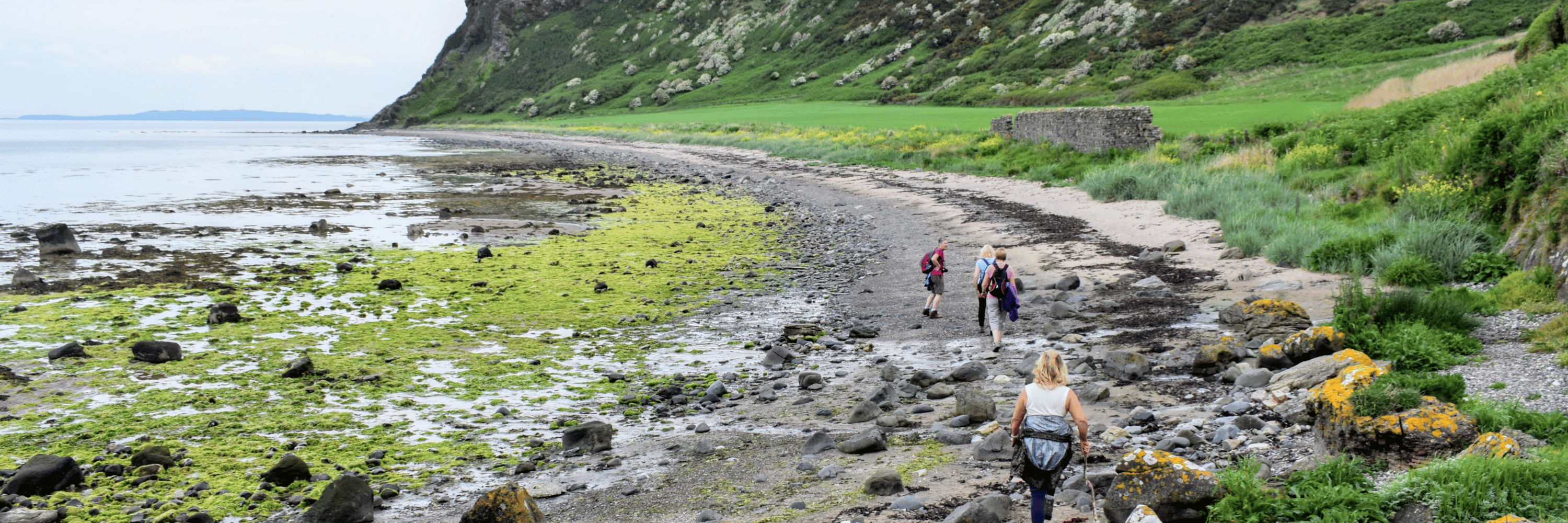
There are many well-marked walking paths along the Ayrshire coastline. These paths stretch for miles and connect towns, beaches, and countryside areas.
Some popular sections include:
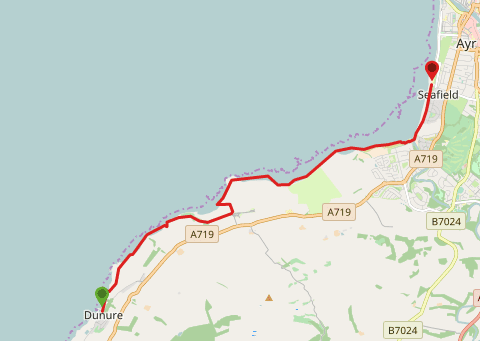
- Ayr to Dunure Coastal Path- Offers sea cliffs, castles, and ocean views.
- Troon to Irvine Beach Path- A flat and easy walk ideal for families.
- Largs to Pencil Monument- Great for a shorter walk with island views.
These routes are perfect for getting fresh air, taking photos, or watching sunsets. Many also pass through nature reserves or protected areas.
Wildlife Along The Ayrshire Coast
The Ayrshire coast is home to a wide range of wildlife, especially near the water and in quiet bays. If you watch carefully, you may spot:
- Seals resting on rocks or swimming near the shore
- Dolphins playing in the water, especially in summer
- Otters in quieter areas near rivers or marshy coasts
- A variety of seabirds and wading birds feeding along the beach
Islands like Great Cumbrae and Arran also support birdlife and marine animals. Some local boat tours offer wildlife-spotting trips, and coastal hides in nature reserves help people view animals without disturbing them.
Historic And Natural Landmarks Of The Ayrshire Coast
The Ayrshire coast is rich in history and natural beauty. From old castles to famous bridges and lighthouses, each place tells a story about Scotland’s past. These landmarks are also set in beautiful locations, offering great views and photo opportunities.
Culzean Castle
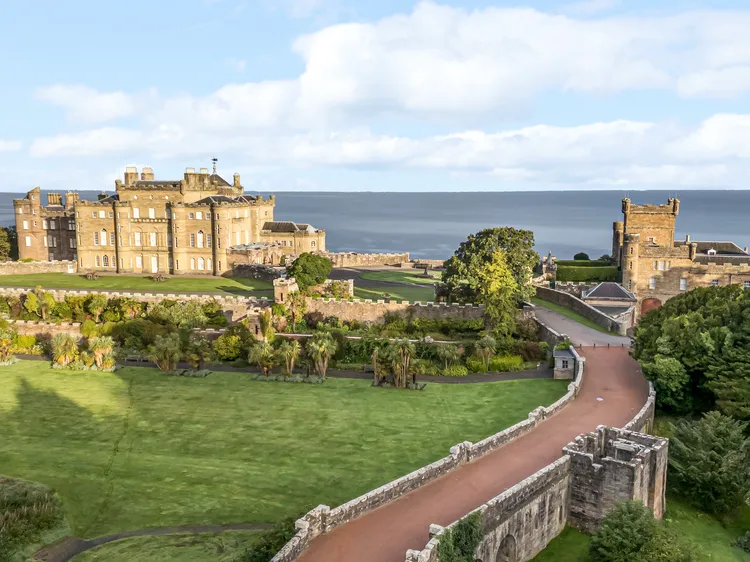
Culzean Castle is one of the most famous landmarks on the Ayrshire coast. It sits high on a cliff near Maybole, overlooking the sea. The castle was built in the 18th century and once belonged to the Kennedy family, one of Scotland’s oldest noble families.
Visitors can walk through grand rooms filled with historic furniture and art. Outside, the grounds include beautiful gardens, woodland walks, and cliffside paths with stunning sea views. The castle is part of the National Trust for Scotland and is very popular with tourists.
Scottish Maritime Museum - Irvine
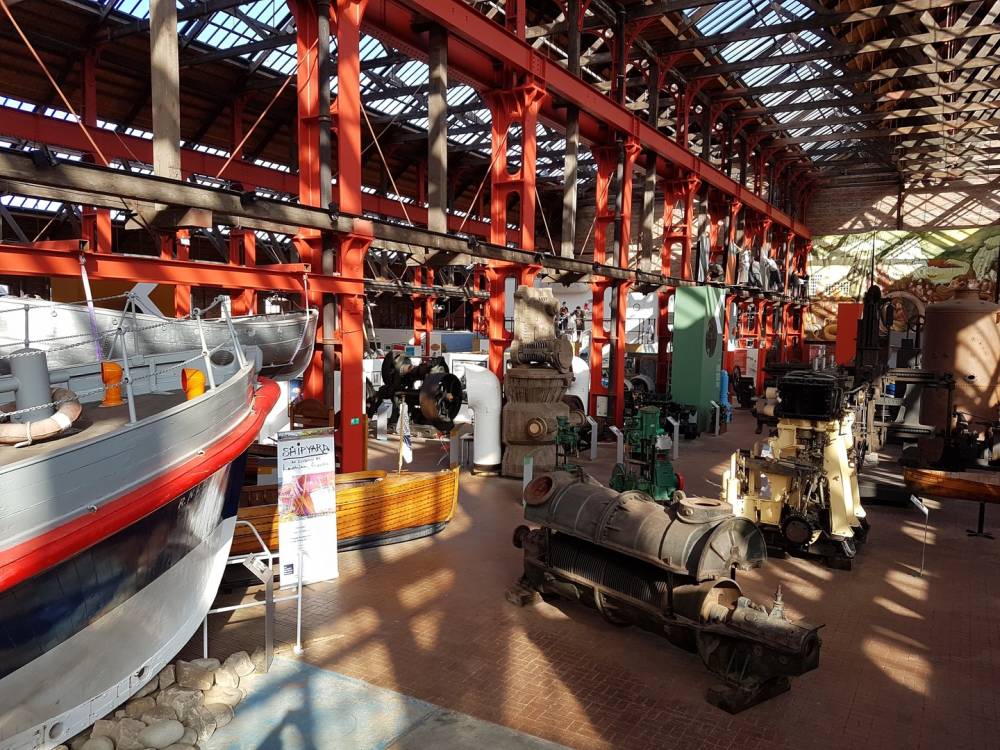
Located in Irvine, the Scottish Maritime Museum shares the history of Scotland’s shipbuilding industry. Ayrshire once played a big role in building ships, and this museum keeps that story alive.
Visitors can explore:
- Historic boats and engines
- Hands-on displays
- A recreated shipyard
- Stories of sailors and shipbuilders
It’s a great place to learn about how Scotland’s coastal towns helped shape maritime history.
Dunure Castle
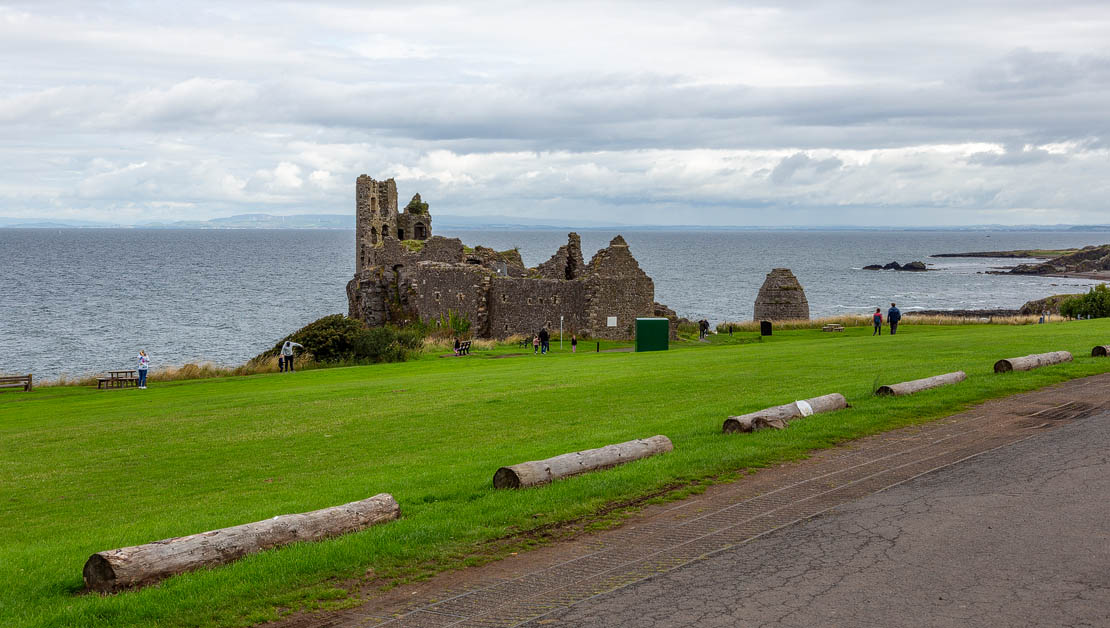
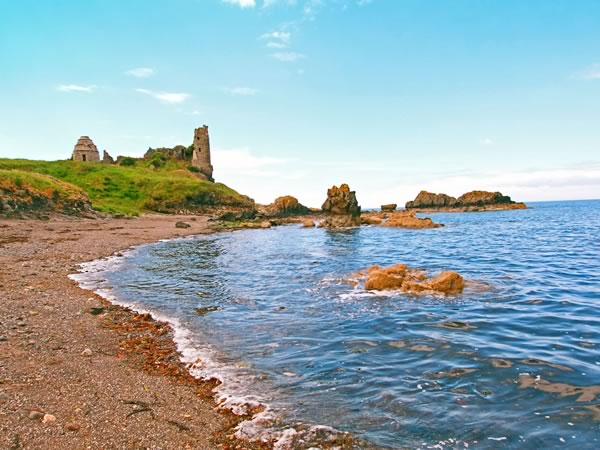
Dunure Castle is a dramatic ruined castle sitting right on the edge of the sea. It’s located in the village of Dunure, south of Ayr. The castle dates back to the 1200s and was once home to the powerful Kennedy family, like Culzean.
Although only parts of the walls remain, the location is stunning. The waves crash below the cliffs, making it a popular spot for photos, picnics, and sunset views. The nearby harbour and walking paths also add to its charm.
Brig O’ Doon
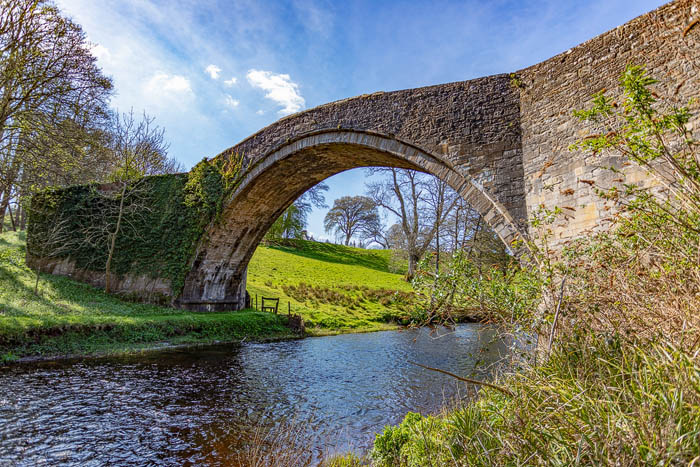
The Brig o’ Doon is an old stone bridge in Alloway, near Ayr. It’s famous because it appears in the poem Tam o’ Shanter by Robert Burns, Scotland’s national poet. The bridge crosses the River Doon and has a beautiful arch shape.
Near the bridge, visitors can also see the Robert Burns Birthplace Museum, Burns Monument, and Alloway Auld Kirk, all connected to the poet’s life. It’s a peaceful and meaningful place for fans of Scottish literatureand history.
Turnberry Lighthouse
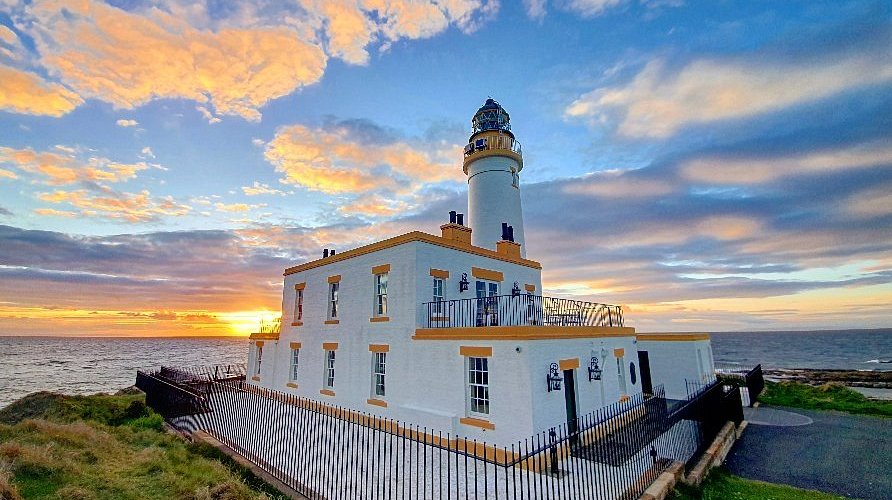
Turnberry Lighthouse stands on a rocky point near the famous Turnberry Golf Course. It was built in the late 1800s and still shines out to sea today. The lighthouse is also near the ruins of Turnberry Castle, believed to be the birthplace of Robert the Bruce, a famous Scottish king.
Visitors can walk to the lighthouse from the golf resort and enjoy clear coastal views of Ailsa Craig and the Isle of Arran. It's a popular stop for golfers, walkers, and anyone interested in Scottish heritage.
Travel Tips For Visiting The Ayrshire Coast
1. Carry A Map Or Use GPS Carefully
Some parts of the Ayrshire coast are remote, and mobile signal can be weak, especially near cliffs, beaches, or rural paths. Bring a paper map just in case, or download maps to use offline.
2. Use Public Transport
The Ayrshire coast is well connected by train and bus. You can travel between towns like Ayr, Troon, and Largs using ScotRail trains or local Stagecoach buses. It's an easy way to enjoy the coast without needing a car.
3. Check Ferry Times In Advance
If you're visiting Arran or Great Cumbrae, ferries run daily but schedules can change due to weather. Check CalMac Ferries online before you go. Arrive early to get a ticket during busy times.
4. Dress For Coastal Weather
The weather on the west coast of Scotland can change quickly. Even in summer, you might get sun, wind, and rain in one day. Pack a light waterproof jacket, layers, and comfortable walking shoes.
5. Respect The Coast And Countryside
Help protect Ayrshire’s natural beauty:
- Take your litter with you
- Stick to marked footpaths
- Avoid disturbing wildlife
- Follow local rules in protected areas
Fun Facts About The Ayrshire Coastline
- Birthplace of Robert Burns: The famous Scottish poetRobert Burns was born in Alloway, near the Ayrshire coast. His poems and songs are loved around the world.
- Ailsa Craig Is Made of Volcanic Rock: Ailsa Craig, the island seen from Girvan, is made of old volcanic rock. It’s known as “Paddy’s Milestone” and is a home for thousands of seabirds.
- Home to One of Scotland’s Oldest Castles: Dundonald Castle, near Troon, dates back to the 14th century and was once a royal residence for King Robert II of Scotland.
- Three Towns, One Community: Ardrossan, Saltcoats, and Stevenston are so close they are often called “The Three Towns”. They share beaches, shops, and train stations.
- Isle of Arran Is Called “Scotland in Miniature”: From the coast, you can reach Arran, an island that has both high mountains and low farmland a bit like all of Scotland in one place.
- Golf Began Here: Prestwick Golf Club, near Ayr, hosted the first ever Open Championship in 1860 now one of golf’s biggest tournaments.
- Ferry Trips Are Part of Local Life: Locals often take ferries to Great Cumbrae and Arran. It’s not just for tourists, it’s a daily routine for many islanders.
- Coastal Paths Stretch for Miles: You can walk along long coastal paths with views of the sea, passing through beaches, villages, and historic sites.
- Dolphins and Seals Are Common: Wildlife watchers can often spot dolphins, seals, and even otters along the shoreline or near the islands.
- Culzean Castle Was a Gift to a President: Culzean Castle, perched on a cliff, once gave a full apartment to Dwight D. Eisenhower, the former U.S. President, as a thank-you after World War II.
People Also Ask
Where Is The Ayrshire Coast Located?
The Ayrshire coast is on the west coast of Scotland, facing the Firth of Clyde. It stretches from Largs in the north to Ballantrae in the south.
Where Is The Capital Of Ayrshire Coast
Ayrshire does not have a single capital city because it is a historic county, not a country or nation. However, the largest and most central town is Ayr, which is often seen as the main town or informal “capital” of the Ayrshire coast.
Are There Any Islands Near The Ayrshire Coast?
Yes, Isle of Arran and Great Cumbrae are the two main islands. Ferries to these islands leave from Ardrossan and Largs.
What Is The Weather Like On The Ayrshire Coast?
The weather can change quickly. Expect mild temperatures, frequent rain, and windy days, especially near the sea. Always dress in layers and bring a rain jacket.
Final Thoughts
A map of the Ayrshire coast helps you find key places like beaches, castles, seaside towns, and walking paths. It shows more than roads; it highlights points of interest between towns that are easy to miss without a map.
From fishing villages to coastal cafés, the Ayrshire coast offers clear routes and local stops worth visiting. A well-marked map makes planning simple and travel easier.
Jump to
Quick Facts About The Ayrshire Coastline
Geographical Overview Of The Ayrshire Coastline
History Of The Ayrshire Coastline
Towns On The Map Of Ayrshire Coastline
Regions On The Map Of Ayrshire Coast
Population Of Ayrshire Coast
Total Area Of Ayrshire Coast
Currency Of Ayrshire Coast
Dialing Code Of Ayrshire Coast
Language Of Ayrshire Coast
Major Roads And Transportation
Stunning Beaches Along The Ayrshire Coast
Ayrshire Coast’s Borders And Neighboring Countries
Natural Wonders On The Map Of Ayrshire Coast
Wildlife Along The Ayrshire Coast
Historic And Natural Landmarks Of The Ayrshire Coast
Travel Tips For Visiting The Ayrshire Coast
Fun Facts About The Ayrshire Coastline
People Also Ask
Final Thoughts

Callum Fraser
Author
Callum Fraser isn't just a writer about Scotland; he's a product of its rugged landscape and rich history. Born and raised in Perthshire, with the Highlands as his backyard, his love for the nation's stories was kindled by local storytellers and long walks through ancient glens.
This passion led him to pursue a degree in Scottish History from the University of Edinburgh. For over 15 years, Callum has dedicated himself to exploring and documenting his homeland, fusing his academic knowledge with essential, on-the-ground experience gained from charting road trips through the Cairngorms, hiking the misty Cuillins of Skye, and uncovering the secrets of traditional recipes in his family's kitchen.
As the Editor-in-Chief and Lead Author for Scotland's Enchanting Kingdom, Callum's mission is simple: to be your most trusted guide. He combines meticulous research with a storyteller's heart to help you discover the authentic magic of Scotland — from its best-kept travel secrets to its most cherished traditional recipes.
Latest Articles
Popular Articles