Planning Your First Long-distance Walk? Why The West Highland Way Is A Gentle Place To Begin
This guide explores why the route suits newcomers so well. It isn’t a technical analysis or a strict itinerary.
Author:Callum FraserDec 15, 2025
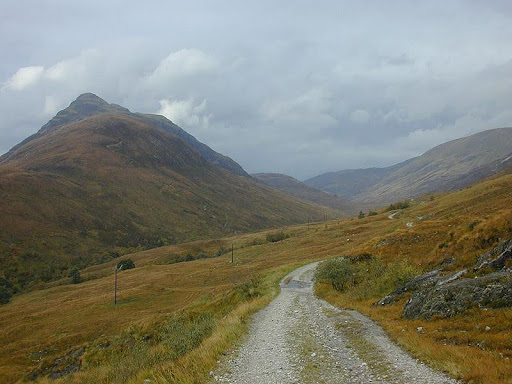
Long-distance walking can feel like a big step if you haven’t done it before. The idea of covering miles each day, carrying what you need, and moving steadily through changing landscapes brings both excitement and a quiet sense of uncertainty. Many travellers choose to begin this kind of journey somewhere approachable - a route that reveals beautiful scenery without demanding too much too soon. That’s often why the West Highland Waybecomes a natural starting point. It offers a gentle progression from lowland paths to highland views, allowing beginners to settle into the rhythm of walking without feeling overwhelmed.
This guide explores why the route suits newcomers so well. It isn’t a technical analysis or a strict itinerary. Instead, it’s a thoughtful look at the trail’s character - the moods of the landscape, the manageable pacing, the practical comforts, and the way each day eases naturally into the next. Long-distance walking is as much about how a place feels as how far you travel, and the West Highland Way has a rhythm that is kind to first-timers.
A Route Designed With A Natural Learning Curve
The West Highland Way stretches for about 96 miles from Milngavie, on the edge of Glasgow, to Fort William in the heart of the Highlands. At first glance that distance might seem large, but the route unfolds in a way that encourages confidence. The early stages are gentle, giving beginners time to settle into a comfortable pace. Paths are clear, waymarking is reassuringly consistent, and the scenery opens up gradually rather than all at once.
Walking from the outskirts of a city into countryside also softens the transition. You don’t step immediately into remote terrain. Instead, you follow woodland tracks and peaceful trails, learning how your body responds to steady movement. As the miles build, you naturally adjust - a quiet shift rather than a sudden test.
By the time the scenery becomes more dramatic, the act of walking already feels familiar.
The Landscapes Offer Variety Without Intensity
One of the strengths of the West Highland Way is its balance. You pass through different types of landscapes, each with its own atmosphere, but none so extreme that beginners feel pressured. The route invites you into its scenery rather than challenging you with it.
Woodland Paths And Lochsides To Begin
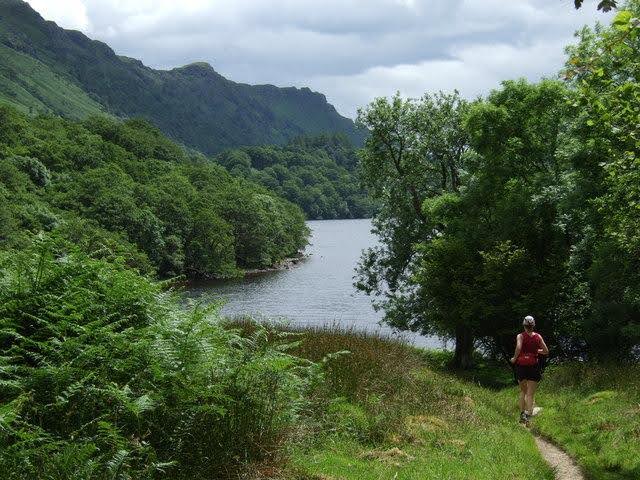
The early stretch through Mugdock Country Park and beyond has a calm, almost easing quality. The ground underfoot is generally kind, and the surroundings feel gentle. Soon after, Loch Lomonddominates the trail, offering long views, shaded moments beneath trees, and the quiet satisfaction of walking beside water. There are small climbs and rocky sections, yes, but nothing that demands technical skill.
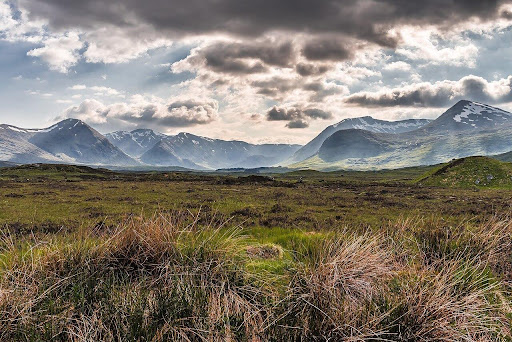
Open Moorland That Feels Vast But Not Intimidating
As the path leads onto Rannoch Moor, the sense of space increases. It’s a landscape that captures attention - wide skies, open land, subtle shifts in colour - yet the trail remains clear and straightforward. You feel part of something larger without feeling lost within it.
Highland Valleys That Reward Steady Effort
Later, Glen Nevis brings the journey towards its conclusion. The valley has a sense of grandeur, marked by steep hillsides and shifting light, but the walking itself stays steady. For newcomers, this kind of scenery feels rewarding rather than daunting: dramatic enough to feel like an achievement, yet still accessible.
For a first long-distance walk, this balance matters. You want landscapes that inspire you without overwhelming you. The West Highland Way offers exactly that.
Each Stage Feels Manageable - And Naturally Paced
A big part of starting your first long-distance walk is understanding how much you can comfortably do in a day. The West Highland Way is helpful here, because its stages are sensibly spaced. Many walkers cover 10–15 miles daily, though shorter days are possible depending on where you choose to stop.
The pacing feels intuitive. Early days are often shorter and softer; middle stages offer a bit more distance; the final stretch carries a sense of steady accomplishment. Nothing feels abrupt or out of sync with the overall rhythm.
If you’re new to long-distance walking, this structured progression allows your body and mind to adjust gradually. You learn:
- how your breathing settles,
- how often you like to pause,
- which stretches of path help you find your stride,
- and how energy changes throughout the day.
These small observations are important. They help you find a comfortable walking stylethat becomes useful far beyond this single route.
Waymarking And Path Quality Offer Reassurance
For many beginners, navigation is a concern. Uncertainty about direction can add unnecessary stress. The West Highland Way reduces that worry significantly. The route is well maintained, marked with clear signage, and widely travelled. You rarely walk for long without seeing markers, and the path itself generally remains obvious.
This matters more than people sometimes realise. Confidence in the route allows you to focus on the landscape, your breathing, and the simple act of moving forward. It also gives space to enjoy quiet moments without feeling the need to check maps constantly.
For a first attempt at a long-distance walk, that reassurance contributes directly to enjoyment.
Terrain That Teaches, Not Tests
The trail includes a mix of surfaces - woodland paths, gravel, lochside trails, moorland tracks - but none are technically difficult. Some stretches require careful footing, especially along rocky sections near Loch Lomond, yet they are manageable for most beginners who pace themselves.
Terrain like this is ideal for a first-timer because it introduces the idea of variation. You learn how your balance shifts on uneven ground and how to maintain a steady pace on inclines. But the learning happens naturally. There’s no pressure to “perform”; you simply become more comfortable as you go.
The trail shows you what long-distance walking feels like without pushing you beyond your limits.
Weather That Adds Character But Rarely Blocks Progress
Scottish weather is famously changeable, but on the West Highland Way it often adds texture rather than difficulty. A clear morning might slide into soft rain by afternoon; clouds may drift across a ridge and reveal blue sky minutes later. For beginners, experiencing this variety can be surprisingly enjoyable. It teaches flexibility and reminds you that long-distance walking isn’t about perfect conditions - it’s about responding calmly to whatever arrives.
Proper clothing is important, of course. Layers, waterproofs, and sturdy footwear make the journey far more comfortable. But with these basics in place, the weather becomes part of the experience rather than something to fear.
It’s reassuring to know that many walkers complete the route each year in all kinds of conditions.
Supportive Infrastructure Along The Route
Another reason the West Highland Way suits first-time walkers is the availability of accommodation, transport links, and services. You don’t need to worry about carrying camping equipment unless you want to. Guesthouses, small hotels, and inns appear at sensible intervals. Many offer drying rooms, good meals, and quiet spaces to rest at day’s end.
Baggage transfer services are also widely used, particularly by newcomers who don’t want to carry full packs over several days. This option keeps the experience light and enjoyable, and allows you to focus on the walking itself.
Transport at both ends of the trail is straightforward. Milngavie is easily reached by train, and Fort William connects well with Scottish rail and bus networks.
For beginners, these practical comforts reduce stress and make the entire journey feel more accessible.
A Sense Of Achievement Without Intensity
Finishing a long-distance walk for the first time carries a deep satisfaction. The West Highland Way offers that feeling in a balanced, gentle way. You complete a meaningful journey - nearly 100 miles through changing landscapes - but you finish knowing the experience was shaped by discovery rather than difficulty.
Each milestone feels earned. Each stage contributes to the wider rhythm. And by the end, you’ve built a quiet confidence that often inspires further walks, whether in Scotland or elsewhere.
That sense of achievable accomplishment is one of the route’s strongest qualities.
Tips For First-time Long-distance Walkers
These suggestions help keep the experience comfortable and enjoyable:
- Start gently:Let the first day or two be slower. There’s no rush to reach a high pace.
- Wear well-fitted footwear:Blisters can overshadow scenery. Good boots or shoes make everything easier.
- Carry light:If you choose baggage transfer, pack only essentials for the day.
- Stay flexible:Weather shifts quickly - layers help you adapt without fuss.
- Pause often:Short breaks keep energy steady and give time to appreciate the surroundings.
- Choose accommodation that fits your rhythm:Comfortable rest makes each new day easier.
A Welcoming Place To Begin
Your first long-distance walk doesn’t have to be daunting. It can be steady, scenic, and quietly rewarding. The West Highland Way offers that balance - gentle early miles, open moorland vistas, supportive infrastructure, and a natural sense of progression that suits beginners remarkably well.
Walking it teaches you how to move through landscapes with curiosity rather than urgency. It shows how distance feels when broken into calm, manageable days. And it gives you the confidence to begin imagining other journeys, other paths, other possibilities.
For many first-time walkers, this trail becomes not just a route but a welcome introduction to the wider world of long-distance walking.
Jump to
A Route Designed With A Natural Learning Curve
The Landscapes Offer Variety Without Intensity
Each Stage Feels Manageable - And Naturally Paced
Waymarking And Path Quality Offer Reassurance
Supportive Infrastructure Along The Route
A Sense Of Achievement Without Intensity
Tips For First-time Long-distance Walkers
A Welcoming Place To Begin

Callum Fraser
Author
Callum Fraser isn't just a writer about Scotland; he's a product of its rugged landscape and rich history. Born and raised in Perthshire, with the Highlands as his backyard, his love for the nation's stories was kindled by local storytellers and long walks through ancient glens.
This passion led him to pursue a degree in Scottish History from the University of Edinburgh. For over 15 years, Callum has dedicated himself to exploring and documenting his homeland, fusing his academic knowledge with essential, on-the-ground experience gained from charting road trips through the Cairngorms, hiking the misty Cuillins of Skye, and uncovering the secrets of traditional recipes in his family's kitchen.
As the Editor-in-Chief and Lead Author for Scotland's Enchanting Kingdom, Callum's mission is simple: to be your most trusted guide. He combines meticulous research with a storyteller's heart to help you discover the authentic magic of Scotland — from its best-kept travel secrets to its most cherished traditional recipes.
Latest Articles
Popular Articles