Planning Your Scotland Golf Trip: What To Think About Before You Tee Off
A golf trip to Scotland rarely feels like a standard holiday. Even before you arrive, there’s a sense of weight to it — history, expectation, the quiet knowledge that you’re heading to the birthplace of the game.
Author:Callum FraserJan 20, 2026
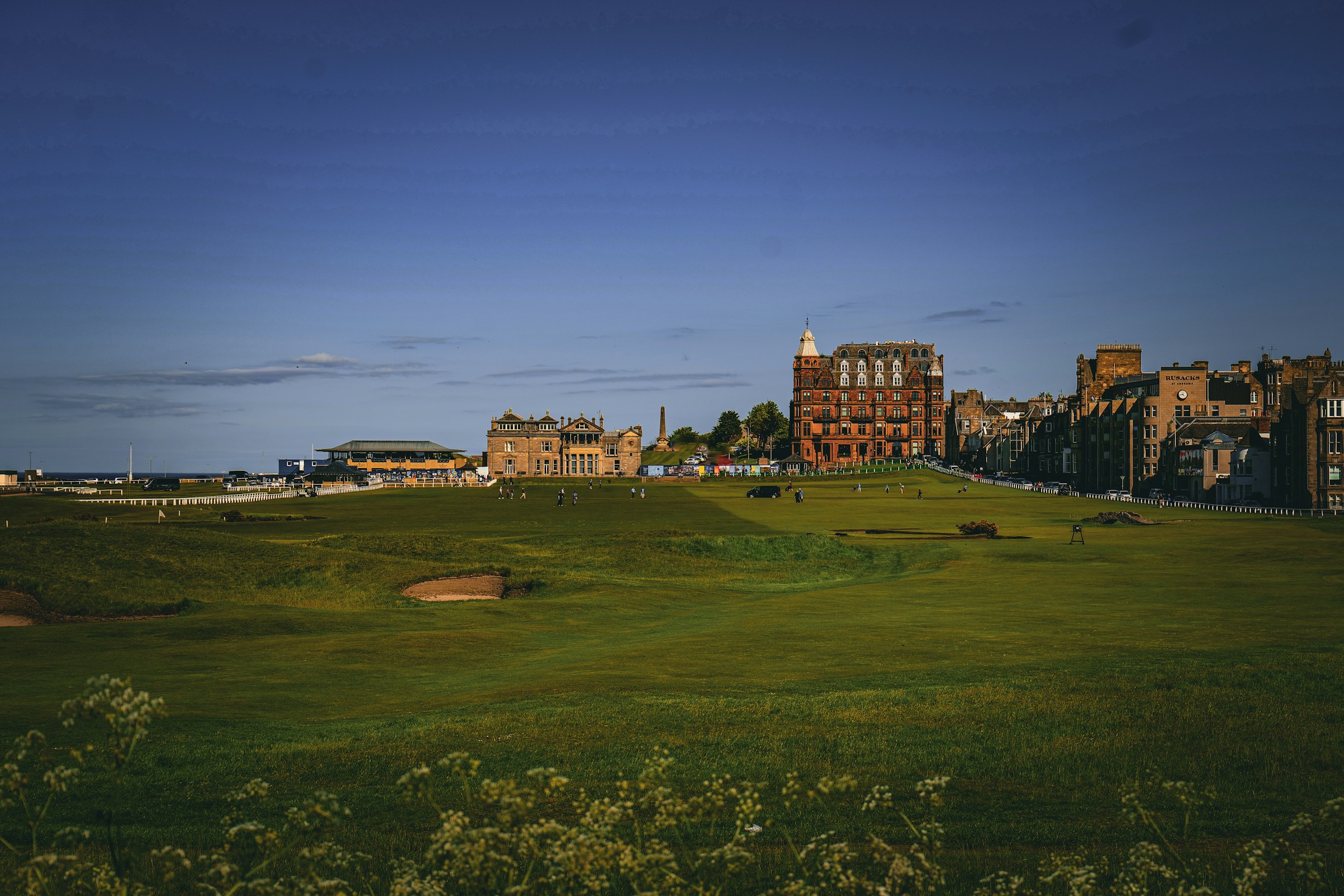
A golf trip to Scotland rarely feels like a standard holiday. Even before you arrive, there’s a sense of weight to it — history, expectation, the quiet knowledge that you’re heading to the birthplace of the game. That’s why bespoke golf trips in Scotlandtend to work best when they’re built thoughtfully, rather than rushed into shape around a few famous tee times. Planning here isn’t just logistics. It’s part of the experience itself.
What follows isn’t a rigid checklist. It’s more a way of thinking about the trip before you ever step onto the first tee.
Why Scotland Rewards Good Planning
Scotland is compact, but dense. World-class coursessit surprisingly close together, yet the experience between them can vary wildly. One morning you’re battling a coastal wind on ancient links ground. The next, you’re walking through quieter inland landscapes where golf feels slower, almost meditative.
That contrast is part of the magic. But it’s also where poor planning can creep in.
Tee times at famous courses are limited. Travelbetween regions takes longer than the map suggests. Weather doesn’t ask permission. A well-planned trip absorbs all of that gracefully. A rushed one tends to feel like you’re always catching up, even when you’re playing beautifully.
Choosing The Right Time To Travel
There’s no single “best” time to play golf in Scotland. Anyone who tells you otherwise is simplifying things.
Peak season — roughly late May through August — brings long daylight hours and firm fairways. You can finish a round at 8pm and still feel like the day has room to breathe. But it also brings crowds, higher costs, and tighter availability.
Shoulder seasons, particularly April, early May, and September, often appeal to experienced golfers. Courses are quieter. The pace feels calmer. Conditions can be excellent, even if the temperature asks a little more of you.
Winter, while less popular, has its own charm on select courses. But expectations need adjusting. Not every venue operates year-round, and flexibility becomes essential.
Perhaps the bigger point is this: chasing “perfect weather” rarely leads to the best golf. Scotland’s character lives in its variability.
Booking Iconic Courses (and Managing Expectations)
For many golfers, names like St Andrews, Carnoustie, and Muirfieldsit at the heart of the trip. And rightly so. These are special places.
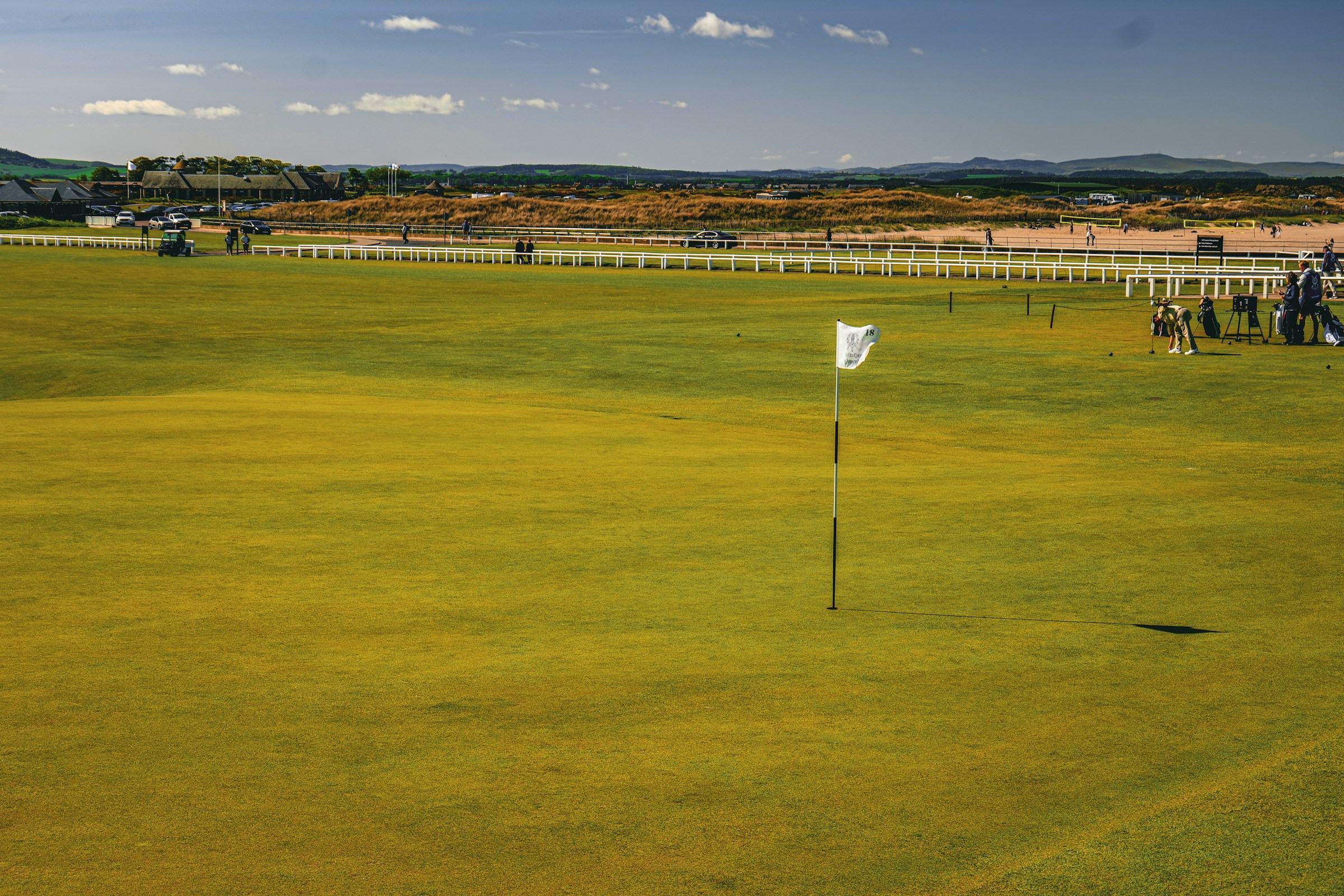
But they also come with systems, ballots, advance booking windows, and no guarantees. The Old Course ballot, for example, is part of the experience — but it requires patience, flexibility, and a willingness to accept alternative plans.
This is where mindset matters. Treat iconic rounds as aspirations rather than anchors. Build itineraries that allow space for adjustment. Often, the rounds you remember most aren’t the ones you chased hardest.
Balancing Famous Names With Lesser-known Gems
There’s a quiet truth many returning golfers eventually discover: Scotland’s lesser-known courses often deliver the most relaxed enjoyment.
That’s not to diminish the greats. But playing headline courses back-to-back can feel surprisingly demanding. The walks are long. The expectations are high. Fatigue creeps in.
Mixing marquee venues with local favourites brings balance. It changes the rhythm of the trip. One day feels ceremonial. The next feels like you’ve stumbled into something personal, even private.
Those contrasts matter more than most people realise.
Getting Around: Transport And Pacing
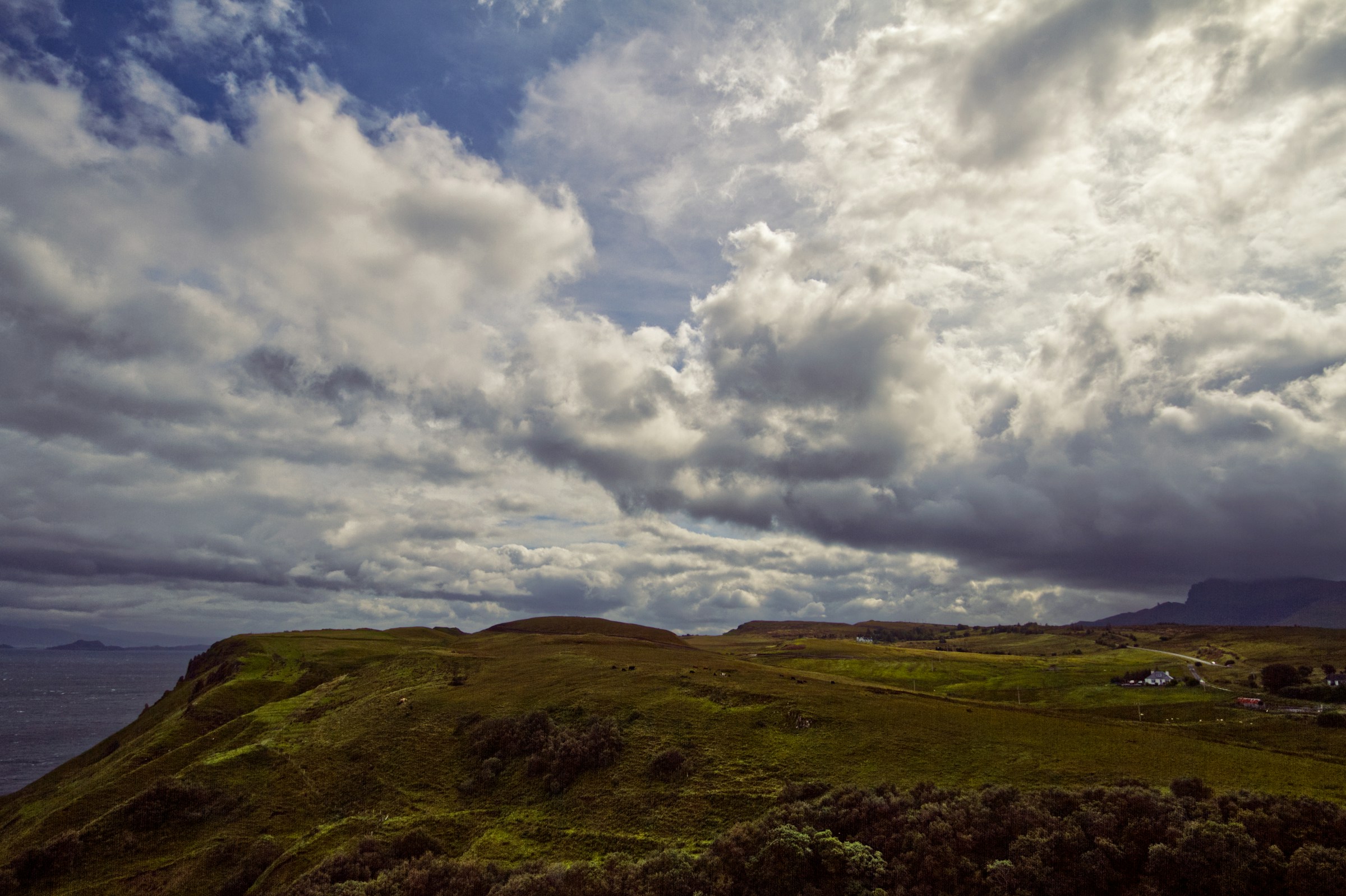
On paper, Scotland looks easy to navigate. In reality, rural roads, coastal routes, and weather-shaped travel times deserve respect.
Self-driving offers freedom, especially for smaller groups. But it also requires realistic pacing. Long golf days followed by evening drives can drain energy faster than expected.
Transfers remove that pressure, allowing the day to unfold naturally. Either way, fewer base changes almost always improve the experience. Settling into a region, rather than hopping constantly, gives the trip room to breathe.
And yes, leave space for the unexpected. A delayed round. A pub stop that turns into dinner. These moments tend to matter.
Accommodation That Suits Golfers, Not Just Travellers
Accommodation choices influence the feel of a golf trip more than star ratings ever could.
Staying close to courses simplifies mornings and softens late finishes. Smaller inns and lodges often understand golfers instinctively — early breakfasts, club storage, quiet efficiency.
Larger hotels offer comfort and consistency, especially in central hubs. But location and flow matter more than luxury. You want places that support the rhythm of golf days, not interrupt them.
Sometimes the simplest choice is the right one.
Budgeting Without Stripping The Joy Out Of It
Budgets shape trips, whether acknowledged or not. The trick is deciding where spend genuinely adds value.
Green fees are obvious. Less obvious are costs around transport, meals, caddies, and contingency days. Weather delays happen. So do last-minute changes.
Spending more often pays off in pacing and flexibility rather than excess. Fewer rushed days. Better positioning. Less friction.
Golf in Scotland rewards intention more than extravagance.
Why Personalised Planning Makes The Difference
No two golfers experience Scotland the same way. Some want a stern test. Others want scenery and stories. Some chase history. Others want space.
This is where tailored planning quietly changes everything. Not by over-engineering the trip, but by aligning it with what actually matters to the people playing.
Done well, a plan fades into the background. The days feel unforced. The rounds stack naturally. And the trip feels cohesive rather than constructed.
Final Thoughts Before The First Tee
Planning a Scotland golf trip can feel daunting at first. There’s a lot to consider. A lot of voices offering advice.
But thoughtful preparation doesn’t remove spontaneity — it creates room for it. The best trips feel effortless precisely because someone took the time to think things through early.
Once you arrive, the work is done. All that’s left is the walk, the wind, and the sound of the ball leaving the clubface. And that, perhaps, is the whole point.
Jump to
Why Scotland Rewards Good Planning
Choosing The Right Time To Travel
Booking Iconic Courses (and Managing Expectations)
Balancing Famous Names With Lesser-known Gems
Getting Around: Transport And Pacing
Accommodation That Suits Golfers, Not Just Travellers
Budgeting Without Stripping The Joy Out Of It
Why Personalised Planning Makes The Difference
Final Thoughts Before The First Tee

Callum Fraser
Author
Callum Fraser isn't just a writer about Scotland; he's a product of its rugged landscape and rich history. Born and raised in Perthshire, with the Highlands as his backyard, his love for the nation's stories was kindled by local storytellers and long walks through ancient glens.
This passion led him to pursue a degree in Scottish History from the University of Edinburgh. For over 15 years, Callum has dedicated himself to exploring and documenting his homeland, fusing his academic knowledge with essential, on-the-ground experience gained from charting road trips through the Cairngorms, hiking the misty Cuillins of Skye, and uncovering the secrets of traditional recipes in his family's kitchen.
As the Editor-in-Chief and Lead Author for Scotland's Enchanting Kingdom, Callum's mission is simple: to be your most trusted guide. He combines meticulous research with a storyteller's heart to help you discover the authentic magic of Scotland — from its best-kept travel secrets to its most cherished traditional recipes.
Latest Articles
Popular Articles