Quiet Alternatives To The Isle Of Skye | 12 Peaceful Scottish Escapes
For peace away from Skye’s crowds, try quieter islands with empty beaches and true Scottish charm. Your calm Scottish trip can start today.
Author:Callum FraserOct 24, 2025
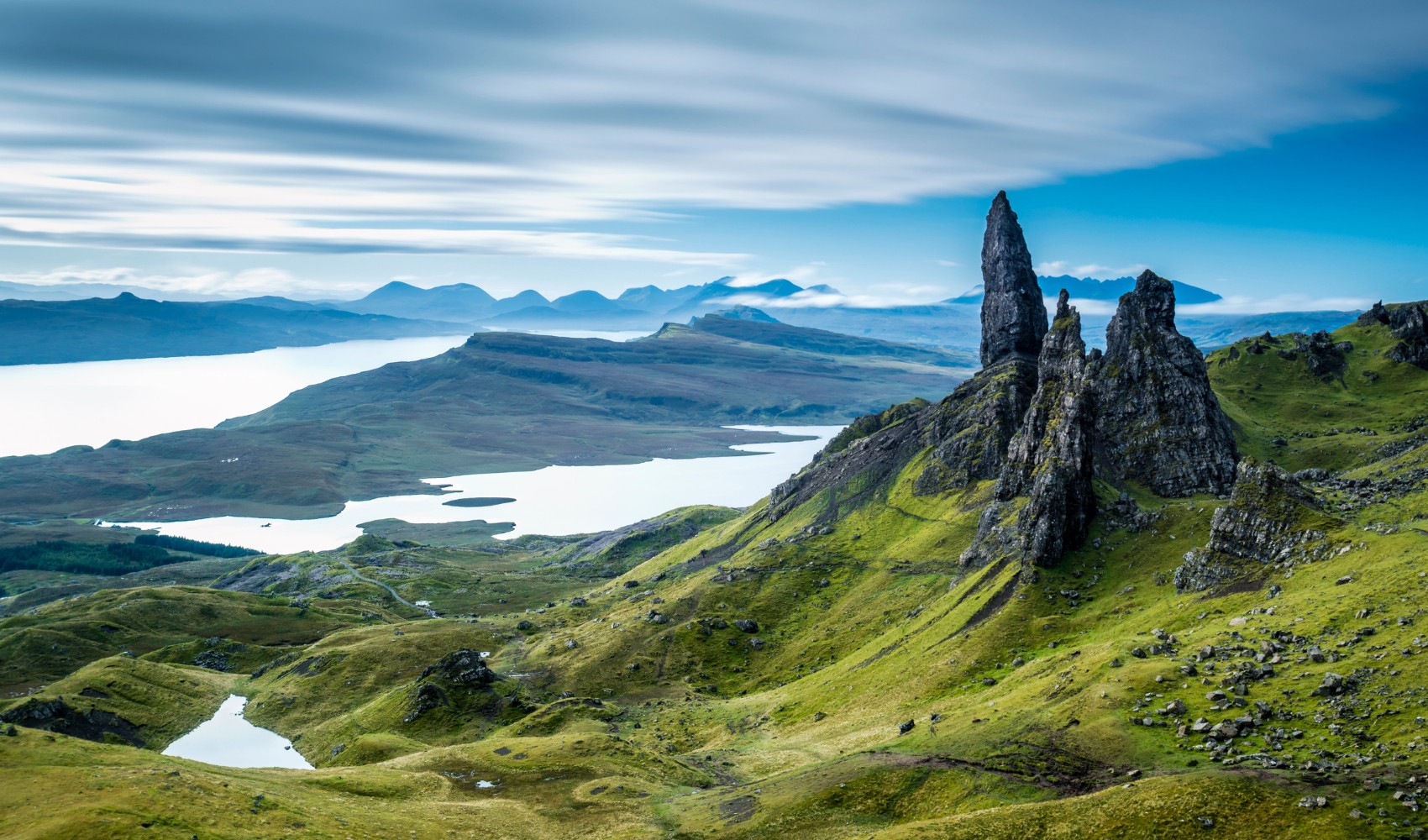
The Isle of Skye is one of Scotland’s most beautiful places, but its popularity brings a disadvantage, large crowds, traffic jams, full car parks and lodgings booked months ahead.
Scotland has many other places with rugged coastlines, wide beaches, deep history and true Highland character. These calmer locations offer similar landscapes, outdoor fun and you may find them almost empty.
1. Isle Of Mull
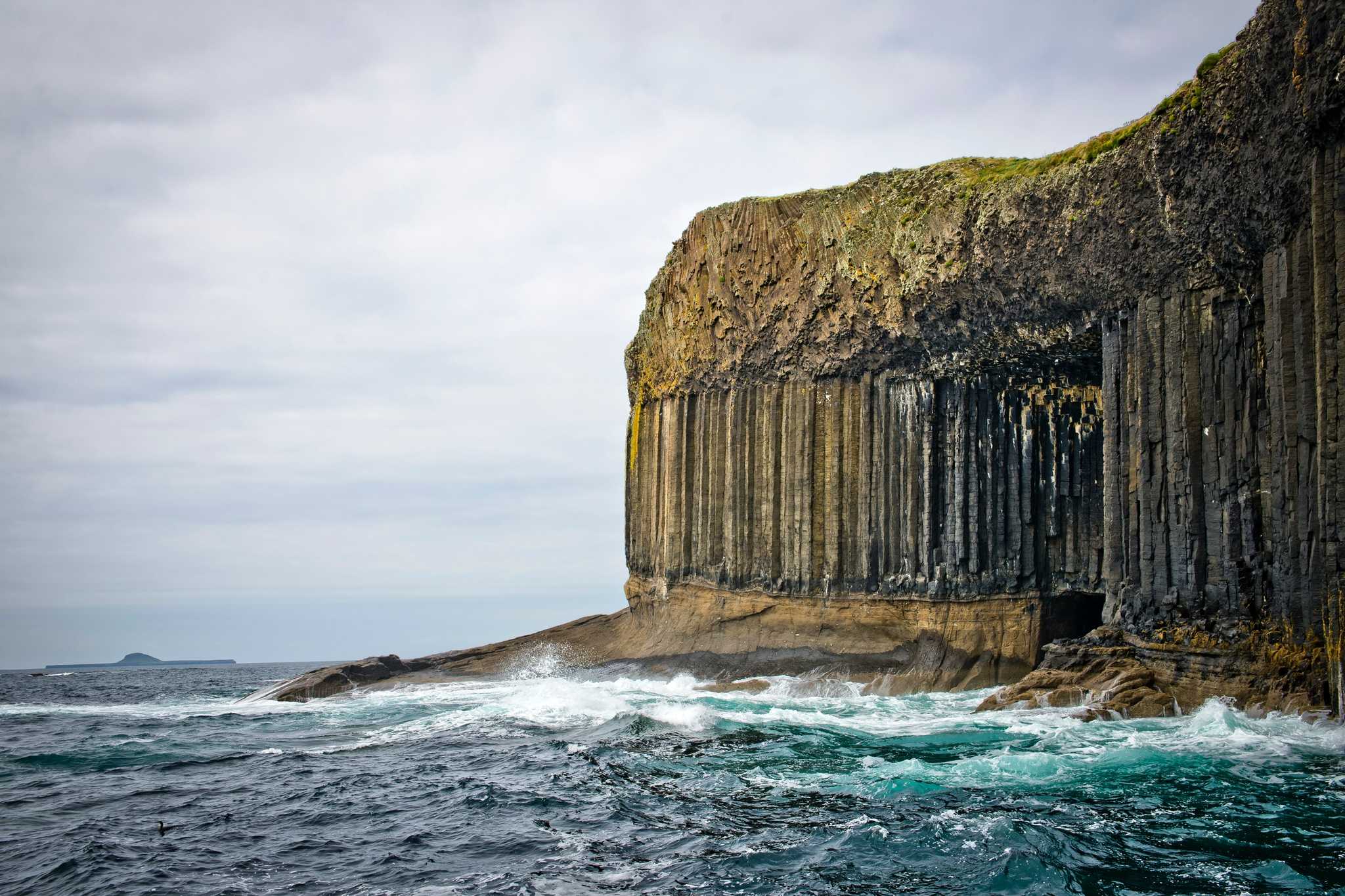
This large island covers about 338 square miles and offers dramatic views without the big crowds. Tobermory’s bright waterfront makes a friendly base that feels more intimate than Portree.
Mull stays quieter because ferry capacity limits daily arrivals, unlike Skye where the bridge brings many visitors. Wildlife watching is excellent, white-tailed sea eagles nest here, boat trips can bring you near minke whales, basking sharks, dolphins.
You reach Mull by ferry from Oban to Craignure in about 50 minutes, by the shorter Kilchoan to Tobermory crossing or by Lochaline to Fishnish. Book ferry space in busy months, this helps keep the island peaceful.
2. Lewis And Harris
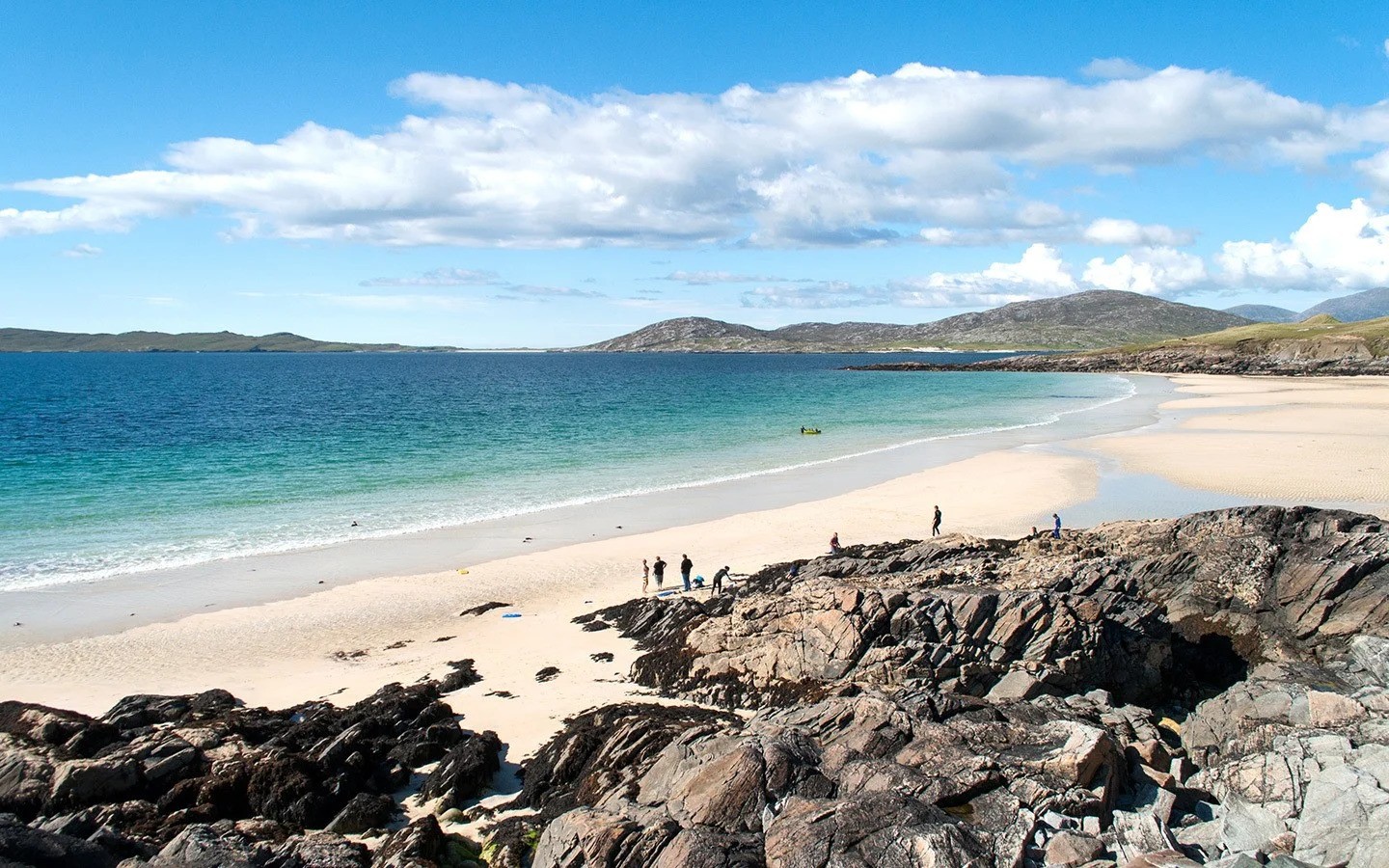
Lewis and Harris form the largest island in the chain and see far fewer visitors than Skye. The ferry from Ullapool to Stornoway takes roughly three hours, so day trips are rare and the place stays remote.
Harris is famous for its beaches, Luskentyre’s turquoise water and white sand often appear on world lists. Other beaches like Seilebost, Horgabost and Scarasta offer the same clear water with fewer people.
North Harris has high mountains including Clisham, while Lewis spreads into windswept moorland with many lochs and ancient sites. Ferries run from Ullapool to Stornoway and from Uig on Skye to Tarbert in Harris. Book vehicle spaces well before summer travel.
3. Torridon
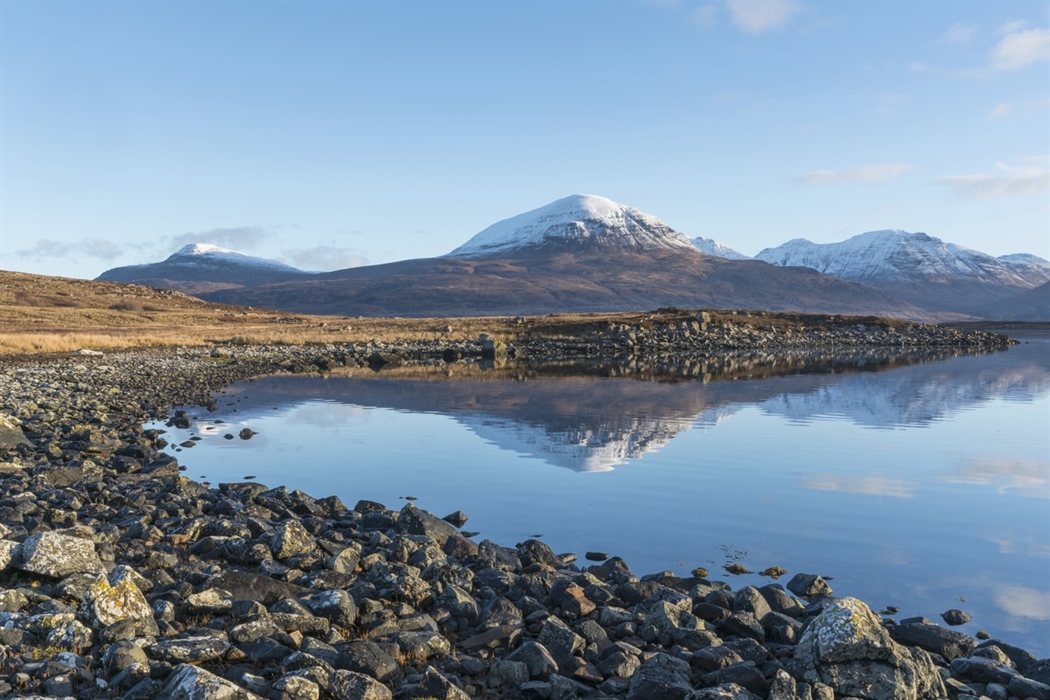
Torridon offers mountain scenery that matches Skye’s best spots. Huge peaks like Beinn Eighe, Liathach and Beinn Alligin rise over Glen Torridon and their Torridonian sandstone takes on a red glow in evening light.
The region stays quiet because most travelers pass through without stopping. Those who pause find empty trails, calm lochs and villages with easy parking. Beinn Eighe National Nature Reserve, founded in 1951, protects old Caledonian pinewood and rare alpine habitats.
Torridon sits about a 90 minute drive from the Skye Bridge through striking Highland scenery. The A896 runs single-track through the glen and needs careful driving, but the views repay the caution.
4. Applecross
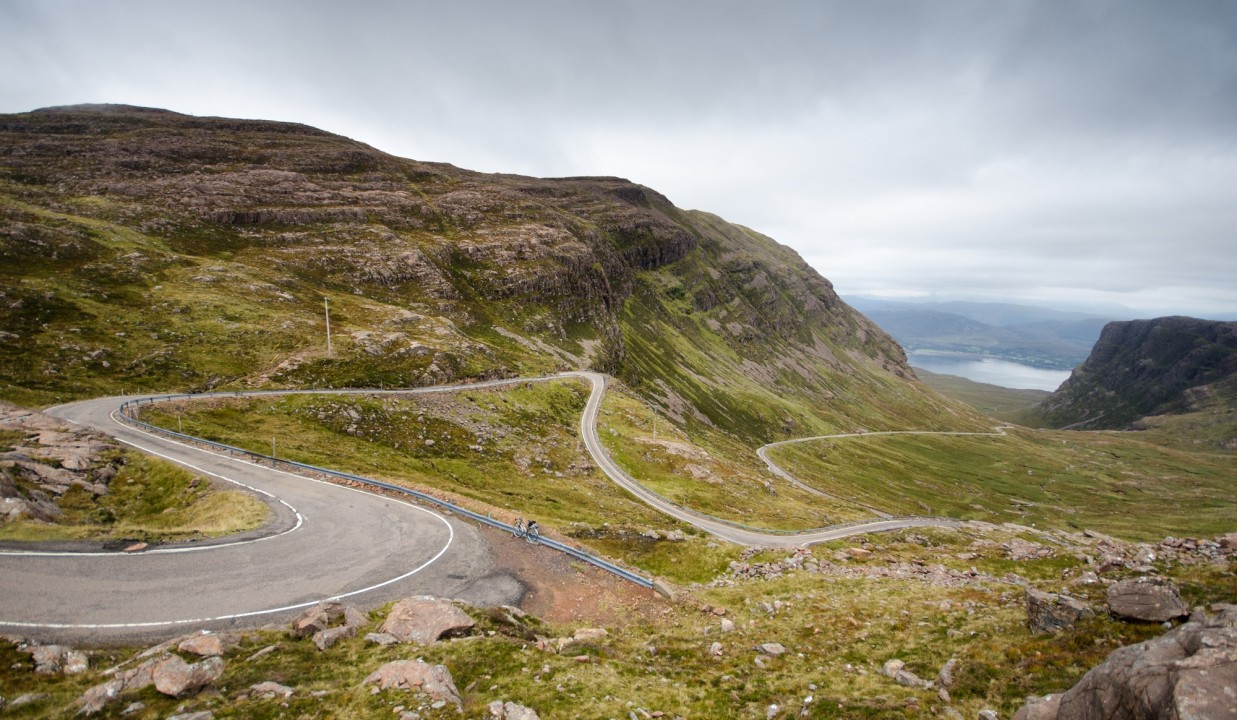
Applecross village sits on a sheltered bay facing Skye and Raasay across the Inner Sound and you can reach it by two scenic routes. The better known road climbs Bealach na Bà, a single-track pass that rises to 626 meters with a series of steep hairpins and pitches up to 20 percent.
From the summit viewpoint the Cuillin on Skye fill the western horizon above shining water. The coastal route from Shieldaig runs about 25 miles and hugs the shoreline past tiny bays and crofting settlements, with plenty of stopping spots along the way.
Applecross village rewards the trip with fresh seafood at the Applecross Inn and outdoor seats that look over the beach. Local projects back sustainable tourism and summer craft fairs bring Highland traditions to life. Accommodation is scarce, so book early for high season and you will find far fewer crowds than on Skye.
5. Assynt
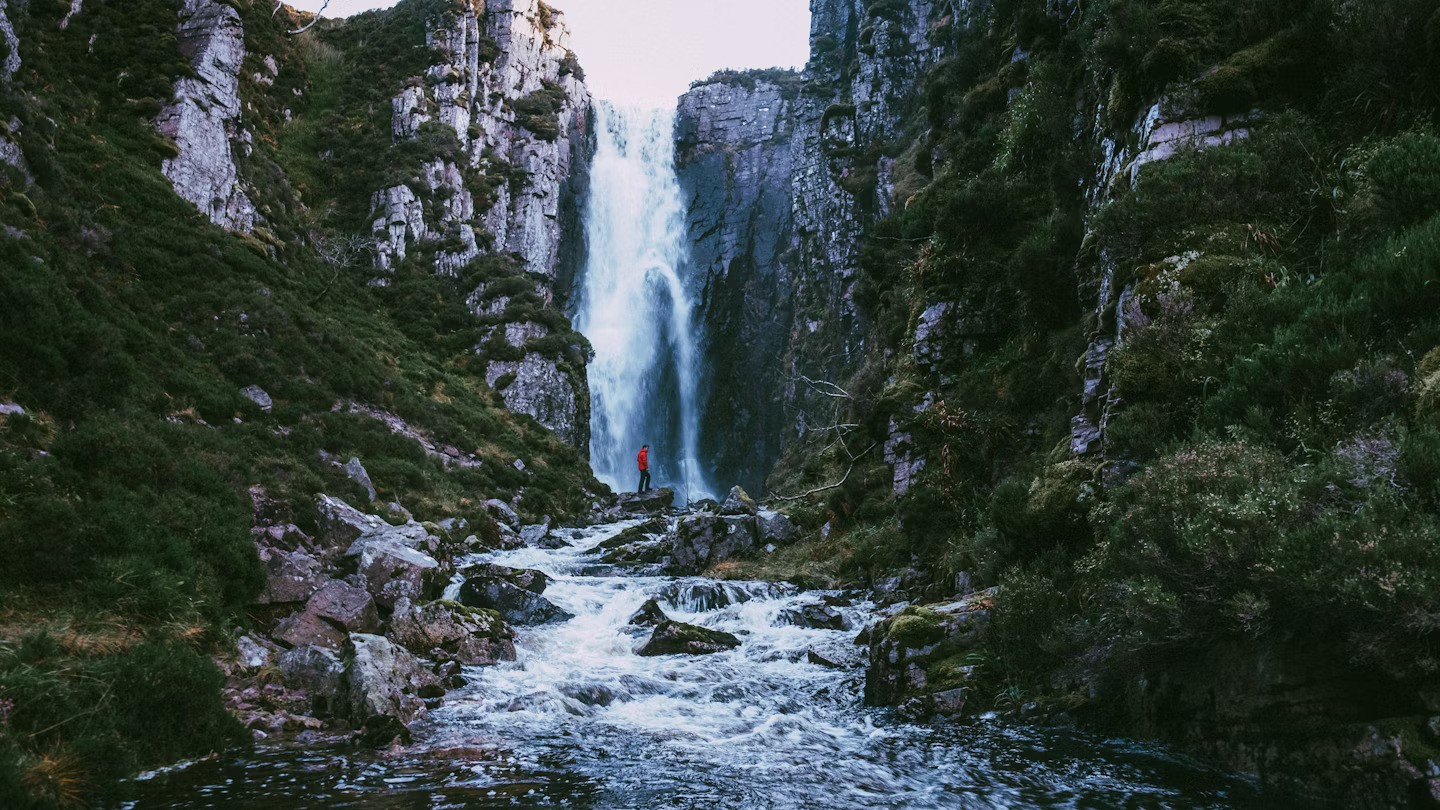
Assynt in northwest Sutherland shows strange, striking landforms that most visitors miss. Inselberg peaks like Suilven, Canisp, Quinag and Stac Pollaidh rise sharply from the moor, giving the area a unique skyline.
The rocks here are ancient, some formed when Scotland joined North America and parts date back about three billion years. The mix of small lochs, bog and bare stone gives the land a raw, almost lunar look broken by sudden, steep summits. Lochinver is the main village and still a working fishing port with seafood places and basic services.
Coastal spots such as Achmelvich and Clachtoll have white sand and clear, blue water. The Point of Stoer offers bold cliff walks and views of the Old Man of Stoer sea stack. Assynt sits on the North Coast 500 route, but many drivers pass through without stopping.
6. The Small Isles - Rum, Eigg, Canna And Muck
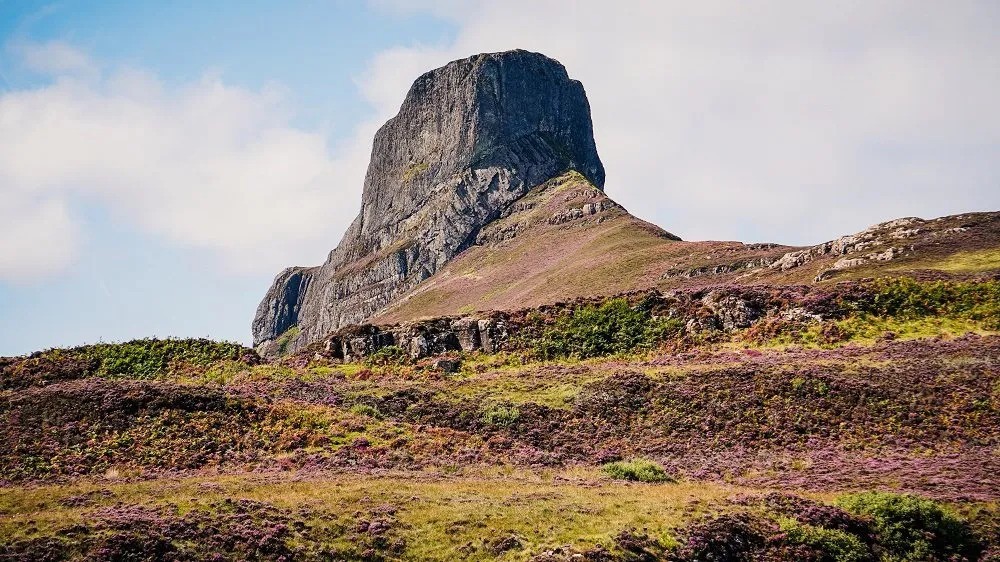
The Small Isles sit between Skye and the mainland and are visible from the Mallaig to Armadale ferry, yet most visitors head straight to Skye. These four isles offer quiet, wild scenery without large tourist services.
On Eigg the Sgurr is a volcanic plug that rises to 393 meters and the community owns the island, running renewable energy projects since buying it in 1997. Rum has the most rugged terrain and the Rum Cuillin attract serious hillwalkers; Kinloch Castle remains an odd, grand reminder of past wealth.
Canna mixes rich archaeology with working farms and National Trust for Scotland care helps protect its nature and history; the harbor makes it a favored stop for sailors. Muck is the smallest, named from the Gaelic for pig, and its tiny farming community offers peaceful walks and strong views to neighboring peaks. Places to sleep are limited, so book early.
7. Isle Of Arran
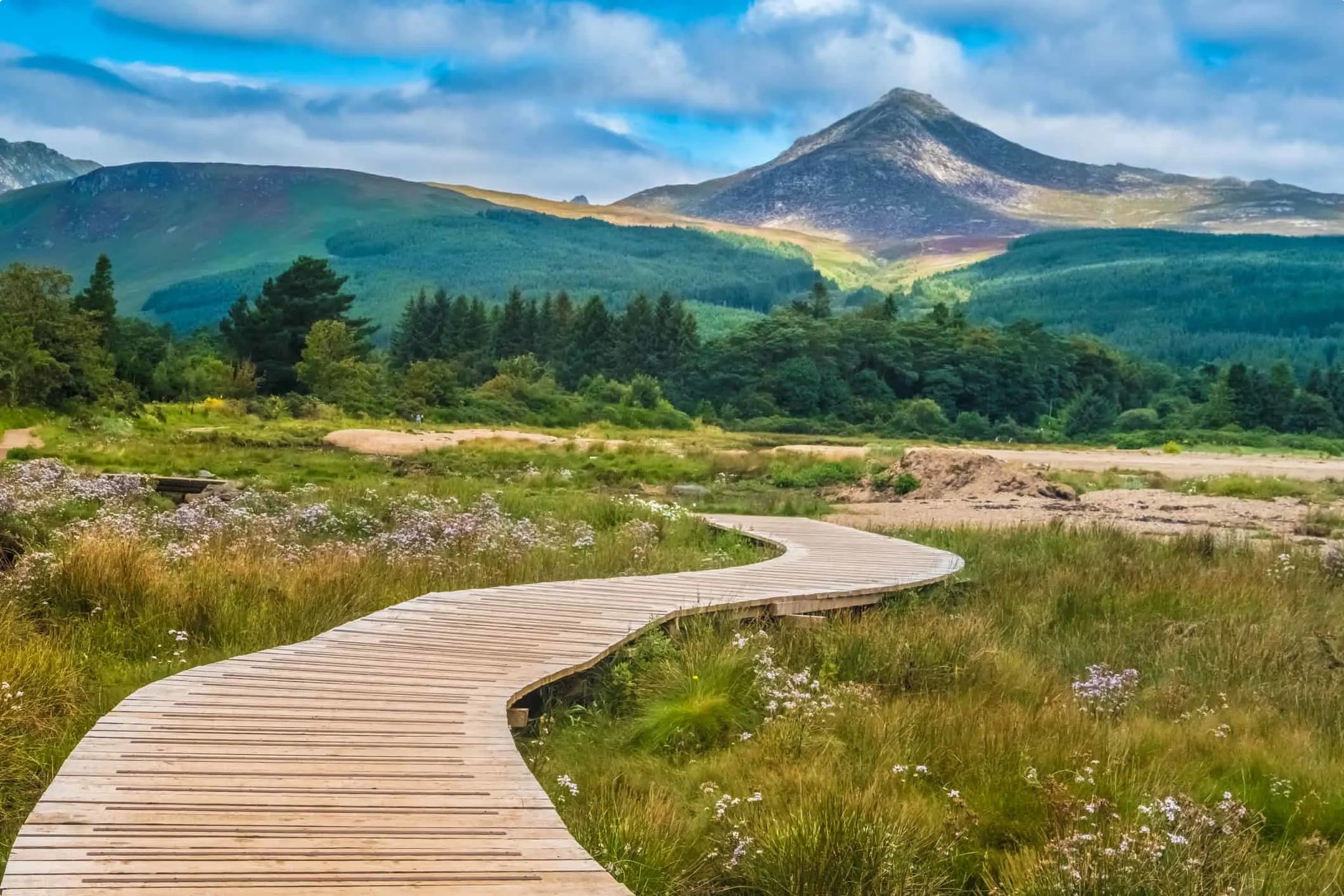
Arran lives up to the name "Scotland in Miniature" and sits about an hour by ferry from Glasgow. The north has sharp peaks like the Highlands while the south offers softer hills, beaches and small towns across 167 square miles.
Goatfell reaches 874 meters and gives fit walkers wide views to Bute, the mainland and Northern Ireland on clear days. The northern ridge is for serious hillwalkers, while lower summits suit families and casual hikers. Brodick is the main centre with Victorian charm, Brodick Castle gardens, shops and places to eat.
Lochranza has castle ruins and a whisky distillery and Blackwaterfoot and Whiting Bay are quiet spots for beach time. Regular ferries run from Ardrossan to Brodick and take vehicles, making day trips possible, though longer stays show more of the island. Some readers also ask how to get to catalina islandwhen planning island trips.
8. Knoydart Peninsula
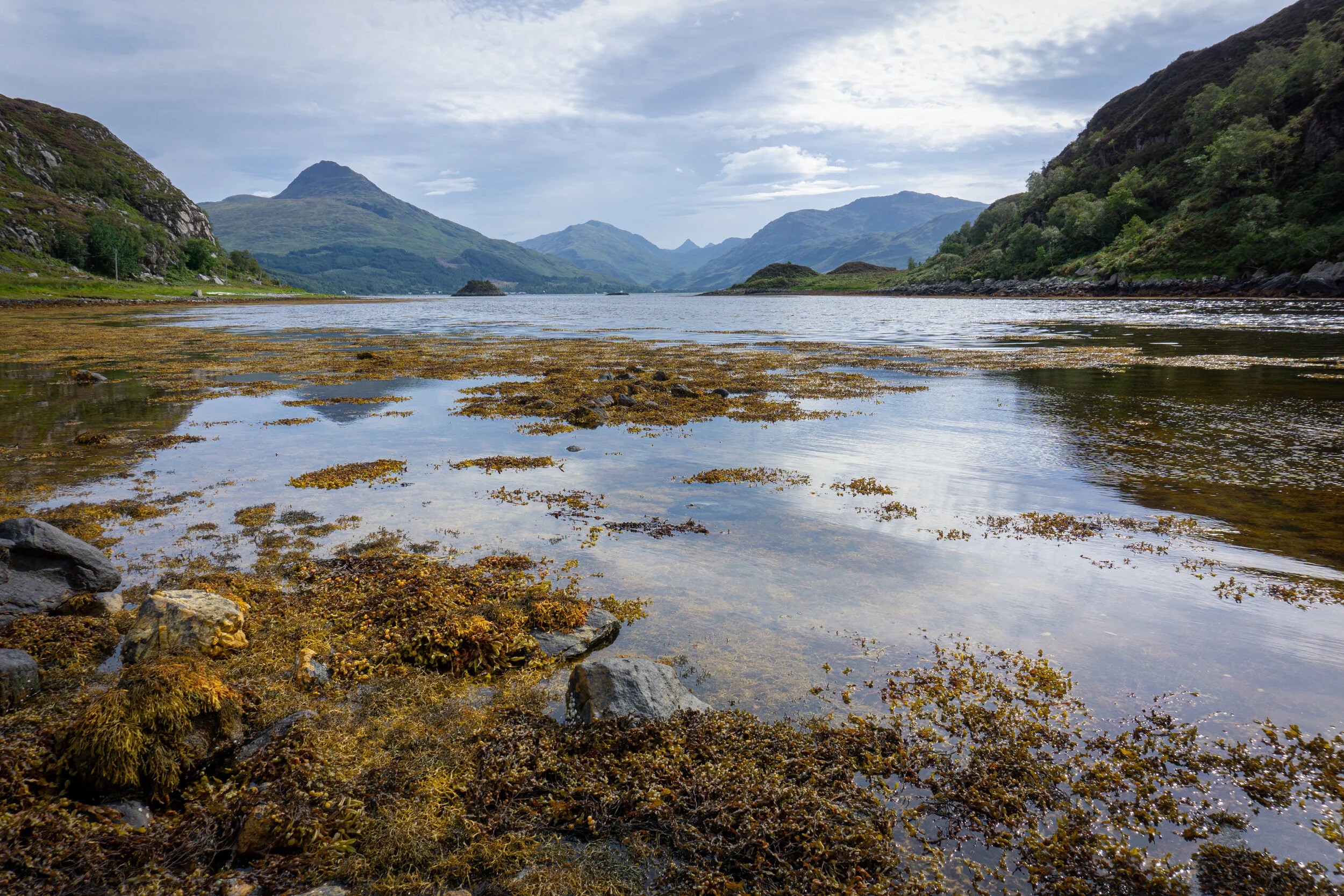
Knoydart is mainland Britain’s largest area without a road in, so access comes by ferry from Mallaig or by tough mountain walks. The land stays wild and quiet, with steep ridges and deep glens. Ladhar Bheinn rises to 1,020 meters and offers hard routes and great views for experienced walkers.
Inverie is the only village and has about 100 people who keep a strong local life. The Old Forge is a famous remote pub serving good food. Accommodation is limited to a bunkhouse and a few guesthouses, so book ahead.
Trails along the coast give easier walks and mountain paths test experienced hikers. Wildlife includes red deer, pine martens, golden eagles, seals, and porpoises. The Bruce Watt Sea Cruises ferry from Mallaig takes about 45 minutes and passes near Eigg and Rum. Services are few, so bring proper clothing, sturdy shoes and basic supplies.
9. Ardnamurchan
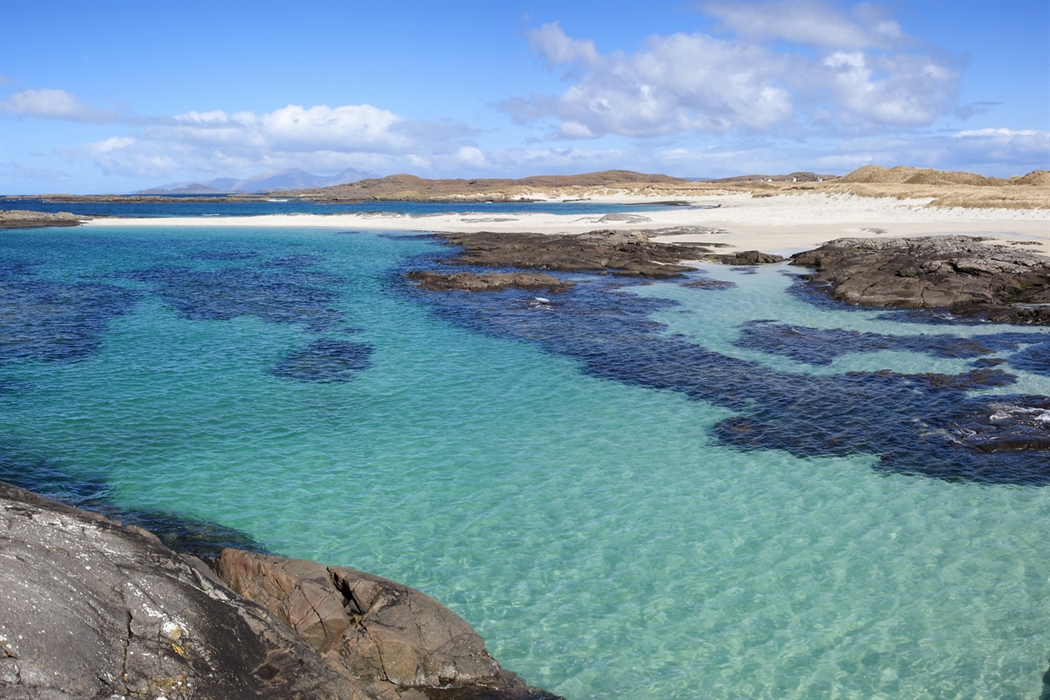
Ardnamurchan reaches further west than any other point on the British mainland and stays largely quiet. A 40-mile single-track road from Salen to Ardnamurchan Point needs careful driving and keeps visitor numbers low.
The area mixes ancient oak woods around Loch Sunart, moorland and dramatic cliffs shaped by volcanic rock. Small settlements like Kilchoan, Sanna and Achosnich keep a traditional feel. Sanna Bay has white sand and views to the Small Isles and Skye and the machair fills with wildflowers in season.
The lighthouse at the tip was built by Alan Stevenson and has a visitor center with tower tours. The coast is good for whale watching and minke whales appear in summer. Planning your perfect dolphin cruisepoints out the best places and times to spot dolphins.
10. Glen Affric
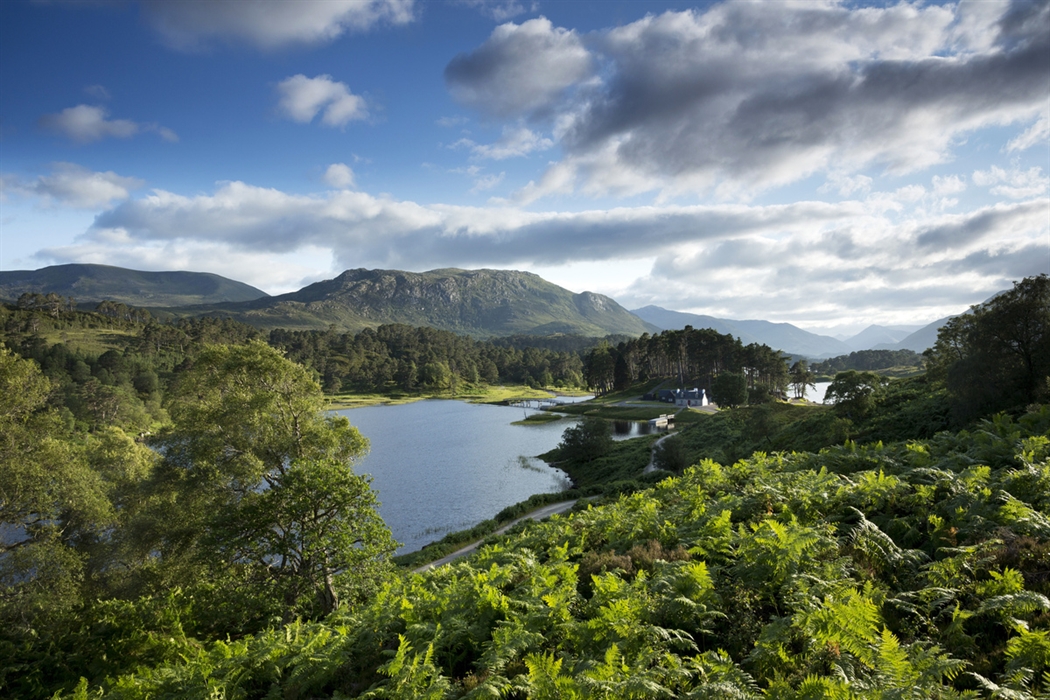
Glen Affric ranks high on lists of Scotland’s most beautiful valleys but sees far fewer visitors than Skye. Ancient Caledonian pines cover the lower slopes, forming tall, quiet stands with branches hung with lichen. The valley runs between Cannich and Kintail and offers walks from easy lochside paths to long backpacking routes.
The Affric Kintail Way is a 44-mile trail that crosses wild ground, moving between mountains and remote lochs. Loch Affric and Loch Beinn a' Mheadhoin sit at the heart of the glen and often reflect the surrounding peaks on still mornings.
If you drive past the car park the road gets rough, but going deeper brings quieter scenery. Nearby Cannich has basic services and places to stay and the distance from other attractions keeps the area peaceful and mainly visited by people who plan to be there.
11. Isle Of Islay
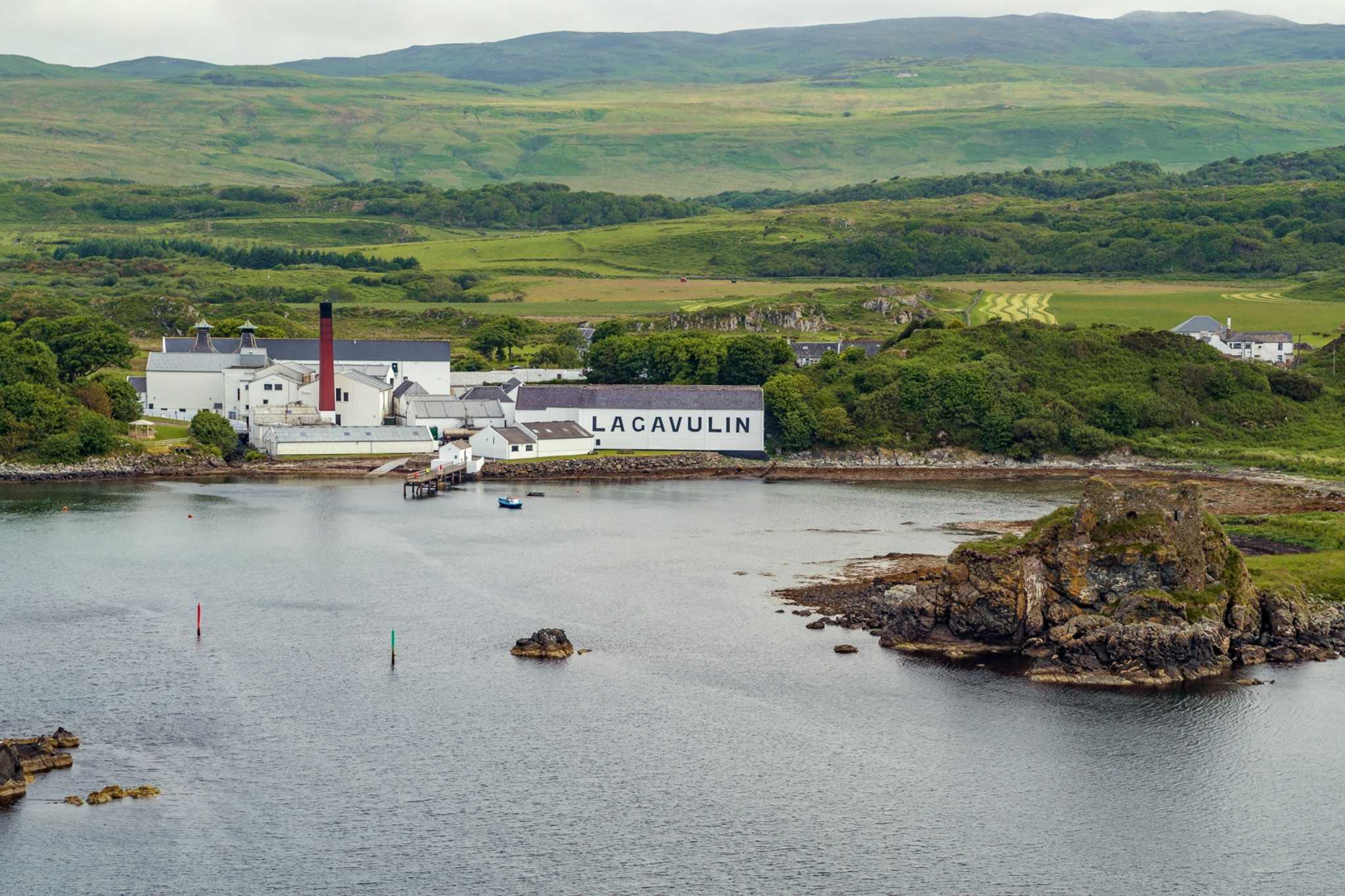
Islay draws whisky fans to its eight working distilleries and to its bold, peaty single malts. The island also offers rolling hills, dramatic shoreline and long sandy beaches. The Oa peninsula has wild cliffs and coastal trails with views toward Northern Ireland, while the north coast is good for beachcombing and bird watching.
Port Ellen and Bowmore feel like working ports, with fishing boats and local businessesserving residents as much as visitors. Bowmore distillery dates to 1779 and remains a draw for serious whisky drinkers.
Islay is a top spot for birdwatchers with large winter flocks of barnacle and white-fronted geese, an RSPB reserve at Gruinart and regular sightings of eagles, hen harriers and peregrines. The ferry from Kennacraig takes about two hours and flights use small planes from Glasgow and that travel time helps keep the island’s character intact.
12. Dumfries And Galloway
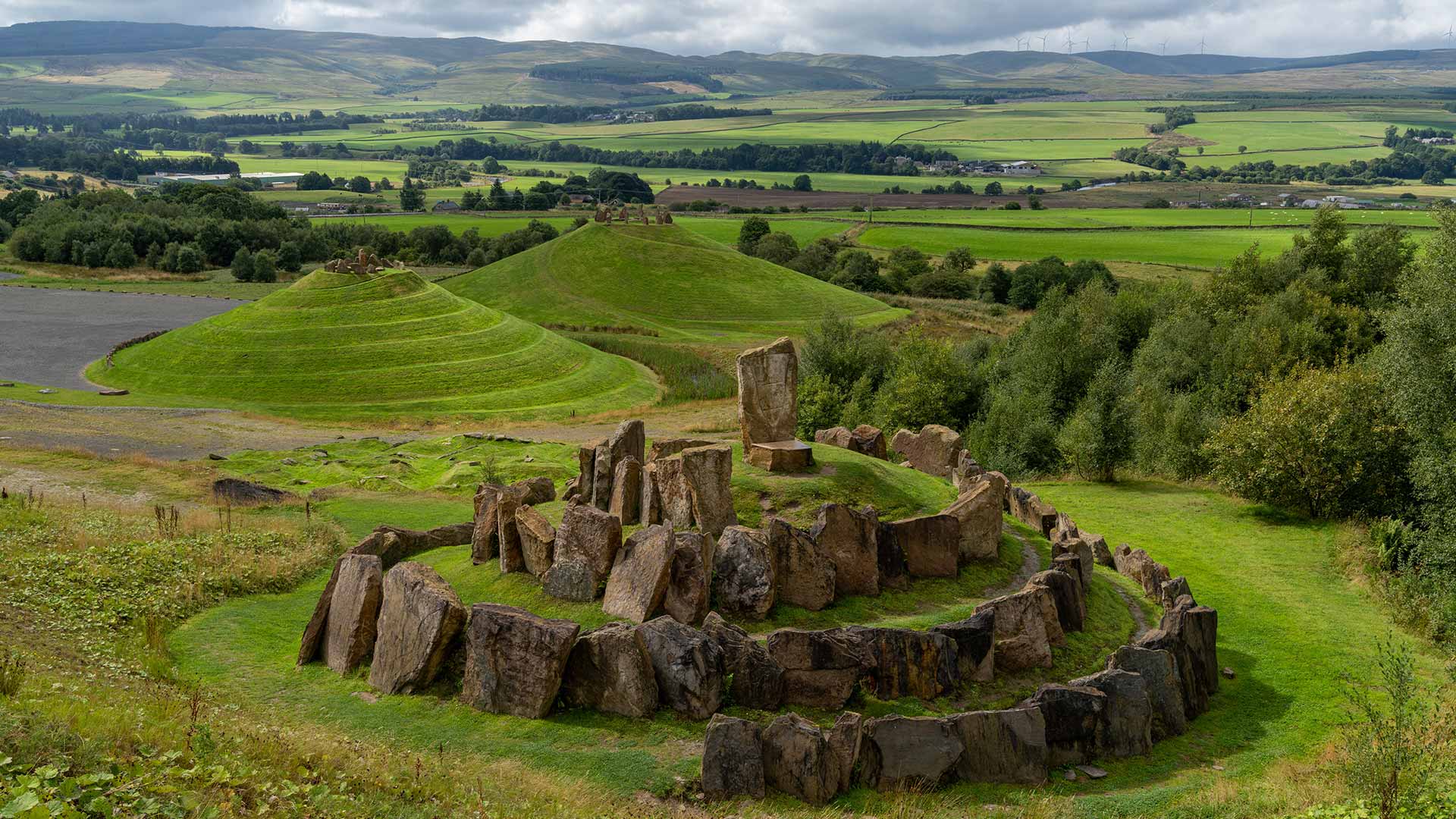
Dumfries and Galloway sits in Scotland’s southwest and is often overlooked, yet it offers wide skies, varied scenery and real local life without big crowds. Galloway Forest Park covers roughly 300 square miles of hills, woods and lochs and is a Dark Sky Park, so stargazing is excellent here.
The Seven Stanes networkoffers mountain biking trails and there are walking options for all levels. The Solway Coast gives long shoreline walks with views toward the Cumbrian hills and quiet villages like Rockcliffe and Kippford make good bases.
Caerlaverock Castle is a striking triangular ruin, Sweetheart Abbey has a romantic story, and Robert Burnsspent his last years in the region. For long-distance walkers, routes like the Affric Kintail Way offer an alternative to busier trails and pass through landscapes that few people see.
Reasons To Look Beyond Skye
- The Reality of Over-Tourism - Local residents have asked for help to manage the crowds. Narrow single-lane roads were not built for heavy traffic and get severely congested in summer. Cars left in passing places block emergency services and farm vehicles.
- What Makes a Good Skye Alternative - Good alternatives offer the same dramatic hills and clear walking trails for many skill levels. Coastal views, sea lochs and cliffs add that classic Highland feeling. Look for places with real local life, like fishing villages, working harbors and pubs serving regional food.
Planning Your Quiet Scottish Highland Adventure
Best Times To Visit
Late May through early June gives longer daylight and green landscapes before school holidays. September brings autumn colors and fewer people. Winter offers total quiet, short days and dramatic scenery for those with the right gear. Late March and April can be changeable but often cheaper, with attractions less busy and friendlier service.
Transportation Considerations
A rental car gives the most freedom. Reserve early for summer since demand is high. Be ready to drive narrow roads with passing places. Ferries need advance reservations for vehicles, especially in July and August; CalMac runs most island routes.
Accommodation Strategies
Reserve places well before July and August and around Hogmanay. Hostels suit budget travelers, bothies work for experienced hikers, and wild camping is allowed under the Outdoor Access Code with proper care.
Respecting Quiet Places
Follow the Outdoor Access Code and leave no trace. Support local shops, restaurants, and guides to help communities thrive. On narrow roads, use passing places, do not block gates and acknowledge other drivers. Treat wildlife and landscapes with care so these places stay peaceful for everyone.
FAQs About Quiet Alternatives To The Isle Of Skye
Can I Visit These Places Without A Car?
Mull and Arran have bus services that cover main routes, though runs are not frequent. Organized tour companies run day trips to places like Torridon and Applecross. Ferries let foot passengers reach the Small Isles and Knoydart.
Which Alternative Is Best For Families With Young Children?
Arran is the easiest for families. The ferry is short, facilities are good and Brodick has beaches, a castle, and gentle walks for small legs. Mull also works well , Tobermory is bright and friendly with nearby beaches. Avoid high mountain areas like Torridon and Knoydart with very young kids unless your family is used to tough hill walks.
Do These Places Offer Similar Accommodation Options To Skye?
Choices are fewer, you will find boutique hotels, cozy B&Bs, self-catering cottages, hostels, and places to wild camp under the Outdoor Access Code. Book well ahead for July and August and for Hogmanay. Last-minute rooms are rare in peak season.
Will I Find Good Food And Dining In These Remote Areas?
Many islands and remote towns serve fresh local food. Tobermory on Mull has several restaurants using seafood from nearby waters. Applecross Inn is known for great meals with a view. Arran makes local cheese, beer, and chocolates.
How Much Time Should I Allocate For Visiting These Alternatives?
Plan at least three days per place so you can relax and see more than the main sights. Islands deserve four to five nights to make the ferry time worthwhile. Mainland spots like Torridon or Assynt suit two to three nights.
Are These Alternatives Suitable For Visiting In Winter?
They work for people who are well prepared. December daylight can be about seven hours and storms may cancel ferries or close roads. Bring warm, waterproof clothes, know winter driving, and be ready to change plans. Arran is the most accessible in winter.
Final Thoughts
These nearby options offer the same mix with skye and the special Scottish mood that makes the area magical. More importantly, they give what the island often no longer has, space, quiet and the feel of Scotland before social media turned hidden spots into busy stops.
Choose any of these with confidence. Each has its own character and different landscapes, yet all share calm beauty and real Scottish life. Pack waterproofs, book lodging well in advance and be ready to see that Scotland’s best views extend far beyond that one famous island.
Also Check Out: Scotland’s Best Secluded Coastal Spots
Jump to
1. Isle Of Mull
2. Lewis And Harris
3. Torridon
4. Applecross
5. Assynt
6. The Small Isles - Rum, Eigg, Canna And Muck
7. Isle Of Arran
8. Knoydart Peninsula
9. Ardnamurchan
10. Glen Affric
11. Isle Of Islay
12. Dumfries And Galloway
Reasons To Look Beyond Skye
Planning Your Quiet Scottish Highland Adventure
FAQs About Quiet Alternatives To The Isle Of Skye
Final Thoughts
Callum Fraser
Author
Callum Fraser isn't just a writer about Scotland; he's a product of its rugged landscape and rich history. Born and raised in Perthshire, with the Highlands as his backyard, his love for the nation's stories was kindled by local storytellers and long walks through ancient glens.
This passion led him to pursue a degree in Scottish History from the University of Edinburgh. For over 15 years, Callum has dedicated himself to exploring and documenting his homeland, fusing his academic knowledge with essential, on-the-ground experience gained from charting road trips through the Cairngorms, hiking the misty Cuillins of Skye, and uncovering the secrets of traditional recipes in his family's kitchen.
As the Editor-in-Chief and Lead Author for Scotland's Enchanting Kingdom, Callum's mission is simple: to be your most trusted guide. He combines meticulous research with a storyteller's heart to help you discover the authentic magic of Scotland — from its best-kept travel secrets to its most cherished traditional recipes.
Latest Articles
Popular Articles