Scotland’s Game Of Destiny: A Journey Through Struggles, Triumphs, And Unbreakable Passion
The Scotland national football team represents more than just a sporting side—it is a symbol of resilience, identity, and unwavering national pride.
Author:Callum FraserOct 06, 2025
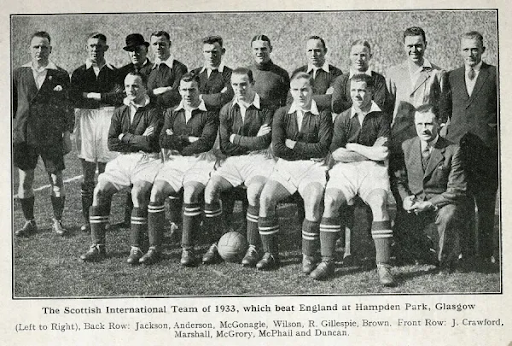
The Scotland national football teamrepresents more than just a sporting side—it is a symbol of resilience, identity, and unwavering national pride. With a history that stretches back to the very roots of international football, Scotland’s story is writtenin legendary moments, iconic players, unforgettable victories, and a fanbase celebrated around the world for its loyalty and passion.
This article looks at how Scotland became a cultural symbol, from its first historic steps to its modern revival under Steve Clarke.
Historic Roots
The story of Scotland in football begins with an extraordinary milestone. In 1872, Scotland played in the world’s first official international football match against England. The game ended in a 0–0 draw, but its significance cannot be understated. It marked the creation of international football and laid the foundation for one of the sport’s greatest rivalries.
That 0–0 draw in Glasgow was more than a match; it was the spark that ignited a sporting tradition. The rivalry with England became legendary, producing fierce contests that transcended football and became part of national culture. For Scotland, being part of that very first international match cemented its place as a pioneer in world football.
Tournament Participation
Scotland has always been present on football’s biggest stages. The team has qualified for eight FIFA World Cups and three UEFA European Championships, milestones that highlight its enduring competitiveness on the international scene. Among these tournaments, certain matches stand as milestones etched in football history.
One of the most memorable moments came in 1928, when Scotland defeated England 5–1 at Wembley, earning the nickname “The Wembley Wizards.” Four decades later, in 1967, Scotland beat world champion England 3–2 at Wembley just a year after England had won the World Cup. These moments elevated Scotland’s reputation as giant-slayers, further fueling national pride and international respect.
Football Icons
The legacy of the Scotland national team is enriched by players who became legends. These athletes carried the spirit of the nation onto the pitch, and their contributions remain a cornerstone of Scottish football’s history.
Kenny Dalglish, Denis Law, and Jim Baxter are names that still echo in the halls of football greatness. Dalglish and Law, with 30 international goals each, remain Scotland’s joint top scorers. Their individual brilliance and leadership inspired generations. Baxter, famous for his flair and creativity, gave Scotland unforgettable performances, including his iconic display in the 1967 victory over England.
Tartan Army
Scotland’s fans, known as the Tartan Army, are one of the most recognized and respected supporter groups in world football. Their presence at home and abroad is marked by passion, pride, and remarkable camaraderie.
The Tartan Army has built a reputation for its numbers and behavior. Festive, spirited, and respectful, they are often praised for bringing color and positivity to international tournaments. Regardless of the result, the fans remain unwavering in their loyalty to the team, reinforcing Scotland’s identity as a football nation rooted in community.
Modern Revival
After years of heartbreaks and near-misses in qualification campaigns, Scotland entered a new era under manager Steve Clarke. His leadership has brought back the competitive edge that had long eluded the team.
Clarke’s tenure produced a historic breakthrough: Scotland qualified for Euro 2020 and Euro 2024, marking their first consecutive appearances in major tournaments since the 1990s. These achievements revived optimism, proving that Scotland could once again compete consistently on the European stage. The road back was not easy, but it marked a turning point in the nation’s footballing journey, giving fans renewed belief and pride. This resurgence has also fueled conversations around UK betting sites, where supporters actively engage with Scotland’s chances in global competitions.
Steve Clarke
Since taking charge in 2019, Steve Clarke has become more than just a manager—he is seen as a steady hand guiding Scotland into a new footballing age.
Clarke’s pragmatic approach has balanced defensive solidity with tactical discipline, allowing Scotland to maximize their strengths. His ability to unify the squad and instill confidence has been critical, ensuring the team not only qualifies for tournaments but also competes with resilience and determination.
Andrew Robertson
One of the most influential figures in the current Scotland team is Andrew Robertson, the captain and driving force behind the squad.
Robertson, known for his leadership and relentless energy, represents the modern Scottish spirit. As captain, he embodies responsibility and commitment, often leading by example on and off the pitch. His influence extends beyond his defensive prowess, inspiring teammates with his tireless work ethic and determination.
John McGinn
Alongside Robertson, John McGinn has emerged as another cornerstone of the modern Scotland team.
McGinn is known for his dynamic play, combining energy, creativity, and a knack for crucial goals. His presence in midfield adds balance and drive, giving Scotland an edge in both attack and defense. For supporters, McGinn represents a blend of passion and skill that is vital to the team’s current identity.
Public Perception
Scotland’s national team enjoys unwavering support regardless of results. While heartbreaks in qualification campaigns are part of the narrative, the public perception of the team remains rooted in national pride and loyalty.
The Scottish team embodies more than results—it is a symbol of national identity and unity. Fans see the players as ambassadors of their culture, and every match becomes an expression of community spirit. For many, the pride in wearing the national jersey outweighs the outcome of any game, making Scotland’s football story one of resilience and belonging.
Legacy Of Pride And Passion
The journey of the Scotland national football team cannot be measured solely in trophies or records. It is a story of heritage, emotion, and a unique place in the fabric of football.
From the first international match in 1872 to the modern revival under Steve Clarke, Scotland has built a legacy defined by pride and passion. With icons like Kenny Dalglish, Denis Law, and Jim Baxter, unforgettable victories, and the unwavering presence of the Tartan Army, the team’s narrative continues to inspire.
The Scotland national football team stands as a cultural symbol, uniting generations through sport and reminding the world of the power of resilience and identity.

Callum Fraser
Author
Callum Fraser isn't just a writer about Scotland; he's a product of its rugged landscape and rich history. Born and raised in Perthshire, with the Highlands as his backyard, his love for the nation's stories was kindled by local storytellers and long walks through ancient glens.
This passion led him to pursue a degree in Scottish History from the University of Edinburgh. For over 15 years, Callum has dedicated himself to exploring and documenting his homeland, fusing his academic knowledge with essential, on-the-ground experience gained from charting road trips through the Cairngorms, hiking the misty Cuillins of Skye, and uncovering the secrets of traditional recipes in his family's kitchen.
As the Editor-in-Chief and Lead Author for Scotland's Enchanting Kingdom, Callum's mission is simple: to be your most trusted guide. He combines meticulous research with a storyteller's heart to help you discover the authentic magic of Scotland — from its best-kept travel secrets to its most cherished traditional recipes.
Latest Articles
Popular Articles