Scottish Breakfast Sausage Recipe [Authentic Lorne Sausage]
Scottish breakfast sausage is a classic staple, celebrated for its hearty texture and savory flavors. This recipe walks you through the process of making Lorne sausage from scratch, letting you enjoy Scotland’s breakfast tradition at its best.
Author:Callum FraserNov 02, 20241.4K Shares208.4K Views

Scottish breakfast sausage, also known as Lorne or square sausage, is an iconic part of Scottish cuisine. Unlike other sausages, this type is unique in its square shape and casing-free preparation, making it both easy to prepare at home and a distinct addition to any breakfast plate.
Often served on a breakfast roll or as a hearty component in a full Scottish breakfast, Lorne sausagestands out for its satisfying texture and rich flavors. Crafting this sausage yourself allows you to experience a traditional Scottish meal authentically, and the process is simple enough to bring a piece of Scotland to your kitchen.
Key Ingredients For Scottish Breakfast Sausages
Making traditional Scottish recipeslike Lorne sausage requires a few basic ingredients, each adding to the texture and flavor that define this breakfast classic.
Ground Pork And Beef
A mix of pork and beef is typically used, with a preference for cuts that contain at least 20% fat. The fat is essential for a juicy texture and helps the sausage maintain its shape during cooking. Aim for equal parts pork and beef to achieve the ideal balance of flavor and texture.
Rusk Or Breadcrumbs
Traditionally, rusk, a type of dried wheat bread, is used as a binding agent in Scottish sausage. However, fine breadcrumbs can serve as an excellent substitute, helping to absorb moisture and give the sausage a light texture.
Seasoning
Key spices include black pepper, coriander, nutmeg, and mace, which give the sausage its characteristic taste. Mace, a spice similar to nutmeg but slightly more peppery, adds depth, while coriander brings a subtle earthiness. Adjust the seasoning to suit your taste but keep the traditional Scottish flavors as the foundation.
Cold Water
Water plays a vital role in binding the ingredients and enhancing the sausage’s tenderness. Adding cold water helps the mixture hold together and maintains the juiciness throughout the cooking process.
Equipment Needed
While making Lorne sausage is straightforward, having the right equipment on hand can make the process smoother.
- Loaf Tin- A loaf tin is essential for shaping the sausage mixture into the iconic square or rectangular form. If you don’t have a loaf tin, you can use a cleaned square milk carton or bread tin.
- Baking Paper or Plastic Wrap- Lining the loaf tin with baking paper or plastic wrap prevents the sausage from sticking and makes it easier to remove once chilled.
- Mixing Bowl- A large mixing bowl is ideal for thoroughly combining the meat, spices, and breadcrumbs, ensuring an even blend.
- Serrated Knife- Once the sausage mixture is set, a serrated knife makes it easy to slice into uniform squares or rectangles without tearing the meat.
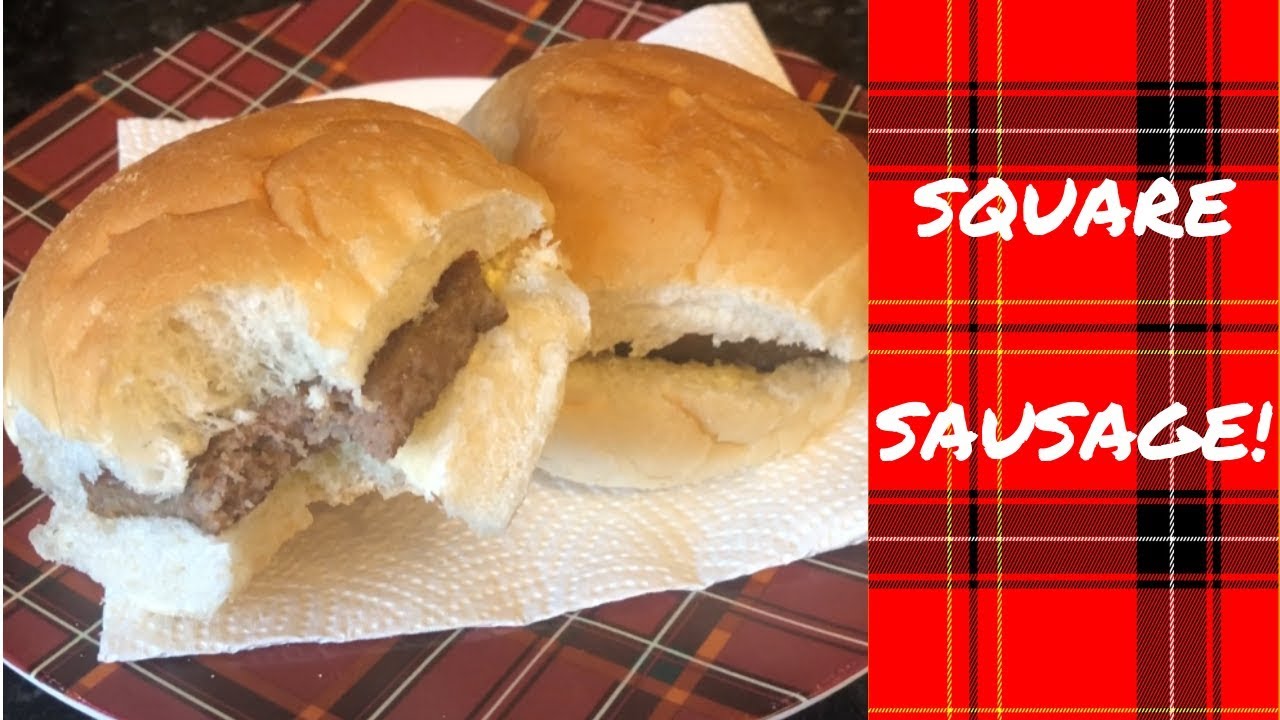
Scottish square sausage recipe. Cook with me! Lorne sausage :)
Step-by-Step Instructions For Making Scottish Breakfast Sausage
1. Prepare The Ingredients
Start by gathering all the ingredients and equipment. Cut the pork and beef into small cubes if you’re grinding your meat, or use ground meat that has a 20-30% fat content. Measure out the spices and breadcrumbs to have everything ready for mixing.
2. Combine The Meat And Seasonings
In a large mixing bowl, add the ground pork and beef. Sprinkle in the breadcrumbs, coriander, black pepper, nutmeg, and mace, as well as a pinch of salt. Use your hands or a fork to mix everything until the seasonings are evenly distributed. This step ensures each slice will have consistent flavor.
3. Add Cold Water And Mix
Pour in the cold water, a little at a time, and continue mixing until the ingredients form a cohesive mixture. Adding the water slowly helps bind the mixture without making it too wet. Keep mixing until the meat, breadcrumbs, and spices blend smoothly.
4. Press The Mixture Into The Loaf Tin
Line your loaf tin with baking paper or plastic wrap, leaving enough overhang to cover the top once the mixture is in place. Transfer the meat mixture into the loaf tin, pressing it down firmly to eliminate any air pockets. This step is crucial, as trapped air can lead to holes in the sausage slices when cut.
5. Chill The Mixture
Cover the top of the loaf tin with the excess baking paper or plastic wrap. Place the tin in the freezer for 2-3 hours or in the refrigerator overnight to allow the mixture to set. This chilling step makes it easier to slice the sausage without crumbling.
6. Slice The Sausage
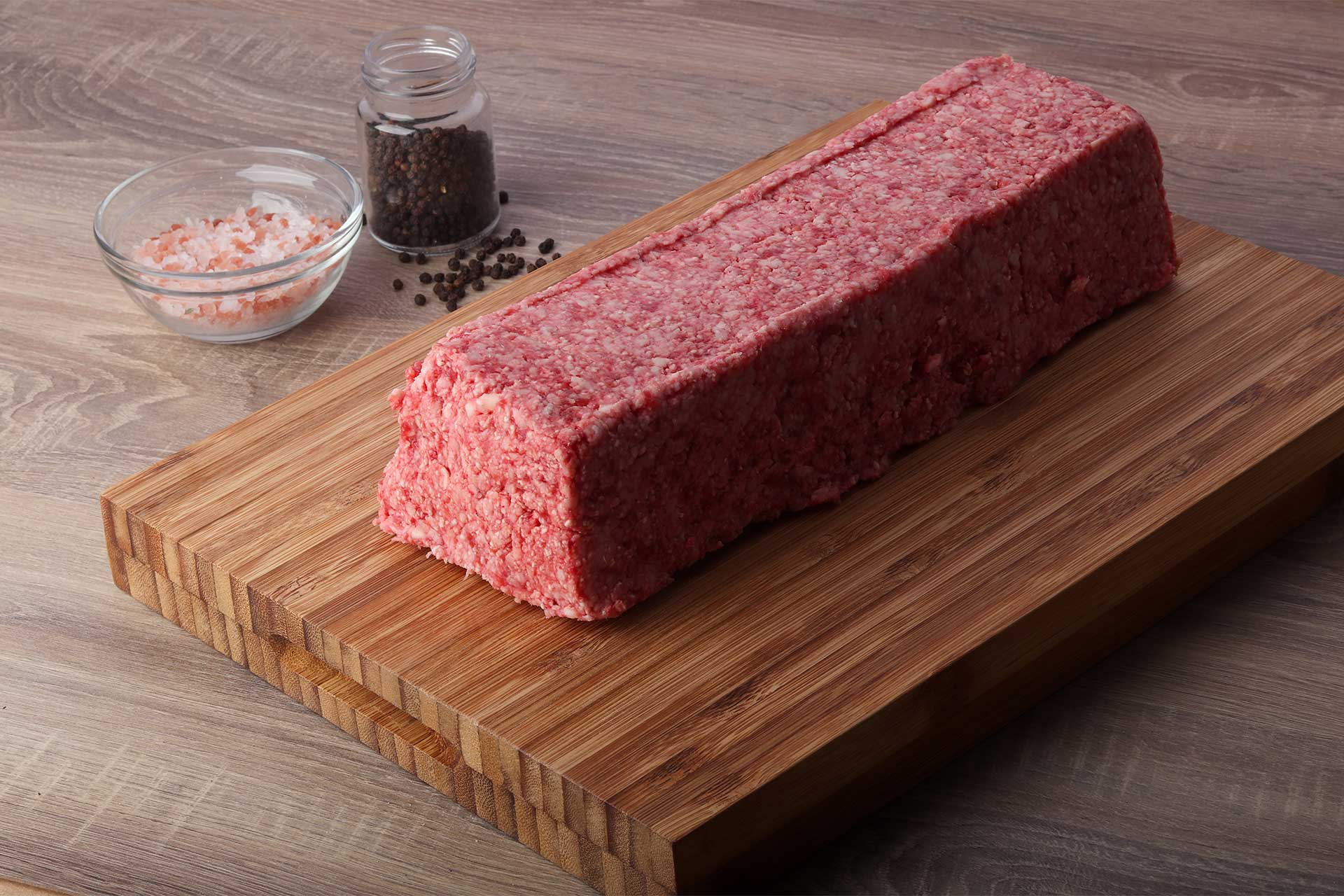
Once the sausage mixture is firm, remove it from the loaf tin using baking paper or plastic wrap to lift it out. Place it on a cutting board and, using a serrated knife, cut the block into slices about 1 cm (0.4 inches) thick. For a classic look, aim for uniform thickness in each slice.
7. Cooking The Sausages
Scottish breakfast sausages are typically pan-fried. To cook, heat a large frying pan over medium-high heat and add a small amount of oil. Place the sausage slices in the pan, ensuring there’s space between each piece. Cook for 4-5 minutes on each side, or until they are browned and cooked through. For a more traditional flavor, try frying them in bacon fat.
Tips For Perfecting Your Homemade Sausages
Achieving the perfect Lorne sausage involves a few extra steps to enhance flavor and texture.
- Choose the Right Meat -High-fat meat is essential for juicy sausages. Aim for a mix with at least 20% fat, as this will prevent the sausage from drying out and help it retain its shape.
- Eliminate Air Pockets -When pressing the sausage mixture into the loaf tin, ensure it’s packed tightly with no air gaps. Air pockets can create holes in the sausage and make it challenging to slice.
- Freeze for Firmness -Chilling the sausage in the freezer for a couple of hours makes it firm enough to slice easily without crumbling.
- Use a Serrated Knife for Slicing -A serrated knifeglides through the sausage smoothly, creating clean cuts. This is especially helpful if the slices are on the thicker side.
Serving Suggestions For Scottish Breakfast Sausage
Scottish breakfast sausage is incredibly versatile, adding flavor and texture to a range of meals and making it a beloved staple of authentic Scottish food. Here are some popular ways to enjoy it:
- In a Breakfast Roll -Place a slice or two of sausage on a buttered morning roll, adding brown sauce (often referred to as “broon sauce”) for an authentic touch. For a heartier option, include cheese, a fried egg, or caramelized onions.
- Full Scottish Breakfast -Pair the sausage with other breakfast staples like fried eggs, black pudding, baked beans, and tattie scones for a complete meal. This combination is the hallmark of a full Scottish breakfast and is as filling as it is flavorful.
- As a Sandwich Filling -Add a slice of Lorne sausage to a sandwich with a fresh salad or roasted vegetables. This works well for lunch or as a quick, satisfying snack.
- Breakfast Wrap -For a modern twist, place the sausage in a warm tortilla with scrambled eggs, cheese, and a drizzle of brown sauce for a Scottish-inspired breakfast wrap.
Nutritional Information
Each serving of Scottish breakfast sausage provides a balance of protein and fat, making it a filling meal choice. Below is an approximate breakdown:
- Calories -250 per slice
- Protein -15 grams
- Fat -20 grams
- Carbohydrates -5 grams
For those looking to lighten up the recipe, consider using leaner cuts of pork and beef. You can also reduce the salt or spices to adjust the flavor and health profile to your preference.
FAQs
What Makes Lorne Sausage Different From Other Breakfast Sausages?
Lorne sausage is unique in its square shape and lack of casing. Traditionally made in Scotland, it uses a mixture of pork and beef, along with breadcrumbs and spices, giving it a distinct taste and texture compared to link sausages.
Can I Make Lorne Sausage Without A Loaf Tin?
You can use an alternative container, such as a cleaned milk carton or a bread tin, to shape the sausage mixture. Just ensure it’s tightly packed to maintain its shape.
How Should I Store Homemade Lorne Sausage?
Uncooked slices can be stored in the fridge for up to three days. For longer storage, place them between sheets of baking paper in an airtight container and freeze for up to a month. Once cooked, store in the fridge and consume within 2-3 days.
What Are Some Flavor Variations For Lorne Sausage?
Adding herbs such as sage, thyme, or parsley can introduce subtle flavor changes. For a bolder taste, consider mixing in spices like dukkah or baharat to experiment with unique profiles.
Can I Leave Out The Breadcrumbs Or Rusk?
But omitting them will affect the texture, making the sausage denser. If you prefer a more meaty slice, you can skip the breadcrumbs or rusk, but reduce the water slightly to maintain a cohesive mixture.
Final Thoughts
Enjoying this homemade version allows you to share a taste of Scotland with family and friends, introducing them to a beloved classic that’s as satisfying as it is flavorful. By trying your hand at this recipe, you’re preserving a piece of Scottish heritageand savoring the simple pleasures of a well-made breakfast sausage.
So, gather your ingredients, set aside some time, and enjoy the rewarding process of creating your own traditional Scottish breakfast sausage. There’s no better way to start the day than with a plate of warm, perfectly seasoned Lorne sausage straight from your kitchen.
You Might Like: Traditional Scottish Tablet Recipes

Callum Fraser
Author
Callum Fraser isn't just a writer about Scotland; he's a product of its rugged landscape and rich history. Born and raised in Perthshire, with the Highlands as his backyard, his love for the nation's stories was kindled by local storytellers and long walks through ancient glens.
This passion led him to pursue a degree in Scottish History from the University of Edinburgh. For over 15 years, Callum has dedicated himself to exploring and documenting his homeland, fusing his academic knowledge with essential, on-the-ground experience gained from charting road trips through the Cairngorms, hiking the misty Cuillins of Skye, and uncovering the secrets of traditional recipes in his family's kitchen.
As the Editor-in-Chief and Lead Author for Scotland's Enchanting Kingdom, Callum's mission is simple: to be your most trusted guide. He combines meticulous research with a storyteller's heart to help you discover the authentic magic of Scotland — from its best-kept travel secrets to its most cherished traditional recipes.
Latest Articles
Popular Articles