How To Make Skirlie - Easy Scottish Recipe
Skirlie is a tasty Scottish dish that’s simple to whip up and packed with flavor. Made mainly from oatmeal, it’s been a staple in Scottish kitchens for ages and pairs perfectly with dishes like haggis and turnips. Our easy-to-follow recipe suits cooks of all levels, and we’ll show you how to tweak it to match your preferences.
Author:Callum FraserJun 11, 2025
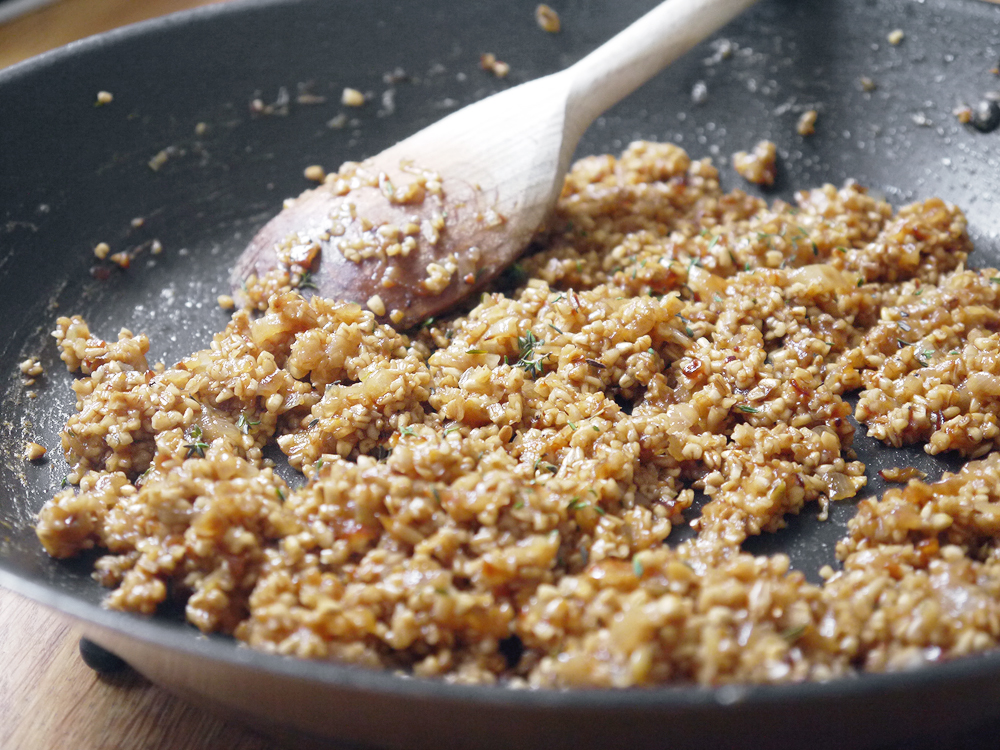
Skirlieis a simple, hearty dish that holds a special place. Often called “Scottish stuffing,” it’s a comforting food that’s fed families for generations. A long time classic dish, it uses basic ingredients during tough times, it’s now a flexible favorite, loved for its rich flavor and satisfying crunch. Let's take a look at Skirlie’s roots, how it’s made, its modern uses, its wholesome ingredients and why it remains a proud symbol of Scotland’s food culture.
What Exactly Is Skirlie?
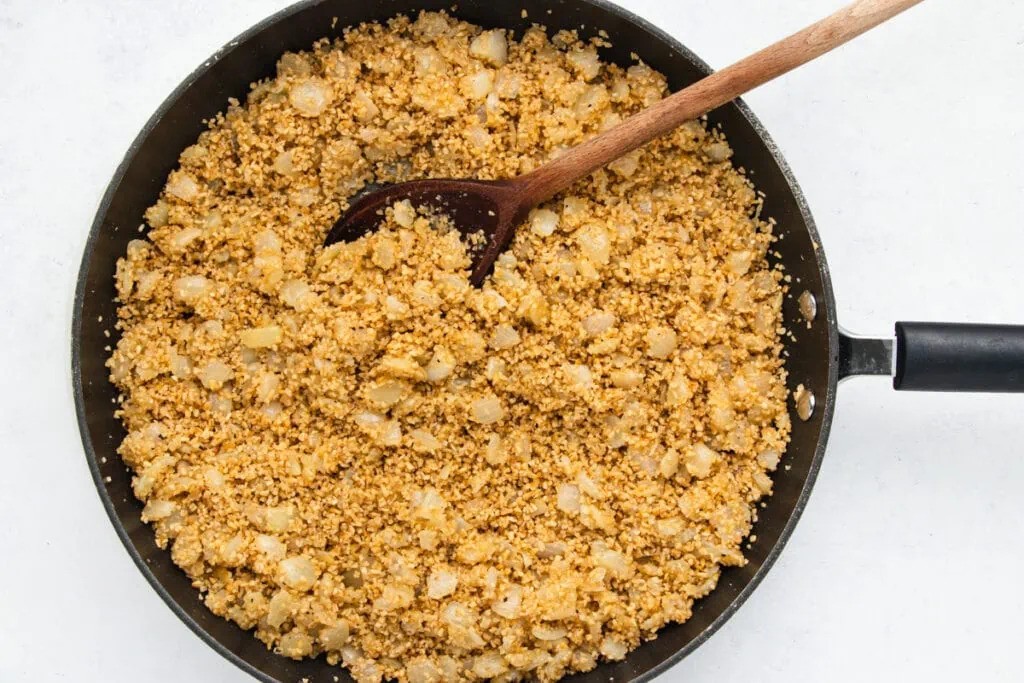
Skirlie is a classic Scottish dish made from simple ingredients: steel-cut oats, chopped onion, salt, pepper, and fat (like beef suet or shortening). It’s often called “Scottish stuffing” because it’s used to fill poultry, but it’s also a versatile side. You can mix it into mashed potatoes for extra texture, serve it with mains like haggis or mince, or pair it with sausages wrapped in bacon (called “kilted soldiers”) at holidays.
The name “Skirlie” comes from the sizzling sound the oats and onions make while cooking. This dish has stayed popular in Scotland for generations because it’s hearty, easy to make, and tied to scottish home cooking traditions. It’s a comforting staple, especially in colder weather, and a must-have at celebrations like Burns Supper.
Skirlie’s Roots In Scottish History
Skirlie started as a simple, affordable dish in Scotland, created to provide hearty meals when meat was scarce. Made with oatmeal, a staple for thousands of years, it became a clever way to stretch ingredients and add flavor to basic meals. Over time, families and regions added their own twists, like spices or broth, turning a necessity into a beloved tradition.
Oats As The Heart Of Scottish Cooking
Oats have been vital to Scotland’s diet and culture since ancient times. They thrive in the tough climate and became the foundation of meals like porridge, oatcakes, and Skirlie. For working families, oat-based dishes that provide energy and warmth, shapes daily life and traditions. Skirlie, with its filling nature, reflects how oats sustained communities through hardship and became central to Scottish identity.
Skirlie In Scottish Celebrations
This humble dish isn’t just for everyday meals, it’s a star during holidays. Skirlie appears at Christmas, Hogmanay (New Year’s Eve), and Burns Nightsuppers, often paired with festive foods like sausages. Families pass down recipes through generations, making it a comforting symbol of heritage.
Skirlie’s Role In Scottish Identity
Nicknamed “Poor Man’s Haggis,” Skirlie embodies Scotland’s resourcefulness. It celebrates making the most of simple ingredients. The name itself evokes the cozy, bustling kitchens of the past. For Scots abroad, cooking Skirlie is a way to reconnect with home. It’s more than a dish, it’s a story of resilience, tradition, and pride in turning little into something lasting.
Skirlie Recipe Basics
Choosing The Right Oats
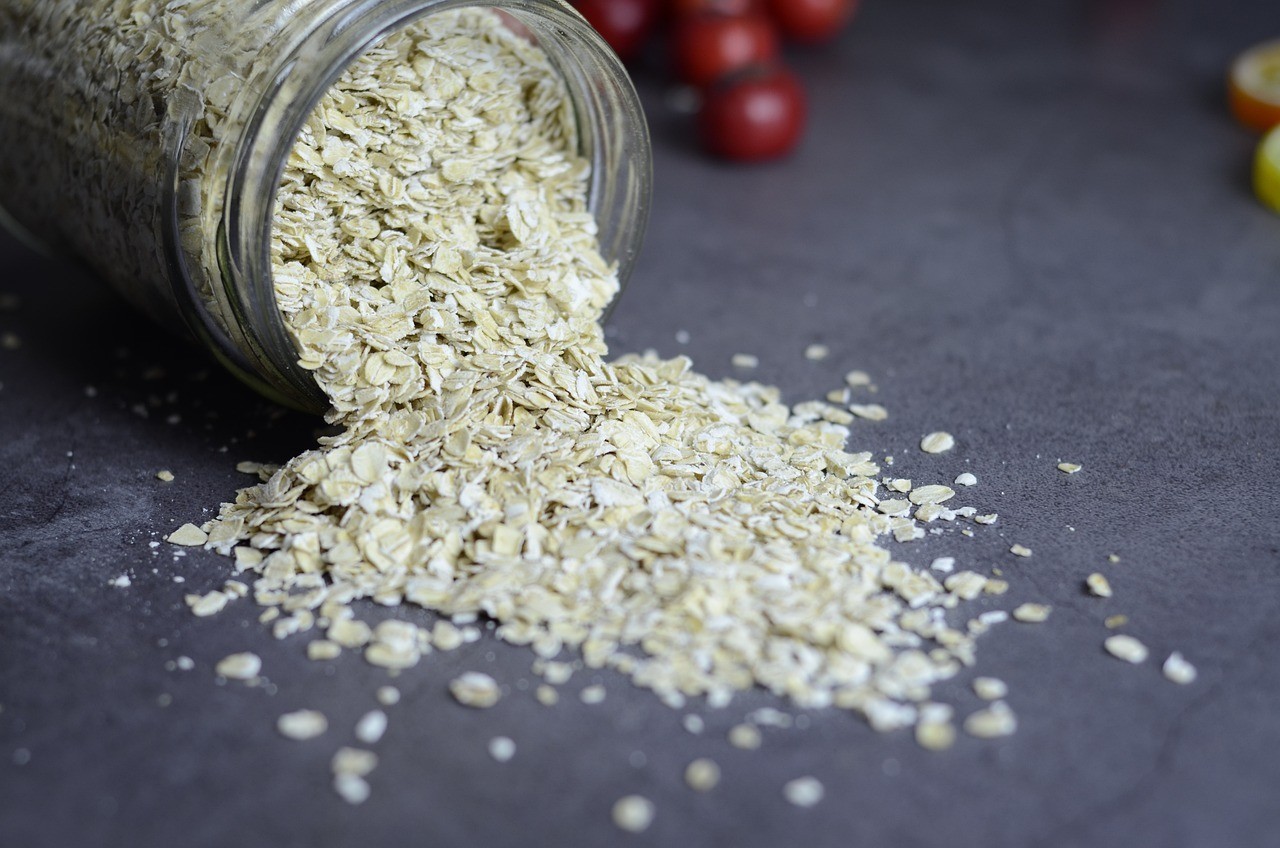
The type of oats you use matters most for real Skirlie. Traditional recipes rely on pinhead oats (UK) or steel-cut oats (USA). These oats stay chewy and nutty, giving the dish its signature texture. They take longer to cook but develop a rich, toasty flavor. If you can’t find these, coarse oatmeal works as a backup, but avoid rolled oats or porridge oats , they turn too soft and mushy.
Fat Options For Flavor Beef
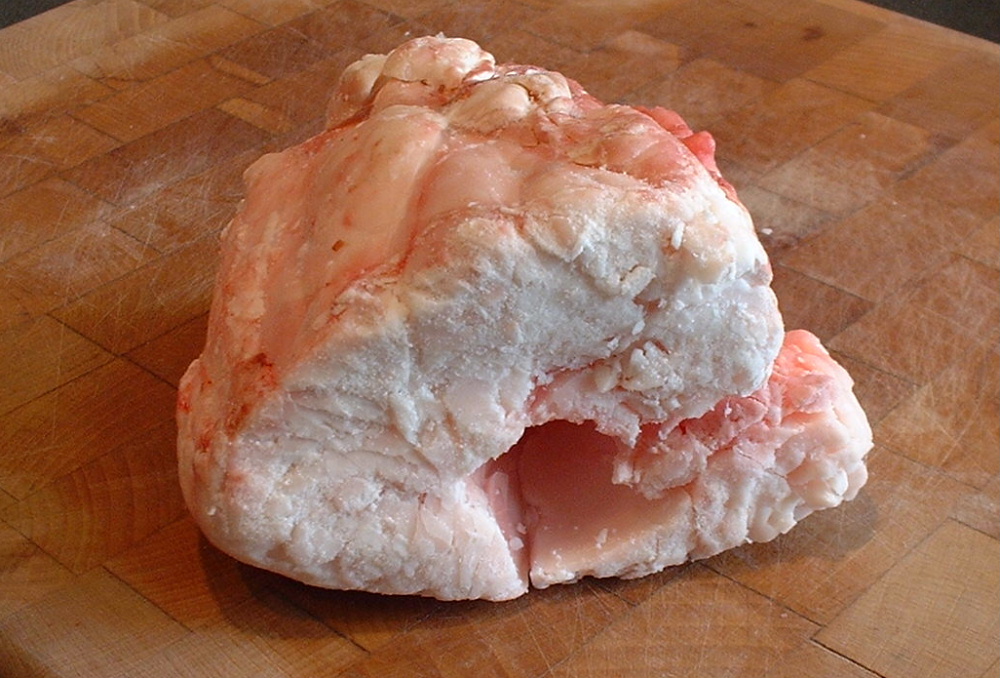
Suet - is the classic choice, adding a deep, savory taste and crisp texture. If you don’t have suet, butter works well too, though it gives a slightly sweeter flavor. For a vegan version, olive oil is a good swap, but it won’t have the same richness.
Building Flavor with Onions and Seasoning - Start by cooking finely chopped onions until golden and soft. This step is key for sweetness and depth. Season with salt and pepper, taste as you go to avoid overdoing it. For extra flair, toss in herbs like thyme or parsley , or a pinch of lemon zest .
Read Also: Homemade Scottish Oat Milk Recipe
How To Make Traditional Scottish Skirlie

Scottish mince, tatties & skirlie recipe & Cook with me :)
What You’ll Need
- 4oz (115g) beef suet
- 2 onions, chopped
- 12oz (340g) pinhead oats (or steel-cut oats)
- Salt and pepper
- Tools : Large heavy-bottomed pan, wooden spoon
- Ingredients :
Oats Explained - Use pinhead oats (UK) or steel-cut oats (US). These are coarser than regular oats and keep their texture. Avoid porridge oats, they’ll turn mushy.
Substitutes for Beef Suet - Swap suet with vegetable shortening or butter. For butter, mix with a little shortening to balance flavor.
Steps To Make Skirlie
- Cook the onions : Melt suet in a pan over medium heat. Add onions and fry until soft (6-8 minutes).
- Add oats : Stir in oats, salt, and pepper. Mix well.
- Simmer : Lower heat. Cook for 15-20 minutes, stirring often, until oats soften and turn slightly golden. They should stay a bit chewy with a nutty taste.
Quick Tips
- Use a sturdy pan to avoid burning.
- Stir frequently to toast the oats evenly.
- Taste as you go, adjust salt and pepper.
Quick Fixes For Common Problems When Making Skirlie
Softening Tough Oats
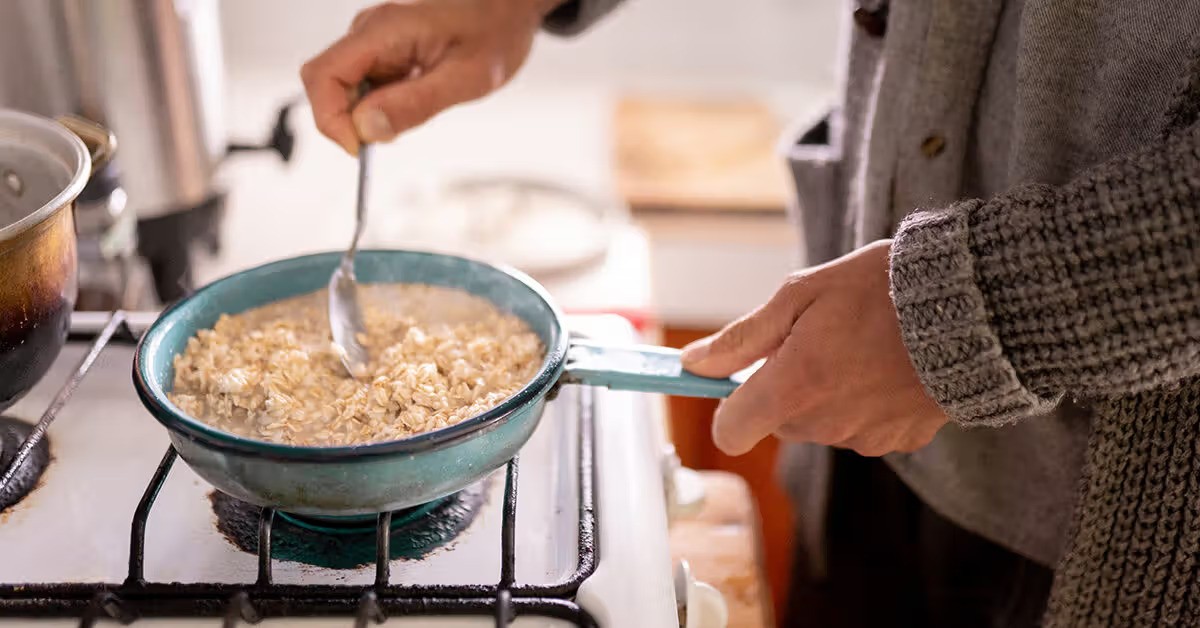
If your oats stay hard or dry, turn the heat down low right away. High heat can toast the outside too fast while leaving the inside raw. Stirring helps, but if they’re still tough, add a spoonful of hot water or broth. Keep the heat low and mix until the oats soften. Be careful, too much liquid might make them less crispy. For best results, add liquid slowly, cover the pan briefly, and stir often.
Avoiding Burnt Oats
Burnt oats taste bitter and ruin the dish. Always cook Skirlie on low heat and stir constantly. Patience is key here, rushing the process leads to scorching. Think of it as a slow toast, not a quick fry. The constant motion ensures even browning and stops sticking. Low heat and steady stirring build that rich, nutty flavor without burning.
Getting The Right Crunch
The goal is golden, slightly crispy oats with a nutty taste. Cook them low and slow for 15–20 minutes, stirring often. This slow toast develops deep flavors and the perfect texture. If the oats brown too fast, lower the heat. The color change means they’re caramelizing properly, but even cooking is crucial.
Seasoning With Care
Salt and pepper bring out Skirlie’s flavors, but add them gradually. Start with a pinch, mix, and taste. Over-salting is easy to do, and the onions or fat you use can add their own saltiness. Adjust as you cook, balancing the savory notes with the natural sweetness of the ingredients. The final dish should taste rich but not overwhelming, with every bite well-rounded.
Skirlie's Flexiblity

Skirlie, a traditional Scottish dish, is far more than a simple side. Its mix of oats, onions, and fat adapts easily to countless meals. Often served with classics like haggis, roast meats, or mince and tatties, it also shines as a stuffing for poultry, beef olives, or veggies. Blended into mashed potatoes ("Skirlie Mash"), it adds crunch and flavor. This humble dish proves that tradition can evolve, staying relevant through creativity.
Creative Ways To Use Skirlie
Modern cooks love experimenting with Skirlie. Try it stuffed in peppers, mixed into salads, or as a base for breakfast bowls with eggs and avocado. It’s a tasty topping for soups, pasta bakes, or mac and cheese. Use it to fill squashes, mushrooms, or tomatoes, or sprinkle it over gratins for a crispy finish. Some even enjoy it cold as a snack. Its rich, savory taste has drawn comparisons to risotto, showing how it fits into global cuisines.
Adapting Skirlie For Different Diets
Skirlie suits various dietary needs. Vegetarians can swap beef suet for butter or vegetable shortening. For vegans, plant-based fats like olive oil or brands such as Trex work well. Using vegetable broth keeps it meat-free. Health-conscious cooks might opt for less fat or leaner ingredients, proving tradition and modern wellness can coexist.
To enhance your Skirlie, mastering how to sauté vegetables perfectlyis key. Start by cooking onions slowly in your chosen fat until they’re golden and tender, this builds a flavorful base. The same technique applies to other veggies: keep the heat steady, stir often, and avoid overcrowding the pan. If you’re adding mushrooms, carrots, or greens, perfect sautéing ensures they stay vibrant and add depth to your dish.
At its core, Skirlie is packed with oats, a nutritional powerhouse. Steel-cut oats provide fiber for digestion, steady energy, and heart health. They’re rich in vitamins, minerals, and antioxidants, supporting overall wellness. A serving offers protein, complex carbs, and healthy fats, keeping you full longer. Paired with veggies or lean proteins, it’s a balanced addition to meals.
Regional Twists And Family Recipes
While Skirlie’s basics stay the same, families and regions tweak it. Some add local ingredients or adjust methods, creating unique versions. These variations shows how traditional dishes evolve while staying rooted in heritage.
Skirlie Vs. Mealie Pudding
Skirlie and Mealie Pudding (a type of white pudding) share ingredients but differ in texture. Skirlie is fried to crispy perfection, while Mealie Pudding is boiled or steamed in a casing, resulting in a soft, dense bite. Sage often flavors Mealie Pudding, showing how small changes create distinct dishes.
FAQs About Skirlie Recipe
What Is The Main Ingredient Of Skirlie?
The base of skirlie is oatmeal, mixed with onion, fat (like butter or lard), and seasonings. It’s a simple, hearty dish often served as a side or stuffing.
How Would You Describe The Taste Of Skirlie?
Think of it as a savory, onion-flavored oatmeal mix. It’s toasty, slightly nutty, and reminds some people of classic stuffing, but with a Scottish twist. The texture is coarse and grainy, thanks to the pinhead oatmeal used.
Can I Reheat Skirlie In The Microwave?
Yes. Pop it in a microwave-safe bowl, cover it, and heat on medium for 2-3 minutes. Stir halfway through to ensure it warms evenly without drying out.
Is Butter A Good Substitute For Fat In Skirlie?
Absolutely. Melt butter in a pan, sauté onions until soft, then stir in oatmeal. Cook until the butter is fully absorbed and the oats turn golden and crispy. Keep stirring to avoid burning.
How Is Skirlie Different From White Pudding?
Skirlie is a vegetarian-friendly oatmeal dish, while white pudding usually includes meat (like sausage) mixed with oats. They’re both Scottish staples but differ in ingredients and flavor.
What Are The Basic Ingredients For Making Skirlie?
You’ll need oatmeal, onion, fat (butter or lard), and salt and pepper. That’s it, simple, pantry-friendly, and full of comforting flavor.
Final Thoughts
Skirlie, a simple Scottish dish with roots in practicality, has evolved from a basic necessity into a cherished part of Scotland’s food culture. The resourcefulness of earlier generations turns everyday ingredients like oats and fat into a comforting, hearty meal. The name itself reflects the sizzle and aroma of its preparation, linking past and present through shared traditions in the kitchen.
Skirlie’s enduring appeal lies in its flexibility and connection to Scottish identity. Once a humble side dish or stuffing, it now stars in modern recipes, while keeping its rustic charm. The key to its rich, nutty flavor is in the details: quality oats, the right fat, and slow cooking to achieve a perfect texture.
Also Chech Out: Step-by-Step Instructions On Making Scotch Egg

Callum Fraser
Author
Callum Fraser isn't just a writer about Scotland; he's a product of its rugged landscape and rich history. Born and raised in Perthshire, with the Highlands as his backyard, his love for the nation's stories was kindled by local storytellers and long walks through ancient glens.
This passion led him to pursue a degree in Scottish History from the University of Edinburgh. For over 15 years, Callum has dedicated himself to exploring and documenting his homeland, fusing his academic knowledge with essential, on-the-ground experience gained from charting road trips through the Cairngorms, hiking the misty Cuillins of Skye, and uncovering the secrets of traditional recipes in his family's kitchen.
As the Editor-in-Chief and Lead Author for Scotland's Enchanting Kingdom, Callum's mission is simple: to be your most trusted guide. He combines meticulous research with a storyteller's heart to help you discover the authentic magic of Scotland — from its best-kept travel secrets to its most cherished traditional recipes.
Latest Articles
Popular Articles