The Heritage Of Historical Events In Scotland [Important Facts]
The captivating history of Scotland is reflected in its traditions, landmarks, and cultural symbols, making it a nation of enduring heritage.
Author:Callum FraserOct 31, 202418.2K Shares535.7K Views
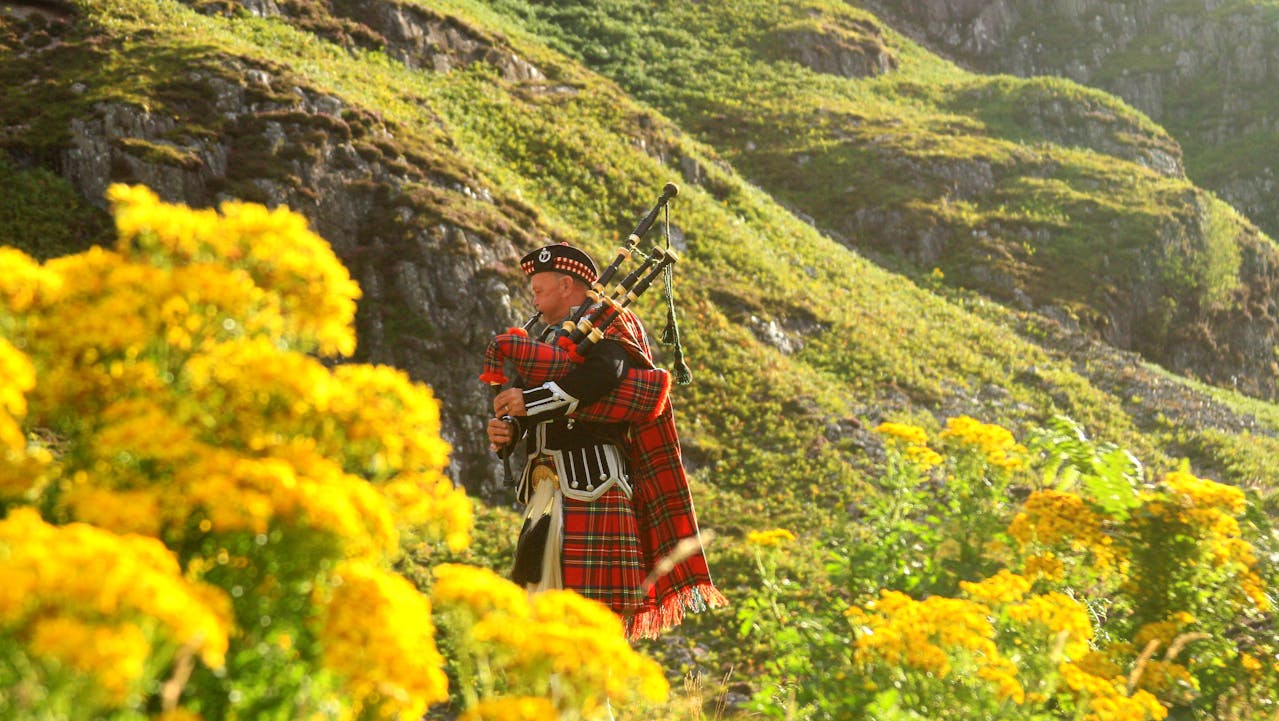
Scotland's heritage is a captivating blend of history, culture, and tradition that has shaped the nation's unique identity. There are ancient clans that ruled the Highlands and architectural marvels of castles, making Scotland’s rich cultural history continue to influence the modern world. The history of Scotland is marked by resilience, withstanding invasions, battles, and political upheaval, all while preserving its distinct culture.
Key Historical Events That Shaped Scotland
Scotland’s fight for independence has been a defining feature of its history. The Wars of Independence, which spanned the late 13th and early 14th centuries, remain one of the most pivotal chapters in Scotland’s national story.
Figures like William Wallace emerged as iconic leaders, galvanizing the nation to resist English domination. The Battle of Stirling Bridge in 1297, where Wallace’s smaller forces famously defeated a larger English army, is remembered as a symbol of Scottish defiance.
Another key figure in Scotland’s fight for sovereignty was Charles Edward Stuart, also known as "Bonnie Prince Charlie." His leadership in the Jacobite uprising of 1745 sought to restore a Scottish monarch to the British throne.
However, his campaign ended in defeat at the Battle of Culloden in 1746, marking the last significant attempt to reclaim independence. This period of turmoil has since been immortalized in popular culture, with movies like Braveheartreigniting global interest in Scotland’s storied past.
The Evolution Of The Scottish Monarchy
Scotland’s monarchy has long been a central pillar of its governance and identity. Beginning in the 12th century, the monarchy unified the country under a single ruler. However, the Wars of Independence against England, particularly under William Wallace and Robert the Bruce, challenged the stability of the Scottish throne.
By the 14th century, Robert the Bruce had solidified his place in history as one of Scotland’s most important kings. His victory at the Battle of Bannockburn in 1314 helped secure Scotland’s independence for a time, reinforcing the significance of the monarchy in shaping the nation’s identity.
Despite later union with England in 1707, Scotland retained many of its unique institutions, including its legal and educational systems, which helped preserve its distinct culture even after political union.
Wars And Rebellions
The Act of Union in 1707, which formally united Scotland and England into Great Britain, did not signal the end of conflict between the two nations. In fact, it sparked a series of uprisings, as many Scots sought to regain their independence.
One of the most famous of these was the Jacobite rebellion led by Bonnie Prince Charlie in 1745. The rebellion culminated in the bloody Battle of Culloden, where Scottish forces were defeated, and the British government took steps to dismantle the traditional clan system in the Highlands as punishment for the rebellion.
This defeat marked the end of large-scale Scottish resistance, but the legacy of these wars remains an essential part of Scotland’s historical identity, with events like the Jacobite rising commemorated in festivals and historical reenactments across the country today.
Scottish Resilience In The Face Of Challenges
Throughout history, Scotland has maintained a fierce warrior spirit, one that remains ingrained in its national identity. Scottish Highland regiments played a significant role in British military campaigns across the globe, and the tradition of bagpipers leading soldiers into battle became a symbol of courage and defiance.
This enduring reputation was highlighted during World War II, when piper Bill Millin famously played the bagpipes during the D-Day invasion, accompanying British commandos onto the shores of Normandy.
Tartan And Highland Dress
Tartan is more than a fabric in Scotland - it is a symbol of family, identity, and pride. Each clan in Scotland has its own unique tartan pattern, often worn during significant cultural and family events. Originating in ancient times, tartans became a powerful visual representation of clan loyalty and heritage. The "Heritage of Scotland" tartan is a universal tartan that celebrates Scottish identity broadly, allowing individuals from all backgrounds to connect with the country’s cultural history.
While clan-specific tartans are steeped in tradition, universal tartans like the Royal Stewart or Black Watch have gained popularity among Scots and non-Scots alike, symbolizing the global reach of Scotland’s cultural influence.
Tartan remains relevant not only in traditional ceremonies but also in modern fashion, with its distinctive patterns gracing everything from kilts to high-end runway designs. Its versatility ensures that tartan continues to be a significant cultural symbol both in Scotland and around the world.
The Clan System
The clan system has long been at the heart of Scotland’s cultural and social organization. Dating back to the 12th century, clans were not merely family groups but political and military entities with a chief at the helm. Each clan controlled its territory, and their tartan patterns, shields, and crests became powerful symbols of their identity.
Despite the decline of the clan system after the Jacobite uprisings, the legacy of the clans endures. Many people with Scottish ancestry proudly identify with their clan, participating in clan gatherings and other cultural events that celebrate their heritage. There are estimated to be over 50 million people worldwide who have ties to Scottish ancestry, many of whom feel a strong connection to their clan’s history.
National Parks And Wildlife
Scotland’s stunning natural landscapes are an integral part of its heritage. One of the top places to visit in the world, Scotland’s national parks such as Loch Lomond and the Trossachs, showcase its diverse wildlife, including species like the golden eagle and the Scottish wildcat. These parks not only protect the environment but also preserve a way of life that has existed for generations.
While many tourists flock to popular destinations, hidden gems in Scotlandoffer tranquil escapes into lesser-known corners of the Highlands and Islands, perfect for those seeking a more intimate connection with nature.
The Importance Of Scottish Whiskey
Whiskey, or "Scotch," has become one of the most internationally recognized symbols of Scotland’s heritage. The tradition of whiskey production dates back centuries, and each region of Scotland produces its own distinct style of the drink. From the smooth malts of Speyside to the peaty flavors of Islay, whiskey has become both a symbol of Scottish craftsmanship and a vital part of the country’s cultural legacy.
Historic Sites Of Global Significance
Scotland is home to several UNESCO World Heritage Sites, each a testament to its historical and cultural legacy. Sites such as the Old and New Towns of Edinburgh showcase Scotland’s architectural development over the centuries, while places like the Heart of Neolithic Orkney provide insight into the ancient civilizations that once inhabited these islands. These sites are not only valuable to Scotland but to the world as examples of humanity’s shared cultural heritage.
The Edinburgh Festival And Hogmanay
Festivals are an essential part of preserving and promoting Scotland’s cultural heritage. The Edinburgh Festival is one of the largest arts festivals in the world, attracting performers and audiences from across the globe to celebrate Scottish and international culture. Similarly, Hogmanay, Scotland’s New Year celebration, has become legendary for its festive spirit, featuring fireworks, music, and traditional Scottish dances. These events ensure that Scotland’s cultural heritage remains alive and thriving, passed on to new generations.
FAQs
What Is The Significance Of Clans In Scottish Culture Today?
Clans continue to play a symbolic role in modern Scottish culture, with many Scots and those of Scottish ancestry identifying with their clan through events like gatherings and Highland Games.
Which Scottish Castle Is The Most Historically Important?
Edinburgh Castle is one of the most historically significant castles in Scotland due to its strategic importance and its role in the Wars of Independence.
How Has Tartan Evolved In Modern Times?
Tartan has evolved from being a symbol of clan identity to becoming a global fashion icon. Today, tartan is worn in traditional settings as well as in modern fashion worldwide.
How Important Is Whiskey In Scottish Heritage?
Whiskey, or "Scotch," is one of the most significant cultural exports of Scotland, deeply tied to the country’s craftsmanship and heritage.
What Role Does Gaelic Play In Modern Scotland?
Gaelic is still spoken in parts of the Highlands and Islands, and there are ongoing efforts to revive and preserve the language as part of Scotland’s cultural identity.
Final Thoughts
Scotland’s heritage is a remarkable blend of history, culture, and natural beauty. From its iconic tartans and the legacy of the clans to the breathtaking landscapes and world-renowned whiskey, Scotland’s heritage continues to inspire and captivate people around the globe. The nation’s ability to preserve its traditions while adapting to the modern world ensures that its legacy will endure for generations to come.
Jump to
Key Historical Events That Shaped Scotland
The Evolution Of The Scottish Monarchy
Wars And Rebellions
Scottish Resilience In The Face Of Challenges
Tartan And Highland Dress
The Clan System
National Parks And Wildlife
The Importance Of Scottish Whiskey
Historic Sites Of Global Significance
The Edinburgh Festival And Hogmanay
FAQs
Final Thoughts

Callum Fraser
Author
Callum Fraser isn't just a writer about Scotland; he's a product of its rugged landscape and rich history. Born and raised in Perthshire, with the Highlands as his backyard, his love for the nation's stories was kindled by local storytellers and long walks through ancient glens.
This passion led him to pursue a degree in Scottish History from the University of Edinburgh. For over 15 years, Callum has dedicated himself to exploring and documenting his homeland, fusing his academic knowledge with essential, on-the-ground experience gained from charting road trips through the Cairngorms, hiking the misty Cuillins of Skye, and uncovering the secrets of traditional recipes in his family's kitchen.
As the Editor-in-Chief and Lead Author for Scotland's Enchanting Kingdom, Callum's mission is simple: to be your most trusted guide. He combines meticulous research with a storyteller's heart to help you discover the authentic magic of Scotland — from its best-kept travel secrets to its most cherished traditional recipes.
Latest Articles
Popular Articles