Traditional Scottish Fish Pie Recipe | Easy, Creamy & Smoky
Bring the flavors of Scotland’s coast to your kitchen with a traditional fish pie recipe that combines haddock, cream, and fresh herbs under a crisp potato crust. Perfect for those craving comfort and a taste of Scottish heritage.
Author:Callum FraserJul 16, 2025888 Shares63.4K Views
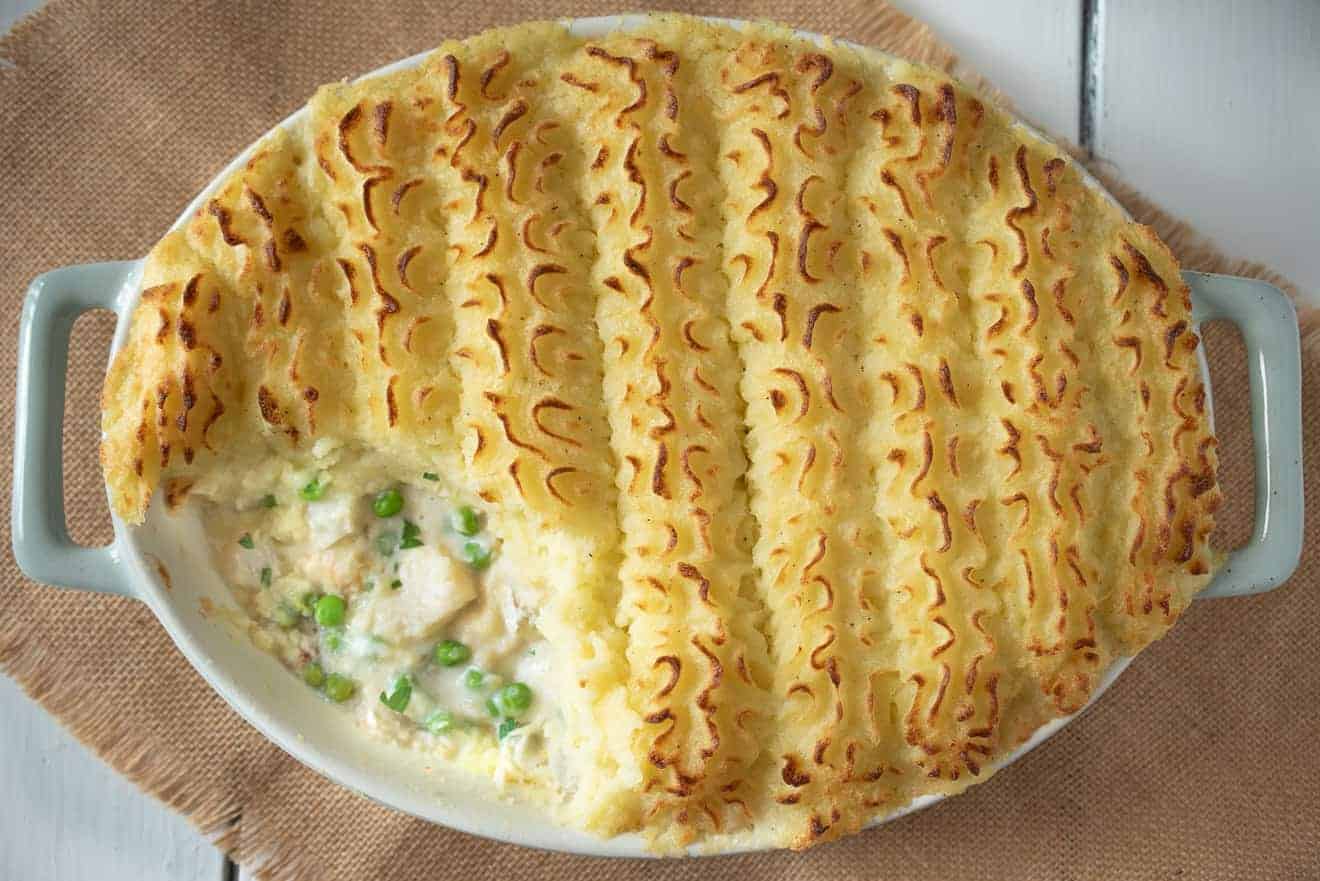
The Heart Of The Highlands: Making The Traditional Scottish Fish Pie
Few dishes capture the warmth of a Scottish home quite like my traditional fish pie. It’s more than comfort food-it’s a hug on a plate, steeped in the rich maritime heritage and resourceful spirit of a nation that’s long embraced the sea’s bounty.
Forget any bland, soupy versions you’ve tried before. My fish pie is all about flaky smoked haddock, a velvety mustard-kissed sauce, and a golden, cloud-like mash-each layer telling a story of coastal kitchens and time-tested tradition.
While fish pies are common across Britain, I’ve always felt the Scottish version stands apart. It’s in the ingredients we choose-smoky haddock, sweet leeks, local shellfis-and the pride we take in making the most of what’s fresh and local.
From island crofts to city tables, this dish has earned its place. Join me now as I guide you into the heart of this iconic dish and uncover the secrets I’ve learned to master it.
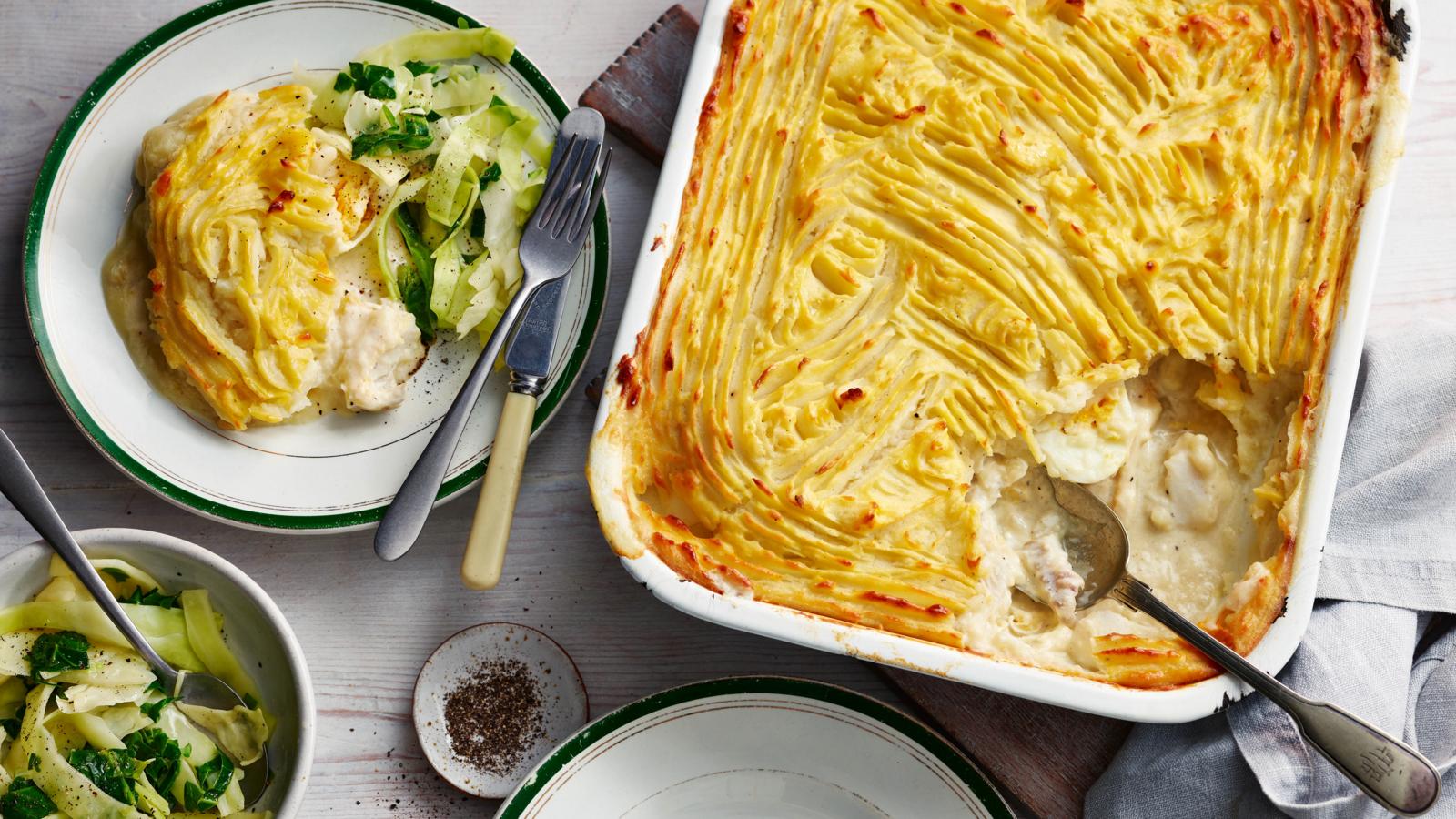
What Makes A Fish Pie "Scottish"? The Soul Of My Dish
When I craft a truly traditional Scottish fish pie, I focus on a few key elements that pay homage to our culinary heritage and natural larder.
It's never just about throwing fish into a dish; for me, it's about achieving balance, flavor, and an undeniable sense of comfort that comes from generations of perfecting this hearty meal.
The Fish: My Preferred Trio Of Textures And Tastes
While many fish pies I've seen opt for a single type of fish, I've learned that a truly traditional Scottish version always benefits from a mix. This creates layers of flavor and texture that elevate the dish beyond the ordinary.
When I source my fish, I always think of the bounty of Scotland’s coastal waters, renowned for their quality and sustainability. I encourage you to look for responsibly sourced fish from your local fishmonger or a trusted supplier.
- Smoked Haddock: This, for me, is the undisputed cornerstone. Its distinctive, deep smoky flavor is quintessential to Scottish fish dishes, lending a depth that simply can't be replicated. I find it offers a firm, flaky texture that holds up beautifully during baking. I personally prefer undyed smoked haddock for a more natural appearance.
- White Fish (Cod or Haddock): Lean, mild, and wonderfully flaky, fresh cod or haddock provides a tender contrast to the smoked haddock. It absorbs the creamy sauce beautifully, adding a delicate sweetness. I've also had great success using pollock or coley as excellent, sustainable alternatives.
- Salmon (My Recommendation for Richness): While it wasn't always in the most ancient versions I've researched, I find that a good quality salmon fillet adds richness, a beautiful color, and a succulent texture. If you're looking for other delicious ways to prepare this fantastic fish, I also have some wonderful Scottish salmon recipethat I'm sure you'll love.
The Creamy Heart: Sauce With Scottish Character
The sauce, in my opinion, is the true soul of any fish pie. In Scotland, I believe it’s all about richness and a subtle savory depth.
A simple béchamel forms the base, but it’s the additions I make that truly infuse it with a uniquely Scottish character, making it hearty yet refined.
- Whole Milk, Butter, and Cream:This is the essential foundation for a good, rich sauce. I always use whole milk to ensure a creamy texture, and I often add a touch of double cream to elevate the luxuriousness even further, aiming for a truly velvety sauce.
- Leeks or Onions:Sautéed gently until softened, leeks are particularly traditional in Scottish cooking, and I find they add a delicate sweetness and aromatic depth that complements the fish beautifully.
- Mustard:I always add a robust spoonful of Dijon or a good Scottish whole grain mustard. It brings a welcome tang and slight pungency that cuts through the richness and enhances the fish's flavor. If you prefer a milder, earthy note, a teaspoon of mustard powdercan also be whisked into the roux.
- Fresh Herbs:I’m generous with fresh parsley and chives; they are classic choices that bring a vibrant freshness and green color to the otherwise creamy filling.
- My Secret Scottish Ingredient:Seaweed (Optional but Authentic): For a truly authentic taste of the Scottish coast, I sometimes add a tiny pinch (about ¼ teaspoon) of dried, powdered seaweed like dulse or kombu, dissolved into the sauce. It imparts an incredible depth of umami and a subtle, oceanic complexity. This, for me, is a subtle nod to Scotland’s abundant coastal foraging traditions and truly elevates the flavor profile without making it overtly "seaweedy."
- A Touch of Acidity:I always finish my sauce with a small squeeze of fresh lemon juice. I find it brightens the sauce, preventing it from feeling too heavy and perfectly complementing the fish.
The Golden Crown: Potatoes With Purpose
For me, the topping of a Scottish fish pie is almost as important as its filling. It needs to be fluffy, flavorful, and capable of forming a beautiful golden, slightly crispy crust. This traditional choice is key to the dish's comforting appeal, and it's a step I pay close attention to.
- Floury Potatoes:I always reach for varieties like Maris Piperor King Edward. In my experience, they yield a light, dry, and airy mash that holds its shape and crisps up perfectly. I strongly advise against waxy potatoes, as they tend to result in a gummy topping.
- Butter and Milk:These are essential for a creamy, smooth mash. I aim for the right balance to ensure it's rich but never wet.
- Cheese (Optional but Popular):I often add a generous sprinkle of mature Scottish cheddar or a robust white cheddar over the mash. It creates a delicious, savory crust when baked, enhancing the golden finish and overall flavor.
Related Reading: Best Traditional Scottish Fried Fish Recipes To Try Today
Traditional Scottish Fish Pie Recipe: A Step-by-Step Guide
I've discovered that creating this comforting classic is simpler than many people think, making it an ideal hearty meal for any home cook. With these clear steps and practical tips I've gathered over time, I'm confident you'll achieve a perfect pie every time.
Ingredients
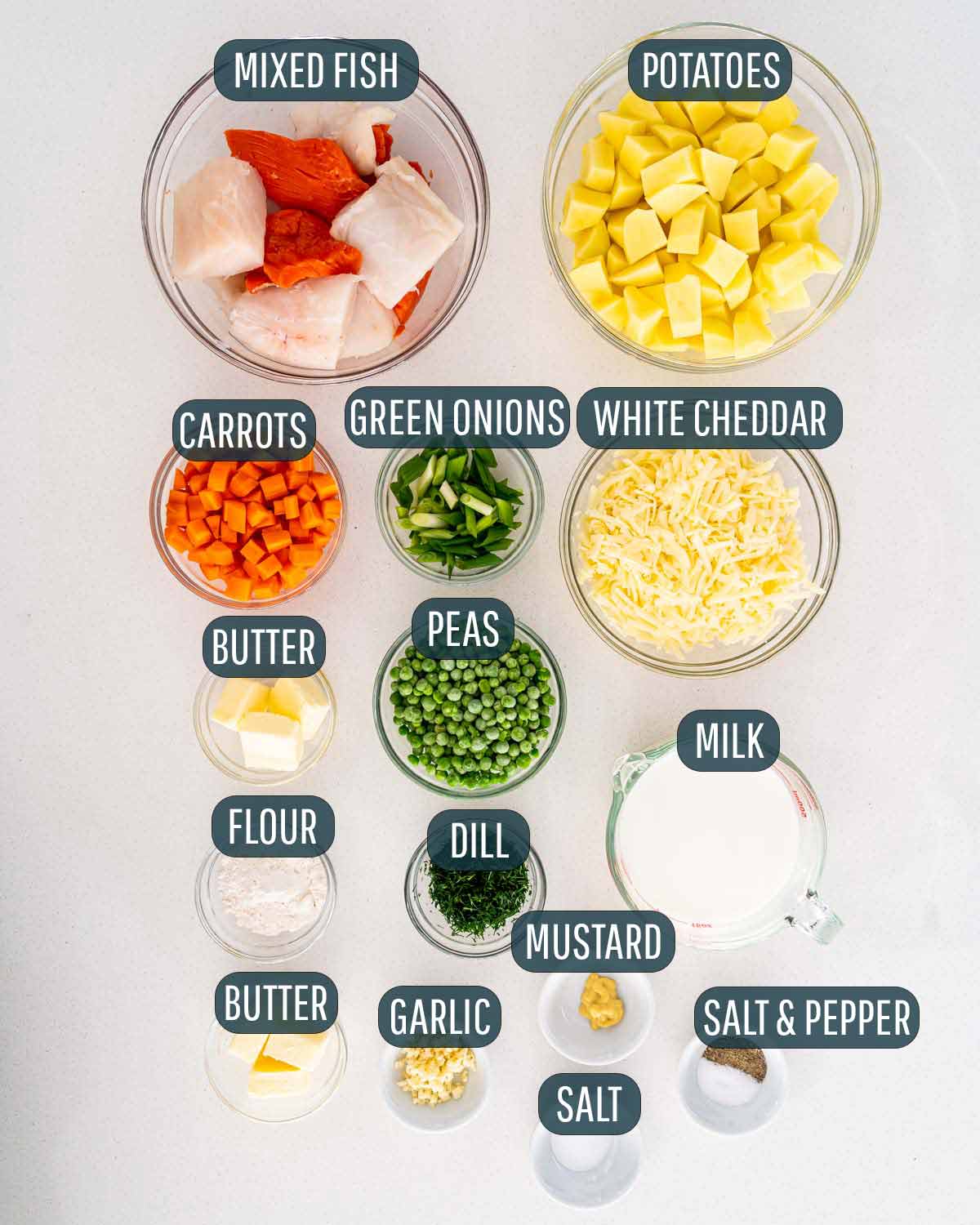
For the Filling:
- 200g (7 oz) undyed smoked haddock fillet, skin on
- 200g (7 oz) fresh cod or haddock fillet, skin on
- 100g (3.5 oz) salmon fillet, skin on
- 700ml (scant 3 cups) whole milk (divided)
- 50g (3.5 tbsp) unsalted butter
- 50g (¼ cup) plain flour
- 1 medium leek, thinly sliced (white and light green parts)
- 1 tbsp Dijon mustard (or 1 tsp mustard powder)
- A generous handful of fresh parsley, chopped
- A generous handful of fresh chives, chopped
- Salt and freshly ground black pepper to taste
- Optional: ¼ tsp dried dulse or kombu flakes (for umami depth)
- Optional: 1 tbsp double cream (for extra richness)
- Optional: A squeeze of fresh lemon juice
- Optional: 100g (¾ cup) frozen peas, 1 medium carrot (finely diced), 50g (½ cup) grated mature cheddar
For the Potato Topping:
- 1 kg (2.2 lbs) floury potatoes (e.g., Maris Piper, King Edward), peeled and quartered
- 50g (3.5 tbsp) unsalted butter
- 50ml (3.5 tbsp) whole milk (or a little more if needed)
- Salt and pepper to taste
- Optional: 50g (½ cup) grated mature Scottish cheddar cheese for topping
Method
1. Poach the Fish for Flavor:Start by placing all the fish fillets in a large, shallow pan. Then, pour over 500ml (2 cups) of the milk. Bring it gently to a simmer over medium heat, then immediately reduce the heat to low.
Cover the pan and poach for 5-7 minutes, or until the fish is just cooked through and flakes easily. My key here is to avoid boiling vigorously; gentle poaching keeps the fish tender and wonderfully infuses the milk with its flavor.
2. Reserve and Flake:Carefully, remove the fish from the milk with a slotted spoon and set it aside on a plate to cool slightly. This next step is crucial: I always reserve all the poaching milk - this is my secret for a flavorful base for the sauce.
Once cool enough to handle, remove any skin and carefully flake the fish into large, rustic pieces, meticulously checking for any bones.
3. Prepare the Potatoes:While the fish cools, place the peeled and quartered potatoes in a large pot. I cover them with cold, salted water, bring to a boil, and cook for 15-20 minutes, or until they are very tender and easily pierced with a knife.
Then, drain them thoroughly in a colander, allowing any excess steam to escape for a minute or two; this prevents a watery mash.
4. Make the Sauce Base:In a separate large saucepan, melt the 50g unsalted butter over medium heat. I add the thinly sliced leeks and cook gently for 5-7 minutes until they are softened and translucent but not browned.
Then, stir in the plain flour and, if I'm using them, the mustard powder and dried seaweed flakes. I cook, stirring continuously, for 1 minute to create a roux; this step cooks out the raw flour taste.
5. Build the Velvety Sauce:Gradually, whisk in the reserved poaching milk and the remaining 200ml (¾ cup) of fresh milk, adding a little at a time and whisking vigorously after each addition to prevent lumps.
Continue to cook over medium heat, stirring constantly, until the sauce thickens and coats the back of a spoon. If I'm using it, I whisk in the double cream now for extra richness.
6. Season and Finish the Sauce:Remove the sauce from the heat. Stir in the Dijon mustard (if using), chopped fresh parsley, and chives. I always add a generous squeeze of fresh lemon juice at this stage to brighten the flavors.
Then, season generously with salt and freshly ground black pepper. This is when I taste the sauce - it should be well-seasoned and flavorful, as this is the backbone of your pie's taste. I adjust as needed.
7. Combine Filling:Gently, fold the flaked fish into the prepared sauce. I'm careful not to break up the fish too much; I want distinct, tender pieces. Then pour the fish mixture evenly into a deep, ovenproof pie dish (approximately 25x20cm or 10x8 inches, or a similar capacity).
8. Mash the Potatoes (My Golden Crown):Return the drained potatoes to the dry pot. I add the 50g butter and 50ml milk. Mash thoroughly with a potato masher until smooth and creamy.
My advice here is to be careful not to add too much milk; the mash should be firm enough to hold its shape and not sink into the fish mixture. I season it well with salt and pepper.
9. Top the Pie:Always allow the fish filling in the dish to cool for about 15-20 minutes. This is a crucial step that I've found prevents the mashed potato topping from sinking into the hot, soft filling, ensuring a distinct, appealing top layer.
Once slightly cooled, spoon the mashed potato evenly over the fish filling, spreading it right to the edges of the dish. I like to use a fork to create attractive ridges or patterns on top - these will crisp up beautifully and turn golden brown during baking. If I'm using it, I sprinkle the grated cheddar cheese evenly over the potato topping.
10. Bake to Perfection:Preheat your oven to 190°C (375°F / Gas Mark 5). Place the fish pie on a baking tray (to catch any potential drips) and bake for 25-30 minutes, or until the potato topping is gloriously golden brown and the creamy filling is bubbling invitingly around the edges.
11. Rest and Serve:I always let the baked pie stand for 5-10 minutes before serving. This brief resting period allows the filling to settle and firm up slightly, which I find makes it much easier to portion and serve without it collapsing.
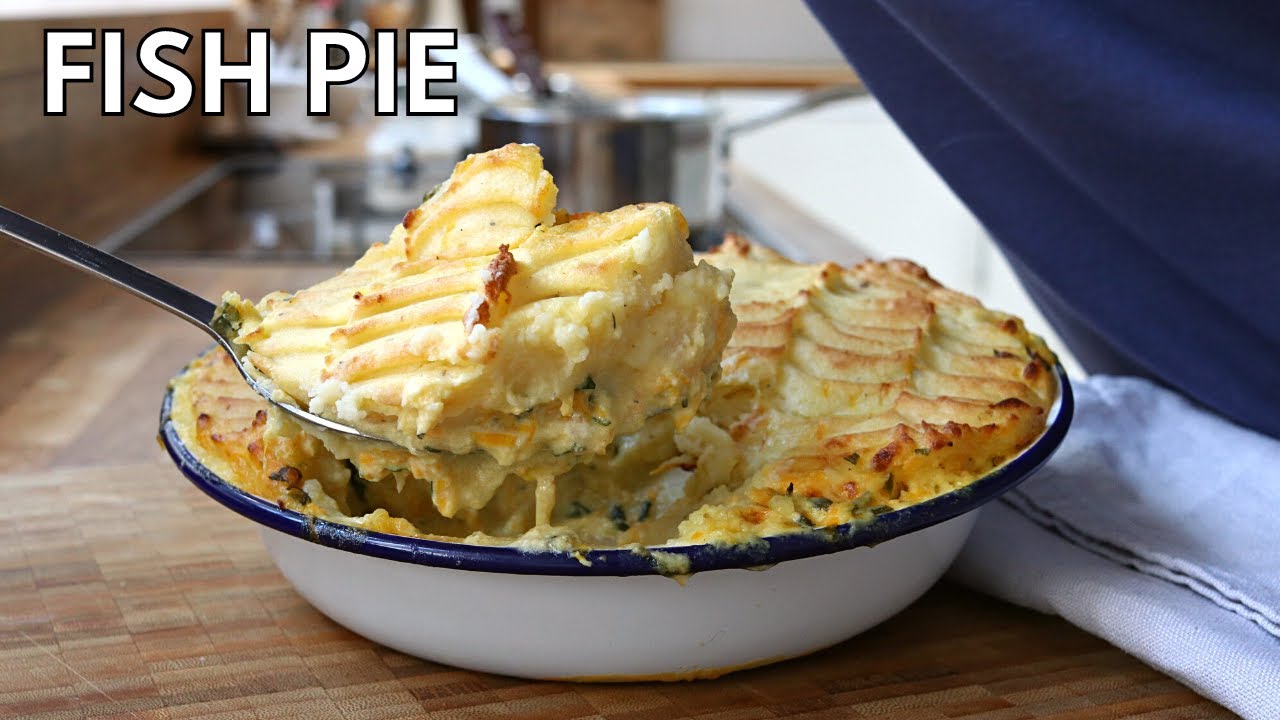
My Homemade Luxury Fish Pie | British Fish Pie Recipe
My Favorite Variations And Traditional Pairings
While I cherish the classic recipe, I also enjoy exploring a few thoughtful tweaks that can personalize your pie, introduce new textures, or simply elevate the entire meal.
Beyond The Basic Fish & Filling
- Luxury Seafood Additions:For a truly indulgent pie, I sometimes add a handful of raw, shelled prawns or small scallops to the fish mixture just before baking. They cook quickly within the hot sauce and add a lovely sweetness.
- Vegetable Enhancements:I occasionally stir in a handful of fresh spinach (wilted and squeezed dry) or frozen peas (no need to defrost) with the fish for added color, nutrition, and texture. Some modern interpretations I've seen might include finely diced carrots or celery sautéed with the leeks.
- Spiced Notes:While less traditional for my core recipe, a small pinch of smoked paprika can add a lovely color and subtle smokiness to the sauce, complementing the haddock.
- Other Toppings:While the ultimate traditional Scottish fish pie, in my opinion, has a mashed potato topping, for those seeking a less conventional approach, a sheet of puff pastry can be used. Simply cover the filling with the pastry, crimp the edges, and prick the top before baking until golden. This offers a different texture and is a convenient option if time is short.
Serving Scottish Fish Pie
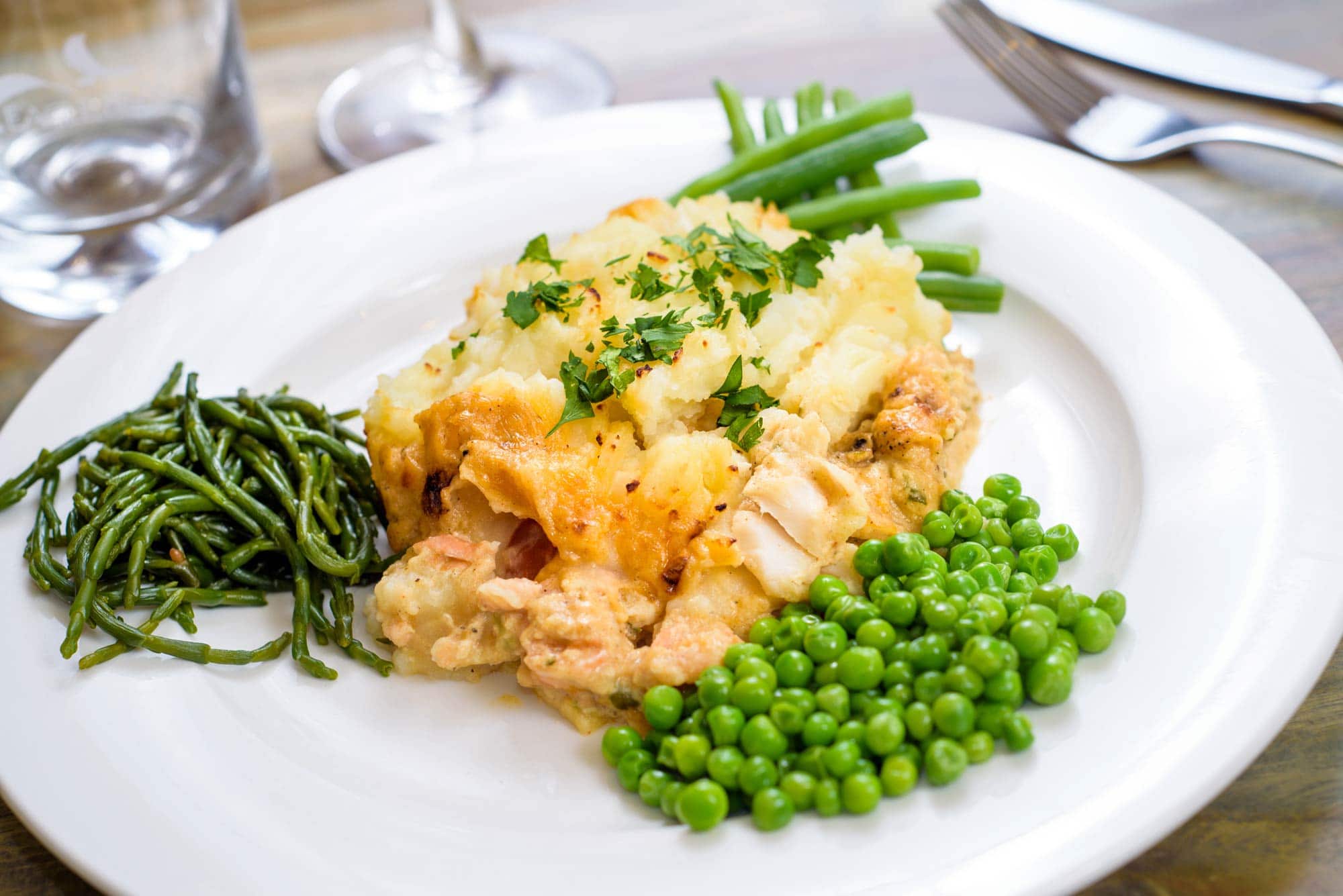
I find that a traditional Scottish fish pie is a hearty, comforting meal in itself, but it pairs beautifully with simple, fresh accompaniments that balance its richness.
- Buttered Green Vegetables:Steamed broccoli florets, tender green beans, asparagus, or garden peas are my go-to choices; they provide a lovely fresh contrast and vibrant color.
- Coastal Greens:For an authentic Scottish coastal touch, I highly recommend steamed samphire (glasswort); it makes an excellent, slightly salty accompaniment.
- Crusty Bread:A thick slice of fresh, crusty bread is, for me, perfect for mopping up any leftover creamy sauce - not a drop should go to waste!
- A Simple Salad:A light, crisp green salad with a tart vinaigrette can cut through the richness of the pie, offering a refreshing counterpoint.
Read Also: Authentic Selkirk Bannock Recipe
Essential Tips For A Flawless Scottish Fish Pie
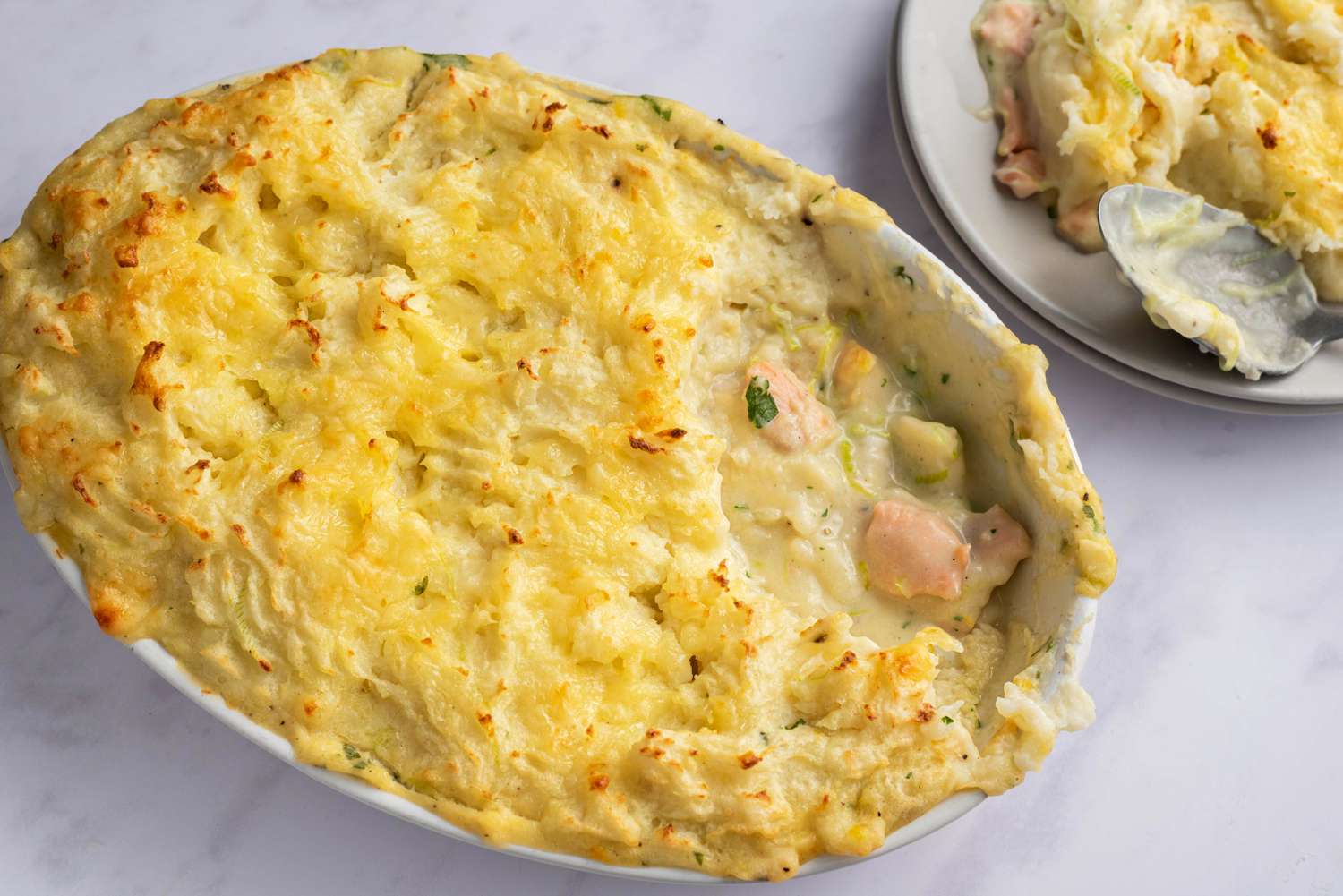
Achieving that perfect, comforting fish pie isn't just about following the steps; in my experience, it's about understanding the nuances that transform a good dish into a truly memorable one.
- Gentle Poaching is Paramount:I've learned that overcooking fish, even at the poaching stage, can lead to dry, tough results in the final pie. Gentle simmering ensures the fish remains tender and flaky, absorbing the sauce's flavors beautifully.
- The Power of a Thick Sauce:A watery fish pie is a common culinary disappointment, and it's something I've learned to avoid. My secret is ensuring your béchamel sauce is thick enough to generously coat the back of a spoon before you add the fish. It should be rich and unctuous, providing the perfect creamy vehicle for the fish and holding the pie together. If it seems too thin, I advise you to continue to gently simmer and stir until it reaches the desired consistency.
- Seasoning is Your Friend:Fish pie can taste bland without adequate seasoning - I've seen it happen! I always taste my sauce beforeadding the fish and adjust the salt and pepper. Remember that smoked haddock contributes salinity, so factor that in, but don't be shy with seasoning.
- Choose the Right Potato:For that classic light and airy topping that crisps up beautifully, floury potatoes are non-negotiable in my kitchen. I always advise against waxy varieties, which can result in a dense, gluey mash.
- Cool the Filling Before Topping:This, for me, is a golden rule for fish pie. Allowing the fish and sauce mixture to cool for 15-20 minutes before adding the mashed potato prevents the mash from sinking into the hot, soft filling, ensuring a distinct, appealing top layer.
- Create Craggy Peaks on the Mash:I never just smooth out the potato topping. Using a fork to create ridges, swirls, or peaks on the surface increases the area exposed to the oven's heat, resulting in those desirable crispy, golden-brown bits. It's a small step that makes a big difference!
- Make Ahead Mastery:Fish pie is an ideal dish for preparing in advance, which I frequently do. You can assemble the entire pie, cover it tightly with foil or cling film, and refrigerate it for up to 24 hours. When ready to bake, you may need to add an extra 10-15 minutes to the baking time if baking straight from the fridge.
Storage And Reheating Tips
Scottish fish pie can be stored and reheated easily, making it a practical choice for meal prep or leftovers.
- Refrigeration- Cover the pie with plastic wrap or foil and refrigerate for up to three days. To reheat, place in an oven-safe dish, cover with foil, and bake at 160°C (320°F) until warmed through.
- Freezing- Fish pie can be frozen for up to three months. For best results, portion it into individual containers before freezing. Thaw in the refrigerator overnight and reheat in the oven for a fresh-from-the-oven taste.
FAQs
What Is Scottish Fish Pie?
Traditional Scottish fish pie is a comforting, savory dish that captures the rich flavors of Scotland's coastal cuisine. This classic recipe showcases a creamy, flavorful filling made with fresh, locally-sourced fish, layered under a golden crust of mashed potatoes.
Can I Make Scottish Fish Pie Without Dairy?
You can substitute dairy-free options like oat milk for the sauce and use olive oil or dairy-free butter in the mashed potatoes.
What Types Of Fish Are Best For Traditional Scottish Fish Pie?
Cod, haddock, and salmon are commonly used, with smoked haddock providing an authentic flavor.
How Can I Make A Gluten-free Version Of This Recipe?
Simply replace the flour in the sauce with gluten-free flour, and ensure all other ingredients are certified gluten-free.
What Can I Substitute If I Don’t Have Traditional Scottish Herbs?
Parsley and chives are versatile and work well. Tarragon or thyme can also be added sparingly for a more aromatic flavor.
Can I Add More Vegetables To This Fish Pie?
Additional vegetables like peas, carrots, and leeks can be added for extra texture and flavor.
Is It Possible To Prepare Scottish Fish Pie Ahead Of Time?
Absolutely. Prepare the pie up to the baking step, cover, and refrigerate. When ready to serve, bake as directed.
Final Thoughts
Crafting a traditional Scottish fish pie is a truly rewarding experience that, for me, connects you to generations of home cooks who have celebrated the comforting simplicity of good food.
By understanding the importance of varied fish, a rich, well-seasoned sauce - perhaps with that unique Scottish touch of seaweed - and a perfectly mashed potato topping, I believe you've gained the insights to elevate your fish pie from ordinary to extraordinary.
This isn't just a recipe I'm sharing; it's a piece of Scottish heritagethat I hope will find a special place on your plate, designed to bring warmth and joy to your table.
You Might Like: Traditional Scottish Recipes For Home Cooks
Jump to
The Heart Of The Highlands: Making The Traditional Scottish Fish Pie
What Makes A Fish Pie "Scottish"? The Soul Of My Dish
Traditional Scottish Fish Pie Recipe: A Step-by-Step Guide
My Favorite Variations And Traditional Pairings
Essential Tips For A Flawless Scottish Fish Pie
Storage And Reheating Tips
FAQs
Final Thoughts

Callum Fraser
Author
Callum Fraser isn't just a writer about Scotland; he's a product of its rugged landscape and rich history. Born and raised in Perthshire, with the Highlands as his backyard, his love for the nation's stories was kindled by local storytellers and long walks through ancient glens.
This passion led him to pursue a degree in Scottish History from the University of Edinburgh. For over 15 years, Callum has dedicated himself to exploring and documenting his homeland, fusing his academic knowledge with essential, on-the-ground experience gained from charting road trips through the Cairngorms, hiking the misty Cuillins of Skye, and uncovering the secrets of traditional recipes in his family's kitchen.
As the Editor-in-Chief and Lead Author for Scotland's Enchanting Kingdom, Callum's mission is simple: to be your most trusted guide. He combines meticulous research with a storyteller's heart to help you discover the authentic magic of Scotland — from its best-kept travel secrets to its most cherished traditional recipes.
Latest Articles
Popular Articles