Traditional Scottish Hospitality | How Homes Have Welcomed Guests Through The Centuries
Scottish hospitality has always been built on warmth, practicality, and a strong sense of community. Whether in remote Highland cottages or modern city homes, the tradition of welcoming guests with food, conversation, and comfort remains a lasting part of everyday life.
Author:Callum FraserJun 16, 20261.9K Shares52.7K Views

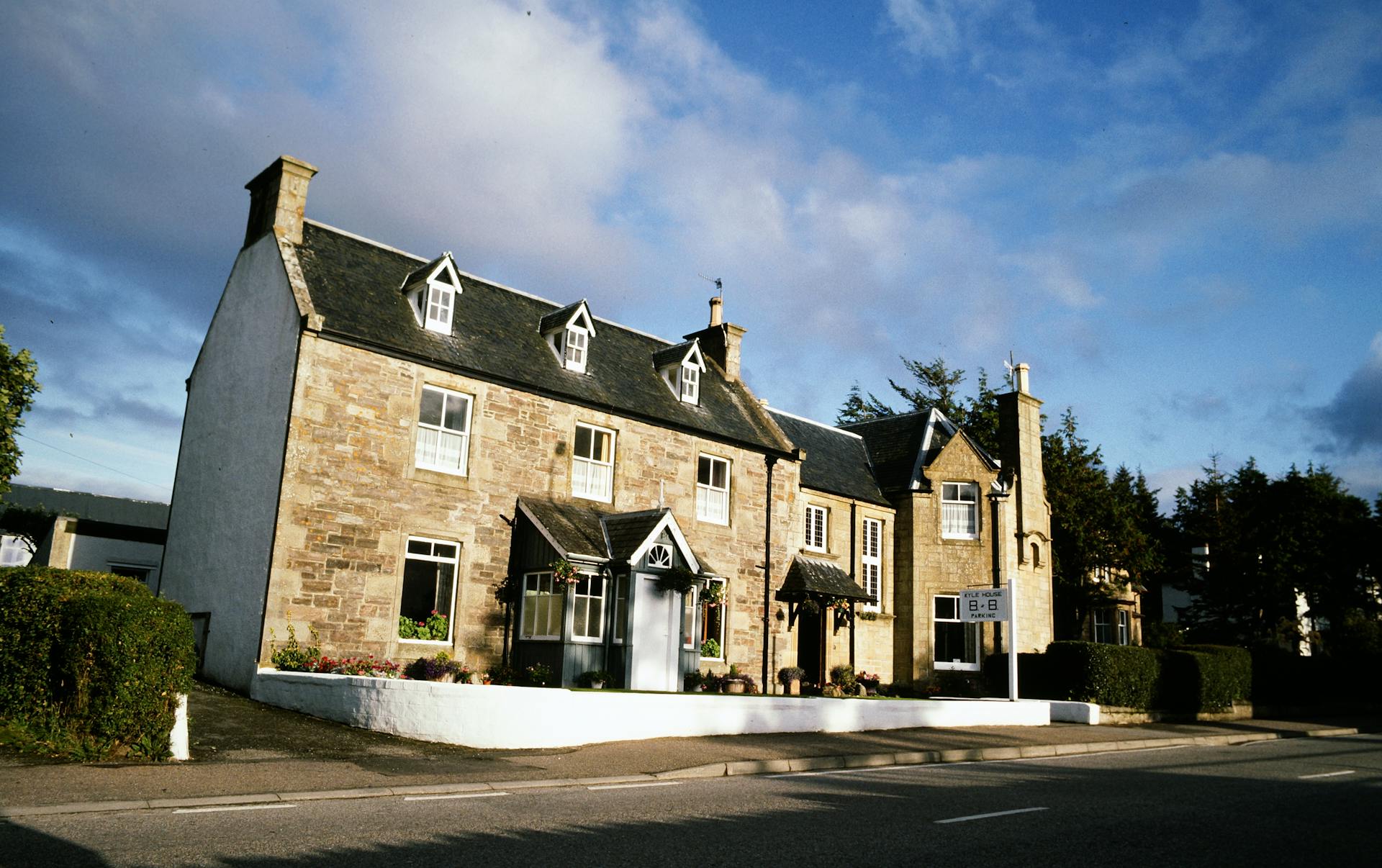
Scottish homes have never been merely shelters. There’s always been something warmer and more inviting about them. A quiet understanding that a visitor, no matter how tired or unexpected, deserves to feel at ease. From the tough stone bothies braced against Highland winds to the modest cottages tucked into glens and along rocky coasts, hospitality sits at the core of how things have always been done here. It’s a thread that runs quietly through centuries of Scottish life.
Before Hospitality Had A Name
A few hundred years ago, travelling around Scotland may be unpredictable, slow, and uncomfortable depending on the season. It used to take a whole day to complete a trip that appears simple today.
Helping tourists was frequently more about comprehending life's reality than it was about charity for those who lived in remote locations, especially in portions of the Highlands and islands. Everyone was eventually impacted by bad weather, challenging roads, and lengthy distances. A stranger arriving at a doorstep was not always treated as a stranger for very long.
So when someone showed up at the door after a long trek across wet moors, the welcome came naturally. Someone would poke the fire back to life. A pot of broth or barley soup went on the heat, and out came whatever the house could offer: warm bannocks, a piece of salted herring, maybe some crowdie cheese. No grand gestures. Just straightforward, practical kindness.
It wasn’t only about being nice. In days before proper inns dotted the countryside, helping strangers was how survival worked. Old travel diaries often speak of the “stranger’s seat” kept warm by the hearth. That simple custom mattered. In such an isolated, difficult country, sharing limited supplies helped tie people together when times get rough. Not because households were overflowing with spare resources. Quite the opposite in many cases. People simply shared what they had. It was an approach rooted in practicality, but it gradually became part of the culture itself.
The Kitchen Conversation
Many Scottish homes have one thing in common: people rarely stay where they were originally supposed to. The sitting room may be perfectly comfortable. Chairs may already be arranged. Yet before long, half the gathering has migrated elsewhere. Usually, the kitchen.
There is almost always something happening there. Tea is being made. Biscuits appear from a cupboard. Somebody is checking the oven while trying to finish a story. Another person offering advice that nobody asked for, but everyone listens to anyway. It is not organised. It is not particularly elegant. It works.
Older cottages revolved around the hearth because it was where daily life happened. Modern kitchens seem to have inherited that role naturally. Different century, same basic idea. People gather where people are.
Food Is Part Of The Welcome
Food occupies an interesting place in Scottish hospitality. Visitors are rarely greeted with elaborate displays. More often, hospitality arrives in familiar forms. Soup on a cold day. Shortbread alongside a cup of tea. A slice of cake appearing despite repeated assurances that nobody needs anything to eat. Some customs are almost impossible to avoid.
Anyone who has spent time in Scotland will probably recognise the gentle insistence that another helping should be taken, followed by a second insistence if the first one fails.
Traditional favourites such as Cullen skink, cranachan and Scotch broth remain popular for good reason. They are comforting, familiar and closely tied to family gatherings. Yet the lasting memory is often not the dish itself. It is who shared it.
Making Space In Modern Homes
Hospitality has adapted over the years because homes have changed. Properties are often smaller than people imagine. Spare rooms have become home offices. Dining areas double as workspaces. Storage is a constant consideration, especially in flats and compact houses. None of that seems to prevent people from inviting others over. Extra chairs are found. Tables are extended. Guests stand comfortably around countertops when every seat disappears. Somehow it all comes together.
Practical storage has become increasingly important in these spaces. Many homeowners favour solutions that help keep living areas organised without making them feel crowded. Compact options such as small wine racks, provide storage without demanding too much room. The goal is rarely to impress. It is simply to make the space work.
Familiar Across Scotland
Scotland contains an extraordinary range of communities. Coastal villages, island settlements, busy cities and rural towns each have their own character. The accents change. The local recommendations change. Even the weather seems to behave differently depending on where someone happens to be standing. Yet visitors often notice a common thread. People talk. A quick question can become a conversation. Directions frequently come with restaurant suggestions. Asking about a local landmark may lead to a story connected to it.
Looking Forward
As fresh faces move into Scotland and visitor numbers keep climbing, the basic rules of home hospitality continue to shift and settle in their own way. Today’s owners mix respect for older values with the realities of modern living, ensuring the true character of Scottish homes stays welcoming and within reach.
Ultimately, this approach shows that real hospitality needs no mansion or fancy menu. It grows from openness, quiet care, and the readiness to share whatever is at hand. That honest way of doing things explains why Scottish homes have managed to welcome people so well across hundreds of years and why the tradition still feels so alive.
Before Hospitality Had A Name
A few hundred years ago, travelling around Scotland may be unpredictable, slow, and uncomfortable depending on the season. It used to take a whole day to complete a trip that appears simple today.
Helping tourists was frequently more about comprehending life's reality than it was about charity for those who lived in remote locations, especially in portions of the Highlands and islands. Everyone was eventually impacted by bad weather, challenging roads, and lengthy distances. A stranger arriving at a doorstep was not always treated as a stranger for very long.
So when someone showed up at the door after a long trek across wet moors, the welcome came naturally. Someone would poke the fire back to life. A pot of broth or barley soup went on the heat, and out came whatever the house could offer: warm bannocks, a piece of salted herring, maybe some crowdie cheese. No grand gestures. Just straightforward, practical kindness.
It wasn’t only about being nice. In days before proper inns dotted the countryside, helping strangers was how survival worked. Old travel diaries often speak of the “stranger’s seat” kept warm by the hearth. That simple custom mattered. In such an isolated, difficult country, sharing limited supplies helped tie people together when times get rough. Not because households were overflowing with spare resources. Quite the opposite in many cases. People simply shared what they had. It was an approach rooted in practicality, but it gradually became part of the culture itself.
The Kitchen Conversation
Many Scottish homes have one thing in common: people rarely stay where they were originally supposed to. The sitting room may be perfectly comfortable. Chairs may already be arranged. Yet before long, half the gathering has migrated elsewhere. Usually, the kitchen.
There is almost always something happening there. Tea is being made. Biscuits appear from a cupboard. Somebody is checking the oven while trying to finish a story. Another person offering advice that nobody asked for, but everyone listens to anyway. It is not organised. It is not particularly elegant. It works.
Older cottages revolved around the hearth because it was where daily life happened. Modern kitchens seem to have inherited that role naturally. Different century, same basic idea. People gather where people are.
Food Is Part Of The Welcome
Food occupies an interesting place in Scottish hospitality. Visitors are rarely greeted with elaborate displays. More often, hospitality arrives in familiar forms. Soup on a cold day. Shortbread alongside a cup of tea. A slice of cake appearing despite repeated assurances that nobody needs anything to eat. Some customs are almost impossible to avoid.
Anyone who has spent time in Scotland will probably recognise the gentle insistence that another helping should be taken, followed by a second insistence if the first one fails.
Traditional favourites such as Cullen skink, cranachan and Scotch broth remain popular for good reason. They are comforting, familiar and closely tied to family gatherings. Yet the lasting memory is often not the dish itself. It is who shared it.
Making Space In Modern Homes
Hospitality has adapted over the years because homes have changed. Properties are often smaller than people imagine. Spare rooms have become home offices. Dining areas double as workspaces. Storage is a constant consideration, especially in flats and compact houses. None of that seems to prevent people from inviting others over. Extra chairs are found. Tables are extended. Guests stand comfortably around countertops when every seat disappears. Somehow it all comes together.
Practical storage has become increasingly important in these spaces. Many homeowners favour solutions that help keep living areas organised without making them feel crowded. Compact options such as small wine racks, provide storage without demanding too much room. The goal is rarely to impress. It is simply to make the space work.
Familiar Across Scotland
Scotland contains an extraordinary range of communities. Coastal villages, island settlements, busy cities and rural towns each have their own character. The accents change. The local recommendations change. Even the weather seems to behave differently depending on where someone happens to be standing. Yet visitors often notice a common thread. People talk. A quick question can become a conversation. Directions frequently come with restaurant suggestions. Asking about a local landmark may lead to a story connected to it.
Looking Forward
As fresh faces move into Scotland and visitor numbers keep climbing, the basic rules of home hospitality continue to shift and settle in their own way. Today’s owners mix respect for older values with the realities of modern living, ensuring the true character of Scottish homes stays welcoming and within reach.
Ultimately, this approach shows that real hospitality needs no mansion or fancy menu. It grows from openness, quiet care, and the readiness to share whatever is at hand. That honest way of doing things explains why Scottish homes have managed to welcome people so well across hundreds of years and why the tradition still feels so alive.
Jump to

Callum Fraser
Author
Callum Fraser isn't just a writer about Scotland; he's a product of its rugged landscape and rich history. Born and raised in Perthshire, with the Highlands as his backyard, his love for the nation's stories was kindled by local storytellers and long walks through ancient glens.
This passion led him to pursue a degree in Scottish History from the University of Edinburgh. For over 15 years, Callum has dedicated himself to exploring and documenting his homeland, fusing his academic knowledge with essential, on-the-ground experience gained from charting road trips through the Cairngorms, hiking the misty Cuillins of Skye, and uncovering the secrets of traditional recipes in his family's kitchen.
As the Editor-in-Chief and Lead Author for Scotland's Enchanting Kingdom, Callum's mission is simple: to be your most trusted guide. He combines meticulous research with a storyteller's heart to help you discover the authentic magic of Scotland — from its best-kept travel secrets to its most cherished traditional recipes.
Latest Articles
Popular Articles