Easy 3-Ingredient Shortbread Recipe (Perfect Every Time)
Make this easy shortbread recipe with just 3 ingredients. Get my foolproof 1:2:3 method, pro crumb tip and kid-friendly variations in one clear guide.
Author:Callum FraserDec 09, 202551.9K Shares753.4K Views
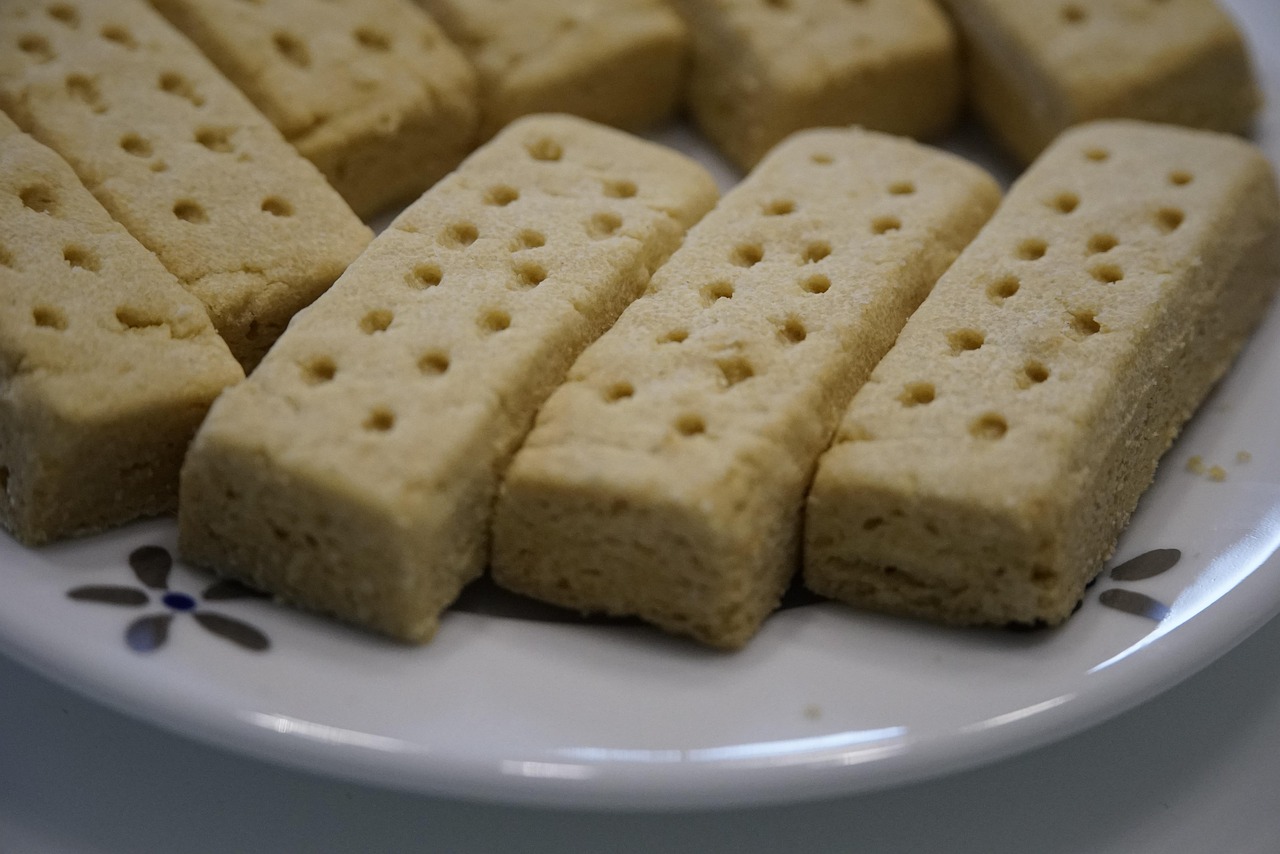
Why I Keep Coming Back To This Easy Shortbread Recipe
I’ve baked a lot of cookies, but I keep returning to one very simple shortbread recipe. For me, shortbread is the pinnacle of simple baking. When made correctly, it delivers a uniquely tender, buttery snap that is far superior to any ordinary cookie.
My goal here is to help you bypass the disappointments of tough or dry results and get as close as possible to that old-fashioned, buttery biscuit you’d expect from a proper tea room.
The sheer simplicity of thetraditional shortbread recipe(just flour, butter, and sugar) is what hides its brilliance. The core aspiration of anyone searching for the "best shortbread" is reliability-a method that is both effortless and guaranteed to yield that classic, melt-in-your-mouth texture.
I’m going to share the two pillars I rely on: the classic 1:2:3 ratio by weight and careful control of dough temperature. This guide gives you my definitive, uncomplicated method so every batch feels worthy of being called your best shortbread yet.
Understanding The Simple Shortbread Ingredients
To craft truly authentic and tender shortbread, I think it helps to respect the role of each component. That mindset is what keeps your biscuits consistently good instead of hit-or-miss.
The Essential Ingredients
My go-to easy shortbreadrecipe 3 ingredients is based on the famous 1:2:3 ratio by weight (1 part sugar, 2 parts butter, 3 parts flour). This pattern keeps the sweetness low and the butter high-exactly what we want.
- Butter:This is non-negotiable for me-it must be high-quality unsalted butter. The butter must be softened, but still cool enough that it holds its shape.
- Sugar:I advocate for sifted powdered sugar (confectioner's sugar). Powdered sugar gives the softest, most melt-in-the-mouth texture and is the most forgiving option, especially if you’re making a traditional shortbread recipe easy for the first time.
- Flour: Simple plain flour (all-purpose flour) is the reliable base.
The Pro Secret For An Unbeatable Crumb
My Key for a More Tender Crumb: While the classic recipe uses only three ingredients, I find that substituting 1/4 of the total flour volume with rice flour or cornstarchis the professional secret.
This subtle change further inhibits gluten and is, in my professional experience, the single most effective way to guarantee the superior, melt-in-your-mouth texture of true traditional scottish shortbread recipe.
My Expert Take: When working with so few shortbread ingredients, quality is paramount. I always prioritize weighing the ingredients for accuracy; it's the biggest step you can take toward foolproof baking.
Classic Easy Shortbread Recipe
Shortbread Ingredients
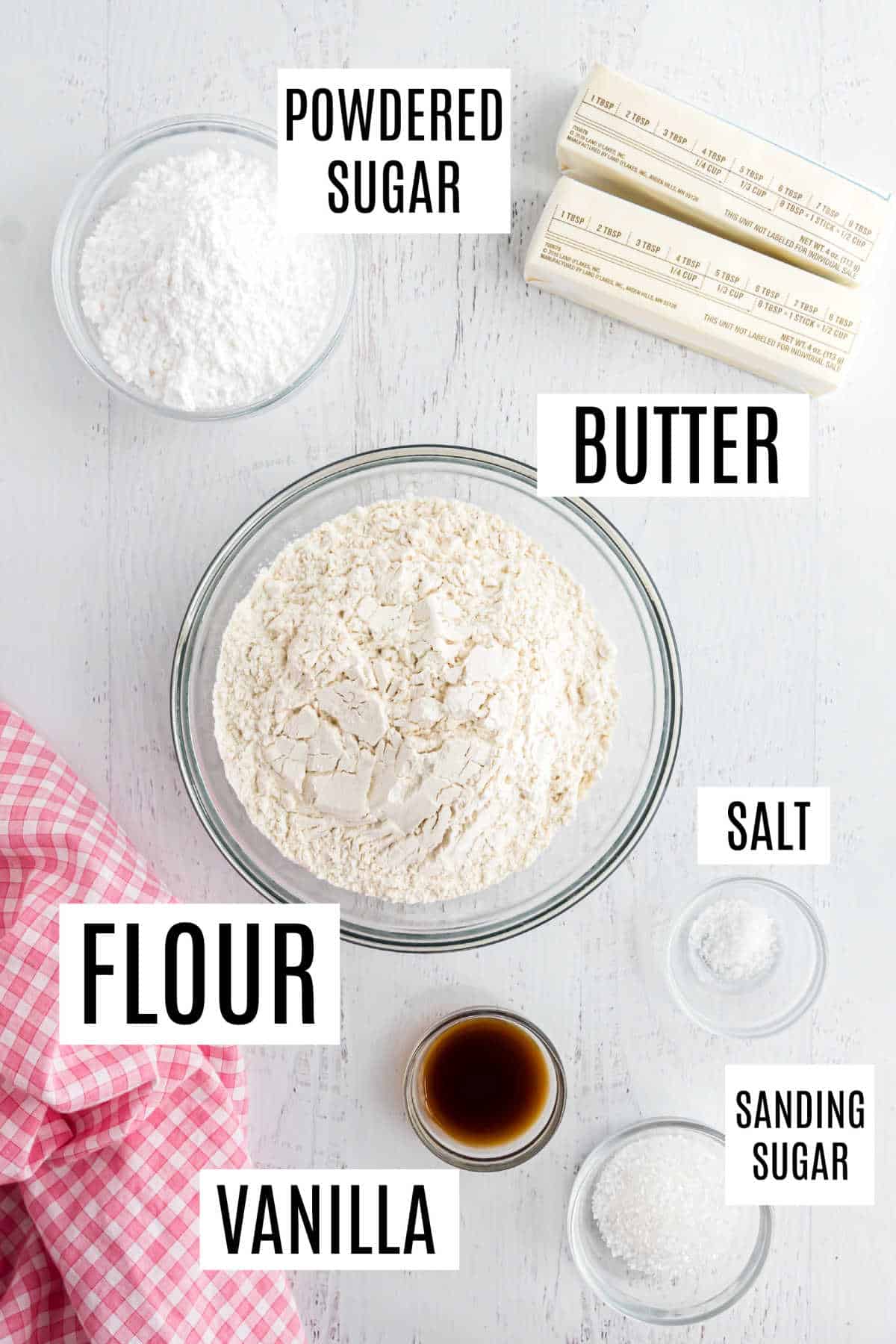
This recipe yields about 20–24 pieces and is the one I use most often:
- 200 grams unsalted butter, softened
- 100 grams powdered sugar
- 300 grams plain flour (all-purpose)
- 1/4 teaspoon fine salt (or 30 grams cornstarch/rice flour if using my pro secret, reducing the flour accordingly)
Instructions For Quick Shortbread Perfection
Step 1: Prepare The Pan And Oven
Line an 8 × 8 inch (20 × 20 cm) metal pan with parchment paper. Preheat oven to the lower range: 300 to 330°F (150–165°C).
Step 2: Cream The Butter
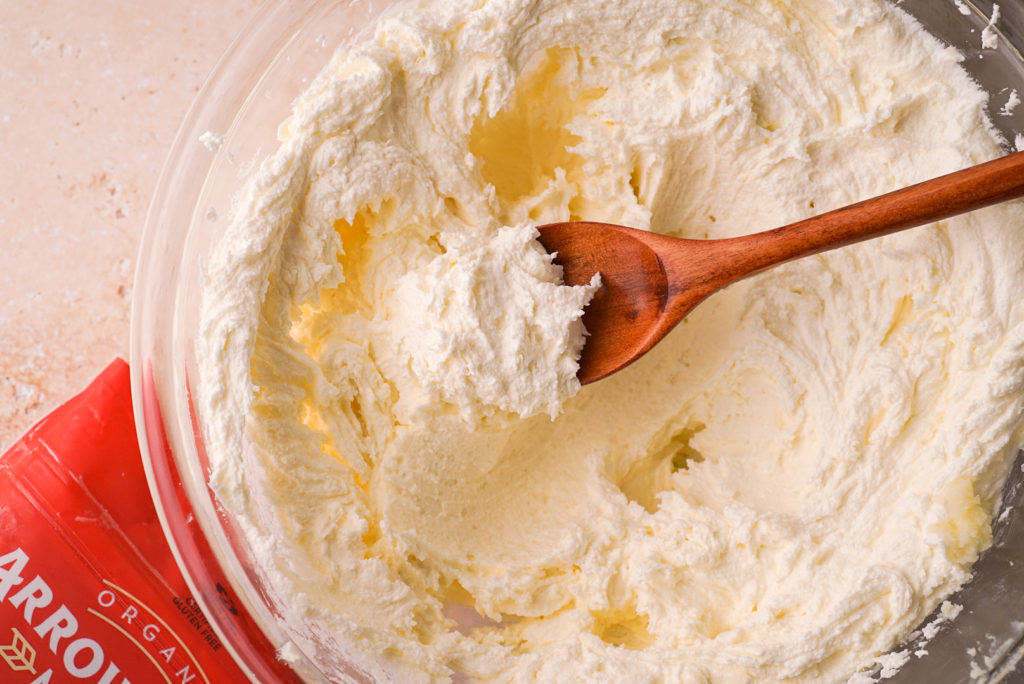
In a large bowl, beat the softened butter until it's smooth and creamy (about 1 minute). Unlike many cookies, we do not aim for light and fluffy; over-creaming incorporates too much air, which detracts from the dense, short texture.
Step 3: Add Sugar And Salt
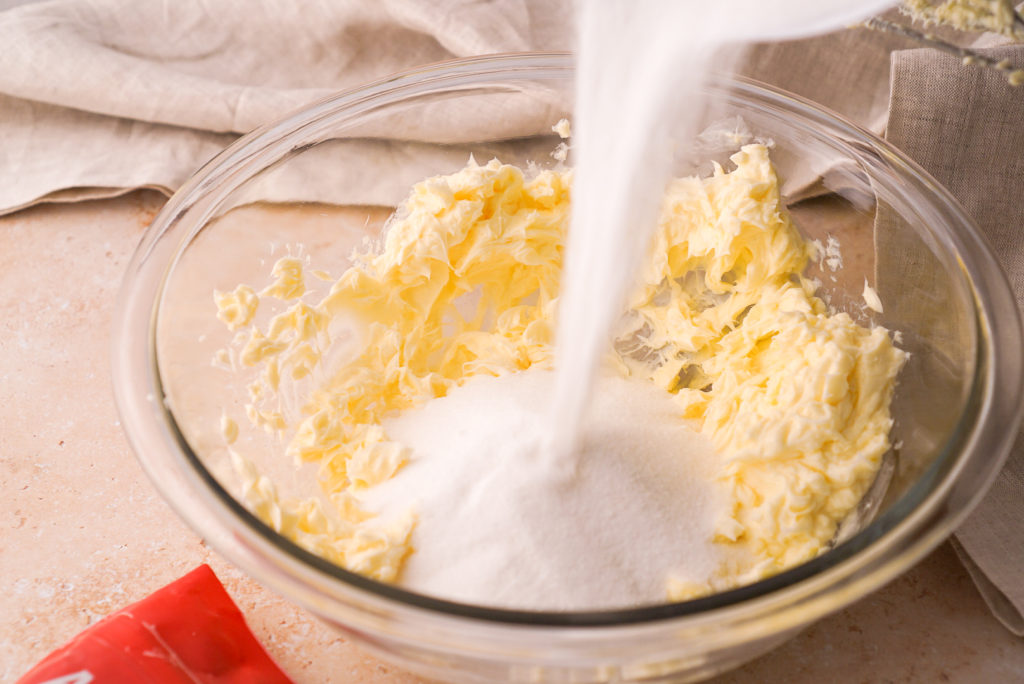
Then add the powdered sugar and salt. Mix until it looks like a soft, pale paste. This is the stage where you don't mind beating well; the trouble starts only once the flour goes in.
Step 4: Mix To The Clay Stage And Incorporate Flour
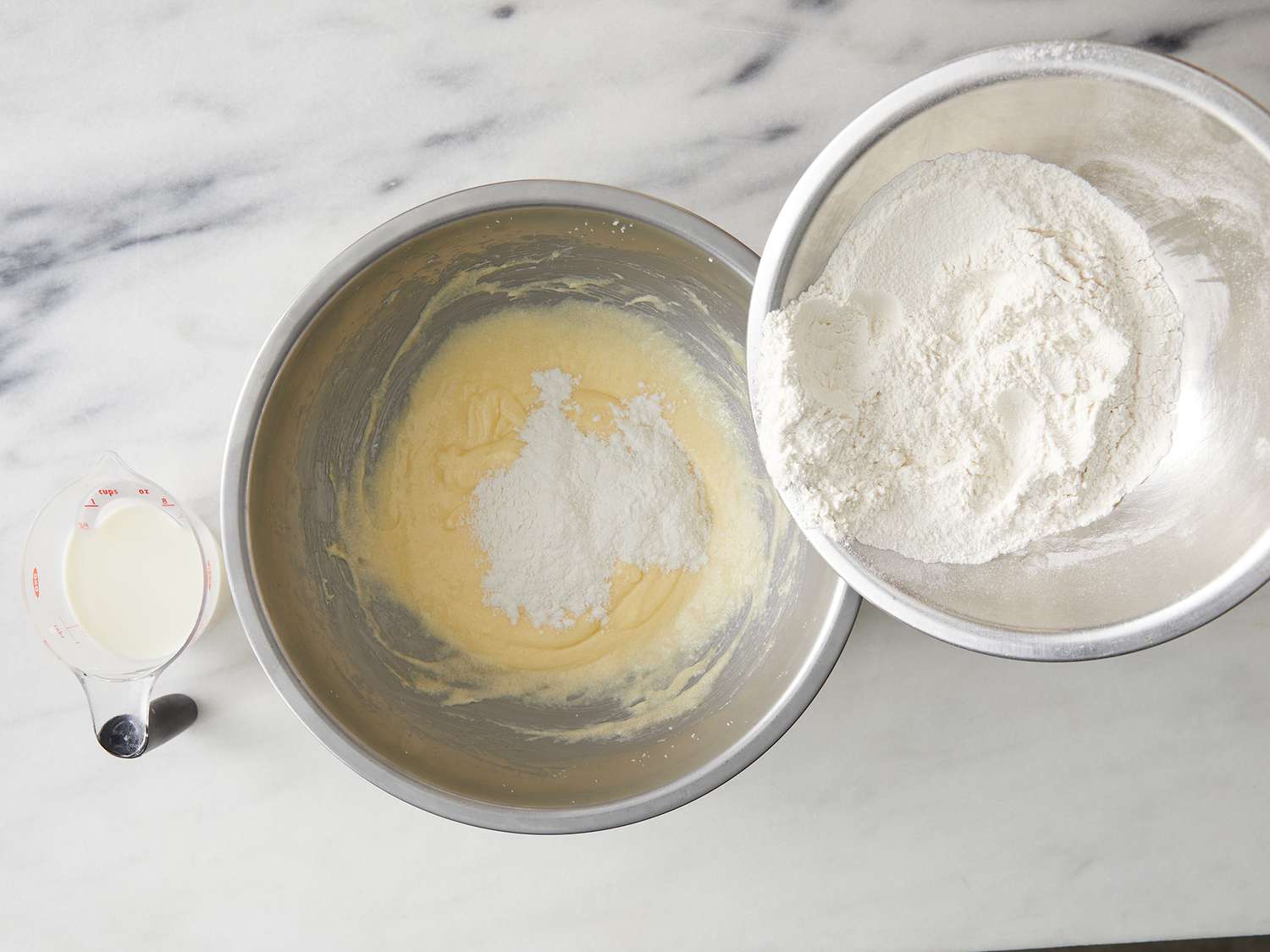
Add the flour in two stages, mixing on low speed only until the mixture forms a soft mass. The texture that works best for me is a bit like modelling clay: it doesn't stick, but it holds together when squeezed. Stop mixing the instant you no longer see dry flour. If using vanilla, add it with the first flour addition.
Step 5: Press, Dock, And Chill
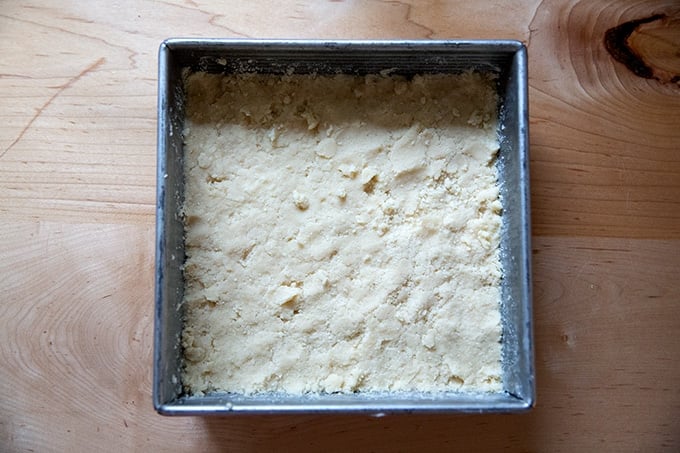
Press the dough firmly into an even layer in the lined pan. Then, I prick the surface all over with a fork (docking). Slide the pan into the fridge for 15–20 minutes. Chilling is essential for holding a sharp edge.
Step 6: Bake Gently
I bake until the top looks dry and set and the edges are just starting to turn pale gold. This typically takes 30–40 minutes at 300°F or 25–35 minutes at 325°F. Trust the color, not the clock.
Step 8: Cut While Warm, Cool In The Pan
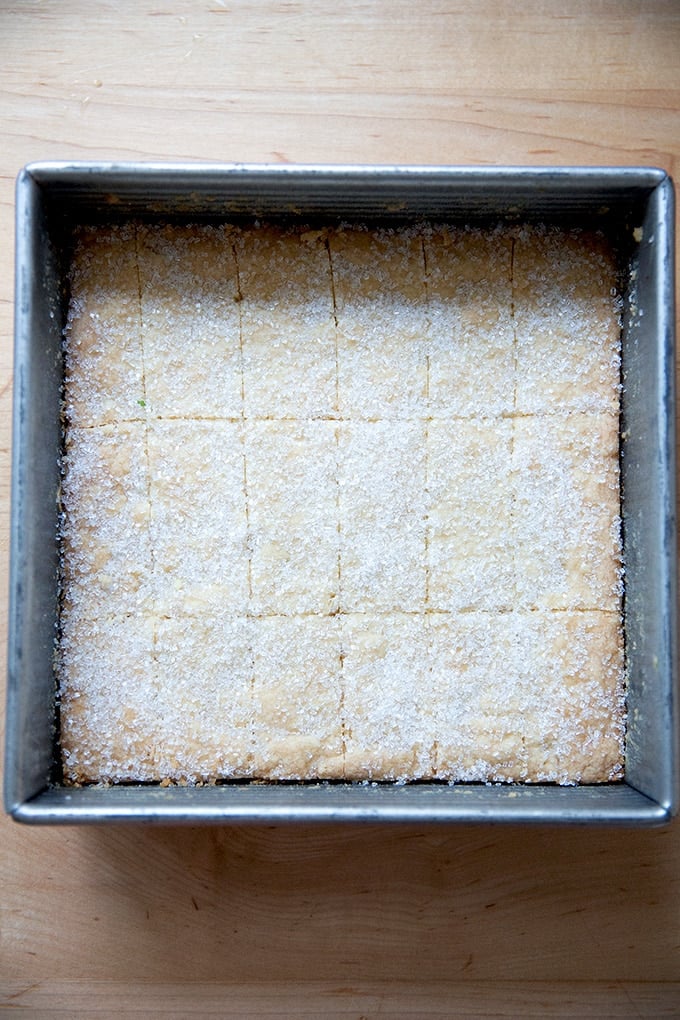
I let the slab sit for about 5 minutes, then slice it into fingers or squares while it’s still warm. I leave the biscuits in the pan until they are completely cool-hey crisp as they cool.
Three Ways I Shape The Dough (From Easiest To Fanciest)
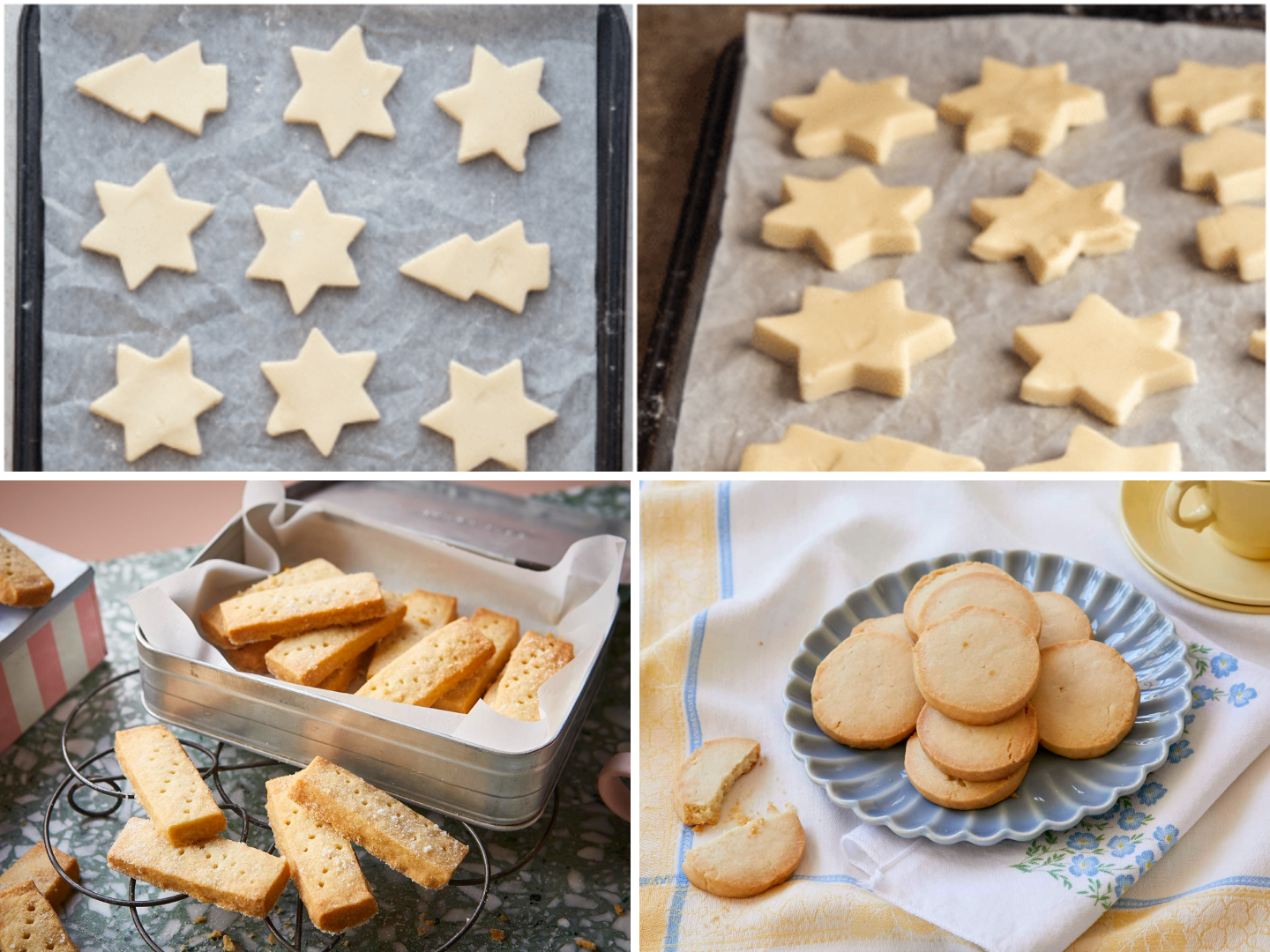
What I really like about this dough is how flexible it is. With the same base, you can go in three directions:
- Pan-Baked Slab (My Everyday Choice):This is the method I described above-press, dock, chill, bake, slice. It’s the least fiddly and works beautifully as an easy shortbread recipe for kids because there's no rolling required.
- Little Rounds Pressed with a Glass:If you want something prettier, chill the dough, shape it into small balls, and then press each one flat on the tray with the bottom of a glass dipped in sugar. I aim for discs about 6 mm thick.
- Rolled and Cut Shapes:When I want shortbread that looks like it came from a bakery box (closer to a formal Scottish shortbread recipe), I roll the chilled dough out between two sheets of parchment, cut out the shapes, transfer them to a tray, chill again, dock, and bake.
Troubleshooting: Tricks To Perfect Shortbread
If you ask me, "What is the trick to shortbread?" it all comes down to avoiding the basic errors that activate gluten and cause toughness.
1. The Shortbread Is Dry Or Floury
My Fix: I weigh the flour wherever I can. If the raw dough is still dry crumbs after mixing, you might add a teaspoon of milk at a time until it holds together more easily, but usually the fix is just to mix a little longer until it resembles soft clay.
2. The Biscuits Spread Or Lose Their Shape
My Fix: This happens when butter starts too soft or the dough goes into the oven warm. Always ensure the butter is soft enough to press but not greasy, and I always chill the shaped dough or filled pan for at least 20 minutes before baking.
3. The Texture Is Tough Instead Of Crumbly
My Fix: This means I've kept mixing after the flour went in and developed too much gluten. These days I keep the mixer on low the moment flour arrives, stop as soon as I no longer see dry flour, and finish pulling the dough together with my hands instead of extra beating.
Easy Flavor Variations I Actually Use
Once the base is working, I find it's easy to introduce simple flavor variations to your shortbread, whether you're making an easy shortbread recipe for kidsor a sophisticated treat.
- Vanilla Shortbread: Add 2 teaspoons of vanilla extract to the butter and sugar. It doesn’t change the structure, but the aroma is wonderful.
- Lemon or Orange Shortbread: I take 1 to 2 of finely grated citrus zest and massage it into the powdered sugar with my fingertips before adding the butter. This perfumes the sugar beautifully.
- Chocolate Chip Shortbread:Stir about 1 of mini chocolate chips into the finished dough before pressing it into the pan.
- Quick Chocolate-Topped Bars:After baking and slicing the slab while warm, sprinkle a generous handful of chocolate chips over the top, let them soften, and then spread them into a thin layer. This feels much more indulgent than the effort suggests. If you’re a fan of Scottish treats featuring chocolate, you might also be interested in trying a traditional Scottish Chocolate Biscuit Cake Recipenext!
Frequently Asked Questions
How Do You Make A Really Simple Three-ingredient Shortbread?
I start with 1 part sugar, 2 parts butter, and 3 parts flour by weight. Cream the butter and sugar, mix in the flour until it feels like soft clay, press into a pan, dock, chill, and bake gently until just set and pale at the edges. This is my go-to easy shortbread recipe 3 ingredients.
What Is The 3-2-1 Rule People Talk About?
When bakers talk about the 3-2-1 rule for shortbread, they’re usually talking about 3 parts flour, 2 parts butter, and 1 part sugar, all by weight. It’s just a shorthand for the basic structure that keeps the texture crumbly but still sliceable.
What’s The Real “trick” To Good Shortbread?
For me there are five little tricks rather than one big one: Weigh the flour, use quality butter, don’t beat once the flour is in, chill the dough before baking, and bake low and slow until only lightly golden. If I get those five right, the batch is guaranteed to turn out the way I want.
What Is The Difference Between Shortbread And Sugar Cookies?
The difference is structural. Shortbread has no eggs and no raising agents, yielding a rich, crumbly, tender biscuit. Sugar cookies are sturdier and sweeter because they include eggs, which help them hold shape for intricate cutting and decorating. If you're chasing something that really feels like a traditional biscuit, you need this high-fat, no-egg dough.
Final Thoughts
If there’s one thing I’ve learned from testing small batches of shortbread over and over, it’s that simple doesn’t mean fragile. Once you understand the basic pattern-three parts flour, two parts butter, one part sugar-and get a feel for the dough, you can treat this as your house shortbread recipe and bend it in all sorts of directions without losing that buttery, crumbly core.
You can press it into a pan on a busy evening, roll and cut it when you want something pretty, or load it with citrus, lavender, or chocolate when you’re in the mood to experiment. And because it uses only three everyday ingredients, plus my expert tweak for texture, it ensures that every batch you make will be your best shortbread recipe ever.
If you find this version useful, bookmark it or print it and scribble your own tweaks in the margins. That’s usually how a straightforward recipe turns into your ultimate kitchen staple.
Don't Miss: Famous Scottish Desserts
Jump to
Why I Keep Coming Back To This Easy Shortbread Recipe
Understanding The Simple Shortbread Ingredients
Classic Easy Shortbread Recipe
Three Ways I Shape The Dough (From Easiest To Fanciest)
Troubleshooting: Tricks To Perfect Shortbread
Easy Flavor Variations I Actually Use
Frequently Asked Questions
Final Thoughts

Callum Fraser
Author
Callum Fraser isn't just a writer about Scotland; he's a product of its rugged landscape and rich history. Born and raised in Perthshire, with the Highlands as his backyard, his love for the nation's stories was kindled by local storytellers and long walks through ancient glens.
This passion led him to pursue a degree in Scottish History from the University of Edinburgh. For over 15 years, Callum has dedicated himself to exploring and documenting his homeland, fusing his academic knowledge with essential, on-the-ground experience gained from charting road trips through the Cairngorms, hiking the misty Cuillins of Skye, and uncovering the secrets of traditional recipes in his family's kitchen.
As the Editor-in-Chief and Lead Author for Scotland's Enchanting Kingdom, Callum's mission is simple: to be your most trusted guide. He combines meticulous research with a storyteller's heart to help you discover the authentic magic of Scotland — from its best-kept travel secrets to its most cherished traditional recipes.
Latest Articles
Popular Articles