Happy Christmas In Scottish | Gaelic And Scots Greetings
Happy Christmas in Scottish made simple: Nollaig Chridheil meaning, beginner-friendly pronunciation, Scots greetings, and how they fit into Scottish Christmas and Hogmanay.
Author:Callum FraserDec 06, 202526.5K Shares604.3K Views
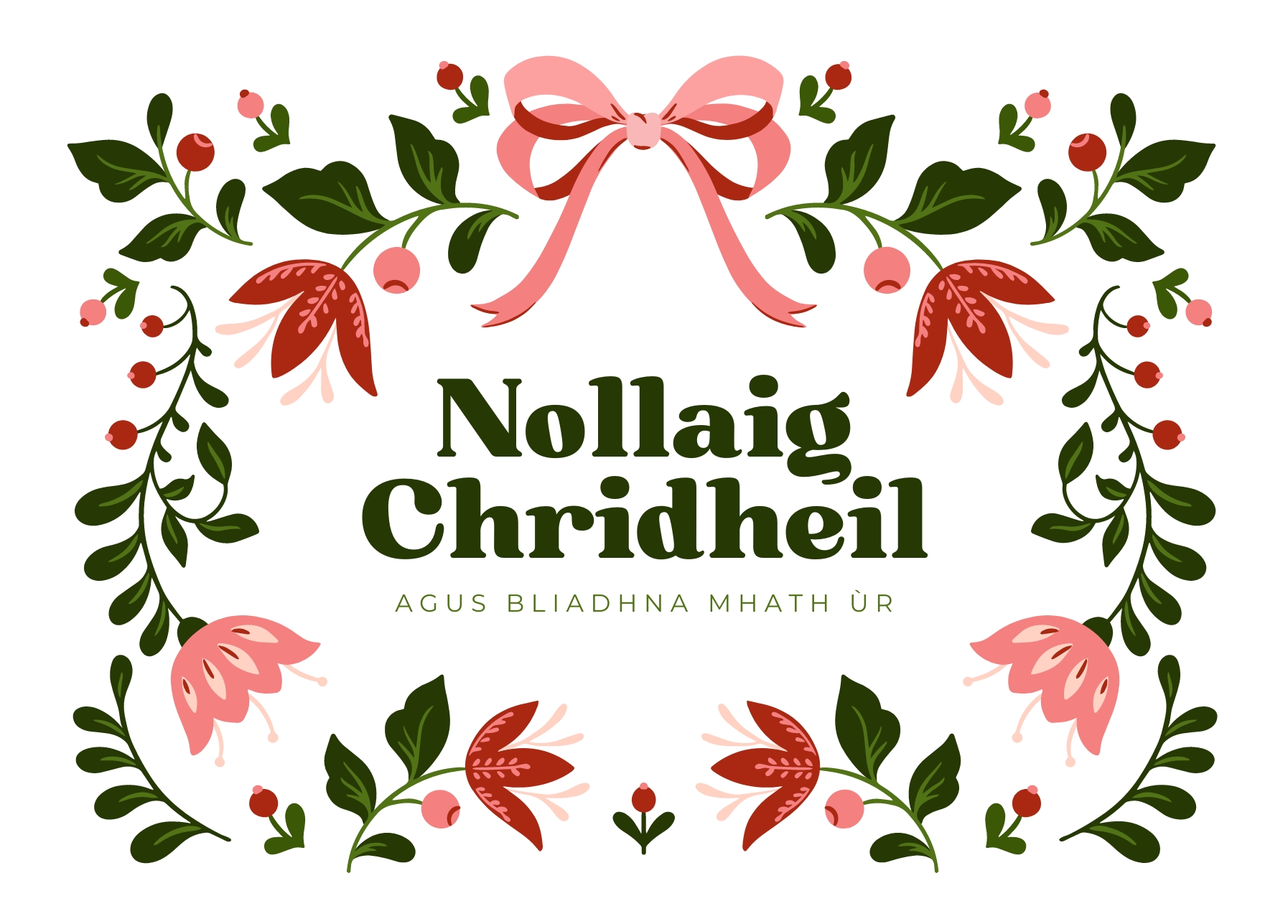
Happy Christmas In Scottish: Phrases, Pronunciation And Traditions
You’ve typed “happy Christmas in Scottish” into a search bar and landed in a tangle of phrases: some Irish, some Scottish Gaelic, a few Scots, and several that don’t explain how to say them at all. It’s no wonder many people feel nervous about choosing the right greeting, never mind pronouncing it.
As your heritage guide from Scotland’s Enchanting Kingdom, I’ll walk beside you through the phrases people actually use in Scotland, the stories behind them, and the safest ways to say them out loud. By the end, you’ll be ready to use Scottish greetings in cards, WhatsApp messages, classroom banners and around the tree or Hogmanay fire.
What Do We Mean By “Scottish”? Gaelic, Scots And English At Christmas
Before you pick a greeting, it helps to know whether you’re speaking Gaelic, Scots, or just English with a Scottish twist.
Scottish Gaelic (Gàidhlig) In Scotland Today
Scottish Gaelic is a Celtic language, related to Irish but distinct in spelling, sounds and grammar. It has its strongest roots in the Highlands and Islands, but you’ll also find Gaelic in schools, on road signs, and in community groups across Scotland.
When you use “Nollaig Chridheil”, you’re not just borrowing a pretty phrase; you’re stepping into a living language with centuries of song, story and prayer behind it.
Heritage guide’s note:A lot of learners hesitate because Gaelic looks unfamiliar on the page. Once someone breaks the sounds down for you, phrases like Nollaig Chridheilturn out to be far more approachable than they look.
Scots Language Vs “Scottish Accent”
Scots is a Germanic language, a close cousin of English, with its own rich vocabulary and literature. Phrases like “A Blythe Yule”, “A Cantie Yule”, and words such as braw(fine) or guid(good) belong to Scots, not Gaelic.
It helps to separate three ideas:
- A Scottish accent:how someone speaks English.
- The Scots language:with its own spellings and words.
- Scottish Gaelic:a Celtic language with a very different look and sound.
So:
- “A Blythe Yule”:Scots.
- “Nollaig Chridheil”:Scottish Gaelic.
- “Merry Christmas”:English, often spoken with a Scottish accent.
Why Most People Also Just Say “Merry Christmas”
In most Scottish homes you’ll hear “Merry Christmas”or “Happy Christmas”as often as any Gaelic or Scots phrase. The traditional greetings are used:
- On cards and decorations with a Scottish theme.
- In Gaelic-speaking communities.
- At cultural events, ceilidhs, or Hogmanay celebrations.
The practical rule is simple:Scottish Gaelic and Scots greetings add flavour and respect for heritage; English keeps everything accessible.
How To Say “Merry/Happy Christmas” In Scottish Gaelic
Here you’ll learn exactly how to say “happy christmas in scottish gaelic”- from the meaning of the phrase to beginner-friendly pronunciation and how to expand it into a full festive greeting.
The Core Phrase: Nollaig Chridheil
The most widely used Scottish Gaelic Christmas greeting is:
Nollaig Chridheil
- Nollaig- “Christmas”
- Chridheil- linked to cridhe, meaning “heart”
Put together, “Nollaig Chridheil”is usually translated as “Merry Christmas”or “Heartfelt Christmas.”It carries a sense of warmth and goodwill, not just a neutral holiday label. You can use it on:
- The front of a card
- A social media caption
- A banner or chalkboard in a classroom or café
Pronouncing Nollaig Chridheil (Beginner-Friendly Phonetics)
If you’ve searched for “happy christmas in scottish pronunciation”, this is the bit you’ve been looking for.
A simple guide:
- Nollaig≈ “NO-lik”(like “no” + “lick” said quickly)
- Chridheil≈ “KHREE-yel”(the “kh” like the chin loch)
Together: “NO-lik KHREE-yel.”
A few tips:
- Keep the sounds soft and flowing; Gaelic prefers gentler consonants in the middle of words.
- Don’t worry if your “kh” sound is light at first - it will improve as your ear tunes in.
- Recordings from different regions may stress syllables a little differently, and that’s normal in a living language rather than a sign you’re wrong.
Heritage guide’s note:I’ve heard plenty of first attempts at Nollaig Chridheilthat weren’t perfect, but the moment someone tries with a smile, the greeting does its job.
Saying “Merry Christmas And A Happy New Year” In Gaelic
To extend your wish, use:
Nollaig Chridheil agus Bliadhna Mhath Ùr
This means “Merry Christmas and a Good New Year.”Broken down:
- agus- “and”
- Bliadhna- “year”
- Mhath- “good” (pronounced with a v-sound)
- Ùr- “new”
Pronunciation guide:
- Bliadhna≈ “BLEE-ə-na”
- Mhath≈ “VAH”
- Ùr≈ “OOR” (like “moor” without the m)
Altogether:
“NO-lik KHREE-yel ah-gus BLEE-ə-na VAH OOR.”
This is ideal for cards, more formal messages, or any time you want the full festive wish.
Bonus Phrases: Good Night And New Year Wishes (Oidhche Mhath, Bliadhna Mhath Ùr)
If you’d like a couple of extra phrases ready for Hogmanay:
- Oidhche mhath:“Good night”, roughly “OY-hee VAH.”
- Bliadhna Mhath Ùr:on its own, works as “Happy New Year”, pronounced “BLEE-ə-na VAH OOR.”
You’ll often hear “Bliadhna Mhath Ùr”shouted or toasted at midnight as the new year arrives.
Also Read: Scottish Prayers
Scots Yule Greetings: A Blythe Yule And Other Festive Phrases
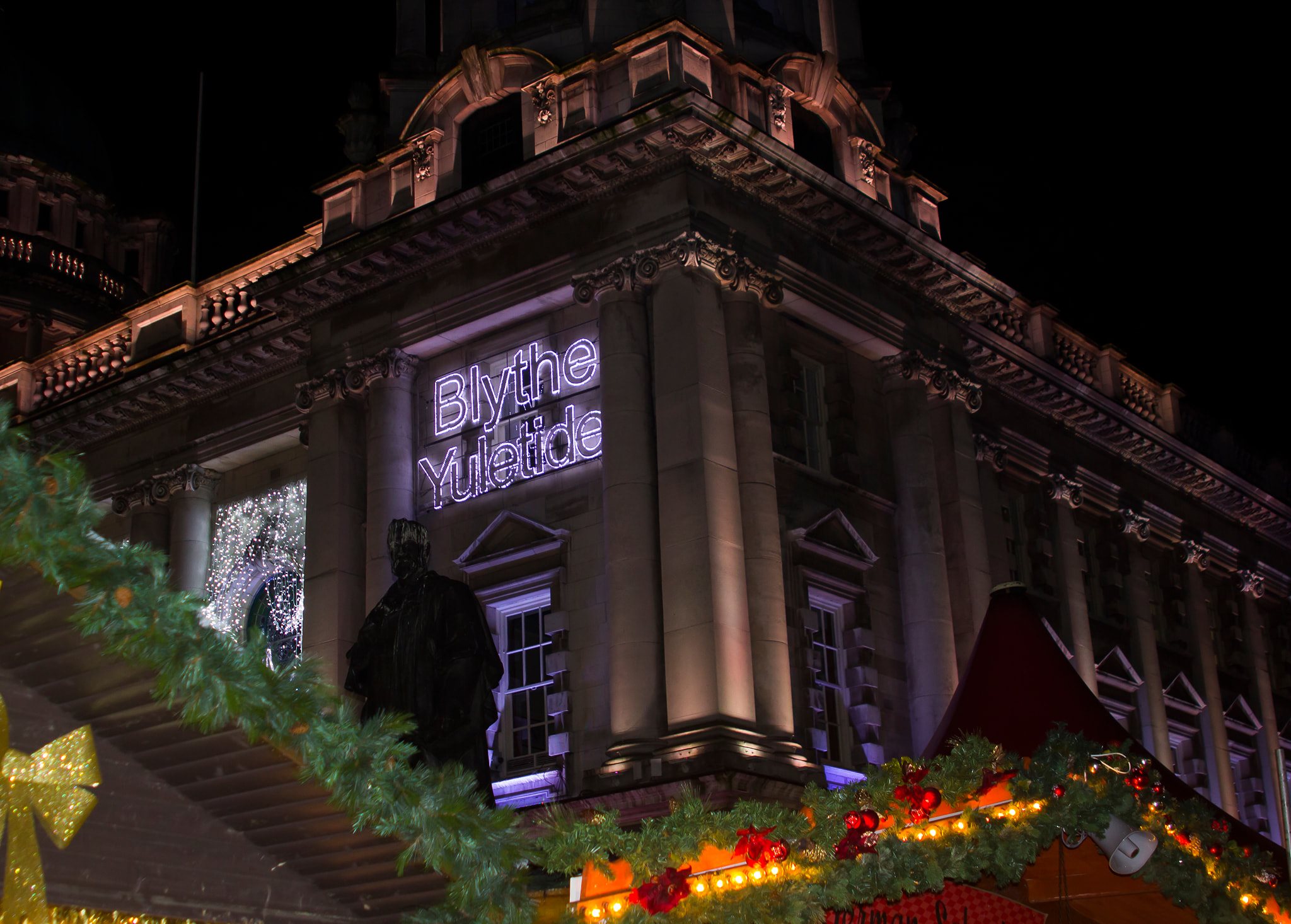
A Blythe Yule: Meaning And Pronunciation
A classic Scots greeting you might see in older texts or on themed cards is:
A Blythe Yule(or A Blithe Yule)
- Blythe/blithe:joyful, cheerful, carefree
- Yule:the older winter festival, linked to midwinter feasts
Pronunciation is very close to English:
- A:like the “a” in “a cup”
- Blythe:rhymes with “scythe”
- Yule:“YOOL”
Together: “uh BLYTHE YOOL.”
A Cantie Yule And Other Cheerful Scots Variants
Scots has a gift for cosy, expressive words:
- “A Cantie Yule tae ye”:cantiemeans cheerful, lively, upbeat.
- “Haud yersel a braw Christmas”:brawmeans fine or excellent.
If you’re thinking specifically of “merry christmas in scots”, these lines are excellent candidates. You can write:
- “A Blythe Yule and a braw New Year when it comes.”
- “A Cantie Yule tae ye and yours.”
Heritage guide’s note:When I hear A Blythe Yulein an old song or story, it feels like a doorway back to the big midwinter gatherings where folk, food, and firelight filled the dark.
Fun, Friendly Scots Wishes (e.g., “Have A Braw Christmas!”)
For social media, group chats, or anyone who enjoys Scots flavour, try:
- “Have a braw Christmas and a guid New Year when it comes!”
- “A Blythe Yule and a braw Hogmanay!”
If you’ve searched for “happy christmas in scottish funny”, these are the kind of light-hearted lines that fit: they’re playful, informal, and still rooted in genuine Scots vocabulary.
Comparison Table: Scottish Gaelic, Scots, Irish And Welsh Christmas Greetings
Two-Column Snapshot Of Celtic Christmas Greetings
| Language & greeting | Pronunciation & how to use it |
| Scottish Gaelic - “Nollaig Chridheil” | Pronounced “NO-lik KHREE-yel”. Use as your core Gaelic “Merry/Happy Christmas” greeting. |
| Scottish Gaelic - “Nollaig Chridheil agus Bliadhna Mhath Ùr” | Pronounced “NO-lik KHREE-yel ah-gus BLEE-ə-na VAH OOR”. Use for “Merry Christmas and a Happy New Year.” |
| Scots - “A Blythe Yule” | “uh BLYTHE YOOL”. A joyful, slightly old-fashioned Scots way to say “Merry Christmas.” |
| Scots - “A Cantie Yule” | “uh CAN-tee YOOL”. Cheerful Yule greeting; works well on cards and in friendly messages. |
| Irish Gaelic - “Nollaig shona dhuit/daoibh” | “NULL-ig HUN-uh gwit/gweev”. Means “Happy Christmas to you” (singular/plural) in Irish, not Scottish Gaelic. |
| Welsh - “Nadolig Llawen” | “na-DOL-ig HLAH-wen”. The standard Welsh “Merry Christmas.” |
How Not To Mix Up Nollaig Chridheil And Nollaig Shona
It’s very common to confuse:
- Scottish Gaelic:Nollaig Chridheil
- Irish Gaelic:Nollaig shona dhuit/daoibh
Irish changes the phrase depending on whether you’re speaking to one person(dhuit) or several(daoibh), and the spelling follows Irish rules. Scottish Gaelic uses “Nollaig Chridheil”consistently for the greeting.
A good rule:
- Speaking about Scotland or Scottish heritage- use “Nollaig Chridheil.”
- Speaking to Irish speakers or about Ireland - use “Nollaig shona…”instead.
Using Scottish Christmas Greetings In Real Life
Now we turn phrases into practice. This section gives you ready-made lines for cards, messages, and even a short conversation you can adapt.
Short Messages For Cards And Gift Tags
Try these as-is or tweak them:
- “Nollaig Chridheil!”
- “Nollaig Chridheil agus Bliadhna Mhath Ùr - wishing you a warm and peaceful festive season.”
- “A Blythe Yule tae ye and yours!”
- “Have a braw Christmas and a guid New Year when it comes.”
A useful pattern is:
- Use the Gaelic or Scots phrase as a heading.
- Add your usual English message underneath.
And if you prefer digital greetings, you can send one of our free scottish ecardsthat already feature phrases like Nollaig Chridheilor A Blythe Yule.
Sample Social Media Captions And Text Messages
A few copy-and-paste ideas:
- “Merry Christmas - or as we say in Scotland, Nollaig Chridheil!”
- “A Blythe Yule and a braw Hogmanay when it comes!”
- “Nollaig Chridheil agus Bliadhna Mhath Ùr to friends near and far.”
A Mini Conversation At A Scottish Christmas Gathering (Illustrative Dialogue)
Picture arriving at a friend’s house in the Highlands on Christmas Eve:
- You:Nollaig Chridheil!
- Host:Nollaig Chridheil agus Bliadhna Mhath Ùr - come away in, there’s plenty to eat!
- Later, at the door:Bliadhna Mhath Ùr when it comes, and thanks again for a braw Christmas!
This mix of Gaelic greeting, Scots adjectives and English sentences is very natural in modern Scotland.
Use It Today: Quick Checklist
To move from reading to using:
- Pick one phrase- Nollaig Chridheilor A Blythe Yule.
- Repeat it aloudthree times using the simple phonetics.
- Send one messagetoday that includes the phrase.
- Write it on a card or note, even just as a practice line.
- Listen onceto an online audio clip for confirmation.
Scottish Christmas And Hogmanay Traditions Behind The Greetings

From Yule To Christmas: A Short History In Scotland
Long before modern Christmas, Scotland marked Yulewith midwinter feasts, fire, and gatherings that brightened the dark months. Later, Christian Christmas layered itself over these older customs.
For several centuries, especially after the Reformation, Christmas was downplayed or even banned in Scotland. It didn’t fully re-emerge as a widely observed public holiday until the 20th century.
That history helps explain why Hogmanay-New Year’s Eve-took centre stage as the big winter celebration.
Why Hogmanay Became So Big (and Christmas Was Once Banned)
According to heritage organisations such as the National Trust for Scotland, Christmas Day was not even a recognised public holiday in Scotland until 1958, after centuries of bans and disapproval following the Reformation.
With Christmas restrictions in place, people poured their energy into Hogmanay and the rich Hogmanay customsthat grew up around New Year’s Eve. Community gatherings, midwinter feasts and festive cheer were channelled into the New Year instead of 25 December, and over time deep-rooted, uniquely Scottish Hogmanay traditions took shape:
- Community gatherings and street celebrations grew into the big winter parties that elsewhere often centred on Christmas.
- Household traditions like first-footing became essential customs, carrying wishes for luck and prosperity into the new year.
- Songs and seasonal customs that might be linked to Christmas in other countries were, in many Scottish communities, woven into New Year celebrations instead.
So when you pair “Nollaig Chridheil”(Merry Christmas) with “Bliadhna Mhath Ùr”(Happy New Year), you’re honouring both the relatively recent prominence of Christmas and the long-standing emphasis on the New Year, which was historically the bigger winter celebration in Scotland.
First-Footing, Fire Festivals And Other Winter Customs
Common winter customs associated with Hogmanay include:
- First-footing:the first visitor after midnight brings symbolic gifts such as coal, shortbread, or whisky for luck.
- Fireballs and torchlit processions:in some towns, people swing fire or carry torches to drive away the old year.
- Ceilidhs and songs:dances and music where Scots and Gaelic phrases slip naturally into lyrics and toasts.
Heritage guide’s note:I always picture a first-footer stepping over the threshold with a lump of coal and a bottle of whisky, greeted by smiles and a chorus of Bliadhna Mhath Ùras everyone squeezes into the hallway.
Traditional Foods And Drinks You Might Toast With Your Greeting
You might hear your Scottish greeting over:
- Shortbreadand black bunshared at Hogmanay
- A dram of whiskyraised with “Slàinte!”
- A table full of roast dishes, Stovies, or whatever your host’s family tradition includes
Learn More: Traditional Scottish Christmas
Teaching And Learning: Nollaig Chridheil For Kids, Classrooms And Beginners
If you’re a parent, teacher, or just starting with Gaelic yourself, this section turns Nollaig Chridheilinto a simple, memorable learning experience.
Three-Step Method For Teaching The Phrase To Children
A straightforward method that works well in classrooms or at home:
- See it:Display “Nollaig Chridheil” on a banner, slide, or big sheet of paper.
- Say it slowly:Break it into “NO-lik” and “KHREE-yel” and let children echo each part.
- Use it in context:Have them say it to classmates, family, or even a favourite toy.
Children remember language best when they hear it, say it, and connect it to a real moment.
Simple Classroom Or Family Activities (Banners, Cards, Songs)
You can turn the phrase into a mini project:
- Make a class wall displaywith Nollaig Chridheiland drawings of Scottish winter scenes.
- Create homemade cardswhere the front says Nollaig Chridheiland the inside has an English message.
- Use a simple call-and-response- one group says “Nollaig”, the other replies “Chridheil”.
These activities help children feel that Gaelic belongs in their world, not just in textbooks.
Recommended Resources To Hear Authentic Pronunciation
To hear how fluent speakers say the phrases:
- Look for Gaelic learning appsor websites with audio clips of festive vocabulary.
- Check education platforms and teaching packsthat include seasonal phrases.
- Search video platforms around December for Gaelic Christmas greetingsfrom broadcasters or community groups.
Tips To Use These Phrases Confidently And Respectfully
When Gaelic Is Appropriate Vs When Scots Or English Works Best
A simple guide:
Use Gaelic phraseslike Nollaig Chridheiland Bliadhna Mhath Ùrwhen:
- You’re greeting Gaelic speakers or attending Gaelic-themed events.
- You want to highlight Scottish heritage in cards, projects, or tourism material.
Use Scots phraseslike A Blythe Yuleor Have a braw Christmaswhen:
- Your audience recognises Scots words like braw, cantie, or guid.
- You’re aiming for a cosy, informal Scottish feel.
Use English(“Merry Christmas”, “Happy Christmas”) when:
- You’re unsure who’ll read the message.
- You want maximum clarity with a light Scottish twist around it.
Understanding Dialect Differences And Not Worrying About Perfection
Pronunciations and word choices vary across Scotland. One family may favour Scots words; another might lean more on Gaelic; another uses English with the odd phrase sprinkled in.
The important things are:
- A sincere intention to wish someone well.
- A willingness to learn and adjust if someone shares a local variant.
- A relaxed approach to minor mistakes.
Heritage guide’s note:The only times I’ve seen a greeting fall flat were when someone was too embarrassed to speak. Imperfect but warm is always better than perfect silence.
Where To Go Next If You’d Like To Learn More Gaelic Or Scots
If this has sparked a deeper interest, consider:
- Introductory Gaelic courses, either online or in local community settings.
- Scots language resourcesthat explain vocabulary, poems and songs.
- Exploring trusted cultural and heritage organisations that share stories, videos, and language snippets through the year.
As you add more phrases, Nollaig Chridheilbecomes part of a bigger personal journey into Scottish languages rather than a one-off curiosity.
FAQs About Saying Happy Christmas In Scottish
How Do You Say “Merry Christmas” In Scottish?
You can say “Nollaig Chridheil”in Scottish Gaelic or “A Blythe Yule”in Scots, and many people also simply say “Merry Christmas” in Scottish English.
How Do You Say “Merry Christmas” In Scottish Gaelic?
The most common Scottish Gaelic greeting is “Nollaig Chridheil”, a warm festive phrase roughly pronounced “NO-lik KHREE-yel.”
What Does Nollaig Chridheil Mean?
“Nollaig Chridheil”is Scottish Gaelic for “Merry” or “Heartfelt Christmas,”combining the word for Christmas with a term linked to “heart.”
How Do You Pronounce Nollaig Chridheil?
A simple pronunciation guide is “NO-lik KHREE-yel,”with the “kh” sound like the chin “loch.”
How Do The Scottish Say Merry Christmas
Most people in Scotland are happy with “Merry Christmas,”but you’ll also hear Gaelic “Nollaig Chridheil”and Scots greetings like “A Blythe Yule.”
Is Happy Christmas Different From Merry Christmas In Scottish Gaelic?
In English the wording changes, but in Scottish Gaelic “Nollaig Chridheil”comfortably covers both “Merry Christmas” and “Happy Christmas.”
How Do You Write Merry Christmas And A Happy New Year In Scottish Gaelic?
Write “Nollaig Chridheil agus Bliadhna Mhath Ùr”, which means “Merry Christmas and a Good New Year.”
What’s The Difference Between Scottish Gaelic And Irish Christmas Greetings?
Scottish Gaelic usually uses “Nollaig Chridheil,”while Irish commonly uses “Nollaig shona dhuit/daoibh.”They’re related but follow different spelling and grammar rules.
How Do You Say Good Night In Scottish Gaelic?
You can say “Oidhche mhath”for “Good night,” pronounced roughly “OY-hee VAH.”
Are There Funny Or Slang Ways To Say Happy Christmas In Scottish?
Yes. Friendly Scots-style lines like “Have a braw Christmas and a guid New Year!”feel playful and informal while staying good-natured.
How Do I Put A Scottish Christmas Greeting In A Card?
Use the Scottish phrase as a heading-“Nollaig Chridheil!”or “A Blythe Yule!”-and then write your usual English message underneath.
Is It OK To Use Irish Nollaig Shona When Speaking To Scots?
It isn’t offensive, but it’s more thoughtful to use “Nollaig Chridheil”for Scottish Gaelic contexts and “Nollaig shona”for Irish ones.
Why Is Hogmanay So Important When Talking About Scottish Christmas Greetings?
Because Christmas was historically restricted in Scotland, New Year’s Hogmanaycelebrations became the main winter festival, with their own greetings and customs.
What Are Some Traditional Scottish Christmas Customs?
Common customs include family gatherings, festive foods like shortbread and black bun, and, around New Year, first-footing and fire festivals.
How Can Children Learn Merry Christmas In Scottish Gaelic?
Start with “Nollaig Chridheil”on a banner, practise the simple phonetics together, then use it in greetings, songs, or homemade cards.
Is Scottish Gaelic Still Spoken Today?
Yes. Scottish Gaelic is a living language, especially in the Highlands and Islands, with schools, media, and cultural organisations supporting it.
How Do You Say Happy New Year In Scottish Gaelic?
You say “Bliadhna Mhath Ùr”for “Happy New Year,” often paired with “Nollaig Chridheil”in festive greetings.
Quick Recap
You now have everything you need to bring a touch of Scotland into your festive season: Nollaig Chridheil, Nollaig Chridheil agus Bliadhna Mhath Ùr, A Blythe Yule, and some playful Scots wishes for good measure. You’ve seen how they relate to Scottish Gaelic, Scots, Christmas, Yule, and Hogmanay, and how to use them naturally in cards, conversations, and classrooms.
If one phrase stood out to you, practise it once more now and send it to someone you care about. A single heartfelt “Nollaig Chridheil” can carry a whole world of Scottish heritage across the miles.
Jump to
Happy Christmas In Scottish: Phrases, Pronunciation And Traditions
What Do We Mean By “Scottish”? Gaelic, Scots And English At Christmas
How To Say “Merry/Happy Christmas” In Scottish Gaelic
Scots Yule Greetings: A Blythe Yule And Other Festive Phrases
Comparison Table: Scottish Gaelic, Scots, Irish And Welsh Christmas Greetings
Using Scottish Christmas Greetings In Real Life
Scottish Christmas And Hogmanay Traditions Behind The Greetings
Teaching And Learning: Nollaig Chridheil For Kids, Classrooms And Beginners
Tips To Use These Phrases Confidently And Respectfully
FAQs About Saying Happy Christmas In Scottish
Quick Recap

Callum Fraser
Author
Callum Fraser isn't just a writer about Scotland; he's a product of its rugged landscape and rich history. Born and raised in Perthshire, with the Highlands as his backyard, his love for the nation's stories was kindled by local storytellers and long walks through ancient glens.
This passion led him to pursue a degree in Scottish History from the University of Edinburgh. For over 15 years, Callum has dedicated himself to exploring and documenting his homeland, fusing his academic knowledge with essential, on-the-ground experience gained from charting road trips through the Cairngorms, hiking the misty Cuillins of Skye, and uncovering the secrets of traditional recipes in his family's kitchen.
As the Editor-in-Chief and Lead Author for Scotland's Enchanting Kingdom, Callum's mission is simple: to be your most trusted guide. He combines meticulous research with a storyteller's heart to help you discover the authentic magic of Scotland — from its best-kept travel secrets to its most cherished traditional recipes.
Latest Articles
Popular Articles