Markinch, Fife: History, Walks, Map & Top Things To Do
Markinch, a historic Fife village, offers a quiet alternative to the coast. Get the full guide to St Drostan's Church, Balbirnie Park, and local Highland Games.
Author:Callum FraserDec 07, 202588 Shares88.3K Views
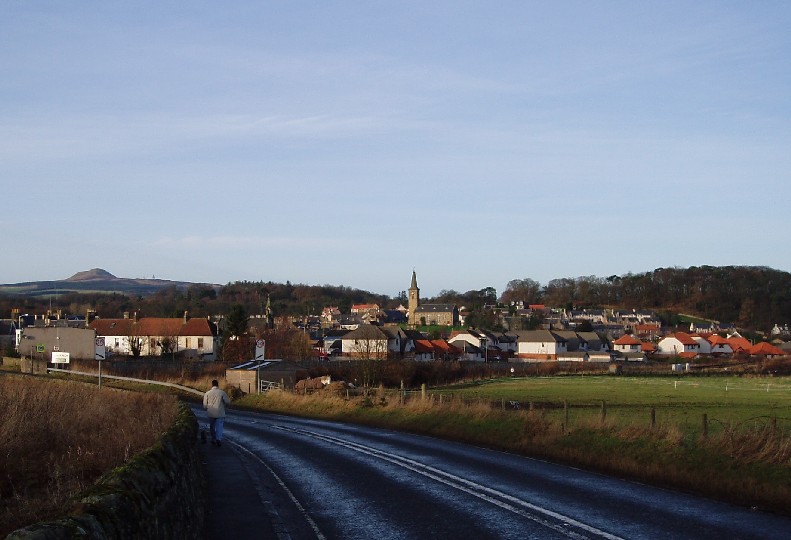
Markinch: Discover Fife's Ancient Capital, History & Things To Do
When you think of the Kingdom of Fife, grand castles and sweeping coastlines often come to mind. But the true story of this enchanting region isn't told only in the tourist hot spots; it lives on in its quieter corners.
This historic village, nestled in the heart of Fife, is far more than a stop on the train line or a neighbor to the modern New Town of Glenrothes. Markinchis, in fact, one of Fife’s original seats of power-a sleeping giant of Scottish history.
This guide will uncover its deep past, help you navigate its local life, and show you exactly why this often-overlooked spot deserves a prime place on your Scottish itinerary.
Markinch At A Glance
| Status | Historic village and parish in central Fife |
| Nearest town | Immediately east of Glenrothes |
| Council area | Fife |
| Postcode district | KY7 |
| Dialling code | 01592 |
| Signature sights | St Drostan’s Church; Balbirnie Park & House; Balbirnie Stone Circle |
| Post town | GLENROTHES |
Markinch's History
Early Origins And Regional Status
Markinch’s prominence emerges in the early medieval period through references to Dalginch, a legal assembly for the province of Fife. The most widely cited location for Dalginch is the Northhall cemetery mound, approximately 500 metres northeast of the parish church-an association that underpins the enduring phrase “Capital Place of Fife.”
St Drostan’s Church: Form And Chronology
St Drostan’s (Markinch Parish Church) is Category A listed. Its Romanesque tower dates to the early 12th century (c. 1200) and reflects the area’s high status under the MacDuff Earls of Fife. The nave was rebuilt between 1768 and 1788, with further 19th-century additions, creating the layered fabric seen today.
Estates And Improvement (18th–19th Centuries)
The Balbirnieestate evolved from an earlier house into a major Greek-Revivalcountry seat set within a designed landscape. As agrarian improvement spread, estate planning reshaped woodland, avenues, and parkland around the village, elements of which survive in today’s Balbirnie Parkand golf course.
Industry And Papermaking (19th–21st Centuries)
From the early 19th century, Tullis Russellpapermaking defined local employment and identity for generations. The mill’s closure in 2015marked a turning point, closing a long industrial chapter along the River Levencorridor and accelerating a shift toward a commuter/heritage economy.
Energy Transition (21st Century)
On the former industrial footprint, the RWE Markinch biomass CHPplant supplies heat to the Glenrothes Energy Network. Feasibility work has also examined green hydrogenproduction at Markinch as part of Fife’s low-carbon ambitions (Data as of December 2025).
Markinch, Fife Map
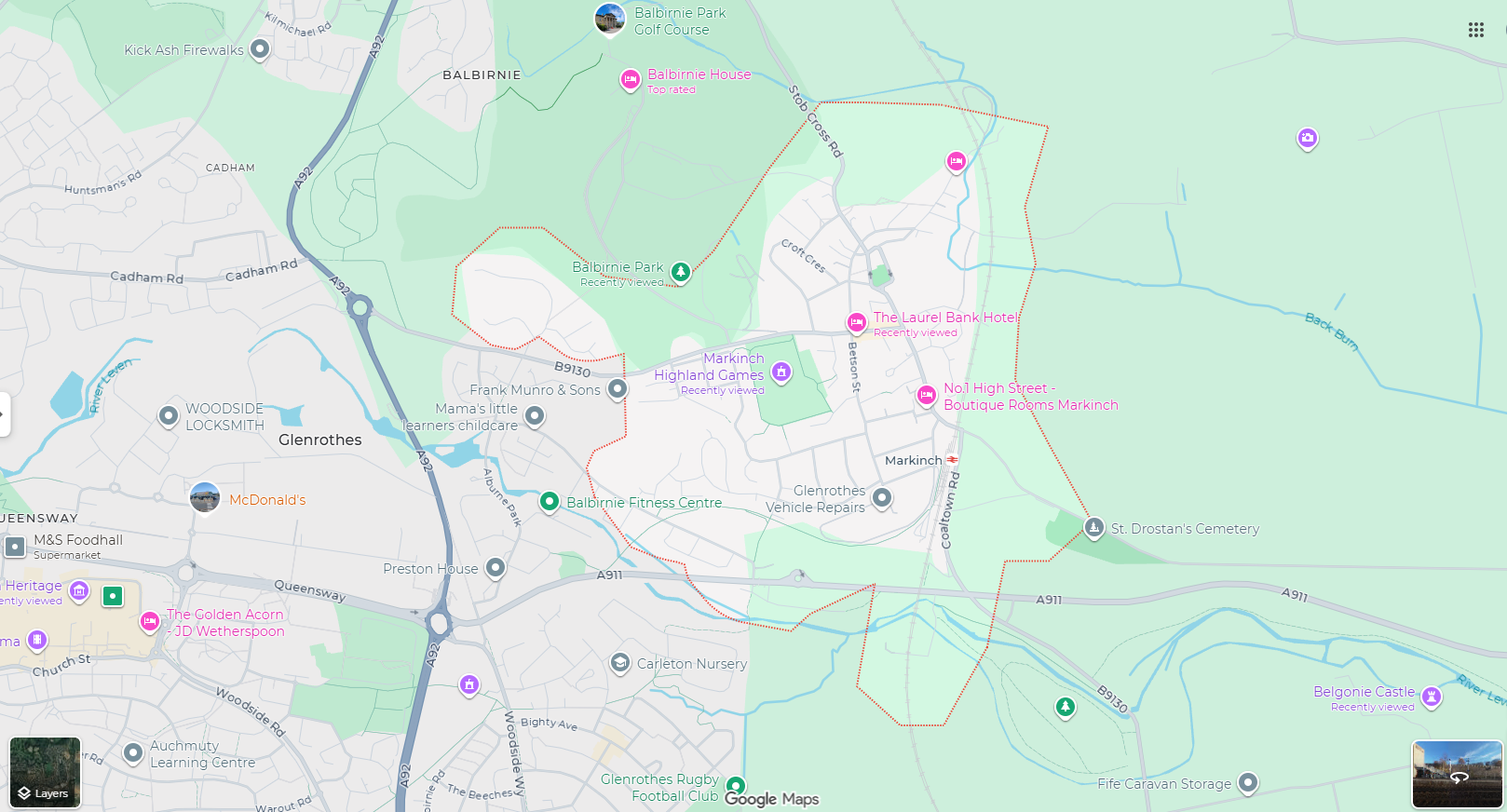
Key pins to plot on your map app (searchable terms):
- St Drostan’s (Markinch Parish Church)- Kirk Brae
- Balbirnie House Hotel- west edge of the village, within Balbirnie Park
- Balbirnie Stone Circle- northern lawns of Balbirnie Park
- Markinch railway station (MNC)- Station Road
For planning accuracy, cross-check with Fife Council (Balbirnie Park)for paths/facilities and Historic Environment Scotlandfor nearby scheduled monuments (e.g., Balfarg Henge).
For planning accuracy, cross-check with Fife Council (Balbirnie Park) for paths/facilities and with Historic Environment Scotland for nearby scheduled monuments (e.g., Balfarg Henge).
Takeaway:With these four pins and a rail overlay, you can walk the heritage–park–prehistoricloop straight from the station.
Things To Do In Markinch
Local Traditions And Strategic Geography
Markinch’s vibrant community spirit is best seen during its signature event, the annual Markinch Highland Games(traditionally held in first Sunday in Juneat John Dixon Park.), a fantastic showcase of Scottish sport and culture.
Geographically, Markinch sits in the “Markinch Gap,” a natural corridor carved by the River Leven that long favoured road and rail routes, explaining the village’s strategic location.
1. St Drostan’s (Markinch Parish Church)
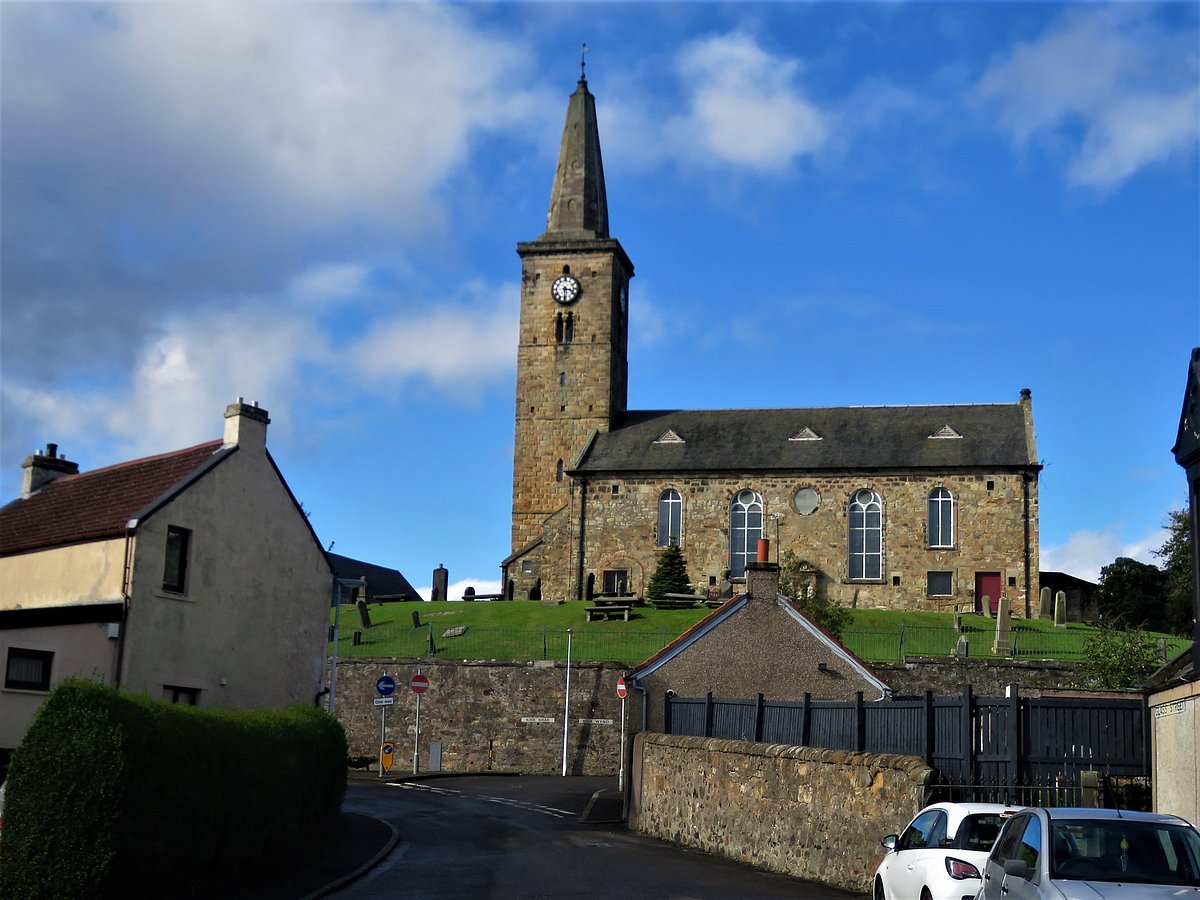
Admire the c.1200 Norman tower, the oldest standing feature in the village, which dominates the skyline and serves as your first reference point. Trace the long parish timeline using the historical plaques within the kirkyard walls.
Enjoy the kirkyard views over the village rooftops, which offer a visual link between the ancient church and the modern community.
If the church is open, step inside for interpretive details on the interior architecture and its role in Fife’s religious history. Volunteer guides are sometimes on site to share local lore.
- Highlight:12th-century Norman towerand elevated kirkyard.
- Good for:Short heritage stop, viewpoint photos, quiet reflection.
- Allow:30–45 minutes (more if open for a look inside).
2. Balbirnie Park Woodland Walks
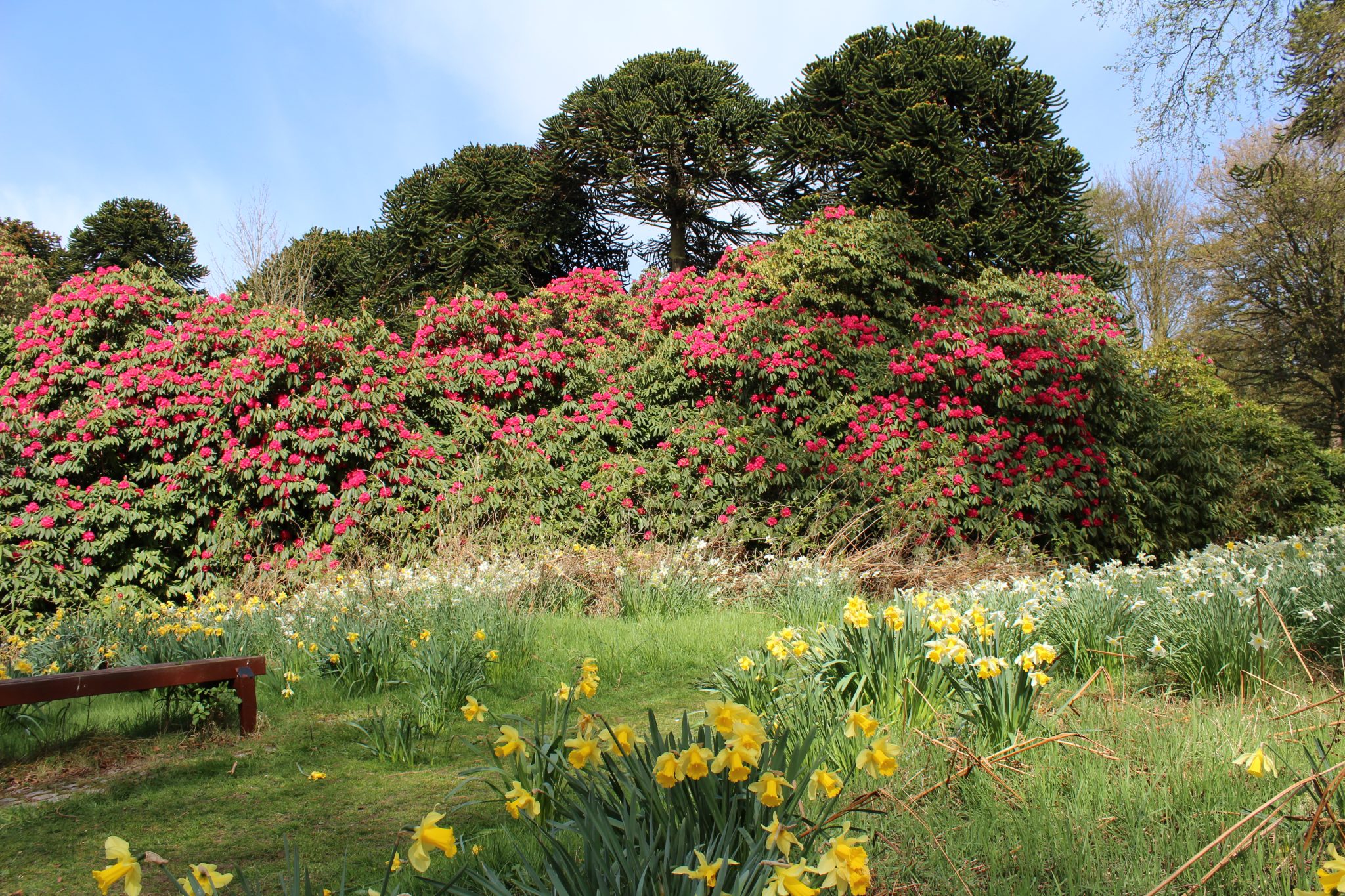
Pick up easy, waymarked paths leading directly into the Balbirnie estate grounds just west of the village center. Stroll through mature trees and broad lawns, breathing in the classic Fife parkland air.
Expect mostly gentle gradients and several pushchair and mobility-friendly stretches near the house and main avenues, perfect for a relaxed afternoon.
- Accessibility & seasonality:Core avenues near Balbirnie House are pushchair-friendly; some steeper paths lead to viewpoints. Expect snowdrops in late winter and rhododendrons in late spring.
- Terrain:Mixed woodlands, estate avenues, broad lawns; mostly gentle gradients.
- Routes:Waymarked paths; Fife Pilgrim Waycrosses the park.
- Good for:Families, picnics, leg-stretch between trains.
3. Balbirnie House (Tea, Architecture, Grounds)
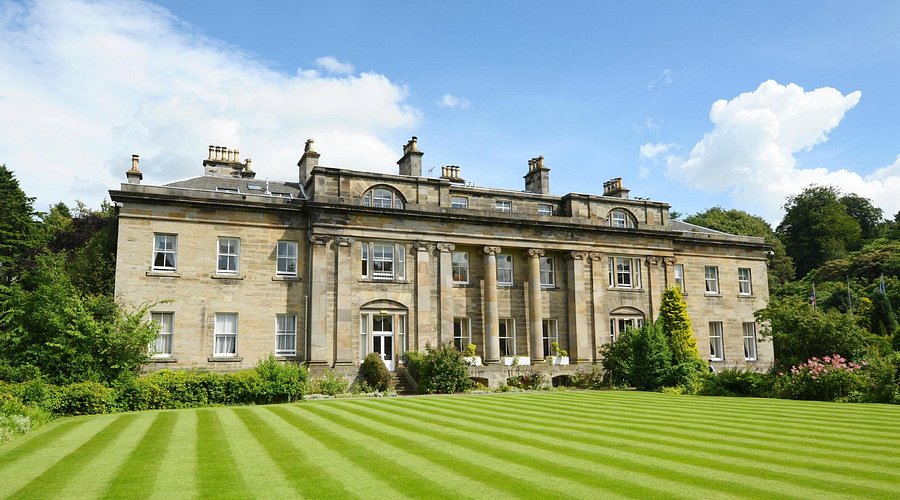
Pause for afternoon tea or a refreshing drink in the elegant surroundings of the A-listed country-house hotel. Balbirnie Houseis an excellent spot to rest before or after your walk.
Take in the imposing Georgian/Neoclassical architecture and imagine the estate life that shaped the area for centuries.
Access to the public rooms is usually restricted to guests, but the grounds and exterior viewing points are freely accessible.
- Why stop:Country-house café/tea and striking Category Aarchitecture.
- Setting:Centrepiece of a nationally significant designed landscape.
- Tip:Time your stop mid-loop for an easy rest before more walking.
4. Balbirnie Stone Circle
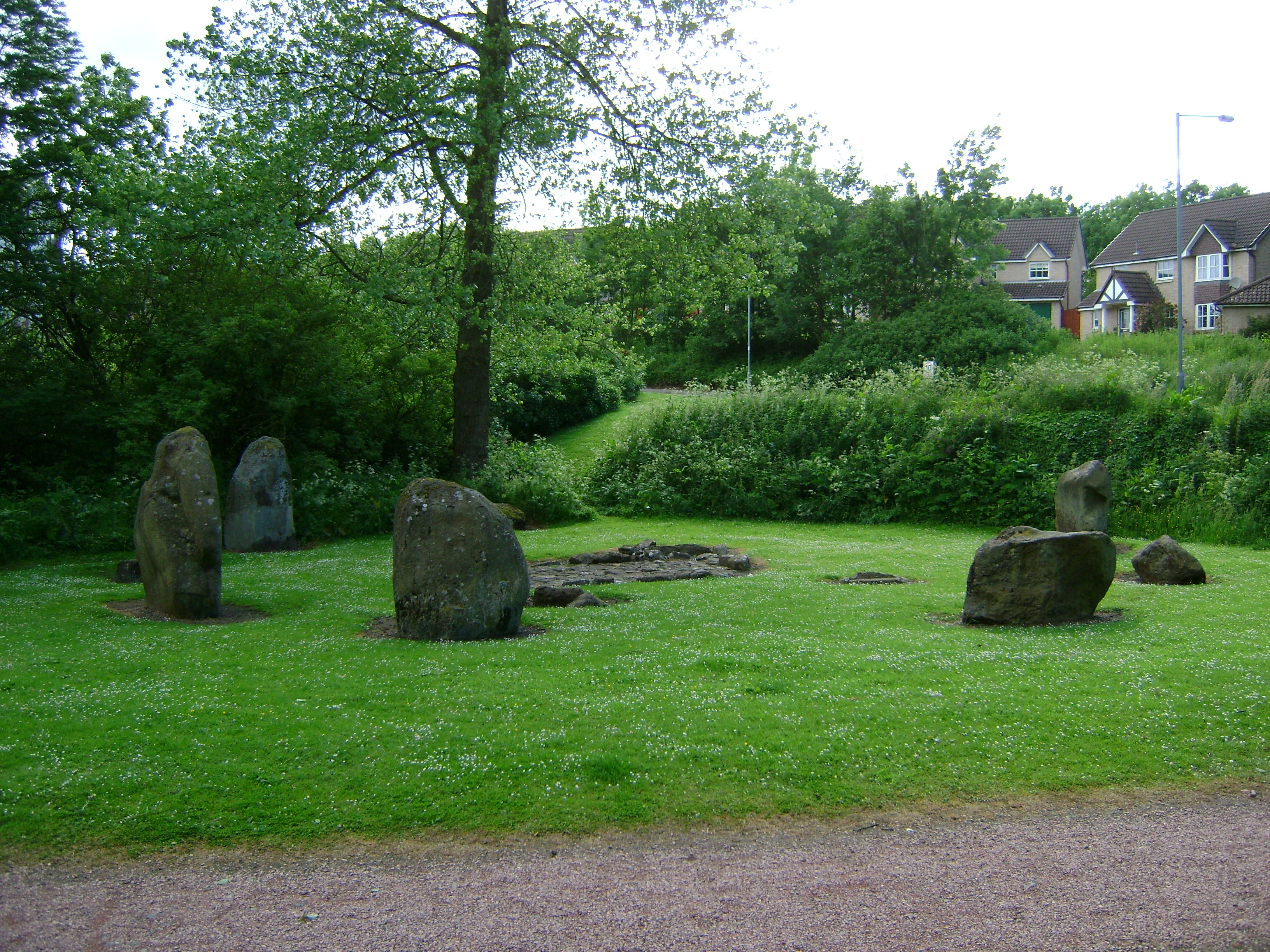
Make a short spur to the Neolithic–Bronze Age stone circle located on the park’s northern lawns, near the golf course.
This atmospheric, quick win offers a tangible link to prehistoric Fife, perfect for families and history fans seeking ancient relics. It's a scheduled monument, so remember to respect the stones and the surrounding natural area.
Note:the circle was excavated and relocated in 1970–71 during A92 roadworks-moved roughly 125 metres and reconstructed.
- Type:Relocated but evocative Neolithic–Bronze Agestone circle.
- Access:Short spur from the park’s northern lawns.
- Good for:Quick “prehistoric fix” without leaving the loop.
5. Balfarg Henge (Nearby Prehistoric Complex)
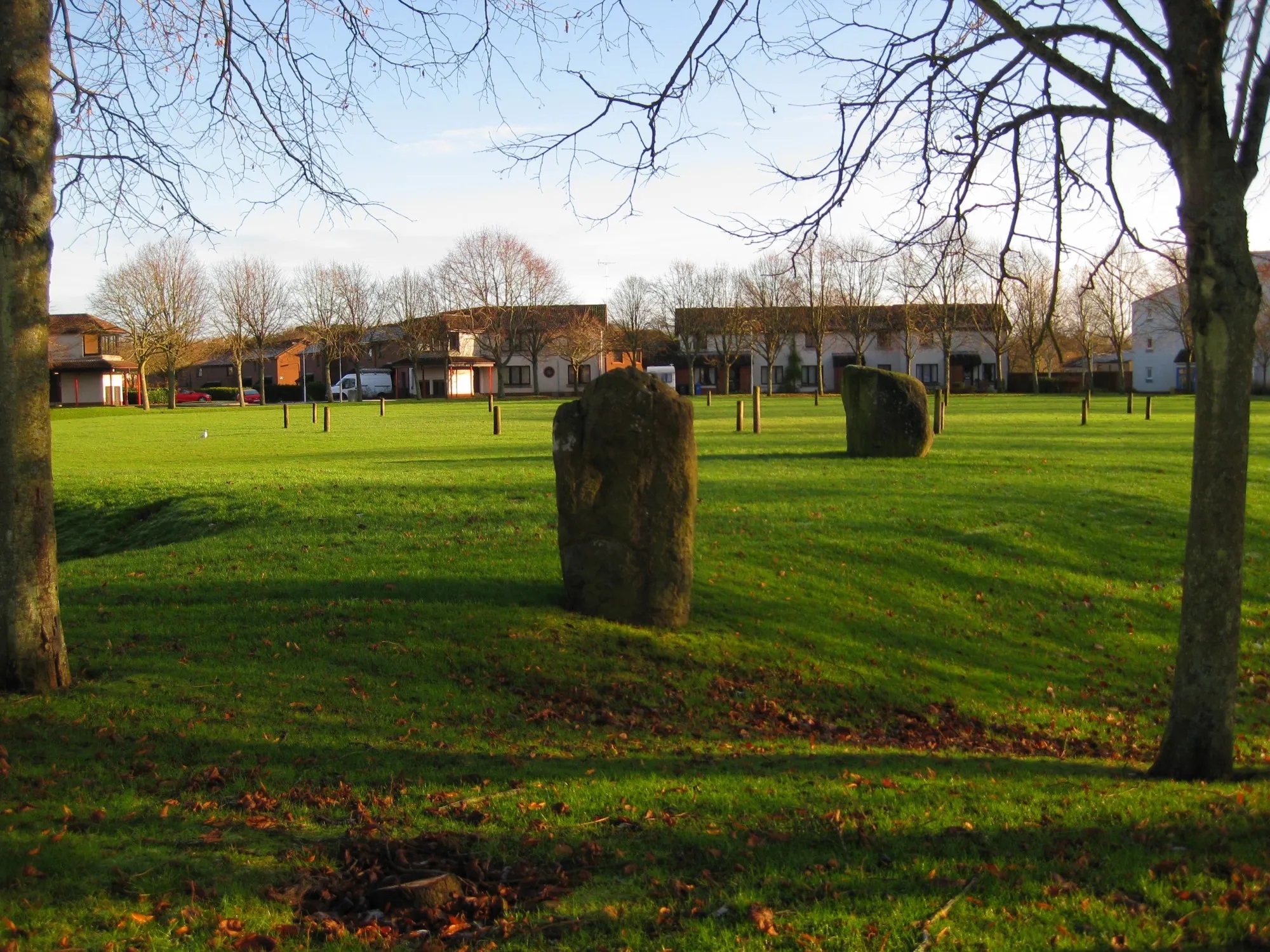
For the truly dedicated archaeology enthusiast, head a little further into Glenrothes to see the Balfarg Henge, another scheduled prehistoric monument.
Be mindful and respectful: the complex sits within a modern suburban setting, and the paths run close to residential homes.
It's a striking contrast between the Bronze Age past and the New Town present, showcasing layers of settlement.
- Status:Scheduled monumentwithin Glenrothes suburb.
- Setting:Residential; keep noise down and follow paths.
- Combine with:Balbirnie Stone Circle for a prehistoric “pair”.
6. Fife Pilgrim Way Segment
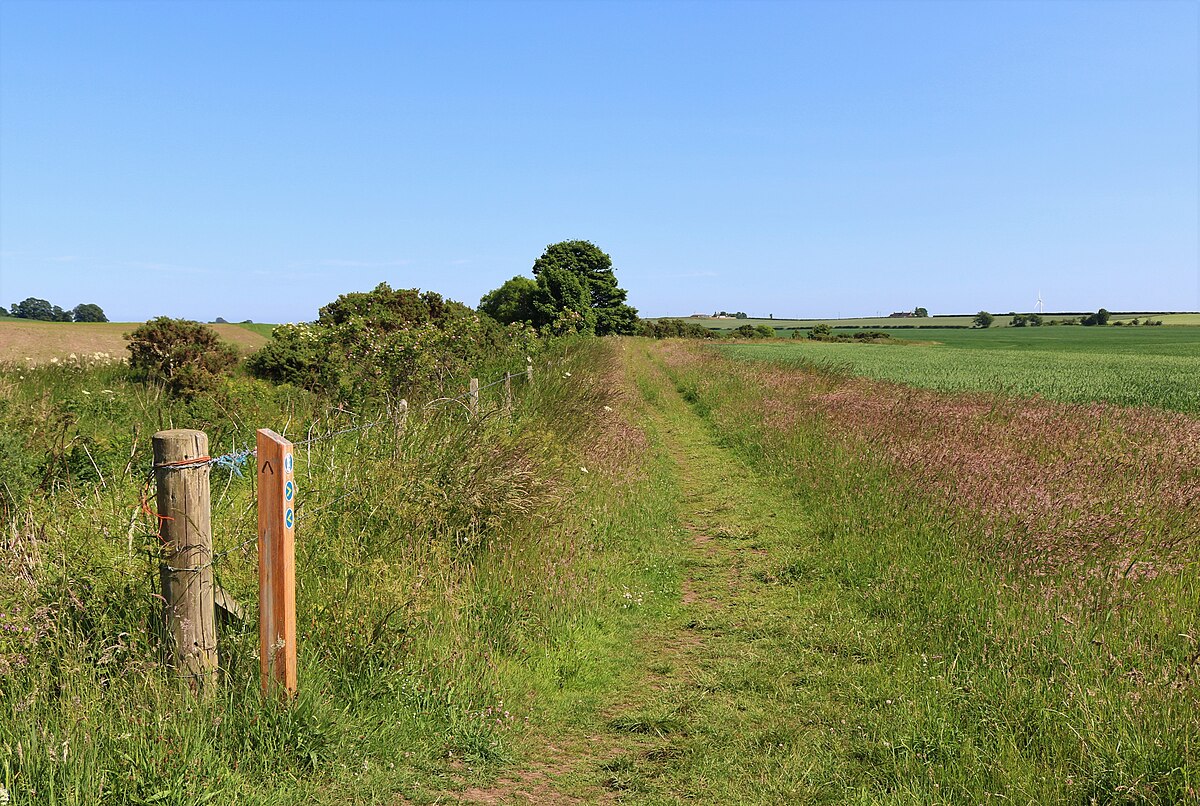
Sample a stage of this modern long-distance trail. Markinch is a key stop, allowing you to walk a few hours east toward Ceres or west toward Kinglassie.
The waymarking improves near towns and villages; if you venture farther out, ensure you carry a simple map or a GPX file on your phone for navigation.
This is an ideal way to connect Markinch’s history to the broader religious and heritage landscape of Fife.
- Directions:East toward Ceresor west toward Kinglassie.
- Character:Farmland, green lanes, woodland, occasional road links.
- Prep:Carry a simple map/GPX; surfaces vary after rain.
7. Village Core Cafés & Small Shops
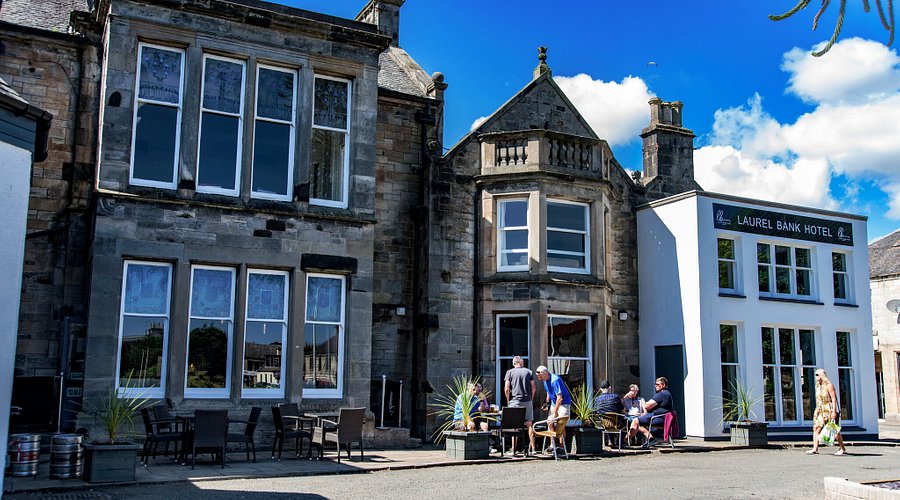
Loop through the high-street scale centre for a coffee, light bite, or local provisions.
Though compact, the village retains essential amenities and a friendly feel. Seek out a local pub for a true taste of community spirit.
Weekend hours for small shops and local establishments sometimes sync with the events or wedding traffic at Balbirnie House, so check ahead if you have specific plans.
- Expect:Compact high-street scale; coffee, light lunches, takeaway bakes.
- When:Weekends can be busier around Balbirnie Houseevents.
- Pair with:Park picnic-pick up supplies before you loop.
8. Balbirnie Park Golf Club (Perimeter Paths)
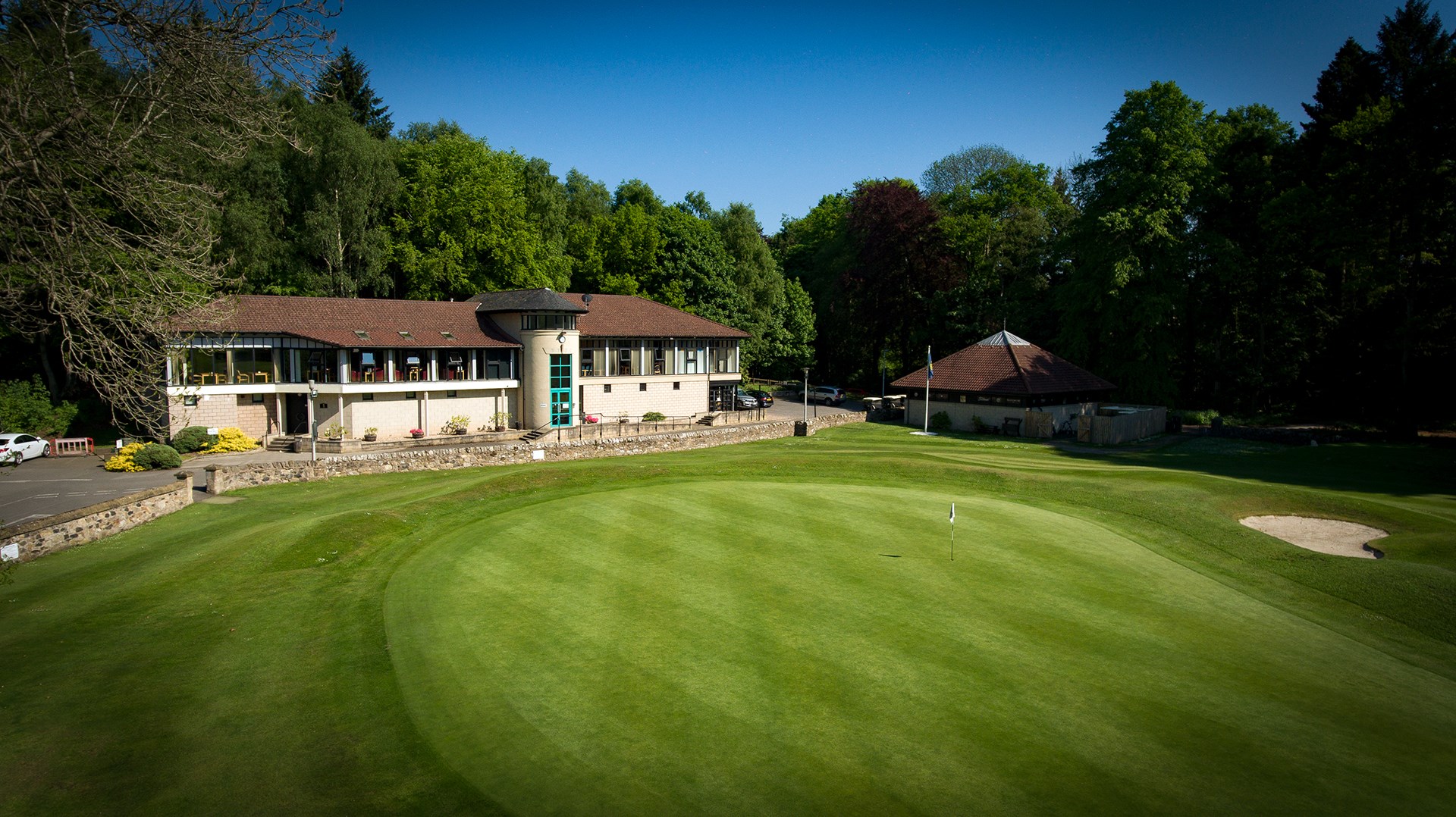
If you choose a longer circuit within the park, you will walk near the course edges. Always use signed rights-of-way and be alert. Crucially, yield to golfers at all times and avoid walking across greens or tees.
- Note:Public rights-of-way thread around parts of the course.
- Etiquette:Use signed paths; yield to golfers at crossings.
- Why add:Varied scenery on a longer park circuit.
9. Short Family Loop (30–45 Mins)
This compact circuit keeps interest high and options open. Start with the Norman tower, drift into the estate lawns, add the stone circleif energy allows, then take a restorative break at Balbirnie Housebefore returning to the platforms. Surfaces are mixed but forgiving in dry weather; watch for puddles after rain.
This circuit is mostly level, perfect for little legs, and offers numerous benches and picnic spots en route.
- Route idea:Station → St Drostan’s → Balbirnie lawns → Stone Circle → Balbirnie House → Station.
- Why it works:Mostly level, benches, easy shortcuts.
- Good with kids:Frequent “reward” moments (tower, lawns, stones).
10. Heritage Photo Stops
Capture the iconic church tower from the ascent of Kirk Brae for the most dramatic perspective. Frame the Balbirnie House frontage from the south lawns, capturing its sweeping scale.
Look for parkland vistas along the central avenue of Balbirnie, particularly during the golden hour (shortly after sunrise or before sunset) when the light is most forgiving.
- Kirk Brae:Framed views of the church tower.
- South lawns:Symmetrical frontage of Balbirnie House.
- Central avenue:Long sightlines across parkland.
11. John Dixon Park & Markinch Highland Games
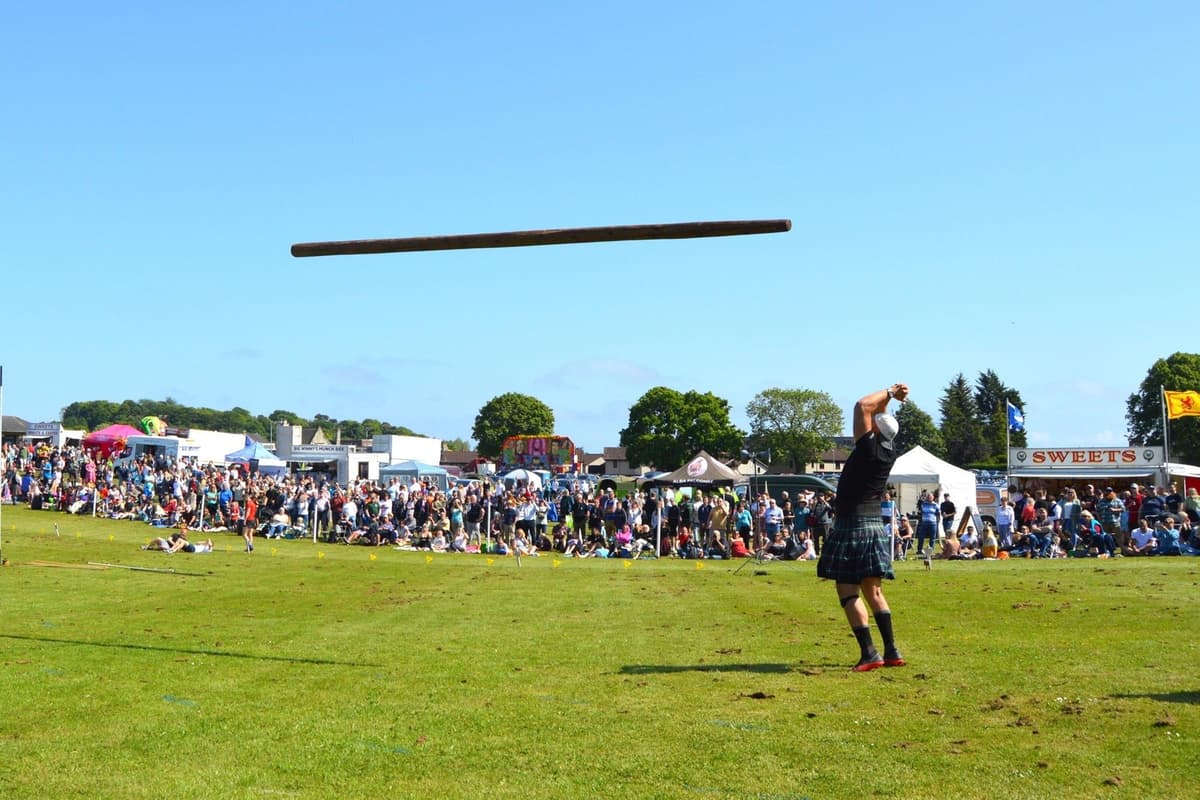
The park is the setting for Markinch’s signature cultural event. Expect a classic local Highland Games atmosphere-with pipe bands, traditional heavy events (like the caber toss), and cycling races-all usually held on the first Sunday in June (Data as of December 2025).
It's a fantastic community event that showcases local pride and Scottish traditions. The park itself is a pleasant green space used year-round by the community.
- Highlight:Classic local Highland Games and community atmosphere.
- Good for:Cultural immersion, family day out, traditional Scottish sport.
- Allow:Half-day or full day (for the Games only).
12. Glenrothes & Area Heritage Centre
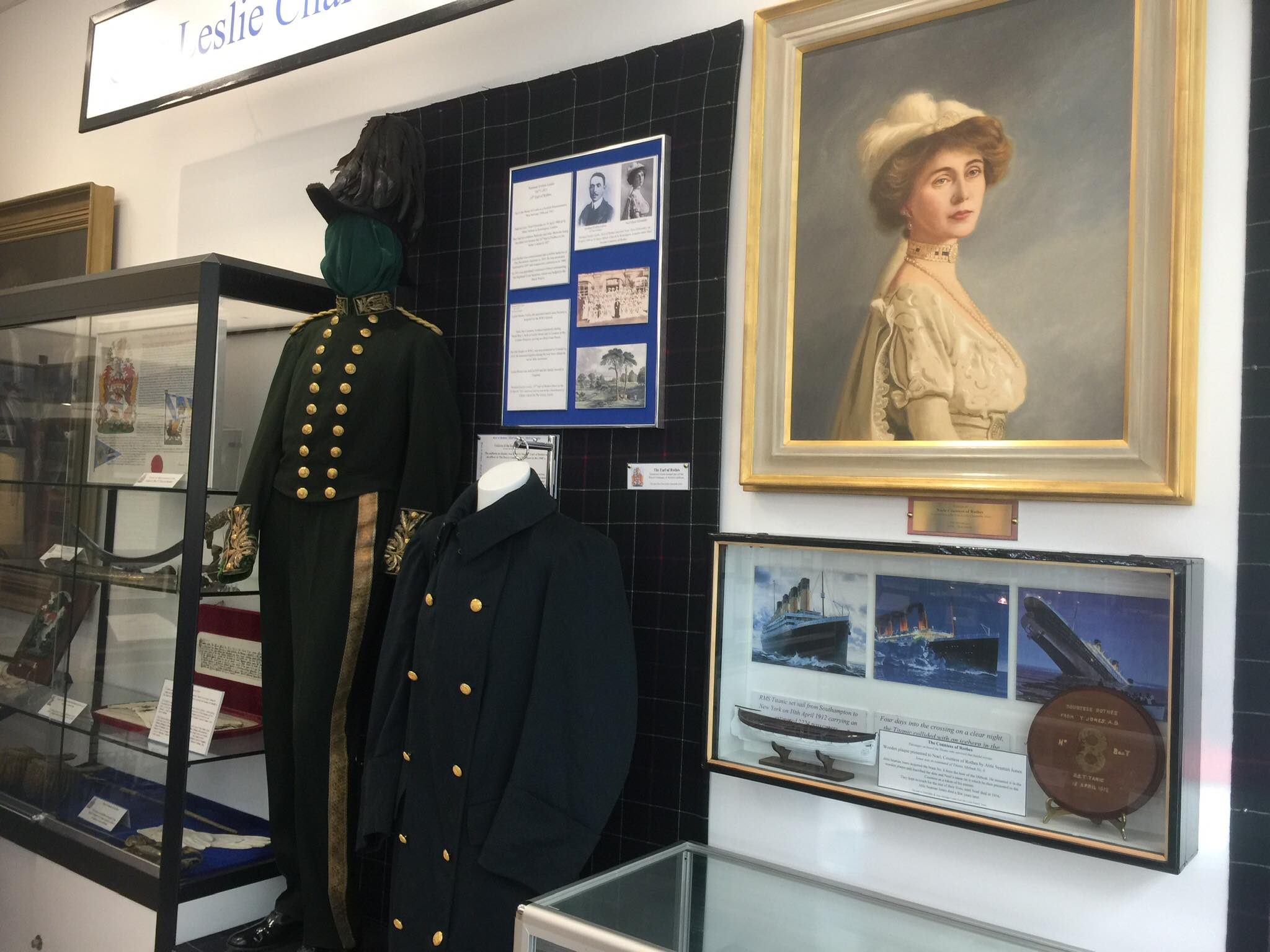
This small, volunteer-run museum requires a short bus hop into Glenrothes but offers excellent context for your Markinch visit. It covers the New Town’s history, Markinch’s important early role in the area, and local estate history.
It’s an ideal, quiet stop for rainy days or for visitors seeking deeper background knowledge on the region's socio-economic past.
- Context Stop:Small volunteer museum covering New Town and Markinch history.
- Good for:Rainy day activity, deep historical context, budget-friendly.
- Allow:1–2 hours (plus traveltime).
Takeaway:Start with the church, flow naturally into the park, add one prehistoric stop, and you’ve experienced Markinch’s heritage-park-prehistoric arc in under half a day.
Where To Eat In Markinch
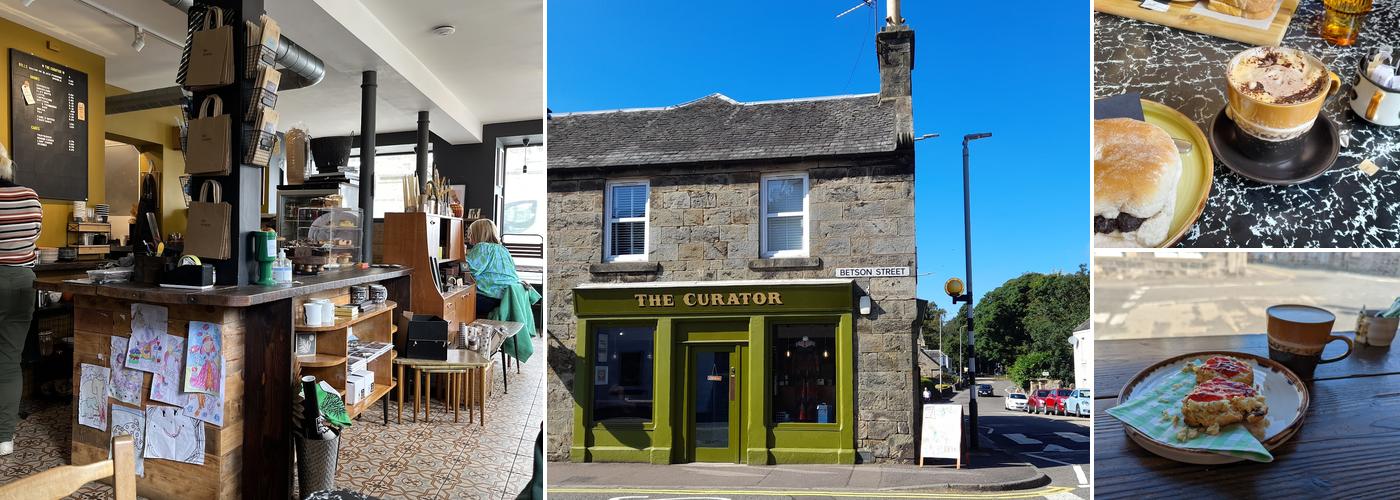
- The Grill @ The Orangery (Balbirnie House Hotel):For a more upscale dining experience, the Orangery at Balbirnie House offers refined Scottish cuisine with a focus on local produce, set within a beautiful, romantic conservatory. The Balbirnie Bistro also provides a more casual, yet equally delightful, option within the hotel.
- Laurelbank Hotel Restaurant:This hotel often serves a range of "Simple and Scottish" dishes, alongside options like tapas and popular afternoon teas, making it a versatile choice for lunch or dinner.
- The Curator (Markinch): Relaxed bistro/hotel bar for casual meals-useful if you want something local but not formal.
- Greens of Markinch / Caramel & Crumbs:Coffee, bakes, and picnic supplies before you head into Balbirnie Park.
- Balbirnie House (in-park):Formal dining, lighter bites, and afternoon teain an elegant country-house setting-ideal mid-loop or as a finale.
- Village cafés & bakeries:Handy for coffee-and-cake, simple lunches, and takeaway picnics before you enter the park.
- Glenrothes (5–10 minutes by road):Wider choice-family restaurants, casual chains, and supermarkets if you’re self-catering.
Practical tips
- Book aheadfor weekends, wedding seasons, and holidays.
- Check opening hoursthe day before; small independents can vary by season and event schedules.
- For picnics, pick up supplies in the village and use Balbirnie Parklawns (leave no trace).
Takeaway:If you want a single guaranteed stop, plan for Balbirnie House; otherwise, pair a village coffee with a park picnic.
Also Check Out: Discover The Best Places To Eat in Fife
Places To Stay In Markinch
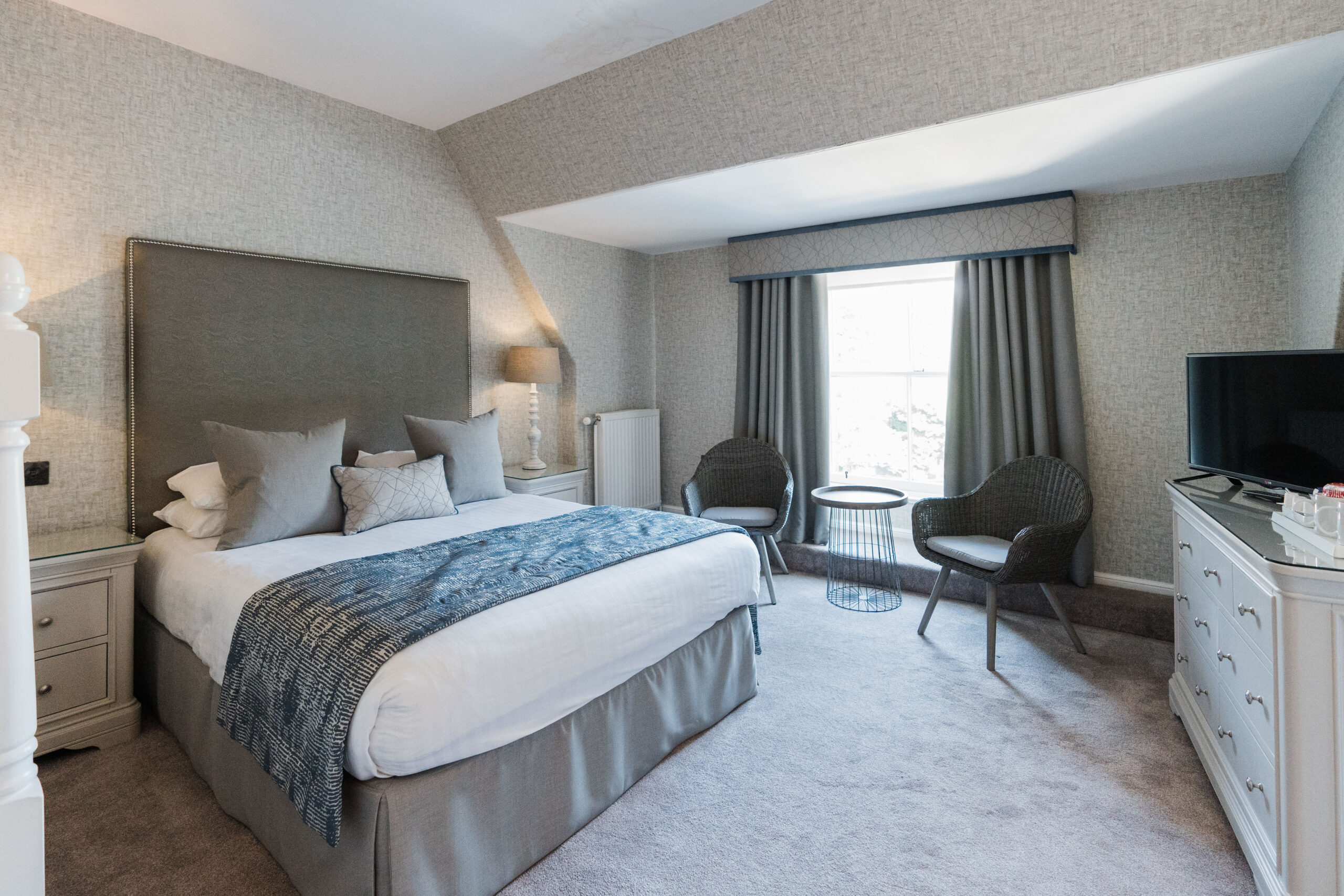
In Markinch
- Balbirnie House Hotel:A-listed country-house stay set within Balbirnie Park-good for weddings, special-occasion dining, and stroll-from-the-door walks.
- BeechCroft Guesthouse (Markinch):B&B-style rooms in the village for a quieter stay close to the park.
- OYO Drummonds Hotel (Markinch):Budget-friendly option with simple rooms and easy station access.
Nearby bases
- Glenrothes:Practical hub with new-town amenitiesand typically broader mid-range availability; quick hop to Markinch by road or local bus.
- St Andrews:Coastal icon with beaches and university atmosphere; expect higher demand and pricing at peak times.
- Leven/Levenmouth:Best if your plans centre on the Fife coast; check evolving rail links and connections for convenience.
Booking tips
- Prioritise free cancellationin shoulder seasons due to Scotland’s changeable weather.
- If relying on rail, confirm station–accommodation transfer(walkable distance, taxi numbers, late check-in).
- Wedding weekends can compress availability-secure rooms early if Balbirnie events overlap your dates.
Takeaway:For character and parkland on the doorstep, stay in Markinch; for variety and price flexibility, base in Glenrothesand day-trip in.
Getting There & Around (rail-first Planning)

By Train (best First Choice)
Markinch stationsits on the Edinburgh–Aberdeenline with ScotRailservices; platforms were lengthened and accessibility improved in the 2000s.
Use ScotRailfor live timetables and facilities (toilets, waiting room, bus links). National Rail Enquiriesprovides alternative station info. (Service patterns can change; check live updates.)
Crucially, the station is the primary mainline connection point for the wider Levenmouth area and the East Neuk. Frequent bus services (check Stagecoach) connect Markinch station directly to Leven, Methil, and other coastal towns, making it an efficient regional transport hub for visitors without cars.
Levenmouth Rail Link (regional Context)
Recent rail developments around Levenmouth improve connectivity across Fife; while not changing Markinch’s station directly, they can shift travel patterns and bus links. (Subject to ongoing updates-verify before travel.)
By Road / Local Bus
Markinch is minutes from Glenrothes by road. For bus pick-ups at the station, ScotRail notes the turning point in front of the building; check on-day signage.
- Station facts:Markinch (MNC) has step-free access to all platforms, staffed help at set hours, approximately 138 parking spaces, and bike storage. Data as of December 2025.
- Sunday note:Service patterns and staffing may be reduced on Sundays-check live timetables before you set out.
Takeaway:Use rail if you can; the village core and park loop are walkable from the platforms.
Markinch Vs Nearby Bases (Glenrothes, St Andrews, Leven)
Base-camp chooser (quick picks)
- Markinch:Best for quiet village vibe, park access, and rail conveniencewithout resort-town crowds.
- Glenrothes:Best for new-town amenities(shopping, venues, art trails) with easy hops to Markinch by road/bus.
- St Andrews:Best for iconic sights and beaches, but busier and pricier at peak times.
- Leven:Best if exploring the Levenmouth coast; note evolving rail links regionally. (Check latest.)
Takeaway:Choose Markinch if you want green space and a slower pace, then day-trip to the coast or St Andrews.
Frequently Asked Questions
Is Markinch A Town Or A Village?
Markinch is a historic villageand parish in central Fife, Scotland.
Is Markinch The Ancient Capital Of Fife?
Markinch hosted Fife’s medieval legal assembly at Dalginch, hence the “Capital Place of Fife” tradition.
How Far Is Markinch From Edinburgh?
Markinch is approximately 35 miles north of Edinburgh, easily accessible by a direct, scenic train journey from Waverley station in about 50 minutes.
Is Markinch A Nice Place To Live?
Markinch offers a quiet, historic village setting with good rail links and a strong sense of community, distinct from nearby Glenrothes. It provides the best of both worlds: quick access to modern services and a peaceful, deep-rooted historical environment.
How Do I Get To Markinch By Train?
Use ScotRailon the Edinburgh–Aberdeenline; check live times and facilities for Markinch (MNC).
What Is Glenrothes Known For?
A planned “new town”with shopping, venues, and public art; Markinch lies just east.
What’s Special About St Drostan’s Church?
A Category-A site with a c.1200 Norman towerand extensive parish history; volunteers often guide. (Opening can vary.)
Where Can I Walk Near Markinch?
Balbirnie Parkwoodland loops and Fife Pilgrim Waystages to Ceres/Kinglassie.
What Is The Markinch Power Station?
RWE’s biomass CHPplant near the old mill site; capacity commonly cited around 55 MW(see official and industry sources).
Best Place To Stay In Markinch?
Balbirnie House Hotel, an A-listed Georgian country house set in the park.
Quick Recap
Markinch concentrates Fife’s big themes-medieval church, estate parkland, and prehistoric remains-within a walk from a mainline rail stop.
Use the church-park-prehistoric loop for a half-day, or add a Fife Pilgrim Way stage for a full day. Base here for calm evenings and green space, then day-trip to coastal showstoppers when the weather suits.
Jump to
Markinch: Discover Fife's Ancient Capital, History & Things To Do
Markinch At A Glance
Markinch's History
Markinch, Fife Map
Things To Do In Markinch
Where To Eat In Markinch
Places To Stay In Markinch
Getting There & Around (rail-first Planning)
Markinch Vs Nearby Bases (Glenrothes, St Andrews, Leven)
Frequently Asked Questions
Quick Recap

Callum Fraser
Author
Callum Fraser isn't just a writer about Scotland; he's a product of its rugged landscape and rich history. Born and raised in Perthshire, with the Highlands as his backyard, his love for the nation's stories was kindled by local storytellers and long walks through ancient glens.
This passion led him to pursue a degree in Scottish History from the University of Edinburgh. For over 15 years, Callum has dedicated himself to exploring and documenting his homeland, fusing his academic knowledge with essential, on-the-ground experience gained from charting road trips through the Cairngorms, hiking the misty Cuillins of Skye, and uncovering the secrets of traditional recipes in his family's kitchen.
As the Editor-in-Chief and Lead Author for Scotland's Enchanting Kingdom, Callum's mission is simple: to be your most trusted guide. He combines meticulous research with a storyteller's heart to help you discover the authentic magic of Scotland — from its best-kept travel secrets to its most cherished traditional recipes.
Latest Articles
Popular Articles