How To Microwave Dumplings Perfectly (Frozen, Fresh & Homemade)
I’ve perfected the microwave dumpling method, and now I’m showing you how to get soft, juicy results from frozen, fresh, or homemade dumplings every single time, in minutes.
Author:Callum FraserDec 01, 202542 Shares42.1K Views
My Journey To Foolproof Microwave Dumplings
Let me tell you something that completely changed how I cook on busy weeknights. I used to think microwaving dumplings was a culinary crime. Then one evening, exhausted after work, I found myself staring at a bag of frozen dumplings and a sink full of dirty pots. My only clean option? The microwave.
What started as a desperate experiment turned into my go-to method. I’ve spent years refining it, finding the right timing, wrappers, and little tricks to keep every dumpling soft, juicy, and full of flavour. Now, I can make restaurant-worthy dumplings in under five minutes without a steamer, pot, or pan.
Today, I’m sharing everything I’ve learned so you can do the same, from cooking frozen potstickers and homemade dumplings to reheating last night’s leftovers.
Why Microwave Dumplings Work Better Than You Think
I'll be honest, when I first microwaved dumplings, I was skeptical. Traditional methods like steaming or pan-frying have centuries of history behind them. But here's what I discovered: microwaves create steam efficiently, which is exactly what dumplings need to cook properly.
The key is understanding how your microwave distributes heat. Most modern microwaves operate between 700-1100 watts. Mine runs at 900 watts, and I've found that sweet spot where dumplings come out soft and moist rather than tough or rubbery. What makes microwaving work? It's all about moisture. When you add water to your bowl and cover it properly, you're essentially creating a mini steamer.
The microwave heats the water, generates steam, and cooks the dumplings gently from all sides. It’s the same principle that makes many Scottish recipeswork so well simple ingredients, careful heat, and respect for moisture. I’ve served microwaved dumplings to friends who couldn’t tell the difference from traditionally steamed ones. The texture might not have that crispy bottom you get from pan-frying, but for a quick meal, they’re absolutely satisfying.
Different Types Of Dumplings You Can Microwave
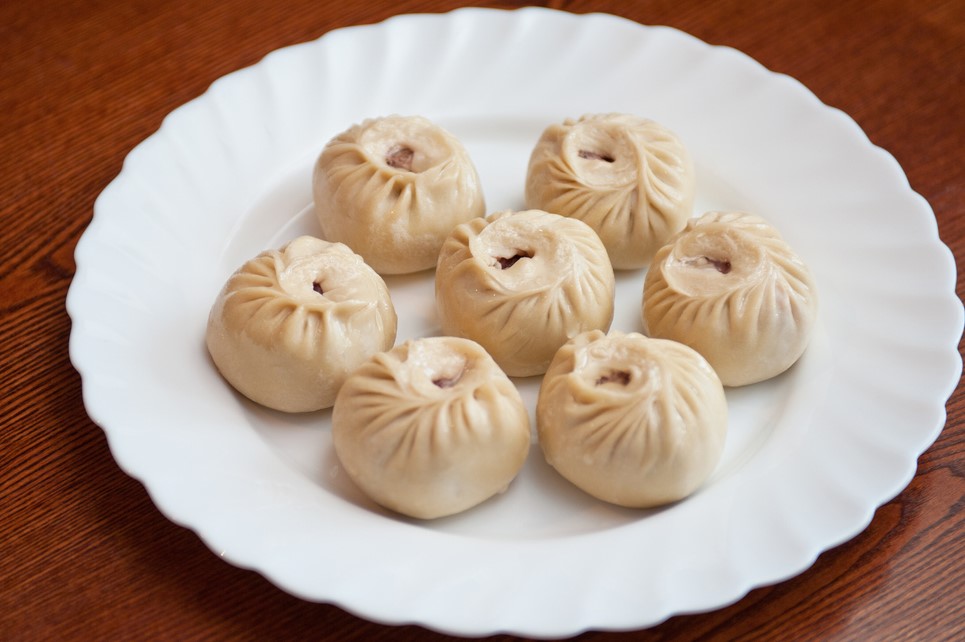
Not all dumplings microwave the same way. Through my experiments, I've learned which types work best and how to adjust your technique accordingly.
Frozen Asian Dumplings
These are my go-to for busy nights. Potstickers, gyoza, shumai, and wontons all microwave beautifully straight from the freezer. I never bother thawing them first it actually makes them mushier.
For about 8-10 frozen dumplings, I use 3-4 minutes on high power. The wrappers become slightly translucent and shiny when they're ready, which is your visual cue that they're cooked through.
Homemade Suet Dumplings
These British-style dumplingsare perfect for topping stews and casseroles. I make mine with self-raising flour and suet (or butter if I'm out of suet). The microwave cooks them in about 3 minutes compared to 20 minutes on the stovetop.
The ratio I use is simple: 2 parts self-raising flour to 1 part suet by weight. Mix with just enough water to form a soft dough, then drop spoonfuls into hot stew or stock.
Soup Dumplings (Xiaolongbao)
These delicate treasures need extra care. The broth inside can superheat and burst the wrapper if you're not careful. I've learned to microwave them at 70% power instead of full blast, and I always use wet paper towels wrapped around each dumpling to distribute moisture evenly.
Sweet Dumplings
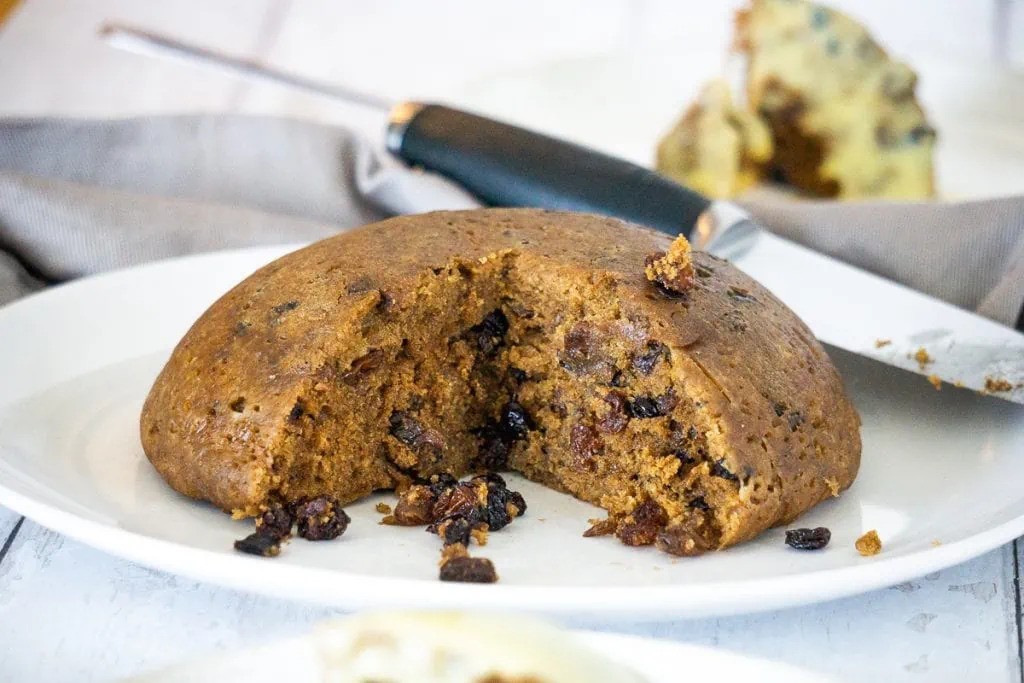
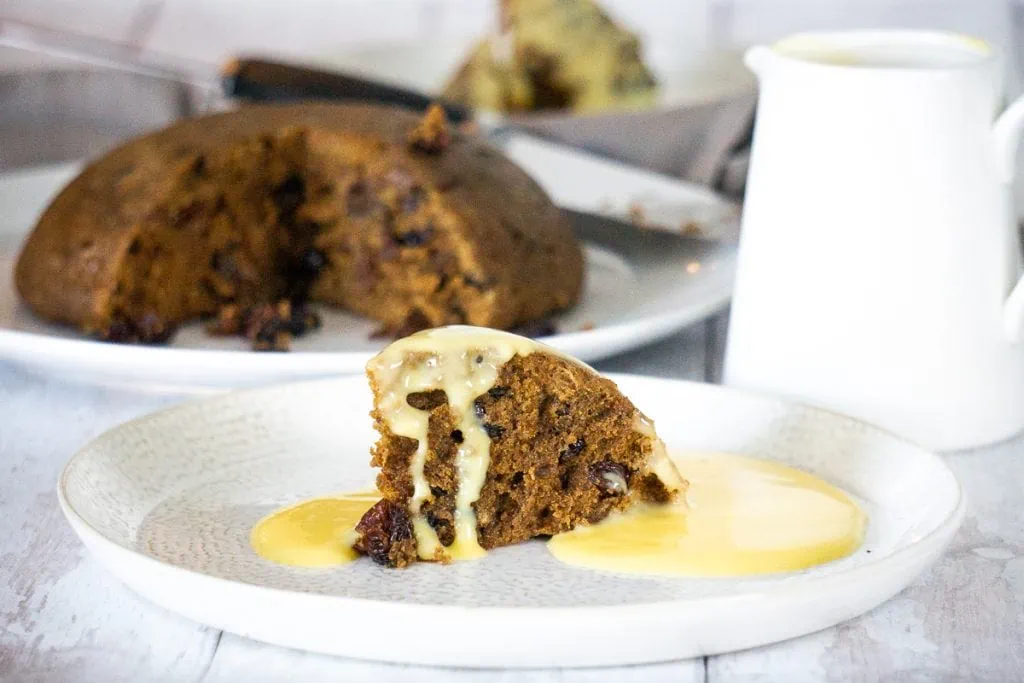
Clootie dumplings and other sweet varieties work surprisingly well in the microwave. I make a quick version with dried fruit, spices, and self-raising flour that's ready in 5-7 minutes. It doesn’t form that traditional boiled “skin,” but the first spoonful still tastes like home. This easy clootie dumpling recipeturns into a perfect microwave dessert, rich, cozy, and full of that old-fashioned sweetness without hours of steaming.
The Perfect Method For Microwaving Frozen Dumplings
After countless batches, this is the method that works every single time for me.
Ingredients You’ll Need
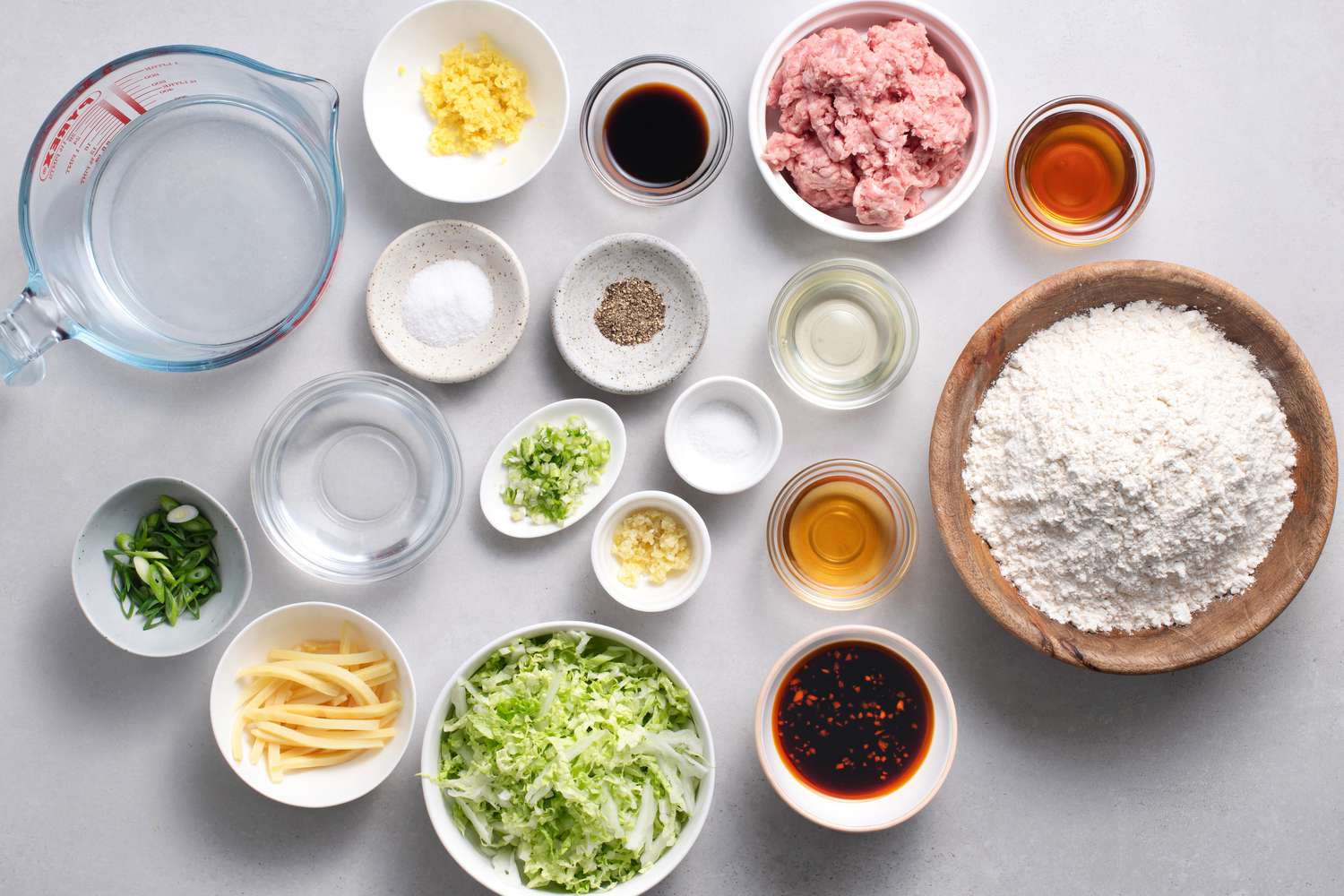
The equipment is minimal, which I love. You need a microwave-safe bowl (I prefer glass so I can see what's happening), a microwave-safe cover or plate, and hot water. That's it.
For the dumplings themselves, I buy whatever looks good at the Asian grocery store. Pork and cabbage are classic, but I also love chicken and mushroom or vegetable dumplings.
Step-by-Step Instructions
First, I arrange 8-10 frozen dumplings in a single layer in my bowl. Crowding them makes them steam unevenly. Then I pour hot tap water over them until they're covered by about half an inch. Some people use cold water, but I find hot water speeds up the process.
Next, I cover the bowl loosely. If your bowl has a lid with a vent, use that. Otherwise, place a microwave-safe plate on top but leave a small gap for steam to escape. This prevents pressure buildup and keeps the dumplings from exploding.
I microwave on high for 3 minutes initially. After 3 minutes, I check one dumpling by cutting it open. The filling should be piping hot all the way through. If it's not quite there, I give it another 30-second blast.
Once they're done, I drain the water immediately. Let them sit for about a minute before serving they're incredibly hot inside and will burn your mouth if you're impatient like me.
Power Level Adjustments
Your microwave wattage matters. If you have a 700-watt microwave, add an extra minute to the cooking time. For a powerful 1100-watt model, start checking at 2.5 minutes. I've found that most dumplings are pretty forgiving within a 30-second window.
How To Make Homemade Microwave Dumplings From Scratch
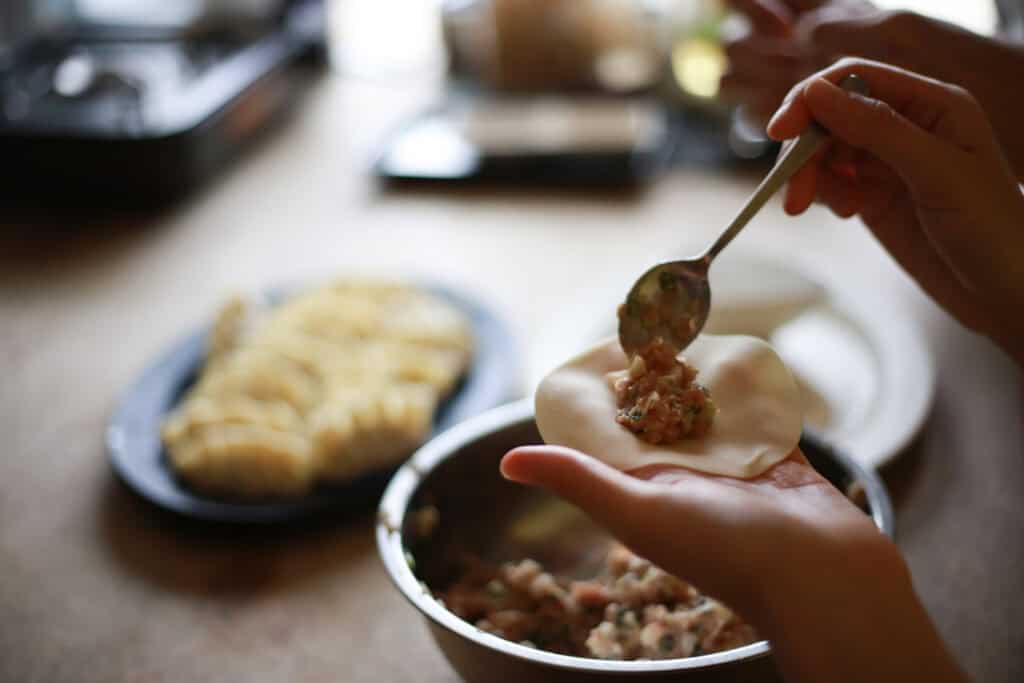
Making dumpling dough for the microwave is easier than you might think. I do this when I'm making stew and want fluffy dumplings to soak up all that delicious gravy.
Basic Dumpling Dough Recipe
My foolproof recipe uses 1 cup (4oz) self-raising flour, 2oz suet (or 2 tablespoons butter), a pinch of salt, and about 3-4 tablespoons of cold water just enough to bring it together.
I mix the dry ingredients until they look like breadcrumbs, then add water gradually, stirring with a fork until it forms a soft dough. It reminds me of the mix I use for a microwave clootie dumpling with self-raising flour,simple, reliable, and full of that old-fashioned comfort, only much faster.
Flavor Variations I Love
Sometimes I get creative. Adding a teaspoon of dried herbs parsley, thyme, or mixed herbs makes them perfect for chicken stew. For beef casserole, I stir in a tablespoon of grated cheese.
I've even made sweet versions with a tablespoon of sugar and a pinch of cinnamon. These work beautifully floating on top of stewed fruit.
Cooking Method
I drop tablespoon-sized balls of dough into a bowl with about 1/2 cup of hot stock or gravy. Then I cover the bowl and microwave on high for 3 minutes. The dumplings puff up beautifully and absorb all those savory flavors.
One trick I learned: don't overcrowd the bowl. Leave space between each dumpling so steam can circulate. They'll double in size as they cook.
Common Mistakes And How To Fix Them
I've made every dumpling mistake in the book, so let me save you the trouble.
Rubbery, Tough Dumplings
This happens when you overcook them or don't use enough water. Dumplings need moisture to stay tender. If yours come out rubbery, try reducing the cooking time by 30 seconds next time.
Also, make sure you're covering the bowl properly. Uncovered dumplings dry out quickly in the microwave.
Soggy, Falling Apart Dumplings
This is usually from too much water or cooking frozen dumplings straight from a very solid frozen state. I let my dumplings sit at room temperature for about 10 minutes before microwaving. Not enough to thaw them, just to take the edge off the freeze.
Unevenly Cooked Dumplings
Some microwaves have hot spots. Mine cooks faster on the left side, so I rotate the bowl halfway through cooking. If you notice one section always cooks faster, remember that for next time.
Exploding Soup Dumplings
This was my most dramatic failure. Soup dumplings have liquid inside that can superheat. Use lower power (70%) and wrap them in wet paper towels. Also, let them rest for a minute before eating so the temperature equalizes.
Tips For Restaurant-Quality Results
The Crispy Bottom Hack
Microwaved dumplings won't have that golden, crispy bottom you get from pan-frying. But I've found a workaround: after microwaving, I heat a non-stick pan with a thin layer of oil and quickly fry the dumplings for 1 minute on each side. This gives you the best of both worlds, the quick cooking of the microwave plus that satisfying crunch.
Using Damp Paper Towels
This technique mimics the bamboo steamer effect. I lightly dampen a paper towel, lay my dumplings on a plate, and drape the towel over them. Then I microwave for 3-4 minutes. The paper towel releases steam gradually, keeping the wrappers moist and tender.
The Water Bowl Method
If you don't want your dumplings sitting in water, place them on a microwave-safe plate and put a small bowl of water in the microwave alongside them. The water creates steam without the dumplings getting waterlogged.
Testing For Doneness
I always cut one dumpling open to check. The wrapper should be slightly translucent, and when you press it, it should spring back. The filling needs to be steaming hot throughout.
For meat dumplings, I'm especially careful. I use a food thermometer; sometimes the internal temperature should reach 165°F (74°C) to be safe.
Making The Perfect Dipping Sauce
Dumplings without sauce feel incomplete to me. I make a quick version in the time it takes the dumplings to microwave.
My Go-To 5-Minute Sauce
In a small bowl, I combine 3 tablespoons soy sauce, 1 tablespoon rice vinegar, 1 teaspoon sesame oil, 1 teaspoon chili oil (or more if I'm feeling spicy), 1 minced garlic clove, and chopped scallions.
Sometimes I add a tiny pinch of sugar to balance the saltiness. The garlic gives it a sharp bite that I love, though you can skip it if you're serving this to kids.
Alternative Flavor Combinations
When I'm out of rice vinegar, I use a squeeze of fresh lime juice instead. It's tangier and more citrusy, which works beautifully with shrimp dumplings.
For a milder sauce, I mix equal parts soy sauce and Chinese black vinegar with just a drizzle of sesame oil. This is what my Chinese neighbor taught me, and it's become my default.
If you like heat, try adding a spoonful of chili crisp or gochujang. I've also stirred in a tiny dab of peanut butter to make a quick satay-style dip.
Storage Tips
I make extra sauce and keep it in a jar in the fridge for up to a week. The flavors actually deepen over time. Just give it a good stir before serving since the oil sometimes separates.
Reheating Leftover Dumplings
Leftover dumplings are a blessing. I often intentionally make extra because they reheat so well.
Best Reheating Method
For refrigerated dumplings, I place them on a microwave-safe plate, cover them with a damp paper towel, and microwave for 60-90 seconds. The damp towel prevents them from drying out.
Frozen leftover dumplings (yes, I sometimes freeze already-cooked dumplings) need about 2-3 minutes. I add a tablespoon of water to the plate before covering to create extra steam.
Avoiding Dry, Tough Reheats
The mistake most people make is reheating uncovered or for too long. I always check at the 1-minute mark and add time in 30-second bursts. Patience here makes a huge difference.
If your dumplings seem a bit dry after reheating, a quick toss in the pan with a tiny bit of oil brings them back to life.
Microwave Dumpling Recipes To Try
Let me share a few of my favorite quick recipes.
Emergency Sweet Dumpling
This is what I call it because I make it when I'm craving something sweet but don't want to bake. Mix 3 cups self-raising flour, 1/2 cup sugar, a pinch of salt, and 1/2 teaspoon vanilla extract. Add 300ml warm milk and 1 tablespoon melted butter until you have a pourable batter.
Pour into a greased microwave-safe bowl and cook for 4-6 minutes. It rises like magic and tastes incredible with custard or ice cream.
Savory Herb Dumplings For Soup
I make these when I have leftover soup that needs bulking up. Mix 1 cup self-raising flour, 1/4 cup suet or butter, 1 teaspoon dried mixed herbs, and season with salt and pepper. Add enough water to form a soft dough.
Drop spoonfuls into your hot soup, cover, and microwave for 3 minutes. They soak up the broth and become incredibly fluffy.
Quick Potsticker Bowl
This is my lazy dinner. I microwave 10 frozen potstickers with water as usual. While they heat up, I stir together soy sauce, rice vinegar, chili oil, and garlic. Then I toss the cooked dumplings in the sauce and serve them over rice with a handful of microwaved edamame. It’s become my go-to 9-minute microwave dumpling fix, quick, cozy, and always hits the spot when I’m too tired to cook properly.
Health And Safety Considerations
I'm careful about food safety, especially with dumplings.
Proper Internal Temperature
Meat-filled dumplings must reach 165°F (74°C) internally. I learned this the hard way after a bout of food poisoning years ago. Now I always check with a thermometer when I'm unsure.
Vegetable dumplings are more forgiving, but they should still be steaming hot throughout.
Safe Container Choices
Not all containers are microwave-safe. I use glass bowls or ceramic dishes labeled for microwave use. Plastic containers can warp or leach chemicals, especially at high temperatures.
Metal obviously never goes in the microwave. I once accidentally left a fork in my dumpling bowl and created an impressive light show.
Handling Hot Food
Microwave dumplings get extremely hot inside. I wait at least a minute after cooking before taking my first bite. Steam burns are no joke.
Comparing Microwave Vs. Traditional Methods
I use both methods depending on my situation, and each has its place.
Time Comparison
Steaming dumplings traditionally takes 10-15 minutes once the water is boiling. Pan-frying requires 8-10 minutes. Microwaving takes 3-5 minutes total. When I'm pressed for time, the microwave wins.
Texture Differences
Steamed dumplings have the most delicate texture. Pan-fried ones have that irresistible crisp. Microwaved dumplings land somewhere in between soft and tender, minus the crunch. Like many traditional Scottish recipes, it’s proof that simple adjustments can keep old comforts alive. My quick pan-fry hack after microwaving gives me the best of both worlds.
Flavor Results
Honestly? The flavor difference is minimal. Dumplings are all about the filling, and that tastes the same regardless of cooking method. The wrapper texture changes slightly, but the overall eating experience is satisfying.
When To Use Which Method
I microwave when I'm alone and want something quick. I steam or pan-fry when I'm entertaining because the presentation is nicer. For large batches, I stick with traditional methods since microwave capacity is limited.
People Also Ask
What Type Of Flour Is Best For Microwave Dumplings?
Self-raising flour is the recommended choice as it provides the necessary lift for light and fluffy dumplings.
Can You Microwave Frozen Dumplings Without Thawing?
Yes, and I actually prefer it this way. Thawed dumplings tend to get mushier. I microwave them straight from frozen with excellent results. Just add an extra 30 seconds to your cooking time.
How Long Should You Microwave Dumplings?
For 8-10 frozen dumplings, I microwave on high for 3-4 minutes. Homemade dough dumplings in stew take about 3 minutes. Sweet dumplings need 4-6 minutes depending on size. Always start with less time and add more in 30-second bursts.
What Type Of Container Is Best For Microwaving Dumplings?
I use glass or ceramic bowls that are labeled microwave-safe. They need to be deep enough to hold water and have room for steam circulation. My favorite is a 2-quart glass bowl with a microwave-safe lid.
Final Thoughts
Looking back, I’m amazed how one lazy evening changed the way I cook. The night I microwaved dumplings out of desperation turned into a discovery quick, satisfying dinners in minutes.
The beauty of microwave dumplings isn’t just speed; it’s freedom. No special tools, no long prep just good food, fast.
Start simple: microwave a bag of frozen dumplings, learn the timing, then try homemade ones with your favorite sauce. Before long, it’ll feel effortless.
So when someone says microwaving dumplings is wrong, smile and remember great food is whatever gets dinner on the table when you need it most. Now if you’ll excuse me, I’ve got some gyoza calling from the microwave.
Jump to
My Journey To Foolproof Microwave Dumplings
Why Microwave Dumplings Work Better Than You Think
Different Types Of Dumplings You Can Microwave
The Perfect Method For Microwaving Frozen Dumplings
How To Make Homemade Microwave Dumplings From Scratch
Common Mistakes And How To Fix Them
Tips For Restaurant-Quality Results
Making The Perfect Dipping Sauce
Reheating Leftover Dumplings
Microwave Dumpling Recipes To Try
Health And Safety Considerations
Comparing Microwave Vs. Traditional Methods
People Also Ask
Final Thoughts

Callum Fraser
Author
Callum Fraser isn't just a writer about Scotland; he's a product of its rugged landscape and rich history. Born and raised in Perthshire, with the Highlands as his backyard, his love for the nation's stories was kindled by local storytellers and long walks through ancient glens.
This passion led him to pursue a degree in Scottish History from the University of Edinburgh. For over 15 years, Callum has dedicated himself to exploring and documenting his homeland, fusing his academic knowledge with essential, on-the-ground experience gained from charting road trips through the Cairngorms, hiking the misty Cuillins of Skye, and uncovering the secrets of traditional recipes in his family's kitchen.
As the Editor-in-Chief and Lead Author for Scotland's Enchanting Kingdom, Callum's mission is simple: to be your most trusted guide. He combines meticulous research with a storyteller's heart to help you discover the authentic magic of Scotland — from its best-kept travel secrets to its most cherished traditional recipes.
Latest Articles
Popular Articles