Cuddle Doon Poem By Alexander Anderson | Full Text + Analysis
Read the full Cuddle Doon poem. Our expert guide offers the full narrative text, Scots translation help, & in-depth analysis of its lasting comfort.
Author:Callum FraserAug 24, 2025

"Cuddle Doon": A Timeless Scottish Narrative Of Love And Lullabies
"Cuddle Doon," a beloved Scottish poem by Alexander Anderson, celebrates family, love, and the quiet magic of childhood. Written in the Scots dialect, it paints a tender scene of a mother coaxing her children to sleep, a moment many families recognize.
First shared in the 1800s, the poem has become a cherished part of Scotland’s traditions, often read aloud at bedtime or gatherings. Its lasting charm comes from its heartfelt storytelling and relatable emotions. Here's a look at the poem’s roots, themes, dialect and why it still resonates today, giving readers a fresh take on a classic.
Alexander Anderson: The "Surfaceman Poet" Behind This Beloved Scots Poem
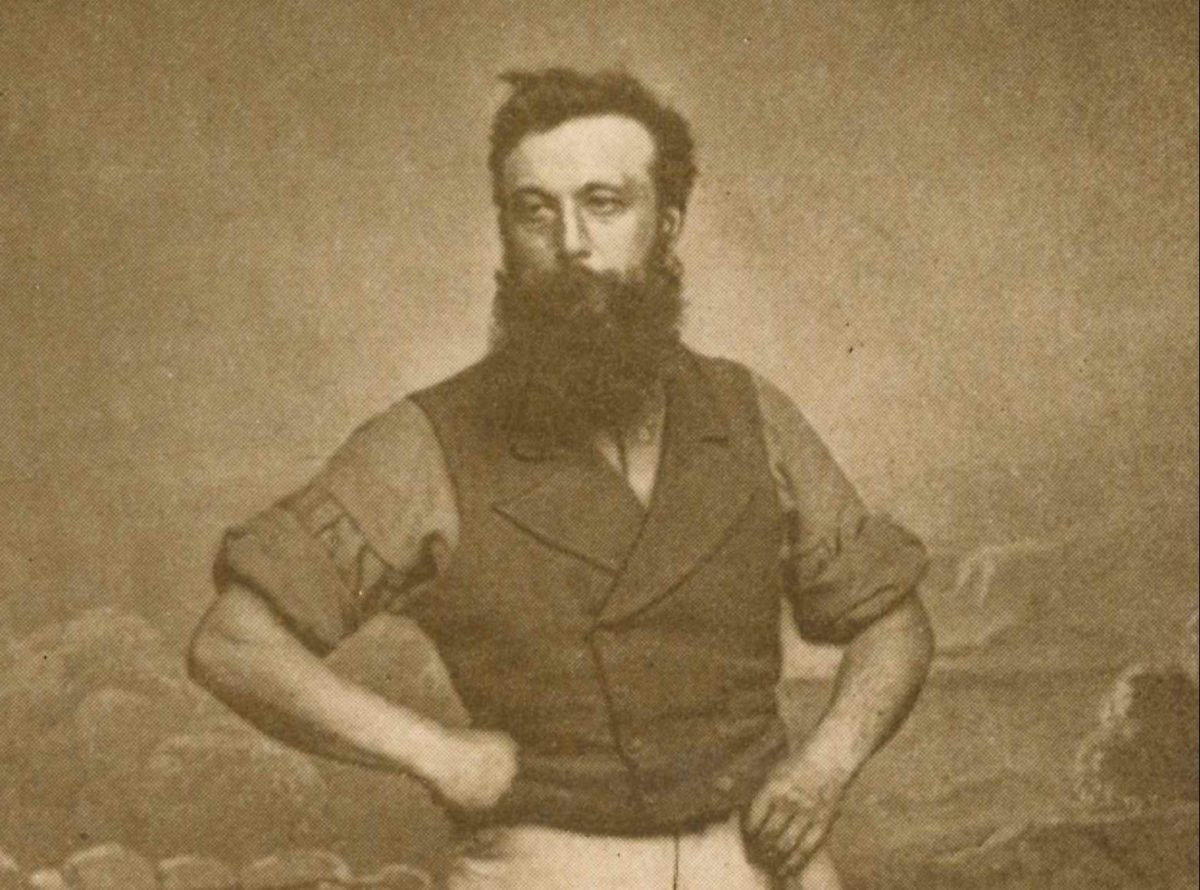
Alexander Anderson (1845-1909) grew up in Kirkconnel, Scotland, in a working-class family. Before becoming a librarian, he labored as a quarryman and railway worker jobs that later inspired his writing. Despite limited formal education, he taught himself multiple languages, shaping his unique poetic voice.
His Poetry And Themes
Anderson’s work often showed the lives of laborers and the beauty of nature. His collections, Ballads and Sonnets (1879)and Songs of the Railway (1880), blended everyday struggles with vivid imagery. The poem “Cuddle Doon” became his most enduring piece, though it sometimes overshadows his broader contributions.
Legacy And Identity
He wrote under the name “Surfaceman,” a nod to his railway job and humble roots. This connection to working-class life resonated deeply with readers. Today, his poetry is valued for capturing Scotland’s social history and cultural spirit.
Just as Anderson’s words were preserved through ink and paper, today’s cherished memories often find homes in digital spaces, though some might still search for tips on how to turn off thier digital libraryto make room for new stories.
"Cuddle Doon": The Full Poem
To truly appreciate the poem's magic, one must experience its gentle rhythm and evocative imagery. This longer, narrative version of "Cuddle Doon" offers a delightful glimpse into a lively Scottish household at bedtime.
Cuddle Doon
The bairnies cuddle doon at nicht
Wi muckle faught and din.
“Oh try an’ sleep, ye waukrife rogues,
Your faither’s comin’ in.”
They niver heed a word I speak,
I try tae gie a froon,
But aye I hap’ them up an’ cry
“Oh, bairnies, cuddle doon!”
Wee Jamie wi’ the curly heid,
He aye sleeps next the wa’
Bangs up and cries, “I want a piece!”
The rascal starts them a’.
I rin and fetch them pieces, drinks,
They stop a wee the soun’,
Then draw the blankets up an’ cry,
“Noo, weanies, cuddle doon.”
But ere five minutes gang, wee Rab
Cries oot frae neath the claes,
“Mither, mak’ Tam gie ower at aince,
He’s kittlin’ wi’ his taes.”
The mischief in that Tam for tricks,
He’d bother half the toon,
But aye I hap them up an’ cry,
“Oh, bairnies, cuddle doon!”
At length they hear their faither’s fit
An’ as he steeks the door,
They turn their faces tae the wa’
An Tam pretends tae snore.
“Hae a’ the weans been gude?” he asks,
As he pits aff his shoon.
“The bairnies, John, are in their beds
An’ lang since cuddled doon!”
An’ just afore we bed oorsel’s
We look at oor wee lambs,
Tam has his airm roun’ wee Rab’s neck
An Rab his airm roun’ Tam’s.
I lift wee Jamie up the bed
An’ as I straik each croon,
I whisper till my heart fills up:
“Oh, bairnies, cuddled doon!”
The bairnies cuddle doon at nicht
Wi’ mirth that’s dear tae me.
But soon the big warl’s cark an’ care
Will quaten doon their glee.
Yet come what will to ilka ane,
May He who rules aboon,
Aye whisper, though their pows be bald:
“Oh, bairnies, cuddle doon!”
Cuddle Doon Poem translation
The children snuggle down at night,
With lots of noise and play,
“Oh try to sleep, you restless scamps,
Your father’s on his way!”
They don’t hear a word I say;
I try to frown and groan,
But then I tuck them in again,
And sigh, “Now, cuddle down!”
Little Jamie, curly-headed,
Always sleeps by the wall;
He pops up, shouting, “I want bread!”
Starting a noisy squall.
I rush to fetch their snacks and drinks,
They quiet down a bit;
Then pull their blankets up and shout,
“Now, kids, cuddle down!”
But before five minutes pass,
Young Rob cries from the sheets,
“Mom, make Tom stop right now,
He’s poking me with his feet!”
That Tom’s full of mischief,
He’d stir up the whole town;
But still I tuck them in and say,
“Oh, children, cuddle down!”
At last they hear their father’s step,
As he shuts the door with care;
They turn to face the wall,
And Tom pretends to snore.
“Were the little ones good?” he asks,
Taking off his shoes;
“The children, John, are in their beds,
They’ve long been cuddled down!”
Before we sleep ourselves,
We check on our small flock;
Tom’s arm’s around Rob’s neck,
And Rob’s hugs Tom right back.
I lift little Jamie up the bed,
Smooth each rumpled head,
Whispering, heart swelling with love,
“Oh, children, cuddled down!”
The kids snuggle close each night,
Their laughter sweet to hear;
But soon the world’s hard cares
Will dull their joy, I fear.
Yet whatever comes their way,
May the One above the stars
Always whisper, even when they’re old,
“Oh, children, cuddle down!”
You Might Also Like: The Boy In The Train
Understanding "Cuddle Doon" Better With A Quick Scots Glossary
Part of the poem's unique charm, and sometimes its initial challenge for non-Scottish readers, lies in its beautiful use of the Scots dialect. Understanding these words is key to unlocking the full warmth and humor of this delightful Scots poem.
- Bairnies / Bairn:Children, little ones.
- Doon: Down. "Cuddle doon" means to cuddle down, to snuggle in.
- Waukrife:Restless, sleepless.
- Kittlin':Tickling.
- Muckle faucht: A lot of fuss or struggle.
- Squall:A loud cry or scream, typically from a child.
- Pow:Head (as in "curly pow" meaning curly head).
- Faulds doon: Folds down, lies down.
- Aneath:Beneath.
- Mither:Mother.
- Croons a tune / Crooned wi' glee:Sings a soft, soothing song; sang with joy.
- Weel I mind:I remember well.
- Winsome:Charming, appealing.
- Airms:Arms.
- Blithe as ony cow:As happy and contented as a cow (a common Scottish simile for peacefulness).
- Hae flown awa':Have flown away.
- Lyin' low:Lying in the grave; passed away.
- Summer's low:The soft glow of summer twilight.
"Cuddle Doon" Poem Analysis
Beyond its surface charm, "Cuddle Doon" offers a rich tapestry of themes that explain its enduring resonance and popularity as a cuddle doon poemanalysis reveals.
1. The Humorous Reality Of Parental Patience
Unlike idealized portrayals, this version of "Cuddle Doon" embraces the delightful chaos of bedtime.
The mother's playful "frown and groan," the children's resistance, their demands for snacks, and the sibling squabbles ("Tom’s poking me with his feet!") paint a refreshingly honest and humorous picture of family life.
It celebrates the boundless patience required of parents, transforming everyday struggles into moments of endearment.
2. The Unconditional Embrace Of Maternal Love
At its core, the poem is a powerful testament to a mother's deep, unwavering love. Despite the children's antics, the mother consistently tucks them in, fetches snacks, and whispers the comforting refrain, "cuddle down!"
Her actions are driven by an instinct to nurture and provide a safe, loving haven, reinforcing the central theme of a mother's profound impact on a child's sense of security.
3. The Gentle Authority Of The Father's Return
The father's return ("At last they hear their father’s step") acts as a subtle yet effective calming force. His presence signifies the completion of the family unit, and the children's immediate quieting suggests respect and anticipation.
His simple question, "Were the little ones good?" and the mother's reassuring reply highlight a shared parental front, reinforcing the stability of the home.
4. The Poignancy Of Fleeting Childhood
The final stanza introduces a poignant layer of reflection. The mother observes her children "snuggling close" and their "laughter sweet to hear," but acknowledges the inevitable truth that "the world’s hard cares will dull their joy."
This bittersweet realization speaks to every parent's wish to protect their children from future hardships, even while understanding that growth is inevitable.
5. A Prayer For Enduring Comfort And Faith
The poem culminates in a beautiful prayer, a wish for divine comfort to follow the children through life, even into old age: "May the One above the stars / Always whisper, even when they’re old, / 'Oh, children, cuddle down!'"
This elevates the poem beyond a simple bedtime story, transforming it into a timeless blessing, emphasizing that the need for warmth, security, and love persists throughout life.
This unique ending provides deep spiritual and emotional comfort, connecting early childhood experiences to a lifelong sense of belonging and divine care.
More Than A Lullaby: "Cuddle Doon" As A Cultural Treasure
Cuddle Doonholds a cherished place in Scottish literary tradition, echoing the vernacular legacy of poets like Robert Burns. Its use of Scots dialect isn’t a stylistic flourish-it’s a deeply rooted expression of identity, lending authenticity and emotional depth to everyday scenes of family life and maternal care.
The poem captures enduring Scottish themes: warmth, resilience, and the quiet dignity of working-class homes. Its resonance has made it a staple in Scottish classrooms, where students connect with their linguistic heritage and cultural pride through its verses.
More than literature, Cuddle Doonhas become a piece of cultural shorthand-the phrase itself evoking comfort, closeness, and home. Over the years, it’s been adapted into songs, school performances, and Burns Nightreadings, and continues to inspire artists, writers, and educators.
Its ability to soothe, ground, and reflect real life has made it timeless. For many, Cuddle Doonis more than a bedtime poem-it's a lasting symbol of Scotland’s heart, language, and love of home.
Modern Interpretations And Uses
"Cuddle Doon" stays popular today, especially online. Schools use it to teach kids about Scots language and culture, helping them feel proud of their heritage. Its cozy, comforting themes make it a favorite bedtime story and have inspired kids’ books.
New music and artwork keep the poem alive for younger generations. Thanks to social media shares, it’s easier for Scots around the world to connect with their roots through the poem. Its heartfelt message about comfort and home still feels just as meaningful today.
FAQs About Cuddle Doon
What Is The Meaning Of The Poem "Cuddle Doon"?
The poem "Cuddle Doon" celebrates the universal themes of parental love, the comforting rituals of bedtime, and the enduring bond within a family. It also touches upon the fleeting nature of childhood and includes a prayer for lasting comfort throughout one's life.
Who Was Alexander Anderson?
Alexander Anderson was a Scottish poet (1845–1909) who worked as a railway worker and librarian. He wrote under the nickname "Surfaceman" and created "Cuddle Doon."
Is The "Cuddle Doon" Poem Written Only In Scots?
Yes, the original "Cuddle Doon" poem is written in Scots dialect. While this gives it a distinct Scottish flavor, there are many English explanations, glossaries (like the one above!), and even full Cuddle Doon poem translations available to help readers unfamiliar with Scots understand and appreciate its charm.
Why Is This Poem Important?
It paints a realistic picture of family life using Scots dialect, making it an important part of Scottish culture. Its themes of comfort and family appeal to people everywhere.
Where Can I Hear Or See The Poem Performed?
You can find readings of the poem on sites like SoundCloud, and it’s often shared at Scottish festivalsor gatherings.
Are There Other Poems Similar To "Cuddle Doon"?
Yes, if you enjoy "Cuddle Doon," you might also appreciate other poems that celebrate family bonds and childhood innocence. Examples include Henry Wadsworth Longfellow's "The Children's Hour" or other traditional Scots poems and lullabies that focus on themes of home and comfort.
What Is The Meaning Of The Poem "Lullaby"?
"Lullaby" explores love, time, and mortality. It reminds us that life is fleeting, urging us to cherish love and beauty before they fade-an echo of the carpe diem tradition.
Final Thoughts
"Cuddle Doon" stands as a beautiful testament to the enduring power of a family's love and the lasting comfort it provides. From the humble origins of its author, Alexander Anderson, the "Surfaceman Poet," to its tender depiction of children finding solace in a parent's presence, the poem resonates with a universal truth.
It reminds us that some bonds, like the one celebrated within its lines, are truly timeless. Its narrative, full of both playful mischief and profound affection, offers a tender embrace to all who read it, ensuring its place as a beloved Scottish classic.
Also Check Out:Scottish Poetry Beyond Burns
Jump to
"Cuddle Doon": A Timeless Scottish Narrative Of Love And Lullabies
Alexander Anderson: The "Surfaceman Poet" Behind This Beloved Scots Poem
"Cuddle Doon": The Full Poem
Cuddle Doon Poem translation
Understanding "Cuddle Doon" Better With A Quick Scots Glossary
"Cuddle Doon" Poem Analysis
More Than A Lullaby: "Cuddle Doon" As A Cultural Treasure
Modern Interpretations And Uses
FAQs About Cuddle Doon
Final Thoughts

Callum Fraser
Author
Callum Fraser isn't just a writer about Scotland; he's a product of its rugged landscape and rich history. Born and raised in Perthshire, with the Highlands as his backyard, his love for the nation's stories was kindled by local storytellers and long walks through ancient glens.
This passion led him to pursue a degree in Scottish History from the University of Edinburgh. For over 15 years, Callum has dedicated himself to exploring and documenting his homeland, fusing his academic knowledge with essential, on-the-ground experience gained from charting road trips through the Cairngorms, hiking the misty Cuillins of Skye, and uncovering the secrets of traditional recipes in his family's kitchen.
As the Editor-in-Chief and Lead Author for Scotland's Enchanting Kingdom, Callum's mission is simple: to be your most trusted guide. He combines meticulous research with a storyteller's heart to help you discover the authentic magic of Scotland — from its best-kept travel secrets to its most cherished traditional recipes.
Latest Articles
Popular Articles