60 Famous People From Edinburgh, Scotland, And Their Lasting Legacies
Meet 60 famous people from Edinburgh, Scotland, and their lasting legacies in literature, science, arts, and global history.
Author:Callum FraserFeb 19, 2026
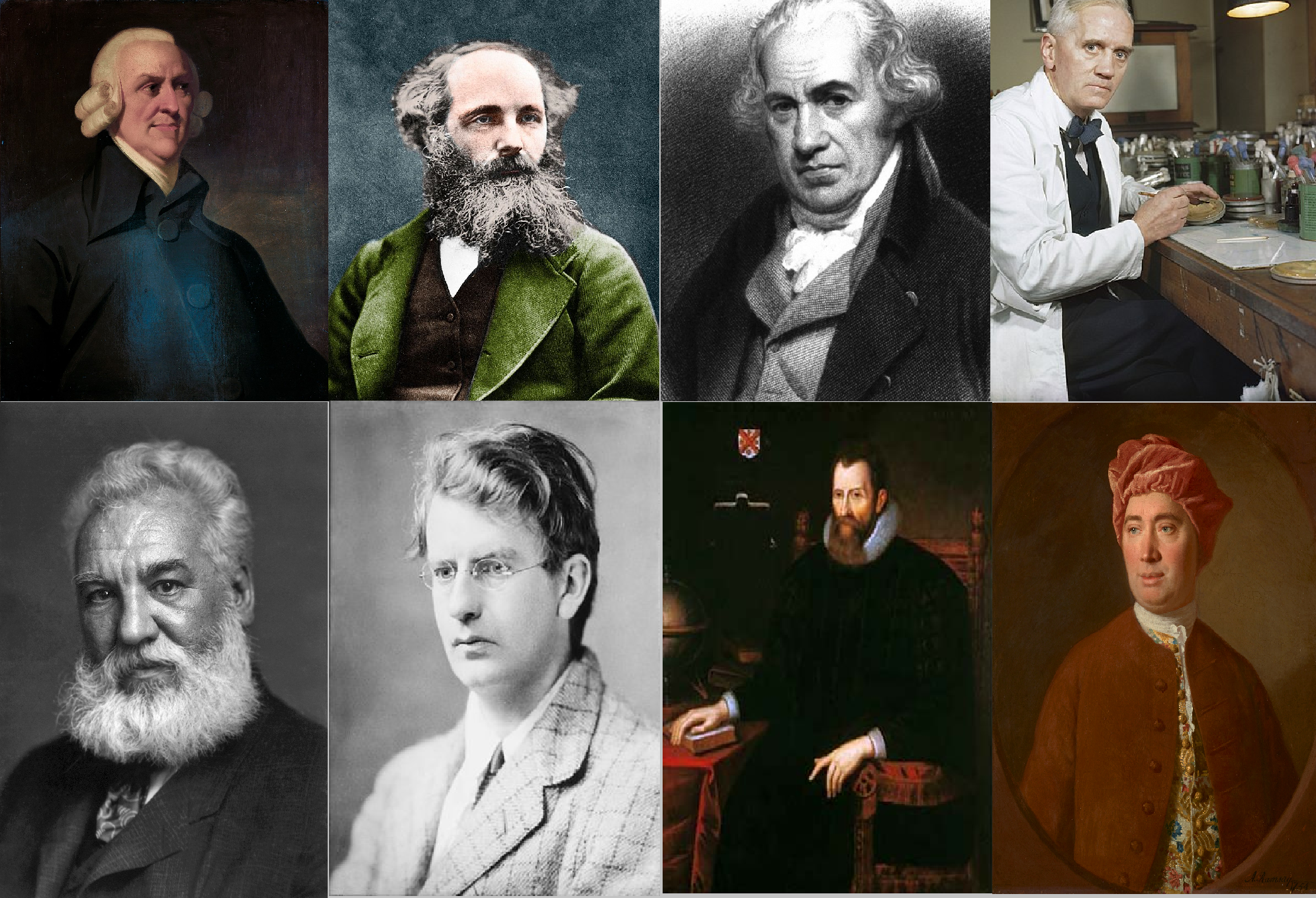
Top Famous People From Edinburgh, Scotland And Their Global Impact
Edinburgh is the capital of Scotland and is often called the “Athens of the North.” This name comes from its strong tradition of education, culture, and learning. Over the years, the city has produced many people who changed science, literature, politics, the arts, and invention.
Many famous people from Edinburgh, Scotlandhave made a lasting impact on the world.Some of these people were born in the city, while others came to Edinburgh to study or work. They were inspired by the city’s creativity, knowledge, and strong spirit.
Well-known names such as Sean Connery, Alexander Graham Bell, Sir Arthur Conan Doyle, Robert Louis Stevenson, Sir Walter Scott, and J.K. Rowling show how Edinburgh’s influence reaches far beyond Scotland. This guide features 60 notable figures and explains their achievements and links to Edinburgh.
1. Sir Walter Scott
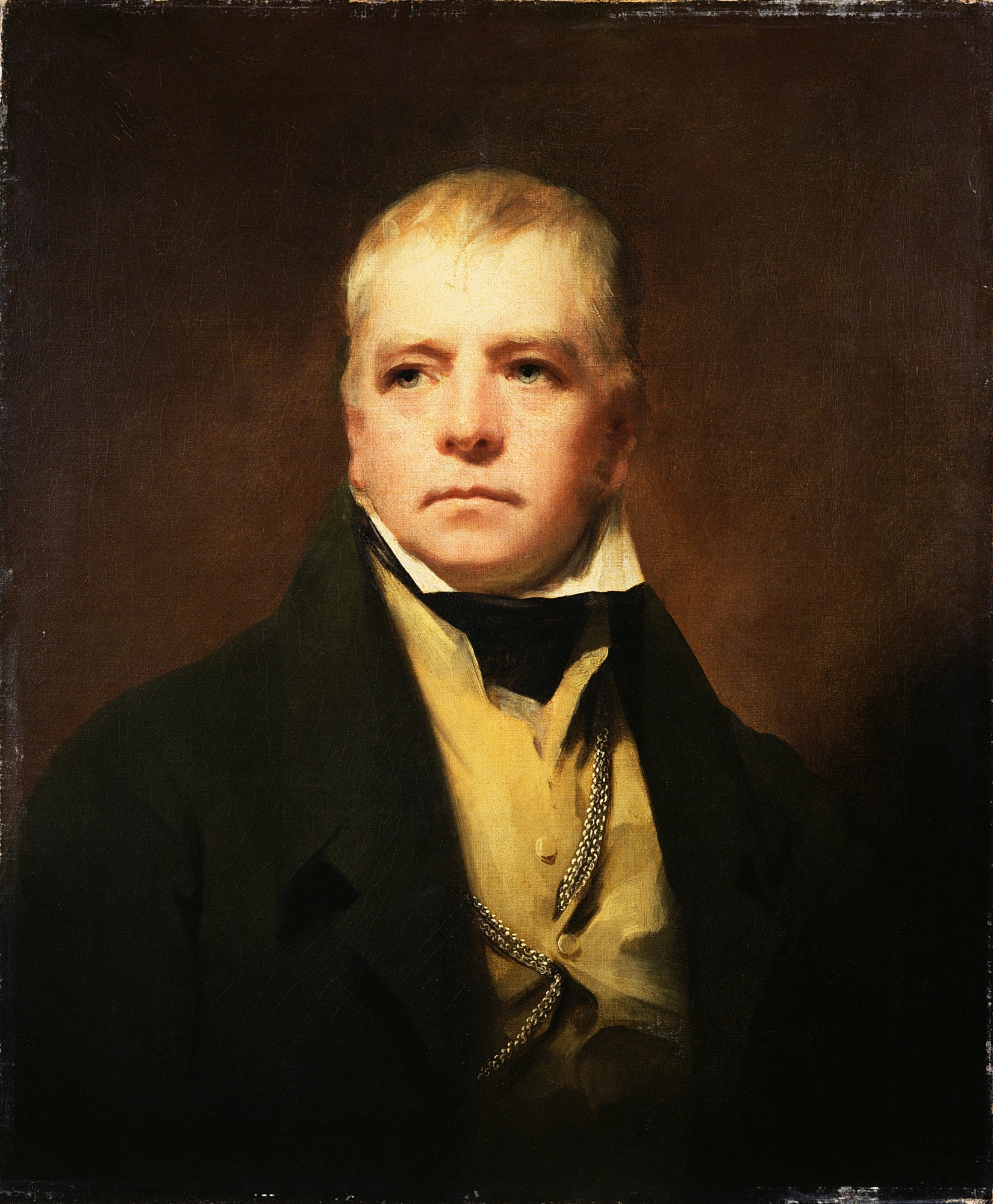
Sir Walter Scott was born in Edinburgh in 1771, at a time when the city was becoming one of Europe’s intellectual centers. He grew up surrounded by legal debate, history, and storytelling, all of which found their way into his writing. Trained as a lawyer, Scott spent much of his life balancing professional duty with creative work. His novels reshaped how people understood Scotland.
Stories like Waverley, Rob Roy, and Ivanhoe brought Scottish history, landscape, and identity to readers across Europe. Long before tourism campaigns existed, Scott’s writing created a powerful image of Scotland that still influences the country’s global reputation today. His works remain a cornerstone in understanding Scottish culture, reflecting the traditions, values, and storytelling heritage of his homeland.
2. Robert Burns
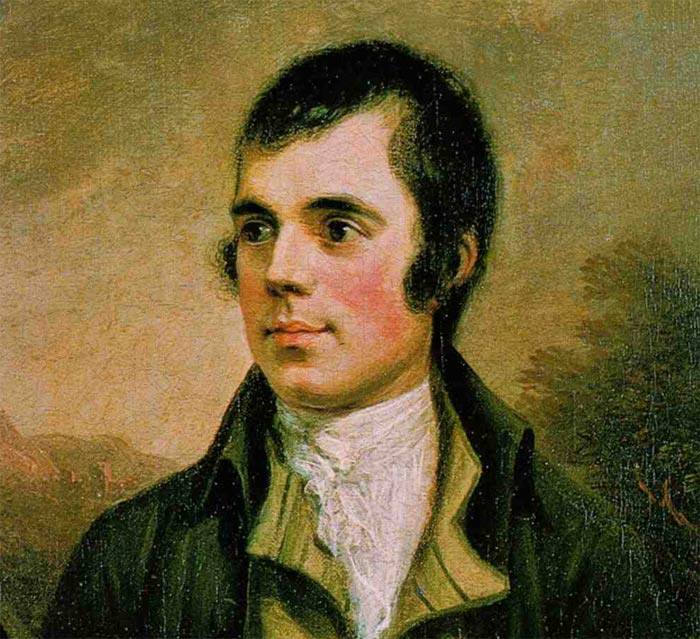
Robert Burnswas born in 1759 in Alloway, a small village in Ayrshire. He grew up in a farming family and experienced hardship from a young age, which gave him a deep understanding of ordinary people’s struggles. Despite limited formal education, Burns read widely and developed a strong love for poetry and song.
He became famous for writing poems in Scots language, making literature feel closer to everyday people. Works like Auld Lang Syne, Tam o’ Shanter, and To a Mouse remain widely read and sung today. Burns wrote about love, freedom, social equality, and human dignity in a way that felt honest and emotional.
3. Robert Louis Stevenson
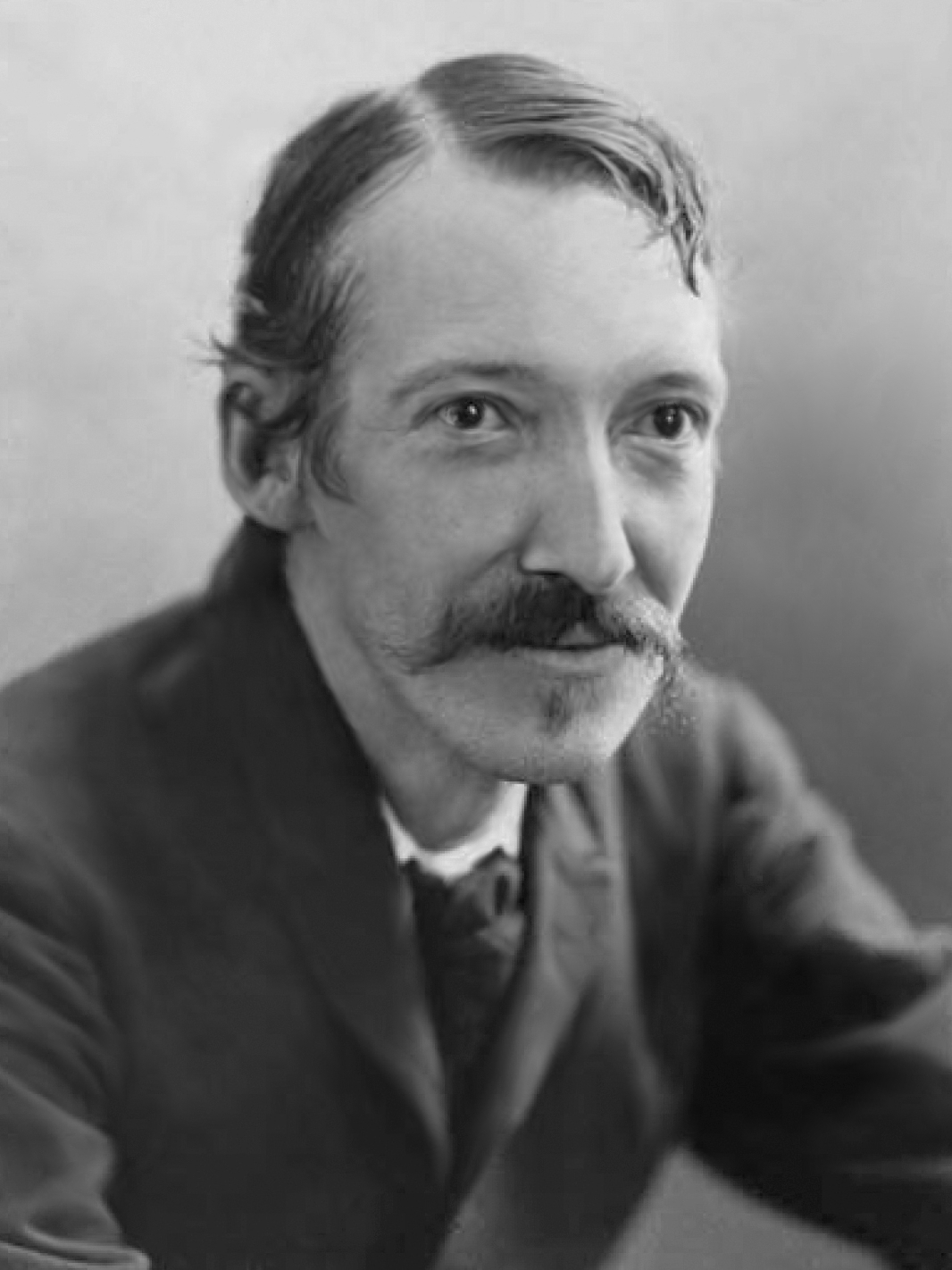
Robert Louis Stevenson was born in Edinburgh in 1850 into a family of engineers. Although expected to follow a practical career, he was drawn instead to writing and storytelling. His poor health led him to traveloften, which later influenced many of his stories.
Stevenson became famous for adventure novels that appealed to both young and adult readers. Treasure Island and Kidnapped remain classic adventure tales, while The Strange Case of Dr Jekyll and Mr Hyde explored the darker sides of human nature. His writing balanced excitement with deep psychological ideas. Later in life, Stevenson settled in Samoa, where he was respected by local people and continued to write until his death.
4. Sir Arthur Conan Doyle
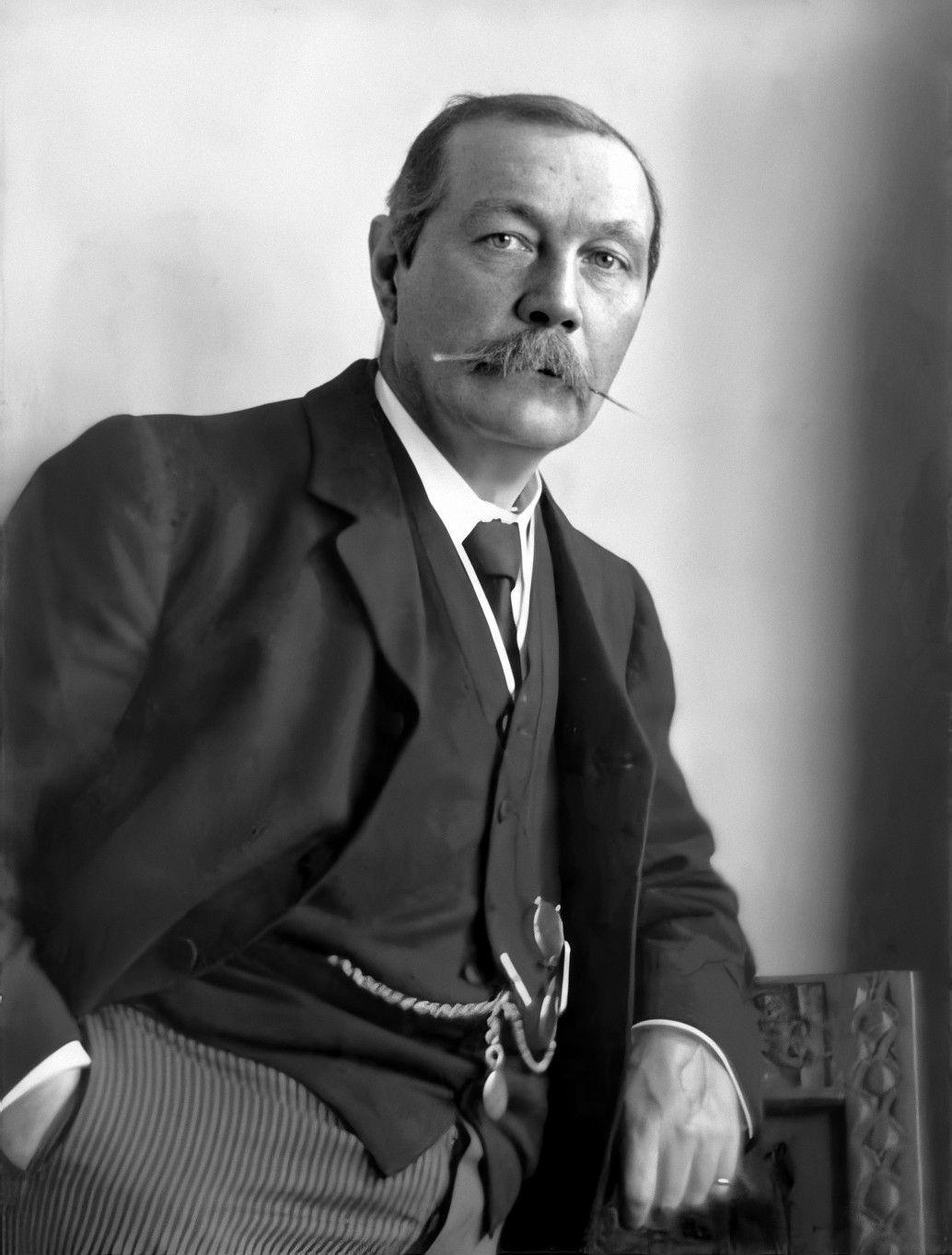
Sir Arthur Conan Doyle was born in Edinburgh in 1859 and trained as a medical doctor. While studying medicine, he began writing short stories to earn extra income. His scientific background strongly influenced the logical style of his most famous creation.
Doyle became world-famous as the creator of Sherlock Holmes. Stories like A Study in Scarlet and The Hound of the Baskervilles introduced readers to a detective who used observation and reason to solve crimes. Sherlock Holmes quickly became one of the most recognizable fictional characters in history. Although Doyle wrote historical novels, science fiction, and essays, Sherlock Holmes overshadowed much of his other work.
5. Muriel Spark
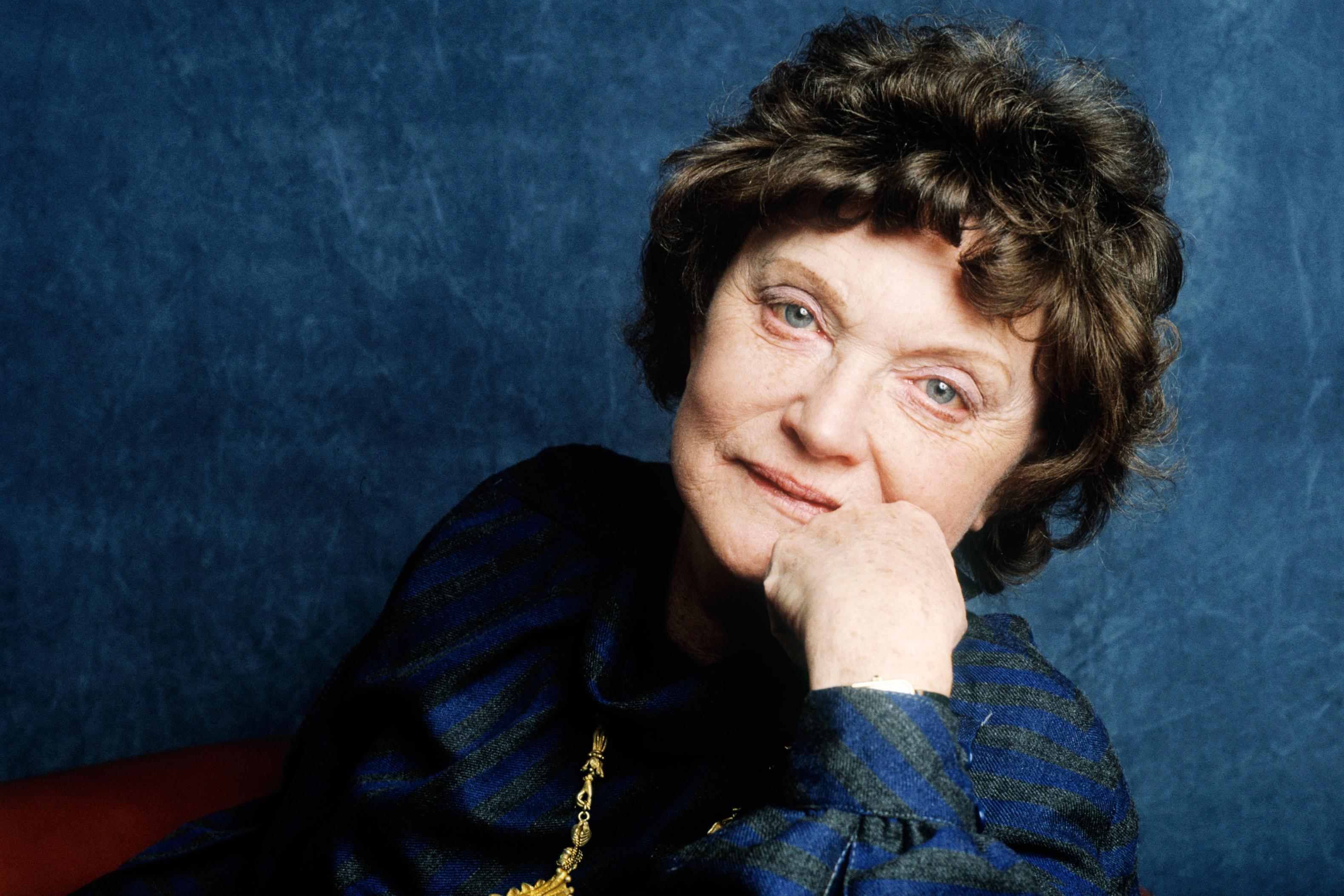
Muriel Spark was born in Edinburgh in 1918 and grew up during a time of great social change. Her early life included work as a teacher, editor, and critic before she turned fully to fiction. These varied experiences gave her sharp insight into human behavior.
She is best known for The Prime of Miss Jean Brodie, a novel set in Edinburgh that explores power, control, and identity within a school environment. Spark’s writing style was clear, precise, and often quietly humorous, even when dealing with serious subjects. Spark spent much of her later life outside Scotland, but Edinburgh remained central to her work. Today, she is remembered as one of the most important Scottish novelists of the twentieth century.
6. Irvine Welsh
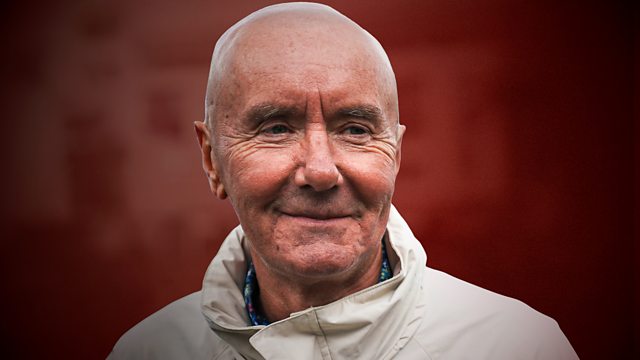
Irvine Welsh was born in Edinburgh in 1958 and grew up in the city’s working-class areas. His early life included periods of rebellion, unemployment, and struggle, which later shaped his writing voice. These experiences gave him a raw and honest perspective on modern urban life.
Welsh became famous with the novel Trainspotting, which portrayed youth culture, addiction, and survival in Edinburgh. Written in strong Scots dialect, the book shocked many readers but also earned praise for its realism and energy. His work continues to focus on social issues, identity, and class. Welsh’s writing changed how contemporary Scottish life is represented in literature.
7. James Hogg
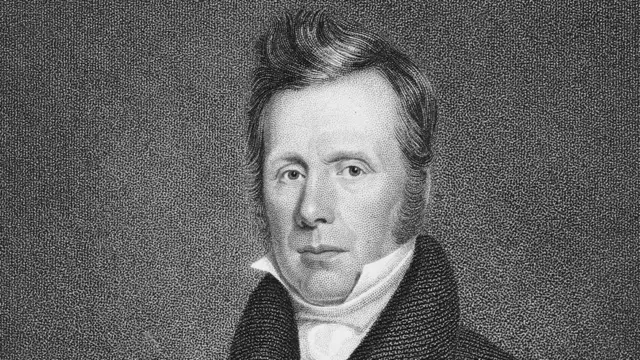
James Hogg was born in 1770 in the Scottish Borders and grew up as a shepherd. With little formal education, he learned stories and songs from oral tradition, which deeply influenced his writing style. His background set him apart from many writers of his time.
Hogg is best known for The Private Memoirs and Confessions of a Justified Sinner, a novel that explores religion, guilt, and madness. The book was far ahead of its time and is now considered a major work of Scottish literature. Often called the “Ettrick Shepherd,” Hogg bridged folk storytelling and literary tradition.
8. Naomi Mitchison
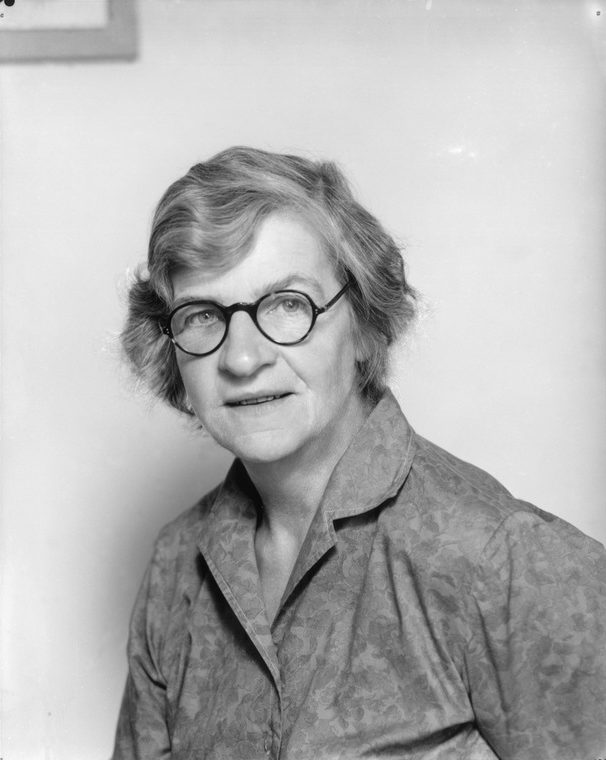
Naomi Mitchison was born in Edinburgh in 1897 into a politically active and intellectual family. She was educated at Oxford and became deeply involved in social issues, including feminism and socialism. Her beliefs strongly shaped her writing.
Mitchison wrote historical novels, science fiction, and political essays. Her works often explored power, gender roles, and moral responsibility. She was also active in public life, supporting writers and political movements throughout her career. Her long life and wide interests made her a unique voice in Scottish literature.
9. Alasdair Gray
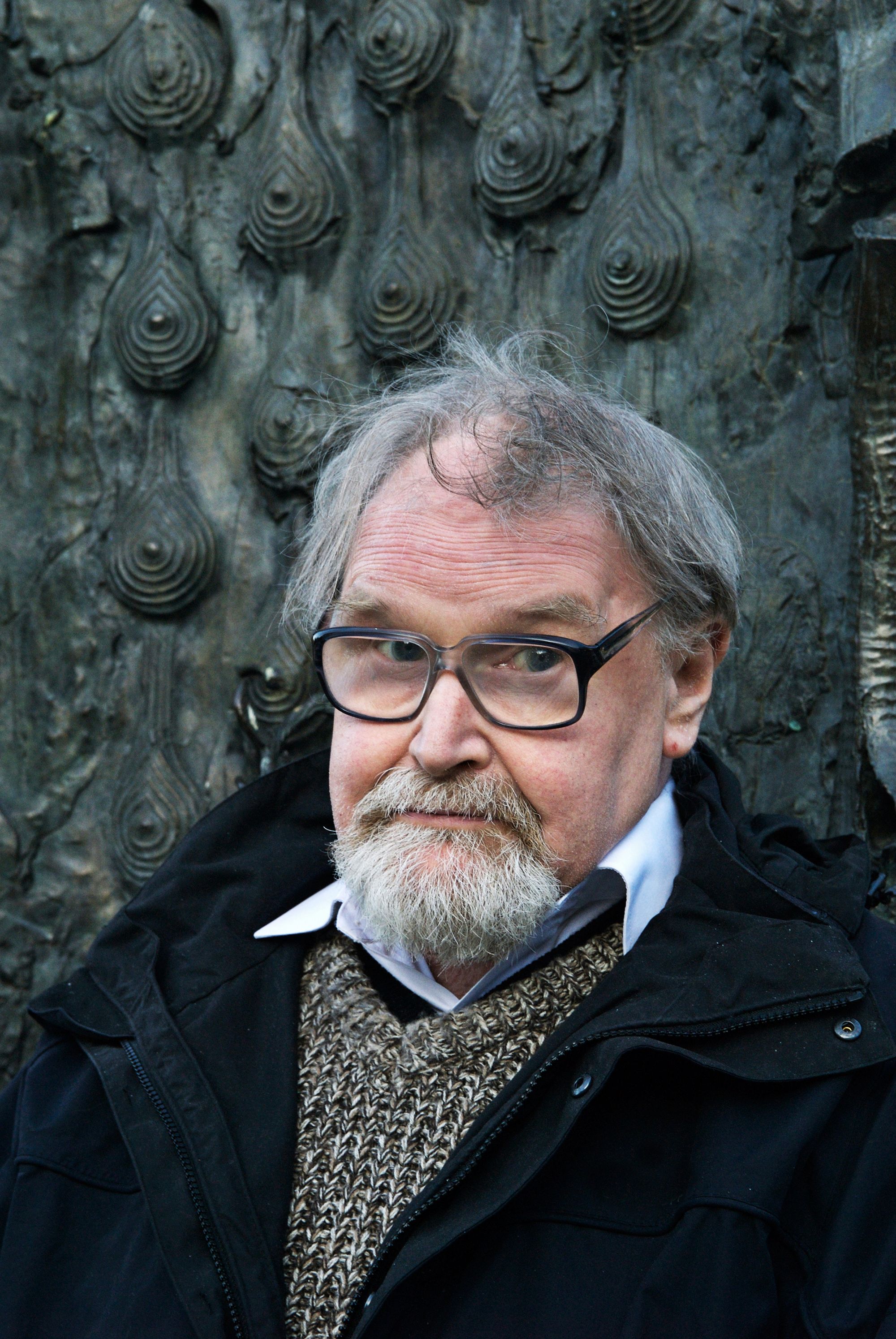
Alasdair Gray was born in Glasgow in 1934 and spent most of his life connected to the city. He trained as an artist as well as a writer, and his books often combined text with illustrations. This made his work visually and creatively distinctive.
Gray became widely known for Lanark, a novel that blends realism, fantasy, and political ideas. His writing challenged traditional storytelling and questioned power, identity, and society in modern Scotland. He believed strongly in supporting Scottish cultureand independence.
10. Jackie Kay
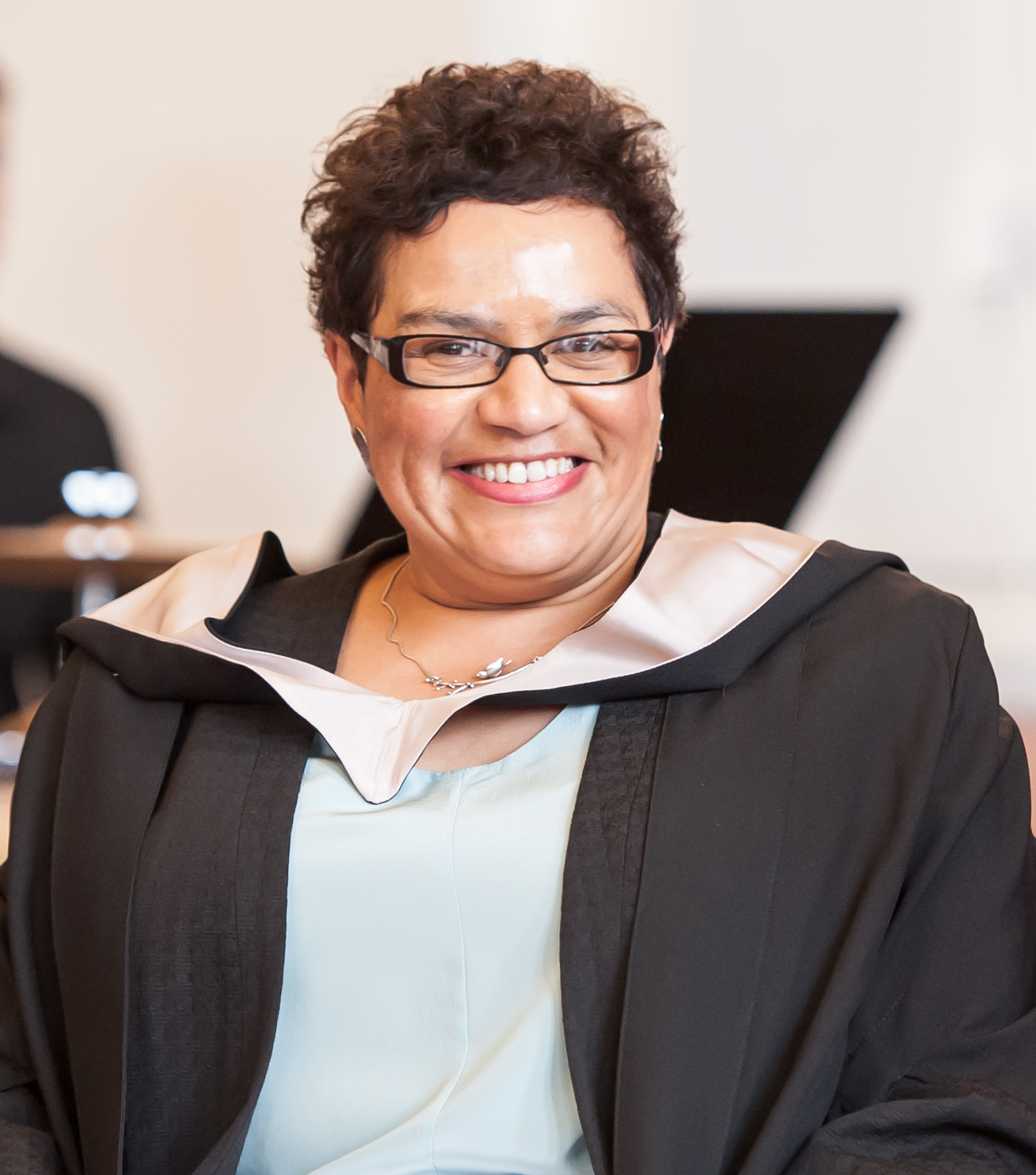
Jackie Kay was born in Edinburgh in 1961 and raised in Glasgow by adoptive parents. Her mixed heritage and personal experiences shaped her understanding of identity and belonging. These themes appear strongly throughout her work.
Kay is known for poetry, novels, and short stories that explore race, gender, and self-discovery. Her novel Trumpet received wide praise for its emotional depth and originality. As a former Scottish Makar, Kay played an important role in shaping modern Scottish literature.
11. Hugh MacDiarmid
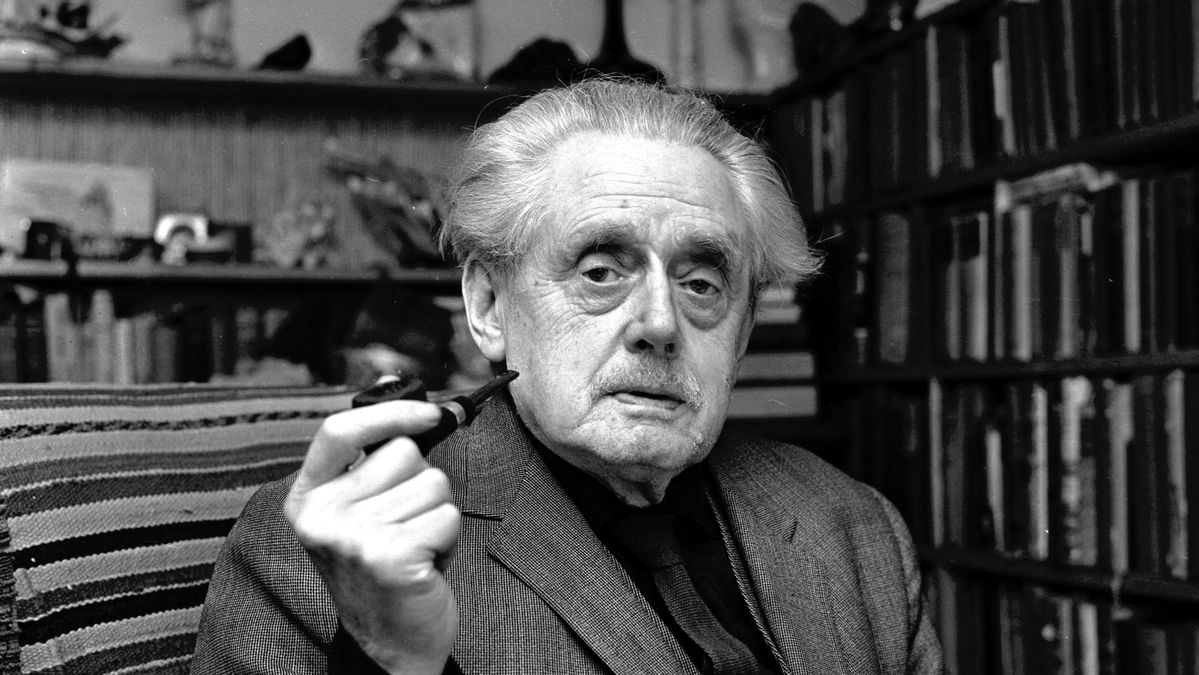
Hugh MacDiarmid was born in Langholm in 1892 and grew up in the Scottish Borders. His early life in a rural setting shaped his strong connection to Scottish language and identity. He worked as a journalist before fully committing himself to poetry.
MacDiarmid played a major role in the Scottish Renaissance, a movement that aimed to revive Scottish literature and culture. He wrote poetry in Scots at a time when many believed the language had no literary future. Works like A Drunk Man Looks at the Thistle challenged political, cultural, and artistic ideas. Although controversial because of his strong opinions, MacDiarmid changed how Scottish poetry was written and understood.
12. Lewis Grassic Gibbon
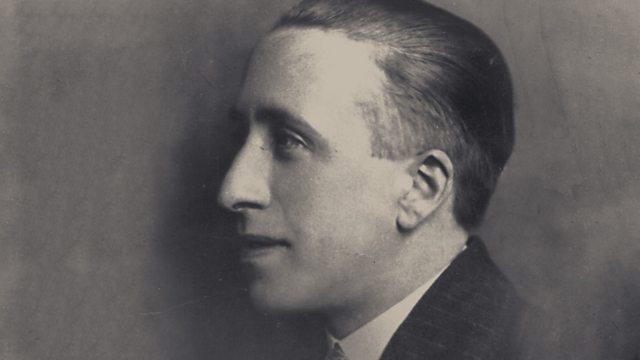
Lewis Grassic Gibbon was born in 1901 in Aberdeenshire. He grew up in a farming community, which gave him first-hand experience of rural Scottish life. This background became central to his most important work.
He is best known for Sunset Song, a novel that follows the life of a young woman in a changing rural Scotland. The book captures the struggle between tradition and progress, as well as the emotional cost of social change. Although Gibbon died young, his writing left a lasting impact. Sunset Song is still widely read and studied as one of Scotland’s greatest novels.
13. George Mackay Brown
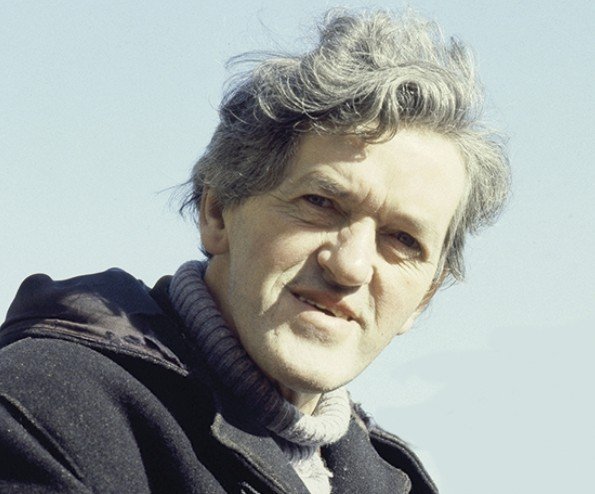
George Mackay Brown was born in Stromness, Orkney, in 1921. He spent most of his life on the islands, drawing inspiration from their history, landscape, and traditions. His deep attachment to place defined his writing.
Brown wrote poetry, novels, and short stories that explored time, memory, and faith. His work often focused on ordinary island life, showing how small communities are shaped by history and belief. His quiet, reflective style made his writing timeless. Today, he is remembered as one of the strongest literary voices to come from Scotland’s islands.
14. Liz Lochhead
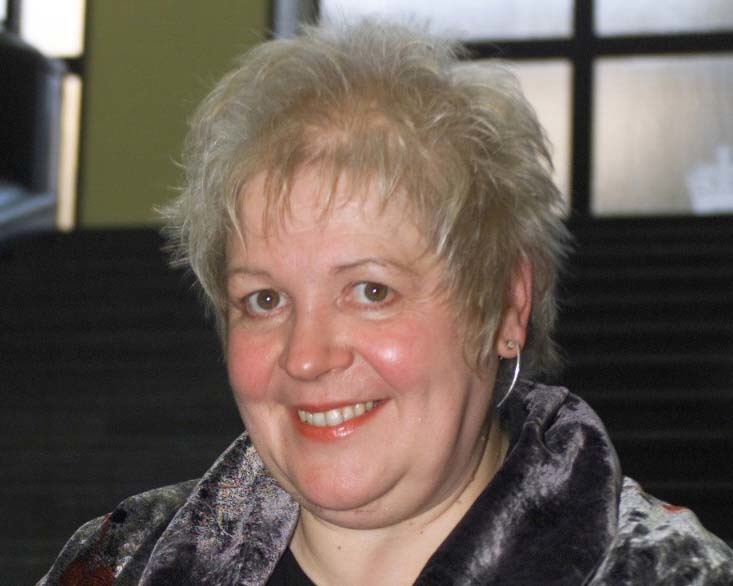
Liz Lochhead was born in Motherwell in 1947 and grew up during a period of social change in Scotland. She trained as an artist before turning to poetry and drama, which influenced her creative approach to language.
Lochhead became known for writing poems and plays that explored gender, relationships, and power. She used Scots language and modern speech to make her work accessible and relevant. Her adaptations of classic stories gave old tales new meaning. As Scotland’s Makar, she played a major role in bringing poetry to wider audiences.
15. J.M. Barrie
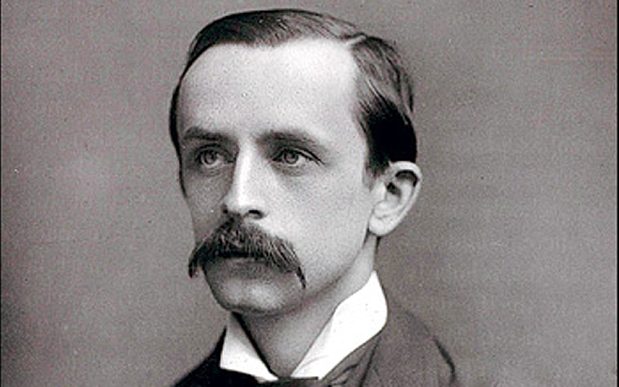
J.M. Barrie was born in Kirriemuir in 1860 and grew up in a close-knit family. Childhood experiences, including loss and imagination, deeply shaped his writing. These themes would later define his most famous work.
Barrie is best known as the creator of Peter Pan, a story about a boy who never grows up. The tale explores childhood, escape, and the fear of adulthood. It became one of the most loved stories in the world. Although Peter Pan brought him lasting fame, Barrie also wrote novels and plays. His influence on children’s literature remains enormous.
16. Nan Shepherd
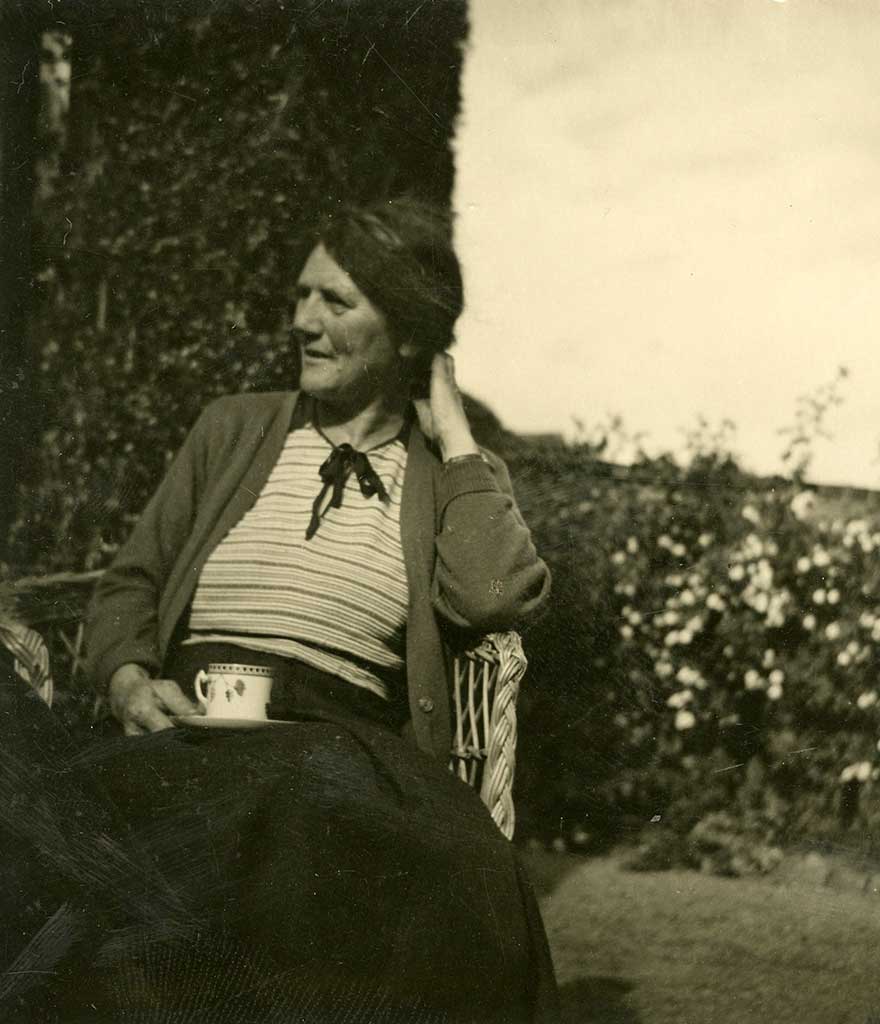
Nan Shepherd was born in 1893 in Aberdeenshire and spent much of her life teaching and writing. She had a deep love for nature, especially the Cairngorm Mountains, which became central to her work.
She wrote novels that focused on strong female characters and rural life. Her book The Living Mountain is a reflective exploration of landscape, nature, and human connection to the land. Although overlooked during her lifetime, Shepherd’s writing gained wide recognition later. Today, she is celebrated for her thoughtful and intimate view of nature.
17. Allan Ramsay
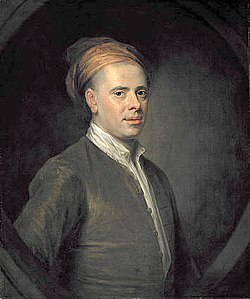
Allan Ramsay was born in 1686 in Lanarkshire and worked as a wigmaker before becoming a writer. His background as a tradesman gave him close contact with everyday Scottish life.
Ramsay played an important role in preserving Scots poetry and song. He collected and published traditional works while also writing original poems and plays. His writing helped keep Scots language alive in literature. He also helped establish Edinburgh as a cultural center. Ramsay’s influence can be seen in later poets, including Robert Burns.
18. John Buchan
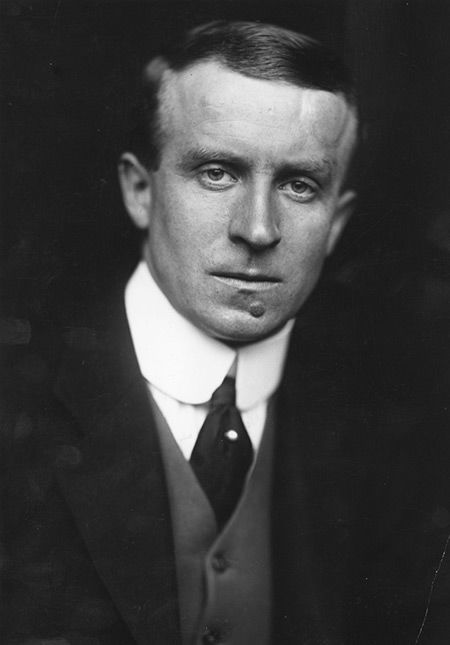
John Buchan was born in Perth in 1875 and educated at Oxford. He worked as a writer, historian, and politician, later becoming Governor General of Canada. His wide career shaped his storytelling.
Buchan is best known for The Thirty-Nine Steps, a fast-paced thriller that helped define the spy novel. His books combined adventure with political tension and moral questions. His stories influenced modern thriller and espionage fiction. Buchan remains an important figure in popular Scottish literature.
19. Agnes Owens
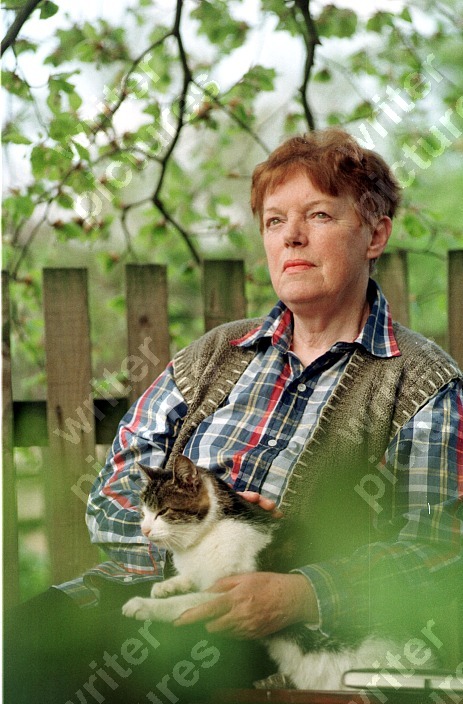
Agnes Owens was born in Glasgow in 1926 and lived much of her life in poverty. She worked various jobs while raising a family, turning to writing later in life. Her stories focused on working-class women, loneliness, and hardship.
Written in clear and honest language, her work gave voice to people often ignored in literature. Owens gained recognition later than many writers, but her work is now respected for its emotional truth and strength.
20. James Kelman
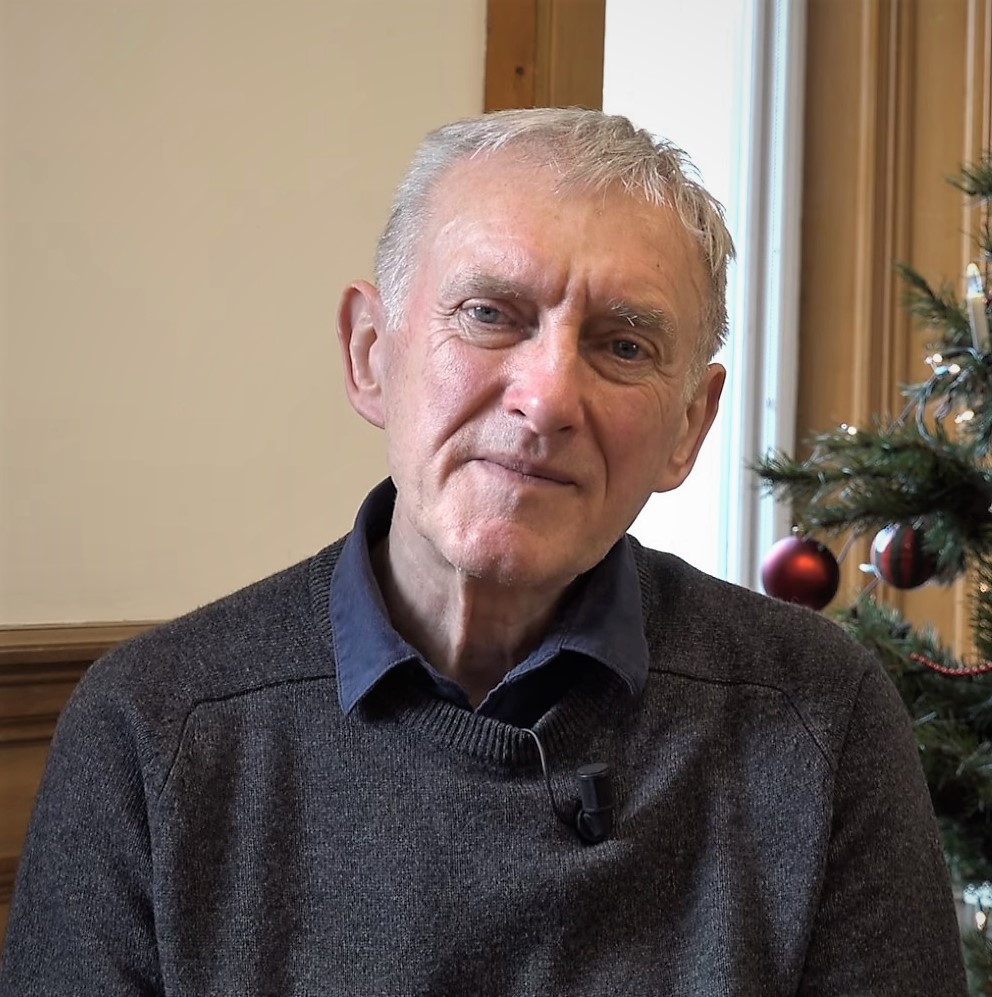
James Kelman was born in Glasgow in 1946 and grew up in a working-class environment. His experiences shaped his strong views on language, class, and power. Kelman is known for writing in everyday speech, capturing the inner thoughts of ordinary people.
His novel How Late It Was, How Late won the Booker Prize and sparked debate because of its raw language. Despite controversy, Kelman changed modern British and Scottish fiction. His work challenged ideas about who literature is for and whose voices matter.
21. Edwin Muir
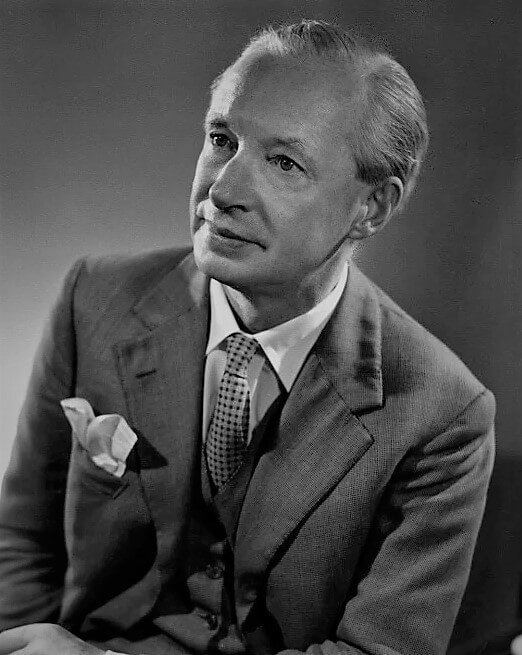
Edwin Muir was born in Orkney in 1887 and spent his early childhood on a farm. His family later moved to Glasgow, where he experienced the shock of industrial city life. This sharp contrast between rural peace and urban hardship shaped much of his writing.
Muir wrote poetry, novels, and essays that explored memory, exile, and identity. His poems often reflected feelings of loss and displacement, especially the loss of a simpler way of life. He was also an important translator, helping introduce the works of Franz Kafka to English readers. Although quiet in tone, Muir’s work carries deep emotional and philosophical weight.
22. Hamish Henderson
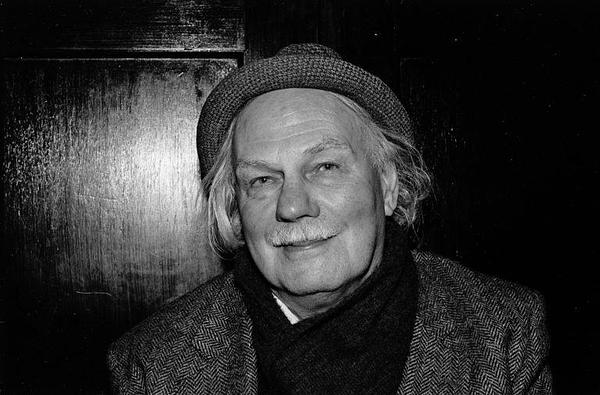
Hamish Henderson was born in Blairgowrie in 1919 and grew up with a strong interest in music and folklore. He served during the Second World War, an experience that deeply affected his political and cultural views.
Henderson became famous for collecting and preserving Scottish folk songs and oral traditions. He believed strongly in the value of ordinary people’s voices and worked to ensure they were not lost. His song Freedom Come-All-Ye became an important political and cultural statement. More than a writer, Henderson was a cultural activist. His work helped protect Scotland’s folk heritage and inspired future generations of artists.
23. A.L. Kennedy
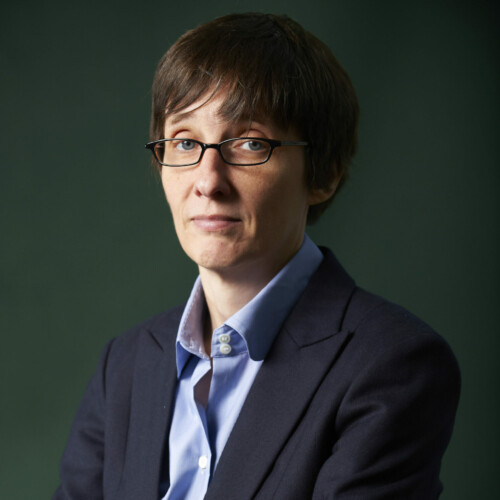
A.L. Kennedy was born in Dundee in 1965 and grew up in Glasgow. She studied English literature and later turned to writing full-time, developing a style that was both emotionally intense and carefully controlled.
Kennedy is known for novels and short stories that explore pain, relationships, and emotional survival. Her writing often focuses on damaged characters trying to connect with others in a difficult world. Despite serious themes, her work sometimes includes dark humor. She is also a public speaker and essayist. Kennedy’s honest and fearless approach has earned her a strong place in modern Scottish literature.
24. Don Paterson
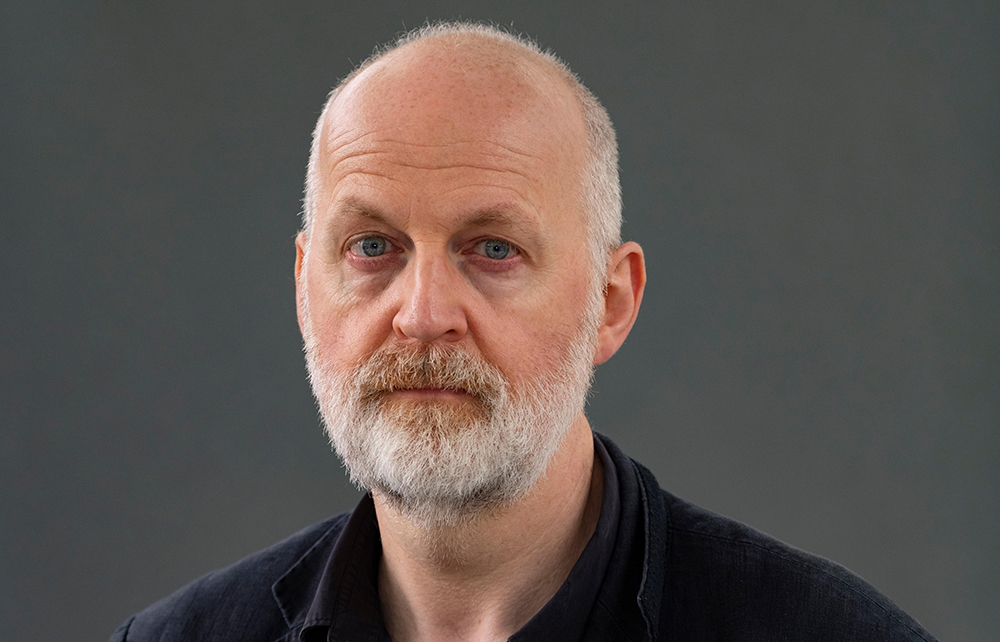
Don Paterson was born in Dundee in 1963 and grew up with a strong interest in music and language. Before becoming widely known as a poet, he worked as a musician and editor.
Paterson’s poetry is admired for its clarity and emotional depth. His poems explore love, loss, faith, and doubt in a direct but thoughtful way. Collections like Landing Light brought him major recognition. He has also written essays on poetry and teaching, helping shape how poetry is understood today
25. Iain Banks
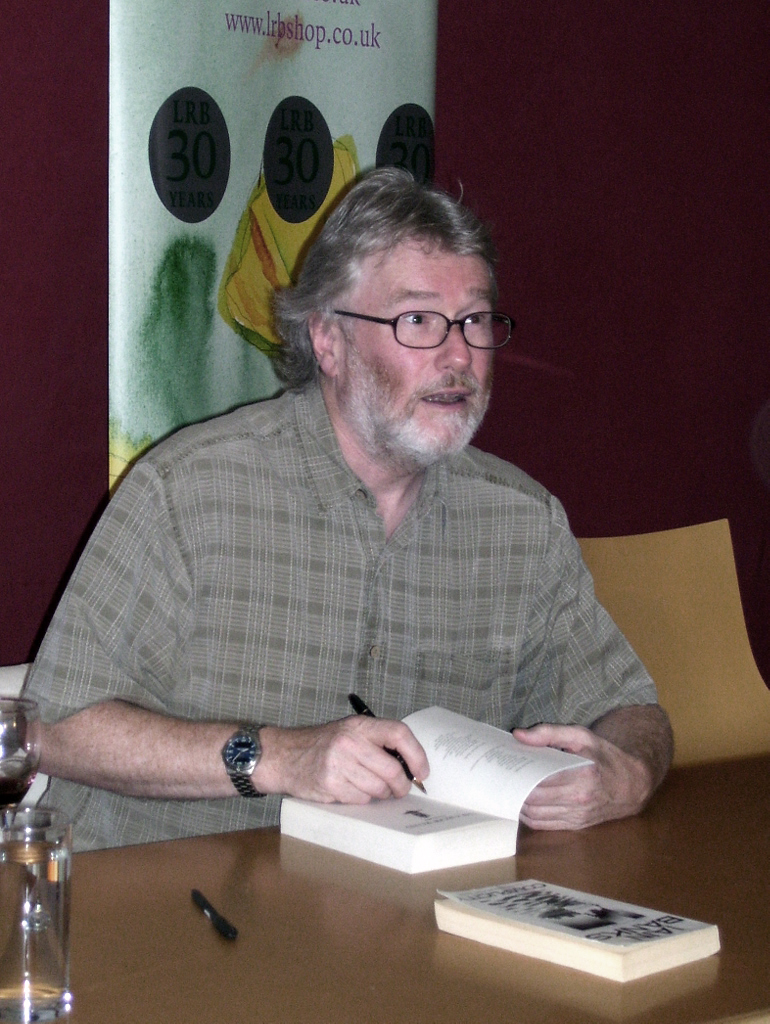
Iain Banks was born in Dunfermlinein 1954 and grew up in Fife. From an early age, he showed interest in storytelling and imagination. He later studied English and philosophy. Banks became famous for writing both mainstream novels and science fiction.
Under the name Iain M. Banks, he created the Culture series, which explored advanced societies, power, and morality. His mainstream novels, such as The Wasp Factory, challenged readers with dark and unusual ideas. Banks was widely admired for his creativity and range. His work continues to attract readers across different genres.
26. Sorley MacLean
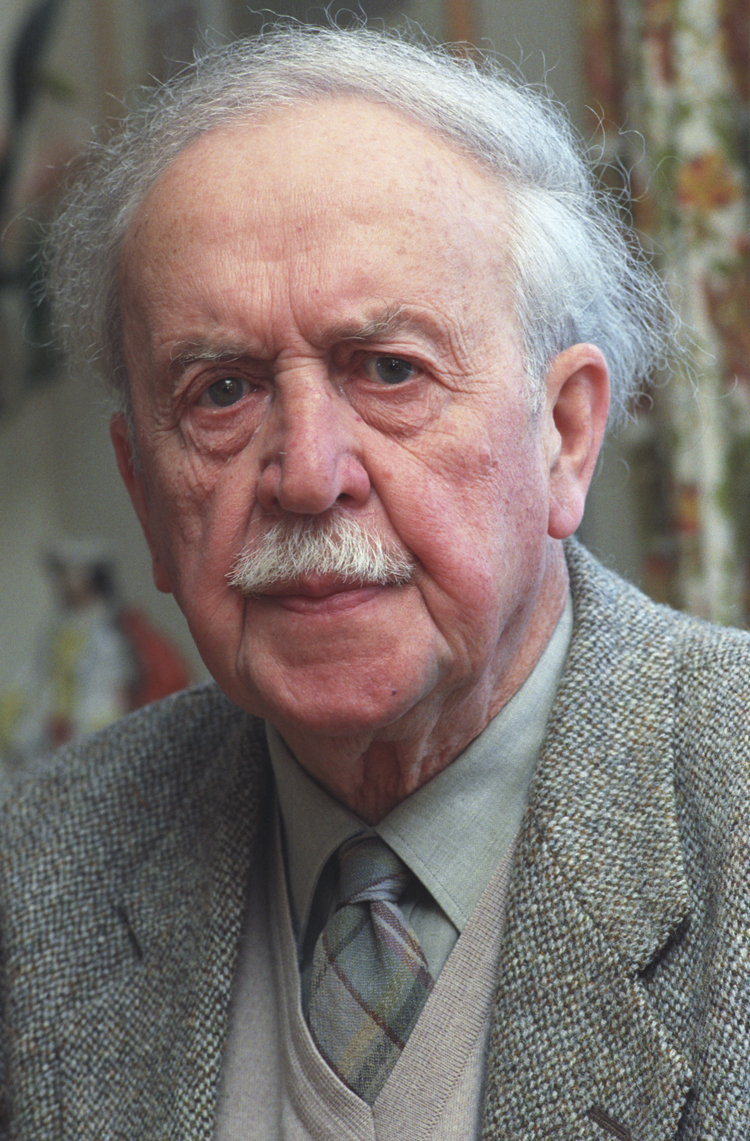
Sorley MacLean was born on the Isle of Raasay in 1911 and grew up speaking Scottish Gaelic. His deep connection to Gaelic language and culture shaped his entire literary career.
MacLean wrote poetry that combined personal emotion with political struggle. He addressed themes such as love, war, and injustice, often reflecting on the Highland Clearances and global conflict. His poetry helped bring Gaelic literature to wider attention. He is remembered as one of the greatest Gaelic poets of the modern era. His work strengthened the place of Gaelic in Scottish culture.
27. Val McDermid
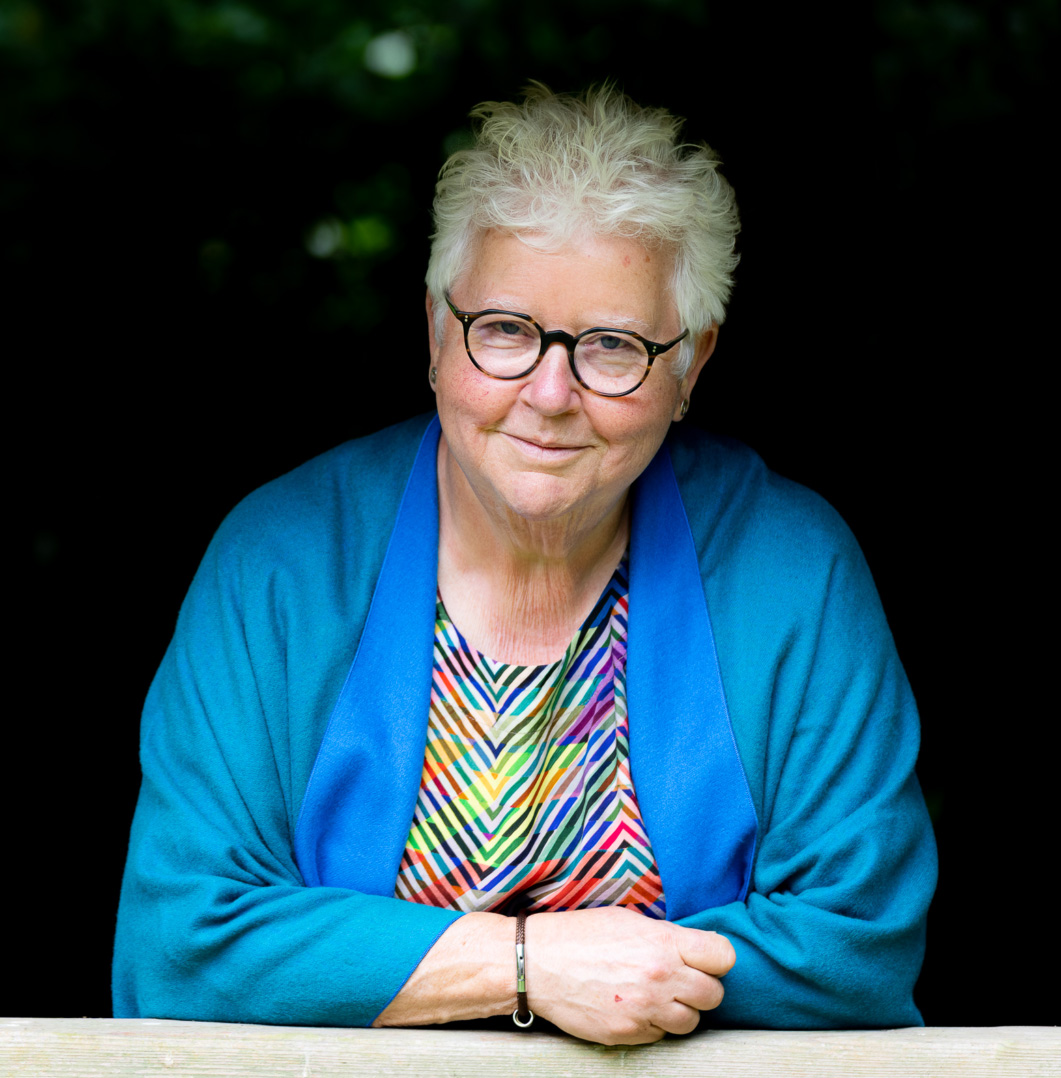
Val McDermid was born in Kirkcaldy in 1955 and studied English at university. She worked as a journalist before turning fully to fiction, which influenced her realistic writing style.
McDermid became famous for crime novels that combine strong characters with psychological depth. Her series featuring detectives such as Tony Hill gained international popularity. She often explores violence, gender, and power in modern society. Her success helped raise the global profile of Scottish crime fiction. Today, she is one of the most widely read Scottish authors.
28. Ali Smith
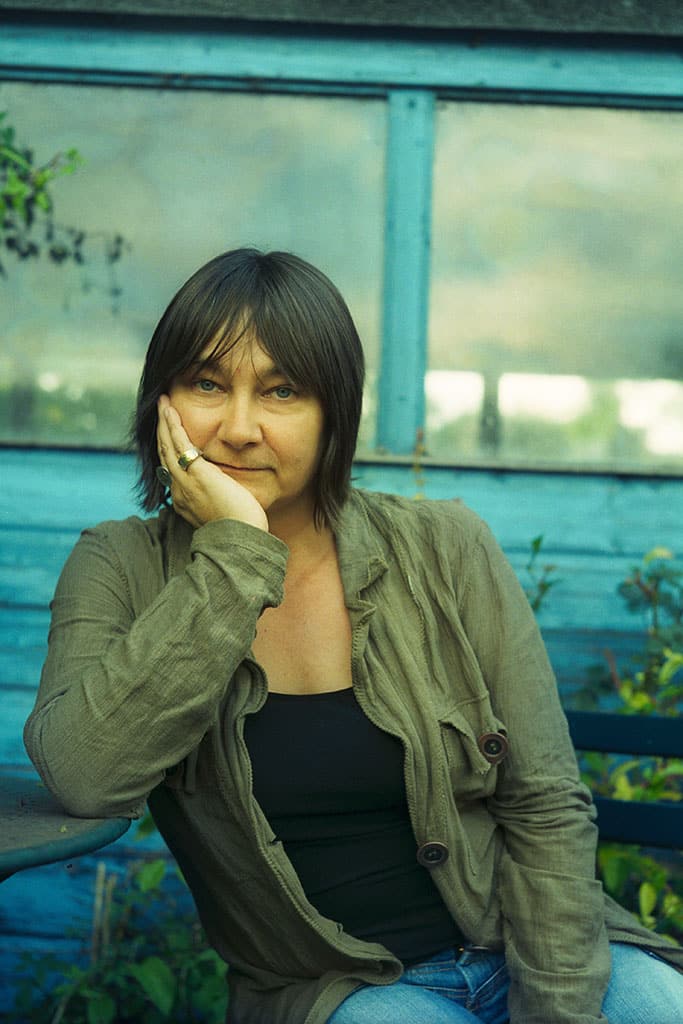
Ali Smith was born in Inverness in 1962 and grew up with a love for books and language. She studied English literature and later became a lecturer before focusing on writing.
Smith is known for experimental novels that play with time, structure, and voice. Works like How to Be Both and the Seasonal Quartet explore identity, politics, and human connection in modern life. Her writing is innovative but emotionally grounded. Smith is widely respected for pushing the boundaries of contemporary fiction.
29. Douglas Stuart
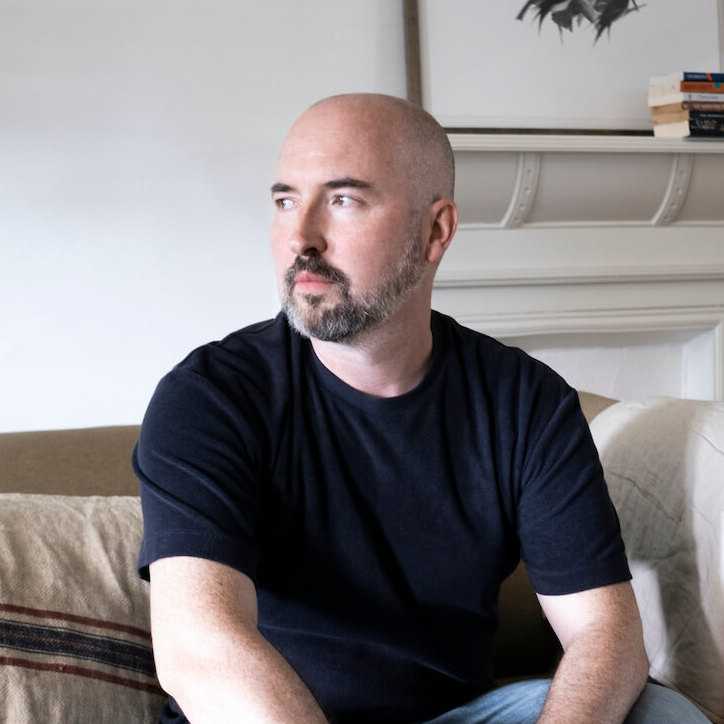
Douglas Stuart was born in Glasgow in 1976 and later moved to the United States. His upbringing in a working-class family strongly influenced his writing.
He became internationally known for his debut novel Shuggie Bain, which draws on themes of addiction, poverty, and childhood resilience. The novel received wide praise for its emotional honesty and detailed storytelling. Stuart’s work brought renewed attention to social realism in Scottish fiction. He is seen as an important voice of a new generation.
30. Tom Leonard
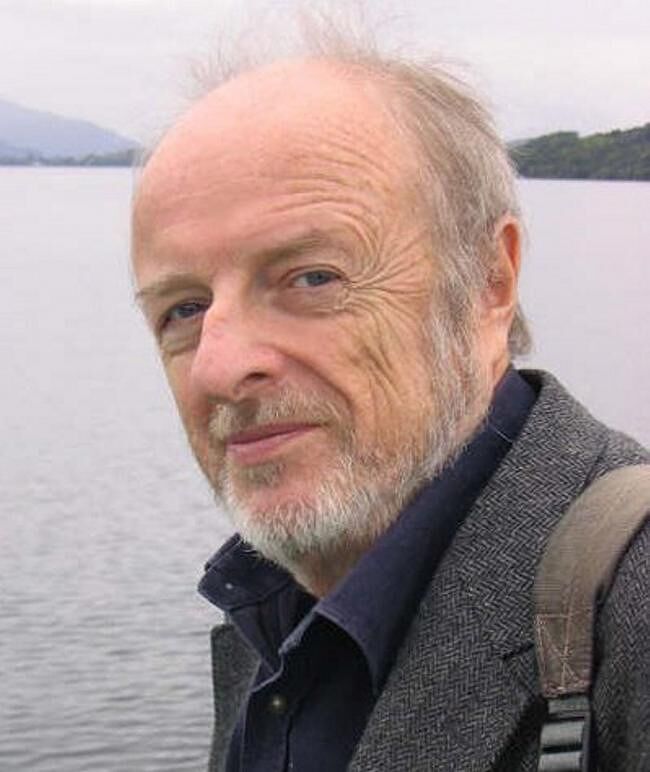
Tom Leonard was born in Glasgow in 1944 and grew up surrounded by the city’s working-class speech. His writing challenged traditional ideas of what poetry should sound like.
Leonard wrote poetry using everyday spoken language, especially Glaswegian dialect. By doing this, he questioned social class, education, and cultural authority. His work argued that all voices deserve to be heard. Though often controversial, Leonard had a lasting impact on Scottish poetry. His work changed attitudes toward language and representation.
31. Violet Jacob
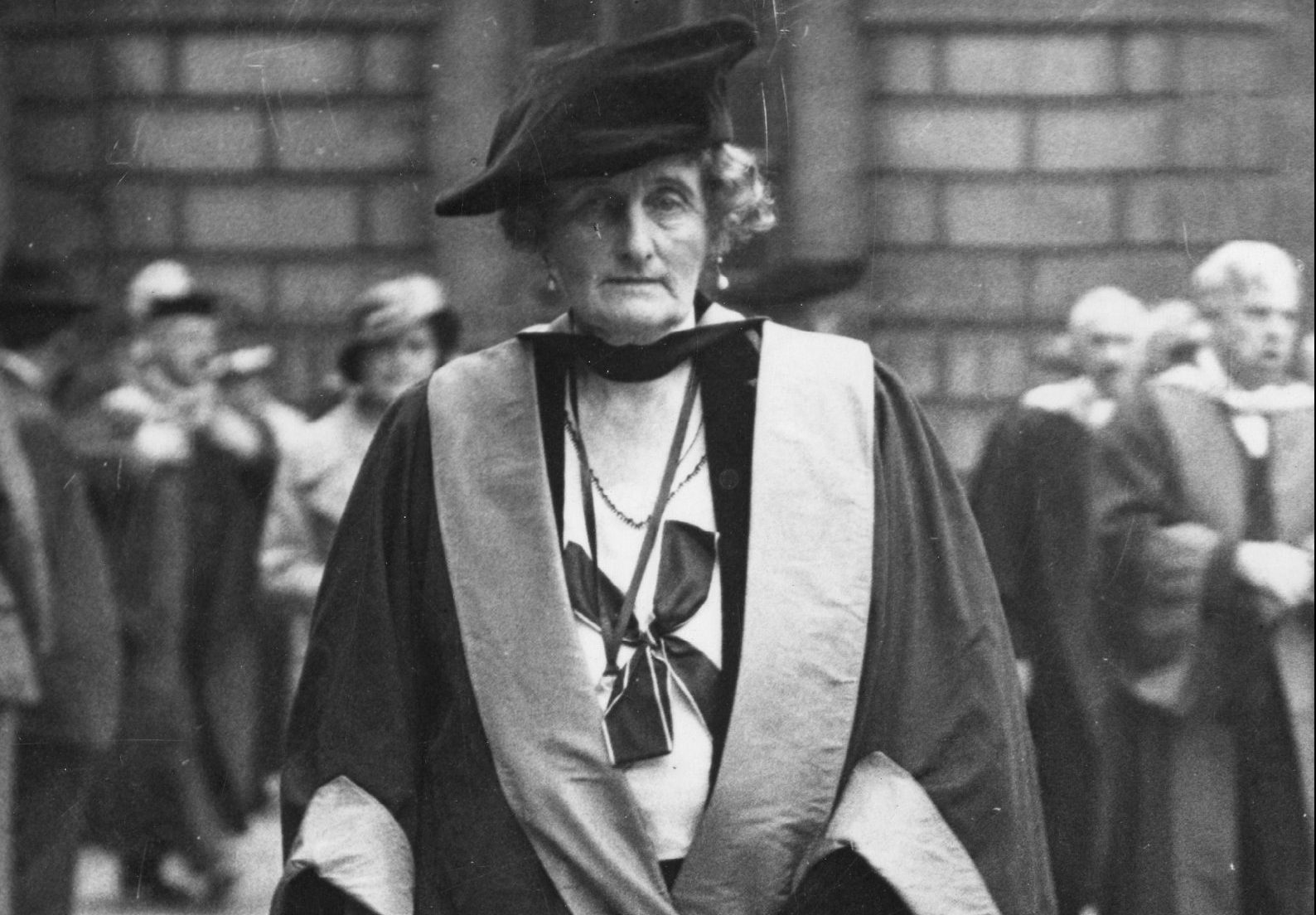
Violet Jacob was born in 1863 in Angus and later spent significant time in Edinburgh’s literary circles. She became a celebrated poet and novelist, deeply influenced by Scottish landscapes, history, and traditions.
Jacob is best known for works like Flemington and her poetry in Scots dialect, which captured the rhythms and culture of rural Scotland. Her writing reflected local identity, love, and social change. Edinburgh’s cultural and literary networks helped bring her work to a wider audience, cementing her place in Scottish literature.
32. Donald Dewar
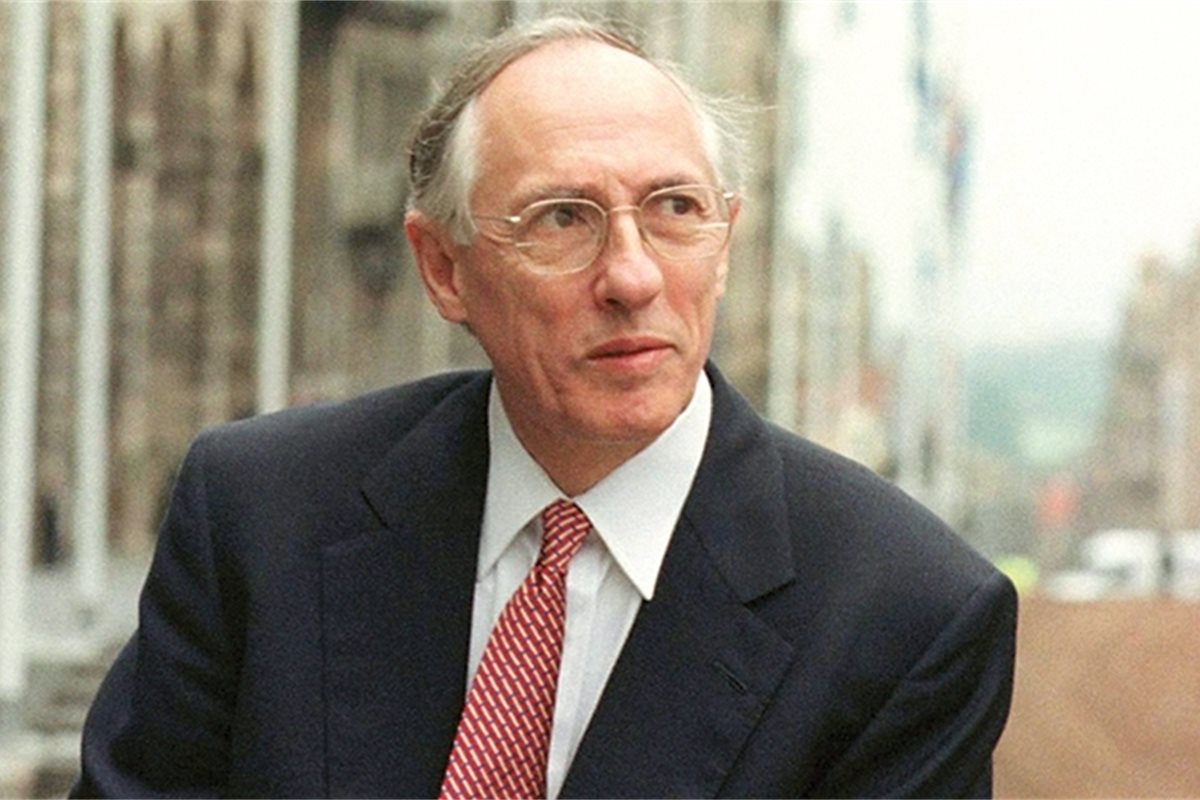
Donald Dewar was born in Glasgow in 1937 but later worked closely with Edinburgh political institutions. He studied law and became deeply involved in Scottish politics.
Dewar became Scotland’s first First Minister in 1999, playing a major role in establishing the Scottish Parliament. Known as the “Father of the Nation” in modern political history, he focused on social justice, education, and governance. His connection to Edinburgh, the political and administrative capital, was central to his career.
33. Chris Hoy
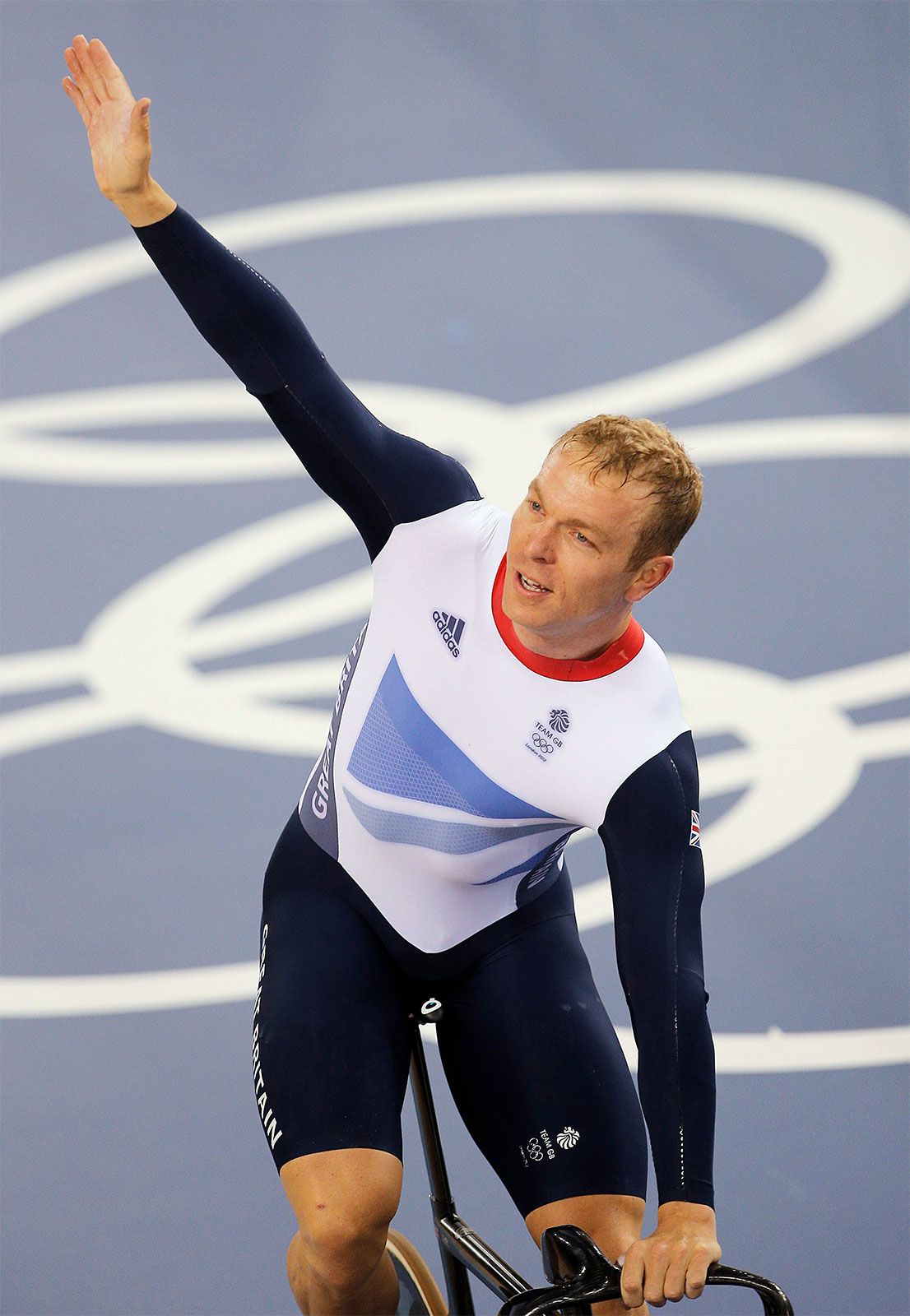
Sir Chris Hoy was born in Edinburgh in 1976 and grew up with a passion for cycling. He trained rigorously from a young age, supported by Scotland’s sports programs.
Hoy became one of the most successful Olympic cyclists of all time, winning six gold medals and setting multiple world records. His dedication, focus, and perseverance made him a national hero and a symbol of Scottish athletic achievement. Edinburgh played a key role in nurturing his early talent.
34. George Buchanan
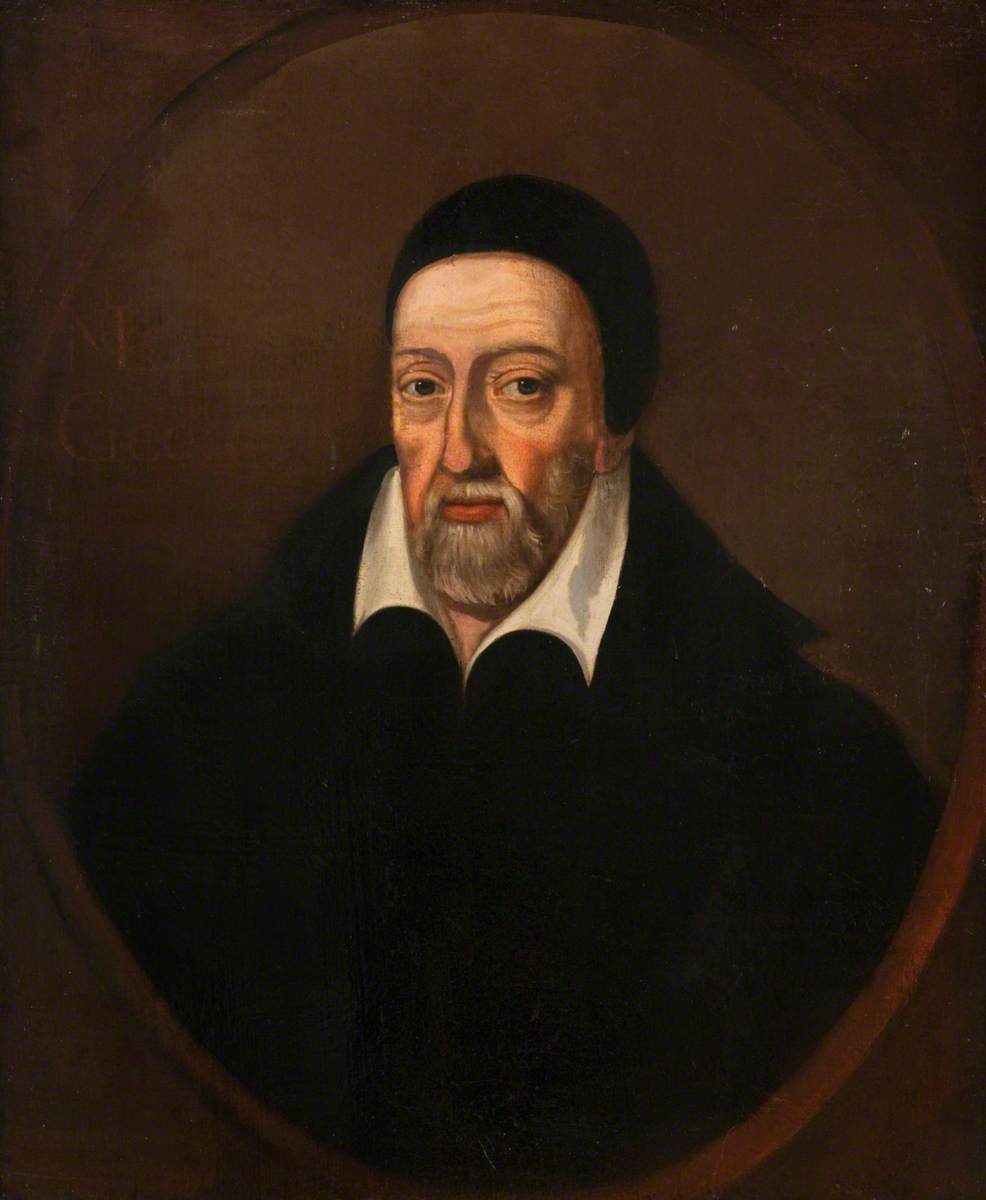
George Buchanan was born in Killearn, near Edinburgh, in 1506. He became one of Scotland’s most important scholars, historians, and humanists during the Renaissance. Buchanan studied classical languages, philosophy, and literature, and later taught at Edinburgh’s universities.
He is best known for his works on history and political theory, including Rerum Scoticarum Historia, which chronicled Scotland’s past, and his writings on monarchy and civic responsibility. Buchanan’s scholarship influenced both Scottish education and European intellectual life. Edinburgh’s academic environment nurtured his ideas and helped him shape Scotland’s cultural and political thought.
35. John Knox
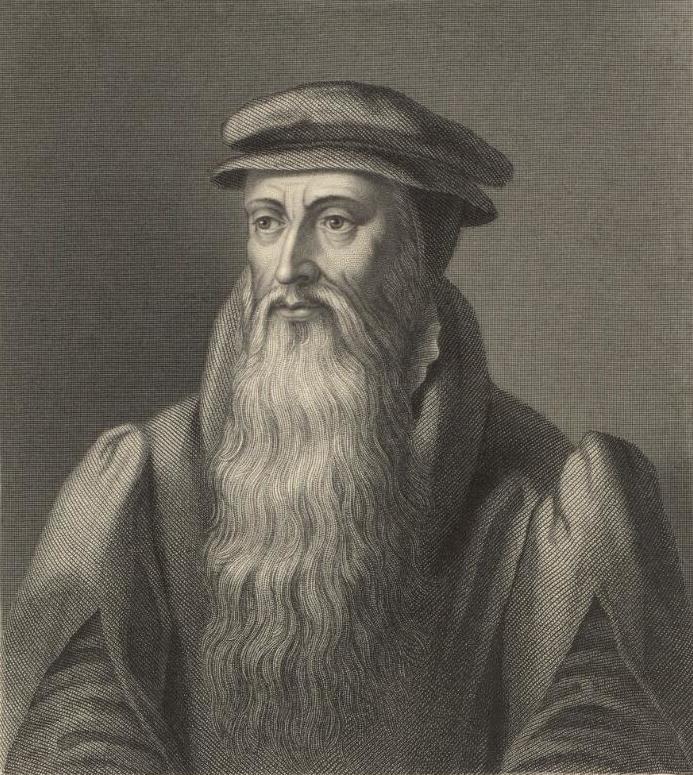
John Knox was born in Haddington around 1514 and later became a central figure in Edinburgh during the Scottish Reformation. He was a religious leader and political reformer.
Knox played a key role in shaping Protestant Scotland and challenging royal authority. His preaching and writing helped change the religious structure of the country. His influence on Edinburgh was long-lasting, shaping its moral and religious identity for centuries. Knox remains a powerful historical figure.
36. Peter Capaldi
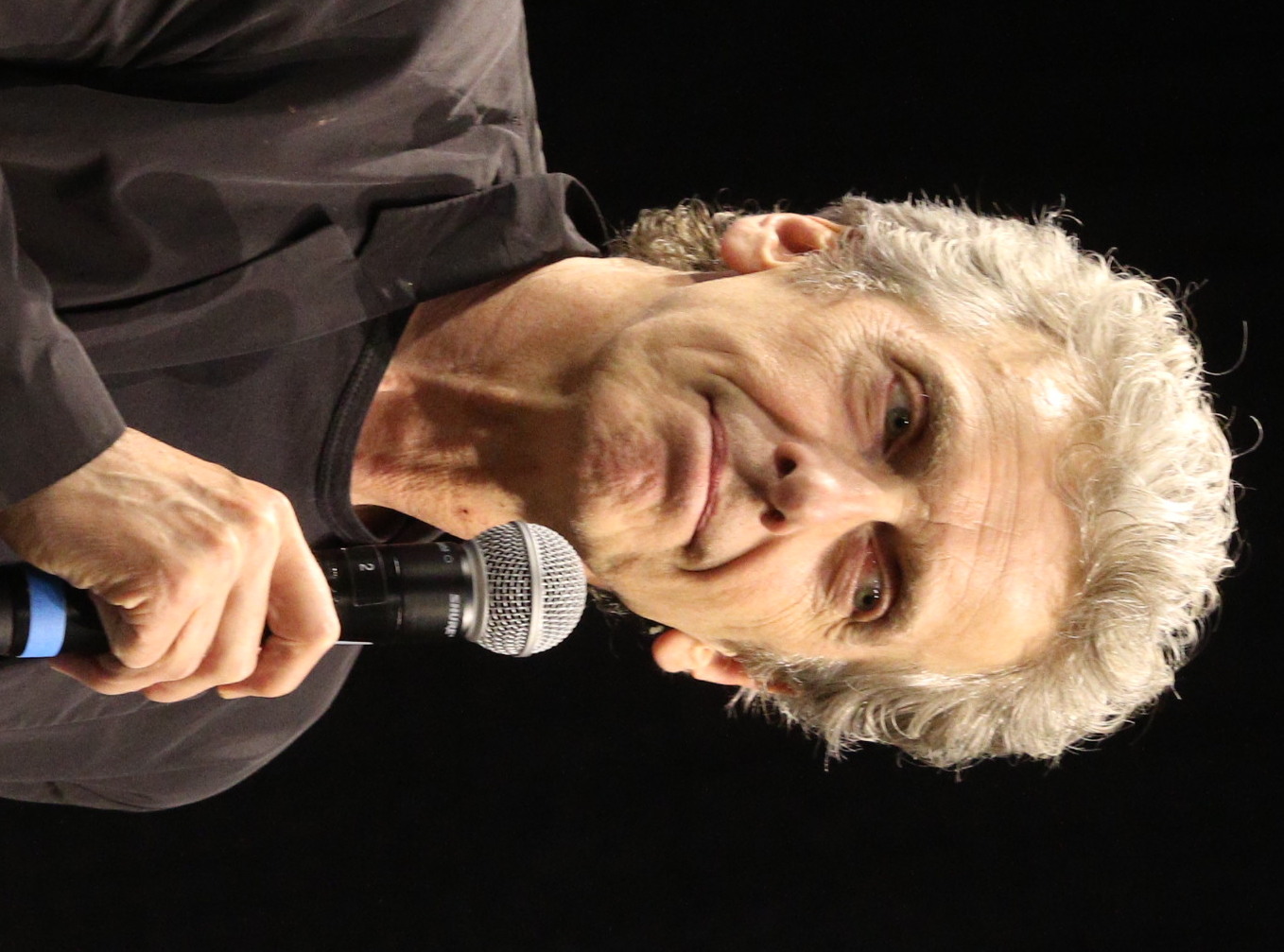
Peter Capaldi was born in Glasgow in 1958 but trained and performed extensively in Edinburgh theatre. Early exposure to Scottish performing arts helped him develop a sharp understanding of character and storytelling.
He gained international fame as the Twelfth Doctor in Doctor Who, bringing intelligence, wit, and emotional depth to the role. Capaldi has also won awards for directing, writing, and acting in films. Edinburgh’s theatre scene provided the foundation for his versatility as an actor.
37. James Hutton
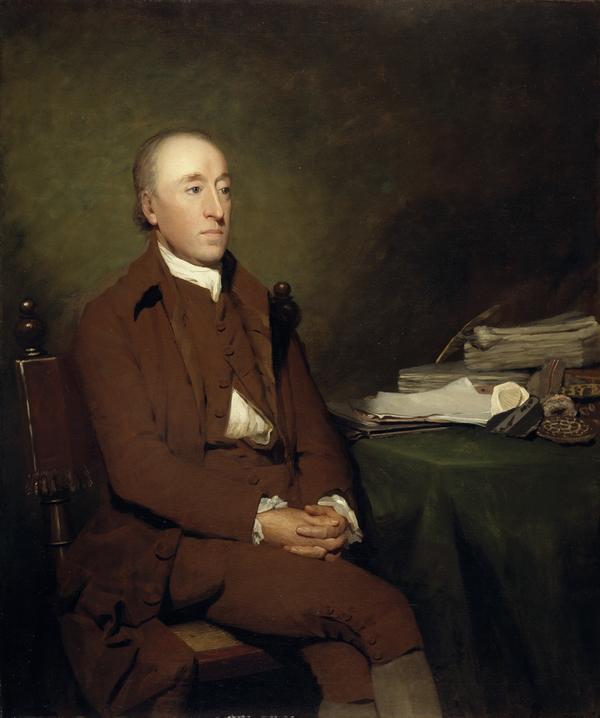
James Hutton was born in Edinburgh in 1726 and became known as the father of modern geology. He studied medicine and chemistry before turning to the study of the Earth.
Hutton introduced the idea that the Earth was shaped over vast periods of time through natural processes. This challenged earlier beliefs and changed scientific thinking. His work laid the foundation for modern geological science. Edinburgh was central to his research and intellectual life.
38. Katie Leung
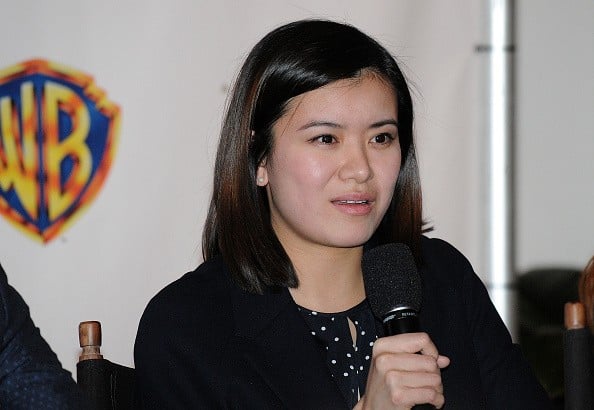
Katie Leung was born in Dundee in 1987 and moved to Scotland at a young age. She trained in acting locally and became part of Edinburgh’s artistic circles during her early education.
Leung is best known for her role as Cho Chang in the Harry Potter film series. Beyond film, she has appeared in theatre productions and television, often highlighting diverse voices in Scottish arts. Her upbringing and connection to Edinburgh gave her both discipline and cultural awareness that shaped her career.
39. Gavin Douglas
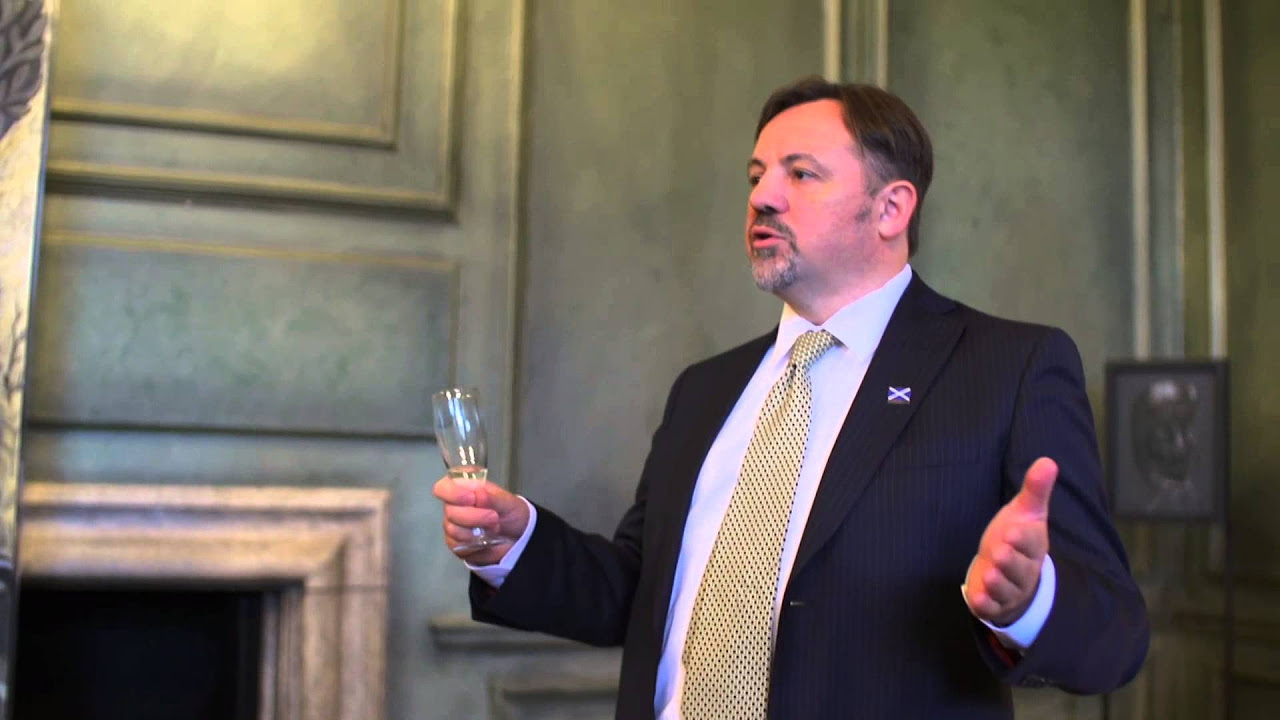
Gavin Douglas was born around 1474 and became one of Scotland’s most important early poets. He was also a church leader and scholar.
He is best known for translating Virgil’s Aeneid into Scots, making classical literature accessible to local readers. This was a major achievement at the time. Douglas’s work helped establish Scots as a serious literary language. His legacy is closely linked to Edinburgh’s early literary culture.
40. Jennie Lee
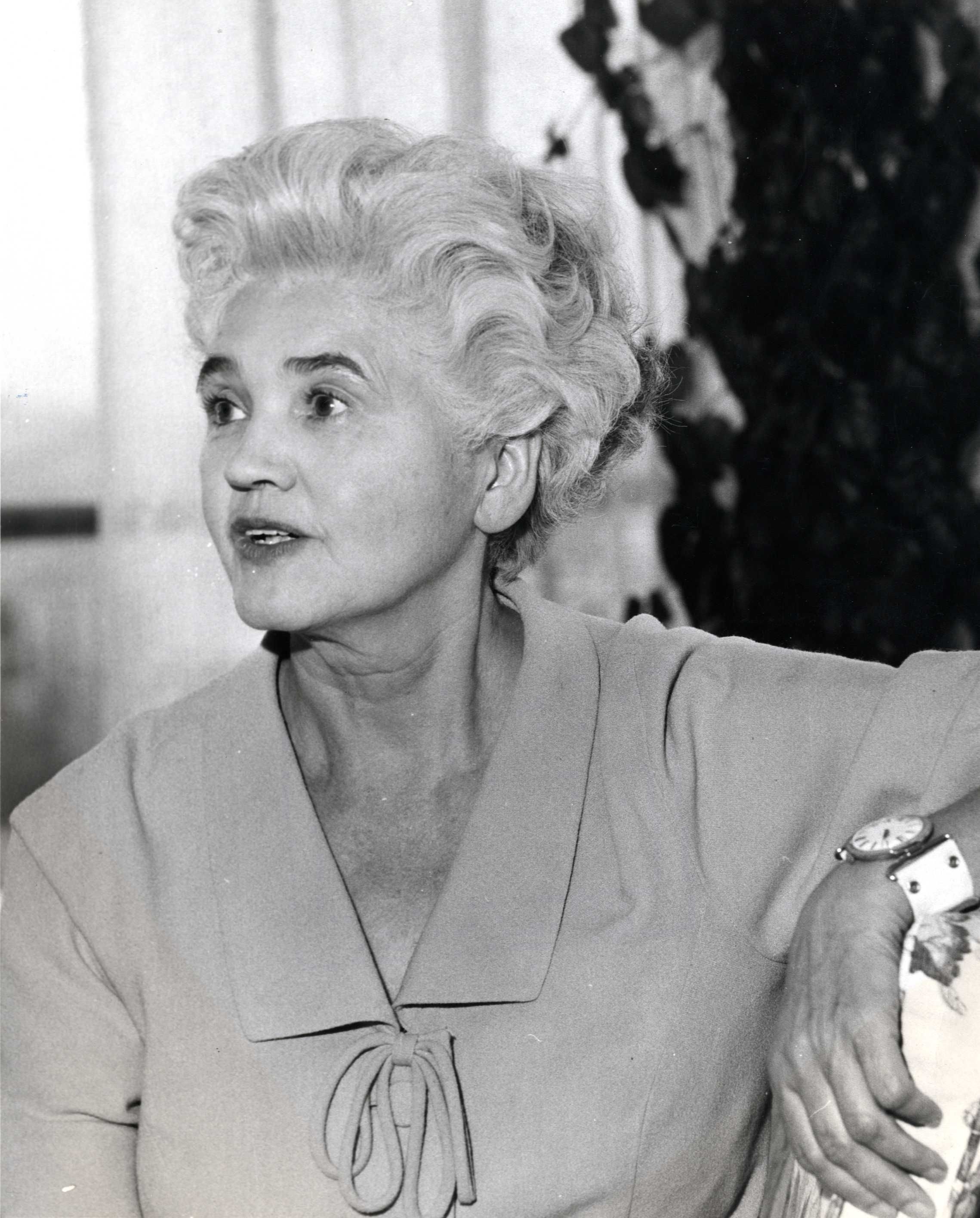
Jennie Lee was born in Lochgelly in 1904 and later became a major political figure connected to Edinburgh. She played an important role in British public life.
She is best remembered for helping establish the Open University, which expanded access to education across the UK. Her work reflected strong beliefs in equality and opportunity. Lee’s influence reached far beyond politics. She helped shape modern education and social policy.
41. Brian Cox
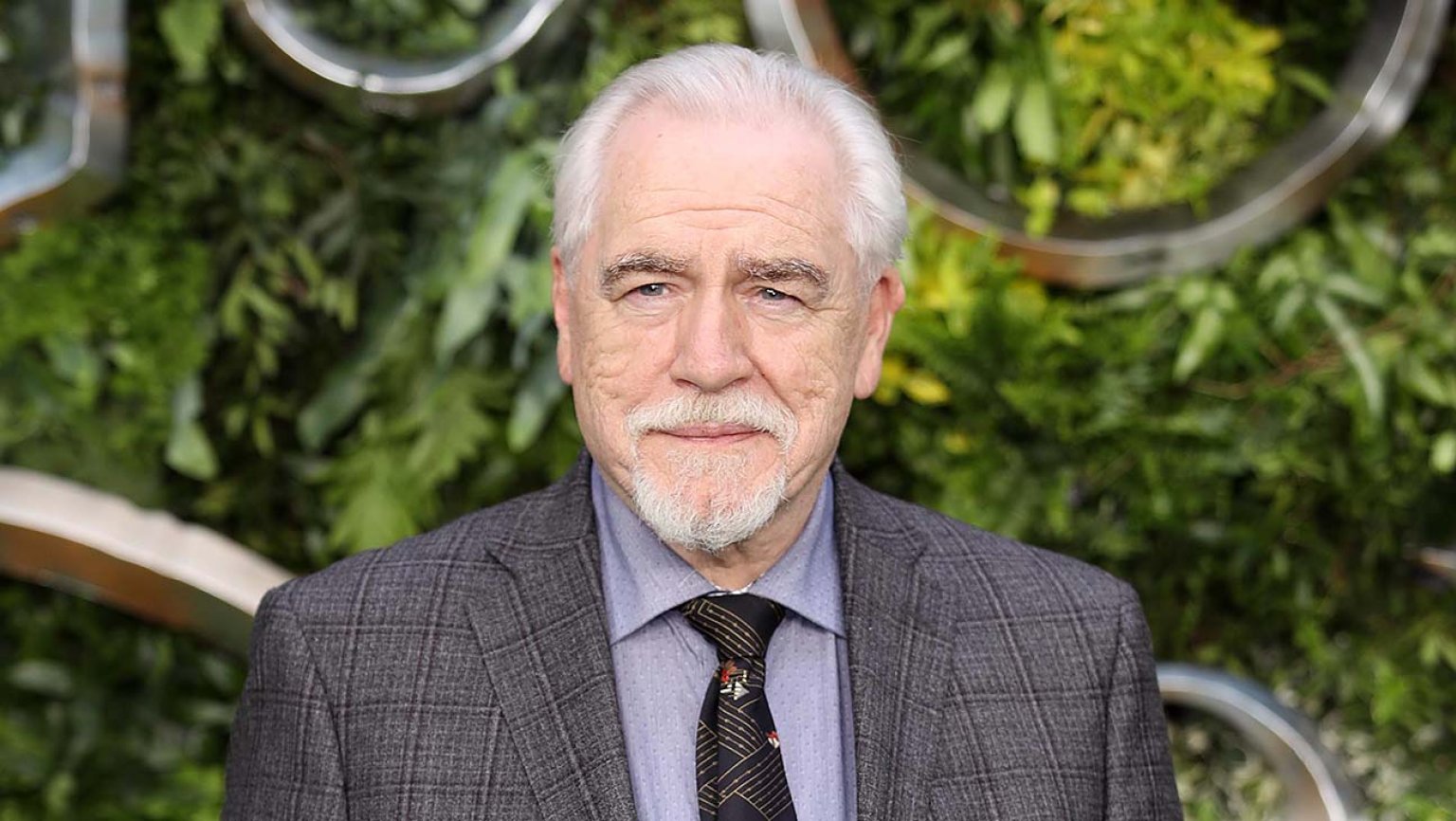
Brian Cox was born in Dundee in 1946 and grew up with a strong interest in science and education. He studied physics and later became a researcher before turning to teaching and public communication.
Cox became famous as a physicist and broadcaster, helping people understand complex topics like space, time, and energy. His TV programs and lectures make science accessible, inspiring people around the world. Edinburgh and Scotland’s long tradition of valuing education influenced his approach.
42. Alan Cumming
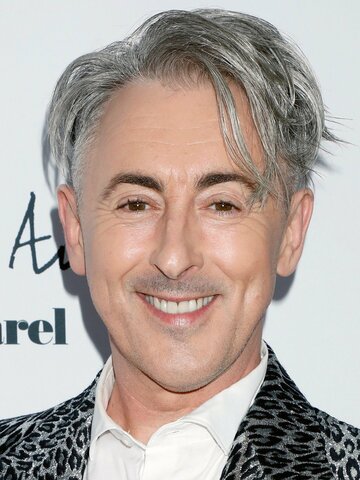
Alan Cumming was born in Aberfeldy in 1965 and trained as an actor in Scotland before moving to international stages. His early exposure to Edinburgh’s theatre scene helped him develop versatility in performance. Cumming is known for stage, television, and film work, including roles in Cabaret and the X-Men series.
His performances often combine intensity with charm, and he is praised for his fearless approach to acting. Edinburgh’s cultural environment shaped his understanding of performance and identity, and he has contributed significantly to Scottish movies, helping bring Scotland’s talent and stories to global audiences.
43. Tilda Swinton
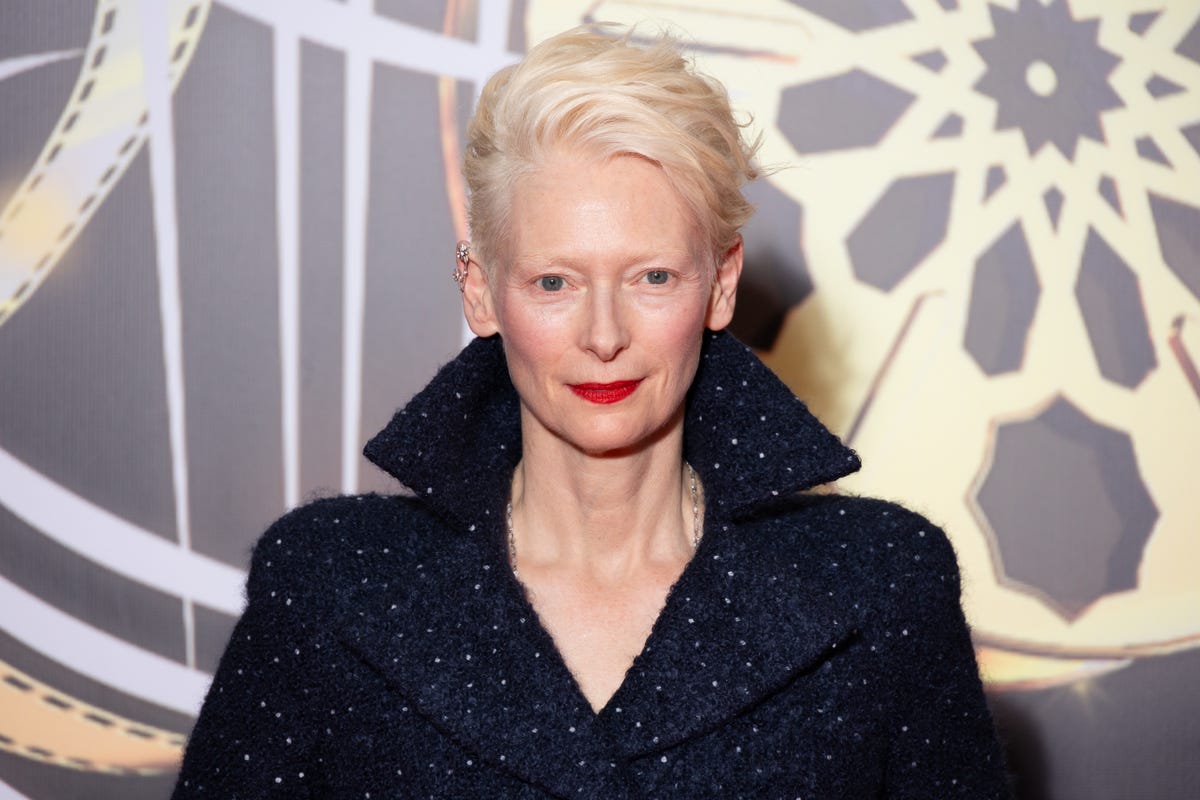
Tilda Swinton was born in London in 1960 but developed strong ties to Scotland through education and her artistic work. She studied at Cambridge but chose Scotland for its creative and independent spirit.
Swinton is celebrated for her experimental and daring acting choices in both film and theatre. She often challenges traditional storytelling and is admired for her artistic integrity. Her connection to Scottish culture, including Edinburgh’s artistic circles, has influenced her approach to performance and creativity, making her one of the most original actors of her generation.
44. Sean Connery
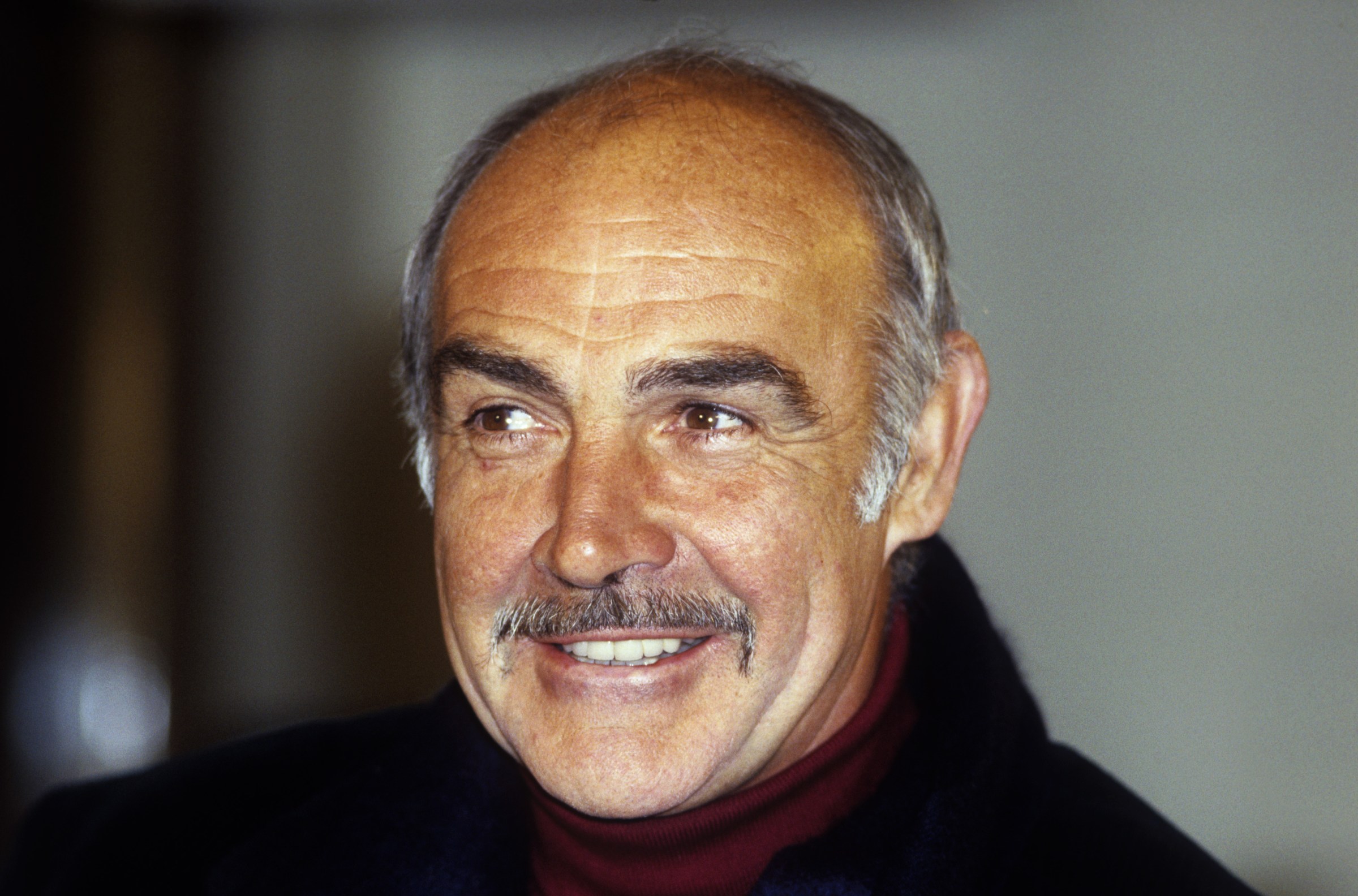
Sean Connery was born in Fountainbridge, Edinburgh, in 1930. His working-class upbringing shaped his determination and resilience. He trained as a bodybuilder and worked various jobs before pursuing acting.
Connery became world-famous as the first James Bond, bringing charm, authority, and sophistication to the role. Beyond Bond, he appeared in acclaimed films such as The Untouchables and Indiana Jones and the Last Crusade. He always acknowledged Edinburgh as part of his identity. The city helped shape his toughness and self-confidence, which remained central throughout his career.
45. David Tennant
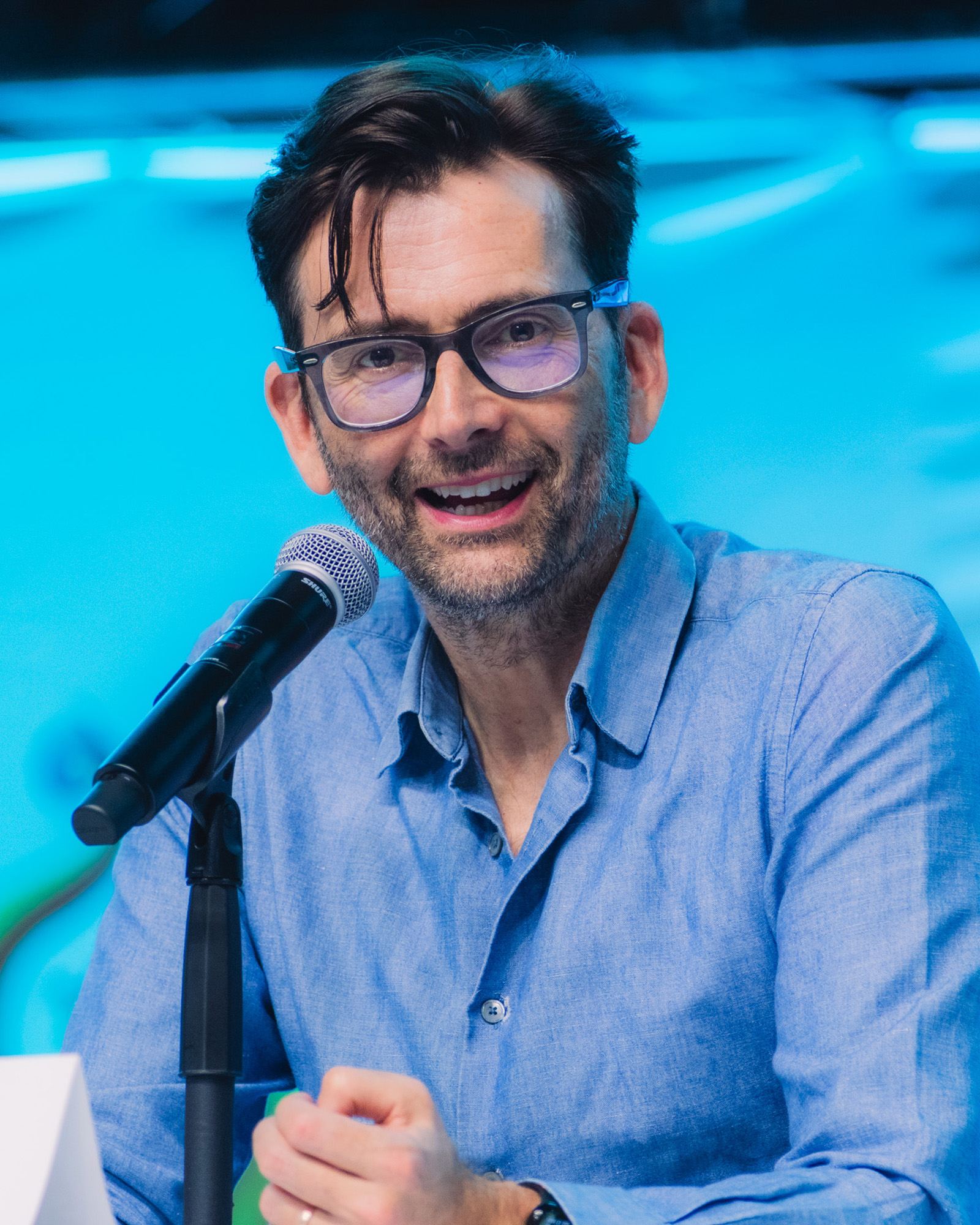
David Tennant was born in Bathgate in 1971 and trained as an actor in Scotland. Edinburgh’s theatre and arts scene influenced his early career and helped him refine his craft.
Tennant is widely recognized for his role as the Tenth Doctor in Doctor Who, bringing intelligence, energy, and humor to the character. He has also worked extensively on stage, demonstrating versatility and emotional depth. His connection to Scottish culture and training in Scottish theatre remain evident in the careful thought he brings to every role.
46. Gordon Brown
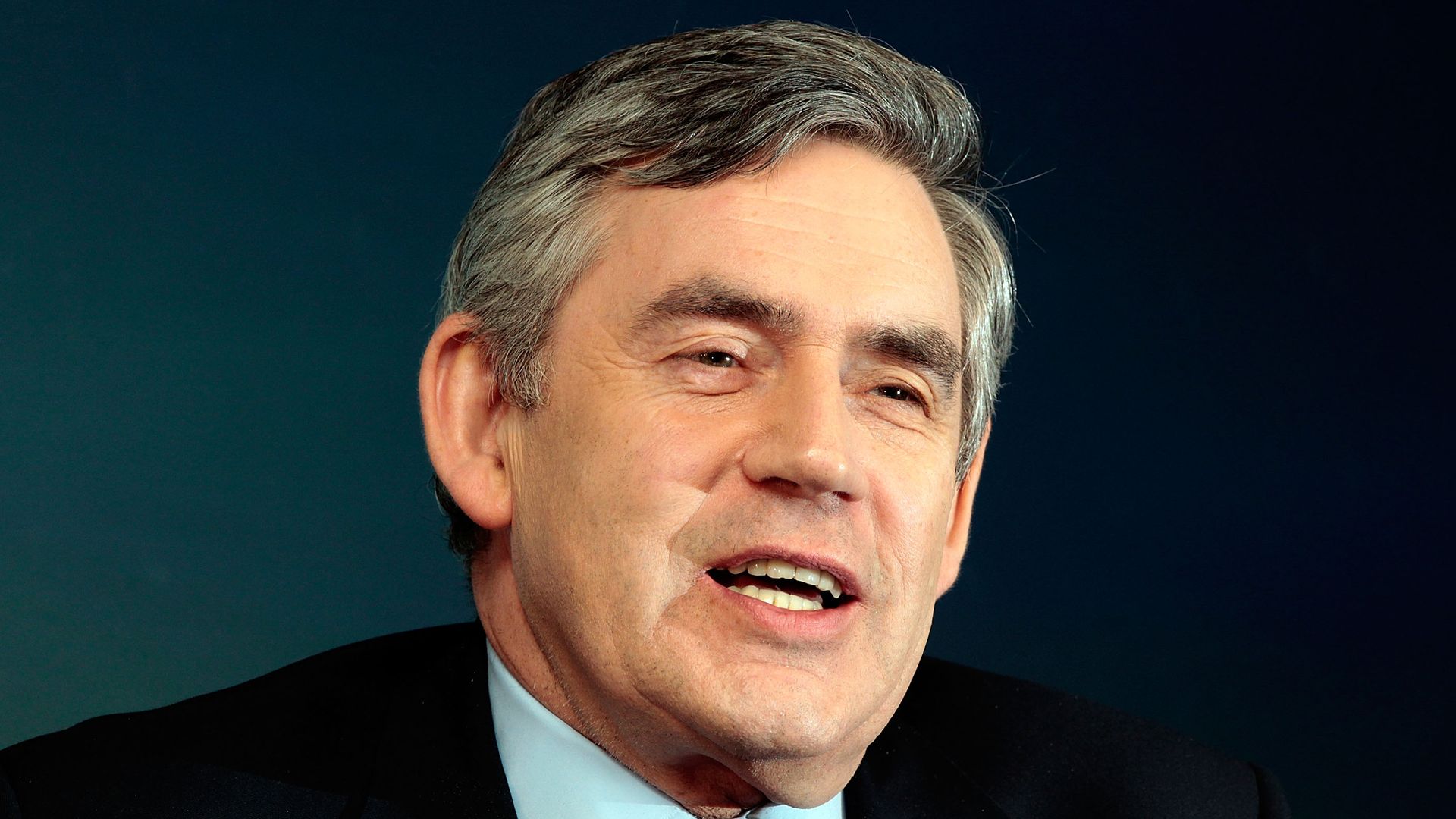
Gordon Brown was born in Giffnock in 1951 and studied at the University of Edinburgh. The city’s academic atmosphere and political culture influenced his approach to policy and leadership.
Brown served as Chancellor of the Exchequer and later as Prime Minister of the United Kingdom. He is known for his careful, analytical approach, particularly during the global financial crisis of 2008. Edinburgh’s intellectual environment shaped his focus on education, social policy, and economic planning, making him one of Scotland’s most prominent modern politicians.
47. Eddi Reader
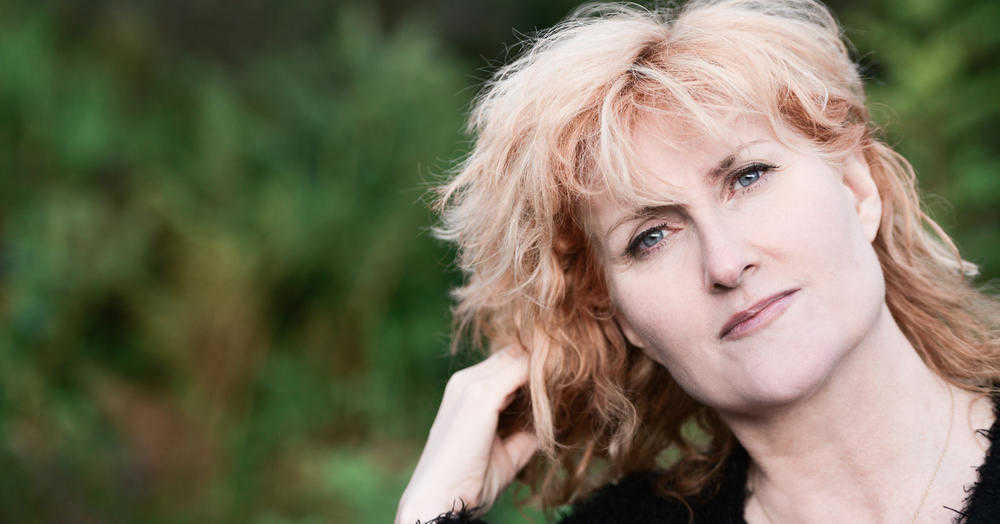
Eddi Reader was born in Glasgow in 1959 but became closely connected to Edinburgh’s folk and music scene. She developed a talent for singing early in life and quickly became known for her expressive voice.
Reader is famous for her solo work and her time with the band Fairground Attraction. Songs like Perfect brought her international acclaim. Her performances often combine Scottish folk traditions with contemporary music, showcasing her deep connection to Scottish culture. Edinburgh’s vibrant music venues and cultural energy supported her artistic growth.
48. James Clerk Maxwell
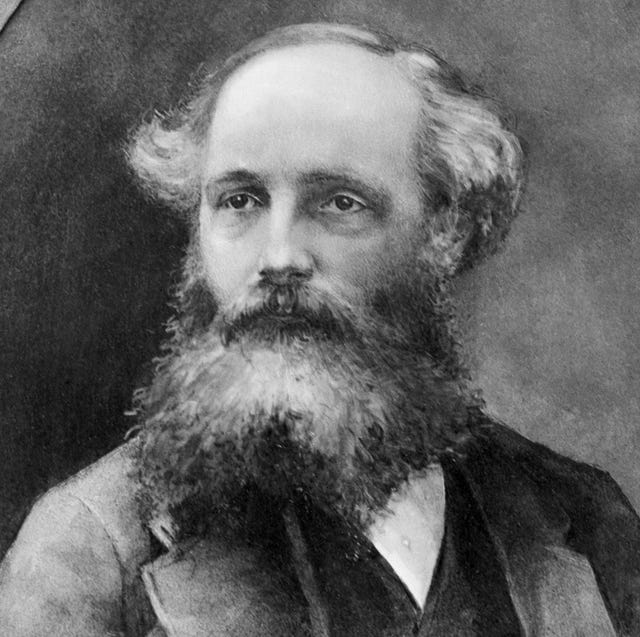
James Clerk Maxwell was born in Edinburgh in 1831. From an early age, he showed exceptional talent in mathematics and science. The city’s educational environment encouraged his curiosity and precision.
Maxwell became one of the most important physicists of all time. His theories of electromagnetism laid the foundation for modern physics, influencing everything from communication technology to electrical engineering. Edinburgh nurtured his intellectual growth, and his legacy continues to shape scientific understanding around the world.
49. Alexander Graham Bell
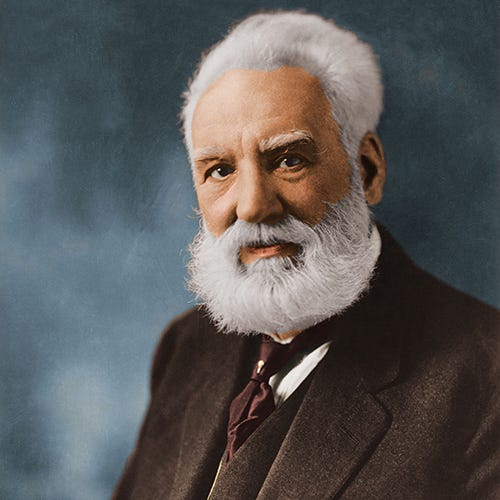
Alexander Graham Bell was born in Edinburgh in 1847. Growing up in a family interested in speech and sound, he developed a deep curiosity about communication and invention.
Bell is best known for inventing the telephone, which transformed global communication. He also worked on hearing devices and experimented with flight and sound technology. Edinburgh played an important role in forming his early ideas and understanding of science. His work had lasting global impact, connecting people in ways previously impossible.
50. Alexander McCall Smith
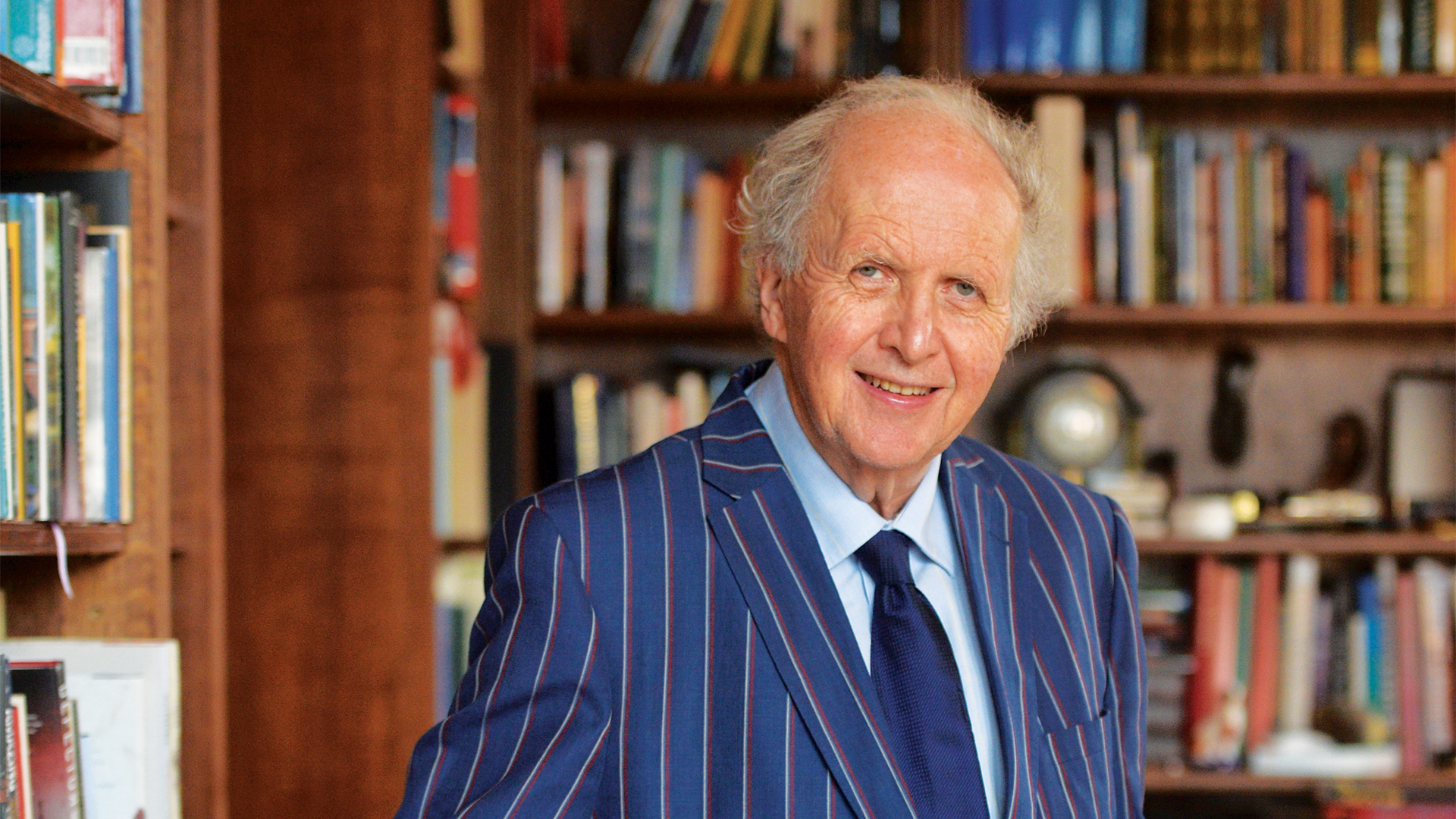
Alexander McCall Smith was born in Bulawayo, Zimbabwe, in 1948 but later moved to Edinburgh, where he became a law professor and developed his career as a writer. He immersed himself in Scottish culture and intellectual life, which influenced his storytelling.
He is best known for The No. 1 Ladies’ Detective Agency series, which combines humor, moral insight, and character-driven plots. McCall Smith’s writing often reflects kindness, curiosity, and ethical dilemmas, qualities that resonate with readers worldwide. Living and working in Edinburgh helped him balance his academic life with his prolific writing career.
51. Mary Somerville
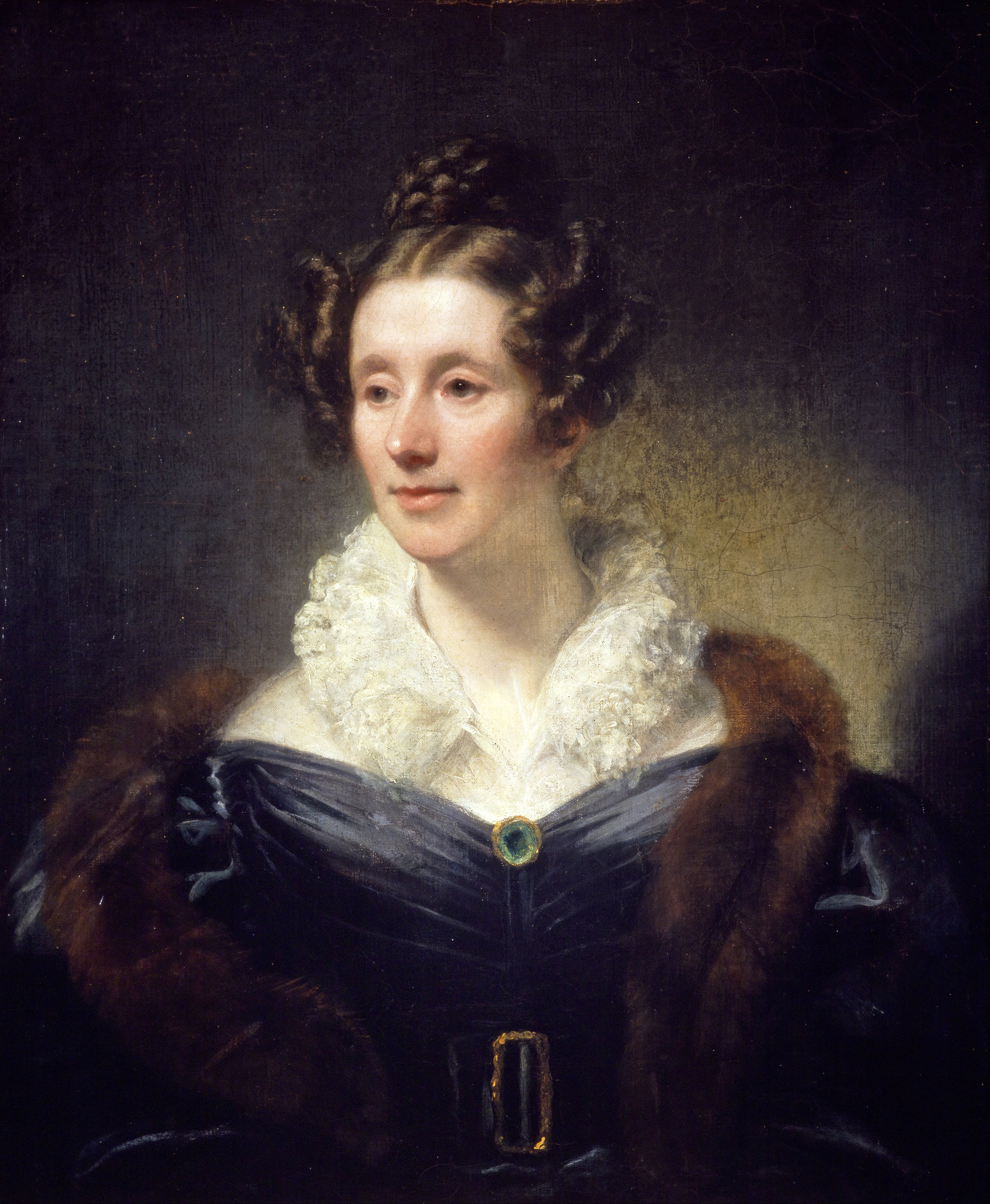
Mary Somerville was born in 1780 in Jedburgh, near Edinburgh, and spent much of her life in Scotland. She developed a passion for mathematics and science despite limited access to formal education for women at the time.
Somerville became a celebrated mathematician, astronomer, and science communicator. She wrote On the Connexion of the Physical Sciences, which helped explain complex topics to the public. Her work bridged gender and social barriers, and she was one of the first women to have scientific achievements widely recognized. Edinburgh’s intellectual circles supported her lifelong pursuit of knowledge.
52. Joseph Black
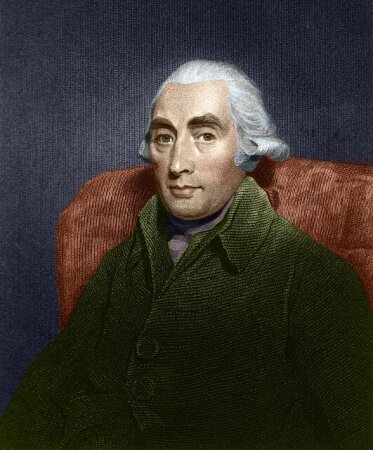
Joseph Black was born near Edinburgh in 1728 and became a pivotal figure in chemistry and medicine. He studied at the University of Edinburgh, where he later became a professor. His research laid the foundations for modern chemistry.
Black is most famous for discovering carbon dioxide and formulating the concept of latent heat. His work influenced later scientists such as James Watt and helped fuel the Industrial Revolution. Edinburgh’s academic environment nurtured his curiosity, making the city a center of scientific advancement during his time.
53. Thomas Chalmers
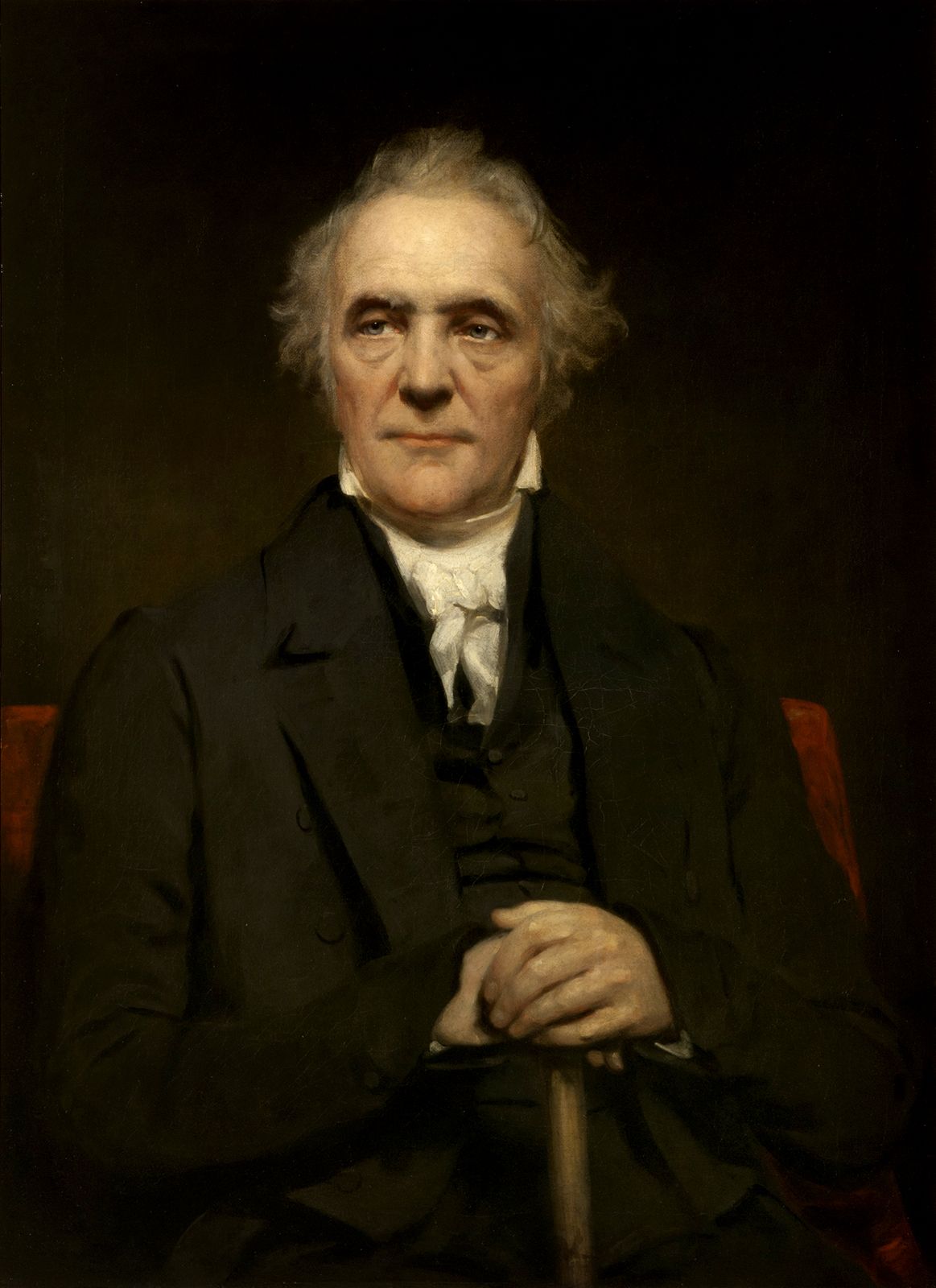
Thomas Chalmers was born in Anstruther in 1780 and later became an important church leader in Edinburgh. He studied theology and became deeply involved in social reform and education.
Chalmers led the Church of Scotland during the 19th century and promoted charitable programs, schools, and social improvements in urban areas. His influence helped shape Edinburgh’s moral and civic culture. He is remembered as both a religious and social reformer who impacted Scottish society widely.
54. Walter Bower
Walter Bower was born in 1385 in Stirlingshire but spent much of his career in Edinburgh as a chronicler and church official. He became an important figure in Scottish history and literature.
Bower is best known for continuing the Scotichronicon, a historical chronicle documenting Scottish kings, politics, and culture. His work preserved valuable records of Scotland’s past and influenced later historians. Edinburgh, as a hub of ecclesiastical and scholarly activity, shaped his career.
55. Robert Fergusson
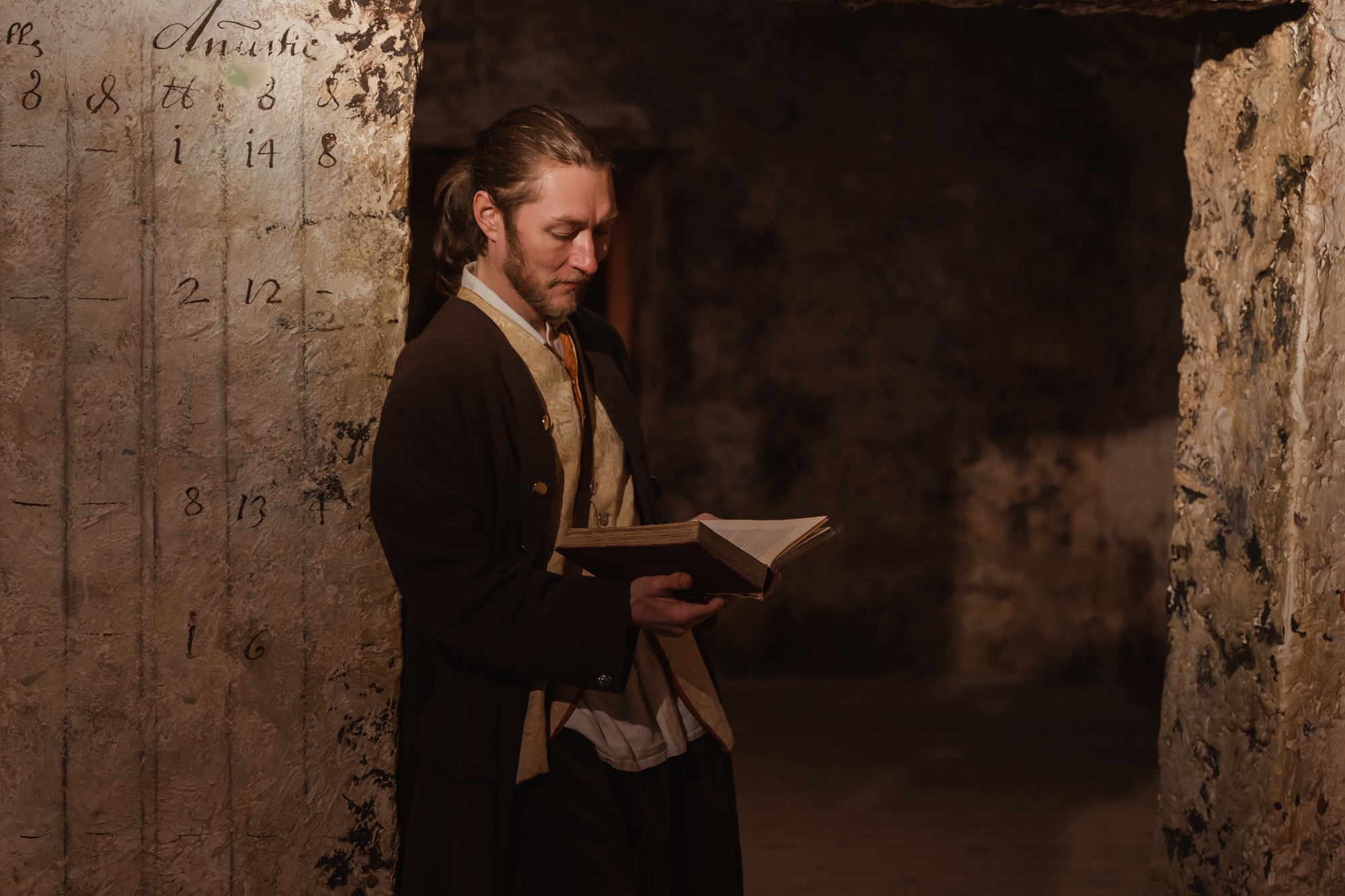
Robert Fergusson was born in Edinburgh in 1750 and grew up immersed in the city’s literary and social life. He trained as a poet from a young age and became closely associated with Edinburgh’s Enlightenment circles.
Fergusson is famous for his poetry written in Scots, which celebrated everyday life, local culture, and humor. His work directly inspired Robert Burns, one of Scotland’s most iconic poets. Although he died young, Fergusson’s influence on Scottish poetry is lasting.
56. George Heriot
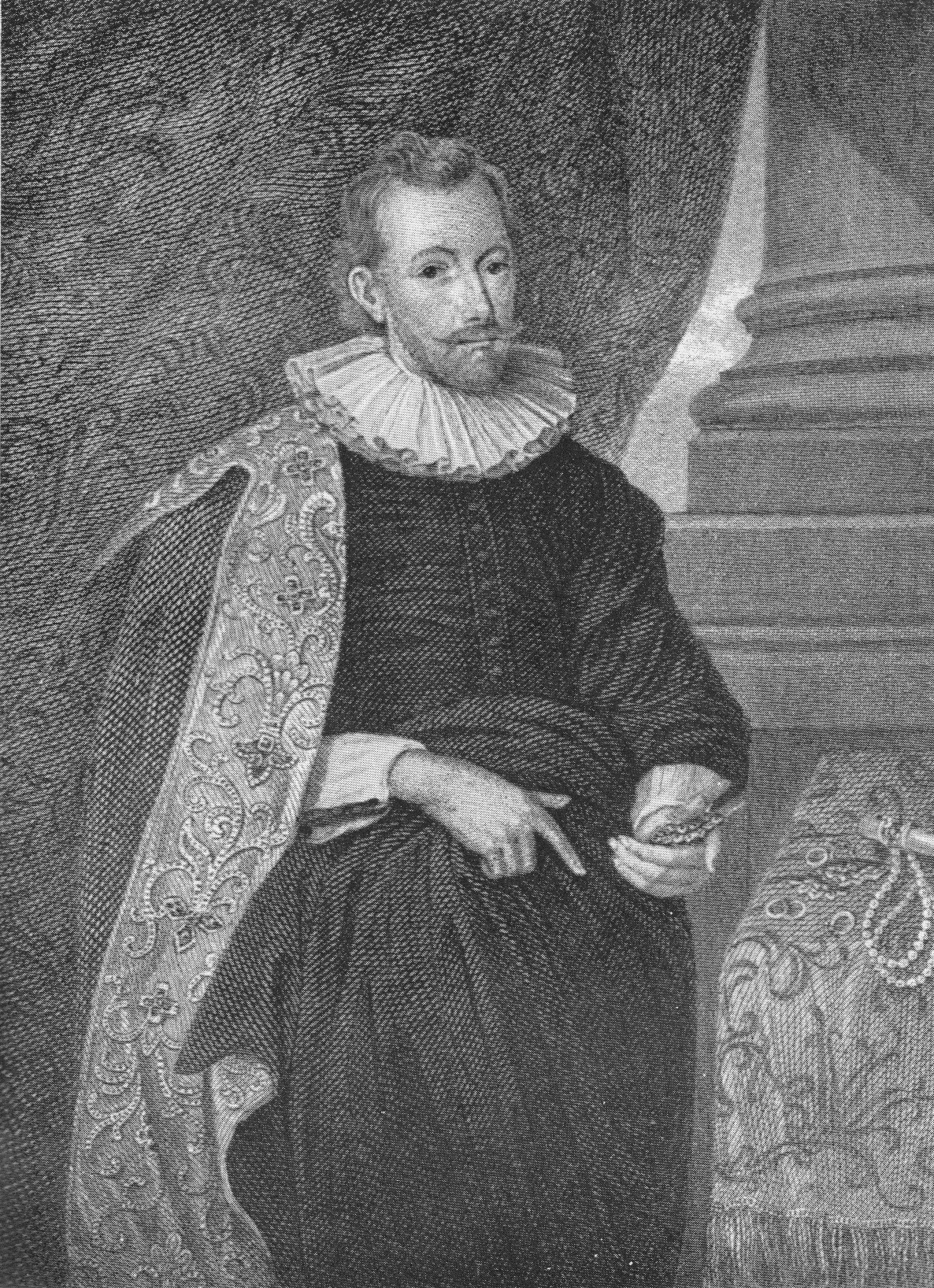
George Heriot was born in Edinburgh in 1563 and became a prominent goldsmith and philanthropist. He trained in craftsmanship before establishing himself as a respected figure in the city’s commerce.
Heriot is remembered for founding George Heriot’s School, which provided education for poor children in Edinburgh. His charitable work and legacy made a lasting impact on the city’s social structure. Heriot’s combination of skill, wealth, and generosity reflects Edinburgh’s historical culture of civic responsibility.
57. William McTaggart
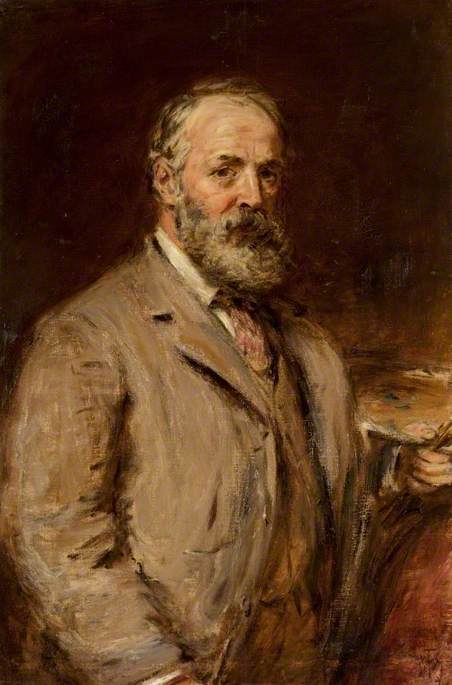
William McTaggart was born in Campbeltown in 1835 but spent much of his working life in Edinburgh. He became one of Scotland’s leading landscape painters.
McTaggart’s art captured the changing Scottish landscape with vibrant color and dynamic brushwork. He often painted coastal scenes, storms, and rural life, reflecting the natural beauty of Scotland. Edinburgh’s galleries and art community helped promote his work, making him a central figure in Scottish painting.
58. John Playfair
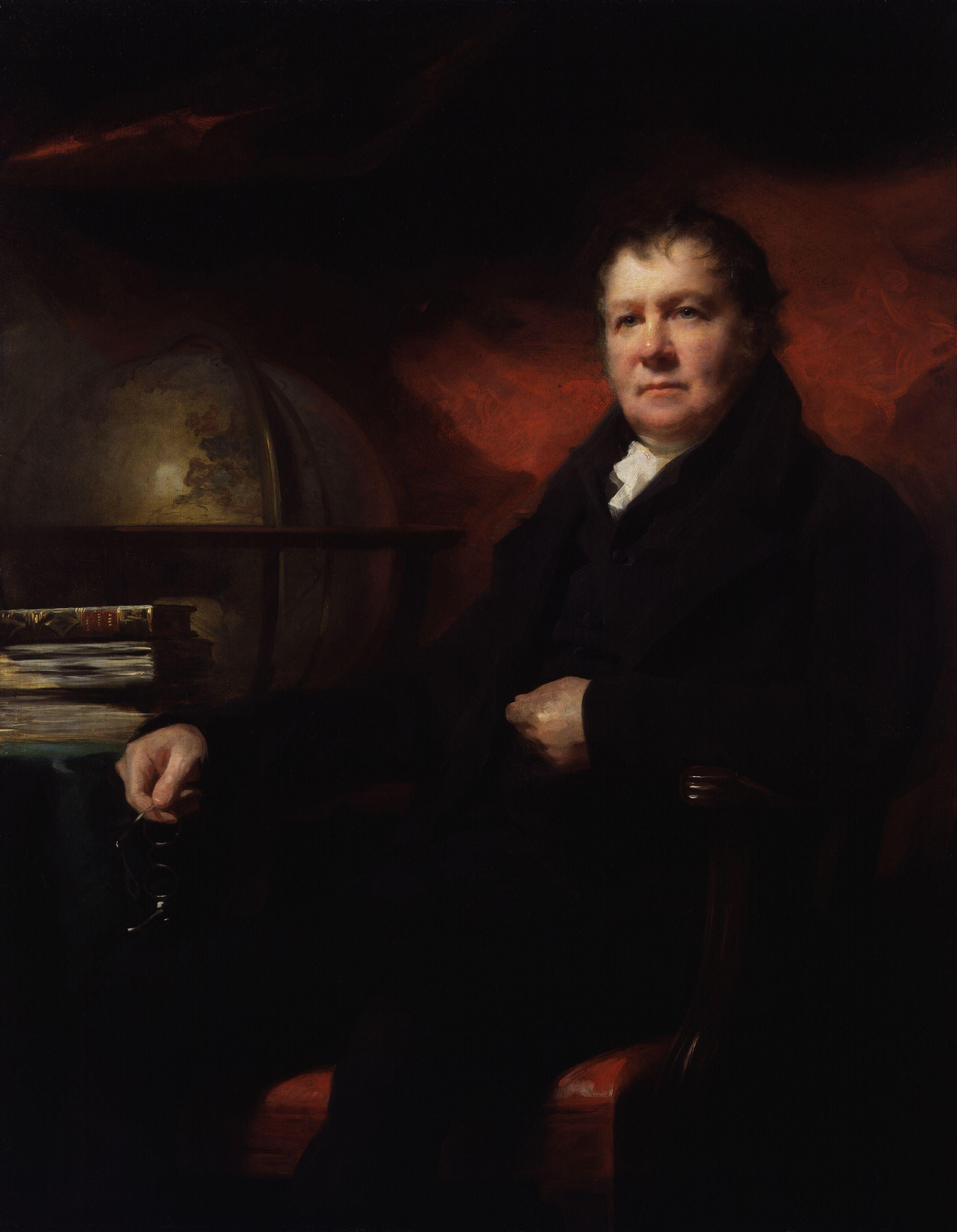
John Playfair was born in 1748 in Angus and later became a professor of natural philosophy in Edinburgh. He was a mathematician, physicist, and geologist who contributed significantly to science.
Playfair is best known for popularizing James Hutton’s geological theories, helping explain the concept of deep time and the formation of the Earth. His work helped establish Edinburgh as a center of scientific thought. Playfair’s writings combined clarity, observation, and intellectual rigor.
59. Alexander Gerard
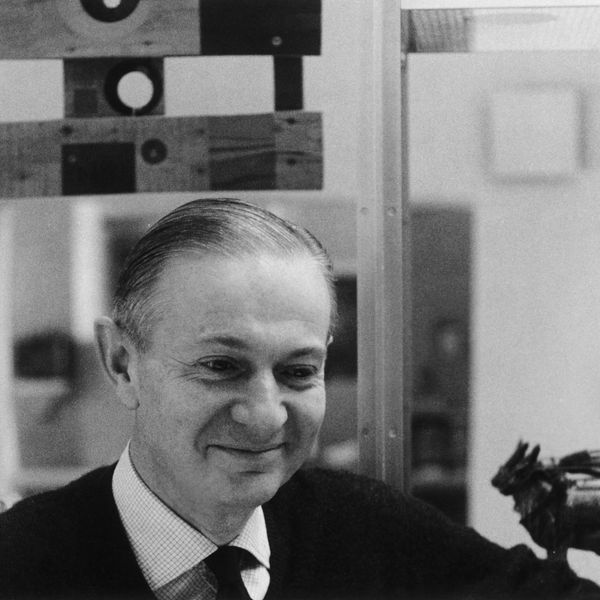
Alexander Gerard was born in Montrose in 1728 and later worked in Edinburgh as a philosopher and clergyman. He became an important figure in aesthetics and moral philosophy.
Gerard wrote essays and books that explored taste, art, and human emotion. His work influenced later thinkers and contributed to Scotland’s intellectual reputation during the Enlightenment. Edinburgh’s academic environment provided the resources and audience for his ideas to flourish.
60. John Kay
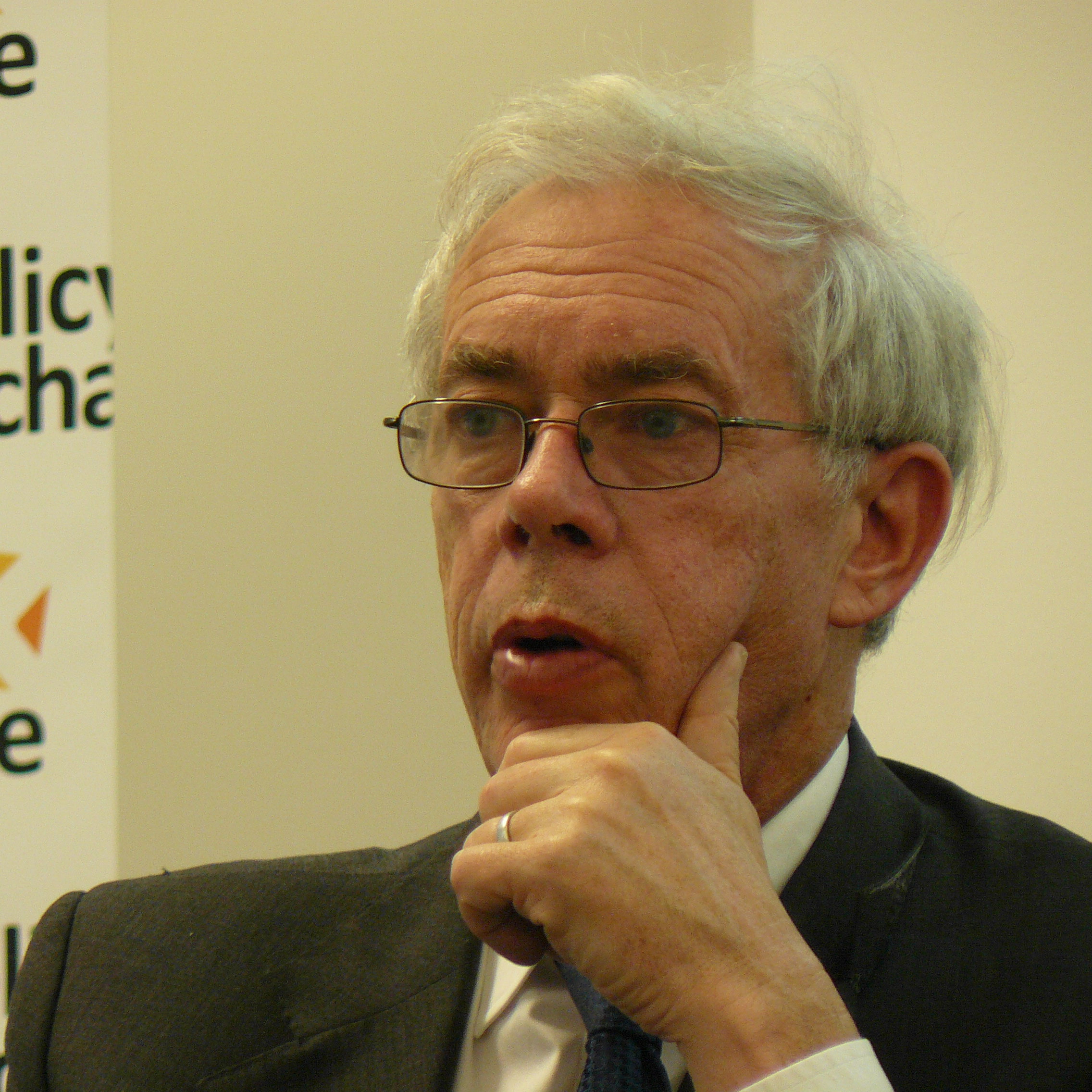
John Kay was born in Dalkeith in 1742 and became one of Edinburgh’s most famous caricaturists and engravers. He trained as an artist in the city and spent most of his career capturing Edinburgh life. Kay is remembered for his detailed sketches of notable Edinburgh figures, including politicians, writers, and local citizens.
His work offers a vivid historical record of 18th-century Edinburgh society, documenting individuals whose public influence and social standing continue to attract interest in famous figures net worth. Through his art, Kay combined humor, observation, and social commentary, leaving a lasting legacy of the city’s culture.
People Also Ask
What Do You Call Someone From Edinburgh?
The correct term is actually Dunediner, although nowadays most people use Edinburgher.
Who Is The Most Famous Person From Edinburgh?
Sean Connery often tops lists for his James Bond role, with Alexander Graham Bell close behind for the telephone.
Why Does Edinburgh Produce So Many Notable People?
Its university, Enlightenment culture, compact layout for idea sharing, and creative atmosphere foster talent.
Where Do Celebrities Stay In Edinburgh?
Celebrities most often stay at The Balmoral Hotel (Rocco Forte) on Princes Street a historic 5-star landmark.
Final Thought
Edinburgh is a small city, but it has a massive impact on how we live today. The way we spend money, the medicine we take, and the books we read all have links to this corner of Scotland. The people on this list used the city's focus on learning and hard work to change the world.
Jump to
Top Famous People From Edinburgh, Scotland And Their Global Impact
1. Sir Walter Scott
2. Robert Burns
3. Robert Louis Stevenson
4. Sir Arthur Conan Doyle
5. Muriel Spark
6. Irvine Welsh
7. James Hogg
8. Naomi Mitchison
9. Alasdair Gray
10. Jackie Kay
11. Hugh MacDiarmid
12. Lewis Grassic Gibbon
13. George Mackay Brown
14. Liz Lochhead
15. J.M. Barrie
16. Nan Shepherd
17. Allan Ramsay
18. John Buchan
19. Agnes Owens
20. James Kelman
21. Edwin Muir
22. Hamish Henderson
23. A.L. Kennedy
24. Don Paterson
25. Iain Banks
26. Sorley MacLean
27. Val McDermid
28. Ali Smith
29. Douglas Stuart
30. Tom Leonard
31. Violet Jacob
32. Donald Dewar
33. Chris Hoy
34. George Buchanan
35. John Knox
36. Peter Capaldi
37. James Hutton
38. Katie Leung
39. Gavin Douglas
40. Jennie Lee
41. Brian Cox
42. Alan Cumming
43. Tilda Swinton
44. Sean Connery
45. David Tennant
46. Gordon Brown
47. Eddi Reader
48. James Clerk Maxwell
49. Alexander Graham Bell
50. Alexander McCall Smith
51. Mary Somerville
52. Joseph Black
53. Thomas Chalmers
54. Walter Bower
55. Robert Fergusson
56. George Heriot
57. William McTaggart
58. John Playfair
59. Alexander Gerard
60. John Kay
People Also Ask
Final Thought
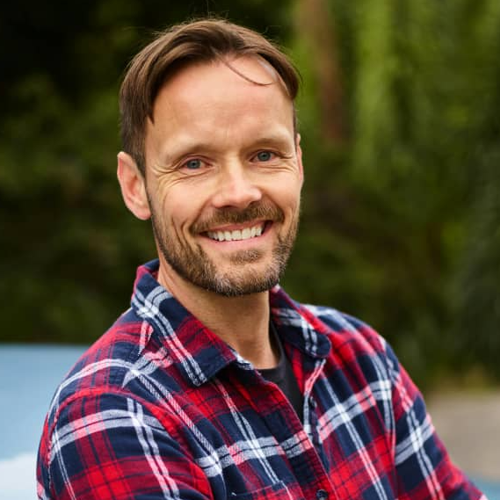
Callum Fraser
Author
Callum Fraser isn't just a writer about Scotland; he's a product of its rugged landscape and rich history. Born and raised in Perthshire, with the Highlands as his backyard, his love for the nation's stories was kindled by local storytellers and long walks through ancient glens.
This passion led him to pursue a degree in Scottish History from the University of Edinburgh. For over 15 years, Callum has dedicated himself to exploring and documenting his homeland, fusing his academic knowledge with essential, on-the-ground experience gained from charting road trips through the Cairngorms, hiking the misty Cuillins of Skye, and uncovering the secrets of traditional recipes in his family's kitchen.
As the Editor-in-Chief and Lead Author for Scotland's Enchanting Kingdom, Callum's mission is simple: to be your most trusted guide. He combines meticulous research with a storyteller's heart to help you discover the authentic magic of Scotland — from its best-kept travel secrets to its most cherished traditional recipes.
Latest Articles
Popular Articles