Famous Scottish Men | 30 Icons From History To Modern Times
30 famous Scottish men who shaped history and modern culture, from poets and philosophers to inventors, athletes, and global icons.
Author:Callum FraserSep 28, 2026
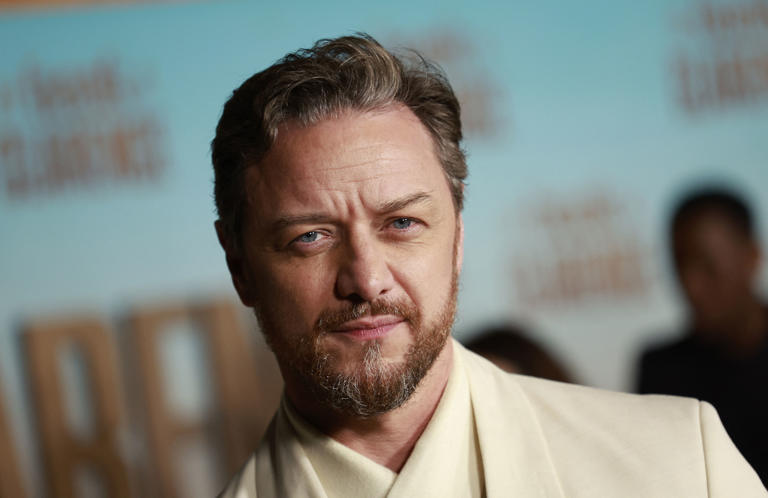
Famous Scottish Men From History To Modern Times
Scotland may be a small country, but its influence on the world is anything but small. For centuries, famous Scottish menhave shaped global culture, science, sport, politics, and technology through ideas, inventions, and achievements that continue to matter today.
From poets and philosophers who changed how people think, to scientists and inventors who transformed everyday life, and modern icons who dominate global stages in sport, film, and music, Scotland’s impact reaches far beyond its borders.
This guide highlights some of the most famous Scottish men from history to modern times, focusing on their achievements, global influence, and lasting legacy.
1. Robert Burns
Poetry | Culture | Scottish Identity
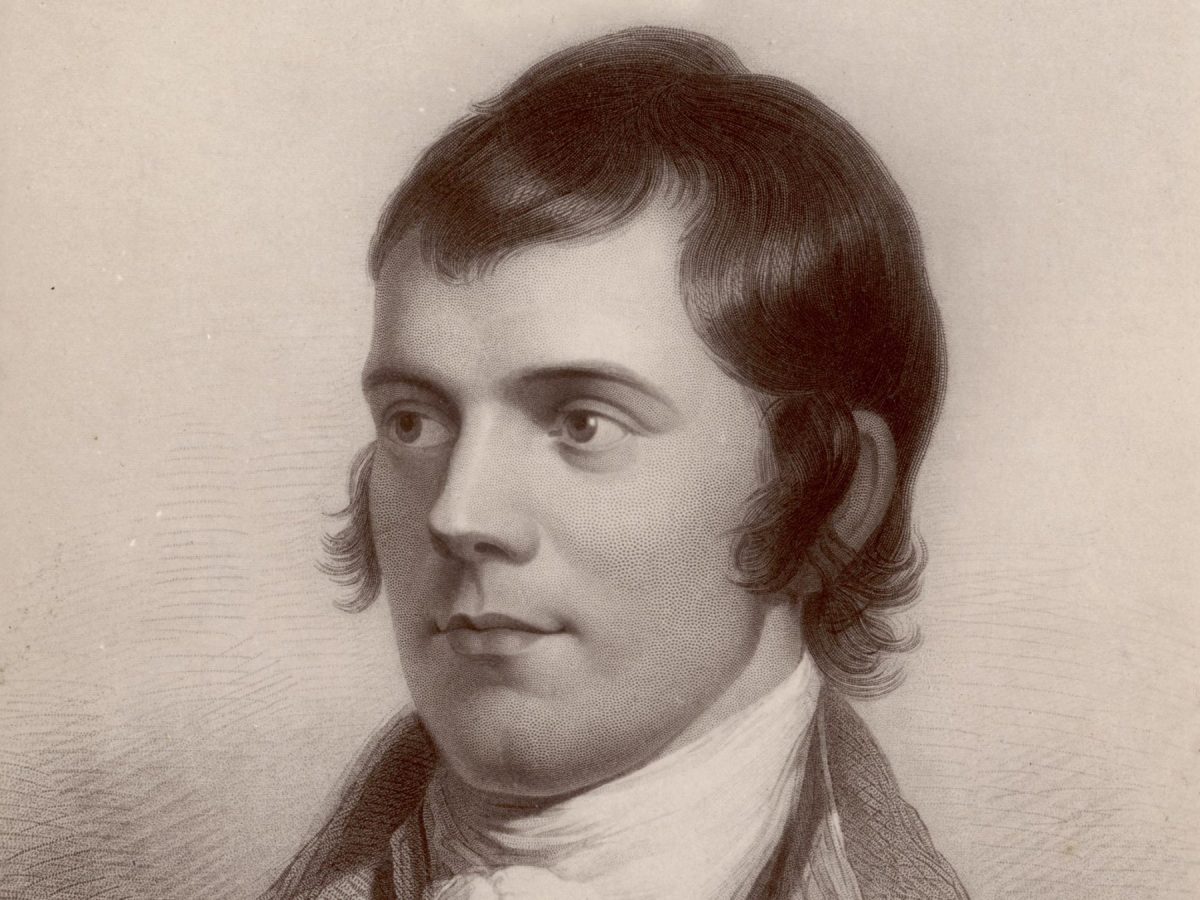
Born in Alloway in 1759, Robert Burnsis Scotland’s national poet and one of the most widely quoted writers in the English language. His work captured everyday life, love, politics, and the human spirit in a way that felt honest and deeply relatable.
Burns wrote famous poems and songs such as Auld Lang Syne, To a Mouse, and Tam o’ Shanter. Many of his works are still sung, studied, and quoted around the world today.
More than two centuries after his death, Burns remains a powerful symbol of Scottish culture, equality, and national pride. His influence is so strong that Burns Nightis celebrated globally every year.
2. Adam Smith
Economics | Philosophy | Global Thought
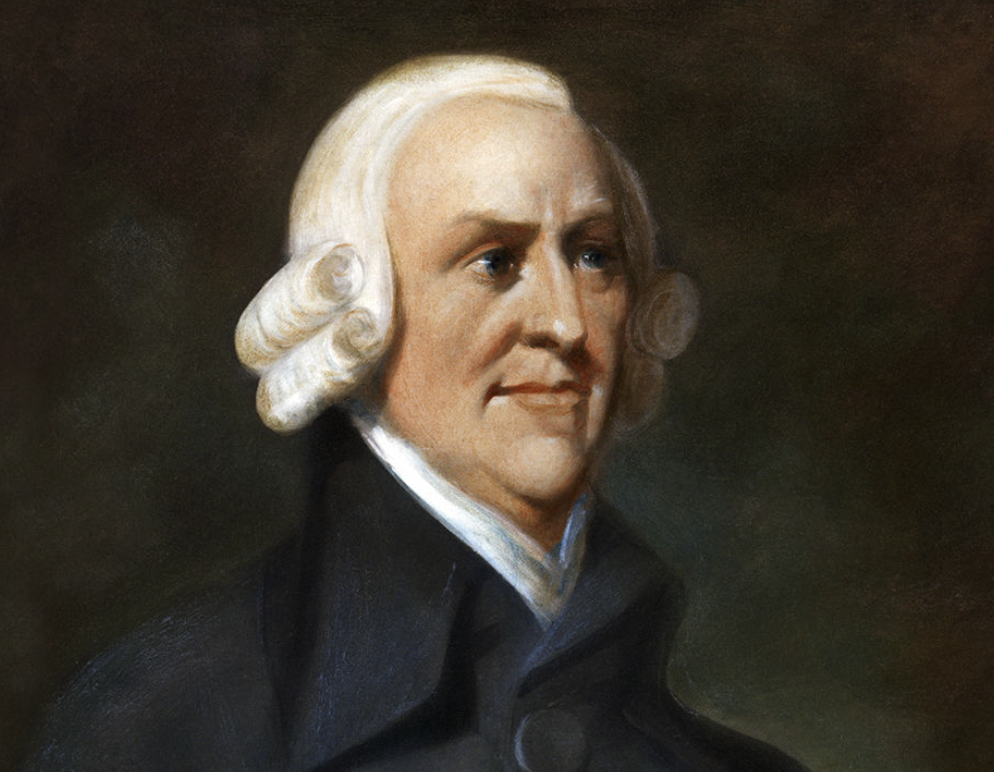
Adam Smith was born in Kirkcaldy in 1723 and is best known as the founder of modern economics. His most famous work, The Wealth of Nations, laid the foundations for free-market economics and continues to influence governments, businesses, and universities worldwide.
Smith believed that competition, productivity, and individual choice could benefit society when balanced by moral responsibility. His earlier work, The Theory of Moral Sentiments, showed that he valued ethics as much as economics.
Today, Adam Smith’s ideas remain central to global economic systems, making him one of the most influential thinkers Scotland has ever produced.
3. David Hume
Philosophy | Enlightenment | Reason
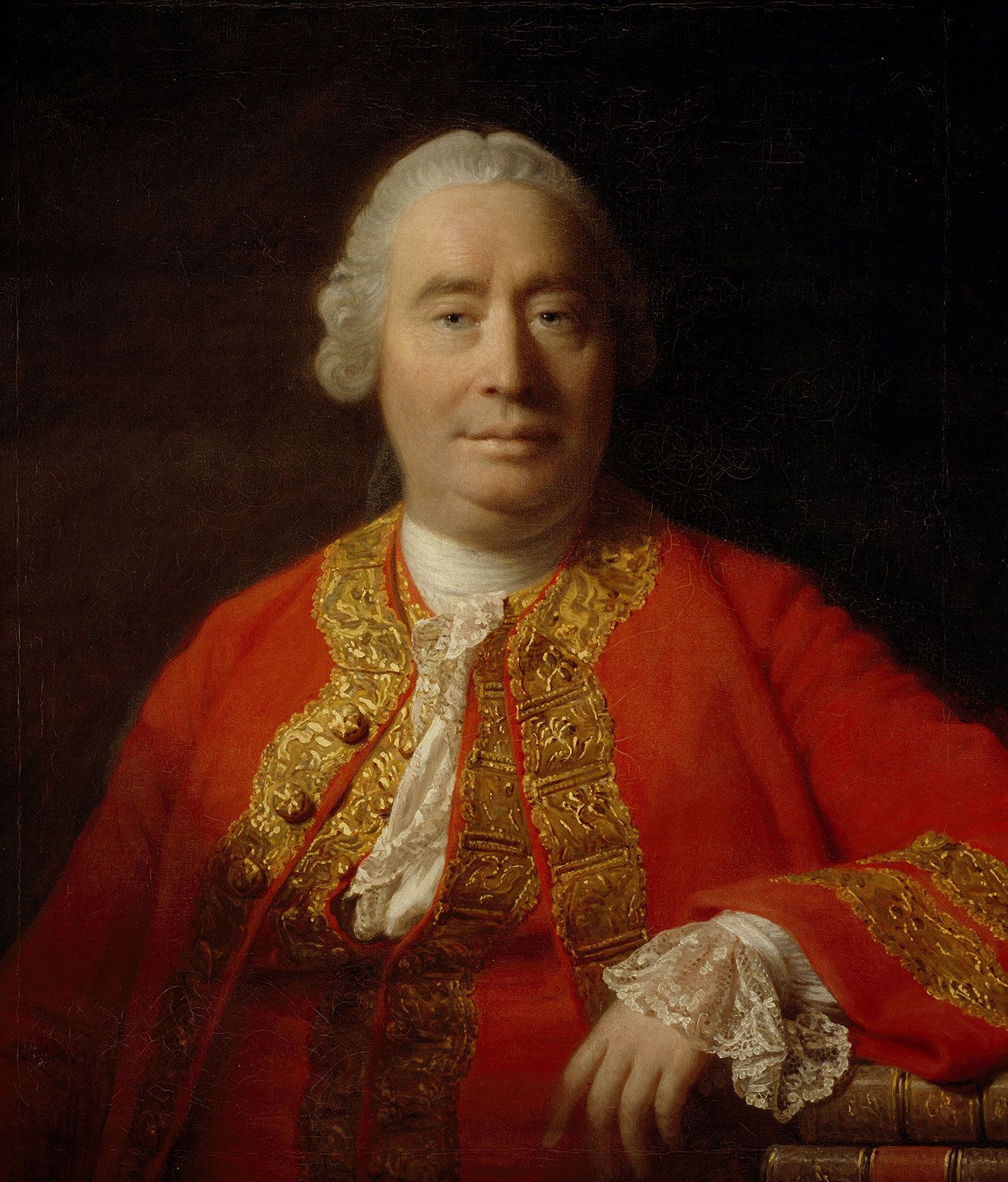
Born in Edinburgh in 1711, David Hume was one of the most important philosophers of the Scottish Enlightenment. He challenged traditional ideas about religion, knowledge, and human understanding, encouraging people to think critically and rely on evidence.
His ideas also shaped views on morality and Scottish customs, showing how habits, traditions, and shared practices influence human behaviour. Hume’s work went on to influence thinkers such as Immanuel Kant and helped shape modern ideas about science, skepticism, and human psychology.
Although controversial in his time, Hume is now recognised as one of the most influential philosophers in Western history.
4. Alexander Fleming
Medicine | Science | Life-Saving Discovery
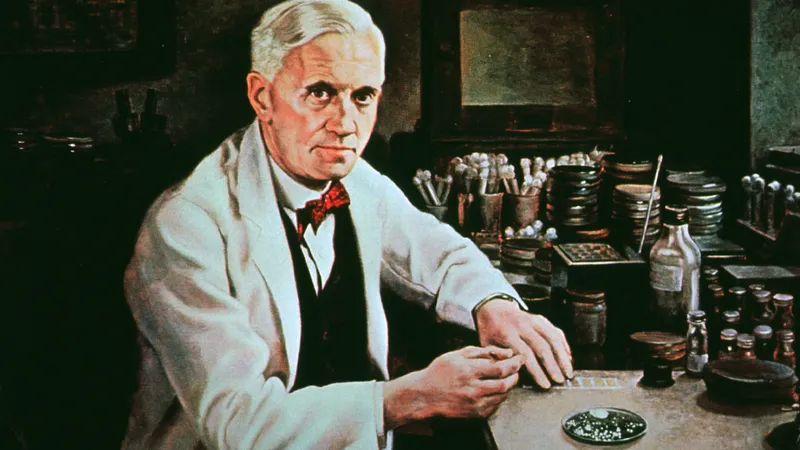
Alexander Flemingwas born in Ayrshire in 1881 and made one of the most important medical discoveries in history: penicillin. This antibiotic transformed medicine and has saved millions of lives around the world.
Fleming discovered penicillin by accident, noticing that mould had killed bacteria in a laboratory experiment. His work later led to the mass production of antibiotics, changing how infections were treated forever.
Awarded the Nobel Prize in 1945, Fleming’s discovery remains one of Scotland’s greatest contributions to humanity.
5. John Logie Baird
Invention | Technology | Television Pioneer
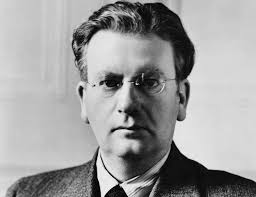
Born in Helensburgh in 1888, John Logie Baird was the inventor who helped bring television to the world. He successfully demonstrated the first working television system in the 1920s.
Baird’s experiments laid the foundation for modern broadcasting, changing how people receive news, entertainment, and information. His work transformed communication and global culture.
Today, television remains one of the most influential technologies ever created, and John Logie Baird’s role in its development secures his place among Scotland’s greatest innovators.
6. Denis Law
Football | Sporting Legacy | National Icon
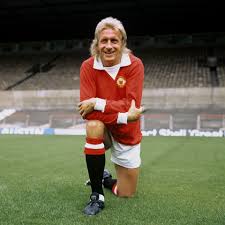
Denis Law was born in Aberdeen in 1940 and is widely regarded as one of Scotland’s greatest footballers. He remains the only Scottish player to ever win the Ballon d’Or, which he received in 1964.
Law became a legend at Manchester United, where he was known for his intelligence, creativity, and goal-scoring ability. Alongside George Best and Bobby Charlton, he formed part of one of the most famous attacking teams in football history.
His influence on Scottish football is enormous, and he continues to be remembered as a symbol of excellence, pride, and sporting achievement.
7. Lewis Capaldi
Music | Global Pop Culture | Modern Scottish Voice
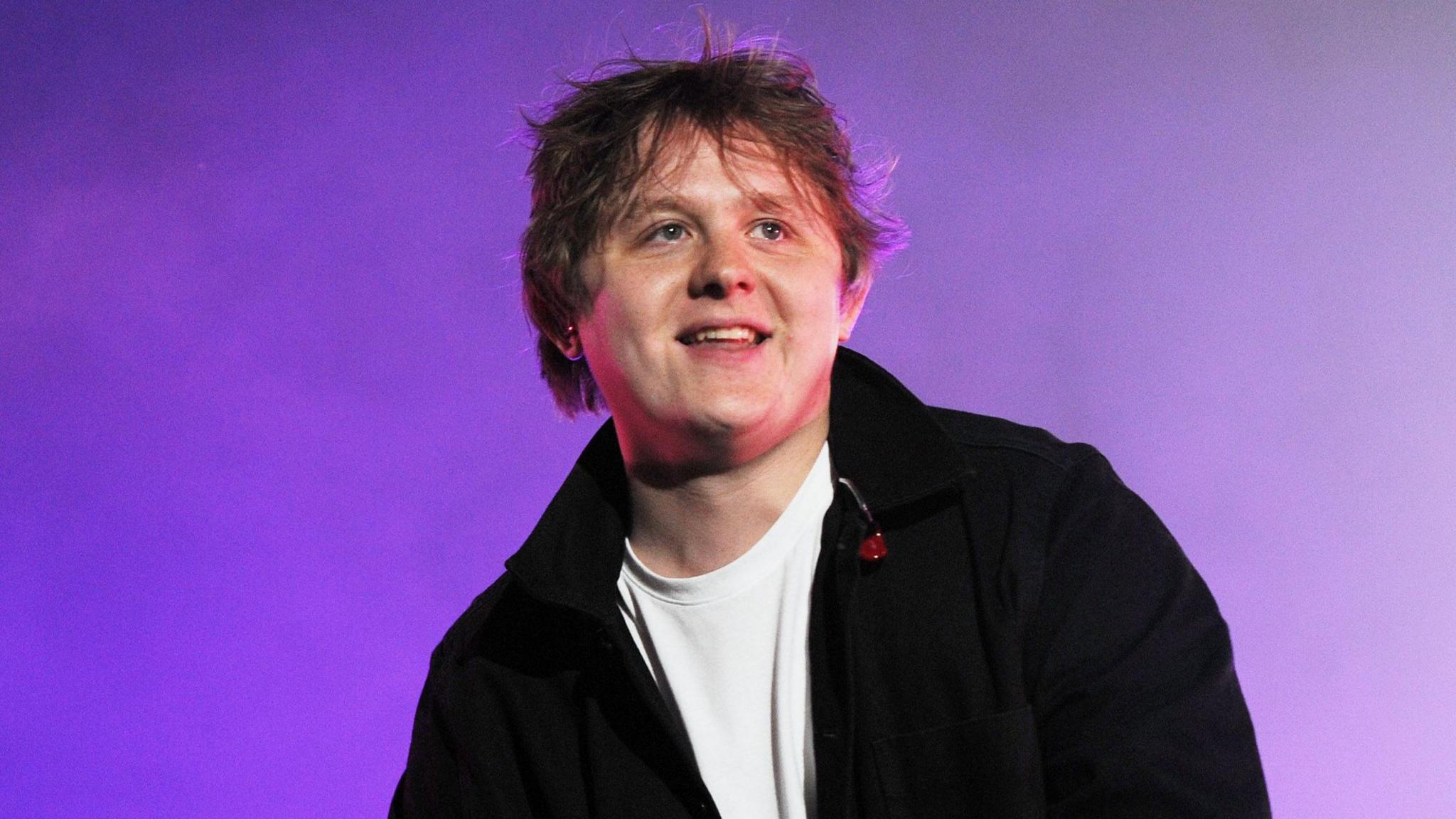
Born in Glasgow in 1996, Lewis Capaldi rose to international fame with his powerful voice, emotional songwriting, and honest personality. His breakout song Someone You Lovedbecame a global hit, topping charts around the world.
Capaldi’s music is known for its raw emotion and relatability, which helped him connect with a massive international audience. His debut album became one of the best-selling albums in UK history.
Open about his struggles with mental health and Tourette’s syndrome, Capaldi has helped reduce stigma and inspired many fans. He represents a new generation of Scottish talent with global influence.
8. James Watt
Engineering | Industrial Revolution | Innovation
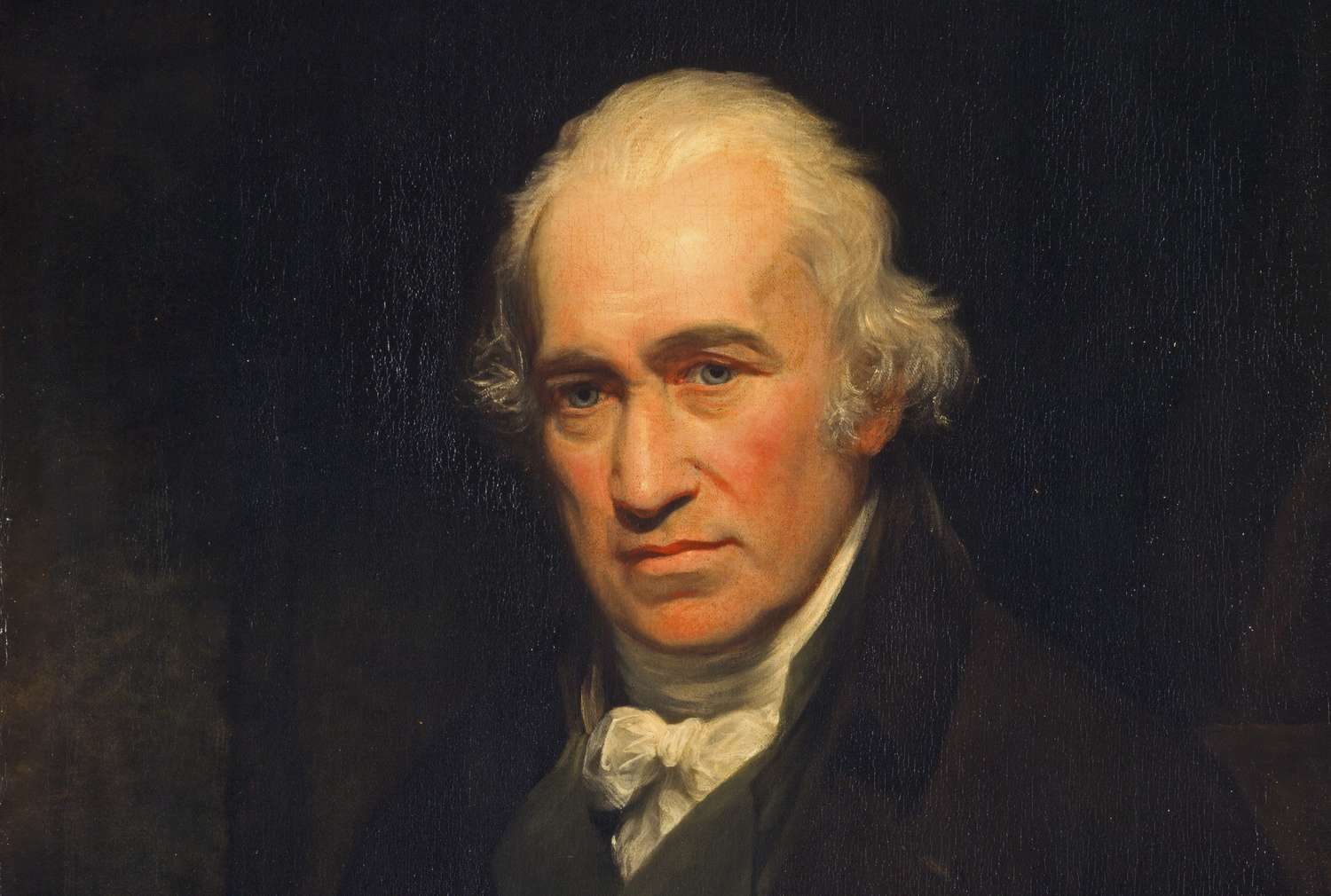
James Watt was born in Greenock in 1736 and played a key role in the Industrial Revolution. He is best known for improving the steam engine, making it far more efficient and practical for widespread use.
Watt’s innovations transformed industries such as manufacturing, mining, and transportation, helping to shape the modern world. His work powered factories, trains, and ships, accelerating global economic growth.
In recognition of his impact, the unit of power the watt is named after him. His legacy remains fundamental to modern engineering and technology.
9. Gordon Brownre
Politics | Economics | Global Leadership
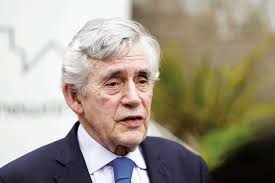
Gordon Brown was born in Glasgow in 1951 and served as Prime Minister of the United Kingdom from 2007 to 2010. Before that, he spent a decade as Chancellor of the Exchequer, shaping UK economic policy.
Brown played a major role during the 2008 global financial crisis, helping coordinate international efforts to stabilise the world economy. His leadership during this period earned global recognition.
After leaving office, Brown focused on education, poverty reduction, and global development, continuing to influence international policy and humanitarian causes.
10. Alexander Graham Bell
Invention | Communication | World-Changing Technology
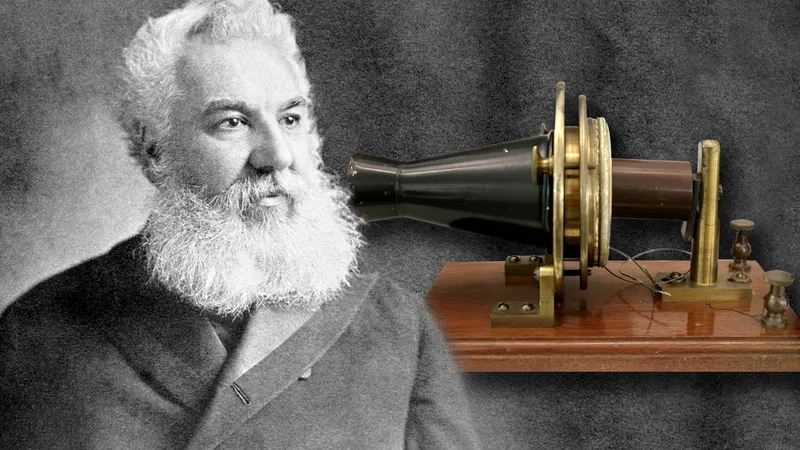
Alexander Graham Bell was born in Edinburgh in 1847 and is best known for inventing the telephone. His work transformed human communication, allowing people to speak across long distances for the first time.
Bell’s invention changed business, emergency services, and everyday life, laying the foundation for modern communication technologies. His curiosity also led him to work in aviation, sound technology, and education for the deaf.
Few Scottish-born individuals have had a greater global impact on daily life than Alexander Graham Bell, making him one of the most important innovators in history.
11. Sir Alex Ferguson
Football | Leadership | Global Influence
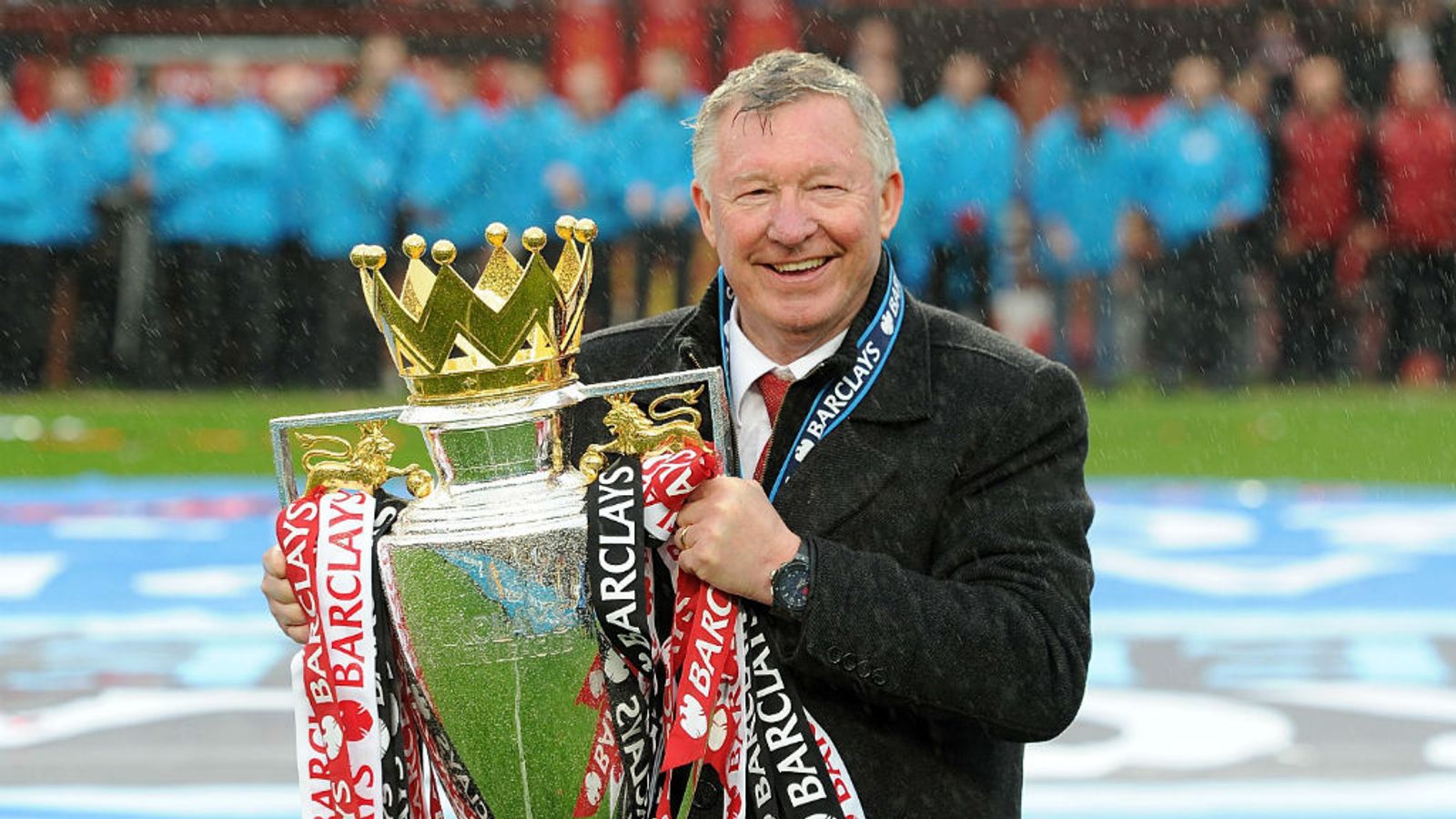
Born in Glasgow in 1941, Sir Alex Fergusonis widely regarded as one of the greatest football managers of all time. Before football fame, he worked in shipyards, an experience that shaped his discipline, work ethic, and leadership style.
His breakthrough came at Aberdeen, where he broke the dominance of larger European clubs, including a famous victory over Real Madrid. In 1986, he became manager of Manchester United, leading the club to 13 Premier League titles, 5 FA Cups, and 2 Champions League trophies.
Beyond football, Ferguson’s leadership philosophy is studied in business schools and management circles worldwide. Even in retirement, his influence remains immense.
12. Andy Murray
Tennis | Resilience | Equality Advocate
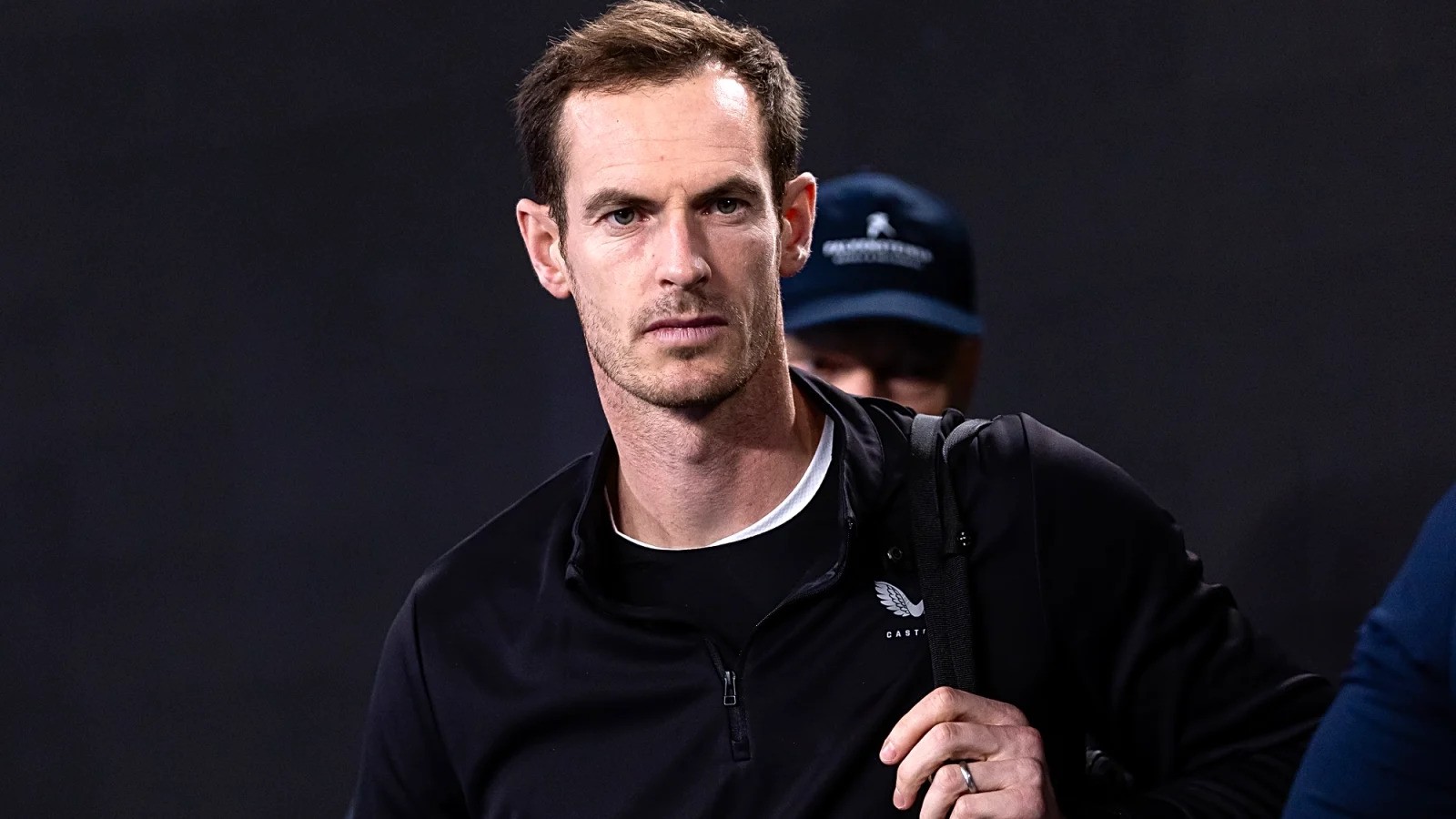
Born in Glasgow in 1987, Andy Murray is one of the most important figures in British and Scottish sports history. He became the first British man in 77 years to win Wimbledon in 2013, repeating the achievement in 2016.
Murray also won two Olympic gold medals and reached world No. 1 a rare feat in the era dominated by Federer, Nadal, and Djokovic. His career is equally defined by resilience, as he returned to elite competition after major hip surgery.
Off the court, Murray is a vocal supporter of gender equality in sport and a respected role model for perseverance.
13. Ewan McGregor
Film | Storytelling | Global Star
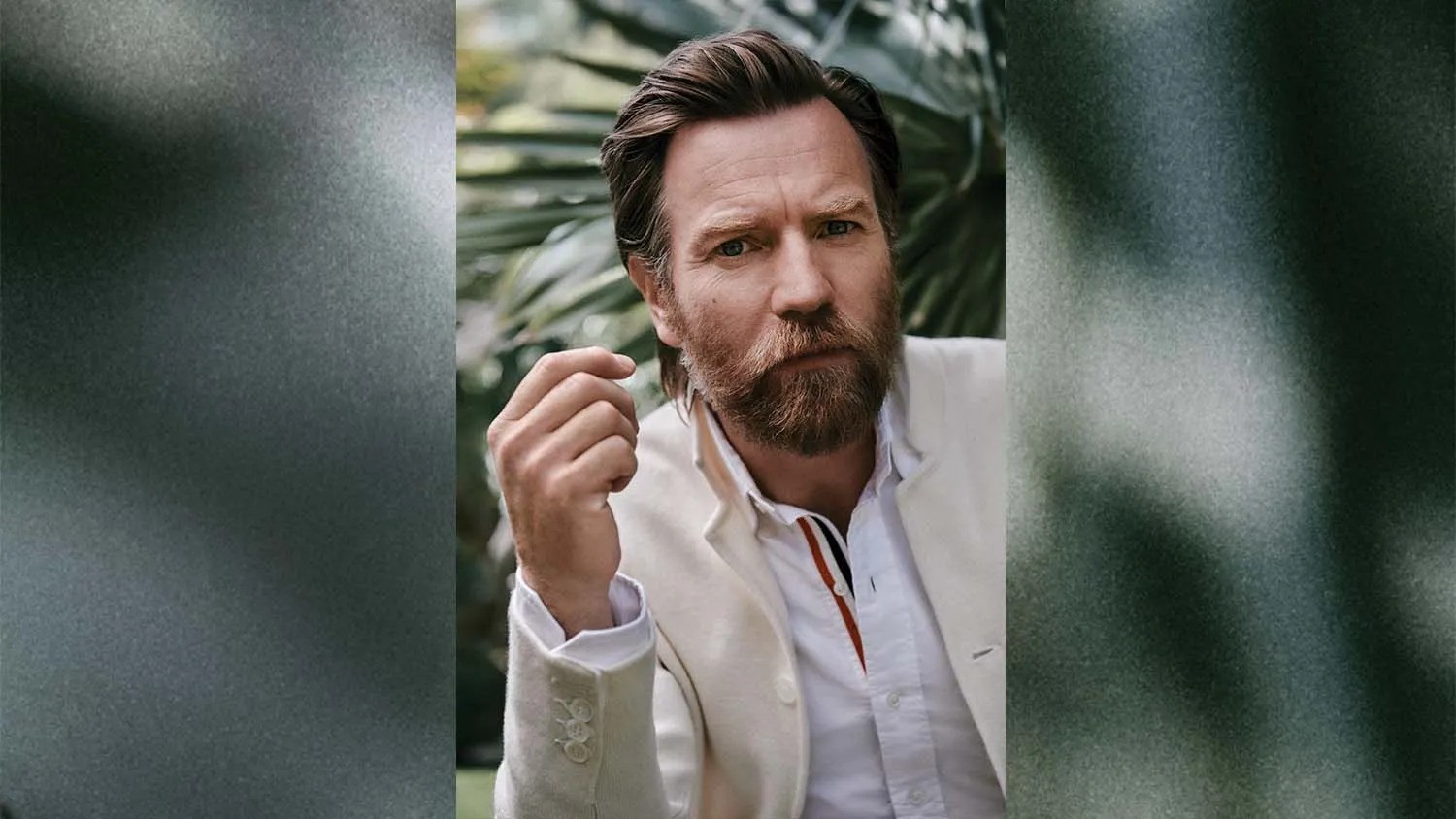
Born in Perth in 1971, Ewan McGregor became internationally famous after starring in Trainspotting, a film that defined a generation of Scottish cinema.
He went on to star in major Hollywood productions, including Star Wars(as Obi-Wan Kenobi), Moulin Rouge, and numerous award-winning films and series. His performances are known for their emotional depth and versatility.
Outside acting, McGregor’s traveldocumentaries (Long Way Round, Long Way Down) show his curiosity, humility, and love for adventure.
14. Sir Chris Hoy
Cycling | Olympic Excellence | Youth Sport
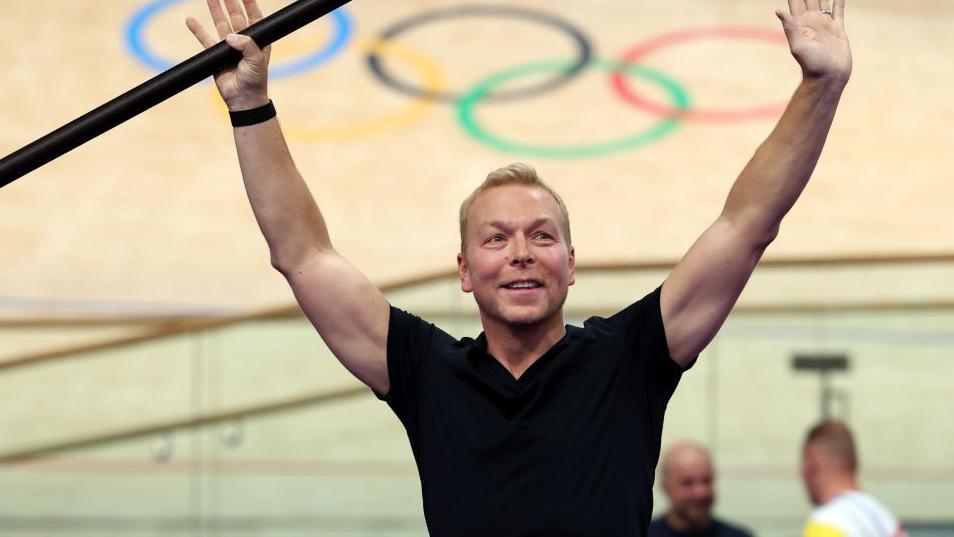
Born in Edinburgh in 1976, Sir Chris Hoy is Scotland’s most decorated Olympian. He won six Olympic gold medals and one silver across three Games, becoming one of Britain’s greatest athletes.
Since retiring, Hoy has focused on youth sport, cycling development, writing children’s books, and inspiring the next generation. The Sir Chris Hoy Velodrome in Glasgow stands as a lasting symbol of his impact.
15. James McAvoy
Film | Theatre | Versatility
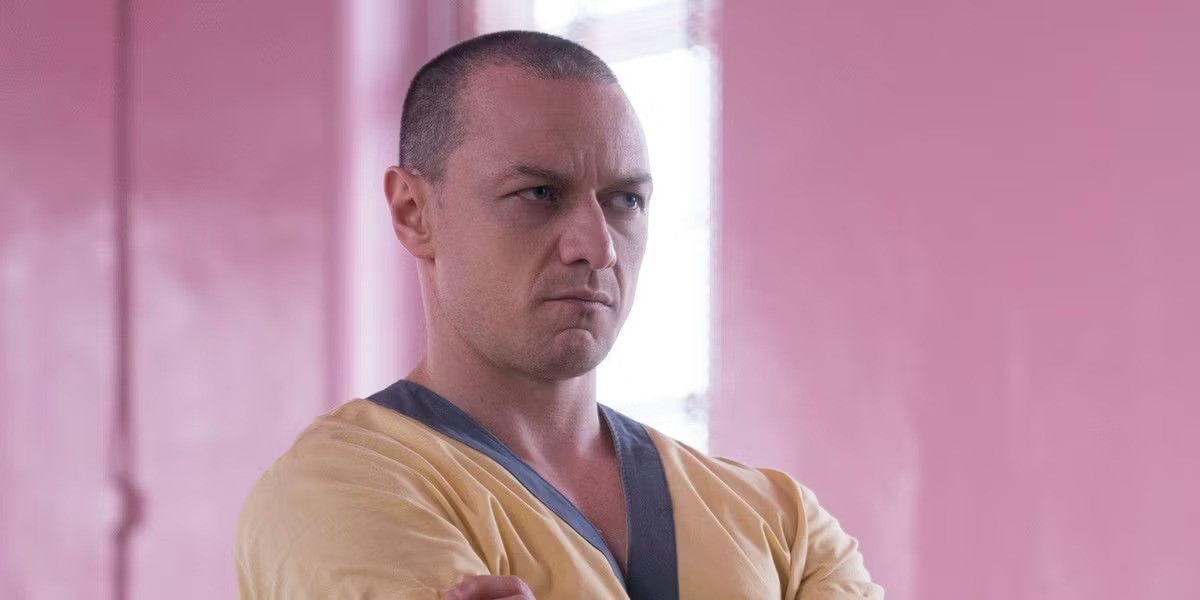
James McAvoy was born in Glasgow in 1979 and began his career on British television. His breakthrough came with The Last King of Scotland, followed by critically acclaimed roles in Atonement, Split, and the X-Menfranchise.
Highly respected for his dedication and emotional range, McAvoy moves easily between blockbuster films, independent cinema, and stage performances. He is also involved in educational and charitable work in Scotland.
16. Duncan Scott
Swimming | Modern Olympic Success
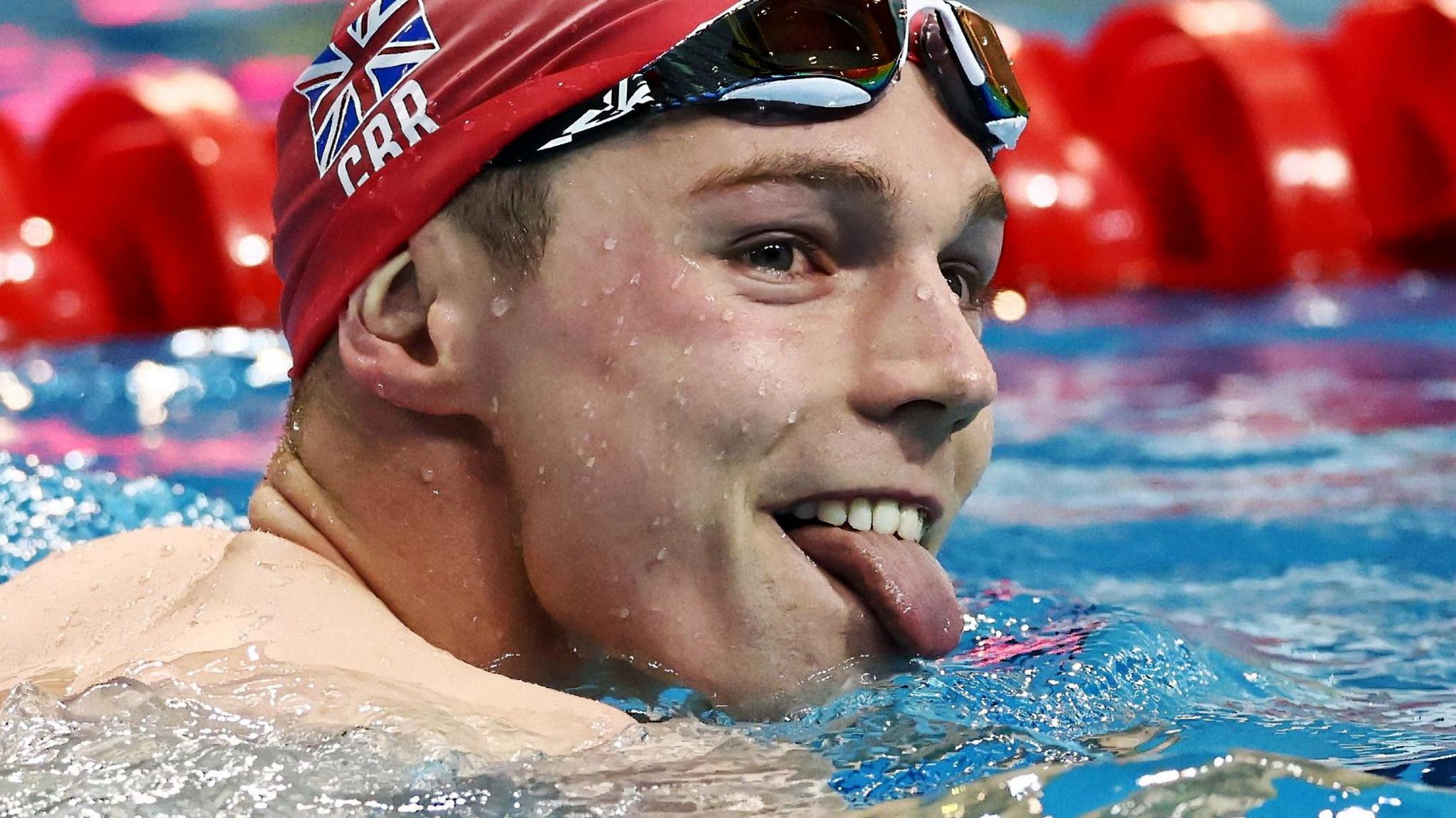
Born in 1997, Duncan Scott represents the new generation of Scottish sporting excellence. At the Tokyo 2020 Olympics, he won four medals the most by any British athlete at a single Games.
He continued his success at world championships and the Paris 2024 Olympics. Known for his humility and openness about mental health, Scott is both an elite athlete and a positive role model.
17. Billy Connolly
Comedy | Culture | National Icon
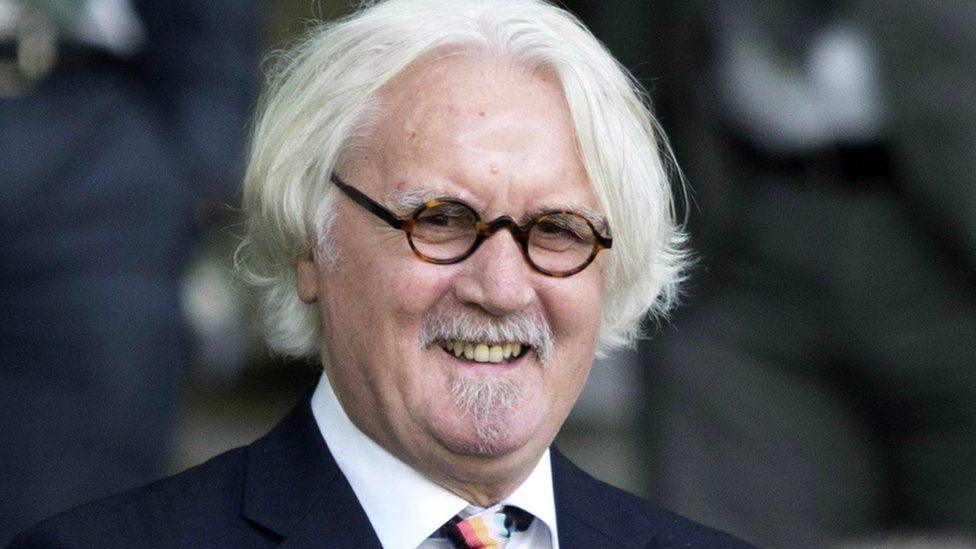
Billy Connolly, born in Glasgow in 1942, rose from shipyard work to become one of the most beloved comedians in the English-speaking world. Known for his fearless humour and storytelling, he reshaped modern stand-up comedy.
He later enjoyed a successful acting career, appearing in films such as Mrs Brown, The Last Samurai, and Brave. Despite being diagnosed with Parkinson’s disease in 2013, Connolly continued to create, finding new expression through art and writing.
Knighted in 2017, he remains a deeply respected cultural figure and national treasure.
18. Sir Jackie Stewart
Motorsport | Safety Reformer | Global Advocate
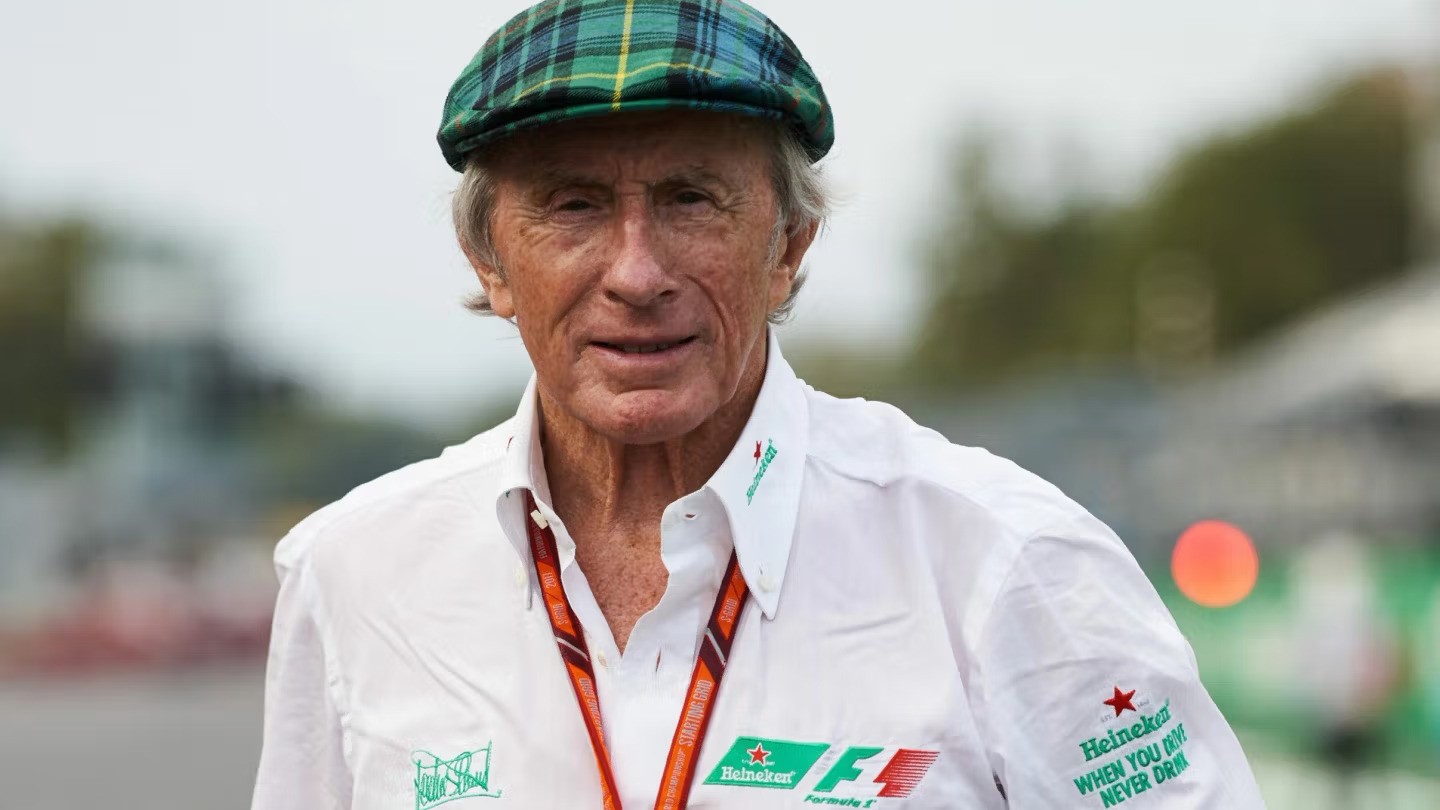
Born in 1939, Sir Jackie Stewart known as “The Flying Scot” is a three-time Formula One World Champion. His success on the track is matched by his off-track legacy.
Stewart played a key role in improving safety standards in motorsport, helping to save countless lives. In later life, he became a leading advocate for dementia research following his wife’s diagnosis.
19. Sir Ian Wilmut
Science | Genetics | Lasting Legacy
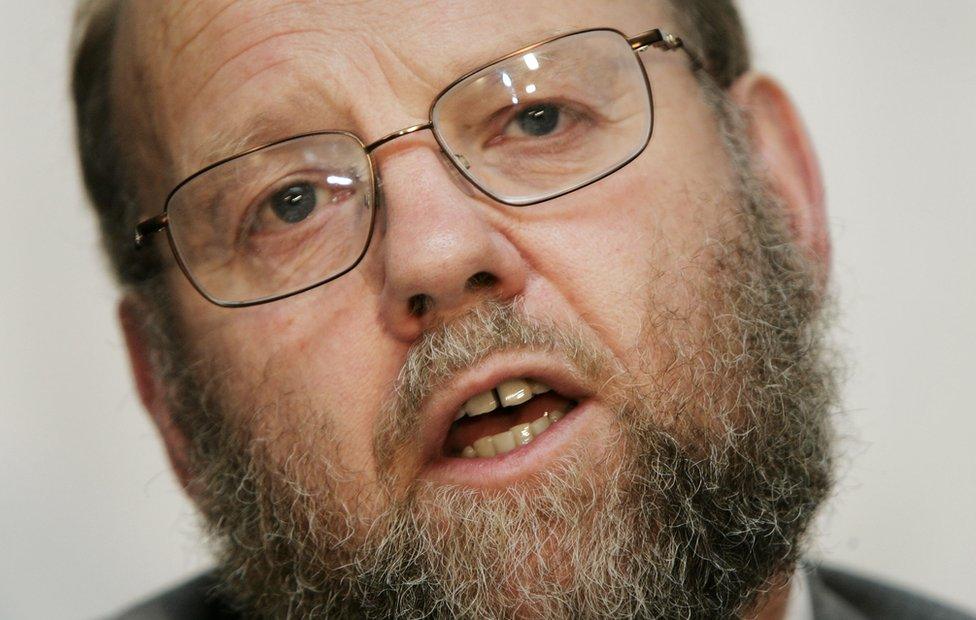
Sir Ian Wilmut (1944-2023) led the team at the Roslin Institute in Edinburgh that created Dolly the Sheep the first mammal cloned from an adult cell.
His work transformed genetics, medical research, and ethical discussions worldwide. Although he has passed away, his influence on modern science remains profound and ongoing.
20. Sam Heughan
Television | Tourism | Wellness
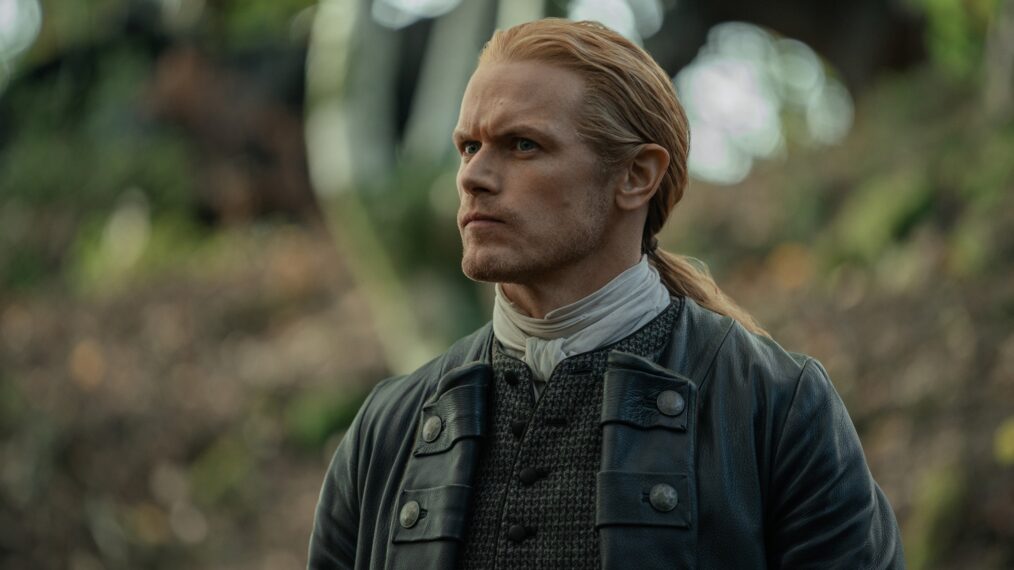
Born in 1980 in Balmaclellan, Sam Heughan rose to global fame through Outlander. The series played a major role in boosting international interest in Scottish historyand tourism.
Beyond acting, Heughan co-founded a Scottish whisky brand, promotes fitness and mental wellbeing, and runs My Peak Challenge, a global charity initiative encouraging healthier lifestyles.
21. Gerard Butler
Film | Action | Global Entertainment
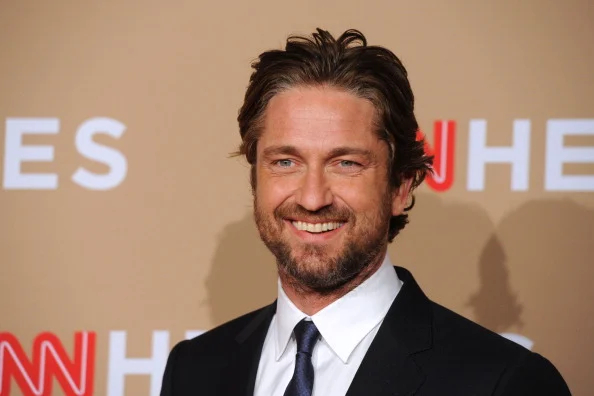
Born in Paisley in 1969, Gerard Butler is a Scottish actor known for his powerful screen presence and wide range of roles. He rose to international fame with his role as King Leonidas in 300.
Butler has starred in action films, dramas, and romantic comedies, showing versatility across genres. His work has made him one of Scotland’s most recognisable actors worldwide.
Despite his Hollywood success, Butler often speaks proudly about his Scottish roots and continues to represent Scotland on the global stage.
22. John Hannah
Film | Television | Theatre
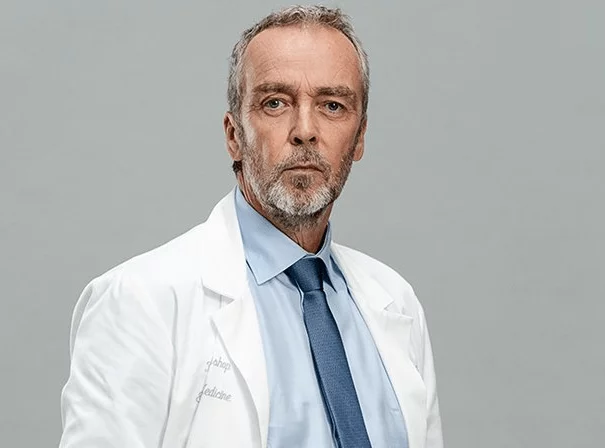
Born in East Kilbride in 1962, John Hannah is a respected Scottish actor known for his work in film, television, and theatre. He gained international recognition through roles in Four Weddings and a Funeraland The Mummyseries.
Hannah is admired for his calm screen presence and ability to move easily between comedy, drama, and narration work. He has also appeared in major TV series and stage productions.
His long and varied career has made him a familiar and trusted figure in British and international entertainment.
23. Billy Boyd
Film | Music | Fantasy Cinema
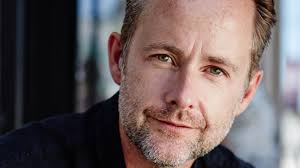
Born in Glasgow in 1968, Billy Boyd became globally famous for playing Peregrin “Pippin” Took in The Lord of the Ringstrilogy. The role made him a favourite among fans worldwide.
Beyond acting, Boyd is also a musician and has performed in several bands. He has continued working in film, television, and voice acting.
Boyd’s success helped bring Scottish talent to one of the most iconic film franchises in cinema history.
24. Ewen Bremner
Film | Independent Cinema | Character Acting
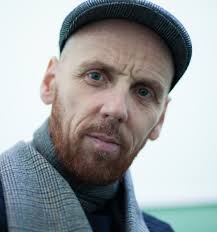
Born in Edinburgh in 1972, Ewen Bremner is best known for his role as Spud in Trainspotting. His performance was praised for its honesty and emotional depth.
Bremner has appeared in a wide range of films, from independent productions to major Hollywood movies. He is known for playing complex and memorable characters.
His work has made him an important figure in modern Scottish cinema.
25. Robert The Bruce
Scottish History | Kingship | Independence
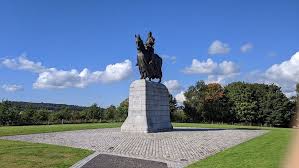
Robert the Bruce was born in 1274 and became one of Scotland’s most important historical figures. He was crowned King of Scots in 1306 during a time of intense conflict with England.
Bruce is best known for leading Scotland to victory at the Battle of Bannockburn in 1314, a turning point in the Wars of Scottish Independence. His leadership helped secure Scotland’s sovereignty and strengthened national identity.
Today, Robert the Bruce is remembered as a symbol of determination, leadership, and independence, and he remains one of the most significant figures in Scottish history.
26. Calvin Harris
Music | Electronic | Global Charts
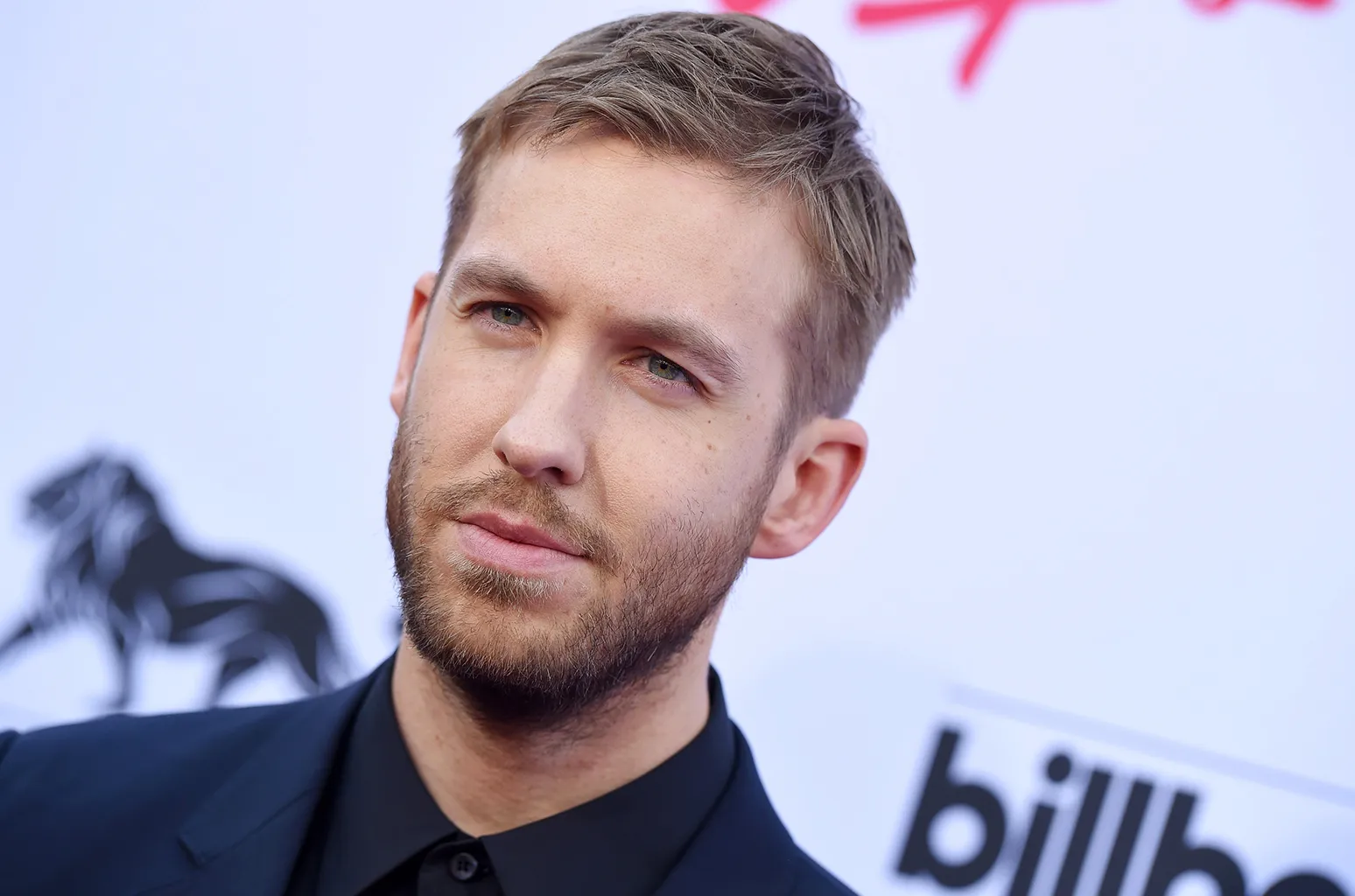
Calvin Harris was born in Dumfries in 1984 and is one of the most successful musicians Scotland has ever produced. He rose to global fame as a DJ, producer, and songwriter, dominating international music charts.
Harris has collaborated with some of the biggest names in music and has produced multiple worldwide hits. For several years, he was ranked among the highest-paid DJs in the world.
His success helped bring electronic music into the mainstream and made him one of the most influential figures in modern global pop culture.
27. William Wallace
Scottish History | Freedom | National Identity
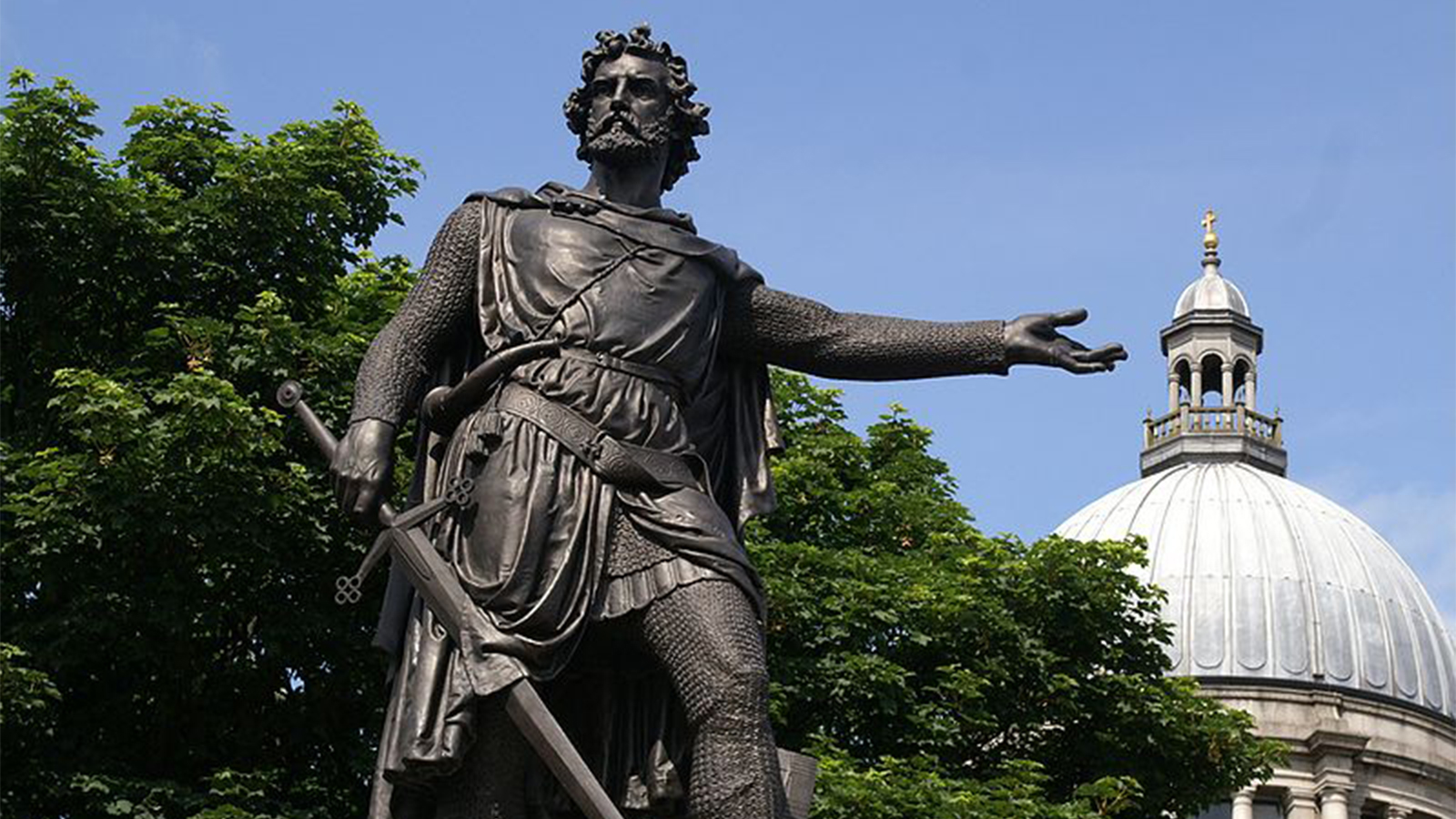
William Wallace was born in the 13th century and is remembered as one of Scotland’s greatest national heroes. He played a key role in leading resistance against English rule during the Wars of Scottish Independence.
Wallace became a symbol of courage, freedom, and national pride. His leadership and sacrifice inspired generations of Scots.
Today, William Wallace remains a powerful figure in Scottish history and identity.
28. Robbie Coltrane
Film | Television | Cultural Legacy
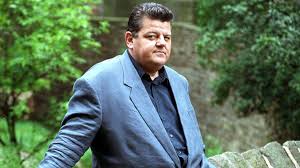
Robbie Coltrane was born in Glasgow in 1950 and became one of Scotland’s most beloved actors. He was widely known for playing Hagrid in the Harry Potterfilm series.
Before that, Coltrane was highly respected for his dramatic and comedic television work, including Cracker. His performances earned critical acclaim and awards.
Following his passing in 2022, Coltrane is remembered as a warm, talented actor whose work touched millions of people worldwide.
29. Sean Connery
Film | Global Cinema | Cultural Icon
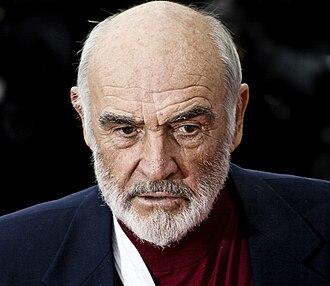
Born in Edinburgh in 1930, Sean Connery was one of Scotland’s most famous and influential actors. He rose to global fame as the original James Bond, defining the role and helping turn the character into a worldwide cultural phenomenon.
Connery appeared in seven Bond films before going on to enjoy a long and varied acting career. His performances in films such as The Untouchables, Indiana Jones and the Last Crusade, and The Hunt for Red Octoberearned him critical acclaim and international respect.
Awarded an Academy Award, multiple BAFTAs, and a knighthood in 2000, Connery remained a proud Scot throughout his life. His voice, screen presence, and lasting impact on cinema secure his place as one of the greatest actors of all time.
30. Hugh Miller
Geology | Writing | Scientific Thought
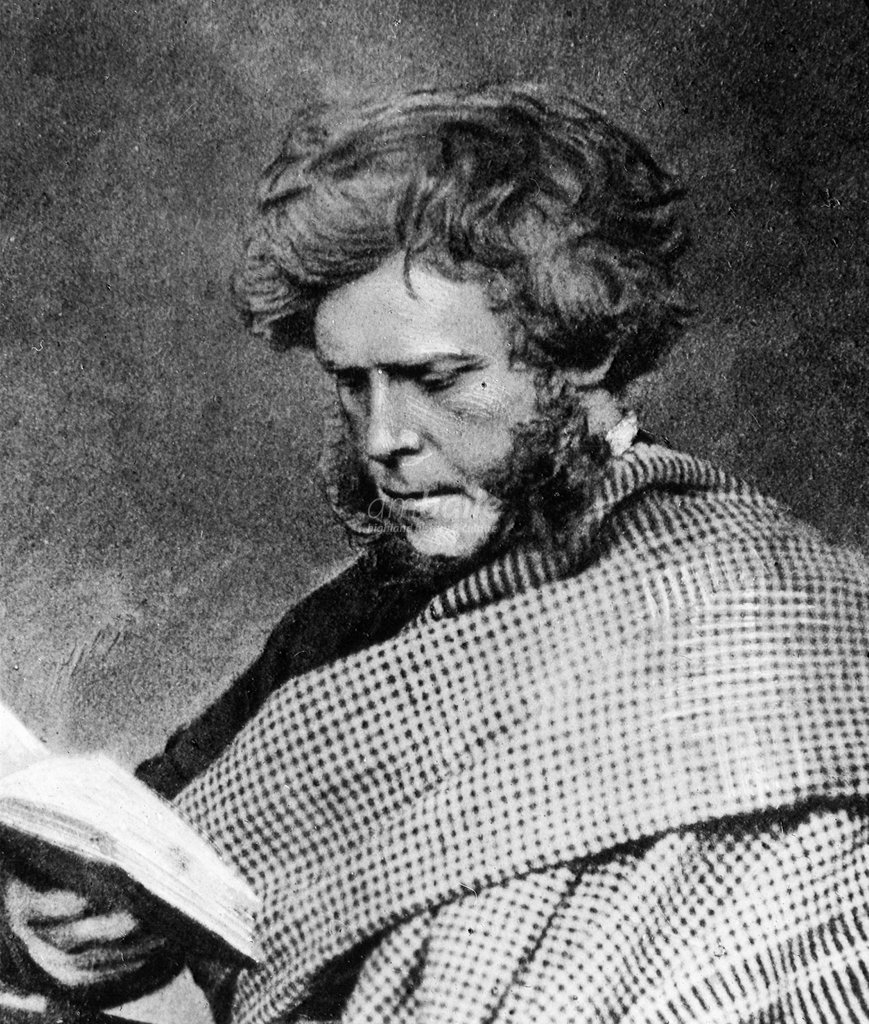
Hugh Miller was born in Cromarty in 1802 and became one of Scotland’s most important geologists and scientific writers. Largely self-taught, he made significant contributions to the understanding of fossils and ancient life.
Miller was also a talented writer who helped make science accessible to the public. His books combined clear explanation with storytelling, bringing geology to a wider audience.
Today, Hugh Miller is remembered for bridging science and literature, and for helping shape public understanding of the natural world during the 19th century.
People Also Ask
Who Are Some Of The Most Famous Scottish Men In History?
Some of the most famous Scottish men include Robert Burns, Adam Smith, David Hume, James Watt, Alexander Fleming, Alexander Graham Bell, William Wallace, and Robert the Bruce. Their influence spans literature, philosophy, economics, science, invention, and Scottish history.
Who Is The Most Famous Scottish Person Today?
There isn’t one single answer, because fame depends on the field. In sport, names like Andy Murray and Sir Alex Ferguson are widely known. In entertainment, Ewan McGregor is internationally recognisable, and in music, artists like Lewis Capaldi and Calvin Harris have global reach.
Which Scottish Inventors Changed The World?
Scotland produced several world-changing inventors and innovators, including Alexander Graham Bell (telephone) and James Watt (major improvements to the steam engine). Their work helped shape modern communication and industrial technology.
Which Scottish Scientist Made A Discovery That Saved Millions Of Lives?
Alexander Fleming discovered penicillin, one of the most important medical breakthroughs in history. Antibiotics transformed medicine and saved millions of lives around the world.
How Many Olympic Medals Has Sir Chris Hoy Won?
Sir Chris Hoy won seven Olympic medals in total six gold and one silver making him Scotland’s most decorated Olympian.
Final Thoughts
Scotland’s influence extends far beyond its borders, and the achievements of these famous Scottish men show just how lasting that impact is. Across history and into the modern age, their work has shaped culture, science, sport, politics, and everyday life around the world.
Together, their stories reflect Scotland’s tradition of creativity, resilience, and global influence proving that a small nation can leave a powerful and enduring legacy.
Jump to
Famous Scottish Men From History To Modern Times
1. Robert Burns
2. Adam Smith
3. David Hume
4. Alexander Fleming
5. John Logie Baird
6. Denis Law
7. Lewis Capaldi
8. James Watt
9. Gordon Brownre
10. Alexander Graham Bell
11. Sir Alex Ferguson
12. Andy Murray
13. Ewan McGregor
14. Sir Chris Hoy
15. James McAvoy
16. Duncan Scott
17. Billy Connolly
18. Sir Jackie Stewart
19. Sir Ian Wilmut
20. Sam Heughan
21. Gerard Butler
22. John Hannah
23. Billy Boyd
24. Ewen Bremner
25. Robert The Bruce
26. Calvin Harris
27. William Wallace
28. Robbie Coltrane
29. Sean Connery
30. Hugh Miller
People Also Ask
Final Thoughts
Callum Fraser
Author
Callum Fraser isn't just a writer about Scotland; he's a product of its rugged landscape and rich history. Born and raised in Perthshire, with the Highlands as his backyard, his love for the nation's stories was kindled by local storytellers and long walks through ancient glens.
This passion led him to pursue a degree in Scottish History from the University of Edinburgh. For over 15 years, Callum has dedicated himself to exploring and documenting his homeland, fusing his academic knowledge with essential, on-the-ground experience gained from charting road trips through the Cairngorms, hiking the misty Cuillins of Skye, and uncovering the secrets of traditional recipes in his family's kitchen.
As the Editor-in-Chief and Lead Author for Scotland's Enchanting Kingdom, Callum's mission is simple: to be your most trusted guide. He combines meticulous research with a storyteller's heart to help you discover the authentic magic of Scotland — from its best-kept travel secrets to its most cherished traditional recipes.
Latest Articles
Popular Articles