Glenrothes Hippos | History, Meaning, Locations & How To Visit
Glenrothes hippos explained: history, meaning, main locations and a short trail linking Riverside Park, housing estates & the Kingdom Centre for an easy Fife stop.
Author:Callum FraserDec 06, 2025
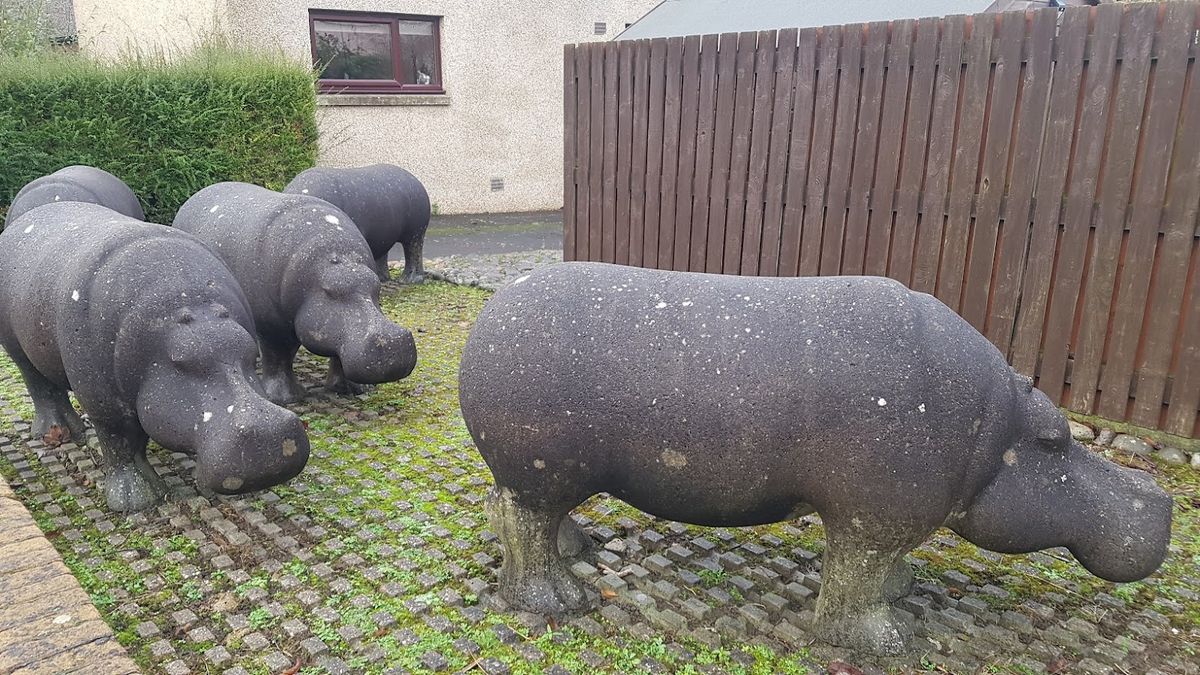
Glenrothes Hippos - The Full Story, Trail Guide, And Meaning
Most people expect castles and cobbled closes from a Scottish town, not a herd of concrete hippos hiding between tower blocks and park paths.
If you’ve heard whispers about the Glenrothes hipposand wondered what on earth they are, this is where the story finally clicks into place.
In the next few minutes you’ll get three things: a clear explanation of what the hippos are, a short history that ties them into Scotland’s new-town experiment, and a practical trail so you can actually go and meet them.
Think of the hippos as a playful doorway into understanding Glenrothesitself - its art, its people, and how a planned town grew a personality.
By the time you finish reading, you’ll know whether a hippo stop belongs in your Fife itinerary, and exactly how to make it a good one.
What Are The Glenrothes Hippos?
If you only have a minute, this section gives you the “what, why, where” in one place before we dive deeper.
Overview
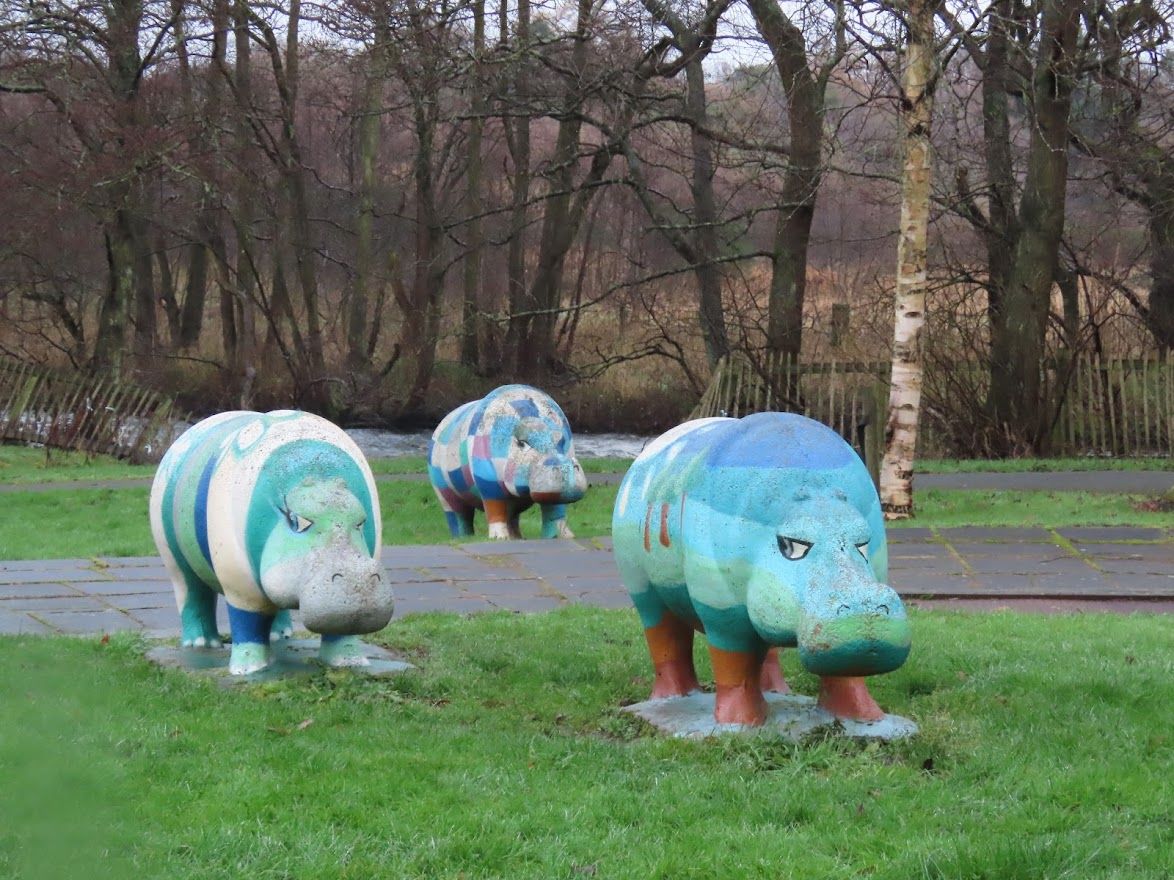
The Glenrothes hipposare a series of hippo sculptures scattered around the new town of Glenrothes in Fife.
The first pieces were installed in the early 1970s as part of an ambitious public-art programme led by town artists David Harding and Stanley Bonnar.
They quickly became the town’s unofficial mascot. Families met “at the hippos”, children climbed over their chunky backs, and over time more hippo artworks appeared - from small concrete groups to a giant standalone hippo and, most recently, the environmentally themed Disappearing Hippo.
Key Facts At A Glance
- The Glenrothes hippos are public-art sculptures, originally cast in concrete in the 1970s by artist Stanley Bonnar.
- They were created to give Scotland’s new town of Glenrothes a playful, family-friendly mascot and meeting place woven into everyday streets and parks.
- You’ll find hippo groups in Riverside Park and several housing areas, plus hippo-themed pieces and displays around the Kingdom Shopping Centre.
- The town as a whole now has around 170 pieces of public art; the hippos are among the best-loved stops on the official Glenrothes Town Art / Fife Art Trail maps.
- The 2023 Disappearing Hippo, made from recycled materials and modern geopolymer concrete, marks Glenrothes’ 75th anniversary and highlights threats to wild hippos.
- Recent upgrades have added a hippo-themed play park in Riverside Park, keeping the sculptures at the heart of family life in the town.
If that sounds like your kind of quirky, the rest of the article shows you how these sculptures grew from one art-school idea into a whole hippo town.
Takeaway:The Glenrothes hippos are more than random concrete animals - they’re the backbone of a carefully planned public-art story that still shapes everyday life.
Glenrothes And Scotland’s New-town Art Experiment
This section gives you the backdrop: why a post-war town in Fife invested so heavily in art that concrete hippos made perfect sense.
A New Town Looking For A Soul
Glenrothes was established after the Second World War as one of Scotland’s new towns, built to house miners and families away from overcrowded cities.
New towns were efficient on paper - roads, shopping centres, housing - but early residents often felt they lacked a sense of history and shared identity.
To tackle that, Glenrothes did something unusual for the time: it appointed a Town Artist, David Harding, in 1968. His brief wasn’t to decorate galleries but to put art directly into streets, parks and underpasses, helping people feel at home in this planned landscape. Glenrothes is often described as the first new town anywhere in the world to take on a dedicated Town Artist as part of its planning team.
Glenrothes went on to collect around 170 pieces of public art, from giant irises at roundabouts to murals, mosaics and sculptures woven into everyday routes. Historic Environment Scotland has studied this collection in depth, and today visitors can follow it via the Glenrothes Town Art booklet and online maps, with the town forming a key stop on the wider Fife Art Trail.
Alongside its later reputation as part of “Silicon Glen” and Scotland’s electronics industry, Glenrothes gained a second identity as a living experiment in town art - and the hippos are one of the clearest ways to see that in action.
Town Artists: David Harding, Stan Bonnar And Others
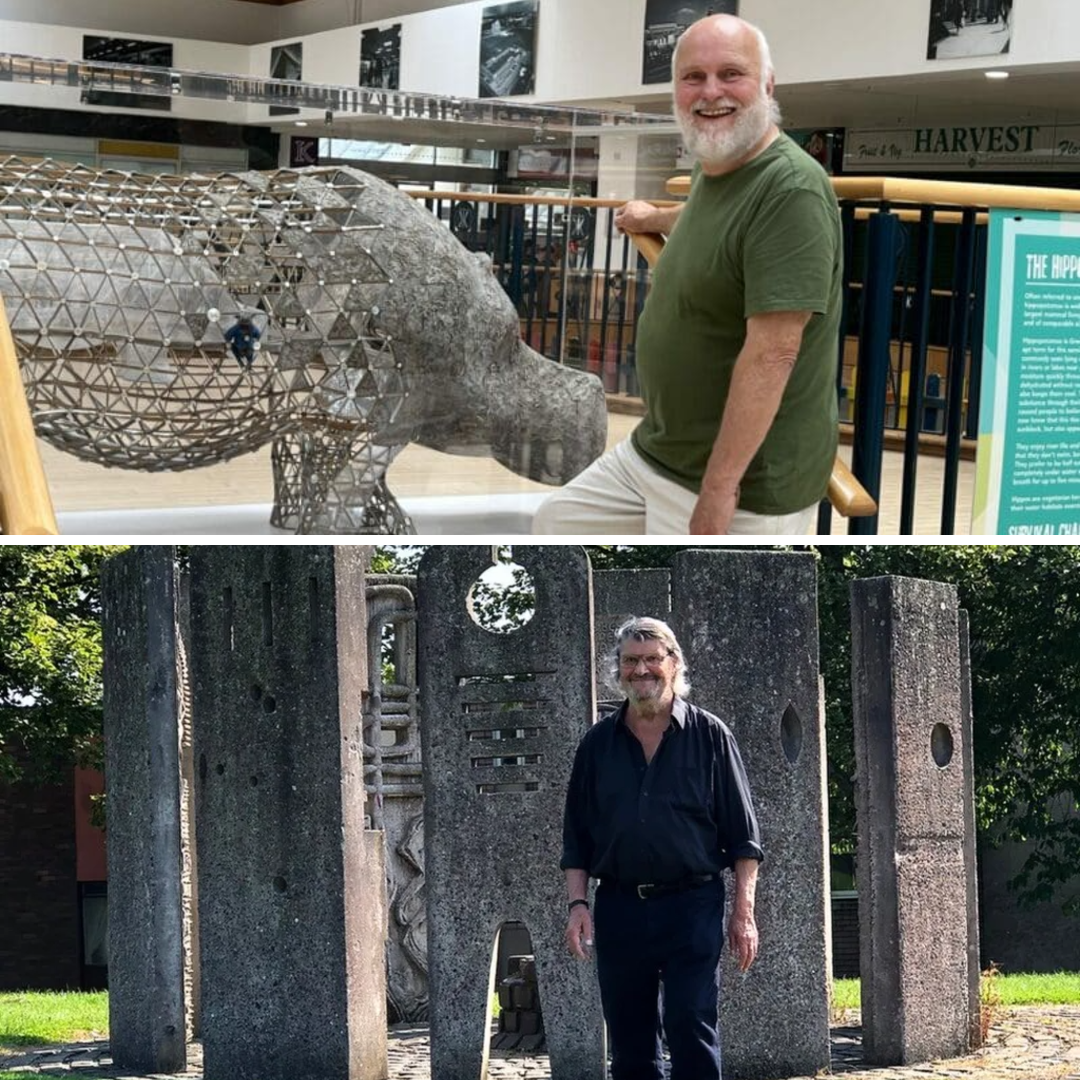
Artist Stanley (Stan) Bonnarjoined Harding as assistant town artist in the early 1970s, bringing with him a fascination for simple, rounded forms that children could clamber on without sharp edges.
Working with Harding, he helped shape an approach where art wasn’t an add-on: benches, play sculptures, even the way concrete was poured all became parts of a shared environment.
This collaboration produced some of Glenrothes’ most recognisable works, including the concrete hippos, mushroom-topped sculptures and a series of integrated play pieces in housing estates and parks.
Takeaway:The hippos only make sense once you know Glenrothes treated public art as essential infrastructure, not decoration - the hippos are one of the clearest expressions of that idea, which we’ll see in their origin story next.
How The Glenrothes Hippos Were Created
Here we trace how a young artist’s hippo idea moved from sketchbook to pavements, and how it multiplied across the town.
From Art-school Idea To Concrete Herd
Stan Bonnar first developed his hippo form while at art school, experimenting with chunky, rounded shapes that felt friendly and tactile.
When he joined Glenrothes as assistant Town Artist, that idea found its perfect home in a place building new housing estates and play spaces almost from scratch. Harding later described the choice of animal as being largely because of its rounded form and the opportunity it gave to create humorous, slightly surreal situations in otherwise ordinary housing schemes.
The hippo form was explored in 1972 and the first full group composition, Feeding Hippos, arrived in 1973 in the Caskieberran area: a family of concrete animals arranged around a food bowl, inviting play and story-making.
Casting, Installing And Multiplying The Hippos
Technically, the hippos were made using cast concrete, a material readily available during the new-town building boom.
Concrete was cheap, durable and heavy enough to stay put in public spaces - ideal for sculptures that children would climb and adults would lean on during chats.
Art historians now talk about Bonnar’s hippos as the first really “multiple”new-town sculpture: once the mould existed, Harding and Bonnar could cast new hippos and place them at what they called “sites of meaning or surreal whimsy” across Glenrothes, turning one idea into a network of landmarks.
Different “family units” soon appeared in several locations:
- Feeding Hipposin Caskieberran - a circular composition around a feeding point.
- Thirsty Hipposin Riverside Park by the water and paddling-pool area.
- A hippo family convoy in Pitteuchar - five hippos walking in single file along a path, echoing the rhythm of nearby housing blocks.
Over time, hippos cropped up in several neighbourhoods, always designed with that same low, rounded profile and down-to-earth humour.
Becoming Glenrothes’ Unofficial Mascot
Because the hippos were physically woven into daily routes - near homes, by the paddling pool, beside shops - they quickly became a shared reference point.
People arranged to meet “at the hippos”, local children played games around them, and eventually there were even Hippo Parades, where costumed hippos led community celebrations through town.
The sculptures also attracted wider attention. In 2021, the story achieved national prominence with the BBC Scotland documentary, Meet You at the Hippos.
Notably, the film was presented by Stan Bonnar’s son, the well-known Scottish actor Mark Bonnar, weaving the artist's family legacy directly into the public narrative and confirming the sculptures’ status as a vital part of Scotland’s heritage.
Takeaway:From practical play sculptures, the hippos evolved into a symbol of Glenrothes itself - which is why it makes sense to talk about a “hippo trail” of must-see pieces.
Glenrothes’ Famous Five Hippos
This section is your navigation hub: five core stops, a short trail, and enough detail to feel oriented without losing the surprise.
1. “Death Of The Hippo”: Glenrothes’ Most Dramatic Hippo Sculpture
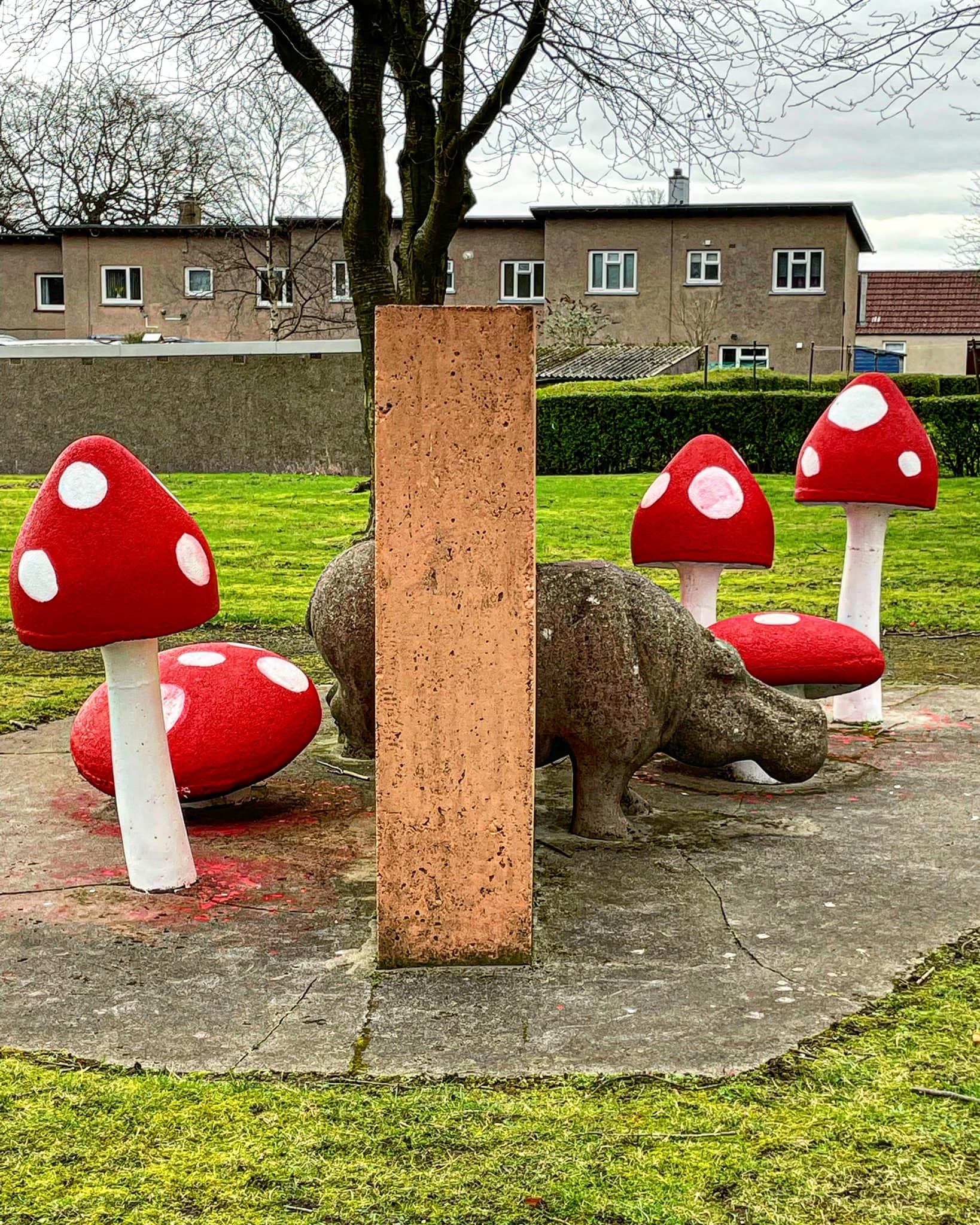
“Death of the Hippo” (1977) is perhaps the most striking of all the works. A single hippo is sliced by a wall, with mushrooms sprouting nearby - a sharp contrast to the more playful family groups elsewhere.
It sits in the Woodsidearea, half concealed between housing, like a scene you’ve stumbled across rather than a signposted attraction. The piece reads differently depending on who’s looking: some see humour, others a commentary on environmental damage or urban intrusion into nature.
Insider tip - timing your visit to “Death of the Hippo”Visit during good daylight rather than at dusk; the surrounding planting and concrete textures are easier to appreciate, and it’s considerate to nearby residents.
2. Thirsty Hippos And Friends: The Family Units Of Riverside Park
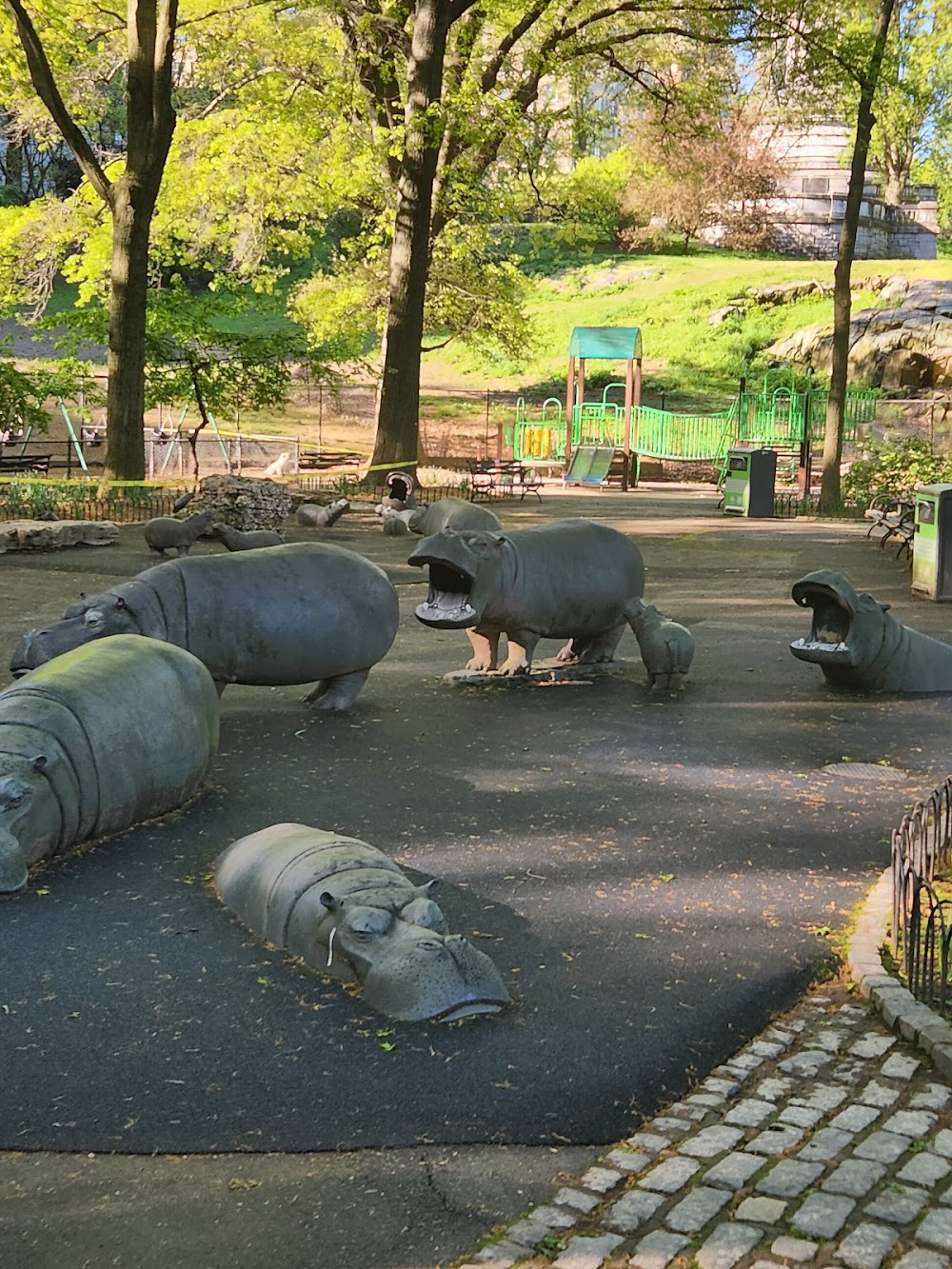
Riverside Parkis the easiest place to meet the hippos if you only have a short window. Here you’ll find the Thirsty Hippos- a cluster of concrete animals beside the water and play spaces.
Because the park already draws families for its ponds, paths and modern play equipment, the hippos feel like old friends in a constantly refreshed setting. Children scramble over them, adults sit on their backs to tie shoelaces, and they anchor a space that might otherwise feel like generic parkland.
For first-time visitors, this is the best place to start: you’ll see hippos, other town artworks and the broader landscape all at once.
3. Estate Hippos: Feeding Hippos, Pitteuchar Convoy And Mushroom Pairings
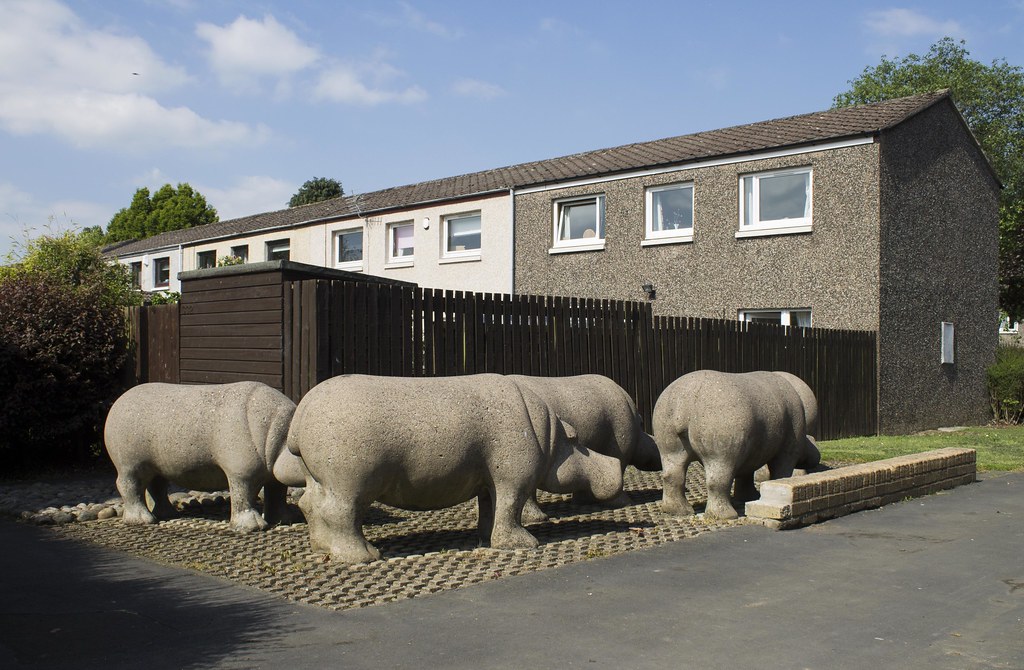
To understand how deeply the hippos are woven into residential Glenrothes, it helps to see at least one estate-based group:
- Feeding Hippos in Caskieberran- a circular composition of hippos around a feeding point, tucked between homes.
- The hippo family convoy in Pitteuchar- five hippos marching single file, echoing the rhythm of nearby housing blocks.
- At least one hippo + mushroomssetting, where the familiar town mushrooms stand beside or behind the animal forms.
Because these are in residential areas, it’s best to approach on foot, keep noise low, and treat the surroundings as people’s front gardens rather than a formal tourist site. This is where the “town art as part of daily life” idea really clicks.
4. The Giant Hippo: The 2019 Newcomer
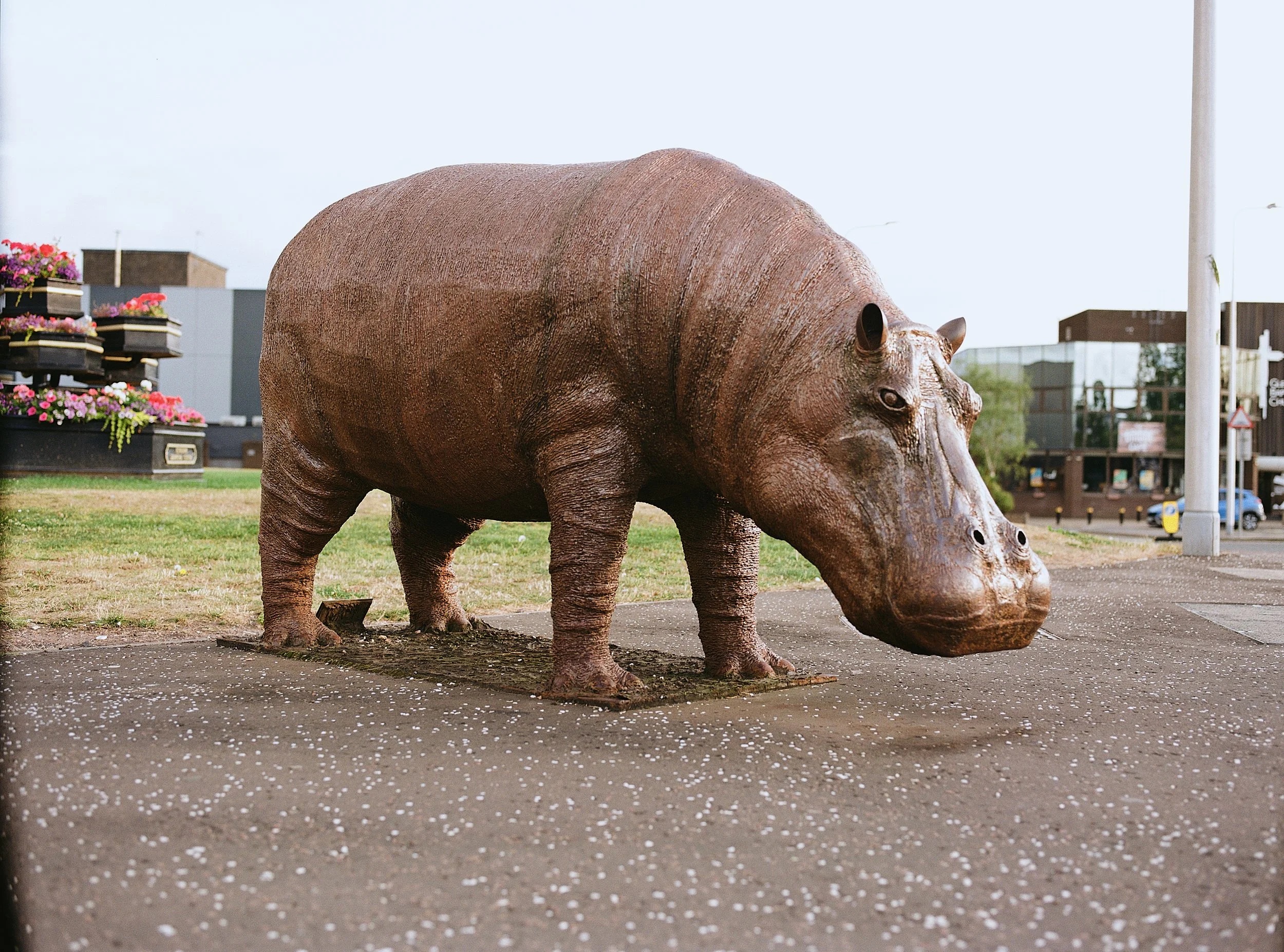
In 2019, a giant hippo sculpture by Rory and Kyran Thomasjoined the herd, offering a bold, contemporary counterpart to Stan Bonnar’s earlier pieces.
Made from recycled scrap metal, it’s roughly life-size, weighs around 650-700 kg and sits in the town centre near the Kingdom Shopping Centre and new retail units on North Street.
Where the original hippos sit low to the ground and blend into the landscape, this larger figure behaves more like a landmark - the sort of thing you photograph from every angle.
It has already become a new “meet you at the hippo” point, deliberately tapping into the town’s existing hippo lore and adding a fresh chapter. It’s also one of the “7 Wonders of Kingdom”- a mini trail of artworks and features around the shopping centre.
Together, the original concrete groups and this scrap-metal newcomer show how the hippo motif continues to evolve rather than being frozen in the 1970s.
5. The Disappearing Hippo (2023): The New Chapter
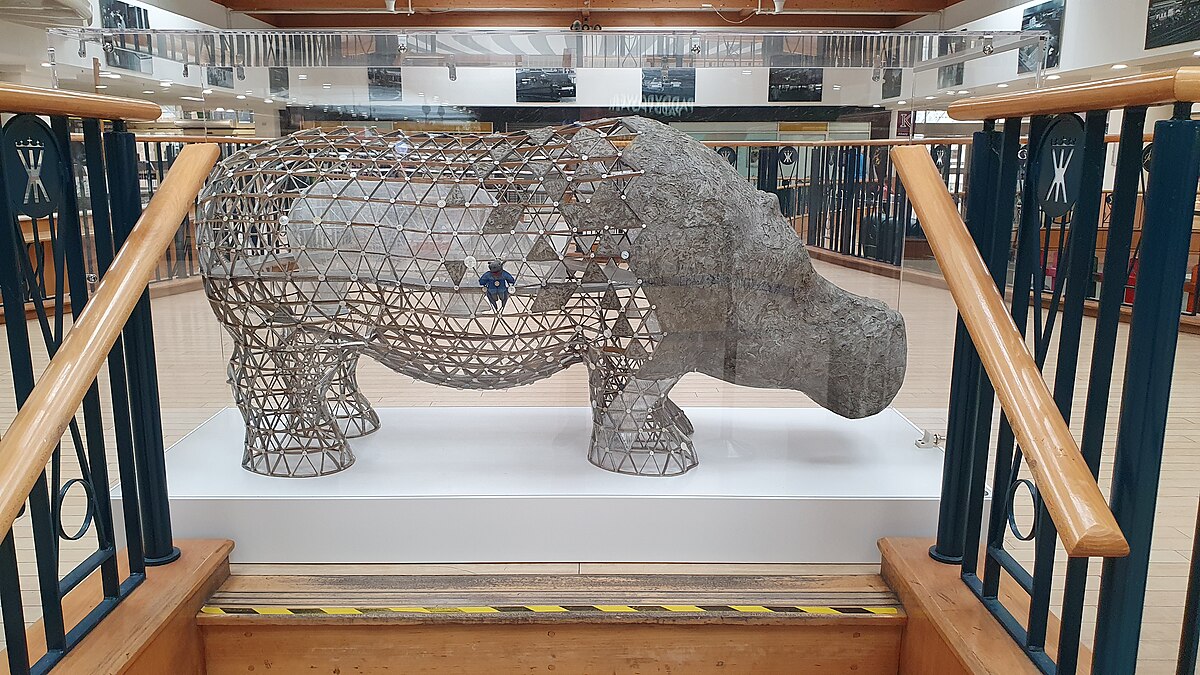
The Disappearing Hippois Stan Bonnar’s return to Glenrothes in 2023, marking both the town’s 75th birthday and 50 years since his first hippos appeared.
Commissioned with support from local electronics firm Leviton for the “Glenrothes 75 Years”celebrations, the sculpture is built from recycled tins, buttons, foil and a modern geopolymer concrete. The open, angular frame makes the creature look as if it’s fading away in places, while still clearly part of the familiar hippo family.
Displayed in the Kingdom Shopping Centre, it nudges everyday shoppers to think beyond nostalgia: this hippo carries an explicit conservation message about shrinking rivers, climate change and the real animals disappearing in the wild.
Takeaway:If you see these five stops - Woodside, Riverside Park, an estate group, the giant town-centre hippo and the Disappearing Hippo - you’ve met the core of Glenrothes’ hippo story.
The Complete Hippo Trail Guide
Here’s a simple table to help you plan a short hippo walk. Locations are approximate, designed to be used alongside a map app.
Thirsty Hippos - Riverside Park
- What you’ll see:Cluster of concrete hippos near water and play areas
- Best for:Families and relaxed photos
Feeding Hippos - Caskieberran Estate
- What you’ll see:Circular group of hippos around a feeding point
- Best for:Seeing hippos in a typical Glenrothes housing setting
Hippo Family Convoy - Pitteuchar Estate
- What you’ll see:Five hippos walking in single file
- Best for:Architecture and design fans who enjoy how art fits into streetscapes
Death Of The Hippo - Woodside Area
- What you’ll see:Single hippo bisected by a wall, with mushrooms beside it
- Best for:Art lovers and dramatic, thought-provoking photos
Giant Scrap-metal Hippo - Town Centre (near Kingdom Centre)
- What you’ll see:Life-size steel hippo by Rory and Kyran Thomas.
- Best for:Quick photos, “meet you at the hippo” moments and the 7 Wonders of Kingdom trail.
Disappearing Hippo - Kingdom Centre
- What you’ll see:Recycled-material hippo sculpture with an environmental message
- Best for:Shoppers and anyone wanting a quick in-town hippo stop
The Disappearing Hippo And New Hippo-themed Play Spaces
This section zooms in on the newest chapter of the story: how the hippos now speak about climate, conservation and inclusive play.
The Disappearing Hippo: Recycled Art With A Warning
When Glenrothes turned 75 in 2023, the town invited Stan Bonnar back to create a new work. His response was the Disappearing Hippo, unveiled in the Kingdom Shopping Centre as a centrepiece for the “Glenrothes 75 Years”exhibition.
The sculpture’s frame is formed from hundreds of small triangles cut from old tin cans, combined with buttons, card and a greener geopolymer concrete that even uses hippo dung supplied by the Turgwe Hippo Trust in Zimbabwe as a binding agent.
Bonnar explicitly links the work to the vulnerability of wild hippos as rivers dry, habitats shrink and poaching continues.
Look closely and you’ll spot two small figures: Mr Hipsterpotamus, a tiny mascot from the Meet You at the Hipposdocumentary left perched on the front, and Little Loner, a baby hippo inspired by a real calf that died despite another animal’s efforts to save it.
For Bonnar, that story of attempted rescue - even when it fails - becomes an image of the stubborn care humans will need if we’re serious about protecting the environment.
Seen in the busy context of the Kingdom Centre, the Disappearing Hippo turns a shopping trip into an invitation to think about what kinds of change we are, or aren’t, willing to act on.
Hippos For Play: Riverside Park Upgrades And The Robina Hippo
Riverside Park has also been undergoing investment through programmes such as the Levelling Up Fund, improving paths, play equipment and accessibility.
A key part of these changes is a hippo-themed play installation, sometimes referred to as Robina Hippo, which combines inclusive play elements with the town’s familiar animal symbol. Designed with different ages and abilities in mind, it helps ensure children can share the space rather than being separated by equipment.
In practical terms, this means:
- Low, climbable forms that echo the original hippos.
- Sensory elements and seating for carers.
- Routes that work for buggies and many wheelchairs.
The aim is to keep the hippos at the heart of livingcommunity life, not just as heritage relics.
How Old And New Hippos Speak To Each Other
Seen together, the original concrete hippos and the newer works tell a layered story:
- The 1970s concrete groupsemphasise play, neighbourliness and new-town optimism.
- The giant scrap-metal hippoand hippo playparkshow how the motif can still be fun and family-focused in the 21st century.
- The Disappearing Hippoadds an explicit environmental conscience, asking what happens if we don’t change course.
Takeaway:The hippos now carry both laughter and warning, which is part of what makes a visit feel unexpectedly rich for such a modest town.
Why Hippos? Meaning, Symbolism And Community Stories
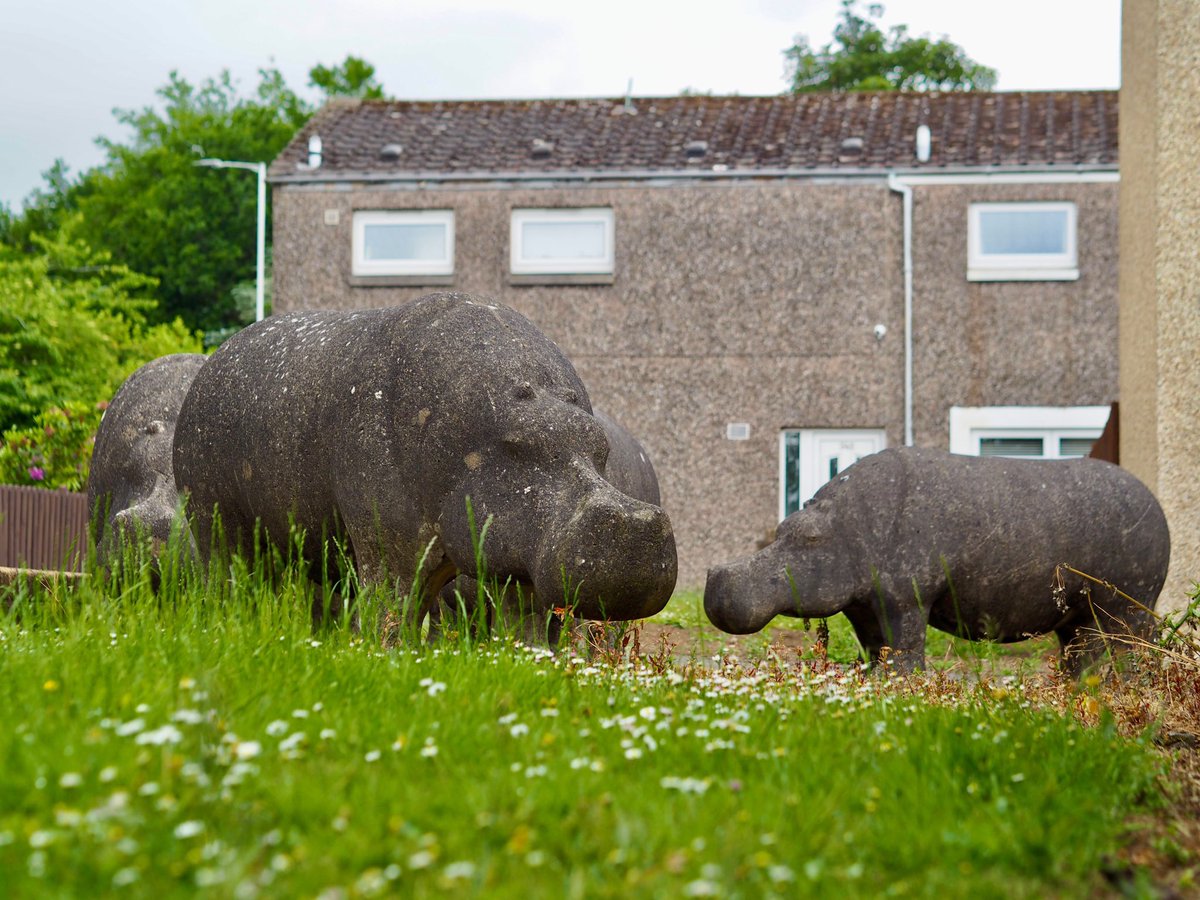
Back when the first hippos were planned, David Harding later described the choice quite simply: the animal’s rounded form made it safe and comfortable to climb on, and it offered room for “humorous and surreal” scenes in everyday streets.
In essays written decades after the first hippos were installed, Stan Bonnar reflects on them as creatures of “otherness”- big, blunt animals that don’t quite fit our usual picture of Scottish wildlife.
He connects them to questions of language, justice and environment, asking whose voices are heard when towns are designed and whose habitats are sacrificed when land is developed.
Because the hippos’ expressions are calm and almost indifferent, people can project their own stories onto them rather than having a fixed meaning handed down. That openness is part of their power.
Hippos As Glenrothes’ Shared Memory
Talk to people who grew up in Glenrothes and a common rhythm emerges: one generation remembers playing on the hippos as children; the next brings their own kids or grandchildren back to the same sculptures.
You might picture a grandparent and grandchild in Riverside Park: the elder tracing the curve of a hippo’s back, remembering scraped knees and summer holidays; the child balancing along its spine as if it were a low wall. That multi-generational continuity is rare for new towns, which is precisely why the hippos matter so much.
Events like the old Hippo Parade, school projects and recent exhibitions at the Kingdom Centre have kept that memory active, rather than letting the sculptures quietly fade into the background.
Hippos In Media - From Glenrothes To New York
Locally, the hippos have been celebrated in exhibitions, school projects and the BBC Scotland documentary Meet You at the Hippos, which explored their place in community life and in the broader story of Scotland’s new towns.
On a global scale, hippos show up in many art traditions. A well-known example is “William”, the blue Egyptian faience hippo in New York’s Metropolitan Museum of Art.
While he has no direct link to Glenrothes, it’s a useful comparison: one hippo in a world-famous museum, another herd embedded in a Fife housing estate. Both show how a single animal form can carry a surprising amount of cultural meaning in very different settings.
Takeaway:Whether you see the Glenrothes hippos as political, playful or simply nostalgic, they’re a rare example of public art becoming a living, evolving part of a town’s identity, which naturally leads to the practical question of how to visit.
Planning Your Visit To The Glenrothes Hippos
This section turns all that history into a practical plan: how to get there, how long to stay, who it suits, and what else to see.
Getting To Glenrothes (by Car And Public Transport)
Glenrothes sits in central Fife, roughly 30 miles (about 48 km) north of Edinburgh, between Kirkcaldy and Perth.
By Car:
- From Edinburgh: cross the Queensferry Crossing, follow signs for Glenrothes via the A92.
- From Dundee or Perth: follow the M90/A912 towards Glenrothes.
By Bus:
- Glenrothes has a central bus station with services from Edinburgh, Dundee and nearby Fife towns. From there, it’s a walk or short taxi ride to Riverside Park and the Kingdom Centre.
- Information correct at time of writing (Data as of December 2025).
How Long To Spend And Who Will Enjoy It
For most visitors, a 60-90 minutehippo walk works well. That allows time to enjoy Riverside Park, visit at least one estate group, and see the Disappearing Hippo near the Kingdom Centre.
Who will enjoy a hippo-themed visit?
- Families with young children:lots of space to run and low, climbable sculptures (with supervision).
- Public-art fans:a rare glimpse into everyday new-town sculpture, not just gallery pieces.
- Photographers:strong shapes, concrete textures and changing Scottish light.
- Coach groups / road-trippers:an easy leg-stretch between bigger Fife attractions.
Accessibility, Seasons And Weather Realities
Riverside Park’s main paths are generally level and surfaced, making them manageable for buggies and many wheelchair users, although some sculptures sit on grass or slightly uneven ground.
Glenrothes shares the usual changeable Scottish weather. In cooler months, bring waterproofs, layers and shoes that cope with damp grass. In summer, the park can be busy but rarely overwhelming, and there’s shade from mature trees in places.
Hippo-spotting checklist
- Respect for residents when exploring estate-based hippos
- A sense of humour - these are hippos in Fife, after all
- Charged phone for maps and photos
- Layers and a waterproof jacket
- Comfortable shoes you don’t mind getting a bit muddy
Other Things To See Near The Hippos
To make a fuller day of it, you can link the hippos with:
- More town art:giant irises at the Leslie roundabout, mosaics and other sculptures around Glenrothes.
- Riverside Park amenities:ponds, additional play areas and walking routes.
- Balbirnie Country Park:a short drive away, with woodland walks and a historic house hotel.
- Kingdom Centre shops and cafés:Glenrothes’ main shopping hub, with high-street and local stores around Rothes Square. It’s handy for food, toilets and a warm-up after a chilly hippo walk, and it’s where you’ll find both the giant scrap-metal hippo outside and the Disappearing Hippo indoors.
Takeaway:With realistic timing and expectations, the hippos make a charming stop that fits neatly into a wider Fife day out, especially if you enjoy low-key places with strong local character.
Frequently Asked Questions About The Glenrothes Hippos
This section gathers the most common questions into one scannable place, mirroring what AI answer engines and visitors often ask.
Why Are There Hippos In Glenrothes?
They were created as public art in the 1970s to give the new town a sense of character, playfulness and a recognisable mascot woven into everyday spaces.
What Are The Glenrothes Hippos Made Of?
Most of the original sculptures are cast concrete, chosen because it was affordable, durable and already used widely in new-town construction. Newer pieces use metal, glass and recycled materials.
Who Created The Glenrothes Hippos?
Scottish artist Stanley Bonnardesigned the original hippos while working with town artist David Harding and the Glenrothes Development Corporation in the early 1970s.
Where Can I See The Glenrothes Hippos?
The easiest place is Riverside Park, which has a cluster of hippos and other artworks. Additional hippo groups sit in nearby housing estates and there are displays in and around the Kingdom Centre.
How Many Glenrothes Hippos Are There?
There are several hippo groups across Glenrothes - including Feeding Hippos, Thirsty Hippos, a Pitteuchar hippo family, Death of the Hippo, a giant hippo and the Disappearing Hippo - with occasional additions.
What Is The Disappearing Hippo?
The Disappearing Hippo is a 2023 sculpture by Stan Bonnar made from recycled materials and geopolymer concrete, created for Glenrothes’ 75th anniversary to highlight environmental threats to wild hippos.
Is Glenrothes Worth Visiting Just For The Hippos?
If you enjoy quirky public art, relaxed parks and seeing how new towns express themselves, yes. For others, the hippos work best combined with wider Fife sights.
Where Is Glenrothes In Scotland?
Glenrothes is a planned new town in central Fife, roughly midway between Kirkcaldy and Perth and about 30 miles (48 km) north of Edinburgh.
Why Is Glenrothes Considered A Pioneering Town For Public Art?
Glenrothes was the first New Town in the world to appoint a full-time Town Artist in 1968, dedicating itself to integrating art into streets and public spaces as core community infrastructure.
Is There A Glenrothes Hippos Trail Or Map?
There’s no single official map, but it’s easy to build a short trail linking Riverside Park, one estate group and the Disappearing Hippo at the Kingdom Centre using a map app and the table above.
How Do I Get To The Hippos By Public Transport?
Take a bus to Glenrothes bus stationfrom Edinburgh, Dundee or local Fife towns. From there you can walk or take a short taxi ride to Riverside Park and the Kingdom Centre.
Is Riverside Park Accessible For Wheelchairs And Buggies?
Main paths in Riverside Park are generally level and surfaced, making them suitable for many wheelchairs and buggies, though some sculptures sit on grass or slightly uneven ground.
What Else Can I See Near The Hippos?
You can explore more town art such as the giant irises, enjoy Riverside Park’s ponds and walks, head to Balbirnie Country Park, or spend time in the Kingdom Centre’s shops and cafés.
Are The Hippos Protected As Heritage?
The hippos feature prominently in heritage studies of Scotland’s new towns and are treated as important public art, even if individual pieces are not formally listed in the same way as older monuments.
What Other Famous Artworks Are On The Glenrothes Art Trail?
Besides the hippos, other famous works include the bronze sculpture Ex Terra(1965) and the award-winning Giant Irisesby Malcolm Robertson, which are also woven into the town's roundabouts.
When Were The First Hippos Installed?
The first hippo group, Feeding Hippos, was installed in 1973, followed by Thirsty Hippos in 1976 and Death of the Hippo in 1977 as the series expanded.
Final Thoughts
The Glenrothes hippos start as a joke - concrete hippos in Fife - but by the time you’ve followed the trail from Riverside Park to Death of the Hippo and the Disappearing Hippo, the joke has deepened into something more thoughtful.
You’ve seen how a planned town used public art to grow a sense of self, how generations have folded the hippos into their family stories, and how a new work now asks questions about which creatures and cultures might “disappear” next. Taken together, the hippos turn Glenrothes from a name on a road sign into a place with memory, humour and conscience.
If you do walk the hippo trail, consider sharing your photos and impressions with other travellers - Glenrothes might not have the grandeur of Edinburgh or St Andrews, but its hippos offer a quietly powerful reminder that even the most ordinary streets can carry extraordinary stories.
Also Check Out: Iris Sculpture - Glenrothes' Iconic Landmark
Jump to
Glenrothes Hippos - The Full Story, Trail Guide, And Meaning
What Are The Glenrothes Hippos?
Glenrothes And Scotland’s New-town Art Experiment
How The Glenrothes Hippos Were Created
Glenrothes’ Famous Five Hippos
The Complete Hippo Trail Guide
The Disappearing Hippo And New Hippo-themed Play Spaces
Why Hippos? Meaning, Symbolism And Community Stories
Planning Your Visit To The Glenrothes Hippos
Frequently Asked Questions About The Glenrothes Hippos
Final Thoughts

Callum Fraser
Author
Callum Fraser isn't just a writer about Scotland; he's a product of its rugged landscape and rich history. Born and raised in Perthshire, with the Highlands as his backyard, his love for the nation's stories was kindled by local storytellers and long walks through ancient glens.
This passion led him to pursue a degree in Scottish History from the University of Edinburgh. For over 15 years, Callum has dedicated himself to exploring and documenting his homeland, fusing his academic knowledge with essential, on-the-ground experience gained from charting road trips through the Cairngorms, hiking the misty Cuillins of Skye, and uncovering the secrets of traditional recipes in his family's kitchen.
As the Editor-in-Chief and Lead Author for Scotland's Enchanting Kingdom, Callum's mission is simple: to be your most trusted guide. He combines meticulous research with a storyteller's heart to help you discover the authentic magic of Scotland — from its best-kept travel secrets to its most cherished traditional recipes.
Latest Articles
Popular Articles