Haggis Bridie | Scotland's Modern Twist On Traditional Forfar Pastry
Scotland’s culinary heritage is rich with uniquely comforting dishes, but few capture the heart and soul of the country quite like the haggis bridie. Imagine a crisp, buttery pastry casing filled with warm, spiced haggis, offering a perfect bite of Scotland’s rugged north.
Author:Callum FraserSep 22, 2025
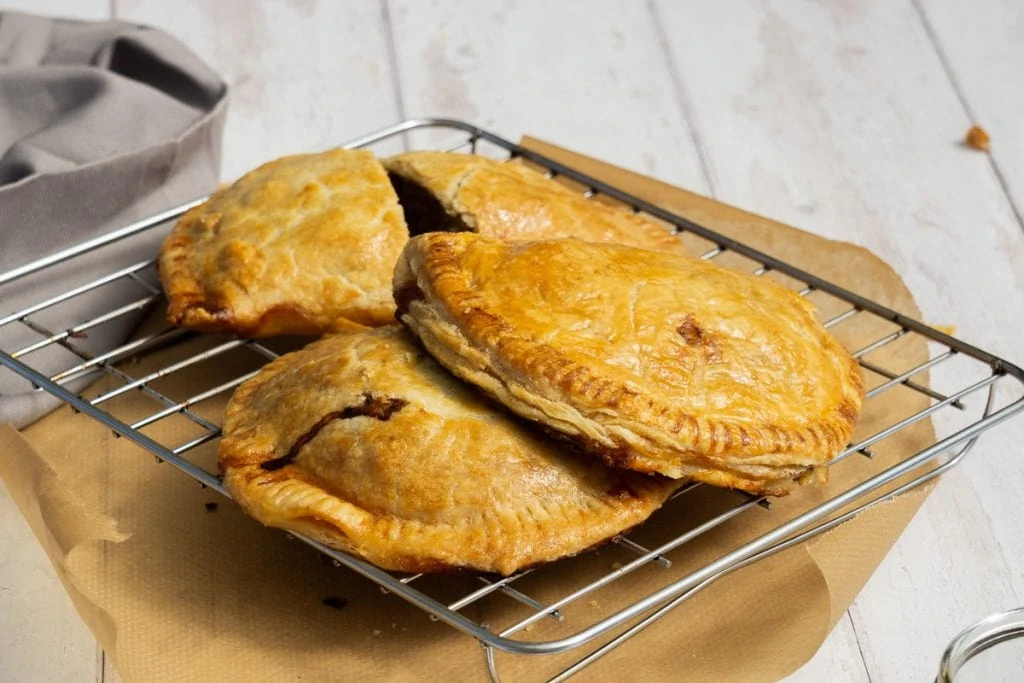
Haggis Bridie: Scotland’s Beloved Savoury Hand Pie
I'll never forget the moment I first encountered a haggis bridiein a small Edinburgh bakery three years ago. The baker proudly explained how they'd taken the beloved Forfar bridie, a traditional Scottish pastry filled with beef and onion, and transformed it into something uniquely modern by substituting the classic filling with Scotland's national dish, haggis.
That first bite revealed layers of flavor that honored both Scottish traditions while creating something entirely new. Most people searching for information about haggis bridies find themselves confused by conflicting information online. Traditional Forfar bridies have existed since the 1850s, filled with minced beef and onion wrapped in shortcrust pastry.
The haggis bridie represents a modern innovation where Scottish bakers have replaced that traditional filling with haggis, the spiced mixture of sheep's heart, liver, lungs, onions, oats, and suet that forms the cornerstone of Scottish cuisine. This fusion creates a pastry that bridges Scotland's culinary past with contemporary innovation.
Key Takeaways
- Haggis bridies are a modern Scottish innovation combining traditional Forfar bridie pastry with haggis filling.
- They differ from traditional Forfar bridies, which contain beef and onion, not haggis.
- The pastry represents Scottish culinary evolution while honoring both bridie and haggis traditions.
- Available primarily in specialist Scottish bakeries and artisan food producers.
- It can be made at home using quality haggis and traditional pastry techniques.
- Gaining popularity as a convenient way to experience authentic Scottish flavors.
- Part of a broader trend toward Scottish fusion cuisine and heritage food innovation.
What Is Haggis Bridie? Understanding The Classic Scottish Pastry
To truly appreciate the haggis bridie, it helps to understand what a bridie itself means in Scottish gastronomy. A bridieis essentially a hand-held pastry, traditionally made with shortcrust pastry, filled with minced meat. The defining characteristic is its compact, sealed shape, designed for convenience, easy to eat on the go, without utensils.
The haggis bridie specifically uses haggis for the filling. Haggis, Scotland’s national dish, is a savory pudding consisting of sheep’s offal (heart, liver, lungs), mixed with onions, oats, suet, spices, and traditionally encased in the sheep’s stomach. The Bridie adapts this rustic dish into a neat, portable form with refined textures.
Unlike the Cornish pasty, which is often larger and filled with diced meat and vegetables (potatoes, swede, onions), the bridie’s filling is minced and more intensely flavored, and the pastry tends to be more delicate. The bridie is a staple in northern Scotland, particularly in Orkney and Caithness, regions famed for their seafood and farming communities, who prized hearty food for energy and warmth.
Culturally, the haggis bridie symbolizes a link between Scotland’s agricultural and culinary traditions. It bridges the everyday with celebration, often enjoyed at local fairs, baking competitions, and as a cherished street food. Understanding the Bridie gives a window into Scottish conviviality, practicality, and flavor ingenuity.
Origins And History: Where Haggis Bridie Comes From
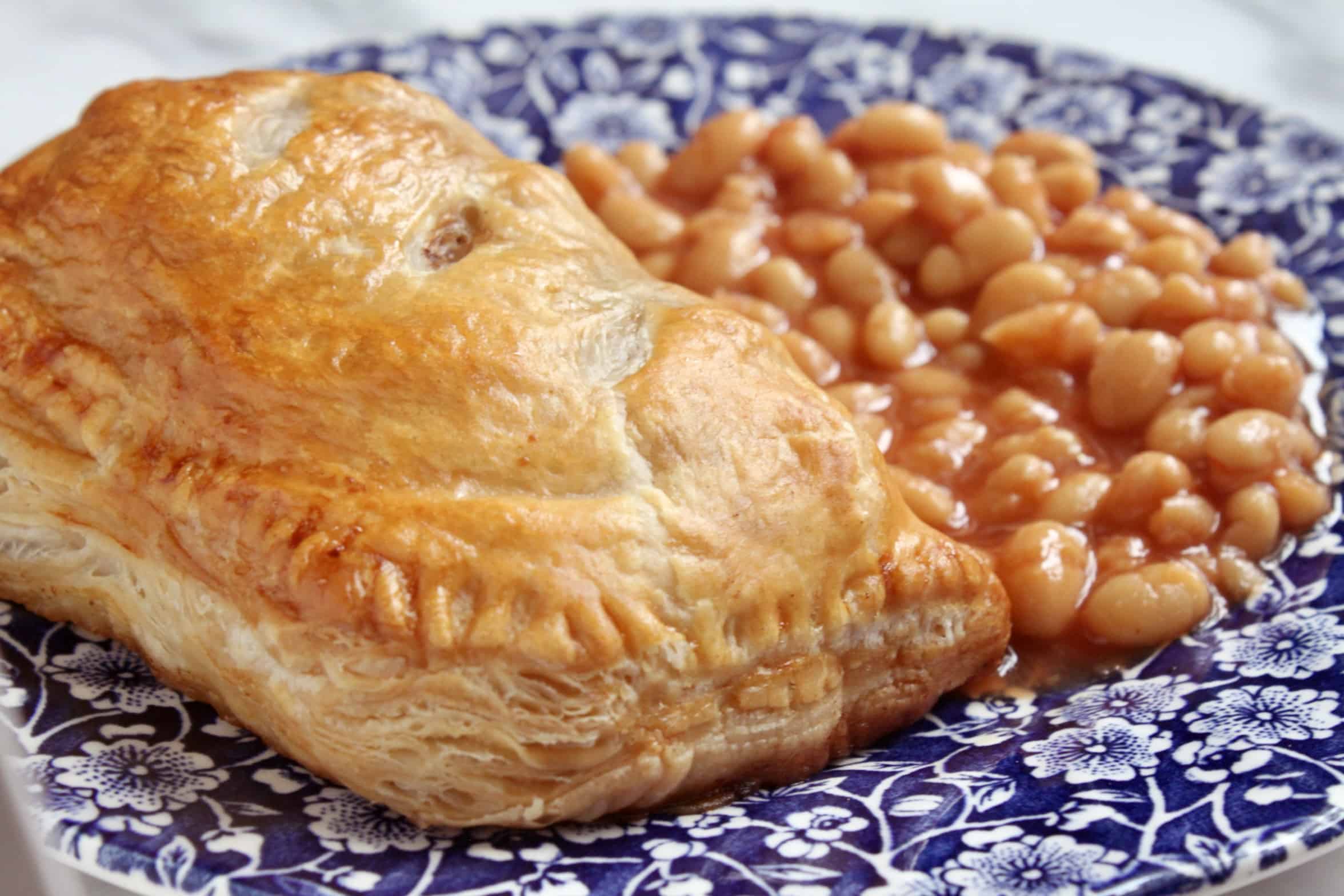
The term “bridie” likely derives from an old Scots word related to “morsel” or possibly connected to “bridle,” reflecting something that can be carried or handled easily. Its precise origin is rooted in the 19th century and earlier, emerging as a practical meal for people engaged in physically demanding work.
In Orkney and Caithness, where winters could be harsh and work strenuous, the bridie’s portability was invaluable. Bakers and street vendors produced these hand pies to meet demand from fishermen, crofters, and laborers. With haggis, a dish historically enjoyed on Burns Nightand other festivities, at its core, the bridie offered a convenient way to enjoy traditional flavors without the need for a full sit-down meal.
Over time, as Scottish cuisine grew in global interest, the bridie migrated beyond the north, featured in markets and gourmet venues across Scotland and further abroad. It continues to evolve, retained as a cultural emblem and culinary favorite.
The Making Of A Perfect Haggis Bridie
Creating an authentic haggis bridie is a rewarding challenge that marries rustic soul food with delicate baking skills. The heart of the bridie is its filling, the spiced haggis enriched with oats, and the pastry shell, which should be golden, crisp, and tender. Avoid cheap commercial versions that contain excessive fillers or artificial preservatives, as these won't provide the rich, complex flavors essential for successful bridie filling.
Key Ingredients And Equipment
For The Pastry (Shortcrust Pastry)
- 500g plain flour: This is the main ingredient that forms the structure of the pastry.
- 250g cold butter: Keeping the butter cold is crucial. As the butter melts during baking, it creates steam pockets in the dough, which results in a flaky and light pastry.
- 1 egg: The egg acts as a binder, helping to hold the dough together. It also adds richness to the flavor and helps the pastry brown nicely in the oven.
- 2-3 tablespoons cold water:This is used to bring the flour and butter together to form a dough. Using cold water prevents the butter from melting and keeps the pastry tender.
For The Filling
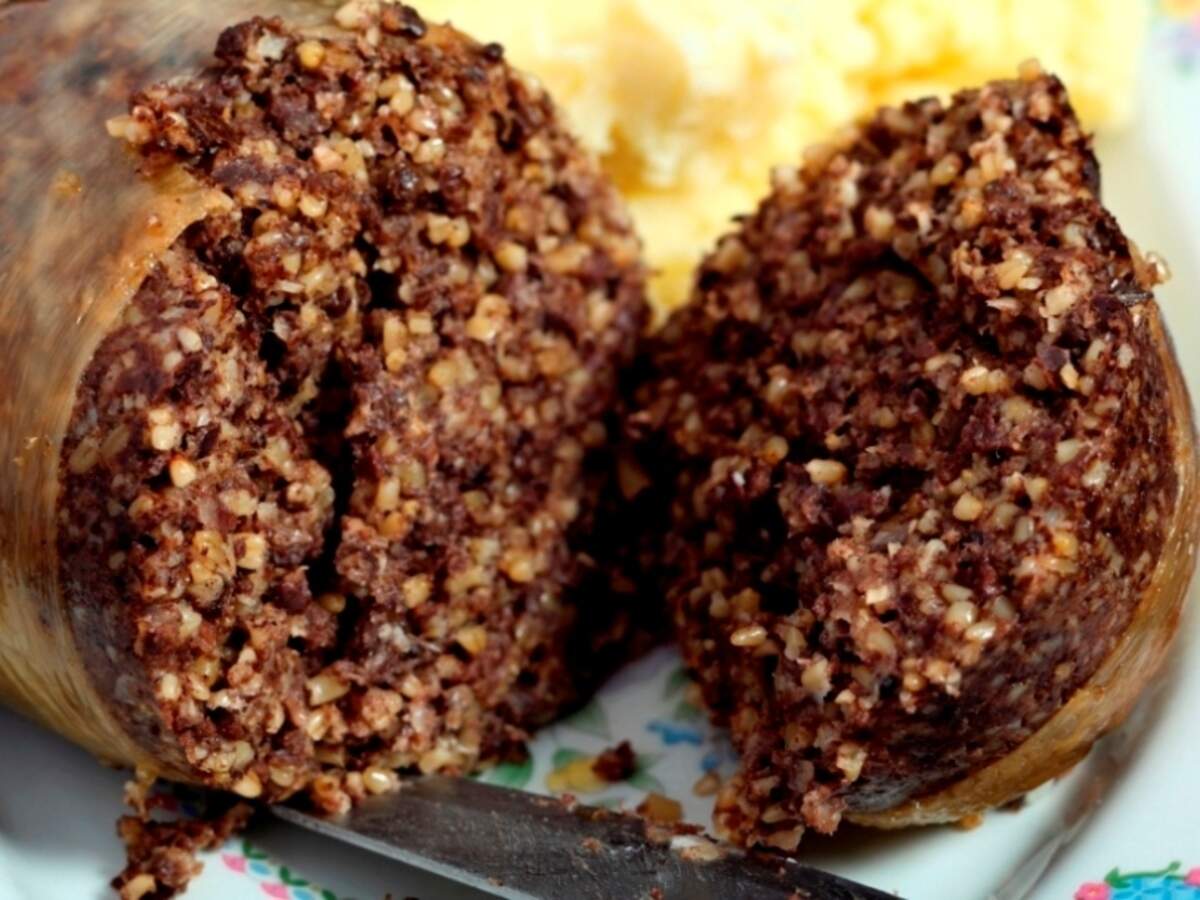
- 400g qualityHaggis: This is the star ingredient of the bridie. Haggis is a traditional Scottish savory pudding made from meat (often sheep's heart, liver, and lungs), minced with onion, oatmeal, and a mix of spices. It provides the main flavor and texture for the pastry's filling.
- Oats: While oats are a key ingredient in haggis itself, they are listed here to emphasize their role in the filling. They give haggis its grainy texture and also help to absorb moisture, ensuring the filling isn't too runny and stays firm inside the pastry.
- Spices: Haggis already has a rich blend of spices. This ingredient suggests that you can add extra spices to the filling to enhance the flavor to your personal taste. Common spices for haggis include black pepper, nutmeg, or mace to give it a warm, savory kick.
Equipments
- Pastry brush
- Sharp knife
- Baking sheet lined with parchment paper
Preparation And Baking
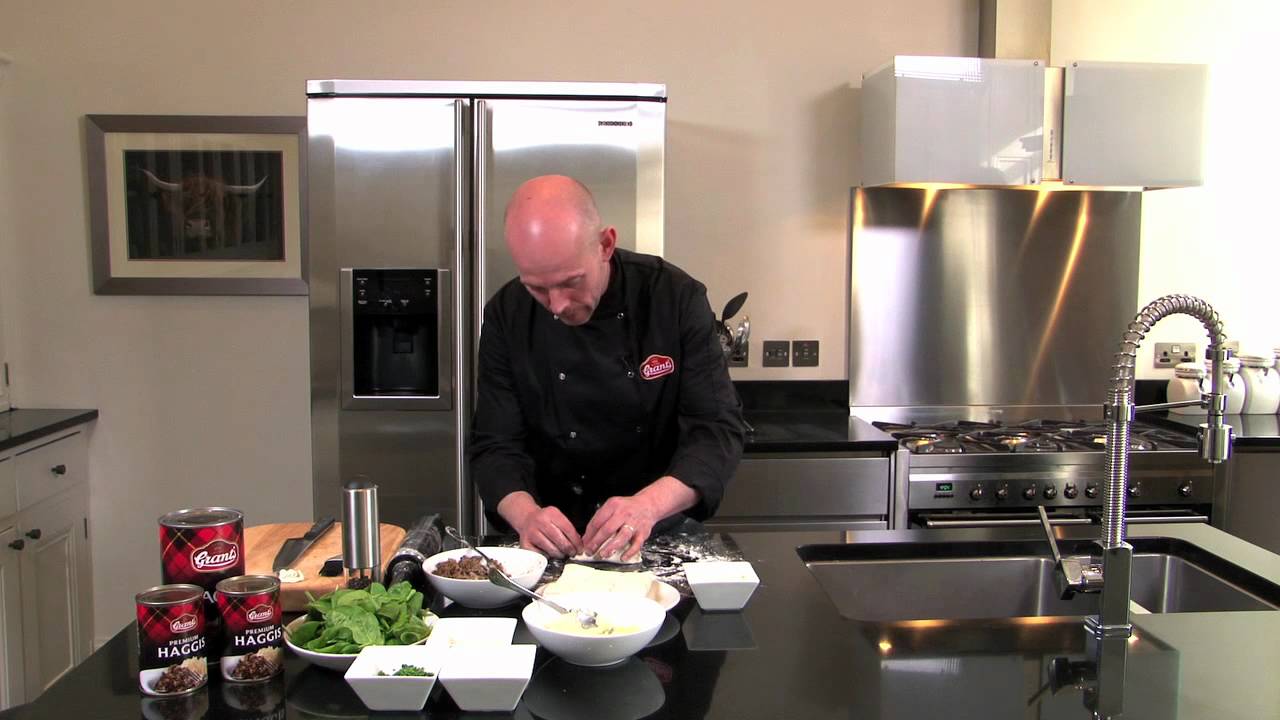
Grant's Haggis Chef Masterclass 2 - Haggis Bridie
- Prepare the Filling: Warm the haggis gently in a pan to render some fat, stirring to break up lumps. Add finely chopped onions and cook lightly until soft. Toast the oats and stir them in with the seasoning to ensure balance. Allow the mixture to cool slightly to prevent soggy pastry.
- Shape and Fill: Roll out pastry to a thickness of about 3 mm. Cut into rectangular shapes approximately 12 by 10 cm. Spoon 2 to 3 tablespoons of filling onto one half of each pastry piece, leaving margins. Brush edges with beaten egg to seal fully and prevent filling leaks. Fold pastry over and crimp edges with a fork.
- Bake: Preheat oven to 200 °C (fan 180 °C/Gas 6). Place bridies on a baking tray lined with parchment paper. Brush the tops with egg wash for a glossy and appealing finish. Pierce a small steam vent in the top of each bridie for pressure release. Bake for 20 to 25 minutes until golden and crisp.
Professional Tips For Perfect Results
Temperature control remains crucial throughout the process; keep pastry cold until baking to ensure proper rise and flakiness. If the pastry becomes too warm during rolling, return it to the refrigerator for 15 minutes before continuing. This prevents butter from melting into flour, which would create tough rather than tender pastry.
Avoid overfilling bridies, as haggis expands slightly during cooking, and excessive filling can cause pastry breakage or uneven cooking. The filling should be moist but not wet. If using particularly moist haggis, add breadcrumbs or oats to absorb excess liquid without altering traditional flavors significantly.
Allow finished bridies to rest for 5-10 minutes before serving, as this allows filling to settle and reduces burning risk from extremely hot haggis. Properly made haggis bridies can be frozen before baking and cooked directly from frozen with an additional 10-15 minutes of cooking time.
Variations And Modern Twists
While tradition holds strong, modern kitchens have experimented freely with the haggis bridie, expanding its appeal:
- Cheese Bridie:Mixing sharp cheddar or blue cheese into the haggis filling adds creaminess and an additional flavor dimension.
- Vegetarian/Vegan Bridie:Plant-based haggis substitutes or mixes of lentils, mushrooms, beans, and oats mimic the texture and savory flavor without meat. Vegan shortcrust pastry enables a fully plant-based treat.
- Spice Variations:Some prefer a spicier bridie, incorporating chili flakes or smoked paprika for heat and smokiness.
- Serving Variations:Instead of classic neeps and tatties, bridging the bridie with pickles, mustard cream, or even a fresh salad caters to contemporary tastes.
How To Enjoy Haggis Bridie: Pairings And Occasions
Haggis Bridie is versatile. Traditionally, it pairs well with:
- Neeps and tatties:Mashed turnips and potatoes create a wholesome plate grounded in Scottish tradition.
- Whisky:A dram of a mellow single malt can complement the bridie’s depth and richness.
- Brown sauce or mustard:Adds tang and accentuates the mineral and spicy notes.
As a snack, it’s perfect for picnics, packed lunches, or festivals like the Orkney County Show. When hosting, bridies can shine as appetizers or part of a Scottish-themed buffet, served warm and sliced with dipping sauces.
Haggis Bridie Vs Other Scottish Pastries
Comparison With Traditional Bridies
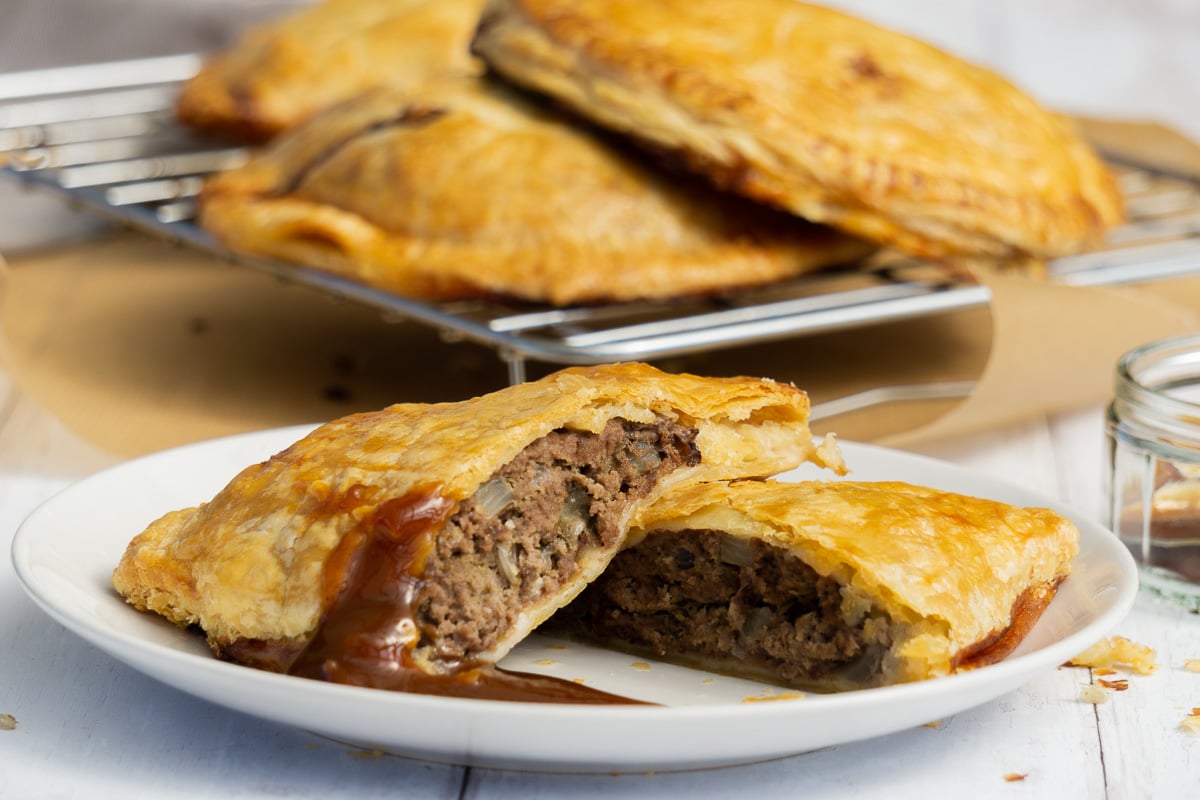
The fundamental difference lies in flavor complexity and flavor intensity. Traditional Forfar bridiesoffer clean, straightforward beef and onion flavors that highlight pastry quality and meat freshness. Haggis bridies provide significantly more complex taste profiles featuring spiced offal, oats, and traditional Scottish seasonings that create distinctly different eating experiences.
Texture variations also distinguish these pastries significantly. Traditional bridies feature uniform, tender beef pieces mixed with soft onion in a relatively simple preparation. Haggis bridies offer more varied textures from oats, different meat textures, and spice distributions that create more complex mouthfeel experiences.
Nutritionally, haggis bridies typically provide higher protein and iron content due to offal inclusion, while also offering more complex B-vitamin profiles. They also tend to be higher in sodium and saturated fats due to traditional haggis preparation methods using suet and significant seasoning.
Place In The Scottish Culinary Landscape
Haggis bridies represent successful fusion cuisine that respects both traditional elements while creating something genuinely innovative. They demonstrate how Scottish cuisine continues evolving without abandoning fundamental cultural food traditions or compromising authentic flavor profiles.
Within Scotland's broader pastry tradition, including Scotch pies, steak pies, and traditional bridies, haggis bridies occupy a unique position as heritage innovation rather than either pure tradition or complete departure. This positioning appeals to both locals seeking familiar yet new experiences and tourists wanting authentic Scottish flavors in accessible formats.
The growing popularity of haggis bridies also reflects broader trends toward artisan food production, local sourcing, and heritage cuisine that characterizes contemporary Scottish food culture. They represent how traditional skills and modern consumer preferences can successfully combine without compromising either authenticity or commercial viability.
FAQs About Haggis Bridies
Can I Make Haggis Bridies With Vegetarian Haggis?
Vegetarian haggis works excellently in bridie preparation and often produces more consistent textures than traditional haggis due to uniform ingredient distribution. Use the same preparation methods, though vegetarian versions may require slightly less cooking time as they contain no raw meat. The spiced lentil, oat, and vegetable combinations provide complex flavors that complement pastry well while accommodating dietary restrictions without compromising Scottish authenticity.
How Long Do Homemade Haggis Bridies Stay Fresh?
Properly stored haggis bridies remain fresh for 2-3 days refrigerated or up to 3 months frozen. Cool completely before refrigerating to prevent condensation that can make the pastry soggy. Reheat in a moderate oven (180°C) for 8-10 minutes rather than microwaving, which can make the pastry tough. Frozen bread can be baked directly from frozen with additional cooking time.
What's The Difference Between Using Puff Pastry And Shortcrust Pastry?
Shortcrust pastry provides a more traditional, substantial texture that complements haggis flavors without competing, while puff pastry creates lighter, flakier results that some find more appealing. Traditional Forfar bridies use shortcrust exclusively, but modern haggis bridies often use puff pastry for richer flavor and better visual appeal. Puff pastry requires more careful handling and temperature control, but generally produces more impressive presentation.
Can Haggis Bridies Be Made Ahead Of Time For Parties Or Events?
Haggis bridies are excellent make-ahead options for Scottish-themed events or Burns Nightcelebrations. Prepare completely and freeze uncooked, then bake directly from frozen for convenient catering. Alternatively, bake completely and reheat just before serving. Make-ahead preparation actually improves flavors as spices have time to meld, though pastry texture is best when freshly baked.
Where Can I Buy Quality Haggis For Making Bridies?
Scottish butchers and specialty food shops provide the best haggis quality for bridie making, often offering both traditional and artisan versions. Online retailers like Macsween, Simon Howie, and Stahly Quality Foods ship internationally. Avoid supermarket economy versions that contain excessive fillers. Look for haggis with high meat content, minimal preservatives, and traditional spice blends for the best bridie results.
Are Haggis Bridies Suitable For Freezing Before Cooking?
Haggis bridies freeze exceptionally well before baking and can be prepared in large batches for convenience. Assemble completely, place on parchment-lined trays, freeze until solid, then transfer to freezer bags for up to 3 months. Bake directly from frozen, adding 10-15 minutes to cooking time. This method actually improves flavor development while providing convenient meal solutions.
How Do I Prevent Soggy Bottoms In Haggis Bridies?
Prevent soggy bottoms by ensuring haggis isn't too wet before filling, draining excess liquid, or adding breadcrumbs to absorb moisture. Blind bake pastry shells partially before filling if using particularly moist haggis. Bake on a preheated baking stone or heavy baking sheet to promote bottom crust browning. Allow adequate steam vents to prevent internal moisture buildup during cooking.
What Traditional Scottish Sides Pair Well With Haggis Bridies?
Traditional accompaniments include buttered neeps (mashed swede), tatties (mashed potatoes), and a small dram of whisky, though bridies are designed as complete handheld meals. For lighter accompaniments, try oatcakes, Scottish cheeses, or simple mixed greens with whisky vinaigrette. The rich, spiced haggis filling pairs well with tangy pickles or chutneys that cut through the richness.
Can I Use Different Types Of Haggis In Bridie Making?
Different haggis varieties work well in bridies, from traditional recipes to modern variations featuring additional spices, whisky, or premium ingredients. Highland haggis tends to be more coarsely textured and robust, while Lowland versions often offer smoother consistency. Experiment with local producers' specialties, but avoid overly wet or loosely textured versions that can compromise pastry integrity during baking.
How Do Haggis Bridies Compare Nutritionally To Other Scottish Pastries?
Haggis bridies typically provide higher protein and iron content than traditional bridies due to organ meat inclusion, while offering complex B-vitamin profiles from offal and oats. However, they're also higher in sodium and saturated fats due to traditional haggis preparation using suet. Compared to Scotch pies or sausage rolls, haggis bridies offer more complete nutrition but similar caloric density, making them substantial meal options rather than light snacks.
The Future Of Scottish Pastry Innovation
The success of haggis bridies demonstrates how Scottish cuisine continues evolving while maintaining deep respect for traditional ingredients and techniques. This represents broader trends within Scottish food culture where artisan producers and innovative chefs find new ways to present heritage flavors to contemporary audiences without compromising authenticity or cultural significance.
The key to successful innovation lies in understanding what makes traditional Scottish foods culturally important rather than simply updating recipes for novelty's sake. The haggis Bridie stands as a perfect example of how food traditions can adapt and thrive in contemporary contexts.
By combining the beloved handheld convenience of Forfar bridies with the distinctive flavors of Scotland's national dish, bakers have created something that honors both traditions while offering unique experiences that satisfy modern consumers seeking authentic Scottish cultural connections through food.
If you found this narrative enriching, please share it to spread the love of traditional Scottish cuisine or subscribe for more culinary explorations and Scottish food wisdom.
Jump to
Haggis Bridie: Scotland’s Beloved Savoury Hand Pie
Key Takeaways
What Is Haggis Bridie? Understanding The Classic Scottish Pastry
Origins And History: Where Haggis Bridie Comes From
The Making Of A Perfect Haggis Bridie
Key Ingredients And Equipment
Preparation And Baking
Professional Tips For Perfect Results
Variations And Modern Twists
How To Enjoy Haggis Bridie: Pairings And Occasions
Haggis Bridie Vs Other Scottish Pastries
FAQs About Haggis Bridies
The Future Of Scottish Pastry Innovation

Callum Fraser
Author
Callum Fraser isn't just a writer about Scotland; he's a product of its rugged landscape and rich history. Born and raised in Perthshire, with the Highlands as his backyard, his love for the nation's stories was kindled by local storytellers and long walks through ancient glens.
This passion led him to pursue a degree in Scottish History from the University of Edinburgh. For over 15 years, Callum has dedicated himself to exploring and documenting his homeland, fusing his academic knowledge with essential, on-the-ground experience gained from charting road trips through the Cairngorms, hiking the misty Cuillins of Skye, and uncovering the secrets of traditional recipes in his family's kitchen.
As the Editor-in-Chief and Lead Author for Scotland's Enchanting Kingdom, Callum's mission is simple: to be your most trusted guide. He combines meticulous research with a storyteller's heart to help you discover the authentic magic of Scotland — from its best-kept travel secrets to its most cherished traditional recipes.
Latest Articles
Popular Articles