Easy Recipe To Make Haggis In The USA - Step-by-Step Guide
Haggis is more than a dish, it’s a taste of Scottish tradition, blending humble ingredients into something deeply meaningful. it’s a hearty meal that’s been bringing people together for centuries. Making haggis in your American kitchen is simpler than you think, using easy-to-find ingredients to create bold and comforting flavors.
Author:Callum FraserJul 06, 202546.7K Shares882.8K Views
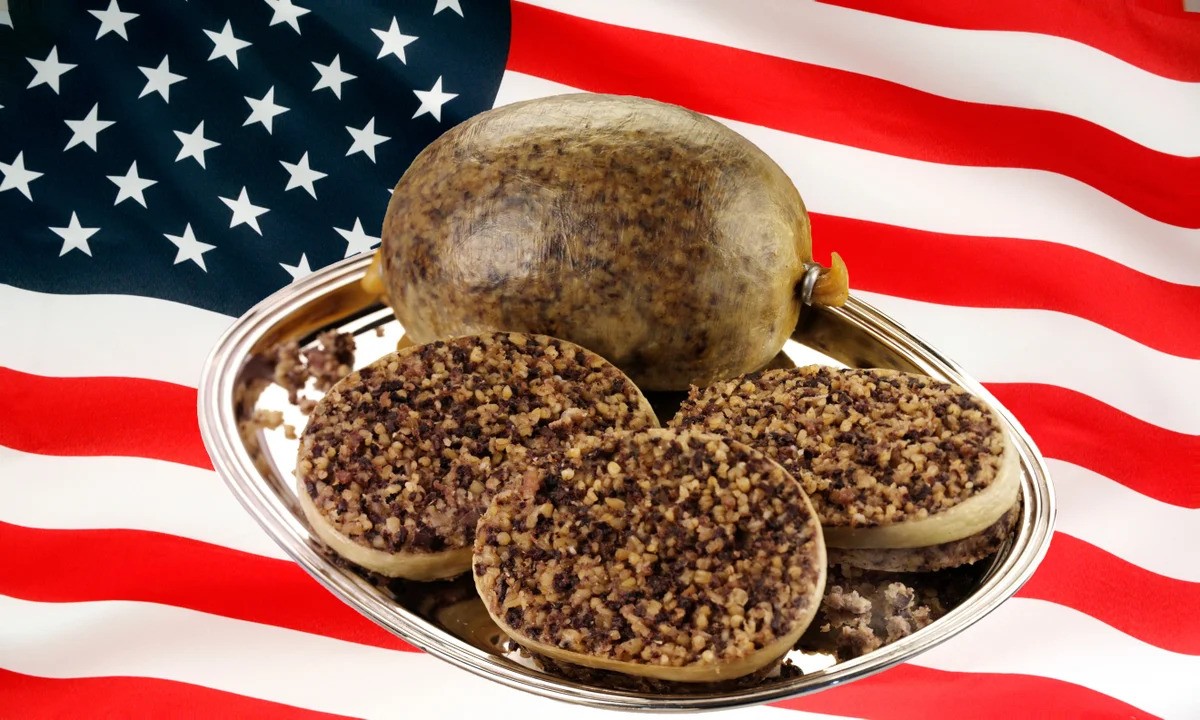
Haggis, Scotland’s famous dish, is no longer just a distant legend, it’s now making its way into American homes. Often joked about or misunderstood, this hearty mix of spices and flavors is more than a novelty; it’s a piece of Scottish heritagerooted in practical, resourceful cooking.
We'll cut through the myths and simplify the process. You’ll learn how to gather ingredients, even navigating rules around traditional options like sheep stomach, master the recipe, and appreciate the dish’s history.
What Is Haggis?
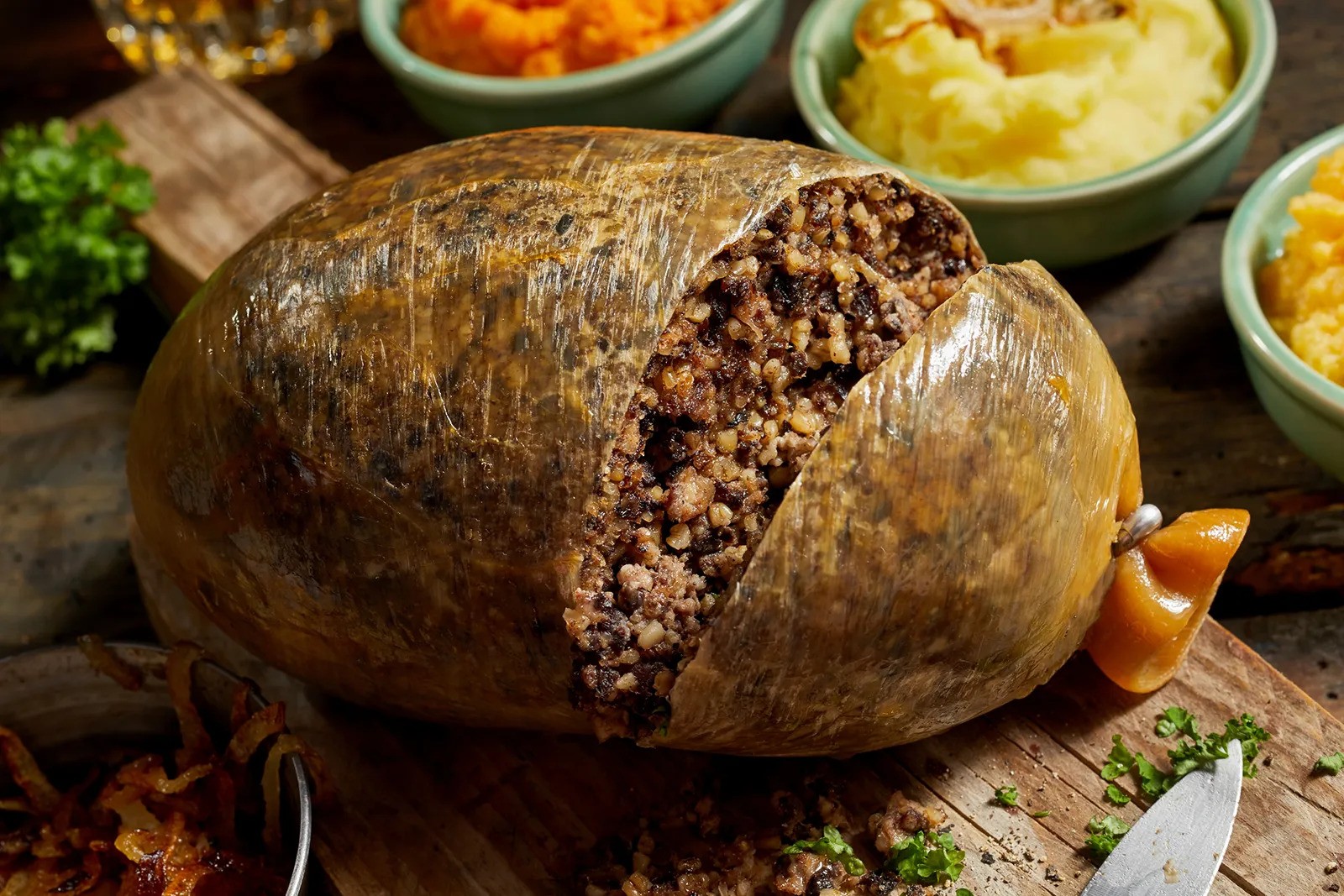
Haggis is a traditional Scottish dish made from sheep organs (heart, liver, and lungs), mixed with onions, oats, suet (animal fat), spices, and broth. This savory mix is stuffed into a casing, originally a sheep’s stomach, but now often artificial and slow-cooked. Despite its unusual ingredients, haggis is loved for its rich, nutty flavor and hearty texture.
What’s Inside?
- Sheep organs : Heart, liver, and lungs form the base.
- Onions and oats : Chopped onions add sweetness, while coarse oats give it a chewy texture.
- Suet and spices : Fat keeps it moist, and black pepper, nutmeg, or allspice add warmth.
History And Tradition Of Haggis
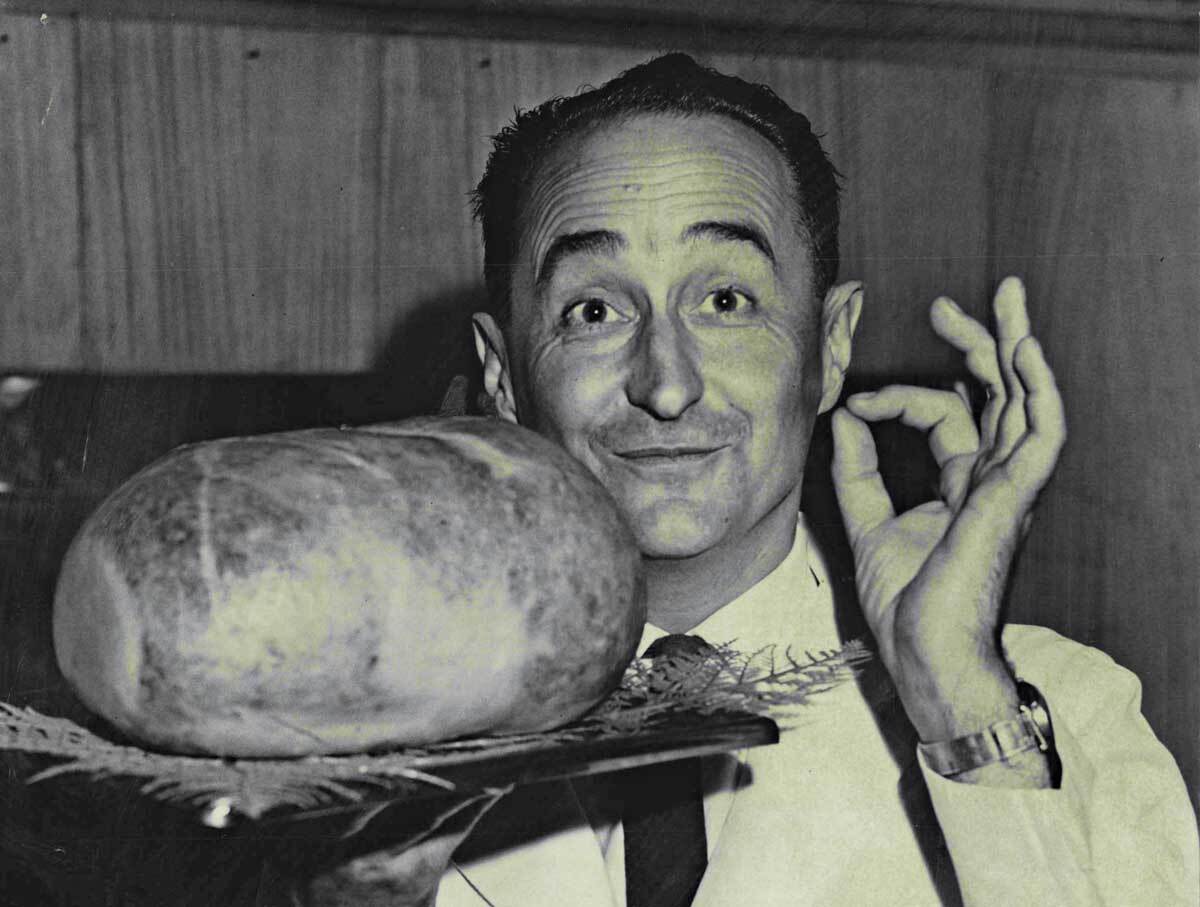
Haggis-like dishes date back centuries, likely created as a practical way to use leftover organ meats after hunts. Though similar foods existed elsewhere, Scotland embraced it as a national symbol, thanks to poet Robert Burns, who celebrated it in his 1786 poem. Today, it’s a staple at Burns Suppers, served with mashed turnips (“neeps”) and potatoes (“tatties”), plus a glass of Scotch whisky.
While the ingredients might sound odd, haggis is a comforting, flavorful dish. When cooked well, it’s crumbly yet moist, with a peppery kick. Pair it with classic sides and whisky for a true taste of Scottish culture.
Regional Roots Of Haggis
People often wonder if haggis varies across Scotland’s regions. While today’s recipes are mostly the same, history hints at local twists:
- Highlands : Wild herbs like thyme might have flavored haggis here, with deer organs possibly mixed in.
- Lowlands : Sheep farming thrived here, so haggis likely stuck to classic lamb flavors.
- Islands : Coastal life could’ve added a salty hint, maybe from seaweed in sheep diets.
- Speyside : Whisky country, chefs might’ve spiked haggis with a splash of Scotch.
Today, haggis is a national symbol with a standard recipe. But knowing its regional roots adds depth, it’s more than a dish, it’s a piece of Scotland’s story.
Haggis - Scotland’s Iconic Dish
Haggis isn’t just a Scottish staple, it’s a cultural symbol. Often called the "great chieftain o’ the puddin’-race," it’s the star of Burns Suppers, celebrated every January 25th to honor poet Robert Burns. The dish blends hearty flavors and tradition, served with turnips (neeps) and potatoes (tatties), and paired with Scotch whisky and poetry.
Making Haggis At Home
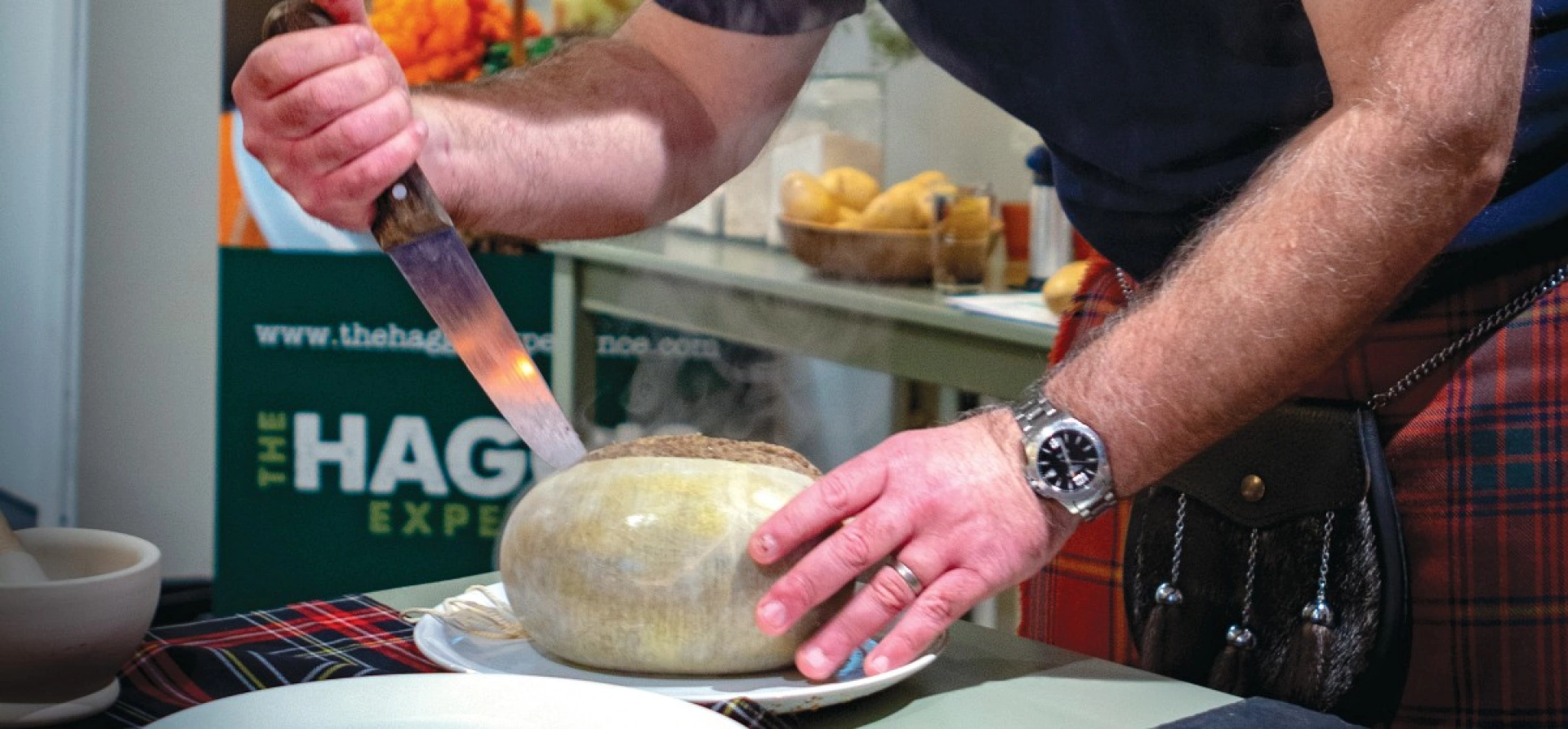
This recipe simplifies the classic process while staying true to tradition.
Ingredients
- 1 lb lamb heart
- 1 lb lamb liver
- 1 lb ground lamb
- ½ lb beef suet (chopped)
- 2 onions (minced)
- 1 cup steel-cut oats (toasted)
- Spices: salt, pepper, allspice, nutmeg, coriander, thyme
- Beef bung or synthetic casing (or a baking dish)
Steps
- Prep the casing : Soak natural casings in salted water overnight. For synthetic ones, follow package instructions.
- Cook offal : Simmer heart and liver in water for 2 hours. Save the stock.
- Toast oats : Cook oats in a dry pan until golden. Soften onions in the same pan.
- Mix filling : Grind or finely chop cooked offal. Combine with raw lamb, suet, oats, onions, and spices. Add reserved stock.
- Stuff casing : Fill loosely (it expands) and tie securely. For baking, pack into a greased dish.
- Cook : Boil the casing for 3 hours or bake in a water bath at 350°F (175°C) for 2.5–3 hours.
- Serve : Slice open and pair with neeps, tatties, and a dram of whisky.
Burns Night Prep Checklist
- Gather Scotch (Highland Park, Lagavulin).
- Peel potatoes and rutabaga.
- Queue up bagpipe music.
- Print Burns’ poems for the toast.
Haggis might look humble, but its rich, spicy flavor and ties to Scottish heritage make it unforgettable. Celebrate Burns Nightwith a homemade haggis, it’s a labor of love that brings history to the table.
Related Reading: Scottish Haggis Recipe
Finding Ingredients For American Haggis
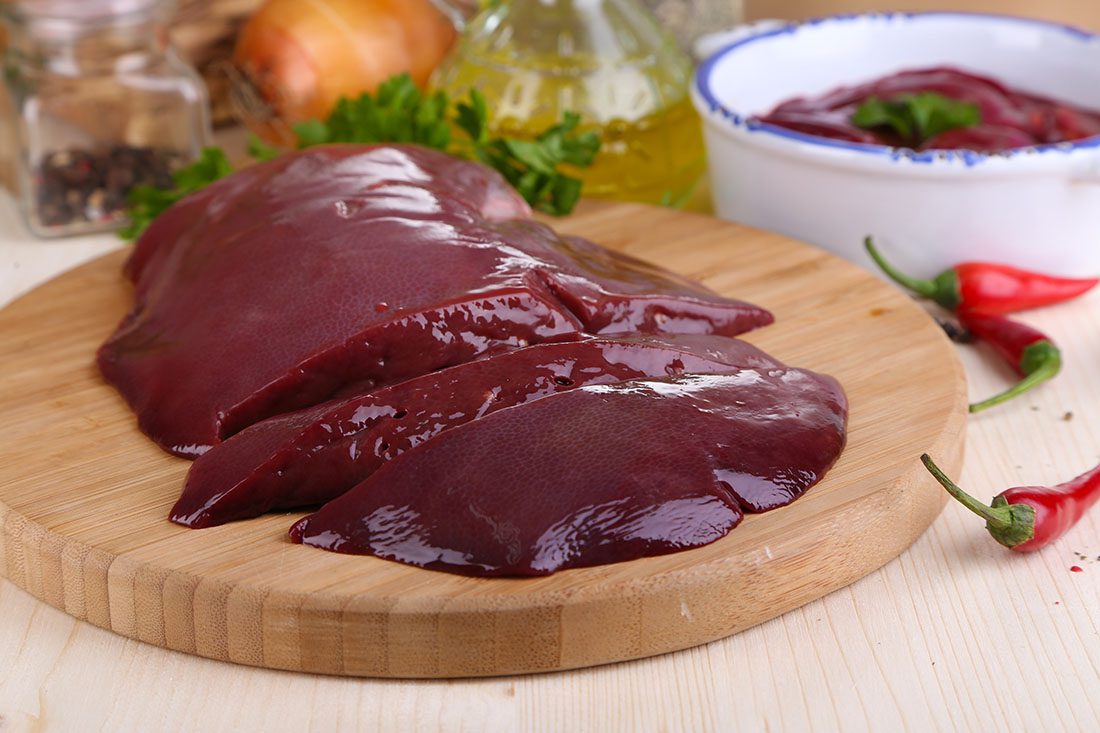
Offal (Heart and Liver) - Start by contacting a local butcher who processes whole animals. They often have lamb heart and liver, even if not displayed. If unavailable, beef heart or calf’s liver work well.
Online retailers selling grass-fed or heritage meats are another option for frozen offal. To know how long thawed liver last in the fridgejust put it in the fridge and use it within 1-2 days for optimal freshness. This ensures your haggis stays flavorful and safe to eat while staying true to its hearty roots.
USDA Restrictions on Lungs - Sheep’s lungs haven’t been allowed in U.S. food products since 1971 due to safety concerns. This is why traditional Scottish haggis isn’t sold stateside. Our recipe skips lungs but uses lamb heart, liver, and ground lamb for authentic taste and texture.
Suet Options - Ask your butcher for beef suet, the hard, crumbly fat near the kidneys. Have them grind it for convenience. If unavailable, use frozen grated butter or high-quality beef tallow as substitutes.
Steel-Cut Oats - These are easy to find in most grocery stores. Look for brands like Bob’s Red Mill. Avoid rolled or instant oats, as they’ll make your haggis too mushy.
Casings - For a classic look, order natural beef bung casings online (try retailers like The Sausage Maker). They’re salt-packed and last a long time. Synthetic casings are simpler to handle and also widely available. If casings feel too fussy, skip them entirely, bake your haggis in a bowl for a no-fuss, equally tasty result.
Haggis Recipe For USA
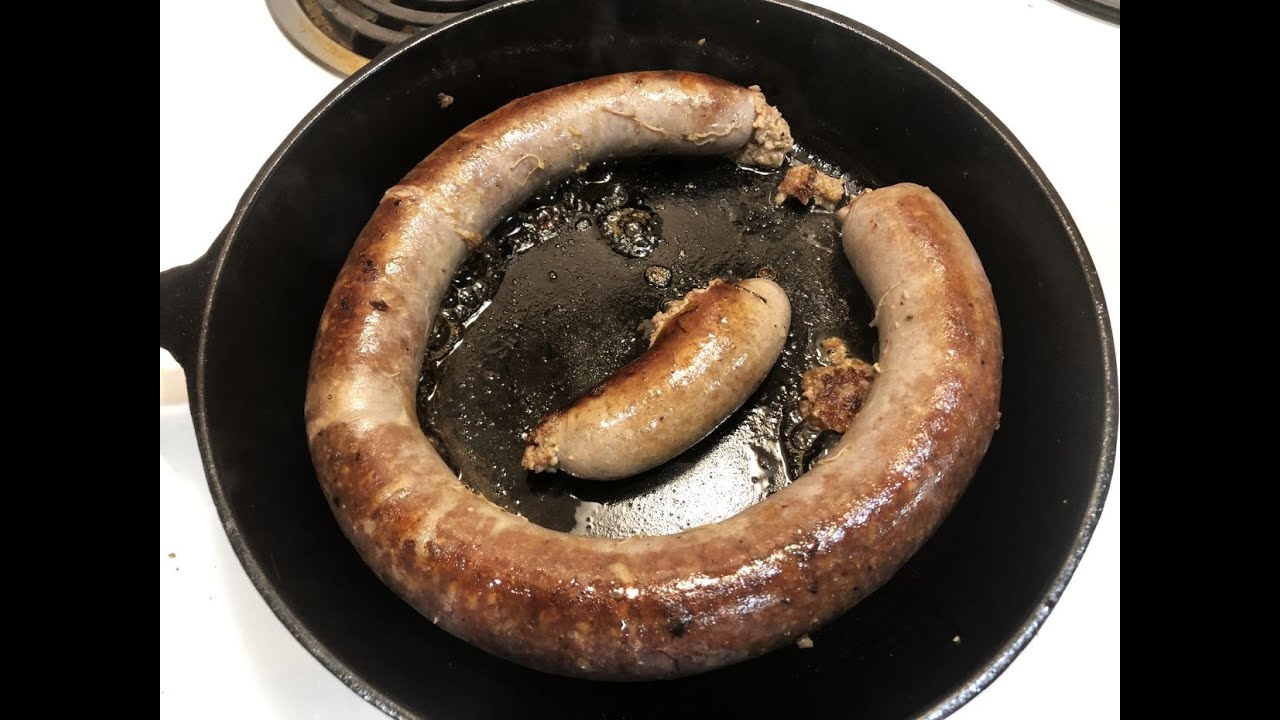
American Haggis (cooked in cast iron)
Ingredients
- 1 tbsp neutral oil
- 2 tsp allspice
- ½ tsp ground cloves
- ½ nutmeg, grated
- 2 tsp finely ground black pepper
- 2 celery stalks, finely minced
- 2 bacon slices, finely minced
- 3 onions, peeled and finely minced
- 1 lb ground lamb
- 1 lamb’s heart, ground
- ¼ lb lamb kidneys, split, cleaned, and coarsely ground
- ¼ lb chicken livers, coarsely ground
- 5 bay leaves
- 3 cups lamb or beef stock
- Generous splash Worcestershire sauce
- ½ lb steel-cut oatmeal, toasted (see notes)
- 1 tbsp Scotch whisky
- 1 tsp lemon zest
- 1 tsp orange zest
- Salt to taste
Instructions
- Prep : Toast oatmeal in a 350°F oven for 20-25 minutes until golden.
- Cook spices : Heat oil in a heavy pot (cast iron works well). Add allspice, cloves, nutmeg, and pepper. Stir for 1-2 minutes.
- Sauté veggies + bacon : Stir in celery, bacon, and onions. Cook until soft.
- Brown meat : Add lamb, heart, kidneys, and livers. Cook until golden (15 mins).
- Simmer : Pour in 1 cup stock and Worcestershire. Cover, simmer on low for 2 hours, adding more stock if needed.
- Thicken : Blend 1 cup of the mixture in a food processor, return to pot. Add toasted oatmeal and remaining stock. Simmer uncovered for 30 mins.
- Finish : Stir in whisky and citrus zests. Add salt to taste.
Serve traditionally with mashed turnips, potatoes, or a mix (clapshot).
Notes
- Oatmeal : Use steel-cut, not rolled oats. Toasting adds crunch.
- Substitutions : Pork or veal heart can replace lamb’s heart if needed.
- Meat mix : Oliver uses lamb + beef for depth, but traditionalists might stick to lamb.
Haggis in the U.S - Macsween, a Scottish brand, is also tweaking its recipe (swapping banned sheep lung for lamb heart) to meet the U.S. regulations on haggis. Their version using lamb heart, oatmeal and spices aims to hit shelves by next Burns Night. While purists debate authenticity, fans like Brooklyn butcher Greg Brockman praise haggis for its bold spices and versatility, using it in dishes like lasagna or poutine.
FAQs About Haggis Recipe Usa
What Does Haggis Taste Like?
Haggis is hearty and savory, like a seasoned meatloaf with a coarse, oaty texture. It’s got a peppery kick and deep, earthy flavors from the organ meats, plus a hint of sweetness from onions.
Is Making Haggis Hard?
It takes some time and effort, you’ll need to prep ingredients and cook in stages, but none of the steps are overly tricky. If you enjoy cooking, it’s a fun weekend project with tasty results.
Can I Make A Meat-free Version?
Vegetarian haggis swaps organ meats for ingredients like lentils, mushrooms, oats, nuts, and spices. It’s widely loved in Scotland and still packs that classic savory, spicy flavor.
How Do I Heat Up Pre-made Haggis?
If it’s already cooked (most store-bought versions are), cover it in foil and bake at 350°F (175°C) for 45 minutes to an hour. You can also simmer it in water on the stove until hot.
What’s The Deal With The “Address To A Haggis” Poem?
It’s a fun Scottish tradition ,Robert Burns, a famous poet, wrote it as a tribute to haggis. People recite it at Burns Night dinners (January 25th) while presenting the haggis, celebrating its place in Scottish culture.
Final Words
Crafting haggis is more than a cooking project, it’s a hands-on journey into history and tradition. This dish, rooted in Scottish heritage, celebrates resourcefulness and the warmth of shared meals. When you serve homemade haggis, you’re not just feeding others; you’re inviting them into a story of resilience, creativity, and the timeless joy of gathering around good food.
It’s a bold choice for the curious cook, blending cultural pride with the satisfaction of making something unforgettable. So take a risk, honor the craft, and let your haggis bring people together, after all, the best meals are those that linger in memory long after the last bite.
Also Check Out: Popular Dishes In Scottish Cuisine You Must Try

Callum Fraser
Author
Callum Fraser isn't just a writer about Scotland; he's a product of its rugged landscape and rich history. Born and raised in Perthshire, with the Highlands as his backyard, his love for the nation's stories was kindled by local storytellers and long walks through ancient glens.
This passion led him to pursue a degree in Scottish History from the University of Edinburgh. For over 15 years, Callum has dedicated himself to exploring and documenting his homeland, fusing his academic knowledge with essential, on-the-ground experience gained from charting road trips through the Cairngorms, hiking the misty Cuillins of Skye, and uncovering the secrets of traditional recipes in his family's kitchen.
As the Editor-in-Chief and Lead Author for Scotland's Enchanting Kingdom, Callum's mission is simple: to be your most trusted guide. He combines meticulous research with a storyteller's heart to help you discover the authentic magic of Scotland — from its best-kept travel secrets to its most cherished traditional recipes.
Latest Articles
Popular Articles