50 Popular Dishes In Scottish Cuisine Every Food Lover Should Try
Explore 50 popular dishes in Scottish cuisine! From savory Haggis to sweet Cranachan, learn about the recipes and history behind Scotland's most iconic foods.
Author:Callum FraserMar 04, 20276.8K Shares527.9K Views
50 Essential Scottish Dishes That Define The Nation’s Cuisine
Scottish cuisine is shaped by the country’s rugged landscapes, cold seas, and long farming traditions. Oats, fresh seafood, root vegetables, game meats, and quality dairy have formed the foundation of everyday meals for centuries.
From Highland stews and east coast smoked fish to bakery classics in Glasgow and festive desserts served at Burns Nightand Hogmanay, food in Scotland reflects a strong regional identity and seasonal ingredients.
This collection covers 50 popular dishes in Scottish cuisine, including traditional national specialties like haggis, Cullen skink, and Scotch pie, alongside beloved sweets, seafood dishes, and modern favorites.
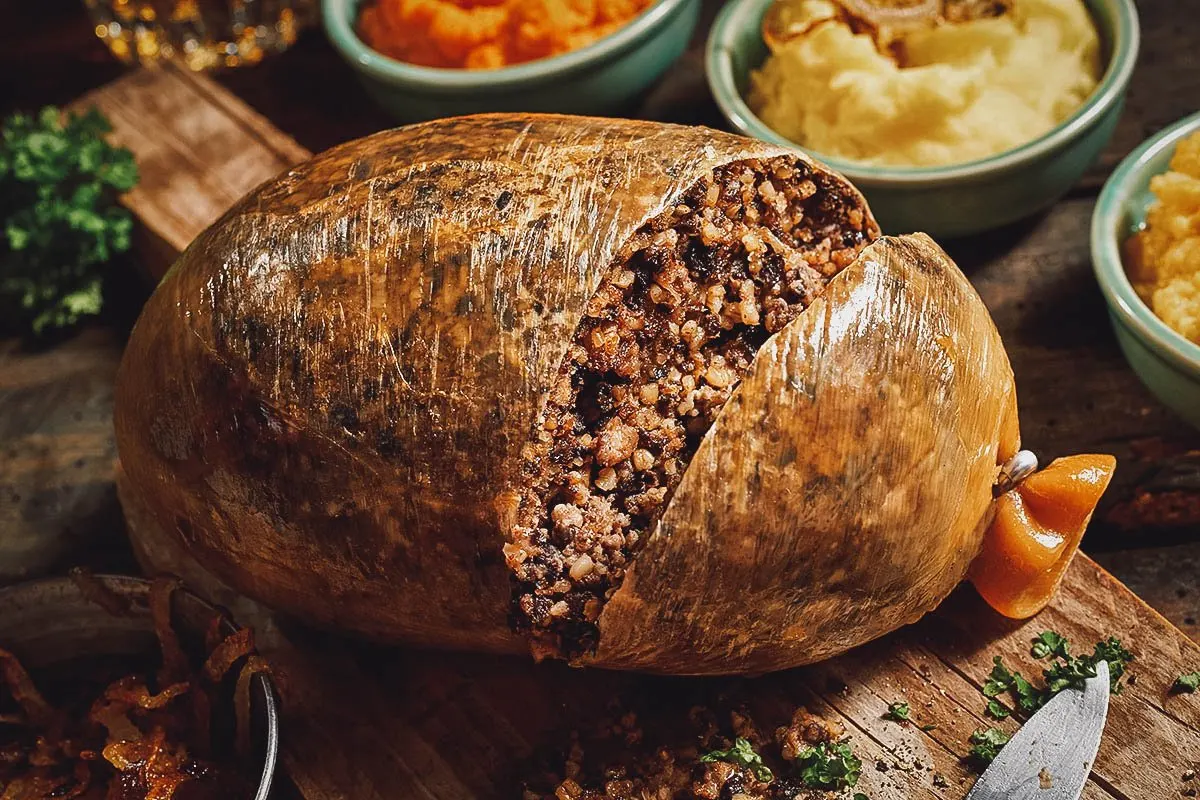
1. Haggis
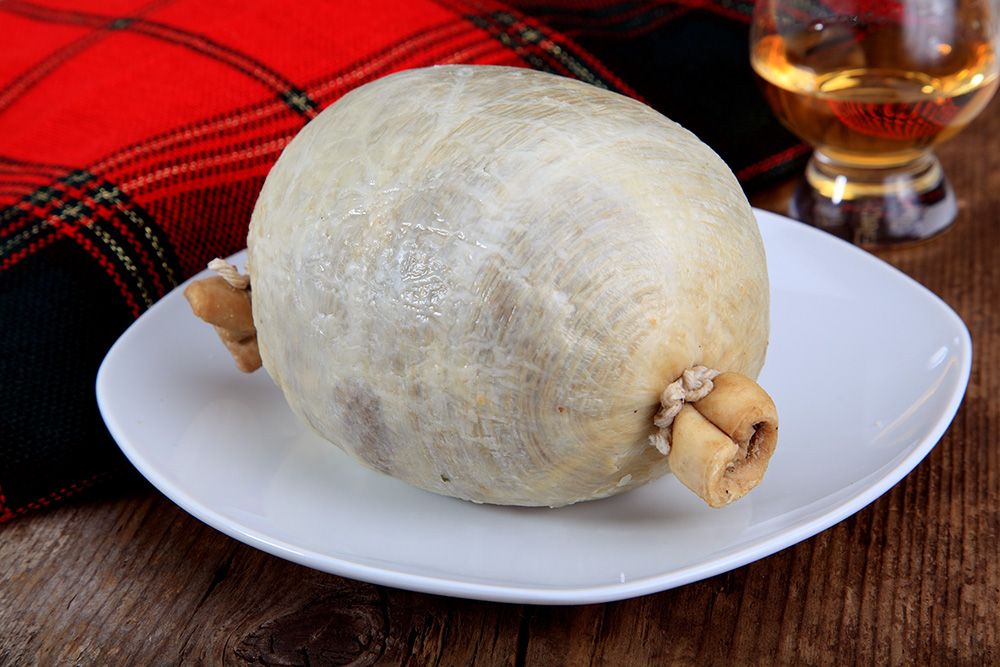
Haggis is Scotland’s most iconic dish, celebrated for its bold flavor and cultural significance. This savory pudding consists of minced sheep’s heart, liver, and lungs mixed with toasted oatmeal, suet (beef or lamb fat), onions, and a combination of spices like nutmeg, allspice, and black pepper. It’s traditionally cooked inside a sheep’s stomach, which acts as a natural casing, although modern versions often use artificial casings.
How to Prepare
- Prepare the Ingredients: Boil the sheep’s offal (heart, liver, and lungs) in salted water until tender. Let it cool, then mince finely.
- Toast the Oatmeal: In a dry pan, toast oatmeal until lightly golden and fragrant.
- Mix Everything: Combine the minced offal, toasted oatmeal, chopped onions, suet, and seasonings. Add some of the cooking broth to bind the mixture.
- Stuff and Cook: Stuff the mixture into a cleaned sheep’s stomach or synthetic casing, leaving room for expansion. Sew the opening shut securely.
- Simmer: Place the haggis in a large pot of boiling water and simmer gently for 2-3 hours, ensuring it doesn’t burst.
2. Bridies
A Forfar Bridieis a hand-held meat pastry filled with minced beef and onions. Bridies come from Forfar in Angus, in eastern Scotland. They became popular with farm workers because they were easy to carry and filled. Today, they are sold in bakeries across the region.
How to Prepare
- Make the filling:Mix minced beef with finely chopped onions, salt, and pepper.
- Prepare pastry:Roll out shortcrust pastry and cut into circles.
- Fill:Place a spoonful of meat mixture on one half of each circle.
- Seal:Fold over to form a half-moon shape and crimp the edges.
- Bake:Brush with beaten egg and bake at 180°C (350°F) for 30–35 minutes until golden.
- Cool slightly and serve.
3. Cranberry Oat Slice
Cranberry Oat Slice is a sweet baked tray made with oats, butter, and sugar, with dried cranberries added for a fruity twist.
Oats are a key part of Scottish cooking, especially in the Highlands and Islands, where they grow well. Oat traybakes are common in Scottish cafés and homes. The cranberry version is a modern variation on this traditional oat baking style.
How to Prepare
- Mix dry ingredients:Combine rolled oats, flour, and sugar in a bowl.
- Add butter:Melt butter and mix it into the dry ingredients.
- Add cranberries:Stir in dried cranberries evenly.
- Press into tin:Press the mixture firmly into a lined baking tray.
- Bake:Bake at 180°C (350°F) for 20-25 minutes until golden.
- Cool and slice:Let it cool before cutting into squares.
4. Cullen Skink
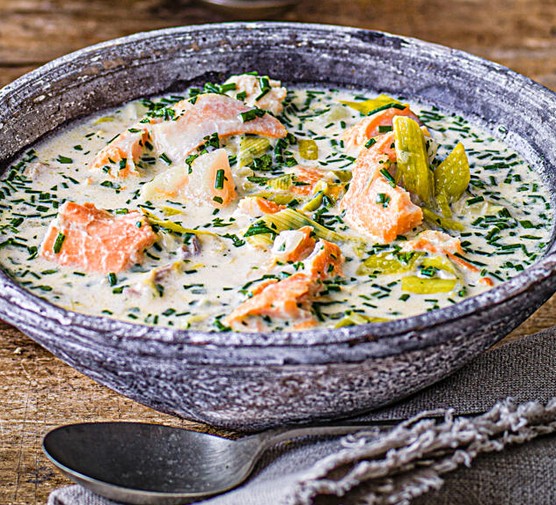
Cullen Skink is a hearty, creamy soup from the fishing village of Cullen in northeast Scotland. This dish combines smoked haddock, potatoes, and onions to create a comforting and flavorful meal. The smoked fish imparts a rich, smoky flavor to the soup, while the potatoes make it satisfyingly thick. Cullen Skink is often enjoyed as a starter or a warm lunch on a cold day.
How to Prepare
- Prepare the Haddock: Poach smoked haddock in milk with bay leaves and peppercorns until the fish is tender and flakes easily. Remove the fish and strain the milk, reserving it for later.
- Sauté Vegetables: In a pot, sauté finely chopped onions and leeks in butter until softened.
- Add Potatoes: Peel and dice potatoes, then add them to the pot along with the reserved milk and some water. Simmer until the potatoes are soft.
- Add the Haddock: Flake the poached haddock and add it to the soup. Mash some of the potatoes to thicken the broth slightly.
- Season and Finish: Season with salt, pepper, and fresh parsley. Serve hot with crusty bread.
5. Scotch Broth
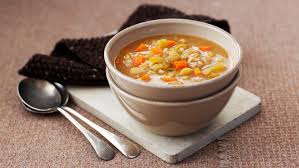
Scotch Brothis a traditional Scottish soup known for its hearty and nutritious qualities. It features a base of lamb or beef, pearl barley, root vegetables (carrots, parsnips, and turnips), and sometimes cabbage or kale. Slow cooking allows the flavors to meld beautifully, making it a popular comfort food during the colder months.
How to Prepare
- Prepare the Broth Base: Place a lamb shank or beef bones in a large pot with water. Add bay leaves and peppercorns, then simmer for 2-3 hours, skimming any impurities.
- Add Vegetables: Chop carrots, leeks, turnips, and parsnips into small cubes. Add them to the broth along with rinsed pearl barley.
- Simmer Slowly: Let the soup simmer for another hour until the barley and vegetables are tender.
- Shred the Meat: Remove the lamb shank or beef, shred the meat, and return it to the pot.
- Season and Serve: Add salt, pepper, and fresh parsley to taste. Serve piping hot with oatcakes or fresh bread.
6. Scotch Egg
A Scotch Egg is a boiled egg wrapped in sausage meat, coated in breadcrumbs, and fried or baked. It is filling and easy to carry.
Scotch Eggs are sold in bakeries and supermarkets throughout Scotland, especially in cities like Glasgow and Edinburgh. They are popular as quick lunch food or picnic snacks.
How to Prepare
- Boil the eggs:Boil eggs for 6-8 minutes. Cool them in cold water and peel.
- Season the meat:Mix sausage meat with salt, pepper, and optional herbs.
- Wrap the eggs:Flatten the sausage meat in your hand and wrap it evenly around each egg.
- Coat:Roll each wrapped egg in flour, dip in beaten egg, then coat with breadcrumbs.
- Cook:Deep fry at 170°C (340°F) for 5-6 minutes until golden brown, or bake at 200°C (390°F) for 25-30 minutes.
- Serve:Eat warm or cold.
7. Clapshot
Clapshot is a simple mashed mix of potatoes and swede (called neeps in Scotland), blended with butter and seasoning.
Clapshot comes from Orkney, north of mainland Scotland. The cool climate there suits hardy vegetables like potatoes and swede. It is often served with fish or meat dishes.
How to Prepare
- Prepare vegetables:Peel and chop potatoes and swede into chunks.
- Boil:Cook both in salted water for 15-20 minutes until soft.
- Drain and mash:Drain well and mash together until smooth.
- Add flavor:Stir in butter, salt, pepper, and chopped chives if desired.
- Serve:Serve hot as a side dish with meat or fish.
8. Black Pudding
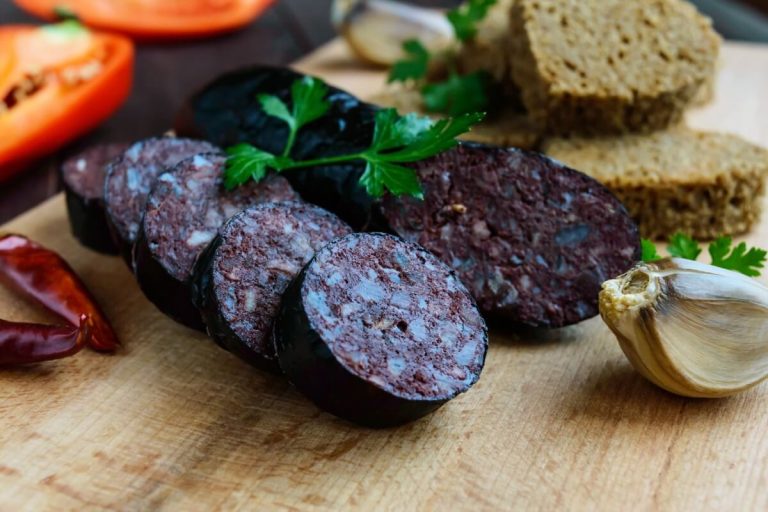
Black puddingis a blood sausage made from pork blood, oats, suet and spices. While its origins are ancient, it remains a staple of the traditional Scottish breakfast. The oats give it a firm texture, while the spices and suet provide rich, savory flavors. It’s often sliced and fried, served alongside eggs, bacon, and tattie scones.
How to Prepare
- Prepare the Mixture: Mix fresh pork blood with oatmeal, suet, finely chopped onions, and a blend of spices like nutmeg and pepper.
- Stuff the Sausage: Fill the mixture into sausage casings, tying them off securely.
- Cook Gently: Simmer the sausages in lightly salted water for about an hour. Avoid boiling to prevent the casing from bursting.
- Fry to Serve: Slice the black pudding into rounds and fry in a hot pan until crispy on the outside.
9. Dundee Cake
Dundee Cake is a traditional Scottish fruit cake that started in Dundee, a city on Scotland’s east coast. It is famous for the neat circles of whole almonds placed on top before baking. The cake is lightly spiced and filled with raisins or sultanas.
Dundee was once a busy trading port. Because ships brought dried fruits and sugar into the city, fruit cakes became popular there. The cake is still strongly linked to the Angus region and is often enjoyed with tea across eastern Scotland.
How to Prepare
- Prepare the fruit:Soak raisins or sultanas in a little warm water or orange juice for about 30 minutes, then drain.
- Make the batter:Cream butter and sugar together until light. Beat in eggs one at a time.
- Add dry ingredients:Fold in flour, baking powder, and a pinch of mixed spice.
- Mix in fruit:Stir the soaked dried fruit into the batter.
- Decorate:Pour the batter into a lined cake tin. Arrange whole almonds in circles on top.
- Bake:Bake at 160°C (320°F) for about 1½–2 hours, until firm and golden.
- Cool and serve:Let it cool completely before slicing.
10. Ecclefechan Tart
Ecclefechan Tart is a rich, sweet tart made with butter, sugar, eggs, dried fruit, and nuts inside a shortcrust pastry shell. It comes from the village of Ecclefechan in Dumfries and Galloway, in southwest Scotland.
This rural area is known for farming and traditional baking. The tart became popular in local homes and bakeries because it uses simple pantry ingredients. It is often compared to pecan pie, but it has a lighter texture and includes mixed dried fruit.
How to Prepare
- Prepare the pastry:Roll out shortcrust pastry and line a tart tin. Chill for 15 minutes.
- Make the filling:Cream butter and brown sugar together. Beat in eggs.
- Add fruit and nuts:Stir in chopped walnuts (or mixed nuts), raisins or currants, and a splash of vanilla.
- Fill the tart:Pour the mixture into the pastry shell.
- Bake:Bake at 180°C (350°F) for 30-40 minutes until set and golden.
- Cool and serve:Let it cool before slicing. Serve with cream or ice cream.
11. Cock-a-Leekie Soup
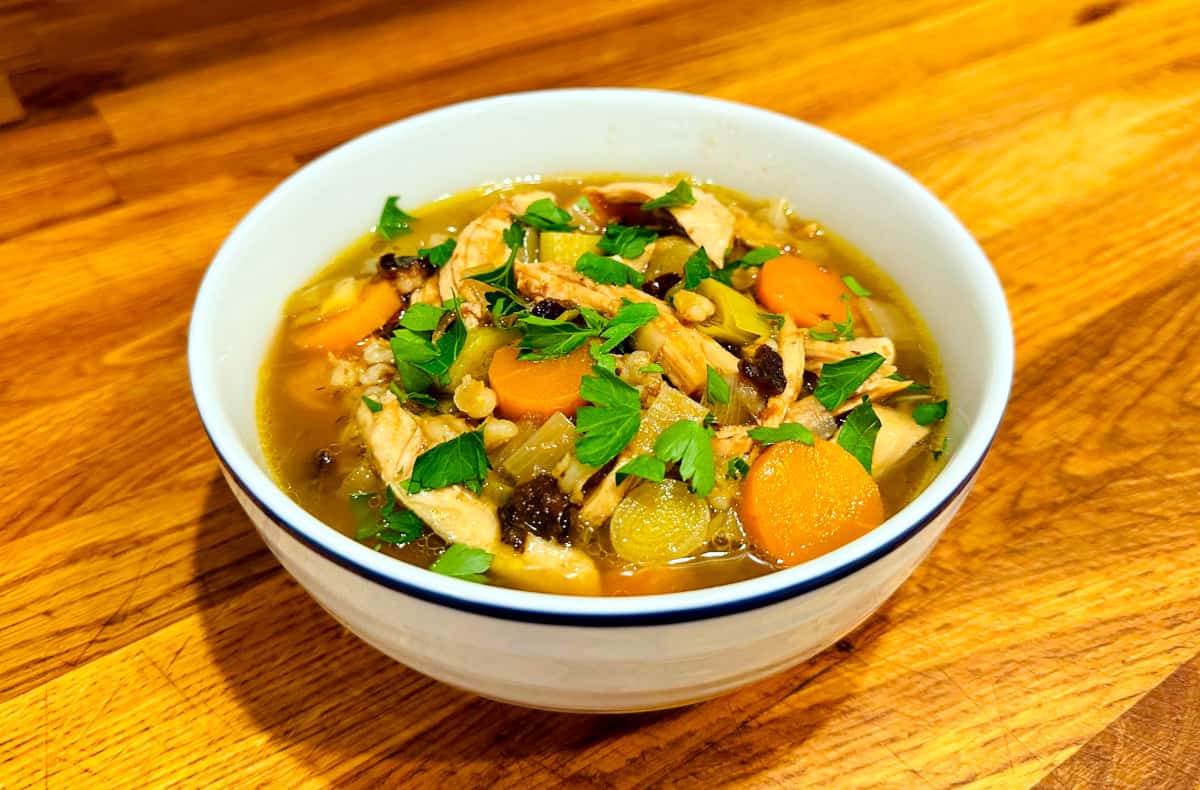
Cock-a-Leekie Soup is a traditional chicken and leek soup with a unique twist; it includes prunes for a subtle sweetness. This dish dates back to the 16th century and is known for its simple yet satisfying flavors. It’s a popular starter for family gatherings or festive occasions.
How to Prepare
- Cook the Chicken: Place a whole chicken in a pot with water. Add bay leaves, peppercorns, and a pinch of salt. Simmer for about an hour, skimming any foam.
- Prepare the Vegetables: Slice leeks and dice carrots. Add them to the pot along with rice or barley for texture.
- Add Prunes: Chop prunes into small pieces and add them to the soup, allowing their sweetness to infuse the broth.
- Shred the Chicken: Remove the chicken, shred the meat, and return it to the soup.
- Season and Serve: Add salt, pepper, and a sprinkle of parsley before serving hot.
12. Kedgeree (Smoked Fish And Rice Dish)
Kedgeree is a comforting dish made with smoked haddock, rice, boiled eggs, butter, and mild spices. It is often eaten for breakfast or brunch in Scotland.
Kedgeree became popular in Scotland during the 19th century, influenced by dishes brought back from India during the British Empire. In Scotland, it is strongly connected to coastal areas where smoked haddock (like Arbroath smokies) is common. You’ll find it in cafés and country house breakfasts, especially in the Highlands and northeast Scotland.
How to Prepare
- Cook the rice:Boil rice according to package instructions. Drain and set aside.
- Poach the fish:Gently cook smoked haddock in milk for 5–7 minutes. Remove and flake.
- Boil eggs:Hard-boil eggs for about 8 minutes, cool, peel, and chop.
- Combine:In a large pan, melt butter and add cooked rice, flaked fish, and chopped eggs.
- Season:Add salt, pepper, chopped parsley, and a small pinch of curry powder.
- Serve warm.
13. Cranachan
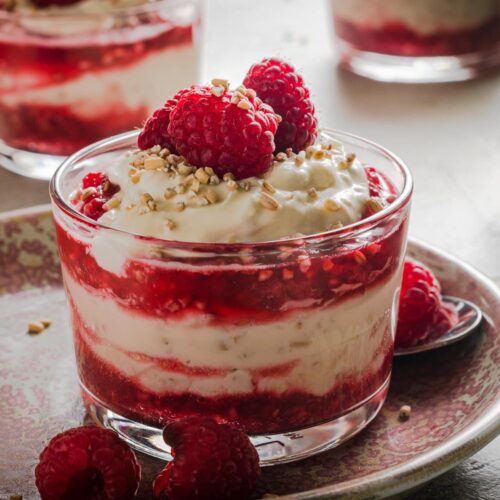
Cranachan is a beloved Scottish dessert, often referred to as "the king of Scottish desserts." Traditionally enjoyed during celebrations like Hogmanay, this dessert combines whipped cream, toasted oats, fresh raspberries, honey, and a touch of whisky for a boozy twist. It's a delightful blend of textures and flavors that showcase Scotland's rich produce.
How to Prepare
- Toast the Oats: Gently toast steel-cut oats in a dry pan over low heat until they are golden and aromatic. Let them cool.
- Whip the Cream: Whip heavy cream until it forms soft peaks. Add a drizzle of Scottish heather honey and a splash of whisky, folding gently to combine.
- Layer the Ingredients: In a glass, layer the whipped cream, fresh raspberries, and toasted oats. Repeat the layers for a parfait-style presentation.
- Garnish: Top with a final sprinkle of oats, a raspberry, and a drizzle of honey.
14. Scotch Collops
Scotch Collops is a traditional dish made from minced or thinly sliced beef, cooked with onions and gravy. It is usually served with mashed potatoes or rice.
Scotch Collops has been cooked in Scottish homes for centuries, especially in the Lowlands, where beef farming is common. It was a practical family meal because it used affordable cuts of meat and simple ingredients.
How to Prepare
- Prepare the beef:Use minced beef or thin slices of steak. Season lightly.
- Brown the meat:Cook in a pan with butter until lightly browned. Remove and set aside.
- Cook onions:In the same pan, sauté chopped onions until soft.
- Make gravy:Add a spoonful of flour, stir, then slowly add beef stock to form a thick sauce.
- Combine:Return the beef to the pan and simmer gently for 20-30 minutes.
- Serve hotwith mashed potatoes or rice.
15. Atholl Brose
Atholl Brose is a traditional Scottish drink made with whisky, honey, cream, and soaked oats. It is linked to the Atholl area in Perthshire, in central Scotland. According to legend, it was once used to calm enemies by sweetening whisky with oats and honey. Today, it is served at weddings, Hogmanay (New Year), and special occasions.
How to Prepare
- Soak oats:Soak oatmeal in water overnight.
- Strain:Strain the liquid through a fine cloth, keeping the oat-infused liquid.
- Mix ingredients:Add honey and whisky to the liquid. Stir well.
- Add cream:Stir in fresh cream until smooth.
- Chill:Refrigerate for several hours before serving.
- Serve coldin small glasses.
16. Arbroath Smokies
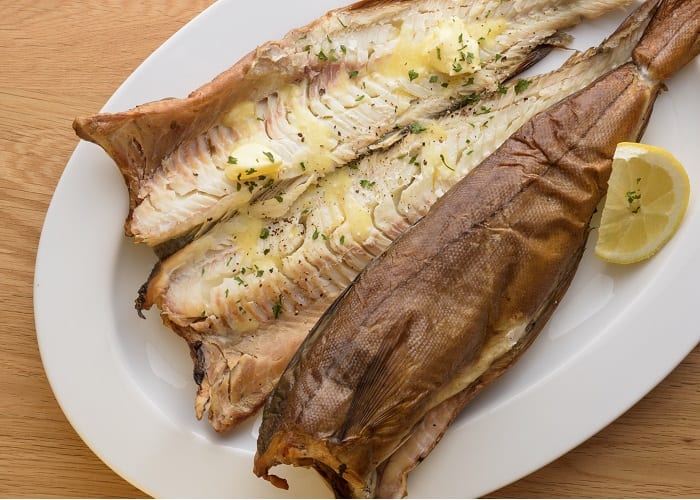
Arbroath Smokies are a Scottish delicacy originating from the fishing town of Arbroath. These are haddocks that are salted, dried, and smoked over hardwood fires, resulting in a distinctive flavor and flaky texture. Traditionally, they are eaten hot and freshly smoked, but can also be used in soups, salads, or pasta dishes.
How to Prepare
- Prepare the Haddock: If starting from scratch, clean and gut fresh haddock. Soak it in brine for several hours.
- Dry and Smoke: Dry the fish thoroughly before smoking it over a hardwood fire, such as oak or beech, for 30-60 minutes.
- Serve: Enjoy the smoked haddock hot or use it as a key ingredient in dishes like Cullen Skink or kedgeree.
17. Scotch Pie
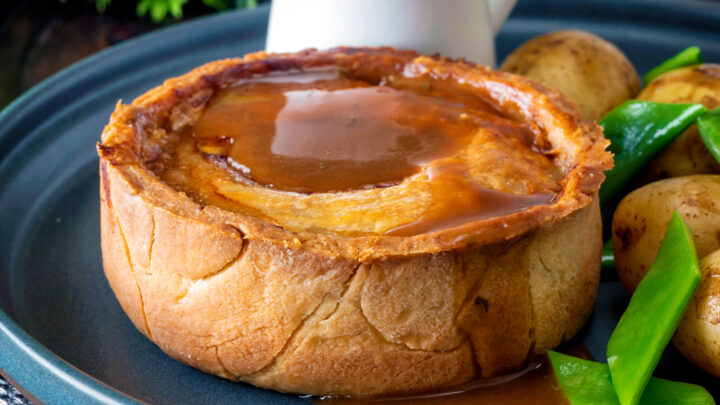
Scotch Pie is a small, round meat pie filled with seasoned minced lamb or beef. It has a firm pastry shell and is usually eaten hot.
Scotch pies are very popular in central Scotland, especially at football matches. They are a classic bakery item in towns and cities like Glasgow. The strong pastry helps the pie keep its shape when held in your hand.
How to Prepare
- Make hot water crust pastry:Heat water and lard together, then mix with flour and salt.
- Shape cases:Press pastry into small pie tins.
- Prepare filling:Mix minced lamb or beef with salt, pepper, and a little stock.
- Fill pies:Spoon meat mixture into pastry shells.
- Add lids:Cover with pastry tops and seal.
- Bake:Bake at 180°C (350°F) for 25-30 minutes until golden.
- Serve hot.
18. Glasgow Macaroni Pie
Glasgow Macaroni Pie is a small pastry pie filled with macaroni pasta in a thick cheese sauce. It may sound unusual, but it is a very popular snack in the west of Scotland, especially in Glasgow.
Glasgow has a strong working-class bakery tradition. Many local bakeries sell savory pies that are filling and affordable. The macaroni pie became popular because it combines two comfort foods pasta and pastry, into one easy-to-carry meal. You’ll often see it in bakeries, football stadium kiosks, and school lunch shops across the West.
How to Prepare
- Cook the pasta:Boil macaroni until just soft. Drain well.
- Make cheese sauce:Melt butter in a pan, stir in flour, then slowly add milk while stirring to make a thick white sauce. Add grated cheddar and stir until melted.
- Combine:Mix the cooked macaroni with the cheese sauce. Season with salt and pepper.
- Prepare pastry cases:Line small pie tins with shortcrust pastry.
- Fill:Spoon the macaroni mixture into the pastry shells.
- Bake:Bake at 180°C (350°F) for 20-25 minutes until the pastry is golden.
- Cool slightly before serving.
19. Butteries (Aberdeen Rolls)
Butteries, also called Aberdeen rolls or rowies, are flaky, salty bread rolls made with flour, butter (or lard), and yeast. They are especially popular in Aberdeen and the northeast of Scotland.
Butteries were traditionally eaten by fishermen and farm workers in the northeast because they are high in fat and calories, providing energy for long working days. You’ll find them in almost every bakery in Aberdeenshire, where locals often eat them for breakfast.
How to Prepare
- Make the dough:Mix strong flour, yeast, salt, and water to form a dough. Knead until smooth.
- Rest the dough:Let it rise until doubled in size.
- Add fat layers:Roll out the dough and spread softened butter (or a mix of butter and lard) over it. Fold and roll several times to create layers.
- Shape:Cut into rectangles and roll tightly into flat rounds.
- Bake:Bake at 200°C (390°F) for 15-20 minutes until golden.
- Cool and serve:Best eaten fresh, sometimes split and buttered.
20. Sticky Toffee Pudding
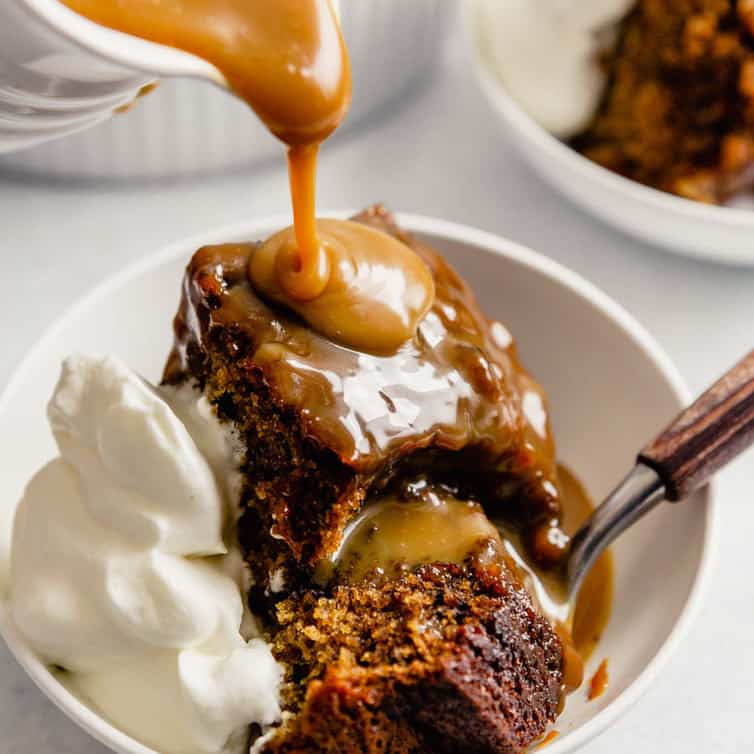
Sticky Toffee Pudding is a soft sponge cake made with dates, covered in warm toffee sauce. While enjoyed throughout the UK, sticky toffee pudding is very popular in Scottish pubs and restaurants, especially in the Highlands, where hearty desserts are common after large meals. It often appears on traditional pub menus across Scotland.
How to Prepare
- Prepare dates:Soak chopped dates in hot water with baking soda.
- Make batter:Cream butter and sugar, add eggs, then mix in flour and the softened dates.
- Bake:Pour into a baking dish and bake at 180°C (350°F) for 30-35 minutes.
- Make sauce:Heat butter, brown sugar, and cream in a saucepan until thick.
- Serve warmwith sauce poured over and cream or ice cream on the side.
21. Bannocks
Bannocks are traditional Scottish flatbreads or oatcakes made from simple ingredients like oatmeal, flour, water, and fat. They are versatile and can be served as a savory side or a sweet treat with honey and jam.
How to Prepare
- Mix the Dough: Combine oatmeal, flour, a pinch of salt, and baking soda. Add melted butter or lard and enough water to form a stiff dough.
- Roll and Cut: Roll the dough into a flat circle about ½ inch thick. Cut into triangular quarters.
- Cook: Heat a griddle or frying pan over medium heat. Cook the bannocks for 3-4 minutes on each side until golden brown.
22. Stovies
Stovies are a hearty one-pot dish traditionally made from leftover roast meat, potatoes, onions, and drippings. This comforting meal reflects Scotland’s frugal culinary traditions, making use of available ingredients to create a filling dish.
How to Prepare
- Prepare the Base: Sauté sliced onions in beef dripping or butter until softened.
- Add Potatoes: Peel and chop potatoes into chunks. Add them to the pan with a splash of water or stock.
- Add Meat: Mix in leftover roast beef, lamb, or sausages. Season with salt, pepper, and parsley.
- Simmer: Cover and cook over low heat, stirring occasionally, until the potatoes break down and create a thick, stew-like consistency.
23. Clootie Dumpling
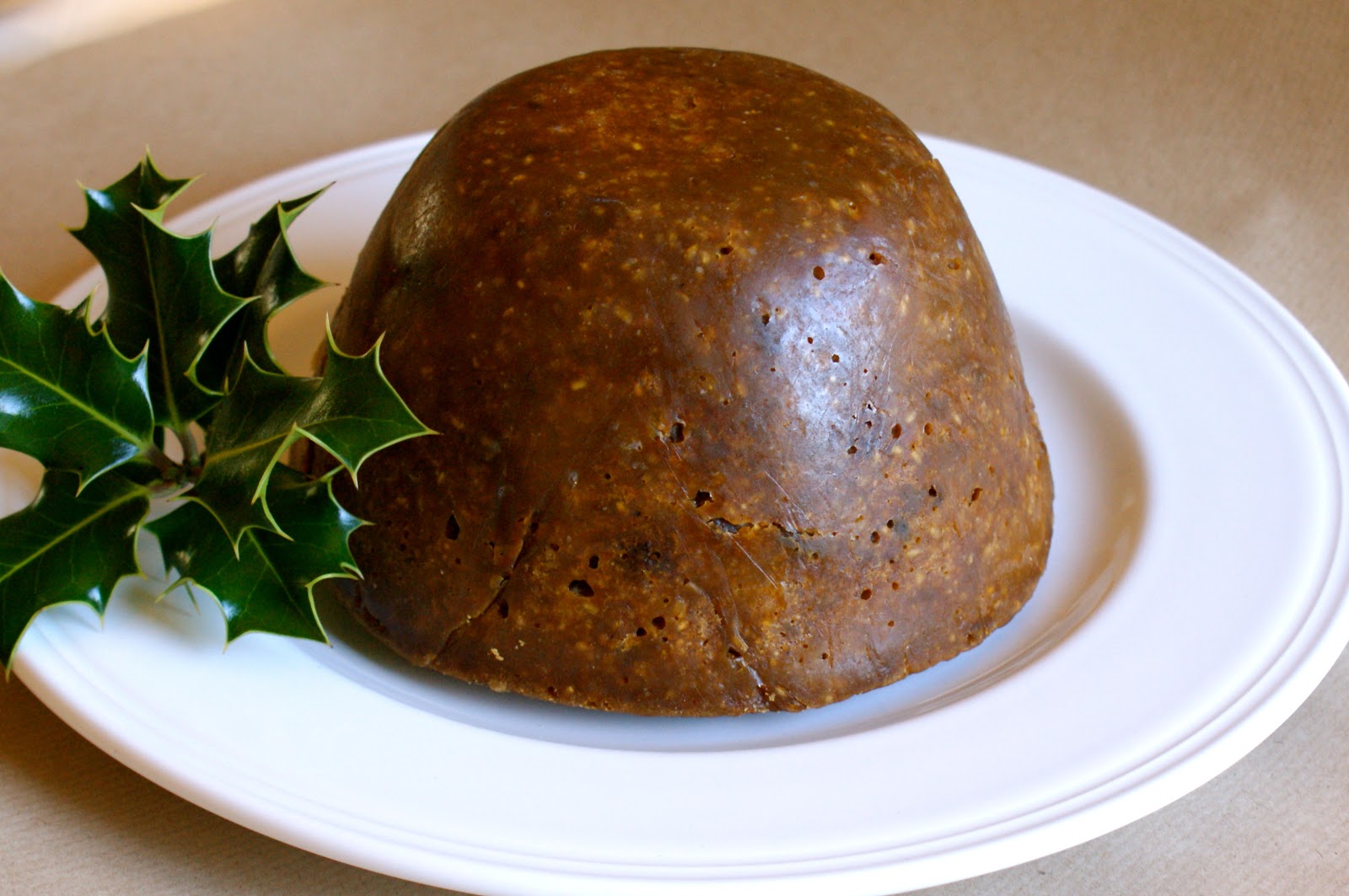
Clootie Dumpling is a traditional Scottish steamed pudding made with dried fruits, spices, and suet. The name comes from the cloth (“cloot”) used to wrap the dumpling during cooking. It’s often enjoyed during holidays and family gatherings.
How to Prepare
- Prepare the Mixture: Mix flour, breadcrumbs, suet, sugar, and a blend of spices like cinnamon and nutmeg. Stir in dried fruits such as raisins and currants. Add milk and golden syrup to form a dough.
- Wrap in a Cloth: Wet a clean kitchen cloth, dust it with flour, and place the dough in the center. Tie it securely with a string, leaving some room for expansion.
- Boil: Submerge the dumpling in a large pot of boiling water and simmer for 3-4 hours.
- Cool and Serve: Unwrap the dumpling and let it cool slightly. Slice and serve with custard or cream.
24. Porridge
Porridge is a staple of Scottish cuisine, cherished for its simplicity, nutrition, and warming qualities. Traditionally made with oats, water, or milk, and a pinch of salt, it has been a breakfast favorite for centuries.
In Scotland, porridge is often served plain or with a drizzle of honey, a sprinkle of brown sugar, or a handful of fresh berries for added flavor. It’s also considered a comfort food, providing nourishment and energy to start the day.
How to Prepare
- Combine Ingredients: In a saucepan, mix 1 cup of rolled oats with 2 cups of water or milk (or a combination of both). Add a pinch of salt.
- Cook: Heat the mixture over medium heat, stirring continuously with a wooden spoon or a traditional spurtle to prevent lumps.
- Simmer: Allow the porridge to simmer for 5-10 minutes, stirring until it thickens to your preferred consistency.
- Serve: Ladle the porridge into bowls and top with your choice of honey, cream, nuts, or fruit.
Tip: If you are cooking for a large family gathering or a festive brunch, you will need to adjust your ratios. To ensure your measurements are precise when doubling or tripling the recipe, you can use multiplication tablesto scale up your ingredients effortlessly.
25. Finnan Haddie
Finnan Haddie refers to cold-smoked haddock traditionally prepared in northeast Scotland. This dish is often poached in milk and served with potatoes or incorporated into soups like Cullen Skink.
How to Prepare
- Soak the Haddock: Rinse the smoked haddock fillets and soak them in milk for about 15-20 minutes to soften and mellow the flavor.
- Poach: Heat the milk gently with a knob of butter and add the haddock. Simmer on low heat for 5-7 minutes until cooked through.
- Serve: Serve the poached fish with mashed potatoes or use it as a base for creamy soups or stews.
26. Cranberry Cranachan
Traditional cranachan is made with whipped cream, toasted oats, raspberries, honey, and whisky. A cranberry version replaces or mixes raspberries with cranberries for a sharper flavor.
Cranachan is one of Scotland’s most famous desserts, often served during Burns Night and festive celebrations. The cranberry variation is more modern but still fits Scotland’s love of oats and berries, especially in the Highlands, where wild berries grow naturally.
How to Prepare
- Toast oats:Gently toast oats in a dry pan until golden. Let cool.
- Prepare fruit:If using fresh cranberries, lightly cook them with a little sugar until soft. Cool completely.
- Whip cream:Whip cream until soft peaks form. Stir in honey and a splash of whisky.
- Layer:In glasses, layer whipped cream, toasted oats, and cranberries.
- Repeat layers:Finish with a sprinkle of oats on top.
- Chill slightly before serving.
27. Lorne Sausage
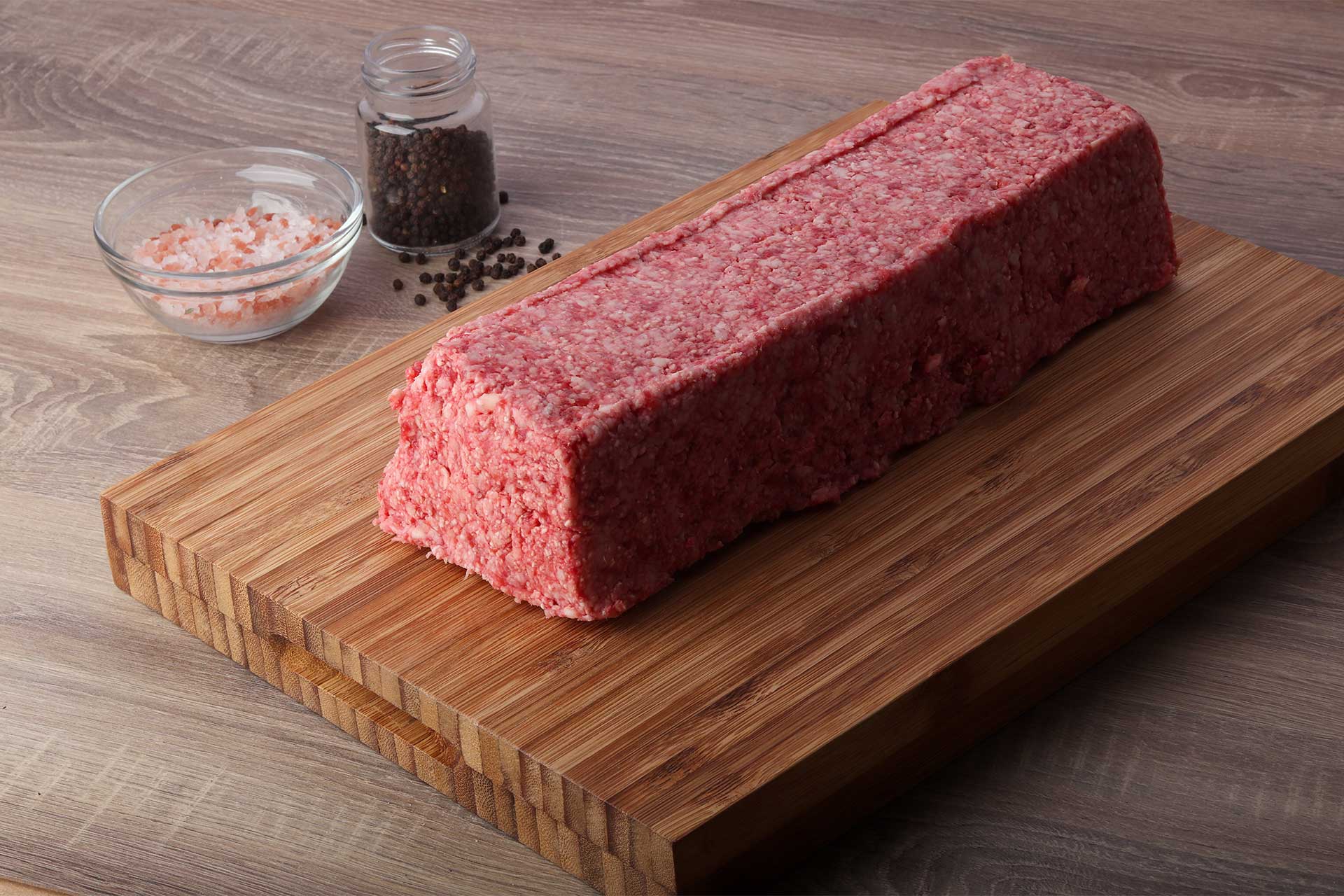
Lorne Sausage, also known as square sausage, is a unique Scottish breakfast staple. Unlike traditional sausage links, it’s a rectangular block of seasoned minced meat, typically pork and beef, mixed with breadcrumbs.
How to Prepare
- Prepare the Mixture: Combine ground pork, beef, breadcrumbs, and spices like nutmeg, coriander, and white pepper. Add a splash of water to bind.
- Shape the Sausage: Pack the mixture into a loaf tin, ensuring it’s well-pressed. Chill for several hours or overnight to firm up.
- Slice and Cook: Slice the chilled sausage into thick squares and fry in a pan until golden brown on both sides.
- Serve: Enjoy in a morning roll or as part of a full Scottish breakfast.
28. Rumbledethumps
Rumbledethumps is a traditional Scottish side dish from the Borders region, featuring mashed potatoes, cabbage, and onions baked with a layer of cheese on top. It’s similar to colcannon in Ireland or bubble and squeak in England.
How to Prepare
- Cook the Vegetables: Boil peeled potatoes until soft, then mash them. Sauté shredded cabbage and onions in butter until tender.
- Mix the Ingredients: Combine the mashed potatoes with the cabbage and onions. Season with salt and pepper.
- Bake: Transfer the mixture to a baking dish, top with grated cheddar cheese, and bake at 180°C (350°F) until golden and bubbly.
- Serve: Enjoy as a hearty side dish with roasted meats or sausages.
29. Petticoat Tails
Petticoat Tails are a type of Scottish shortbread baked in a large round and cut into triangle shapes. The name comes from the shape, which looks like the bottom of a petticoat (a skirt).
Shortbread has long been linked to Scottish celebrations, especially Christmas and Hogmanay (New Year). Petticoat tails are often associated with traditional baking in the Lowlands, including Edinburgh. They were once served at special occasions and festive gatherings.
How to Prepare
- Cream butter and sugar:Beat softened butter with sugar until smooth.
- Add flour:Mix in plain flour (and a little rice flour for extra crispness).
- Form the dough:Bring the mixture together into a soft dough.
- Shape:Press into a round baking tin and prick with a fork.
- Bake:Bake at 160°C (320°F) for 35-45 minutes until pale golden.
- Cut while warm:Cut into triangular wedges before fully cooled.
30. Venison Stew (Highland Game Dish)
Venison Stew is a rich stew made from deer meat, slow-cooked with root vegetables, onions, and herbs. Venison is strongly connected to the Scottish Highlands, where deer roam freely across the hills. Hunting and game cooking have been part of Highland life for centuries. Venison stew is especially popular in rural areas during autumn and winter when deer stalking season takes place.
How to Prepare
- Prepare the meat:Cut venison into chunks and season with salt and pepper.
- Brown the meat:Fry in a heavy pot with oil or butter until browned. Remove and set aside.
- Cook vegetables:Sauté chopped onions, carrots, and parsnips in the same pot.
- Add liquid:Return the venison to the pot. Add beef stock and a splash of red wine if desired.
- Simmer slowly:Cover and cook on low heat for 1½-2 hours until the meat is tender.
- Serve hotwith mashed potatoes or crusty bread.
31. Drop Scones
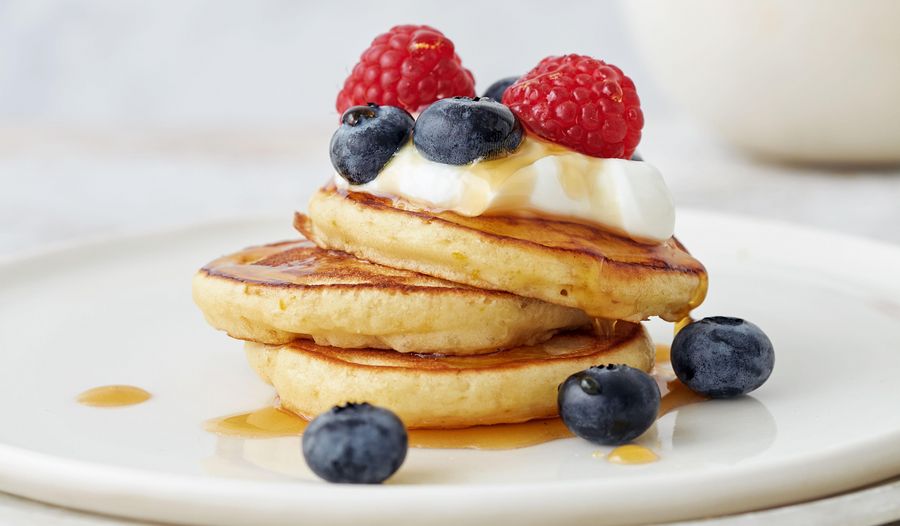
Drop scones are small, thick pancakes cooked on a griddle. They are also called Scotch pancakes. Drop scones are popular across Scotland and are often served at afternoon tea. They are easy to make at home and are commonly enjoyed in cafés, especially in cities like Edinburgh.
How to Prepare
- Make the batter:Mix self-raising flour, sugar, eggs, and milk until smooth.
- Heat pan:Lightly grease a griddle or frying pan.
- Drop batter:Spoon small amounts of batter onto the hot pan.
- Cook:When bubbles appear on top, flip and cook the other side.
- Serve warmwith butter, jam, or honey.
32. Haggis, Neeps, And Tatties
Haggis, Neeps, and Tatties is the quintessential Scottish dish, often served during Burns Night celebrations. Haggis is a savory pudding made from sheep’s offal, oats, and spices, while neeps (mashed turnips) and tatties (mashed potatoes) complete the dish.
How to Prepare
- Cook the Haggis: Boil or bake the haggis according to the package instructions. Alternatively, make it from scratch by stuffing a cleaned sheep’s stomach with the prepared mixture and boiling it.
- Prepare the Neeps and Tatties: Peel and boil turnips and potatoes separately. Mash them with butter, cream, salt, and pepper.
- Assemble the Plate: Slice the haggis and serve it alongside the mashed neeps and tatties.
33. Scottish Oatcakes
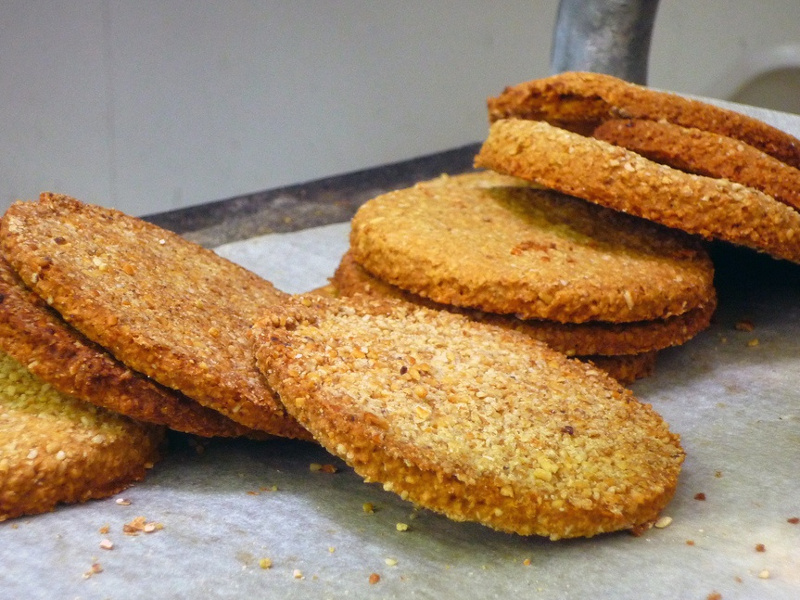
Scottish oatcakes are thin, crisp flatbreads made mainly from oats, water, and salt. They are often served with cheese, smoked salmon, or soup.
Oatcakes have been eaten in Scotland for centuries, especially in the Highlands and rural areas, where oats grow well in cool climates. Before modern bread became common, oatcakes were a daily staple food.
How to Prepare
- Mix ingredients:Combine fine oatmeal, a pinch of salt, and a little baking soda.
- Add fat:Stir in melted butter or oil.
- Add water:Mix in enough hot water to form a firm dough.
- Roll out:Roll thinly on a floured surface.
- Cut shapes:Cut into rounds or triangles.
- Bake:Bake at 180°C (350°F) for 15-20 minutes until crisp.
- Cool completely before serving.
34. Partan Bree
Partan Bree is a rich and creamy Scottish crab soup made with crab meat, rice, stock, and cream. The word “partan”means crab in Scots. Partan Bree is strongly linked to northeast Scotland, especially coastal towns in Aberdeenshire.
Crab fishing has long been important in this region. The soup became popular because it uses fresh local seafood and simple ingredients. It is often served as a starter in traditional Scottish restaurants.
How to Prepare
- Make the stock:Boil crab shells with onion, carrot, and celery in water for 30–40 minutes. Strain.
- Cook rice:Add a small handful of rice to the strained stock and simmer until soft.
- Add crab meat:Stir in fresh crab meat.
- Add cream:Pour in double cream and heat gently (do not boil).
- Season:Add salt, pepper, and chopped parsley.
- Serve hotwith crusty bread.
35. Scottish Tablet
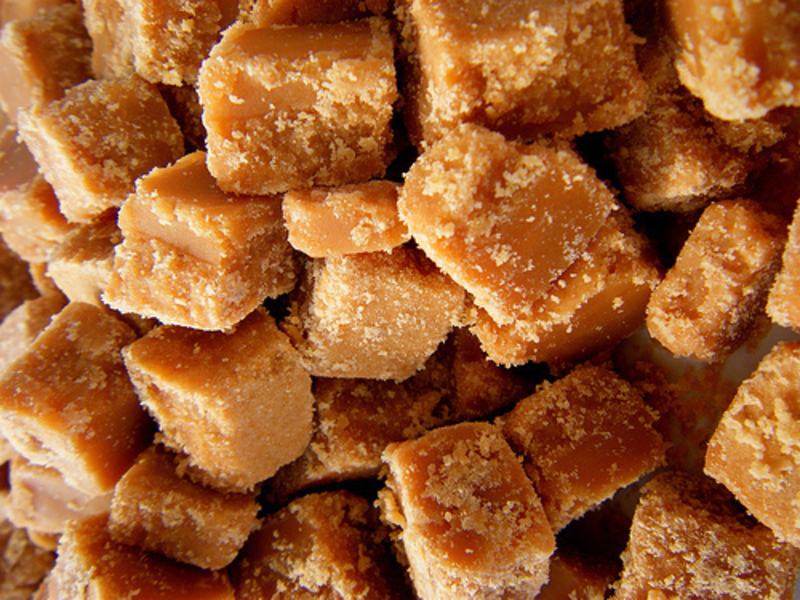
Scottish Tablet is a traditional sweet made from sugar, butter, and condensed milk. It looks similar to fudge but has a firmer, slightly grainy texture.
Tablets have been made in Scottish homes for generations and is especially popular at weddings, birthdays, and holidays. It is common at bake sales and family gatherings across Scotland.
How to Prepare
- Combine ingredients:Place sugar, butter, and condensed milk in a saucepan.
- Heat gently:Stir over low heat until the sugar dissolves.
- Boil:Bring to a boil and simmer for about 15-20 minutes, stirring constantly.
- Test consistency:The mixture should thicken and turn golden.
- Pour:Pour into a lined tray.
- Cool and cut:Let it set slightly, then cut into squares before it fully hardens.
36. Tipsy Laird
Tipsy Lairdis a Scottish version of trifle made with sponge cake, custard, raspberries, whipped cream, and whisky. The name means “drunken lord,” because of the alcohol in the dessert.
Tipsy Laird is often served at Burns Night suppers, Christmas dinners, and Hogmanay (New Year) celebrations. It is popular across Scotland, but especially at formal dinners in cities like Edinburgh and Glasgow, where traditional celebrations are common.
Unlike English trifle, Tipsy Laird usually uses whisky instead of sherry and avoids jelly (gelatin), making it more distinctly Scottish.
How to Prepare
- Prepare the base:Cut the sponge cake into slices and place them in a large glass bowl.
- Add whisky:Sprinkle Scotch whisky over the sponge so it soaks in.
- Add fruit:Spread fresh raspberries over the cake.
- Pour custard:Cover with thick custard and let it settle.
- Top with cream:Add a layer of whipped cream.
- Chill:Refrigerate for at least 1-2 hours before serving.
37. Scottish Shortbread
Scottish Shortbread is one of Scotland’s most famous baked goods. It is made from just butter, sugar, and flour. The simple ingredients give it a rich, buttery taste.
Regional context: Shortbread has been made in Scotland since at least the 16th century. It was once a luxury treat because butter and sugar were expensive. Today, it is strongly linked to Christmas and Hogmanay, and it is sold in tartan tins across Scotland, especially in tourist areas like Edinburgh.
How to Prepare
- Cream butter and sugar:Beat softened butter with sugar until smooth.
- Add flour:Mix in plain flour (some recipes add a little rice flour for extra crispness).
- Form dough:Bring together into a soft dough.
- Shape:Press into a baking tin or roll out and cut into shapes.
- Prick the surface:Use a fork to make small holes on top.
- Bake:Bake at 160°C (320°F) for 30-40 minutes until pale golden.
- Cool before serving.
38. Tattie Scones
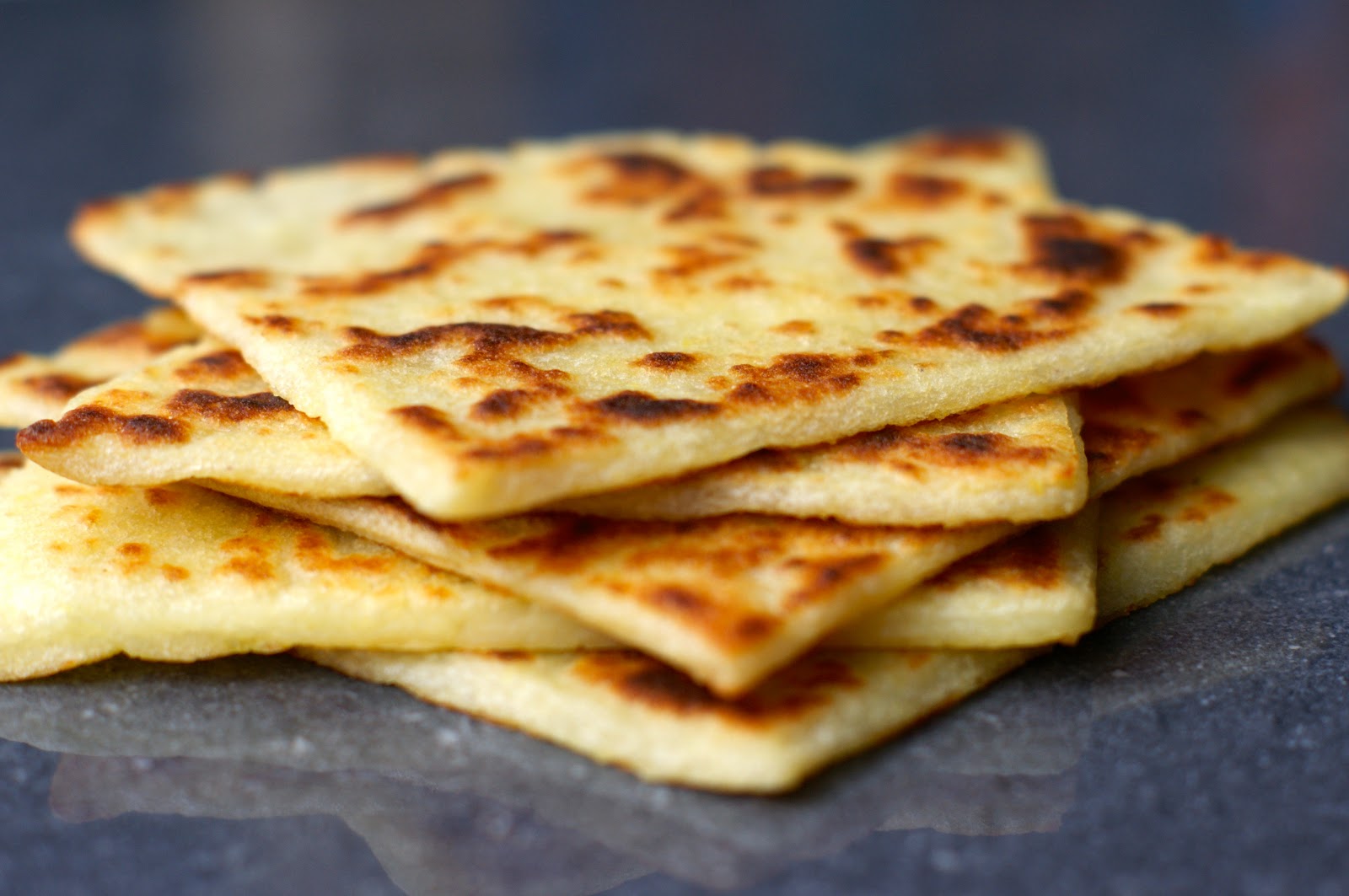
Tattie scones, also called potato scones, are soft, flat breads made from mashed potatoes, flour, and butter. They are a key part of a full Scottish breakfast.
Tattie scones are especially common in central Scotland, including Glasgow and Edinburgh. They became popular because potatoes were cheap and widely grown. Families used leftover mashed potatoes to make these quick griddle breads. Today, almost every supermarket and bakery in Scotland sells them.
How to Prepare
- Mash potatoes:Use plain mashed potatoes without too much milk.
- Make the dough:Mix mashed potatoes with flour, melted butter, and a pinch of salt until a soft dough forms.
- Roll out:On a floured surface, roll into a circle about ½ inch thick.
- Cut:Cut into quarters (triangle shapes).
- Cook:Fry on a dry griddle or pan for 3-4 minutes on each side until golden.
- Serve warm, often with bacon, eggs, and sausage.
39. Herring In Oatmeal
Herring in Oatmeal is a simple dish where fresh herring fillets are coated in coarse oatmeal and fried.
closely associated witstrongly connected to, Scotland’s east coast fishing towns, such as those in Aberdeenshire and Fife. Herring fishing was once a major industry in Scotland, and oatmeal was widely available. Combining the two created a cheap, filling meal for fishing communities.
How to Prepare
- Prepare fish:Clean and fillet fresh herring. Remove bones.
- Season:Sprinkle with salt and pepper.
- Coat:Dredge the fillets in coarse oatmeal.
- Fry:Cook in butter or oil over medium heat for 3–4 minutes on each side.
- Serve hotwith lemon and boiled potatoes.
40. Selkirk Bannock
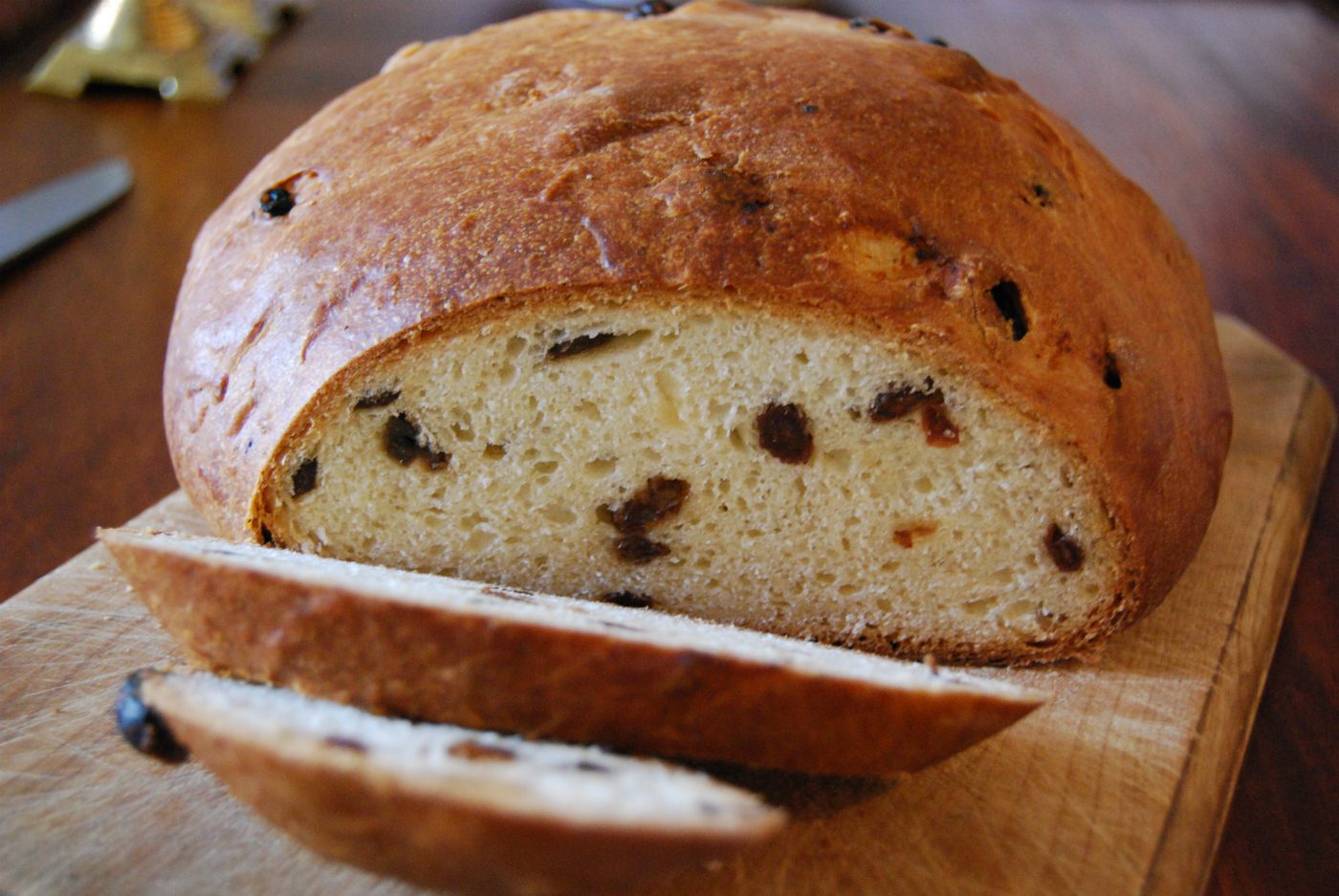
Selkirk Bannock is a rich, buttery fruit breadoriginating from the Scottish Borders town of Selkirk. It is packed with juicy raisins and has a soft, slightly dense texture. Traditionally served during celebrations, Selkirk Bannock pairs perfectly with a cup of tea or butter.
How to Prepare
- Prepare the Dough: Mix strong bread flour with yeast, sugar, and salt. Gradually add warm milk and butter to form a soft dough. Knead well until smooth.
- Add the Fruit: Knead in a generous amount of raisins or sultanas. Let the dough rise until doubled in size.
- Shape and Bake: Shape the dough into a round loaf and place it on a baking tray. Bake at 180°C (350°F) for 40-50 minutes until golden brown.
- Cool and Serve: Allow to cool before slicing. Serve plain or spread with butter.
41. Scottish Cheesecake
Cheesecake is popular across the UK, but in Scotland it is often made as a no-bake dessert, especially in home kitchens and cafés.
Scottish cheesecakes often use digestive biscuits for the base and sometimes include Scottish ingredients such as raspberries, cranberries, or whisky. You’ll find them in cafés across the country, from city bakeries in Glasgow to small tearooms in the Highlands.
While not originally Scottish, local versions often highlight Scotland’s soft fruits, especially berries grown in regions like Perthshire.
How to Prepare
- Make the base:Crush digestive biscuits and mix with melted butter. Press into a tin and chill.
- Prepare filling:Beat cream cheese with sugar and vanilla until smooth.
- Add cream:Fold in whipped cream or double cream.
- Add flavor:Stir in berries or a splash of whisky if desired.
- Chill:Spread over the biscuit base and refrigerate for at least 4 hours.
- Serve chilled.
42. Crowdie
Crowdie is a soft, fresh Scottish cheese made from cow’s milk. It has been eaten in Scotland for centuries. Crowdie was traditionally made in rural homes across the Highlands and northeast Scotland. It was a simple farmhouse cheese that did not require aging. Today, it is still produced by small dairies and is often sold in farmers’ markets and specialty food shops.
There are different types:
- Plain crowdie
- Garlic and herb crowdie
- Sweet crowdie (mixed with cream, honey, or whisky for dessert)
How to Prepare
- Heat milk:Gently warm full-fat milk until just below boiling.
- Add acid:Stir in lemon juice or vinegar to curdle the milk.
- Strain:Pour the mixture into a cheesecloth-lined sieve and let the whey drain.
- Season:Add a pinch of salt or mix with herbs.
- Chill:Refrigerate for a few hours before serving.
43. Black Bun
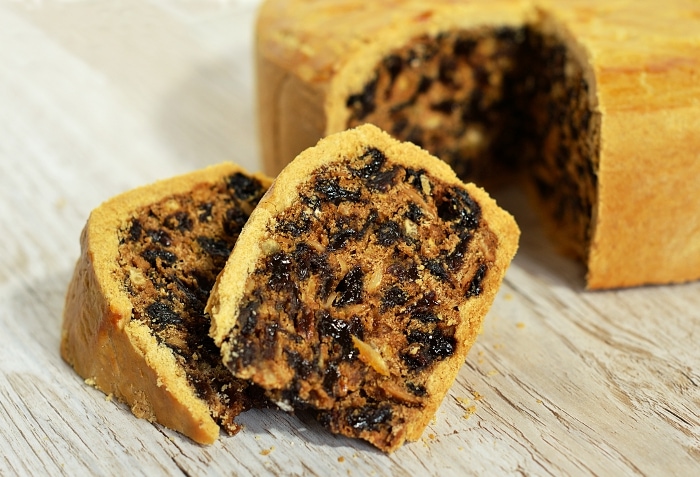
Black Bunis a dense fruit cake wrapped in a thin layer of pastry. It is traditionally eaten during Hogmanay (Scottish New Year).
Black Bun is popular across Scotland but especially linked to New Year celebrations. It was once given as part of “first-footing” tradition, where the first visitor to enter a home after midnight would bring gifts such as whisky, coal, or Black Bun for good luck.
How to Prepare
- Prepare the filling:Mix raisins, currants, chopped almonds, brown sugar, breadcrumbs, and spices like cinnamon and nutmeg. Add a splash of whisky.
- Make pastry:Roll out shortcrust pastry to line a loaf tin.
- Fill:Pack the fruit mixture firmly inside.
- Cover:Place a pastry lid on top and seal the edges.
- Bake:Bake at 160°C (320°F) for 2–2½ hours.
- Cool completely before slicing.
44. Full Scottish Breakfast
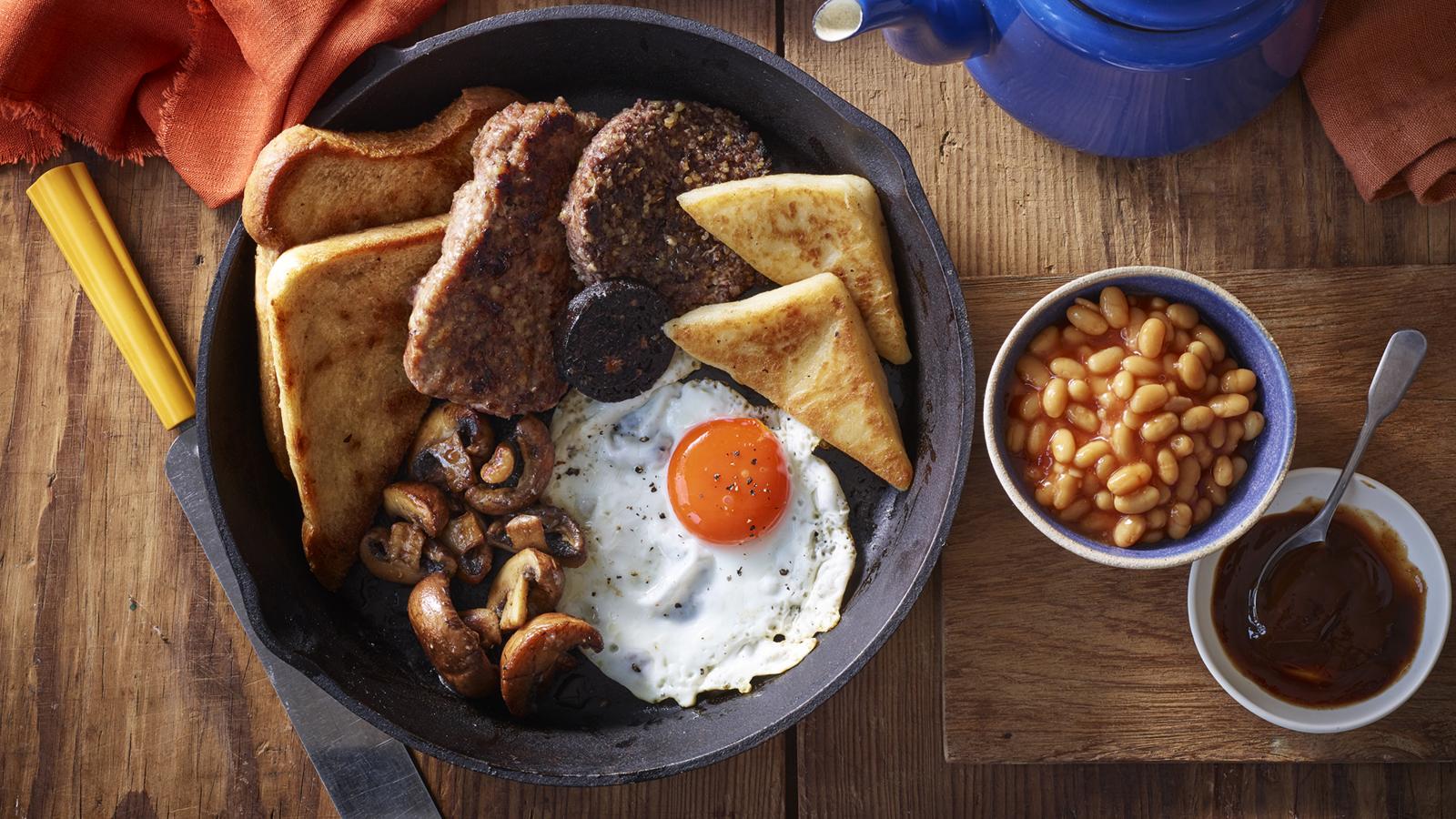
The Full Scottish Breakfast is a hearty meal that showcases some of Scotland’s finest breakfast staples. This feast typically includes eggs, bacon, black pudding, tattie scones, Lorne sausage (square sausage), grilled tomatoes, mushrooms, beans, and toast. It’s a filling dish that reflects Scotland’s rich culinary traditions.
How to Prepare
- Cook the Sausage and Black Pudding: Heat a skillet over medium heat with a small amount of oil. Cook the Lorne sausage and black pudding until browned on both sides.
- Prepare the Eggs: Fry, scramble, or poach eggs as desired.
- Make the Tattie Scones: If store-bought, fry them in the skillet until golden and crispy.
- Grill the Vegetables: Lightly season the tomatoes and mushrooms with salt and pepper, then grill until tender.
- Warm the Beans: Heat baked beans in a saucepan until warmed through.
- Assemble and Serve: Plate all the components together with toast or buttered bread.
45. Deep-Fried Mars Bar
The Deep-Fried Mars Bar is a famous Scottish snack made by coating a Mars chocolate bar in batter and frying it. It began as a novelty item in fish and chip shops.
The treat is often linked to Stonehaven, a town near Aberdeen, where it was first reported in the 1990s. While not eaten daily, it became well known as a fun and unusual Scottish food. You’ll mostly find it in chip shops rather than traditional restaurants.
How to Prepare
- Chill the chocolate bar:Freeze the Mars bar for about 30 minutes.
- Make batter:Mix flour, baking powder, and a pinch of salt. Add sparkling water to create a thick batter.
- Heat oil:Heat oil to 170-180°C (340-355°F).
- Coat:Dip the chilled Mars bar into the batter.
- Fry:Fry for 1-2 minutes until golden brown.
- Drain and serve warm.
46. Smoked Salmon
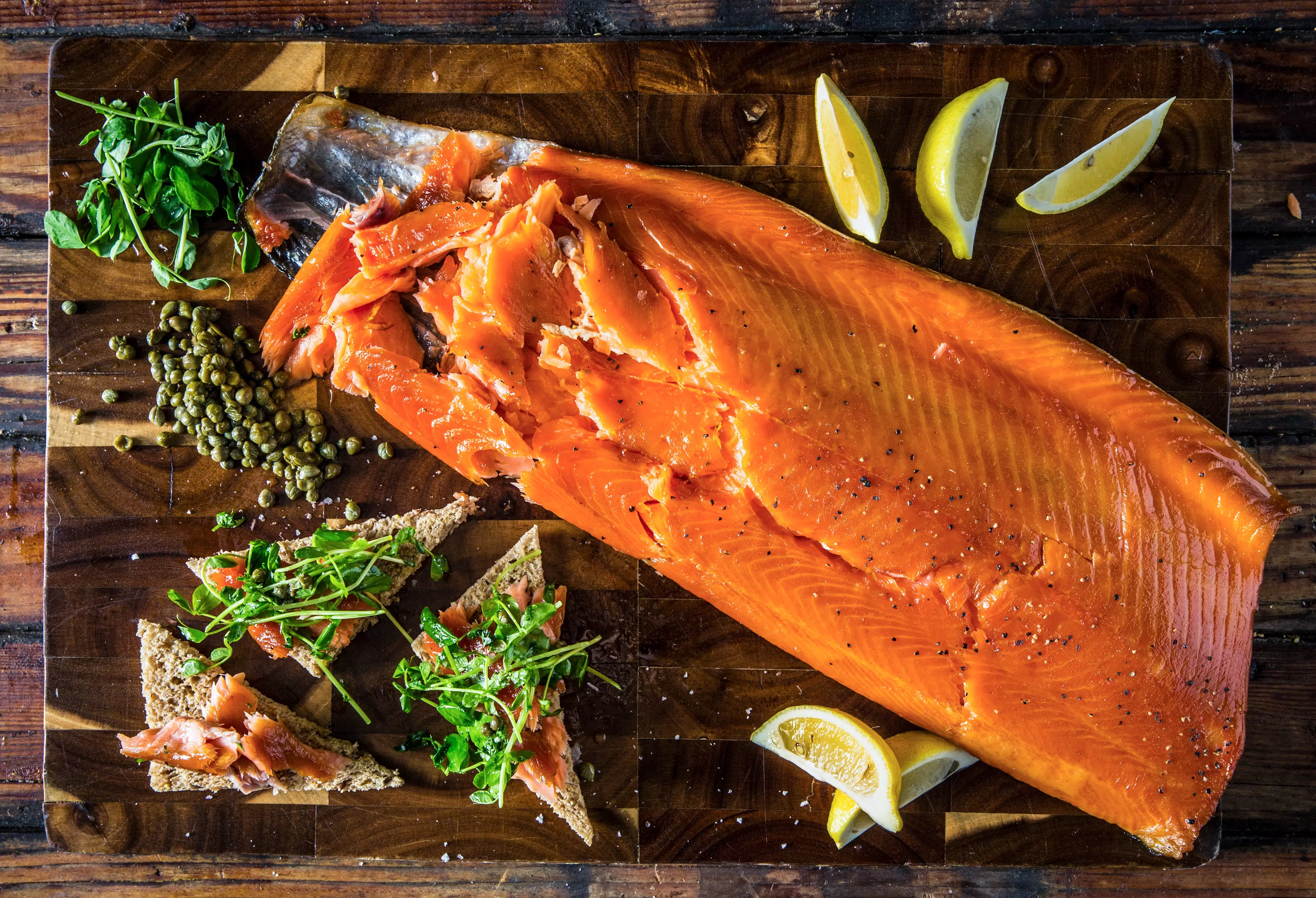
Scottish smoked salmon is a delicacy known for its rich flavor and silky texture. Made using fresh Atlantic salmon, it is cured with salt and smoked over wood chips, giving it a distinct taste. It is often enjoyed as a starter or paired with bagels, cream cheese, or scrambled eggs.
How to Prepare
- Cure the Salmon: Rub fresh salmon fillets with a mixture of sea salt and sugar. Add optional ingredients like dill or lemon zest for extra flavor. Leave it to cure in the fridge for 24-48 hours.
- Rinse and Dry: Rinse the fillets to remove the salt and sugar, then pat them dry with paper towels. Leave them uncovered in the fridge to form a pellicle (a tacky surface).
- Smoke the Salmon: Use a smoker with wood chips (traditionally oak) and cold-smoke the salmon for 12-24 hours. Ensure the temperature stays below 30°C (86°F) to preserve the salmon's texture.
- Serve: Thinly slice the smoked salmon and serve on bread, with cream cheese, or in salads.
47. Roastit Bubbly Jock (Roast Turkey)
“Roastit Bubbly Jock” is the traditional Scots term for roast turkey. While turkey is widely associated with festive celebrations, the Scottish version often incorporates unique seasonings or side dishes like clapshot (a mix of potatoes and turnips) to give it a local touch.
How to Prepare
- Season the Turkey: Rub the turkey with a mixture of butter, thyme, rosemary, garlic, salt, and pepper. Stuff it with traditional Scottish stuffing made of oats, onions, and herbs.
- Prepare the Oven: Preheat the oven to 180°C (350°F).
- Roast: Place the turkey in a roasting tray, cover it with foil, and roast for 2.5-4 hours (depending on the turkey's size), basting every 30 minutes. Remove the foil in the final 30 minutes for crispy skin.
- Rest and Serve: Let the turkey rest for 20 minutes before carving. Serve with clapshot, gravy, and cranberry sauce.
48. Scottish Lobster
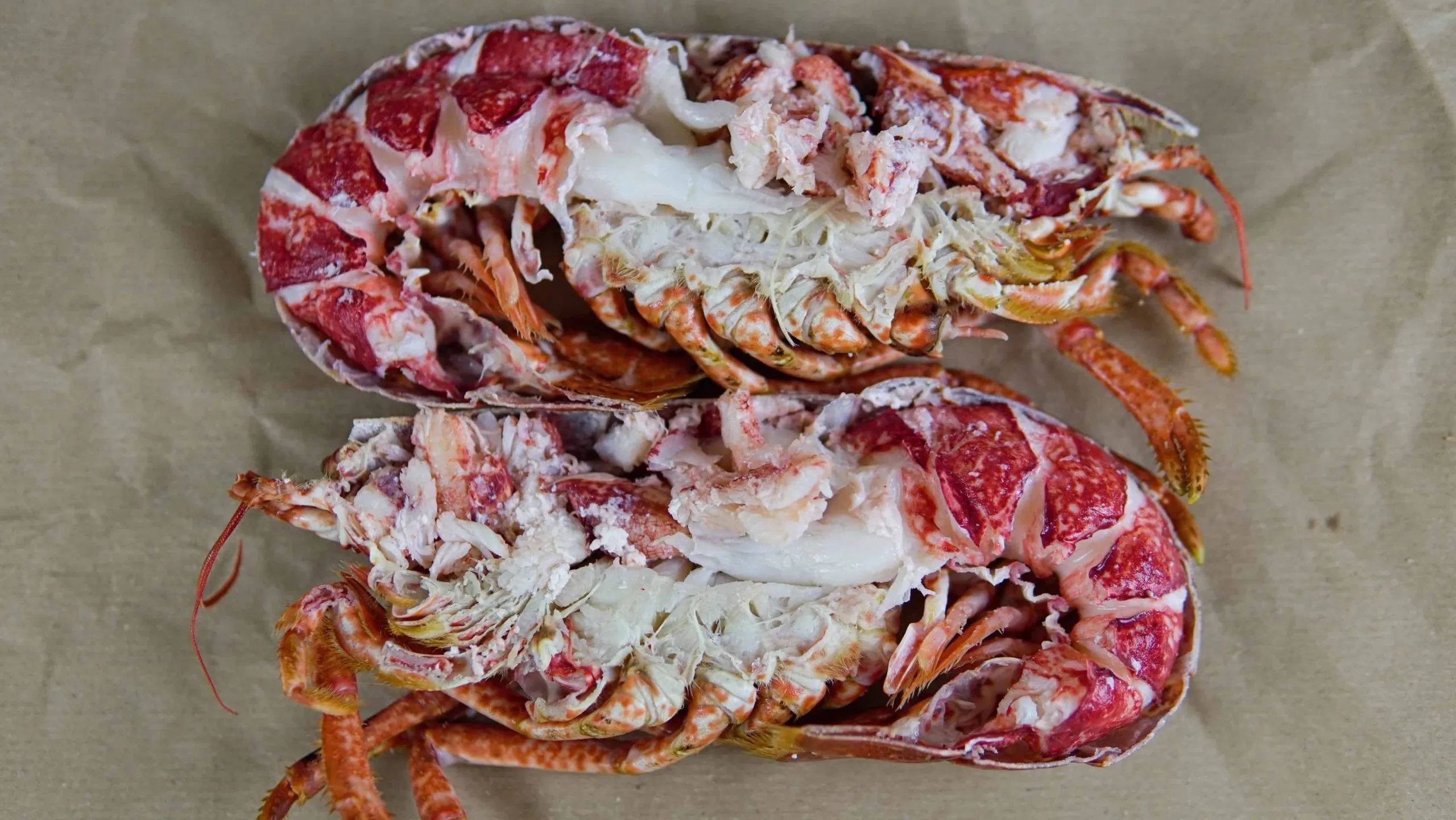
Scottish lobster is known for its sweet, tender meat and high quality. It is caught in the cold, clean waters around Scotland, especially along the west coast and the Hebrides.
Regional context: Lobster fishing is important in coastal areas such as Oban, the Isle of Skye, and the Outer Hebrides. Many small fishing communities rely on shellfish for income. In these regions, lobster is often served very simply to highlight its fresh flavor.
How to Prepare
- Boil water:Fill a large pot with salted water and bring to a boil.
- Cook lobster:Place the live lobster into the boiling water. Cook for 8-12 minutes, depending on size.
- Cool:Remove and let it cool slightly.
- Split:Cut the lobster lengthwise and remove the meat.
- Serve:Serve warm with melted butter and lemon, or grill briefly with butter and herbs.
49. Bangers And Mash
Bangers and Mash is a comforting dish made from sausages served with mashed potatoes and onion gravy. While eaten across the UK, it is also common in Scottish homes and pubs.
In Scotland, this dish often uses Scottish sausages, such as Lorne sausage (square sausage) or traditional pork links. It is popular in pubs throughout cities like Edinburgh and Glasgow, where hearty, simple meals are common.
The name “bangers” comes from World War I, when sausages sometimes burst while cooking because they contained extra water.
How to Prepare
- Cook sausages:Fry or grill sausages until browned and cooked through.
- Make mash:Boil peeled potatoes until soft, drain, and mash with butter and milk.
- Prepare gravy:Fry sliced onions until soft. Stir in a spoonful of flour, then slowly add beef stock to make thick gravy.
- Assemble:Place sausages on top of mashed potatoes and pour onion gravy over.
- Serve hot.
50. Fish And Chips
Fish and Chips is one of the most popular takeaway meals in Scotland. It usually consists of battered white fish (often haddock in Scotland) served with thick-cut chips (fries), salt, and vinegar.
While fish and chips are eaten across the UK, Scotland has its own strong version of the dish. In most Scottish chip shops, the fish of choice is fresh haddock, especially along the east coast in places like Anstruther (Fife) and Aberdeenshire, where fishing has long been an important industry. Scottish coastal towns are famous for high-quality fish suppers, and many locals call the meal simply “a fish supper.”
You’ll find fish and chips:
- In seaside towns
- In city takeaways
- At football matches
- Wrapped in paper from traditional “chippies”
In Edinburgh and Glasgow, it is also common to see creative extras like curry sauce or even a deep-fried pizza alongside it.
How to Prepare
- Prepare the fish:Pat haddock fillets dry and season lightly with salt.
- Make the batter:Mix plain flour, a pinch of salt, and baking powder. Whisk in cold sparkling water or beer until smooth.
- Heat oil:Heat vegetable oil to about 180°C (350°F).
- Coat and fry:Dip the fish into the batter, then carefully lower into the hot oil. Fry for 5-7 minutes until golden and crisp.
- Cook chips:Cut potatoes into thick strips and fry until golden and cooked through.
- Drain:Place fish and chips on paper towels to remove excess oil.
- Serve hotwith salt, vinegar, lemon, or tartar sauce.
Best Traditional Drink Pairings
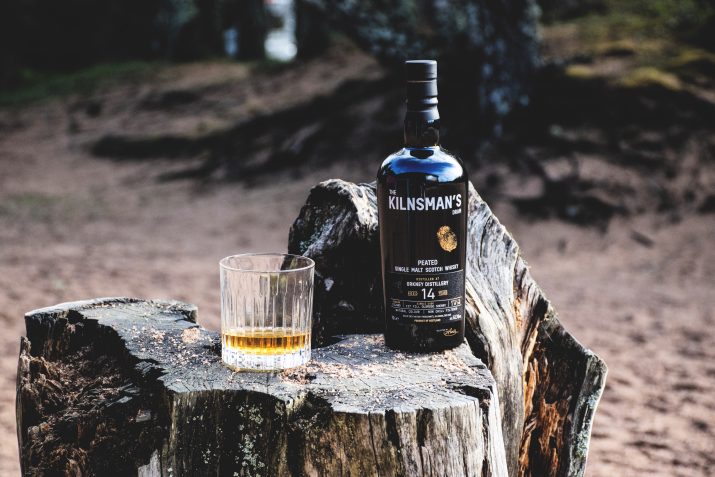
1. Scotch Whisky (The Peaty Malts)
Best for: Haggis, Smoked Salmon, and Arbroath Smokies
Whisky from islands like Islay often tastes smoky, almost like a campfire. This "smokiness" is a great match for foods that are also smoked or have very strong, peppery flavors. The alcohol helps cut through the fat in the meat, cleaning your palate for the next bite.
2. Scotch Whisky (The Sherry Cask Malts)
Best for: Christmas Pudding, Sticky Toffee Pudding, and Fruit Cakes
Some whiskies are aged in old wine barrels (Sherry casks), which makes them taste like raisins, cinnamon, and brown sugar. Because these whiskies are naturally sweet and spicy, they taste amazing alongside desserts that use dates, honey, or dried fruits.
3. Irn-Bru (The Orange Soda)
Best for: Fish and Chips, Scotch Pies, and Deep-Fried Mars Bars
Often called Scotland’s "other national drink," Irn-Bru has a unique, fizzy, citrus-ginger flavor. Because it is very bubbly and sharp, it is the perfect drink to "wash down" fried or greasy foods. It refreshes your mouth so the heavy oil doesn't feel overwhelming.
4. Scottish Stout Or Dark Ale
Best for: Steak Pie, Stovies, and Black Pudding
Dark beers like stout often have flavors of roasted coffee or dark chocolate. These deep, "toasty" flavors match perfectly with rich gravy, roasted beef, or the savory spices found in black pudding. It’s a very "filling" pairing for a cold winter day.
5. Scottish Breakfast Tea
Best for: Shortbread, Selkirk Bannock, and Scones
A hot cup of strong black tea is the traditional partner for Scottish baking. The slight bitterness of the tea balances out the high amount of butter and sugar in treats like shortbread. It’s the ultimate "comfort" pairing for a mid-afternoon break.
6. Drambuie (Honey-Whisky Liqueur)
Best for: Cranachan, Tipsy Laird, and Scottish Tablet
Drambuie is a sweet liqueur made from whisky, heather honey, and herbs. Since many Scottish desserts already use honey and oats, sipping a small glass of this alongside your pudding makes the floral, sweet flavors stand out even more.
7. Crisp Lager Or IPA
Best for: Lobster, Crab (Partan Bree), and Fried Herring
When you are eating delicate seafood, you don’t want a drink that is too heavy. A cold, bubbly lager or a fruity IPA (beer) is light enough that it won't hide the sweet taste of the fish or lobster. It’s like a squeeze of lemon in liquid form.
Tip:Did you know? In Scotland, if you are adding whisky to your food (like pouring it over Haggis), it is called a "dram." Most locals recommend adding just a tiny splash of water to your glass to "open up" the flavors of the whisky!
People Also Ask
What Is The Most Famous Scottish Dish?
The most famous Scottish dish is haggis, a savory pudding made with sheep’s offal, oats, onions, and spices. It is often served with mashed turnips (neeps) and potatoes (tatties), especially during Burns Night celebrations.
What Is Traditional Scottish Food?
Traditional Scottish food includes hearty dishes made from local ingredients such as oats, beef, lamb, seafood, and root vegetables. Popular examples include Cullen skink, Scotch pie, stovies, cranachan, shortbread, and black pudding.
What Do People Eat For Breakfast In Scotland?
A traditional Scottish breakfast often includes eggs, bacon, Lorne sausage (square sausage), black pudding, tattie scones, baked beans, grilled tomatoes, and toast. Some versions also include haggis.
What Seafood Is Scotland Known For?
Scotland is known for high-quality salmon, haddock, lobster, crab, mussels, and scallops. Dishes like Cullen skink, Arbroath smokies, and partan bree highlight the country’s strong coastal food culture.
What Desserts Are Popular In Scotland?
Popular Scottish desserts include cranachan, Scottish tablet, shortbread, Dundee cake, clootie dumpling, and sticky toffee pudding. Many traditional desserts use oats, berries, honey, and cream.
Final Thoughts
Scottish cuisine is shaped by the country’s wild landscapes, cold seas, and long food traditions. From filling stews and oat-based meals to fresh seafood and sweet treats, the popular dishes in Scottish cuisine show the history and pride of the people who make them.
If you are planning a trip or simply learning about traditional Scottish food, these 50 dishes give you a clear idea of what people eat in Scotland. If something sounds tasty, try making it at home or add it to your food list for your next visit.
Scottish cuisine is shaped by the country’s rugged landscapes, cold seas, and long farming traditions. Oats, fresh seafood, root vegetables, game meats, and quality dairy have formed the foundation of everyday meals for centuries.
From Highland stews and east coast smoked fish to bakery classics in Glasgow and festive desserts served at Burns Night and Hogmanay, food in Scotland reflects a strong regional identity and seasonal ingredients.
This collection covers 50 popular dishes in Scottish cuisine, including traditional national specialties like haggis, Cullen skink, and Scotch pie, alongside beloved sweets, seafood dishes, and modern favorites.
1. Haggis
Haggis is Scotland’s most iconic dish, celebrated for its bold flavor and cultural significance. This savory pudding consists of minced sheep’s heart, liver, and lungs mixed with toasted oatmeal, suet (beef or lamb fat), onions, and a combination of spices like nutmeg, allspice, and black pepper. It’s traditionally cooked inside a sheep’s stomach, which acts as a natural casing, although modern versions often use artificial casings.
How to Prepare
- Prepare the Ingredients: Boil the sheep’s offal (heart, liver, and lungs) in salted water until tender. Let it cool, then mince finely.
- Toast the Oatmeal: In a dry pan, toast oatmeal until lightly golden and fragrant.
- Mix Everything: Combine the minced offal, toasted oatmeal, chopped onions, suet, and seasonings. Add some of the cooking broth to bind the mixture.
- Stuff and Cook: Stuff the mixture into a cleaned sheep’s stomach or synthetic casing, leaving room for expansion. Sew the opening shut securely.
- Simmer: Place the haggis in a large pot of boiling water and simmer gently for 2-3 hours, ensuring it doesn’t burst.
2. Bridies
A Forfar Bridie is a hand-held meat pastry filled with minced beef and onions. Bridies come from Forfar in Angus, in eastern Scotland. They became popular with farm workers because they were easy to carry and filled. Today, they are sold in bakeries across the region.
How to Prepare
- Make the filling:Mix minced beef with finely chopped onions, salt, and pepper.
- Prepare pastry:Roll out shortcrust pastry and cut into circles.
- Fill:Place a spoonful of meat mixture on one half of each circle.
- Seal:Fold over to form a half-moon shape and crimp the edges.
- Bake:Brush with beaten egg and bake at 180°C (350°F) for 30–35 minutes until golden.
- Cool slightly and serve.
3. Cranberry Oat Slice
Cranberry Oat Slice is a sweet baked tray made with oats, butter, and sugar, with dried cranberries added for a fruity twist.
Oats are a key part of Scottish cooking, especially in the Highlands and Islands, where they grow well. Oat traybakes are common in Scottish cafés and homes. The cranberry version is a modern variation on this traditional oat baking style.
How to Prepare
- Mix dry ingredients:Combine rolled oats, flour, and sugar in a bowl.
- Add butter:Melt butter and mix it into the dry ingredients.
- Add cranberries:Stir in dried cranberries evenly.
- Press into tin:Press the mixture firmly into a lined baking tray.
- Bake:Bake at 180°C (350°F) for 20-25 minutes until golden.
- Cool and slice:Let it cool before cutting into squares.
4. Cullen Skink
Cullen Skink is a hearty, creamy soup from the fishing village of Cullen in northeast Scotland. This dish combines smoked haddock, potatoes, and onions to create a comforting and flavorful meal. The smoked fish imparts a rich, smoky flavor to the soup, while the potatoes make it satisfyingly thick. Cullen Skink is often enjoyed as a starter or a warm lunch on a cold day.
How to Prepare
- Prepare the Haddock: Poach smoked haddock in milk with bay leaves and peppercorns until the fish is tender and flakes easily. Remove the fish and strain the milk, reserving it for later.
- Sauté Vegetables: In a pot, sauté finely chopped onions and leeks in butter until softened.
- Add Potatoes: Peel and dice potatoes, then add them to the pot along with the reserved milk and some water. Simmer until the potatoes are soft.
- Add the Haddock: Flake the poached haddock and add it to the soup. Mash some of the potatoes to thicken the broth slightly.
- Season and Finish: Season with salt, pepper, and fresh parsley. Serve hot with crusty bread.
5. Scotch Broth
Scotch Brothis a traditional Scottish soup known for its hearty and nutritious qualities. It features a base of lamb or beef, pearl barley, root vegetables (carrots, parsnips, and turnips), and sometimes cabbage or kale. Slow cooking allows the flavors to meld beautifully, making it a popular comfort food during the colder months.
How to Prepare
- Prepare the Broth Base: Place a lamb shank or beef bones in a large pot with water. Add bay leaves and peppercorns, then simmer for 2-3 hours, skimming any impurities.
- Add Vegetables: Chop carrots, leeks, turnips, and parsnips into small cubes. Add them to the broth along with rinsed pearl barley.
- Simmer Slowly: Let the soup simmer for another hour until the barley and vegetables are tender.
- Shred the Meat: Remove the lamb shank or beef, shred the meat, and return it to the pot.
- Season and Serve: Add salt, pepper, and fresh parsley to taste. Serve piping hot with oatcakes or fresh bread.
6. Scotch Egg
A Scotch Egg is a boiled egg wrapped in sausage meat, coated in breadcrumbs, and fried or baked. It is filling and easy to carry.
Scotch Eggs are sold in bakeries and supermarkets throughout Scotland, especially in cities like Glasgow and Edinburgh. They are popular as quick lunch food or picnic snacks.
How to Prepare
- Boil the eggs:Boil eggs for 6-8 minutes. Cool them in cold water and peel.
- Season the meat:Mix sausage meat with salt, pepper, and optional herbs.
- Wrap the eggs:Flatten the sausage meat in your hand and wrap it evenly around each egg.
- Coat:Roll each wrapped egg in flour, dip in beaten egg, then coat with breadcrumbs.
- Cook:Deep fry at 170°C (340°F) for 5-6 minutes until golden brown, or bake at 200°C (390°F) for 25-30 minutes.
- Serve:Eat warm or cold.
7. Clapshot
Clapshot is a simple mashed mix of potatoes and swede (called neeps in Scotland), blended with butter and seasoning.
Clapshot comes from Orkney, north of mainland Scotland. The cool climate there suits hardy vegetables like potatoes and swede. It is often served with fish or meat dishes.
How to Prepare
- Prepare vegetables:Peel and chop potatoes and swede into chunks.
- Boil:Cook both in salted water for 15-20 minutes until soft.
- Drain and mash:Drain well and mash together until smooth.
- Add flavor:Stir in butter, salt, pepper, and chopped chives if desired.
- Serve:Serve hot as a side dish with meat or fish.
8. Black Pudding
Black puddingis a blood sausage made from pork blood, oats, suet and spices. While its origins are ancient, it remains a staple of the traditional Scottish breakfast. The oats give it a firm texture, while the spices and suet provide rich, savory flavors. It’s often sliced and fried, served alongside eggs, bacon, and tattie scones.
How to Prepare
- Prepare the Mixture: Mix fresh pork blood with oatmeal, suet, finely chopped onions, and a blend of spices like nutmeg and pepper.
- Stuff the Sausage: Fill the mixture into sausage casings, tying them off securely.
- Cook Gently: Simmer the sausages in lightly salted water for about an hour. Avoid boiling to prevent the casing from bursting.
- Fry to Serve: Slice the black pudding into rounds and fry in a hot pan until crispy on the outside.
9. Dundee Cake
Dundee Cake is a traditional Scottish fruit cake that started in Dundee, a city on Scotland’s east coast. It is famous for the neat circles of whole almonds placed on top before baking. The cake is lightly spiced and filled with raisins or sultanas.
Dundee was once a busy trading port. Because ships brought dried fruits and sugar into the city, fruit cakes became popular there. The cake is still strongly linked to the Angus region and is often enjoyed with tea across eastern Scotland.
How to Prepare
- Prepare the fruit:Soak raisins or sultanas in a little warm water or orange juice for about 30 minutes, then drain.
- Make the batter:Cream butter and sugar together until light. Beat in eggs one at a time.
- Add dry ingredients:Fold in flour, baking powder, and a pinch of mixed spice.
- Mix in fruit:Stir the soaked dried fruit into the batter.
- Decorate:Pour the batter into a lined cake tin. Arrange whole almonds in circles on top.
- Bake:Bake at 160°C (320°F) for about 1½–2 hours, until firm and golden.
- Cool and serve:Let it cool completely before slicing.
10. Ecclefechan Tart
Ecclefechan Tart is a rich, sweet tart made with butter, sugar, eggs, dried fruit, and nuts inside a shortcrust pastry shell. It comes from the village of Ecclefechan in Dumfries and Galloway, in southwest Scotland.
This rural area is known for farming and traditional baking. The tart became popular in local homes and bakeries because it uses simple pantry ingredients. It is often compared to pecan pie, but it has a lighter texture and includes mixed dried fruit.
How to Prepare
- Prepare the pastry:Roll out shortcrust pastry and line a tart tin. Chill for 15 minutes.
- Make the filling:Cream butter and brown sugar together. Beat in eggs.
- Add fruit and nuts:Stir in chopped walnuts (or mixed nuts), raisins or currants, and a splash of vanilla.
- Fill the tart:Pour the mixture into the pastry shell.
- Bake:Bake at 180°C (350°F) for 30-40 minutes until set and golden.
- Cool and serve:Let it cool before slicing. Serve with cream or ice cream.
11. Cock-a-Leekie Soup
Cock-a-Leekie Soup is a traditional chicken and leek soup with a unique twist; it includes prunes for a subtle sweetness. This dish dates back to the 16th century and is known for its simple yet satisfying flavors. It’s a popular starter for family gatherings or festive occasions.
How to Prepare
- Cook the Chicken: Place a whole chicken in a pot with water. Add bay leaves, peppercorns, and a pinch of salt. Simmer for about an hour, skimming any foam.
- Prepare the Vegetables: Slice leeks and dice carrots. Add them to the pot along with rice or barley for texture.
- Add Prunes: Chop prunes into small pieces and add them to the soup, allowing their sweetness to infuse the broth.
- Shred the Chicken: Remove the chicken, shred the meat, and return it to the soup.
- Season and Serve: Add salt, pepper, and a sprinkle of parsley before serving hot.
12. Kedgeree (Smoked Fish And Rice Dish)
Kedgeree is a comforting dish made with smoked haddock, rice, boiled eggs, butter, and mild spices. It is often eaten for breakfast or brunch in Scotland.
Kedgeree became popular in Scotland during the 19th century, influenced by dishes brought back from India during the British Empire. In Scotland, it is strongly connected to coastal areas where smoked haddock (like Arbroath smokies) is common. You’ll find it in cafés and country house breakfasts, especially in the Highlands and northeast Scotland.
How to Prepare
- Cook the rice:Boil rice according to package instructions. Drain and set aside.
- Poach the fish:Gently cook smoked haddock in milk for 5–7 minutes. Remove and flake.
- Boil eggs:Hard-boil eggs for about 8 minutes, cool, peel, and chop.
- Combine:In a large pan, melt butter and add cooked rice, flaked fish, and chopped eggs.
- Season:Add salt, pepper, chopped parsley, and a small pinch of curry powder.
- Serve warm.
13. Cranachan
Cranachan is a beloved Scottish dessert, often referred to as "the king of Scottish desserts." Traditionally enjoyed during celebrations like Hogmanay, this dessert combines whipped cream, toasted oats, fresh raspberries, honey, and a touch of whisky for a boozy twist. It's a delightful blend of textures and flavors that showcase Scotland's rich produce.
How to Prepare
- Toast the Oats: Gently toast steel-cut oats in a dry pan over low heat until they are golden and aromatic. Let them cool.
- Whip the Cream: Whip heavy cream until it forms soft peaks. Add a drizzle of Scottish heather honey and a splash of whisky, folding gently to combine.
- Layer the Ingredients: In a glass, layer the whipped cream, fresh raspberries, and toasted oats. Repeat the layers for a parfait-style presentation.
- Garnish: Top with a final sprinkle of oats, a raspberry, and a drizzle of honey.
14. Scotch Collops
Scotch Collops is a traditional dish made from minced or thinly sliced beef, cooked with onions and gravy. It is usually served with mashed potatoes or rice.
Scotch Collops has been cooked in Scottish homes for centuries, especially in the Lowlands, where beef farming is common. It was a practical family meal because it used affordable cuts of meat and simple ingredients.
How to Prepare
- Prepare the beef:Use minced beef or thin slices of steak. Season lightly.
- Brown the meat:Cook in a pan with butter until lightly browned. Remove and set aside.
- Cook onions:In the same pan, sauté chopped onions until soft.
- Make gravy:Add a spoonful of flour, stir, then slowly add beef stock to form a thick sauce.
- Combine:Return the beef to the pan and simmer gently for 20-30 minutes.
- Serve hotwith mashed potatoes or rice.
15. Atholl Brose
Atholl Brose is a traditional Scottish drink made with whisky, honey, cream, and soaked oats. It is linked to the Atholl area in Perthshire, in central Scotland. According to legend, it was once used to calm enemies by sweetening whisky with oats and honey. Today, it is served at weddings, Hogmanay (New Year), and special occasions.
How to Prepare
- Soak oats:Soak oatmeal in water overnight.
- Strain:Strain the liquid through a fine cloth, keeping the oat-infused liquid.
- Mix ingredients:Add honey and whisky to the liquid. Stir well.
- Add cream:Stir in fresh cream until smooth.
- Chill:Refrigerate for several hours before serving.
- Serve coldin small glasses.
16. Arbroath Smokies
Arbroath Smokies are a Scottish delicacy originating from the fishing town of Arbroath. These are haddocks that are salted, dried, and smoked over hardwood fires, resulting in a distinctive flavor and flaky texture. Traditionally, they are eaten hot and freshly smoked, but can also be used in soups, salads, or pasta dishes.
How to Prepare
- Prepare the Haddock: If starting from scratch, clean and gut fresh haddock. Soak it in brine for several hours.
- Dry and Smoke: Dry the fish thoroughly before smoking it over a hardwood fire, such as oak or beech, for 30-60 minutes.
- Serve: Enjoy the smoked haddock hot or use it as a key ingredient in dishes like Cullen Skink or kedgeree.
17. Scotch Pie
Scotch Pie is a small, round meat pie filled with seasoned minced lamb or beef. It has a firm pastry shell and is usually eaten hot.
Scotch pies are very popular in central Scotland, especially at football matches. They are a classic bakery item in towns and cities like Glasgow. The strong pastry helps the pie keep its shape when held in your hand.
How to Prepare
- Make hot water crust pastry:Heat water and lard together, then mix with flour and salt.
- Shape cases:Press pastry into small pie tins.
- Prepare filling:Mix minced lamb or beef with salt, pepper, and a little stock.
- Fill pies:Spoon meat mixture into pastry shells.
- Add lids:Cover with pastry tops and seal.
- Bake:Bake at 180°C (350°F) for 25-30 minutes until golden.
- Serve hot.
18. Glasgow Macaroni Pie
Glasgow Macaroni Pie is a small pastry pie filled with macaroni pasta in a thick cheese sauce. It may sound unusual, but it is a very popular snack in the west of Scotland, especially in Glasgow.
Glasgow has a strong working-class bakery tradition. Many local bakeries sell savory pies that are filling and affordable. The macaroni pie became popular because it combines two comfort foods pasta and pastry, into one easy-to-carry meal. You’ll often see it in bakeries, football stadium kiosks, and school lunch shops across the West.
How to Prepare
- Cook the pasta:Boil macaroni until just soft. Drain well.
- Make cheese sauce:Melt butter in a pan, stir in flour, then slowly add milk while stirring to make a thick white sauce. Add grated cheddar and stir until melted.
- Combine:Mix the cooked macaroni with the cheese sauce. Season with salt and pepper.
- Prepare pastry cases:Line small pie tins with shortcrust pastry.
- Fill:Spoon the macaroni mixture into the pastry shells.
- Bake:Bake at 180°C (350°F) for 20-25 minutes until the pastry is golden.
- Cool slightly before serving.
19. Butteries (Aberdeen Rolls)
Butteries, also called Aberdeen rolls or rowies, are flaky, salty bread rolls made with flour, butter (or lard), and yeast. They are especially popular in Aberdeen and the northeast of Scotland.
Butteries were traditionally eaten by fishermen and farm workers in the northeast because they are high in fat and calories, providing energy for long working days. You’ll find them in almost every bakery in Aberdeenshire, where locals often eat them for breakfast.
How to Prepare
- Make the dough:Mix strong flour, yeast, salt, and water to form a dough. Knead until smooth.
- Rest the dough:Let it rise until doubled in size.
- Add fat layers:Roll out the dough and spread softened butter (or a mix of butter and lard) over it. Fold and roll several times to create layers.
- Shape:Cut into rectangles and roll tightly into flat rounds.
- Bake:Bake at 200°C (390°F) for 15-20 minutes until golden.
- Cool and serve:Best eaten fresh, sometimes split and buttered.
20. Sticky Toffee Pudding
Sticky Toffee Pudding is a soft sponge cake made with dates, covered in warm toffee sauce. While enjoyed throughout the UK, sticky toffee pudding is very popular in Scottish pubs and restaurants, especially in the Highlands, where hearty desserts are common after large meals. It often appears on traditional pub menus across Scotland.
How to Prepare
- Prepare dates:Soak chopped dates in hot water with baking soda.
- Make batter:Cream butter and sugar, add eggs, then mix in flour and the softened dates.
- Bake:Pour into a baking dish and bake at 180°C (350°F) for 30-35 minutes.
- Make sauce:Heat butter, brown sugar, and cream in a saucepan until thick.
- Serve warmwith sauce poured over and cream or ice cream on the side.
21. Bannocks
Bannocks are traditional Scottish flatbreads or oatcakes made from simple ingredients like oatmeal, flour, water, and fat. They are versatile and can be served as a savory side or a sweet treat with honey and jam.
How to Prepare
- Mix the Dough: Combine oatmeal, flour, a pinch of salt, and baking soda. Add melted butter or lard and enough water to form a stiff dough.
- Roll and Cut: Roll the dough into a flat circle about ½ inch thick. Cut into triangular quarters.
- Cook: Heat a griddle or frying pan over medium heat. Cook the bannocks for 3-4 minutes on each side until golden brown.
22. Stovies
Stovies are a hearty one-pot dish traditionally made from leftover roast meat, potatoes, onions, and drippings. This comforting meal reflects Scotland’s frugal culinary traditions, making use of available ingredients to create a filling dish.
How to Prepare
- Prepare the Base: Sauté sliced onions in beef dripping or butter until softened.
- Add Potatoes: Peel and chop potatoes into chunks. Add them to the pan with a splash of water or stock.
- Add Meat: Mix in leftover roast beef, lamb, or sausages. Season with salt, pepper, and parsley.
- Simmer: Cover and cook over low heat, stirring occasionally, until the potatoes break down and create a thick, stew-like consistency.
23. Clootie Dumpling
Clootie Dumpling is a traditional Scottish steamed pudding made with dried fruits, spices, and suet. The name comes from the cloth (“cloot”) used to wrap the dumpling during cooking. It’s often enjoyed during holidays and family gatherings.
How to Prepare
- Prepare the Mixture: Mix flour, breadcrumbs, suet, sugar, and a blend of spices like cinnamon and nutmeg. Stir in dried fruits such as raisins and currants. Add milk and golden syrup to form a dough.
- Wrap in a Cloth: Wet a clean kitchen cloth, dust it with flour, and place the dough in the center. Tie it securely with a string, leaving some room for expansion.
- Boil: Submerge the dumpling in a large pot of boiling water and simmer for 3-4 hours.
- Cool and Serve: Unwrap the dumpling and let it cool slightly. Slice and serve with custard or cream.
24. Porridge
Porridge is a staple of Scottish cuisine, cherished for its simplicity, nutrition, and warming qualities. Traditionally made with oats, water, or milk, and a pinch of salt, it has been a breakfast favorite for centuries.
In Scotland, porridge is often served plain or with a drizzle of honey, a sprinkle of brown sugar, or a handful of fresh berries for added flavor. It’s also considered a comfort food, providing nourishment and energy to start the day.
How to Prepare
- Combine Ingredients: In a saucepan, mix 1 cup of rolled oats with 2 cups of water or milk (or a combination of both). Add a pinch of salt.
- Cook: Heat the mixture over medium heat, stirring continuously with a wooden spoon or a traditional spurtle to prevent lumps.
- Simmer: Allow the porridge to simmer for 5-10 minutes, stirring until it thickens to your preferred consistency.
- Serve: Ladle the porridge into bowls and top with your choice of honey, cream, nuts, or fruit.
Tip: If you are cooking for a large family gathering or a festive brunch, you will need to adjust your ratios. To ensure your measurements are precise when doubling or tripling the recipe, you can use multiplication tablesto scale up your ingredients effortlessly.
25. Finnan Haddie
Finnan Haddie refers to cold-smoked haddock traditionally prepared in northeast Scotland. This dish is often poached in milk and served with potatoes or incorporated into soups like Cullen Skink.
How to Prepare
- Soak the Haddock: Rinse the smoked haddock fillets and soak them in milk for about 15-20 minutes to soften and mellow the flavor.
- Poach: Heat the milk gently with a knob of butter and add the haddock. Simmer on low heat for 5-7 minutes until cooked through.
- Serve: Serve the poached fish with mashed potatoes or use it as a base for creamy soups or stews.
26. Cranberry Cranachan
Traditional cranachan is made with whipped cream, toasted oats, raspberries, honey, and whisky. A cranberry version replaces or mixes raspberries with cranberries for a sharper flavor.
Cranachan is one of Scotland’s most famous desserts, often served during Burns Night and festive celebrations. The cranberry variation is more modern but still fits Scotland’s love of oats and berries, especially in the Highlands, where wild berries grow naturally.
How to Prepare
- Toast oats:Gently toast oats in a dry pan until golden. Let cool.
- Prepare fruit:If using fresh cranberries, lightly cook them with a little sugar until soft. Cool completely.
- Whip cream:Whip cream until soft peaks form. Stir in honey and a splash of whisky.
- Layer:In glasses, layer whipped cream, toasted oats, and cranberries.
- Repeat layers:Finish with a sprinkle of oats on top.
- Chill slightly before serving.
27. Lorne Sausage
Lorne Sausage, also known as square sausage, is a unique Scottish breakfast staple. Unlike traditional sausage links, it’s a rectangular block of seasoned minced meat, typically pork and beef, mixed with breadcrumbs.
How to Prepare
- Prepare the Mixture: Combine ground pork, beef, breadcrumbs, and spices like nutmeg, coriander, and white pepper. Add a splash of water to bind.
- Shape the Sausage: Pack the mixture into a loaf tin, ensuring it’s well-pressed. Chill for several hours or overnight to firm up.
- Slice and Cook: Slice the chilled sausage into thick squares and fry in a pan until golden brown on both sides.
- Serve: Enjoy in a morning roll or as part of a full Scottish breakfast.
28. Rumbledethumps
Rumbledethumps is a traditional Scottish side dish from the Borders region, featuring mashed potatoes, cabbage, and onions baked with a layer of cheese on top. It’s similar to colcannon in Ireland or bubble and squeak in England.
How to Prepare
- Cook the Vegetables: Boil peeled potatoes until soft, then mash them. Sauté shredded cabbage and onions in butter until tender.
- Mix the Ingredients: Combine the mashed potatoes with the cabbage and onions. Season with salt and pepper.
- Bake: Transfer the mixture to a baking dish, top with grated cheddar cheese, and bake at 180°C (350°F) until golden and bubbly.
- Serve: Enjoy as a hearty side dish with roasted meats or sausages.
29. Petticoat Tails
Petticoat Tails are a type of Scottish shortbread baked in a large round and cut into triangle shapes. The name comes from the shape, which looks like the bottom of a petticoat (a skirt).
Shortbread has long been linked to Scottish celebrations, especially Christmas and Hogmanay (New Year). Petticoat tails are often associated with traditional baking in the Lowlands, including Edinburgh. They were once served at special occasions and festive gatherings.
How to Prepare
- Cream butter and sugar:Beat softened butter with sugar until smooth.
- Add flour:Mix in plain flour (and a little rice flour for extra crispness).
- Form the dough:Bring the mixture together into a soft dough.
- Shape:Press into a round baking tin and prick with a fork.
- Bake:Bake at 160°C (320°F) for 35-45 minutes until pale golden.
- Cut while warm:Cut into triangular wedges before fully cooled.
30. Venison Stew (Highland Game Dish)
Venison Stew is a rich stew made from deer meat, slow-cooked with root vegetables, onions, and herbs. Venison is strongly connected to the Scottish Highlands, where deer roam freely across the hills. Hunting and game cooking have been part of Highland life for centuries. Venison stew is especially popular in rural areas during autumn and winter when deer stalking season takes place.
How to Prepare
- Prepare the meat:Cut venison into chunks and season with salt and pepper.
- Brown the meat:Fry in a heavy pot with oil or butter until browned. Remove and set aside.
- Cook vegetables:Sauté chopped onions, carrots, and parsnips in the same pot.
- Add liquid:Return the venison to the pot. Add beef stock and a splash of red wine if desired.
- Simmer slowly:Cover and cook on low heat for 1½-2 hours until the meat is tender.
- Serve hotwith mashed potatoes or crusty bread.
31. Drop Scones
Drop scones are small, thick pancakes cooked on a griddle. They are also called Scotch pancakes. Drop scones are popular across Scotland and are often served at afternoon tea. They are easy to make at home and are commonly enjoyed in cafés, especially in cities like Edinburgh.
How to Prepare
- Make the batter:Mix self-raising flour, sugar, eggs, and milk until smooth.
- Heat pan:Lightly grease a griddle or frying pan.
- Drop batter:Spoon small amounts of batter onto the hot pan.
- Cook:When bubbles appear on top, flip and cook the other side.
- Serve warmwith butter, jam, or honey.
32. Haggis, Neeps, And Tatties
Haggis, Neeps, and Tatties is the quintessential Scottish dish, often served during Burns Night celebrations. Haggis is a savory pudding made from sheep’s offal, oats, and spices, while neeps (mashed turnips) and tatties (mashed potatoes) complete the dish.
How to Prepare
- Cook the Haggis: Boil or bake the haggis according to the package instructions. Alternatively, make it from scratch by stuffing a cleaned sheep’s stomach with the prepared mixture and boiling it.
- Prepare the Neeps and Tatties: Peel and boil turnips and potatoes separately. Mash them with butter, cream, salt, and pepper.
- Assemble the Plate: Slice the haggis and serve it alongside the mashed neeps and tatties.
33. Scottish Oatcakes
Scottish oatcakes are thin, crisp flatbreads made mainly from oats, water, and salt. They are often served with cheese, smoked salmon, or soup.
Oatcakes have been eaten in Scotland for centuries, especially in the Highlands and rural areas, where oats grow well in cool climates. Before modern bread became common, oatcakes were a daily staple food.
How to Prepare
- Mix ingredients:Combine fine oatmeal, a pinch of salt, and a little baking soda.
- Add fat:Stir in melted butter or oil.
- Add water:Mix in enough hot water to form a firm dough.
- Roll out:Roll thinly on a floured surface.
- Cut shapes:Cut into rounds or triangles.
- Bake:Bake at 180°C (350°F) for 15-20 minutes until crisp.
- Cool completely before serving.
34. Partan Bree
Partan Bree is a rich and creamy Scottish crab soup made with crab meat, rice, stock, and cream. The word “partan”means crab in Scots. Partan Bree is strongly linked to northeast Scotland, especially coastal towns in Aberdeenshire.
Crab fishing has long been important in this region. The soup became popular because it uses fresh local seafood and simple ingredients. It is often served as a starter in traditional Scottish restaurants.
How to Prepare
- Make the stock:Boil crab shells with onion, carrot, and celery in water for 30–40 minutes. Strain.
- Cook rice:Add a small handful of rice to the strained stock and simmer until soft.
- Add crab meat:Stir in fresh crab meat.
- Add cream:Pour in double cream and heat gently (do not boil).
- Season:Add salt, pepper, and chopped parsley.
- Serve hotwith crusty bread.
35. Scottish Tablet
Scottish Tablet is a traditional sweet made from sugar, butter, and condensed milk. It looks similar to fudge but has a firmer, slightly grainy texture.
Tablets have been made in Scottish homes for generations and is especially popular at weddings, birthdays, and holidays. It is common at bake sales and family gatherings across Scotland.
How to Prepare
- Combine ingredients:Place sugar, butter, and condensed milk in a saucepan.
- Heat gently:Stir over low heat until the sugar dissolves.
- Boil:Bring to a boil and simmer for about 15-20 minutes, stirring constantly.
- Test consistency:The mixture should thicken and turn golden.
- Pour:Pour into a lined tray.
- Cool and cut:Let it set slightly, then cut into squares before it fully hardens.
36. Tipsy Laird
Tipsy Laird is a Scottish version of trifle made with sponge cake, custard, raspberries, whipped cream, and whisky. The name means “drunken lord,” because of the alcohol in the dessert.
Tipsy Laird is often served at Burns Night suppers, Christmas dinners, and Hogmanay (New Year) celebrations. It is popular across Scotland, but especially at formal dinners in cities like Edinburgh and Glasgow, where traditional celebrations are common.
Unlike English trifle, Tipsy Laird usually uses whisky instead of sherry and avoids jelly (gelatin), making it more distinctly Scottish.
How to Prepare
- Prepare the base:Cut the sponge cake into slices and place them in a large glass bowl.
- Add whisky:Sprinkle Scotch whisky over the sponge so it soaks in.
- Add fruit:Spread fresh raspberries over the cake.
- Pour custard:Cover with thick custard and let it settle.
- Top with cream:Add a layer of whipped cream.
- Chill:Refrigerate for at least 1-2 hours before serving.
37. Scottish Shortbread
Scottish Shortbread is one of Scotland’s most famous baked goods. It is made from just butter, sugar, and flour. The simple ingredients give it a rich, buttery taste.
Regional context: Shortbread has been made in Scotland since at least the 16th century. It was once a luxury treat because butter and sugar were expensive. Today, it is strongly linked to Christmas and Hogmanay, and it is sold in tartan tins across Scotland, especially in tourist areas like Edinburgh.
How to Prepare
- Cream butter and sugar:Beat softened butter with sugar until smooth.
- Add flour:Mix in plain flour (some recipes add a little rice flour for extra crispness).
- Form dough:Bring together into a soft dough.
- Shape:Press into a baking tin or roll out and cut into shapes.
- Prick the surface:Use a fork to make small holes on top.
- Bake:Bake at 160°C (320°F) for 30-40 minutes until pale golden.
- Cool before serving.
38. Tattie Scones
Tattie scones, also called potato scones, are soft, flat breads made from mashed potatoes, flour, and butter. They are a key part of a full Scottish breakfast.
Tattie scones are especially common in central Scotland, including Glasgow and Edinburgh. They became popular because potatoes were cheap and widely grown. Families used leftover mashed potatoes to make these quick griddle breads. Today, almost every supermarket and bakery in Scotland sells them.
How to Prepare
- Mash potatoes:Use plain mashed potatoes without too much milk.
- Make the dough:Mix mashed potatoes with flour, melted butter, and a pinch of salt until a soft dough forms.
- Roll out:On a floured surface, roll into a circle about ½ inch thick.
- Cut:Cut into quarters (triangle shapes).
- Cook:Fry on a dry griddle or pan for 3-4 minutes on each side until golden.
- Serve warm, often with bacon, eggs, and sausage.
39. Herring In Oatmeal
Herring in Oatmeal is a simple dish where fresh herring fillets are coated in coarse oatmeal and fried.
closely associated witstrongly connected to, Scotland’s east coast fishing towns, such as those in Aberdeenshire and Fife. Herring fishing was once a major industry in Scotland, and oatmeal was widely available. Combining the two created a cheap, filling meal for fishing communities.
How to Prepare
- Prepare fish:Clean and fillet fresh herring. Remove bones.
- Season:Sprinkle with salt and pepper.
- Coat:Dredge the fillets in coarse oatmeal.
- Fry:Cook in butter or oil over medium heat for 3–4 minutes on each side.
- Serve hotwith lemon and boiled potatoes.
40. Selkirk Bannock
Selkirk Bannock is a rich, buttery fruit breadoriginating from the Scottish Borders town of Selkirk. It is packed with juicy raisins and has a soft, slightly dense texture. Traditionally served during celebrations, Selkirk Bannock pairs perfectly with a cup of tea or butter.
How to Prepare
- Prepare the Dough: Mix strong bread flour with yeast, sugar, and salt. Gradually add warm milk and butter to form a soft dough. Knead well until smooth.
- Add the Fruit: Knead in a generous amount of raisins or sultanas. Let the dough rise until doubled in size.
- Shape and Bake: Shape the dough into a round loaf and place it on a baking tray. Bake at 180°C (350°F) for 40-50 minutes until golden brown.
- Cool and Serve: Allow to cool before slicing. Serve plain or spread with butter.
41. Scottish Cheesecake
Cheesecake is popular across the UK, but in Scotland it is often made as a no-bake dessert, especially in home kitchens and cafés.
Scottish cheesecakes often use digestive biscuits for the base and sometimes include Scottish ingredients such as raspberries, cranberries, or whisky. You’ll find them in cafés across the country, from city bakeries in Glasgow to small tearooms in the Highlands.
While not originally Scottish, local versions often highlight Scotland’s soft fruits, especially berries grown in regions like Perthshire.
How to Prepare
- Make the base:Crush digestive biscuits and mix with melted butter. Press into a tin and chill.
- Prepare filling:Beat cream cheese with sugar and vanilla until smooth.
- Add cream:Fold in whipped cream or double cream.
- Add flavor:Stir in berries or a splash of whisky if desired.
- Chill:Spread over the biscuit base and refrigerate for at least 4 hours.
- Serve chilled.
42. Crowdie
Crowdie is a soft, fresh Scottish cheese made from cow’s milk. It has been eaten in Scotland for centuries. Crowdie was traditionally made in rural homes across the Highlands and northeast Scotland. It was a simple farmhouse cheese that did not require aging. Today, it is still produced by small dairies and is often sold in farmers’ markets and specialty food shops.
There are different types:
- Plain crowdie
- Garlic and herb crowdie
- Sweet crowdie (mixed with cream, honey, or whisky for dessert)
How to Prepare
- Heat milk:Gently warm full-fat milk until just below boiling.
- Add acid:Stir in lemon juice or vinegar to curdle the milk.
- Strain:Pour the mixture into a cheesecloth-lined sieve and let the whey drain.
- Season:Add a pinch of salt or mix with herbs.
- Chill:Refrigerate for a few hours before serving.
43. Black Bun
Black Bun is a dense fruit cake wrapped in a thin layer of pastry. It is traditionally eaten during Hogmanay (Scottish New Year).
Black Bun is popular across Scotland but especially linked to New Year celebrations. It was once given as part of “first-footing” tradition, where the first visitor to enter a home after midnight would bring gifts such as whisky, coal, or Black Bun for good luck.
How to Prepare
- Prepare the filling:Mix raisins, currants, chopped almonds, brown sugar, breadcrumbs, and spices like cinnamon and nutmeg. Add a splash of whisky.
- Make pastry:Roll out shortcrust pastry to line a loaf tin.
- Fill:Pack the fruit mixture firmly inside.
- Cover:Place a pastry lid on top and seal the edges.
- Bake:Bake at 160°C (320°F) for 2–2½ hours.
- Cool completely before slicing.
44. Full Scottish Breakfast
The Full Scottish Breakfast is a hearty meal that showcases some of Scotland’s finest breakfast staples. This feast typically includes eggs, bacon, black pudding, tattie scones, Lorne sausage (square sausage), grilled tomatoes, mushrooms, beans, and toast. It’s a filling dish that reflects Scotland’s rich culinary traditions.
How to Prepare
- Cook the Sausage and Black Pudding: Heat a skillet over medium heat with a small amount of oil. Cook the Lorne sausage and black pudding until browned on both sides.
- Prepare the Eggs: Fry, scramble, or poach eggs as desired.
- Make the Tattie Scones: If store-bought, fry them in the skillet until golden and crispy.
- Grill the Vegetables: Lightly season the tomatoes and mushrooms with salt and pepper, then grill until tender.
- Warm the Beans: Heat baked beans in a saucepan until warmed through.
- Assemble and Serve: Plate all the components together with toast or buttered bread.
45. Deep-Fried Mars Bar
The Deep-Fried Mars Bar is a famous Scottish snack made by coating a Mars chocolate bar in batter and frying it. It began as a novelty item in fish and chip shops.
The treat is often linked to Stonehaven, a town near Aberdeen, where it was first reported in the 1990s. While not eaten daily, it became well known as a fun and unusual Scottish food. You’ll mostly find it in chip shops rather than traditional restaurants.
How to Prepare
- Chill the chocolate bar:Freeze the Mars bar for about 30 minutes.
- Make batter:Mix flour, baking powder, and a pinch of salt. Add sparkling water to create a thick batter.
- Heat oil:Heat oil to 170-180°C (340-355°F).
- Coat:Dip the chilled Mars bar into the batter.
- Fry:Fry for 1-2 minutes until golden brown.
- Drain and serve warm.
46. Smoked Salmon
Scottish smoked salmon is a delicacy known for its rich flavor and silky texture. Made using fresh Atlantic salmon, it is cured with salt and smoked over wood chips, giving it a distinct taste. It is often enjoyed as a starter or paired with bagels, cream cheese, or scrambled eggs.
How to Prepare
- Cure the Salmon: Rub fresh salmon fillets with a mixture of sea salt and sugar. Add optional ingredients like dill or lemon zest for extra flavor. Leave it to cure in the fridge for 24-48 hours.
- Rinse and Dry: Rinse the fillets to remove the salt and sugar, then pat them dry with paper towels. Leave them uncovered in the fridge to form a pellicle (a tacky surface).
- Smoke the Salmon: Use a smoker with wood chips (traditionally oak) and cold-smoke the salmon for 12-24 hours. Ensure the temperature stays below 30°C (86°F) to preserve the salmon's texture.
- Serve: Thinly slice the smoked salmon and serve on bread, with cream cheese, or in salads.
47. Roastit Bubbly Jock (Roast Turkey)
“Roastit Bubbly Jock” is the traditional Scots term for roast turkey. While turkey is widely associated with festive celebrations, the Scottish version often incorporates unique seasonings or side dishes like clapshot (a mix of potatoes and turnips) to give it a local touch.
How to Prepare
- Season the Turkey: Rub the turkey with a mixture of butter, thyme, rosemary, garlic, salt, and pepper. Stuff it with traditional Scottish stuffing made of oats, onions, and herbs.
- Prepare the Oven: Preheat the oven to 180°C (350°F).
- Roast: Place the turkey in a roasting tray, cover it with foil, and roast for 2.5-4 hours (depending on the turkey's size), basting every 30 minutes. Remove the foil in the final 30 minutes for crispy skin.
- Rest and Serve: Let the turkey rest for 20 minutes before carving. Serve with clapshot, gravy, and cranberry sauce.
48. Scottish Lobster
Scottish lobster is known for its sweet, tender meat and high quality. It is caught in the cold, clean waters around Scotland, especially along the west coast and the Hebrides.
Regional context: Lobster fishing is important in coastal areas such as Oban, the Isle of Skye, and the Outer Hebrides. Many small fishing communities rely on shellfish for income. In these regions, lobster is often served very simply to highlight its fresh flavor.
How to Prepare
- Boil water:Fill a large pot with salted water and bring to a boil.
- Cook lobster:Place the live lobster into the boiling water. Cook for 8-12 minutes, depending on size.
- Cool:Remove and let it cool slightly.
- Split:Cut the lobster lengthwise and remove the meat.
- Serve:Serve warm with melted butter and lemon, or grill briefly with butter and herbs.
49. Bangers And Mash
Bangers and Mash is a comforting dish made from sausages served with mashed potatoes and onion gravy. While eaten across the UK, it is also common in Scottish homes and pubs.
In Scotland, this dish often uses Scottish sausages, such as Lorne sausage (square sausage) or traditional pork links. It is popular in pubs throughout cities like Edinburgh and Glasgow, where hearty, simple meals are common.
The name “bangers” comes from World War I, when sausages sometimes burst while cooking because they contained extra water.
How to Prepare
- Cook sausages:Fry or grill sausages until browned and cooked through.
- Make mash:Boil peeled potatoes until soft, drain, and mash with butter and milk.
- Prepare gravy:Fry sliced onions until soft. Stir in a spoonful of flour, then slowly add beef stock to make thick gravy.
- Assemble:Place sausages on top of mashed potatoes and pour onion gravy over.
- Serve hot.
50. Fish And Chips
Fish and Chips is one of the most popular takeaway meals in Scotland. It usually consists of battered white fish (often haddock in Scotland) served with thick-cut chips (fries), salt, and vinegar.
While fish and chips are eaten across the UK, Scotland has its own strong version of the dish. In most Scottish chip shops, the fish of choice is fresh haddock, especially along the east coast in places like Anstruther (Fife) and Aberdeenshire, where fishing has long been an important industry. Scottish coastal towns are famous for high-quality fish suppers, and many locals call the meal simply “a fish supper.”
You’ll find fish and chips:
- In seaside towns
- In city takeaways
- At football matches
- Wrapped in paper from traditional “chippies”
In Edinburgh and Glasgow, it is also common to see creative extras like curry sauce or even a deep-fried pizza alongside it.
How to Prepare
- Prepare the fish:Pat haddock fillets dry and season lightly with salt.
- Make the batter:Mix plain flour, a pinch of salt, and baking powder. Whisk in cold sparkling water or beer until smooth.
- Heat oil:Heat vegetable oil to about 180°C (350°F).
- Coat and fry:Dip the fish into the batter, then carefully lower into the hot oil. Fry for 5-7 minutes until golden and crisp.
- Cook chips:Cut potatoes into thick strips and fry until golden and cooked through.
- Drain:Place fish and chips on paper towels to remove excess oil.
- Serve hotwith salt, vinegar, lemon, or tartar sauce.
Best Traditional Drink Pairings
1. Scotch Whisky (The Peaty Malts)
Best for: Haggis, Smoked Salmon, and Arbroath Smokies
Whisky from islands like Islay often tastes smoky, almost like a campfire. This "smokiness" is a great match for foods that are also smoked or have very strong, peppery flavors. The alcohol helps cut through the fat in the meat, cleaning your palate for the next bite.
2. Scotch Whisky (The Sherry Cask Malts)
Best for: Christmas Pudding, Sticky Toffee Pudding, and Fruit Cakes
Some whiskies are aged in old wine barrels (Sherry casks), which makes them taste like raisins, cinnamon, and brown sugar. Because these whiskies are naturally sweet and spicy, they taste amazing alongside desserts that use dates, honey, or dried fruits.
3. Irn-Bru (The Orange Soda)
Best for: Fish and Chips, Scotch Pies, and Deep-Fried Mars Bars
Often called Scotland’s "other national drink," Irn-Bru has a unique, fizzy, citrus-ginger flavor. Because it is very bubbly and sharp, it is the perfect drink to "wash down" fried or greasy foods. It refreshes your mouth so the heavy oil doesn't feel overwhelming.
4. Scottish Stout Or Dark Ale
Best for: Steak Pie, Stovies, and Black Pudding
Dark beers like stout often have flavors of roasted coffee or dark chocolate. These deep, "toasty" flavors match perfectly with rich gravy, roasted beef, or the savory spices found in black pudding. It’s a very "filling" pairing for a cold winter day.
5. Scottish Breakfast Tea
Best for: Shortbread, Selkirk Bannock, and Scones
A hot cup of strong black tea is the traditional partner for Scottish baking. The slight bitterness of the tea balances out the high amount of butter and sugar in treats like shortbread. It’s the ultimate "comfort" pairing for a mid-afternoon break.
6. Drambuie (Honey-Whisky Liqueur)
Best for: Cranachan, Tipsy Laird, and Scottish Tablet
Drambuie is a sweet liqueur made from whisky, heather honey, and herbs. Since many Scottish desserts already use honey and oats, sipping a small glass of this alongside your pudding makes the floral, sweet flavors stand out even more.
7. Crisp Lager Or IPA
Best for: Lobster, Crab (Partan Bree), and Fried Herring
When you are eating delicate seafood, you don’t want a drink that is too heavy. A cold, bubbly lager or a fruity IPA (beer) is light enough that it won't hide the sweet taste of the fish or lobster. It’s like a squeeze of lemon in liquid form.
Tip:Did you know? In Scotland, if you are adding whisky to your food (like pouring it over Haggis), it is called a "dram." Most locals recommend adding just a tiny splash of water to your glass to "open up" the flavors of the whisky!
People Also Ask
What Is The Most Famous Scottish Dish?
The most famous Scottish dish is haggis, a savory pudding made with sheep’s offal, oats, onions, and spices. It is often served with mashed turnips (neeps) and potatoes (tatties), especially during Burns Night celebrations.
What Is Traditional Scottish Food?
Traditional Scottish food includes hearty dishes made from local ingredients such as oats, beef, lamb, seafood, and root vegetables. Popular examples include Cullen skink, Scotch pie, stovies, cranachan, shortbread, and black pudding.
What Do People Eat For Breakfast In Scotland?
A traditional Scottish breakfast often includes eggs, bacon, Lorne sausage (square sausage), black pudding, tattie scones, baked beans, grilled tomatoes, and toast. Some versions also include haggis.
What Seafood Is Scotland Known For?
Scotland is known for high-quality salmon, haddock, lobster, crab, mussels, and scallops. Dishes like Cullen skink, Arbroath smokies, and partan bree highlight the country’s strong coastal food culture.
What Desserts Are Popular In Scotland?
Popular Scottish desserts include cranachan, Scottish tablet, shortbread, Dundee cake, clootie dumpling, and sticky toffee pudding. Many traditional desserts use oats, berries, honey, and cream.
Final Thoughts
Scottish cuisine is shaped by the country’s wild landscapes, cold seas, and long food traditions. From filling stews and oat-based meals to fresh seafood and sweet treats, the popular dishes in Scottish cuisine show the history and pride of the people who make them.
If you are planning a trip or simply learning about traditional Scottish food, these 50 dishes give you a clear idea of what people eat in Scotland. If something sounds tasty, try making it at home or add it to your food list for your next visit.
Jump to
50 Essential Scottish Dishes That Define The Nation’s Cuisine
1. Haggis
2. Bridies
3. Cranberry Oat Slice
4. Cullen Skink
5. Scotch Broth
6. Scotch Egg
7. Clapshot
8. Black Pudding
9. Dundee Cake
10. Ecclefechan Tart
11. Cock-a-Leekie Soup
12. Kedgeree (Smoked Fish And Rice Dish)
13. Cranachan
14. Scotch Collops
15. Atholl Brose
16. Arbroath Smokies
17. Scotch Pie
18. Glasgow Macaroni Pie
19. Butteries (Aberdeen Rolls)
20. Sticky Toffee Pudding
21. Bannocks
22. Stovies
23. Clootie Dumpling
24. Porridge
25. Finnan Haddie
26. Cranberry Cranachan
27. Lorne Sausage
28. Rumbledethumps
29. Petticoat Tails
30. Venison Stew (Highland Game Dish)
31. Drop Scones
32. Haggis, Neeps, And Tatties
33. Scottish Oatcakes
34. Partan Bree
35. Scottish Tablet
36. Tipsy Laird
37. Scottish Shortbread
38. Tattie Scones
39. Herring In Oatmeal
40. Selkirk Bannock
41. Scottish Cheesecake
42. Crowdie
43. Black Bun
44. Full Scottish Breakfast
45. Deep-Fried Mars Bar
46. Smoked Salmon
47. Roastit Bubbly Jock (Roast Turkey)
48. Scottish Lobster
49. Bangers And Mash
50. Fish And Chips
Best Traditional Drink Pairings
People Also Ask
Final Thoughts
1. Haggis
2. Bridies
3. Cranberry Oat Slice
4. Cullen Skink
5. Scotch Broth
6. Scotch Egg
7. Clapshot
8. Black Pudding
9. Dundee Cake
10. Ecclefechan Tart
11. Cock-a-Leekie Soup
12. Kedgeree (Smoked Fish And Rice Dish)
13. Cranachan
14. Scotch Collops
15. Atholl Brose
16. Arbroath Smokies
17. Scotch Pie
18. Glasgow Macaroni Pie
19. Butteries (Aberdeen Rolls)
20. Sticky Toffee Pudding
21. Bannocks
22. Stovies
23. Clootie Dumpling
24. Porridge
25. Finnan Haddie
26. Cranberry Cranachan
27. Lorne Sausage
28. Rumbledethumps
29. Petticoat Tails
30. Venison Stew (Highland Game Dish)
31. Drop Scones
32. Haggis, Neeps, And Tatties
33. Scottish Oatcakes
34. Partan Bree
35. Scottish Tablet
36. Tipsy Laird
37. Scottish Shortbread
38. Tattie Scones
39. Herring In Oatmeal
40. Selkirk Bannock
41. Scottish Cheesecake
42. Crowdie
43. Black Bun
44. Full Scottish Breakfast
45. Deep-Fried Mars Bar
46. Smoked Salmon
47. Roastit Bubbly Jock (Roast Turkey)
48. Scottish Lobster
49. Bangers And Mash
50. Fish And Chips
Best Traditional Drink Pairings
People Also Ask
Final Thoughts

Callum Fraser
Author
Callum Fraser isn't just a writer about Scotland; he's a product of its rugged landscape and rich history. Born and raised in Perthshire, with the Highlands as his backyard, his love for the nation's stories was kindled by local storytellers and long walks through ancient glens.
This passion led him to pursue a degree in Scottish History from the University of Edinburgh. For over 15 years, Callum has dedicated himself to exploring and documenting his homeland, fusing his academic knowledge with essential, on-the-ground experience gained from charting road trips through the Cairngorms, hiking the misty Cuillins of Skye, and uncovering the secrets of traditional recipes in his family's kitchen.
As the Editor-in-Chief and Lead Author for Scotland's Enchanting Kingdom, Callum's mission is simple: to be your most trusted guide. He combines meticulous research with a storyteller's heart to help you discover the authentic magic of Scotland — from its best-kept travel secrets to its most cherished traditional recipes.
Latest Articles
Popular Articles