10 Steps To Start A Successful Scottish Food Business
Launching a Scottish food business is an exciting venture. Learn how to get started with these key steps, from market research to branding and growth.
Author:Callum FraserOct 02, 20242.1K Shares268.5K Views
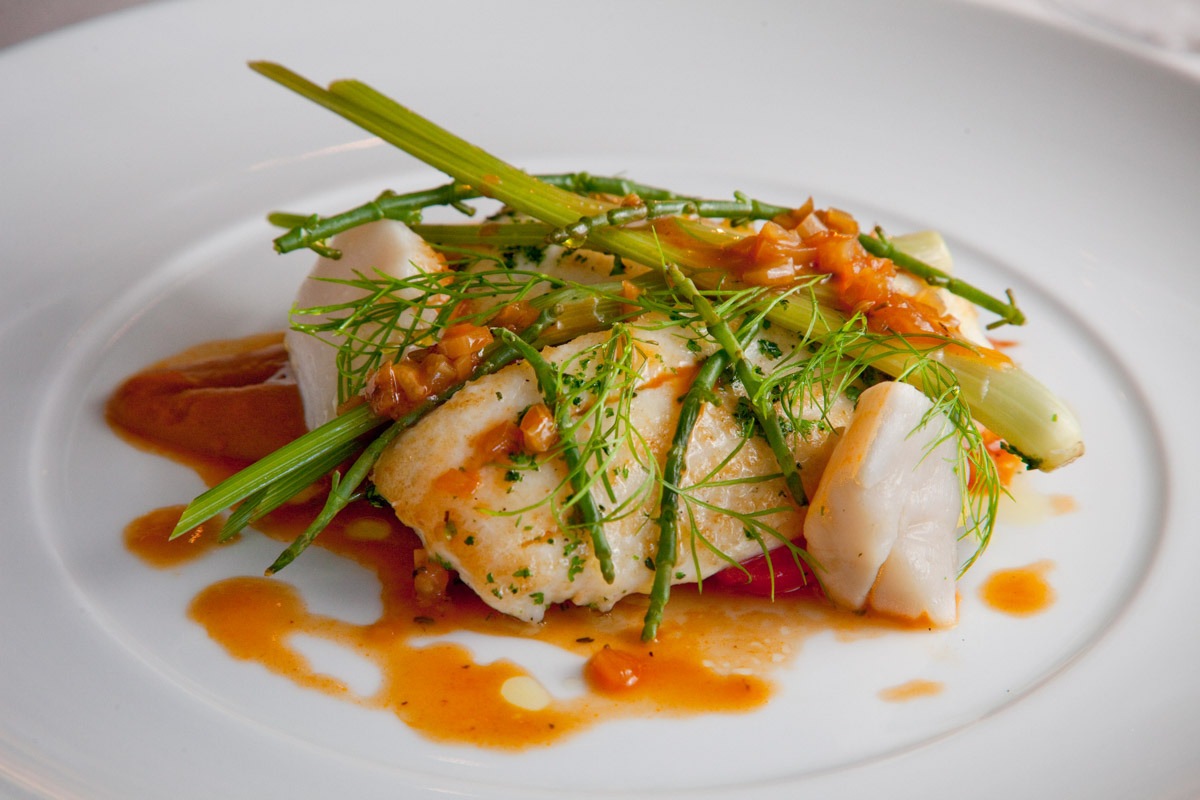
Starting a food business in Scotland is an exciting opportunity to tap into one of the world’s most renowned culinary landscapes. From the iconic whisky distilleries to fresh seafood and artisanal products, Scottish food has a global reputation for quality and tradition. But turning a passion for Scottish cuisine into a successful business requires careful planning, research, and a clear understanding of what sets your brand apart in a competitive market.
This article provides actionable steps to help you start your own Scottish food business. If you're aiming to supply local retailers or break into international markets, these tips will guide you through key areas like market research, branding, and food regulations. With the right approach, you can bring the unique flavors of Scotland to customers both near and far.
1. Research The Scottish Food Market
Before you launch your food business, it's essential to understand the landscape of the Scottish food market. Conduct thorough research to identify trends, demand, and competition. Key Scottish exports such as seafood, whisky, and meats are globally popular, but local markets also offer unique opportunities for niche products like artisanal goods, organic produce, or plant-based alternatives.
Exploring hidden local marketscan reveal untapped opportunities for specialty items, catering to unique customer preferences and helping your business stand out. Look at market reports and industry publications to gauge where demand is growing. Scotland’s food trends often emphasize sustainability, organic ingredients, and high-quality sourcing, which can set your business apart.
2. Create A Solid Business Plan
A well-thought-out business plan is the backbone of your Scottish food business. It not only helps define your goals but also provides a roadmap for how you’ll achieve them. Your plan should cover key elements like your target audience, product line, pricing strategies, and financial projections.
Include details on your branding, production processes, and logistics. A solid financial plan will also help attract investors and secure funding, as it outlines your expected costs and profit margins. Consider including milestones for business growth, such as expanding to international markets or scaling your production capabilities. This foresight can help ensure long-term success.
3. Understand Food Regulations And Compliance
Starting a food business in Scotland requires compliance with strict regulations to ensure food safety and quality. Before opening, familiarize yourself with the legal requirements set by Food Standards Scotland(FSS). These include hygiene standards, labeling regulations, and allergen information.
You’ll need to register your business with your local authority, complete food hygiene training, and obtain any necessary licenses, such as a Food Business Operator License. It’s also important to follow proper labeling laws, ensuring that your products meet the legal requirements for ingredient lists, nutritional information, and origin labeling. Complying with these regulations not only builds customer trust but also avoids hefty fines or closures.
4. Source High-Quality Scottish Ingredients
One of the most significant selling points for Scottish food businesses is the use of high-quality, local ingredients. Sourcing authentic Scottish produce such as wild-caught seafood, organic meats, and locally grown fruits and vegetables helps build trust and appeal with consumers who value transparency and sustainability. Incorporating traditional treats, like those found in Scottish tablet recipes, can further enhance your brand’s authenticity by showcasing beloved local flavors.
Finding reliable suppliers is crucial to ensure a consistent supply of quality ingredients. You may want to form partnerships with local farms, fisheries, and producers to secure your supply chain. Highlighting the origin of your ingredients in your branding can give your business a unique advantage, appealing to customers who are looking for authentic and sustainably sourced Scottish products.
5. Branding Your Scottish Food Business
In today’s competitive market, strong branding is essential for success. Your brand identity should reflect the heritageand quality of Scottish food, while also connecting with your target audience. A unique selling proposition (USP) helps differentiate your business from competitors, and this can be centered around aspects like sustainability, local sourcing, or innovative recipes.
Leverage Scotland’s global reputation for premium food and drink by incorporating the “Brand Scotland” identity into your marketing materials. Elements like a memorable logo, packaging, and a compelling brand story will help your business stand out. If you offer artisanal or niche products, emphasize the craftsmanship and passion behind them to create a connection with your customers.
6. Build A Strong Online Presence And E-commerce Strategy
In today’s digital age, having a robust online presence is crucial for any food business. Creating an e-commerce platform allows you to sell your products to a broader audience, whether through your website or through third-party marketplaces. Your website should be user-friendly, optimized for mobile devices, and easy to navigate.
SEO (Search Engine Optimization) plays a vital role in attracting organic traffic to your website. Use relevant keywords such as “Scottish food delivery” or “Scottish seafood supplier” to rank higher on search engines. Social media is another powerful tool — build an active presence on platforms like Instagram and Facebook, where you can showcase your products, share your brand story, and engage with your community.
7. Secure Funding And Financial Support
Starting a food business requires significant financial investment, from sourcing ingredients to marketing your products. Fortunately, there are several funding options available for Scottish food businesses. Consider applying for government grants, such as those offered by Scottish Enterprise, which supports small businesses in the food and drink sector.
Private investors and loans are also viable options. Having a comprehensive business plan will help you secure funding by demonstrating your potential for growth and profitability. Additionally, look into industry-specific loans or schemes that support startups and SMEs in the food sector.
8. Establish Strong Relationships With Distributors And Retailers
Building a reliable network of distributors and retailers is key to growing your food business. Developing partnerships with local retailers, supermarkets, and specialty stores will help you reach more customers and boost sales. When negotiating with distributors, ensure clear communication regarding delivery schedules, shelf space, and pricing terms.
Maintaining strong relationships with your distributors is just as important as finding them. Consistent communication and delivering high-quality products on time will foster trust and reliability, helping your business scale over time.
9. Marketing And Promoting Your Scottish Food Business
To successfully grow your Scottish food business, you’ll need an effective marketing strategy. Attending food festivals and events in Scotland, such as The Royal Highland Showor Scotland’s Food & Drink Fortnight, allows you to showcase your products directly to customers. Partnering with influencers and food bloggers can also amplify your reach.
Additionally, joining national marketing campaigns spearheaded by Scotland Food& Drink can help you gain visibility and tap into a larger audience. Highlight any awards, certifications, or sustainability efforts in your marketing materials to build credibility and attract eco-conscious consumers.
10. Scale Your Business Internationally
Scotland’s food and drink products are in high demand globally, making international expansion a lucrative opportunity. Whether you’re exporting whisky, seafood, or specialty products, entering the international market requires strategic planning. Begin by researching which countries have a strong demand for Scottish products and ensure you comply with their import regulations.
For more Scottish food export tips, focus on understanding trade agreements and tariffs that may impact your market entry. Utilize resources like Scottish Development International to help navigate international trade rules and regulations. Leveraging e-commerce platforms to sell your products internationally is another effective way to reach global customers.
You Might Like - Best Free Startup Kits For New Entrepreneurs
FAQs
What Licenses Do I Need To Start A Food Business In Scotland?
You’ll need to register your business with the local authority and comply with regulations set by Food Standards Scotland, including obtaining a Food Business Operator License if necessary.
How Can I Find Funding To Start My Scottish Food Business?
You can apply for government grants through organizations like Scottish Enterprise or seek private investments and loans. A detailed business plan can help secure funding.
What Are The Top Scottish Food Products With Export Potential?
Scottish whisky, seafood (like salmon), and artisanal products (like cheeses and meats) are in high demand internationally and have great export potential.
How Important Is Branding In The Scottish Food Industry?
Branding is crucial in differentiating your product and building customer trust. A strong brand that highlights authenticity, sustainability, and quality can set your business apart.
How Do I Comply With Food Safety Regulations In Scotland?
Follow guidelines from Food Standards Scotland, including hygiene standards, proper labeling, and allergen information. It’s essential to undergo food safety training and maintain proper documentation.
Conclusion
Starting a Scottish food business is about more than just great products, it's about building a brand that reflects the quality, heritage, and authenticity of Scotland's rich culinary traditions. From sourcing local ingredients to complying with food regulations, every step you take builds toward a business that can thrive both locally and internationally.
It's a journey that requires dedication, but the rewards of sharing Scotland’s food heritage with the world make it well worth the effort. As you put your plans into action, remember that success in the food industry is about delivering quality and value while connecting with your customers. Scotland’s food and drink market continues to grow, and with the right strategies, your business can become a proud part of that legacy.
Jump to
1. Research The Scottish Food Market
2. Create A Solid Business Plan
3. Understand Food Regulations And Compliance
4. Source High-Quality Scottish Ingredients
5. Branding Your Scottish Food Business
6. Build A Strong Online Presence And E-commerce Strategy
7. Secure Funding And Financial Support
8. Establish Strong Relationships With Distributors And Retailers
9. Marketing And Promoting Your Scottish Food Business
10. Scale Your Business Internationally
FAQs
Conclusion

Callum Fraser
Author
Callum Fraser isn't just a writer about Scotland; he's a product of its rugged landscape and rich history. Born and raised in Perthshire, with the Highlands as his backyard, his love for the nation's stories was kindled by local storytellers and long walks through ancient glens.
This passion led him to pursue a degree in Scottish History from the University of Edinburgh. For over 15 years, Callum has dedicated himself to exploring and documenting his homeland, fusing his academic knowledge with essential, on-the-ground experience gained from charting road trips through the Cairngorms, hiking the misty Cuillins of Skye, and uncovering the secrets of traditional recipes in his family's kitchen.
As the Editor-in-Chief and Lead Author for Scotland's Enchanting Kingdom, Callum's mission is simple: to be your most trusted guide. He combines meticulous research with a storyteller's heart to help you discover the authentic magic of Scotland — from its best-kept travel secrets to its most cherished traditional recipes.
Latest Articles
Popular Articles