North Coast 500 Itinerary 2025 - 7 Amazing Stops For Your Highland Road Trip
Hit the road with this 2025 North Coast 500 itinerary, 7 amazing Highland stops you won’t want to miss on your Scottish adventure.
Author:Callum FraserMay 14, 20255.2K Shares168.2K Views
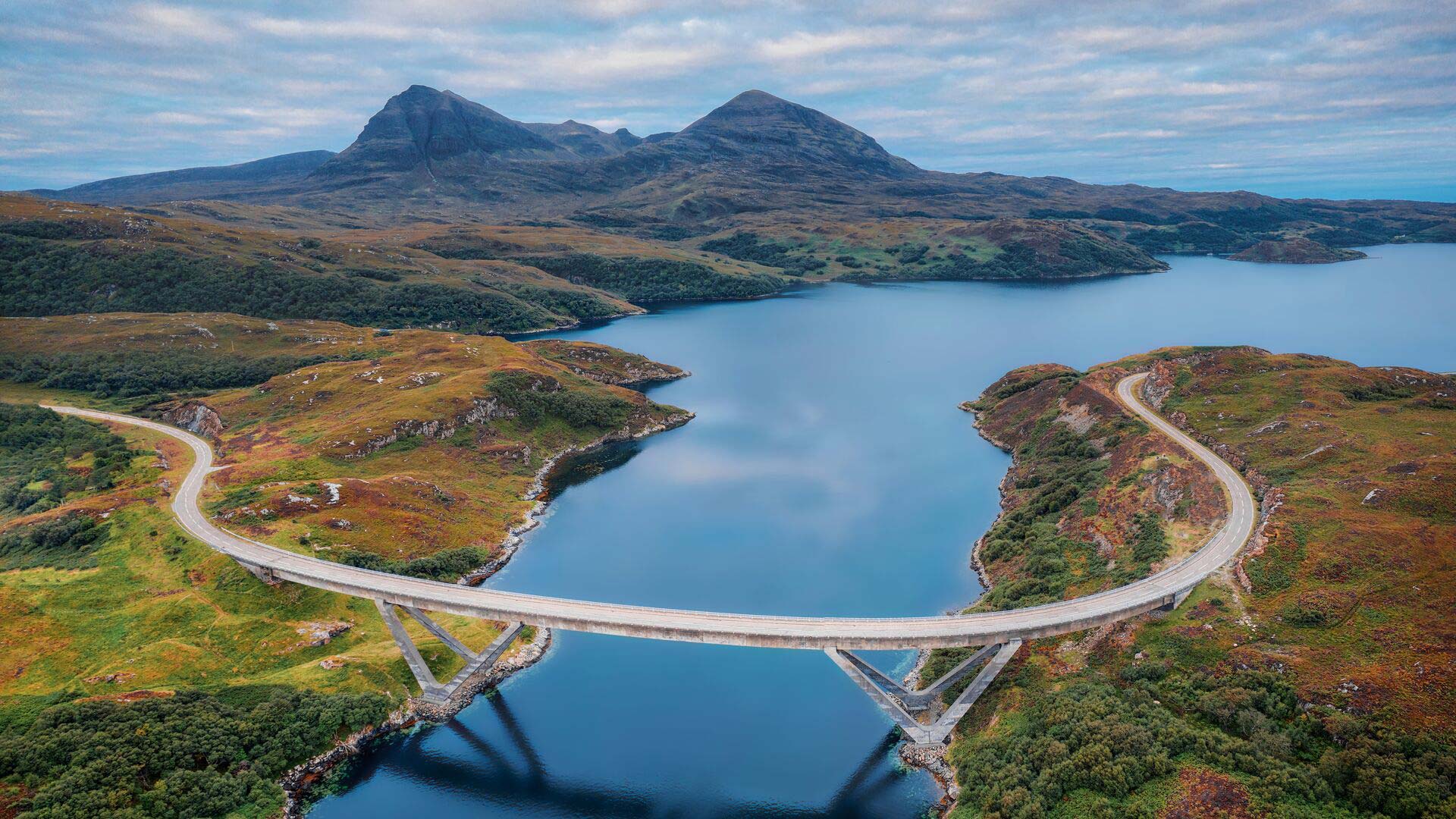
The North Coast 500 is one of the most amazing road trips you can take in Scotland. It takes you through quiet villages, stunning beaches, mountain views, and plenty of places full of history and charm. It’s the perfect time to enjoy this unforgettable route.
If you want a peaceful break, some fresh air, or simply to see new places, this trip has something for everyone. This guide will help you plan your journey without stress, so you can relax and enjoy every moment. Let’s get ready for a road trip you’ll always remember.
Day 1: Inverness To Applecross (Approx. 80 Miles)
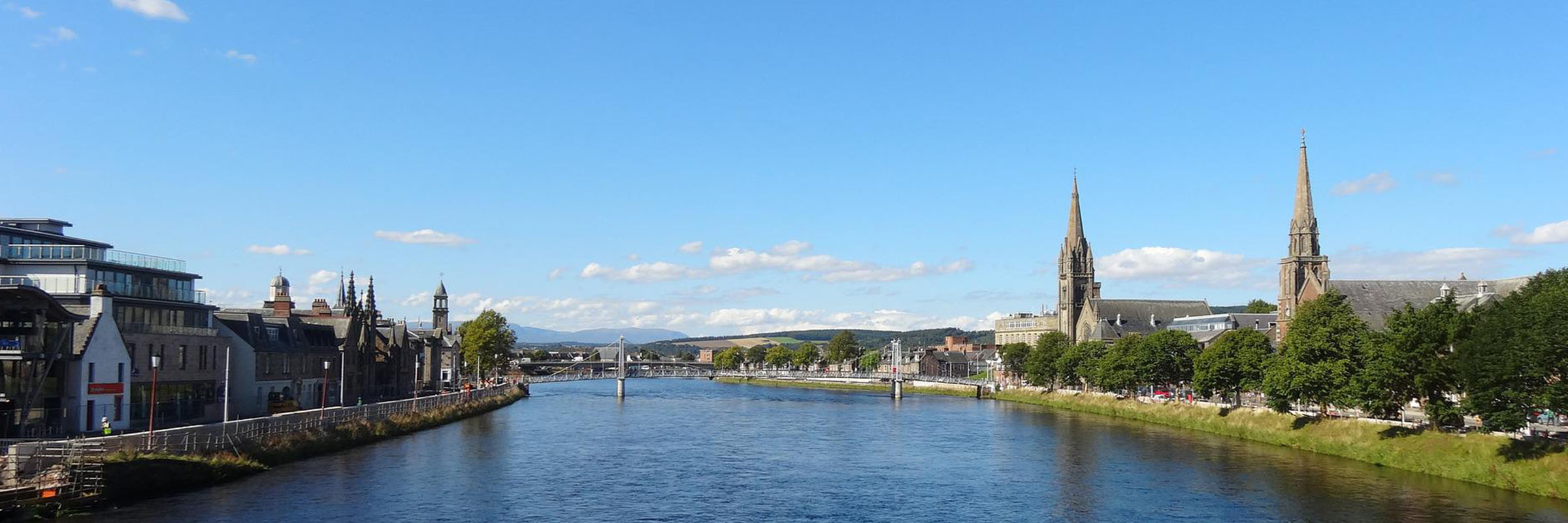
Beauly Priory
Begin your journey with a visit to the 13th-century ruins of Beauly Priory, located in a quiet setting. The ancient churchyard and towering trees set a contemplative tone for the adventure ahead. It's easy to imagine how this peaceful place could stir the creativity of poets, painters, and even Scottish musicians, many of whom find inspiration in the rich history and quiet beauty of the Highlands.
Rogie Falls
A short detour leads to Rogie Falls, a picturesque waterfall surrounded by lush woodland. A suspension bridge offers a unique vantage point to admire the cascading waters. The area’s serene beauty has inspired many Scottish artists, who often draw from the Highlands’ natural charm to create vivid landscapes and emotional scenes.
Bealach Na Bà
Experience the thrill of driving the historic Bealach na Bà pass, known for its hairpin bends and breathtaking views. This mountain pass is one of the highest in the UK and offers panoramic vistas of the surrounding Highlands.
Applecross Inn
Conclude your day at the Applecross Inn, renowned for its warm hospitality and fresh seafood. The inn's location offers stunning views of the Inner Sound and the Isle of Skye.
Day 2: Applecross To Ullapool (Approx. 110 Miles)
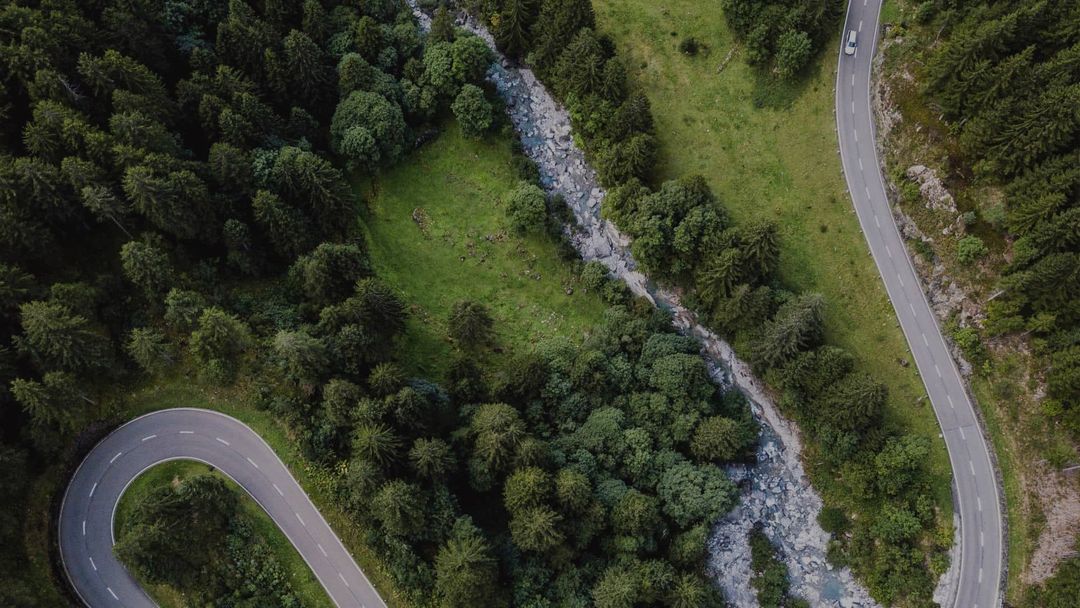
Shieldaig And Torridon
Journey through the picturesque villages of Shieldaig and Torridon, where rugged mountains meet serene lochs. The area is a haven for hikers and nature enthusiasts.
Inverewe Garden
Visit Inverewe Garden, a botanical marvel boasting exotic plants from around the world, thriving thanks to the Gulf Stream's warming influence.
Corrieshalloch Gorge
Marvel at the dramatic Corrieshalloch Gorge, where the River Droma plunges into a deep chasm. A suspension bridge offers a thrilling perspective of the waterfall below.
The Ceilidh Place, Ullapool
Rest at The Ceilidh Place, a cultural hub offering comfortable lodging, hearty meals, and live music performances that capture the spirit of the Highlands.
Day 3: Ullapool To Durness (Approx. 90 Miles)
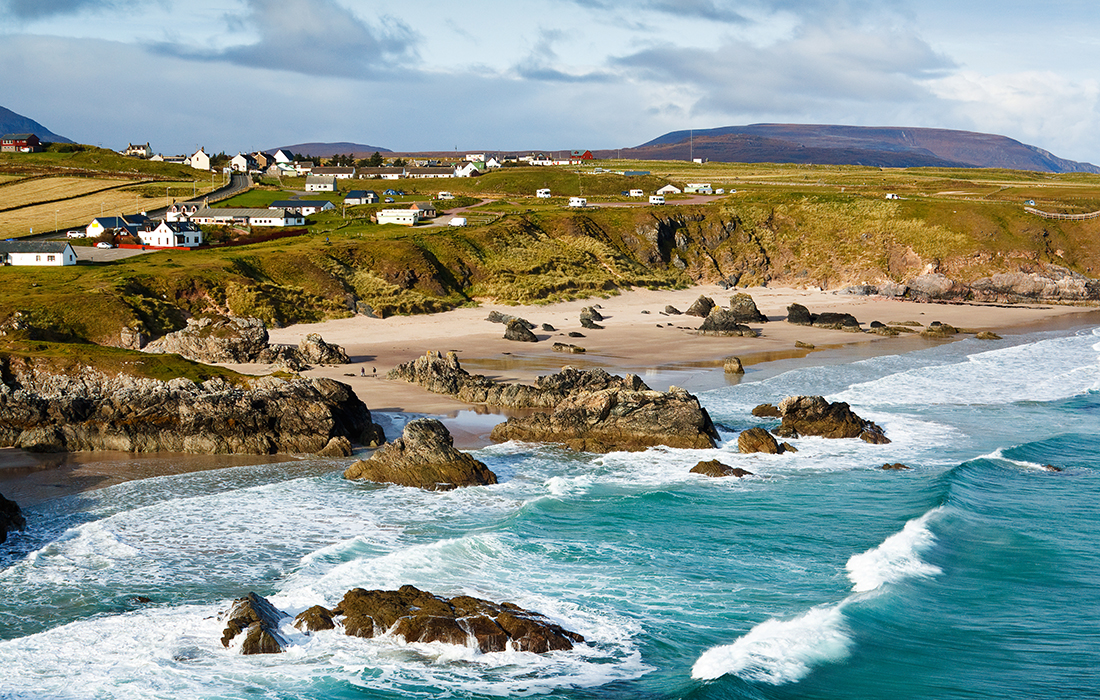
Smoo Cave
Smoo Cave is one of the most impressive natural wonders along the NC500. This large sea cave near Durness features both sea and freshwater elements something rare in the UK. You can explore the main chamber on foot and, during certain months, join guided tours deeper into the cave system via a wooden walkway and a small boat ride.
The echo inside the cave and the waterfall tumbling from above make this spot feel almost mythical. For those who enjoy outdoor adventures like wild swimming fife, this kind of raw, natural setting offers a similar sense of freedom and connection with nature.
Accommodation In Durness
Consider staying at Mackay’s Rooms, a boutique guesthouse offering stylish comfort with a strong connection to the local landscape. Durness is also a great place to catch a quiet sunset over the North Atlantic or walk the nearby Balnakeil Beach.
Day 4: Durness To Thurso (Approx. 85 Miles)
Ceannabeinne Beach And Golden Sands
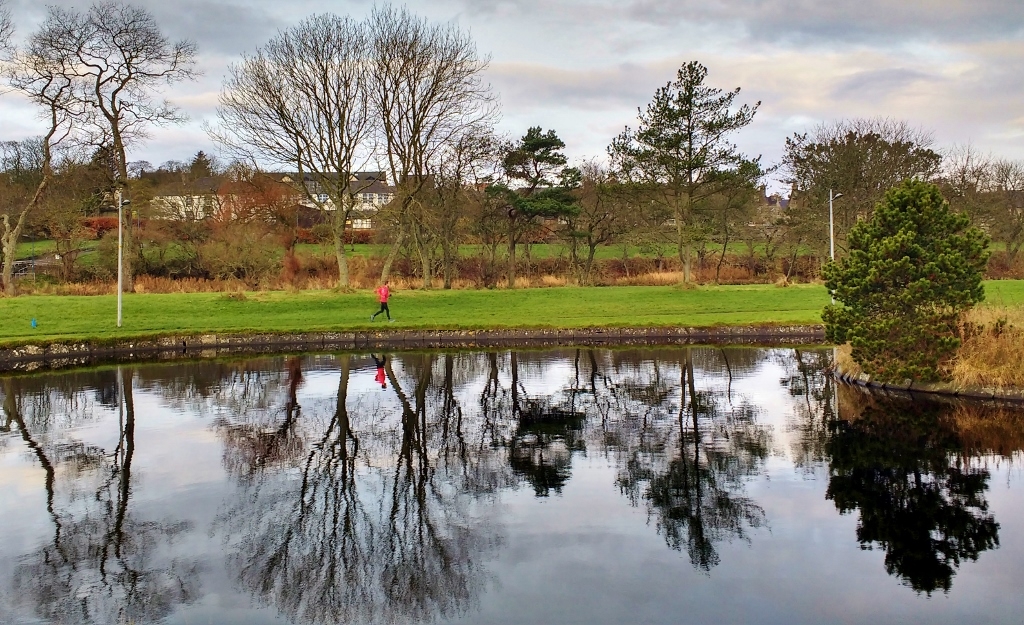
Just outside Durness, Ceannabeinne Beach offers golden sands backed by dramatic hills. The nearby zipline adds a dash of adrenaline to your morning. The views over the North Atlantic are truly unforgettable here.
Strathy Point Lighthouse
This lesser-visited spot is perfect for a peaceful walk. The clifftop path leads you to an old lighthouse and provides views of sea stacks and, if you’re lucky, pods of dolphins. It’s a fantastic place to stretch your legs and breathe in the sea air.
Thurso Town
As Scotland’s most northerly town, Thurso mixes heritage with a laid-back vibe. The town is known for its surf culture and local seafood. While you’re here, you can explore Thurso Castle ruins or visit the North Coast Visitor Centreto learn about the area’s Viking and Pictish past.
Accommodation In Thurso
The Pentland Hotel is a solid choice, offering comfort and easy access to restaurants and shops. Alternatively, opt for a countryside B&B for a more personal touch.
Day 5: Thurso To John O'Groats (Approx. 20 Miles)

Begin In The Heart Of Caithness
Start your day in Thurso, the northernmost town on the mainland, rich in history and culture. Before hitting the road, take a moment to explore the Thurso Castle ruins, which stand proudly on a clifftop overlooking the Thurso River. The town is well known for its laid-back surf culture and vibrant community, making it a pleasant place to spend some time. If you’re interested in local history, you can also visit the North Coast Visitor Centre to learn about the Viking and Pictish heritage of the area.
Duncansby Head
Continue your journey toward John O'Groats and stop off at Duncansby Head, just before you reach your final destination. The Duncansby Stacks are one of the most iconic natural features along the North Coast 500, with jagged sea stacks rising dramatically from the North Sea.
The views here are absolutely stunning, with sweeping panoramas of the rugged coastline and a chance to see seabirds like puffins and guillemots nesting on the cliffs. If you're up for a short walk, follow the cliff-top path for an unforgettable view of the stacks.
Accommodation In John O'Groats
For a relaxing evening, consider staying at The Seaview Hotel, which offers comfortable rooms with beautiful sea views. Alternatively, you could opt for a charming B&B or a cottage rental in the area for a more intimate experience. Many accommodations offer a warm Scottish welcome and provide the perfect base to rest before you continue your journey through the northern Highlands.
Day 6: John O'Groats To Wick (Approx. 15 Miles)
John O'Groats
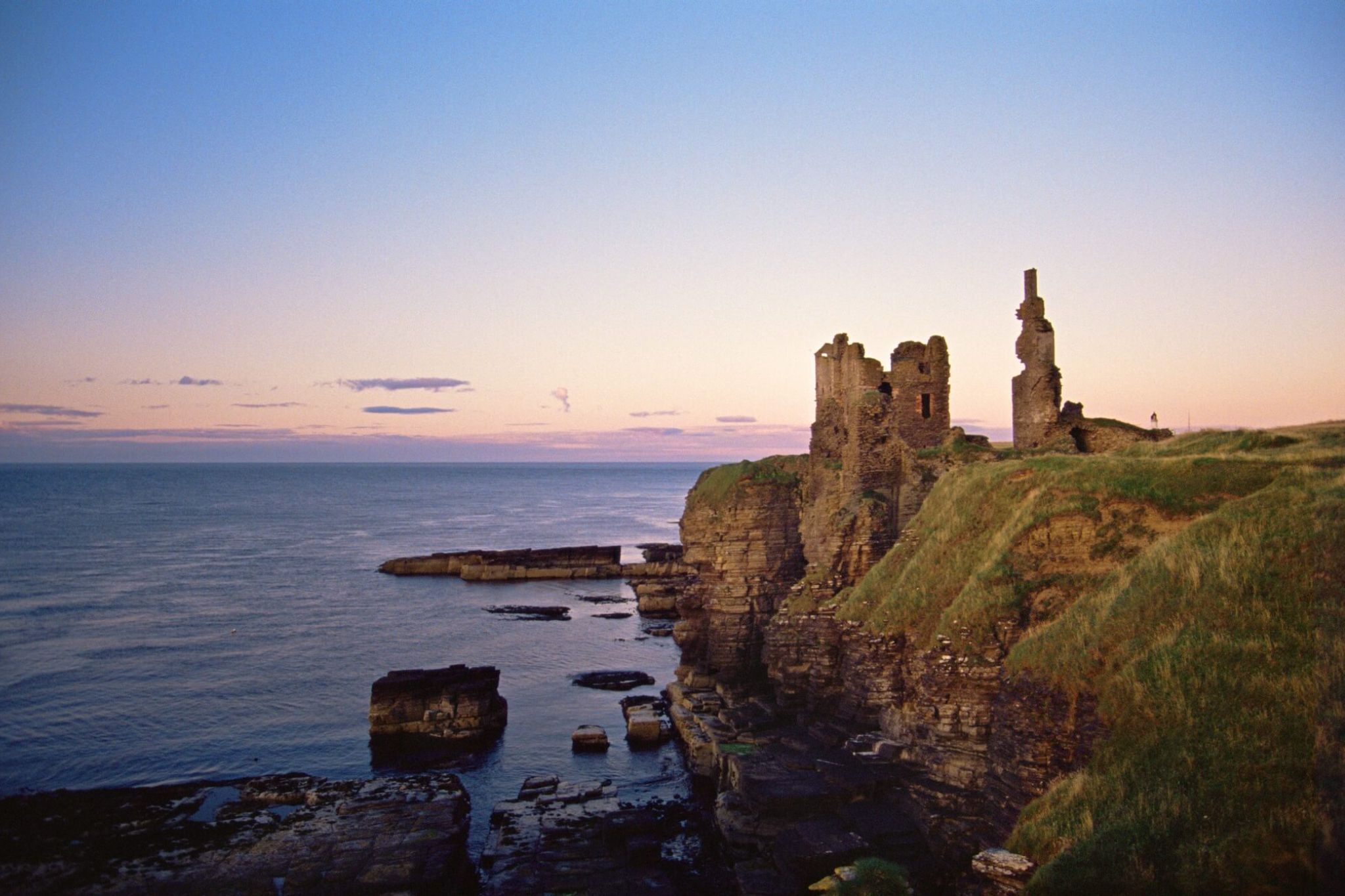
Begin your day by soaking in the views at John O'Groats, the famous village marking the northeastern tip of mainland Scotland. Before setting off, take some time to visit the John O'Groats Visitor Centre, which gives you insight into the local area, its history, and its connection to Orkney. It’s also the perfect spot to grab a coffee and some souvenirs before your drive.
Wick
As you make your way back to Wick, enjoy the peaceful countryside and coastal scenery along the way. Upon returning to the town, consider stopping at the Wick Heritage Centre, where you can explore the town's maritime past, including its former status as one of the busiest fishing ports in Scotland. The center gives a fascinating glimpse into the region’s history.
If you’re interested in history and local culture, don’t miss the Old Pulteney Distillery, one of the most famous distilleries in the Highlands, where you can take a tour and sample their world-renowned whiskies. For a relaxing afternoon, stroll along the Wick River and enjoy the tranquil atmosphere before winding down for the evening.
Accommodation In Wick
For a comfortable stay, The Waterfront Hotel offers charming rooms overlooking the harbor, perfect for watching the fishing boats come and go. Alternatively, you can choose a more secluded bed and breakfast for a quieter and more personal experience.
The return from John O'Groats to Wick is a short but scenic journey that takes you through some of the most beautiful landscapes in Scotland’s far north. With its rich history, incredible natural beauty, and cultural sites, this leg of the NC500 is the perfect way to end your journey along the northernmost stretch of the route.
Day 7: Wick To Inverness (Approx. 104 Miles)
Whaligoe Steps
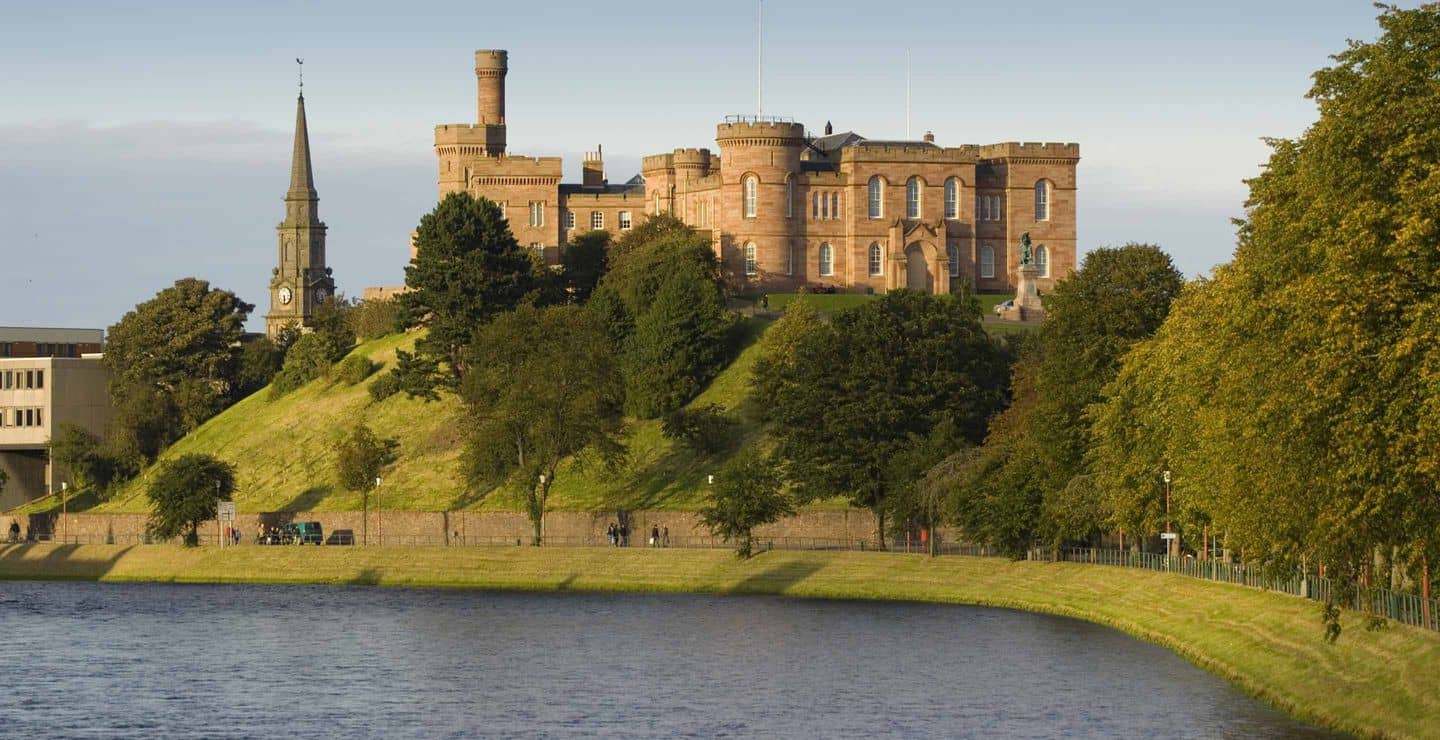
These hand-carved stone steps descend a cliff to a hidden harbour once used by fisherwomen to haul in baskets of herring. Walking down (and up) the 330+ steps is a workout, but the views and the sense of history are worth it.
Dunrobin Castle
One of the most romantic castles in Scotland, Dunrobin is straight out of a fairy tale. With its spires and lush gardens, the castle looks like something from a storybook. The interior is equally stunning, with rooms full of artifacts and period furnishings. Don’t miss the falconry display in the gardens.
Glenmorangie Distillery
Before returning to Inverness, stop for a whisky tour at Glenmorangie Distillery near Tain. This globally recognized brand offers tastings and insight into the art of Highland whisky making.
Back To Inverness
Wrap up your adventure where it began. Take a relaxing stroll along the River Ness, or celebrate the end of your NC500 journey with a final dinner in one of Inverness’s charming bistros.
Getting To Inverness
Inverness is the official starting point of the North Coast 500 and one of the easiest places to reach in the Scottish Highlands. Whether you’re coming from within the UK or flying in from abroad, there are a few good ways to get there.
By Air
Inverness Airport is a small but well-connected airport located just a short drive from the city. It has regular flights from major UK cities such as London, Manchester, Birmingham, and Bristol. These flights are often short, around 1 to 1.5 hours, making them a quick way to reach the Highlands.
If you’re coming from another country, you can easily connect through larger airports like London Heathrow, Gatwick, or Manchester. Once you land in Inverness, you can pick up a rental car at the airport and begin your North Coast 500 journey right away.
By Train
Scotland’s train services offer a relaxing and scenic way to reach Inverness. Trains from Edinburgh and Glasgow run several times a day, with the journey usually taking between 3.5 to 4 hours. Along the way, you’ll pass through charming villages, rolling hills, and beautiful countryside views perfect for starting your trip on a peaceful note.
For the best experience, try to book a seat by the window and travelduring daylight hours. It’s not just a way to get from point A to B the train ride itself feels like part of the adventure.
By Car
Driving to Inverness gives you the most flexibility, especially if you want to take your time and see other parts of Scotland along the way. The city is well connected to the rest of the country by major roads. The A9 is the main route from the south and passes through places like Perth, Pitlochry, and Aviemore, offering chances to stop and explore.
Travelers coming from Glasgow or Edinburgh can expect the drive to take around 3 to 3.5 hours, depending on traffic and stops. It’s a good idea to leave early, take breaks, and enjoy the drive it’s a great way to ease into the slower pace of the Highlands.
Tips For Driving The North Coast 500
1. Remember To Drive On The Left Side
In Scotland, cars drive on the left side of the road. If you’re visiting from a country where people drive on the right, this may take a bit of getting used to, especially on narrow, winding roads. Many roads along the North Coast 500 are single-track, which means only one car can pass at a time.
You’ll see passing places, small lay-bys at the side of the road where you can pull over to let another car go by. If a car is coming toward you, pull into the next passing place on your left. If the passing place is on your right, wait and let them pull in. Always be polite; give a wave to thank other drivers.
2. Keep Your Fuel Tank Topped Up
Fuel (petrol or diesel) stations are not common in remote parts of the Highlands. You might drive a long way before finding another station, especially outside towns. Some smaller villages may only have one station, and they might close early or be out of fuel.
Tip:Fill up the tank whenever you reach a bigger town, even if you're only half empty. Don’t take chances; being stuck without fuel in a quiet area can ruin your trip.
3. Book Your Accommodation Early
The NC500 is very popular, especially from May to September. Some towns and villages only have a few places to stay, like small hotels, B&Bs, or guesthouses, and they often fill up quickly.
If you’re traveling in summer or during school holidays, it’s smart to book your places to stay weeks or even months ahead. This way, you won’t have to worry about finding somewhere at the last minute.
If you’re using a campervan, many areas also have campsites, but even those can get busy. Wild camping is legal in Scotland, but it must be done responsibly. Always follow local signs and leave no trace.
4. Be Ready For All Kinds Of Weather
Scottish weather is famous for being unpredictable. You might have sunshine in the morning, heavy rain at lunchtime, and fog by the evening all in one day.
Here’s what to pack:
- A waterproof jacket:Even in summer, it can rain.
- Warm layers:Like jumpers or fleeces, especially for windy days.
- Comfortable shoes or walking boots:Many places require a short walk or hike to get to viewpoints or beaches.
- A hat and gloves:even in spring or autumn, it can get chilly.
- Sunscreen:When the sun comes out, it can be stronger than it feels.
Always check the weather forecast each day, but be ready for quick changes. It's part of the adventure.
Embarking on the North Coast 500 is an unforgettable experience, and thoughtful planning, especially around your budget, can make it even smoother. Many adventurers look for creative ways to fund their travels or save for the next big trip.
If you're interested in exploring flexible avenues to supplement your income with the goal of making more journeys like this possible, learning how to make real money onlinecould provide some valuable starting points for building your travel savings.
Best Time To Travel The NC500 In 2025
1. Spring (April To June)
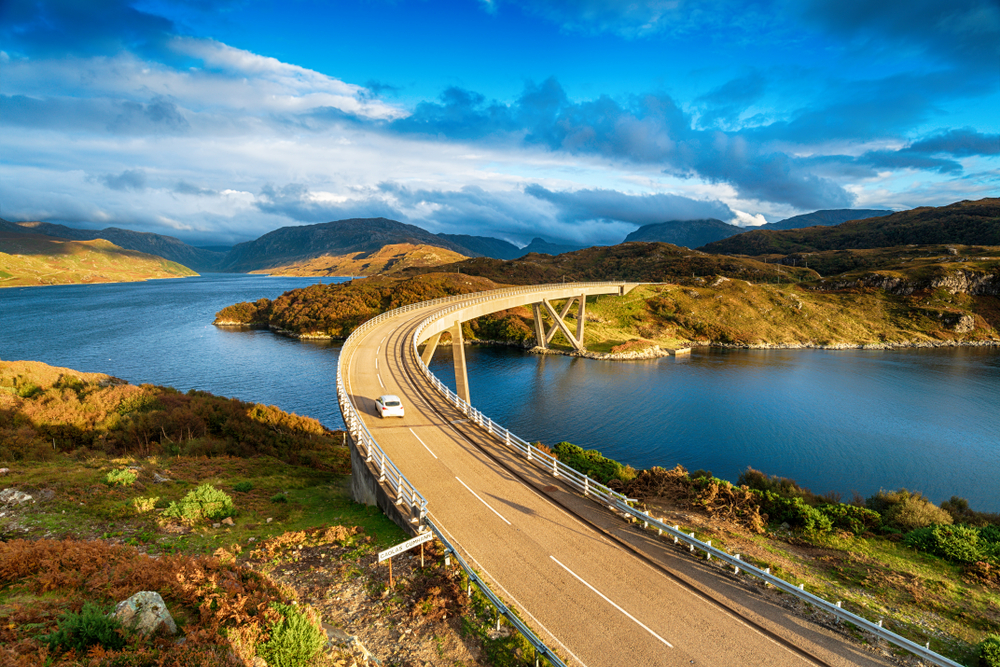
Spring is an ideal time to explore the NC500, as the landscape comes alive with blooming wildflowers and the days grow longer. The weather is generally mild, and tourist crowds are smaller compared to the peak summer months. This season offers excellent opportunities for wildlife spotting, including deer, puffins, and seals.
2. Summer (July To August)
Summer brings the warmest temperatures and the most extended daylight hours, allowing for more time to explore each destination. However, this is also the busiest time on the NC500, so it's essential to book accommodations and activities well in advance. The vibrant atmosphere and numerous local festivals make summer a lively time to visit.
3. Autumn (September To October)
Autumn offers a more tranquil experience, with fewer tourists and stunning fall foliage painting the landscape in hues of red, orange, and gold. The weather remains relatively mild, and many attractions are still open. This season is perfect for photographers and those seeking a peaceful retreat.
4. Winter (November To March)
Winter presents a unique perspective of the NC500, with snow-capped mountains and the possibility of witnessing the Northern Lights. However, some roads may be challenging to navigate due to snow and ice, and certain attractions may be closed. Travelers should be well-prepared and check local conditions before embarking on a winter journey.
People Also Ask
What Is The North Coast 500?
The North Coast 500 is Scotland's answer to the great scenic routes of the world. Launched in 2015 by the North Highland Initiative, the route begins and ends at Inverness Castle, forming a loop that takes you through the counties of Inverness-shire, Ross and Cromarty, Sutherland, and Caithness.
How Many Days Does It Take To Do North Coast 500?
Although we always recommend taking at least 5-7 days to explore the North Coast 500, if you are able to take more you'll be in a position to really soak up the Highland wilderness and try plenty of different experiences along the way.
What Is The Hardest Part Of The NC500?
Beyond all stretches of the entire 500 Miles the Bealach Na Ba Pass is by far the most difficult and steepest stretch of the official NC500 route. Skip it if you are a nervous driver. Attempts driving this road in an RV or as an inexperienced driver might end with a shut down of the road.
How Do I Navigate The NC500 Without Signal?
Cell signal is spotty in remote areas like Durness. Download offline maps (e.g., Maps.me, Google Maps) or buy the NC500 digital route map, updated for 2025. A paper Ordnance Survey map is a reliable backup, available at Inverness bookshops.
Is The NC500 Suitable For Families?
The NC500 is great for families, with kid-friendly stops like Smoo Cave and Durness Beach. Book family rooms at places like The Royal Hotel in Ullapool, and choose short hikes like Knockan Crag. Pack games for long drives and check 2025 festival schedules for family events.
Final Thoughts
The North Coast 500 is more than just driving from place to place, it’s about enjoying the little things, like a quiet loch at sunset or a warm welcome in a small town.
With this easy-to-follow plan, you’ll have everything you need to enjoy the best of the Highlands in 2025. Take your time, be kind to the places and people you meet, and enjoy the freedom of the open road in one of the most beautiful parts of the world.
Jump to
Day 1: Inverness To Applecross (Approx. 80 Miles)
Day 2: Applecross To Ullapool (Approx. 110 Miles)
Day 3: Ullapool To Durness (Approx. 90 Miles)
Day 4: Durness To Thurso (Approx. 85 Miles)
Day 5: Thurso To John O'Groats (Approx. 20 Miles)
Day 6: John O'Groats To Wick (Approx. 15 Miles)
Day 7: Wick To Inverness (Approx. 104 Miles)
Getting To Inverness
Best Time To Travel The NC500 In 2025
People Also Ask
Final Thoughts

Callum Fraser
Author
Callum Fraser isn't just a writer about Scotland; he's a product of its rugged landscape and rich history. Born and raised in Perthshire, with the Highlands as his backyard, his love for the nation's stories was kindled by local storytellers and long walks through ancient glens.
This passion led him to pursue a degree in Scottish History from the University of Edinburgh. For over 15 years, Callum has dedicated himself to exploring and documenting his homeland, fusing his academic knowledge with essential, on-the-ground experience gained from charting road trips through the Cairngorms, hiking the misty Cuillins of Skye, and uncovering the secrets of traditional recipes in his family's kitchen.
As the Editor-in-Chief and Lead Author for Scotland's Enchanting Kingdom, Callum's mission is simple: to be your most trusted guide. He combines meticulous research with a storyteller's heart to help you discover the authentic magic of Scotland — from its best-kept travel secrets to its most cherished traditional recipes.
Latest Articles
Popular Articles