Scotch Drink | Types, Brands, And Cocktails
You’ve likely seen it in films or on a bar shelf, a golden liquid in a bottle, often surrounded by an air of tradition and seriousness. For many, Scotch feels like a mystery, something reserved for connoisseurs with a deep appreciation for its history. Every drop tells a story of place and tradition.
Author:Callum FraserNov 19, 20255.6K Shares79K Views
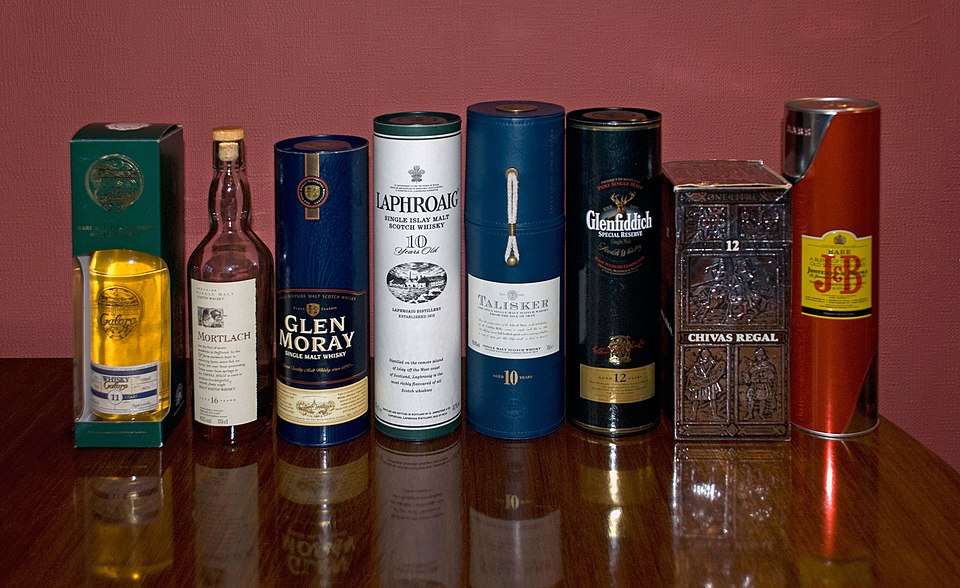
Scotch Drink: The Spirit Of Scotland
The world of Scotch can feel a little intimidating at first. You walk into a liquor store and see a wall of golden-hued bottles with names you can't pronounce, all boasting different ages and regions. You might feel a bit lost, wondering where even to begin. I know that feeling well.
For years, I was that person, admiring from afar, until I decided to take the plunge and understand what makes this iconic spirit so special. What I found was not a complicated rulebook, but a rich and rewarding journey of discovery.
It’s a spirit with a deep and passionate following, but its doors are wide open to anyone willing to explore. In this guide, I want to cut through the noise and show you the simple, beautiful truths behind Scotch.
Key Takeaways
- Four main categories define scotch: single malt, blended scotch, single grain, and blended malt.
- Five distinct regions produce dramatically different flavor profiles
- Proper serving techniques enhance flavor rather than mask it
- Quality exists at every price point - expensive doesn't always mean better
- Cocktails have their place alongside neat appreciation
- Building a collection requires strategy, not just enthusiasm
The Story Of Scotch Whisky And History
Scotch whisky has deep roots in Scotland, going back at least 500 years. The earliest record comes from 1494, when a friar named John Cor was given enough malt, a type of grain, to make about 1,500 bottles of “aqua vitae,” Latin for “water of life.” This was the old name for distilled spirits, and it shows that making strong alcohol was already common in Scotland by the late 1400s.
By the 1500s, people were using stills, machines to make spirits, and one was found among the belongings of a priest in Aberdeen in 1505. These early stills were used not just for drinking but also to help make gunpowder. King James IV of Scotland was a big fan of whisky, and over time, it became a popular drink across the country. But in 1644, the Scottish government started taxing whisky, which made legal production expensive.
As a result, many people began making it illegally, especially in the Highlands. For more than a century, illegal distilling thrived. In the 1780s, over 1,000 stills were seized, but experts believe there were many more in use. Highland landowners often turned a blind eye because their tenants made whisky to pay rent. If they were jailed, no rent would be paid.
That changed in 1823 with a new law, the Excise Act, which made it easier and cheaper to get a license to distill. George Smith, a farmer working for the Duke of Gordon, became the first person in Scotland to legally open a distillery under this law. He founded Glenlivet Distillery in 1824, producing single malt whisky. Soon after, other famous distilleries like Bowmore, Strathisla, and Glenmorangie opened legally, and many are still running today.
Two major changes helped whisky grow. First, in 1831, a new kind of still called the column was invented. It allowed continuous distillation, making whisky faster, smoother, and cheaper to produce. Second, in the late 1800s, vineyards in France were destroyed by a bug called phylloxera. With less wine and brandy available, people turned to Scotch whisky instead, boosting demand.
In the 1890s, nearly 40 new distilleries opened. But then came hard times: World War I, Prohibition in the U.S., and the Great Depression. Many distilleries closed permanently. By 1933, only 15 of the 159 that existed around 1900 were still operating. The 1970s brought another boom, but by the 1980s, there was too much whisky. Production dropped sharply, and many distilleries shut down, including Brora, Port Ellen, and Dallas Dhu.
How Scotch Whisky Helps Scotland’s Economy
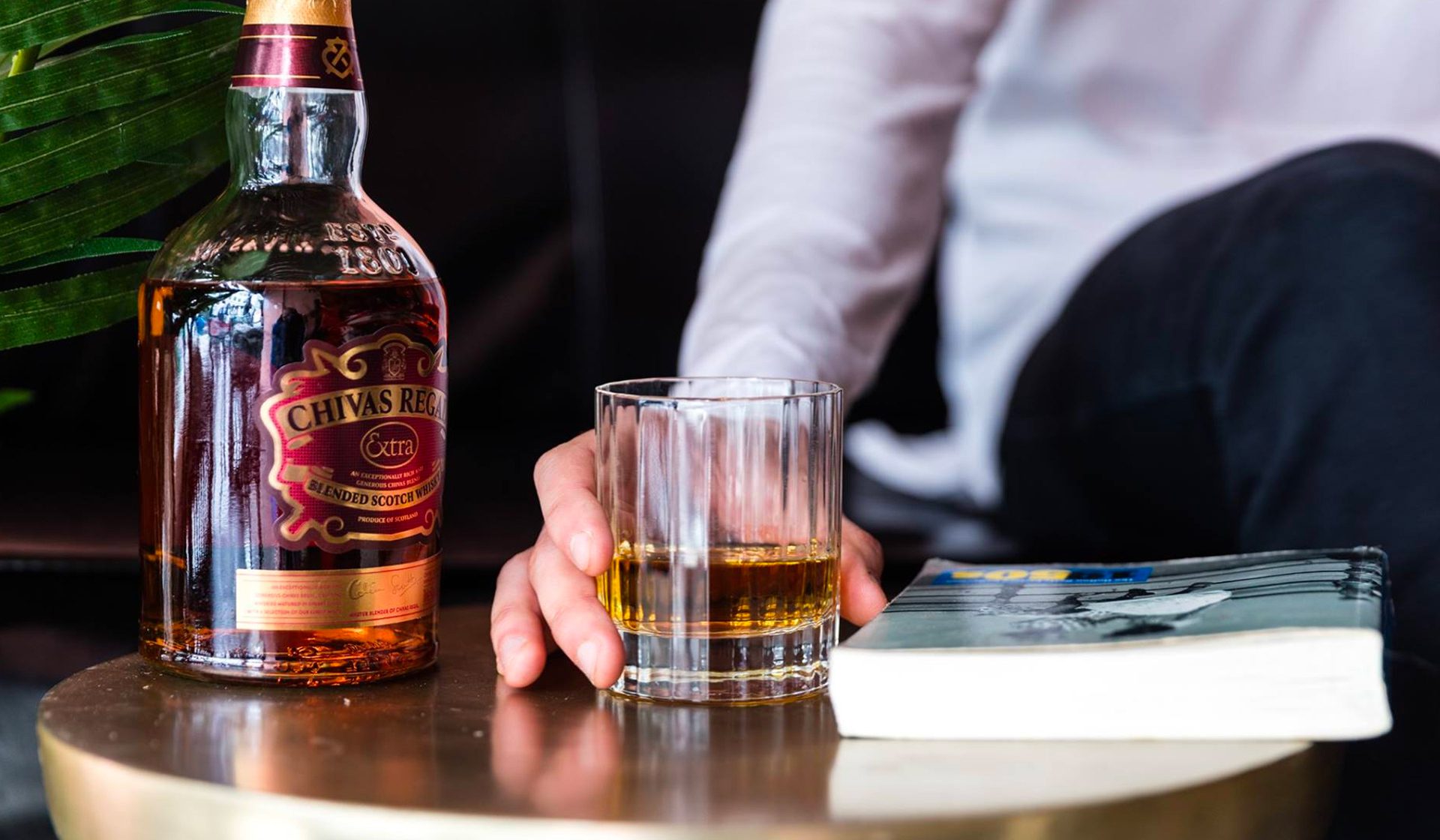
Scotch whisky is more than just a drink. It is a big part of Scotland’s identityand a major part of its economy. It is sold in nearly 180 countries around the world. In 2017, the whisky industry supported about 40,000 jobs and brought in £4.37 billion from exports. Single malt whisky alone made £1.17 billion, which is 14 percent more than the year before. By 2022, exports hit a new record, over £6 billion for the first time ever.
The industry added £5.5 billion to the UK’s economy in 2018. Of that, £3.8 billion came directly from Scotland. Whisky tourism, meaning people visiting distilleries, also brings in £68 million every year. In 2017, the UK government added a 3.9 percent tax on spirits, which made things harder for whisky sellers. In late 2019, the U.S. imposed a 25 percent tariff, or additional tax, on Scotch, further hurting sales.
The full effect was not seen until 2020. Still, 2017 ended with record exports. In November 2019, the Scotch Whisky Association asked the UK government to rethink how alcohol is taxed. They hoped for a simpler, fairer system, and the government agreed to look into it.
Exports grew again in 2018, up 7.8 percent by value and 3.6 percent in bottles sold, reaching £4.7 billion. The U.S. was the biggest buyer, spending just over £1 billion. The European Union was second, taking 30 percent of all exports. It was a great year, but the industry warned that Brexit and global trade problems could cause trouble in the future.
Whisky Tourism
Visiting whisky distillerieshas become a big deal in Scotland. In fact, distilleries are now the third most popular tourist attraction in the country. In 2018, around 2 million people visited them.
There are 68 distilleries with visitor centres you can walk into. Another 8 will let you visit, but you need to book ahead. Hotels, restaurants, and local shops also benefit from this tourism boom.
In some quiet, rural parts of Scotland, whisky tourism has made a huge difference. Fiona Hyslop, Scotland’s Minister for Culture and Tourism, said, “The Scottish Government is working with groups like the Scotch Whisky Association to bring more visitors to our distilleries.”
What Happened During COVID-19
When the pandemic hit in 2020, things got tough. Distilleries had to shut down for a while. Bars and restaurants around the world closed too, so fewer people were buying whisky. By early 2021, the industry had lost £1.1 billion in sales. Exports to the U.S. dropped by 32 percent because of the 25 percent tariff. In fact, sales fell in 70 percent of the countries that usually buy Scotch. A BBC headline in February 2021 said it best: “Scotch whisky exports slump to lowest in a decade.”
Who Owns The Distilleries?
You might think most whisky is made by Scottish companies, but that’s not quite true. A 2016 report found that only 20 percent of Scotch whisky is made by companies based in Scotland.
The biggest player is Diageo, a company based in London. It makes 40 percent of all Scotch whisky, including famous brands like Johnnie Walker, J&B, and Vat 69. Another 20 percent is made by Pernod Ricard, a French company. Their brands include Ballantine’s, Chivas Regal, and The Glenlivet.
About 12 percent comes from smaller distilleries owned by foreign companies, like Cutty Sark, owned by a French firm, Dewar’s, owned by a company in Bermuda, and BenRiach, owned by a company in Kentucky, USA. Even though these companies aren’t Scottish, the whisky they make still follows Scotland’s strict rules, so it’s still called “Scotch.”
Scottish-Owned Companies
Some big whisky makers are still owned in Scotland. The largest is William Grant & Sons, which makes 8 percent of all Scotch, about 7.6 million cases a year. Their famous brands include Glenfiddich, Balvenie, and Grant’s. Glenfiddich is the world’s best-selling single malt Scotch. Around 14 million bottles are sold every year.
Independent Bottlers
Most distilleries don’t just bottle their own whisky. They also sell whisky straight from the cask, often to blending companies or private buyers. Some of these casks are bought by independent bottlers, companies like Gordon & MacPhail, The Scotch Malt Whisky Society, or Douglas Laing.
They bottle the whisky themselves and sell it as “single malt,” but they can’t use the distillery’s official logo or label design. These bottles are often from just one cask, so they can taste very different from the official version you’d buy at a store. Sometimes, the bottler won’t even say which distillery the whisky came from. Why? Because the distillery doesn’t want its name on bottles it can’t control.
To make sure the whisky can’t be called a “single malt,” some distilleries add just a tiny bit of whisky from a different place. This trick is called “tea-spooning.” That turns it into a “blended malt,” which has different rules, like being allowed to export it in bulk. Instead of naming the distillery, the bottler might just say where in Scotland it’s from, or use their own brand name. This lets them buy whisky from different places without having to change their labels.
The Four Types Of Scotch You Need To Know
Video unavailable
This video is unavailable: Original link to video
Understanding scotch categories forms the foundation of whisky knowledge. Each type represents different production methods, ingredients, and flavor philosophies that shape your drinking experience.
Single Malt - The Purist's Choice
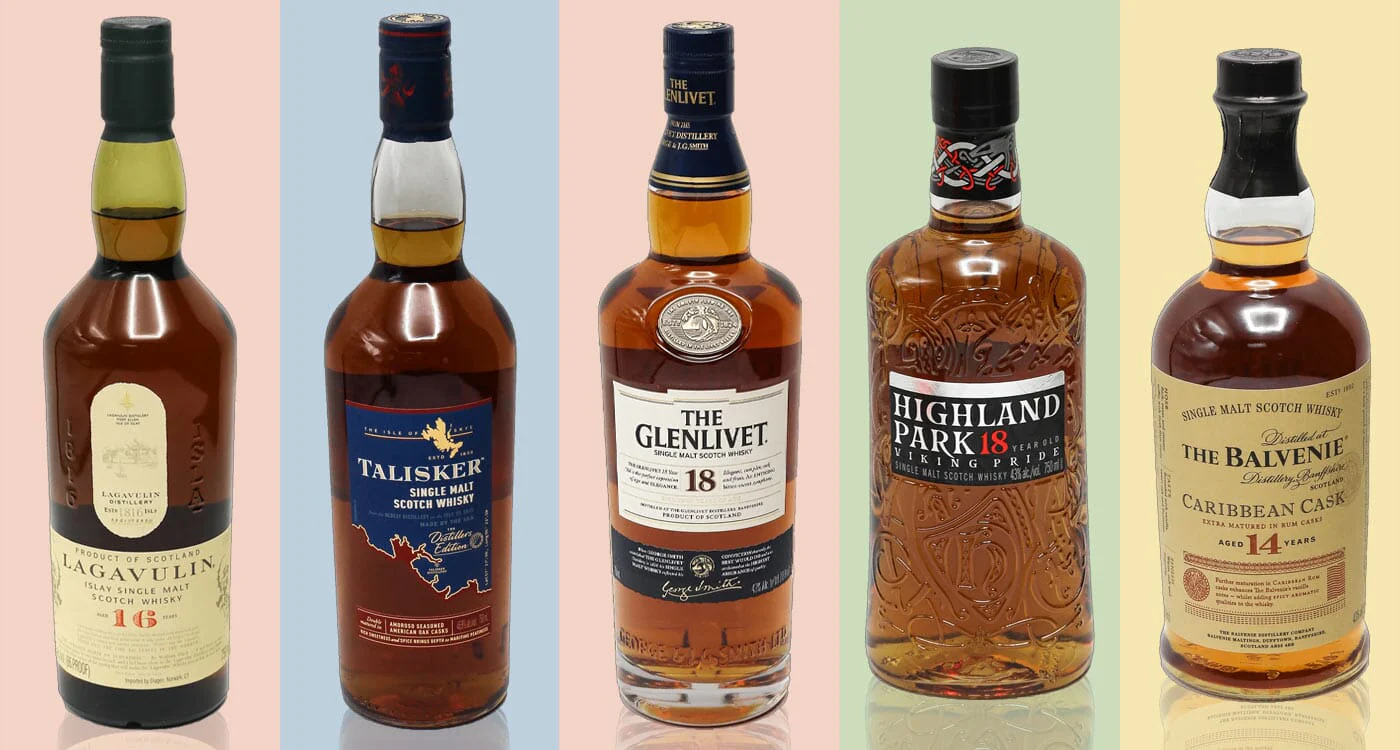
Single malt scotch comes from one distillery and uses only malted barley as its grain source. Think of it as the artisanal expression of whisky-making - each distillery develops its unique character through water source, yeast strains, fermentation techniques, distillation methods, and aging environments.
The term "single" refers to the distillery, not the cask. Master blenders often marry different-aged expressions and cask types from the same distillery to create complex, balanced profiles. Brands like Glenfiddich, Macallan, and Lagavulin represent this category's diversity.
Single malts showcase terroir - that French concept of place-specific character. A Highland single malt from Dalmore tastes distinctly different from an Islay expression like Ardbeg, even when aged for similar periods. This regional variation creates endless exploration opportunities.
Price points range from accessible ($40-60) to investment-worthy ($200+), but cost doesn't always correlate with quality. Some of my favorite daily drams cost under $50, while certain expensive bottles disappointed despite their pedigree.
Blended Scotch - The Crowd Pleaser
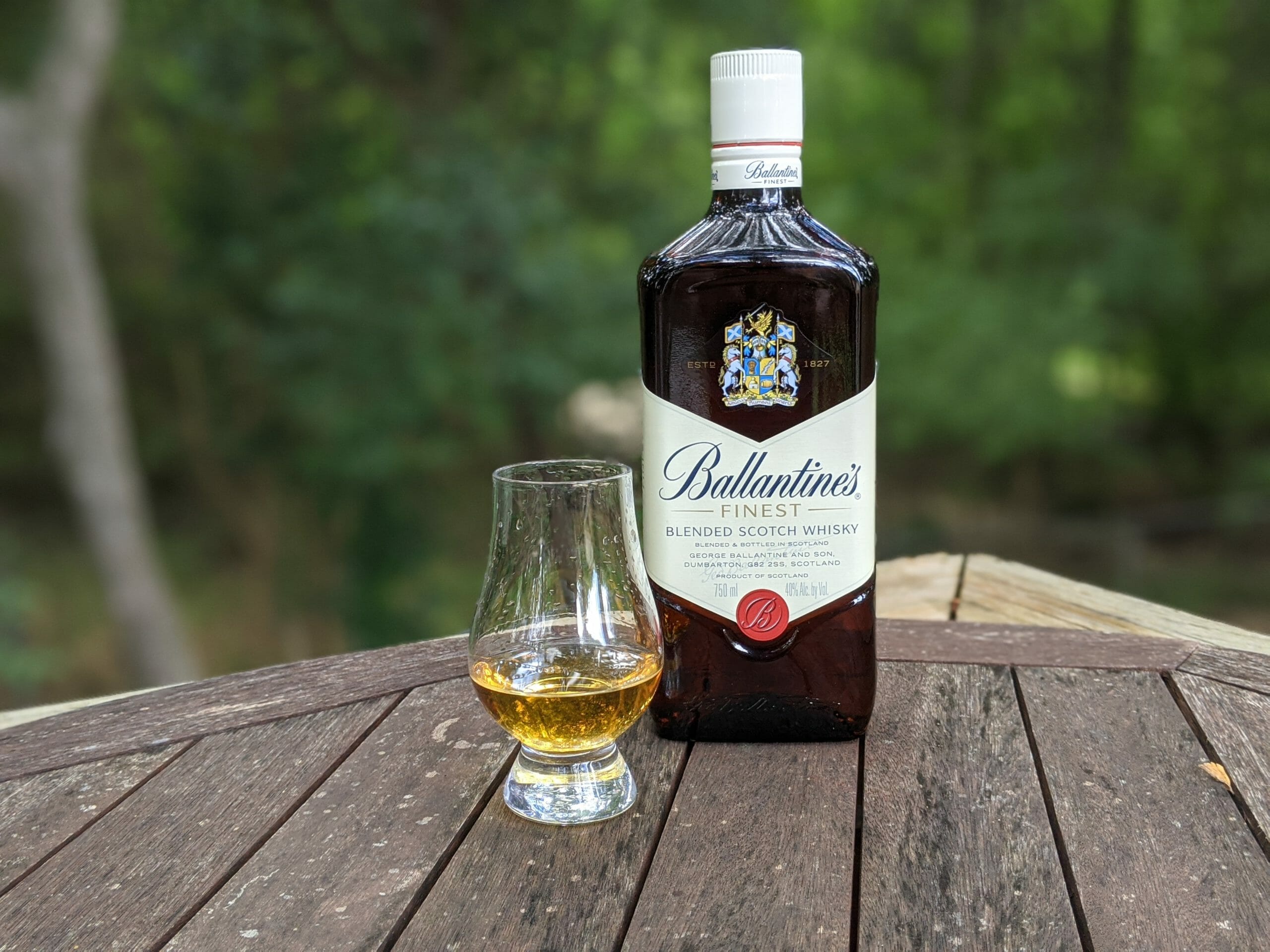
Blended scotch combines malt and grain whiskies from multiple distilleries. Master blenders create consistent flavor profiles by marrying different components, resulting in approachable, well-balanced expressions that represent roughly 90% of scotch consumption worldwide.
Premium blended whiskies like Johnnie Walker Blue Label or Chivas Regal 25 demonstrate this category's sophistication. These expressions often include rare, aged single malts alongside quality grain whiskies, creating complexity that rivals many single malts.
The art lies in consistency. Brands like Dewar's, Famous Grouse, and Compass Box maintain their signature profiles year after year despite fluctuating component availability. This consistency makes blended scotch ideal for mixing and reliable for gift-giving.
Don't dismiss blended scotch as inferior. Some blends offer better value and drinkability than similarly priced single malts. They're also gentler introductions for whisky newcomers.
Single Grain - Hidden Gems
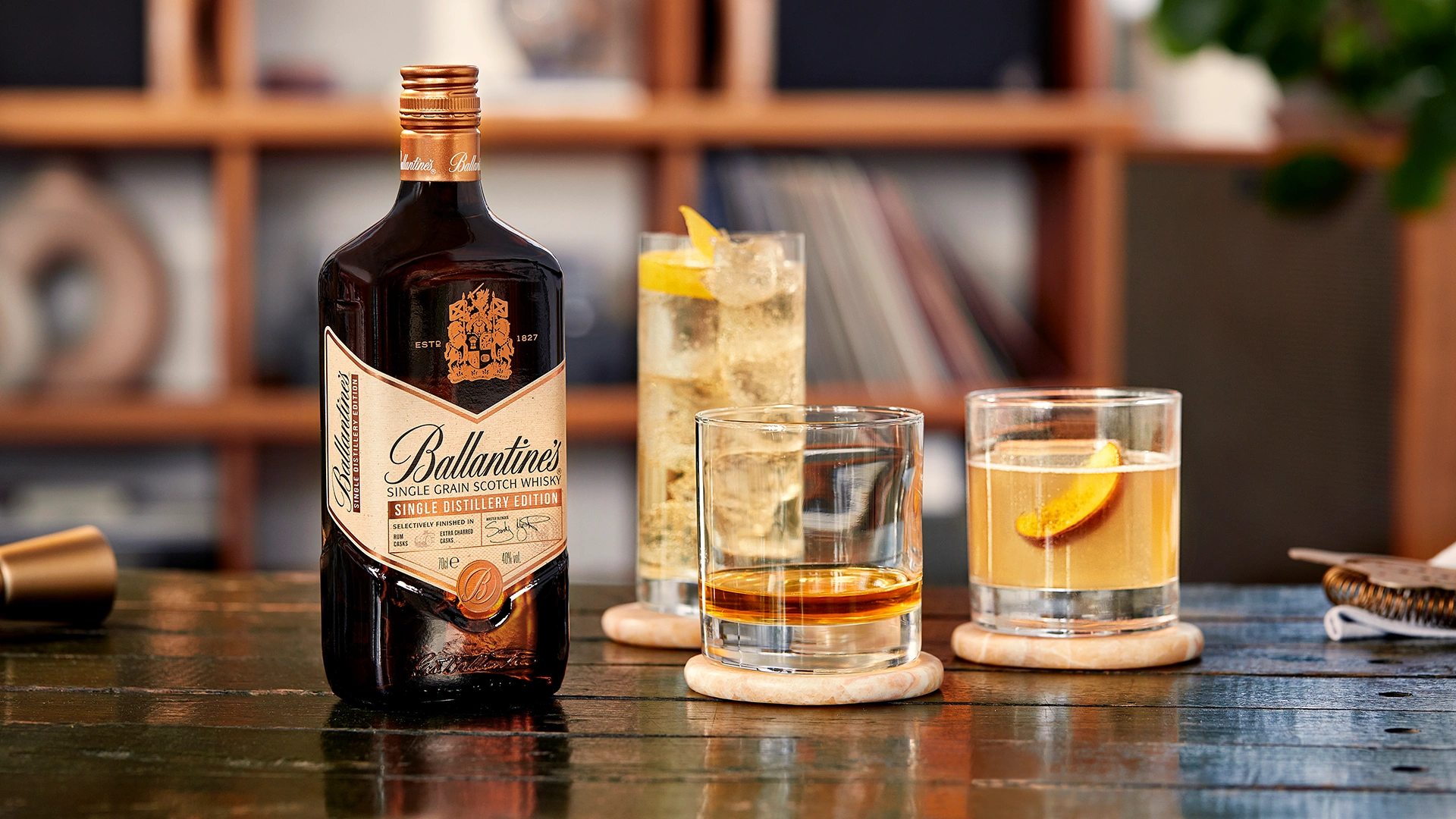
Single grain scotch uses grains other than malted barley - typically corn or wheat - distilled at one location. These whiskies often exhibit lighter, sweeter profiles with vanilla and caramel notes. Brands like Haig Club and Cameron Bridge showcase this category's potential.
Blended Malt
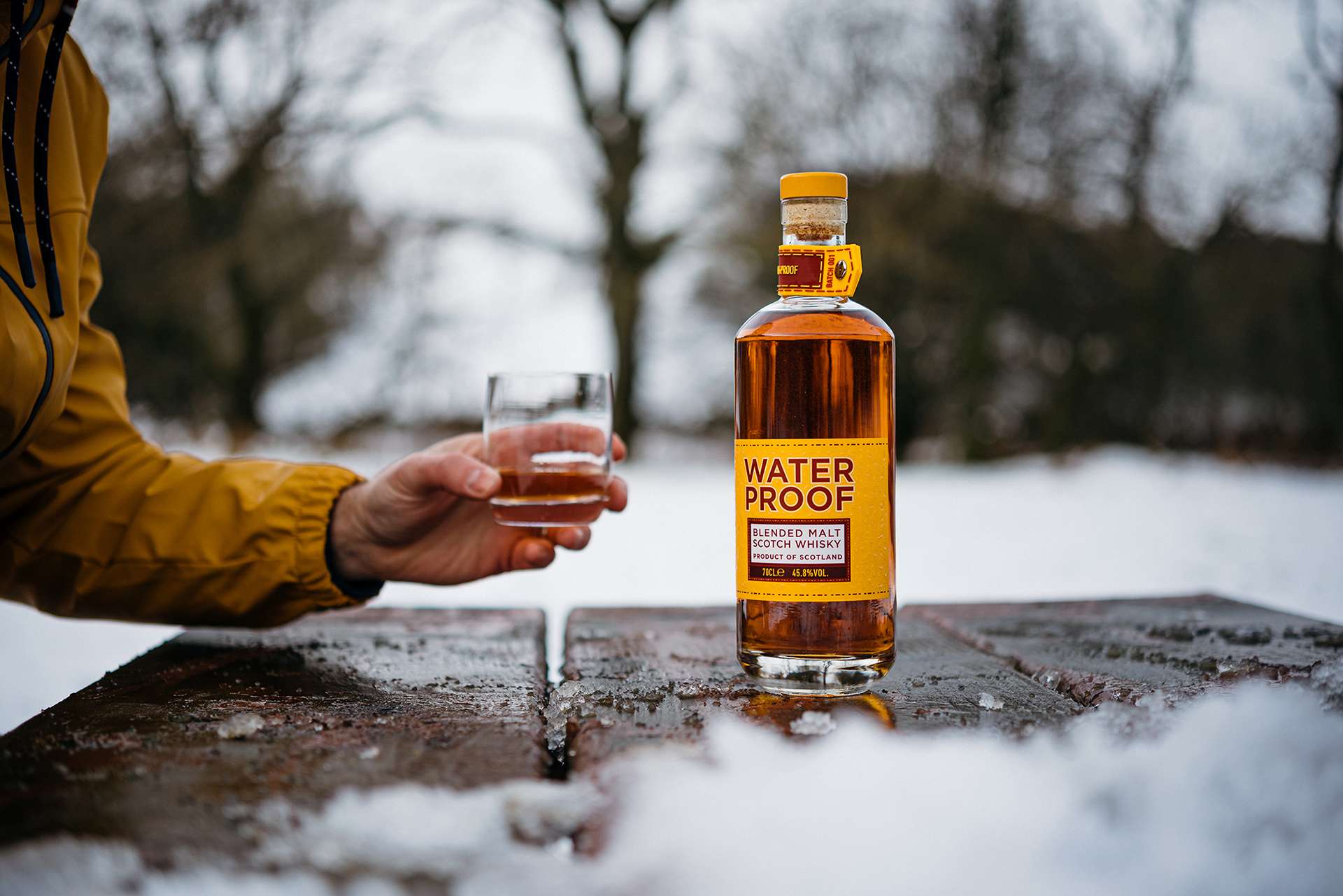
Blended malt combines single malts from different distilleries without grain whisky addition. Compass Box specializes in this category, creating expressions like "The Peat Monster" that highlight specific flavor characteristics across multiple distilleries.
Both categories remain relatively niche but offer excellent value. Single grain whiskies particularly appeal to bourbon drinkers transitioning to scotch, while blended malts satisfy single malt lovers seeking unique flavor combinations.
You Might Like: Popular Whiskey Brands
Scotch Regions And Their Signature Flavors

Scotch Whisky Regions Explained in 13 Minutes - A Beginners Guide
Scotland's whisky regions produce distinctly different flavor profiles shaped by climate, water sources, production traditions, and local ingredients. Understanding regional characteristics helps predict what you'll enjoy in your glass.
Highland - Bold And Diverse
The Highland region encompasses Scotland's largest whisky-producing area, stretching from the southern uplands to the northern coast. This vast territory produces incredible diversity, making regional generalizations challenging but fascinating.
Southern Highland distilleries like Glengoyne and Deanston tend toward gentle, fruity profiles with honey and orchard fruit notes. Moving north, distilleries like Dalmore and Glenmorangie introduce more complexity with spice, chocolate, and orange characteristics.
The far northern Highlands, including distilleries like Old Pulteney and Clynelish, often display maritime influences - subtle salinity and coastal freshness that reflect their seaside locations. These whiskies pair beautifully with seafood and lighter fare.
Highland single malts represent excellent starting points for newcomers while offering sufficient complexity for experienced drinkers. The region's diversity ensures you'll find expressions matching any preference.
Speyside - Smooth And Elegant
Speyside produces more single malt distilleries than any other Scottish region. The area's pure water sources and apple orchard abundance create ideal conditions for elegant, refined whiskies.
Classic Speyside characteristics include green apple, pear, honey, and vanilla notes with minimal peat influence. Distilleries like Glenfiddich, Glenlivet, and Macallan epitomize this style, though modern expressions increasingly experiment with different cask types and flavor profiles.
The region's accessibility makes it perfect for beginners, while aged expressions demonstrate remarkable complexity. A 21-year-old Balvenie or Glenfarclas showcases how time develops subtle fruit and spice characteristics.
Speyside whiskies excel as aperitifs and pair wonderfully with light meals. Their elegance makes them suitable for formal occasions while remaining approachable for casual enjoyment.
Islay - Smoky And Intense
Islay whiskies polarize drinkers more than any other regional style. The island's peat bogs and coastal exposure create intensely smoky, maritime-influenced expressions that either captivate or overwhelm.
Peat smoke dominates many Islay expressions, but the character varies dramatically. Lagavulin offers rich, oily smoke with dark fruit undertones, while Ardbeg presents medicinal, tar-like intensity. Laphroaig adds distinctive iodine and seaweed notes that some describe as "hospital-like."
Not all Islay whiskies emphasize peat. Bruichladdich produces unpeated expressions highlighting the island's barley and coastal influence without overwhelming smoke. Bowmore balances moderate peat with fruit and honey characteristics.
Start with lighter Islay expressions like Caol Ila or Bowmore before progressing to intensely peated monsters. These whiskies reward patience - their complexity unfolds over time in your glass.
Lowland And Campbeltown - Gentle Discoveries
Lowland whiskies traditionally emphasize gentleness and accessibility. Distilleries like Auchentoshan and Glenkinchie produce light, grassy expressions perfect for newcomers or warm-weather drinking.
Modern Lowland producers increasingly experiment with innovative cask aging and production techniques. Ailsa Bay and Bladnoch demonstrate this evolution, creating more complex expressions while maintaining regional approachability.
Campbeltown, once Scotland's whisky capital, now hosts only three active distilleries. Springbank, Glen Scotia, and Glengyle produce distinctive whiskies combining Highland complexity with coastal influence.
These expressions deserve special attention from serious enthusiasts. Both regions offer excellent value, with quality expressions often priced below their Highland or Speyside counterparts.
How To Drink Scotch Like A Pro
Proper scotch appreciation involves more than simply pouring and drinking. Small adjustments to serving method, glassware, and tasting technique dramatically enhance your experience and reveal flavors you might otherwise miss.
The Art Of Drinking Neat
Drinking scotch neat - without ice, water, or mixers - provides the purest flavor experience. This method allows you to taste exactly what the distiller intended, including subtle notes that dilution might obscure.
Pour one to two ounces into appropriate glassware and let it rest for several minutes. This allows volatile alcohols to dissipate and flavors to open. Swirl gently to coat the glass sides, releasing aromatic compounds.
Take small sips initially, allowing your palate to adjust to the alcohol strength. Focus on different parts of your mouth - sweetness appears first on your tongue tip, while spice and bitterness develop toward the back. The finish - flavors lingering after swallowing - often reveals a whisky's true character.
Don't rush the experience. Quality scotch rewards contemplation and patience. I often spend thirty minutes with a single dram, discovering new characteristics as it evolves in the glass.
On The Rocks Vs. With Water
Adding water or ice changes scotch's flavor profile significantly. These methods aren't "wrong" - they're different approaches that suit different situations and preferences.
Ice chills the whisky and provides gradual dilution as it melts. This method works well for higher-proof expressions and warmer-weather drinking. Use large, dense ice cubes that melt slowly to control the dilution rate.
Adding room-temperature water provides more controlled dilution. Start with just a few drops - literally three to five drops from a teaspoon. This small amount often "opens up" the whisky, reducing alcohol burn and revealing hidden flavors.
The ideal dilution varies by whisky and personal preference. Cask-strength expressions (usually 55-60% ABV) almost always benefit from water addition. Lower-proof whiskies might lose character with dilution. Experiment systematically. Taste neat first, then add small water increments, noting how flavors change. This process teaches you about each whisky's optimal serving strength.
Choosing The Right Glass
Glassware significantly impacts aroma and flavor perception. The traditional rocks glass, while iconic, isn't ideal for neat scotch appreciation. Tulip-shaped glasses concentrate aromas while providing adequate opening for comfortable drinking.
Glencairn glasses, designed specifically for whisky, represent the gold standard. Their shape channels aromatics toward your nose while the wide bowl allows proper swirling. Copita glasses, borrowed from sherry tasting, offer similar benefits with a more elegant appearance.
These narrow, stemmed glasses work particularly well for formal tastings or special occasions. Avoid wide-mouthed glasses that dissipate aromatics and tall, narrow glasses that concentrate alcohol vapors. Clean glasses thoroughly - soap residue dramatically affects taste.
The Tasting Process
Systematic tasting reveals scotch's full complexity. This process becomes intuitive with practice, but a structured approach helps initially.
- Visual examinationprovides first impressions: Color indicates cask type and aging - darker whiskies typically spent time in sherry or port barrels, while golden hues suggest bourbon barrel aging. Viscosity, observed by swirling, hints at body and mouthfeel.
- Aroma analysisreveals primary characteristics:Take short, gentle sniffs initially, as alcohol vapors can overwhelm. Identify broad categories first - fruity, smoky, spicy, floral - then search for specific notes. Professional tasters often nose with the mouth slightly open to reduce alcohol impact.
- Taste evaluation involves multiple small sips: Notice initial impressions, mid-palate development, and finish length. Consider texture, sweetness, acidity, and any burning or warmth sensations.
- Overall impression synthesis combines all elements:How do visual, aromatic, and taste components work together? Does the whisky feel balanced or dominated by specific characteristics?
Essential Scotch Cocktails Beyond The Basic Highball
While purists prefer scotch neat, cocktails showcase different aspects of whisky character and provide approachable introductions for newcomers. Quality cocktails require understanding how scotch interacts with other ingredients.
Rusty Nail
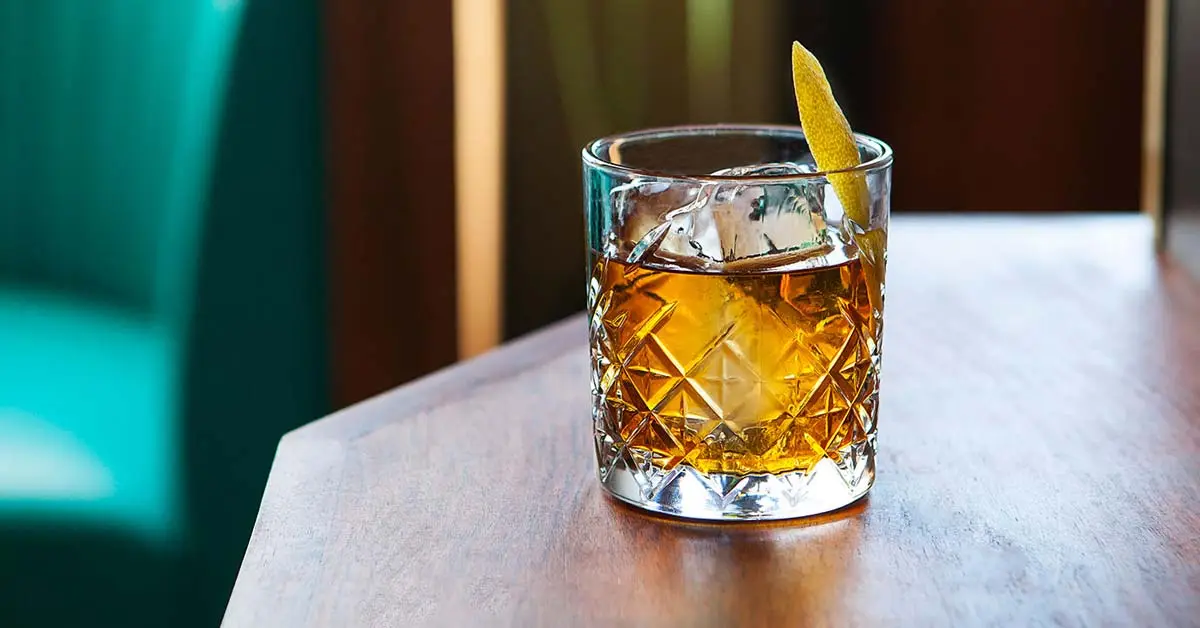
I first tried the Rusty Nail, and its main ingredient, Drambuie, during my very first Scotch whisky tasting in Edinburgh, Scotland. If you’re looking for an easy way into Scotch, Drambuie is a good place to start. It’s technically a Scotch liqueur. That means it’s Scotch whisky that’s been flavored with heather honey, herbs, and spices. That makes it a great drink for fall and winter. Since it only has two ingredients, it’s almost impossible to mess up. To make it, just pour the Drambuie and blended Scotch whisky into a rocks glass with ice and stir. That’s really all there is to it. Some bartenders use a 1:1 ratio, but I stick with David Wondrich’s suggestion listed below.
- 2 oz blended Scotch whisky
- 0.5 oz Drambuie
Blood And Sand
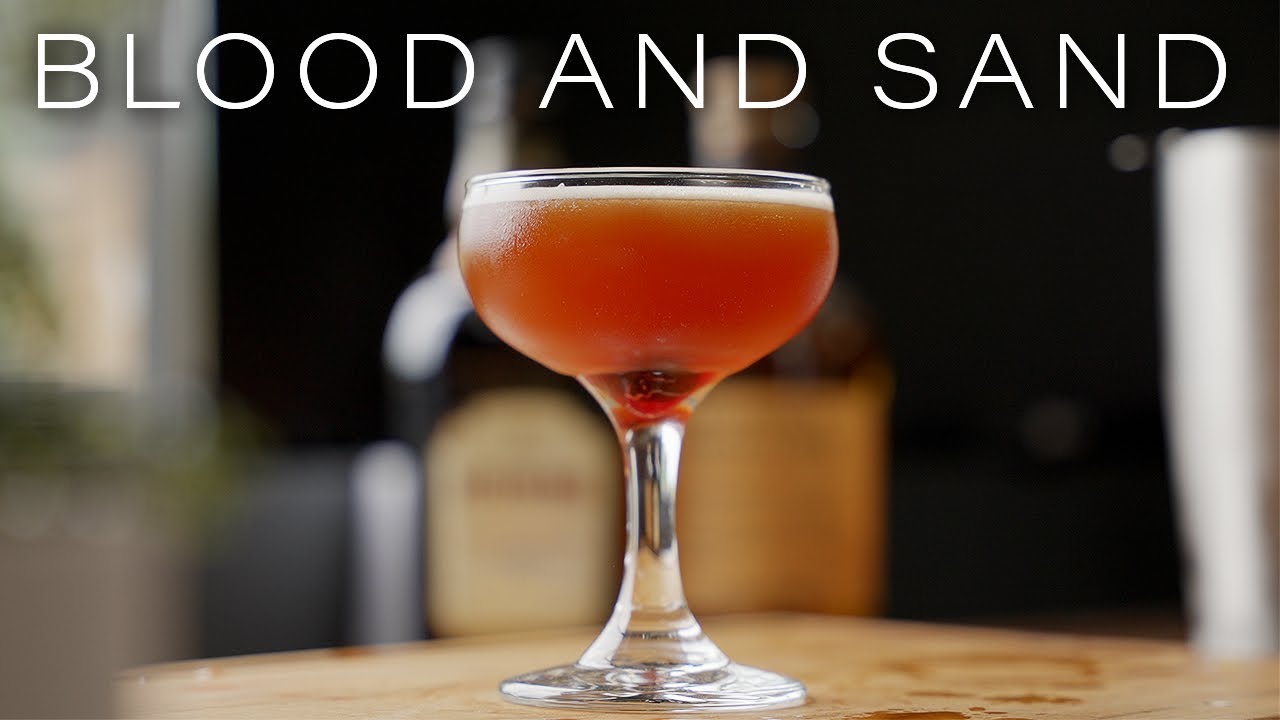
How to make the perfect Blood And Sand cocktail | A Scotch classic
The Blood and Sand was actually one of the first cocktails I ever loved. I’m pretty sure there are still old business cards and coasters of mine floating around with this recipe printed on them. To a strict cocktail traditionalist, the ingredients might seem strange. Cherry liqueur and orange juice in a Scotch drink? On paper, it shouldn’t taste good. But somehow, it all comes together into a smooth, balanced cocktail. If you don’t usually like whiskey but enjoy well-balanced drinks, this is a great one to try. To make it, add all the ingredients to a cocktail shaker with ice, shake it up, then strain into a chilled martini or coupe glass. Go ahead. Hold your pinky up while you sip.
- 0.75 oz blended Scotch whisky
- 0.75 oz sweet vermouth
- 0.75 oz Cherry Heering
- 0.75 oz orange juice
- Garnish: orange peel
Rob Roy
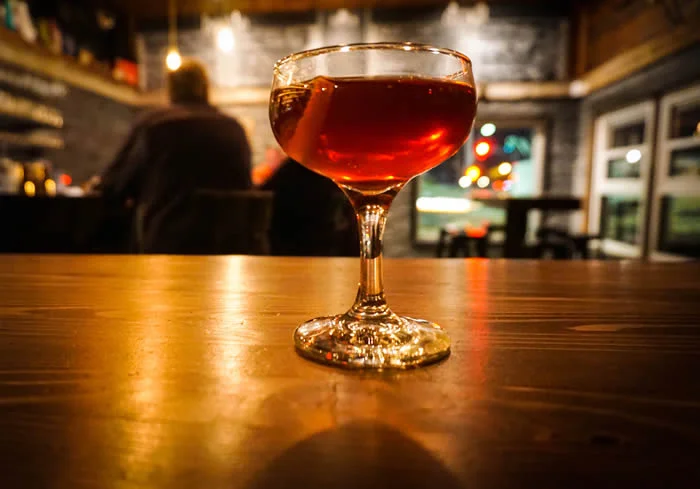
The name Rob Roy sounds like it came straight out of Game of Thrones. In a way, it kind of did. It’s named after an actual 18th-century Scottish outlaw with the same name. The drink itself first showed up in the late 1800s at the Waldorf Astoria in New York City. It makes sense that it started in New York, because it’s basically just a Manhattan cocktail, but made with Scotch whisky instead of rye or bourbon. You make and serve it just like a Manhattan. Add all the ingredients to a mixing glass with ice, stir well, then strain into a chilled martini or coupe glass. Finish it off with a brandied cherry.
- 2 oz blended Scotch
- 1 oz sweet vermouth
- 2 dashes Angostura bitters
- Garnish: brandied cherry
Godfather

The fancy-sounding Scotch cocktails keep coming with the Godfather. This one dates back to the 1970s and was reportedly named after the movie The Godfather. Though no one has officially claimed they invented it. Honestly, it’s a strange combo. Mixing Scotch whisky with sweet Italian Amaretto liqueur. It feels like something you’d throw together in college to impress your friends with your “fancy” Scotch knowledge. But it works. You make it just like a Rusty Nail. Pour the Scotch and Amaretto over ice and stir.
- 2 oz Scotch
- 0.25 oz Amaretto
Presbyterian
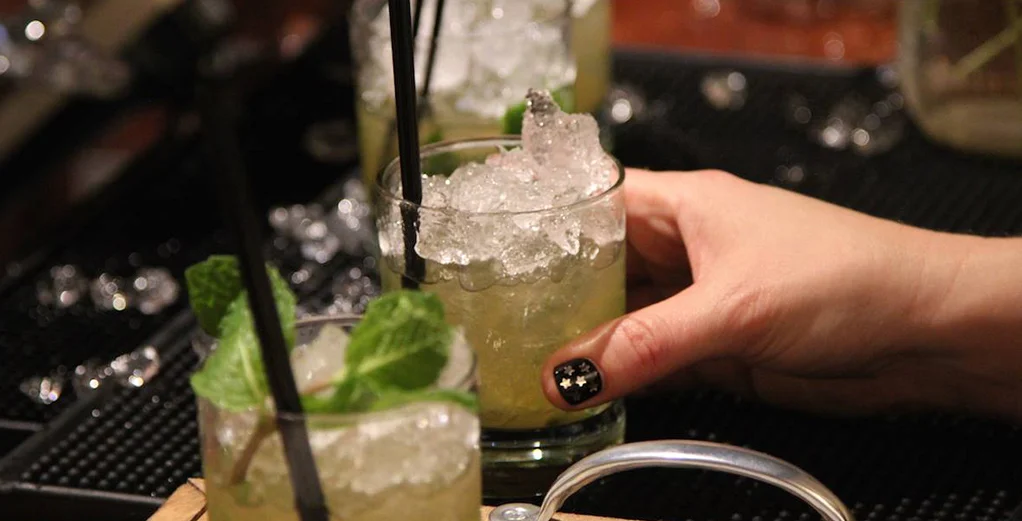
The silly cocktail names continue with the Presbyterian. Don’t worry. There’s nothing religious about it. This Scotch drink has been around since the early 1900s. Honestly, they could have just called it a “Scotch and Ginger,” because that’s pretty much what it is. Cocktail historian David Wondrich says to mix Scotch with two to four ounces of ginger ale. Most recipes, though, include both ginger ale and club soda. The version I’m sharing here, from Difford’s Guide, uses both. Just add the Scotch and club soda to a glass full of ice, then top it off with ginger ale.
- 2 oz Scotch
- 2 oz club soda
- Top with ginger ale
Mamie Taylor
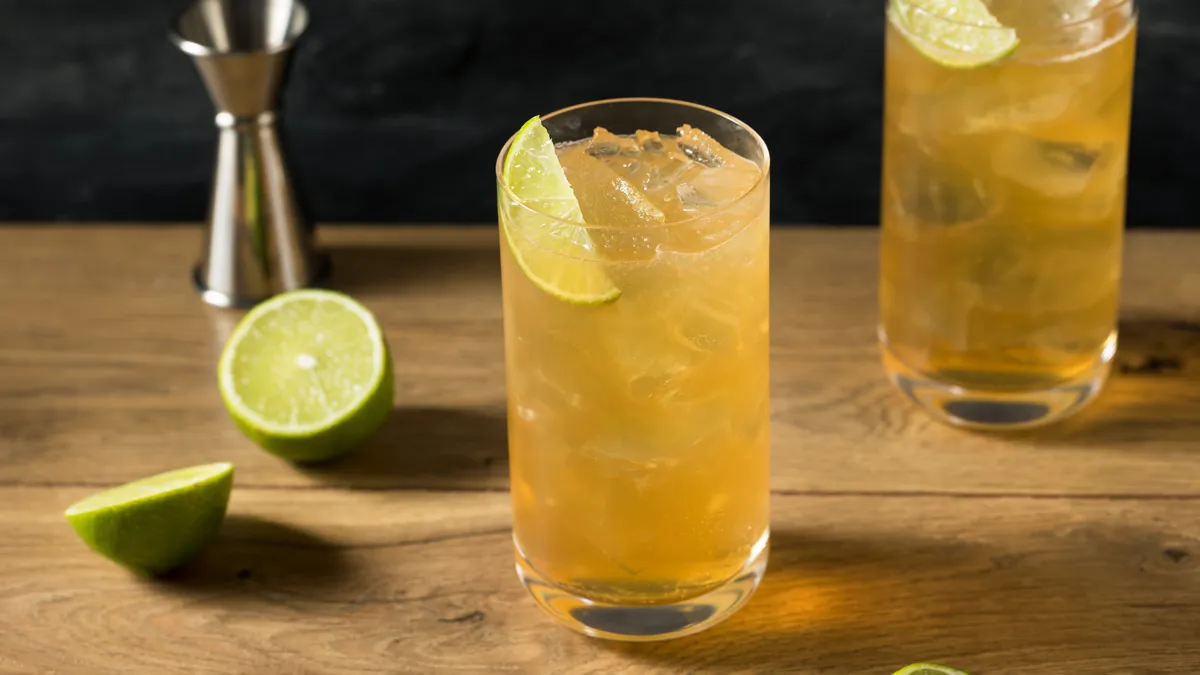
Yes, a Mamie Taylor is basically just a Presbyterian with lime juice added. This drink was popular before Prohibition and is said to be named after a Broadway actress. Though the spelling is slightly different. It’s oddly similar to a Moscow Mule. Minus the copper mug. According to Difford’s Guide, this drink was so popular in the early 1900s that bartenders would charge extra for it just to discourage people from ordering it too often. These days, you’ll hardly ever see it on a menu. To make it, just add all the ingredients to a glass full of ice and enjoy.
- 2 oz Scotch whisky
- 0.5 oz lime juice
- Top with ginger ale
Scotch Sour
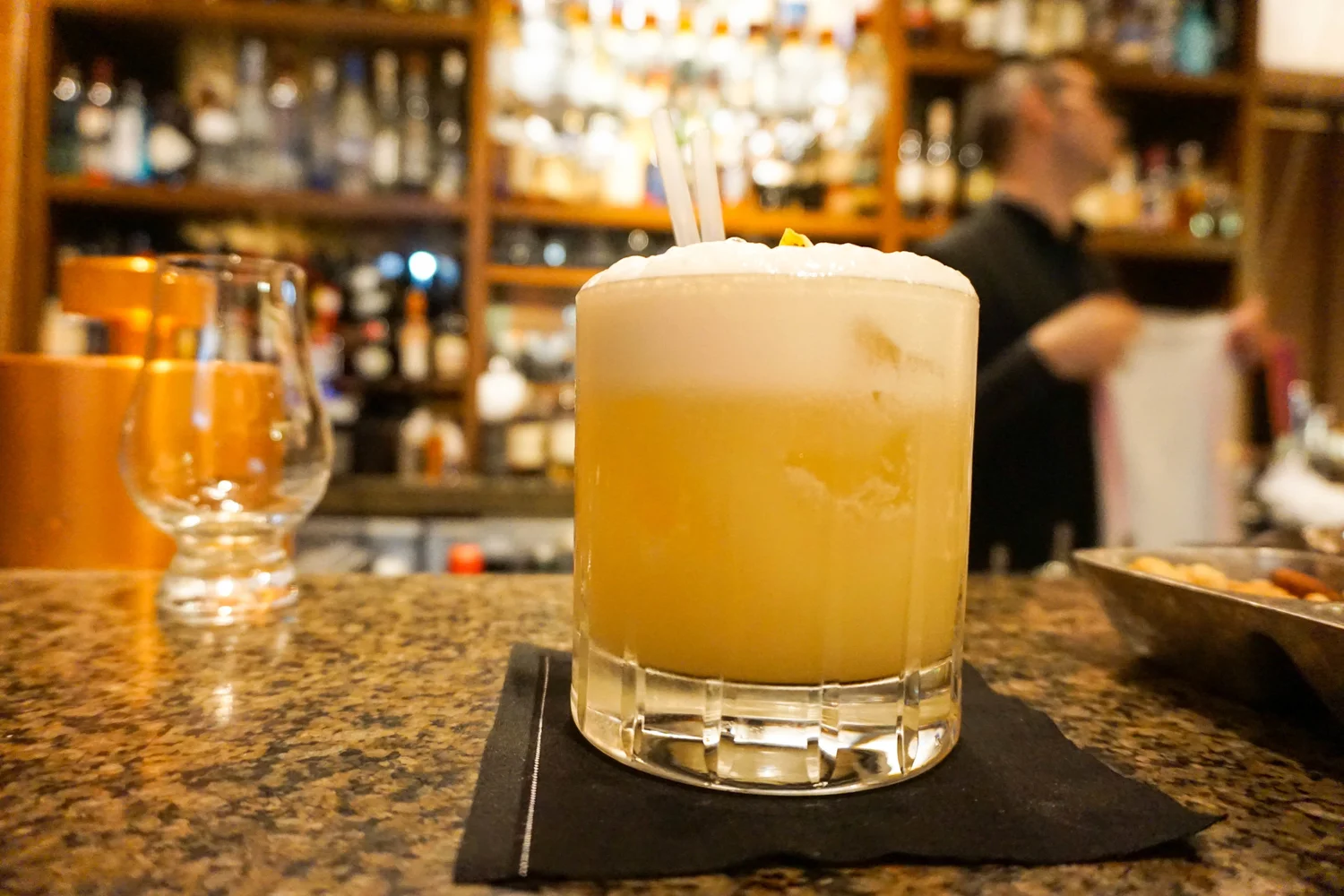
If you guessed that the Scotch Sour is just a whiskey sour made with Scotch, you’re exactly right. The ingredients listed below are the basic building blocks of any whiskey sour. I often like to add an egg white to give it a nice frothy top. Saveur magazine suggests making a cinnamon and honey simple syrup instead of plain sugar syrup. I’m totally on board with that. The whiskey sour is a flexible drink. You can tweak the ingredients and amounts to match your taste. To make this version, add everything to a cocktail shaker with ice and shake. If you’re using egg white, do a “dry shake” first. That means shake without ice. Then add ice and shake again. Strain into a rocks glass with fresh ice, and garnish with a cherry or a twist of citrus peel.
- 2 oz blended Scotch whisky
- 1 oz lemon juice
- 0.5 oz simple syrup
- Optional: 1 egg white
Bobby Burns
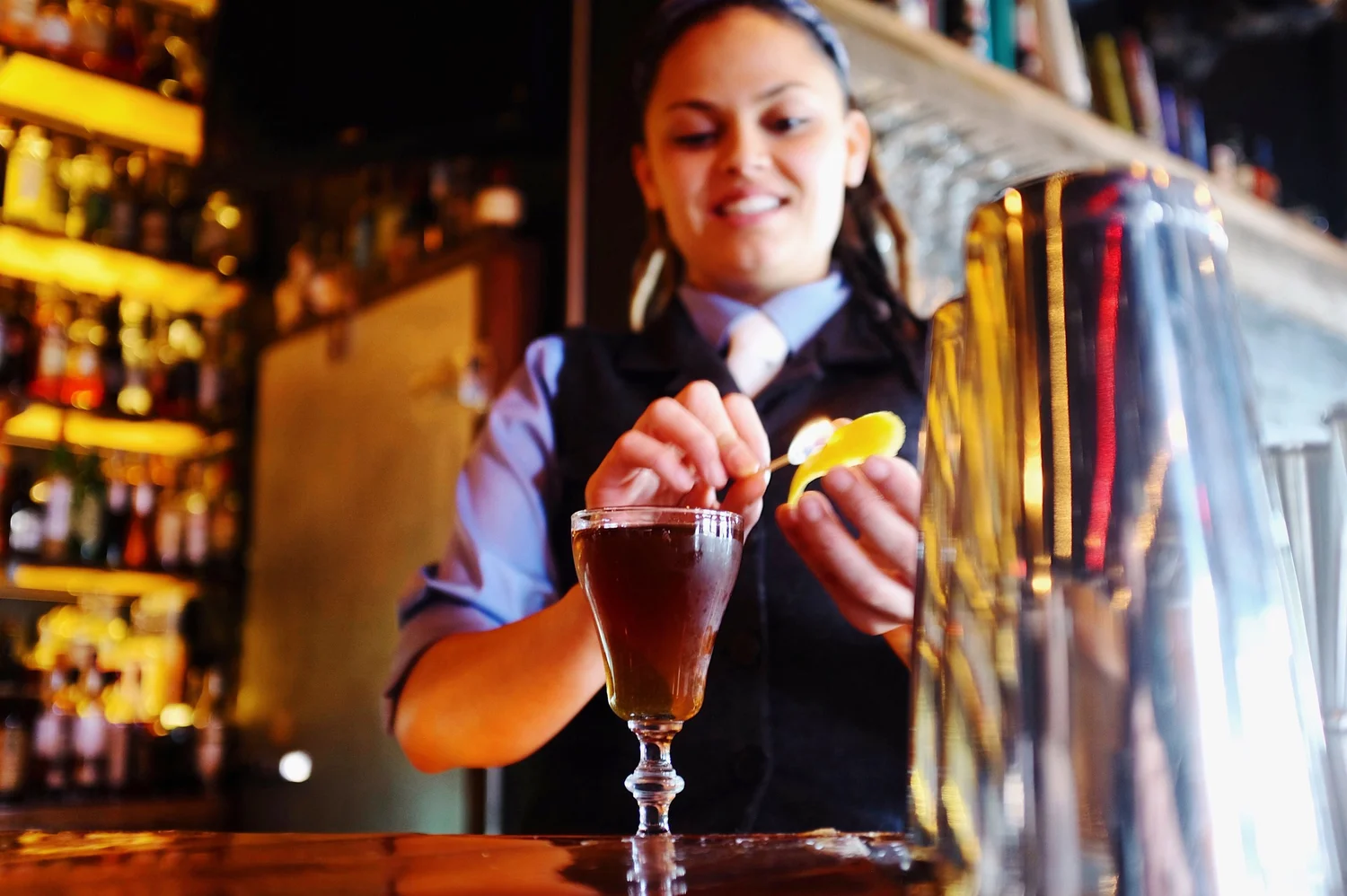
The Bobby Burns might be the best classic Scotch cocktail out there. Harry Craddock, who first wrote about it in The Savoy Cocktail Book in 1930, thought so too. It’s named after the famous Scottish poet Robert Burns. The drink is bold, simple, and packed with flavor. But be warned. It’s strong. The exact measurements change depending on who you ask, but I go with cocktail expert Dale DeGroff’s version. To make it, add all the ingredients to a mixing glass with ice, stir well, then strain into a martini or coupe glass.
- 2 oz Highland malt Scotch
- 0.75 oz sweet vermouth
- 0.5 oz Bénédictine
Morning Glory Fizz
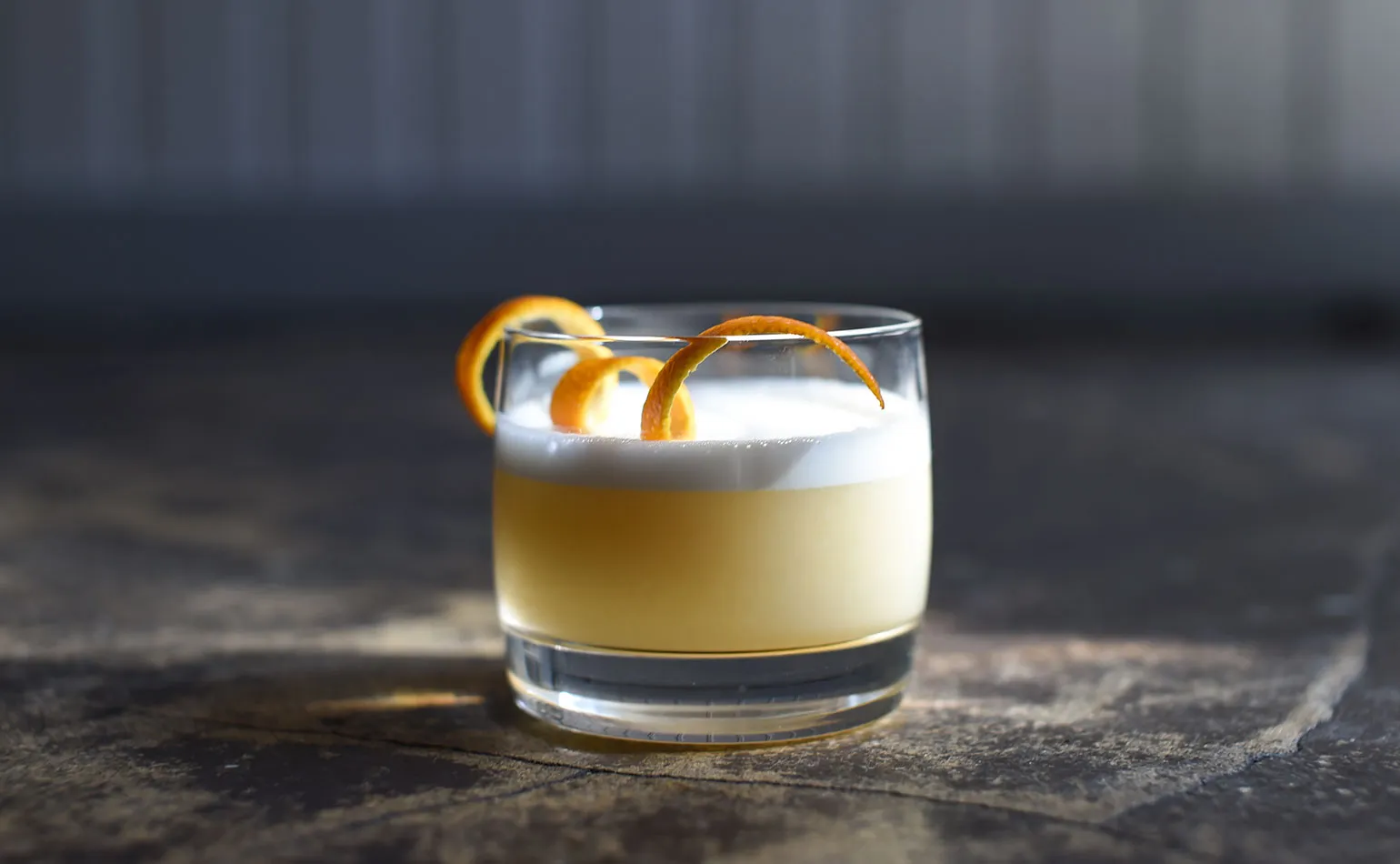
Here’s a Scotch cocktail meant to cure your hangover. It dates back to the late 1800s. There are tons of different versions out there, but almost all of them include Scotch, absinthe, egg white, and soda water. This recipe comes from Difford’s Guide. To make it, add all the ingredients except the club soda to a cocktail shaker. Don’t add ice yet. Shake it once without ice. That’s called a dry shake. Then add ice and shake again. Strain it into a glass and top it off with club soda.
- 2 oz blended Scotch
- 0.75 oz lemon juice
- 0.5 oz simple syrup
- 1 egg white
- A couple of dashes of absinthe
- Top with club soda
Scotch Old Fashioned
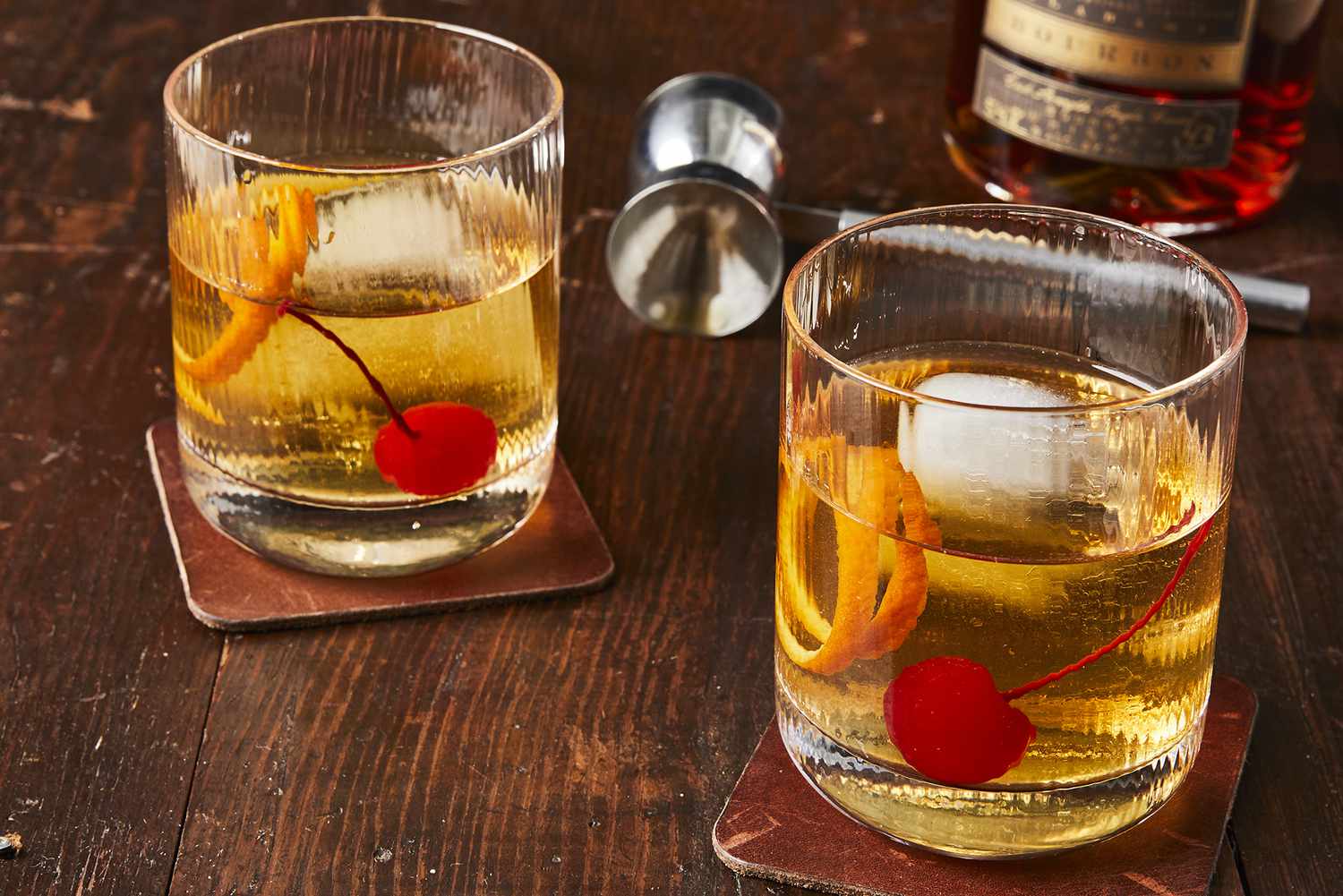
I’ll admit I’m biased here. The Old Fashioned is my all-time favorite cocktail. One reason I love it is that even though it has a short list of ingredients, you can make it in so many ways by swapping out spirits or adding flavors. Including using Scotch. My way of making it is more detailed than most. First, I put the sugar and just a splash of the whisky into a mixing glass with a couple of ice cubes and stir until the sugar starts to dissolve. Then I add more ice, the bitters, and slowly stir in the rest of the whisky. Finally, I strain it into a rocks glass over one large ice cube.
- 2 oz blended Scotch
- 0.25 oz simple syrup or 1 teaspoon sugar
- 2 dashes Angostura bitters
Scotch Hot Toddy
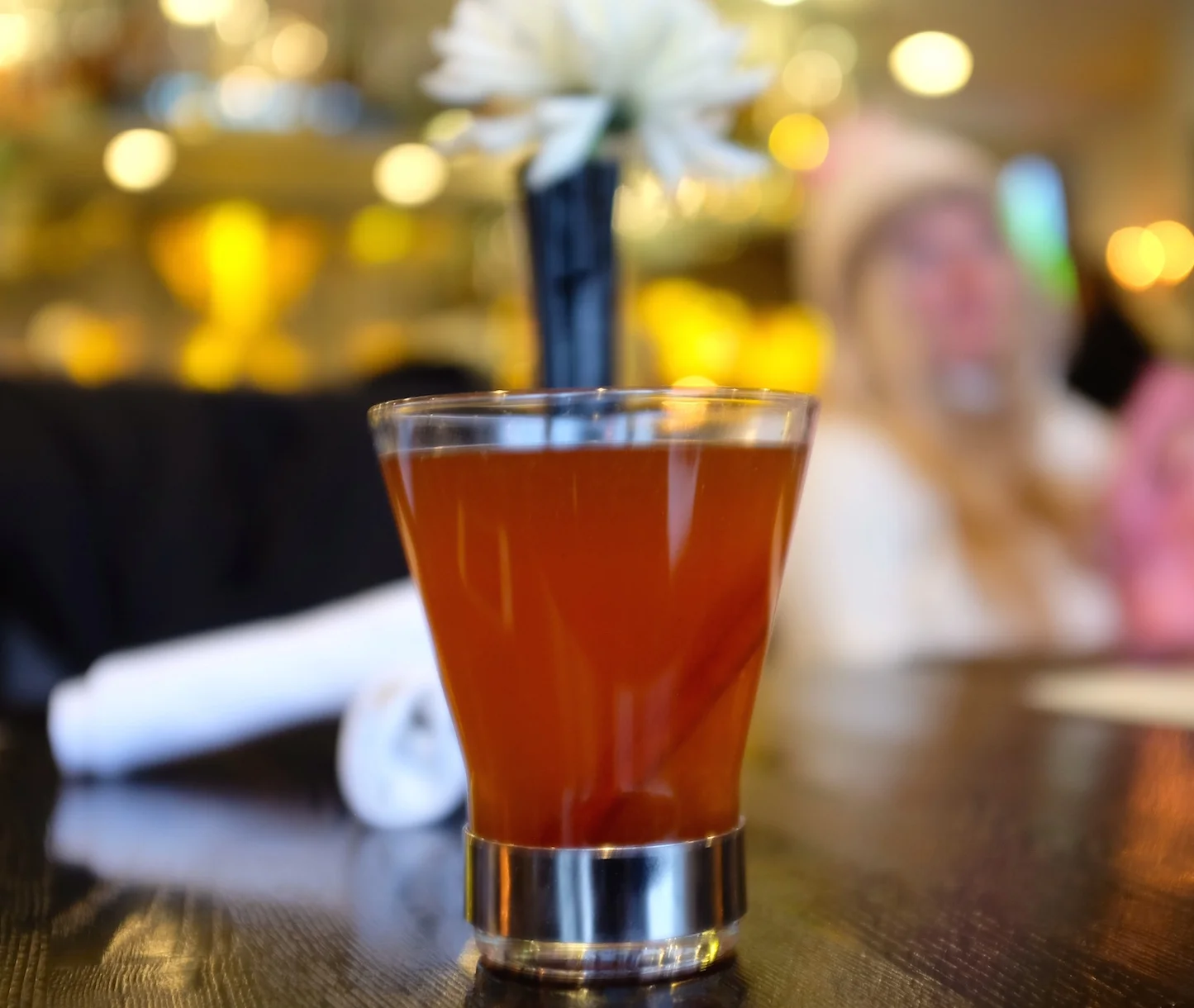
Winter is coming. Like the Scotch Sour and Scotch Old Fashioned, there are countless ways to make a hot toddy. Some people use bourbon, others use brandy. Some use hot water, others use tea. This is a simple version made with Scotch. Stir together the Scotch, lemon juice, and honey in a mug, then top it off with hot water. Add your favorite spices. Like a cinnamon stick or a few cloves. Sip slowly.
- 2 oz Scotch
- 0.5 oz lemon juice
- 1 spoon of honey
- 1 to 2 oz hot water
- Optional spices: cloves and/or a cinnamon stick
Penicillin
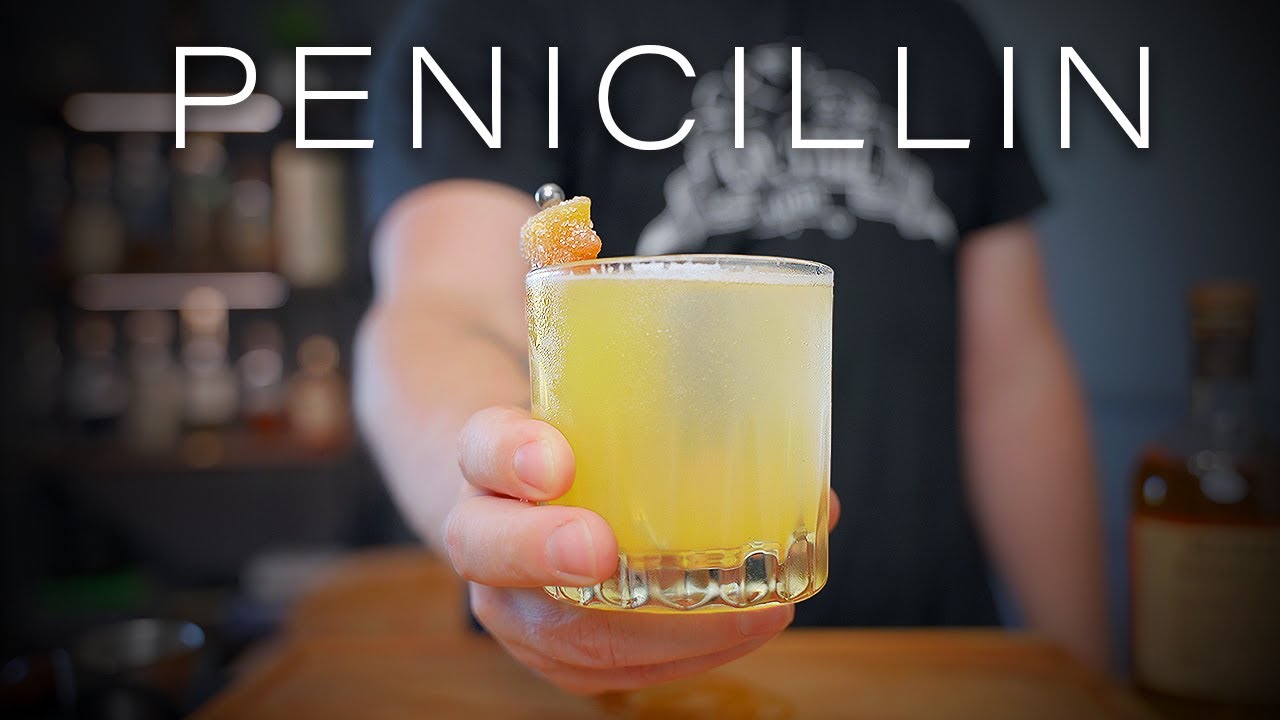
How to make the perfect Penicillin | The best cocktail with Scotch?
Penicillin isn’t a classic old cocktail. It was invented only about ten years ago by Sam Ross at the famous Milk & Honey bar in New York. But I truly believe it’s one of the best, if not the single best, cocktails to come out of the modern cocktail revival. It’s smoky, spicy, sweet, and perfectly balanced. And it only needs four main ingredients. To make it, muddle a small piece of fresh ginger in a cocktail shaker. Then add the rest of the ingredients, except the smoky Scotch, with ice and shake. Double strain it into a rocks glass filled with ice. Finally, slowly pour the Islay Scotch over the back of a spoon so it floats on top. Garnish with candied ginger.
- 2 oz blended Scotch
- 0.75 oz lemon juice
- 0.75 oz honey-ginger syrup
- 0.25 oz Islay single malt Scotch (Laphroaig is ideal)
- Fresh ginger (to muddle)
- Garnish: candied ginger
Atholl Brose
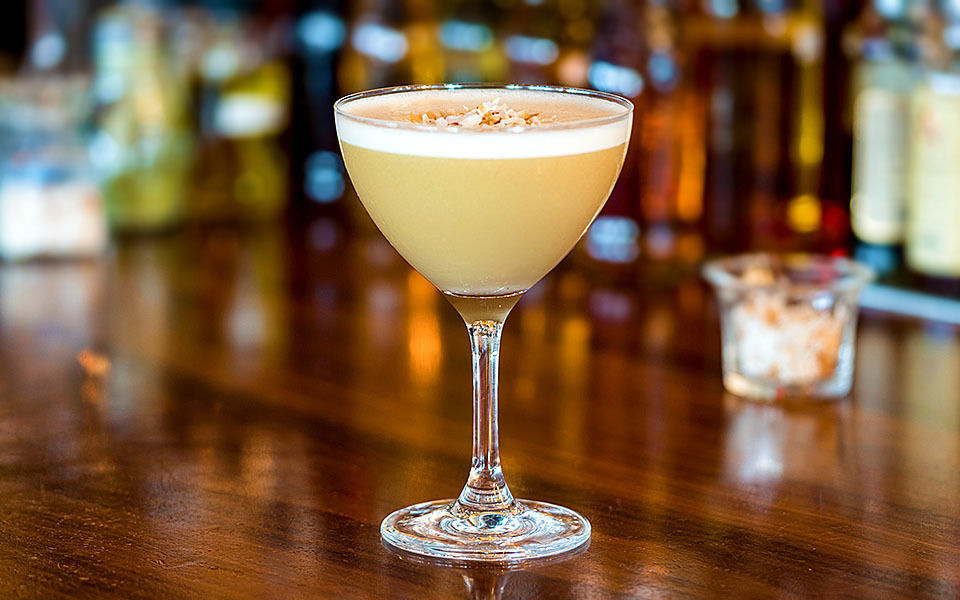
By strict definition, Atholl Brose isn’t a cocktail. It’s more of a traditional Scottish whisky liqueur, usually served around the holidays. But it’s one of Scotland’s oldest and most historic drinks. When I serve it, I treat it like a rich, warming after-dinner cocktail in the winter.
Legend says that in the late 1400s, the Earl of Atholl captured a rebel leader by spiking his well with honey, whisky, and oatmeal. Those are the core ingredients of this drink. Recipes vary. Some include cream, others don’t. Or, if you don’t want to make it yourself, you can just buy a bottle of pre-made Atholl Brose.
The recipe I usually follow comes from Saveur. It says to stir the Scotch and oatmeal together in a bowl or mason jar, then cover it with cheesecloth and let it sit for a couple of days. After that, mix it with the heavy cream and honey in a saucepan and gently heat it until it’s warm. Don’t let it boil. Serve it warm in small glasses.
- 2 and 1/3 cups Scotch
- 1/2 cup steel-cut oatmeal
- 2/3 cup heavy cream
- 1/4 cup honey
See Also: Traditional Scottish Drinks
Building Your Scotch Collection - Smart Recommendations
Creating a thoughtful scotch collection requires strategy rather than random purchases. Focus on diversity, quality, and personal preference development rather than chasing expensive bottles or following trends blindly.
Beginner Bottles Under $50
Start with quality expressions that demonstrate different regional styles and production methods. These bottles provide excellent value while teaching fundamental flavor recognition.
- Glenlivet 12: Glenlivet 12 represents classic Speyside character at an accessible price point. Its apple, honey, and vanilla notes demonstrate why this region appeals to newcomers. The consistent quality and wide availability make it a reliable choice.
- Highland Park 12: Highland Park 12 offers balanced complexity with gentle smoke influence. This Orkney island distillery produces approachable whiskies that bridge Highland and Island styles. The honey sweetness balances the subtle peat perfectly.
- Monkey Shoulder: Monkey Shoulder provides an excellent blended malt introduction. This Speyside blend combines three single malts into a smooth, approachable expression perfect for neat drinking or cocktails.
- Grouse: Famous Grouse demonstrates quality blended scotch value. This reliable expression offers good mixing characteristics while remaining pleasant and neat. Its widespread availability and consistent quality make it ideal for learning.
- Ardbeg 10: Ardbeg 10 (when on sale) introduces Islay intensity at reasonable prices. Start with small tastes - this heavily peated expression challenges beginners but rewards persistence with incredible complexity.
Intermediate Selections $50-100
These bottles offer increased complexity and refinement while remaining reasonably priced. They demonstrate how age, special cask treatments, and premium blending enhance scotch character.
- Glenfarclas 17showcases how time develops sherry cask influence. This family-owned distillery produces consistently excellent expressions with rich fruit and spice characteristics.
- Springbank 15represents Campbeltown's unique character through traditional production methods. The distillery's floor malting and direct-fire heating create distinctive flavors rarely found elsewhere.
- Compass Box Great King Streetdemonstrates modern blending artistry. This innovative company creates unique expressions by combining interesting single malts in creative proportions.
- Balvenie 14 Caribbean Caskshows how innovative cask finishing creates new flavor territories. The rum barrel finish adds tropical fruit notes while maintaining Speyside elegance.
- Lagavulin 16provides the definitive Islay experience. This rich, smoky expression demonstrates how great distilleries balance intensity with drinkability.
Investment-Worthy Bottles
These expressions represent special occasion drinking and long-term collection building. Purchase them for meaningful celebrations or serious whisky study rather than daily consumption.
- Macallan 18(when available at reasonable prices) exemplifies premium sherry cask aging. The deep fruit complexity and luxurious mouthfeel justify special occasion service.
- Highland Park 25demonstrates how great distilleries develop over extended aging. The intricate balance of smoke, fruit, and spice creates meditation-worthy complexity.
- Springbank 21represents traditional Scottish whisky-making at its finest. Limited production and incredible quality make these bottles increasingly valuable.
- Port Ellen or Brora(if budget allows) provide glimpses into Scotch history. These closed distilleries command premium prices but offer irreplaceable tasting experiences.
- Compass Box's limited releasesoften provide excellent value in the premium category. Their innovative approach and quality sourcing create unique expressions worth collecting.
Perfect Food Pairings With Different Scotch Styles
Food and scotch pairings follow similar principles to wine matching - complement or contrast flavors while considering intensity levels. Understanding how different scotch styles interact with various foods enhances both eating and drinking experiences.
- Speyside single maltspair beautifully with lighter fare: Their apple and honey characteristics complement fresh seafood, particularly salmon and shellfish. Soft cheeses like brie or camembert create wonderful contrasts with fruity whiskies. For dessert pairings, try apple tart or crème brûlée.
- Highland whiskieshandle more robust flavors: Game meats, lamb, and aged beef work excellently with medium-bodied Highlands. The natural spice in many Highland expressions complements grilled preparations and barbecue dishes. Aged cheddar and hard Scottish cheeses provide classic regional pairings.
- Islay expressions: Demand bold flavors that won't be overwhelmed by smoke and peat. Oysters and other briny shellfish create surprising harmony with maritime-influenced whiskies. Smoked salmon, barbecued meats, and strong cheeses like blue cheese or aged Gouda stand up to peated intensity.
- Blended scotches offer versatility in food matching: Their balanced profiles complement wide-ranging dishes from casual pub fare to more refined cuisine. They work particularly well with mixed platters and social dining situations where multiple flavors appear simultaneously.
Consider timing when planning pairings. Lighter whiskies work well as aperitifs with appetizers, while richer expressions suit after-dinner service with desserts or cigars. Temperature also matters - warmer foods intensify whisky alcohol perception, while cooler dishes allow more subtle flavor appreciation.
Frequently Asked Questions
What's The Difference Between Scotch And Whiskey?
Scotch specifically refers to whisky made in Scotland according to strict legal requirements. All scotch is whiskey, but not all whiskey is scotch. Scottish whisky must be distilled from cereal grains, aged in oak casks for a minimum of three years, and bottled at no less than 40% alcohol by volume. The spelling "whisky" (without the 'e') is traditionally Scottish, while "whiskey" appears in Irish and American contexts.
How Should I Store Opened Scotch Bottles?
Store opened scotch bottles upright in cool, dark locations away from direct sunlight and temperature fluctuations. Unlike wine, whisky doesn't continue developing in the bottle, so oxidation is your primary concern. Properly stored opened bottles maintain quality for several years, though very low fills (less than 1/4 remaining) may show subtle changes after extended periods. Never store bottles on their side - prolonged cork contact can impart off-flavors.
Does Expensive Scotch Always Taste Better?
Price doesn't guarantee superior taste - personal preference matters more than cost. Many excellent whiskies exist under $60, while some expensive bottles disappoint individual palates. Factors influencing price include age, rarity, marketing, packaging, and production costs, rather than just quality. Focus on flavor profiles you enjoy rather than price points, and remember that "better" is subjective in whisky appreciation.
Can I Drink 20-year-old Scotch That's Been Sitting Unopened?
Unopened scotch bottles can last indefinitely when stored properly. The high alcohol content prevents spoilage, and whisky doesn't age further once bottled. A 20-year-old bottle of scotch contains the same whisky as when originally bottled, assuming proper storage conditions. Check for intact seals and clear liquid - any cloudiness or cork deterioration might indicate storage problems, but these issues are rare with quality bottles.
What's The Best Way To Try Different Scotch Styles Without Buying Full Bottles?
Whisky bars with extensive selections provide the most cost-effective way to explore different styles. Many establishments offer flight tastings that showcase regional or style variations. Some liquor stores sell miniature bottles (50ml) of premium expressions, though selection is often limited. Whisky festivals and tasting events offer opportunities to try rare or expensive expressions at reasonable costs. Consider joining whisky clubs or societies that organize group tastings.
Should I Add Water To My Scotch?
Adding water is a personal choice that can enhance or diminish your enjoyment depending on the whisky and your preferences. Water typically opens up aromatic compounds and reduces alcohol burn, making flavors more accessible. Start with just a few drops and experiment gradually. Cask-strength whiskies (usually above 50% ABV) almost always benefit from some water addition, while lower-proof expressions might lose character with dilution. Use clean, neutral water to avoid introducing unwanted flavors.
How Do I Develop My Palate For Scotch Tasting?
Palate development requires practice and patience. Start with lighter, more approachable expressions before progressing to intense styles like heavily peated Islay. Taste systematically - examine appearance, aroma, flavor, and finish separately. Keep tasting notes to track preferences and observations. Try the same whisky at different times and conditions to understand how factors like mood, food, and environment affect perception. Most importantly, taste widely rather than deeply - exposure to different styles accelerates learning.
What Makes Single Malt Scotch More Expensive Than Blended?
Single malts typically cost more due to several factors. Production is more limited since they come from individual distilleries rather than being combined from multiple sources. Marketing positions single malts as premium products, and consumers pay for perceived exclusivity. However, production costs aren't always higher - some excellent blended whiskies contain rare, aged single malts that would cost more individually. Quality exists in both categories at various price points.
Can Scotch Go Bad Or Spoil?
Properly stored scotch doesn't spoil in the traditional sense. The high alcohol content prevents bacterial growth and decomposition. However, opened bottles can show subtle changes over many years due to oxidation and evaporation. Very old opened bottles might lose some intensity or develop slightly flat characteristics. Unopened bottles maintain original quality indefinitely when stored correctly. Poor storage conditions - heat, light, or temperature fluctuations - can cause degradation even in sealed bottles.
Why Do Some Scotch Whiskies Taste Smoky While Others Don't?
Smoky flavors come from peat used during the malting process. Peat, partially decomposed organic matter found in Scottish bogs, burns with distinctive smoke when dried barley is heated. Distilleries choose whether to use peat based on their desired flavor profile. Islay distilleries traditionally use heavily peated malt, creating intensely smoky whiskies, while Speyside producers typically avoid peat for cleaner, fruitier profiles. The amount and type of peat, plus timing during production, control smoke intensity.
Final Thoughts
My journey with scotch began with curiosity and expensive mistakes, but evolved into one of life's most rewarding passions. What started as intimidation in that first whisky shop transformed into genuine appreciation for the craft, history, and artistry behind every bottle.
The beauty of scotch lies not just in its flavors but in its capacity for discovery. Every bottle tells a story - of Scottish landscapes, centuries-old traditions, and master craftsmen who dedicate their lives to perfecting their art. When you understand these stories, every sip becomes more meaningful.
Remember that whisky appreciation is deeply personal. Don't let anyone dictate what you should enjoy or how you should drink it. Trust your palate, experiment with confidence, and remember that the best scotch is simply the one you enjoy most. Whether that's a $30 blended whisky or a $300 single malt matters less than the pleasure it brings you.
If you found this guide helpful, consider sharing it with fellow whisky enthusiasts or anyone beginning their own scotch journey. The whisky community thrives on shared knowledge and mutual discovery.
Jump to
Scotch Drink: The Spirit Of Scotland
Key Takeaways
The Story Of Scotch Whisky And History
How Scotch Whisky Helps Scotland’s Economy
The Four Types Of Scotch You Need To Know
Scotch Regions And Their Signature Flavors
How To Drink Scotch Like A Pro
Essential Scotch Cocktails Beyond The Basic Highball
Rusty Nail
Blood And Sand
Rob Roy
Godfather
Presbyterian
Mamie Taylor
Scotch Sour
Bobby Burns
Morning Glory Fizz
Scotch Old Fashioned
Scotch Hot Toddy
Penicillin
Atholl Brose
Building Your Scotch Collection - Smart Recommendations
Perfect Food Pairings With Different Scotch Styles
Frequently Asked Questions
Final Thoughts

Callum Fraser
Author
Callum Fraser isn't just a writer about Scotland; he's a product of its rugged landscape and rich history. Born and raised in Perthshire, with the Highlands as his backyard, his love for the nation's stories was kindled by local storytellers and long walks through ancient glens.
This passion led him to pursue a degree in Scottish History from the University of Edinburgh. For over 15 years, Callum has dedicated himself to exploring and documenting his homeland, fusing his academic knowledge with essential, on-the-ground experience gained from charting road trips through the Cairngorms, hiking the misty Cuillins of Skye, and uncovering the secrets of traditional recipes in his family's kitchen.
As the Editor-in-Chief and Lead Author for Scotland's Enchanting Kingdom, Callum's mission is simple: to be your most trusted guide. He combines meticulous research with a storyteller's heart to help you discover the authentic magic of Scotland — from its best-kept travel secrets to its most cherished traditional recipes.
Latest Articles
Popular Articles