I Tried 20 Traditional Scottish Drinks | A Taste Of History In Every Glass
Experience Scotland through 20 traditional drinks I tried whisky, cordials, and local favorites that capture the nation’s spirit.
Author:Callum FraserDec 03, 20254.5K Shares173.4K Views
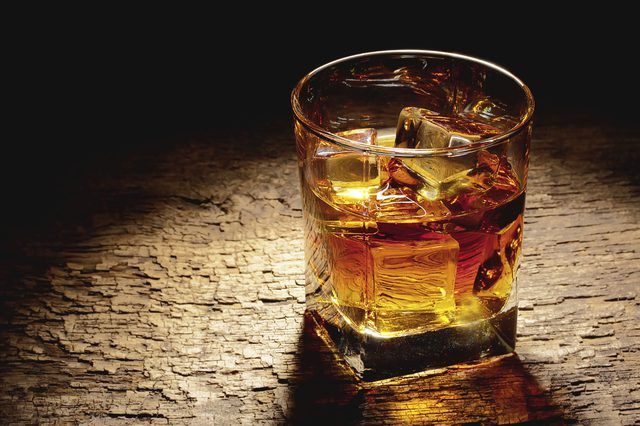
Traditional Scottish Drinks: Stories In Every Glass
When I think of Scotland, the first thing that comes to mind is usually whisky. But the truth is, Scottish drinks go way beyond a single spirit. Over the years, I’ve had the chance to sit in pubs, visit distilleries, and even try homemade brews, and I realized something important: every drink here has a story.
Some were made to keep people warm through long winters, others to celebrate victories, and a few simply to quench thirst after a hard day’s work.
Let me walk you through 20traditional Scottish drinksthat left a mark on me. Some are world-famous, others are little local secrets, but all of them connect you to Scotland’s culture in their own way.
1. Scotch Whisky
If there’s one drink that defines Scotland to the world, it’s whisky. But to me, it’s never just been about the alcohol; it’s about the ritual. I remember standing inside a Highland distillery, the air thick with the smell of malted barley, listening to the guide explain how every cask picks up its character from the land around it.
Visiting the Scotland whisky distilleriesfirsthand gave me a whole new appreciation for the care and history behind each bottle. A dram of whisky isn’t just a drink; it’s Scotland in liquid form, shaped by its water, its peat, and even its unpredictable weather. Over time, I learned that whisky in Scotland isn’t one-size-fits-all.
There’s the smoky punch of an Islay malt, the soft sweetness of Speyside, and the bold strength of Highland blends. Each region feels like it’s telling you a different chapter of the same story.
2. Irn-Bru
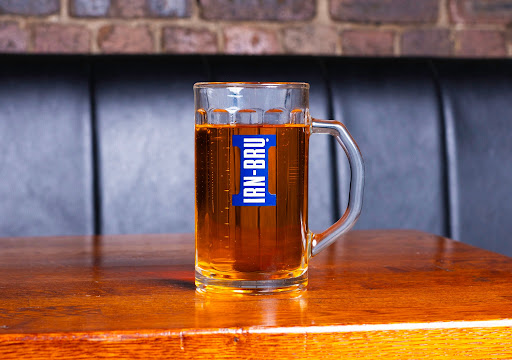
I can’t talk about Scottish drinks without mentioning Irn-Bru. The first time I tried it, someone jokingly called it “Scotland’s other national drink,” and they weren’t wrong. Bright orange, fizzy, and with a taste that’s hard to pin down somewhere between bubblegum, citrus, and a hint of spice, it’s the kind of drink that feels like childhood in a bottle.
You’ll see it everywhere, from corner shops to late-night chippies, usually standing proudly next to the usual colas. What makes Irn-Bru special is the way Scots treat it almost like medicine. Got a hangover? “Grab a Bru.” Feeling low? “Have a can.”
Over the years, I noticed how it’s become more than just a soft drink; it’s woven into daily life. Tourists might raise an eyebrow at the taste, but for locals, it’s a symbol of identity quirky, bold, and unlike anything else you’ll find outside Scotland.
3. Heather Ale
There’s a kind of romance in the story of Heather Ale. The legend goes that the Picts, one of Scotland’s ancient tribes, brewed it long before anyone else in the world thought of making beer this way.
When I finally had the chance to try a modern version, I understood the fuss; it’s light, floral, and carries a faint sweetness that makes you think of windswept moors covered in purple heather.
Unlike whisky or Irn-Bru, Heather Ale isn’t something you’ll find everywhere. It’s almost mythical, popping up in small craft breweries or at festivals. To me, that makes every sip feel like you’re drinking a piece of history. It’s not just beer; it’s a taste of Scotland’s oldest stories, passed down through folklore and brewing traditions that refused to fade away.
4. Drambuie
Drambuie is one of those drinks I didn’t appreciate until I slowed down and really tasted it. It’s a golden liqueur made from whisky, honey, herbs, and spices, and it carries a kind of richness that lingers long after the first sip.
I first tried it in a quiet bar on Skye, the island where it was born, and I remember thinking: this isn’t just a drink, it’s a dessert in a glass. What struck me most is how versatile it is. Scots will drink it neat, pour it over ice, or even mix it into a Rusty Nail cocktail with whisky.
No matter how it’s served, Drambuie feels indulgent, like something you’d reach for on special nights. It’s sweet, yes, but layered in a way that makes you slow down, appreciate the craftsmanship, and understand why it’s lasted for centuries.
5. Scottish Ale
If whisky is Scotland’s crown, then ale is the heartbeat of its pubs. I’ve lost count of how many times I’ve sat at a wooden table with a pint of Scottish ale in hand, the kind that’s malty, slightly sweet, and comforting.
What I love most is how varied it can be; some are light and easy to drink, while others are dark and rich, almost chewy. Each pint feels like it belongs to the land it came from. There’s also something about the atmosphere that makes ale special.
It’s not just about the drink itself, but the way it brings people together friends laughing, strangers sharing stories, music filling the room. Ale might not have the global fame of Scotch whisky, but in many ways, it’s the true social drink of Scotland, quietly fueling connections for centuries.
6. Atholl Brose
The first time someone handed me a glass of Atholl Brose, I didn’t even know what it was. Then I tasted it smooth, creamy, and with just the right kick of whisky behind honey and oats. It felt less like a drink and more like a warm embrace.
The story goes that it dates back to the 15th century, when the Earl of Atholl supposedly used it to capture his enemies by lacing their water supply. Today, it’s more of a festive treat than a battle tactic. I usually see it around Hogmanay or Burns Night, when families make their own versions at home.
For me, Atholl Brose is the kind of drink that reminds you Scotland’s traditions aren’t just about the big names they’re about recipes kept alive in kitchens, passed down like family treasures.
7. Mead
Mead feels ancient because it is. Made from honey, water, and sometimes herbs or fruits, it’s one of the oldest drinks humanity ever created, and Scotland has its own proud history with it.
I tried my first Scottish mead at a small medieval fair, served in a rustic-looking cup, and it was like drinking sunshine, sweet, fragrant, and surprisingly strong. What fascinated me is how mead used to be tied to life’s big celebrations: weddings, victories, and seasonal festivals.
In Scotland, it carried that same sense of ritual, like a bridge to the past. Every time I sip it, I think of how it must have felt to raise a cup centuries ago, celebrating life’s fleeting joys with something so simple, yet so powerful.
8. Scottish Gin
Scotland may be known for whisky, but I quickly learned it’s also one of the best places in the world for gin. The cool climate and abundance of botanicals like heather, rowan berries, and wild herbs make Scottish gin stand out.
The first time I tried one, it wasn’t just a drink; it was like tasting the landscape itself. Fresh, floral, and sometimes with a sharp citrus edge, it made me rethink everything I thought I knew about gin. What’s amazing is how gin has become a modern success story for Scotland.
New distilleries are popping up everywhere, many of them experimenting with local ingredients. I’ve walked into trendy bars in Glasgow where gin menus are longer than the whisky lists, and each brand feels like it has its own personality. To me, Scottish gin is proof that tradition and innovation can live side by side.
9. Raspberry Cordial
Raspberry cordial might not have the fame of whisky or ale, but it has its own charm. I tried it on a summer visit to a small café in the Highlands, and it was refreshing, sweet, and tangy like bottled sunshine.
It felt less like a heavy drink and more like a cheerful treat, perfect for warm afternoons. What struck me most was how natural it tasted, almost like drinking the fruit straight from the bush. It reminded me of Scotland’s love for using local berries in all sorts of ways, from jams to liqueurs.
Raspberry cordial might seem simple, but sometimes simple things are the most memorable. It’s a reminder that enjoying a flavorful drink doesn’t always mean alcohol you can have just as much fun with alcohol-free activities in London.
10. Glen Mist
Glen Mist isn't as famous as other Highland drinks, but it represents something important about Scottish drinking culture: the belief that alcohol, herbs, and local ingredients could provide medicinal benefits to help people survive harsh mountain winters.
This traditional cordial combines local herbs gathered from Scottish glens with spirits and honey. Different regions had their own variations, depending on what grew locally. Some versions included heather, others used mountain herbs like wild thyme or juniper berries.
I've learned that Glen Mist was often consumed in the morning as a way to ward off illness and provide energy for the day's work. It represents the practical side of Scottish drinking culture not just pleasure, but survival.
11. Whipkull
Whipkull might sound like an odd name, but this rich, creamy drink has been part of Scottish celebrations for centuries. Made with eggs, cream, sugar, and spirits (usually whisky or rum), it's Scotland's answer to eggnog, but with more character.
The name comes from the vigorous whipping required to create the proper texture. Traditional recipes call for separating eggs, whipping the whites to peaks, then folding in the yolks, cream, sugar, and spirits. The result is a drink that's both festive and substantial.
I've enjoyed Whipkull at Burns Night celebrations and Hogmanay parties, where it's traditionally served alongside shortbread and oatcakes. It represents the Scottish ability to create luxury from simple ingredients through skill and patience.
12. Border Brewery Bitter
The Scottish Borders have always been a unique region, influenced by both Scottish and English cultures but belonging fully to neither. This created a distinct brewing tradition that produced some of Scotland's most interesting beers.
Border breweries developed their own style of bitter that was hoppier than traditional Scottish ales but maltier than English bitters. This reflected the region's access to English hops combined with Scottish brewing philosophy.
I've visited several historic border breweries and learned how the constant conflict in this region actually helped preserve brewing traditions. When armies moved through, breweries had to be ready to quickly restart production, so recipes were simple but effective.
13. Glasgow Punch
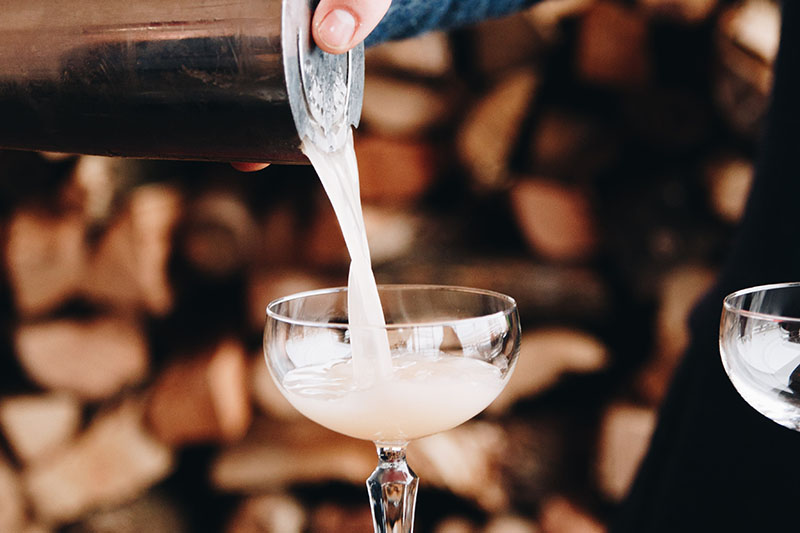
Glasgow's 18th-century tobacco lords knew how to live well, and Glasgow Punch was their drink of choice. This sophisticated cocktail combined rum (from their Caribbean trade), sugar, lemon juice, and Scottish water to create something that represented Glasgow's global connections.
The drink became popular in Glasgow's coffeehouses and gentlemen's clubs, where merchants would gather to discuss trade and politics. It represented the cosmopolitan side of Scottish culture, showing how Scottish citiesconnected to the wider world.
Making traditional Glasgow Punch requires understanding the balance between sweet, sour, and strong elements. The best versions I've tasted use aged rum, fresh lemon juice, and just enough sugar to balance the acidity without overpowering the rum's character.
14. Edinburgh Ale
Edinburgh has been Scotland's brewing capital for centuries, thanks to excellent water sources and royal patronage. Edinburgh ales were historically stronger and more refined than country ales, reflecting the city's status as Scotland's political and cultural center.
The breweries around Edinburgh developed techniques for aging beer in cellars carved into the city's volcanic rock. This created unique storage conditions that produced ales with complex, mature flavors that couldn't be replicated elsewhere.
Modern Edinburgh breweries continue this tradition, producing ales that balance Scottish malt character with sophisticated brewing techniques. They represent the best of both traditional Scottish brewing and modern innovation.
15. Red Kola
Before Irn-Bru dominated Scottish soft drinks, there was Red Kola. Created in Glasgow in the late 19th century, it was one of Scotland's first attempts to create a distinctive soft drink that could compete with imports from England and America.
Red Kola had a different flavor profile than Irn-Bru, with more emphasis on traditional cola flavors enhanced with Scottish twists. It represented early Scottish innovation in the soft drink industry and showed how Scottish companies were learning to compete globally.
The drink disappeared for decades but has experienced a revival as part of Scotland's broader interest in rediscovering lost food and drink traditions. Modern versions try to recreate the original recipes while meeting contemporary taste preferences.
16. Barley Water
Barley water might not sound exciting, but it represents an important part of Scottish folk medicine and nutrition. Made by boiling pearl barley in water, then straining and flavoring the liquid, it provided essential nutrients and was believed to have medicinal properties.
Scottish barley water was traditionally flavored with lemon, orange, or local herbs. It was given to children and invalids as a gentle, nourishing drink that was easy to digest and provided energy without being too rich.
Modern artisanal versions of barley water often use Scottish-grown barley and traditional flavoring methods. They represent a return to simple, wholesome beverages that connect us to Scotland's agricultural heritage.
17. Islay Single Malt
Islay whisky is like nothing else in the world. This small island off Scotland's west coast produces whiskies so intensely peated and maritime that they've become a category unto themselves.
What makes Islay whisky special is the combination of peat smoke and sea influence. The island's peat is different from mainland peat, creating unique flavors when used to dry malted barley. The constant exposure to Atlantic storms adds salt and iodine notes that you can taste in every dram.
I've visited all eight active Islay distilleries, and each one taught me something different about how the environment shapes flavor. From Ardbeg's intense smoke to Bruichladdich's innovative approaches, Islay proves that isolation breeds innovation.
18. Orkney Skull Splitter
The name might sound intimidating, but Skull Splitter represents the Norse heritage that still influences Orkney culture. This strong ale takes its name from Thorfinn Einarsson, a 7th-century Earl of Orkney known as "Skull Splitter."
Orkney's brewing tradition reflects its unique position between Scotland and Scandinavia. The islands developed their own barley varieties adapted to the harsh maritime climate, and local brewers learned to work with ingredients that could survive Orkney's challenging conditions.
Modern Skull Splitter maintains this tradition of strength and character. It's a beer that demands respect, just like the warriors it's named after.
19. Rusty Nail
The first time I heard about the Rusty Nail, I thought the name sounded more like something you’d find in a toolbox than in a glass. But when I finally tried it at a pub in Glasgow, I realized it was one of the smoothest cocktails I’d ever tasted.
It’s made with Scotch whisky and Drambuie, and the result is this perfect balance of smoky strength and honeyed sweetness. What I love about the Rusty Nail is how it feels both bold and comforting.
The whisky gives it backbone, while the Drambuie softens the edges. It’s the kind of drink I’d order when I want something classic but not too fussy, something that makes you slow down and savor the moment. To me, it’s proof that sometimes the best cocktails are the simplest ones.
20. Hot Toddy
On a cold Scottish night, nothing hits the spot quite like a hot toddy. My first one was handed to me by a friend when I had a sore throat, and I swear it worked better than medicine.
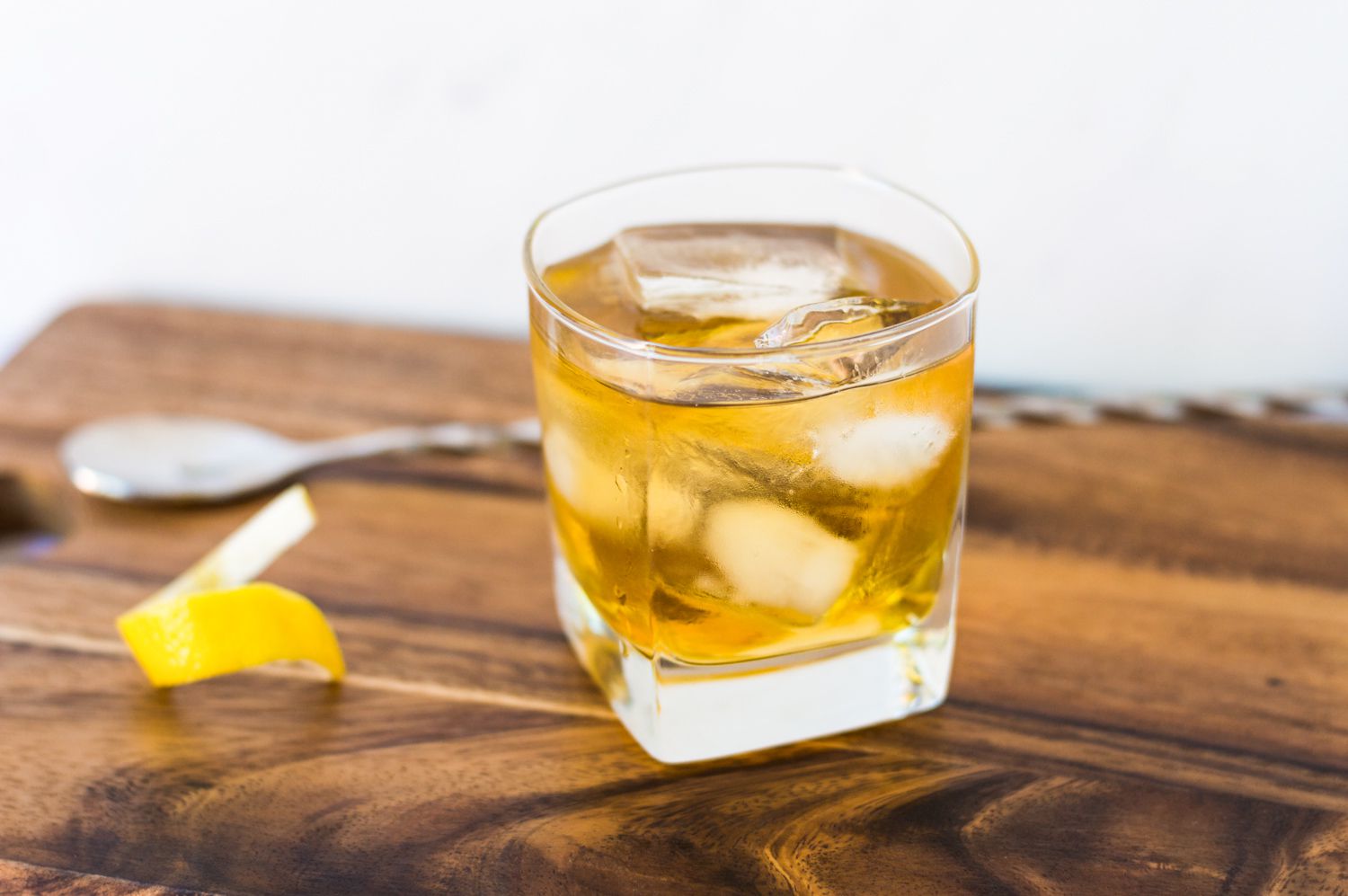
It’s usually made with whisky, hot water, honey, and a slice of lemon, and the warmth seems to seep right into your bones. The hot toddy isn’t just a drink it’s a kind of ritual. You sip it slowly, letting the steam rise as the sweetness and heat mix with the whisky’s depth.
For me, it’s the drink that best captures Scotland’s practical side: simple ingredients, nothing wasted, and just the right mix of comfort and strength to get you through a long winter evening.
When And Where To Try These Drinks In Scotland
If you want to experience these drinks, Scotland makes it easy. Distilleries in Speyside, Islay, and the Highlands welcome visitors, often offering tours that end with generous tastings. Breweries in Edinburgh and Glasgow showcase local ales, while smaller cider makers in the Clyde Valley open their doors during festivals.
For non-alcoholic drinks, chip shops, cafés, and corner stores are the best places to find sodas like Raspberryade or Irn-Bru. Country kitchens and markets often sell homemade cordials and barley water, especially in summer. Sometimes I even try to recreate what I’ve tasted at home, following a drink recipeto capture a little piece of Scotland in my own kitchen.
Festivals are also a big part of the story. Whisky festivals let you taste rare drams, food festivals pair local dishes with ciders and ales, and even winter markets serve mead and hot toddies. No matter when you go, there’s always a drink waiting to tell you a story.
People Also Ask
What Is The National Drink Of Scotland?
The official national drink is Scotch whisky, but many Scots also jokingly call Irn-Bru their “true” national drink.
Why Is Irn-Bru More Popular Than Coca-Cola In Scotland?
Irn-Bru has a unique flavor and long history in Scotland. It’s tied so deeply to the culture that even Coca-Cola couldn’t outsell it.
What Drinks Go Best With Scottish Food?
Whisky pairs beautifully with haggis, cider works well with cheese, and Irn-Bru is a favorite alongside fish and chips.
Are There Non-alcoholic Traditional Scottish Drinks?
Yes, drinks like Irn-Bru, barley water, elderflower cordial, and raspberryade have been part of Scottish life for generations.
What Is The Difference Between Scotch Whisky Regions?
Highland whiskies are bold, Islay ones are smoky, Speyside whiskies are smooth and fruity, and Lowland ones are lighter.
Final Thoughts
Every Scottish drink tells a story. From smoky whiskies to sweet cordials and soothing hot toddies, each sip connects you to Scotland’s culture, history, and people.
These beverages aren’t just drinks; they’re experiences, memories, and traditions shared across generations. Next time you’re in Scotland, try more than whisky and let the variety of flavors reveal the heart of this remarkable country.
Jump to
Traditional Scottish Drinks: Stories In Every Glass
1. Scotch Whisky
2. Irn-Bru
3. Heather Ale
4. Drambuie
5. Scottish Ale
6. Atholl Brose
7. Mead
8. Scottish Gin
9. Raspberry Cordial
10. Glen Mist
11. Whipkull
12. Border Brewery Bitter
13. Glasgow Punch
14. Edinburgh Ale
15. Red Kola
16. Barley Water
17. Islay Single Malt
18. Orkney Skull Splitter
19. Rusty Nail
20. Hot Toddy
When And Where To Try These Drinks In Scotland
People Also Ask
Final Thoughts

Callum Fraser
Author
Callum Fraser isn't just a writer about Scotland; he's a product of its rugged landscape and rich history. Born and raised in Perthshire, with the Highlands as his backyard, his love for the nation's stories was kindled by local storytellers and long walks through ancient glens.
This passion led him to pursue a degree in Scottish History from the University of Edinburgh. For over 15 years, Callum has dedicated himself to exploring and documenting his homeland, fusing his academic knowledge with essential, on-the-ground experience gained from charting road trips through the Cairngorms, hiking the misty Cuillins of Skye, and uncovering the secrets of traditional recipes in his family's kitchen.
As the Editor-in-Chief and Lead Author for Scotland's Enchanting Kingdom, Callum's mission is simple: to be your most trusted guide. He combines meticulous research with a storyteller's heart to help you discover the authentic magic of Scotland — from its best-kept travel secrets to its most cherished traditional recipes.
Latest Articles
Popular Articles