Scotland Culinary Tours | Best Regions + Must-Try Foods (Honest Tips)
Taste Scotland properly. This Scotland culinary tours guide covers best regions, foods to try, tour types, and practical booking advice.
Author:Callum FraserDec 04, 2025
Scotland Culinary Tours That Let You Taste The Country Properly
I've traveled widely through Scotland, and I can say honestly that the food scene here surprised me more than anywhere else I've been. Before my first trip, I thought Scottish cuisine meant haggis and whisky. I was wrong. These Scotland Culinary Tours, from city tastings to Highlands food trails, showed me a food culture rooted in tradition but full of fresh ideas.
Scotland offers some of the most memorable food experiences you’ll find anywhere. You can walk Edinburgh’s historic streets tasting local classics or take a slower journey through the Highlands to meet the people behind the food. I’ll share what I’ve learned about planning the right Scottish food tour for you, what to expect, what it costs, and the little surprises that make the whole trip unforgettable.
Understanding Scotland’s Culinary Tour Scene
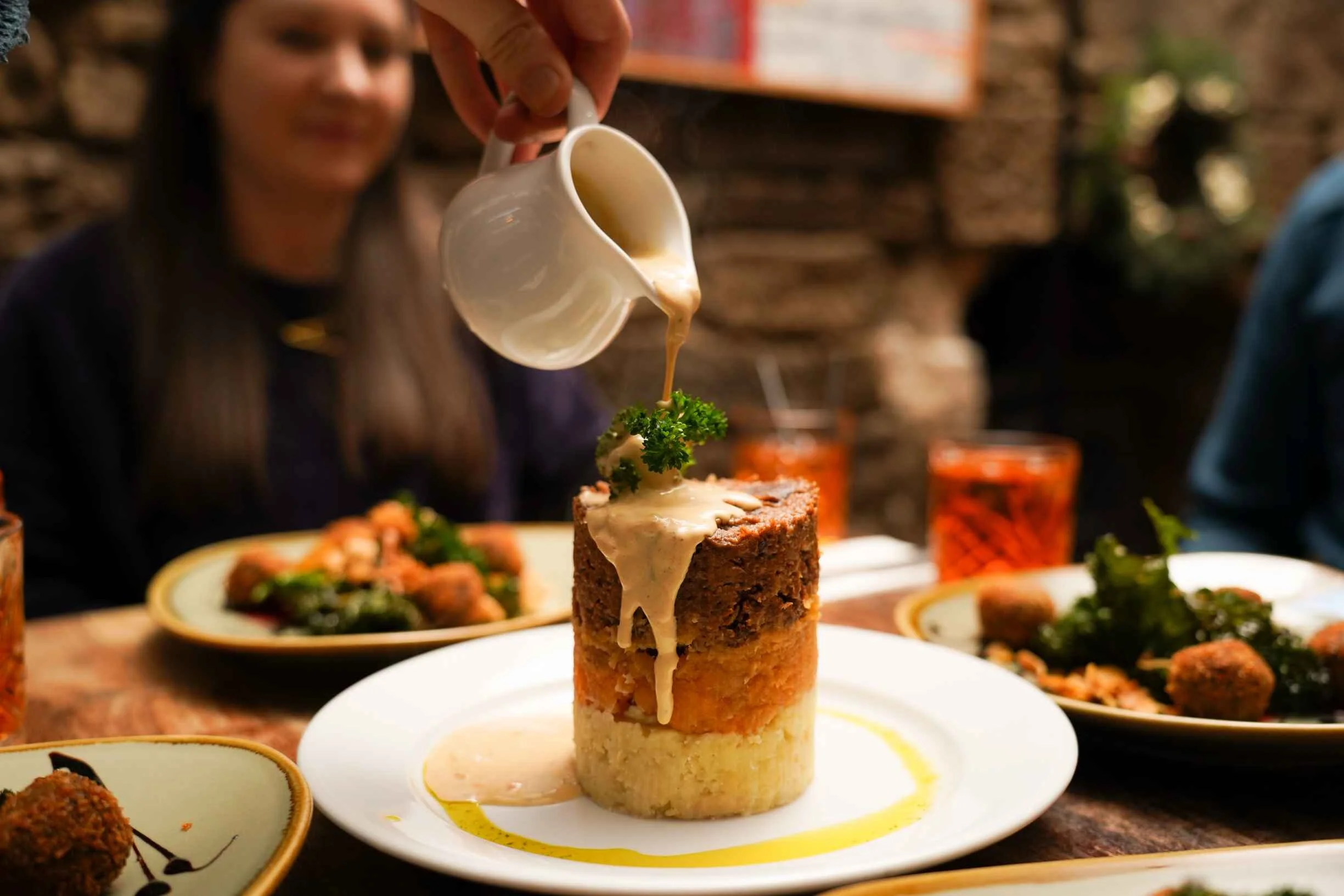
Scotland’s food tourism has taken off in the last ten years. What used to be mostly whisky visits has grown into full Scotland Culinary Tours that cover the whole table from fresh seafood and farm cheeses to modern Scottish cooking. The best part is how these tours bring old traditions and new ideas together in one trip.
What Makes Scotland Culinary Tours Different
What I love most about Scottish food tours is the people. They don’t just hand you a bite and move on. They link every taste to a place and a story. I’ve seen how a smoked salmon plate makes more sense after you meet the people who cure it, or how a simple oatcake feels special once you learn why it’s been around for centuries.
That human link is what turns a tasting into a real memory. You’re not only eating; you’re understanding where the food comes from and why it matters here.
Most city tours run about 3 to 3.5 hours and usually cover 4-6 stops. You’ll get enough food to feel like a full lunch or dinner, not just tiny samples. Regional tours take longer sometimes a full day, and sometimes several days because the distances are bigger and the stops are deeper.
Types Of Scotland Culinary Tours You Can Take
1. Walking Food Tours
These are the easiest way to start. They happen in cities like Edinburgh and Glasgow, and often in smaller spots like St Andrews too. You walk between a handful of places maybe a bakery, a pub, a local restaurant, a market stall and taste as you go.
I recommend these if you want a quick, fun way to get to know Scottish food without planning much. They’re also great if you only have a few days in the country.
2. Multi-Day Highland Food Tours
If you want Scotland at a slower pace, this is where I’d look. These tours move through the Highlands and islands, where food feels tied to land, sea, and seasons. You might eat venison near a glen, then seafood by the coast the next day, then end with a distillery dinner.
Some trips include special stays like small country inns or even old castles plus private tastings, farm visits, and meals made by local chefs. The big win here is time: you don’t rush, so each stop feels more personal.
3. Specialty Culinary Tours
These focus on one main theme. A few common ones are:
- Whisky tours with food pairings and distillery talks.
- Seafood trails along the coasts and islands.
- Cooking holidays where you learn Scottish dishes hands-on, often with market visits and local teachers.
Cooking trips are usually best from April to October, when more places are open and the days are long. If you like learning by doing, this is one of the most rewarding ways to travelhere.
Essential Scottish Foods You’ll Discover On Culinary Tours
Haggis
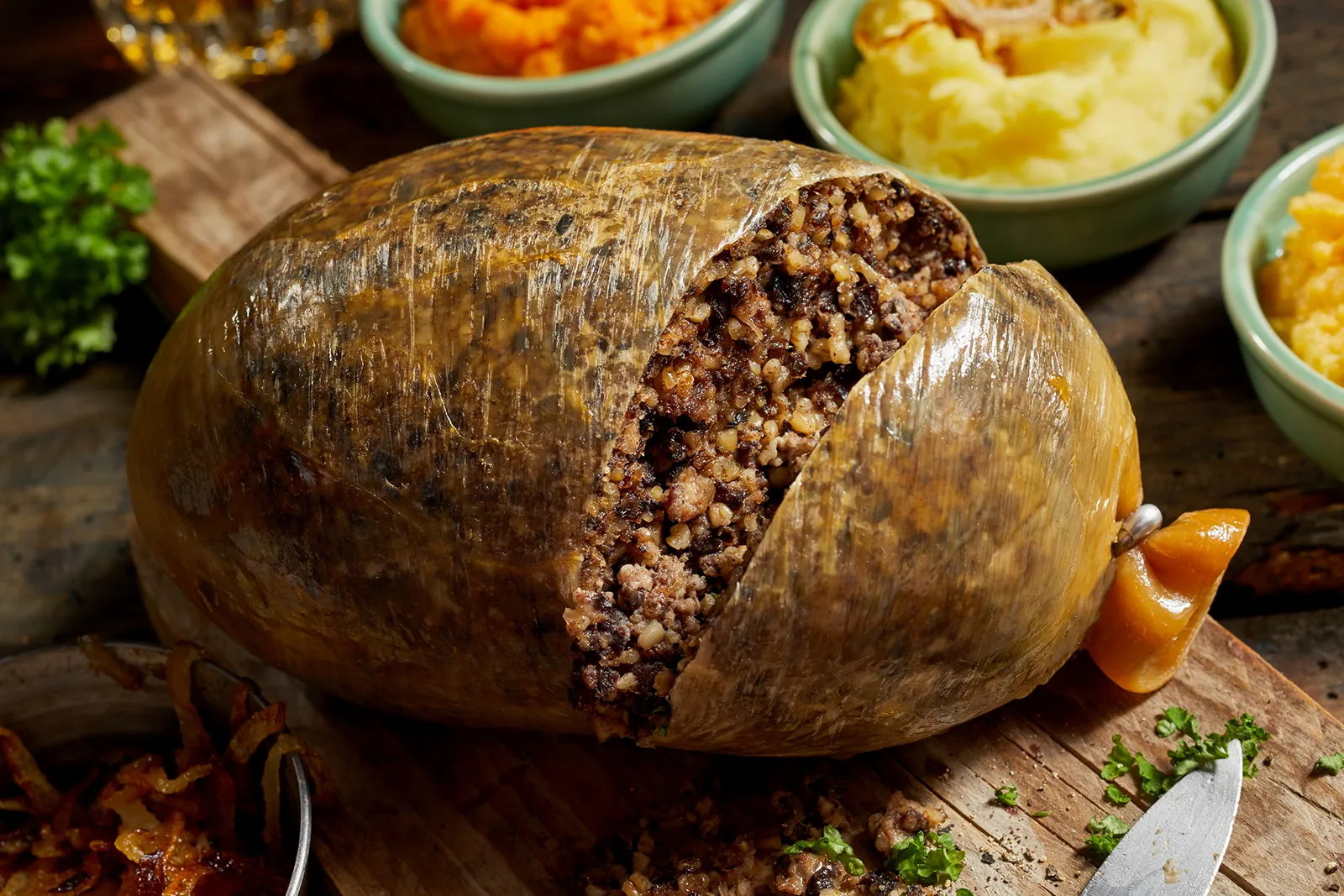
I’ll be honest, I was nervous the first time I tried haggis. On paper, it sounds intense: a mix of oats, onion, spices, and sheep organs, traditionally cooked in a stomach. But the taste is what matters, and it’s far better than people expect. It’s warm, peppery, and a bit nutty, especially when it’s served the classic way with neeps (turnip) and tatties (potatoes).
Once I had it in a good local pub, I understood why Scots are proud of it. If you ever want to make it yourself after tasting it on tour, I’d start with a simple Sottish haggis recipeso you can see how the flavours come together at home.
Cullen Skink
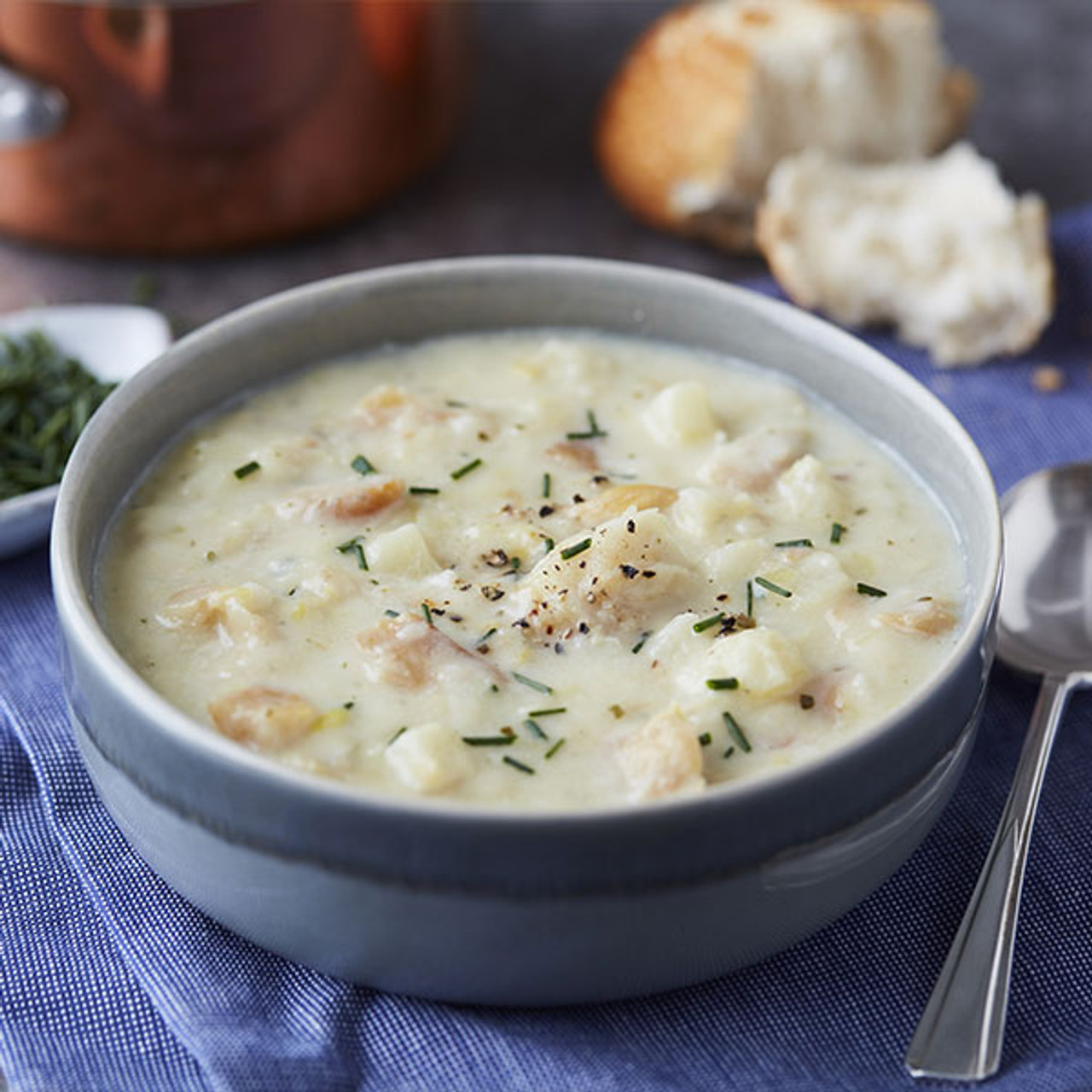
This is one of those dishes that feels like comfort in a bowl. Cullen skink is a thick soup made with smoked haddock, potatoes, onions, and cream. It comes from the northeast fishing town of Cullen, and you can taste that seaside roots in every spoon. After a chilly day walking around the Highlands or a coastal town, it’s exactly what I want filling, smoky, and gentle.
Scottish Seafood
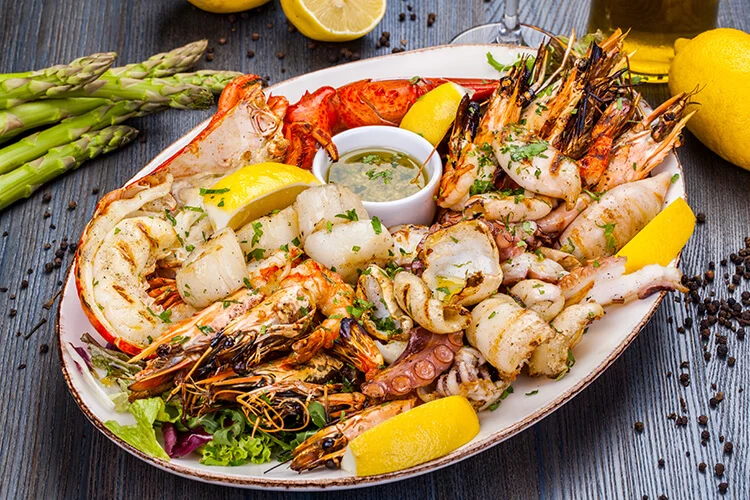
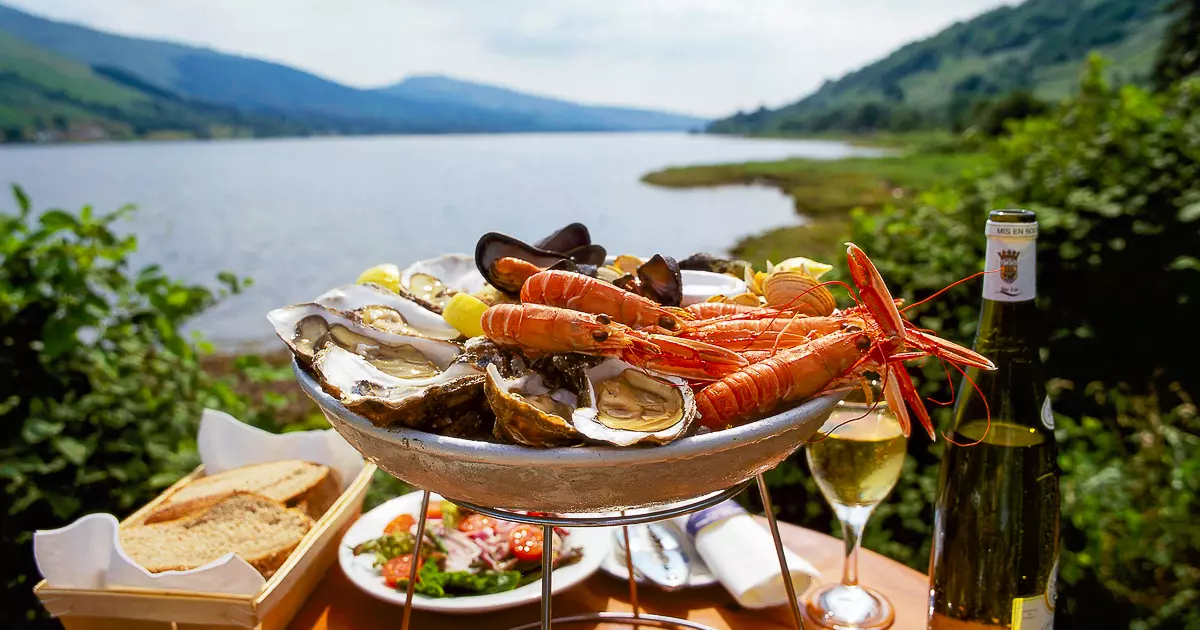
If you love seafood, Scotland will spoil you. The waters here are cold and clean, and the seafood tastes fresh in a way that’s hard to beat. On tours, I often see oysters, scallops, mussels, and langoustines show up again and again, cooked simply so the flavour stays front and centre. Add in wild salmon, and you’ve got some of the finest seafood meals I’ve had anywhere.
Scottish Tablet
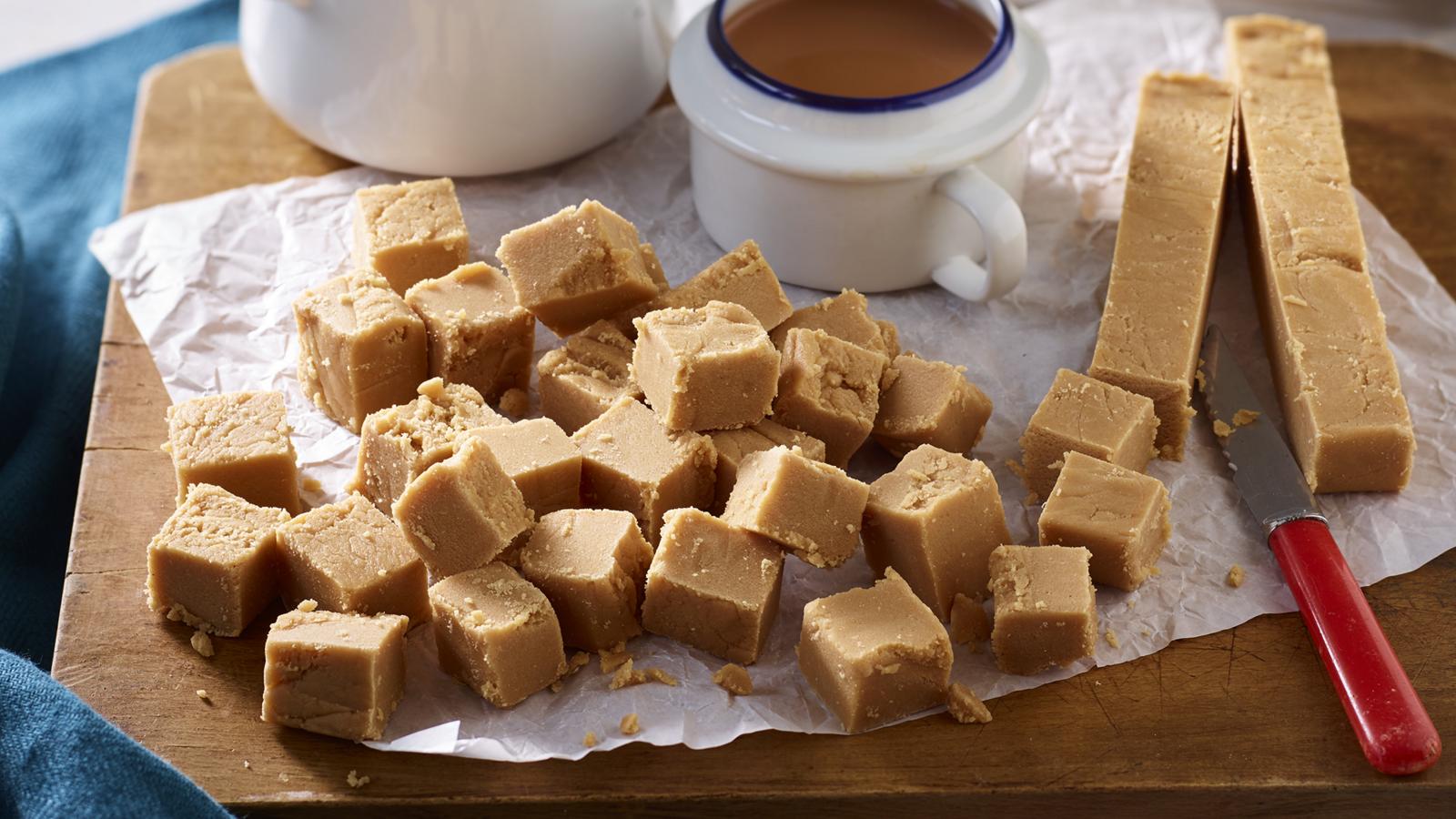
Tablet looks like fudge, but it’s different. It’s more crumbly and snappy, made from sugar, butter, and condensed milk cooked until it sets with a light grainy bite. It’s sweet, yes, but in a cosy, old-school way. I almost always buy a little pack to take with me, because it feels like a small taste of Scotland you can carry home.
Cranachan
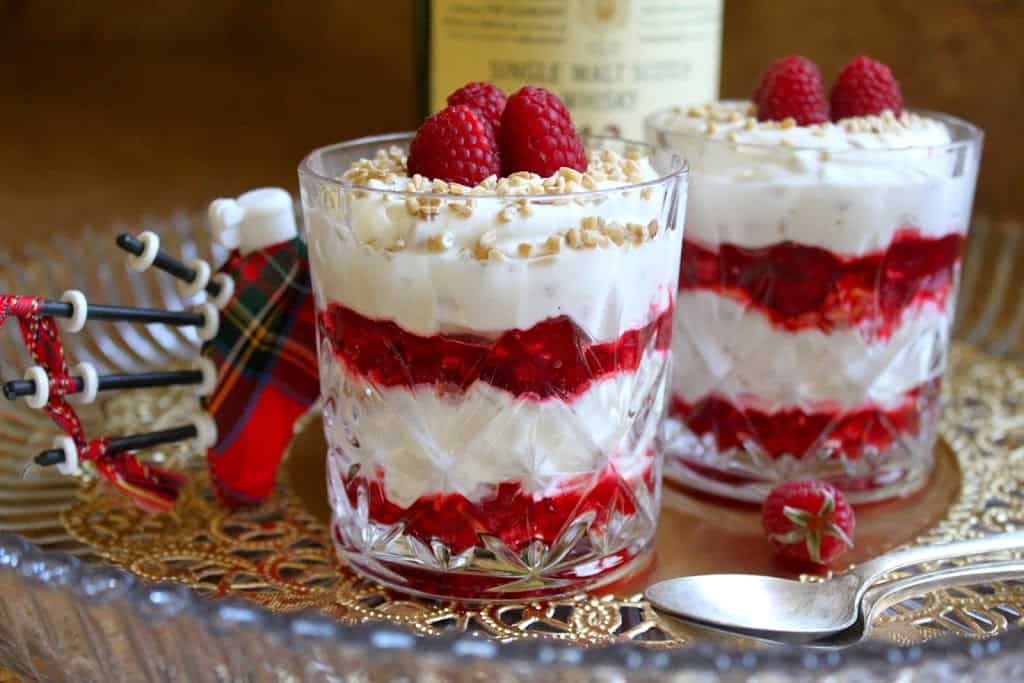
Cranachan is Scotland’s quiet show-off dessert. It mixes soft whipped cream with fresh raspberries, toasted oats, and a splash of whisky or honey. It’s simple, but everything in it is local and seasonal, so it feels tied to the land. When cranachan is done well, it’s light, creamy, and just sharp enough from the berries to keep you going back for another bite.
If you feel like trying it at home after your trip, a good Scottish cranachan recipeis one of the easiest ways to bring that fresh Scottish taste back to your own kitchen.
Stovies
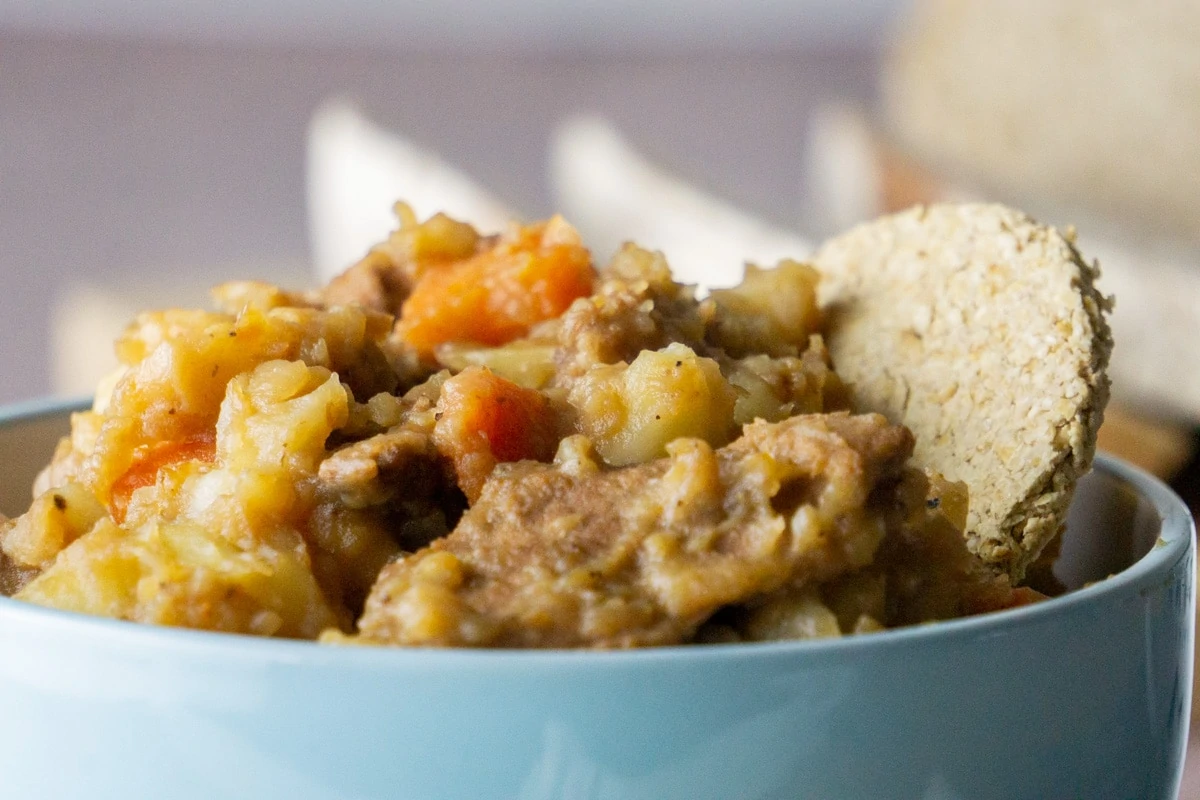
Stovies are pure Scottish comfort food. Think of soft potatoes cooked slowly with onions and leftover meat, often beef. It’s humble, warming, and made to fight cold weather. Every family does it a little differently, so I like trying it in more than one place.
Scotch Pie
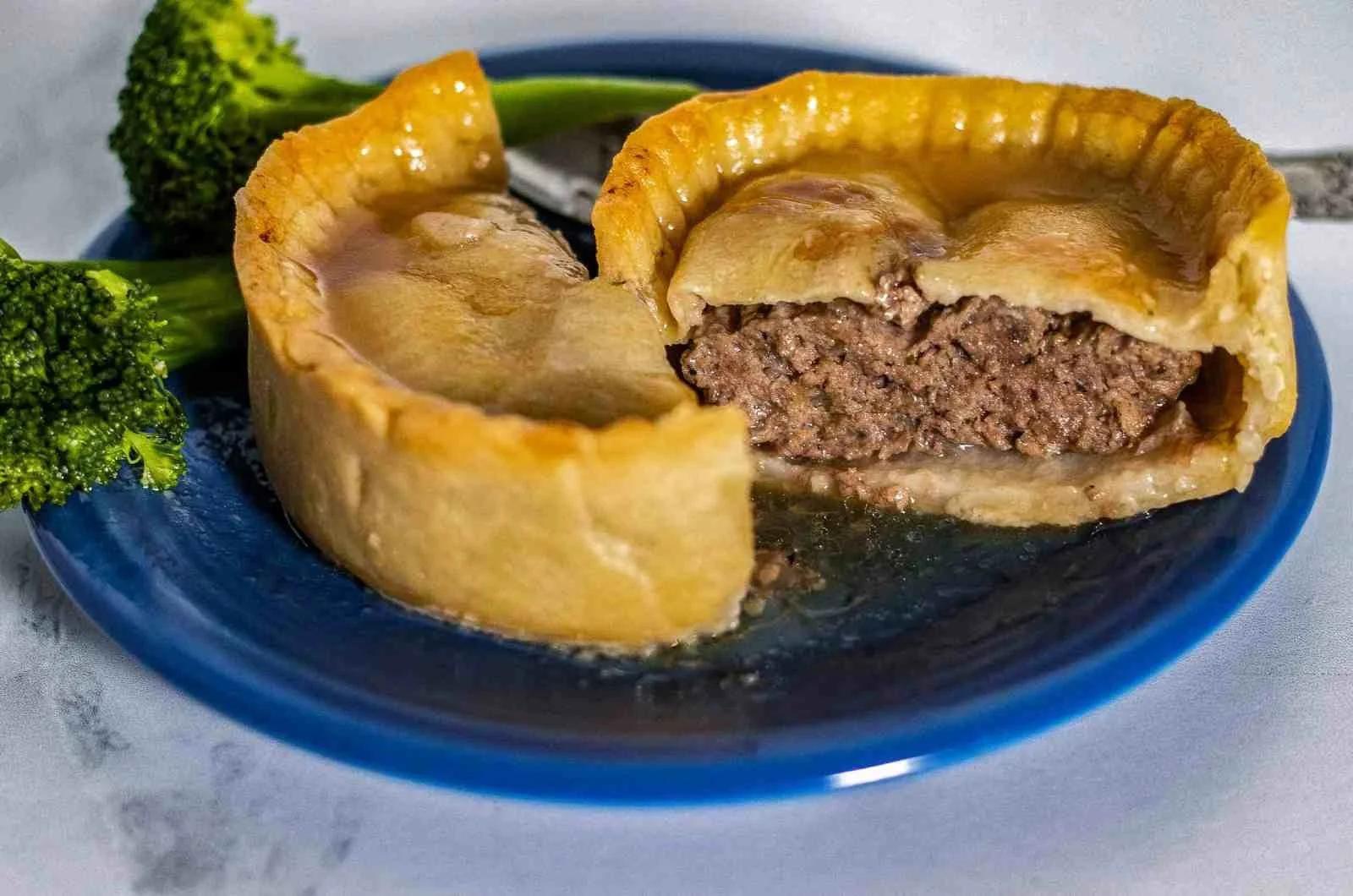
This is a small meat pie with a crisp crust and a peppery filling. You’ll see it in bakeries and football-day shops, but good food tours stop at places that still make them fresh daily. I like it because it’s quick, filling, and very local.
Forfar Bridie
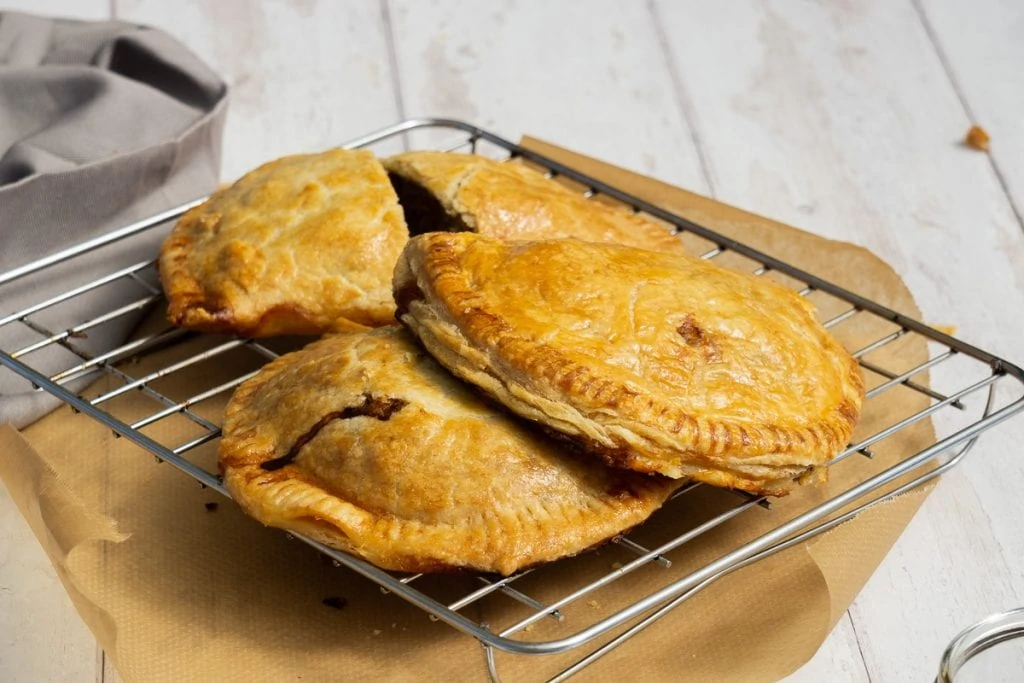
A bridie is another pastry, usually filled with minced beef, onions, and seasoning. The Angus version is the one people talk about most. When I get a really good one, the crust is flaky and the filling is rich but simple.
If your tour takes you anywhere near Angus, keep an eye out for a forfar bridieit’s a small bite that says a lot about Scotland’s love for hearty, no-nonsense baking.
Arbroath Smokies
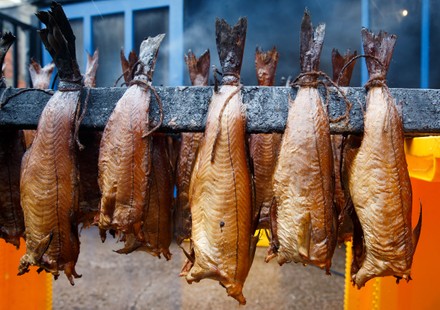
These are smoked haddock from the town of Arbroath, and they taste like the sea in the best way salty, sweet, and smoky. I’ve had them in soups, in fish cakes, and just as they are with butter. If your tour goes anywhere near the east coast, I’d look out for them.
Black Pudding And Lorne Sausage
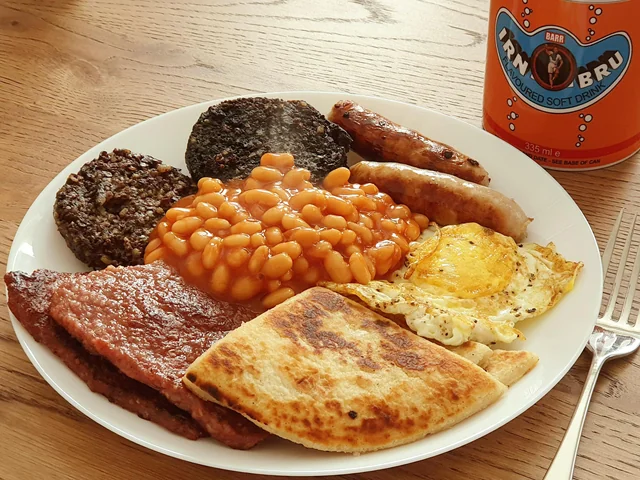
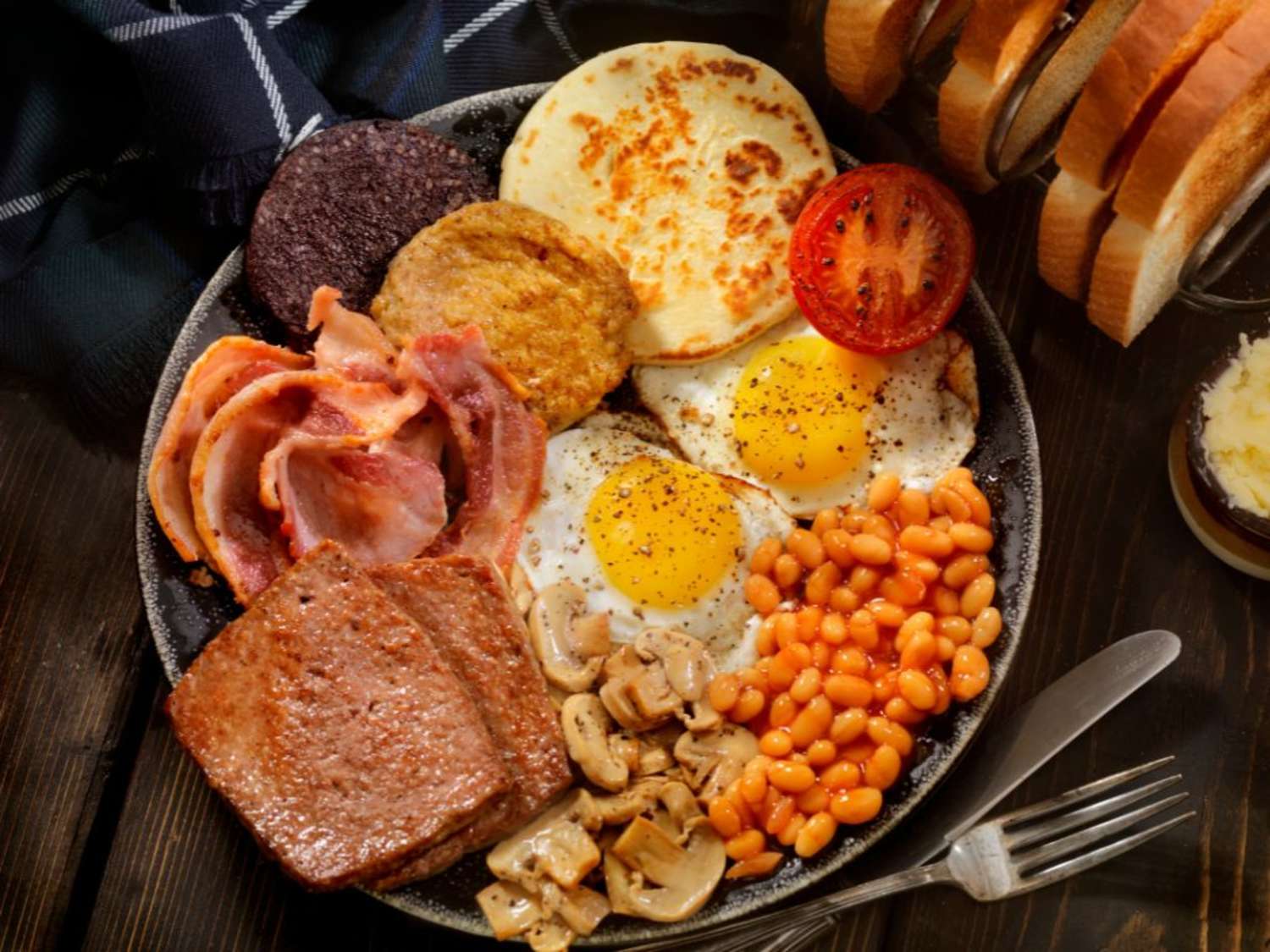
Scottish breakfasts are serious. Black pudding is a rich sausage made with oats and spices, and Lorne sausageis a square, peppery slice of beef sausage. Even if you don’t usually eat big breakfasts, I think trying these once helps you get Scottish food culture fast.
Crowdie Cheese
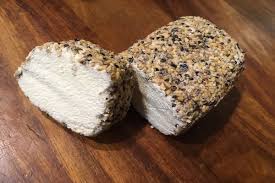
Crowdie is a soft, fresh Scottish cheese mild, creamy, and often rolled in herbs or oats. On farm or Highlands tours, it pops up a lot. I like it because it tastes clean and simple, and it pairs well with oatcakes.
Shortbread
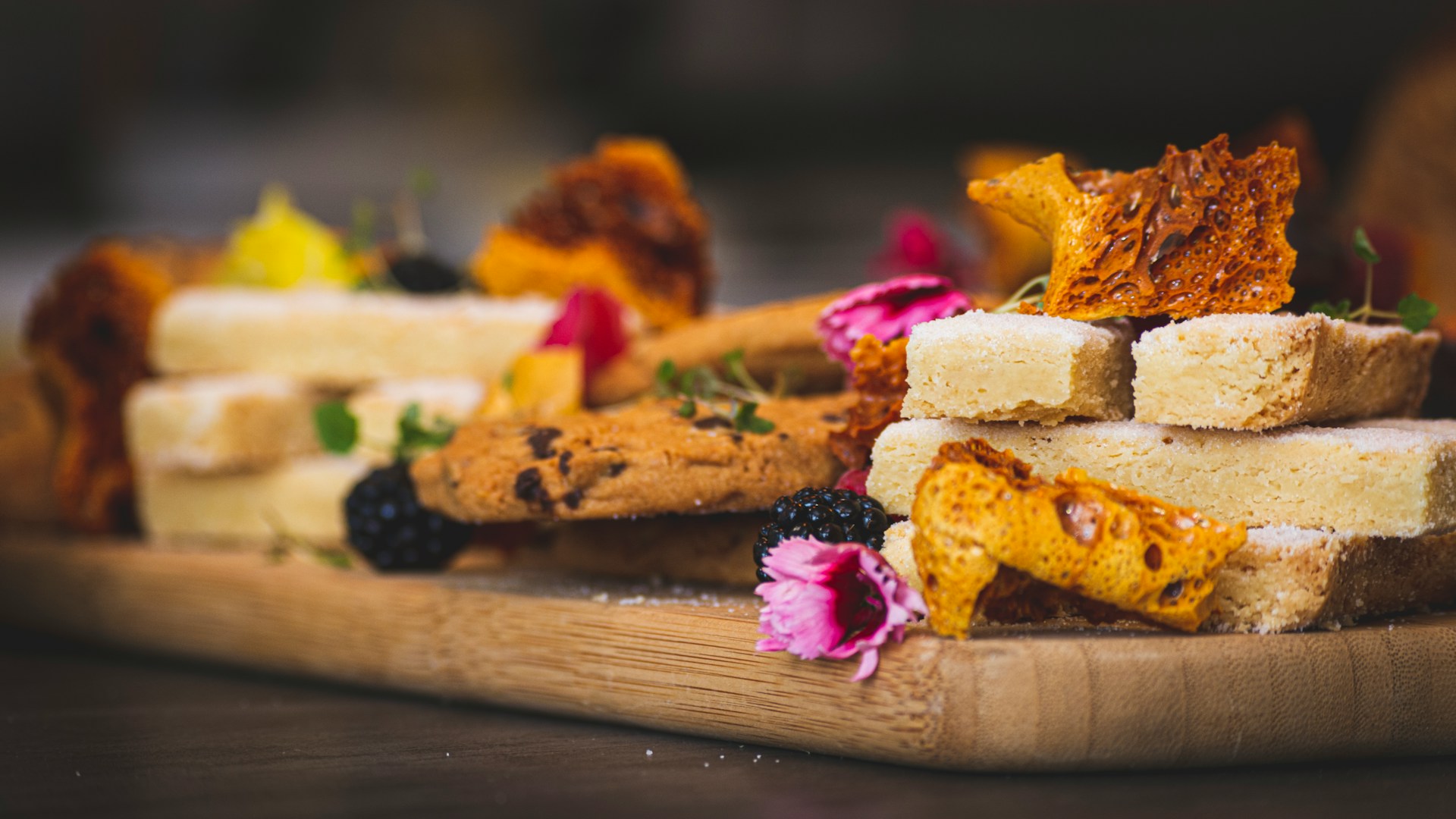
Yes, it’s everywhere but that’s because Scotland does it so well. True Scottish shortbread is buttery, crumbly, and not too sweet. When I find a bakery making it fresh, I always take a piece with tea.
Clootie Dumpling
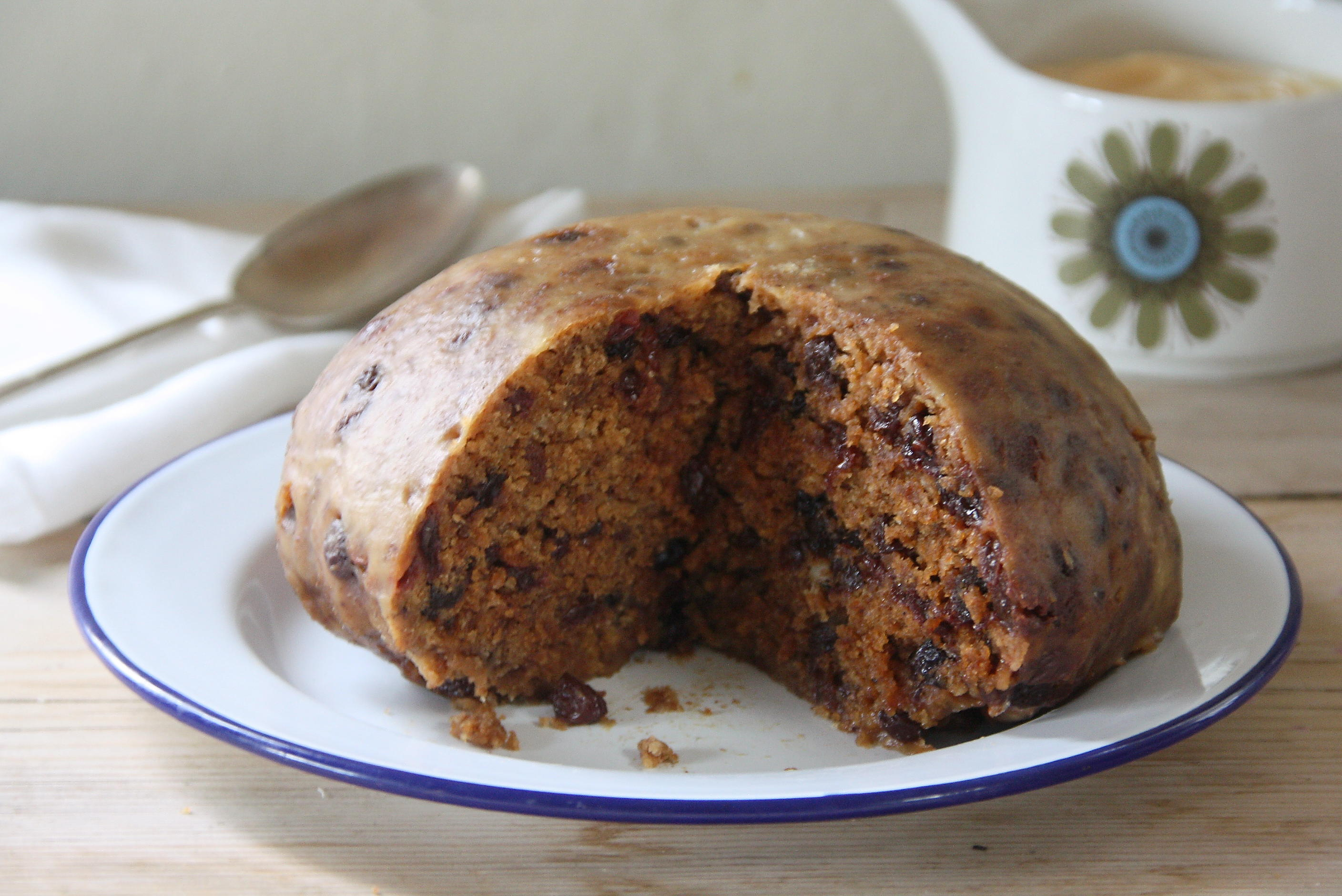
This is a rich fruit pudding made with spices, raisins, and suet, boiled in cloth (“clootie”). It’s heavy, but in a good winter-dessert way. On some tours it comes warm with custard, and that’s when it really shines.
Back home, I keep thinking about that first spoonful, and I usually end up looking for a clootie dumpling recipejust to get that same warm, spiced comfort on my own table.
Tipsy Laird
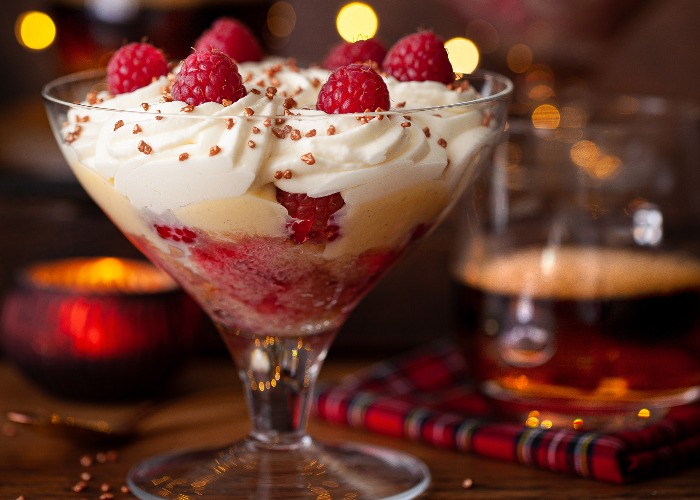
Think of this as Scotland’s trifle. It’s a layered sponge cake, cream, fruit, and often a splash of whisky. It’s sweet but also a bit bold, and it shows Scotland’s love for mixing dessert with a little drink.
Whenever I see tipsy lairdon a menu, I treat it as a must-order; it’s the kind of dessert that feels playful, a little old-school, and totally Scottish.
Dundee Cake
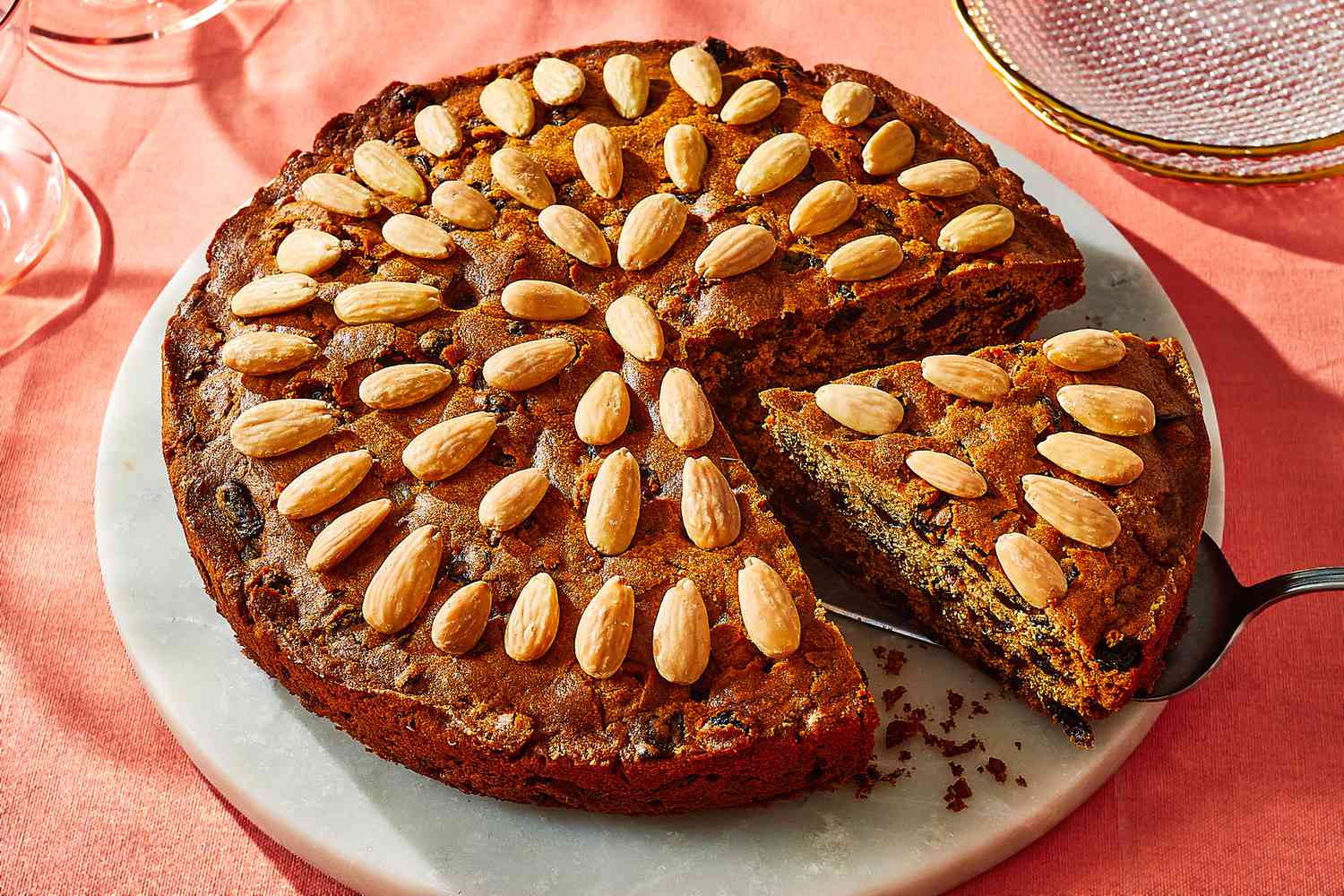
This is a fruit cake topped with whole almonds, and it comes from Dundee. It’s not as heavy as some other fruit cakes, and I like it with coffee on a rainy afternoon. You’ll often see it on tea stops during tours.
Top Regions For Scotland Culinary Tours
Edinburgh: Scotland’s Food Capital
Edinburgh is where I like to begin because it gives you the widest taste of Scotland in one place. The city blends old-world streets with a modern food scene that keeps pushing forward. On most tours here, I get a mix of classics like haggis, stovies, and shortbread, plus newer dishes that use the same local ingredients in fresh ways.
What makes Edinburgh special for food walks is the setting. You’re tasting your way through winding closes and cobbled lanes in the Old Town, then popping into hidden pubs, bakeries, and small restaurants that locals actually use. If you want a strong “first look” at Scottish food culture, I think Edinburgh is the best start.
Glasgow: Bold, Friendly, And Full Of Flavor
Glasgow feels different from Edinburgh in the best way. The food scene is lively, unpolished, and confident. Tours here often include cheese shops, local breweries, busy markets, and casual places that serve big flavours without the fuss.
I especially like the West End for culinary tours. It’s creative, less touristy, and packed with small spots that quietly do excellent food. If Edinburgh shows you tradition and polish, Glasgow shows you everyday Scotlandwarm, loud, and delicious.
The Highlands And Islands: Food With Wild Scenery
When I want food that feels tied to land and sea, I head north and west. Highland and island tours are usually longer because the distance between stops is bigger, but that’s part of the reward. You’re not rushing. You’re eating slowly in places that feel remote, real, and deeply local.
These tours often bring together:
- fresh seafood from cold coastal waters,
- venison and beef from open grazing land,
- cheeses and preserves from small farms,
- and whisky tastings that make sense once you see the landscape behind them.
Some trips even include stays in quiet country inns or old castles, which adds to that feeling of stepping into another pace of life.
Isle Of Skye
Skye is remote, but the food is surprisingly refined. I go here for seafood that tastes like it came out of the sea an hour ago, and for restaurants that use foraged herbs and local produce in smart, simple ways. Skye is the kind of place where a small plate can feel like a full story.
Isle Of Mull
Mull is a dream if you love shellfish. Tours here sometimes include visits to oyster farms where you see how they’re grown, then taste them right there. I also like Mull for its small breweries and relaxed pub meals fresh, local, and never trying too hard.
The Whisky Experience
Understanding Scotland’s Whisky Regions
One reason Scotland Culinary Tours feel so special is whisky. Scotland has close to 150 working distilleries, and they’re grouped into five main whisky regions: Campbeltown, Highlands, Islay, Lowlands, and Speyside. Each region tastes different because of local water, how much peat is used, the climate, and old methods passed down over time.
I like thinking of these regions as five different “personalities.” Once you try a few side by side, you start to notice how place shapes flavour.
Speyside
Speyside is the big name in Scotch. About half of Scotland’s whisky comes from here, and the style is often smooth, fruity, and easy to enjoy. The area has rich farmland for barley and soft river water, which helps create those gentle, rounded flavours. If you’re new to whisky, this is the region I’d start with.
Islay
Islay is the opposite of Speyside in the best way. The whiskies here are bold and smoky, with strong peat flavours that can taste like a campfire by the sea. Some people fall in love with Islay right away, and others need time to get used to it. Either way, trying Islay whisky is part of understanding Scotland’s full range.
Highlands
The Highlands are huge, so the whisky styles here are all over the map. I’ve had Highland drams that were rich and deep, and others that were light and floral. That variety is why I always recommend tasting a few Highland whiskieschances are high that one of them will suit you perfectly.
Distillery Tours On Culinary Trips
Many Scotland culinary tours include distillery visits, and I think that’s a smart pairing. You don’t just sip whisky you see where it’s made, learn how it’s aged, and taste it the way the locals do. Some tours even match whisky with food, which helps you notice flavours you might miss when drinking it alone.
When I travel here, I try to visit distilleries in at least two different regions. The contrast makes whisky click in your mind. You stop thinking of it as one drink, and start seeing it as a whole map of tastes shaped by land, sea, and tradition.
Practical Tips For Scotland Culinary Tours
Dietary Requirements
Most tour operators can handle dietary needs if you tell them early. I always message ahead about allergies or strong dislikes, because it helps the guide plan the stops.
Vegetarian and vegan options are common now, including meat-free haggis that still tastes very “Scottish.” If a tour is well run, they’ll also check how hungry you are and adjust portions so food doesn’t get wasted.
Making Reservations
If there’s one lesson I learned the hard way, it’s this: book early. In places like Edinburgh and Skye, the best restaurants fill up fast, especially in summer.
As a rough guide:
- For city walking tours, booking 1-2 weeks ahead is usually fine outside peak season.
- For multi-day tours, I try to lock them in 2-3 months before my dates, especially if hotels and transport are included.
What To Wear
For city tours, comfortable walking shoes are non-negotiable. You’ll usually do short walks between stops, but they add up.
I also dress in layers. Scotland can give you sun, wind, and rain in the same afternoon. I carry a light waterproof jacket even when the morning looks perfect.
Getting Around
City tours almost always start in central spots you can reach easily on foot or by public transport. Regional tours are different. Many include pick-ups from your hotel or a train station, which makes life easier when you’re moving between towns.
If I’m doing a multi-day tour, I check the pick-up and drop-off points first that helps me plan flights or trains without stress.
Hidden Gems Beyond Standard Tours
Farmers’ Markets And Food Festivals
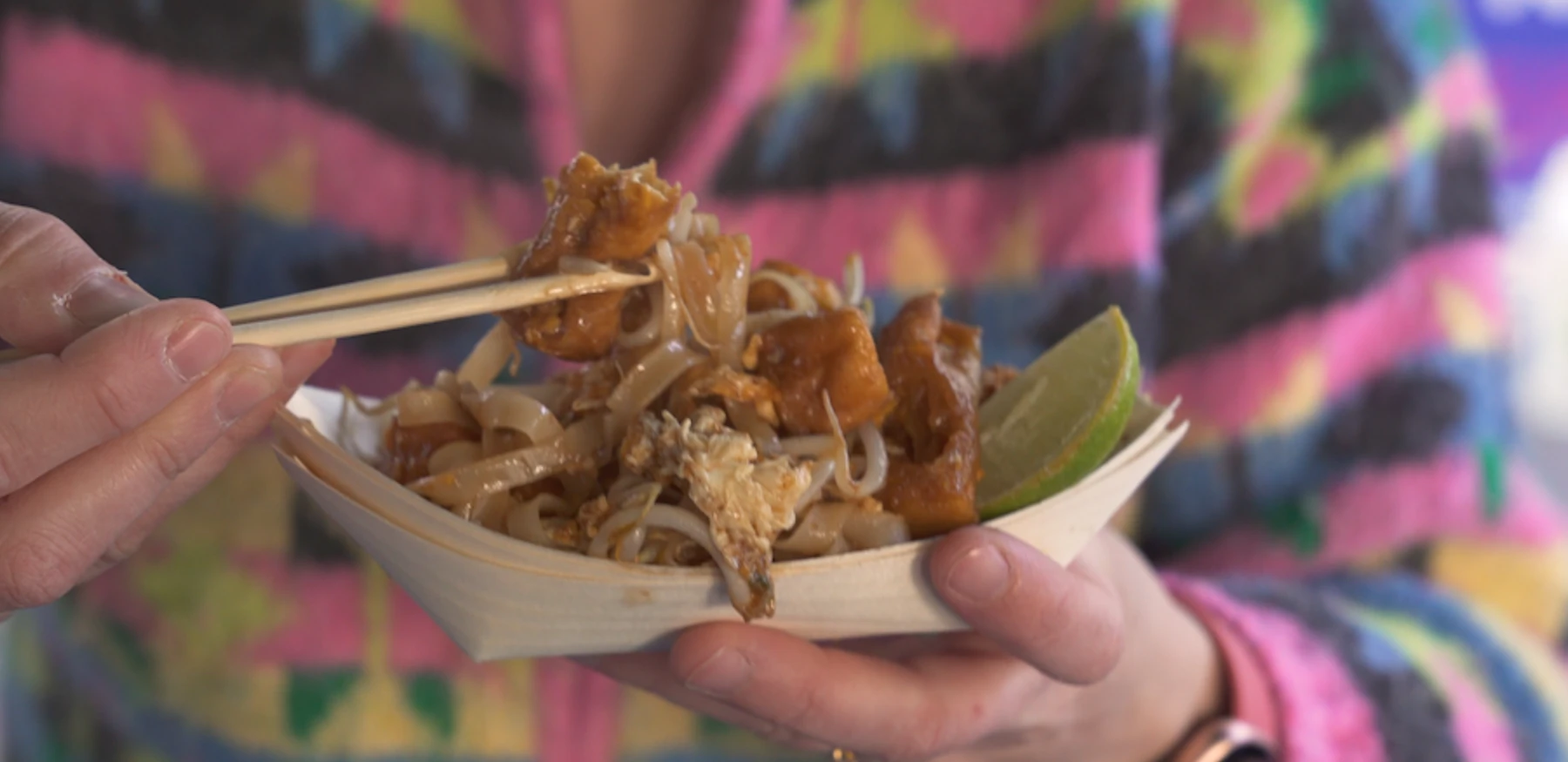
Food tours are great, but markets and festivals give you the same local energy in a looser way. I love them because you meet producers face-to-face and taste things you won’t always find on menus.
If your trip lines up with a festival, I’d go. Events like the Speyside whisky festivalin late April or early May can add a lot of colour to a culinary trip.
Local Producers
Some of my favourite moments in Scotland came from meeting the people behind the food. A cheesemaker explaining how they age their wheels, or a baker showing the old way of working oats, makes the tasting feel bigger than the plate.
If your tour includes producer visits, I see that as a big plus.
Foraging Experiences
Foraging walks are not for everyone, but I think they’re amazing if you like the outdoors. You learn what grows wild here sea greens, mushrooms, berries, herbs and how Scots have used them for generations.
Even one short foraging stop can change how you look at the landscape.
Making The Most Of Your Culinary Tour
- Come Hungry:City tours often feed you the amount of a full meal, sometimes more. If my tour starts mid-afternoon, I keep breakfast light. If it’s an evening tour, I usually skip lunch. You don’t want to be full before the best bites arrive.
- Ask Questions:Guides usually love talking about food, and I’ve learned the most by being curious. Ask where something comes from, why it’s cooked that way, or what locals eat at home. Those answers are half the value of the tour.
- Pace Yourself:On multi-day trips, it’s easy to overdo it early. I take smaller portions at each stop so I can enjoy everything without feeling wrecked by day two.
People Also Ask
How Much Should I Budget For A Culinary Tour In Scotland?
City walking tours cost £50-90 per person for 3-4 hours including tastings equivalent to a full meal. Day trips with transport range £100-200. Multi-day Highland tours typically cost £3,000-5,000 per person including accommodation, most meals, transport, and exclusive experiences. Budget an additional £200-300 for personal expenses on week-long tours.
Can I Join A Tour If I’m Vegetarian, Vegan, Or Have Allergies?
Yes, most operators can adjust if you tell them early. I always message ahead because some rural stops need notice. Vegetarian and vegan haggis is common now, and good guides plan around allergies without making it awkward.
How Much Food Will I Get On A Walking Tour?
Usually a lot. I think of most walking tours as a moving lunch or dinner. If you eat a full breakfast right before, you’ll probably regret it by stop three.
How Many Days Do I Need For A Proper Culinary Trip?
If you want a quick taste, 3-4 days in one city works. If you want whisky regions, islands, or the Highlands, I’d aim for 5-10 days so you’re not rushing between stops.
Final Thoughts
Sc,otland won me over through its food. The best Scotland culinary tours don’t just give you tastings they show you the land, the people, and the traditions behind every plate, from city pubs to island seafood shacks.
My advice is to choose a tour that matches what you love most, book early in busy seasons, and go in with an open mind. Come hungry, ask questions, and enjoy the small local moments as much as the famous stops.
Jump to
Scotland Culinary Tours That Let You Taste The Country Properly
Understanding Scotland’s Culinary Tour Scene
Types Of Scotland Culinary Tours You Can Take
Essential Scottish Foods You’ll Discover On Culinary Tours
Top Regions For Scotland Culinary Tours
The Whisky Experience
Practical Tips For Scotland Culinary Tours
Hidden Gems Beyond Standard Tours
Making The Most Of Your Culinary Tour
People Also Ask
Final Thoughts

Callum Fraser
Author
Callum Fraser isn't just a writer about Scotland; he's a product of its rugged landscape and rich history. Born and raised in Perthshire, with the Highlands as his backyard, his love for the nation's stories was kindled by local storytellers and long walks through ancient glens.
This passion led him to pursue a degree in Scottish History from the University of Edinburgh. For over 15 years, Callum has dedicated himself to exploring and documenting his homeland, fusing his academic knowledge with essential, on-the-ground experience gained from charting road trips through the Cairngorms, hiking the misty Cuillins of Skye, and uncovering the secrets of traditional recipes in his family's kitchen.
As the Editor-in-Chief and Lead Author for Scotland's Enchanting Kingdom, Callum's mission is simple: to be your most trusted guide. He combines meticulous research with a storyteller's heart to help you discover the authentic magic of Scotland — from its best-kept travel secrets to its most cherished traditional recipes.
Latest Articles
Popular Articles