Ultimate Scotland Travel Guide: Routes, Attractions, Costs & Tips
Your Scotland travel guide: when to go, cities, Highlands, isles, rail/coach/ferry combos, wild camping byelaws, and must-try food for confident planning.
Author:Callum FraserDec 10, 20255.4K Shares165.7K Views
Scotland Travel Guide: Your Road Map For A Complete First Trip
Planning your first Scotland trip can feel like stitching together a tartan from a dozen patterns-cities, castles, islands, whisky, wild hikes. I’ve road-tested the classic routes and transit combos so you can choose dates, build a smart itinerary, and move efficiently without FOMO.
What you’ll get here:clear “when to go” guidance, region-by-region route recipes, city highlights with transit tips, plug-and-play itineraries, realistic costs, and Scotland traveltipslearned the hard (and sometimes rainy) way.
Fast Facts About Scotland
| Capital | Edinburgh |
| Currency | Pound sterling |
| Official languages | Scots, Scottish Gaelic, English, British Sign Language |
| Time zone | Universal Time (UTC+0) |
| Dialing code | +44 |
| Largest city | Glasgow |
| Main airports | Edinburgh (EDI) and Glasgow (GLA) handle the majority of major airline traffic (some routes are seasonal). Aberdeen (ABZ) and Glasgow Prestwick (PIK) concentrate on European and regional flights. |
| Timekeeping nuance | Scotland uses GMT (UTC+0) in winter and BST (UTC+1) from late March to late October |
| National animal | Unicorn |
Best Time To Visit Scotland
- Spring (Apr-May):blossom, lambing season, longish days, many attractions reopen; good balance of cost vs. daylight.
- Summer (Jun-Aug):warmest temps and festivals; book early and prep for midges in the west/north.
- Autumn (Sep-Oct):gold hillsides, rutting-stag season, fewer crowds; daylight shrinking.
- Winter (Nov-Mar):snow-dusted peaks, short days, some rural reductions; cosy city culture and whisky time.
Choose dates for the experiencesyou value, not perfect weather-Scotland’s climate is famously changeable.
Scotland’s Natural Beauty - What Looks Best, When
- Heather & high moors:late summer purple in the Cairngorms and Deeside.
- Fiery glens:October colour in the Trossachs and Perthshire’s “Big Tree Country.”
- Snow-lines & low sun:Jan–Feb for brooding mountain drama (great photographers’ light).
- Wildlife highs:winter orcas in Shetland; seabird cities return late spring.
“Scotlands natural beauty” shifts by month-plan the route to fit the season, not the other way round.
Getting Around Scotland
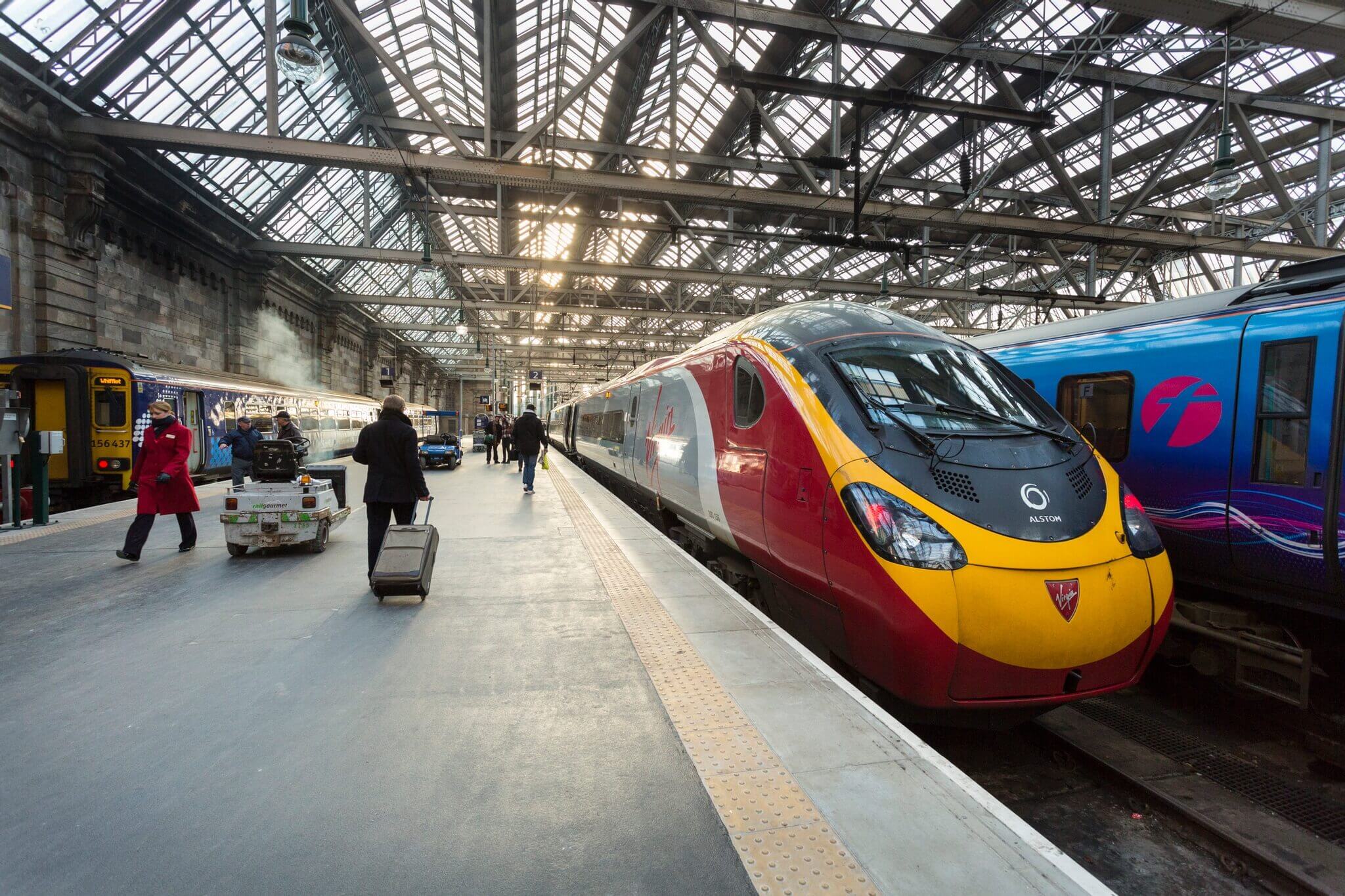
Getting around Scotland often requires a mix of transport methods. Understanding the strengths and limitations of each is key to efficient travel.
Rail (Train) - Money Saver
From 1 September 2025Scotland made off-peak rail fares available all day, effectively scrapping peak pricing on ScotRail; look for cheaper “Anytime” now priced at off-peak levels.
Services, primarily operated by ScotRail, focus heavily on the Central Belt (Edinburgh, Glasgow). For scenic immersion, prioritize the Great Scenic Rail Journeys like the West Highland Line or the Kyle Line. For long, popular scenic runs, securing seat reservations is highly recommended.
Coaches (Bus)
Scottish Citylink provides the most expansive coach network, connecting major cities and extending into crucial tourist areas like Glencoe, Fort William, and the Isle of Skye.
Buses are reliable and frequent on core corridors but become limited in remote Highlands and Islands. You can check routes at Citylink.
Tip:The Citylink 914/915route links Glasgow–Glencoe–Fort William–Skye, with seasonal frequency boosts; check the current timetable
Ferries (Boat)
The islands are accessed by sea.
- CalMac’s “Hopscotch”island-hopping tickets can simplify multi-island loops; book vehicles months in advance, especially summer.
- Foot passengersare easier to accommodate but some sailings cap numbers; always check the Service Status page close to departure.
- Orkney/Shetland (NorthLink Ferries): vehicle check-in typically opens 120 min (Aberdeen/Lerwick) or 90 min (other ports) before sailing and closes 30 min pre-departure.
Self-Drive (Car)
Driving on the left provides superb flexibility, especially crucial for reaching trailheads and remote attractions. You should master single-track road etiquette and understand that passing places are for traffic flow, not for parking.
Safety:Use passing places to let faster vehicles by; never park in them; slow for blind summits. Official guidance emphasizes courtesy and patience. Scotland's road network includes Motorways (M), A-roads (A), and smaller B-roads (B).
By Plane
Daily regional flights connect Glasgow, Edinburgh, and Aberdeen to various Hebridean islands, as well as to Sumburgh (Shetland) and Kirkwall (Orkney), offering the quickest access to these remote archipelagos.
Low Emission Zones
Glasgow, Edinburgh, Dundee, and Aberdeen now operate city-centre LEZsenforced by cameras; non-compliant vehicles are fined. Check your plate before driving into city cores.
Takeaway:The most effective itinerary often involves combining a fast rail spine (Central Belt expresses) with a targeted car rental for the Highlands (for Skye/Glencoe) or relying on a combination of rail, Citylink coaches, and ferries if you prefer not to drive.
City Gateways: Top Destinations To Visit In Scotland
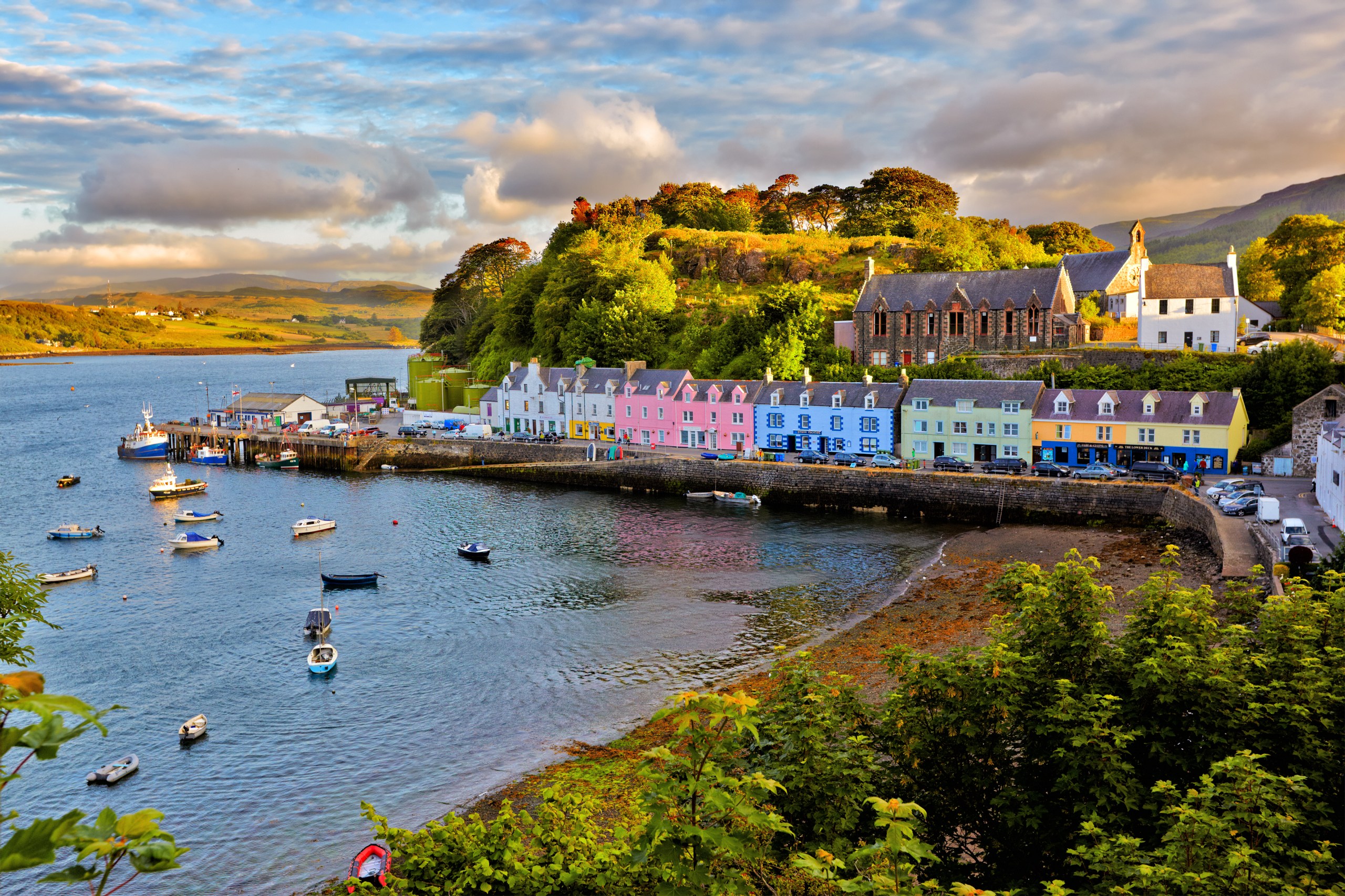
Edinburgh
Edinburgh, Scotland's capital, is a city steeped in history and culture. Its medieval Old Town and Georgian New Town are UNESCO World Heritage sites, creating a stunning architectural backdrop for your trip.
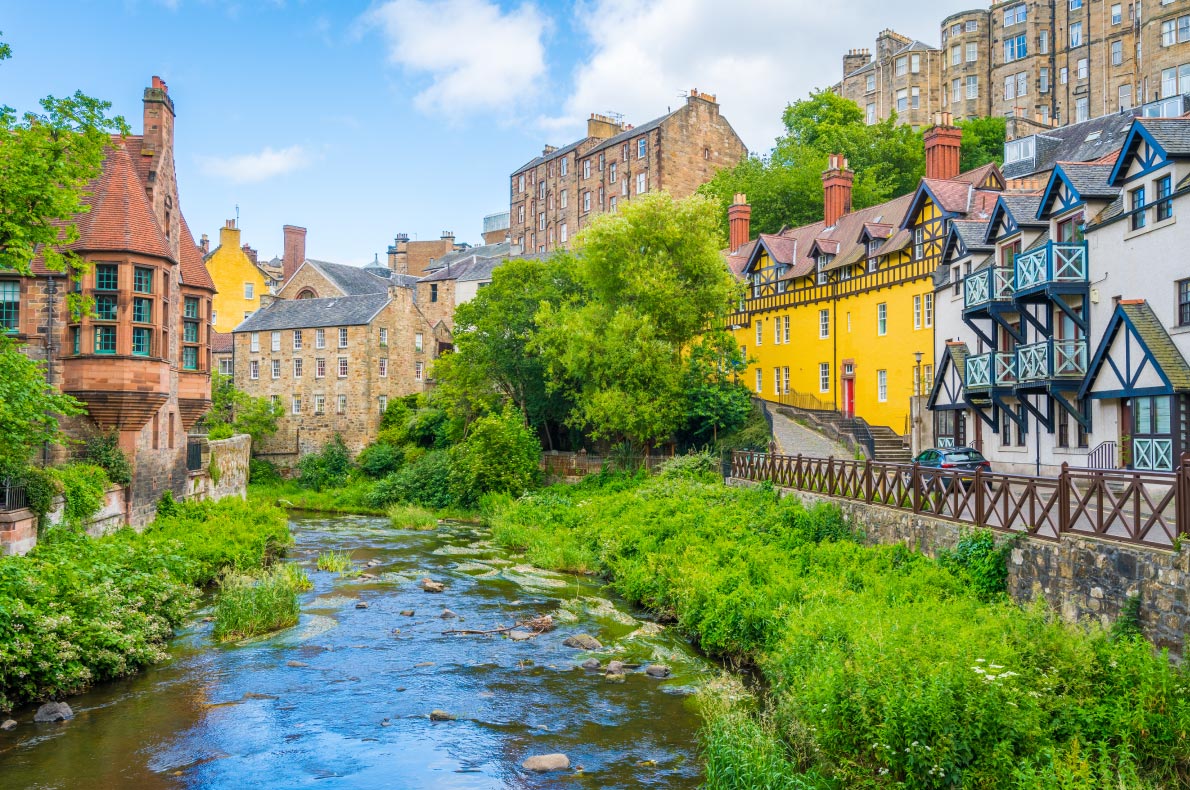
- Vistas and Landmarks:Capture essential Castle views from the Vennel, explore the Old/New Town UNESCO layers along the Royal Mile (connecting Edinburgh Castle to the Palace of Holyroodhouse), and enjoy tranquility on Dean Village strolls. For a natural high, climb Arthur’s Seat at golden hour for panoramic city views.
- Castles and Heritage:While Edinburgh Castle dominates the skyline, if you can only visit one, make it Stirling Castle. Stirling is arguably more historically significant-the site of key battles and coronations-and often offers a more interactive experience.
- Festivals: August brings wall-to-wall arts with the massive Edinburgh Festival Fringe and International Festivals. Crucial Tip: Book accommodations exceptionally early (6-12 months) or choose shoulder months to avoid peak crowds and costs.
- Tram:Trams run every ~7 minuteson the Airport–City line; typical Airport–Princes Street ~35 min. Tap On/Tap Offcontactless now in use (use the same card to cap your fare).
Glasgow
Glasgow, Scotland’s largest city, is known for its vibrant arts scene and impressive Victorian architecture, combining cultural sophistication with a down-to-earth charm.
- Arts and Culture:Dive into the arts at Kelvingrove Art Gallery and Museum or explore the city's industrial heritage at the award-winning Riverside Museum. The West End is a bohemian district filled with cafés, boutiques, and the beautiful Glasgow Botanic Gardens.
- Architecture:Follow the unique Charles Rennie Mackintosh architecture trails that showcase the city's distinctive design heritage.
- Transit Tip:The Subway is a simple inner/outer circle loop that makes neighbourhood-hopping (e.g., Partick ↔ Hillhead ↔ St Enoch) quick and easy.
The Scottish Highlands
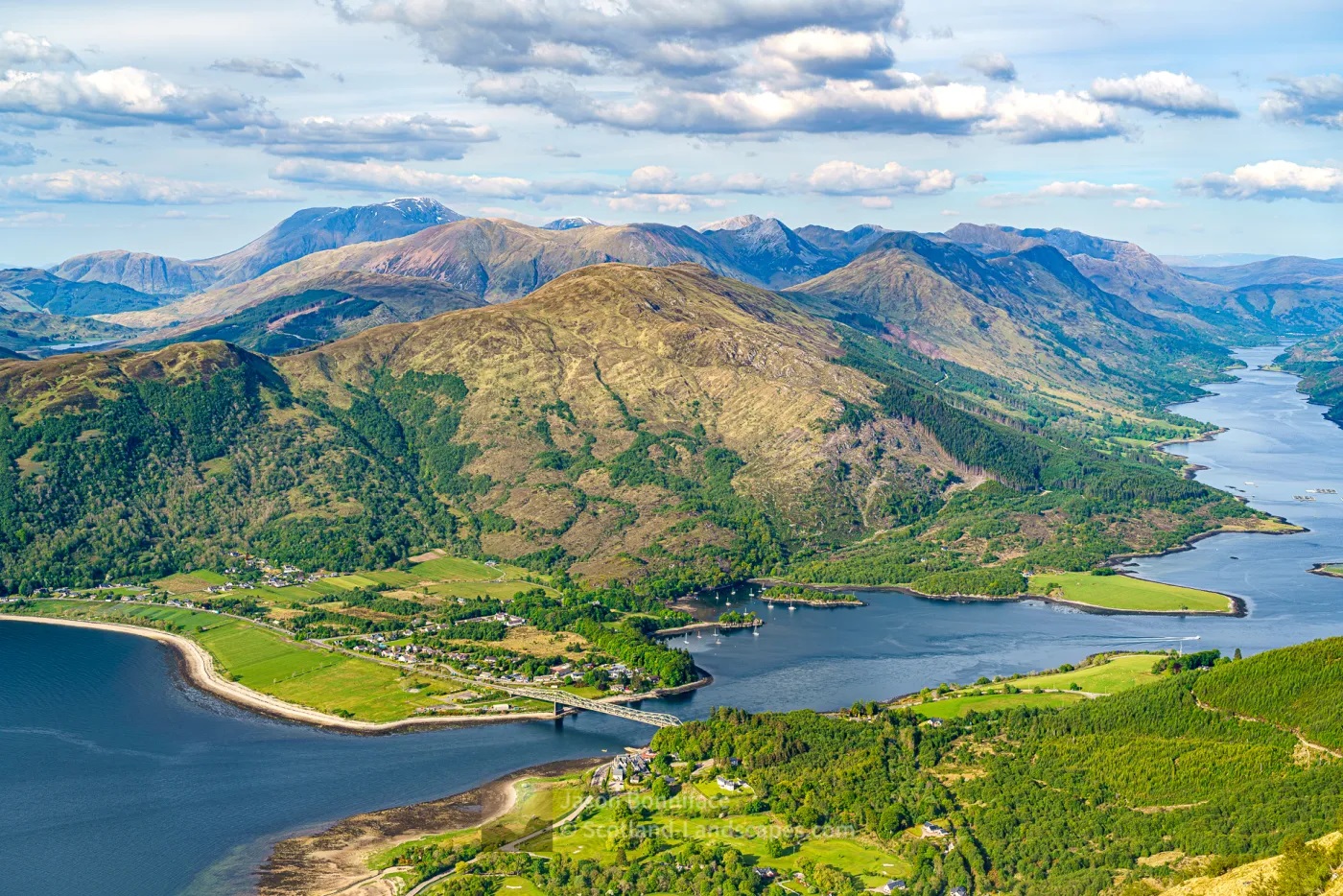
The Highlands is the Scotland of your imagination: a land of dramatic landscapes, deep lochs, and ancient castles. This is the region for deep immersion and true Scotland adventure travel.
Road Trips And Itineraries (The First-Timer's Loop)
The 7-Day First-Timer's Loop:This essential route is designed to hit the major highlights without excessive driving: Edinburgh → Pitlochry → Isle of Skye (3 days) → Glencoe → Glasgow. This loop balances the urban experience with the required dramatic Highland scenery.
Highlands Core Sites
- Glen Coe & Ben Nevis (Fort William):Glen Coe is known as Scotland’s most scenic valley, rich with poignant history from the 1692 massacre (Highland Clearances context). Visit Fort William, the "Outdoor Capital of the UK," for access to Ben Nevis (the UK's highest mountain) and the Nevis Range gondola for views. You can hike a segment of the West Highland Way long-distance trail here.
- Loch Ness: Famous for its legendary monster, the deep loch is also home to the picturesque ruins of Urquhart Castle.
- Cairngorms National Park:The vast Cairngorms National Park (the UK's largest) offers ancient Caledonian pinewoods, wild reindeer, and plateau hikes. Loch Lomond & The Trossachs National Park offers oakwoods, loch cruises, and beginner-friendly hills close to Glasgow.
The Scottish Islands: Far North & Archaeology
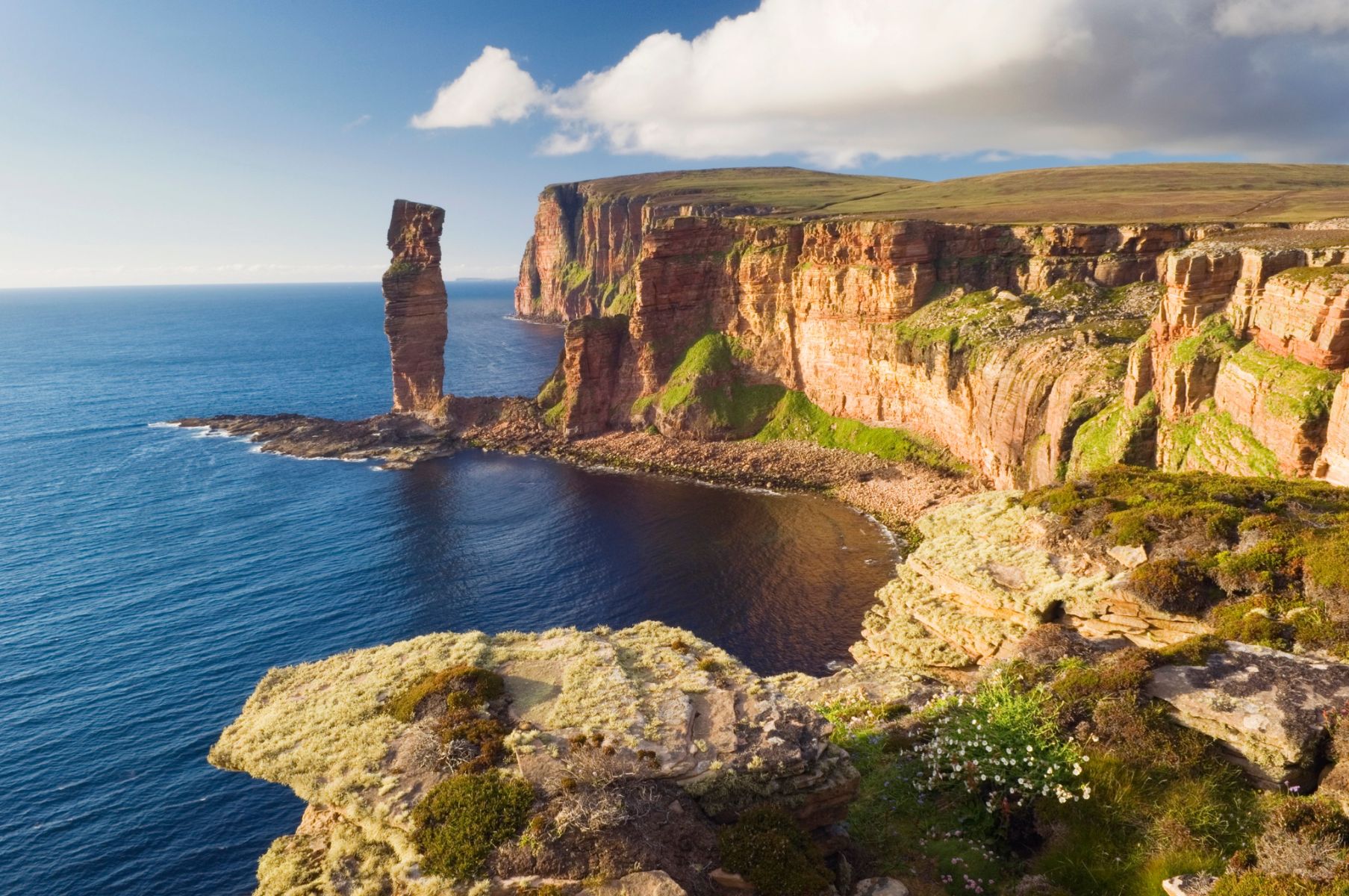
Scotland’s islands offer a unique blend of history, culture, and natural beauty. Each island group has its own distinct character, from the remote and wild Shetlands to the culturally rich Hebrides.
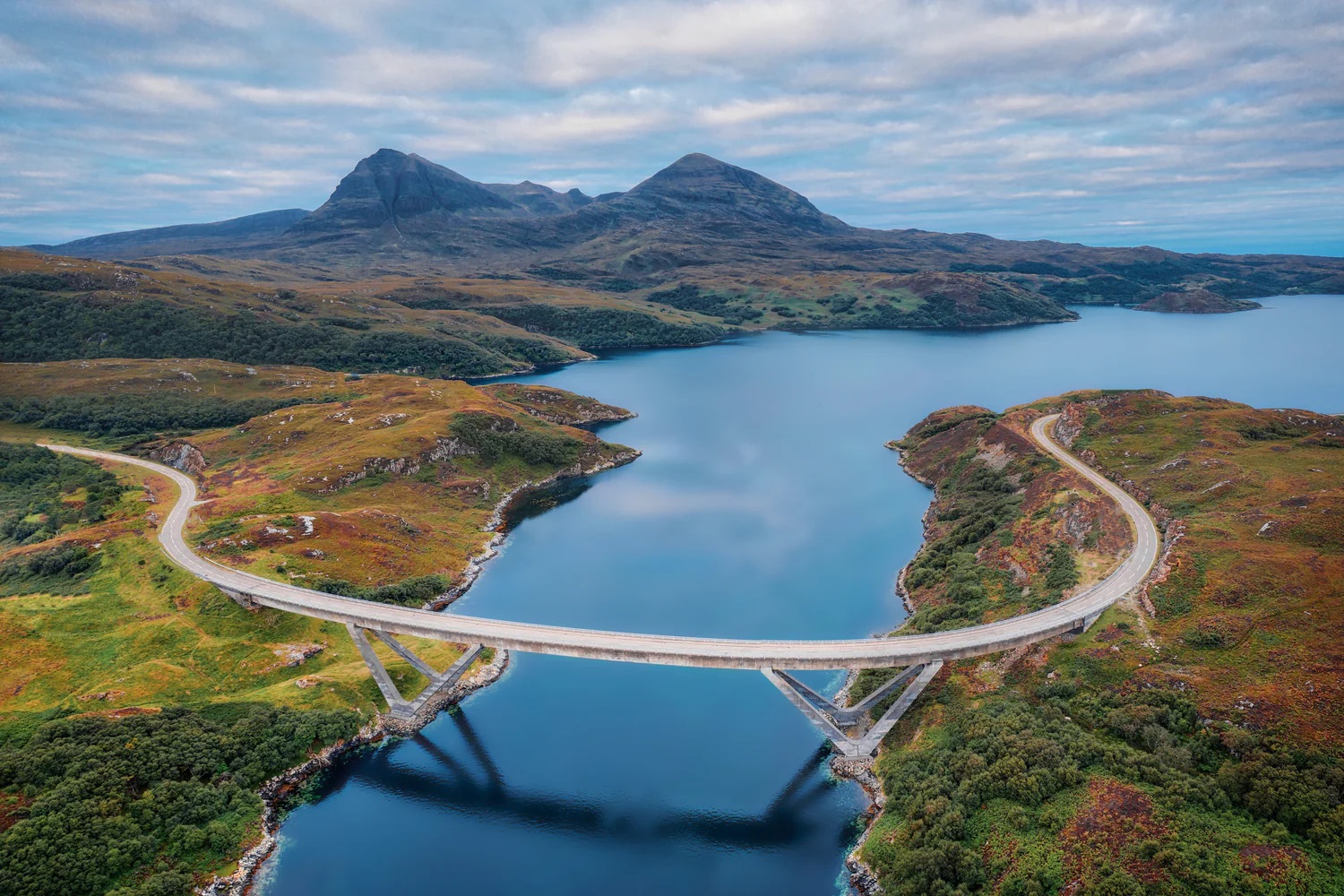
- NC500:516 miles of beaches, stacks, and single-track thrills-plan 5–7 daysminimum.
- The Isle of Lewisand Harris:Known for its stunning beaches, ancient standing stones, and Gaelic culture, this island is a true gem.
- Orkney Islands:Orkney is home to some of the best-preserved Neolithic sites in Europe, including Skara Brae and the Ring of Brodgar.
- Shetland Islands:The Shetlands are famous for their rugged landscapes, wildlife, and Viking heritage.
The Scottish Borders & Lowlands
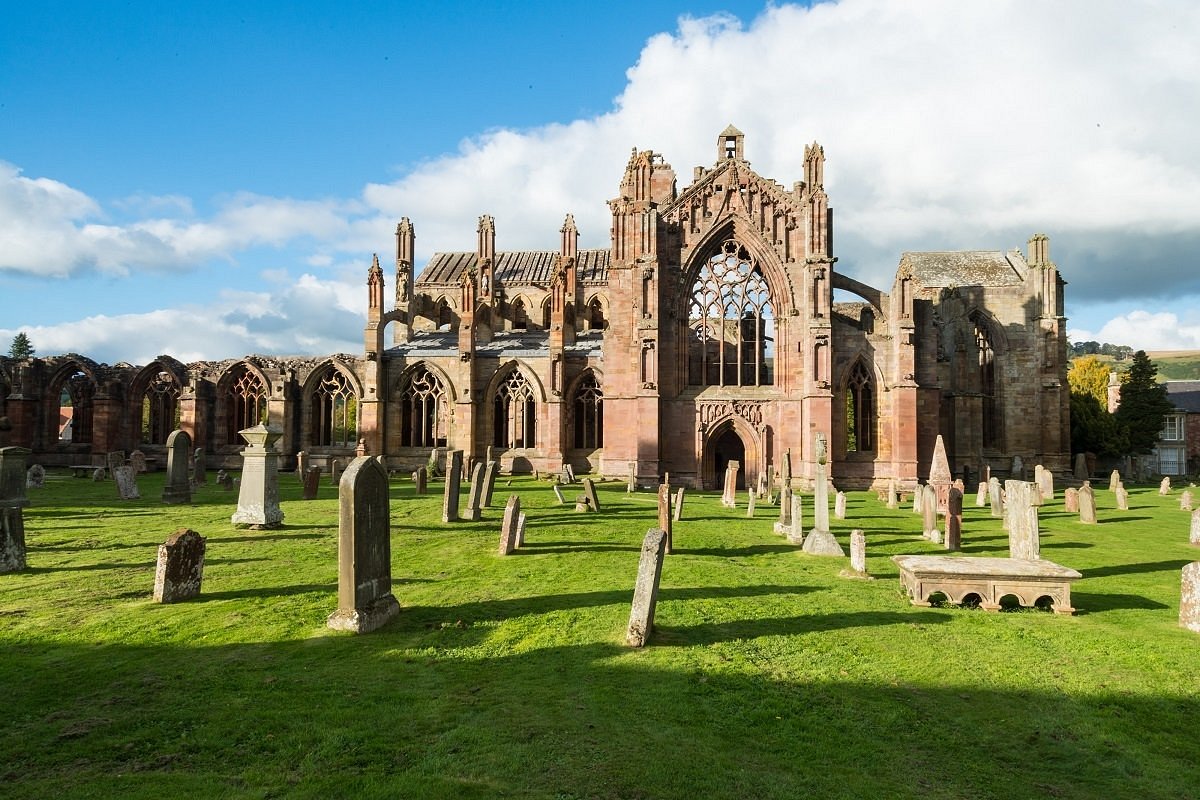
The Borders region is a picturesque area known for its rolling hills, historic abbeys, and charming towns. It’s a great place to explore if you’re interested in Scotland’s medieval history.
- Melrose Abbey:A stunning ruin of a medieval abbey, believed to be the burial place of Robert the Bruce’s heart.
- Abbotsford House:Abbotsford House- the former home of Sir Walter Scott, one of Scotland’s most famous writers, now a museum dedicated to his life and work.
- Jedburgh Abbey:Another beautiful abbey ruin, located in the charming town of Jedburgh.
- Loch Lomond & The Trossachs:“Highlands in miniature,” loch cruises, oakwoods, family-friendly summits near Glasgow.
- Fife Coastal Path:Anstruther (legendary fish & chips), Crail’s harbour, sea-cliff strolls with medieval lanes.
Adventures, Road Trips, And Outdoor Pursuits
Road Trips: Routes For The First-Timer And The Veteran
A road trip is the best way to experience the country’s diverse scenery.
- The 7-Day First-Timer's Loop:A balanced route designed to hit major highlights without excessive driving: Edinburgh → Pitlochry → Isle of Skye (3 days) → Glencoe → Glasgow. This is recommended for first-time visitors with limited time.
- Deep Dive: The NC500: For a dedicated adventure, the NC500 is unparalleled, but its narrow, challenging roads demand slow, intentional travel.
Hiking And Mountaineering
Scotland's "Right to Roam" (Scottish Outdoor Access Code) makes hiking the most accessible form of adventure travel.
- Beginner Walks:Low-level walks around Loch Lomond or The Hermitage near Pitlochry offer stunning views on well-marked, manageable terrain.
- Intermediate/Advanced:Conquering a Munro (a mountain over 3,000 feet / 914 meters) is a major feat. Ben Nevis is the most famous, but Buachaille Etive Mòr offers a more dramatic and less crowded experience. Safety Note:Always check the weather, carry a map and compass (do not rely on phone GPS), and inform someone of your route and return time.
- Iconic Trails:Consider a segment of the West Highland Wayor the rewarding but challenging climbs in the Cuillin Rangeon the Isle of Skye.
- Wild camping nuance:Camping byelaws apply on East Loch Lomond (permits/seasonal zones) even under Scotland’s access rights-check before pitching.
Attending A Traditional Highland Games
Highland Gamesare traditional Scottish events that showcase feats of strength, dance, and music. Attending a Highland Gamesis a fantastic way to experience Scottish cultureup close. Some of the most famous games include:
- The Braemar Gathering:Attended by the British Royal Family, this is one of the most prestigious Highland Games.
- The Cowal Highland Gathering:The largest Highland Games in the world, held in Dunoon.
- The Inverness Highland Games:Held in the capital of the Highlands, offering a mix of traditional events and modern entertainment.
Water & Other Adventure Activities
- Sailing, Kayaking, and Boating:Take a cruise on Loch Nessfor the mandatory monster hunt, but for a true aquatic adventure, try kayaking on Loch Awe (dotted with island castles like Kilchurn Castle).
- Rock Climbing and Mountaineering:World-class climbs are found on Ben Nevis and the rugged Cuillin Range.
- Skiing and Snowboarding:During winter, Scotland offers resorts like Cairngorm Mountain and Glencoe, known for challenging slopes and dramatic scenery.
- Wildlife Watching:The Isle of Mull is excellent for spotting otters and eagles, while the Cairngorms are home to rare species like the Scottish wildcat.
Scotland’s Hidden Gems: Off-the-Beaten-Path Destinations
The Isle Of Mull
The Isle of Mull, located off the west coast of Scotland, is a beautiful and less-visited island known for its stunning landscapes, charming villages, and abundant wildlife. Don’t miss:
- Tobermory:The island’s colorful main town, known for its brightly painted houses and lively harbor.
- Duart Castle:A historic castle perched on a cliff overlooking the sea, offering fascinating history and breathtaking views.
- Staffa:A small, uninhabited island near Mull, famous for its impressive basalt columns and Fingal’s Cave.
The Cairngorms National Park
The Cairngorms National Park, located in the heart of the Scottish Highlands, is a vast wilderness area offering endless opportunities for outdoor adventures. Highlights include:
- Loch an Eilein:A stunning loch surrounded by ancient pine forests, with a ruined castle on an island in the middle.
- The Cairngorm Mountain Range:Offering some of the best skiing, snowboarding, and hiking in Scotland.
- Highland Wildlife Park:A unique park where you can see native Scottish animals as well as exotic species like polar bears and tigers.
The Outer Hebrides
The Outer Hebrides, a remote island chain off the west coast of Scotland, is a place of wild beauty and rich cultural heritage. Explore:
- Luskentyre Beach:Often voted one of the most beautiful beaches in the world, with its white sands and turquoise waters.
- The Callanish Stones:A mysterious stone circle dating back to the Neolithic era, older than Stonehenge.
- The Isle of Barra:Known for its stunning landscapes, Barra is one of the few places in the world where planes land on the beach.
Exploring Scotland’s Natural Wonders
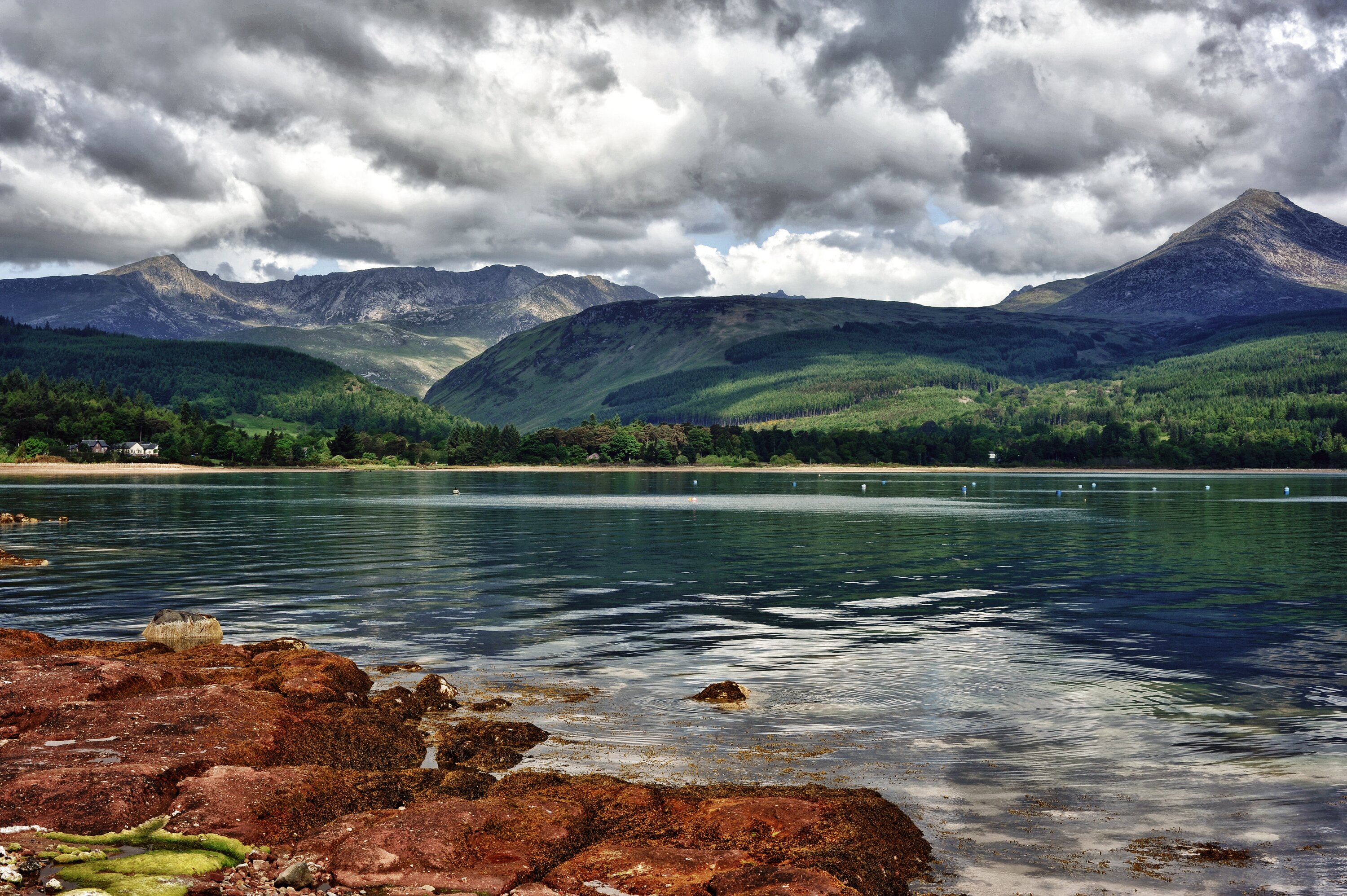
Scotland is blessed with an abundance of breathtaking natural landscapes that will appeal to outdoor enthusiasts and nature lovers alike. From towering mountains to tranquil lochs and rugged coastlines, Scotland’s natural wonders are a must-see.
Loch Lomond And The Trossachs National Park
This national park, located just north of Glasgow, offers some of the most scenic landscapes in Scotland. Loch Lomond, the largest freshwater lake in Great Britain, is perfect for boat trips, fishing, and walking. The surrounding hills and woodlands are ideal for hiking and exploring nature.
- Ben Lomond: A popular mountain to climb, offering panoramic views of the loch and surrounding area.
- The Trossachs: Known as “The Highlands in Miniature,” this area is filled with glens, forests, and picturesque villages.
Fife Coastal Path
Stretching from the Forth Bridgeto the Tay Bridge, this 117-mile path follows Scotland’s stunning eastern coastline. Perfect for walkers and cyclists, it offers views of cliffs, sandy beaches, and charming fishing villages.
- Anstruther: A picturesque village famous for its seafood, particularly fish and chips.
- Crail: One of the most beautiful towns on the route, offering medieval buildings and scenic harbor views.
The Isle Of Arran
Often referred to as “Scotland in Miniature” because it contains a bit of everything Scotland has to offer, the Isle of Arran features beautiful beaches, rugged mountains, and lush forests. It’s perfect for hiking, cycling, and wildlife spotting.
- Goatfell: The highest peak on Arran, offering a challenging climb with breathtaking views of the island and the surrounding sea.
- Brodick Castle: A historic castle that sits at the foot of Goatfell, with beautiful gardens and a rich history.
Glen Etive
Glen Etive, located in the Scottish Highlands, is a valley famous for its dramatic scenery. It has been the backdrop for numerous movies, including Skyfall, where the dramatic landscape of the valley is showcased. The river Etive flows through the glen, and the surrounding mountains provide some excellent walking routes.
- Glen Etive Waterfalls: A beautiful and peaceful spot to explore while hiking the glen.
- Buachaille Etive Mòr: One of Scotland’s most photographed mountains, offering a challenging but rewarding hike.
History, Heritage, And Cultural Immersion
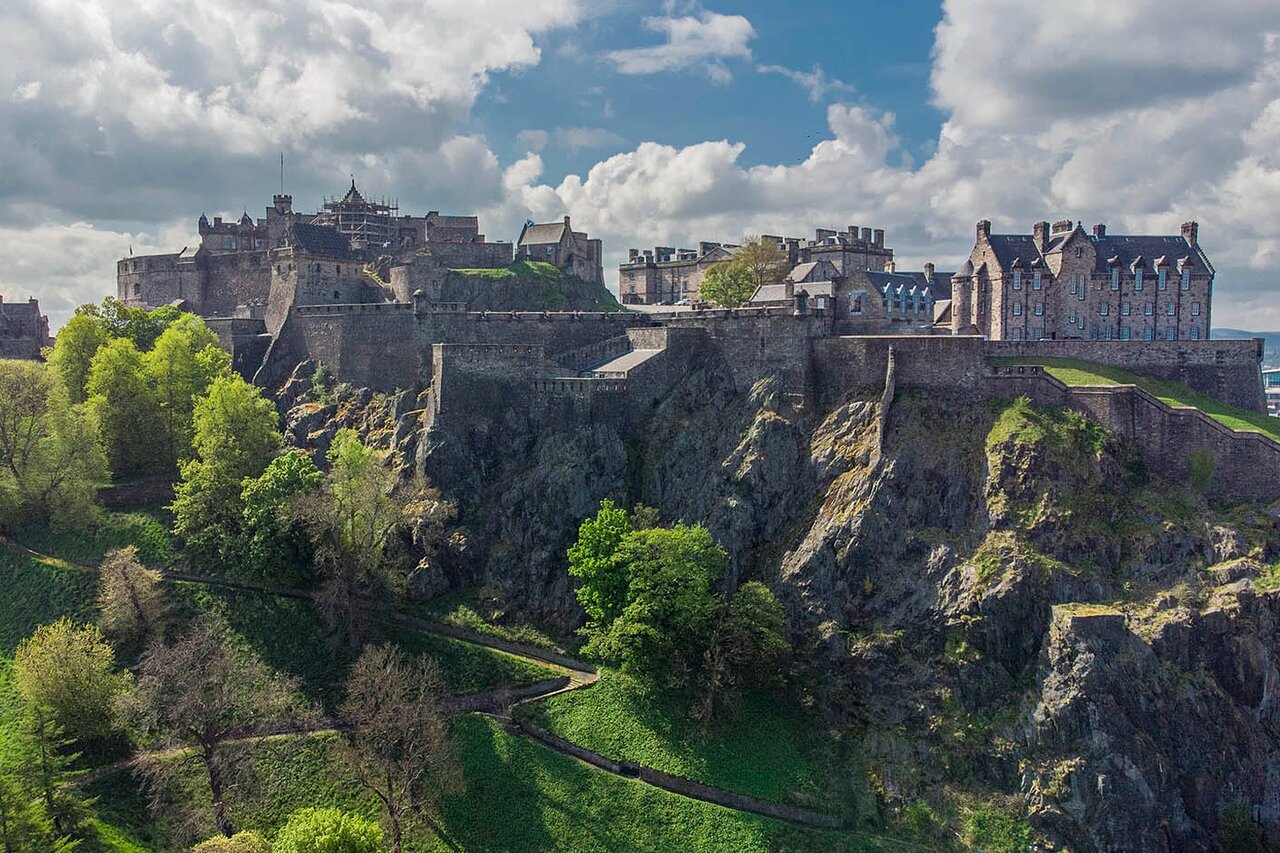
Iconic Castles And Historic Sites
A single pass, such as the HES Explorer Pass, can offer cost-effective entry if you plan to visit multiple marquee sites (e.g., Edinburgh, Stirling, Urquhart).
- Stirling Castle vs. Edinburgh Castle:If you visit only one, make it Stirling Castle. It is arguably more historically significant-the site of key battles and coronations-and offers a more interactive, less crowded experience than the iconic Edinburgh Castle.
- Other Must-Sees:Eilean Donan Castle is one of Scotland's most photographed and picturesque fortresses, located on an island in Loch Duich.
- Battlefields:Visiting sites like the Battle of Bannockburn (Robert the Bruce’s famous 1314 victory) and the poignant Culloden Battlefield (final Jacobite rising in 1746) provides an understanding of the tumultuous fight for Scottish independence.
- Deepening the Context:Understanding the Highland Clearances (18th and 19th-century forced evictions) adds a vital, poignant context to the stunning, sparsely populated glens. The Glencoe Museum or the ruins of ancient villages on Skye offer insight.
- Ancient History:Explore the remnants of the Roman presence at the Antonine Wall, a UNESCO World Heritage site across central Scotland.
The Whisky Trail Guide
A trip is incomplete without a dram. Scotch whisky is categorized by its region, each with a distinct flavor profile:
- Speyside: Sweet, fruity, and light (e.g., The Macallan, Glenfiddich). Great for beginners.
- Islay:Peaty, smoky, and maritime (e.g., Laphroaig, Ardbeg). Bold and complex.
- Highlands:Wide variety, from dry to spicy (e.g., Talisker on Skye).
- Experience:Many distilleries offer guided tours and tastings where you can learn about the whisky-making process.
For More Details: Scotland Whisky Regions Map
Festivals And Traditions
- Hogmanay: Scotland’s New Year’s Eve celebration, known for its lively street parties and fireworks.
- Burns Night: Celebrated on January 25th, honoring national poet Robert Burnswith traditional food, music, and poetry.
- The Edinburgh Festival Fringe:The world’s largest arts festival, held every August, featuring thousands of performances from artists around the globe.
- Traditional Scottish Musicand Dance:Attend a Ceilidh (a traditional Scottish dance) to experience folk music played with bagpipes, fiddle, and accordion.
- The Importance of Clan Culture: The clan system is integral to Scottish identity. Highland Games, held across the country in summer, showcase feats of strength (like the caber toss), dance, and music, providing a modern celebration of clan heritage.
The Home Of Golf
Scotland is the birthplace of the game. Even non-players often visit the Old Course at St Andrews as a pilgrimage. While booking tee times at world-famous courses requires advance planning, many excellent, affordable local links courses welcome visitors.
Where To Stay: Matching Lodging To Your Route And Budget
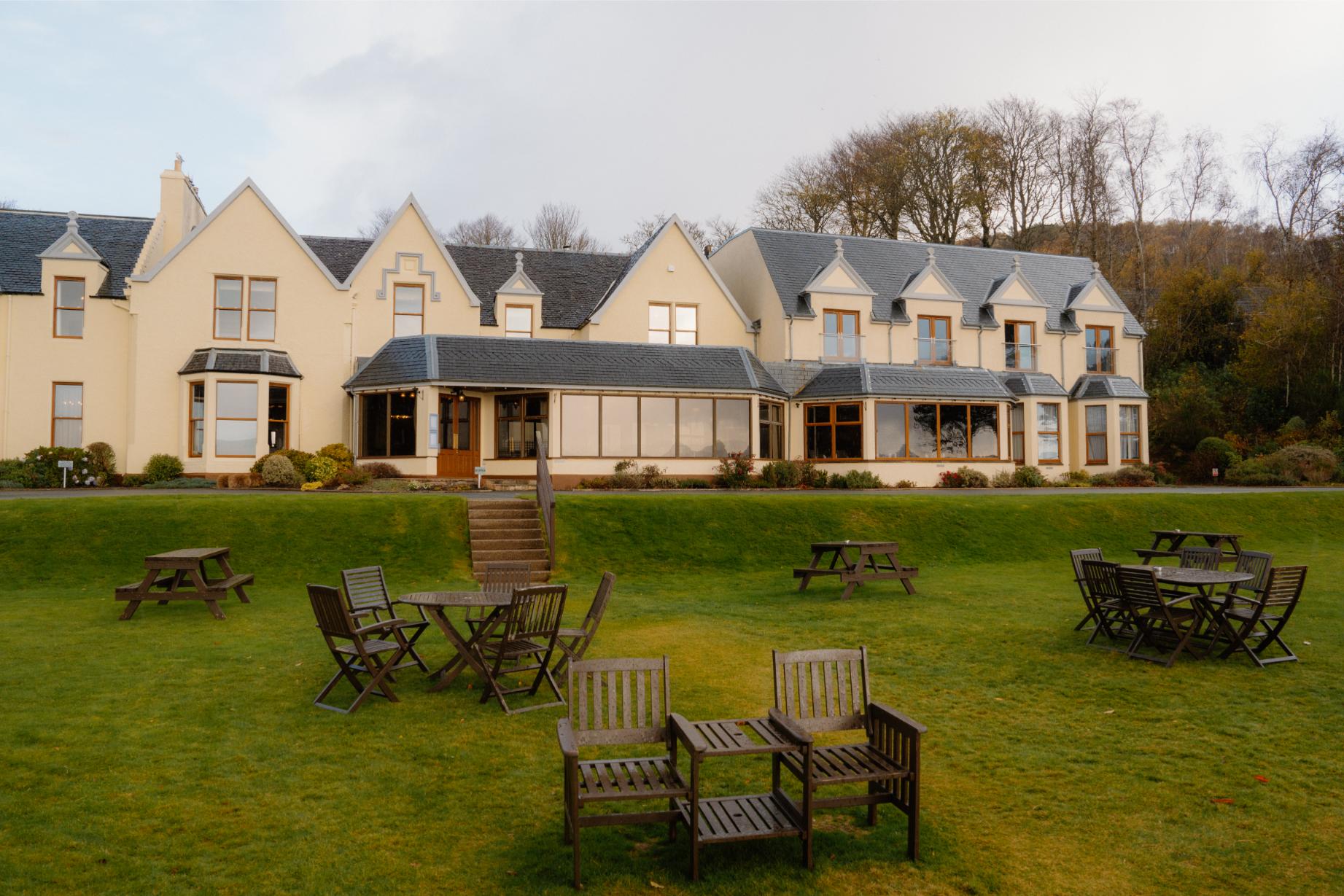
Picking the right lodging is a crucial component of trip planning, heavily dependent on your goals, budget, and whether you focus on cities or the Highlands.
Accommodation Types: From Luxury To Bothy
Scotland offers diverse lodging, from urban hotels to remote wilderness shelters.
- Hotels & B&Bs:Scotland excels at owner-run B&Bs (Bed & Breakfasts) and small inns, which often provide personalized local insight and hearty morning meals. These are your most common, charming rural options and must be booked early in the high season.
- Self-Catering (Cottages/Lodges):Excellent for families or those prioritizing privacy, especially on the islands. Weekly lets are common in peak months.
- Hostels:Hostelling Scotland runs a not-for-profit network in prime locations, offering budget-friendly options, often with private rooms, drying rooms, and communal kitchens.
- Bothies (Advanced/Remote): Free, basic mountain shelters, often old croft houses, intended for hikers and outdoor enthusiasts. They offer no booking and minimal facilities. This is a truly remote adventure, requiring adherence to the Bothy Code (pack in, pack out, leave tidy).
Regional Budget Guide: Key Locations
As you plan, prioritize securing accommodation in key Highland locations (like Portree/Skye) first, as they book up earliest.
Budget-Friendly Stays:
- Edinburgh:Code Pod Hostels the Loft, Haymarket Hub Hotel.
- Isle of Skye (Portree):Portree Independent Hostel, Portree Youth Hostel.
- Inverness:Inverness Youth Hostel, BazPackers.
Moderate Stays:
- Edinburgh:B+B Edinburgh, Murrayfield Hotel.
- Isle of Skye (Portree): The Caledonian Hotel, The Isles Inn.
- Inverness: Cedar Villa Guest House, Royal Highland Hotel.
Luxury Stays:
- Edinburgh:The Witchery by the Castle, Waldorf Astoria Edinburgh.
- Isle of Skye (Portree):Cuillin Hills Hotel, Marmalade Hotel.
- Inverness: Ness Walk Hotel, Culloden Hotel.
Essential Booking Notes And Levies
- Book Early:If visiting the Highlands (especially Skye) during summer, you should secure your lodging 6-12 months in advance.
- Check Reviews:The official VisitScotland star-grading scheme has been retired, so rely on recent reviews and reputable booking platforms for quality assurance.
- Edinburgh Visitor Levy:The City of Edinburgh plans to introduce a 5% nightly levy for overnight stays from 24 July 2026. This levy applies to bookings made on or after 1 October 2025, and you should budget accordingly.
What Should I Eat In Scotland?
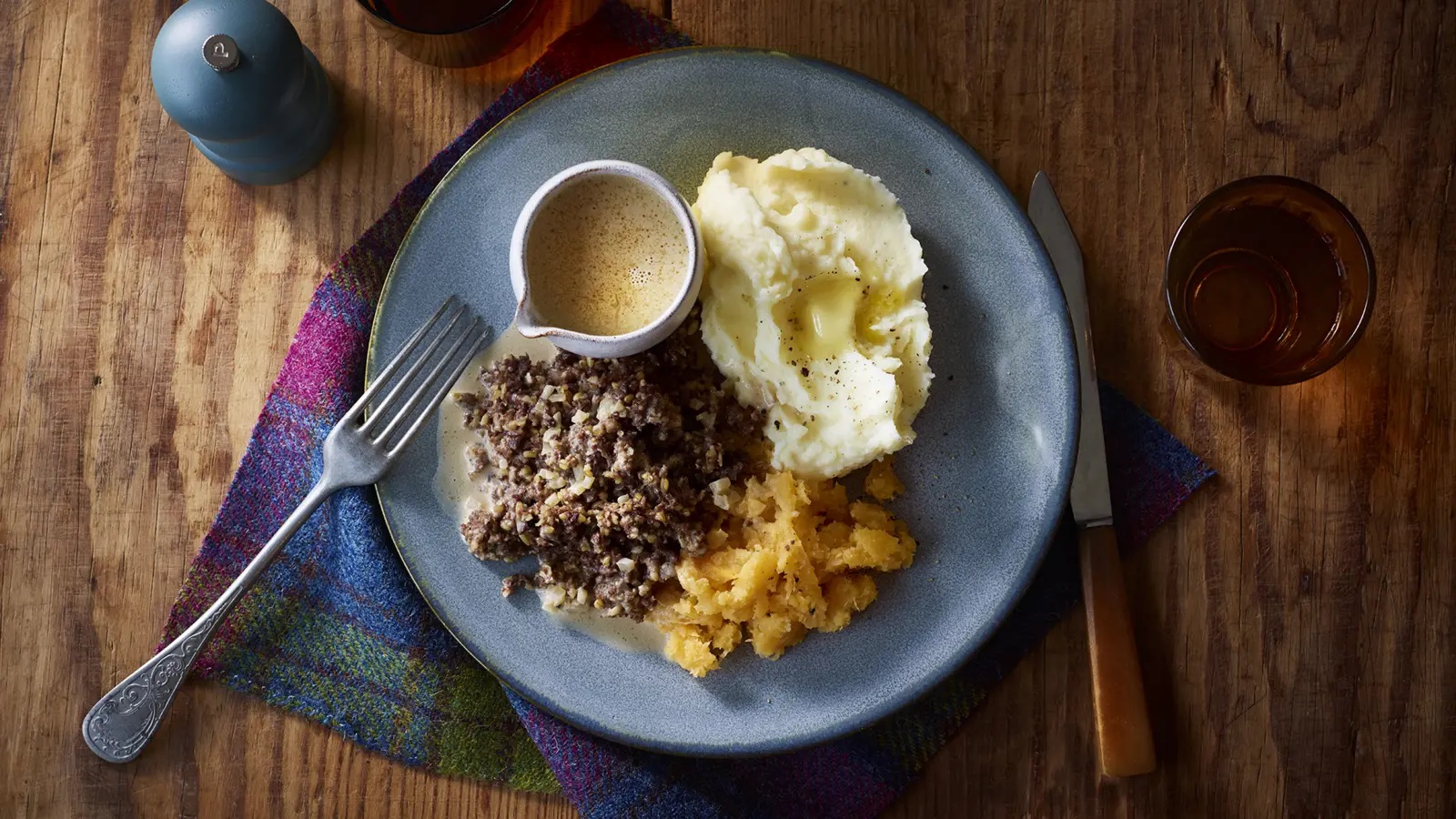
A trip to Scotland is a culinary journey, extending far beyond the cliché of deep-fried Mars bars. This concise, crave-able short list will guide you toward dishes of regional authenticity and exceptional freshness.
Classics, Seafood, And Hearty Staples
You won't have trouble finding meat and potatoes on any menu, but focus on the unique Scottish culinary feats:
- Haggis, Neeps & Tatties:The national dish-a savoury pudding traditionally cooked in a sheep's stomach, served with mashed turnips (neeps) and potatoes (tatties). Trying it is a rite of passage!
- Cullen Skink:A luxurious, creamy chowder made with smoked haddock, potatoes, and onions. It is the Scottish version of clam chowder, elevated by the distinct smoky flavor.
- Fresh Seafood:The Atlantic yields superb quality. Look for fresh salmon, lobster, mussels, oysters, and local specialties like langoustines and hand-dived scallops, often sold straight from the markets in coastal towns.
- Full Scottish Breakfast:An essential morning experience. This typically includes eggs, sausage, bacon, and the unique addition of tattie scones(potato pancakes) and Stornoway Black Pudding.
- Roll and Square Sausage (Lorne Sausage):An iconic Scottish sandwich for a quick, cheap breakfast on the go, often found in local cafes and bakeries.
- Scotch Eggs:Hardboiled eggs covered in seasoned sausage meat, bread crumbs, and often deep-fried. They are simple, satisfying, and perfect for a picnic.
Protected Regional Stars & Sweets
Look for dishes with protected geographical status, which guarantees authenticity and quality:
- Arbroath Smokies:Hot-smoked haddock caught off the east coast, known for its distinct, delicate flavor.
- Stornoway Black Pudding:A rich, flavorful blood sausage legally certified from the Outer Hebrides. Look for the official PGI (Protected Geographical Indication) label on these and other recognized goods.
- Traditional Sweets:Don't miss the classic crumbly shortbread and versatile oatcakes, which pair wonderfully with cheese or jam. Be sure to also try Tablet: a hard, brittle, fudge-like confection that is significantly grainier and sweeter than traditional fudge.
Pro Tip:Look for high-quality, local savory pies (e.g., steak or venison) and fresh bread from independent rural and island bakeries.
Whisky And Modern Bites
Scottish dining offers a contemporary scene that embraces its natural pantry.
- Scotch Whisky:Legally, the spirit must mature in oak in Scotland for at least three years. Visiting a distillery is a rite of passage, offering context and flavor. (Check designated driver options).
- Modern Cuisine:Seek out the burgeoning food scene, especially in city centers like Glasgow and Edinburgh, where new-Nordic-meets-Highland chefs are creating innovative dishes. You will also find an increasing number of excellent vegan and vegetarian restaurants in these urban hubs.
Scotland Travel Tips
- Driving single-track roads:Use passing places; don’t park in them; yield uphill where possible.
- Right to roam (access code):Scotland allows responsible access on most land and inland water; follow the Scottish Outdoor Access Code(wild camping = small groups, short stays, leave no trace).
- Rail & passes:Intercity trains are frequent; consider the Spirit of Scotland Travelpassfor flexible rail/bus/ferry days.
- Ferries:Reserve cars months ahead for Skye/Outer Hebrides and reconfirm sailingsclose to departure.
- Castles & heritage:If you’ll see multiple sites, the HES Explorer Passand National Trust for Scotlandmembership can save money.
- Weather & packing:Plan for four seasons in a day; waterproofs, warm mid-layer, and midge protection (summer). When facing midges, specifically use a head net and a repellent containing DEET or Smidge, especially near still water at dusk/dawn.
- Connectivity & Safety:Mobile signal is unreliable across vast parts of the Highlands and Islands; downloading offline maps (Google/OS Maps) is mandatory for driving and hiking.
- Emergency & Health:Always travel with comprehensive travel insurance. For immediate non-emergency health advice, the NHS 24 service is available.
- Budget snapshot (mid-range):£150–£250 per room; car hire £45–£80/day; fuel ~£1.50–£1.80/L; attractions £10–£25 (Data as of Dec 2025).
Scotland Adventure Travel
- Hike a classic:the West Highland Way(96 miles Milngavie→Fort William) with luggage transfer options.
- Summit safely:Ben Nevisdemands fitness, mapping, and winter caution; hire a guide if unsure.
- Kayak & bike:Sea-kayaking on sheltered sea lochs; family cycling on traffic-free sections near Aviemore/Balloch.
FAQs About Scotland Travel Guide
What Is The Best Month To Visit Scotland?
Late April–June and September–October balance daylight, colour and crowds. Summer is lively but busier and midge-prone in the west.
How Many Days In Scotland Is Enough?
Seven days for Edinburgh + Highlands, 10 for Skye/rail-isles, and 14 to add Orkneyor a fuller Hebrides loop.
What Do I Need To Know When Traveling To Scotland?
Book summer ferries early, learn single-track etiquette, carry layers, and consider a Spirit of Scotlandpass for flexible travel.
What Is The Average Cost For A Trip To Scotland?
For two: £180–£300/day (room, meals, transit, admissions). Festival weeks and remote isles trend higher; passes can lower transport costs.
What Is The Cheapest Month To Go To Scotland?
Generally November–March outside holidays; some rural services reduce, but city culture thrives and castle passes may discount. Data as of Nov 2025–Mar 2026.
What Is The Prettiest Place In Scotland To Visit?
Subjective-but Glencoe, Skye’s Cuillin, Harris beaches, and the Cairngorms’ pinewoods are perennial favourites.
When Is The Best Time Of Year To Visit Scotland?
Match your goal: spring colour, long summer evenings, autumn gold, or winter landscapes and cosy city breaks.
When Should I Book To Get A Deal In Scotland?
For August and vehicle ferries, as early as possible; shoulder seasons provide better rates and availability.
What Should I Wear In Scotland?
Layering is essential: pack waterproof outer layers, warm mid-layers, and sturdy, comfortable walking shoes, as the weather changes drastically and often.
What Is The North Coast 500?
The NC500 is a spectacular 516-mile scenic driving route around the north coast of Scotland, starting and ending in Inverness, requiring about 5-7 dedicated days.
Is It Better To Fly Into Edinburgh Or Glasgow?
Both are excellent, but Edinburgh is closer to the most popular historical sites and is often the best starting point for a classic Highland tour.
Conclusion
The most successful Scotland trips are the ones that are planned with rigor but executed with flexibility.
By following the Scotland Planning Runway, you have secured the essentials, prepared for the nuances of driving and weather, and structured your itinerary around your own passions, whether that’s standing on a remote Munro or savoring a complex Islay dram.
Scotland is a land that rewards the prepared traveler, and the freedom you've earned through this planning process will allow you to embrace the moments of solitude and majesty that define this enchanting kingdom.
Jump to
Scotland Travel Guide: Your Road Map For A Complete First Trip
Fast Facts About Scotland
Best Time To Visit Scotland
Getting Around Scotland
City Gateways: Top Destinations To Visit In Scotland
The Scottish Highlands
The Scottish Islands: Far North & Archaeology
The Scottish Borders & Lowlands
Adventures, Road Trips, And Outdoor Pursuits
Scotland’s Hidden Gems: Off-the-Beaten-Path Destinations
Exploring Scotland’s Natural Wonders
History, Heritage, And Cultural Immersion
Where To Stay: Matching Lodging To Your Route And Budget
What Should I Eat In Scotland?
Scotland Travel Tips
FAQs About Scotland Travel Guide
Conclusion

Callum Fraser
Author
Callum Fraser isn't just a writer about Scotland; he's a product of its rugged landscape and rich history. Born and raised in Perthshire, with the Highlands as his backyard, his love for the nation's stories was kindled by local storytellers and long walks through ancient glens.
This passion led him to pursue a degree in Scottish History from the University of Edinburgh. For over 15 years, Callum has dedicated himself to exploring and documenting his homeland, fusing his academic knowledge with essential, on-the-ground experience gained from charting road trips through the Cairngorms, hiking the misty Cuillins of Skye, and uncovering the secrets of traditional recipes in his family's kitchen.
As the Editor-in-Chief and Lead Author for Scotland's Enchanting Kingdom, Callum's mission is simple: to be your most trusted guide. He combines meticulous research with a storyteller's heart to help you discover the authentic magic of Scotland — from its best-kept travel secrets to its most cherished traditional recipes.
Latest Articles
Popular Articles