Top 20 Scottish Winter Wonderland Destinations You Must Visit
The 20 best Scottish winter wonderland destinations! Discover snow-capped peaks, cozy lodges, and scenic beauty perfect for your winter getaway.
Author:Callum FraserSep 22, 2026
As the frost gently blankets the rugged Scottish landscapes, the country transforms into a breathtaking winter wonderland. From the snow-dusted peaks of the Highlands to the glittering lights of Edinburgh’s Christmas markets, Scotland offers a magical escape during the colder months.
Winter unveils a side of Scotland that’s serene, enchanting, and steeped in tradition, drawing travelers seeking both adventure and tranquility.Whether you're gazing at the Aurora Borealis from a Dark Sky Park or warming up with a dram of whisky by a roaring fire, Scotland’s winter charm is unparalleled.
What Makes Scotland A Winter Wonderland?
Scenic Beauty
Scotland in winter boasts an ethereal beauty that feels almost otherworldly. Snow blankets the dramatic peaks of the Highlands, creating a striking contrast against the dark, glassy waters of its lochs. The Isle of Skye’s rugged terrain becomes even more mystical under a layer of frost, while Glencoe’s valleys take on a haunting allure.
Rich Culture And Traditions
Scotland’s winter season is as much about culture as it is about scenery. Hogmanay, the traditional New Year’s Eve celebration, is legendary, featuring torchlight processions, fireworks, and ceilidh dancing. Burns Nightin January honors Scotland’s national poet, Robert Burns, with haggis, whisky, and heartfelt recitations of his work.
Seasonal Attractions
Winter brings a host of special events and attractions. Edinburgh’s Christmas market lights up Princes Street Gardens with festive stalls, ice skating, and a spectacular Big Wheel. Across the country, you’ll find cozy villages adorned with fairy lights, offering everything from artisanal crafts to seasonal treats.
How Cold Is Scotland In Winter?
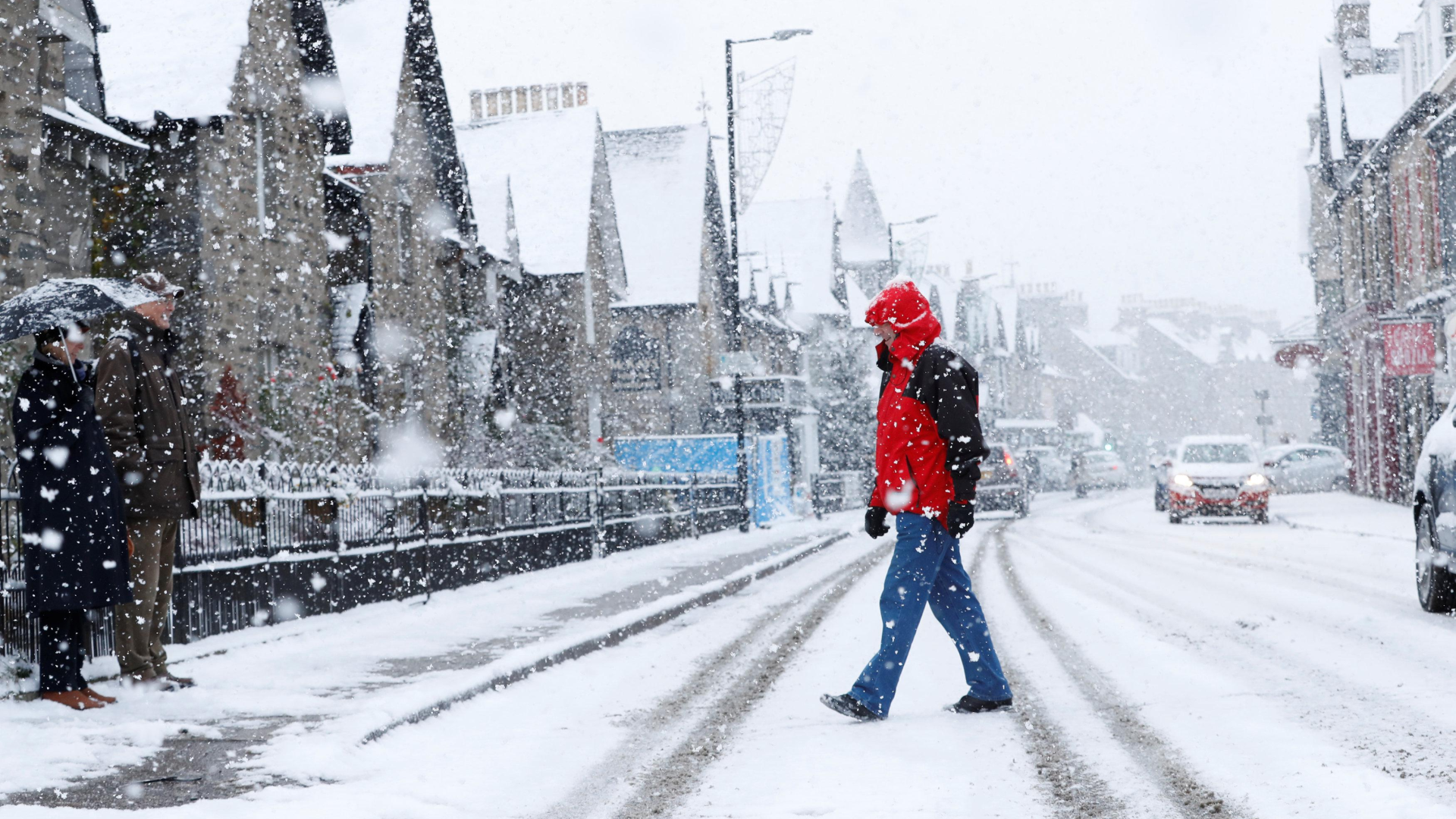
In Scotland, winter spans December, January, and February, with January and February typically being the coldest months. Despite being on the same latitude as regions like Alaska, Canada, and Russia, Scotland's winter temperatures are relatively mild, averaging between 5°C (41°F) and 7°C (45°F).
The Scottish Highlands, however, can experience much colder conditions. The United Kingdom's lowest recorded temperature of - 27.2°C (-16.96°F) occurred in Braemar (1982) and Altnaharra (1995).
Snowfall is uncommon in cities but much more frequent in the mountainous regions. One of the highlights of visiting Scotland during winter is the stunning sight of snow-capped peaks mirrored in the glistening lochs below.
Why Visit Scotland In Winter?
Scotland becomes even more enchanting as the temperatures drop, offering plenty of reasons to plan a winter getaway:
- Peaceful and Crowd-Free:With the summer crowds long gone, you can explore Scotland’s iconic attractions, such as Edinburgh Castle or the Isle of Skye, in a serene and quiet setting.
- Breathtaking Snowy Scenery:The Highlands and Cairngorms turn into a picturesque winter wonderland, ideal for scenic road trips and outdoor winter activities.
- One-of-a-Kind Winter Adventures:Experience the magic of events like Edinburgh’s Hogmanay festival, indulge in whisky tastings at cozy distilleries, or, with a bit of luck, catch the Northern Lightsdancing in the sky.
Top Winter Wonderland Destinations In Scotland
1. Cairngorms National Park
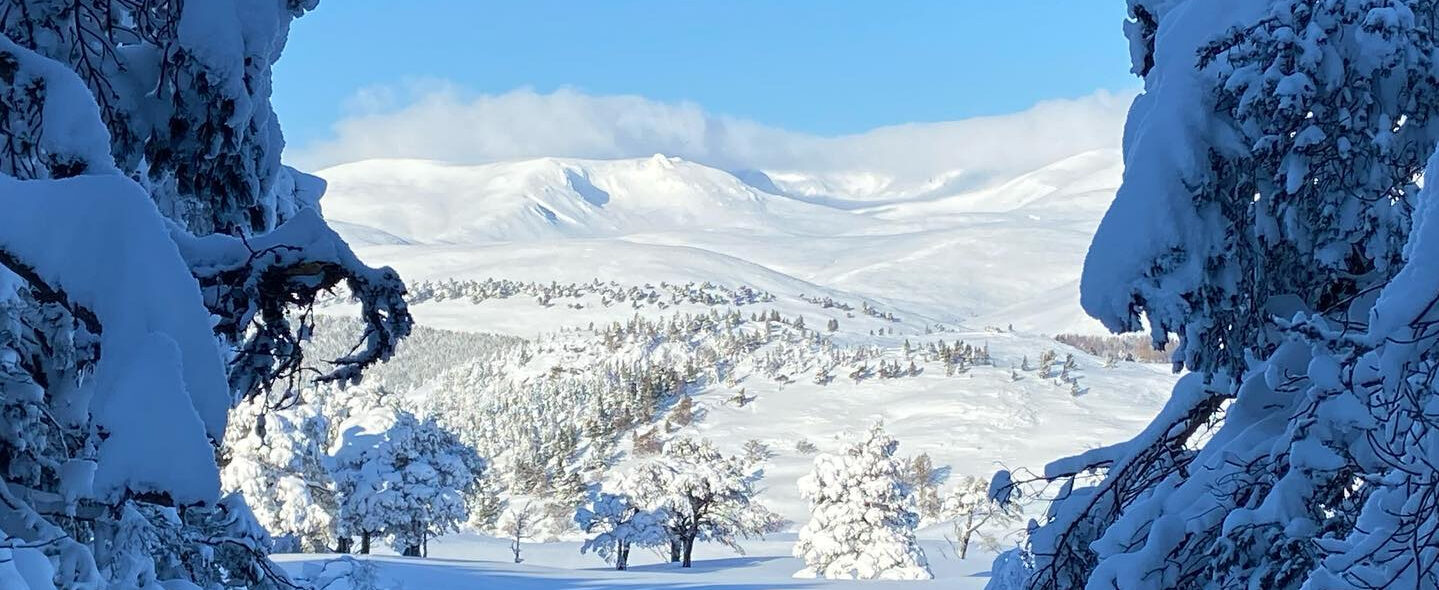
The Cairngorms is a winter haven for outdoor enthusiasts. With some of the best ski resorts in the UK, including Cairngorm Mountain and Glenshee, it’s ideal for skiing, snowboarding, and sledding. The Cairngorm Reindeer Centre offers the unique chance to meet reindeer herds that roam freely in their natural snowy habitat. Winter hikes through ancient forests often lead to sightings of wildlife like red squirrels, ptarmigans, and golden eagles. Cosy mountain lodges and warm Scottish pubs complete the experience.
2. Isle Of Skye
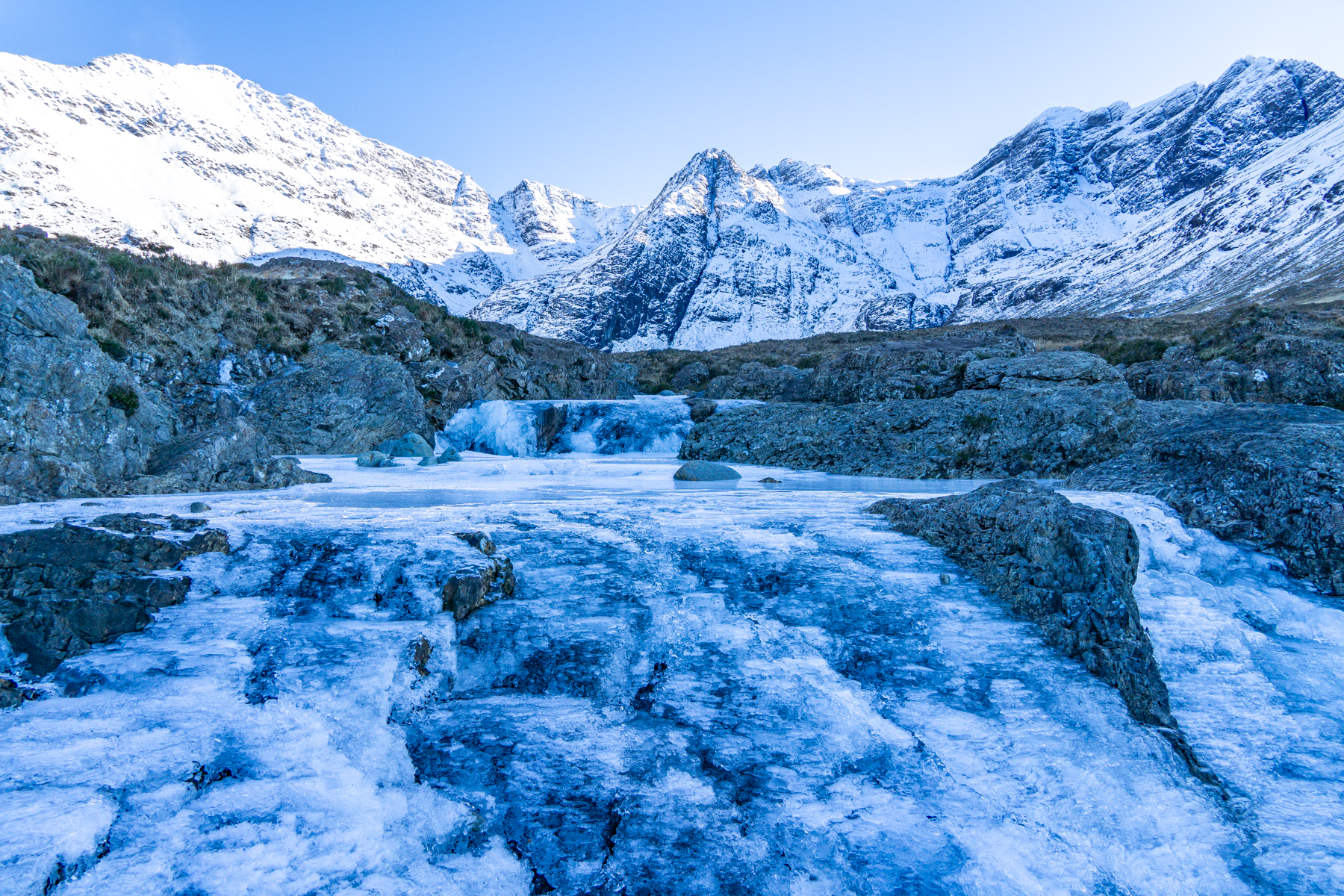
Winter amplifies the mystical allure of the Isle of Skye, transforming its landscapes into a scene straight out of a fantasy novel. The Quiraing’s dramatic rock formations, covered in frost and snow, create an otherworldly spectacle, while the Old Man of Storr becomes even more surreal under the icy grip of winter. Photographers are drawn to its reflective lochs, dramatic coastlines, and moody skies. The quiet season offers a tranquil escape, where you can enjoy Skye's natural beautywithout the summer crowds.
3. Edinburgh
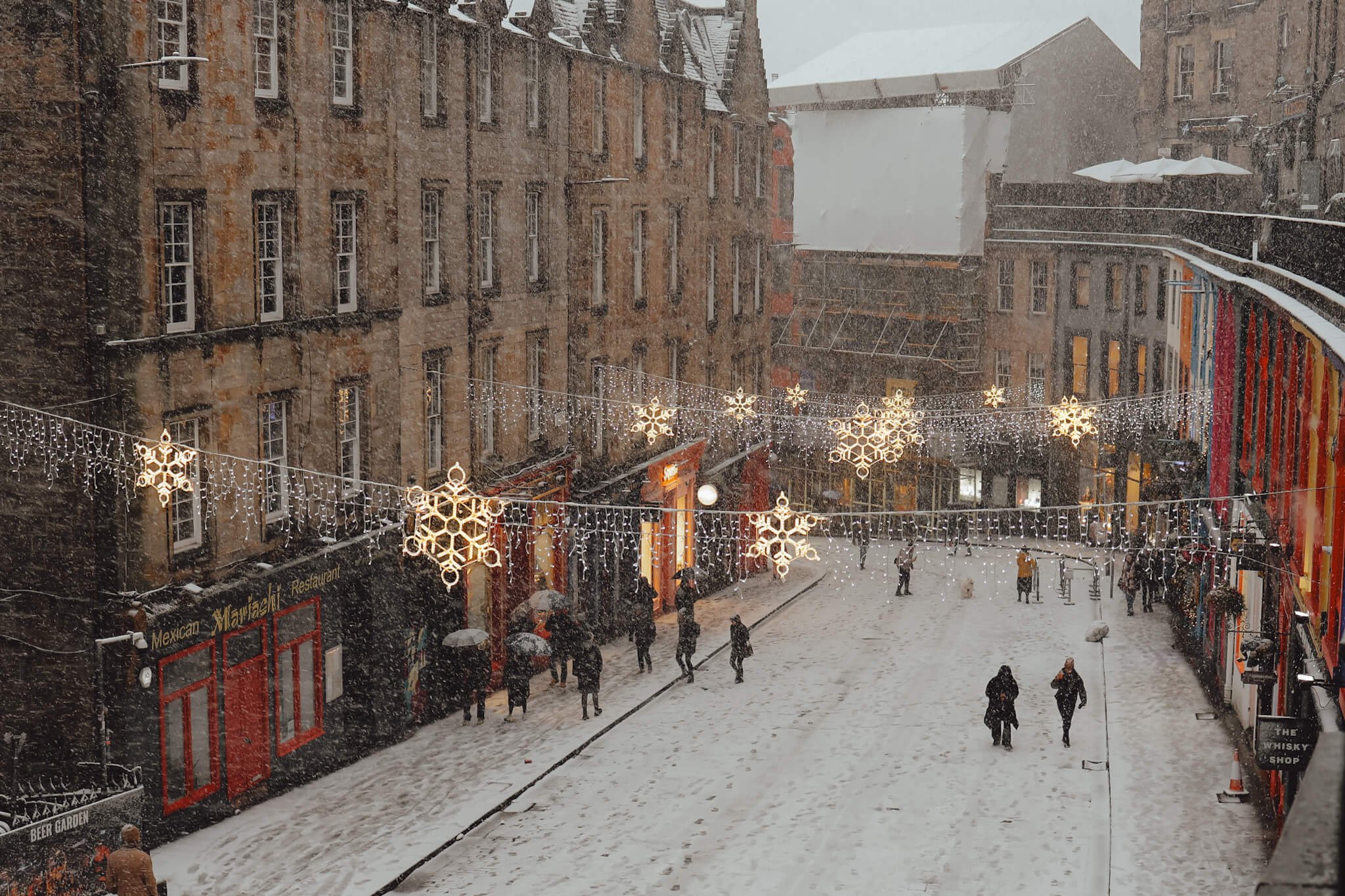
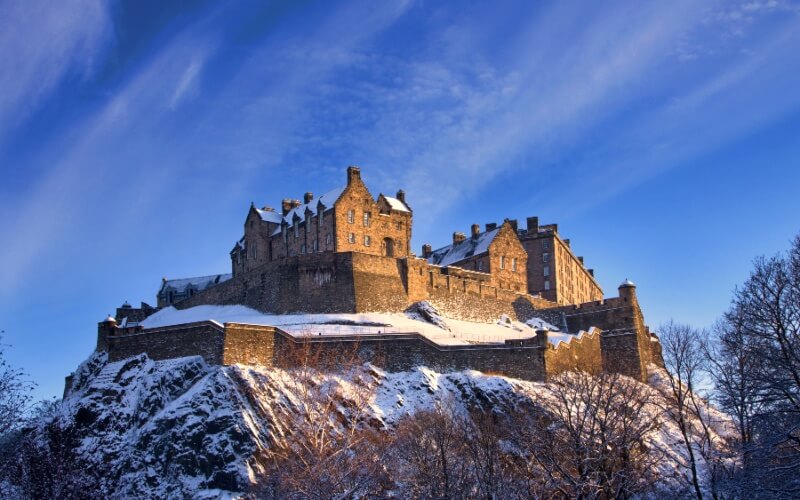
Scotland’s capital sparkles in winter, turning into a festive wonderland. The historic Royal Mile is adorned with Christmas lights and decorations, while Princes Street Gardens hosts a vibrant Christmas market featuring local crafts, festive treats, and a glittering ice rink. Edinburgh Castle, perched atop its volcanic rock, looks magical dusted in snow. The world-famous Hogmanay celebration welcomes the New Year with live music, a torchlit procession, and a dazzling fireworks display.
4. Loch Ness And The Highlands
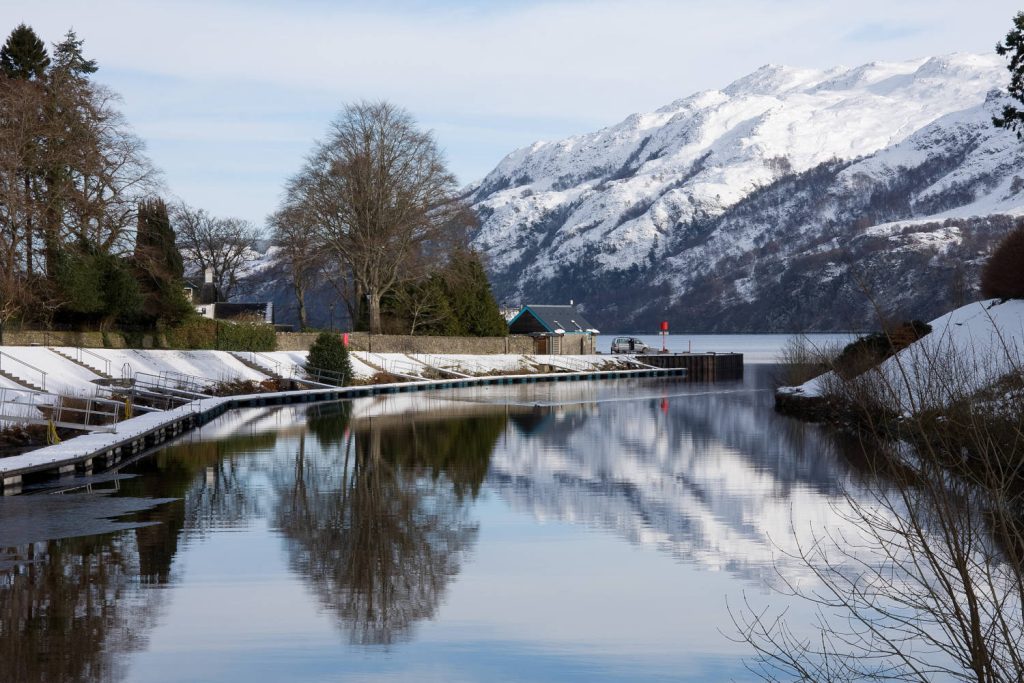
The Highlands are a quintessential winter destination. Visit Loch Ness, where snow-capped hills reflect in the still, mysterious waters, and enjoy a cozy stay in nearby villages like Fort Augustus. Winter hikes through the Highlands reveal serene landscapes, frozen waterfalls, and wildlife such as deer and mountain hares. The remote beauty of the area is ideal for those seeking peace and a connection with nature.
5. Glencoe
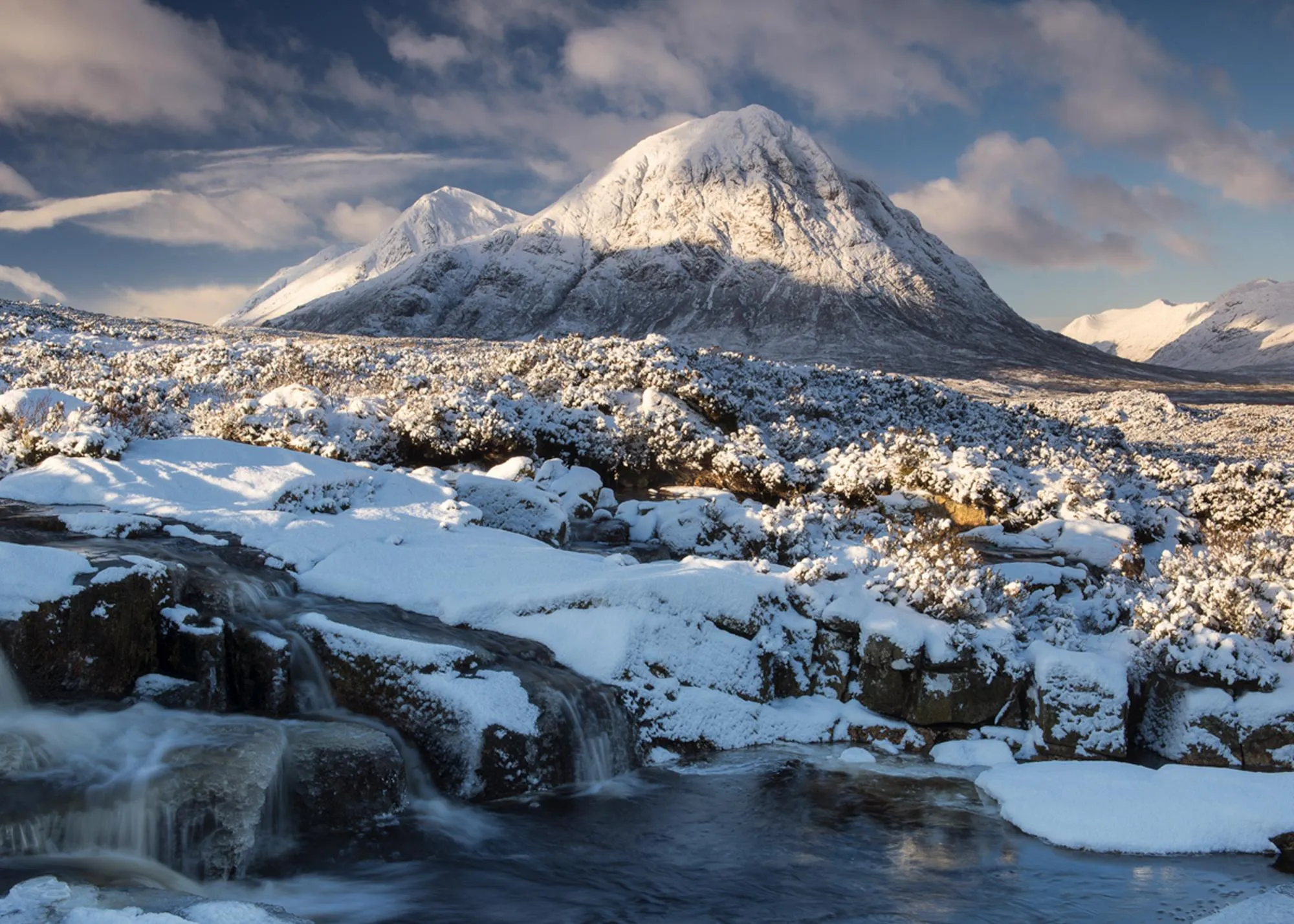
Glencoe’s rugged landscapes become even more breathtaking in winter. Towering peaks, blanketed in snow, stand in contrast to deep glens, creating dramatic vistas. Popular trails like the Lost Valley offer a mix of adventure and stunning views. For photographers, every angle is postcard-perfect, while cozy winter lodges with roaring fires provide the ultimate escape after a day of exploration.
6. Ben Nevis
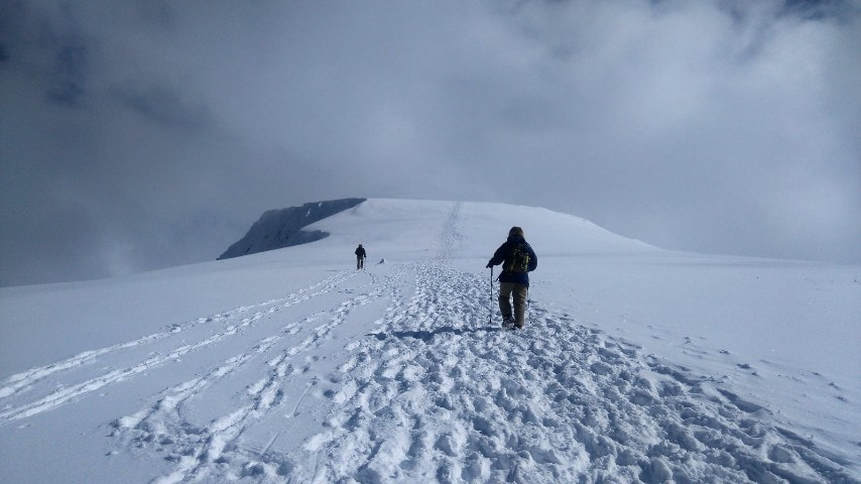
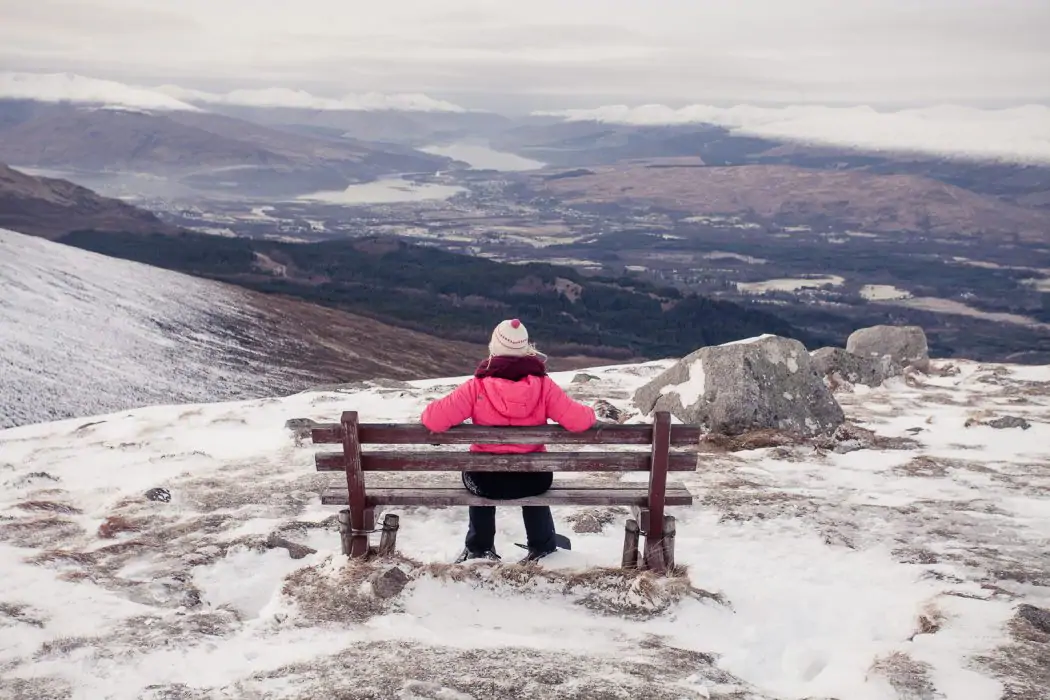
As the UK’s highest mountain, Ben Nevis is a bucket-list destination in winter. Its snow-covered summit attracts climbers and hikers seeking a challenging adventure, while Fort William, at its base, offers a range of winter activities, including skiing at Nevis Range. The views from the mountain are unparalleled, with endless snow-dusted peaks and glistening valleys.
7. Pitlochry
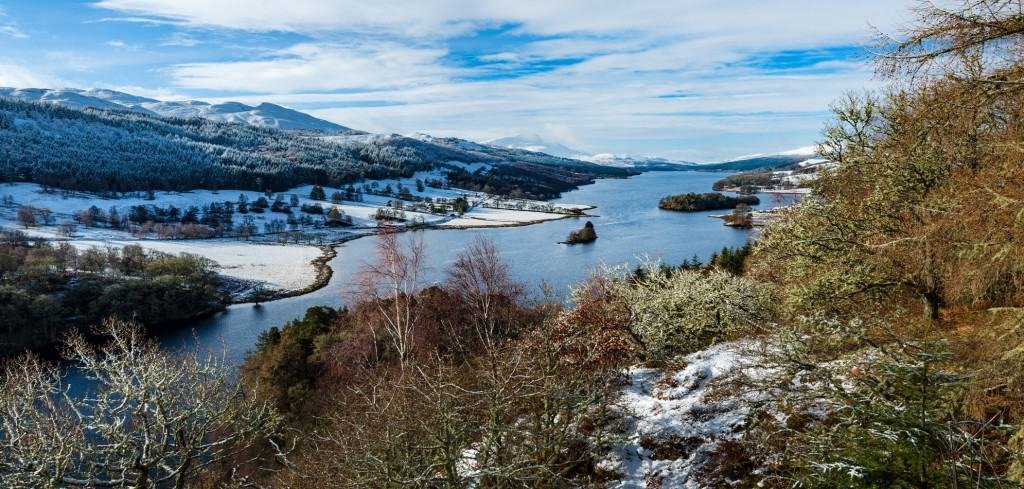
This quaint town in Perthshire becomes a winter wonderland with its charming streets and surrounding landscapes. The Queen’s View provides panoramic vistas of Loch Tummel and the surrounding hills. Visit the nearby Blair Castle, which looks stunning in a winter setting, or enjoy a walk through the Hermitage, where frosty waterfalls and towering Douglas firs create a magical atmosphere.
8. Glasgow
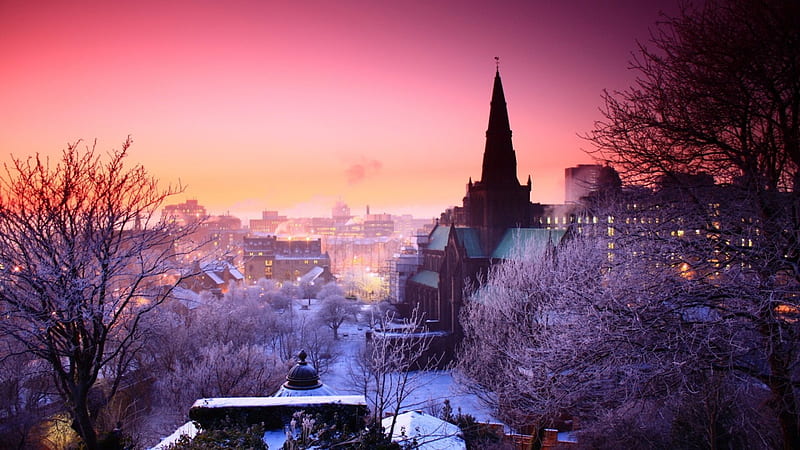
Glasgow combines festive cheer with cultural vibrancy during winter. George Square comes alive with Christmas lights, a festive market, and an ice rink. The city’s museums, galleries, and shopping streets provide plenty of indoor entertainment. Nearby, Loch Lomond and the Trossachs are just a short drive away for those seeking snowy landscapes.
9. Trossachs National Park
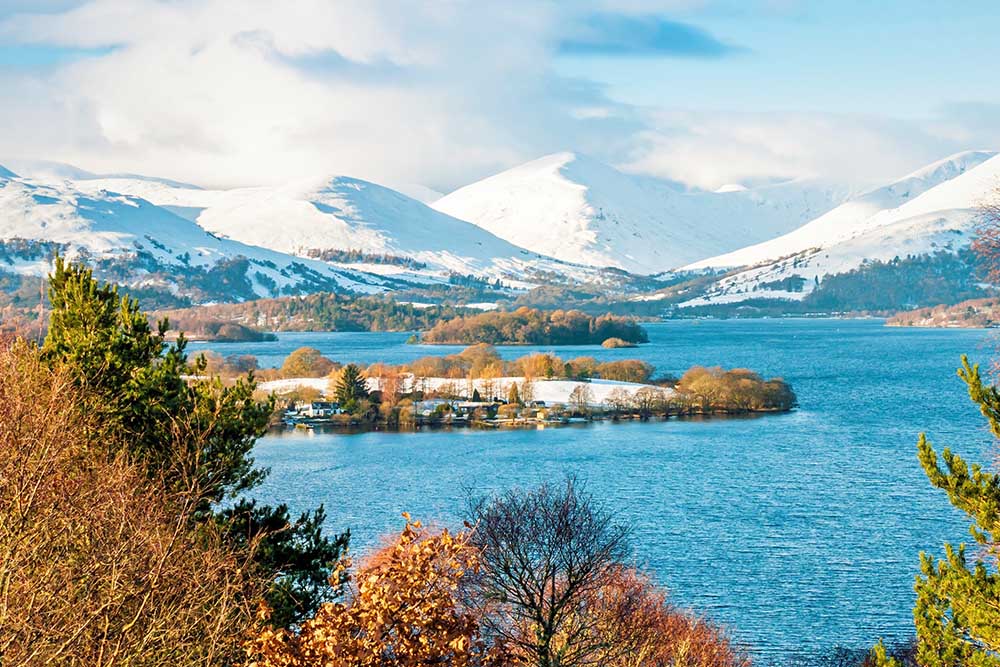
Often called “Scotland in miniature,” Trossachs National Park is an idyllic winter retreat. Snow-covered mountains, tranquil lochs, and charming villages create a magical setting for visitors. Loch Katrine, in particular, is a highlight; you can enjoy a winter boat ride or take a scenic walk along its shores, with snow-dusted peaks reflecting in the still waters. Nearby, the picturesque village of Callander offers cozy cafés and traditional Scottish hospitality, while the surrounding forests and hills are ideal for hiking and wildlife spotting, including deer and eagles.
10. Aberdeen
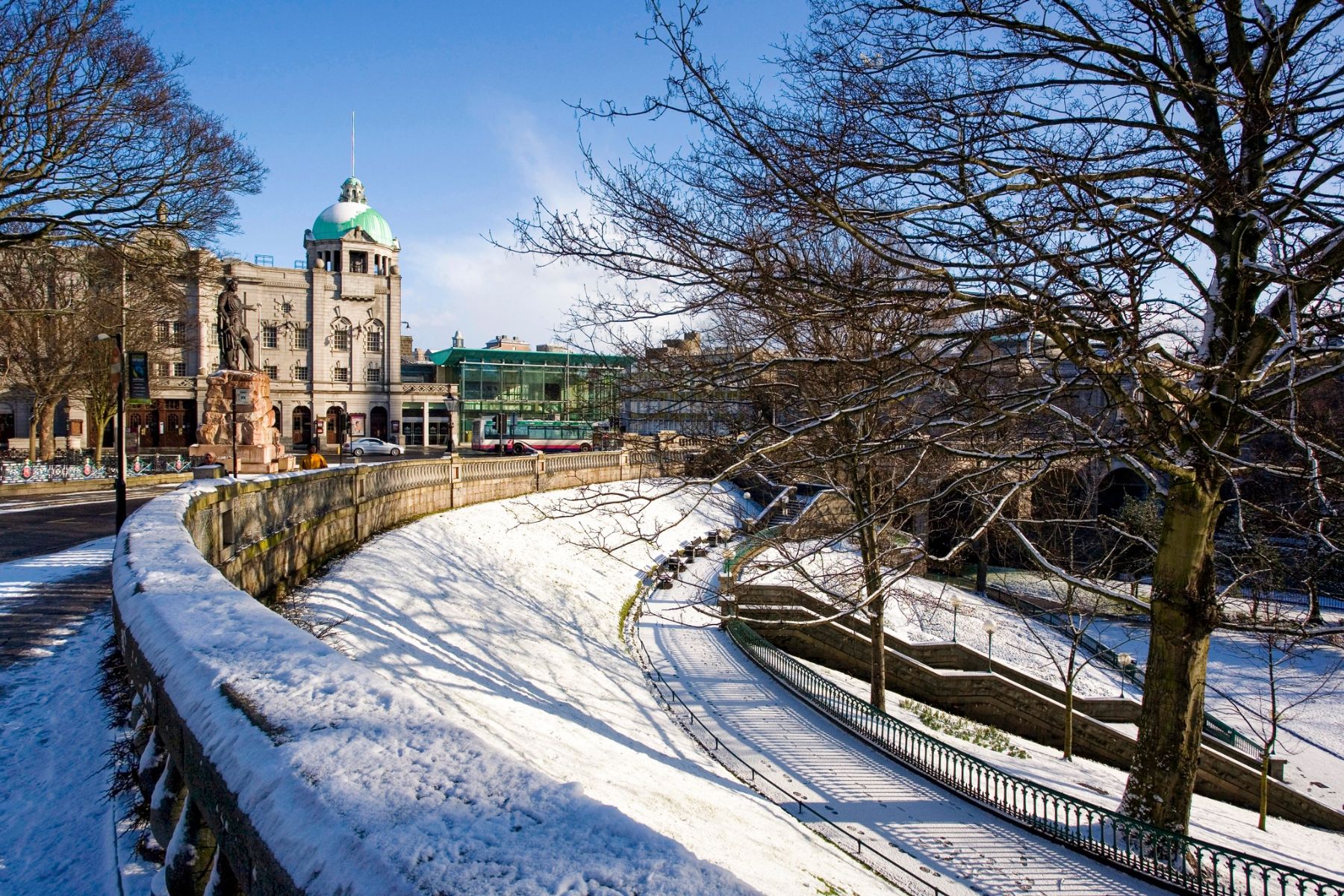
Aberdeen, the "Granite City," takes on a unique charm in winter when its gray-stone architecture sparkles under frost and snow. During the colder months, the city’s vibrant arts scene and historic spots like St. Machar’s Cathedral and Marischal College come to life. Venture beyond the city to the Aberdeenshire coast, where dramatic cliffs and beaches offer stunning winter walks. The Cairngorms National Park is just a short drive away, perfect for skiing or snowboarding, and on clear nights, the Northern Lightsmay illuminate the skies, particularly in areas like Newburgh Beach or Stonehaven.
11. St. Andrews
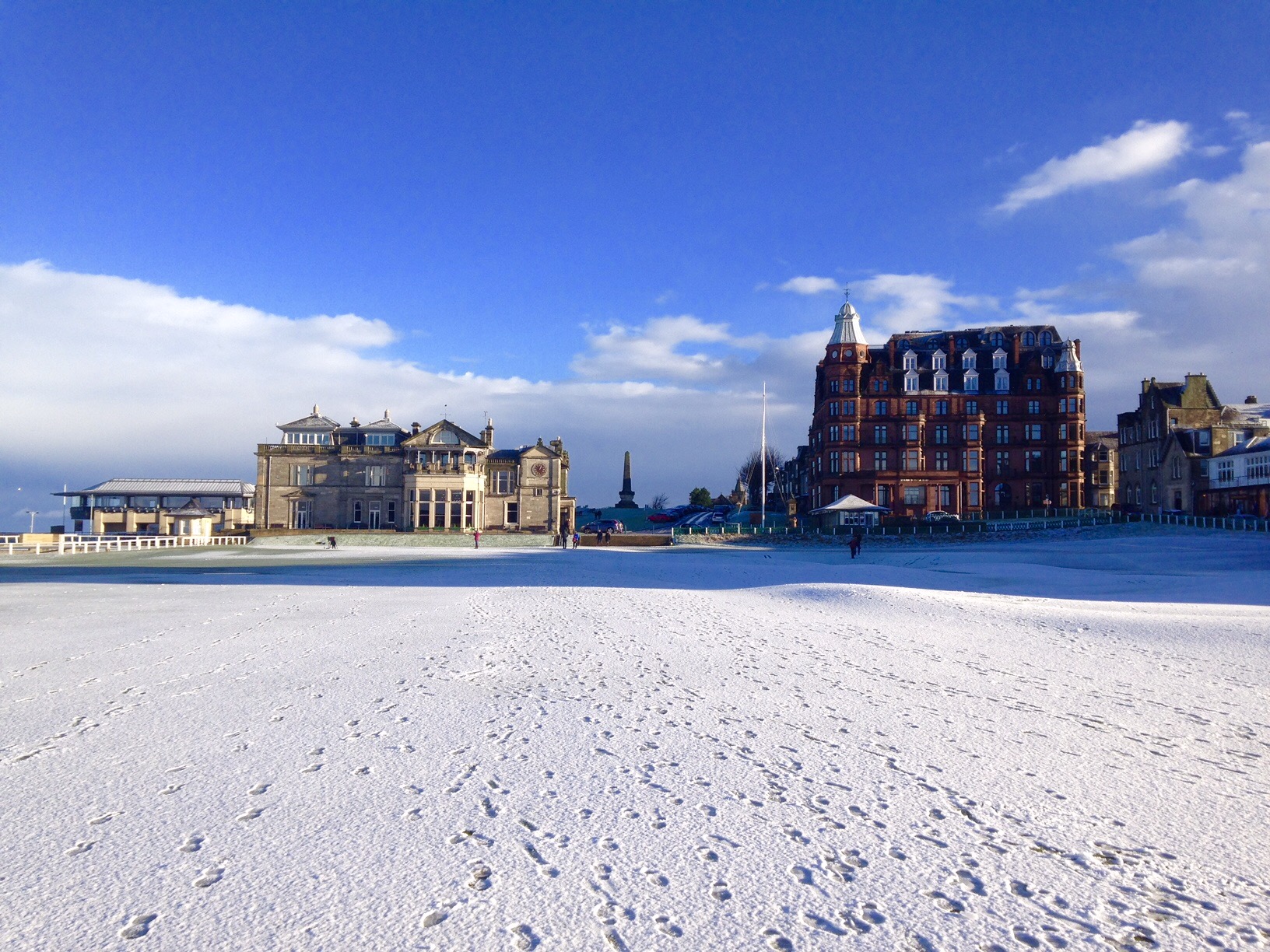
St. Andrews is more than just the home of golf; it’s a historic gem that sparkles in winter. The expansive West Sands Beach is perfect for a bracing coastal walk, with the frosty air and crashing waves creating a truly invigorating experience. The town itself is steeped in history, from the medieval ruins of St. Andrews Castle perched on a cliff to the impressive St. Andrews Cathedral. In winter, the town takes on a quieter, cozier vibe, with charming pubs and cafés offering refuge from the chill. Local delicacies and warm mulled drinks complete the experience.
You Might Like: 5 Top Scottish Experiences You Need To Try
12. The Outer Hebrides
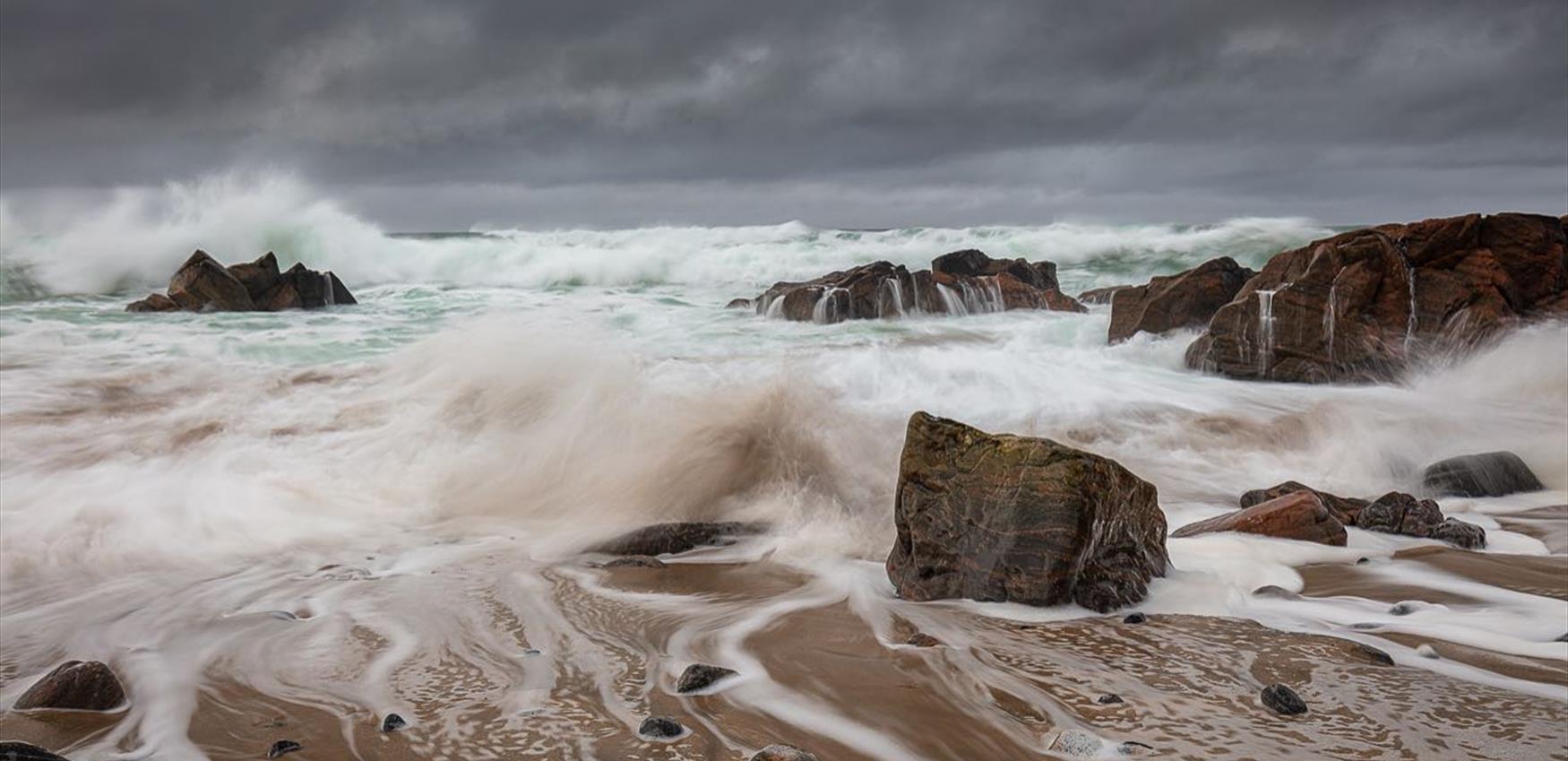
This remote archipelago, off Scotland’s west coast, becomes even more enchanting in winter. The beaches, such as Luskentyre and Seilebost on the Isle of Harris, are breathtakingly pristine, with white sands and turquoise waters creating a stark contrast against the surrounding snow-covered hills. The Outer Hebrides are also one of the best places in Scotland to witness the Aurora Borealis due to the low light pollution. For a cultural touch, explore the ancient standing stones of Callanish, which look even more mystical when surrounded by frost. The islands offer tranquility and raw natural beauty for those seeking a unique winter escape.
13. Braemar
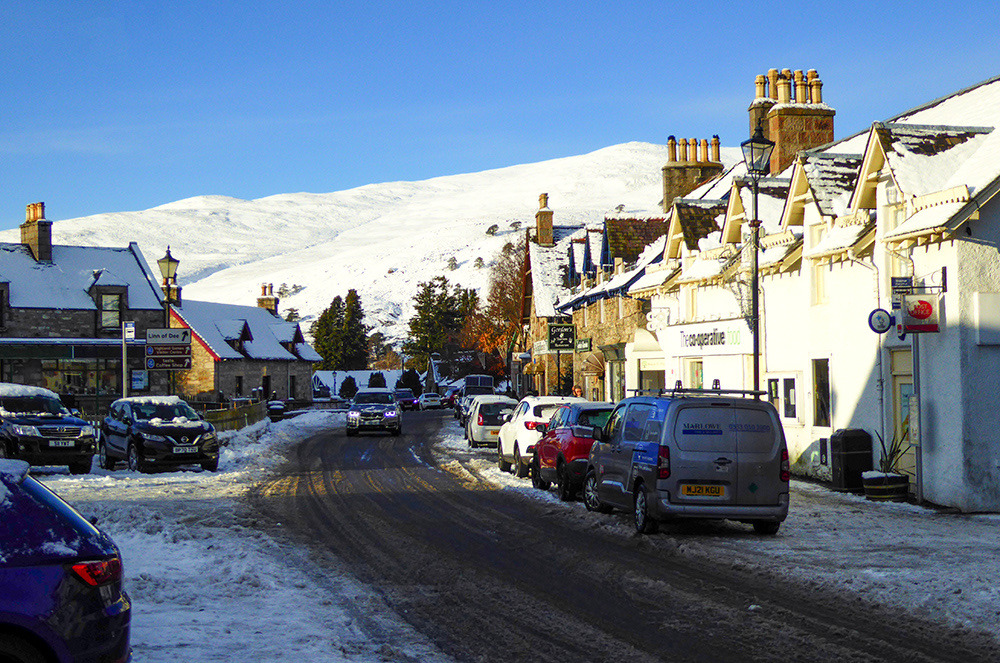
Nestled in the heart of the Cairngorms National Park, Braemar is a charming village that turns into a winter wonderland during the colder months. Surrounded by snow-capped mountains, it’s a hub for winter sports enthusiasts, offering access to skiing and snowshoeing. Braemar’s Royal Lochnagar Distillery is a must-visit for whisky lovers, where you can warm up with a dram of Scotland’s finest. The village is steeped in royal connections due to its proximity to Balmoral Castle, which is stunning against the winter landscape. Quaint accommodations and friendly locals make Braemar a cozy and inviting destination.
14. Eilean Donan Castle
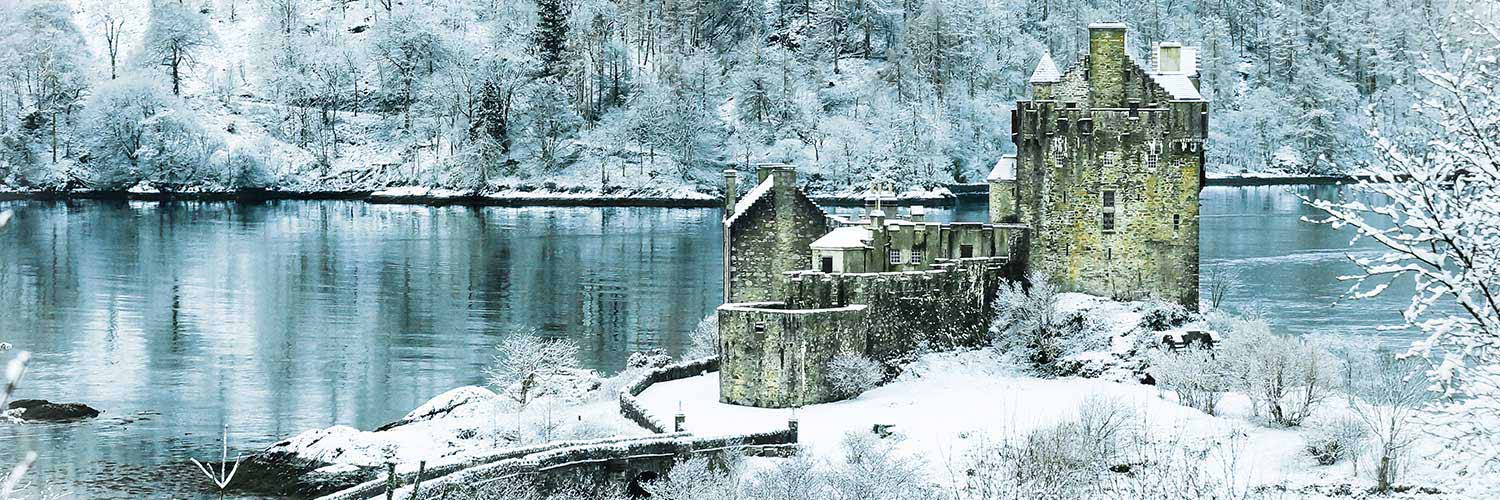
Eilean Donan Castle, sitting on its own tiny island where three lochs meet, is like something out of a fairy tale, especially in winter. Covered in a light dusting of snow and surrounded by icy waters, it’s a breathtaking sight for visitors and photographers alike. The castle’s interiors are equally captivating, with its rich history and stories dating back to the 13th century. The surrounding area, including the nearby village of Dornie, offers scenic walks and charming local eateries, making it a must-visit for history buffs and romantics alike.
15. Rannoch Moor
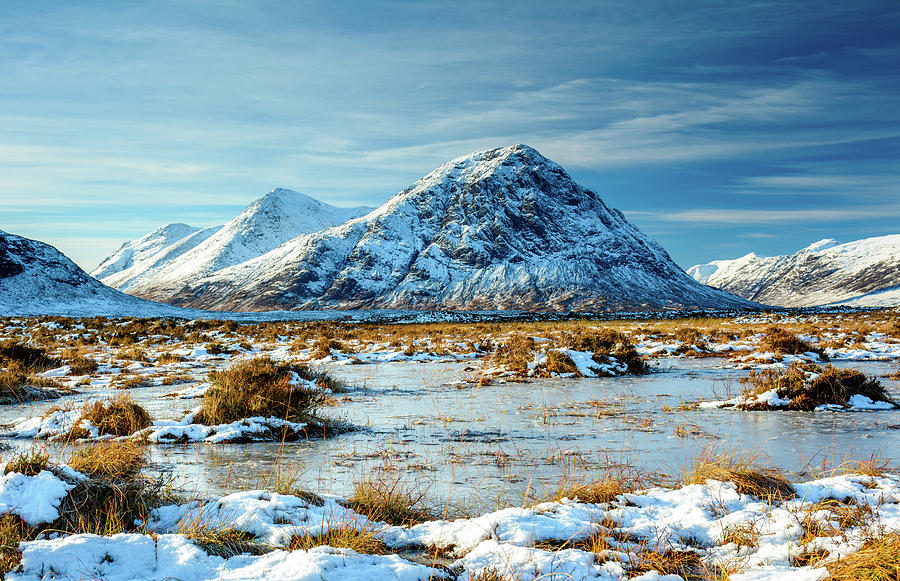
One of Scotland’s most remote and wild landscapes, Rannoch Moor is otherworldly in winter. Stretching across vast peat bogs and lochs, the moor transforms under snow into a serene and untouched expanse. Frozen lochs and snow-covered hills create a dramatic contrast against the crisp blue sky. The West Highland Line, one of the most scenic train journeys in the world, passes through Rannoch Moor, offering a stunning view of this winter wilderness. For adventurers, it’s a haven for winter hiking or snowshoeing, though the isolation makes it ideal for those simply seeking peace and quiet.
16. Dunkeld
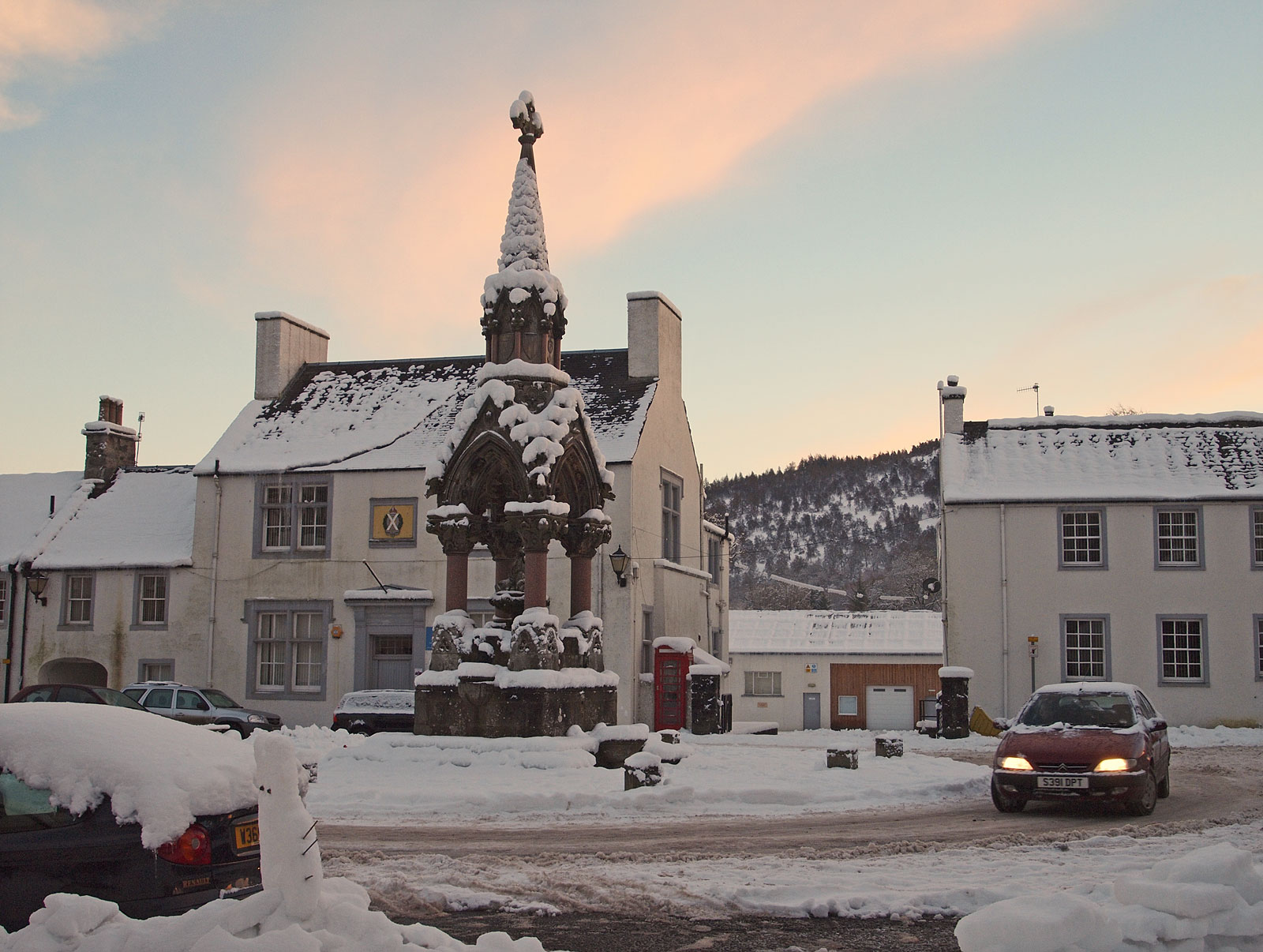
Dunkeld is a hidden gem in Perthshire that becomes magical in winter. The village, set along the banks of the River Tay, is surrounded by frosty woodlands, most notably the Hermitage. This enchanting forest trail leads to the Black Linn Falls, where frozen cascades create a spectacular winter scene. Dunkeld Cathedral, dating back to the 12th century, offers a peaceful spot for contemplation amidst its historic ruins. After a chilly day exploring, visitors can retreat to cozy tearooms or traditional pubs, where hearty Scottish meals are served by a warm fire.
17. Oban
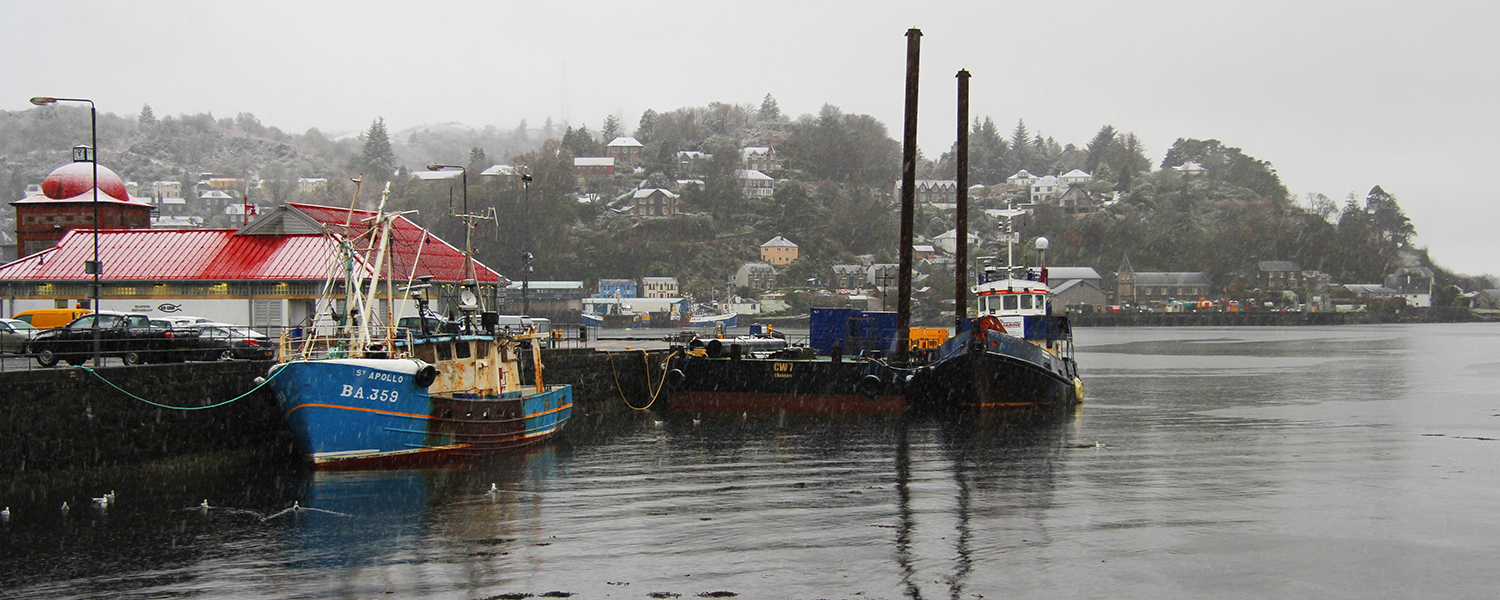
Known as the “Gateway to the Isles,” Oban is a coastal town that shines in winter. Its picturesque harbor, dotted with fishing boats, looks magical under a blanket of frost. From Oban, you can take ferry trips to nearby islands like Mull and Iona, which offer their own winter charm. Back in town, visit McCaig’s Tower, an iconic circular structure that provides panoramic views of the surrounding snow-dusted landscape. Oban is also renowned for its seafood, and a warm bowl of Cullen skink a creamy smoked haddock soup is a perfect winter treat.
18. Loch Lomond
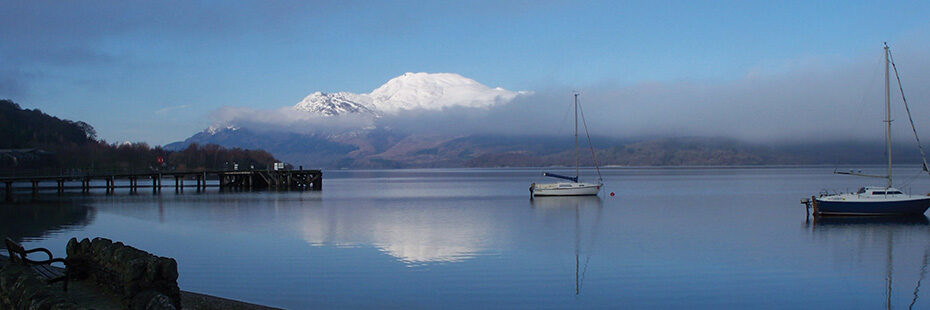
Winter transforms Loch Lomond into a tranquil paradise. The snow-covered Ben Lomond rises majestically above the loch, providing a stunning backdrop for scenic walks or boat cruises. The village of Luss, with its quaint stone cottages and festive lights, is particularly charming during the colder months. Outdoor enthusiasts can explore the surrounding Trossachs National Park, while those seeking relaxation can cozy up by a fire in one of the area’s many luxurious lodges or hotels, enjoying the serene winter atmosphere.
19. Arbroath Cliffs
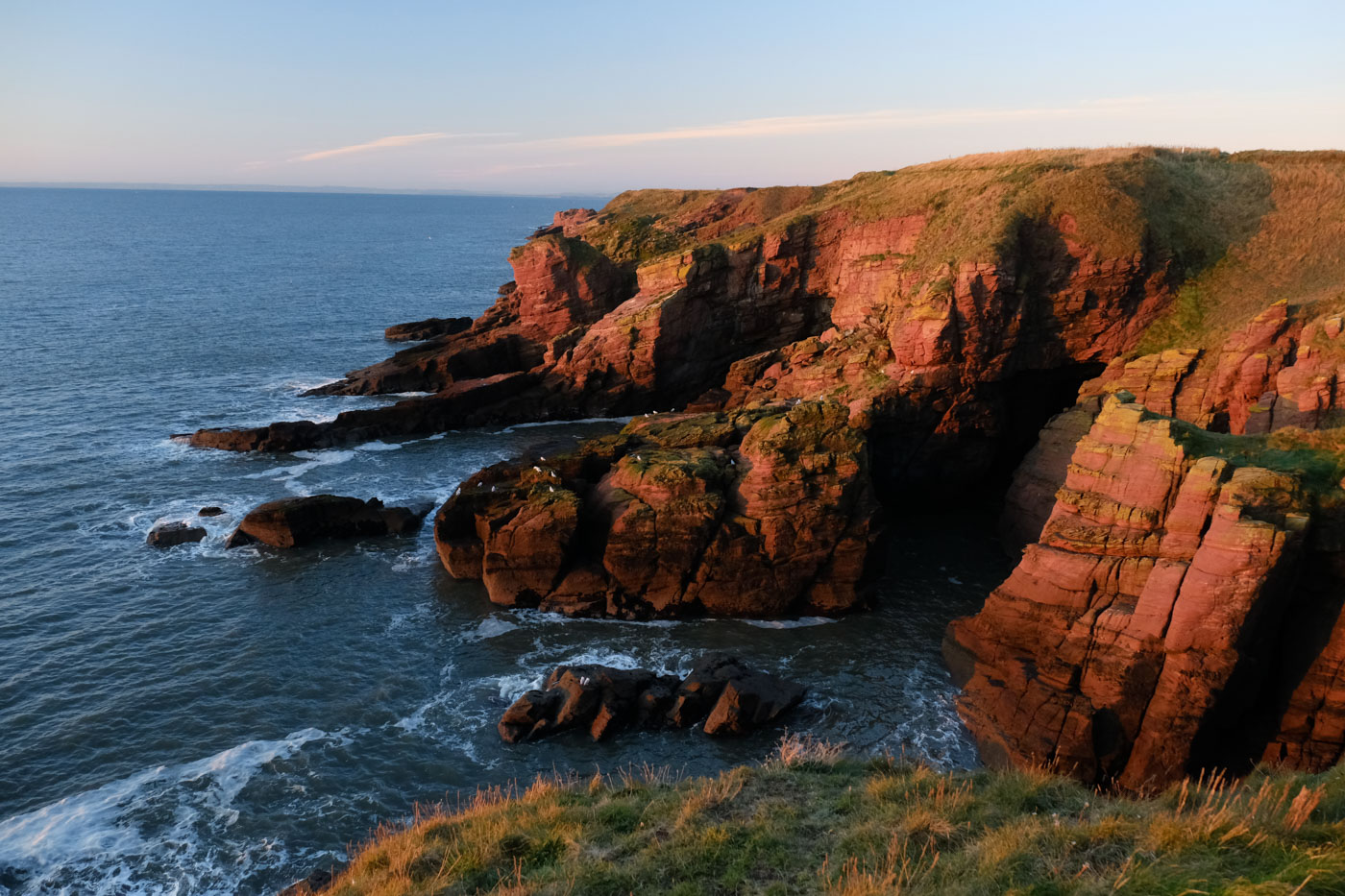
The Arbroath Cliffs are a striking coastal feature that becomes even more dramatic in winter. The red sandstone cliffs, sculpted by the relentless North Sea, offer a unique contrast to the frosty air and crashing waves below. The coastal path provides breathtaking views of natural arches, sea caves, and rock formations, making it a favorite for walkers and photographers. Winter sunsets over the North Sea are particularly beautiful, casting a warm glow on the cliffs and waters. Pair your visit with a stop in the town of Arbroath to try the famous Arbroath Smokie, a local delicacy.
20. The Fairy Pools, Isle Of Skye
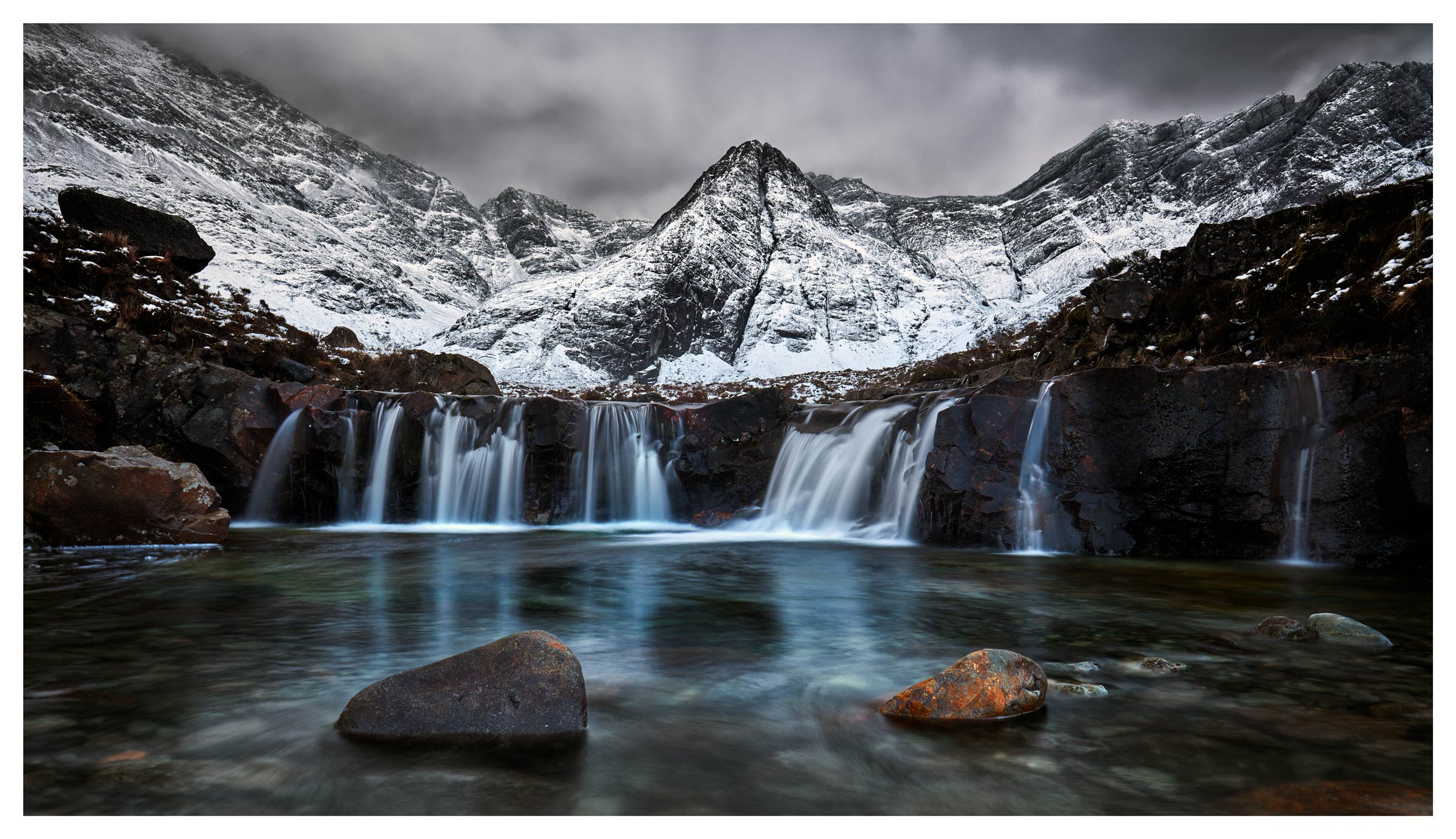
The Fairy Pools, located at the foot of the Cuillin Mountains, are a must-visit in winter. These crystal-clear pools and waterfalls take on an ethereal quality when framed by snow and ice. The surrounding landscape is equally magical, with the rugged peaks of the Cuillins dusted in white. A winter hike to the pools is a peaceful experience, as the colder season brings fewer visitors. The serenity of the scene is ideal for photographers and nature lovers seeking to capture Skye’s legendary beauty in its most enchanting form.
Seeing The Northern Lights In Scotland
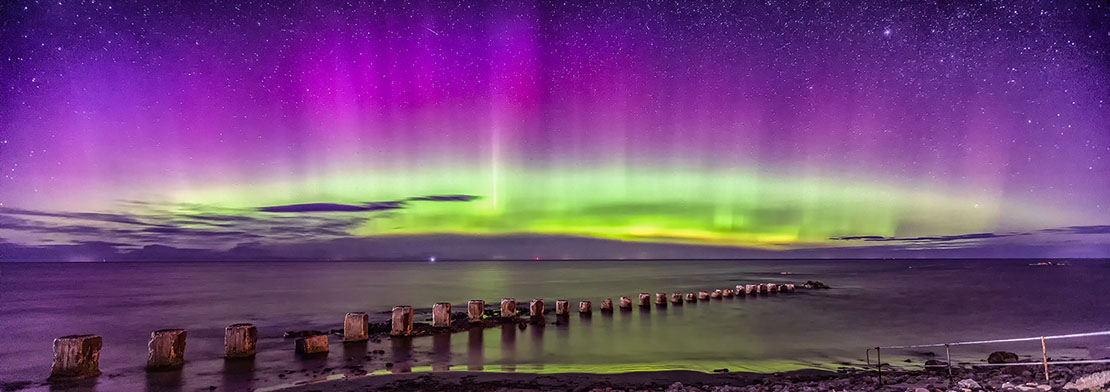
The Northern Lights, or Aurora Borealis, occur when electrically charged particles from the sun travelvia solar winds and interact with Earth's magnetic fields. This interaction produces a mesmerizing glow and creates shimmering, dancing lights across the sky.
The phenomenon is most commonly visible between 60° and 75° latitude. Scotland, which shares the same latitude as Stavanger in Norway and Nunivak Island in Alaska, is an excellent location for spotting the Northern Lights during winter. Clear nights offer a good opportunity to witness this spectacular natural display.
For the best views, head to Scotland's northern regions, such as Caithness, the Northwest Highlands, the Outer Hebrides, Shetland, the Cairngorms, or the Isle of Skye.
Winter Activities To Try In Scotland
Skiing And Snowboarding
Scotland’s ski resorts, such as Glenshee and Nevis Range, offer excellent slopes for all skill levels. With reliable snowfall and stunning views, they’re a must-visit for adrenaline seekers.
Winter Wildlife Watching
Scotland’s wildlife thrives even in the cold. Look out for red deer roaming the Highlands, snow hares blending into frosty landscapes, and golden eagles soaring above.
Festive Events And Celebrations
Hogmanay and Christmas markets are just the beginning. Many towns host winter festivals featuring light displays, live music, and seasonal food. These events are a wonderful way to experience Scottish hospitality.
Stargazing And Northern Lights
Scotland’s Dark Sky Parks, such as Galloway Forest Park, offer incredible opportunities for stargazing. On clear nights, you might even catch the mesmerizing Aurora Borealis.
Travel Tips For Visiting Scotland In Winter
What To Pack
Warm layers are essential, including thermal clothing, waterproof jackets, and sturdy boots. Don’t forget accessories like gloves, hats, and scarves to stay comfortable.
Travel And Accessibility
Winter travel in Scotland can be unpredictable, so plan ahead. Major roads are well-maintained, but rural routes may require extra caution. Trains and buses are reliable options for reaching popular destinations.
Accommodation Suggestions
From rustic cottages to luxurious lodges, Scotland offers plenty of cozy places to stay. For a truly unique experience, consider booking a castle stay or a lochside cabin.
Safety Advice
Winter weather can change rapidly. Always check forecasts and inform someone of your plans if venturing into remote areas. Carry a fully charged phone and a map for navigation.
FAQs About Scottish Winter Wonderland Destinations
How Cold Does It Get In Scotland During Winter?
Temperatures typically range from - 1°C to 6°C (30°F to 43°F). However, wind chill can make it feel colder, especially in the Highlands.
Is It Possible To See The Northern Lights In Scotland?
Yes, particularly in northern areas like the Highlands, Orkney, and Shetland. Dark, clear nights offer the best chances for viewing.
Are Scotland’s Winter Destinations Family-friendly?
Absolutely. Activities like sledding, reindeer visits, and festive markets are perfect for families.
What’s The Best Way To Get Around Scotland In Winter?
A combination of car rentals and public transport is ideal. Trains and buses connect major destinations, while a car provides flexibility for exploring remote areas.
Final Thoughts
Scotland in winter is a destination like no other. Its mix of natural beauty, cultural richness, and festive charm creates a magical experience that lingers long after the snow melts. Whether you’re seeking adventure or relaxation, Scotland’s winter wonderland promises memories to last a lifetime.
Jump to
What Makes Scotland A Winter Wonderland?
How Cold Is Scotland In Winter?
Why Visit Scotland In Winter?
Top Winter Wonderland Destinations In Scotland
Seeing The Northern Lights In Scotland
Winter Activities To Try In Scotland
Travel Tips For Visiting Scotland In Winter
FAQs About Scottish Winter Wonderland Destinations
Final Thoughts

Callum Fraser
Author
Callum Fraser isn't just a writer about Scotland; he's a product of its rugged landscape and rich history. Born and raised in Perthshire, with the Highlands as his backyard, his love for the nation's stories was kindled by local storytellers and long walks through ancient glens.
This passion led him to pursue a degree in Scottish History from the University of Edinburgh. For over 15 years, Callum has dedicated himself to exploring and documenting his homeland, fusing his academic knowledge with essential, on-the-ground experience gained from charting road trips through the Cairngorms, hiking the misty Cuillins of Skye, and uncovering the secrets of traditional recipes in his family's kitchen.
As the Editor-in-Chief and Lead Author for Scotland's Enchanting Kingdom, Callum's mission is simple: to be your most trusted guide. He combines meticulous research with a storyteller's heart to help you discover the authentic magic of Scotland — from its best-kept travel secrets to its most cherished traditional recipes.
Latest Articles
Popular Articles