26 Weird Scottish Football Moments: Chaos, Comedy, & Culture
Explore 26 weird Scottish football moments that define the SPFL. From Rod Stewart's cup draw to the AI camera incident, discover why this league is pure chaos.
Author:Callum FraserFeb 02, 2026
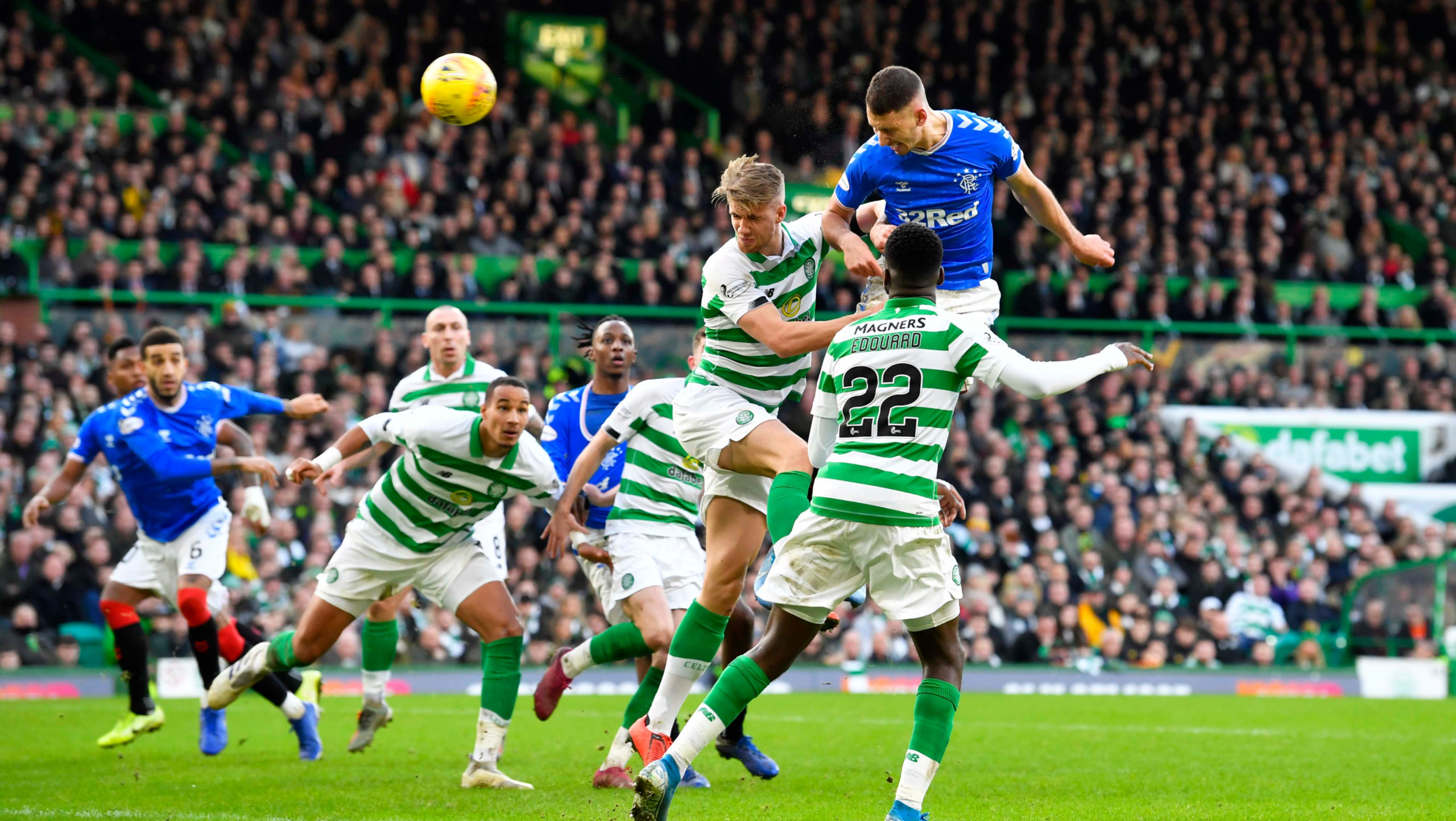
What Are The 26 Weird Scottish Football Moments?
Scottish football’s weirdest moments are the ones where the match becomes the second-biggest story-because weather, wildlife, admin chaos, touchline drama, or pure meme-energy steals the headlines.
Key Takeaways
- Most “weird Scottish football moments” fall into 5 buckets: admin chaos, wildlife/weather, touchline/referee drama, social media mishaps, and headline-grade folklore.
- The best retellings separate what’s confirmed from what’s fan memory (and say so).
- Some moments are “weird-funny”; a few are weird-tragic and must be handled with care (never used for banter).
- The Mascot:Kingsley (Partick Thistle) is the most famous “what have I just seen?” mascot in Scottish football.
- The Celebrity TV Gaffe:Rod Stewart’s Scottish Cup draw remains peak “this has gone off-script”.
- The Tech:An AI camera at an Inverness match memorably tracked a linesman’s bald head instead of the ball.
Below you’ll find 26 unique weird Scottish football moments, plus a quick index, mistakes to avoid when retelling, and FAQs.
1. Rod Stewart’s Chaotic Scottish Cup Draw (2017)
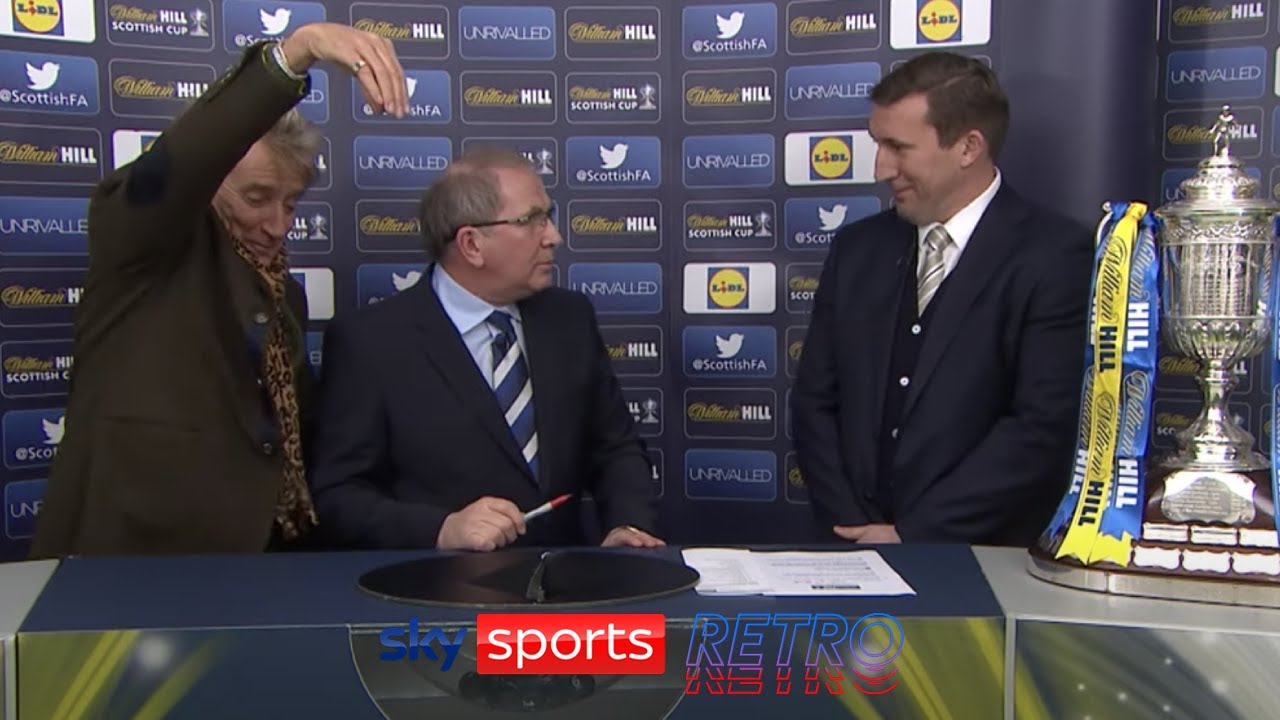
When Rod Stewart conducted the Scottish Cup draw
This is the one that gets quoted whenever someone says “Scottish football is different.” In the 2016/17 Scottish Cup draw, Rod Stewart’s on-air turn became famous for dramatic reactions and theatrical delivery-an official ceremony that suddenly felt like a variety show.
2. Albanian President Ilir Meta Becomes A Celtic Superfan
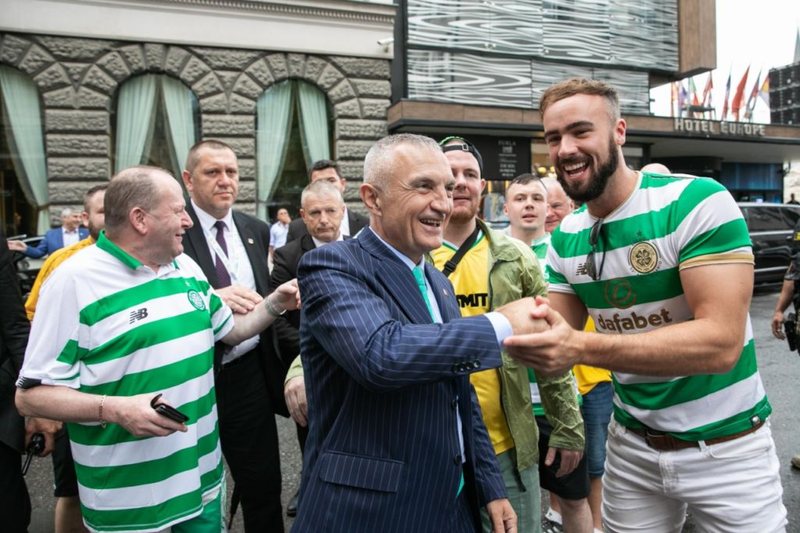
It’s weird because it’s so sincere: a head of state publicly posting Celtic enthusiasm-enough that Sky Sports interviewed him about it.
Ilir Meta, former President of Albania, became an obsessive Celtic supporter, frequently tweeting "Hail Hail" and celebrating Greg Taylor’s birthday with the fervor of a lifelong season ticket holder.
3. Unexpected Delay Due To Deer Droppings (Fort William Vs Nairn County)
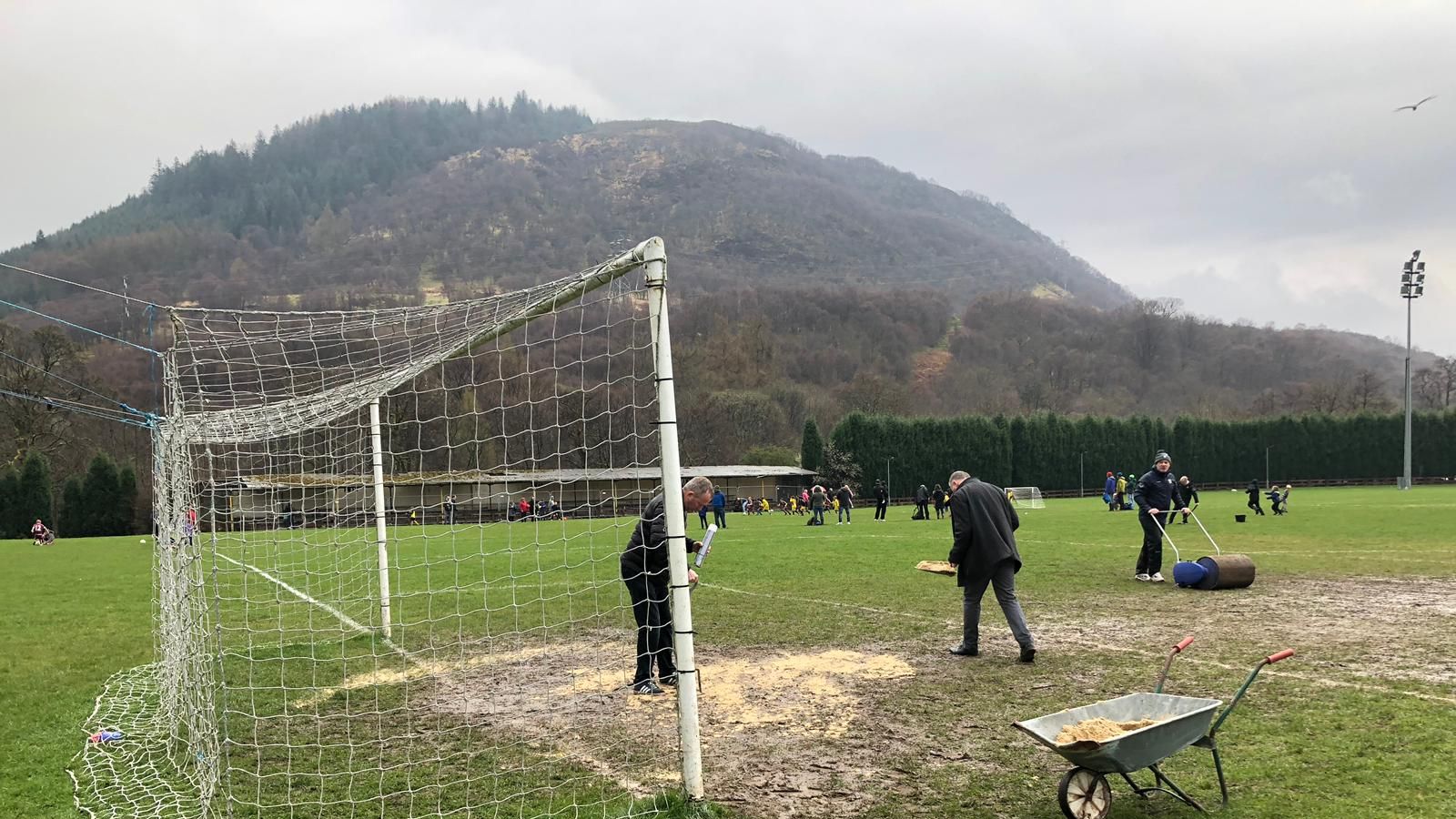
Lower-league football is the heart of the "weird." A Highland League match was delayed in April 2019 after a waterlogged pitch was also littered with deer droppings-an “only here” mix of weather and wildlife.
Takeaway:In Scotland, nature doesn’t just influence games-it sometimes reschedules them.
4. Craig Samson Removes A Dead Squirrel At Hampden
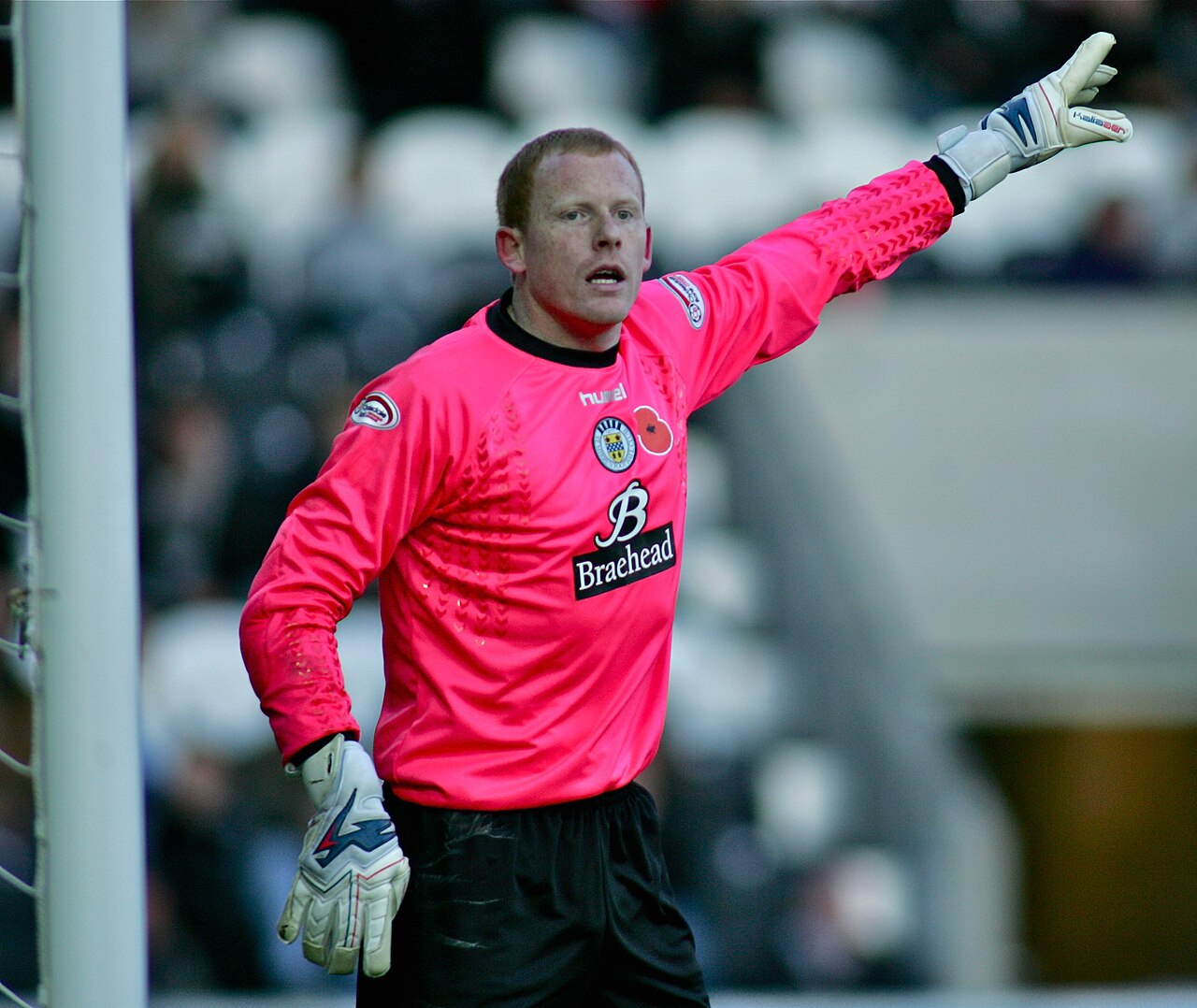
During a match at the National Stadium, a dead squirrel-allegedly dropped from the talons of a passing seagull-landed on the turf and was removed by the goalkeeper Craig Samson-surreal even by stadium wildlife standards.
Sometimes the weirdest “ball” on the park isn’t a ball.
5. The Keeper Who Saved His Own Kick (Storm Erik)
During a 2019 Scottish Cup tie, Partick Thistle’sConor Hazard learned a hard lesson about Scottish weather. He cleared a ball into the teeth of a gale, only for the wind to blow it directly back toward his own net. Instinctively, he caught it. The result? An indirect free-kick for a back-pass to himself. Physics: 1, Football: 0.
6. Kingsley: The Mascot That Looks Like Scottish Football Feels
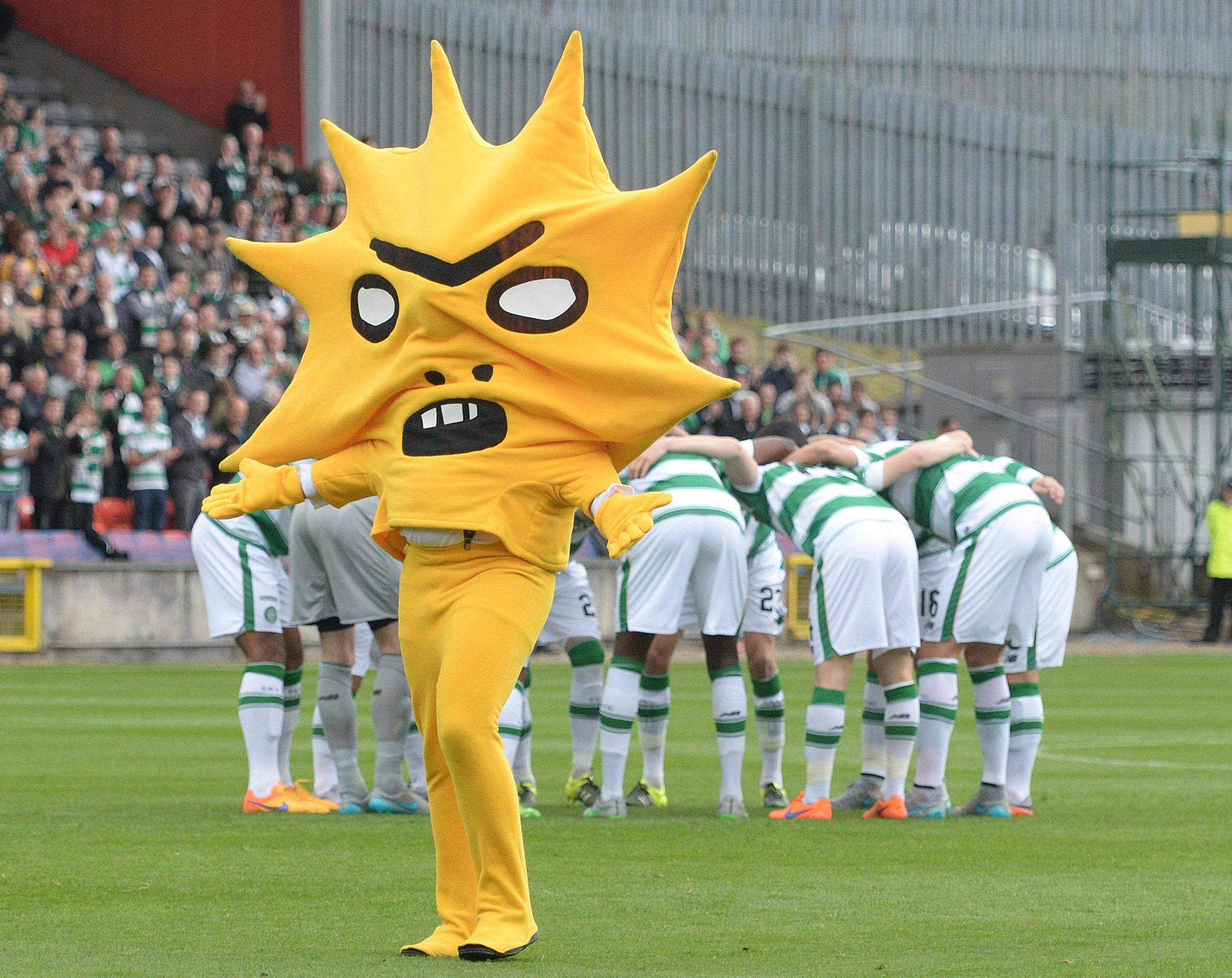
Kingsley became Partick Thistle’s mascot in 2015 and immediately turned into a cultural moment-because he looks like a cartoon anxiety dream. The club itself leans into the lore, and artist David Shrigley has explained the idea behind him.
Takeaway:In Scotland, even mascots can become folklore.
7. Referee “takes A Spew” Mid-match (reported Highland League Incident)
In 2019 in a reported incident at a Lossiemouth vs. Huntly game, referee Paul McAvinue gave a new meaning to "leaving it all on the pitch" when he vomited in the center circle. Play was halted, a replacement was found, and the legend of the "spewing ref" was born into Highland folklore.
8. Graeme Murty’s Touchline Headstand
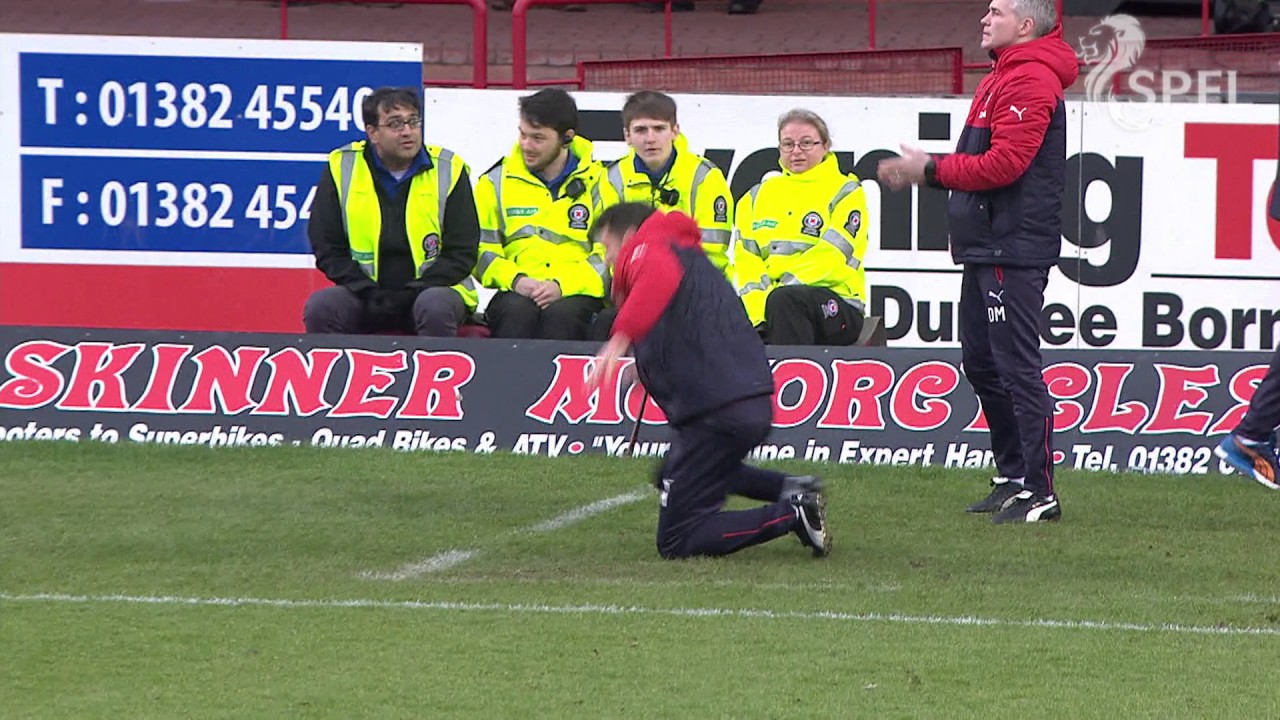
Frustration sends manager head over heels!
Frustration takes many forms, but for Rangers caretaker boss Graeme Murty, it took the form of gymnastics. After a missed chance against Dundee in 2017, Murty performed a spontaneous backwards headstand on the touchline. It was a physical manifestation of the league’s collective sanity slipping away.
Takeaway:Scottish football doesn’t just do drama; it does physical comedy.
9. Manager Sent Off For Tripping A Throw-in Taker (Darren Young)
East Fife manager Darren Young once received a red card for an act of pure comedic sabotage: he appeared to trip an Airdrie player who was attempting to take a throw-in. It was a moment of peak "Sunday League" behavior in a professional setting.
10. Coconut (or Pineapple) Thrown Onto The Pitch At The Edinburgh Derby
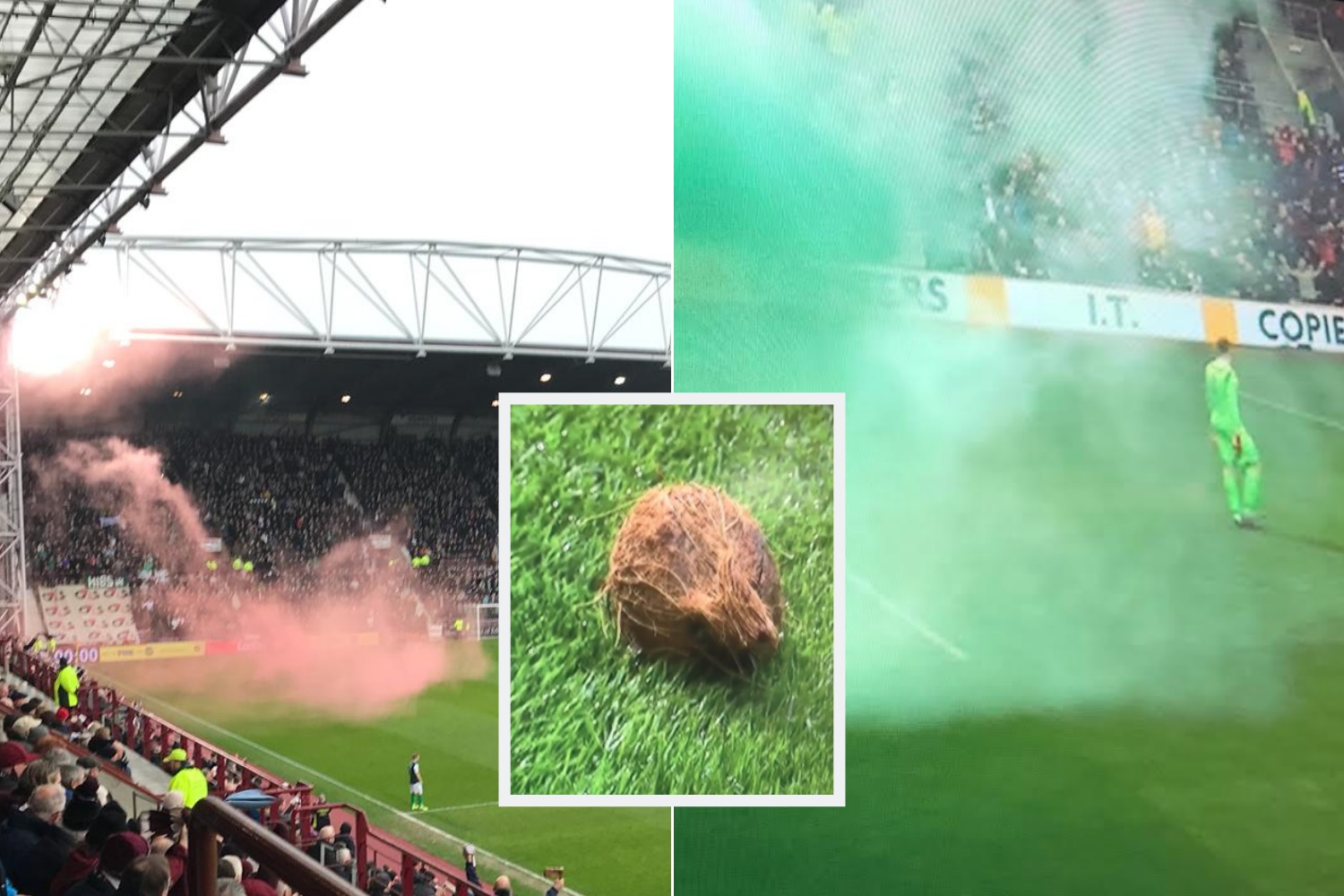
Tynecastle is known for its intense atmosphere, but the "Fruit Derby" was something else. A coconut (sometimes reported as a pineapple) was hurled onto the pitch during a Hearts vs. Hibs clash. No one ever explained why someone brought a tropical fruit to a freezing derby in Edinburgh, but its presence remains legendary.
11. Hearts “forgot To Order Seats” For The Stand (reported Admin Chaos)
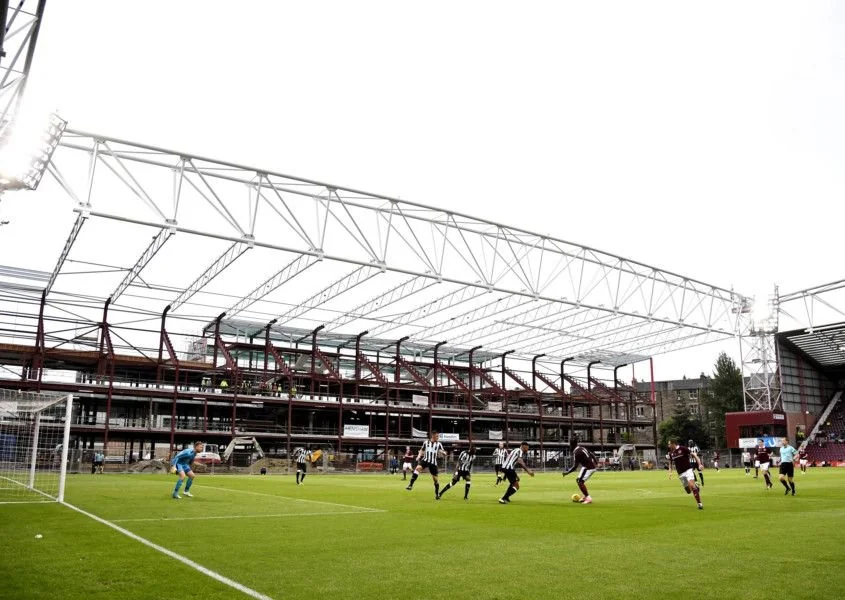
In 2017, the opening of Hearts' new main stand was delayed in a comedy of administrative errors. Reports circulated that the club had simply forgotten to order the seats in time. It turned the stadium into a meme-generator for months as fans sat among construction rubble.
Takeaway:Some of the strangest moments happen nowhere near the pitch.
12. Derek McInnes Says No To Rangers-and “concomitant” Becomes The Meme
When Derek McInnes turned down the Rangers job in 2017, the club released a statement so prickly and over-written it became instant comedy. The use of the word "concomitant" sent fans to their dictionaries and gave birth to a meme that still surfaces whenever a club takes itself too seriously.
Takeaway:In Scottish football, the statement can become the story.
13. Neil Lennon’s Hibs Departure Confusion
Hibs’ 2019 announcement regarding Neil Lennon was a masterclass in ambiguity. He was suspended, then he wasn't; he hadn't resigned, but he wasn't the manager. The lack of clarity for several days left the national media in a state of confused "Cinch" paralysis.
Ambiguity doesn’t calm football situations-it amplifies them.
14. Inverness CT’s Social Account “likes” Inappropriate Content (handle With Care)
In 2017, Inverness Caledonian Thistleturned a common social media blunder into a global news story. A club employee, likely toggling between a personal account and the official one on their smartphone, accidentally "liked" an adult post-a classic "fat-finger" error.
While most organizations would have quietly unliked the post or issued a brief apology, ICT granted the story total legitimacy by releasing a stern official statement. By threatening police involvement rather than laughing off the mishap, the club effectively cut through any journalistic doubt, transforming a private embarrassment into a front-page headline.
15. The “Flying Chicken” TikTok Banter (Hearts Vs Rangers Mascot Culture)
Modern Scottish football lives on TikTok. Hearts’ social media team recently went viral for a post mocking the Rangers mascot, Roxi the Chicken, using "The Last Dance" audio. It proves that the "weirdness" has migrated perfectly from the pitch to the digital front.
Takeaway:Internet culture is now part of the fixture list.
16. Wato Kuate’s On-pitch Meltdown

Dundee United's Wato Kuate ridiculous meltdown vs Hamilton 25/05/17
Dundee United’s Wato Kuate provided a moment of high drama during a play-off final when, after a disagreement with a teammate, he essentially quit mid-game. He sarcastically applauded the fans as he was subbed off, never to be seen in a United shirt again.
Football weirdness often comes from emotion spilling over.
17. Gavin Gunning “has Had Enough”
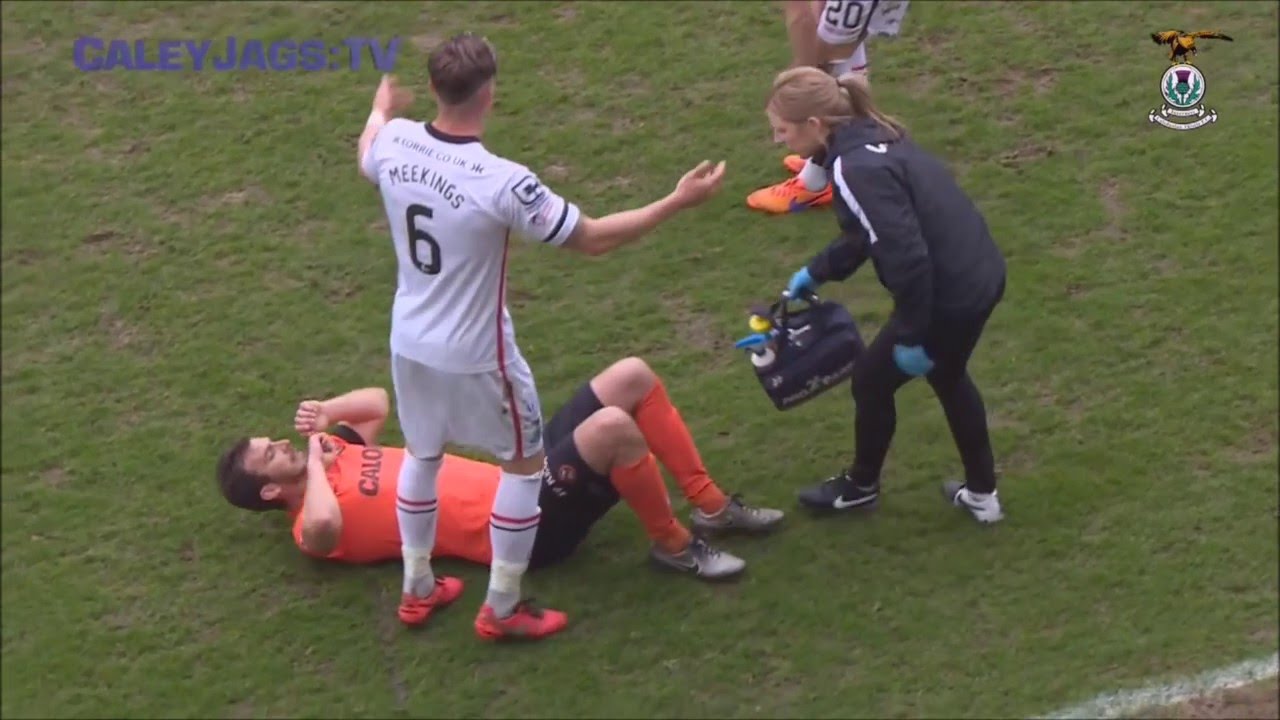
mmm whatcha' say Gavin Gunning
In a similar vein, Gavin Gunning once picked up the ball mid-match and walked off the pitch. He didn't wait for a red card or a substitution; he just decided that, for him, the game of football was over. It remains the most relatable moment for any frustrated fan.
Nothing looks stranger in football than refusing to play football.
18. Efe Ambrose: The Running “character Arc”
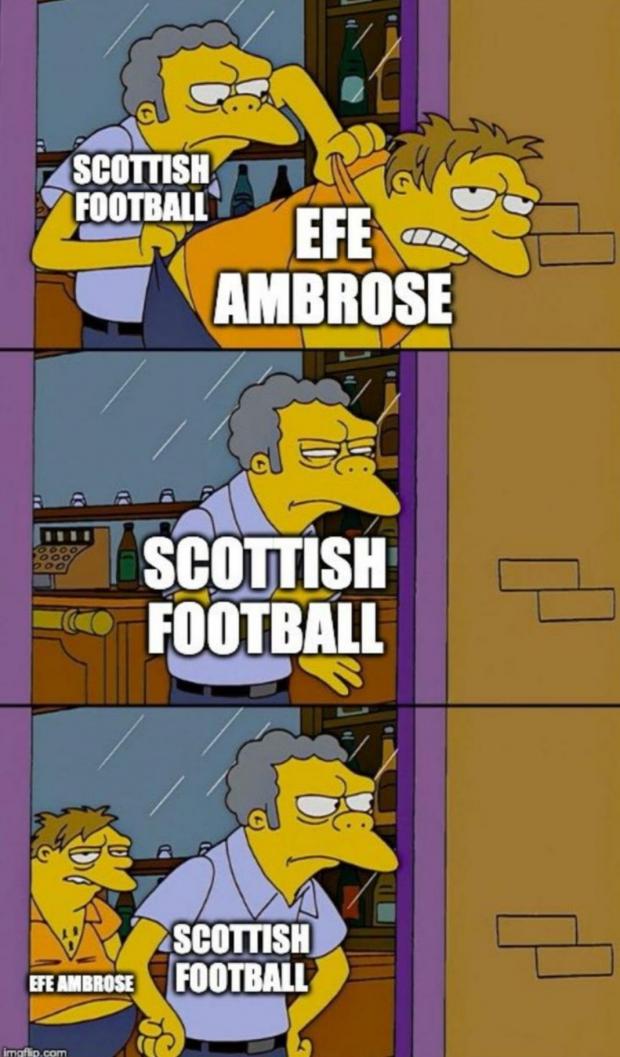
Efe Ambrose is a legend not for one moment, but for a career-long commitment to the spectacular. From backflips to baffling defensive errors, Efe represented the high-wire act of the SPFL. To watch Efe was to be on the edge of your seat, for better or worse.
Scottish football humour often behaves like a TV series.
19. Cumdog Vs Grado: Jason Cummings Wrestling Clip
Jason "Cumdog" Cummings cemented his "lad" status when a clip emerged of him wrestling professional wrestler Grado in the Hibs canteen-in his underwear. Cummings won the "bout," pinning Grado among the soup and sandwiches.
Takeaway:Sometimes weirdness is deliberate-and that’s why it works.
20. Connor Sammon’s “Pizza-Gate”
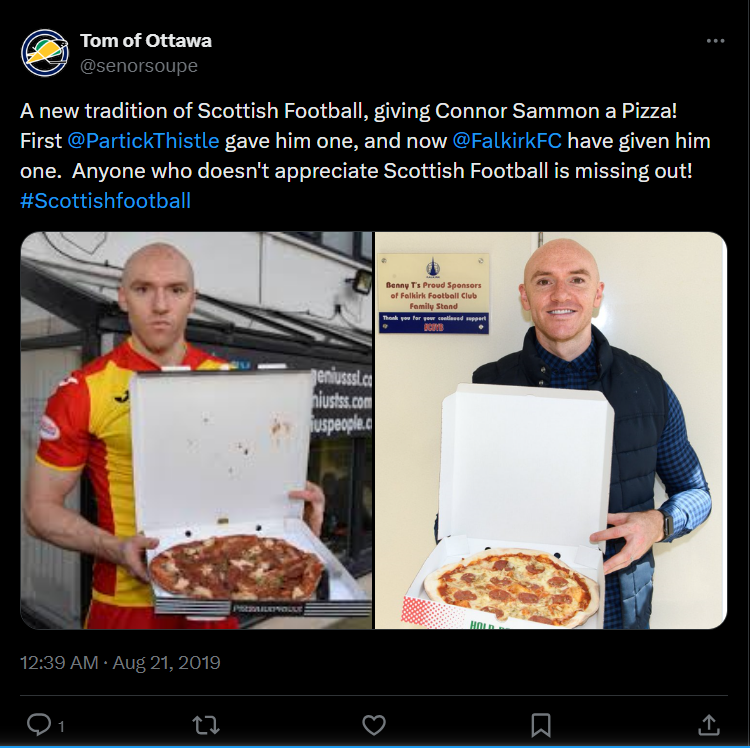
In perhaps the most humble reward in sporting history, Connor Sammon was once presented with a free pizza as a Man of the Match prize. The image of a professional athlete holding a cardboard takeaway box became a symbol of the league’s grounded, non-corporate charm.
Takeaway:Scottish football is elite drama built on non-elite details.
21. Willo Flood “Won’t-o” / Contract Chaos
Willo Flood’s 2018 summer was a whirlwind: he signed for Dunfermline, left after one week to move to Bali, and then saw the Bali move collapse. It was a transfer saga that lasted less time than a carton of milk, earning him the nickname "Willo Won't-o."
Football admin weirdness hits harder at turbo speed.
22. The 1993 "Ghost Goal"
Before goal-line technology, there was the stanchion. Dundee United’s Paddy Connolly hit a shot so hard it struck the internal frame of the goal and bounced back out. The referee, assuming it hit the post, didn't award the goal. This led to the nationwide removal of stanchions to prevent further "glitches in the matrix."
23. “Super Caley Go Ballistic, Celtic Are Atrocious” (2000)
The headline that changed everything. Inverness CT’s 3-1 win over Celtic wasn't just an upset; it gave the Sunthe opportunity to print the greatest pun in history: "Super Caley Go Ballistic, Celtic Are Atrocious." It is the definitive moment of Scottish giant-killing.
Takeaway:In Scotland, language is half the sport.
24. The 1971 Ibrox Disaster (Handle With Care)
While we celebrate the "weird," we must respect the monumental. The 1971 Ibrox Disaster, where 66 fans lost their lives, is the most significant moment in Scottish history. It isn't a "fun" fact, but it is the moment that changed the game forever, ushering in the modern era of stadium safety and crowd control.
Takeaway:A complete list must include the moments that changed safety forever.
25. The AI Camera That Followed A Linesman’s Bald Head (Inverness Vs Ayr United)
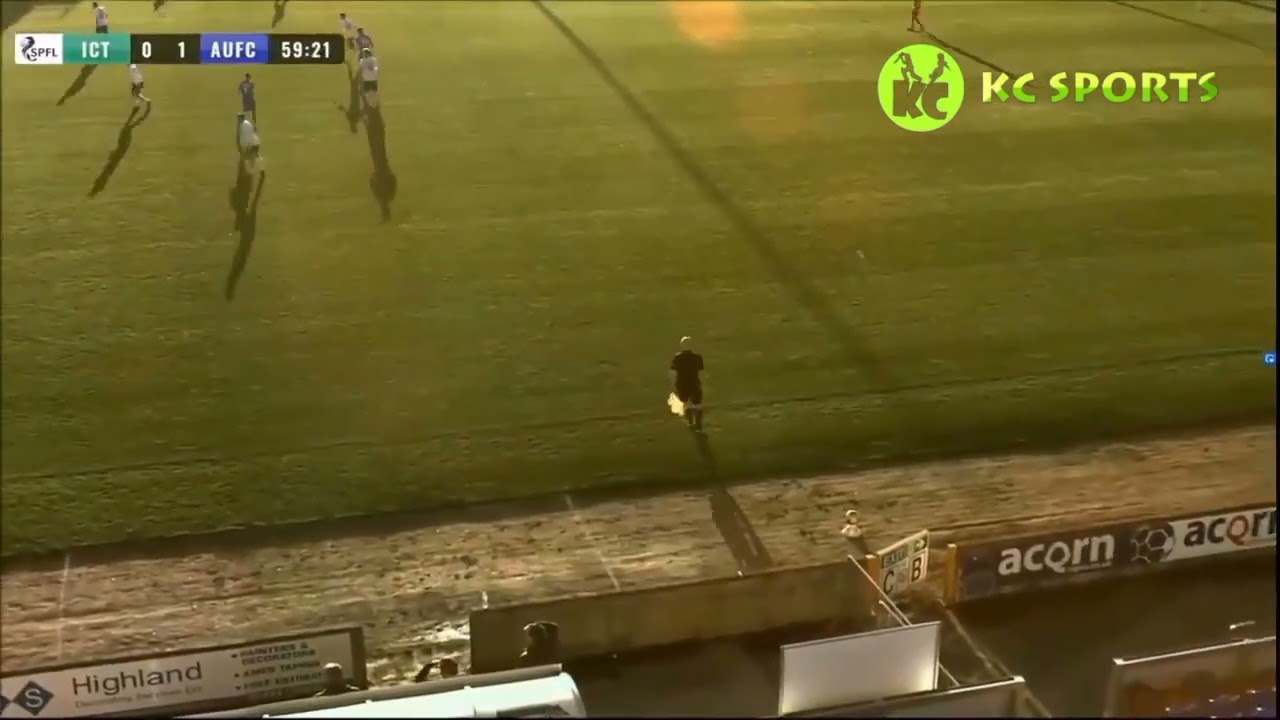
AI Camera Ruins Soccer Game For Fans After Mistaking Referee's Bald Head For Ball
In 2020, Inverness utilized an automated AI camera to track the ball. Unfortunately, the camera spent 90 minutes mistaking the linesman’s bald head for the ball, constantly panning away from the action to focus on his cranium. It was a hilarious failure of technology in the face of Scottish reality.
Takeaway:Modern weirdness isn’t just wind and wildlife-it’s algorithms.
26. Sammy The Tammy’s Sledging Incident
The St Johnstone mascot, Sammy the Tammy, once famously sledged down the stairs of the stands in full costume. While it delighted fans, it reportedly drew a grumpy complaint from an MP about "health and safety." It remains a piece of cherished mascot folklore.
Why Do Weird Scottish Football Moments Happen So Often?
A typical chain looks like this:
- Community scale + intensity:small venues, huge feelings. Tiny details become big stories.
- Weather and geography:wind and water don’t care about fixture lists.
- Media ecosystem:statements, clips, memes, group chats—everything is amplified.
- Banter literacy:supporters are trained (from birth, basically) to turn events into punchlines.
- Rules complexity:football laws create “edge cases” that look absurd until you understand them.
Takeaway:Scottish football produces weirdness because it’s a high-emotion system running in a high-variance environment.
Some Interesting Facts About Scottish Football
- The Dawn of International Football (1872):Scotland played in the world’s first-ever official international match, a 0-0 draw against England at West of Scotland Cricket Club’s ground in Partick. This makes the Scottish National Team a co-founder of the global game.
- The Lion Rampant:The national team badge features the Lion Rampant, a historic heraldic symbol dating back to King William the Lion in the 12th century. It represents the fierce, independent spirit of the Scottish people on and off the pitch.
- Hampden Park:The Spiritual Home: Located in Glasgow, Hampden is one of the world’s most iconic stadiums. It once held the European record for the highest attendance (nearly 150,000 for a Scotland-England game in 1937) and remains the permanent venue for national finals and internationals.
- Modern Leadership:As of 2026, the team is traditionally led by Andrew Robertson, the Liverpool stalwart who became one of Scotland's most decorated captains, bridging the gap between the dark years of the early 2000s and the recent "Golden Era" of qualification.
- The Tartan Army:Renowned globally for their good-natured behavior and "party first" atmosphere, Scotland’s fans are the Tartan Army. They consistently win international awards for being the "Best Fans in the World" at major tournaments.
- The Rise of the SWNT:The Scottish Women’s National Team played its first official match in 1972 (also against England). In the last decade, women’s football has seen a massive surge in professionalization, leading to historic World Cup and Euro appearances.
- The Auld Enemy: The rivalry with England remains the oldest and most intense in international football. It isn't just a game; it is a cultural event that defines the Scottish sporting calendar.
Also Check Out: The Scotland National Football Team
People Also Ask
What Are Some Interesting Facts About Scottish Football?
Scottish football blends intense local rivalries with a dense pyramid of clubs, making small incidents highly visible and quickly turned into folklore.
Has A Scottish Person Ever Won A Ballon D’Or?
Yes-Denis Law won the Ballon d’Or in 1964 (the award predates many modern-era “global superstar” narratives).
What Was The Worst Loss In Scottish Football History?
“Worst” depends on category (scoreline vs. consequence). For consequence, disasters like Ibrox (1971) are far more significant than any score.
What Is The Scottish Slang For Football?
“Fitba” is a widely used Scots slang term for football, especially in informal speech.
What Is A Very Scottish Thing To Say At Football?
Short, dry commentary-often affectionate, often brutal-plus wordplay and irony are common features of Scottish football banter.
Why Do Scottish Football Statements Become Memes So Easily?
Because they’re often written in formal, corporate language-then collide with a fan culture that values plain speaking and humour.
Are These Moments All Verified?
No. Many are well-documented via club reports or major outlets; a few are best treated as folklore. The safest retellings label uncertainty clearly.
What’s The Quickest “starter Pack” Of Weird Moments To Share?
A reliable starter pack is: Rod Stewart draw, deer droppings delay, the derby coconut, and the four-penalties match-each is well-covered and easy to explain.
What Was The Weirdest Goal In Scottish Football History?
The "Ghost Goal" incident in 1993, where a shot appeared to cross the line but wasn't awarded, stands out as one of the strangest moments.
What Makes Scottish Football More Prone To Bizarre Incidents Than Other Leagues?
Scottish football's combination of unpredictable weather, passionate fan culture, and many semi-professional leagues creates perfect conditions for unusual incidents. The Highland League especially faces challenging conditions with limited resources, leading to situations that simply wouldn't occur in bigger professional leagues.
What Are Scottish Football Fans Called?
Final Thoughts
Scottish football has never been short of passion, but what makes it truly special are the moments nobody sees coming. From bizarre goals to unforgettable fan antics, these weird twists remind us that the game is more than just wins and losses; it’s about stories that fans will laugh about, argue over, and remember for years.
Looking back at these strange moments, I can honestly say they’re part of what makes Scottish football so entertaining. The drama, the chaos, and the unpredictability give the sport its own unique charm. And that’s why, no matter how weird things get on the pitch, I wouldn’t have it any other way.
Related Reading: Exploring Scottish Game Traditions From Ceilidhs To Cards
Jump to
What Are The 26 Weird Scottish Football Moments?
1. Rod Stewart’s Chaotic Scottish Cup Draw (2017)
2. Albanian President Ilir Meta Becomes A Celtic Superfan
3. Unexpected Delay Due To Deer Droppings (Fort William Vs Nairn County)
4. Craig Samson Removes A Dead Squirrel At Hampden
5. The Keeper Who Saved His Own Kick (Storm Erik)
6. Kingsley: The Mascot That Looks Like Scottish Football Feels
7. Referee “takes A Spew” Mid-match (reported Highland League Incident)
8. Graeme Murty’s Touchline Headstand
9. Manager Sent Off For Tripping A Throw-in Taker (Darren Young)
10. Coconut (or Pineapple) Thrown Onto The Pitch At The Edinburgh Derby
11. Hearts “forgot To Order Seats” For The Stand (reported Admin Chaos)
12. Derek McInnes Says No To Rangers-and “concomitant” Becomes The Meme
13. Neil Lennon’s Hibs Departure Confusion
14. Inverness CT’s Social Account “likes” Inappropriate Content (handle With Care)
15. The “Flying Chicken” TikTok Banter (Hearts Vs Rangers Mascot Culture)
16. Wato Kuate’s On-pitch Meltdown
17. Gavin Gunning “has Had Enough”
18. Efe Ambrose: The Running “character Arc”
19. Cumdog Vs Grado: Jason Cummings Wrestling Clip
20. Connor Sammon’s “Pizza-Gate”
21. Willo Flood “Won’t-o” / Contract Chaos
22. The 1993 "Ghost Goal"
23. “Super Caley Go Ballistic, Celtic Are Atrocious” (2000)
24. The 1971 Ibrox Disaster (Handle With Care)
25. The AI Camera That Followed A Linesman’s Bald Head (Inverness Vs Ayr United)
26. Sammy The Tammy’s Sledging Incident
Why Do Weird Scottish Football Moments Happen So Often?
Some Interesting Facts About Scottish Football
People Also Ask
Final Thoughts

Callum Fraser
Author
Callum Fraser isn't just a writer about Scotland; he's a product of its rugged landscape and rich history. Born and raised in Perthshire, with the Highlands as his backyard, his love for the nation's stories was kindled by local storytellers and long walks through ancient glens.
This passion led him to pursue a degree in Scottish History from the University of Edinburgh. For over 15 years, Callum has dedicated himself to exploring and documenting his homeland, fusing his academic knowledge with essential, on-the-ground experience gained from charting road trips through the Cairngorms, hiking the misty Cuillins of Skye, and uncovering the secrets of traditional recipes in his family's kitchen.
As the Editor-in-Chief and Lead Author for Scotland's Enchanting Kingdom, Callum's mission is simple: to be your most trusted guide. He combines meticulous research with a storyteller's heart to help you discover the authentic magic of Scotland — from its best-kept travel secrets to its most cherished traditional recipes.
Latest Articles
Popular Articles