Yulade - Scottish “Ginger Wine” Explained (How To Make It)
Confused by yulade vs ginger wine? Get a clear definition, the classic method, dilution guidance, label checks for alcohol, and a ginger syrup substitute.
Author:Callum FraserMar 01, 2026
Yulade: Your Guide To Scotland’s Favorite Ginger Wine Essence
Yuladeis a traditional Scottish non-alcoholic ginger wine essence that, when mixed with sugar and hot water, creates a potent, spicy, and warming beverage famous for its intense ginger "kick." (Hot water is mainly used to dissolve the sugar-most people cool it, then serve it chilled or gently warmed.)
Not to be confused with “Yolande” (the medieval Queen of Scotland) or “Yule” cocktail content-this is about the Scottish Yu-Lade ginger concentrate drink.
Key Takeaways
- Yulade (Yu-Lade)most often refers to a ginger flavouring concentratesold in small bottles (commonly associated with Co-op).
- The classic “Scottish ginger wine” made with yulade is not fermented: it’s a sugar syrup + water + ginger concentratedrink.
- Typical bottle directions (check your label): dissolve 1.6 kg (3½ lb) sugarin 3.4 litres (6 pints) water, cool, then stir in 100 mlyulade.
- Alcohol check:if you didn’t ferment it (no yeast, no “brewing time”), it behaves like a soft drink-still, always check the bottle labelif alcohol avoidance matters.
- Can’t source yulade? You can get close with a ginger syrup substitute(fresh ginger + sugar + water + citrus) and dilute to taste.
- Seasonal Staple:It’s commonly served around Christmas and Hogmanay (New Year)and on cold winter nights in Scotland, but availability and habits vary by region and family.
- Comfort note (not a cure):Warm drinks can feel soothing when you have a sore throat, but yulade isn’t a medical treatment-use NHS self-care guidance and seek help if symptoms persist.
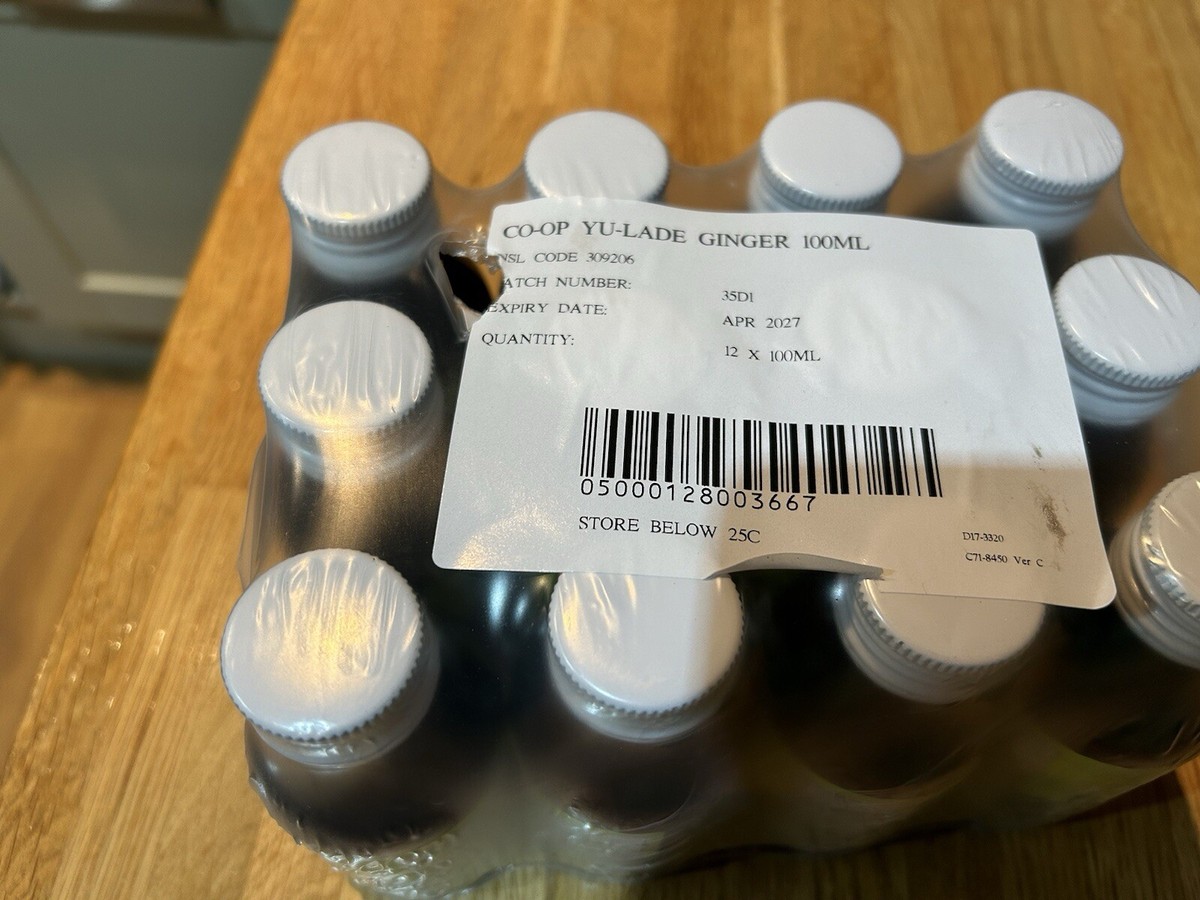
- Label note:Some current product listings specify “store below 25°C away from direct sunlight” and show the concentrate’s ingredient profile (including capsicum oleoresin and a vegetable-derived emulsifier). Always verify your own bottle label.
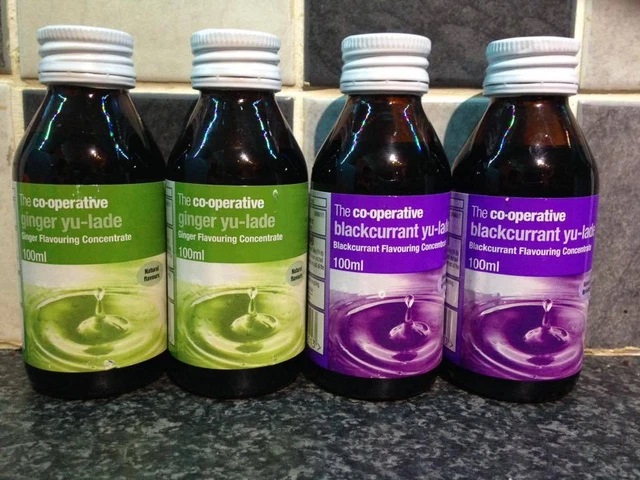
- Other flavour:Yu-Lade is most commonly ginger, but “ginger & blackcurrant” versions are also listed-availability varies.
The goal here is to give you a clear definition, a reliable method, and the decision points that stop you accidentally making (or buying) the wrong thing.
Yulade Explained: What It Is
You’ll leave this section with a clean definition you can repeat confidently-and a quick mental filter for spotting when “yulade” is being confused with alcoholic ginger wine.
The Most Common Meaning: Co-op Yu-Lade Ginger Flavouring Concentrate
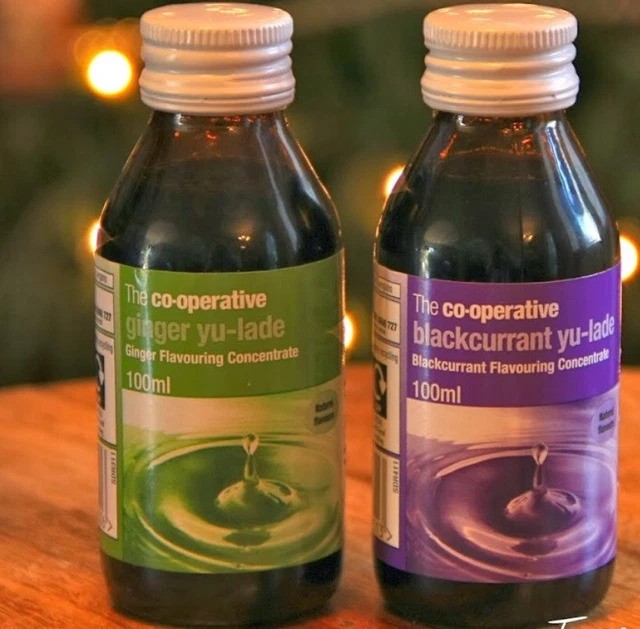
In real-world use, yuladeis usually shorthand for Yu-Lade, a ginger flavouring concentratesold in a small bottle (often 100 ml). It’s sold as a cooking/baking flavouring or drink concentrate rather than a ready-to-drink “wine.”
On current retail listings, Yu-Lade is shown as a ginger flavouring concentrate with an ingredient panel that typically includes water, citric acid, caramel colour, natural ginger flavouring, capsicum oleoresin, an emulsifier (polysorbate 40), and natural lime flavouring.
That combination explains the signature “electric” bitepeople talk about. Ginger provides the familiar warmth, while capsicum oleoresin (a chilli extract)can push the heat into a sharper, peppery edge. The citric acid + lime flavourtighten the finish so it doesn’t just taste sweet-it tastes brightand hotat the same time.
One ingredient that surprises readers is polysorbate 40, listed as an emulsifier. Emulsifiers are a standard class of approved food additives used to help mixtures stay evenly blended instead of separating. (If your bottle’s label differs, trust your bottle-formulations and suppliers can change over time.)
Note: Because ingredient panels can change, always verify the current label on your bottlerather than relying on older screenshots or second-hand lists.
Practical label detail:some current listings also advise storing the unopened bottle below 25°C and away from direct sunlight-handy if you buy it early for the holidays.
Why The Spelling Varies (yulade Vs Yu-Lade Vs YuLade)
You’ll see:
- Yu-Lade(hyphenated brand-style)
- YuLade(compressed)
- yulade(lowercase search shorthand)
They’re typically pointing at the same idea: a ginger essence/concentrate used to make a traditional Scottish-style “ginger wine” drink. The spelling variation is mostly a product of listings, forums, and word-of-mouth-so don’t overthink it.
Also worth knowing: “Yu-Lade” isn’t always only ginger-yu-lade blackcurrant wine essenceis also a thing, so searches can surface multiple flavours.
Takeaway:if the context mentions a small bottle of concentraterather than fermenting a brew, you’re in yulade territory-next we’ll tackle the “ginger wine” name that causes the confusion.
Why Scots Call Yulade “Ginger Wine”
This section gives you the cultural “why” so the name stops feeling misleading-and so you can explain the tradition to anyone who hears “wine” and assumes alcohol.
Cordial-style Tradition Vs Fermented Wine Definitions
In strict food terms, wineis a fermented product. The yulade drink, however, is commonly made by dissolving sugar into water(a syrup base) and mixing in the ginger concentrate once cooled. No yeast. No fermentation time.
So why call it “ginger wine”? Because in some Scottish households, “ginger wine” became the name of the festive ginger drink-a warming, shared tradition-regardless of whether a modern bottle contains a fermented wine product. That naming drift is common in food culture: names stick when they’re attached to memory and ritual.
When It’s Served (Christmas/Hogmanay Nostalgia)
Yu-Lade’s strongest footprint is Scottish and seasonal-the kind of thing people mention in winter conversations and recipes rather than year-round shopping lists.
In home-cook threads, people describe buying the 100 ml bottle in the Co-op, making a big batch with sugar and water, and serving it as a syrupy, gingery Scottish Christmas/New Year drink.
You’ll also see people explicitly connect “ginger yu-lade” with Co-ops north of the border, while acknowledging availability can vary and that they could be wrong. That “beloved but oddly hard to find” tone is part of the modern Yu-Lade story-more tradition than mass-market staple.
Takeaway:once you understand “ginger wine” here is a cultural label, the next step is simply learning the classic method-and how to adjust it so it tastes right to you.
How To Make Yulade The Classic Way
You’ll get a dependable baseline recipe, the reasoning behind each step, and a clean method that prevents the two most common failures: flat flavour and gritty sweetness.
Ingredients + Yield (what One 100ml Bottle Typically Makes)
Most bottle directions repeated in listings point to a classic ratio that makes a large batch:
- 1 bottle (100 ml) yulade / Yu-Lade ginger concentrate
- 1.6 kg (3½ lb) granulated sugar
- 3.4 litres (6 pints) water
That’s intentionally sweet-because the drink is meant to carry a strong ginger burn without tasting sharp or thin. Sugar provides body, rounds the heat, and gives that “proper” old-fashioned mouthfeel.
Reality check:treat this as a starting point. Your ideal mix depends on how hot you like ginger, whether you serve it cold or warm, and whether you’re reducing sugar.
Yield note(why recipes disagree): home-cook threads sometimes dilute to around 4.5 litres from one 100 ml bottle, while other households keep it closer to the stronger “label-style” mix-start with your bottle’s directions, then dilute after chilling.
Step-by-step Method (including “cool Before Adding Concentrate” Rationale)
Promise:follow this once and you’ll know exactly what “right” looks like.
- Make a syrup base. Add the sugar to the water in a large pan and bring it up just enough to dissolve completely (many directions say “boil to dissolve”).
- Cool it properly. Turn off the heat and let the syrup cool to warm-room temperature. This matters because strong heat can dull delicate flavourings over time-cooling protects the “fresh” ginger top note.
- Stir in the yulade concentrate. Add the 100 ml bottle and stir thoroughly so it disperses evenly.
- Chill (or gently warm to serve). For most people, it drinks best cold after a few hours in the fridge.
Common mistake I see:adding the concentrate while the syrup is still piping hot, then wondering why the finished drink tastes “sweet” but not “zingy.” Cooling is the easiest win you’ll ever get.
Scaling Formula (½ Batch, Double Batch)
Once you know the classic ratio, scaling is just multiplication.
Half Batch:
- 50 ml concentrate
- 0.8 kg sugar
- 1.7 L water
Double Batch:
- 200 ml concentrate (2 bottles)
- 3.2 kg sugar
- 6.8 L water
If you’re mixing by taste instead of strict maths, keep one rule: dissolve sugar fully first, then adjust strength afterit’s chilled (cold changes perceived sweetness and heat).
Takeaway:now that you can make the classic version, the next skill is making it yours-especially if you want less sugar without losing the warming kick.
Also Check Out: Scottish Ginger Wine Recipe
Lower-Sugar Yulade (Without Losing The ‘Warmth’)
You’ll learn what sugar actually does in this drink, and how to reduce it without ending up with something harsh, watery, or oddly “peppery.”
How Sugar Changes Burn, Body, And Balance
Sugar isn’t just sweetness here-it’s structure.
- It cushions ginger heat.Less sugar can make the capsicum/ginger burn feel louder and more abrupt.
- It adds body.Without it, the drink can taste thin, like “ginger water” rather than “ginger wine.”
- It rounds acidity.Many concentrates include citric acid, so sugar keeps the flavour from leaning sour.
So the trick isn’t “slash sugar and hope.” The trick is reduce in steps and taste cold.
If sugar intake is a concern, this is the version to start with-yulade is traditionally very sweet, and reducing sugar is the most meaningful tweak you can make.
A Safe “reduce-by-steps” Approach (taste Checkpoints)
Here’s a method that stays predictable:
- Make the batch with 25% less sugarfirst (about 1.2 kginstead of 1.6 kg, keeping water and concentrate the same).
- Chill, taste, and ask two questions: “Is the burn pleasant or sharp?”, “Does it feel full enough, or watery?”
- If you want lower still, drop to 50% sugar(about 0.8 kg) on the next batch.
Expert’s shortcut:if lower sugar makes the burn too aggressive, don’t immediately add sugar back. First try:
- serving colder(it softens heat perception), or
- diluting with a splash more water and re-chilling, then retasting.
Takeaway:lowering sugar is easiest when you treat it like calibration-next, we’ll cover what to do when you can’t buy yulade at all.
If You Can’t Find Yulade: The Best Substitute
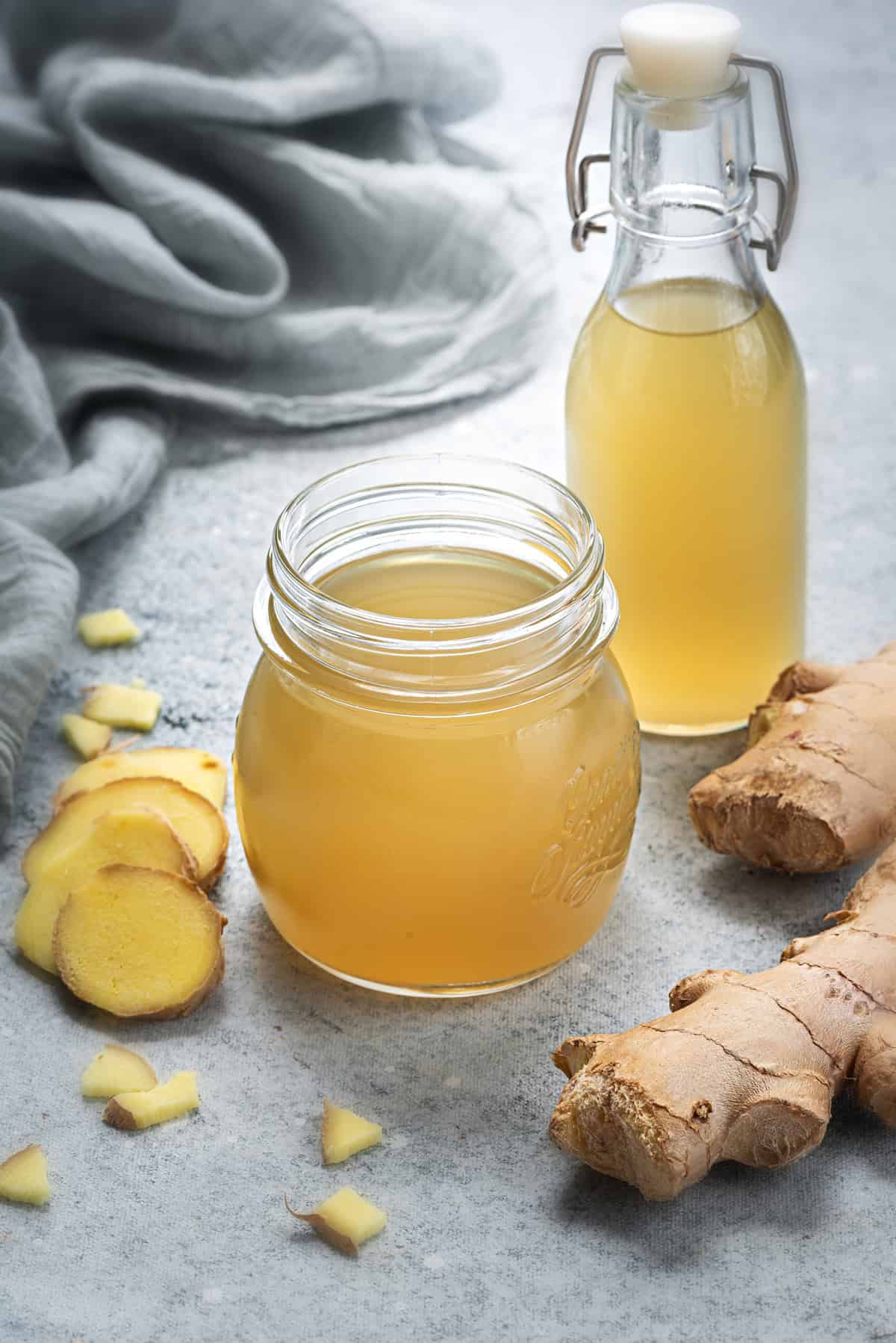
You’ll get a substitute that’s realistic-not a totally different drink-and a way to dial it until it scratches the same itch as the classic concentrate.
Substitute Recipe + How To Match Intensity
This substitute aims to mimic three things yulade typically delivers: ginger punch, citrus lift, and a gentle warming bite.
Ginger syrup substitute (makes ~500 ml concentrate):
- 200–250 g fresh ginger, sliced (no need to peel obsessively)
- 500 g sugar
- 500 ml water
- Zest + juice of 1 lime (or ½ lemon + ½ lime)
- Optional: a tiny pinchof chilli flakes (go carefully-this is easy to overdo)
Method:
- Simmer ginger in water for 15–20 minutes.
- Add sugar; stir until fully dissolved.
- Cool, then add citrus.
- Strain and chill.
How to use it:start with 50–75 ml syrup per 1 litreof cold water, then adjust. Your goal is “sweet first, ginger heat second, citrus last.”
Shortcut Options (ginger Cordial Route)
If you don’t want to make syrup, a high-ginger cordial can get you in the neighbourhood. The key is avoiding cordials that are mostly sugar with a faint ginger perfume. You’re looking for one that reads as ginger-forward, not “ginger-flavoured lemonade.”
Where Can I Buy Yu-Lade?
Outside Scotland, the most consistent way people spot Yu-Lade is when it appears in local delivery listings(availability depends on what nearby shops are carrying) or through resale marketplaces. Because both channels change quickly, treat any listing as time-limited and double-check product details before you buy.
Reseller listings sometimes show best-before dates(for example, listings that mention dates like April 2027). That can be useful as a freshness clue for the specific item being sold, but it doesn’t prove ongoing regular production or nationwide stocking. Data as of February 2026.
Takeaway:whether you use yulade or a substitute, serving and temperature change the experience-so next we’ll talk flavour, feel, and the best ways to drink it.
What Yulade Tastes Like (and How To Serve It)
You’ll understand the drink’s flavour profile well enough to adjust it intentionally-and serve it in a way that makes it taste like a tradition, not a syrup accident.
Hot Vs Cold
- Cold yuladeis crisp, sweet, and bitey. Cold also makes the sugar feel less heavy.
- Warm yuladeamplifies the aroma and makes the heat feel deeper and more “hug-like,” but it can also read sweeter.
If you’re unsure, chill first. You can always warm a mug later; you can’t un-warm an entire batch without waiting.
Festive Serving Ideas (non-alcoholic)
Keep it simple and Scottish-leaning:
- Over ice with a slice of lime(citrus makes ginger sparkle).
- Gently warmed in a mug(don’t boil-just warm).
- A splash of sparkling waterif you want lift without changing the core flavour.
Bonus:Yu-Lade is sold as a flavouring concentrate, so you can also use it beyond drinking-try a teaspoon in gingerbread icing, a splash in a cake glaze, or a drizzle into winter fruit compote.
Takeaway:now for the question that matters most for many readers-what “ginger wine” means here, and how to make a clear alcohol decision.
Is Yulade Alcoholic?
You’ll get a practical yes/no framework that avoids assumptions, respects label nuance, and prevents confusion with fermented ginger wine recipes.
| Thing people mean | How to tell + alcohol status |
| Yu-Lade / yulade “ginger wine” (Scottish concentrate drink) | Sugar + water + a 100 ml concentrate bottle; no yeast/time → typically non-fermented. Still check label for alcohol/ABV. |
| Fermented ginger wine (homebrew) | Includes yeast (often raisins/lemon), time, sometimes airlock/racking → alcoholic because fermentation converts sugar to alcohol. |
| Commercial “ginger wine” products | Sold as an alcoholic beverage with stated ABV → alcoholic. Check ABV and category. |
| Ginger beer | Can be soft drink or alcoholic (“hard”); label/ABV tells you which. |
Yu-Lade Concentrate Drink (typically Non-alcoholic)
If you made the drink by dissolving sugar in waterand adding a bottle of ginger flavouring concentrate, you have notcreated alcohol through fermentation. Typical ingredient lists for this style of concentrate read like flavourings and acids, not a fermented product.
Still, don’t rely on vibes.If you must avoid alcohol for religious, health, or personal reasons, check:
- the ingredient list(look for alcohol/ethanol), and
- whether an ABVis stated.
Fermented Ginger Wine (may Contain Alcohol)
Fermented ginger wine recipes usually include some combination of yeast, raisins, sugar, and time. Fermentation turns sugar into alcohol-so that category is fundamentally different from yulade-made “ginger wine.”
If a recipe involves:
- adding yeast,
- leaving it covered for days/weeks,
- “racking,” bottling, or airlocks,
…you’re no longer making the yulade soft drink.
If you landed here because you meant “ginger wine” in the fermented, homemade-wine sense, this step-by-step video shows that process. It’s different from yulade/Yu-Lade concentrate because fermentation can produce alcohol-so treat it as a separate path, not the Scottish concentrate drink.
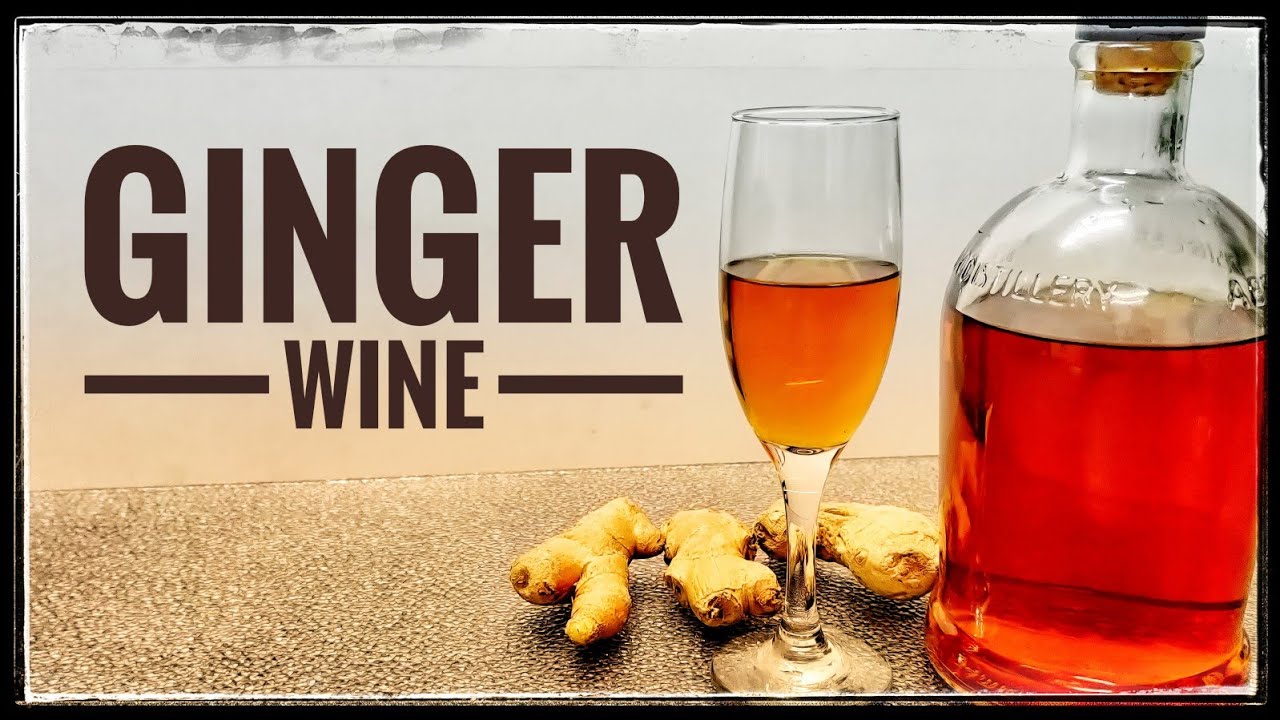
Perfect Ginger Wine | Homemade Wine | Step by Step Easy Ginger wine recipe
“Alcohol-free” Labeling Can Vary (what To Watch For)
In the UK, the Department of Health and Social Care’s guidance on “no and low alcohol” descriptors(England-only, voluntary guidance) has specific recommended thresholds for terms like “alcohol free” (≤0.05% ABV for extracted-alcohol drinks)and “de-alcoholised” (≤0.5% ABV for extracted-alcohol drinks)-and it also notes that “non-alcoholic” has restrictions in how it’s used with alcohol-associated product names. Data as of February 2026.
Two practical implications:
- “Non-alcoholic” wording can be used inconsistently across countries and products.
- Many drinks under 1.2% ABVdon’t have mandatory ABV labelling requirements in the same way higher-strength alcohol does-so checking label details matters.
Label-reading checklist:
- ABV shown?If yes, decide from that.
- Alcohol/ethanol listed as an ingredient?If yes, treat as alcohol-containing.
- Any mention of fermentation/yeast/time?If yes, it’s not the yulade soft drink.
- Storage + product identity clues:concentrate listings may show “store below 25°C” and a flavouring-style ingredient panel.
- When in doubt:choose a clearly alcohol-free alternative or contact the seller/manufacturer for confirmation.
Takeaway:with alcohol clarified, we can now address the faith question properly-because “wine” in the name can be as important as what’s in the bottle.
Storage, Make-Ahead, And Troubleshooting
You’ll learn how to store yulade-style ginger wine so it stays fresh and safe, plus quick fixes that rescue a batch without drama.
Storage Guidance (fridge, Shelf Life Cues)
Because you’re making a high-sugar drink, you’re already helping preservation-but homemade drinks can still spoil or ferment if stored poorly.
What I recommend:
- Store in clean, sealed bottles or jugsto keep contaminants out.
- Keep it refrigerated; UK food safety guidance notes fridges should be 8°C or below.
- Watch for change cues: unexpected fizz, off smells, or a “yeasty” note are signs to discard-especially important if alcohol avoidance matters.
If you bottle it, use very clean bottles, let the liquid cool before sealing, and get it into the fridge promptly-good chilling practice is one of the simplest ways to reduce spoilage risk.
If you’re making a substitute ginger syrup, treat it like any homemade syrup: clean container, chilled storage, and conservative judgement if anything seems “active.”
Fixes: Too Sweet, Too Hot, Too Weak, Cloudy
These are the fast, reliable rescues:
- Too sweet:add a little more cold water, then re-chill and retaste. Cold reduces sweetness perception and often fixes “cloying” instantly.
- Too hot (burns your throat):dilute slightly and serve colder; sweetness and cold both soften heat.
- Too weak:don’t add more concentrate straight away-first let it chill fully, then adjust in small increments.
- Cloudy:cloudiness is usually harmless (sugar solutions and flavourings can haze), but if cloudiness comes with fizz or off smell, treat it as spoilage and discard.
Frequently Asked Questions
What Is Yulade?
Yulade usually refers to Yu-Lade, a ginger flavouring concentrate (often linked with Co-op) used to make a sweet, fiery Scottish-style “ginger wine” drink.
Is Yulade The Same As Ginger Wine?
Not exactly. Yulade is typically a concentrate used to make a cordial-style drink often called “ginger wine,” while fermented ginger wine is an alcoholic product.
Is Ginger Wine Non-alcoholic?
It depends on what “ginger wine” means. The yulade-made drink is usually non-fermented; fermented ginger wine recipes can contain alcohol.
Has Ginger Wine Got Alcohol In It?
Sometimes. Fermented ginger wine contains alcohol; the Scottish yulade version is generally a syrup-and-concentrate soft drink.
What Does Yulade Taste Like?
Sweet and strongly gingery with a warming bite; the balance shifts with dilution, sugar level, and whether you serve it cold or warm.
How Do You Make Yulade?
Dissolve sugar in water (often with brief boiling), cool the syrup, then stir in the 100 ml concentrate and chill or gently warm to serve.
How Much Does One Bottle Make?
Typical directions suggest one 100 ml bottle for about 3.4 litres (6 pints), though many people adjust to taste.
Can I Make It With Less Sugar?
Yes-reduce in steps and taste cold. Lower sugar can make ginger heat feel sharper and the drink feel thinner, so calibrate gradually.
Where Can I Buy Yu-Lade?
It’s commonly associated with Co-op, but availability varies by region. Online listings exist, though stock can be seasonal or inconsistent.
What Are Yulade Ingredients?
It’s sold as a ginger flavouring concentrate; ingredient lists often include water, citric acid, natural ginger flavouring, and other flavourings/colourings. Always confirm on your bottle label.
What Is Scottish Ginger Wine Essence?
A small bottle of ginger flavouring concentrate used to make a larger batch of a traditional Scottish ginger drink-often served around winter holidays.
What’s A Substitute If I Can’t Find Yu-Lade?
A homemade ginger syrup (fresh ginger + sugar + water + citrus) gets close; dilute it to taste and adjust until you get the sweet-then-warm ginger profile.
Can Muslims Drink Yulade / Ginger Wine?
Many rulings focus on intoxication and ingredients: if it doesn’t intoxicate and contains no intoxicant, some permit it; others prefer avoiding alcohol-like products-check labels and consult local scholars.
Can “non-alcoholic” Drinks Contain Trace Alcohol?
Labelling terms can be inconsistent. In UK guidance for alcohol-substitute drinks, “alcohol free” is linked to a very low ABV threshold for extracted-alcohol products; check ABV/label details. Data as of February 2026.
Is Ginger Beer Alcoholic?
It can be. Traditional fermented versions may contain alcohol; many modern commercial “ginger beer” soft drinks are non-alcoholic-check the label and ABV.
Final Thoughts
Yulade is best understood as a ginger concentrate tradition-make the classic syrup base, cool it, mix carefully, then adjust sweetness and strength with intention. If alcohol (or halal certainty) matters, don’t trust the name “ginger wine”; trust the process and the label.
Jump to
Yulade: Your Guide To Scotland’s Favorite Ginger Wine Essence
Yulade Explained: What It Is
Why Scots Call Yulade “Ginger Wine”
How To Make Yulade The Classic Way
Lower-Sugar Yulade (Without Losing The ‘Warmth’)
If You Can’t Find Yulade: The Best Substitute
What Yulade Tastes Like (and How To Serve It)
Is Yulade Alcoholic?
Storage, Make-Ahead, And Troubleshooting
Frequently Asked Questions
Final Thoughts

Callum Fraser
Author
Callum Fraser isn't just a writer about Scotland; he's a product of its rugged landscape and rich history. Born and raised in Perthshire, with the Highlands as his backyard, his love for the nation's stories was kindled by local storytellers and long walks through ancient glens.
This passion led him to pursue a degree in Scottish History from the University of Edinburgh. For over 15 years, Callum has dedicated himself to exploring and documenting his homeland, fusing his academic knowledge with essential, on-the-ground experience gained from charting road trips through the Cairngorms, hiking the misty Cuillins of Skye, and uncovering the secrets of traditional recipes in his family's kitchen.
As the Editor-in-Chief and Lead Author for Scotland's Enchanting Kingdom, Callum's mission is simple: to be your most trusted guide. He combines meticulous research with a storyteller's heart to help you discover the authentic magic of Scotland — from its best-kept travel secrets to its most cherished traditional recipes.
Latest Articles
Popular Articles