Behold Glenfinnan | A Legendary Place Where History And Magic Collide
It’s easy to come to Glenfinnan and be overwhelmed by the sheer beauty of the landscape and the striking sight of the viaduct, but to truly appreciate it, you have to understand the layers of its legend.
Author:Callum FraserOct 04, 2025

Why Glenfinnan Captures Hearts Across Centuries
I've stood where princes made their last desperate stands and engineers defied impossible odds. There's something about Glenfinnan that stops you in your tracks, literally. You arrive expecting another Scottish tourist stop, but what happens next changes how you see history itself.
This isn't just another Highland village with a pretty backdrop. Glenfinnan pulses with stories that shaped nations and dreams that conquered mountains. On 19 August 1745, Prince Charles Edward Stuart rowed up Loch Shiel towards the tiny hamlet of Glenfinnan with a small band of his most loyal supporters, launching what would become the last great Jacobite rising.
Centuries later, Victorian engineers would carve their own legend into these same hills, creating what many consider the world's most beautiful railway bridge. You're not just witnessing Scotland's past, you're experiencing the exact moment where romance crashed into reality, where ancient clan loyalties met modern engineering marvels, and where Hollywood magic found its perfect Highland setting.
Key Takeaways
- Home to both the historic Glenfinnan Monument (1815) and the iconic Glenfinnan Viaduct (1901)
- The birthplace of the 1745 Jacobite Rising, which nearly changed British history
- Features the world's first major mass concrete railway structure since Roman times
- Famous as the filming location for the Hogwarts Express in the Harry Potter movies
- The monument stands 18 meters tall and can be climbed for panoramic Highland views.
- The viaduct spans 380 meters with 21 massive concrete arches
- Best visited April-October when the Jacobite Steam Train runs regularly
- Part of the stunning West Highland Line, often called the world's most beautiful railway
Standing Where Legends Were Born: The Monument That Defies Time
The Jacobite Rising That Changed Scotland Forever
I've climbed inside that monument, felt the narrow spiral staircase wind upward in near darkness, and emerged at the top to see exactly what Bonnie Prince Charliesaw on that fateful August day. Charles launched the rebellion on 19 August 1745 at Glenfinnan in the Scottish Highlands, capturing Edinburgh and winning the Battle of Prestonpans in September.
The view from the monument's peak tells the story better than any history book. Loch Shiel stretches out like a silver ribbon, the same waters that carried the prince's hopes northward. Around you, the mountains rise in protective circles, the perfect amphitheater for what historians call the last romantic rebellion in European history.
Bonnie Prince Charlie raised his Standard (a banner of red and white silk, reputed to have been sewn by the women of nearby Dalilea) at Glenfinnan on 19th August 1745 with the loyal support of Highland chiefs and clans of MacDonalds (including Clanranald, Morar and Keppoch) and Camerons.
Why They Built A Monument Where Others Saw Defeat
Here's what most visitors miss: By 1814, Jacobitism was no longer a political threat to the House of Hanover when they erected this monument. The timing wasn't accidental. Alexander Macdonald of Glenaladale, a minor branch of the Clan Donald, built a memorial tower at Glenfinnan to commemorate the raising of the standard of the Young Pretender.
The monument represents something deeper than military defeat; it's about Scottish identity surviving cultural erasure. After Culloden, Highland culture faced systematic destruction. Kilts were banned, Gaelic suppressed, and clan systems dismantled. Building this monument in 1815 was an act of cultural resurrection, not just remembrance.
The 18m-high monument was built here, with the lone, kilted highlanderat the top providing a poignant reminder of the clansmen who gave their lives to the Jacobite cause. That figure isn't just decorative, it's defiant. Standing against the sky in full Highland dress, it declares that Scottish culturesurvived attempts to destroy it.
When Engineering Became Art: The Viaduct That Conquered The Impossible
The Victorian Vision That Transformed Remote Highlands
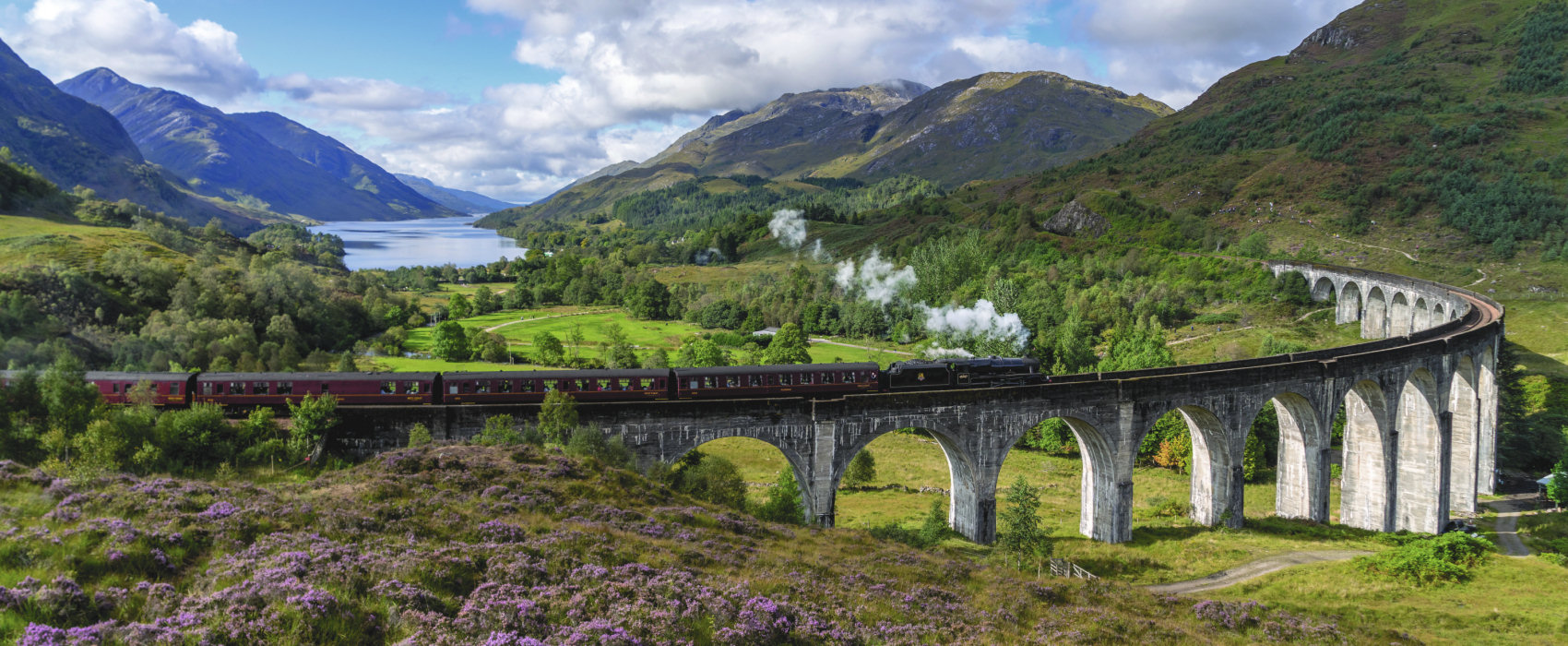
Fifty-six years after the monument rose, another kind of rebellion took place at Glenfinnan. This time, it was humans versus geography, and the humans won spectacularly. The Glenfinnan Viaduct is a railway viaduct on the West Highland Line at Glenfinnan, in the Lochaber district of north-western Scotland, built from 1897 to 1901.
The viaduct was constructed by Robert McAlpine & Sons, which was headed by Robert McAlpine, nicknamed "Concrete Bob" for his innovative use of mass concrete. But calling him "Concrete Bob" understates his genius. This man saw where others saw impossibility and created what many argue is the most photographed railway bridge in the world.
The Glenfinnan viaduct in Scotland was completed in 1898; the piers and arches were built in concrete, without reinforcement, and many claim it to be the world's first major mass concrete structure, well, since Roman times anyway. Think about that audacity, reaching back to Roman engineering techniques in the Scottish Highlands of the 1890s.
Secrets Hidden In 21 Concrete Arches
Twenty‑one semi‑circular spans of 50 feet (15 m) each. Built on a gentle curve with a radius of roughly 792 feet (241 m). The curvature adds visual drama and allows trains to transition smoothly. But there's more to this curve than meets the eye.
The engineering challenges were staggering. Standing more than 30 metres high, the magnificent 21-arch Glenfinnan viaduct was constructed in the late 1890s and forms part of the 40-mile Fort William to Mallaig extension of the West Highland railway. Workers had to transport materials across impossible terrain before the railway existed to carry them.
Construction began in 1898, and it was opened in 1901. It was, however, complete enough by October 1898 to be used to transport materials across for its own completion. This bootstrap construction approach shows Victorian engineering at its most inventive.
The viaduct's placement wasn't random. Located at the top of Loch Shiel in the West Scottish Highlands, the viaduct overlooks the Glenfinnan Monument and the waters of Loch Shiel. Engineers could have chosen an easier route, but they deliberately positioned their masterpiece to complement the monument below. Two centuries of Scottish ambition, perfectly framed.
Glenfinnan Station
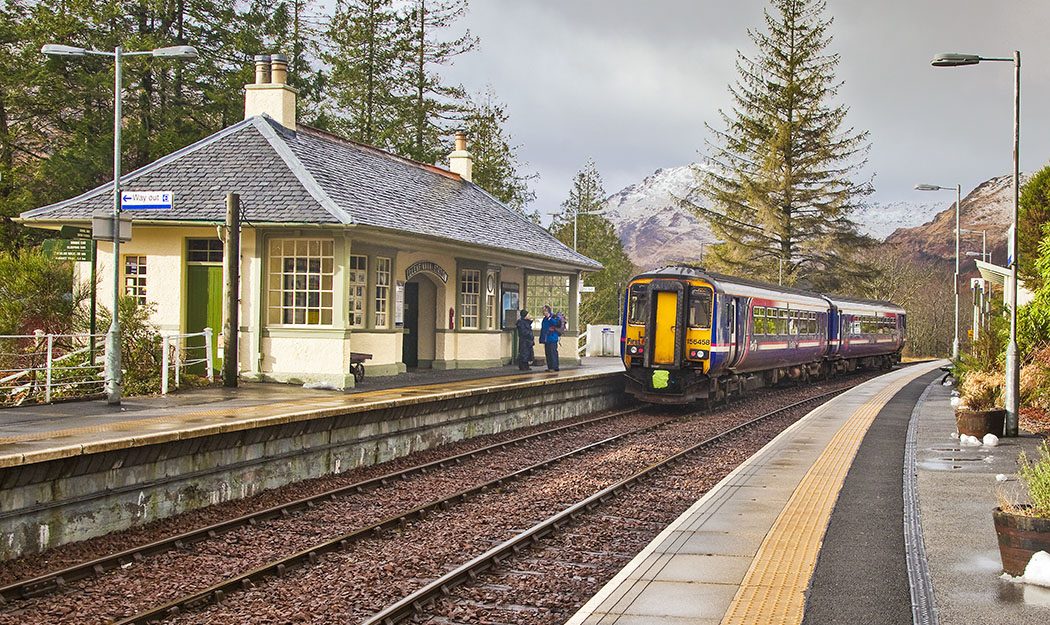
Glenfinnan Station is a beautiful and historic train station. It is located about halfway between the towns of Fort William and Mallaig, on a very scenic train line called the West Highland Railway. This line is famous for its stunning views of the Scottish Highlands. A normal train service, run by a company called ScotRail, uses this line for regular travel.
Additionally, the famous Jacobite steam train, which looks like an old-fashioned steam engine, also travels on this railway, making the station a popular spot for tourists and train lovers. At the station, you can visit a small, private railway museum. The museum is a special place because it is set up inside the station's original buildings.
This includes the old ticket office and the disused signalbox, which was once used to control the train signals. Visitors can explore these historic buildings and get a feel for what train travel was like in the past. To add to the experience, some old train cars are also kept at the station and are part of the museum display.
From Steam Engines To Wizarding Dreams: The Jacobite Train Experience
Riding The Real Hogwarts Express
I've ridden the Jacobite Steam Train multiple times, and each journey reveals something new. From our viewpoints, you can marvel at the sight and sound of the Jacobite steam train traversing the hillside and crossing the Viaduct. But experiencing it from inside the carriage transforms your understanding completely.
The moment when the train emerges onto the viaduct creates pure magic. Through the windows, Loch Shiel spreads out below while the monument stands sentinel in the distance. The rhythmic clacking of wheels on rails becomes a drumbeat connecting you to over a century of travelers who've made this same journey.
Familiar to Harry Potter fans the world over, Glenfinnan Viaduct has been wowing visitors since construction was completed in 1901. Hollywood discovered what railway passengers knew for decades: this is where landscape becomes cinema.
What Makes This Journey Unforgettable
The magic isn't just in the destination; it's in how the journey unfolds. The West Highland Line approaches Glenfinnan through a series of increasingly dramatic landscapes. You're lulled by lochs and glens, then suddenly the viaduct appears, an impossible concrete rainbow spanning the void.
Steam adds another dimension entirely. Unlike diesel trains, steam engines breathe. You hear the locomotive working, smell the coal smoke, and feel the power required to pull carriages up Highland gradients. When that steam cloud billows past your window as you cross the viaduct, you're not just a passenger, you're part of the performance.
Beyond The Tourist Trail: Glenfinnan's Hidden Stories
Local Legends Most Visitors Never Hear
Here's what guidebooks rarely mention: Glenfinnan's magic predates both monument and viaduct. Local folklore speaks of the "Glenfinnan Giant," a benevolent spirit who protected travelers crossing the dangerous waters of Loch Shiel. Clan Donald traditions held that anyone who could see the giant's reflection in the loch would receive his protection in battle.
The name itself carries a deeper meaning. "Gleann Fhionnghainn" translates roughly as "valley of the white ghost" or "valley of Fingal", connecting this place to Scotland's oldest legends. Some scholars argue this refers to Fingal, the legendary Gaelic hero whose stories influenced Romantic literature across Europe.
Even the monument's positioning follows ancient Highland tradition. Sacred sites were often marked where water, mountain, and glen converged, exactly where the monument stands. The builders may not have realized they were following thousand-year-old patterns, but Highland memory runs deeper than conscious thought.
The Leaning Tower Secret
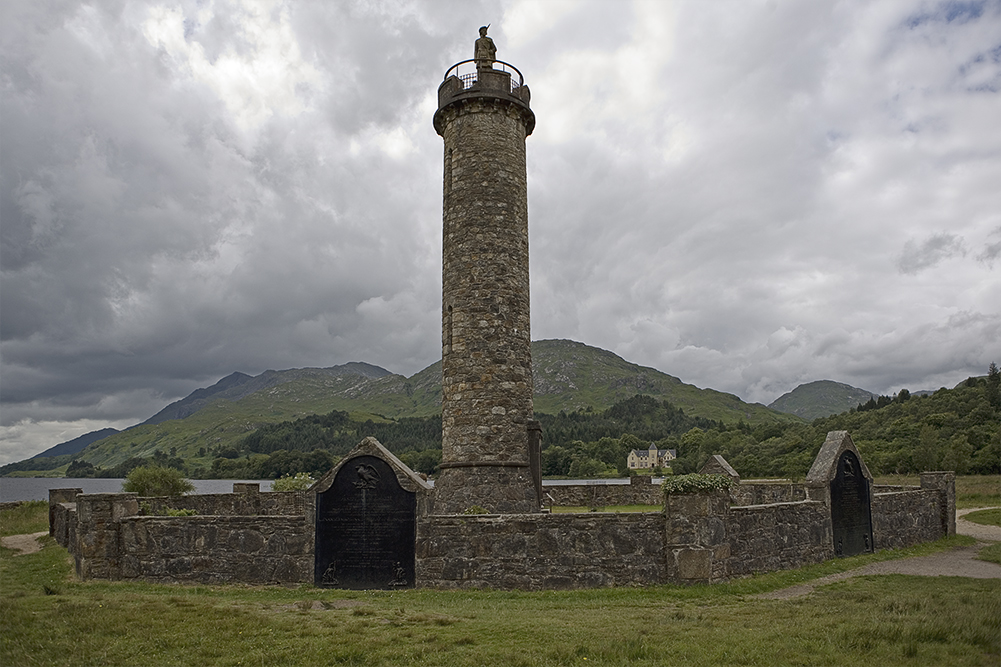
I discovered this by accident during one visit: the Glenfinnan Monument leans slightly. Not dramatically like Pisa, but enough that photographers who know about it can capture fascinating perspective shots. The lean developed over decades due to foundation settling; the monument is essentially sinking into the soft Highland soil.
This isn't structural damage; it's Highland geology asserting itself. The monument may commemorate human ambition, but the land underneath follows its own ancient rhythms. Somehow, this makes the monument more authentic, not less. Even stone surrenders to Highland time.
When To Visit For Pure Magic: Seasonal Secrets And Perfect Timing
Chasing The Perfect Steam Train Shot
October through early November offers the most dramatic photography opportunities. The autumn colors frame both monument and viaduct in gold and crimson, while the lower sun angle creates longer shadows that give depth to your images. The Jacobite Steam Train still runs regularly during this period, but crowds thin significantly after school returns.
Early morning visits reward you with mist rising from Loch Shiel—a natural special effect that makes the monument appear to float above the water. I've watched sunrise from the monument's base and felt like I was witnessing the Highland landscape being born fresh each day.
Weather Windows That Transform The Landscape
Highland weather changes the character of Glenfinnan completely. Clear days show off the engineering precision and historical grandeur. But don't dismiss overcast conditions; they create moody, atmospheric conditions that make both monument and viaduct seem more mysterious and ancient.
Winter visits require preparation but offer unique rewards. The viaduct's arches frame snow-covered peaks, while the monument stands out starkly against white landscapes. The Jacobite Train doesn't run in winter, but the silence allows you to hear what Bonnie Prince Charlie heard, wind across water, and through highland passes.
Walking In The Footsteps Of History: Exploring Glenfinnan Properly
The Monument Climb That Changes Everything
There are also Jacobite artefacts and an intricate model re-creating the moment of the 1745 Gathering - a favourite with every child who visits! But the real experience happens when you climb the monument itself. The narrow spiral staircase winds upward in near darkness, deliberately. The builders wanted visitors to experience the journey, not just the destination.
At the top, the Highland landscape spreads out in every direction. You understand immediately why this location was chosen for both historical gathering and memorial. From here, you can see the approach routes the Highland clans would have taken, the defensive advantages of the position, and the symbolic importance of standing where mountains meet water.
Trails That Lead To Untold Stories
The walk around Loch Shiel's northern shore takes you to where the Highland clans actually gathered in 1745. Most visitors never make this short hike, but it's where the real history happened. Standing on the actual shoreline where Highland boats landed, you feel the weight of that moment when Scottish clans committed to what would become their final rebellion.
The trail to the viaduct viewpoints reveals multiple perspectives on the engineering achievement. Each viewing angle shows different aspects of the construction, the mathematical precision of the arch spacing, the way the curve follows natural contours, and the impressive height that becomes more apparent from below.
Why This Place Matters Beyond Instagram: Cultural Significance
How Glenfinnan Shaped Scottish Identity
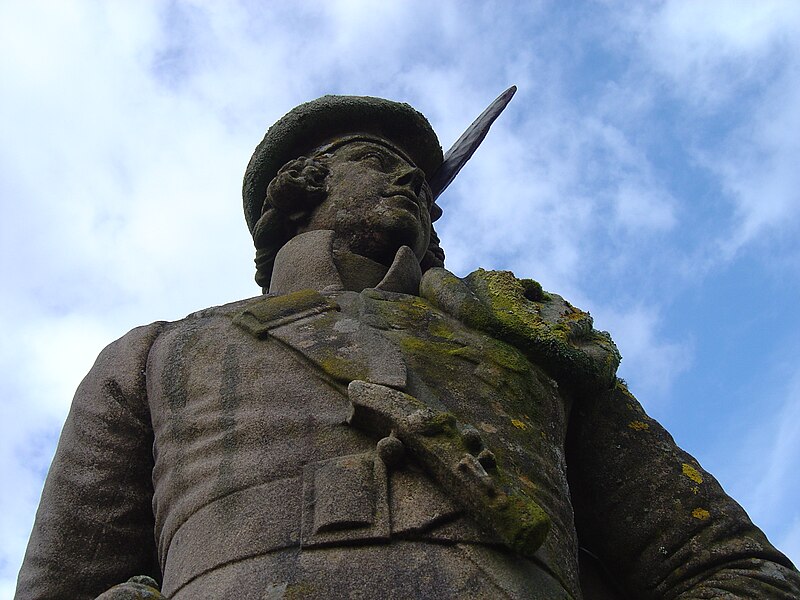
Glenfinnan represents the moment when romantic Scotland met practical Scotland, and both survived. The monument preserves the memory of Highland culture when that culture was under direct attack. The viaduct demonstrates Highland resourcefulness and determination to connect with the wider world.
Both structures emerged from different versions of Scottish pride. The monument celebrates what made Scotland distinct; the viaduct proves Scotland could master modern technology. Together, they represent a Scottish identity that embraces both tradition and progress.
The Hollywood Effect On Highland Culture
The Harry Potter connection brought global attention to Glenfinnan, but it also changed how people experience the place. Film tourism creates new ways of seeing familiar landscapes, but it can also obscure older, deeper meanings.
I've watched children who arrived expecting Hogwarts gradually discover the real history. The monument's story often proves more compelling than the movie connections. There's something powerful about realizing you're standing where actual history happened, not just where cameras rolled.
Planning Your Glenfinnan Adventure: Practical Wisdom
Getting There Without The Tourist Crowds
The A830 "Road to the Isles" brings most visitors to Glenfinnan, but arriving by train offers a completely different perspective. The West Highland Line approach reveals the landscape gradually, building anticipation for the dramatic viaduct crossing.
Early morning or late afternoon visits avoid the busiest periods while offering the best light for photography. The monument opens from early morning, but the visitor center operates more limited hours. Check current schedules before traveling.
Local Insights For Authentic Experiences
The nearby Glenfinnan House Hotel offers afternoon tea with views of the monument, a civilized way to absorb the atmosphere while supporting the local economy. The house itself has historical connections to the Jacobite period, adding authenticity to your visit.
Local guides can share stories that don't appear in official histories. The area around Glenfinnan holds dozens of smaller historical sites connected to the 1745 rising, clan histories, and Highland clearances. These human-scale stories complement the grand monuments and help you understand how major historical events affected ordinary people.
The Best Views And Photo Spots
- The Main Viewpoint: The most popular spot is the elevated trail from the Glenfinnan Viaduct Car Park. It’s an easy 15-minute walk to a great vantage point, but it will be crowded.
- The Upper Trail: For a less-crowded view, I’d suggest hiking a bit further up the hill on a smaller, less-maintained path. The views from here are more expansive and offer a more unique perspective.
- Loch Shiel View: Don't forget to take the short walk from the monument to the shores of Loch Shiel. This spot offers a serene, beautiful view of the viaduct across the water and provides a different kind of photo opportunity.
Restaurants In Glenfinnan
Glenfinnan Station Museum Dining Car

Breakfast in an antique original dining car 🥞 Scottish Highlands | Glenfinnan train station
Located at Station Road, Glenfinnan, Scotland PH37 4LT, this unique restaurant holds the distinction of being the top-rated dining establishment in Glenfinnan. With a 4.7 out of 5-star rating and ranked #1 of 4 restaurants in Glenfinnan based on 459 TripAdvisor reviews, it offers an experience unlike any other restaurant in Scotland.
The dining car was built in 1958 and retains many of its original features, but has been converted into a comfortable dining space. This 1950s railway carriage features a veranda viewpoint that provides perfect vantage points for watching the famous Jacobite Steam Train cross the nearby viaduct.
The atmosphere is authentically nostalgic, transporting diners back to the golden age of railway travel while offering modern comfort and excellent food. The restaurant operates Tuesday through Saturday from 8:30am to 4:30pm, with Friday closing at 4pm and Monday offering lunch only from 11am to 3pm during July and August. They remain closed on Sundays.
Their menu focuses on whole leaf teas, freshly ground coffee, breakfast rolls, light lunches, and a selection of home baking, emphasizing good quality home cooking that combines traditional classics with the chef's own recipes. A bonus for diners is a free museum tour included when dining, and group bookings are available by prior arrangement.
Glenfinnan House Hotel Restaurant
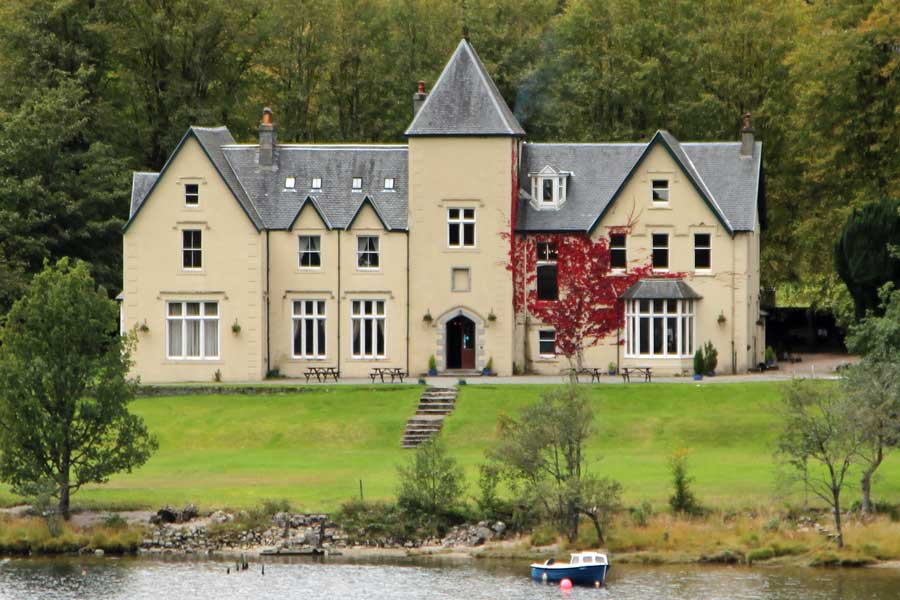
Situated at Glenfinnan by Fort William, Highland Region PH37 4LT, and reachable at +44(0)1397 601113 or info@glenfinnanhouse.com, this establishment offers the most elegant dining experience in the area. With 4.6 out of 5 stars and ranked #2 of 4 restaurants in Glenfinnan based on 203 reviews, it provides multiple dining experiences within one historic location.
The restaurant is housed in a beautiful 18th-century pine-panelled mansion house situated in its own grounds overlooking Loch Shiel, Ben Nevis, and the Glenfinnan Monument. This stunning setting provides one of the most romantic and picturesque dining environments in the Scottish Highlands. The views alone make the experience memorable, but the quality of food and service elevates it further.
The hotel offers varied dining options throughout the day to accommodate different preferences and occasions. Breakfast is served from 7:30am to 10:00am at £21.00 for non-residents, while the Bar Lunch Menu runs from 11:30am to 6:00pm. Their BBQ Menu operates from 12:00pm to 5:00pm daily, and both Bar Dinner and Restaurant Dinner Menus are available from 6:00pm to 9:00pm. Booking is essential for evening meals, particularly during the busy tourist season.
The Dining Room represents culinary artistry meeting opulent surroundings, with expert chefs creating bespoke menus featuring locally sourced delicacies and innovative culinary techniques. The restaurant specializes in traditional Scottish cuisinewith modern interpretations of classic Highland dishes. The Bar Lounge provides a more casual dining atmosphere while maintaining the hotel's commitment to quality ingredients and preparation.
The Prince's House Hotel

A former 17th-century coaching inn, The Prince's House Hotel provides a cozy and casual dining atmosphere. The hotel offers a selection of fine dining and à la carte menus, with a focus on delicious home-cooked meals.
The decor is described as lovely, creating a welcoming and comfortable environment. The food is highly praised, with one guest calling their dinner "amazing" and noting that it was made from local ingredients.
Another review highlighted the "delicious" food and "super friendly staff" who accommodated them at the last minute. The restaurant also offers some intriguing flavors of homemade ice cream for dessert, which one guest particularly enjoyed. Address: Glenfinnan PH37 4LT, UK
Frequently Asked Questions About Glenfinnan
What's The Best Time Of Year To Visit Glenfinnan?
Late spring through early autumn (May-October) offers the most reliable weather and regular Jacobite Steam Train service. October provides stunning autumn colors with fewer crowds. Winter visits can be magical but require weather-appropriate preparation, and the steam train doesn't operate.
How Long Should I Plan To Spend At Glenfinnan?
A quick visit focusing on monument photos and viaduct views takes 2-3 hours. A full experience, including monument climbing, visitor center exhibition, train spotting, and shoreline walks, requires 4-6 hours. Serious photographers and history enthusiasts often spend entire days exploring different viewpoints and trails.
Can You Climb Inside The Glenfinnan Monument?
Yes, visitors can climb the monument's internal spiral staircase to reach the top viewing platform. The climb involves 168 steps in a narrow, winding staircase. The views from the top are spectacular but require moderate physical fitness. The monument may close in severe weather conditions.
Is There A Fee To Visit Glenfinnan?
The monument grounds and most viewing areas are free to access. There's a charge for climbing the monument and visiting the National Trust for Scotland visitor center. Car parking fees apply at the main car park. The Jacobite Steam Train requires booking and can be expensive, especially during peak season.
How Do I Photograph The Hogwarts Express At Glenfinnan?
The Jacobite Steam Train crosses the viaduct twice daily during the operating season (check current schedule). Prime photography spots get crowded, so arrive early. The train schedule varies by season, and weather can affect operations. Alternative viewpoints exist for those willing to hike to less crowded locations.
What Facilities Are Available At Glenfinnan?
The National Trust visitor center includes a gift shop, café, restrooms, and a historical exhibition. Car parking is available but fills up during peak times. The nearby Glenfinnan House Hotel offers meals and accommodation. Limited mobile phone coverage in some areas, so plan accordingly.
Can You Visit Glenfinnan By Public Transport?
Yes, the West Highland Line railway stops at Glenfinnan station, located within walking distance of both the monument and viaduct. This creates the unique opportunity to arrive by the same railway that crosses the famous viaduct. Bus services also connect Glenfinnan to Fort William and Mallaig.
Are There Guided Tours Available At Glenfinnan?
The National Trust visitor center offers information and displays about both the monument and local history. Local tour operators provide guided walks and historical interpretation. Some tours combine Glenfinnan with other Highland sites. Audio guides may be available for self-guided exploration of the monument and the surrounding area.
Conclusion
Standing at Glenfinnan today, you join a conversation that spans centuries. Highland clans who answered a prince's call, Victorian engineers who refused to accept "impossible," and millions of visitors who've discovered that some places transcend their physical boundaries to become symbols of human aspiration.
I keep returning to Glenfinnan because each visit reveals something new. Sometimes it's the way afternoon light transforms the viaduct's arches into cathedral windows. Other times, it's recognizing how the monument's Highland figure mirrors the determination of the engineers who built the railway. Occasionally, it's simply the silence that follows when the last tourist departs and you're alone with Highland wind and water.
Your Glenfinnan experience will be uniquely yours, but it will connect you to everyone who's ever stood in this legendary place and understood that geography becomes sacred when human dreams intersect with Highland landscape. Come prepared to witness history, but expect to become part of the story that makes Glenfinnan truly legendary.
Jump to
Why Glenfinnan Captures Hearts Across Centuries
Key Takeaways
Standing Where Legends Were Born: The Monument That Defies Time
When Engineering Became Art: The Viaduct That Conquered The Impossible
From Steam Engines To Wizarding Dreams: The Jacobite Train Experience
Beyond The Tourist Trail: Glenfinnan's Hidden Stories
When To Visit For Pure Magic: Seasonal Secrets And Perfect Timing
Walking In The Footsteps Of History: Exploring Glenfinnan Properly
Why This Place Matters Beyond Instagram: Cultural Significance
Planning Your Glenfinnan Adventure: Practical Wisdom
Restaurants In Glenfinnan
Frequently Asked Questions About Glenfinnan
Conclusion

Callum Fraser
Author
Callum Fraser isn't just a writer about Scotland; he's a product of its rugged landscape and rich history. Born and raised in Perthshire, with the Highlands as his backyard, his love for the nation's stories was kindled by local storytellers and long walks through ancient glens.
This passion led him to pursue a degree in Scottish History from the University of Edinburgh. For over 15 years, Callum has dedicated himself to exploring and documenting his homeland, fusing his academic knowledge with essential, on-the-ground experience gained from charting road trips through the Cairngorms, hiking the misty Cuillins of Skye, and uncovering the secrets of traditional recipes in his family's kitchen.
As the Editor-in-Chief and Lead Author for Scotland's Enchanting Kingdom, Callum's mission is simple: to be your most trusted guide. He combines meticulous research with a storyteller's heart to help you discover the authentic magic of Scotland — from its best-kept travel secrets to its most cherished traditional recipes.
Latest Articles
Popular Articles